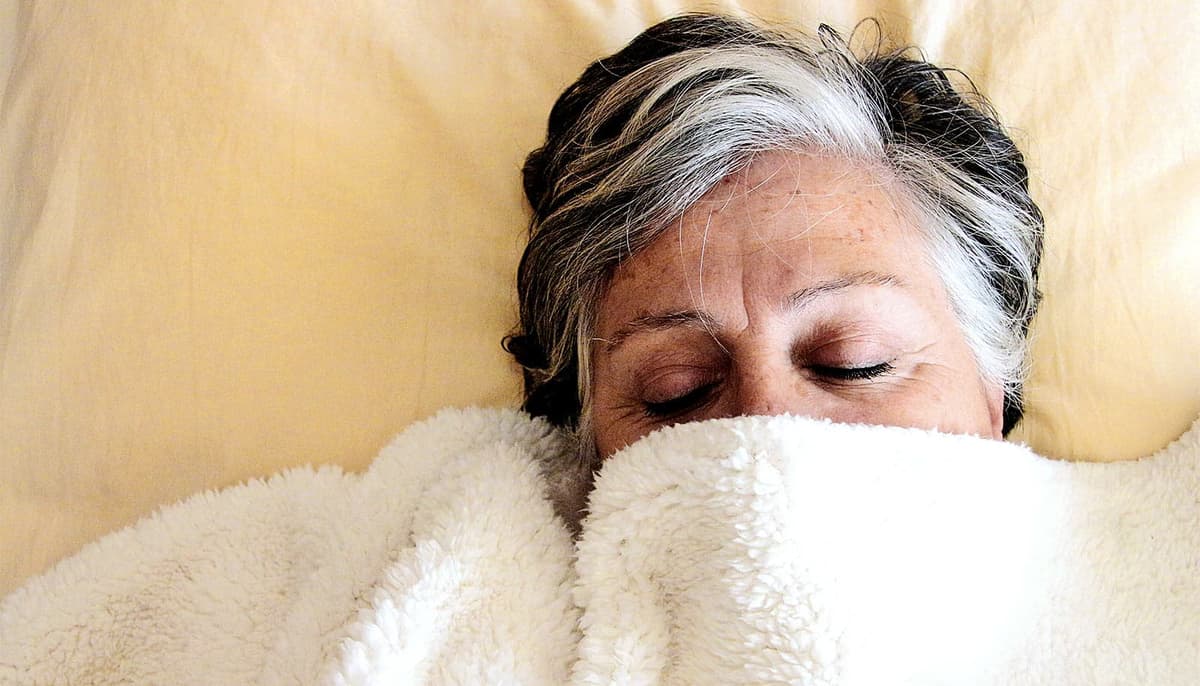
The Right Exercise Improves Sleep Most for Older Adults with Cognitive Impairment
A Texas A&M study using Oura Rings found that high‑intensity exercise most effectively reduces sleep disturbances in older adults with mild cognitive impairment (MCI). Light activity also helped, but moderate exercise showed no significant impact. The research tracked seven residents over 14 days, linking each extra second of vigorous activity to a 0.2‑second drop in sleep disruptions. With the U.S. MCI population projected to exceed 21 million by 2060, the findings suggest targeted workouts could improve sleep and potentially slow cognitive decline.
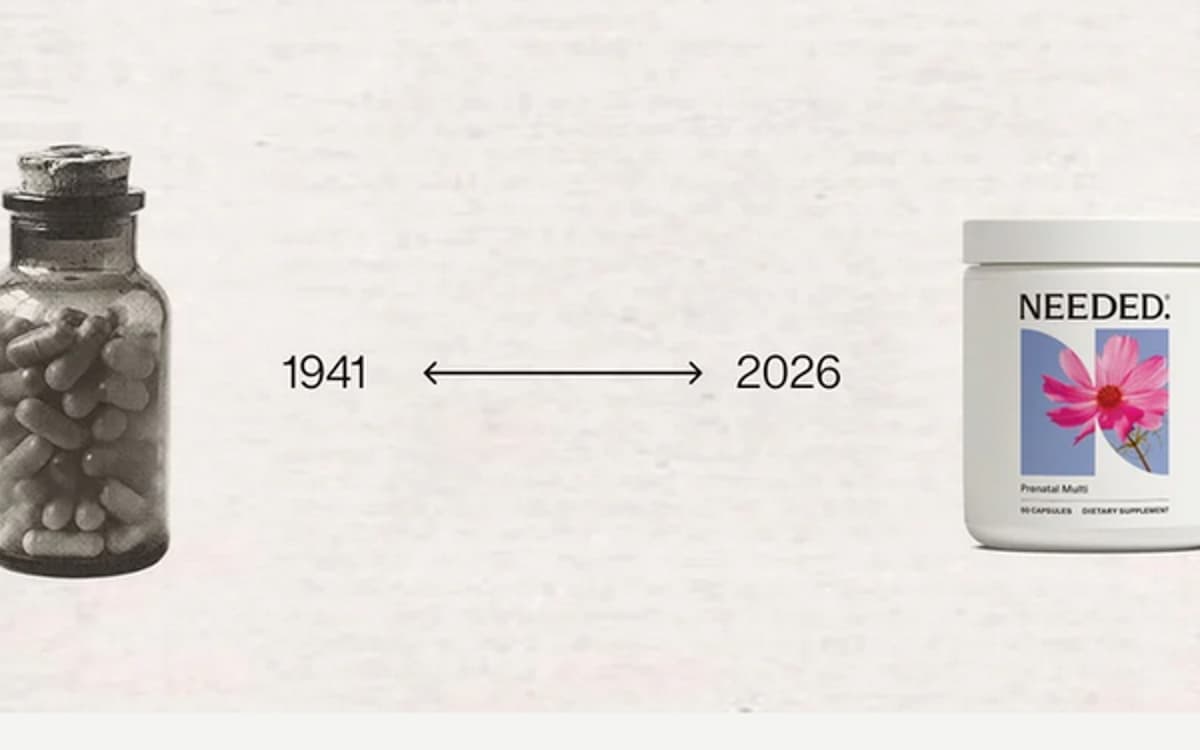
'NYT' Ad Seeks Higher Prenatal Nutrition Standards
Women’s health supplement startup Needed placed a full‑page ad in the April 26 New York Times demanding modernized U.S. prenatal nutrition standards. The company argues that the current guidelines, set in 1941 and based on data from a largely male population, leave...

This New Take on Moving Meditation Levels Up Your Daily Walk
Yoga Journal highlights a fresh take on walking yoga, a form of moving meditation that merges breath, steps, and gentle poses to deepen mindfulness during everyday walks. The practice, gaining traction on social media and through dedicated apps, promises mental‑health...
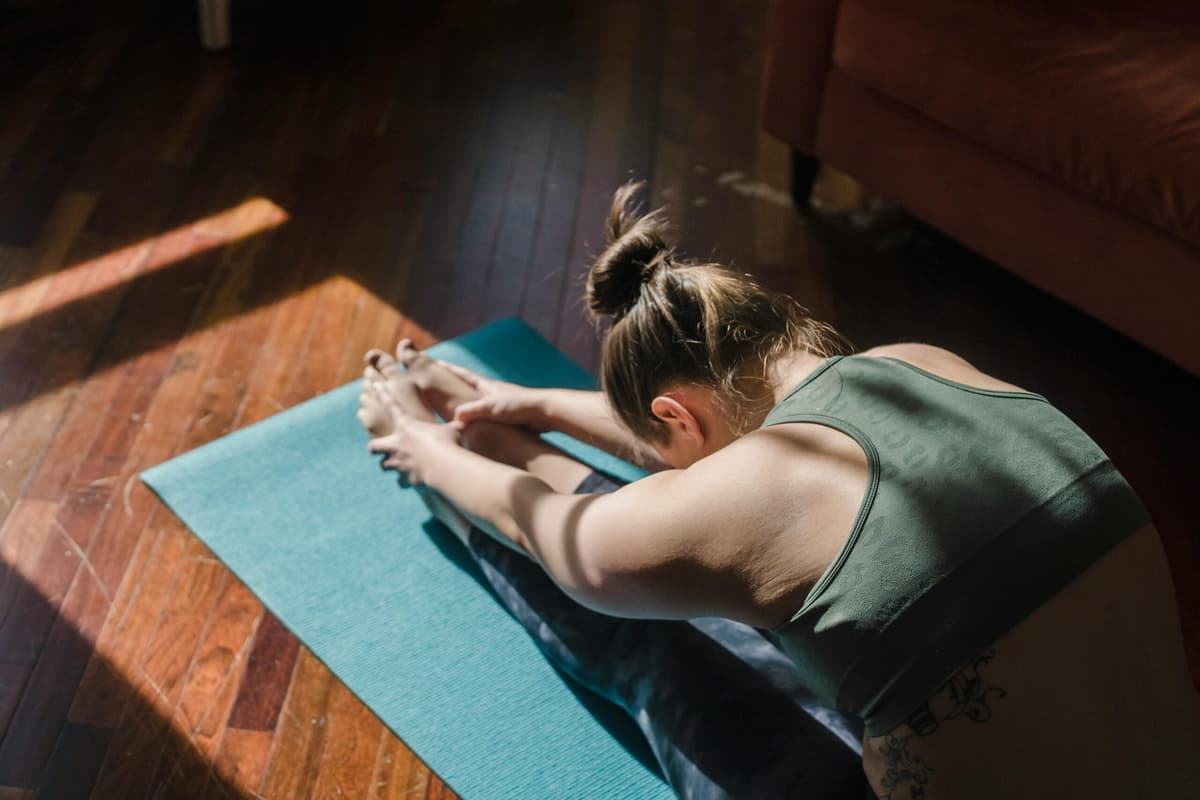
4 Reasons Gentle Yoga Feels Challenging—And How to Make It More Approachable
Gentle yoga, often marketed as a low‑intensity alternative, can feel more demanding than fast‑paced vinyasa because the slower pace amplifies internal sensations and emotions. The practice heightens interoceptive awareness, exposing students to lingering tension, anxiety, or mental chatter that they...

Why Squishy Toys Feel so Good: What the NeeDoh Craze Reveals About Brain and Sensory Needs
NeeDoh, a new gel‑filled squishy toy, has gone viral on social media and is selling out fast. The tactile experience triggers brain regions linked to emotional regulation, helping users feel calmer and more focused. While the craze mirrors earlier fidget‑toy...

5 Lessons on Vanity: An Invitation to Awareness and Letting Go
The essay recounts a personal journey from teenage modeling to senior adulthood, extracting five lessons about vanity, aging, and self‑acceptance. It illustrates how early beauty training imposed physical pain and emotional cost, leading to a realization that external validation is...

Hertility CEO Helen O’Neill on Building a Foundational Model for Women’s Health
Hertility, a UK‑based women’s health startup, has created a diagnostic system that can identify endometriosis with 98‑99% confidence in just eight days, dramatically cutting the NHS’s average nine‑year diagnostic timeline. The platform combines AI‑driven data collection—capturing menstrual‑cycle information on the...
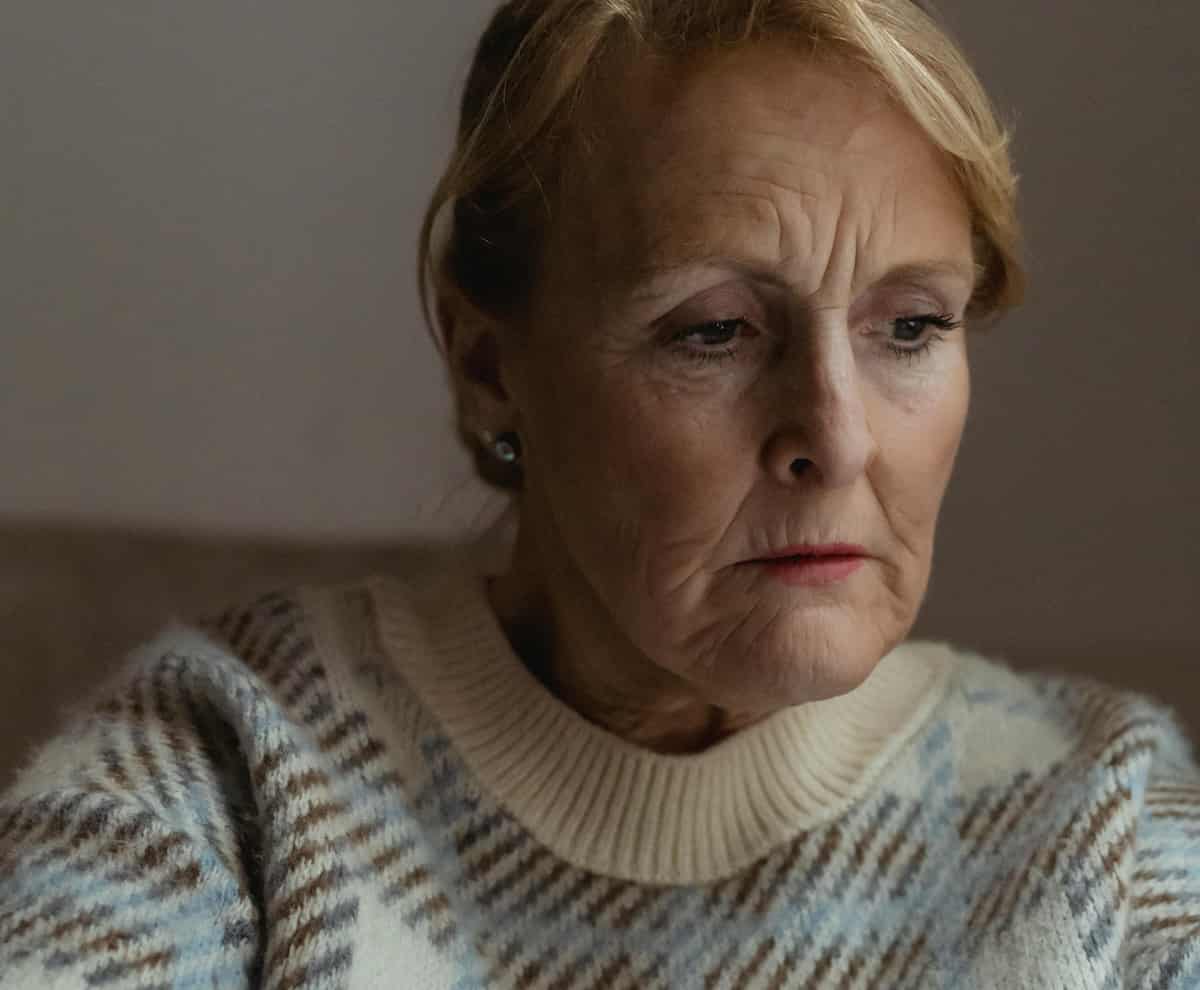
This Gas Provides Rapid Relief For Major & Treatment-Resistant Depression (M)
Recent clinical investigations show that inhaled nitrous oxide can alleviate symptoms of major depressive disorder, including cases resistant to standard therapies, within hours of administration. Across multiple small‑scale trials, roughly 40% of participants achieved remission after a single session, with...
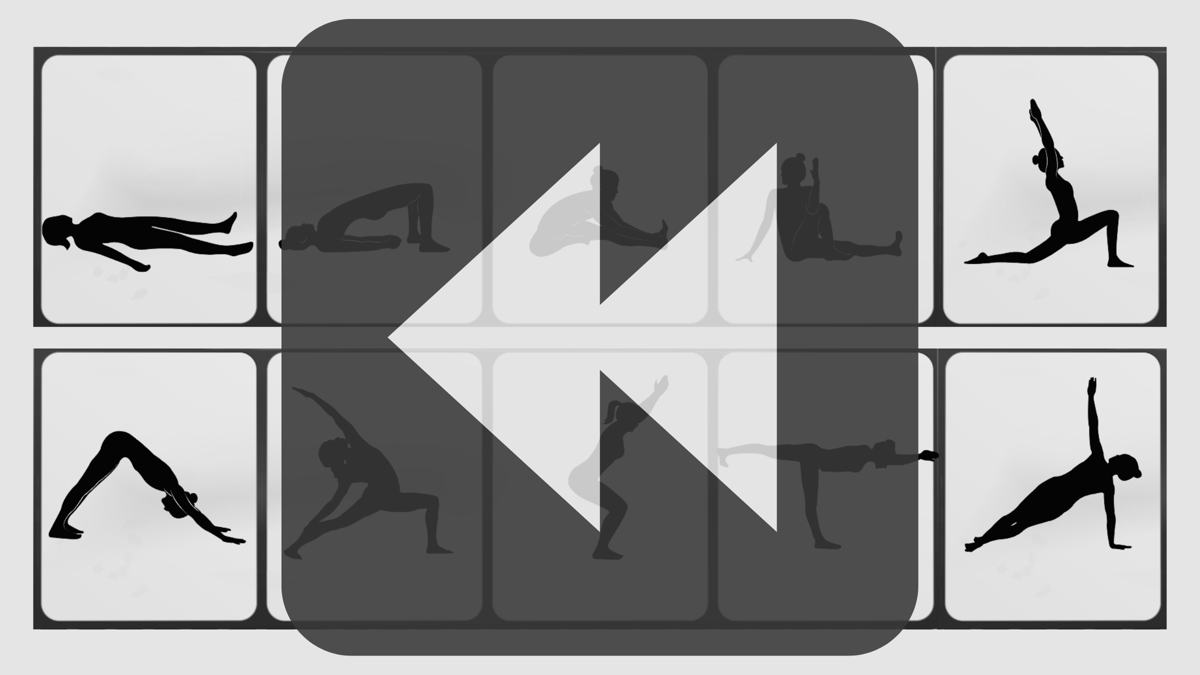
Have You Ever Tried Practicing Yoga Backwards? Hear Us Out.
Yoga Medicine specialist Rachel Land introduces a "reverse yoga flow" that flips the traditional sequence, beginning with Savasana and ending in a standing Mountain Pose. The five‑stage framework starts in stillness, adds gentle movement, builds momentum, reaches full‑body intensity, and...
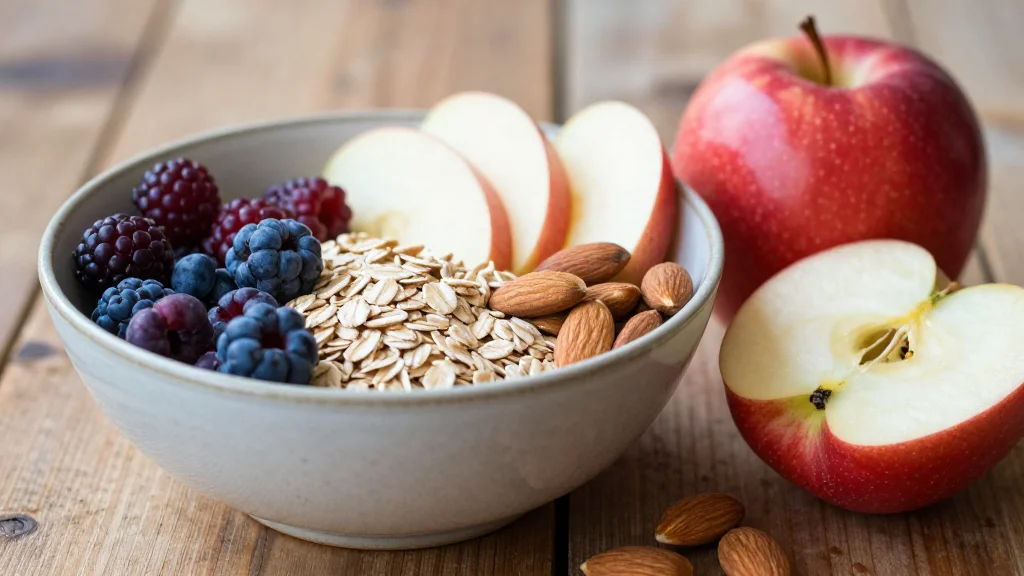
This NHS Fibre Target Most of Us Miss Could Secretly Be Key to Making Your Skin Look Healthier and Plumper
Researchers have linked the NHS’s 30‑gram daily fiber target to clearer, more hydrated skin. Most adults fall about 10 g short, missing out on short‑chain fatty acids that reinforce the skin barrier and curb inflammation. A 2025 Journal of Investigative Dermatology...

Specifying Wellness: Certified Organic Bedding Guide
The guide highlights that bedding is a critical, yet often ignored, component of wellness‑focused interior design. It explains why certified organic mattresses and linens matter, detailing the health risks of synthetic foams, flame retardants, and VOCs that linger in bedrooms....

Sleep Apnea in Bodybuilders: How Muscle Mass Impacts Sleep, Recovery & Heart Health
Medical research now links the increased neck and chest mass typical of bodybuilders to a higher incidence of obstructive sleep apnea (OSA). A wider neck and bulky chest can narrow the airway, causing oxygen drops that impair recovery, cognition, and...
Regular Sex Is Linked to Fewer Daily Menopause Symptoms, Survey Finds
A cross‑sectional survey of more than 4,000 Japanese women aged 40‑79 found that those who reported sexual intercourse within the past three months experienced fewer daily genitourinary menopause symptoms such as dryness, irritation and pelvic pain. The analysis compared 716...
Here’s Exactly What to Do If You Had a Bad Night of Sleep, According to Sleep Doctors
Sleep doctors Rachel Salas (Johns Hopkins) and Rebecca Robbins (Harvard) outline how to bounce back after a single night of poor sleep. They stress that occasional sleep loss is normal, but recovery can be accelerated with targeted habits such as...
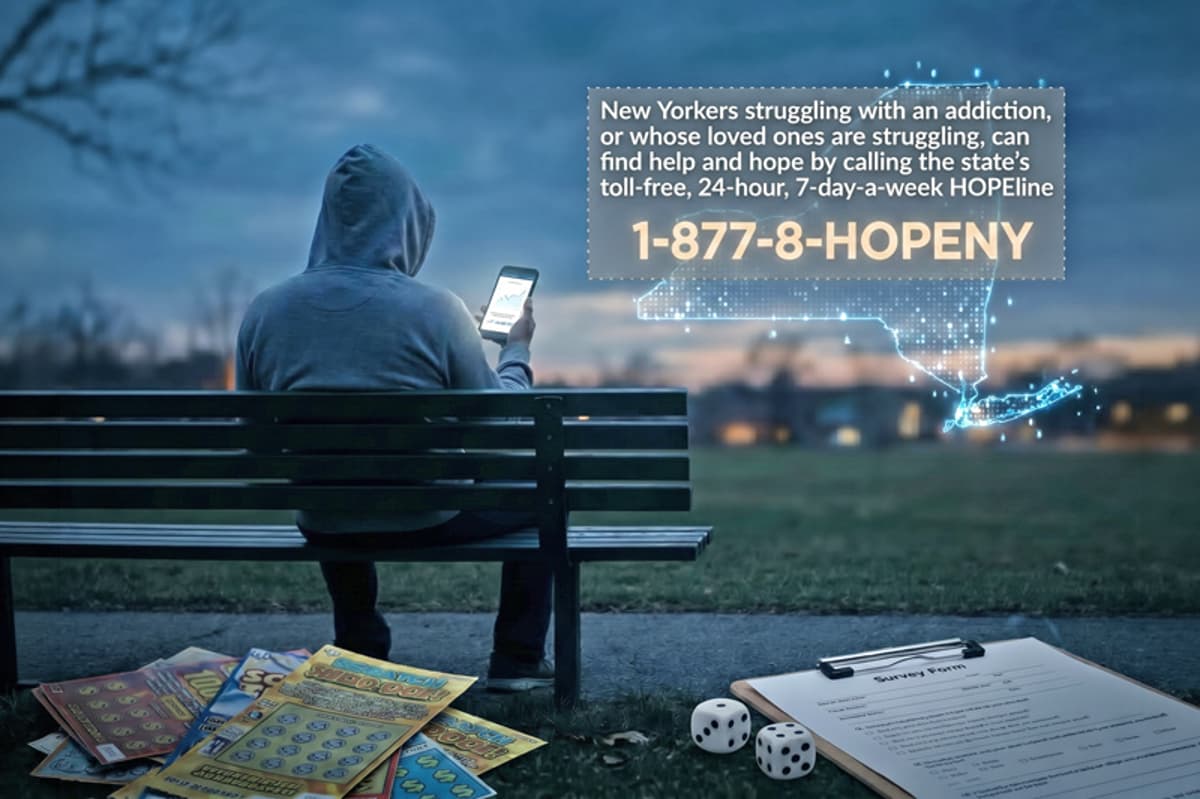
Governor Hochul Announces Launch of New 10-Year Statewide Effort to Assess Gambling Addiction and Behaviors in New York State
Governor Kathy Hochul announced a decade‑long, statewide survey to assess gambling behaviors and problem‑gambling prevalence among New Yorkers aged 18 and older. The New York State Office of Addiction Services and Supports (OASAS) will administer questionnaires, interviews and focus groups,...
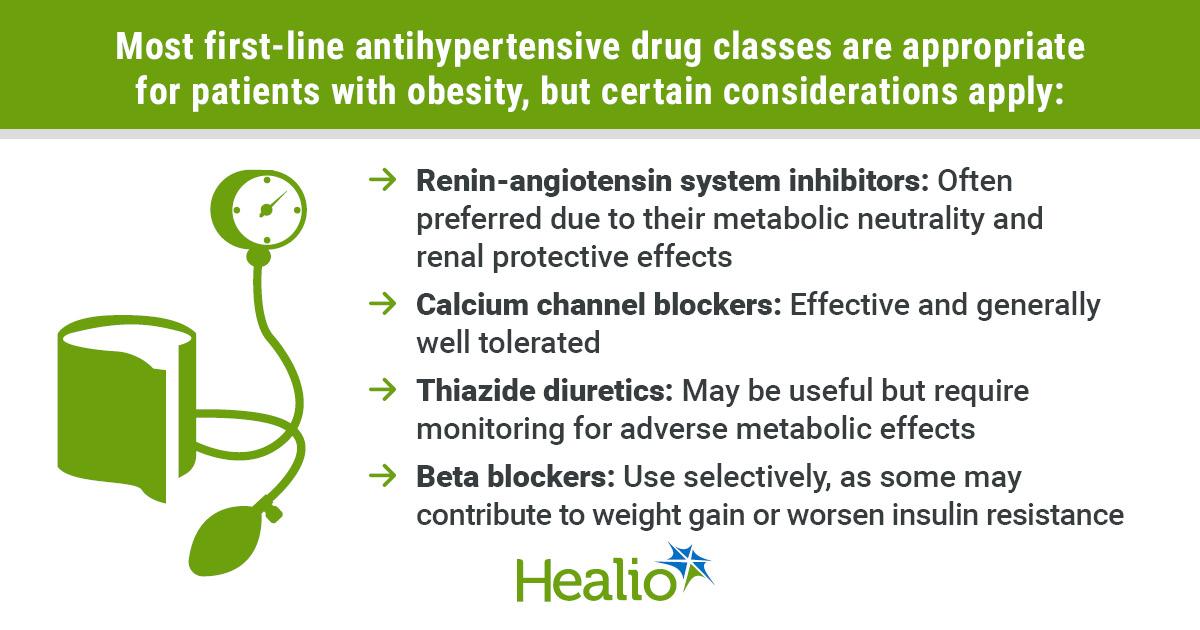
Why Blood Pressure Control Starts with Weight Management
The Obesity Medicine Association stresses that obesity is a primary, modifiable driver of hypertension. Clinical data show a 5‑10% reduction in body weight typically lowers systolic pressure by 5‑10 mm Hg, and 50‑75% of obese adults already have elevated blood pressure. The...
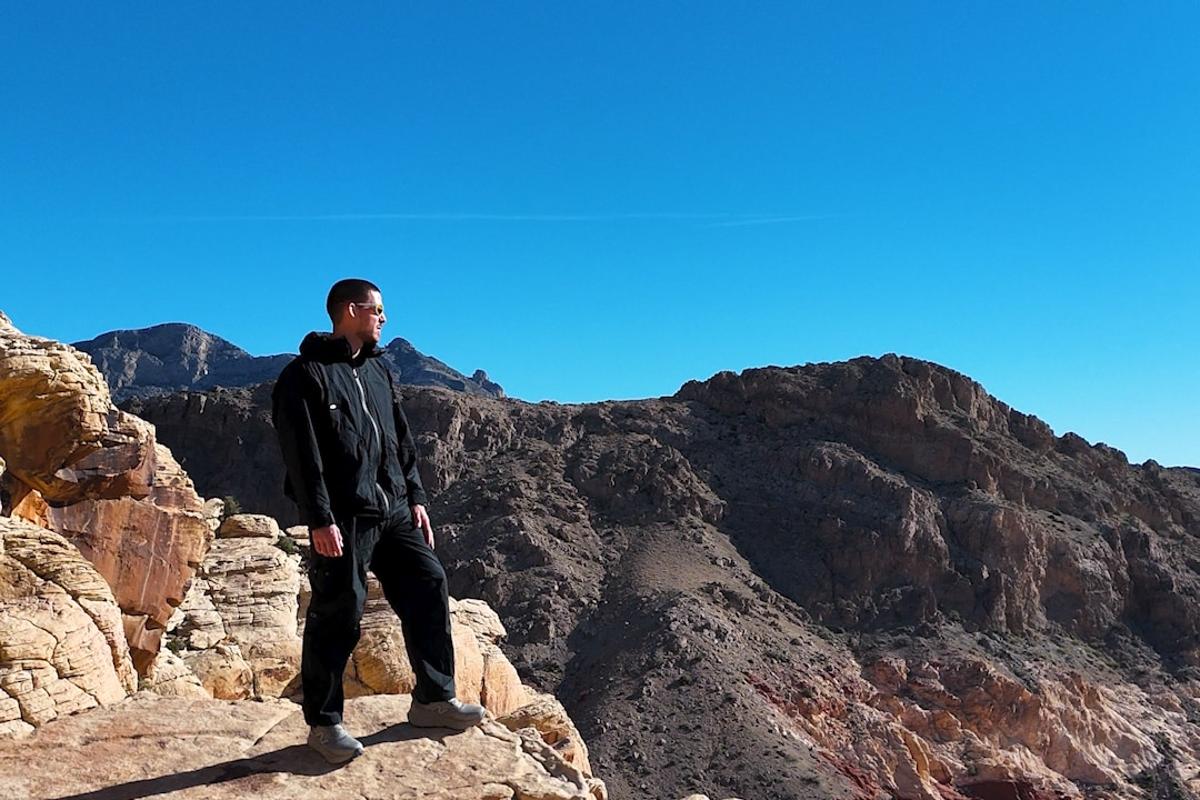
Going ‘Field Mode’ with Roger Scott
Roger Scott, a 34‑year‑old Las Vegas content creator, has teamed up with Oakley to test its new Field Gear line. Known for sharing marathon runs, family moments, and outdoor adventures, Scott’s audience has grown alongside the broader "gorpcore" and "touching...
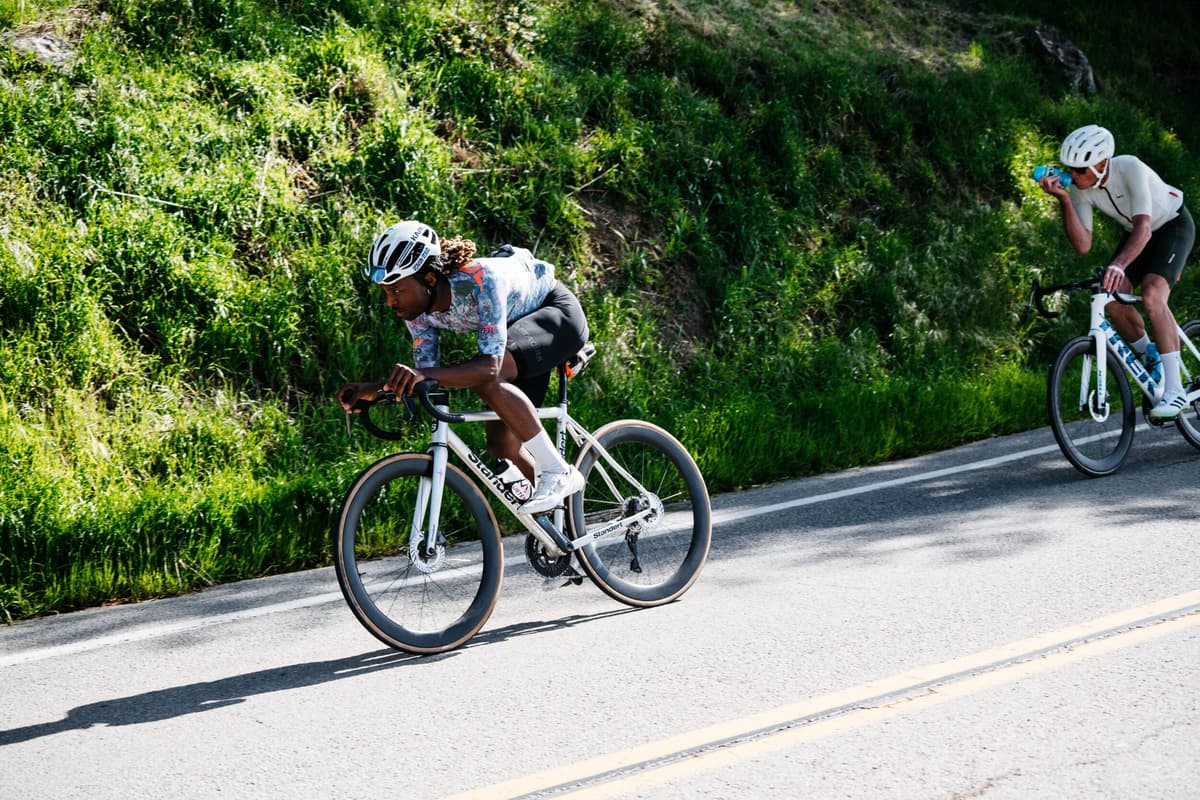
This 10 Minute Shoulder Mobility Routine Will Save Your Posture on the Bike
Cyclists face chronic shoulder tightness from prolonged forward‑leaning positions, which can impair breathing, performance, and everyday comfort. Trainer Natascha Grief proposes a ten‑minute, equipment‑free shoulder mobility routine that can be slotted into daily pockets of time, such as waiting for...
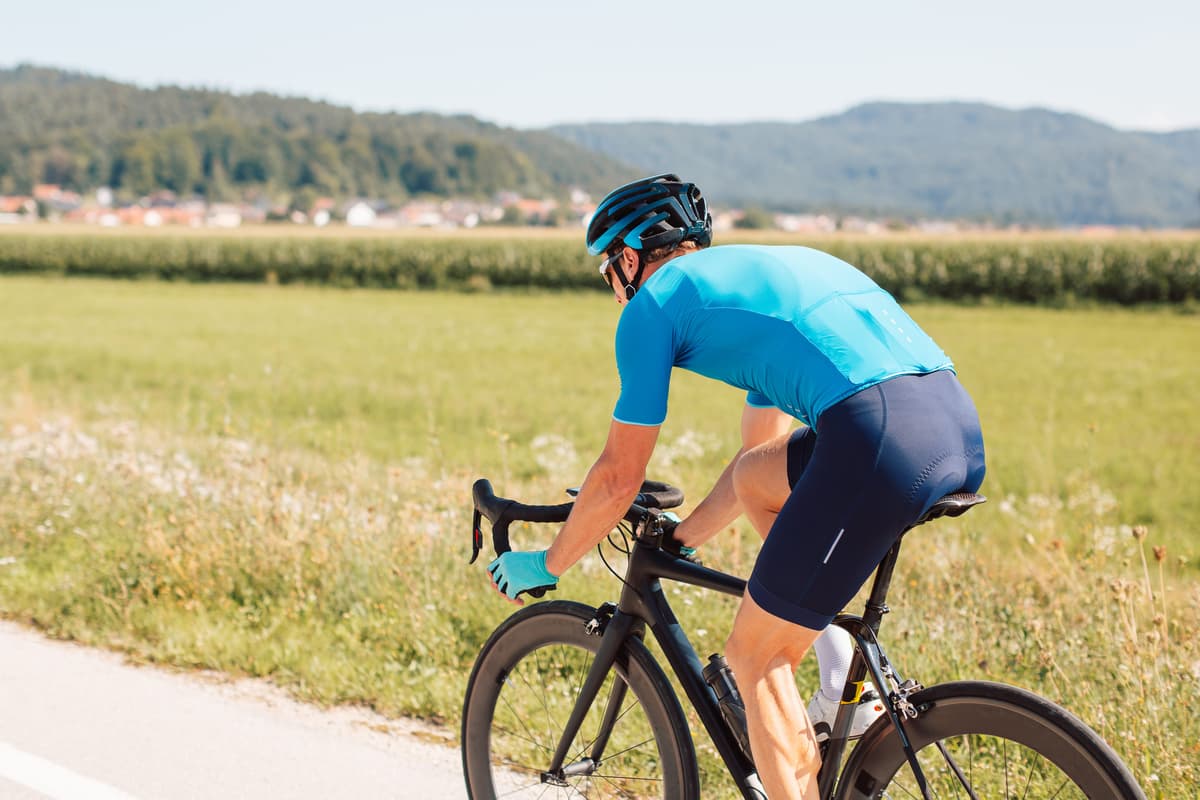
This HIIT for Beginners Guide Explains Why You Need the Challenge and How To Do It
High‑intensity interval training (HIIT) is gaining traction as a time‑efficient way to boost cardiovascular fitness, mental health, and longevity, with research showing measurable gains in VO₂ max within four weeks. For cyclists, HIIT sharpens both anaerobic power for sprints and aerobic...
:max_bytes(150000):strip_icc():format(jpeg)/GettyImages-1343124429-4f2e9e745b094df08ce39fc8b2ca6e74.jpg)
6 Simple Ways to Help Your Child Manage Their Anger Without Losing Your Cool
The article outlines six practical strategies for parents to help children manage anger without losing composure. It emphasizes acknowledging the child's feelings, teaching verbal expression, and guiding toward constructive solutions. Techniques include slowing down responses, creating quiet spaces, and setting...
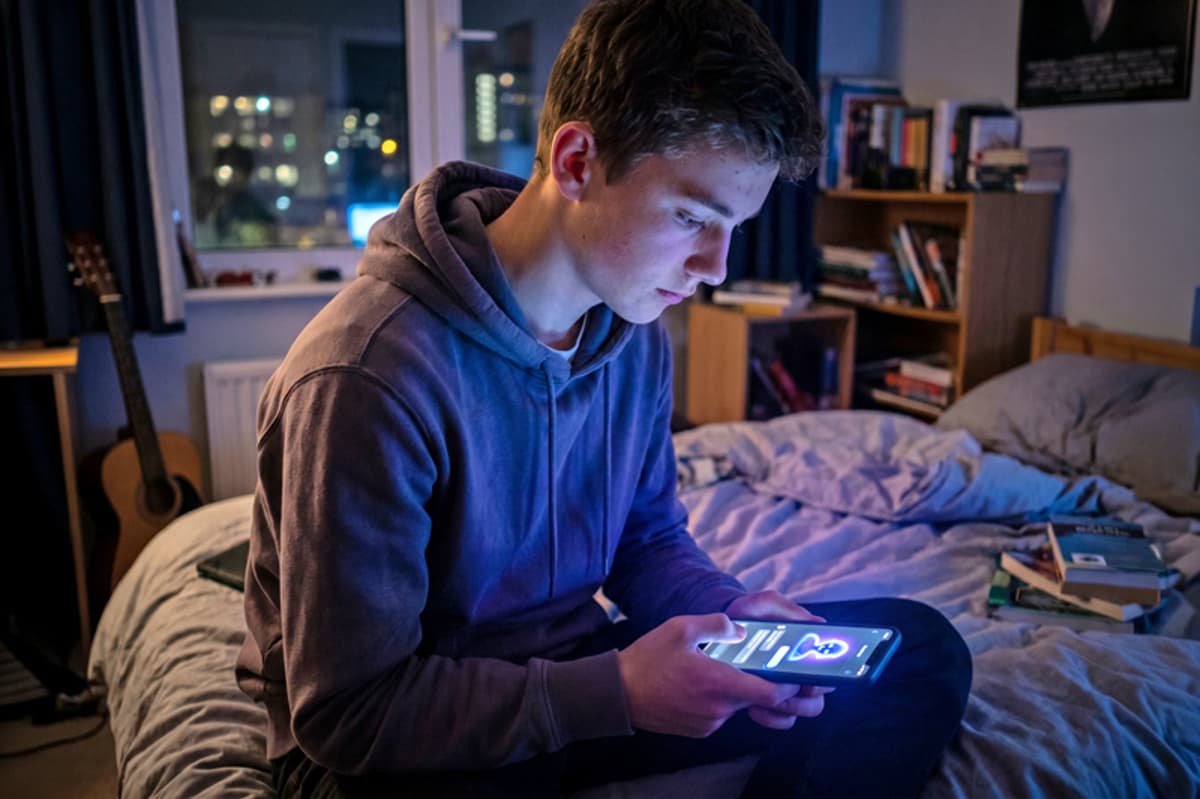
The Rise of AI Companions and What It Means for Youth Mental Health
Young people are increasingly turning to AI chatbots as emotional companions, using them to vent, seek advice, and fill gaps when human support is unavailable. Early studies show modest short‑term reductions in anxiety and distress, highlighting potential therapeutic benefits in...
Musculoskeletal Disorders Are Draining Employer Health Budgets — The Workplace Itself May Be the Cause
Musculoskeletal (MSK) disorders now represent one of the largest cost drivers for employers, affecting roughly half of workers with company‑provided health plans. Up to $90 billion in avoidable expenses stem from surgeries—many of which are unnecessary—and recurring pain after treatment. The...
Mother and Baby Mental Health Unit to Go Ahead
The Northern Ireland health minister announced that a permanent mother‑and‑baby mental‑health unit will be built on the Belfast City Hospital site, with a design team appointed immediately. The unit, slated to open no later than the 2028/29 fiscal year, will...

All the Sad Young Chinese Professionals
The "Are You Dead?" app, which let users check in every 48 hours to alert contacts if they missed a check‑in, became China’s top paid iPhone download before being forced off the App Store by regulators. Its removal highlights a...

Why Online Fitness Advice Can Seem so Contradictory
Online fitness advice often feels contradictory because experts tailor guidance to different audiences, from beginners to powerlifters. Social media platforms reward detailed debates, turning minor technique nuances into viral arguments. Trainers use cues as nudges rather than universal rules, which...

The Hidden Costs of Ignoring Mental Health at Work
A construction foreman's suicide exposed a critical gap: many firms lack post‑vention plans, leaving managers to navigate grief without guidance. The article quantifies the broader economic toll, citing Ohio’s estimate of nearly $300 billion in annual productivity loss from untreated mental...
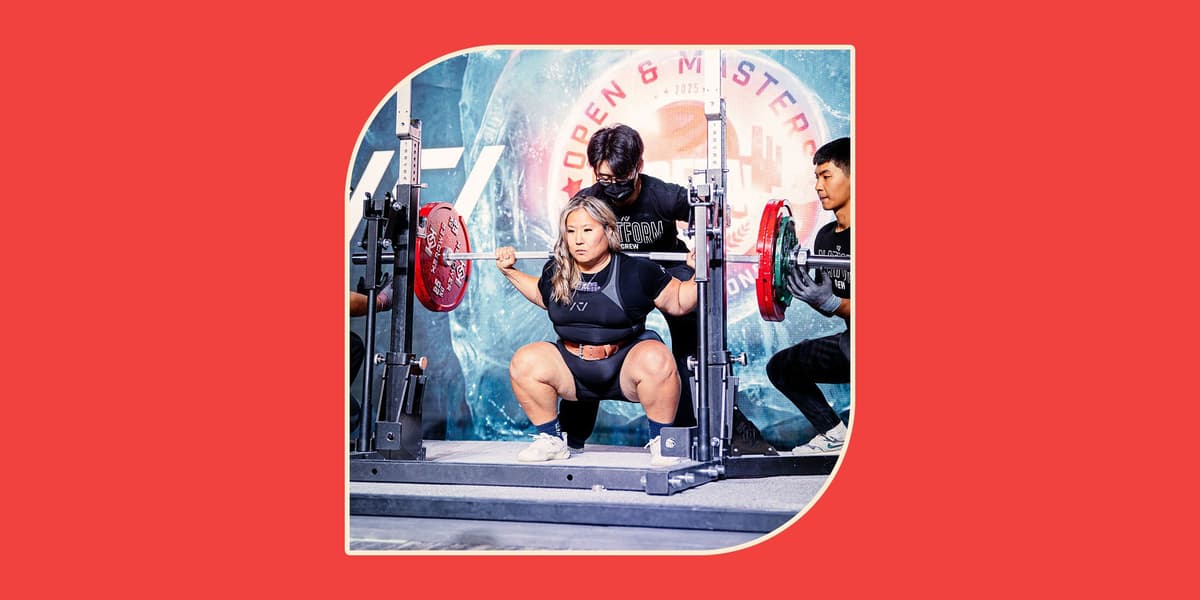
Why Taylor Beebe Wants More Women To Take Up Space in the Gym (And in Life)
Taylor Beebe, a trainer and Strength in Diversity alum, competed in the International Drug‑Free Association Powerlifting World Championships in Seoul in the masters 40‑49 division. In a post‑competition interview she urged women to claim space in gyms and in life by...
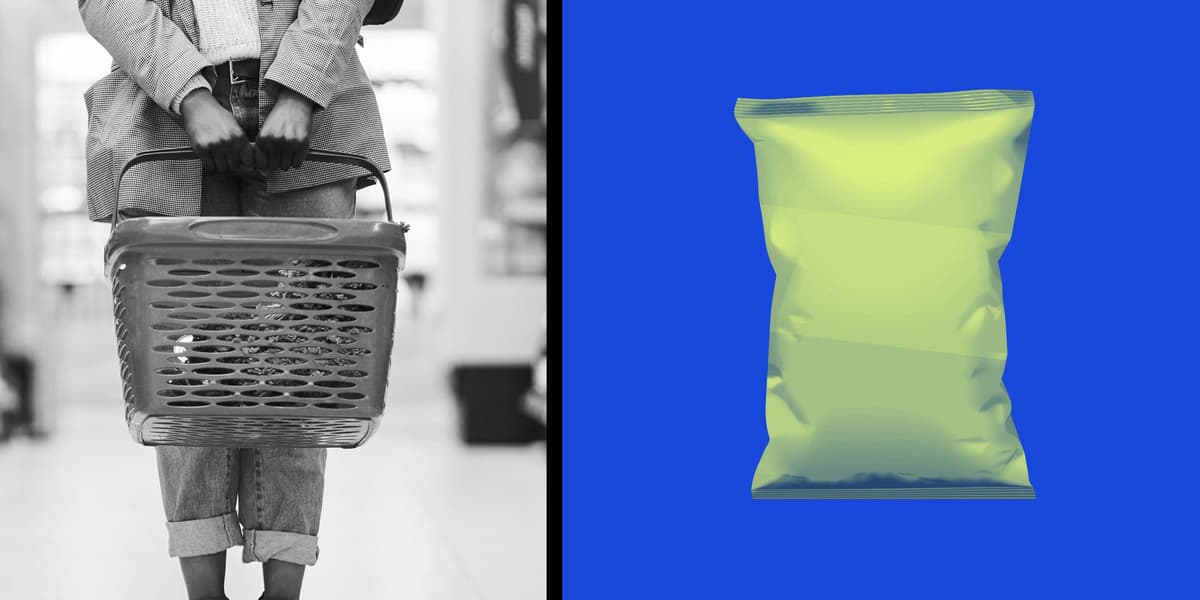
Eating a Single Bag of This Food Might Make Your Attention Span Worse
A recent study of more than 2,100 Australian adults found that a 10 % increase in ultra‑processed food consumption – roughly the amount in a standard bag of chips – was linked to a 0.05‑point decline in attention scores and modestly...
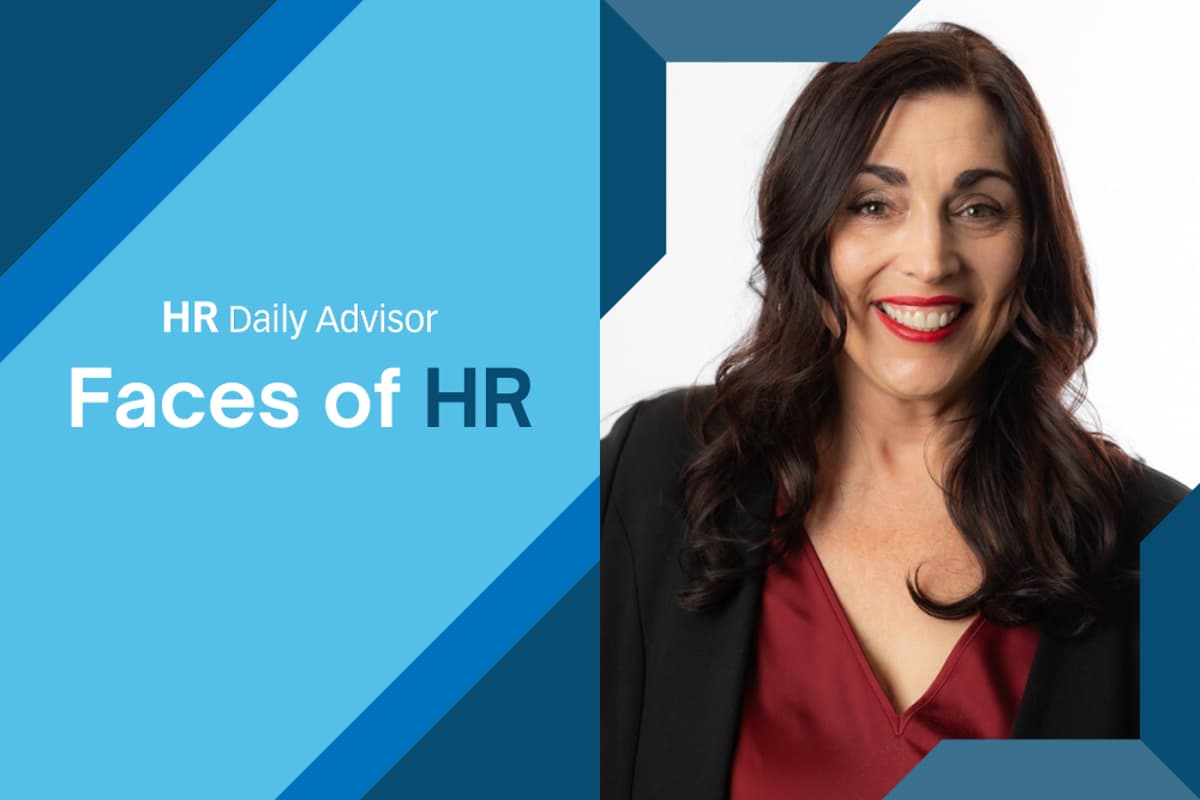
Faces of HR: Why Laura Maffucci Is Putting People Before the AI “Hype Train”
Laura Maffucci, Head of HR at global employment platform G‑P, is steering the company away from AI hype toward a people‑first approach. Drawing on 25 years of experience, she emphasizes mental‑health‑centric AI adoption, warning that unchecked automation fuels employee anxiety. Since...
Happiness Break: A Meditation to Inspire a Sense of Purpose
Greater Good Science Center introduced a new “Happiness Break” meditation led by psychologist Dacher Keltner, encouraging listeners to reflect on a role model’s moral beauty to uncover personal purpose. The guided practice walks participants through breathing, vivid recollection, bodily awareness,...
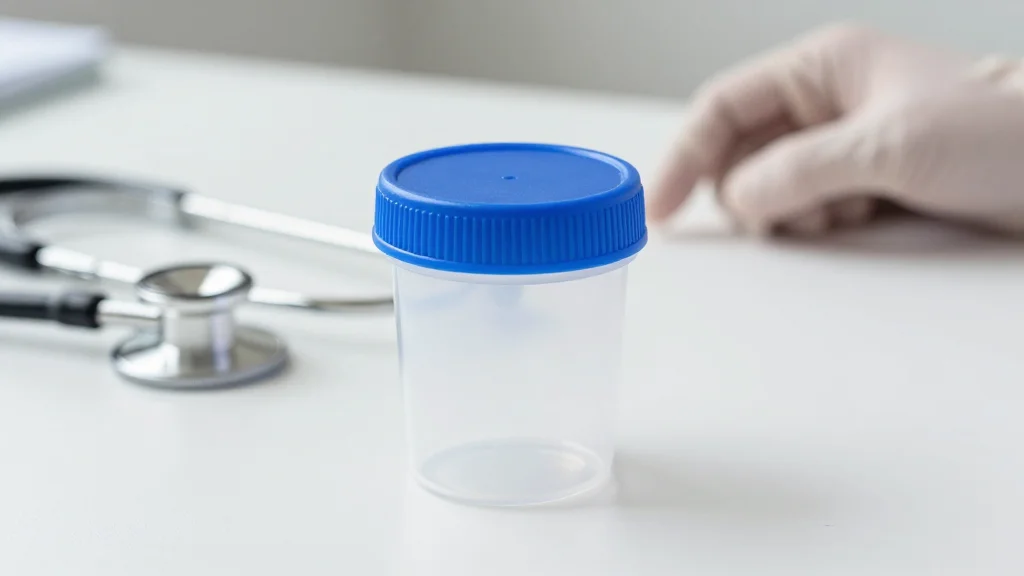
To Catch Colorectal Cancer Early, Advocates Push to Make 'Poop Talk' OK
Colorectal cancer rates are climbing among adults under 50, making it the leading cause of cancer death in that age group. Early‑stage disease is highly preventable through colonoscopies or fecal‑based tests, yet many younger adults avoid screening because of stigma...
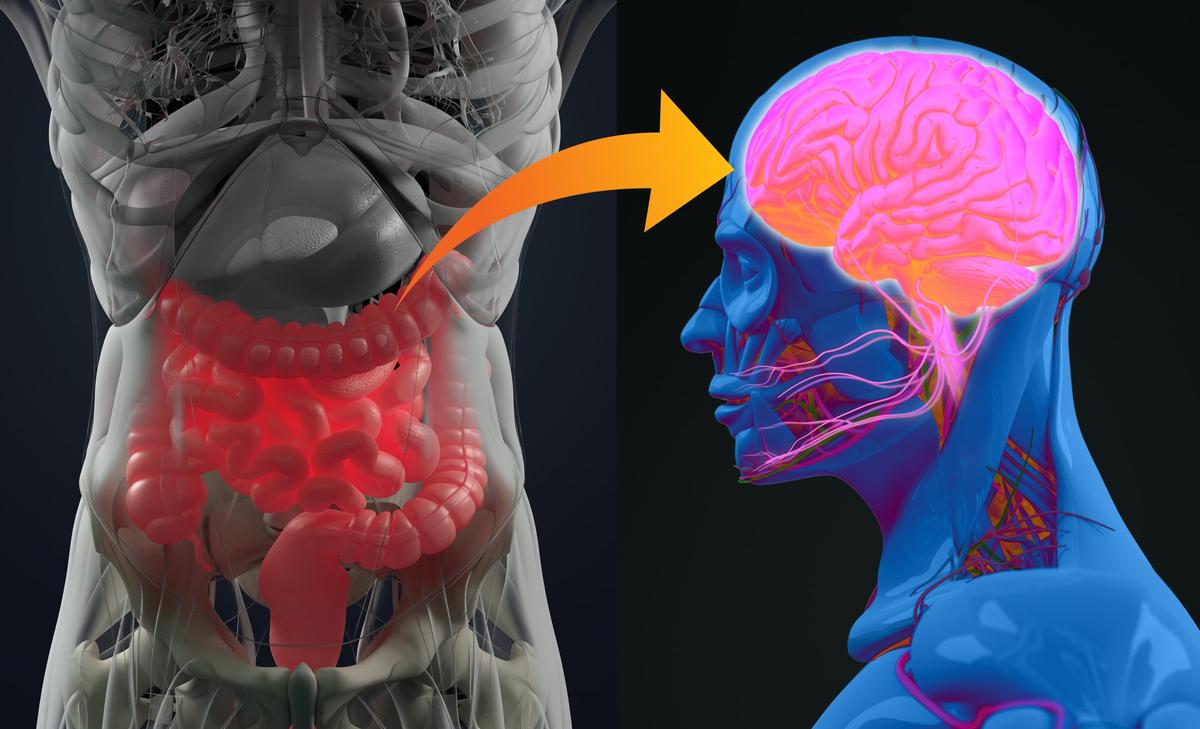
ADM Research Highlights Microbial Benefits for Psychological Symptoms
A randomized, double‑blind trial examined live and heat‑inactivated probiotic strains in healthy adults with self‑reported mild anxiety. The 12‑week live blend of Bifidobacterium longum CECT 7347 and Lactobacillus rhamnosus CECT 8361 failed to meet primary anxiety endpoints, though it preserved butyrate‑producing bacteria....
Givaudan Research: Zensera Lemon Balm Supports the Mind During Stress
Givaudan’s patented Zensera lemon‑balm extract (300 mg) was tested in a double‑blind, placebo‑controlled trial with 130 healthy adults under moderate stress. The study measured mood, heart rate, blood pressure and a battery of executive‑function tasks over five hours. Participants who took...
Struggling With Phone Addiction? Try These Remedies.
Nearly two decades after smartphones, phone addiction is prompting school bans, lawsuits, and a resurgence of minimalist “dumb‑phone” handsets. Experts argue that counting screen minutes is ineffective; instead, families should adopt media‑consumption plans, enforce screen‑free zones, and practice mindful habits....

UK Researchers Develop Tool to Identify People Most at Risk of Obesity-Related Diseases
UK researchers have created Obscore, an AI‑driven risk score that predicts a 10‑year likelihood of 18 obesity‑related diseases using 20 health, lifestyle and demographic factors. Tested on nearly 200,000 UK Biobank participants and two external cohorts, the tool shows that...

Ep. 38: Spike Camp - Bulletproof Your Body for the Mountains
The MeatEater podcast’s “Spike Camp – Bulletproof Your Body for the Mountains” episode highlights how many hunters under‑prepare for multi‑day back‑country trips, leading to back pain, ankle sprains, and knee issues. Athletic trainer AJ Wilkerson explains that generic fitness isn’t...

A Stitch in Time: Early Intervention for Young People – Promising but Patchy Evidence
Two recent NIHR Policy Research Unit reviews examined complex early‑intervention programmes for mental health in people aged 11‑25. The umbrella review of 21 systematic reviews found strongest evidence for psychosis and eating disorders, while noting gaps for depression, anxiety and...
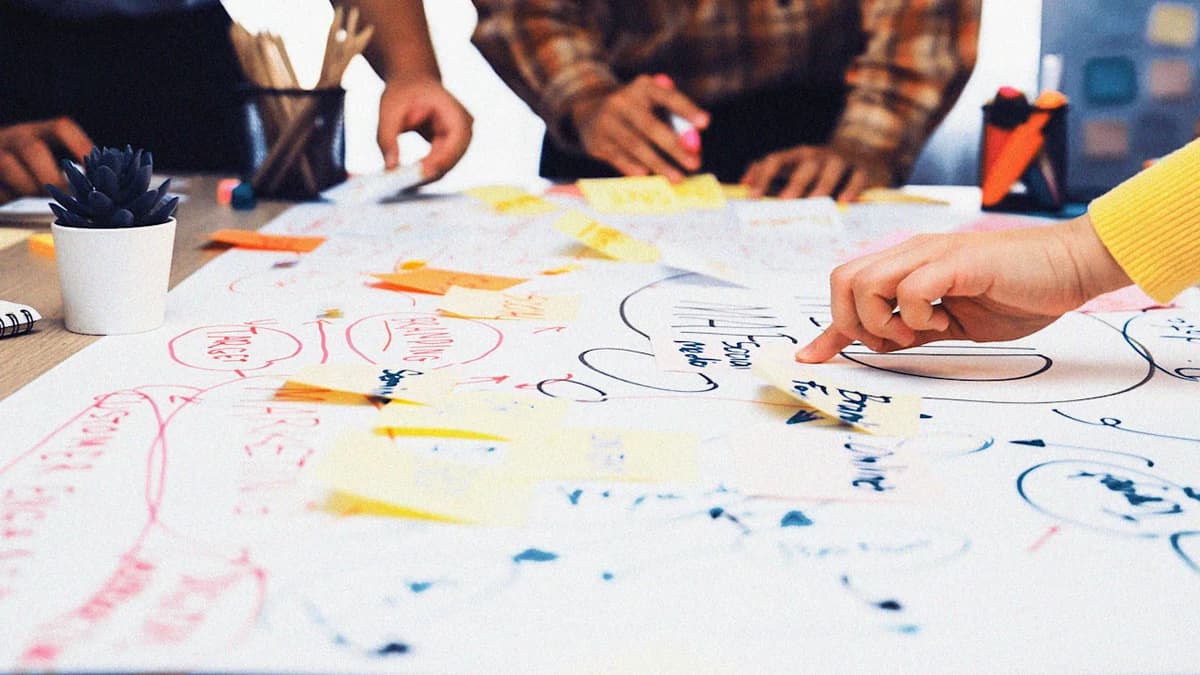
The Analog Edge: 8 Old-Fashioned Habits to Stay Sharp and Fit at Work
Amid unprecedented digital saturation, a growing counter‑movement argues that less technology boosts cognition. Recent policy shifts in Australia and Sweden illustrate schools limiting screen time, while workplaces continue to add AI tools without considering skill erosion. The article highlights eight...
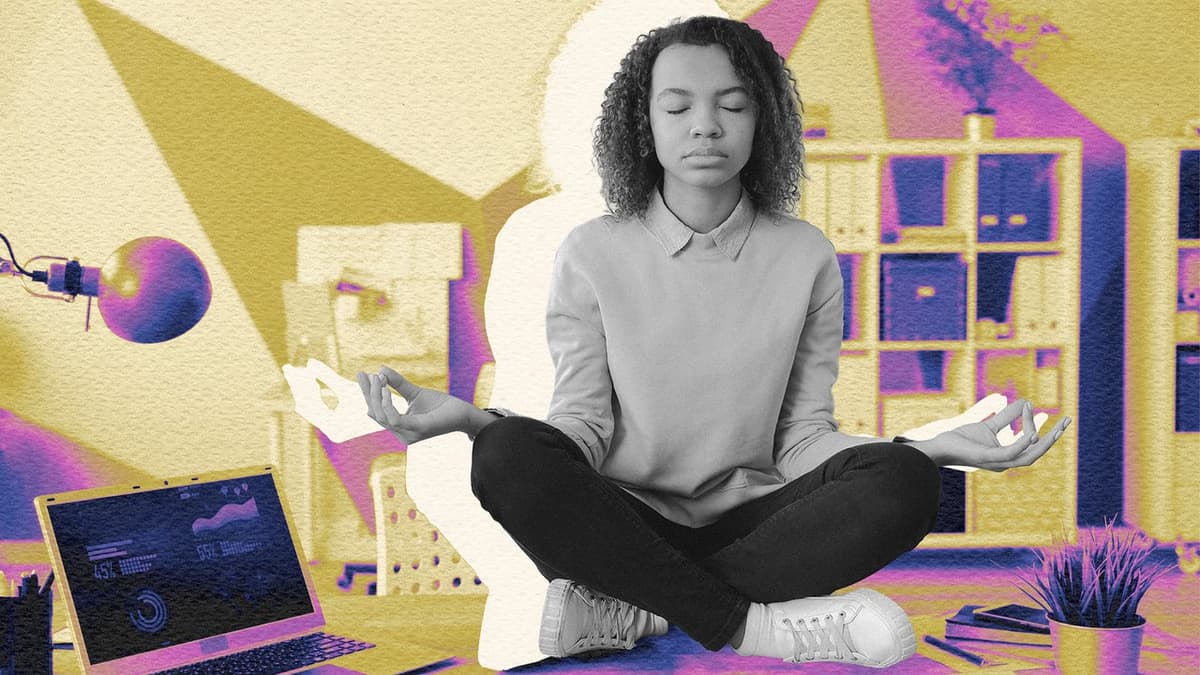
This Is the Missing Third Pillar of Leadership Excellence
Most leadership models focus on mental toughness and physical stamina, but a growing body of research highlights emotional recovery as a critical third pillar. Breakthru, a micro‑break platform integrated with Microsoft Teams and Slack, embeds brief movement‑based exercises to replenish...

America’s Most Active Seniors — 2026 Study
SmartAsset’s 2026 study ranks U.S. states by the average daily minutes seniors (65+) spend exercising, gardening, traveling and volunteering. Montana, Wyoming and Utah lead the pack, while Indiana, Nevada and Delaware fall at the bottom. The analysis draws on the...
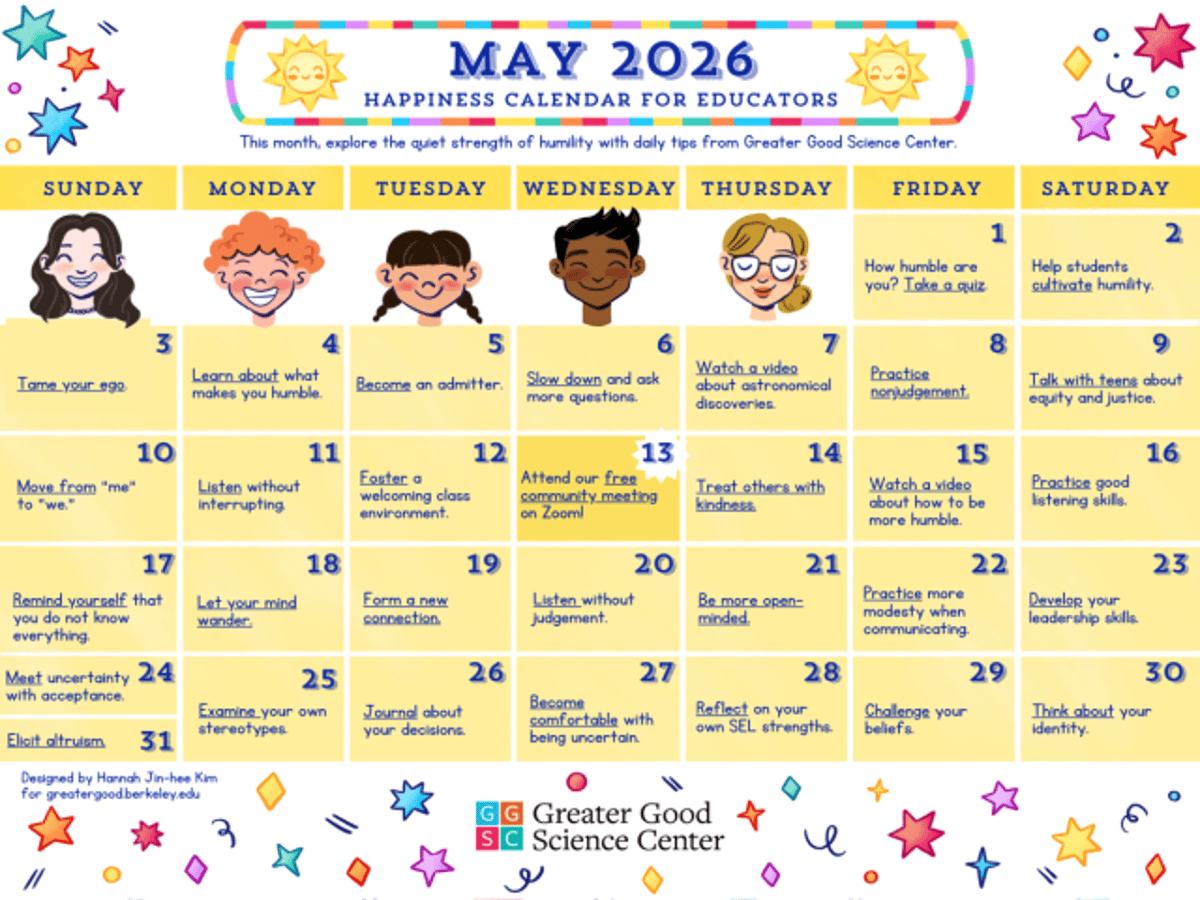
Your Happiness Calendar for Educators for May 2026
The Greater Good Science Center released its May 2026 Happiness Calendar for Educators, offering daily humility‑focused prompts to support teacher well‑being. It also launches a seven‑session summer Community of Practice, Bridging for Belonging, which explores empathy, curiosity and intellectual humility. On...
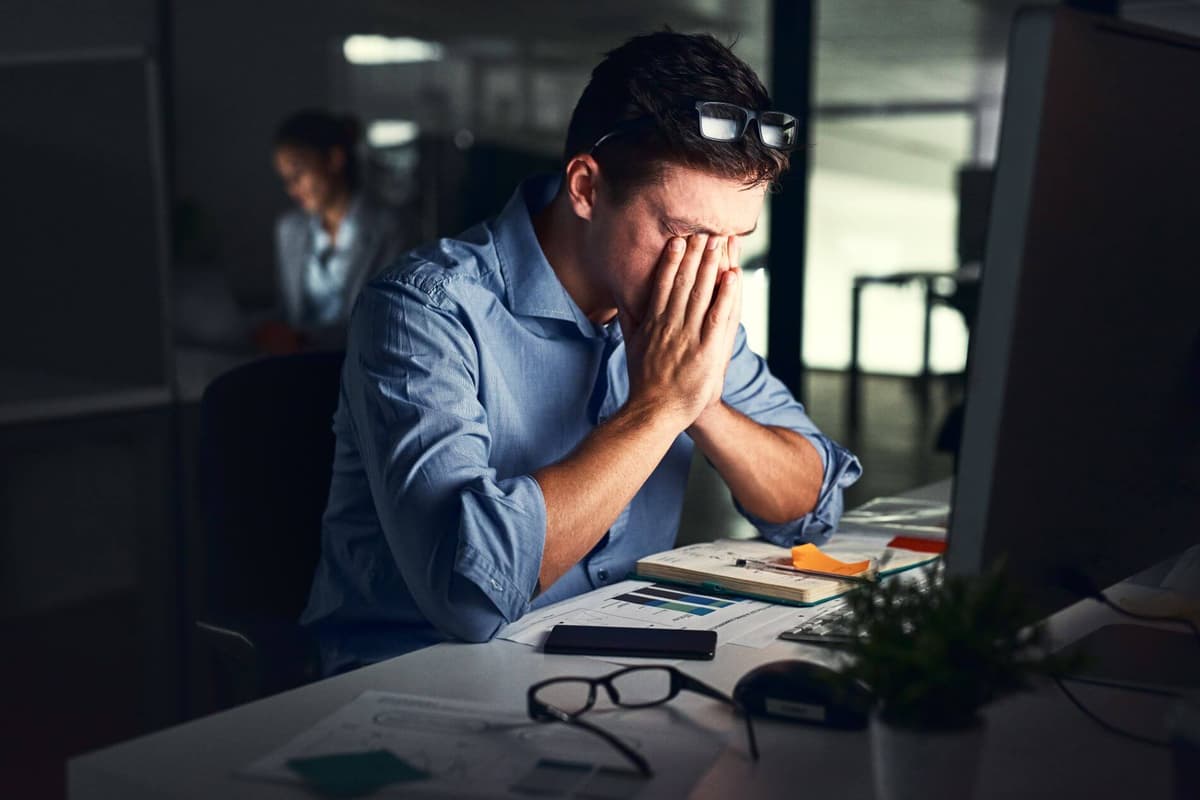
Why UK Employees Are Struggling to Switch Off – and What’s Driving It
UK workers are increasingly unable to disconnect after hours, with 48% replying to emails while on holiday and only one in five adhering to core‑hour schedules. A Mental Health UK report shows 91% experiencing high or extreme stress, contributing to...
Nervous About Rehab? What to Actually Expect During Your First Visit
The article demystifies a first visit to inpatient addiction treatment, outlining the intake assessment, medically supervised detox, and the structured daily schedule that follows. It explains how personalized care plans are created from detailed health and substance‑use histories, and how...

Cold Plunges Under the Microscope: How Advanced Biomarker Testing and Wearable Technology Are Validating the Science of Cold Exposure
Cold plunges are shifting from anecdotal wellness trends to data‑driven interventions, thanks to wearable sensors and advanced biomarker testing. Wearables now capture heart‑rate variability, resting heart rate, and sleep patterns before, during, and after immersion, revealing how the autonomic nervous...
Is Medical Detox the Same as It Used to Be? A Look at Addiction Care in 2026
By 2026 medical detox has shifted from a rigid, uncomfortable process to a data‑driven, patient‑centered experience. Advanced metabolic profiling lets physicians dose buprenorphine, benzodiazepines and other agents with pinpoint precision, while continuous biometric monitoring catches vital‑sign changes instantly. Intravenous nutrient...
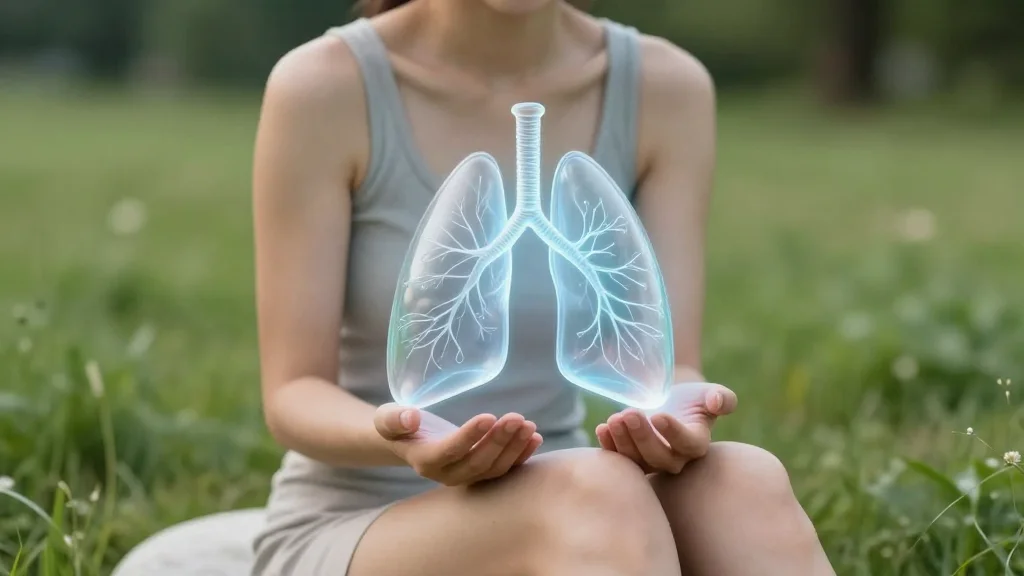
What Can Help When LEMS Affects Your Mental Health
Lambert‑Eaton myasthenic syndrome (LEMS) is a rare autoimmune disorder affecting roughly 400 Americans, often linked to small‑cell lung cancer in 60‑70% of cases. A 2024 survey found that one‑third of LEMS patients experience anxiety or depression, driven by physical weakness,...
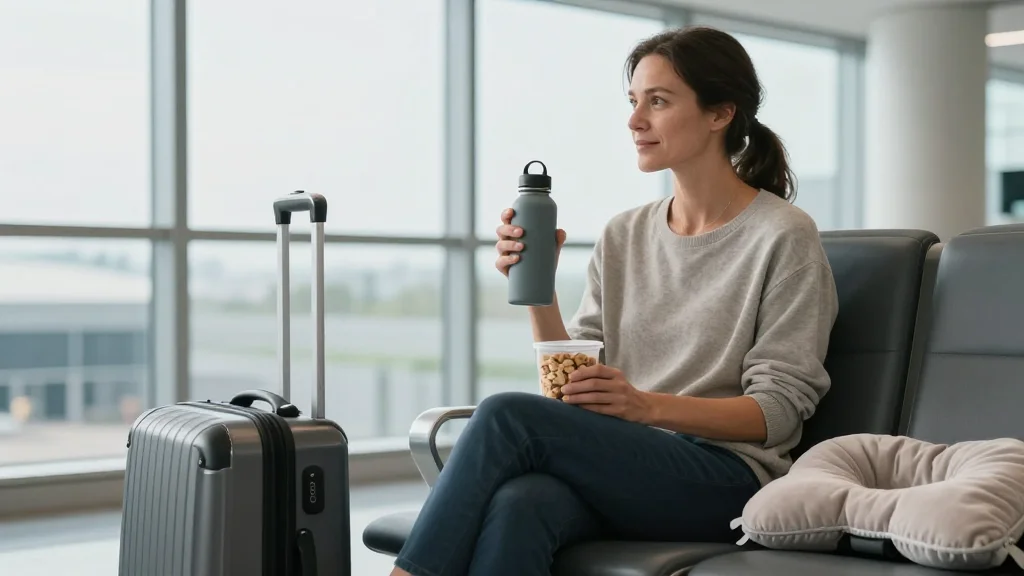
Traveling With LEMS: Tips for a Safer, More Comfortable Trip
People with Lambert‑Eaton Myasthenic Syndrome (LEMS) can travel safely by planning ahead and adjusting routines. Neurologist Dr. Georgette Dib recommends choosing low‑stress destinations, managing medication timing across time zones, and using airport assistance. Light packing, regular movement breaks during car...

"Fake" Calm Leadership "Dangerous and Damaging" To Teams
Leadership coach Leah Mether warns that "fake" calm—projected composure without genuine emotional regulation—can harm team wellbeing. She likens today’s rapid, uncertain environment to the COVID era, noting that the pace of change is unprecedented. Mether stresses that authentic calm must...

Can Your Surroundings Make or Break Your Recovery? Why Environment Matters in Addiction Treatment
Addiction recovery hinges on more than medication and willpower; the surrounding environment plays a decisive role. Removing patients from familiar triggers, immersing them in nature‑rich settings, and providing a warm, structured atmosphere lower stress hormones and enable deeper therapeutic work....

The Manager Effect: What Really Shapes Wellbeing at Work
A recent e27 analysis highlights that 69% of employees view their manager’s influence on mental health as comparable to a spouse’s impact. Drawing on WHO risk factors and Gallup’s 2025 State of the Global Workplace, the piece argues that everyday...