
Episode 3 | Supply Chain Podcast: Rathna Sharad on AI and Logistics
The episode spotlights Ratna Sherad, founder and CEO of FlavorCloud, a platform that uses AI to eliminate friction in cross‑border shipping for direct‑to‑consumer brands. Drawing on two decades in logistics and product strategy, Sherad explains how she identified a gap in international e‑commerce and built a one‑stop solution that handles customs, compliance, and carrier selection without requiring users to know HS codes or clearance procedures. Key insights include the importance of automating complex, manual processes across 220 countries, the early validation of the model through a marketplace that onboarded 300 brands in 100 nations, and the rapid growth enabled by a Shopify app that lets merchants go live in 30 minutes. Sherad emphasizes that the pandemic amplified supply‑chain scrutiny, making agile, AI‑driven trade technology a competitive necessity. Notable quotes illustrate her entrepreneurial mindset: “Be bold, dive in, and let naiveté work in your favor,” and she highlights the shift from merely moving parcels to making data‑driven shipping decisions. The discussion also covers FlavorCloud’s evolution toward a commerce intelligence layer that optimizes pricing, market selection, and conversion rates for each destination market. The implications are clear: brands that adopt AI‑powered logistics can scale internationally faster, reduce compliance risk, and achieve conversion parity with domestic markets. As global trade regulations tighten, platforms like FlavorCloud become critical infrastructure for e‑commerce growth.

"Audience Is the Outcome": A Coffee With Caroline Sajas, Locala
The ExchangeWire Kitchen interview with Caroline Sajas, co‑founder of Locala, spotlights the company’s location‑intelligence platform and its embrace of agentic AI. Sajas explains how the technology automates audience planning, turning tasks that once took hours into seconds, and how it...

Is AI About to “Eat Everything”? (It’s Not.)
The video dissects the AI Safety and Evaluation Organization’s (Meter) “time‑horizon” chart, confronting viral claims that AI is on the brink of an intelligence explosion that will “eat everything.” Meter’s methodology pairs human‑measured task durations with large‑language‑model (LLM) coding harnesses. For...

The Most Ideal Job Description For An AI Engineer In 2026
Krishna outlines the most current AI‑engineer job description for 2026, built from interviews with 50‑60 engineers, managers and HR across product and service firms such as Nvidia, Meta, Infosys and TCS. He breaks the role into three pillars – core engineering,...
Skills, Tools & MCP – Connecting Your Agent to the World
The webinar introduced agent skills and MCP as a way to connect AI agents to real‑world tasks, presented by Quasian Koma, lead AI solutions at Samberonova Systems. Skills are composable, lazy‑loaded modules defined in a skill.md file; they replace ad‑hoc...

AI & Teen Well-Being: What Do We Know Now? | 2026 Common Sense Summit
At the 2026 Common Sense Summit, reporters and experts from Common Sense Media, Stanford and OpenAI warned that AI chatbots are deeply embedded in teens’ lives—about 70% report use—for homework, advice, companionship and emotional support. Panelists highlighted a spectrum of...
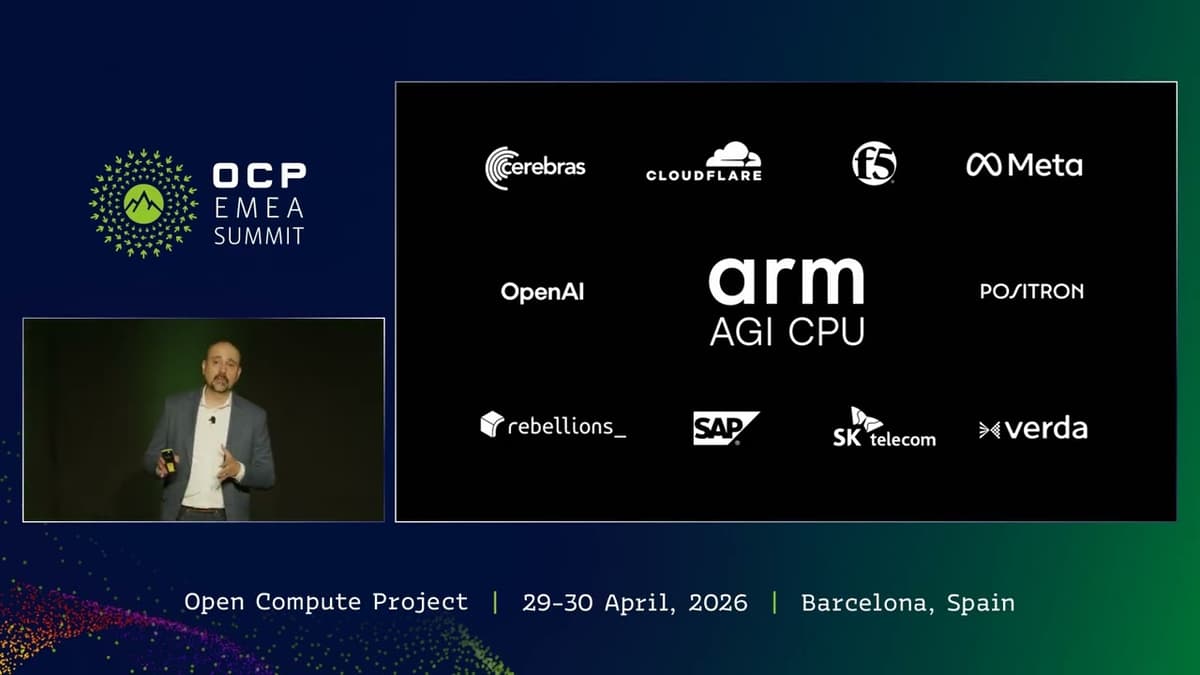
Scaling AI Infrastructure with Open Systems and Arm-Based Silicon
ARM unveiled a purpose-built data-center CPU optimized for agentic AI, leveraging 136 Neoverse V3 cores and a balanced I/O and memory design to prioritize low-latency inference and power efficiency. The company is delivering OCP-compliant reference servers including a oneU design...

Data Center Compute Evolution
Meta's software engineer Paul Saab highlighted power as the primary constraint on AI data‑center growth. The company is tackling the issue by deploying power‑efficient CPUs and integrating LPDDR memory into its servers. Saab also emphasized the role of open‑hardware collaborations,...
Believe It or Not Ep. 5: Is AI Sycophancy Bad for Business?
On this episode of Believe It or Not, two veteran media executives debate whether AI’s tendency to validate users—what they call “sycophancy”—is harmful to business. They contrast frivolous manifestations, like large volumes of low-engagement AI-generated music, with ambitious, beneficial uses...
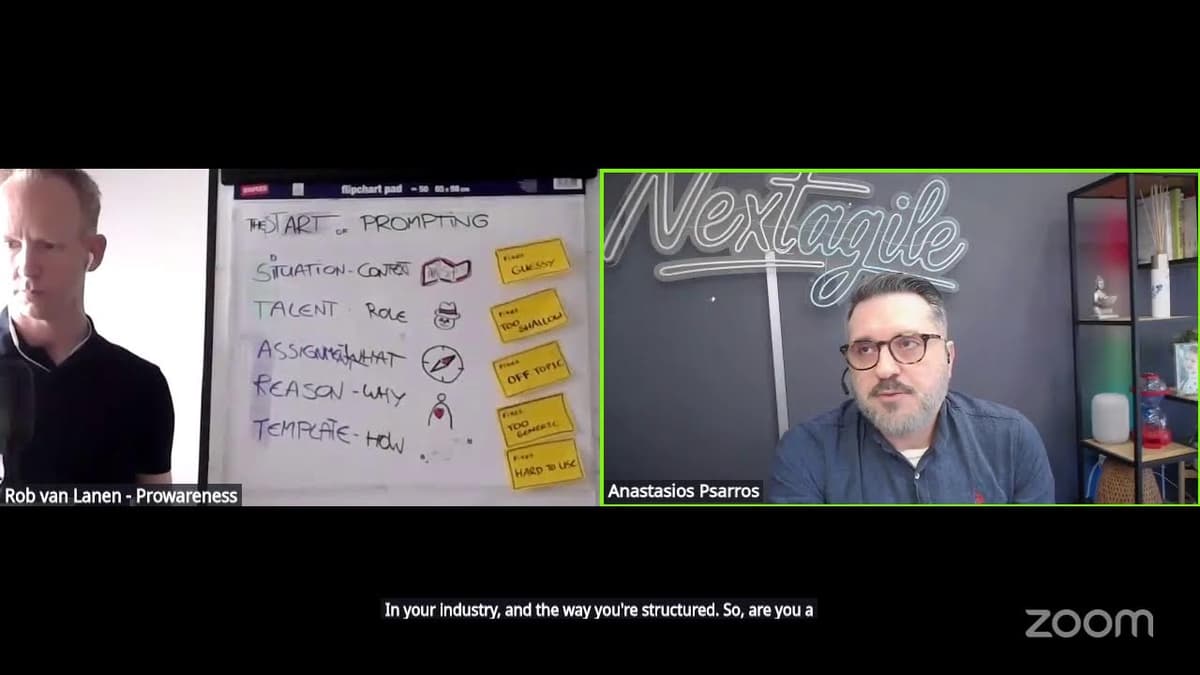
The Art of Prompting with AI - From Hesitation to Action
Scrum.org hosted a webinar where professional scrum trainers Rob Vanlannon and Anastasios (Taso) Sorrowos introduced the “Art of Prompting” to address common AI shortcomings—generic, shallow, off-topic or hallucinatory outputs. They framed prompting as a practical technique (starting with defining the...
Tech Companies Need to STOP AI Demos…
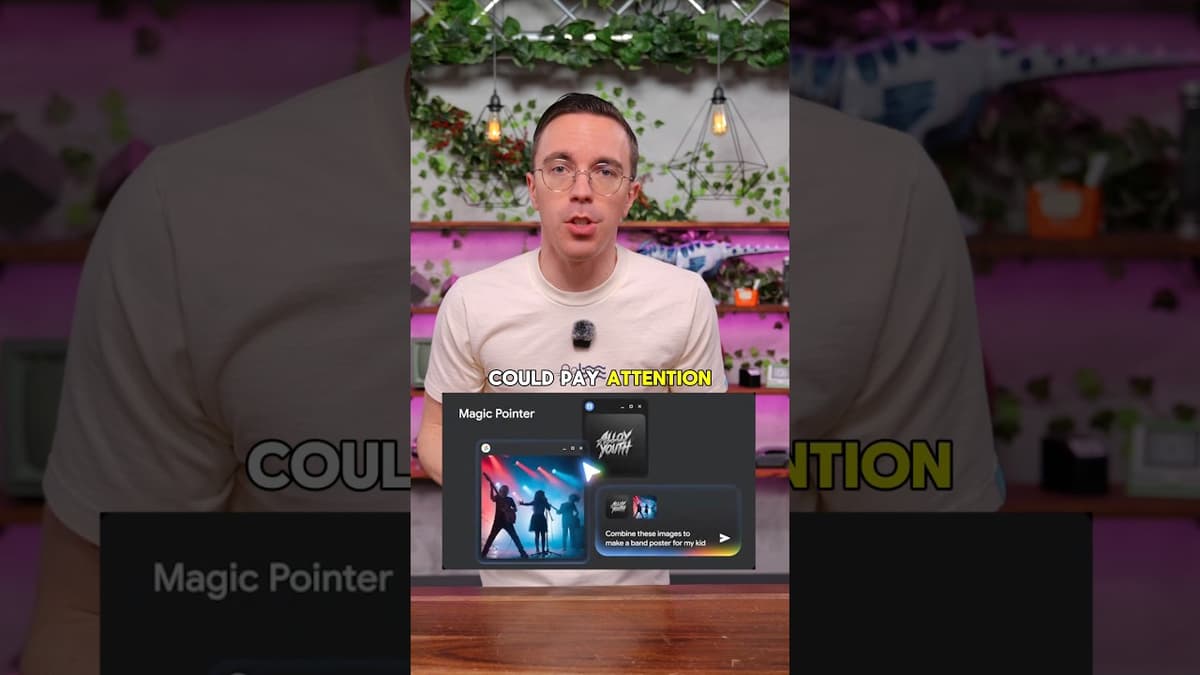
The speaker criticizes tech companies for relying on polished but misleading AI demos instead of shipping reliably working products. They cite a recent Google event for Gemini as emblematic: flashy presentations revealed little about pricing, availability, or concrete capabilities. The...
Library of Congress Weighs AI Tools for Congress and Public
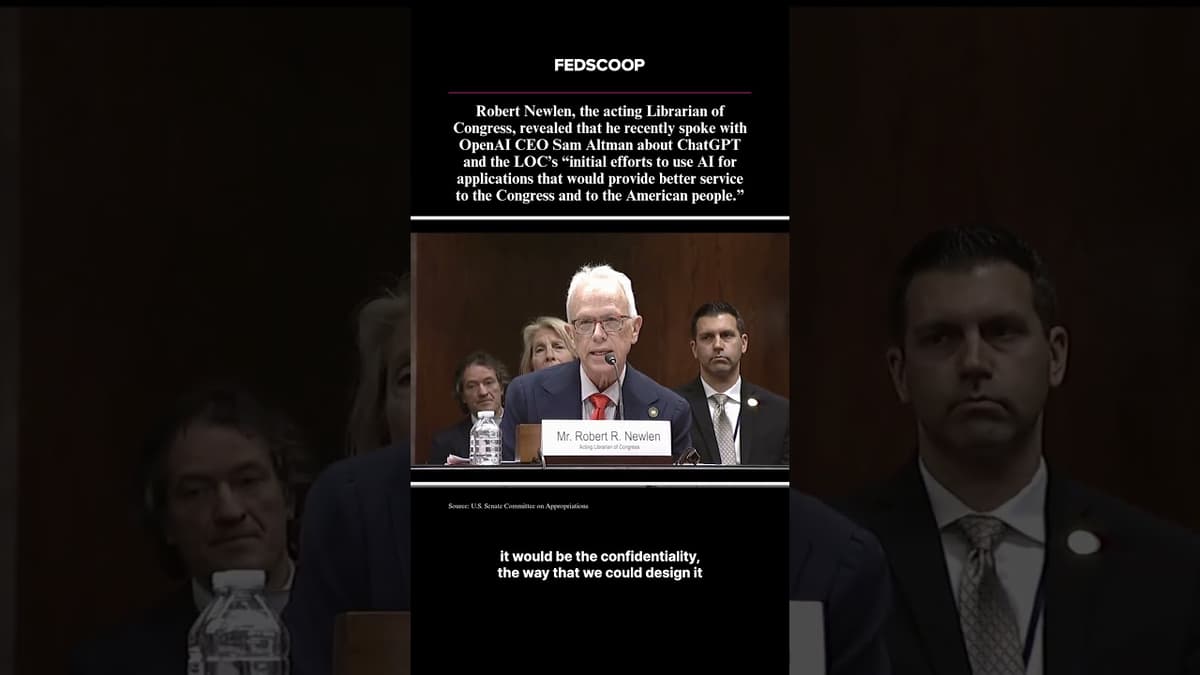
Officials at the Library of Congress told lawmakers they are exploring building AI tools tailored for Congress and the public, emphasizing accuracy, authoritativeness and nonpartisanship. The library said it could design a secure platform to process its vast legislative data...

Build Hour: GPT-Realtime-2
OpenAI’s Build Hour introduced GPT‑Realtime‑2, the latest voice‑centric model suite that expands on the earlier real‑time translation and Whisper APIs. The session highlighted three new models: a streaming translation engine covering 70 input languages, a Whisper‑based speech‑to‑text model with latency...
AI Will Soon Surpass Human Intelligence — Here’s What Happens Next
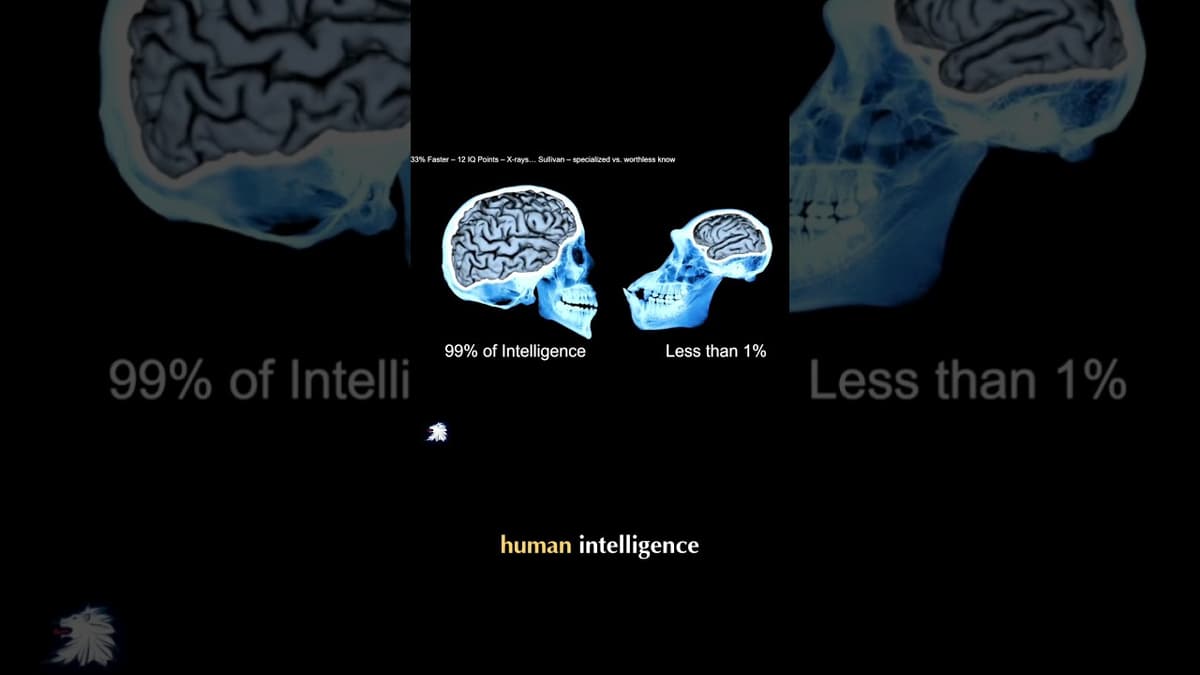
The video argues that artificial intelligence will eclipse human cognition, projecting that within seven years AI will account for 99% of the planet’s intelligence while humans shrink to 1%. It cites a BCG‑Harvard study showing AI‑augmented workers operate 33% faster, reduce...

Hack for Every SEO in 2026 #aiagents
SEO must evolve as AI agents begin to complete transactions without traditional page views. The presenter advises auditing your site for “gentle search” readiness—ensuring any user action (booking, demo request, contact) can be completed by an agent, for example using...
Evaluation of LLM Applications: How Do You Know It Actually Works?
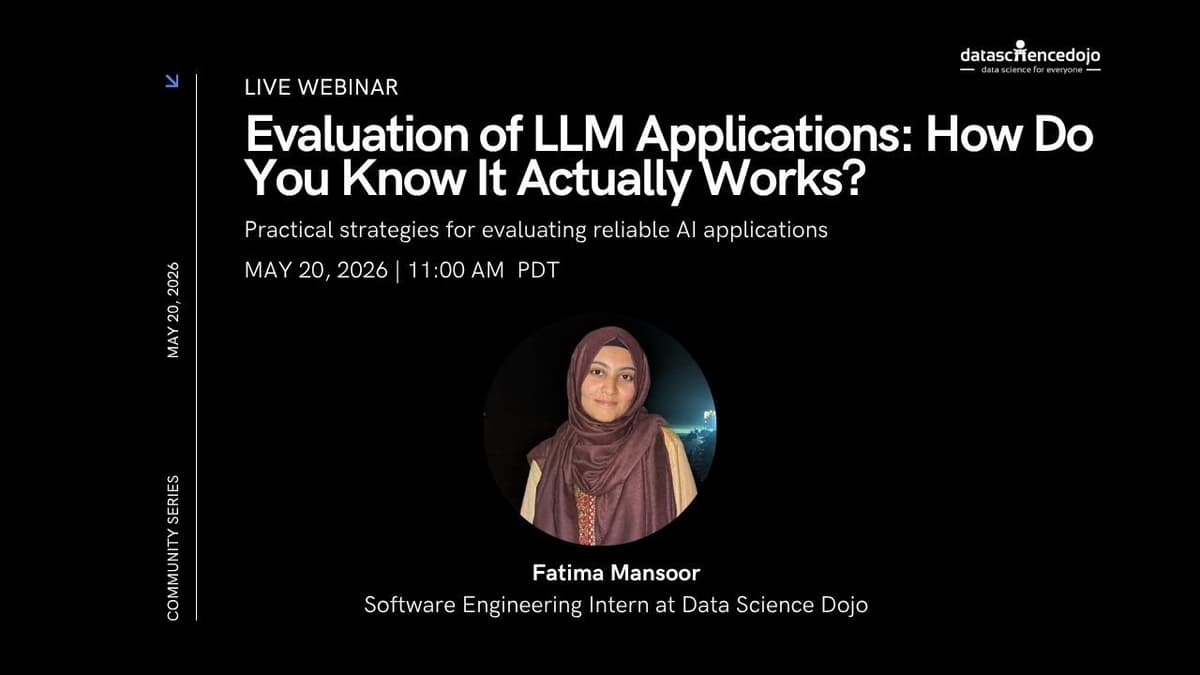
The webinar led by Fatima Masour of Data Science Dojo tackled the persistent problem of knowing whether a large‑language‑model (LLM) application is truly working. While building an LLM app can be as simple as writing a prompt and calling an...

The TRUTH About Bitcoin Mining & AI Data Centers
HUD’s CEO Asher Gnut explains how the company, originally a major Bitcoin miner, is reshaping its business around artificial‑intelligence high‑performance computing (AI‑HPC). By leveraging its expertise in locating cheap power and building large‑scale facilities, HUD is transitioning from volatile cryptocurrency...

"Let's Throw Away Everything We Know About Music" Suno Founder Mikey Schulman
Suno founder Mikey Schulman explains the startup’s approach to AI music generation: user prompts are expanded via language models into lyrics and stylistic cues, which are then fed into generative audio models that produce raw sound. Rather than encoding conventional...

Anthropic Eyeing Over $900 Billion Valuation | Bloomberg Tech 5/13/2026
Anthropic is reportedly seeking at least $30 billion in fresh financing that could value the AI startup at more than $900 billion, underscoring intense investor appetite for large, well-funded models. The report comes amid a high-profile U.S. delegation to China—including...

The AI Bubble Is Real — And Commodities Are the Escape Hatch
The interview centers on the persistence of inflation, soaring global debt, and the emerging AI investment boom, arguing that commodities may serve as the primary hedge against these macro pressures. Jonathan Wellm notes inflation will likely hover around 2‑3% as oil...

AI And The Future Of Cybersecurity
The video centers on the accelerating wave of DeFi security breaches, where $635 million vanished in April alone, and examines how artificial‑intelligence tools are reshaping the cyber‑threat landscape. Hosts Eddie Lazarin and Matt Gleason argue that attackers have already integrated AI...
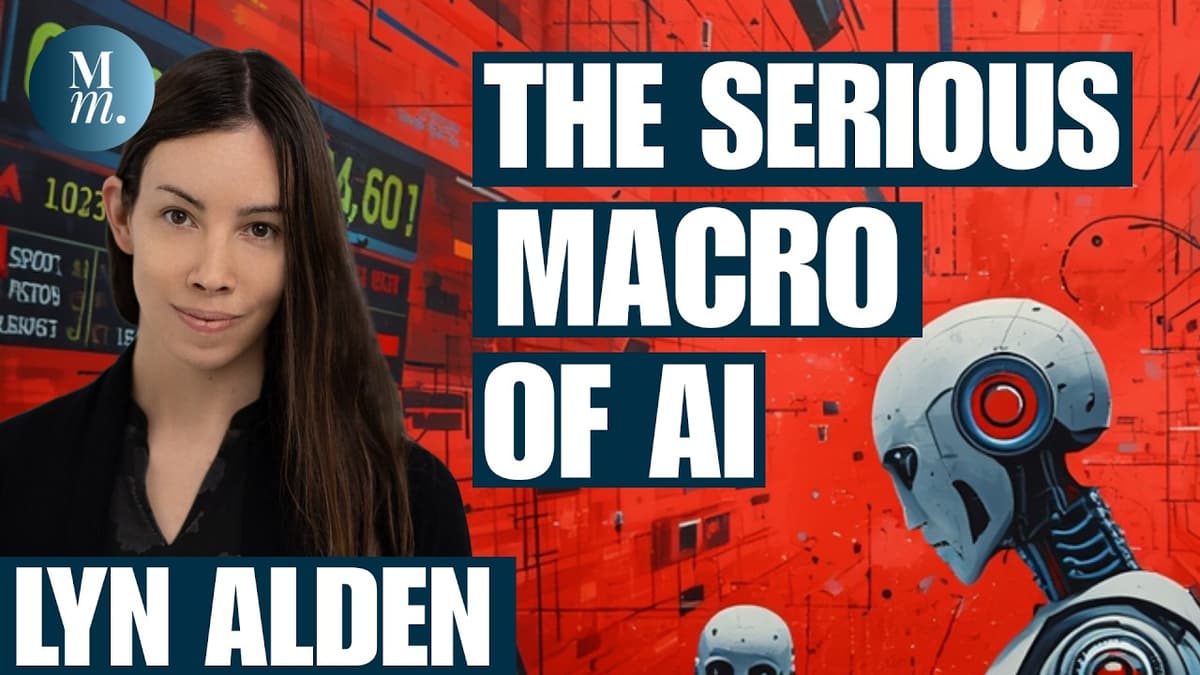
Lyn Alden on Serious Macroeconomic Consequences of AI & Semiconductor Boom
Lyn Alden discussed the macroeconomic fallout of the AI and semiconductor boom, emphasizing that the surge in demand for GPUs, memory, and electricity is reshaping both the technology sector and the broader economy. She likened the current wave to the...
Distinguished Seminar in Optimization & Data: Santosh Vempala (Georgia Tech)
In a seminar on why language models hallucinate, Santosh Vempala (with collaborators from OpenAI) argued that the standard pre-training objective—maximizing likelihood over a training distribution—mathematically encourages models to produce plausible but false outputs even when the training data itself is...

Outmarket Your Competition with Outmarket AI
On the Insurance Guys podcast, hosts Scott Howell and Bradley Flowers praised Outmarket AI after adopting the tool, saying it dramatically sped evaluation of commercial insurance quotes, consolidated multiple carrier proposals, and identified gaps or advantages across policies. They highlighted...
2026 Spring Robotics Colloquium: David Held (Carnege Mellon University)
David Held of Carnegie Mellon outlined research toward robot manipulation that is both precise and generalizable, arguing that foundation models have achieved broad world knowledge but lack the task-level accuracy specialist systems provide. He presented ArticuBad, a simulation-generated dataset of...

AI and Organizations Lab
The AI and Organizations Lab aims to produce grounded research and practical playbooks to guide how organizations adapt to AI over the next five years, training scholars to help industry implement change. Leaders envision studying how AI reshapes work, knowledge,...
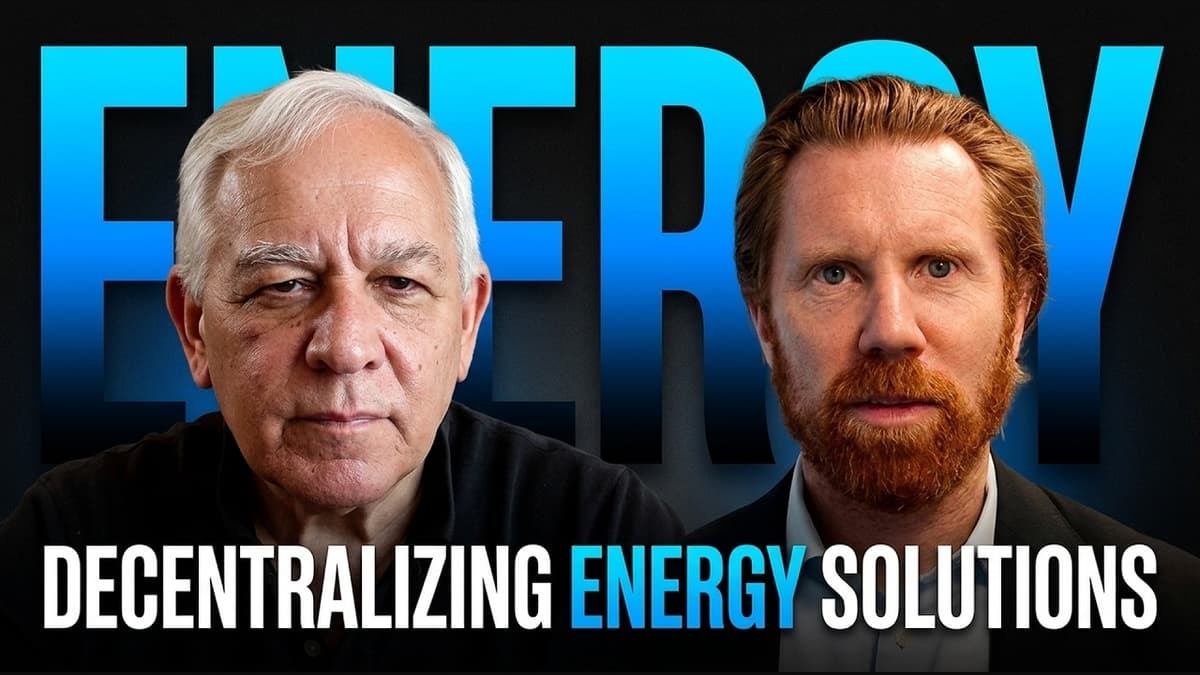
Distributed Energy & Edge AI Infrastructure. Karl Andersen on the Future of Compute
The discussion centers on Electra’s vision of marrying distributed renewable energy with edge‑scale AI compute. By locating small data‑center modules—typically under 20 MW—directly at sites that generate excess solar or battery power, the model sidesteps the bottlenecks of traditional transmission grids...
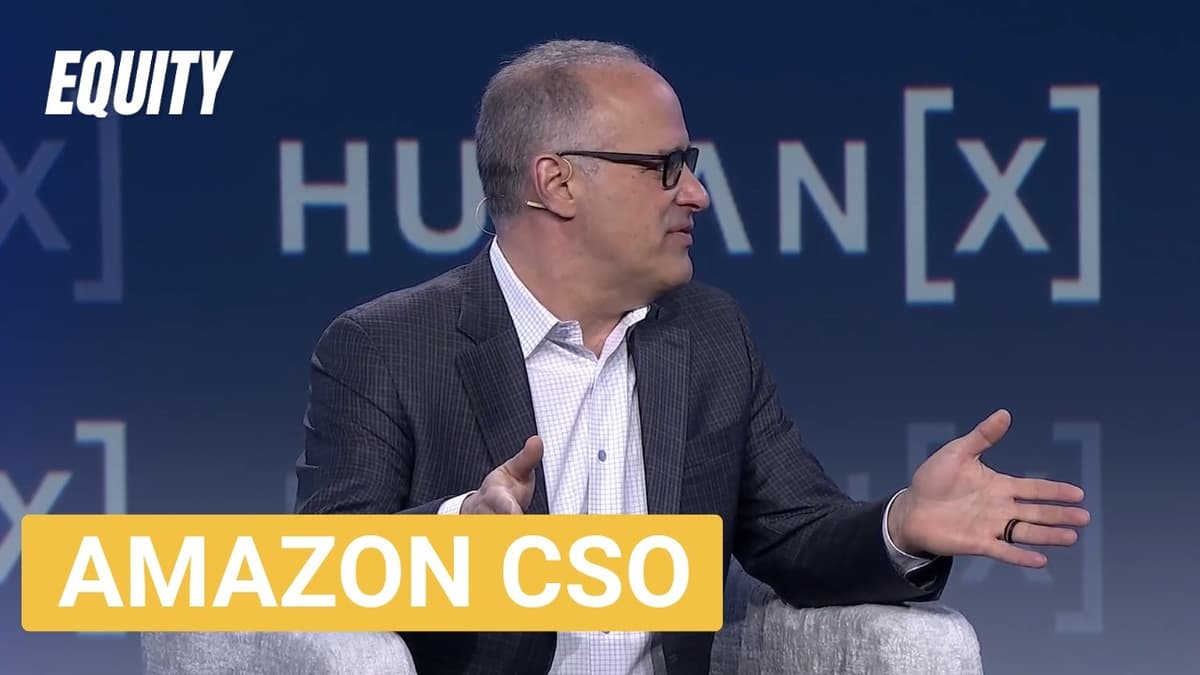
Amazon's Steve Schmidt on AI Agents Gone Rogue (Live at HumanX) | Equity Podcast
Amazon CSO Steve Schmidt told a HumanX audience that AI is materially reshaping the threat landscape by empowering low-skill adversaries and enabling state actors to scale attacks, compressing defenders’ reaction windows from hours to minutes or seconds. He warned that...
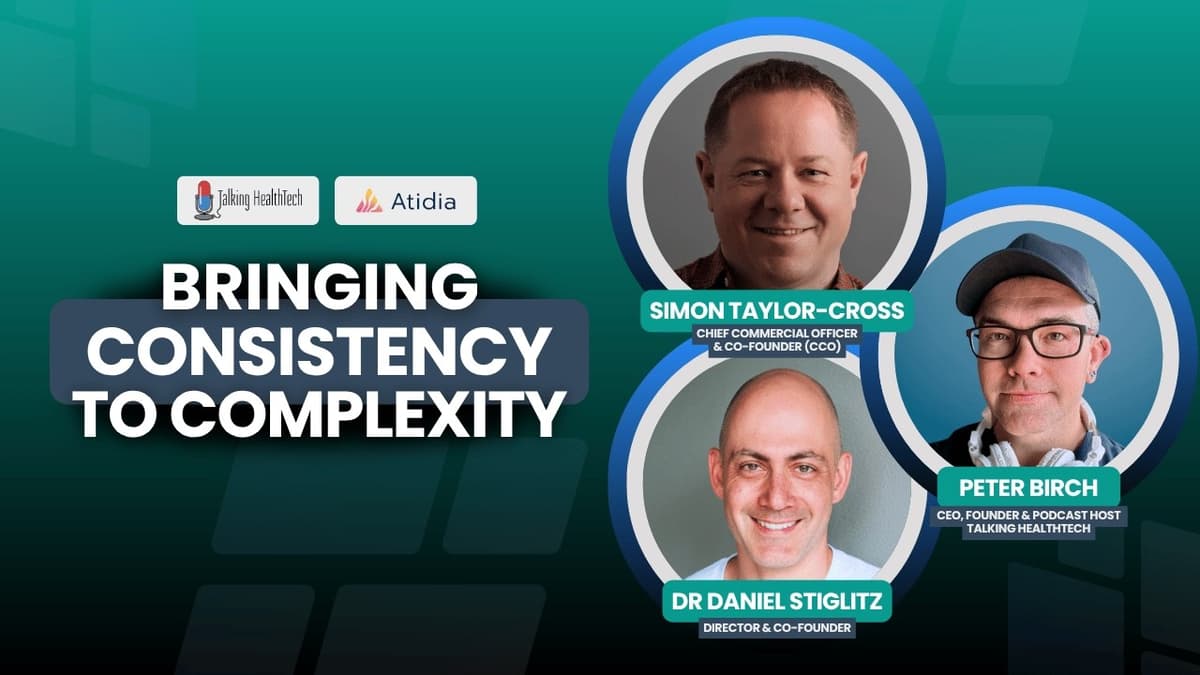
607 - Bringing Consistency to Complexity Through AI-Driven Decision Support
The Talking Hill Tech podcast episode spotlights ADIA Health’s Patient Optimizer Platform (POP), an AI‑driven decision‑support tool aimed at standardising pre‑operative care. Co‑founders Dr. Daniel Stiglets and CCO Simon Taylor‑Cross explain how fragmented pre‑surgical assessments cause preventable complications, day‑of‑surgery cancellations,...
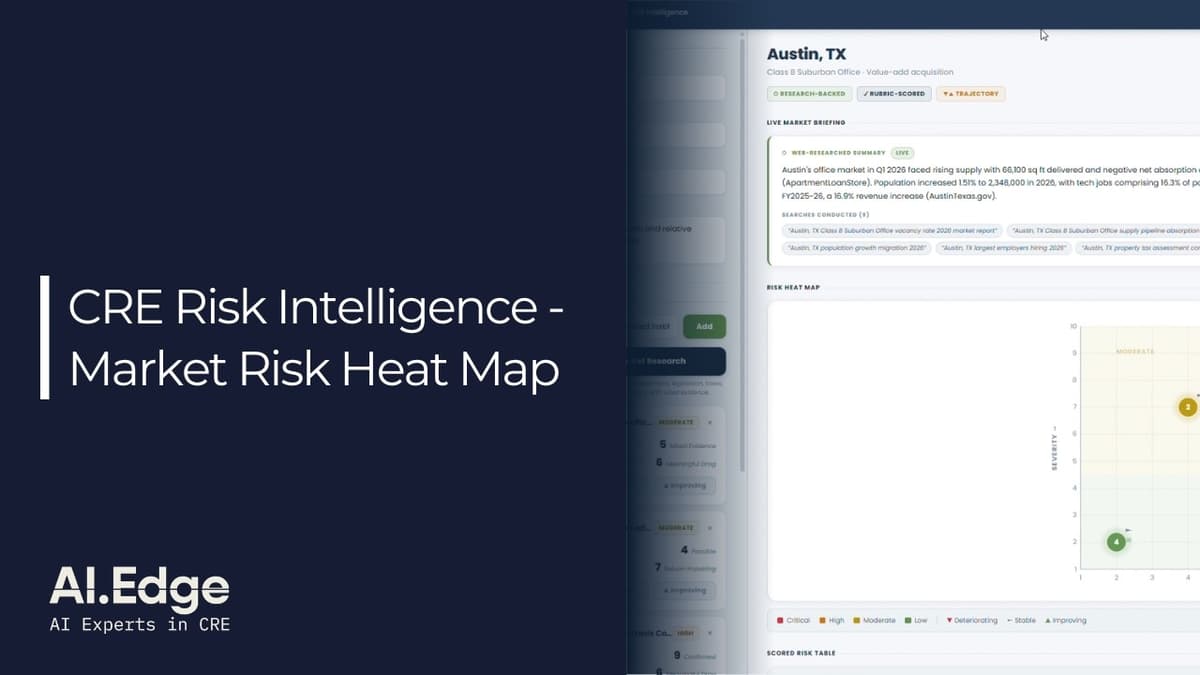
CRE Risk Intelligence - Market Risk Heat Map
CRE Risk Intelligence is a new web app evolved from the Market Risk Heatmap that automates commercial real estate market-risk analysis in under 90 seconds. Users input a market, property type, investment strategy, thesis and specific risks; the app scrapes...

Master Claude in Excel in Just 10 Minutes
The video demonstrates Claude for Excel’s expanded capabilities beyond chat, showing installation, model selection (Opus 4.7 vs Sonnet 4.6), and paid-access requirements. It highlights connectors (Gmail, Google Drive) to import files directly into Excel, custom formatting via saved instructions (example:...
Genesis Mission | Advancing Science Through AI
The Department of Energy’s Genesis Mission is a cross-sector platform uniting academia, industry and 70 national labs to accelerate science and technology by embedding artificial intelligence into research workflows. Fermilab is playing a key role by applying AI to the...

Reddit's AI Goldmine: Human Data Driving Future Growth
Reddit’s vast corpus of human-driven conversations and behavior makes it a uniquely valuable training ground for large language models (LLMs), according to industry observers. The platform’s high daily and monthly engagement, breadth of topics and natural conversational style position it...
RAG Tutorials Don't Teach You This | Must Watch
In this tutorial, Abhishek explains retrieval-augmented generation (RAG) and highlights a critical enterprise security gap: vector databases and LLMs perform similarity search and generation but do not enforce fine-grained authorization, risking exposure of sensitive internal documents. He argues that traditional...

Stanford CS153 Frontier Systems | Jensen Huang From NVIDIA on the Compute Behind Intelligence
NVIDIA CEO Jensen Huang told Stanford students that computing is undergoing its most radical transformation in six decades as AI, and especially generative models like GPT, shift systems from pre-recorded to real‑time, contextually generated intelligence. He argued this transition requires...

How NHL Teams Really Use Analytics
The Wharton Moneyball episode dives into how NHL clubs leverage advanced analytics, featuring Tyrell Stokes of Teamworks. He outlines the suite of automated game reports, expected‑goals (XG) frameworks, and an on‑puck value system that quantifies player actions in real time. Stokes...
NVIDIA New AI Is An Efficiency Monster
Nvidia (via DeepSeek) released a new open 30-billion-parameter multimodal model that processes images, video and audio with dramatically higher throughput and lower cost than prior open systems—claiming nearly 10 hours of video processed per hour and substantial speedups over rivals....

Scott Answers: Is AI Making Markets Crash-Proof? | Office Hours
Scott Galloway argues that algorithmic trading and passive investing have materially changed market dynamics: algorithms now account for roughly 70–75% of equity trading volume and index funds represent about 57% of equity assets, concentrating risk (the top 10 tech names...
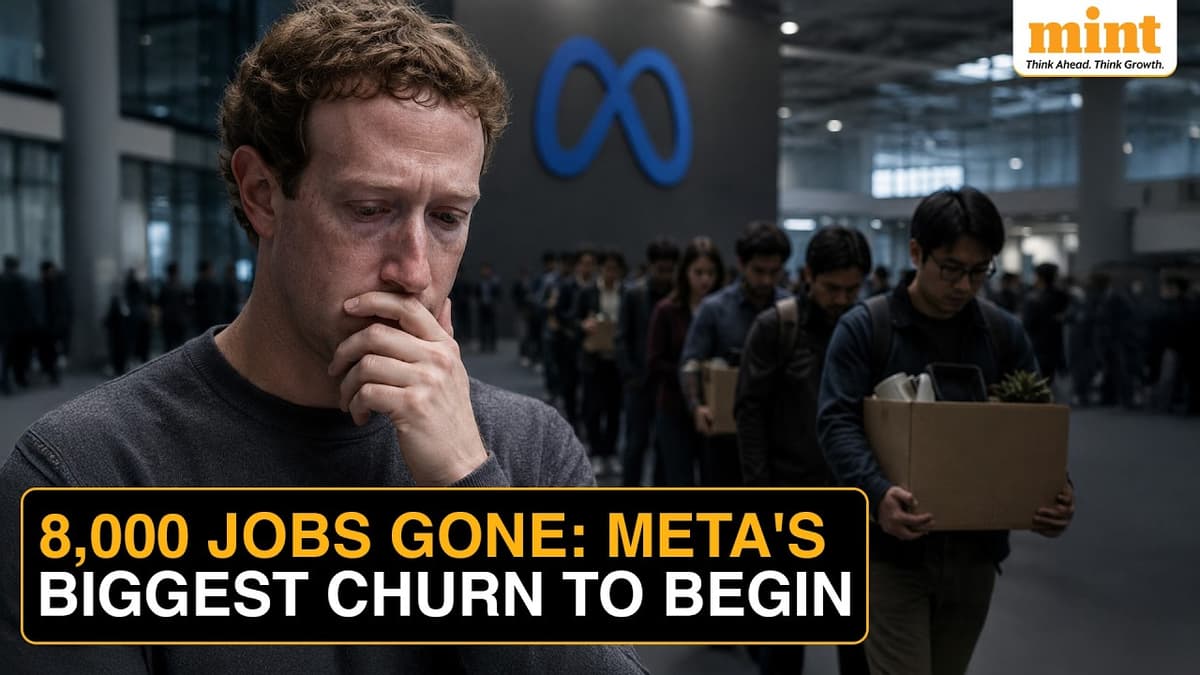
'Data Extraction Factory': Meta Staff Express Frustration As Firm Looks To Lay Off 10% Of Workforce
Meta staff across several U.S. offices have taken out protest flyers denouncing a new employee‑tracking system, dubbing the workplace a "data extraction factory." The campaign coincides with the company's announcement that it will lay off roughly 8,000 workers—about 10% of...

Google AI Studio Now Lets You Build Apps By Drawing On The Screen
Google unveiled two major upgrades to its AI Studio, allowing users to build functional applications simply by describing or drawing concepts on the screen. The platform now auto‑generates a complete user interface from a brief textual prompt, and introduces an...
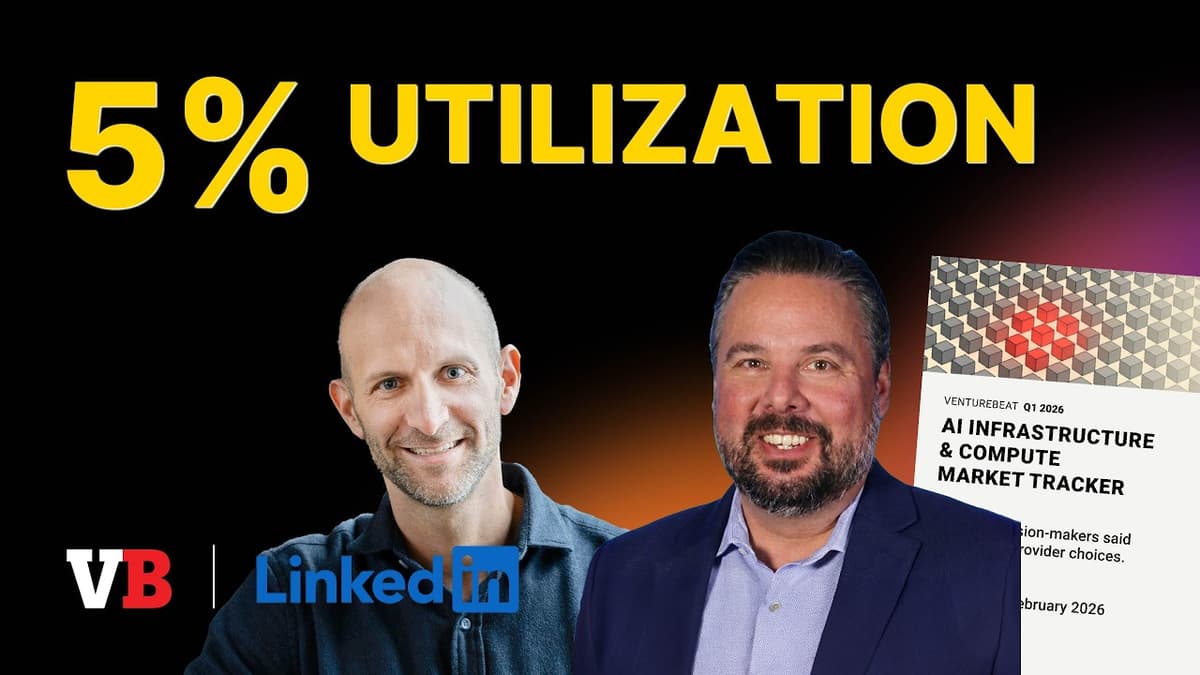
GPU Hoarding Is Over. The $401B Reality Check
The podcast “Beyond the Pilot” examines how enterprise AI is moving out of the panic‑driven GPU hoarding phase and into a disciplined, cost‑focused era. Companies that once over‑provisioned GPUs as insurance are now confronting under‑utilization and tightening budgets. VentureBeat’s Q1 data...
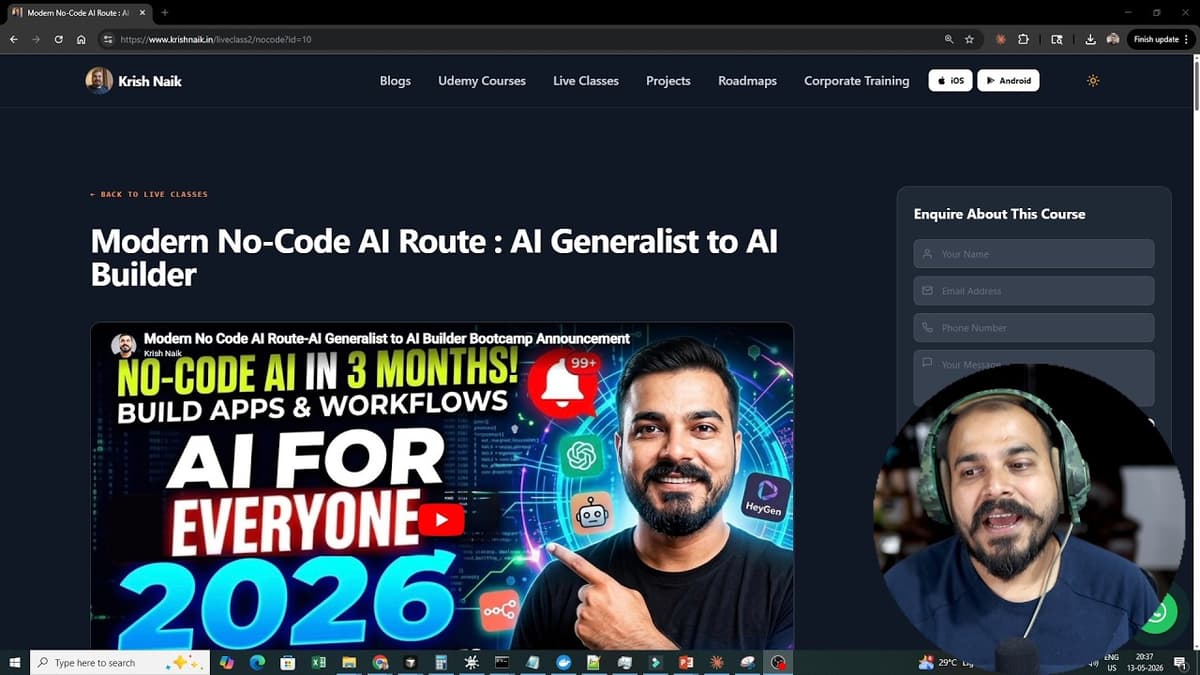
Modern No-Code AI Route Bootcamp Announcement
Krishna announced the launch of a new Modern No‑Code AI Route bootcamp, beginning May 17, 2026. The three‑month, weekend‑only program is priced at ₹7,500 (GST‑inclusive) and is designed for professionals without coding experience who want to transition into generative and agentic...

AI Is Coming for Every Business, Including Yours
A speaker warns that AI will fundamentally reshape businesses across industries, with law firms among the most affected. Routine legal tasks will be automated, reducing the need for large teams of junior associates while increasing reliance on a smaller number...
Generative AI in the Real World: Danielle Belgrave on Generative AI in Pharma and Medicine
In this podcast, GSK’s Vice President of AI and Machine Learning, Danielle Belgrave, explains how generative and traditional AI are being deployed across the pharmaceutical pipeline. Drawing on a 15‑year career that spans a PhD on asthma heterogeneity, stints at...

Claude Code for Beginners Tutorial
The tutorial by Jeremy Morgan from CodeCloud walks developers through installing and using Claude Code, an npm-based CLI that integrates Anthropic’s Claude AI into local development environments. It covers prerequisites (Node.js 18+ and an Anthropic/Cloud subscription), global installation, authentication via...

Sunil Gupta on Marketing in the Age of AI
Harvard professor Sunil Gupta argues that AI is reshaping marketing, turning brand communication from a “seeing is believing” model into a data‑driven, generative landscape. He warns that the $200 billion search‑advertising ecosystem and the broader ad spend will be redefined as...

32 Social Assets in 10 Minutes Using Claude + Canva Design
The presenter demonstrates a rapid workflow combining Claude (AI) and Canva to produce 32 social assets in 10 minutes. They resize and repurpose templates—Instagram stories, quote graphics, LinkedIn posts, YouTube thumbnails, and Facebook ads—using Claude to generate on-brand copy and...

Claude Code for Marketers: How to Get Started
Marketing leaders from Unmuted and MOS walked through how to adopt Anthropic’s Claude Code, stressing mindset and systems over hype. The session outlined a practical roadmap: build a context engine, systemize workflows, run synthetic focus groups to test content, and...

Could AI Finally Unlock Bank Data? | Fintech Insider Podcast
The Fintech Insider podcast explored whether artificial intelligence can finally unlock the massive troves of first‑party data sitting in banks’ legacy systems. Hosts argued that while open‑banking initiatives promise external data access, the real goldmine lies within banks’ own customer...

AI, Inflation, and the U.S.-China Power Struggle Are Reshaping Markets
The video spotlights the imminent Trump‑Xi summit in Beijing, framed as a showdown over artificial intelligence, trade policy, and industrial dominance. Market participants view the meeting as a barometer for the next phase of the AI‑driven trade war, with senior...