
News•Mar 11, 2026
Could a Hot Cup of Matcha Dial Down the 'Sneeze Switch' In Allergic Rhinitis?
A recent early‑access study published in npj Science of Food reports that oral matcha consumption reduced sneezing in mice engineered to exhibit allergic rhinitis. The mice received matcha tea two to three times weekly for over five weeks and a dose before allergen exposure, resulting in fewer sneezes without altering IgE, mast cell, or T‑cell activity. Researchers traced the effect to suppressed activation of the brainstem sneezing center, as indicated by lower c‑Fos expression. The findings point to a non‑immune pathway through which matcha may alleviate hay‑fever symptoms.
By Medical Xpress
News•Mar 11, 2026
Study Links Higher Asprosin to Less Weight Gain After Menopause
Researchers at UC Irvine examined the fasting hormone asprosin in more than 4,000 postmenopausal women from the Women’s Health Initiative. They found that women with the highest baseline asprosin levels gained significantly less weight over three years compared with those...
By Medical Xpress
News•Mar 11, 2026
Cellular Changes Linked to Depression Related Fatigue
University of Queensland and University of Minnesota researchers identified distinct ATP patterns in the brains and blood cells of young adults with major depressive disorder. The study found that resting cells produce higher ATP levels but cannot increase energy output...
By Medical Xpress
News•Mar 11, 2026
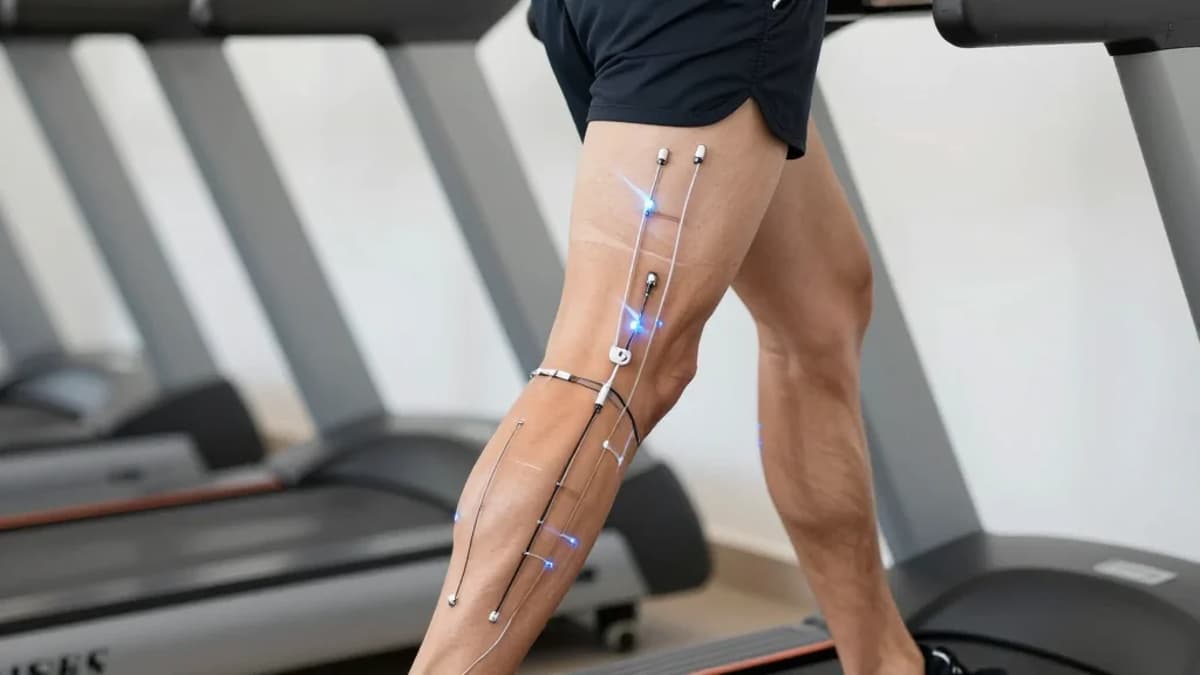
Spinal Stimulation Above and Below Injury Restores Leg Movement and Sensory Feedback in Clinical Trial
Researchers at Brown University, Rhode Island Hospital, and VA Providence demonstrated that simultaneous electrical stimulation above and below a spinal cord lesion can restore both leg movement and spatial sensory feedback in people with complete spinal cord injuries. In a...
By Medical Xpress

News•Mar 11, 2026
Interviews with 14 Recovered Adults Map Common Steps Out of Long-Term Fatigue
A study by Linköping University interviewed 14 adults who recovered from long‑term fatigue conditions such as post‑COVID‑19, exhaustion disorder, and CFS/ME. Participants described a common recovery trajectory that began with hopelessness, followed by self‑directed learning about their symptoms, and a...
By Medical Xpress
:max_bytes(150000):strip_icc():format(jpeg)/vegetables-for-longevity-GettyImages-1301569468-2c9d5a63f6fb47cda29fe80b32cafbe9.jpg)
News•Mar 10, 2026
Want to Live Longer? Dietitians Say to Add More of This Leafy Green to Your Diet
Registered dietitian Nisha Melvani highlights kale as the top vegetable for longevity, citing its dense mix of antioxidants, fiber, and anti‑inflammatory compounds. The leafy green delivers vitamin C, vitamin K, calcium, magnesium, and glucosinolates that collectively support immune function, bone strength, and chronic‑disease...
By Real Simple (Home & Organizing)

News•Mar 10, 2026
What’s Your Chronotype? How Brain Science Can Boost Performance
A joint study by the Wharton Neuroscience Initiative and Slalom examined how individual chronotypes—natural sleep‑wake rhythms—affect creative performance. Using the Morningness‑Eveningness Questionnaire and a divergent‑thinking task, researchers found that employees generated more ideas and higher‑quality concepts when work aligned with...
By Wharton Knowledge

News•Mar 10, 2026
The Best High-Intensity Training Workouts for Cyclists
High‑intensity interval training (HIIT) is gaining traction among cyclists as a time‑efficient way to boost aerobic power, mitochondrial function, and race‑day performance. Recent studies show that two weekly HIIT sessions can raise VO₂ max and peak power by 2‑4 % in well‑trained...
By Bicycling

News•Mar 10, 2026
The Mouth-Body Connection: Why Oral Health Matters for Longevity
The Longevity.Technology UNLOCKED episode highlights the mouth as a pivotal gateway to overall health, linking nasal breathing, oral microbiome, and dental habits to inflammation, sleep quality, and metabolic function. Clinicians Dr. Aoife Stack and Dr. James Goolnik argue that chronic...
By Longevity.Technology
News•Mar 10, 2026
This Hormonal Health Concern May Impact Cognition At Midlife
A 30‑year longitudinal study of more than 1,000 women found that those with polycystic ovary syndrome (PCOS) performed worse on cognitive tests and showed reduced white‑matter integrity at midlife. The researchers controlled for BMI, smoking, alcohol use, income, diabetes and...
By Mindbodygreen

News•Mar 10, 2026
Is Everything We Know About Fat Wrong? Experts Debunk 4 Myths
Recent research and expert commentary overturn the long‑standing low‑fat dogma, emphasizing that total fat intake of 20‑35% of calories is acceptable and that the type of fat matters more than the amount. Saturated fats can remain in the diet for...
By Medical News Today
News•Mar 10, 2026
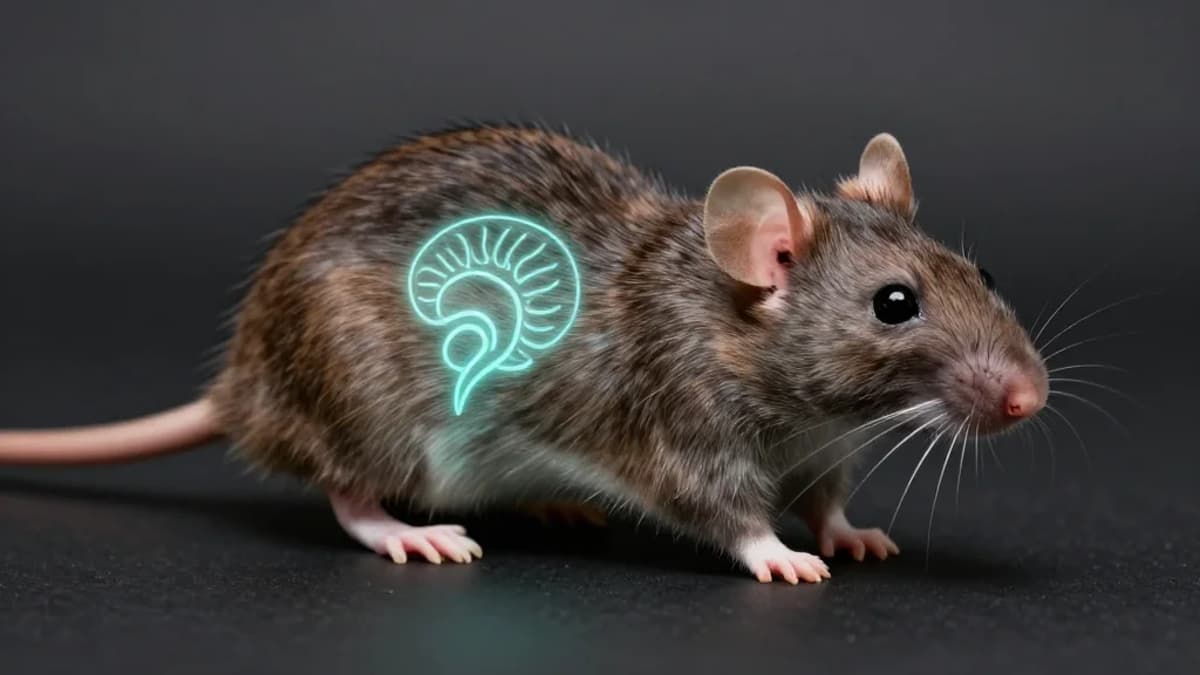
How Voluntary Exercise Reshapes Tryptophan Metabolism Through the Gut Microbiota
A study in *Brain Medicine* shows that eight weeks of voluntary wheel running in adult male rats reshapes the gut microbiota, notably decreasing the tryptophan‑metabolizing genera Alistipes and Clostridium. The microbial shift coincides with altered serum metabolites, including a rise...
By Medical Xpress
News•Mar 10, 2026
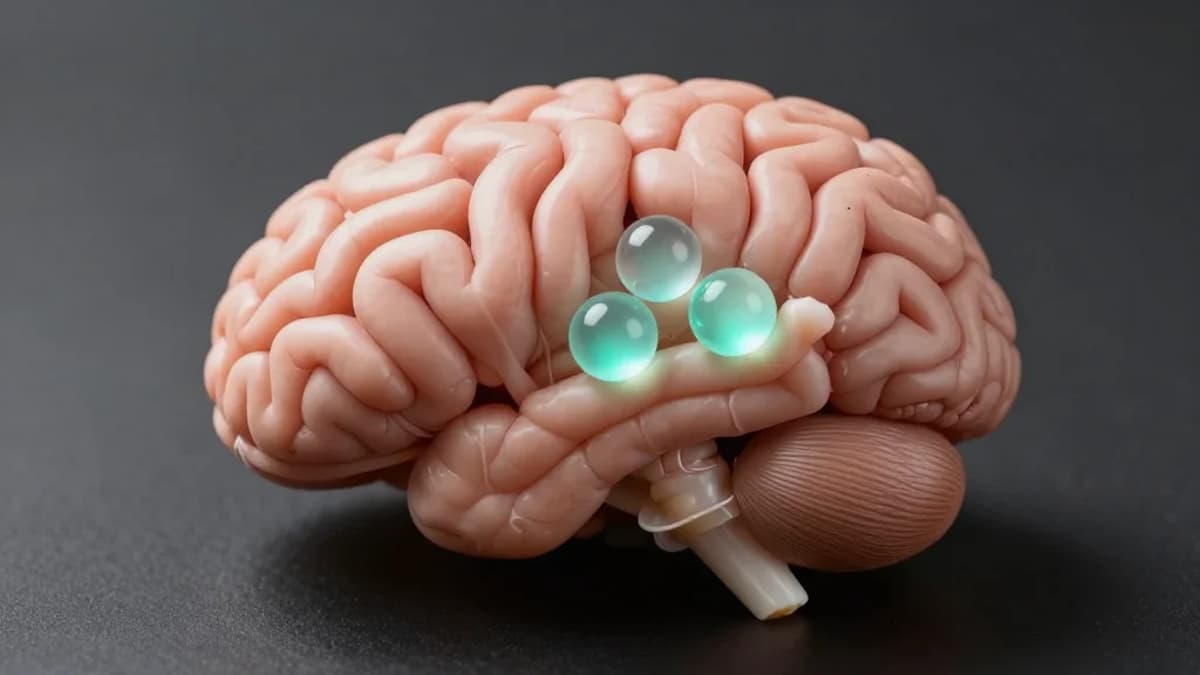
Mouse Brain Study Reveals Why Blockbuster Weight-Loss Drugs May Work Differently in Females and Males
Researchers at Icahn School of Medicine created the first sex‑specific atlas of GLP‑1 expression in the mouse brain using RNAscope, mapping the peptide across 25 nuclei. The atlas shows pronounced differences between females and males, especially in hindbrain nuclei of...
By Medical Xpress

News•Mar 10, 2026
Should You Exercise When You Have Cancer?
Exercise is generally safe for most cancer patients and can be a powerful adjunct to treatment. Medical oncologists emphasize that even modest activity—walking, yoga, or light strength work—helps lower inflammation, fatigue, and improves sleep and mood. The American Cancer Society...
By Cleveland Clinic Health Essentials
News•Mar 10, 2026
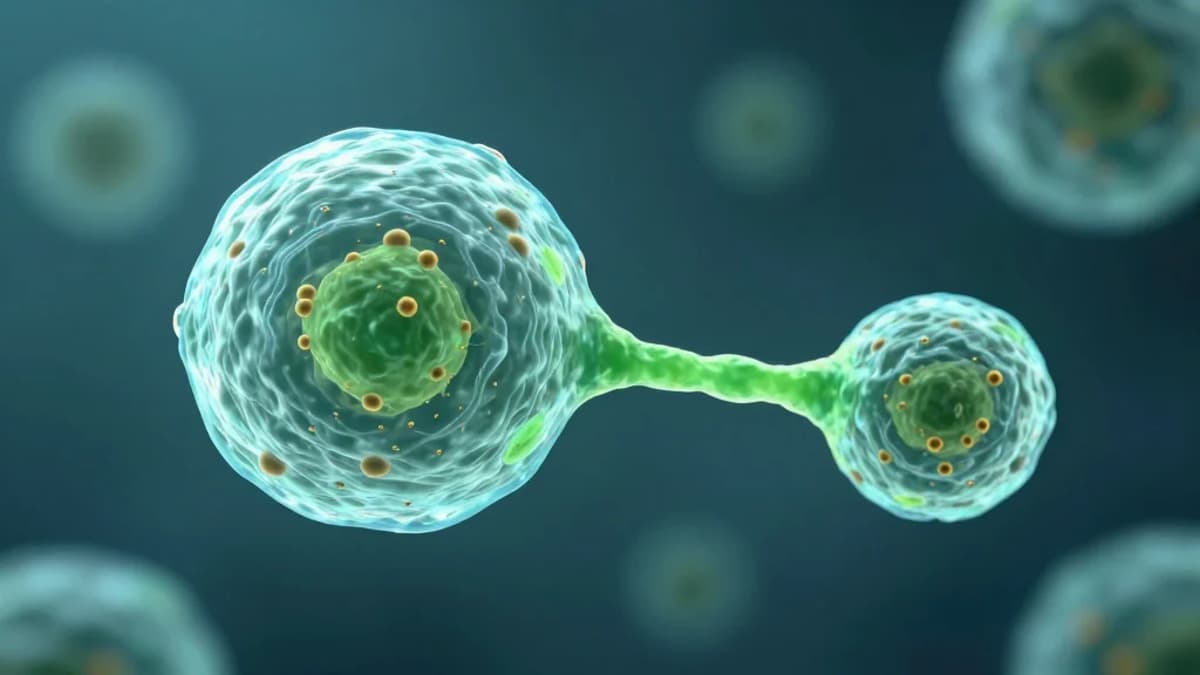
CAR T Cell Therapy Boosted by Biomimetic Platform in Refractory Leukemia
Researchers at the Chinese Academy of Sciences unveiled a ferritin‑based biomimetic platform called FACE that links CD71 on CAR T cells to CD71 on leukemia cells, strengthening cell‑cell engagement without re‑engineering the CAR. In patient‑derived xenograft models, FACE‑augmented CAR T...
By GEN (Genetic Engineering & Biotechnology News)