Today's Cybersecurity Pulse

CISA adds critical Android and Linux flaws to KEV catalog
The U.S. Cybersecurity and Infrastructure Security Agency (CISA) listed two high‑severity vulnerabilities in its Known Exploited Vulnerabilities catalog: Android CVE‑2025‑48595, an integer overflow that enables privilege escalation on Android 14‑16 without user interaction, patched in June 2026; and Linux CVE‑2022‑0492, a kernel flaw also deemed actively exploited.
Also developing:
By the numbers: Ingeteam secures $82.5M loan from EIB for renewable energy R&D

Ledger Uncovers Security Vulnerability That Could Affect 25% of Android Phones
Ledger’s in‑house security team disclosed a critical flaw in Android phones powered by MediaTek chips, potentially affecting up to 25% of devices. The vulnerability lets attackers extract root cryptographic keys and decrypt full‑disk storage even when the phone is off, enabling theft of crypto wallet seed phrases and PINs. A proof‑of‑concept on a Nothing CMF Phone 1 recovered a PIN and six major wallet seeds in 45 seconds. MediaTek has issued a fix, and Ledger urges users to apply the latest updates immediately.

France: National Cybersecurity Agency Reports Ransomware Attack Drop in 2025
The French cybersecurity agency ANSSI reported a modest decline in ransomware incidents in 2025, with 128 attacks versus 141 in 2024. The drop is attributed to proactive cyber‑defense measures and large‑scale law‑enforcement actions such as Operation Endgame. While overall ransomware...

Quectel Leans on Third-Party Security Validation as EU Cyber Resilience Act Deadline Approaches
Quectel Wireless Solutions announced that its IoT module portfolio is already aligned with the EU Cyber Resilience Act (CRA) ahead of the September 11 2026 deadline. The company relies on a four‑year partnership with Finite State to deliver independent security testing, software‑bill‑of‑materials...

IO River Launches Multi-CDN Edge Security With Check Point
IO River unveiled a multi‑CDN edge security platform powered by Check Point’s Web Application Firewall. The solution runs security logic directly at the edge of each CDN, eliminating the need to route traffic back to a central inspection point. By decoupling...

DataBahn Expands Microsoft Sentinel Integration
DataBahn has deepened its partnership with Microsoft, embedding its AI‑driven data pipeline into Microsoft Sentinel via the Content Hub and Azure Marketplace. The joint solution automates ingestion, normalization, and routing of telemetry from hundreds of sources, cutting weeks of manual...

HIMSS Survey: 60% of Health Systems Can’t Protect Unmanaged Medical Devices
A new HIMSS‑Elisity survey reveals that 62% of health systems cannot secure unpatchable or agentless IoMT devices, while 56% struggle with basic inventory visibility. The same respondents cite microsegmentation as the preferred defense, yet 40% fear it will disrupt clinical...
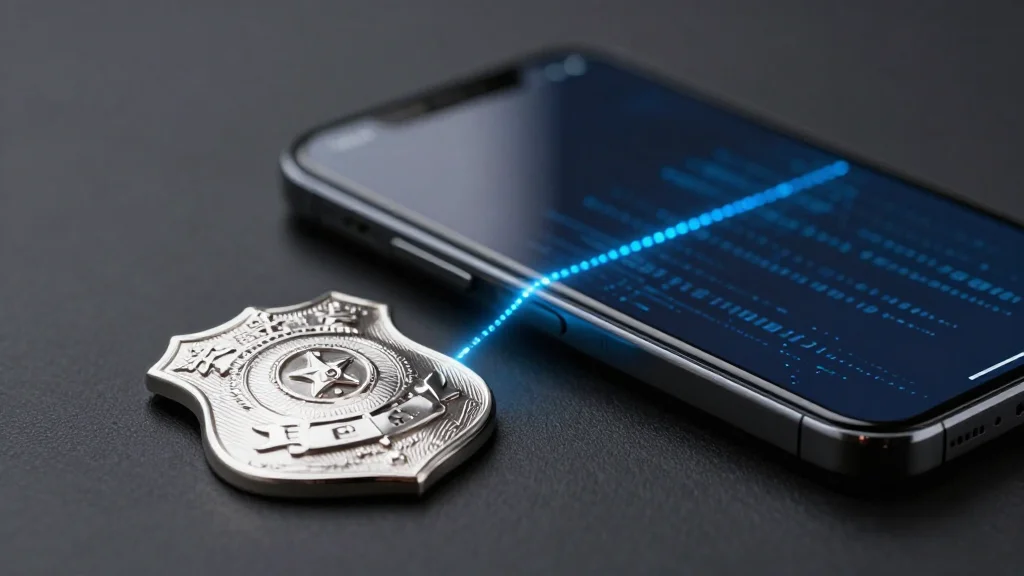
Police Scotland Fined £66k for Extracting and Sharing Mobile Phone Data
The Information Commissioner’s Office fined Police Scotland £66,000 after it extracted the entire contents of a suspect’s mobile phone following a crime report and shared the unredacted data with an unauthorised third party. The ICO found the force failed to...

Cybersecurity’s New Frontline: What the 2026 CrowdStrike Global Threat Report Reveals
The 2026 CrowdStrike Global Threat Report shows attackers leveraging generative AI to accelerate breach timelines, with average breakout time now just 29 minutes—a 65% increase in speed. AI‑enhanced reconnaissance, phishing, and automated evasion are compressing response windows, while identity compromise...

Day 2 Highlights: Crowd Prioritizes Critical Infrastructure Security
Kicking off Day 2 at CS4CA in Houston. Great crowd focused on securing our most critical infrastructure.

Researchers Discover Major Security Gaps in LLM Guardrails
Unit 42 researchers revealed that safety guardrails in generative AI, termed “AI Judges,” can be bypassed using a novel prompt‑injection technique. Their custom fuzzer, AdvJudge‑Zero, automatically discovers low‑perplexity token sequences that shrink the logit gap between “allow” and “block,” achieving a...

Google Acquires Wiz to Boost Cloud Security
$GOOGL completes the Wiz acquisition. Sundar Pichai, CEO, Google: “Keeping people safe online has always been part of Google’s mission. This job is increasingly important today, as more companies and governments move their work to the cloud and broadly use generative...
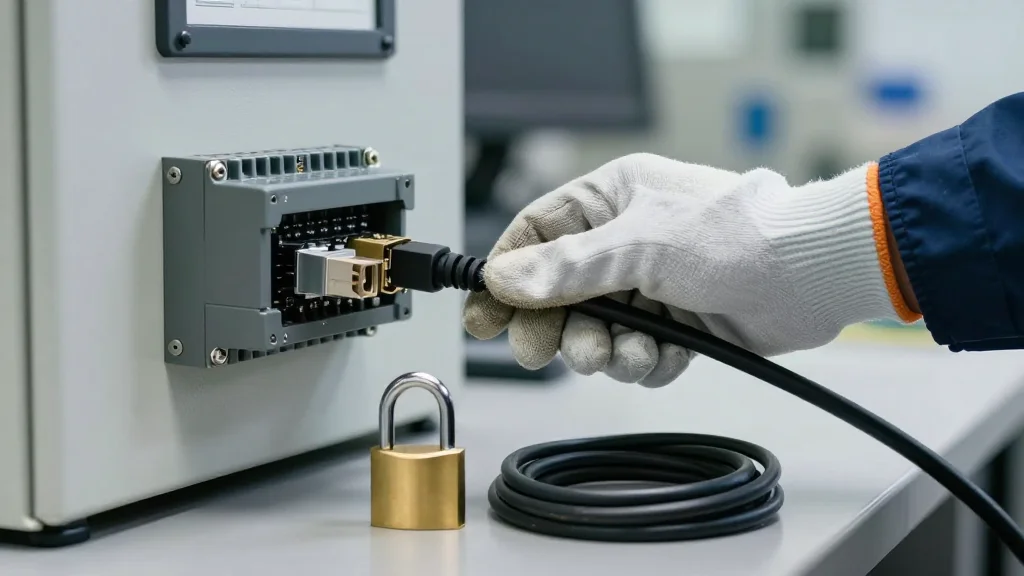
5 Ways to Protect Manufacturing From Cyberattacks
Manufacturers remained the most targeted sector in 2025, according to IBM X‑Force, driven by high‑value intellectual property and legacy systems that are hard to patch. Experts warn that many firms treat operational technology separately from cybersecurity, lack robust identity controls,...

Netskope Launches AI Security Platform to Monitor and Protect Enterprise AI Systems
Netskope unveiled Netskope One AI Security, extending its Zero Trust platform to monitor and control AI agents, models, and data flows across enterprises. The suite adds an Agentic Broker, AI Guardrails, AI Gateway, and AI Red Teaming to give security...

HIMSS26: Imprivata Introduces Agentic Identity Management to Secure and Govern AI Agents
Imprivata unveiled Agentic Identity Management at HIMSS26, a platform that secures and governs AI agents used in clinical documentation, prior authorizations, and triage. The solution treats AI agents as managed identities, issuing short‑lived tokens and enforcing least‑privilege access across both...

AWS Expands Security Hub for Multicloud Security Operations
Amazon Web Services has broadened AWS Security Hub into a centralized multicloud security operations platform. The enhanced service aggregates risk signals from AWS and third‑party tools, delivering near‑real‑time analytics, automated analysis, and prioritized insights across multiple cloud providers. New capabilities...

Microsoft's 'Patch Tuesday' For March Addresses Two Zero-Day Flaws
Microsoft’s March 2026 Patch Tuesday delivered fixes for 83 vulnerabilities, including two publicly disclosed zero‑day flaws. The first, CVE‑2026‑21262, is an elevation‑of‑privilege bug in SQL Server that could grant admin rights over a network. The second, CVE‑2026‑26127, is a .NET denial‑of‑service...
Employee Crime Poses Growing Threat to Large Enterprises
A QBE Insurance survey finds 80% of risk managers at large U.S. firms faced employee crime in the past year, with billing fraud leading at 36%. Incidents often involve multiple perpetrators and senior staff, while 41% of managers express very...

Meta Ramps Up Efforts to Disrupt Industrialized Scamming
Meta announced it removed 10.9 million Facebook and Instagram accounts tied to criminal scam centers in 2025, alongside deleting over 159 million scam ads. The company introduced new account protections, including Messenger scam‑detection alerts, WhatsApp device‑link warnings, and Facebook friend‑request...

Inside ThreatLocker’s Rise From Startup to Global Cybersecurity Company
ThreatLocker has scaled from a two‑person startup to a global cybersecurity firm with over 700 employees, anchored by a deny‑by‑default, Zero Trust platform that blocks unauthorized software before it runs. The company’s growth has been propelled by its appeal to...
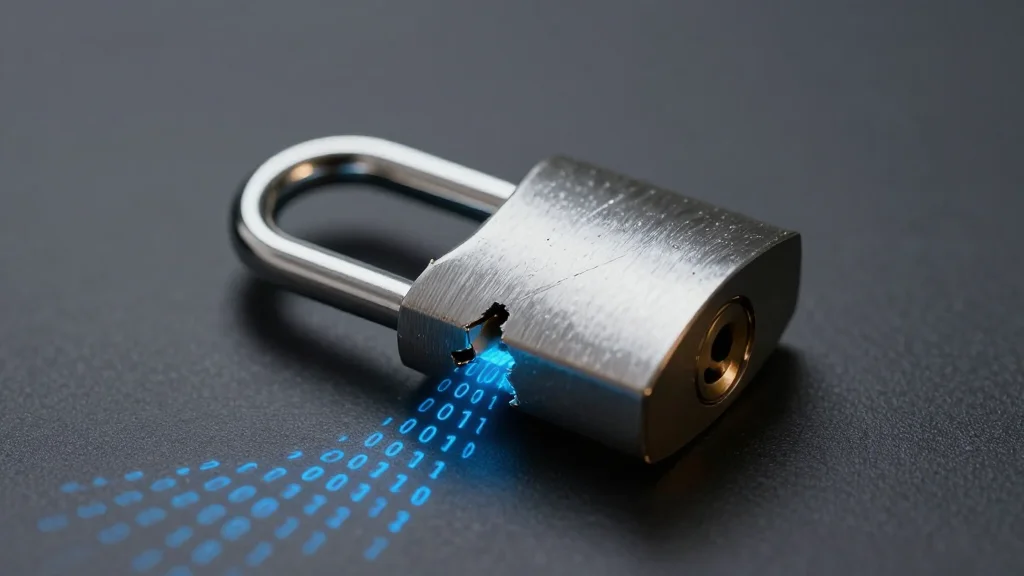
Viral ‘Quittr’ Porn Addiction App Exposed the Masturbation Habits of Hundreds of Thousands of Users
Quittr, a self‑help app marketed to men seeking to curb pornography use, suffered a massive data breach that exposed intimate details, including masturbation frequencies, of hundreds of thousands of users. The company had previously assured users of robust security, yet...
New Report Finds One in Two U.S. School Districts Experienced a Cybersecurity Incident in 2025
Clever released its Cybersecure 2026 Report, surveying nearly 500 U.S. K‑12 administrators and technology professionals. The study found that one in two school districts experienced a cybersecurity incident in 2025. More than 77% of districts rely on Clever’s identity platform...

KnowBe4 Launches AI Agent to Tailor Security Awareness Assessments
KnowBe4 has added a Custom SAPA AI Agent to its AIDA platform, enabling organizations to generate security awareness assessments that reflect their unique technology environments, policies, and workflows. The AI-driven tool creates dynamic, real‑world scenario questions and provides per‑question analytics,...

Storage Vendor Offers a Real Guarantee — but Check Out Those Fine-Print Exceptions
Scality announced a $100,000 cyber guarantee for its Artesca storage line, promising payment if an external attack destroys or encrypts data. The company markets the guarantee as simple and accessible, but the fine‑print limits coverage to external incidents, requires a...

Blog 108a. The LexisNexis Breach Shows Why Legacy Authentication Is No Longer Safe!
In February 2026, FulcrumSec breached LexisNexis Legal & Professional’s cloud environment, exfiltrating roughly 2 GB of data. The incident exposed about 400,000 records, including professional contact details, internal metadata, and email addresses of legal and government entities. Researchers linked the attack...

Catholic Health’s Duemling Says Cybersecurity Should Be Managed Like a Chronic Condition
In this episode of the Health System CIO Show, CISO Keith Dumling discusses his first year at Catholic Health, emphasizing the importance of listening to the organization’s culture before acting and integrating quick wins into a longer‑term cybersecurity roadmap. He...

Meta Rolls Out New Features for Scam Protection
Meta introduced AI-driven tools to identify brand and celebrity impersonators and flag deceptive links across its platforms. The company also added user alerts for suspicious friend requests on Facebook, device‑link warnings on WhatsApp, and suspect‑account warnings on Messenger. Additionally, Meta...

The Rise of Teen Hackers ‘Makes for a Good Headline’, but Cyber Crime Activities Peak Later in Life
Orange Cyberdefense’s analysis of 418 public law‑enforcement cases from 2021 to mid‑2025 shows cyber‑crime activity peaks among adults aged 35‑44, who account for 37% of incidents. Combined, individuals aged 25‑44 represent 58% of all reported cases, while teenagers and young...

Keeper Security Launches Global Campaign Highlighting Identity-First Cybersecurity with Atlassian Williams F1 Team
Keeper Security has launched a global marketing campaign with the Atlassian Williams Formula 1 team to promote identity‑first cybersecurity. The initiative, timed with the start of the 2026 F1 season, includes TV spots and digital content featuring driver Alex Albon and highlights...

Cyber-Attacks on UK Firms Increase at Four Times Global Rate
Check Point’s February 2026 report shows UK organisations faced a 36% year‑on‑year rise in cyber‑attacks, far outpacing the 9.8% global increase. Despite the surge, UK firms averaged 1,504 attacks per week, still below the global mean of 2,086. Education, energy,...

Child Rapist Could Have Profiled Victims Through Unaudited Access to NHS Databases
A former NHS analyst and convicted child rapist, Paul Lipscombe, is alleged to have used unaudited SQL queries to extract personal details of his victims from hospital databases. The whistleblower highlighted that while patient administration systems are logged, analysts can...

Your Face Is Your Hospital ID Under Mount Sinai's New Clear Scanning Contract
Mount Sinai Health System has signed a system‑wide contract with Clear Secure to deploy facial‑recognition scanners across its seven hospitals and roughly 400 outpatient clinics, serving about five million patient visits annually. The technology, already used in airports and major...

Beyond Trade Policy: What the BIS Connected Vehicle Rule Really Demands From Automotive Software Teams
The U.S. Bureau of Industry and Security’s Connected Vehicle Rule, effective March 2025, focuses on software provenance rather than merely restricting Chinese or Russian components. It requires manufacturers to file Declarations of Conformity backed by defensible documentation that proves where each...

CISOs on Alert: Strengthening Cyber Resilience Amid Geopolitical Tensions in the Middle East
Rising geopolitical tensions between Israel, the US and Iran are prompting CISOs across the Gulf to tighten cyber resilience. Leaders emphasize readiness over panic, focusing on nation‑state threat monitoring, rapid incident response, and robust data protection. Immediate measures include enhanced...

States and Feds Consider a Simple Solution to SNAP Fraud
Thieves stole at least $320 million in SNAP benefits between October 2022 and December 2024, and the USDA projects another $233 million could be lost in fiscal years 2025‑26 without stronger controls. The fraud stems from magnetic‑stripe EBT cards that are vulnerable to skimming and...

AI-Generated Code Still Fails Critical Security Checks
OMG so much time telling LLMs 🤖to create two lambdas that ALWAYS verify Yubikey before taking actions and after many rounds of bug fixes like wrong database table names for example (would never work) they come up with a...
Secure Error Handling Prevents Sensitive Data Leaks
Do you think about security implications of your error handling in code? I do not, but that's because I'm a terrible developer who no longer ships production apps. But you probably are a good dev who avoids leaking info. Good @jetbrains...

Iran’s Fake “Shelter Danger” Calls Part of Psychological Cyber Warfare Playbook
Israel’s National Cyber Directorate warned that Iran‑linked actors are conducting a wave of caller‑ID spoofing attacks, impersonating the Home Front Command’s emergency line. Automated calls and fake text alerts instruct citizens to stay out of bomb shelters or anticipate fuel...

AI Powers Both Cyber Attacks and Defenses
Hackers Are Automating Cyberattacks With AI. Defenders Are Using It to Fight Back. by @EddyTheGent https://t.co/SbgZ2RlWZg https://t.co/Dyw0vcKhD3

Deepfakes Cost Companies Millions; Traditional Security Fails
Deepfakes aren’t sci-fi. They’re real threats. Cheap, convincing fakes fooled even experts: a 2024 UK finance team lost $25M to AI-generated leaders. Traditional security can’t verify if video or images are real. https://t.co/CpIymYGaON

The 2020’s Twitter Bitcoin Hack Deconstructed
In July 2020, hackers compromised 130 high‑profile Twitter accounts and used a Bitcoin giveaway scam to steal roughly $121,000 worth of BTC from over 400 victims. The stolen coins were quickly shuffled through a network of 12 addresses, Wasabi Wallet,...

AI Code Generation Risks Demand Full‑Lifecycle Security
AI code generation is fast, but is it secure? "Vibe Coding" is creating a massive surface area for malicious injections. We need to move beyond just "testing" to protecting the entire dev lifecycle. Read more on the AVOA briefing: 🔗 https://t.co/6PIC4o7OmO #AppSec #DevSecOps...
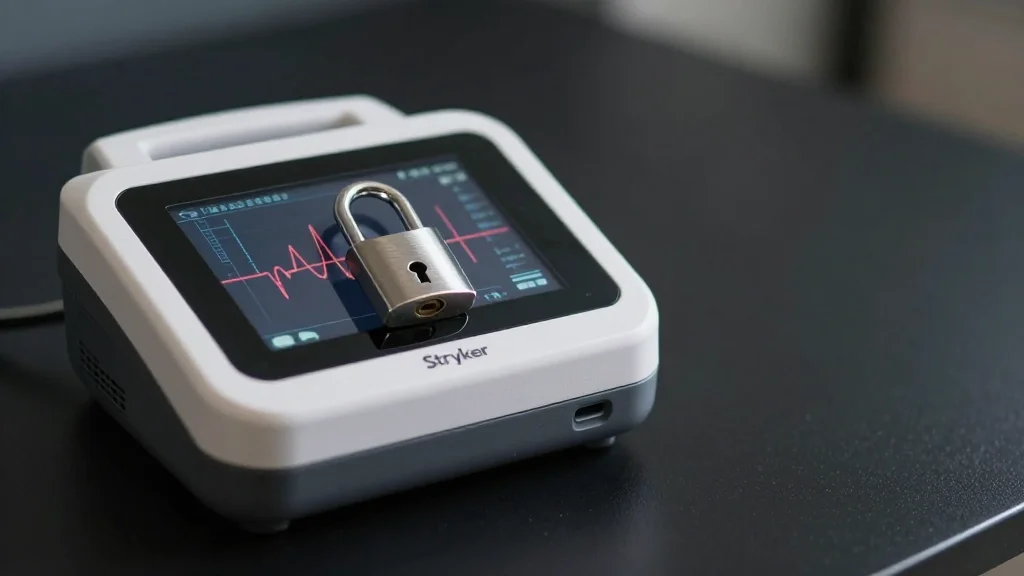
Iranian Hacktivists Wipe Stryker Employee Devices in Cyberattack
US medical device maker Stryker hit with cyberattack from Iranian hacktivists who remotely wiped employee devices. "many employees have had their device data wiped and cannot access their accounts" Stryker makes surgical/imaging equipment, defibrillators https://t.co/PA2eBYjPfK

Criminals Pose as Officials to Phish Zoning Permits
Internet Crime Complaint Center (IC3) | Criminals Impersonating City and County Officials in Phishing Emails for Planning and Zoning Permits https://t.co/0OYWx6RyqL

Google Pays $32B for Wiz, Now $1B ARR
Google completes $32B acquisition of cloud cybersecurity startup Wiz A source familiar says Wiz crossed $1B in ARR in 2025. https://t.co/1vJmMDOHh1 via @techcrunch

Key Takeaways From 2026 Unit 42 Incident Report
Great conversation with @PaloAltoNtwks Unit 42, where we discussed critical insights from the 2026 Unit 42 Global Incident Response Report. 📍FULL episode here👇 https://t.co/FBcQYVqIr1 📍Read the Report👇 https://t.co/4qBLvLzTTF #cybersecurity #AI #CISO #AI #PaloAltoPartner https://t.co/v9lUBQfN3E

AI Era Demands Robust Security and Power Resilience
The Critical Importance of Security and Power Resilience for Data Centers in the AI Era by @ChuckDBrooks https://t.co/GZHzYef4B8 #datacenter #cybersecurity

Dutch Telecom Hack Exposes Millions of Personal Records
Hacking group begins leaking customer data in Dutch telecom Odido hack https://t.co/byTVBOsAmS "The theft… included names, telephone numbers, e-mail addresses, bank account numbers, birth dates and passport numbers." Every day, in every way, it gets worse. https://t.co/DSdcBeqfD7

China Bans OpenClaw AI on Government Computers
Chinese authorities moved to restrict state-run enterprises and government agencies from running OpenClaw AI apps on office computers, acting swiftly to defuse potential security risks https://t.co/m8f5iz16vH

NightBeacon: AI‑Powered, Self‑Trained Security Platform Launches
Here's a demo on a project I've been developing and working on for the past 9 months. Called NightBeacon. Using it now in production, getting released fully this week. Our own internally trained models on our own infrastructure (no third party)....

Demand Thorough Evaluations Before Buying AI Security Tools
RE: Agentic security testing claims Buyer beware. Make vendors provide you evals for their claims. Describe architecture. Prove workflows. Define models and tuning. Cite data sources. Provide references and case studies. Then buy 🤗