Today's Cybersecurity Pulse
Google sues Chinese cybercrime network for AI‑driven scam campaign
Google has filed a civil lawsuit against the Chinese group Outsider Enterprise, accusing it of using the Gemini generative‑AI model to mass‑produce phishing sites and send millions of fraudulent text messages. The operation deployed roughly 9,000 fake websites, a million malicious domains and dispatched 2.5 million scam texts in two weeks, scamming hundreds of thousands and causing losses in the millions of dollars. Google says the suit aims to dismantle the network and prevent further AI‑enabled abuse.
Also developing:

What Is User Managed Access?
User Managed Access (UMA) extends OAuth 2.0 by letting data owners set granular sharing policies. It introduces components such as Resource Owner, Authorization Server, and Requesting Party Token to mediate consent. In enterprise SSO, UMA decouples resource data from policy logic, enabling asynchronous permission tickets and OIDC‑based identity verification. The model addresses compliance demands like GDPR by providing user‑driven consent and revocation.
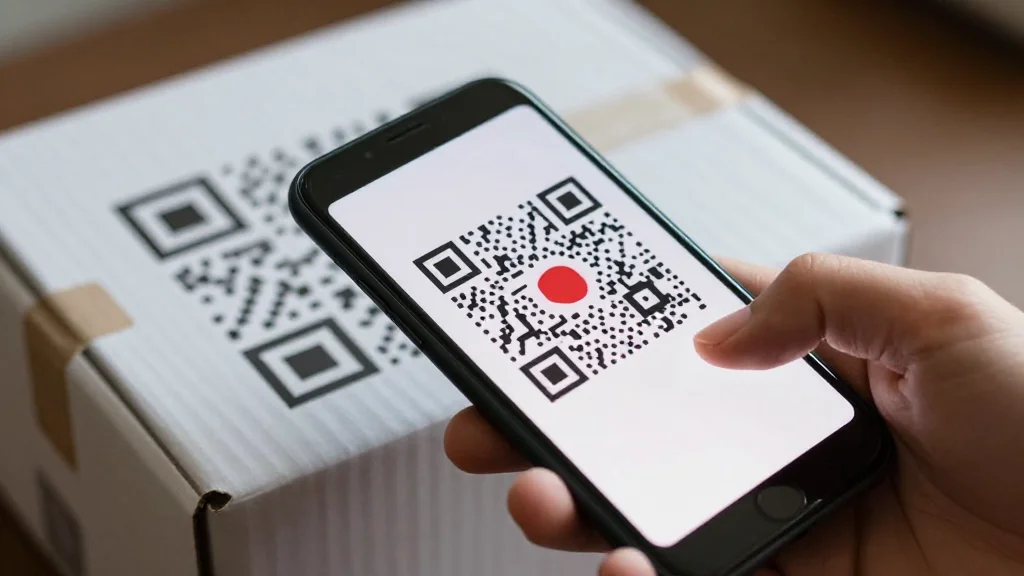
26M+ Scammed By Fake QR Codes: NordVPN
NordVPN research finds more than 26 million people may have been lured to malicious sites via fake QR codes. Scammers embed these codes in “brushing” packages, a tactic that now delivers 26 % of all malicious links. Seventy‑three percent of Americans admit...

The Future of Everything: What CEOs of Circle, CrowdStrike & More See Coming in 2026
In this episode, the All‑In hosts interview four CEOs about the landscape they expect in 2026. Jeremy Allaire of Circle discusses the post‑GENIUS Act stablecoin environment, interest‑rate pressures and how AI will reshape money. George Kurtz of CrowdStrike warns that...
NDSS 2025 – RContainer
The NDSS 2025 paper introduces RContainer, a secure container architecture that leverages ARM Confidential Computing Architecture (CCA) hardware primitives to protect containers from untrusted operating systems. By deploying a lightweight trusted mini‑OS alongside the host OS, RContainer monitors control‑flow interactions...

Terrifying Solana Flaw Just Exposed How Easily the “Always-On” Network Could Have Been Stalled by Hackers
Solana validators were urged to install Agave v3.0.14 after a critical security advisory revealed two vulnerabilities that could crash nodes or stall consensus. Early adoption was slow, with only 18% of stake on the patched client, exposing the network to...

The Fraud Hiding in Email Signups
E‑commerce merchants are increasingly hit by fraud that begins with fake but technically valid email sign‑ups. Fraudsters use these accounts for low‑value card‑testing transactions and to harvest welcome coupons, driving chargebacks and an estimated $89 billion in annual coupon abuse losses....

Nike Is Investigating a Possible Data Breach, After WorldLeaks Claims
Nike announced it is probing a potential cyber incident after the WorldLeaks group claimed to have accessed and exfiltrated roughly 1.4 TB of company data. The hacker collective, which evolved from the Hunters International ransomware gang, posted the alleged breach on...

Microsoft Investigates Windows 11 Boot Failures After January Updates
Microsoft is investigating Windows 11 boot failures marked by the UNMOUNTABLE_BOOT_VOLUME stop code after the January 2026 Patch Tuesday cumulative update (KB5074109). The problem impacts Windows 11 version 25H2 and all editions of version 24H2 on physical devices, displaying a black crash screen and requiring...

Coinbase Establishes Quantum Computing Advisory Board with Stanford & UT Austin Experts
Coinbase announced the creation of an Independent Advisory Board on Quantum Computing and Blockchain, staffed by leading researchers from Stanford University and the University of Texas at Austin, including Scott Aaronson and Dan Boneh. The board will develop position papers...

Cybersecurity’s New Business Case: Fraud
Government CISOs are being urged to reframe cybersecurity discussions around financial fraud and AI‑generated scams rather than traditional technical jargon. Pandemic‑relief programs alone saw over $300 billion in fraudulent payments, while consumer fraud hit $12.5 billion in 2024, underscoring the fiscal stakes....

SECURITY AFFAIRS MALWARE NEWSLETTER ROUND 81
Security Affairs’ Malware Newsletter Round 81 curates the latest threats and research across the malware landscape. Highlights include the emergence of AI‑generated malware frameworks such as VoidLink, sophisticated evasion tactics like PDFSIDER’s DLL side‑loading, and supply‑chain abuse via a malicious...

Carahsoft Expands Quantum-Resilient Cybersecurity Offerings with Cyber Intell
Carahsoft Technology Corp. has signed a Master Government Aggregator partnership with Cyber Intell Solution to distribute the patented CISEN‑SDN‑PQC quantum‑resistant platform to U.S. federal, state and local agencies. The collaboration leverages the ITES‑SW2 contract (W52P1J‑20‑D‑0042) and additional procurement vehicles to...

Microsoft Releases Emergency OOB Update to Fix Outlook Freezes
Microsoft issued emergency out‑of‑band (OOB) updates on Saturday to address a critical Outlook freeze affecting PST files stored in cloud services such as OneDrive and Dropbox. The problem, introduced by the January 2026 Patch Tuesday roll‑out, caused Outlook to become...

Gmail Is Having Issues with Spam and Misclassification
Google reported a widespread Gmail outage on January 24, 2026, affecting spam filtering and email classification. The issue began around 5 a.m. Pacific, causing promotional and social messages to appear in the Primary inbox and legitimate emails to trigger spam warnings....
How Does AI Ensure Calm in Cybersecurity Operations?
Non‑Human Identities (NHIs), or machine identities, are becoming the backbone of AI‑driven cybersecurity operations. By pairing encrypted secrets with server‑granted permissions, NHIs function like digital passports that enable secure automated interactions. AI enhances NHI management through real‑time threat analytics, lifecycle...
How Is AI Security Evolving for Better Protection?
AI security is shifting focus toward Non‑Human Identities (NHIs), the machine credentials that underpin modern cloud and AI workloads. Organizations confront challenges in discovering, classifying, and governing these identities, which lack the natural lifecycle of human users. Emerging solutions integrate...
How Do NHIs Deliver Value in Digital Security Landscapes?
Non‑Human Identities (NHIs) are machine credentials that now underpin most cloud‑native environments. Effective NHI management couples secret rotation, permission controls, and continuous monitoring to reduce breach risk and streamline compliance. Organizations that automate discovery, classification, and remediation see faster incident...
Can You Trust AI with Your Digital Secrets Management?
Non‑human identities (NHIs) or machine identities are becoming central to digital secrets management, especially as enterprises expand across hybrid cloud environments. Effective NHI platforms automate discovery, lifecycle handling of secrets, and real‑time monitoring, reducing breach risk and compliance burdens. AI...

What Is A Website Crawler? 12 Bot Management Strategies
Ilya Grigorik explains that over half of web traffic now comes from bots, dividing them into good (search), grey (AI training/fetchers) and bad (malicious scrapers) and urging e‑commerce teams to treat this "post‑human" reality as a core business concern. He...

Evaluating the Best Value Cybersecurity Platforms for Enterprises
The article evaluates enterprise‑grade cybersecurity platforms, outlining key criteria such as AI/ML capabilities, coverage breadth, autonomous response, total cost of ownership, and scalability. It reviews five leading solutions—Darktrace, CrowdStrike, SentinelOne, Palo Alto Networks, and Microsoft Defender—detailing each vendor’s strengths and...

Fintech Plaid Reports Growth in Open Banking Adoption, Improves Platform Security
Plaid reported a 55% increase in new European customers and a 53% annual rise in UK open‑banking payments as it expands its footprint across the continent. The fintech data‑connectivity provider added virtual‑account processing for over half of its European transactions...
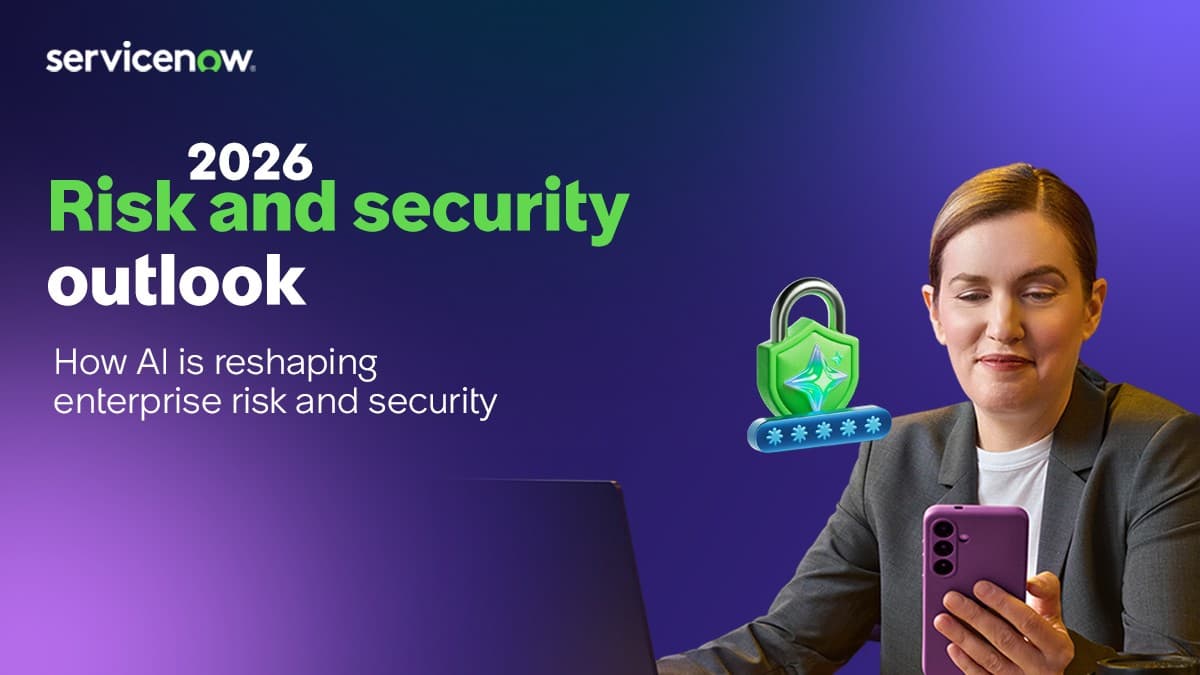
AI Expands Risks Yet Powers Scalable Security Solutions
Tech and AI lead the global risk landscape as they increasingly expand the attack surface. The good news? The same tools can help us move faster, see more clearly, and respond at scale. Our Risk & Security Outlook explores what's...

Metriport (YC S22) Is Hiring a Security Eng to Harden Healthcare Data Infra
Metriport, a YC‑backed open‑source platform that moves patient data for over 300 million individuals, is hiring a senior security engineer in San Francisco. The role will harden its HIPAA‑compliant infrastructure, building audit‑logging, RBAC, and security policies. The company reports multi‑million ARR,...
Government May Subpoena Google, Proton for Natanson’s Accounts
Given how aggressively the government has pursued Hannah Natanson and the Washington Post, it would not surprise me if Google and Proton also received subpoenas for access to her accounts.

The CISO's Craft: Watchmaker or Gardener?
The article contrasts two CISO archetypes—the Watchmaker, who builds tightly controlled, auditable security frameworks, and the Gardener, who cultivates an adaptive, culture‑driven security ecosystem. Each style offers distinct strengths: predictability and strong foundations versus flexibility and empowerment. However, both suffer...
NDSS 2025 – Secure Data Analytics
Researchers at NDSS 2025 introduced Laputa, a framework that adds fine‑grained policy enforcement to Apache Spark by inspecting physical execution plans. The system isolates Spark workloads using confidential computing compartments, protecting data from malicious users and compromised cloud managers. Laputa’s...

Self-Custody Is No Longer a Retail Hobby. It Is Becoming Institutional Infrastructure
Institutional perception of self‑custody is shifting from a retail‑only risk to core crypto infrastructure. New hardware wallets, multi‑party authorization, and non‑custodial delegation let firms retain direct asset control while satisfying compliance requirements. Proof‑of‑Stake networks now support staking without transferring ownership,...
Konni Hackers Target Blockchain Engineers with AI-Built Malware
North Korean hacker group Konni, linked to APT37, is deploying AI‑generated PowerShell malware to infiltrate blockchain developers. The campaign uses Discord‑hosted links that deliver a ZIP file containing a PDF lure and a malicious LNK shortcut. The shortcut triggers a...
DAST vs Penetration Testing: Key Differences in 2026
The article contrasts modern Dynamic Application Security Testing (DAST) with traditional and AI‑driven penetration testing, highlighting how AI‑powered tools are built on advanced DAST architectures. Modern DAST now offers CI/CD integration, business‑logic testing, and a graph‑based knowledge model that feeds...

Call-On-Doc Allegedly Had a Breach Affecting More than 1 Million Patients. They’ve yet to Comment.
Telehealth platform Call‑On‑Doc is accused of a data breach that may have exposed more than 1.1 million patient records, according to a listing on a hacking forum. The alleged leak includes personal identifiers, contact details, medical conditions and payment amounts, with...

DOGE May Have Misused Social Security Data, DOJ Admits
The Department of Justice disclosed that operatives from the Department of Government Efficiency (DOGE) may have improperly accessed and shared Social Security Administration (SSA) data. Internal emails show a password‑protected file containing roughly 1,000 individuals’ names and addresses was transmitted...

GBAC Launches Quantum Strategic Intelligence Standard at World Economic Forum
Global Board Advisors Corp and BoardroomEducation.com introduced the Quantum Strategic Intelligence (QSI) framework at the World Economic Forum in Davos, positioning it as an open Sovereignty Standard for quantum‑computing and agentic‑AI risks. QSI extends existing ERM models such as COSO,...
How Founder Oversight Prevents Costly Security Gaps
Founder oversight transforms security from a static checklist into a living, strategic asset. By staying involved in access controls, audits, and vendor management, leaders spot hidden vulnerabilities before they become costly incidents. This hands‑on approach reinforces compliance, reduces downtime, and...

U.S. CISA Adds a Flaw in Broadcom VMware vCenter Server to Its Known Exploited Vulnerabilities Catalog
The U.S. Cybersecurity and Infrastructure Security Agency (CISA) has added the critical VMware vCenter Server flaw CVE-2024-37079 to its Known Exploited Vulnerabilities (KEV) catalog. The heap‑overflow bug in the DCERPC implementation carries a CVSS score of 9.8 and enables remote...
ISO 27001:2013 vs 2022 – A Quick Comparison Guide
ISO 27001:2022 supersedes the 2013 version, introducing a streamlined set of 93 controls organized into four thematic categories—Organizational, People, Physical, and Technological. The update adds 11 new controls targeting cloud security, threat intelligence, secure coding, and data protection, while tightening requirements...

The New Reality of Business Protection When Data, AI, and Risk Collide
Businesses now view protection as safeguarding decisions, trust, continuity, and reputation rather than physical assets. The rise of AI intensifies risk, as models trained on sensitive data can be compromised, leading to regulatory, reputational, and financial fallout. Companies are turning...

Ethereum Foundation Makes Post Quantum Security a Top Priority as New Team Forms
The Ethereum Foundation announced a dedicated Post‑Quantum team, elevating quantum‑resistant security to a top strategic priority. Led by Thomas Coratger and supported by Emile, the group will accelerate wallet safety upgrades, research prizes and test networks. A bi‑weekly developer session...

Equifax Launches AI-Powered Tool to Combat Synthetic Identity Fraud
Equifax unveiled Synthetic Identity Risk, an AI‑driven solution that flags synthetic identity fraud using machine‑learning analysis of identity data, credit histories, and behavioral signals. The tool can be deployed at account opening or continuously for ongoing monitoring, enabling lenders to...
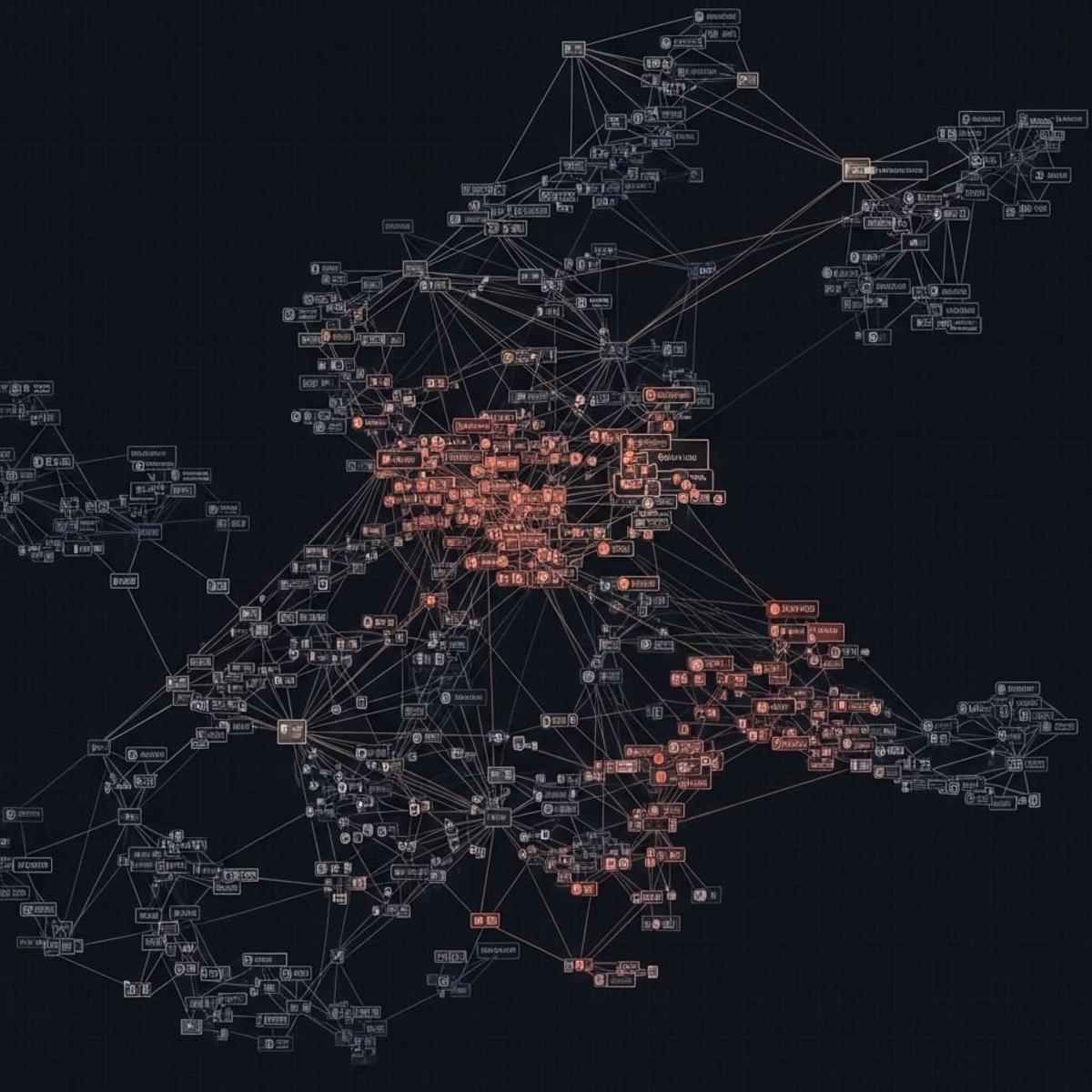
Device-Independent QKD Achieves Key Generation with Photonic Devices, Overcoming 1 Challenge
Researchers at Université Paris‑Saclay and Université Côte d’Azur have demonstrated a device‑independent quantum key distribution (DIQKD) protocol using a photonic circuit identified through machine learning. By introducing a block‑hierarchy semidefinite programming method and a finite‑size security analysis, they show that...

CertiK Keeps IPO on the Table as Valuation Hits $2B, CEO Says
CertiK co‑founder and CEO Ronghui Gu told reporters at Davos that the blockchain security firm is still weighing a public listing, with a current valuation of roughly $2 billion. While no concrete IPO timeline exists, Gu said the company would need additional...

Digital Wallet: A Smarter Way to Manage and Move Money
Digital wallets are software platforms that store payment credentials and enable instant, encrypted transactions via smartphones or computers. They combine convenience, security features like biometrics and tokenization, and financial organization tools such as spending categorization. For merchants, offering wallet payments...

OpenAI's Upcoming Codex Update Will Hit the Company's "High" Cybersecurity Risk Level for the First Time
OpenAI announced that upcoming updates to its Codex code‑generation model will push it into the “High” cybersecurity risk tier in the company’s internal risk framework, the first time a model has reached that level. The “High” designation means Codex could...
NDSS 2025 – WAVEN: WebAssembly Memory Virtualization For Enclaves
Researchers from Southern University of Science and Technology and ByteDance presented WAVEN, a WebAssembly memory virtualization layer designed for trusted execution environments (TEEs). WAVEN enables cross‑module memory sharing and page‑level access control, addressing the linear memory model’s limitations in Wasm‑based...
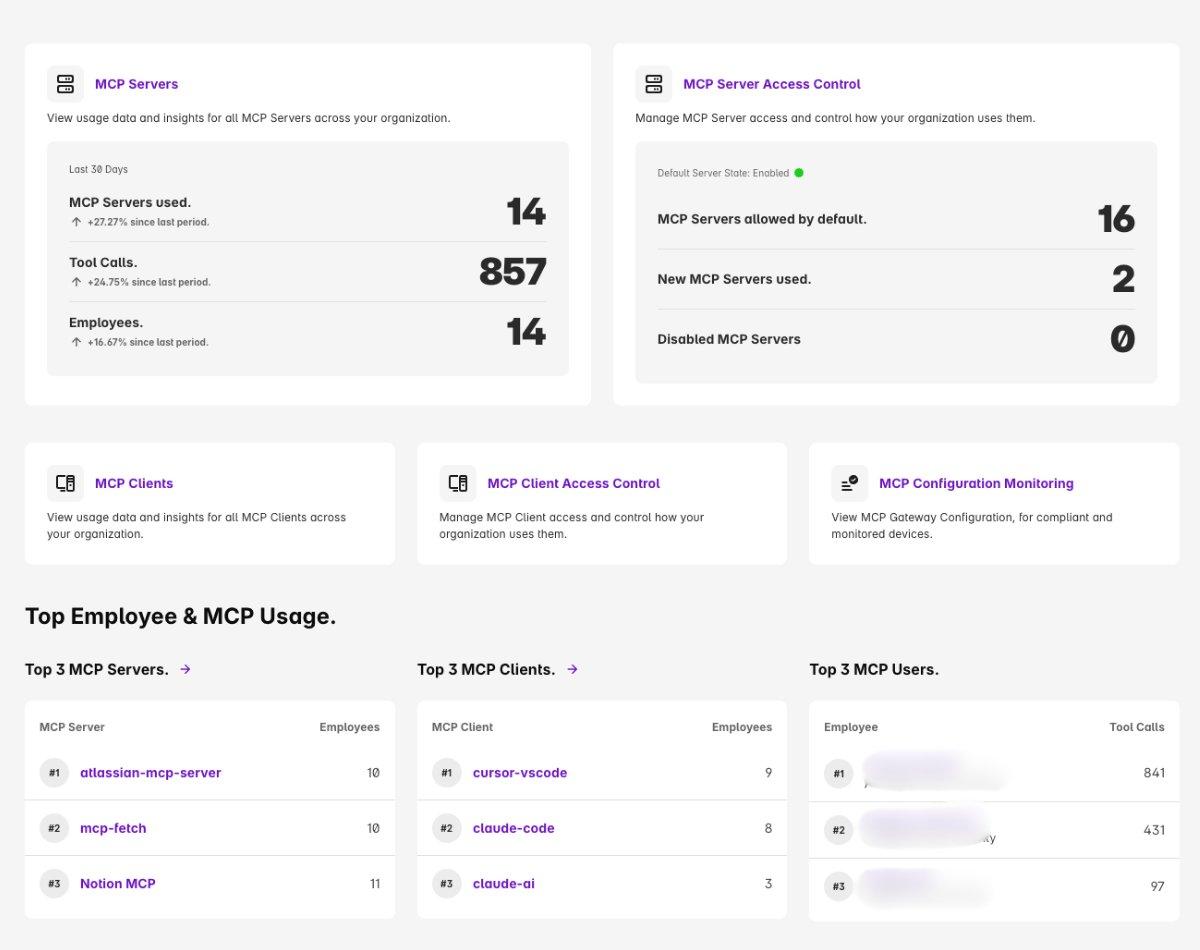
Gain Real Visibility Over Fast‑Moving Agentic AI
Agentic AI is moving fast and most teams lack visibility into what’s actually happening. Meet our sponsor for this weeks newsletter: @harmonicsec ! Harmonic's Security’s MCP Gateway is a lightweight, developer-friendly gateway that gives security teams real visibility...

DeFi Protocol MakinaFi Exploit Analyzed by Blockchain Security Firm CertiK
Blockchain security firm CertiK dissected a sophisticated exploit on the MakinaFi DeFi protocol that drained approximately 1,299 ETH, valued at $4.13 million. The attacker leveraged massive flash loans to manipulate Curve pool valuations, inflating the protocol’s share price and extracting USDC from...
NETSCOUT Recognized for Leadership in Network Detection and Response
NETSCOUT has been named a leader in network detection and response (NDR) by Quadrant Knowledge Solutions’ 2025 SPARK Matrix. The company’s Omnis Cyber Intelligence platform leverages Adaptive Service Intelligence to inspect packets at up to 100 Gbps, delivering deep, context‑rich metadata...

Smarter DDoS Security at Scale
NETSCOUT introduced Arbor Edge Defense (AED), a selective decryption solution that inspects only suspicious encrypted traffic to mitigate DDoS attacks hidden in TLS 1.3 sessions. Traditional full‑traffic decryption is resource‑intensive, creating blind spots for security teams. AED combines known‑source blocking,...

French Authorities Investigate Data Breach of Crypto Tax Platform
French prosecutors and the National Cyber Unit have opened a preliminary investigation into a data breach at Waltio, a cryptocurrency tax platform that exposed personal information of roughly 50,000 users, most of them in France. The hacker group Shiny Hunters...
Venezuelan Nationals Face Deportation After Multi State ATM Jackpotting Scheme
Two Venezuelan nationals were convicted of a multi‑state ATM jackpotting scheme that hit banks in South Carolina, Georgia, North Carolina and Virginia. Using laptops and custom malware, they opened older ATMs at night, forcing the machines to dispense cash until...

Cyberattack Targeting Poland’s Energy Grid Used a Wiper
At the end of December, a wiper‑type malware dubbed DynoWiper attempted to compromise Poland’s power generation and distribution systems. European security firm ESET traced the code to the Russian Sandworm group with medium confidence, noting similarities to previous attacks on...