
The US Asked Ukraine for Help in the War with Iran
The United States has deployed Ukraine’s Sky Map anti‑drone system at Saudi Arabia’s Prince Sultan Air Base after a series of Iranian drone and missile attacks, including the destruction of a Boeing E‑3 Sentry. The Pentagon’s request prompted Ukrainian specialists from Sky Fortress to install and train U.S. crews on the platform. Sky Map integrates radar, acoustic sensors and video feeds to detect threats such as Shahed drones. The move marks the first operational use of Ukrainian‑made counter‑drone technology by the U.S. military.

The President of Ukraine Met with the Crown Prince of Saudi Arabia to Discuss Agreements in Security, Infrastructure, and Energy
Ukrainian President Volodymyr Zelenskyy met Crown Prince Mohammed bin Salman in Jeddah to launch a strategic partnership spanning security, energy and food. Kyiv pledged to share its air‑defence expertise, while Saudi Arabia explored joint projects to bolster Ukraine’s energy resilience...
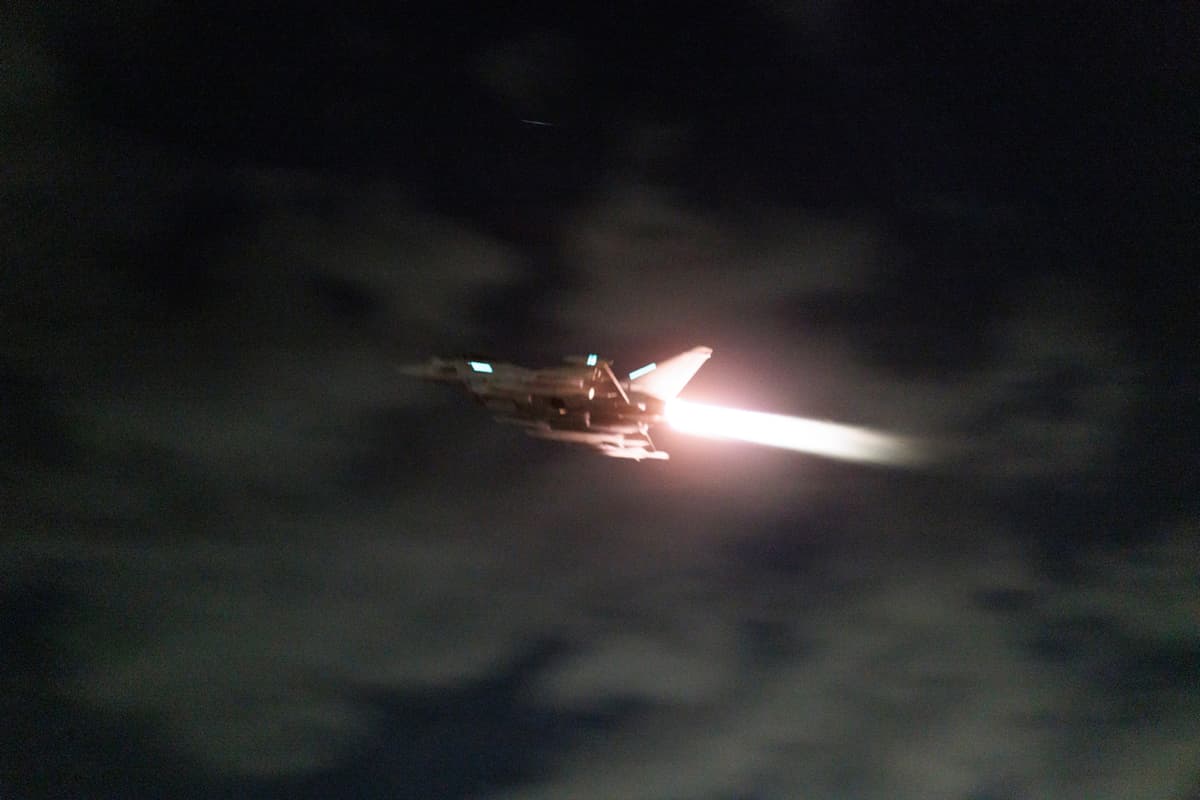
UK Rejects Suggestion British Jets Downed Russian Drones
On 25 April 2026 the UK Ministry of Defence clarified that two RAF Eurofighter Typhoon jets scrambled from Romania’s Borcea Air Base returned without engaging any Russian drones. Romania’s defence ministry confirmed the pilots had authorization to fire but no drones...

Pentagon Email Seeks Ways To Suspend Spain From NATO, Brussels Says Not Possible
The Pentagon circulated an internal memo outlining punitive options against NATO members that have refused to grant U.S. forces baseline access (ABO) for a potential war with Iran, with Spain singled out for its anti‑Israel stance and restrictions on U.S....

5 Reasons Why Trump’s Blockade in the Strait of Hormuz Won’t Work
President Donald Trump announced a naval blockade of Iranian ports in the Strait of Hormuz, framing it as a show of strength. The operation has been heavily publicized through social media and Department of Defense footage, but analysts argue it...

Oklo, NVIDIA, And Los Alamos Working On Plutonium-Powered AI
Oklo, NVIDIA, and Los Alamos National Laboratory announced a joint effort to develop AI‑driven validation tools and plutonium‑bearing fuel research for resilient, round‑the‑clock power generation. The collaboration will create physics‑based AI models for fuel verification, materials science, and grid reliability...

White House Plan To Bail Out Spirit Airlines Is Illegal
The White House is preparing to purchase 90% of Spirit Airlines for roughly $500 million, using the Defense Production Act (DPA) as the legal justification. The plan involves a loan that would place the Treasury as the senior creditor in Spirit’s...

Six Months, If We're Lucky: The Arithmetic of Reopening the Strait of Hormuz
The Pentagon disclosed to Congress that clearing Iranian mines from the Strait of Hormuz could take up to six months, and that a serious clearance operation is unlikely to start until the conflict with Iran ends. The estimate, revealed in...
![CAVASSHIPS Podcast [Apr 24, ’26] Ep: 240 Review of Headlines W/ Sam LaGrone and Mallory Shelbourne of USNI News](https://hixhlmpcokxhartfkpyi.supabase.co/storage/v1/object/public/images/thumbnails/a66506be0ffe2205f0dbf03b46db2f1e.webp)
CAVASSHIPS Podcast [Apr 24, ’26] Ep: 240 Review of Headlines W/ Sam LaGrone and Mallory Shelbourne of USNI News
The CAVASSHIPS podcast episode 240 covered three major headlines: the Navy’s new acting secretary, the FY27 defense budget’s submission to Congress, and the ongoing Iran‑U.S. standoff in the Strait of Hormuz with reciprocal blockades. Hosts Christopher Cavas and Chris Servello...
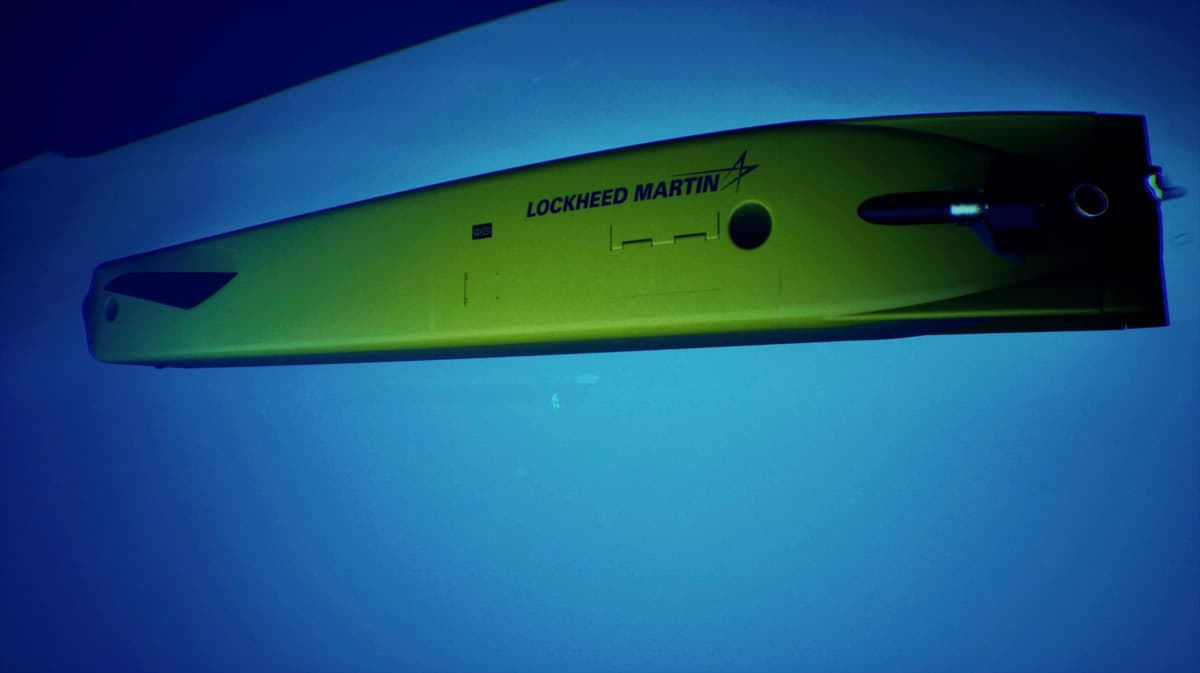
Manta Ray Unmanned Undersea Vehicle and Lamprey Multi‑Mission Autonomous Undersea Vehicle
DARPA’s Manta Ray program demonstrated a full‑scale, modular uncrewed undersea vehicle off Southern California, proving hydrodynamic performance, multi‑mode propulsion and rapid field assembly. The effort advances energy‑efficient propulsion, undersea energy harvesting, bio‑fouling mitigation and autonomous mission management for long‑duration UUVs....
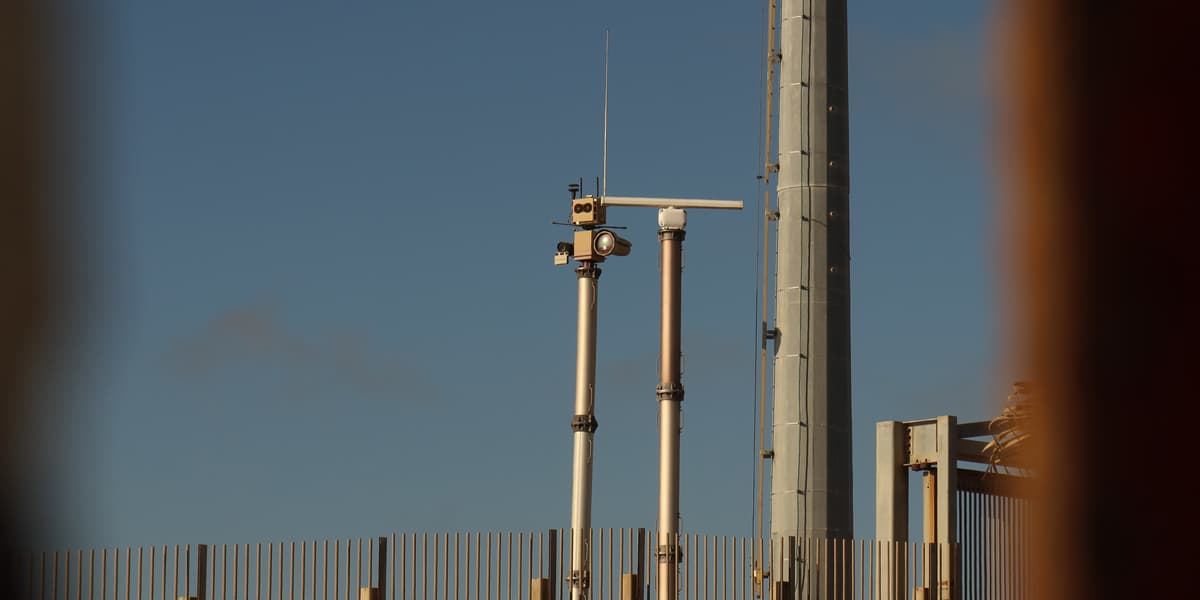
California Coastal Community Must Reject CBP's AI-Powered Surveillance Tower
Customs and Border Protection has applied to the city of San Clemente to place an Anduril Industries Autonomous Surveillance Tower, known as the Sentry, on a cliff 1.5 miles inland. The AI‑powered system combines video, radar and computer‑vision to monitor...

Short Takes #26: Beyond The Point Of Decisive Advantage
The article links war‑time decision‑making traps—particularly sunk‑cost fallacies—to recurring business missteps such as over‑optimistic mergers and aggressive AI‑driven cost cuts. It cites the historic $99 billion AOL‑Time Warner write‑off and notes that 70‑90% of M&A deals fail to create value. Recent tech...
![Defense & Aerospace Report Podcast [Apr 24, ’26 Washington Roundtable]](https://hixhlmpcokxhartfkpyi.supabase.co/storage/v1/object/public/images/thumbnails/7d68cec2d5b02d9b50de01ecfeecb201.webp)
Defense & Aerospace Report Podcast [Apr 24, ’26 Washington Roundtable]
The Defense & Aerospace Report roundtable highlighted President Trump’s $1.15 trillion defense budget request for FY 2027 and the growing rift among veteran Republican lawmakers over funding the Golden Dome missile‑defense program via reconciliation. Participants also examined how the GOP civil war over...

The Router on the Shelf Is Now a National Security Problem
A twelve‑agency joint advisory released on April 23 warns that China‑linked groups are weaponizing compromised home and small‑office routers, IoT gear, and smart devices at industrial scale. The advisory, co‑authored by CISA, the FBI, the DoD Cyber Crime Center and...

The General Who Told The President “No”
On Feb. 22‑23, Chairman of the Joint Chiefs General Dan Caine warned in a Washington Post interview that a U.S. attack on Iran would be hampered by munitions shortages and limited allied support, directly contradicting President Trump’s stance. After an...
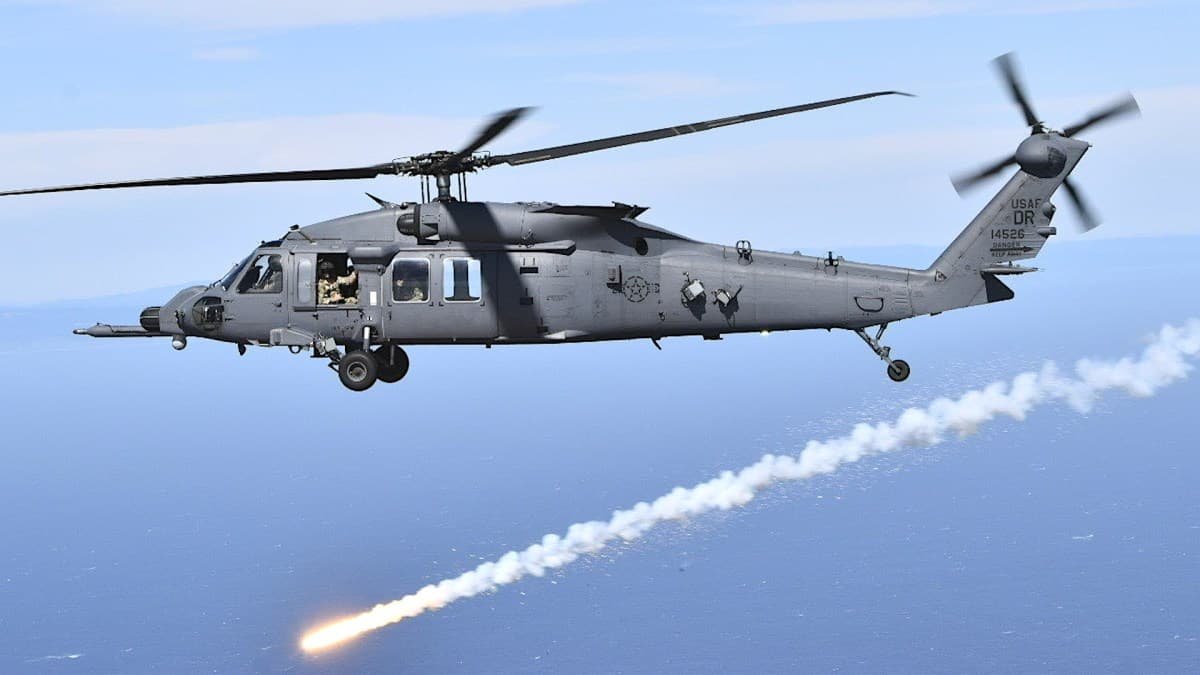
HH-60W Combat Rescue Helicopters To Take On Doomsday Evacuation Role In The Nation’s Capital
The U.S. Air Force will modify 26 HH‑60W Jolly Green II helicopters for the Air Force District of Washington (AFDW) mission, replacing aging UH‑1N Twin Hueys at Andrews Air Force Base. The re‑configuration adds 11‑passenger seating, upgraded ARC‑210 radios and...

4/24/26 National Security and Korean News and Commentary
The April 24, 2026 roundup highlights a wave of security headlines, from a U.S. soldier’s $400,000 betting scandal and a Navy‑operational laser system to heightened tensions in the Strait of Hormuz and Chinese satellite activity over the Middle East. In Asia, the...

Japan Just Put a Weapon in Ukraine's War, and It Cost $2,500
Japan’s Terra Drone, in partnership with Ukrainian startup Amazing Drones, fielded the Terra A1 interceptor drone in Ukraine on April 17, 2026, marking Japan’s first direct weapon export. The low‑cost system, priced at roughly $2,500, is designed to hunt hostile...
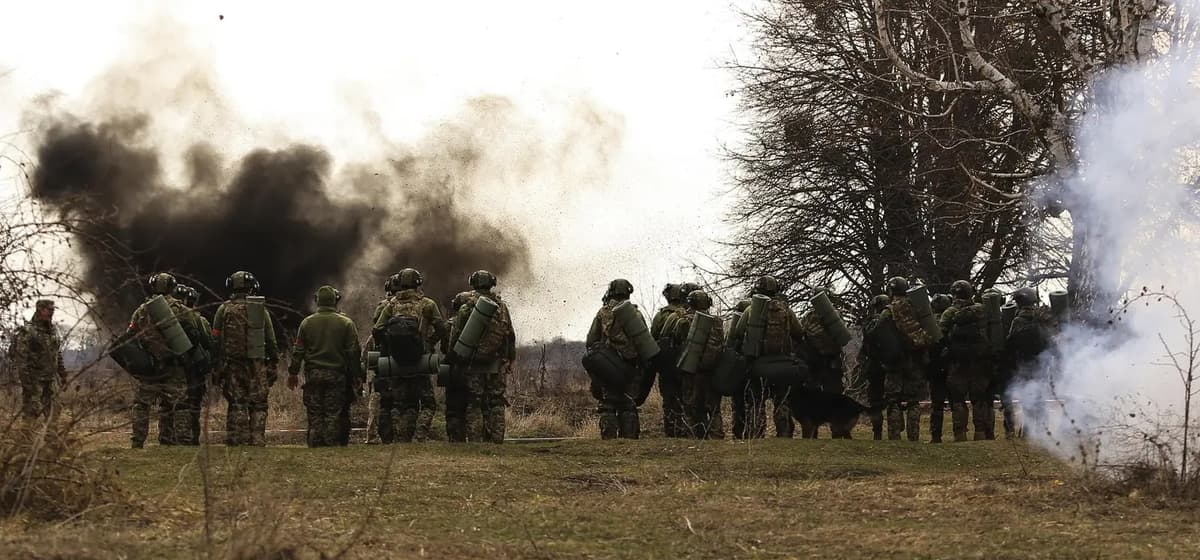
General Staff Removes Brigade and Corps Commanders Over Frontline Failures
Ukraine’s General Staff announced the removal of the 14th Separate Mechanized Brigade commander and the demotion of the 10th Army Corps commander after alleged concealment of frontline conditions, loss of positions, and supply failures. The changes follow reports of severe...
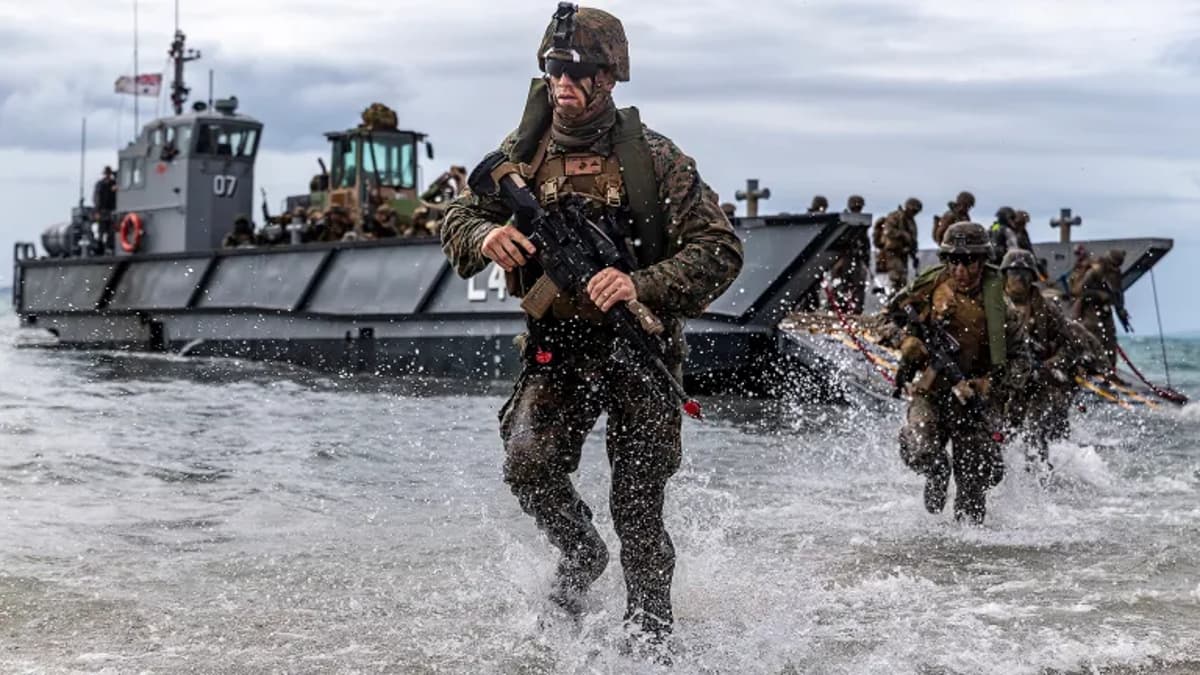
The Marine Corps Must Plan Now for a Long War with China | USNI Proceedings
Lieutenant Colonel Brian Kerg’s April 2026 USNI Proceedings article warns that China’s precision‑strike capabilities could cripple the III Marine Expeditionary Force within weeks of a Pacific conflict. He argues the Marine Corps must immediately preserve training cadres, expand basing and...

Daily Memo: EU Announces New Sanctions on Russia
The European Union approved its 20th sanctions package against Russia, widening curbs on oil exports. The new measures place 46 additional tankers on a sanctions list and prohibit technical maintenance and related services for Russian tankers and icebreakers. Transactions with...

Strait Worries Intensify As US-Iran Stalemate Drags On
The United States and Iran remain locked in a stalemate over the Strait of Hormuz, with Iranian envoy Abbas Araghchi negotiating in Pakistan, Russia and Oman under constraints from IRGC chief Ahmad Vahidi. Pentagon planners are weighing options ranging from...

Trump Takes Dropping Nukes on Iran Off the Table
President Donald Trump told reporters on Thursday that the United States will not consider using nuclear weapons against Iran, insisting such weapons should never be employed. He argued that conventional bombing has already “decimated” Iranian forces, making a nuclear strike...

Can Trump Withdraw From NATO?
The blog explains that while the 2024 National Defense Authorization Act requires a two‑thirds Senate vote or simple majorities in both chambers before a president can exit NATO, the Constitution is silent on treaty termination, creating legal gray area. Historical...

When a Military Signal Isn’t Necessarily a Commercial One
Airbus completed the fourth flight test of its MQ-72C autonomous cargo helicopter for the U.S. Marine Corps, but analysts project commercial entry won’t occur until after 2028 due to ITAR, FAA certification and program‑authorization hurdles. Caterpillar’s purchase of Monarch Tractor’s...

Why Our Policy in the Middle East Should Be Grounded in Truth
Congressman Mike Quigley co‑sponsored the Ceasefire Compliance Act and the Block the Bombs Act, urging the United States to stop providing offensive weapons to Israel while maintaining funding for defensive systems like Iron Dome. He argues that U.S. policy must...

Signal Phishing Campaign Targets Germany’s Bundestag President Julia Klöckner
Germany’s Bundestag President Julia Klöckner was compromised in a Signal phishing attack that used a fake CDU group chat. Attackers tricked her into revealing her PIN and verification code, bypassing Signal’s encryption without breaking the protocol. The incident follows earlier warnings...

From Surveillance State to Kill Machine: Has the Line Already Been Crossed?
The Pentagon’s FY 2027 request includes a $54.6 billion boost for the Defense Autonomous Warfare Group, a 24,000 % increase aimed at building AI‑driven lethal systems for U.S. Special Operations. Simultaneously, ICE has signed $60 million contracts with Palantir to deploy ImmigrationOS and the...

DOJ Alleges That U.S. Defense Contractor Bribed Kurdish Official In Connection With Jet Fuel Contracts
The U.S. Department of Justice filed a civil forfeiture complaint seeking to seize a Beverly Hills mansion allegedly purchased with $30 million derived from a scheme that defrauded the Defense Logistics Agency. The scheme involved Virginia‑based defense contractor DGC International paying...

Cybersecurity Meets Geopolitics at Top EU Court
Advocate General Tamara Ćapeta issued a non‑binding advisory opinion in the Elisa Eesti v Estonia case, concluding that EU law permits member states to exclude hardware and software from telecom networks when the supplier is deemed a national‑security risk. The opinion validates...

On the State Department Memorandum “Operation Epic Fury and International Law”
On April 21, 2026 State Department Legal Adviser Reed Rubinstein issued the Trump administration’s longest public legal memorandum defending Operation Epic Fury, the U.S. war against Iran. The memo argues the conflict is part of an ongoing armed war and that the...

Early Edition: April 24, 2026
The United States intensified its naval campaign against Iran, seizing a second Iranian oil tanker and deploying the USS George H.W. Bush strike group with over 4,000 troops while President Trump ordered the Navy to fire on any mine‑laying vessels...
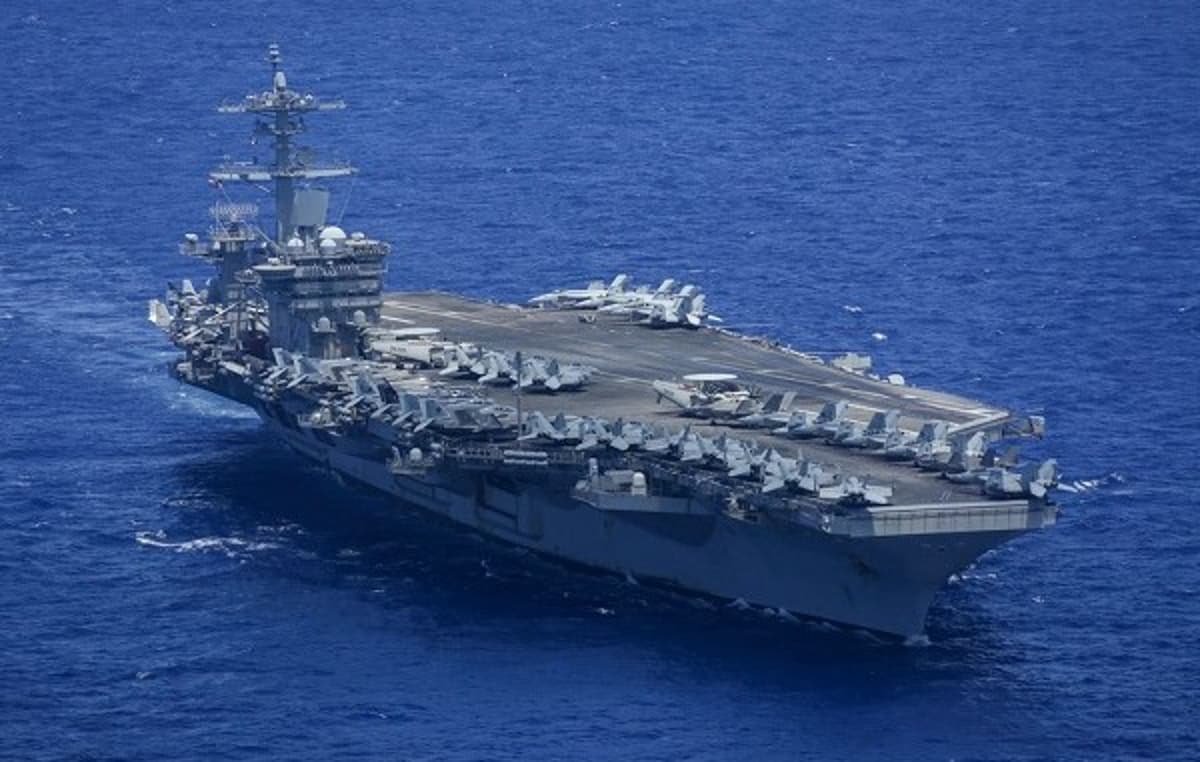
SOF News: Operation Epic Fury Update – April 24, 2026
The planned cease‑fire meeting in Islamabad collapsed as Iran refused to attend, while the U.S. naval blockade of Iranian ports remains fully operational. By Thursday, U.S. forces had seized three sanctioned oil tankers, reinforcing pressure on Tehran’s oil exports. President...

White House Accuses China of Industrial Scale AI theft...Hong Kong’s PwC to Compensate Evergrande shareholders...DeepSeek Seeks Investors to Curb Poaching...
Washington’s science office warned that Chinese actors are conducting industrial‑scale theft of U.S. frontier AI models, heightening geopolitical tension ahead of a bilateral summit. In Hong Kong, PwC agreed to set aside HK$1 billion ($120 million) to compensate Evergrande minority shareholders while...

The Pentagon’s $54 Billion Bet on Autonomous Warfare
The Pentagon’s FY2027 budget proposes $54.6 billion—about 15% of the total defense spend—to expand the Departmental Autonomous Warfighting Group (DAWG) by over 24,000%, aiming to create a new unified combatant command for AI‑driven drones, aircraft and vessels. The move mirrors the...

Revocation of X.509 Certificates
Recent measurements reveal two critical trends in X.509 certificate revocation. A SIGCOMM ’25 paper proposes publishing only revoked serial numbers as DNSSEC‑signed TXT records, leveraging NSEC and aggressive negative caching to achieve roughly 99.8% cache‑hit rates, with Let’s Encrypt’s 612 million...

Carrier USS George H.W. Bush Now in U.S. Central Command After Traveling Around Africa
The nuclear‑powered carrier USS George H.W. Bush (CVN‑77) entered U.S. Central Command’s area of responsibility after a 11,500‑mile voyage around Africa, joining USS Abraham Lincoln and USS Gerald R. Ford in the Middle East. The transit, which began on March 31, included a stop through the Mozambique Channel and...
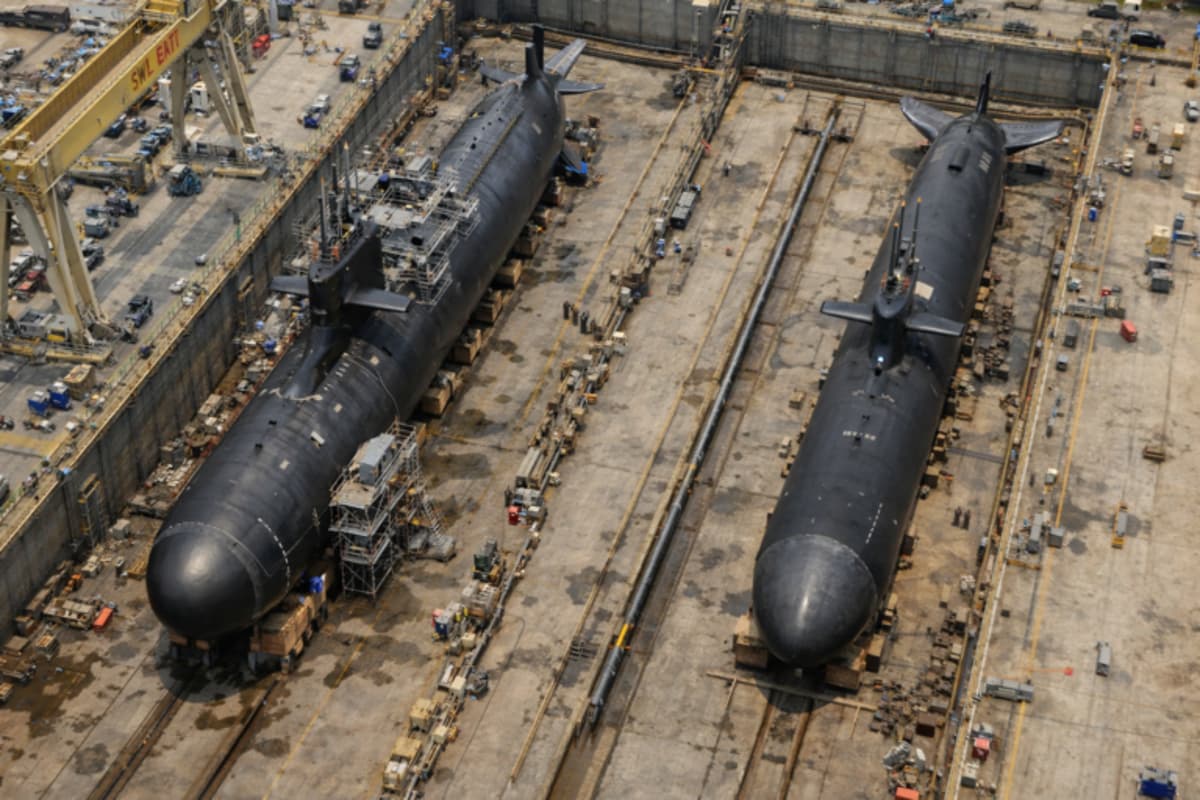
The State of The AUKUS Debate
The debate over Australia’s AUKUS submarine program pits think‑tanks such as ASPI and the Australian Naval Institute against U.S. congressional analyses, with critics emphasizing workforce shortages and perceived supply‑chain delays. Proponents counter that the United States has a long, documented...

Stop Chasing the Shiny Object: Focus First on a Comprehensive Counter-UAS Training Program
Organizations are increasingly vulnerable to small unmanned aircraft, yet many chase the latest counter‑UAS hardware without first establishing a solid training foundation. The article argues that a comprehensive Counter‑UAS training program—covering legal, operational, and strategic dimensions—is the essential backbone for...

India’s Defence Leaders Call for Sovereign Space Capabilities as Warfare Enters New Domain
India’s top defence and space leaders convened at the Indian Defence Space Symposium 2026 in New Delhi, urging the rapid development of sovereign, resilient space capabilities. General Anil Chauhan emphasized distributed, AI‑enabled architectures co‑developed with industry and start‑ups, while DRDO...

SpaceX Just Got Pulled Into the Biggest Weapons Program in U.S. History
SpaceX has been added to a nine‑company consortium tasked with creating the core software for the Golden Dome, the United States' next‑generation missile‑defense system. The program, championed by former President Trump, carries an initial price tag of $175 billion and could...

Israel UN Envoy Warns Lebanon Ceasefire Extension "Not 100%" Despite White House Deal
President Donald Trump announced on Truth Social that the Israel‑Lebanon ceasefire has been extended by three weeks following a high‑level Oval Office meeting that included senior U.S., Israeli and Lebanese officials. Israeli UN Ambassador Danny Danon told CNN the extension...

Missing Scientists and Researchers
The FBI has opened an investigation into a series of deaths and disappearances involving at least ten scientists and researchers linked to U.S. nuclear and aerospace programs since 2023. The incidents have drawn the attention of the House Oversight Committee,...

8 Days, Trump Has 8 Days the Clock Now Ticks? Does Trump Really Have 8 Days to Decide on the...
President Donald Trump faces a statutory deadline under the 1973 War Powers Resolution that limits unilateral military action to 60 days without congressional approval. After formally notifying Congress of a potential strike on Iran on March 2, the clock will expire...

U.S. Spies on the Vatican
U.S. intelligence agencies have maintained a long‑standing, covert presence in the Vatican, monitoring communications, personnel and diplomatic activity. President Trump’s public criticism of Pope Leo XIV prompted a shift to prioritize intelligence collection on the Pope himself, though the infrastructure...
Bomb, Bomb, Bomb…bomb, Bomb Iran, Again
President Donald Trump ordered U.S. forces to attack vessels planting mines in the Strait of Hormuz, marking a sharp escalation in the Iran‑U.S. standoff. Simultaneously, the U.S. Navy boarded an Iranian‑owned supertanker in the Indian Ocean and seized its cargo...

FISA Reform- the Ongoing Debate
Andrew Weissmann and Ryan Goodman host a Substack discussion on the congressional debate surrounding Section 702, the Foreign Intelligence Surveillance Act provision that permits bulk collection of foreign communications and incidental acquisition of Americans' data. The conversation outlines the tool’s national‑security...

Today on Lawfare: April 23, 2026
Lawfare’s April 23 roundup highlights two major defense debates and several new transparency tools. Rebecca Crootof argues that recent civilian deaths from U.S. strikes stem from the Pentagon’s flawed targeting process, not the use of AI, calling for institutional reform. Erica...
4/23/26 National Security and Korean News and Commentary
The Small Wars Journal roundup highlights how the Iran conflict is being framed as a test of U.S. deterrence in Asia, with particular focus on the strategic choke‑point of the Strait of Hormuz and the six‑month timeline to clear mines....

Thursday Afternoon News Updates: Strait Chaos — 4/23/26
The post reports President Trump ordering the Navy to fire on Iranian boats near the Strait of Hormuz, citing a fictitious minesweeping operation, and firing Navy Secretary John Phelan, replacing him with Hung Cao. It also notes Trump reposting a...