
On Today's Episode of "Fuck Around and Find Out"
Iran has signaled it will reopen the Strait of Hormuz if the United States lifts its naval blockade, offering a direct off‑ramp to de‑escalate the ongoing maritime standoff. The proposal arrives as U.S. gasoline prices in central Texas hit $3.57 per gallon and diesel climbs above $5, underscoring domestic inflation pressures. Washington’s response remains cautious, with senior officials questioning the credibility of Tehran’s offer amid broader concerns about regional security and shrinking munitions supplies. The debate is further inflamed by partisan criticism and recent high‑profile incidents that have heightened public scrutiny of U.S. foreign‑policy decisions.

2022 Ukraine Lend-Lease Act: Lifesaving Initiative That Never Worked
On April 28, 2022 the U.S. House approved the Ukraine Democracy Defense Lend-Lease Act with a 417‑10 vote, after unanimous Senate consent. President Biden signed the law on May 9, 2022—coinciding with Russia’s Victory Day—reviving the World War II‑era Lend‑Lease framework to...

5 Laws and Standards That Require the US Cut Off Weapons to Israel
A congressional memo from the Institute for Middle East Understanding outlines five U.S. laws and international standards that compel the United States to halt weapons sales to Israel. The memo arrived after a record‑setting effort by 40 senators to block...

Data Collection in Occupied Territory: A Closer Read of Cyber Law Toolkit Scenario 35
The Cyber Law Toolkit’s Scenario 35 dissects a hypothetical occupying power’s mass data‑collection program—rerouting internet traffic, door‑to‑door reporting, and daily checkpoint interrogations—and measures it against international humanitarian law (IHL) and international human rights law (IHRL). The analysis concludes the bulk surveillance...

Bret Stephens on Iran, the U.S., and Global Stability
Bret Stephens, Pulitzer‑winning columnist for The New York Times, is discussing the Iran‑U.S. conflict that began on February 28, 2026. He highlights ongoing cease‑fire talks in Islamabad, the strategic importance of the Strait of Hormuz, and the impact on oil and gasoline...

Army Mad Scientist Laboratory Launches New Virtual Speaker Series
The U.S. Army Mad Scientist Laboratory announced a new virtual Speaker Series to bring together experts from government, academia, and industry. The inaugural session, titled “Next‑Gen Technology and the Army’s Transformation,” featured former Army Research Laboratory chief scientist Dr. Alexander Kott....

Caught in the Crossfire: African Host Nations, Russian PMCs, and the Shadow of the Ukraine War
The Irregular Warfare Center argues that Russian private military companies, now operating under the Afrika Corps brand after Wagner’s absorption, pose a growing security threat to African host nations. These PMCs are used to advance Kremlin geopolitical goals rather than...

The Brodie Helmet Problem
The Brodie helmet, designed by John Leopold Brodie in 1915, replaced soft cloth caps to shield British soldiers from shrapnel. By the end of World War I, roughly 7.5 million helmets had been manufactured. War Office records showed head‑injury counts per...
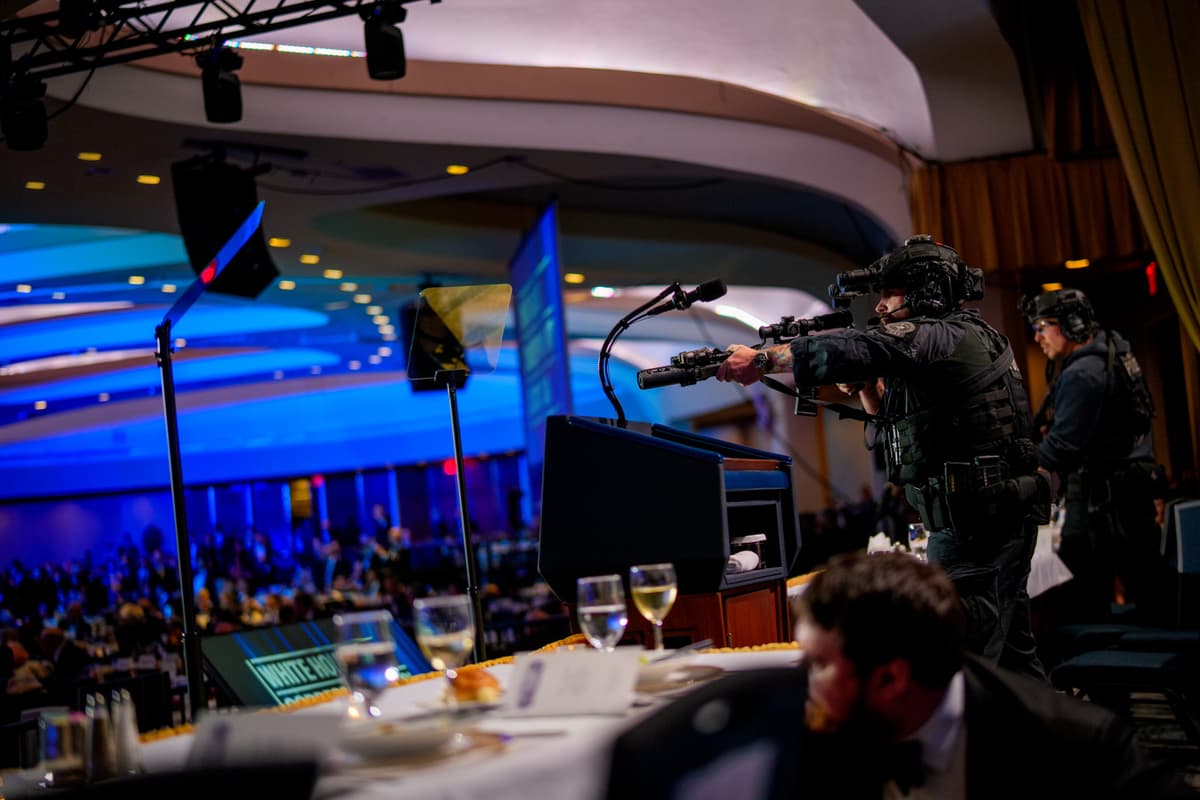
To Counter Rising Political Violence, America Needs to Reinforce Its Early Warning Infrastructure
A new real‑time monitoring system built by Princeton's Bridging Divides Initiative shows political violence in the United States surged in 2025, with targeted attacks up 34% and threats against members of Congress climbing 58%. The trend extends beyond Washington, D.C.,...

FF(X) Flight II: In the Works
The Navy’s new FF(X) frigate program will field Flight I hulls by 30 June 2030, using a proven flight‑upgrade approach borrowed from the Arleigh Burke destroyer line. Flight II is still in the design phase and is not expected until 30 September 2031, five years later...
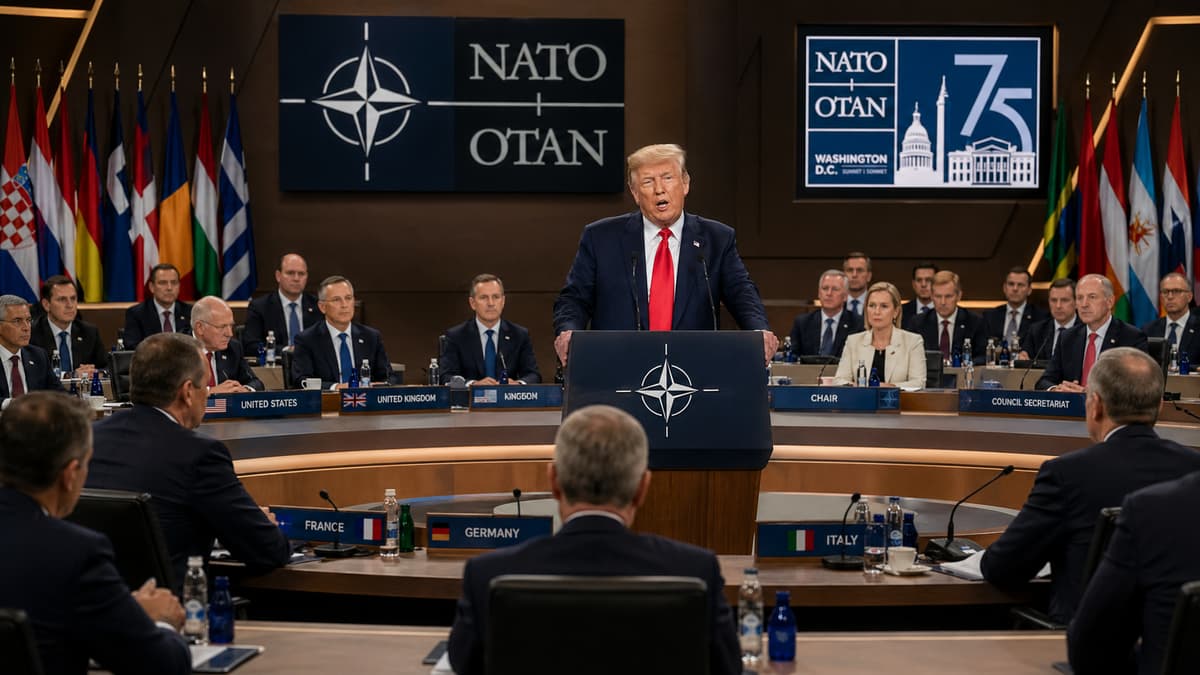
Trumping NATO
President Donald Trump intensified his long‑standing criticism of NATO while the United States conducts Operation Epic Fury against Iran. He warned the alliance would be a "paper tiger" and suggested the U.S. could pull out if European partners refuse to...

Cyber Law Toolkit Tests Surveillance and Data Collection Under Occupation
The Cyber Law Toolkit released Scenario 35, “Data collection in occupied territory,” in its September 2025 update. The scenario examines three cyber operations—rerouting internet traffic, mass surveillance, and systematic population‑data collection—in occupied regions under international humanitarian and human‑rights law. Developed by...

Asia Daily: April 28, 2026
The Asia‑Pacific region saw heightened security activity this week, with China flaunting YJ‑20 hypersonic missiles during Balikatan drills and Taiwan detecting two Chinese warships near Penghu. The United States and the Philippines led the largest ever Balikatan live‑fire counter‑landing exercise,...

While Russia, Iran Tout “Strategic” Ties, US Treasury Secretary Bessent Says “Surviving IRGC Leaders Are Trapped Like Drowning Rats in...
U.S. Treasury Secretary Scott Bessent warned that Iran faces an imminent gasoline shortage as the U.S. blockade chokes its oil production. In St. Petersburg, President Vladimir Putin and Iranian Foreign Minister Abbas Araqchi reaffirmed a deepening strategic partnership amid the...

A Century of Lebanese-Israeli Talks Without Peace
For a hundred years Lebanon has refused to recognize Israel, keeping diplomatic channels largely symbolic. The 1949 armistice ended open hostilities but prioritized a cease‑fire over a political settlement. Recent U.S.-facilitated talks in Washington resurfaced long‑standing disputes over borders, refugees...
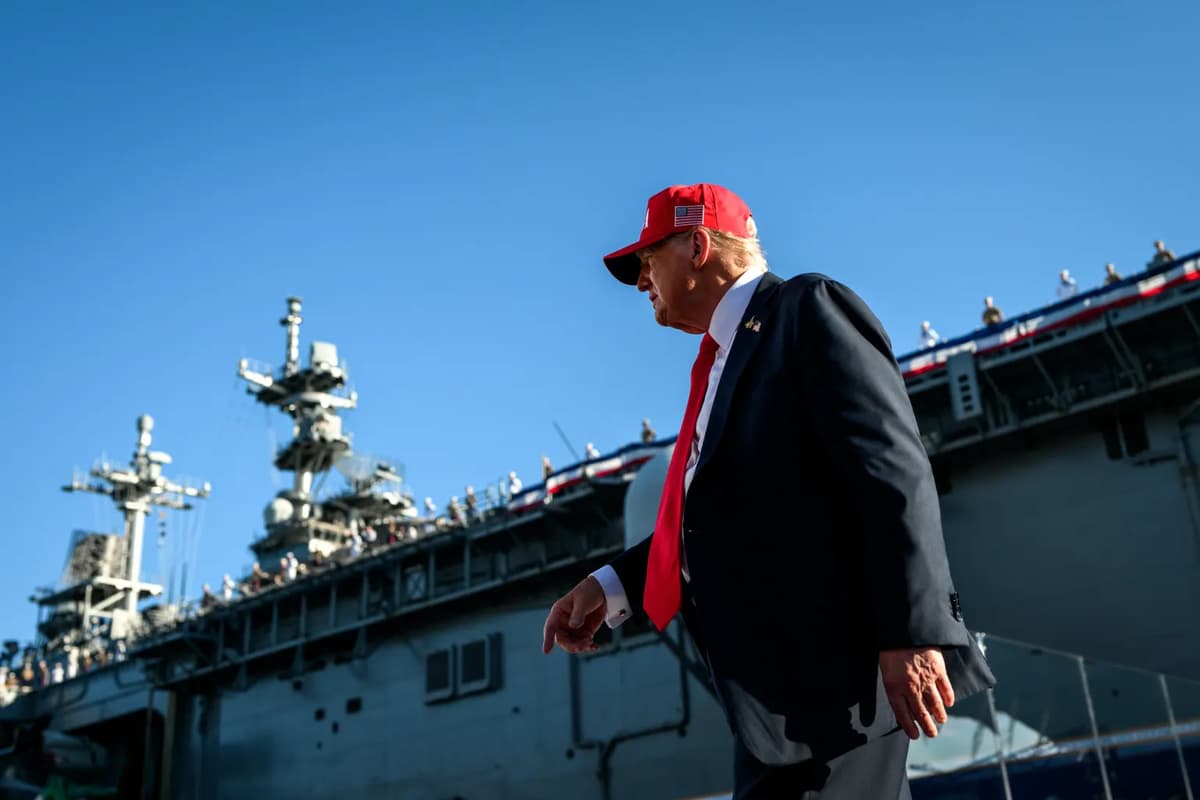
Trump Rejects Iranian Peace Proposal as Maritime Blockade Stiffens
President Donald Trump rejected Iran's latest peace proposal because it postpones nuclear negotiations, reaffirming a U.S. red line that nuclear issues must be addressed first. Tehran’s offer links reopening the Strait of Hormuz to an end of the U.S. naval...

Defeating the Drone
The author released a free white paper titled “Defeating the Drone Version A,” which translates key sections of a Ukrainian drone‑operator manual and compiles the latest U.S. Army Counter‑UAS doctrine (ATP 3‑01.81) updates from 2017, 2023 and 2025. The document is offered to...

Pyongyang’s Bet: Nuclear Growth and Great Power Support
North Korea is accelerating its nuclear weapons program, adding a new uranium enrichment facility at Yongbyon and expanding its highly enriched uranium stockpile. The regime now fields an estimated 50‑60 warheads with enough fissile material to double that count within...
Why the Navy’s Next Battleship Faces Major Hurdles
The GAO highlighted a chronic Navy practice of beginning construction before ship designs are mature, a flaw that has plagued recent programs and threatens the new BBG(X) "Trump"‑class battleship. The Pentagon is already spending over $134 million on R&D for the...

From Mandate to Execution: The Clear–Shield–Sustain Model for Contested Stabilization
The article introduces the Clear‑Shield‑Sustain (CSS) model to close the execution gap that plagued stabilization missions in Iraq and Afghanistan. CSS centers on a unified execution headquarters that controls transitions between combat, security, and reconstruction while embedding a hard‑audit function...
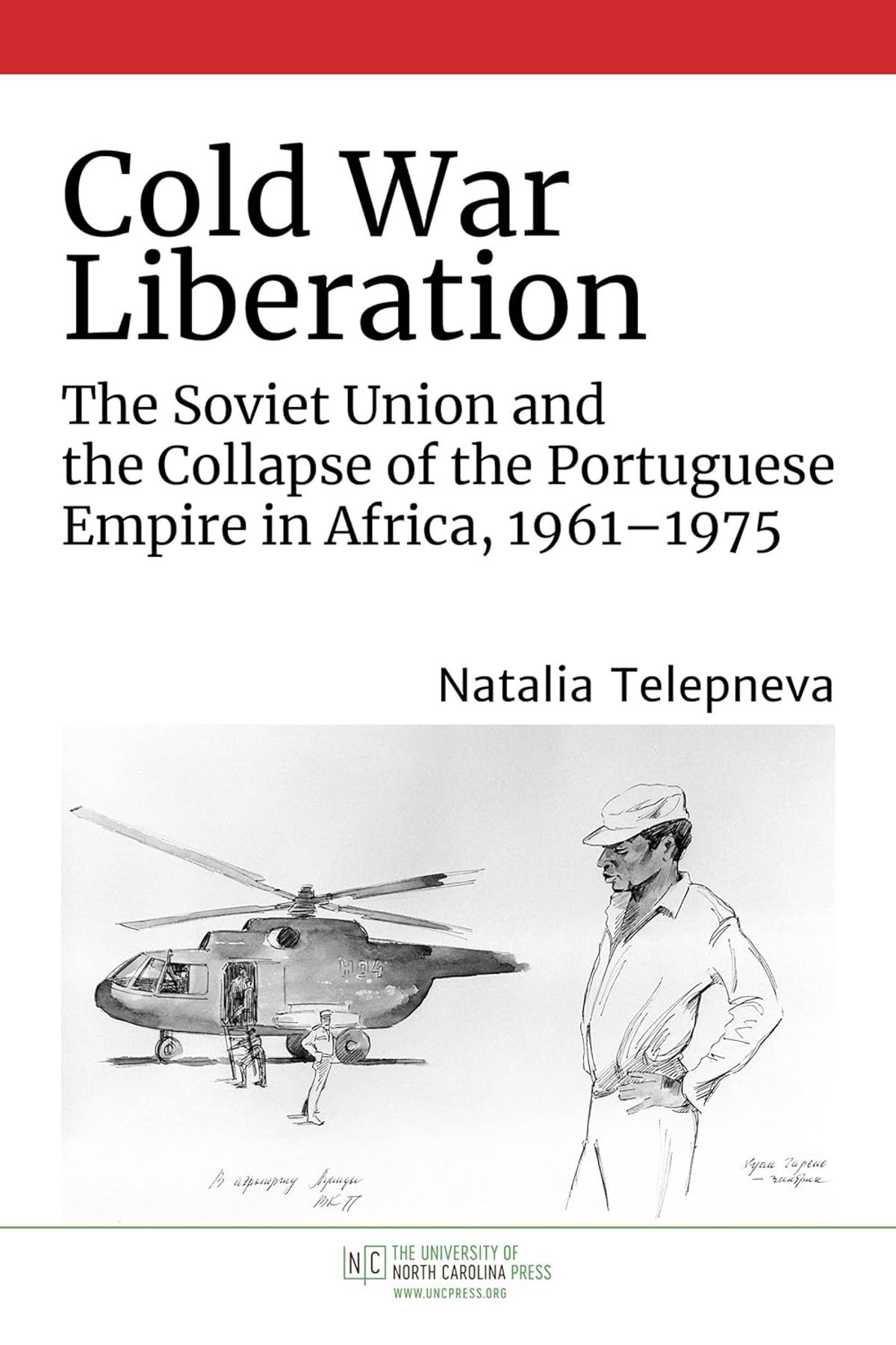
Intermediaries of Liberation: Soviet Bureaucrats and the Cold War in Africa
Natalia Telepneva’s new book uncovers how Soviet mid‑level bureaucrats, the *mezhdunarodniki*, turned ideological zeal into concrete policy in Lusophone Africa between 1961 and 1975. By leveraging personal ties with revolutionary leaders, they pushed Moscow to supply arms, advisors, and billions...

Deterrence in the South China Sea Fails Without Information Authority
The article argues that U.S. deterrence in the South China Sea is faltering because commanders lack delegated authority to employ information operations at the speed of Chinese competition. While the United States possesses robust information‑advantage units such as Theater Information...

Kim Jong Un Opens Museum Commemorating Troops Killed Fighting For Russia, Blasts US 'Hegemony'
North Korea unveiled the Memorial Museum of Combat Feats at the Overseas Military Operations in Pyongyang, honoring DPRK soldiers killed while fighting for Russia in Ukraine. The ceremony, attended by Kim Jong Un, Russian State Duma Chairman Vyacheslav Volodin and...

Another Russian Ship Carrying Stolen Ukrainian Grain Idles Off Haifa Port as Ukraine Summons Israeli Ambassador
A Russian bulk carrier named PANORMITIS arrived off Israel’s Haifa port carrying roughly 6,200 tons of wheat and more than 19,000 tons of barley seized from occupied Ukrainian territories. Ukraine responded by summoning the Israeli ambassador and issuing a formal...
![Defense & Aerospace Daily Podcast [Apr 27, 2026] Look Ahead W/ Byron Callan](https://hixhlmpcokxhartfkpyi.supabase.co/storage/v1/object/public/images/thumbnails/42dabb4526db87e202e6998d86e12f1c.webp)
Defense & Aerospace Daily Podcast [Apr 27, 2026] Look Ahead W/ Byron Callan
The Defense & Aerospace Daily podcast hosted by Vago Muradian and Capital Alpha’s Byron Callan examined several converging trends shaping the sector. A lingering US‑Israel conflict with Iran, shrinking U.S. precision‑weapon stockpiles, and fiscal pressures could reshape deterrence strategies in...
Takaichi’s Realpolitik
Japanese Prime Minister Sanae Takaichi is accelerating a sweeping defense overhaul that includes amending Article 9, loosening weapons‑export restrictions, and expanding the Defense Industrial Base. She targets a 2% of GDP defense budget by 2028, a rise that aligns with U.S....

The Weekly Preflight: 5 Things I'm Watching | Week of April 27, 2026
The Weekly Preflight flags Iran’s new peace overture to reopen the Strait of Hormuz, end hostilities and postpone nuclear talks, while Russian President Vladimir Putin’s involvement could reshape the diplomatic calculus. Prediction‑market odds place a cease‑fire extension at roughly 30%,...

New British Warship Project Awaiting Delayed DIP
The Royal Navy’s Type 83 destroyer programme remains under review, with no confirmed timeline for its outline business case. A January 2026 parliamentary answer confirmed the concept is still being assessed against the Hybrid Navy Strategy and that approval depends on...

Comments on Colombia and Venezuela - April 2026
Colombian President Gustavo Petro made history on Friday by traveling to Caracas, becoming the first foreign head of state to sit down with interim President Delcy Rodriguez. The meeting focused on bilateral cooperation, notably energy and security, while deliberately sidestepping Venezuela’s...

US-China Export Controls: The Choke Point Equilibrium
The United States and China are building parallel technology ecosystems, each leveraging distinct choke points in the global supply chain. Washington dominates upstream intangibles such as chip design software and advanced lithography, while Beijing controls downstream tangibles like rare earths...
Daily Memo: North Korea-Russia Ties, UAE Defense
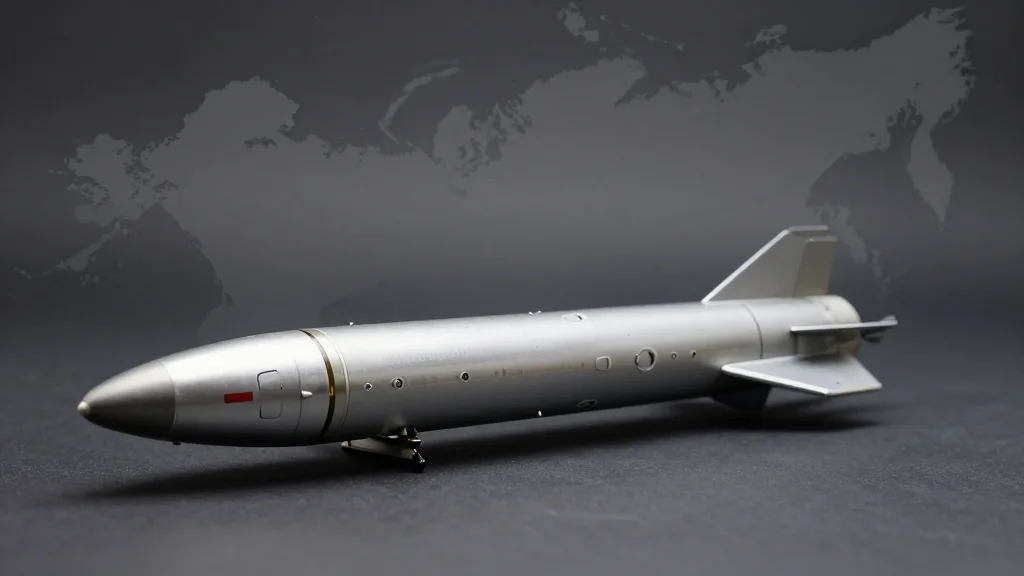
North Korean leader Kim Jong Un met Russian Defense Minister Andrei Belousov and State Duma Speaker Vyacheslav Volodin in Pyongyang, discussing a new military cooperation framework. Russia signaled readiness to formalize a 2027‑31 joint defense plan, covering weapons development and...

NEW ANALYSIS: The President Who Cried Wolf
Donald Trump survived three separate assassination attempts within a 21‑month span, including a rooftop shooting in Pennsylvania, a sniper‑style ambush at a Palm Beach golf course, and a gunman breaching security at the Washington Hilton in September 2024. The incidents,...

Toronto SMS Blaster Case Fits Global Pattern of Chinese Cybercrime Operations Linked to State-Level Technology and Remote Command
Canadian police have charged three men with 44 offences after uncovering a mobile SMS‑blasting operation that disrupted over 13 million cellular connections across the Greater Toronto Area. The equipment, built with military‑grade components and shipped from China, was operated from vehicles...

The Double-Edged Sword: How Crypto Can Fund, Expose, or Deceive in Special Operations
Catherine Woods’ Irregular Warfare Initiative paper argues that Special Operations Forces can exploit cryptocurrency for covert payments, unconventional acquisitions, and deception, but the technology’s pseudonymous nature makes transactions traceable. Adversaries who capture a single wallet can map an entire SOF...
The Unraveling of the North Atlantic Bargain
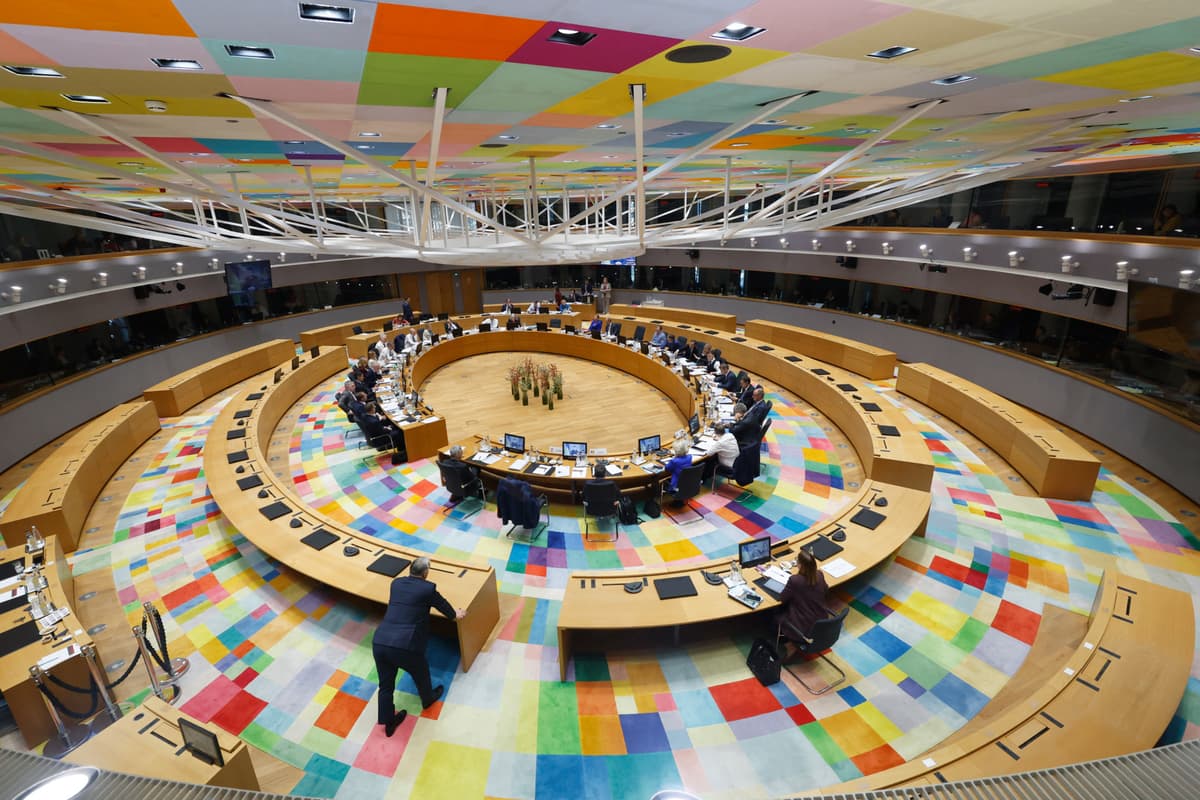
The transatlantic security bargain that underpinned Europe for seven decades is unraveling as the United States shifts from an unconditional NATO guarantee to a conditional, subscription‑style service. European leaders now confront an external environment where American commitments can be repriced,...
I'll Take LCC-21, 22, and Yes, 23 and 24, Thank You
The author argues that the U.S. Navy’s two existing command ships, LCC‑19 Blue Ridge and LCC‑20 Mount Whitney, are insufficient for modern warfare. Recent Iranian attacks on Gulf facilities and Chinese targeting of static U.S. sites highlight the vulnerability of...

Anduril Shows Copperhead-500M Autonomous Underwater Munition’s Testing
On April 25, 2026, Anduril released the first public video of its Copperhead-500M autonomous underwater munition, a 21‑inch, 13‑foot heavyweight AUV that broke internal speed records and performed agile maneuvers in high seas. The Copperhead family, including the smaller 100M...
Silent Signals: Russian and Chinese Conventional Threats to NC3 and U.S. Extended Deterrence in Australia
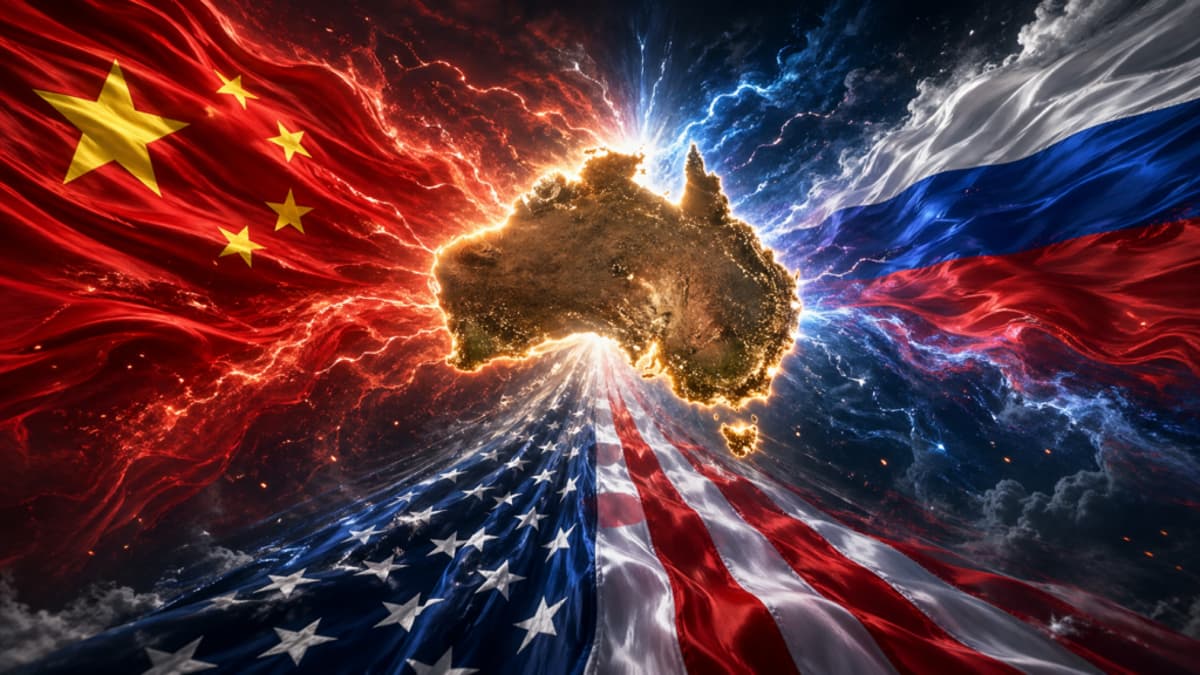
Russia’s recent deployment of a diesel‑electric attack submarine to Indonesia and China’s extensive naval circumnavigation of Australia highlight a growing conventional threat to the United States’ nuclear command, control and communications (NC3) infrastructure in the region. Key facilities such as...
America Is Fighting the Wrong Drone War
The article argues that the United States is prepared for high‑end, precision drone warfare but is ill‑equipped for the emerging conflict of cheap, mass‑produced drones that overwhelm defenses through sheer volume. It cites Iran’s $20,000 Shahed‑136, Ukraine’s daily launches of...

A North Korean Fighter Pilot Defects
On April 27, 1953, North Korean pilot No Kum‑Sok defected by flying his Soviet‑built MiG‑15 to South Korea, triggering the U.S. Operation Moolah bounty. The United States had offered $50,000, doubled to $100,000 for the first MiG, hoping to study...

Fresh Peace Proposal From Iran as Traffic Through the Straight of Hormuz Remains Blocked
Iran, through Pakistani mediators, has floated a new peace proposal to the United States that focuses on reopening the Strait of Hormuz and extending the cease‑fire, but it sidesteps Washington’s core demand to dismantle Tehran’s nuclear program. The offer has...

Netanyahu Shows Why U.S. Aid to Israel Must End
The article argues that U.S. military aid to Israel should end as the strategic partnership diverges under Prime Minister Benjamin Netanyahu. A recent Pew poll shows 60% of Americans now view Israel unfavorably, with 80% disapproval among Democrats, reflecting growing...
UK Completes Initial F-35B Procurement
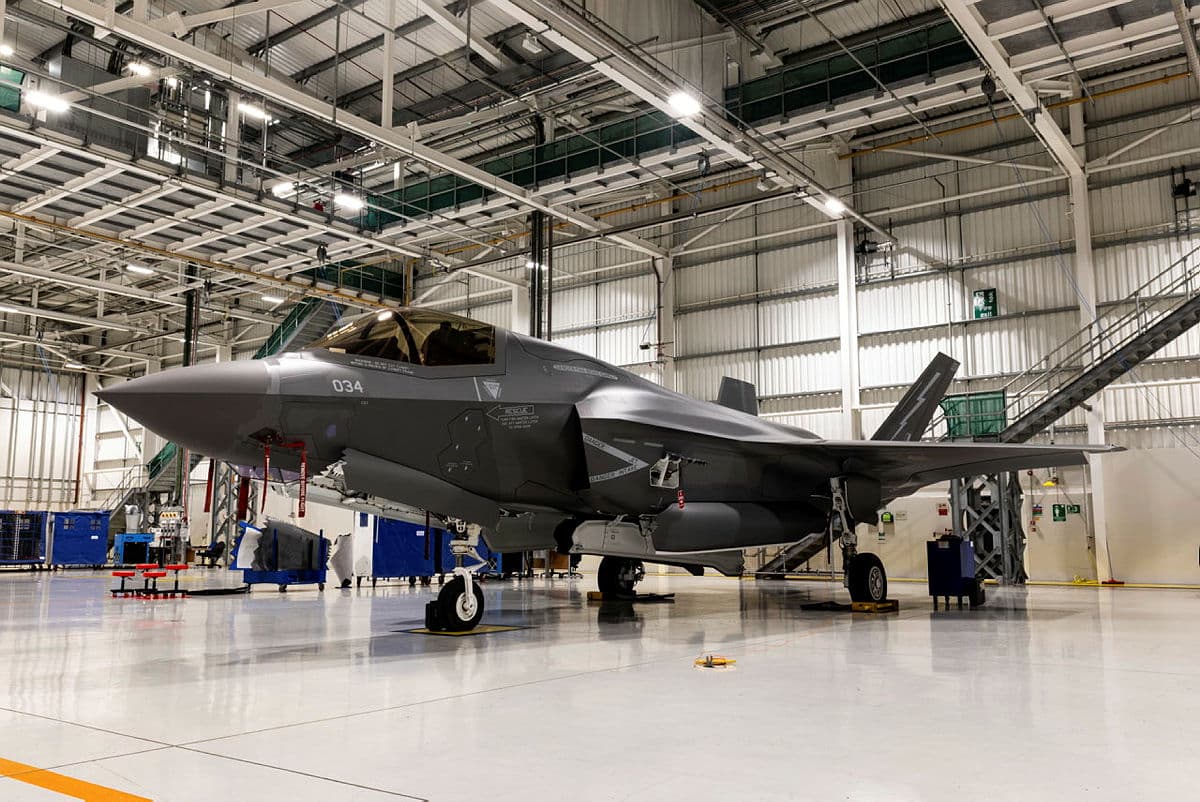
Lockheed Martin has delivered the 46th, 47th and 48th F-35B jets to RAF Marham, marking the fulfillment of the United Kingdom’s initial 48‑aircraft procurement contract. The programme underpins more than 20,000 skilled jobs and is projected to contribute roughly $57 billion...
Iran War: Narrative Dissolution as Ceasefire Continues Except in Lebanon
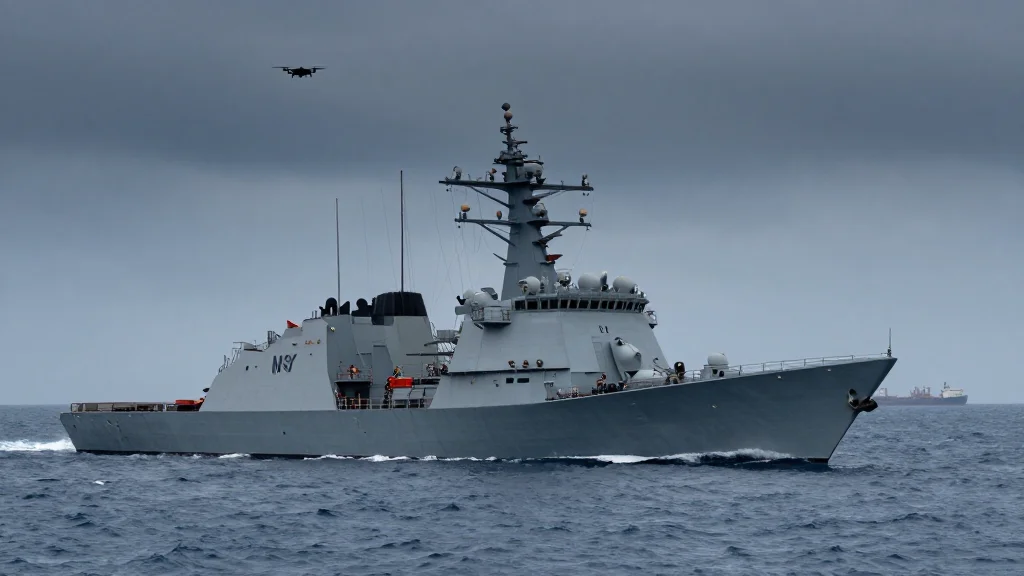
The Iran‑U.S. conflict’s media focus is waning as the cease‑fire largely holds, except for renewed fighting in Lebanon between Israel and Hezbollah. Hezbollah’s recent drone attacks killed Sergeant Idan Fooks and wounded six Israeli soldiers, prompting further Israeli airstrikes on...

Who Has The Cards?
Iran has offered to stop hindering maritime traffic through the Strait of Hormuz if the United States lifts its blockade of Iranian ports and agrees to postpone nuclear enrichment negotiations. The proposal was outlined by Iranian diplomat Abbas Araghchi after...

When War Powers Run Out
Democrats have filed multiple war‑powers resolutions to criticize President Trump’s Iran operation, but none have moved forward. Under the 1973 War Powers Resolution, the 60‑day limit without congressional authorization expires this Friday, making the conflict potentially illegal. Legal scholars argue...

SOF News: Weekly SOF Brief – April 27, 2026
The SOF Weekly Brief for April 27, 2026 highlights a deepening stalemate between Iran and the United States, with reciprocal blockades choking regional oil flows and rippling into the global economy. In Ukraine, the war remains highly attritional as Moscow endures heavy...

Call for Articles: Maritime War with Iran
The United States and Iran are now engaged in open warfare, centered on control of the Strait of Hormuz—a chokepoint that has shaped naval strategy for four decades. Iran’s Islamic Revolutionary Guard Corps Navy is leveraging drones, missiles and other...

US State Department Issues Global Warning About Alleged Chinese AI theft...China Imposes First Fine for Unauthorized Overseas listing...China Develops Cost-Saving...
The U.S. State Department has launched a worldwide campaign warning that Chinese firms are stealing AI intellectual property, prompting diplomatic outreach ahead of a potential Trump‑Beijing summit. In parallel, China’s securities regulator levied its first fine of roughly $439,000 on...

Stop-Start Procurement Damaged Shipbuilding Skills Pipeline
Decades of stop‑start defence procurement have eroded Scotland's shipbuilding talent pipeline, senior industry leaders told the Scottish Affairs Committee. BAE Systems confirmed a generational experience gap on the Clyde, with many veterans from Type 23 and Type 45 programmes retiring and few...