
Best Affiliate Tracking Tools for Small Business Owners (2026) – Shopify
Affiliate tracking links clicks, sign‑ups and sales to the partners that generate them, allowing brands to measure ROI and pay commissions accurately. The guide explains four tracking methods—cookie, pixel, server‑to‑server and promo codes—and highlights why small businesses need reliable attribution. It reviews four tools suited for modest budgets: Shopify Collabs (free with a 2.9% processing fee), Impact.com ($30 / month), Awin ($49 / month plus 3.5% fee) and Northbeam (≈$1,500 / month for high‑spend brands).
How Market Basket Analysis Works + How To Use It (2026) – Shopify
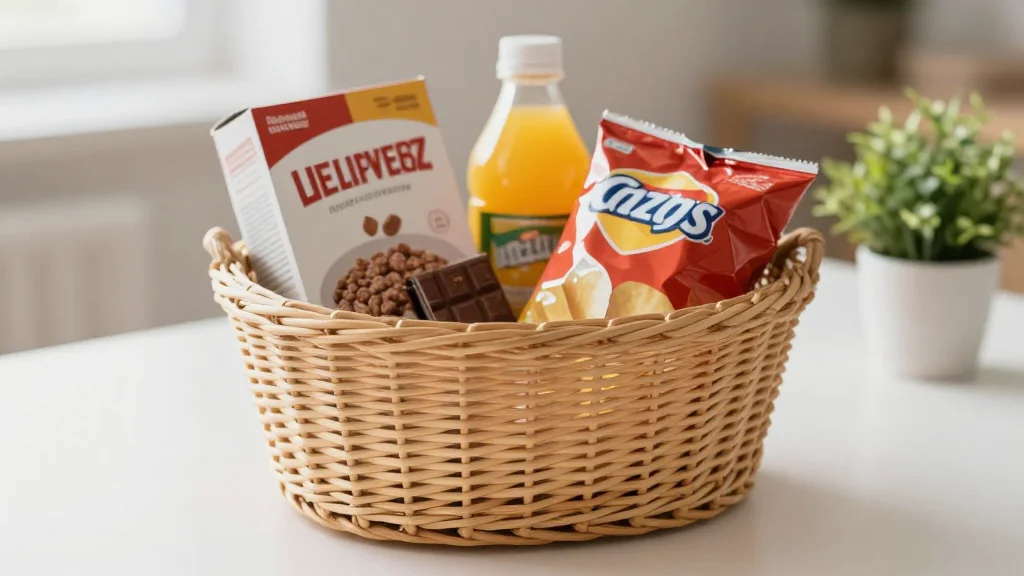
Market basket analysis is a data‑mining method that uncovers product relationships by examining transaction histories from cash registers or e‑commerce checkouts. It relies on association‑rule mining—most commonly the Apriori algorithm—to calculate support, confidence and lift, revealing which items are frequently...

How To Build a Data Insights Strategy in 2026 – Shopify
Shopify’s 2026 guide shows ecommerce brands how to build a data insights strategy that unifies customer, order, inventory, and channel data into actionable intelligence. Research from Precisely and Drexel University reveals 67% of analytics professionals distrust their data and 64%...

Return Helper Closes $4M Series A Led by Cathay Venture and MLC Ventures to Expand AI Cross-Border Returns Logistics in...
Return Helper, a Taipei‑based cross‑border e‑commerce returns platform, closed a $4 million Series A round in Q1 2026, led by Cathay Venture and MLC Ventures with participation from Jun Yue Investment, Pegatron Venture Capital and returning investor Colopl Next. The company, which runs more...

Inside The Shattered Retail Funnel
The traditional linear retail funnel has fractured as shoppers bounce between TikTok, AI assistants, Google Shopping, marketplaces, and brand sites within minutes. Retailers now compete on omnichannel visibility, requiring product data that can converse with large‑language models and feed creator‑driven...

Amazon Tightens ASIN Creation Rules: What the June 2026 Policy Update Means for Sellers
Amazon will require a formal Reseller role via Brand Registry for any vendor creating new ASINs for Brand Registry‑enrolled brands, effective June 1 2026. The rule expands previous restrictions, ending the gray‑area where third‑party sellers could add listings without brand permission. Enforcement...
Amazon Updates Seller Agreement to Block Account Transfers and Revenue Pledging
Amazon will amend its Business Solutions Agreement effective August 24, 2026 to forbid sellers from transferring or pledging their rights and obligations, including future sales revenue. The update expands the existing prohibition on account transfers by explicitly adding a ban...

Run Every Retail Store Differently, From One Shopify Admin
Shopify introduced Shopify Markets for retail, a single‑admin tool that lets brands configure distinct catalogs, pricing, and promotions for each physical location. The feature eliminates duplicate stores, spreadsheets, and manual price overrides by applying a hierarchy of region and retail‑location...
Sitetrail Expands Woo Toolbox as a Practical WooCommerce Control Layer for WordPress Stores
Sitetrail has launched Woo Toolbox, a modular WooCommerce plugin that bundles fourteen everyday store operations—checkout field editing, product tabs, supplier emails, printable invoices, customer exports, and admin alerts—into a single interface. Targeted at WordPress stores generating $50 K to $2 M annually,...

How To Choose The Right Payment Processor For Your Ecommerce Store
The article provides a step‑by‑step guide for ecommerce merchants to select the optimal payment processor, covering how processing works, fee structures, contract terms, and fraud tools. It contrasts dedicated merchant accounts with aggregator models, highlighting the impact of settlement speed...

Why Every Shopify Store Needs a Wishlist App in 2026
Shopify merchants face a 70.19% global cart‑abandonment rate, with 43% of those shoppers leaving because they aren’t ready to buy. A dedicated wishlist app captures this delayed intent, turning passive browsing into a measurable demand signal. Integrated with email platforms,...

How E-Commerce Teams Can Turn Product Research Into Faster Store Decisions
Shopify merchants who adopt a weekly AI‑assisted research habit are slashing product‑page update cycles from weeks to days by asking focused questions about customer objections, competitor gaps, and support patterns. The workflow leverages existing reviews, tickets, and competitor URLs together...

Nosto Earns 11 G2 Badges In Spring 2026 Reports
Nosto announced it secured 11 G2 badges in the Spring 2026 reports, including Leader placements in E‑Commerce, E‑Merchandising and E‑Commerce Personalization for the United Kingdom. The company also earned High Performer status for Ecommerce Search MidMarket and recognitions for Highest User...

How to Start Selling Merch on YouTube in 2026
YouTube’s shopping channel has expanded five‑fold year over year, prompting creators to monetize via merch. The platform’s Expanded Partner Program lets channels with at least 500 subscribers, three recent uploads, and either 3,000 watch hours or 3 million Shorts views list...

Every Announcement Related to E-Commerce From Google I/O 2026
Google’s I/O 2026 unveiled a suite of AI‑driven e‑commerce tools, anchored by Gemini 3.5 Flash, a cost‑effective model that powers the new multimodal Search box, AI Mode and 24/7 information agents. Gemini Omni adds video generation from any media, while Universal Cart...

Time Is Money & Brands Need Both More Than Ever
Seattle‑based startup Suede launched a Shopify app that turns purchase‑order emails into ready‑to‑publish product listings for independent fashion retailers. By extracting data, generating SEO‑friendly descriptions and formatting variants, the platform compresses a hours‑long manual process into minutes. The launch, timed...
Fulfillment Capital Spending Rises as Payback Expectations Increase
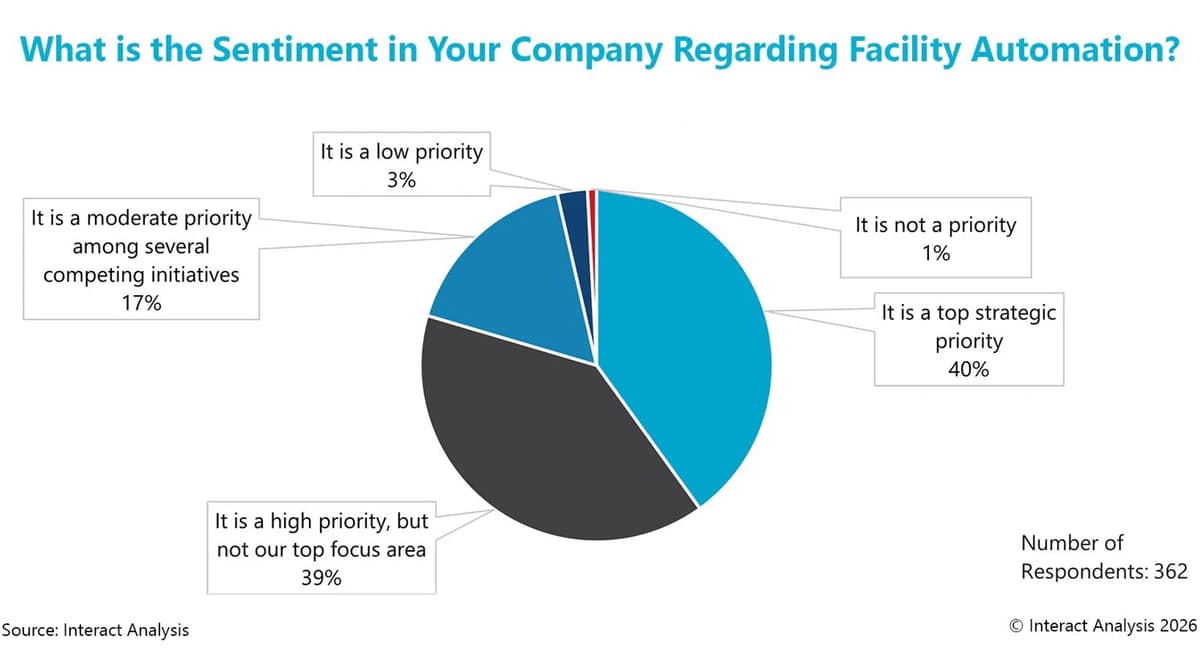
Interact Analysis reports that 91% of surveyed companies boosted capital spending on order‑fulfillment automation over the past year, with more than half raising budgets by 6%‑15%. Looking ahead, 95% anticipate further increases in automation investment within the next twelve months....

Sephora Pioneers BeautyTech
Sephora’s Global Chief Digital Officer Anca Marola announced a multi‑pronged AI push that links its 3,400‑store network with digital channels. The retailer has deployed a hardware‑backed skin‑scan system in 24 countries, delivering real‑time diagnostics and shade matching. In the United States,...

Cohort Retention Analysis for Small Businesses: Tips + FAQ (2026) – Shopify
Shopify’s guide explains how cohort retention analysis lets small‑business merchants measure customer loyalty by grouping shoppers on shared attributes such as first‑purchase date. The article highlights that loyalty‑program members generate 115% more revenue per person and shows real‑world examples from...
Shopify Growth Strategies for DTC Brands: A Practitioner’s Playbook
Shopify DTC brands under $5 M can double revenue by fixing conversion friction, building retention systems, and treating paid ads as an accelerant rather than a foundation. A three‑metric diagnostic—conversion rate, repeat purchase rate, and email list growth—identifies the highest‑leverage lever...

Customer Identity Vs. Data: What Most Brands Get Wrong (2026) – Shopify
Shopify’s Shop buyer network tackles the data‑identity gap that inflates customer‑acquisition costs (CAC) and misleads ROAS metrics. By linking the checkout flow to a consumer‑side credential network, brands can recognize buyers at the point of conversion instead of reconstructing profiles...

Subscription Analytics Explained: Top Metrics To Track (2026) – Shopify
Shopify’s 2026 guide outlines why subscription analytics are essential for recurring‑revenue businesses, detailing the core metrics that signal health and growth. It highlights monthly recurring revenue (MRR), churn, customer lifetime value (CLV), acquisition cost (CAC) and related KPIs such as...

How to Build a Sales System for Your Artist Website
The article outlines a repeatable sales system for artists that treats a website as a timed storefront rather than a permanent shop. By releasing collections in limited‑time windows, artists generate urgency, collect email leads, and drive traffic with intensified social...

Amazon PPC for Margin Protection: 7 Fixes UK Sellers Should Make Before Scaling Spend
UK Amazon sellers often blame high PPC spend on bidding errors, but the real culprits are unclear margins, weak listing conversion, and sloppy campaign structure. The article outlines a seven‑step diagnostic that forces sellers to calculate true landed‑cost margins, tighten...

Why the Future of Websites May Depend on AI
AI and blockchain are rapidly redefining how Shopify and DTC sites are built, secured, and personalized in 2026. AI tools now power product recommendations, chat support, dynamic pricing, and automated content creation, delivering measurable conversion lifts within weeks. Meanwhile, blockchain...

AI Commerce Scorecard: 5 Signals That Tell You If Your Store Is Actually Ready to Sell in ChatGPT, and Google...
Shopify’s Agentic Storefronts toggle placed two million stores in AI assistants’ discovery pool, but only a fraction are actually shortlisted by ChatGPT, Google AI Mode, or Microsoft Copilot. A new five‑signal scorecard—product data extractability, review density and recency, policy extractability, answer‑ready...

Best Society6 Alternatives in 2026: 9 Platforms for Artists and Designers
Society6 has shifted from an open marketplace to a curated, fixed‑royalty model in early 2025, stripping artists of pricing control and brand ownership. This change has prompted creators to explore alternatives that restore margin flexibility and direct customer relationships. The...

What Fast-Growing eCommerce Brands Get Wrong About Perishable Fulfillment
Fast‑growing eCommerce brands are scaling perishable product lines without the cold‑chain infrastructure needed to preserve quality. Temperature control, packaging validation, and last‑mile coordination often break down as order volumes rise, leading to spoilage, refunds, and damaged reputations. The article highlights...
Shopify Opens Universal Commerce Protocol with Catalog Access to Every Developer for Building Agentic Commerce Experiences
Shopify has opened its Universal Commerce Protocol (UCP) with Catalog access to all developers, allowing any mobile app, content platform, or AI agent to retrieve product data from millions of merchants and billions of items. The rollout follows the April...

The Hidden Logistics Problems That Slow Growing Ecommerce Businesses
Growing ecommerce brands face hidden logistics bottlenecks that emerge before customers notice any issues. As order volume climbs, inventory organization, packing efficiency, and storage capacity deteriorate, leading to slower fulfillment and higher error rates. To counteract these pressures, companies are...

Amazon Launches 30-Minute Delivery Across Dozens of U.S. Cities
Amazon has officially launched its 30‑minute "Amazon Now" delivery service in dozens of U.S. cities, offering a broad catalog that includes groceries, household essentials, health items, electronics and alcohol. Prime members are charged $3.99 per order (plus a $1.99 basket...

Tapstitch Review: Is This the Right POD Platform for Building a Real Clothing Brand?
Tapstitch is a print‑on‑demand platform that focuses solely on high‑quality apparel, offering fashion‑fit blanks such as heavyweight tees and oversized hoodies. The service integrates with Shopify, Etsy and Wix, automating order routing, production, and US or international shipping. Pricing is...

Tapstitch vs Printify: Which Print-on-Demand Platform Is Right for Your Brand?
Tapstitch and Printify represent two opposite ends of the print‑on‑demand spectrum. Tapstitch targets fashion‑first brands with in‑house production, consistent garment quality and fully branded packaging, but carries higher per‑item costs and a limited apparel catalog. Printify operates as a marketplace...

The Two Internets: Why Shopify Merchants Need to Win Both
Shopify merchants are facing a shift from an attention‑driven to an interpretation economy, where AI agents and human shoppers both decide which stores appear in purchase recommendations. Since November 2025, AI‑driven traffic to Shopify stores has risen seven‑fold and AI‑attributed orders...
Member Brief: Everlane and The Edge of Fashion DTC
Everlane entered the direct‑to‑consumer (DTC) arena in 2011, positioning itself as the modern Gap with a promise of radical price and production transparency. The brand’s digital‑first strategy built on a curated, faux‑luxury aesthetic that resonated with millennial shoppers. Meanwhile, Quince...

Shopping With AI: Where Brands Win Or Lose In The Modern Purchase Journey | Yotpo
The article illustrates how modern shoppers discover products through real‑world moments and AI‑driven platforms, using a personal example of buying sneakers after a Google Lens scan. It highlights that 71% of consumers read reviews, 72% intend to use AI‑enabled search,...

YouTube Launches Buy with Google Pay for TV App, Letting Viewers Buy From Ads in “Just Two Clicks” Using Saved...
YouTube introduced Buy with Google Pay for its TV app, allowing viewers to purchase products from ads with just two clicks using payment details stored in their Google accounts. The feature expands on last year’s QR‑code product feed and targets...

Machine Learning System Design Interview #27 - The Clickbait Trap
In a Meta senior ML engineer interview, candidates are asked why a recommendation engine with soaring precision, recall and click‑through rate (CTR) fails to increase user sign‑ups. The trap lies in the false assumption that every click signals genuine intent;...

POD X TikTok Shop Probation: A Guide For New Sellers
TikTok Shop places every new seller on a probation program that lasts until specific performance thresholds are met. Sellers must complete at least 30 days, 200 delivered orders, 20 unique buyers, 10 live listings, and pass a quiz while keeping...

What Is Critical Pull Time? A Practical Guide For 2026
Critical pull time (CPT) is the internal deadline by which ecommerce orders must be pulled, packed and staged to meet a carrier’s departure. The guide shows how CPT sits between order import and carrier handoff, how volume spikes compress buffers,...
TikTok Shop Is the New “It” Beauty Destination
TikTok Shop has surged to become the sixth‑largest health‑and‑beauty e‑commerce platform in the United States, generating between $2.5 billion and $4.4 billion in gross market value. The channel’s beauty category is expanding at an 84 % year‑over‑year rate, fueled by creator‑driven short‑form videos...

Shein Faces New Lawsuit for Alleged Fake 'Price History' Tracker on Product Listings, Plaintiffs Armed With 12 Months of Tracking...
Shein is facing a new federal class‑action lawsuit alleging it fabricated reference prices to create a false sense of discount on its listings. The complaint, filed on May 5, 2026 in the Central District of California (Case No. 3:26‑cv‑04062), claims the retailer’s “price...
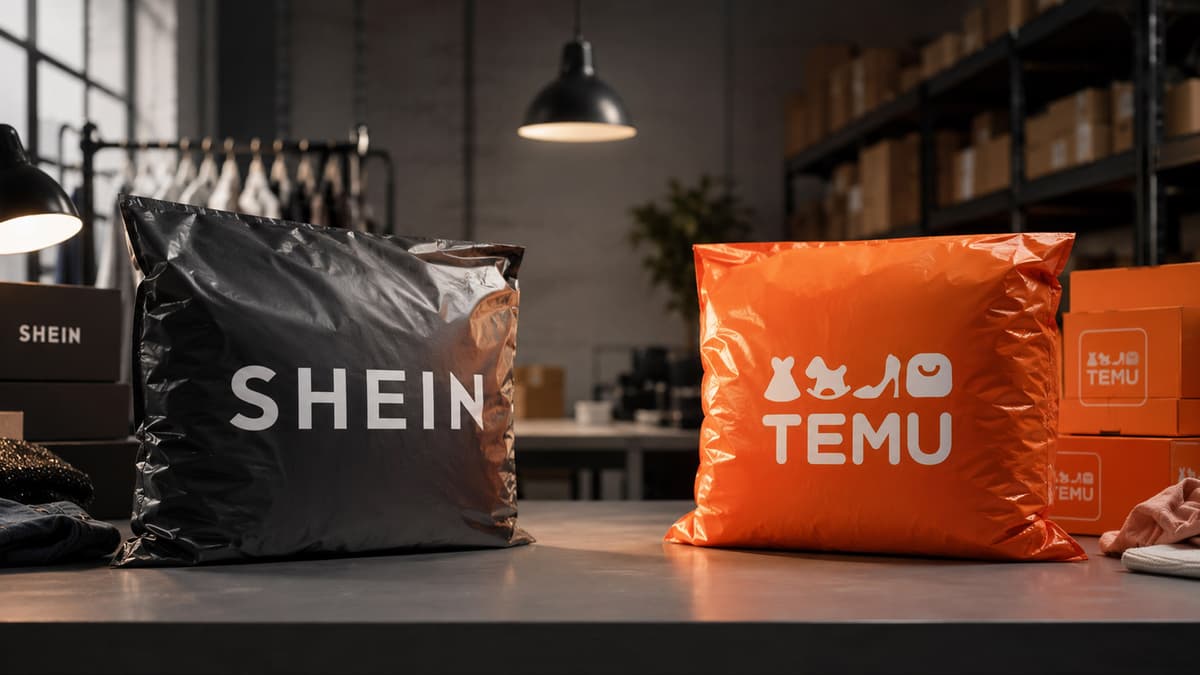
France Urges EU to Escalate Enforcement on Shein and Temu, with 46% of Inspected Products Non-Compliant and 100,000 Pulled
France has urged the European Union to tighten enforcement against Asian‑origin e‑commerce platforms such as Shein and Temu after a recent audit found 46% of inspected items unsafe. French regulators removed more than 100,000 products since April 2025, tripling testing...

Why Your Storefront and ERP Disagree on Price
The article explains why prices shown on a Dynamics 365 Business Central‑linked storefront can differ from the price enforced at checkout. It traces the mismatch to pricing logic that runs in the ERP at order validation, while the storefront often displays...

Insider One Acquires Bluecore to Expand Its Agentic AI Customer Engagement Platform with Retail Identity and Behavioral Data
Insider One has acquired Bluecore, a retail marketing technology firm serving over 400 enterprise brands, to enhance its autonomous AI customer engagement platform. Bluecore brings its Transparent ID Network, which processes more than 10 billion shopper events daily and converts anonymous...

Vinted’s Manifest Destiny
Thomas Plantenga took over Vinted in 2017 when the Lithuanian resale marketplace was cash‑strapped after years of aggressive growth. He rejected a $250 million takeover bid from Naspers, opting instead to raise €25 million (about $27 million) to keep the company independent. Plantenga...

Shopback: Get 100% Back On Temu (Limit $35)
Shopback is running a limited‑time promotion that refunds 100% of a Temu purchase, up to $35, for a single order per user. The deal expires at midnight on May 12, 2026, and is accessed through the Shopback portal or browser extension. The...
Alibaba's $430 Million Bet on Qwen Is Quietly Dismantling the Search-Based Shopping Model
Alibaba has embedded its Qwen conversational AI assistant across Taobao and Tmall, giving shoppers a chat‑driven path through a catalog of more than 4 billion items. The move replaces traditional keyword search with a full‑journey experience that handles discovery, payment and...

Free Bandcamp Alternative Subvert Launches with 22K Members
Subvert.fm, a cooperatively owned music marketplace, launched publicly with 22,742 artist and supporter members. The platform eliminates mandatory platform fees, letting creators keep 100% of sales after standard payment‑processor charges, and relies on optional fan contributions for sustainability. Governance is...

Subvert Launches as an Artist-Owned Alternative Co-Op to Streaming Services & Bandcamp
Subvert, an artist‑owned cooperative music marketplace, launched on May 12, 2026, positioning itself as an alternative to streaming services and Bandcamp. The platform charges zero percent platform fees, letting fans optionally tip 5‑20 percent to fund operations. At launch, more than 14,000 artists,...