
UK Tightens Borders, Asian Stocks Hit Records as Singapore Debates Surplus
The Business Times podcast covered a string of cross‑regional developments, from the United Kingdom’s new electronic travel‑authorization requirement to President Donald Trump’s 10% global tariff rollout, while also highlighting inflation pressures in Australia, record highs in Asian equity markets and Singapore’s $15.1 billion budget surplus debate. The UK scheme now obliges visitors from 85 nations, including Singapore and Malaysia, to purchase a £16 e‑permit online, a rule that was introduced in 2023 but only recently enforced. Trump signed an executive order on Feb 20 authorising the 10% levy, with hints of a possible rise to 15%. Australian consumer‑price index rose above expectations, pushing market odds of a May Reserve Bank of Australia rate hike to 80%. South Korea’s KOSPI breached the 6,000 level, driven by AI‑fueled gains in chipmakers Samsung Electronics and SK Hynix, while Japan’s Nikkei 225 hit a fresh record as the yen weakened. In Singapore, MPs split over whether the surplus should be spent on social programmes or retained as a buffer, with the PAP framing it as insurance against volatility. Together, these events signal tighter border controls, escalating trade tensions, heightened inflation risks and renewed investor optimism in technology stocks, all of which could reshape capital flows and policy decisions across the Asia‑Pacific region.
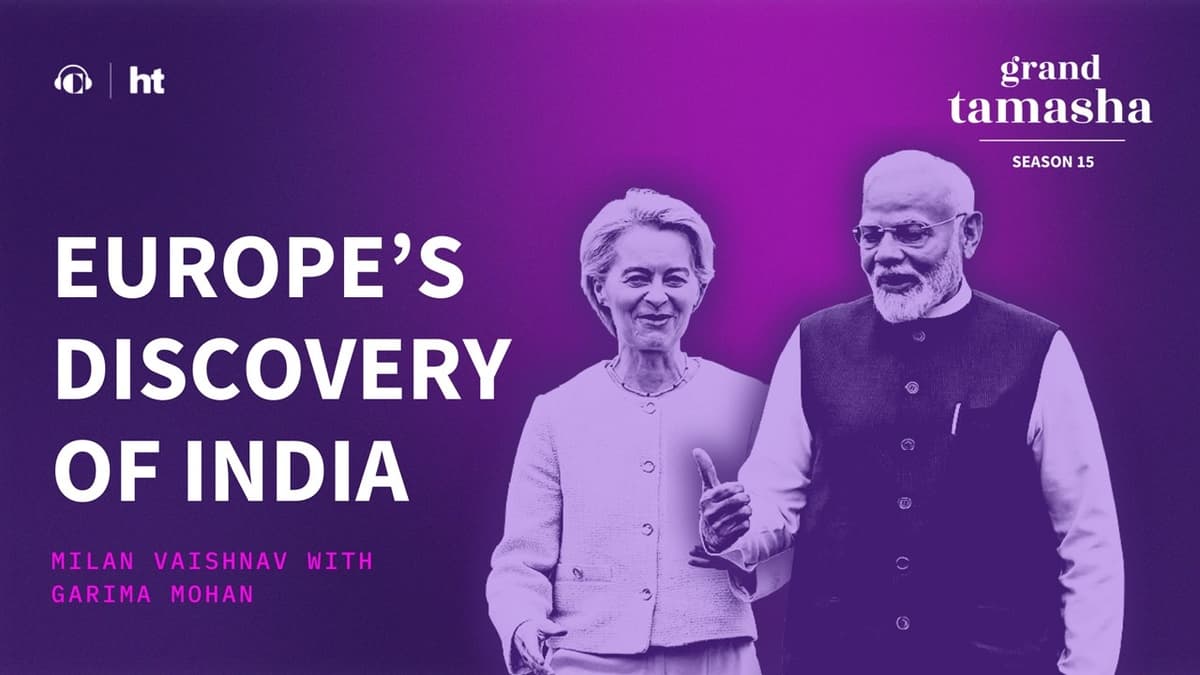
Europe’s Discovery of India
Europe and India have entered a markedly upbeat phase, highlighted by the long‑awaited EU‑India Free Trade Agreement. The partnership is expanding beyond rhetoric into concrete cooperation on security, technology, and migration. Garima Mohan of the German Marshall Fund explains the...
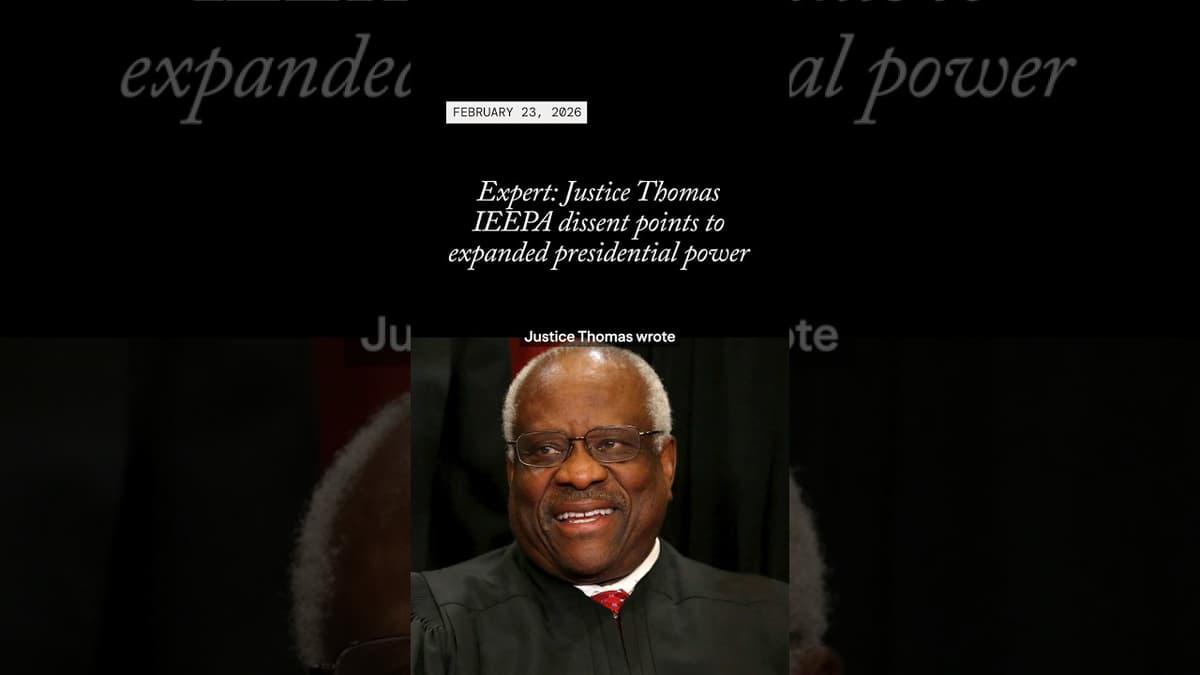
Expert: Justice Thomas IEEPA Dissent Points to Expanded Presidential Power
In a recent CFR interview, trade expert Jennifer Hillman highlighted Justice Samuel Thomas's dissent on the International Emergency Economic Powers Act (IEEPA). Thomas argued for a markedly broader scope of executive authority under the statute. Hillman described the dissent as...
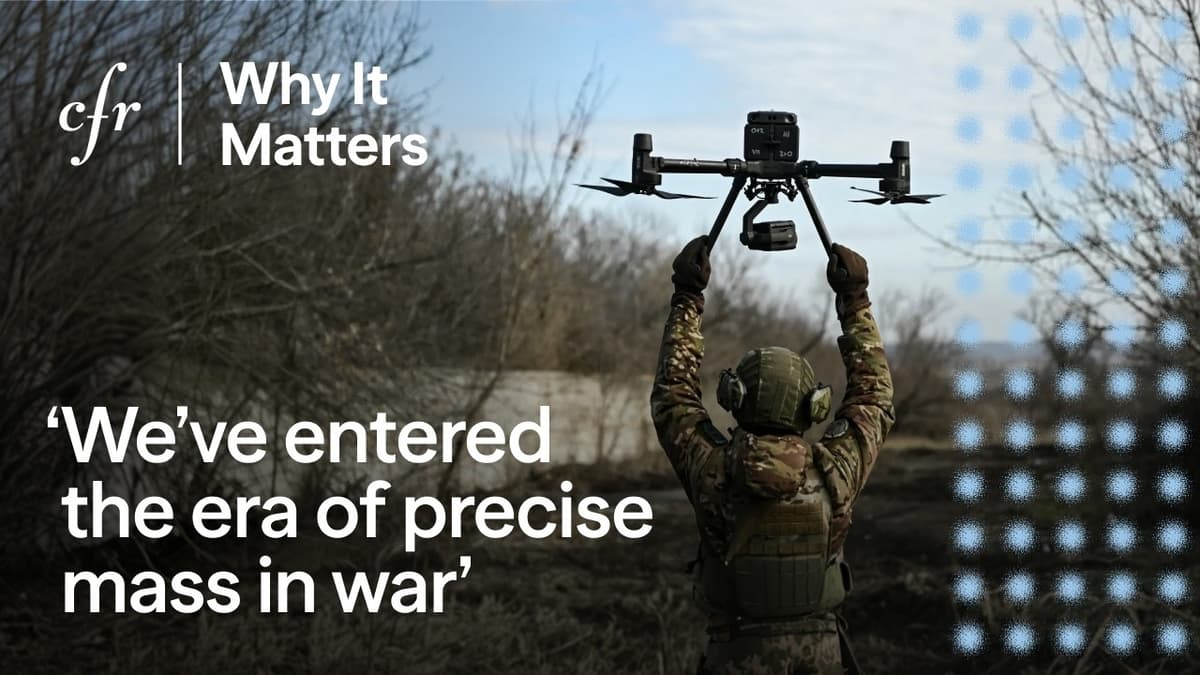
Autonomous Ukraine: We Are in a New Era of Warfare
Ukraine's ongoing war is accelerating a shift toward autonomous, low‑cost drone warfare, turning the battlefield into a fluid, swarming environment. Millions of inexpensive UAVs now conduct strike, surveillance, and electronic tasks, eroding the concept of a fixed front line. Experts...
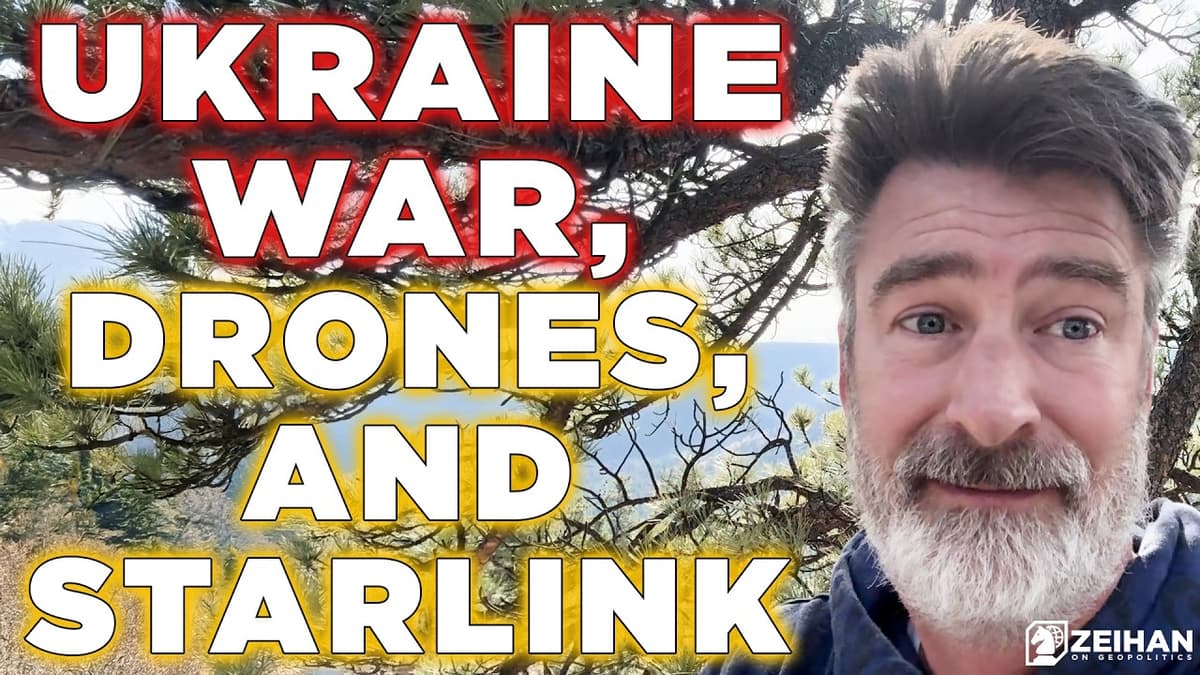
The Ukraine War, Drones, and Starlink || Peter Zeihan
Peter Zeihan’s video examines the rapid militarization of Elon Musk’s Starlink satellite network in the Ukraine war. He explains that roughly three‑quarters of recent Ukrainian casualties stem from first‑person‑controlled drones, and Russian forces have begun mounting portable Starlink terminals...
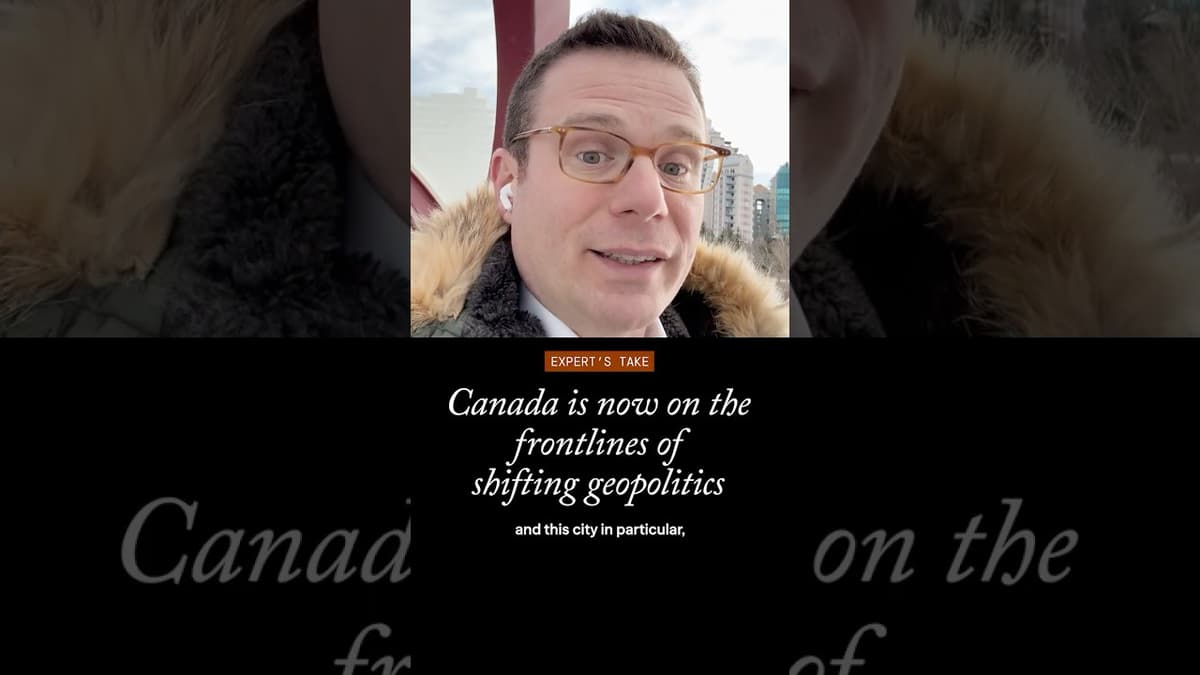
Canadian Export Markets Move to Center Stage
Canadian business, academic and political leaders are confronting an unprecedented central role in global geopolitics and geoeconomics, especially as economic warfare intensifies. Edward Fishman highlighted the rising importance of Canada’s energy exports during a Calgary speaking engagement. He outlined how...
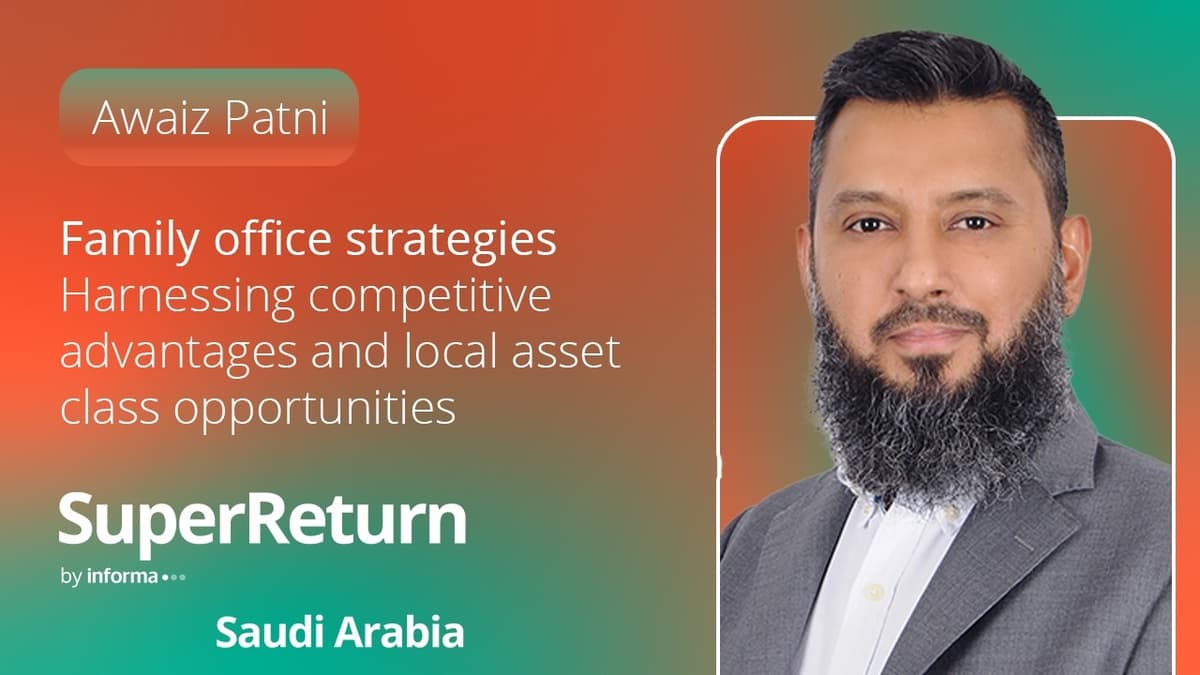
How Are Saudi Family Offices Becoming More Disciplined Investors?
The video discusses how Saudi family offices are evolving from opportunistic investors into more disciplined capital allocators, aligning their strategies with institutional standards. Speakers note a transition from pure return chasing to deliberate pacing of capital, robust liquidity management, and downside...
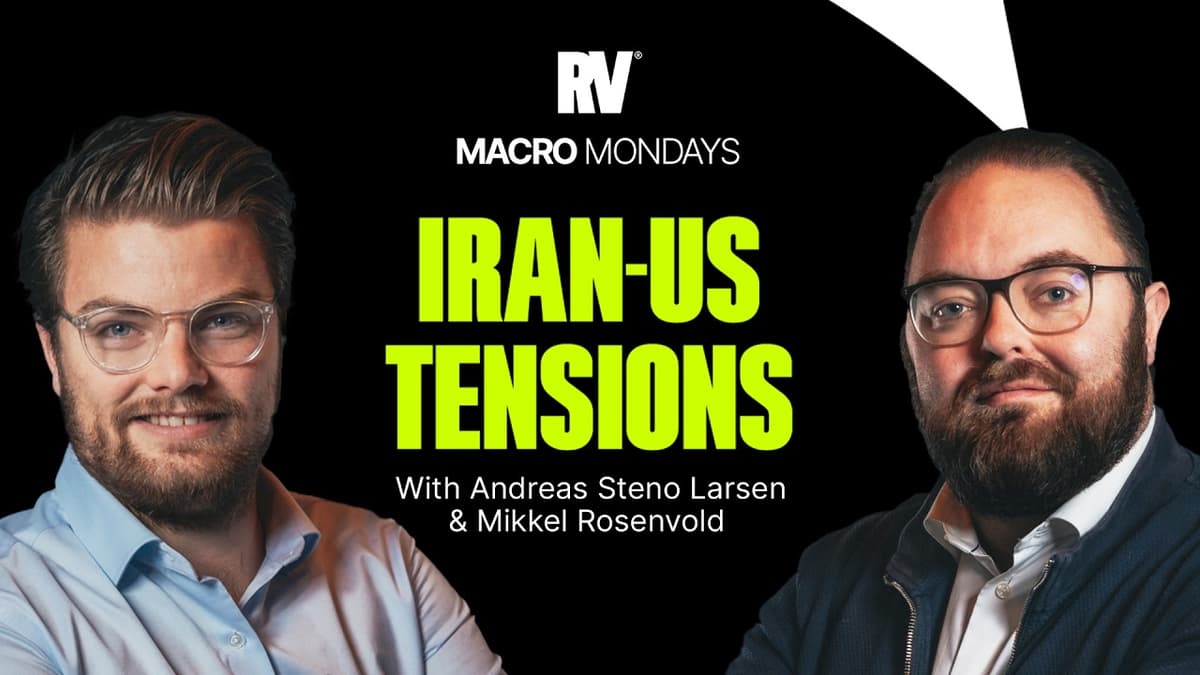
Do Markets Care About Trump’s Tariffs? | Macro Monday with Andreas Steno and Mikkel Rosenvold
Andreas Steno Larsen and Mikkel Rosenvold dissect the market fallout from President Trump’s renewed tariff agenda, highlighting the Supreme Court’s recent block on EPA‑related tariffs and the legal avenues Trump might use to sidestep Congress. They assess how the 10‑15%...
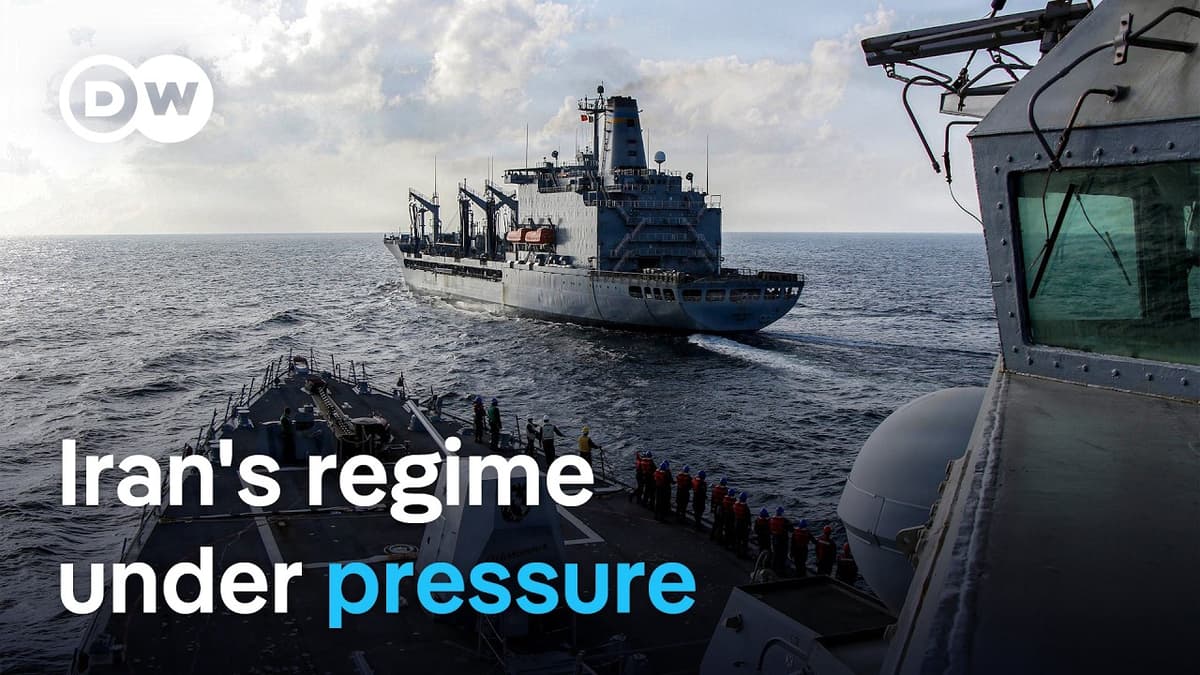
Iran's Regime Caught Between New Protests and US Military Buildup | DW News
Iran's hard‑line regime is confronting growing internal dissent as students stage a second day of anti‑government protests, while externally it hints at a diplomatic opening with the United States despite a massive U.S. military buildup in the Middle East. Foreign...
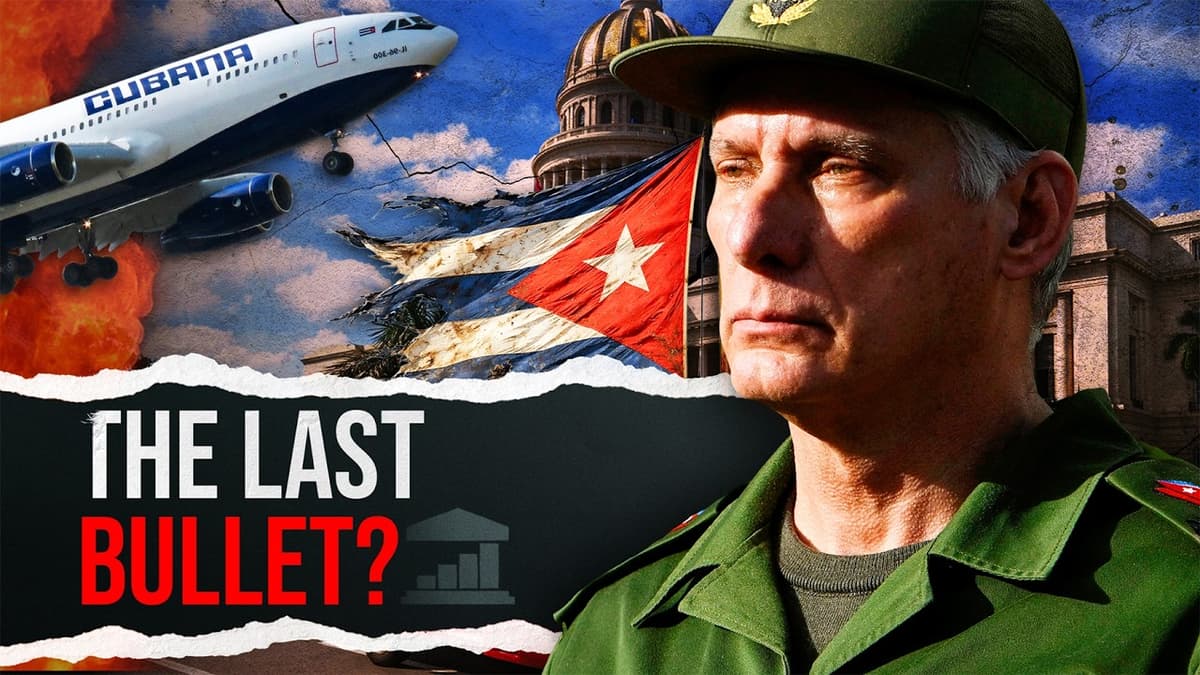
Cuba Under Siege: The Castro Regime Is Playing Its Last Card
The video paints a bleak picture of Cuba’s collapsing infrastructure, where fuel shortages have crippled jet operations, electricity grids, and even basic public services. Blackouts now blanket entire neighborhoods, cardboard boxes serve as coffins, and wheelbarrows replace hearses, underscoring a...
Supreme Court: Trump's Tariffs Are Illegal
The U.S. Supreme Court invalidated the tariffs President Donald Trump imposed under the International Emergency Economic Powers Act, ruling they exceeded statutory authority. The decision overturns the administration’s Section 122 tariff regime, which had already set a uniform 10 percent duty on...
The Supreme Court Just Ruled Trump's Tariffs Unconstitutional || Free Patreon Preview
The U.S. Supreme Court issued a 6‑3 decision declaring the tariffs imposed by former President Donald Trump unconstitutional, reaffirming that only Congress holds the authority to levy long‑term duties on foreign goods. The ruling permits brief executive delegation but mandates...

S2E32: Tech Jitters, Fed Splits, Dollar Gains: Nerves Rise
Global markets slipped as the U.S. dollar surged to multi‑month highs and oil prices climbed on heightened geopolitical risk. Hosts Howie Lim and Hugh Chung highlighted AI‑related stock turbulence, a split among Federal Reserve officials on future rate moves, and...
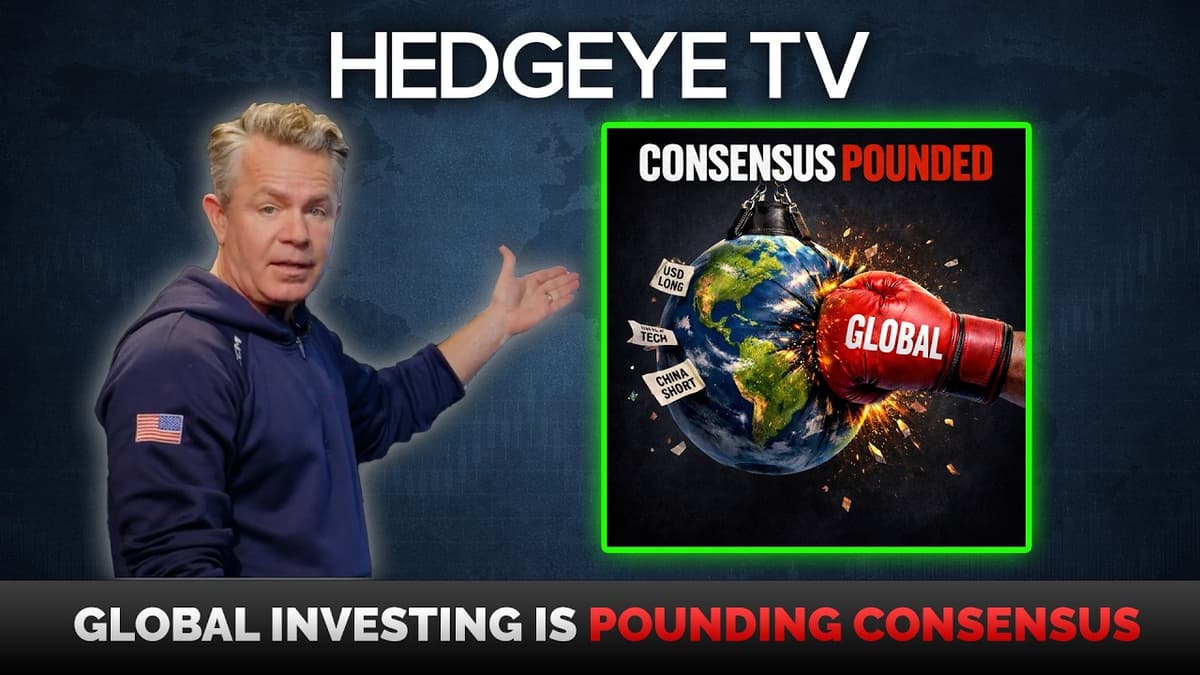
How Hedgeye’s Global Process Is Beating Consensus
The video outlines Hedgeye’s global investment framework, emphasizing how its country‑specific bets have outperformed mainstream consensus. By spotlighting recent returns—Turkey up 22% since December, Israel 19% since November, Mexico 18% since December, and Japan 9%—the presenter argues that the model’s...
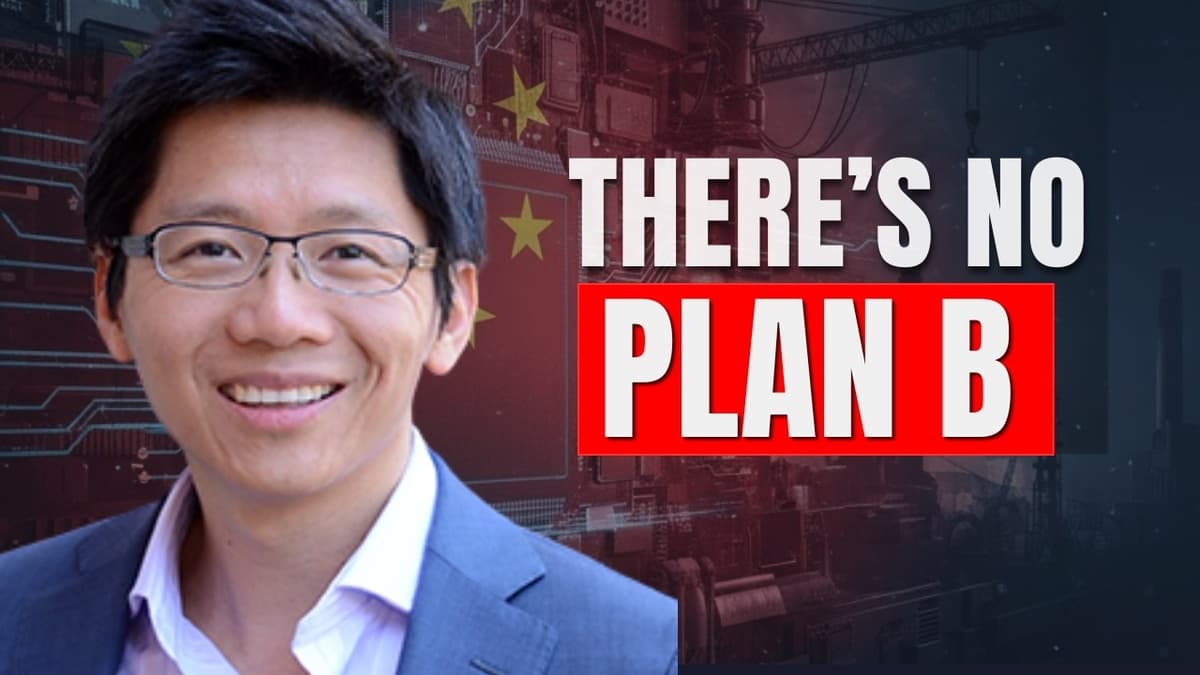
The Capitalism No One Sees | Jason Hsu on What Investors Miss About China
Jason Hsu argues that China functions as a fiercely competitive capitalist engine rather than a monolithic, centrally planned economy. He says the Chinese state often acts like the largest limited partner/venture capitalist—providing capital and protection while letting many private firms...
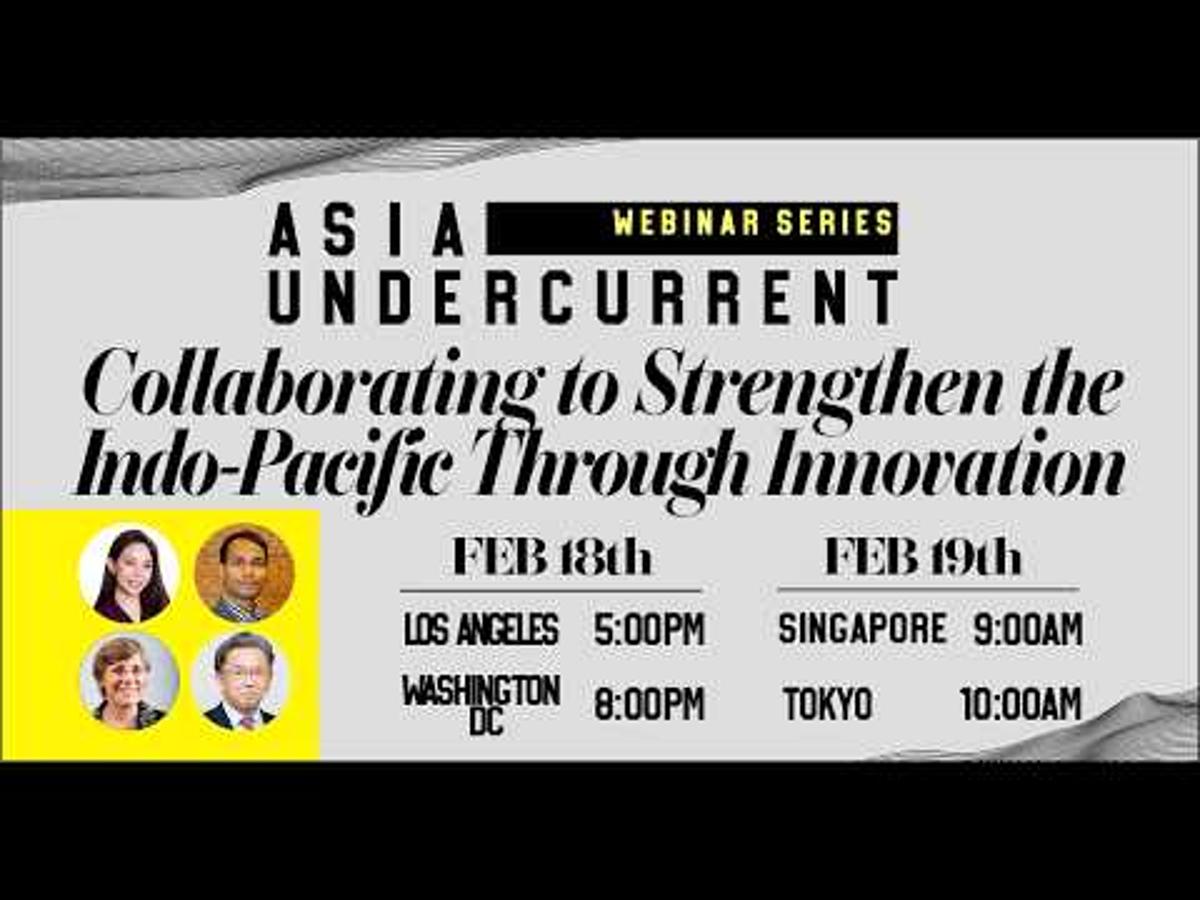
Asia Undercurrent 29: Collaborating to Strengthen the Indo-Pacific Through Innovation
The Asia Undercurrent webinar examined how Indo‑Pacific democracies can bolster resilience by pooling innovation resources. Hosted by Professor Marie Ancherdogi, the session featured health‑tech entrepreneur Dr. Madiha Fuad, Japan‑focused economist Takashi Imamura, and economist Dr. Manish Sharma, each outlining pathways...
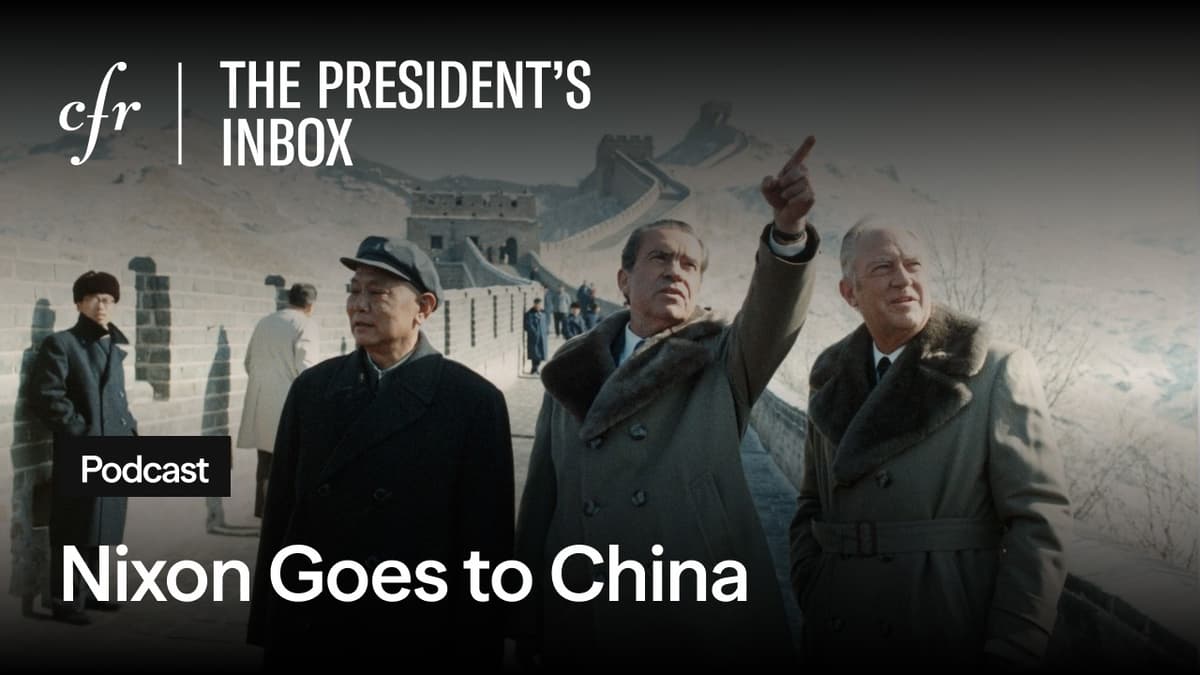
America at 250: Nixon Goes to China, With Jeremi Suri
The podcast episode examines President Richard Nixon’s historic February 1972 trip to the People’s Republic of China, a move that shattered more than two decades of mutual non‑recognition between the two superpowers. Hosted by Jim Lindsay of the Council on...
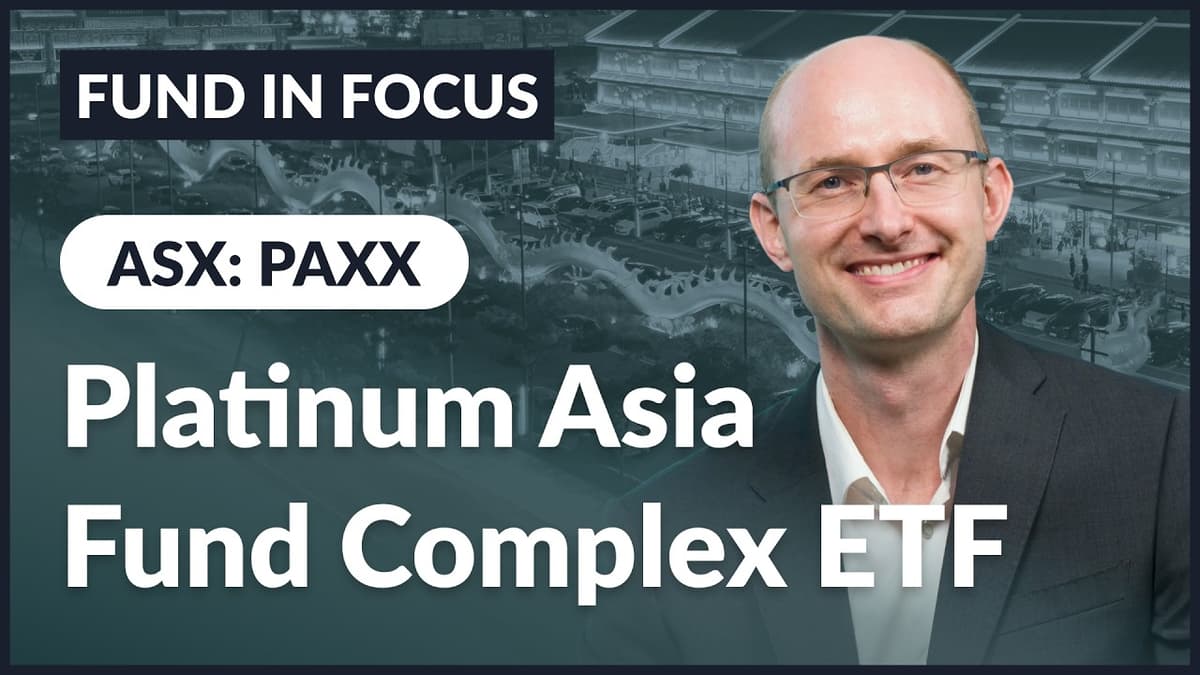
50% of the Global Economy Is Missing From Most Aussie Portfolios. Here's How to Add It In
LiveWire Markets Fund in Focus featured Platinum Asset Management’s Cameron Robertson discussing the Platinum Asia strategy, highlighting that roughly 50% of the world’s economy resides in Asia yet most Australian portfolios remain heavily US‑centric. Robertson explained the fund’s two‑decade track record,...
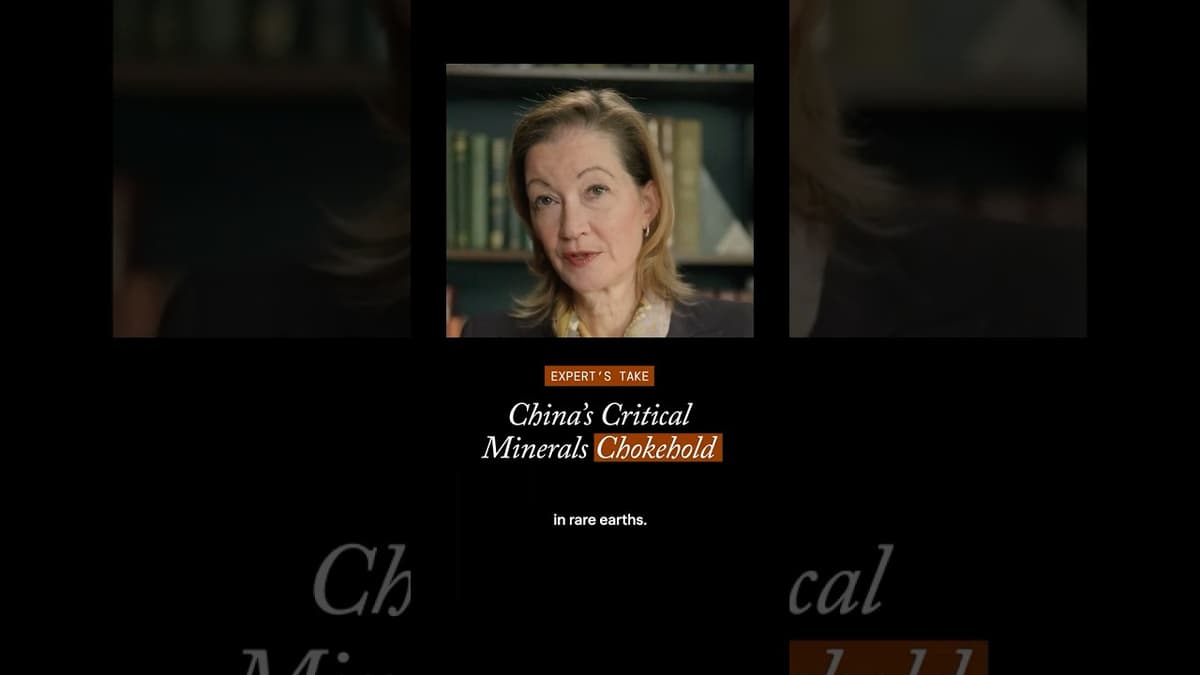
China's Critical Minerals Chokehold
In early February, the Trump administration convened an unprecedented critical‑minerals ministerial in Washington, drawing more than 55 nations to confront China’s near‑total control of rare‑earth elements and related supply chains. The summit marked the first large‑scale, multilateral U.S. effort to...

The “European Onion” + China, Brazil, and India Take On MAGA
The Spillover episode spotlights Europe at a crossroads, after Munich Security Conference and a Belgian summit, as the bloc wrestles with its strategic role amid US‑China rivalry and the war in Ukraine. Hosts note that while Europe’s macro picture is strained—aging...
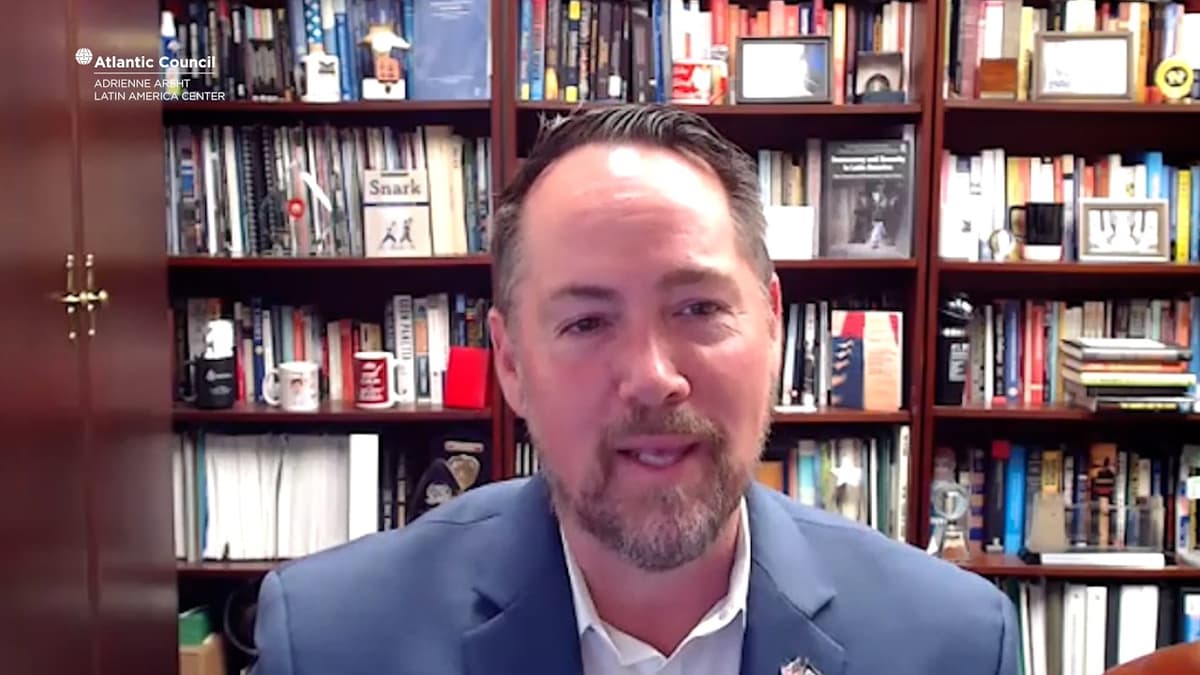
China and Latin America, Explained: A Conversation with Brian Fonseca
The video features Dr. Brian Fonseca discussing how China’s expanding economic, technological, and security footprint in Latin America and the Caribbean is reshaping U.S. hemispheric strategy. He frames the issue within the latest U.S. National Security Strategy, which labels Beijing...
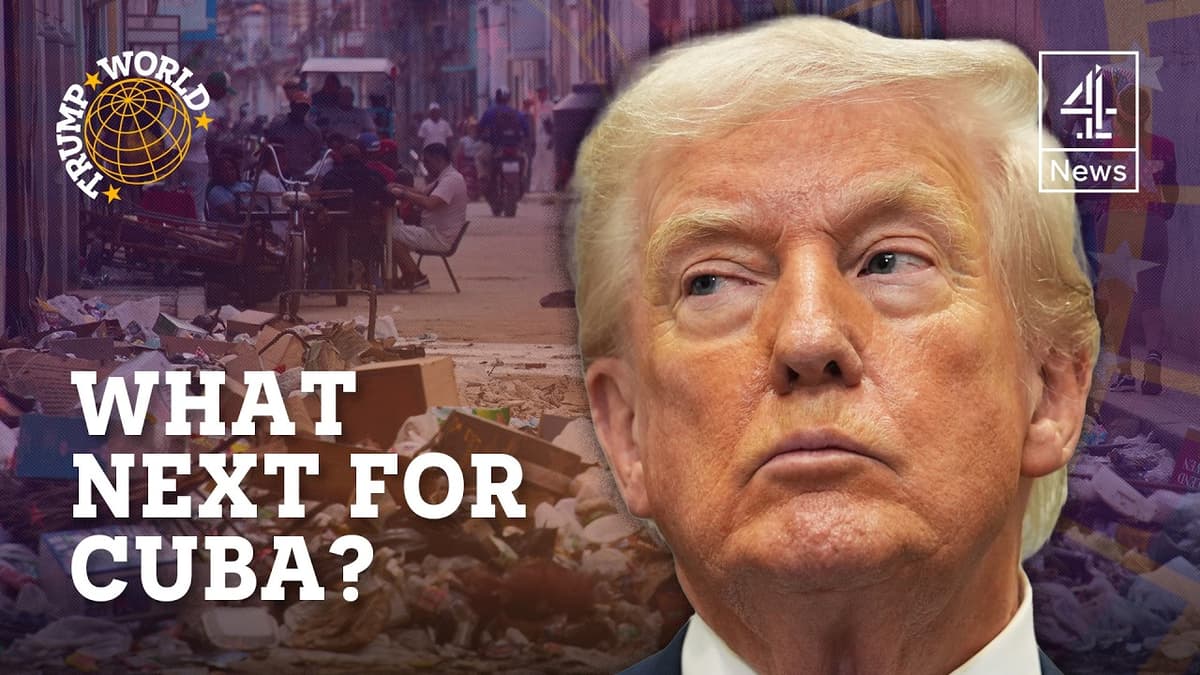
The Real Cost of Trump’s Cuban Crisis
The video examines the Trump administration’s renewed pressure on Cuba, focusing on an oil embargo that has pushed the island into its deepest crisis since the 1960s. After Venezuela halted oil shipments and Mexico stopped imports, Cuba now produces only...
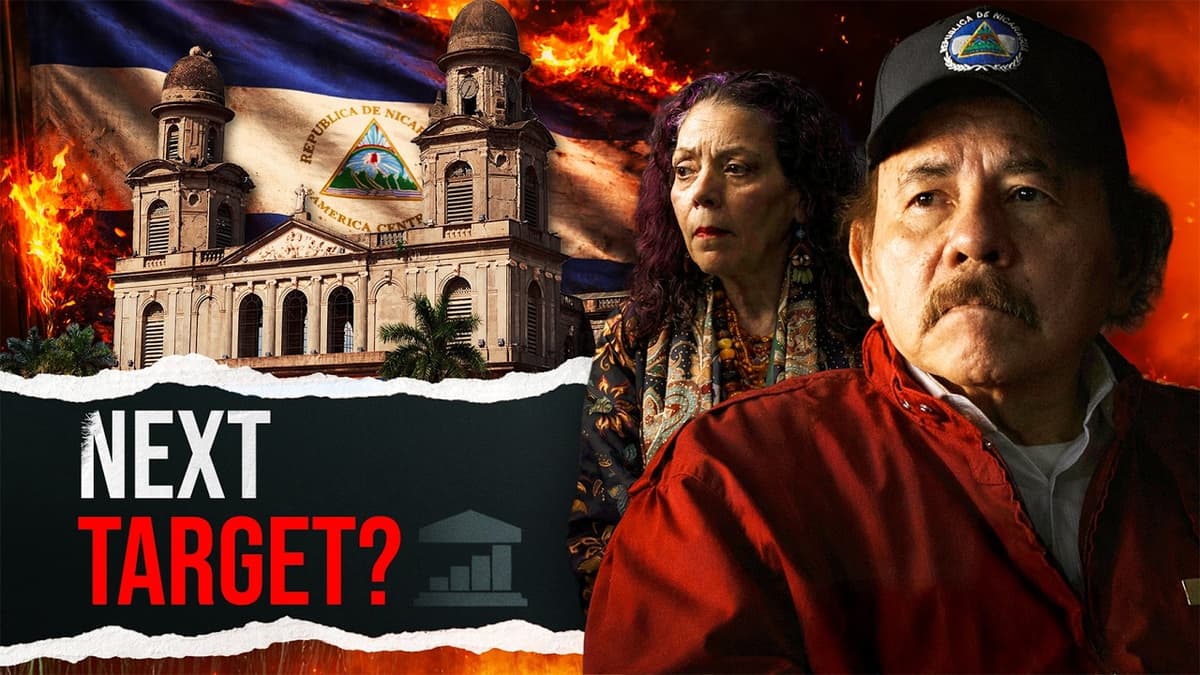
Why Nicaragua Could Be the Next After Venezuela and Cuba | VisualPolitik EN
The video examines Nicaragua’s heightened vulnerability after the U.S. capture of Venezuela’s leader Nicolás Maduro, highlighting how the Ortega‑Mario regime is scrambling to preserve power amid a shifting regional balance. It details the paradoxical gesture of freeing about thirty political prisoners...

Jason Jackson - Traders, Speculators and Captains of Industry in India
The event featured Jason Jackson discussing his new book *Traders, Speculators, and Captains of Industry*, which examines India’s turbulent journey through market liberalization, especially in the multibrand retail sector. Drawing on fieldwork, interviews, and archival research, Jackson interrogates why Indian...
Building Resilient, Innovative Supply Chains Across Africa
The Supply Chain Now episode spotlights DHL Global Forwarding’s Middle East and Africa CEO Toby Meyer as he outlines a bold vision for building resilient, innovative supply chains across the continent. The conversation frames the shifting global trade landscape—U.S. tariffs...
The U.S. Navy Goes Down Under || Peter Zeihan
The video discusses the U.S. Navy’s recent decision to partner with Australia on expanding the Sterling naval facility on an island off Perth, creating a second forward base far from the contested Western Pacific. Zeihan explains that the move addresses a...
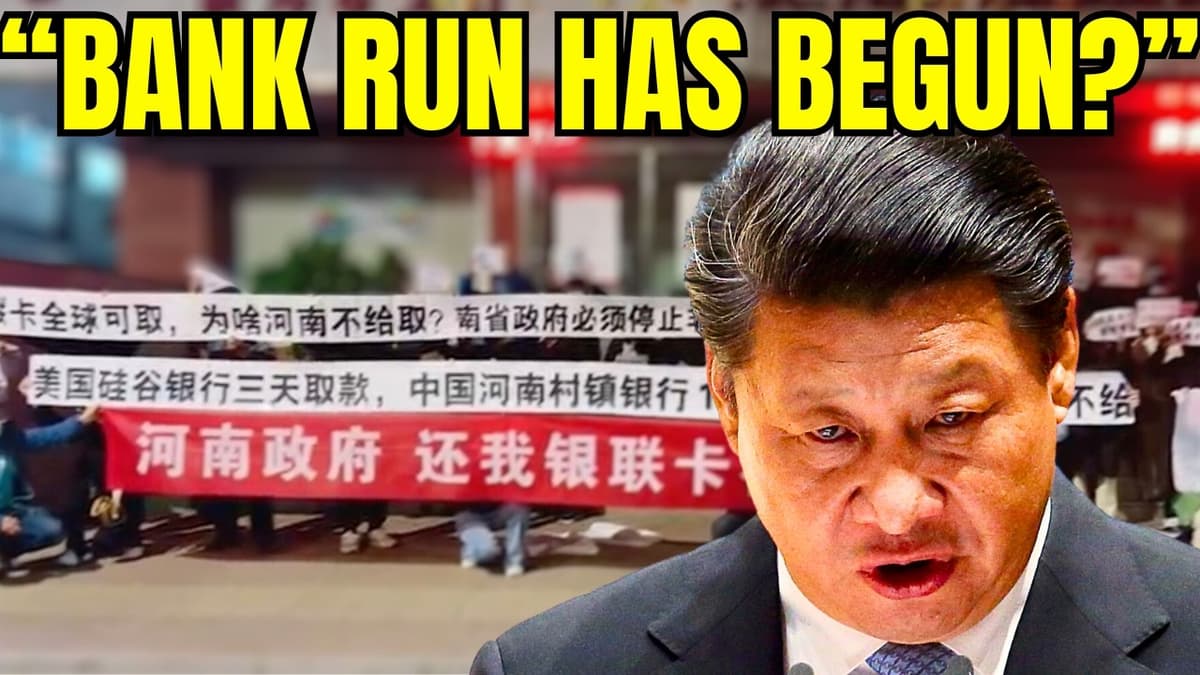
The Largest Banks in the World Just Did the Unthinkable
The video examines unprecedented stress in China’s banking sector, highlighting that the world’s four largest banks are Chinese and that recent data suggest a “Japanification” scenario. It details record‑low one‑year loan rates, the PBOC’s hidden rate cut, and S&P’s warning that...
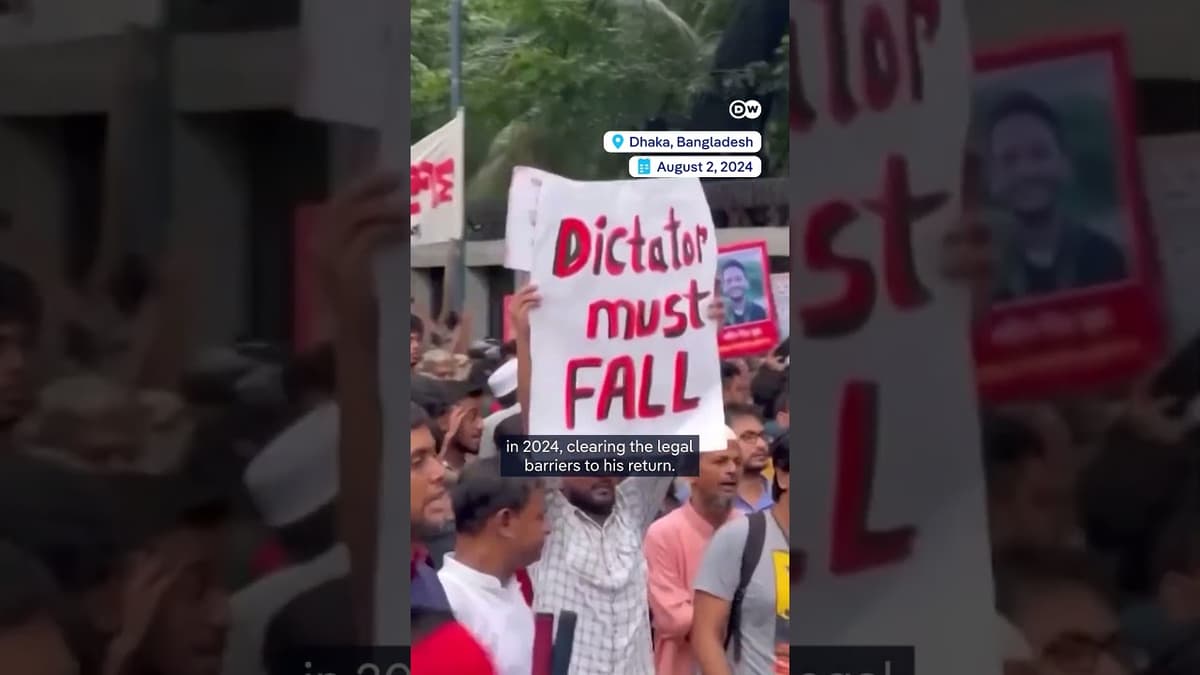
Tarique Rahman Sworn in as Prime Minister of Bangladesh | DW News
Bangladesh’s political landscape shifted dramatically on Monday as Tarique Rahman, the son of former president Ziaur Rahman and longtime BNP leader Khaleda Zia, was sworn in as prime minister following a landslide parliamentary victory. After 17 years in exile, Rahman...
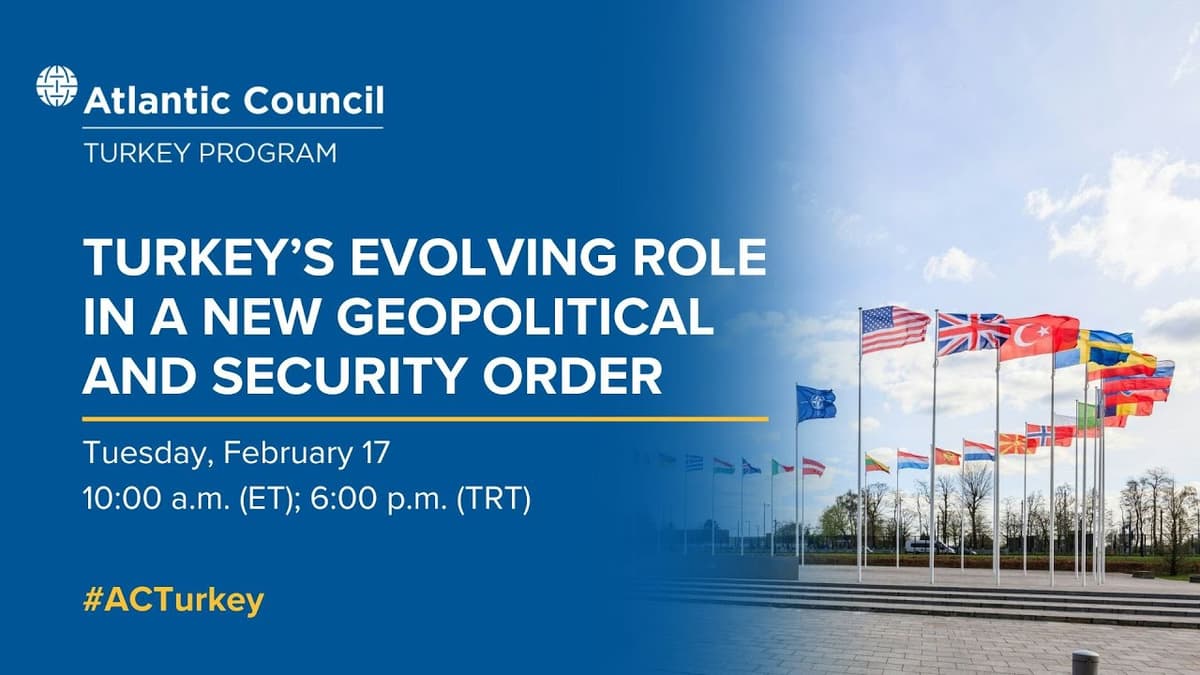
Turkey's Evolving Role in a New Global Geopolitical and Security Order
Speakers at the Atlantic Council event argued that amid a perceived shift away from a US-led rules-based order, Turkey is consolidating its role as a middle power by pursuing strategic autonomy through hedging, expanded defense and energy self-sufficiency, regional mediation,...
For Trump's Tariffs, Leverage Is King | GZERO World
The video examines how the Trump administration turned tariffs into a universal bargaining chip, using them not only for trade disputes but also to pressure allies on political and security issues. By sidestepping the World Trade Organization’s dispute‑settlement mechanism, the president...
Ventures Grew in 2025, 2.5 Times the Number of Firms in 2020: EnterpriseSG
Enterprise Singapore is boosting Singapore firms’ expansion into the Middle East through a new Singapore Enterprise Centre in Dubai, which aims to run about 150 advisory sessions and support 30 projects this year across infrastructure, real estate and tech-driven services....
How Spayce Is Turning Barbados Into a Fintech Hub | Money20/20 USA 2025
At Money20/20 USA 2025, Marilyn Brathweight, chief of staff for Space Technologies Inc. in Barbados, outlined the company’s strategy to transform the Caribbean nation into a fintech hub. She highlighted Barbados’ 50‑year‑old, stable banking sector, supportive fintech legislation, and an abundant...
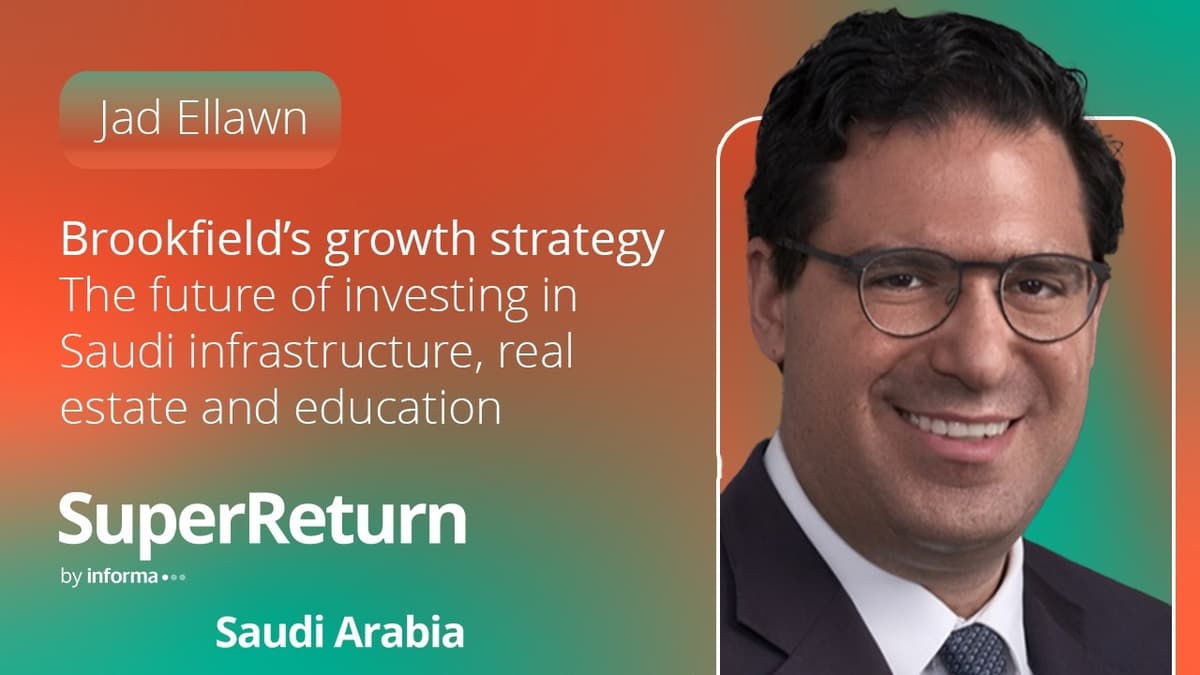
An Excess of Capital Opportunity: Jad Ellawn, Brookfield, on the Growth Optics in the GCC
Jad Ellawn, senior executive at Brookfield, outlined the firm’s view that the Gulf Cooperation Council (GCC) is experiencing an unprecedented wave of private‑capital opportunities across real estate, infrastructure, renewables and private‑equity. He highlighted how demographic growth, rising immigration and still‑low...

MSC CEO: Europe Should Lead on Ukraine | Global Stage
European shipping giant MSC CEO argues that Europe must take the initiative on Ukraine, criticizing the Trump administration’s deal‑making stance and urging a sovereign‑focused approach. He warns that reliance on U.S. proposals leaves Europe without a seat at the negotiating table,...
Is Europe Over-Regulating AI? | Global Stage
The video addresses growing concerns that Europe’s regulatory framework is outpacing the development of artificial‑intelligence technology, making it harder for global AI providers to serve European customers. The speaker highlights the EU’s AI Act, which sets standards and milestones that...
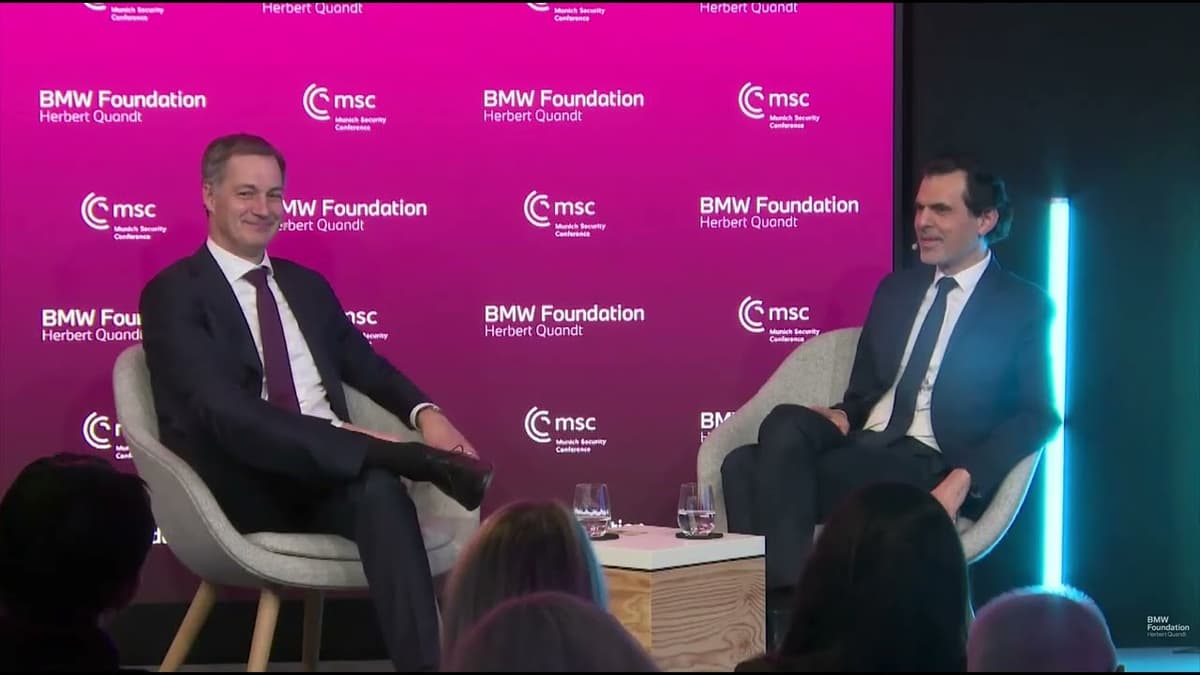
In Conversation | Rebuilding Multilateralism - Energy Security Hub 2026 @BMW Foundation
The Energy Security Hub 2026 panel featured Alexander De Croo, newly appointed UNDP Administrator and former Belgian prime minister, discussing the urgent need to rebuild multilateralism by integrating development into security strategies. He noted that at this year’s Munich Security Conference,...

LIVE PREMIERE: Global Stage: Live From the Munich Security Conference
Speakers at a live Munich Security Conference discussion warned that the world has become disorderly and multipolar, with NATO still relevant but at risk if it cannot rapidly integrate new technologies into its posture. Panelists highlighted accelerating cyber and hybrid...
Russia's "Shadow War" | Global Stage
Russia’s conflict in Ukraine is framed not merely as a territorial dispute but as a strategic campaign to subjugate Kyiv and erode Europe’s cohesion. The speaker argues that Moscow views Ukraine as a gateway to weaken the continent, linking the...
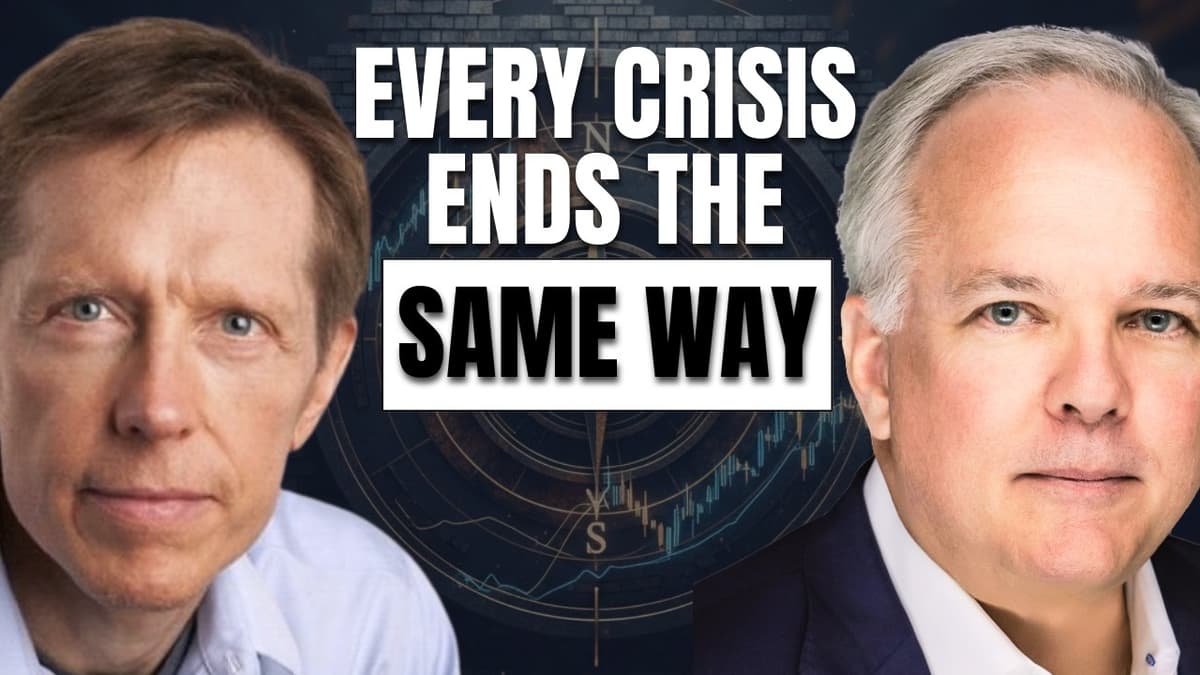
The Fourth Turning Is Here | Neil Howe and Ben Hunt on Inflation, Trust and What Comes Next
The video brings together historian Neil Howe and investor Ben Hunt to examine how the current era fits the “Fourth Turning” framework—a generational cycle that alternates between periods of building and crisis. They argue that today’s inflation surge, broken trust,...
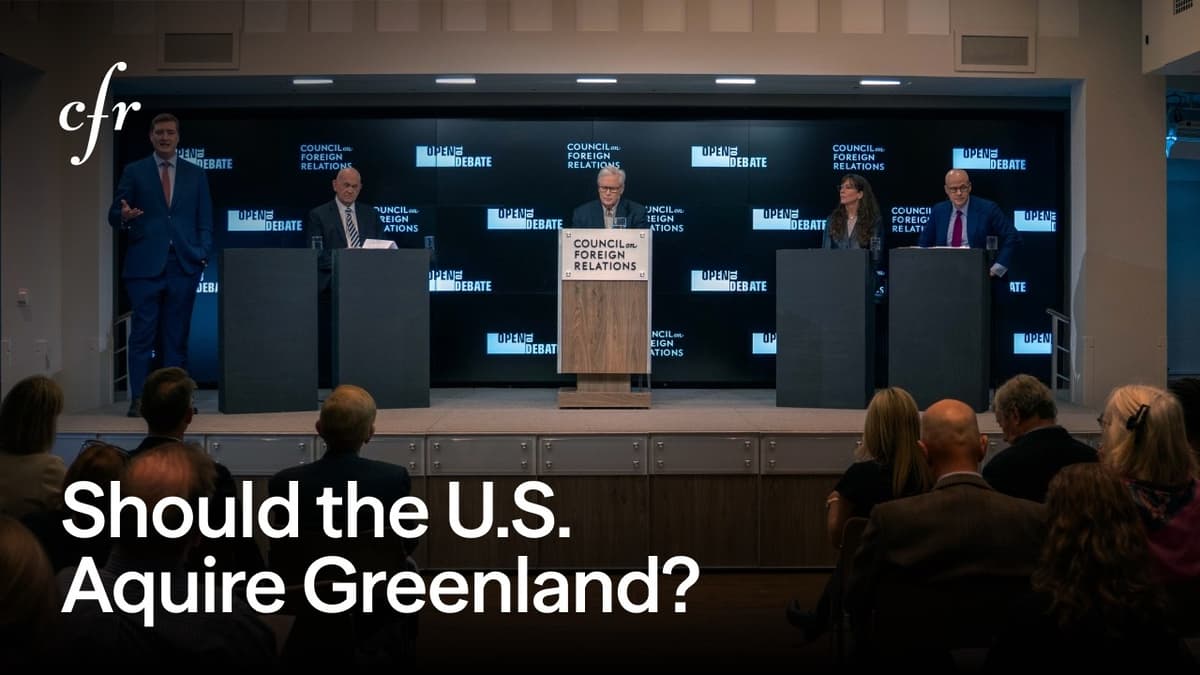
Open To Debate: Is U.S. Control of Limited Territory in Greenland a Strategic Necessity?
The Open to Debate episode convened at the Council on Foreign Relations to ask whether the United States should retain limited territorial control in Greenland. The question resurfaced after former President Donald Trump publicly floated a purchase, hinted at...

Can Italy Actually Make Money Hosting the Olympics?
The 2026 Winter Olympics in Milan‑Cortina have launched with a headline‑grabbing promise: a $6.2 billion budget that could actually turn a profit, a rarity in modern Games. Organizers plan to lean heavily on existing venues—more than 85% of facilities are already in...
Doomberg: Gold's New Role in A Multi-Polar World, World War 3 & The AI Singularity
The Palisades Gold Radio interview with geopolitical analyst Doomberg centers on gold’s emerging function as a hedge in a rapidly evolving multipolar world, where the United States is losing its unipolar dominance and artificial‑intelligence breakthroughs are reshaping strategic calculations. Doomberg...
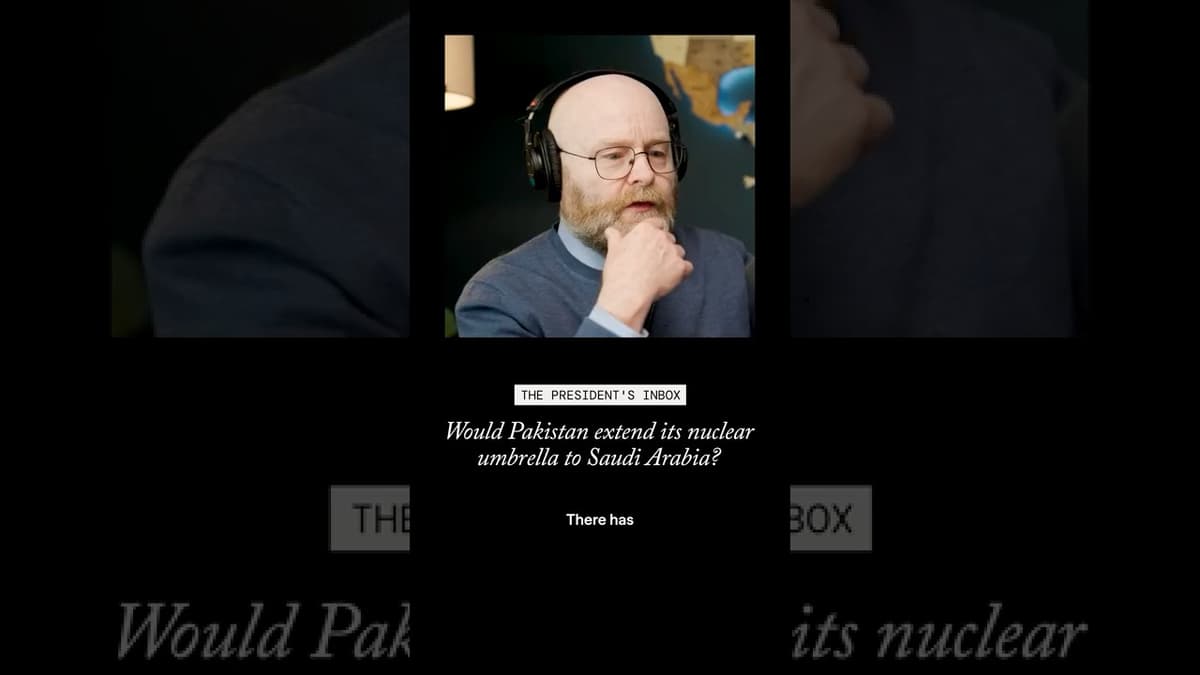
Would Pakistan Extend Its Nuclear Umbrella to Saudi Arabia?
Washington is wrestling with rumors that Islamabad has pledged a nuclear umbrella to Riyadh if Tehran acquires a bomb. The chatter stems from a recently signed Saudi‑Pakistani military cooperation accord, but the agreement’s full text has never been published, leaving...
From Potential to Powerhouse: Navigating India's Growth Journey | Asia Summit 2025
The Asia Summit 2025 panel titled “From Potential to Powerhouse” examined India’s economic trajectory, featuring leaders from MRF, Cambridge Associates, Tata International and Ketan law firm. Speakers framed the past year as both a challenge and a turning point for...
China and Latin America, Explained: A Conversation with Samantha Custer
The episode examines why Latin America and the Caribbean have turned to Chinese investment, featuring development‑finance expert Samantha Kuster. She outlines how China’s credit lines and policy‑bank lending have grown dramatically, with Beijing financing roughly 3,300 projects worth $33 billion since...
Vanguard VWO: A Low-Cost Powerhouse for Emerging Markets Investing
The episode spotlights Vanguard’s FTSE Emerging Markets ETF (VWO), emphasizing its recent fee cut that brings the expense ratio down to a mere six basis points, positioning it as one of the cheapest ways to gain broad exposure to emerging...
The Real Winners After a Chinese Collapse || Peter Zeihan
Geopolitical analyst Peter Zeihan warns that holding or borrowing yuan ahead of a potential Chinese collapse would be futile because over 99% of yuan is trapped within mainland China and likely nontransferable. Historical collapses show domestic currencies often become worthless,...
Progress with Purpose | Asia Summit 2025
The Asia Summit 2025 panel centered on Dubai’s strategic response to a world riddled with wars, tariffs, rising nationalism and demographic shifts. Speakers emphasized that the greatest danger is inertia; Dubai combats this by breaking a ten‑year vision into three‑year...
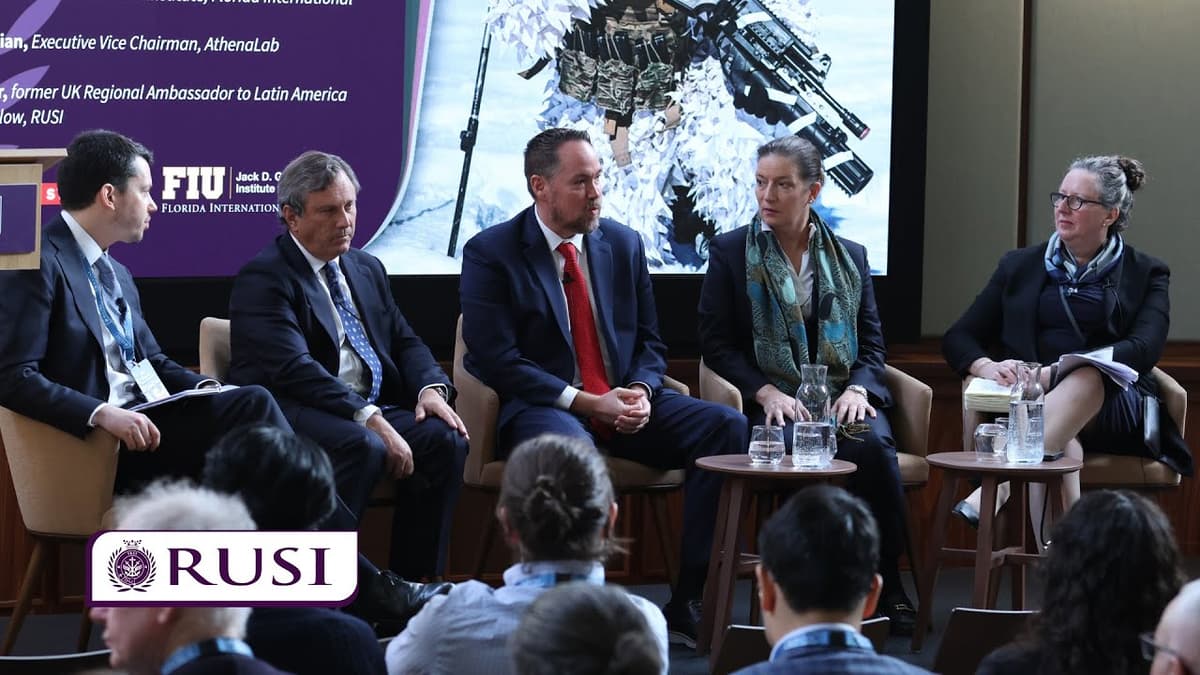
The Strategic Implications for Regional and Global Politics of the Venezuelan Crisis | LASC 2026
The LASC 2026 panel examined the Venezuelan crisis as a flashpoint for regional and global geopolitics, focusing on the surprise U.S. military operation dubbed "Operation Southern Spear" and its rapid escalation in early January. Panelists traced how the strike, described...
India: Overhyped or Global Player || Peter Zeihan
Peter Zeihan argues India is often overhyped as a unified global power because its fractured geography, deep linguistic and religious diversity, and hostile neighborhood limit national cohesion and power projection. India lacks clear geographic consolidation and strong regional influence, meaning...