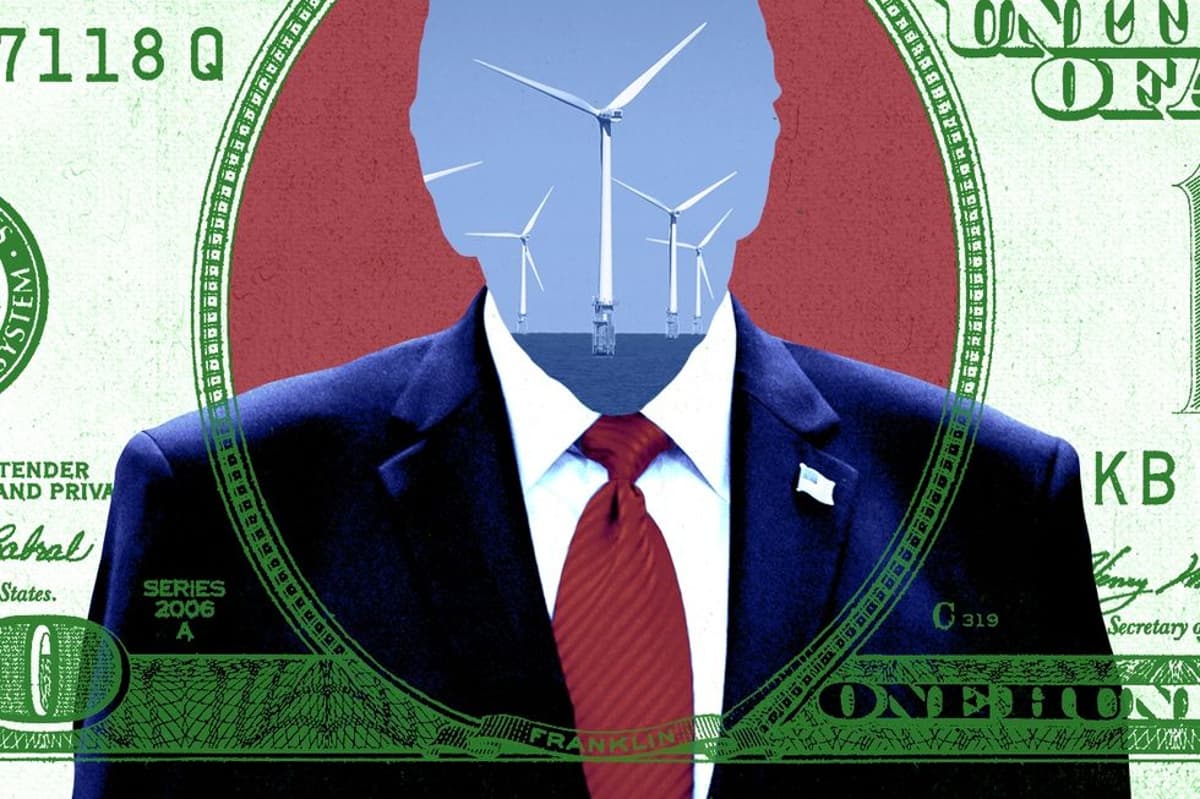
Trump ‘Fabricated’ Timeline in Offshore Wind Deal, House Democrat Says
The Trump administration settled with TotalEnergies for nearly $1 billion to buy back U.S. offshore wind leases, citing a Department of War national‑security threat. House Democrats presented interior‑department emails showing a draft memorandum with Total was circulated in mid‑November, before officials reviewed the classified security assessment. The timing suggests the national‑security justification was fabricated after negotiations began. Lawmakers now question the legality of the Judgment Fund payment and warn of a possible challenge to the deal.

OFAC’s $275 Million Settlement with Adani Enterprises Signals Aggressive Focus on Iranian Energy Evasion
On May 18, 2026, the U.S. Treasury’s Office of Foreign Assets Control imposed a $275 million settlement on India’s Adani Enterprises for importing Iranian‑origin LPG disguised as Omani and Iraqi cargo. The company processed roughly $192 million in U.S.‑dollar payments through U.S....

Abu Dhabi’s $100B Power Shift: Beyond UAE’s OPEC+ Rebellion to Hormuz Escape Pipeline & Investments
The United Arab Emirates announced a coordinated energy strategy that includes exiting OPEC+ on May 1 2026, accelerating ADNOC’s capacity to 5 million barrels per day by 2027, and completing the West‑East 1 pipeline to double Fujairah’s export capability to roughly 3.3 million barrels per...

Weekly Crude Oil Inventories Fall -7.863M vs -2.942M Estimate
The U.S. Energy Information Administration reported a 7.86 million‑barrel drawdown in crude oil inventories, far exceeding the 2.94 million‑barrel decline analysts expected. Private data released later showed an even larger 9.1 million‑barrel drop, while gasoline stocks fell 1.55 million barrels and distillates rose 0.37 million...

Pemex Health Check: Scraping the Bottom of the Barrel
President Claudia Sheinbaum has replaced Victor Rodríguez Padilla with Juan Carlos Carpio, the former CFO, as CEO of state‑run oil giant Pemex. The appointment marks a strategic pivot from the production‑first agenda that defined the previous administration toward tighter financial discipline. Carpio’s elevation follows a...
Hormuz Crisis: Evasion Flows Hold as Russia-China Pipeline Accelerates | Rapid Read 20 May 2026
U.S. sanctions this week hit Iran’s Amin Exchange and 19 vessels tied to the shadow fleet, tightening financial pressure on Tehran’s oil logistics. At the same time, only 19 non‑Iranian tankers have slipped through the Strait of Hormuz since March,...

Natural Gas Prices Weekly Update – JKM, TTF and Henry Hub (18 May 2026)
Natural gas prices rose across the three major benchmarks in the week of May 11‑15, 2026. The Asian JKM index climbed to the mid‑$18/MMBtu range, driven by heightened spot demand and supply worries at Freeport LNG and Ichthys. Europe’s TTF...

The UAE’s OPEC Exit Frees up Oil Wealth as It Bets Big on AI
On May 1 the United Arab Emirates left OPEC, releasing a production gap worth over $61 billion annually at current Brent prices. State oil giant ADNOC responded with a $55 billion acceleration plan for oil, refining and petrochemical projects, freeing capital for AI‑focused...

Span Is Building a New Kind of Electric Utility
Span is turning residential electrical panels into a flexible grid resource, enabling homeowners to host AI compute nodes while avoiding expensive service upgrades. The company’s XFRA “distributed data center” leverages unused capacity, and its partnership with PG&E will see Span...

Iran's Floating Oil Stockpile Jumps 65% As U.S. Naval Blockade Bites
Iran’s floating oil stockpile surged 65% to roughly 42 million barrels as the U.S. naval blockade, launched in mid‑April, forced Iranian tankers to linger in the Persian Gulf and near the Strait of Hormuz. The number of Iranian‑laden vessels rose from...
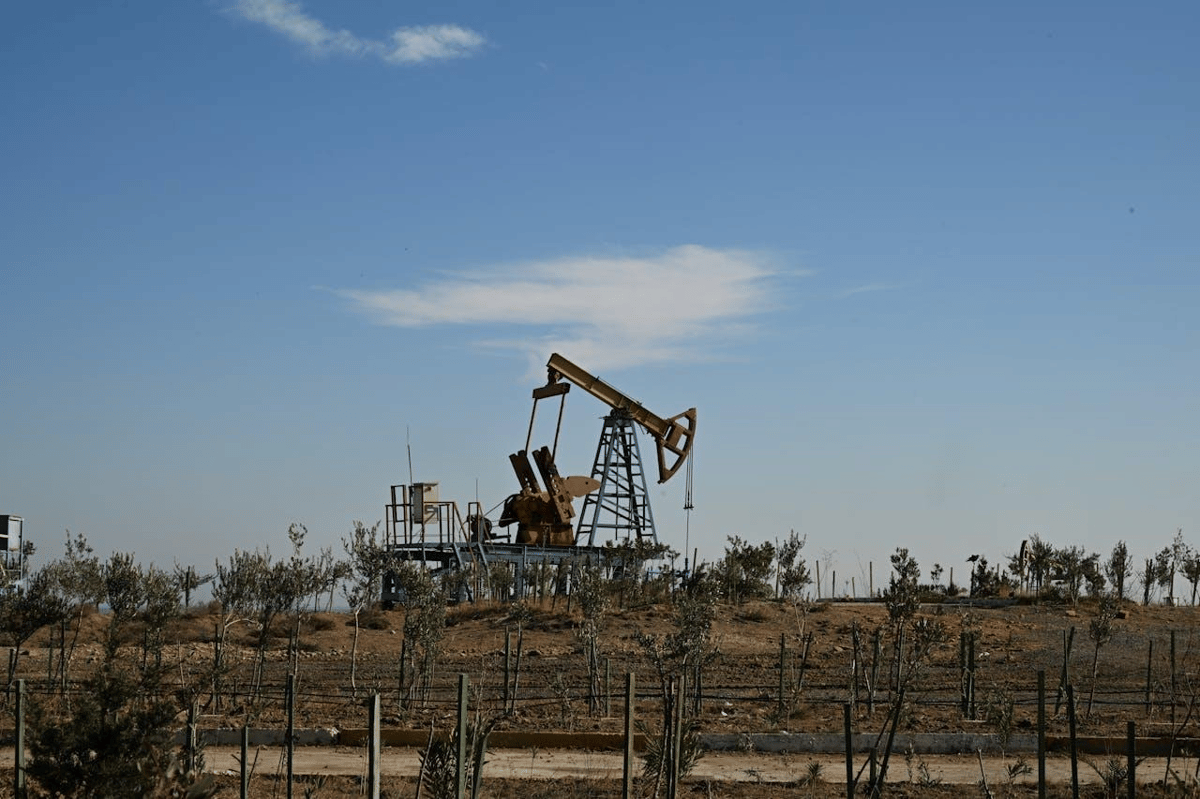
OPEC+ and the Business World: What’s the Connection?
OPEC+ production decisions continue to steer global oil prices, creating ripple effects across transportation, manufacturing, consumer spending, and financial markets. When the cartel cuts output, fuel costs climb, squeezing margins for retailers, airlines, and logistics firms. Higher energy prices raise...

Energy Policymakers Grapple with Reliability, Fairness, and Flexibility: Texas Grid Roundup #92
Texas regulators are refining the ERCOT reliability standard, shifting from the 2026 Regional Transmission Plan forecast to a more conservative batch‑zero load projection. The batch‑zero forecast, expected by mid‑August, predicts a peak demand of 90‑98 GW, well below the 112 GW estimate...

Venezuela Energy Reform and US Sanctions Relief Are Moving Together. Here’s What That Means.
Venezuela’s partial overhaul of its organic hydrocarbons law, announced in January, introduces lower tax rates, royalty caps, minority‑shareholder rights in joint ventures, and arbitration mechanisms, aiming to make the oil sector more attractive to foreign investors. Simultaneously, the U.S. Treasury’s...

NLR Partners With Colorado School of Mines and University of Utah To Scale Up US Critical Minerals Capacity
The National Laboratory of the Rockies (NLR) signed memorandums of understanding with the Colorado School of Mines and the University of Utah to expand U.S. critical‑minerals capacity. The agreements enable shared use of a new 60,000‑sq‑ft Energy Materials and Processing...

Daily Energy Report
U.S. jet fuel exports surged to a record weekly level in early May 2026, according to the latest weekly export chart. The data, spanning from the start of 2024, shows a pronounced concentration of shipments to South America, which continues...

NextEra Energy to Acquire Dominion Energy for $130 Billion
NextEra Energy announced a $130 billion agreement to acquire Dominion Energy, creating one of the largest U.S. utility operators. Dominion shareholders will receive 0.8138 NextEra shares per Dominion share, a $75.98 per‑share premium of 23.75%, plus a $360 million cash payment at...

Energy Vault Enters Japanese Market with Acquisition of 850MW Energy Storage Portfolio, Set to Capture One of the World’s Fastest-Growing...
Energy Vault announced a binding agreement to acquire an 850 MW battery energy storage portfolio in Japan, including 350 MW of advanced‑stage projects slated for construction in H2 2027 and 500 MW of early‑stage projects. The deal brings a local development team into the...

UAE Nuclear Power Station Hit by Drone Attack Orchestrated by Iran/Iranian Proxies
On May 17, 2026 a drone attack attributed to Iranian proxies set fire to an external electrical generator at the Barakah nuclear power plant in the UAE’s Al‑Dhahra region. The blaze caused no injuries and radiation levels remained within normal...

The *Basics* of How Project Energy Connect Will Appear in NEM Data
Project Energy Connect (PEC) will start appearing in the National Electricity Market (NEM) data set as early as 2026, with a go‑live date of 1 October 2026 for the NSW1‑SA1 interconnector. WattClarity is updating its deSide® platform first, followed by ez2view and...

Why Are Oil Prices So Low?
Brent crude settled near $111 per barrel in early July, far below levels suggested by the near‑certain closure of the Strait of Hormuz. A simple regression linking Brent to the closure odds and the Caldara Geopolitical Risk‑Action index explains only...
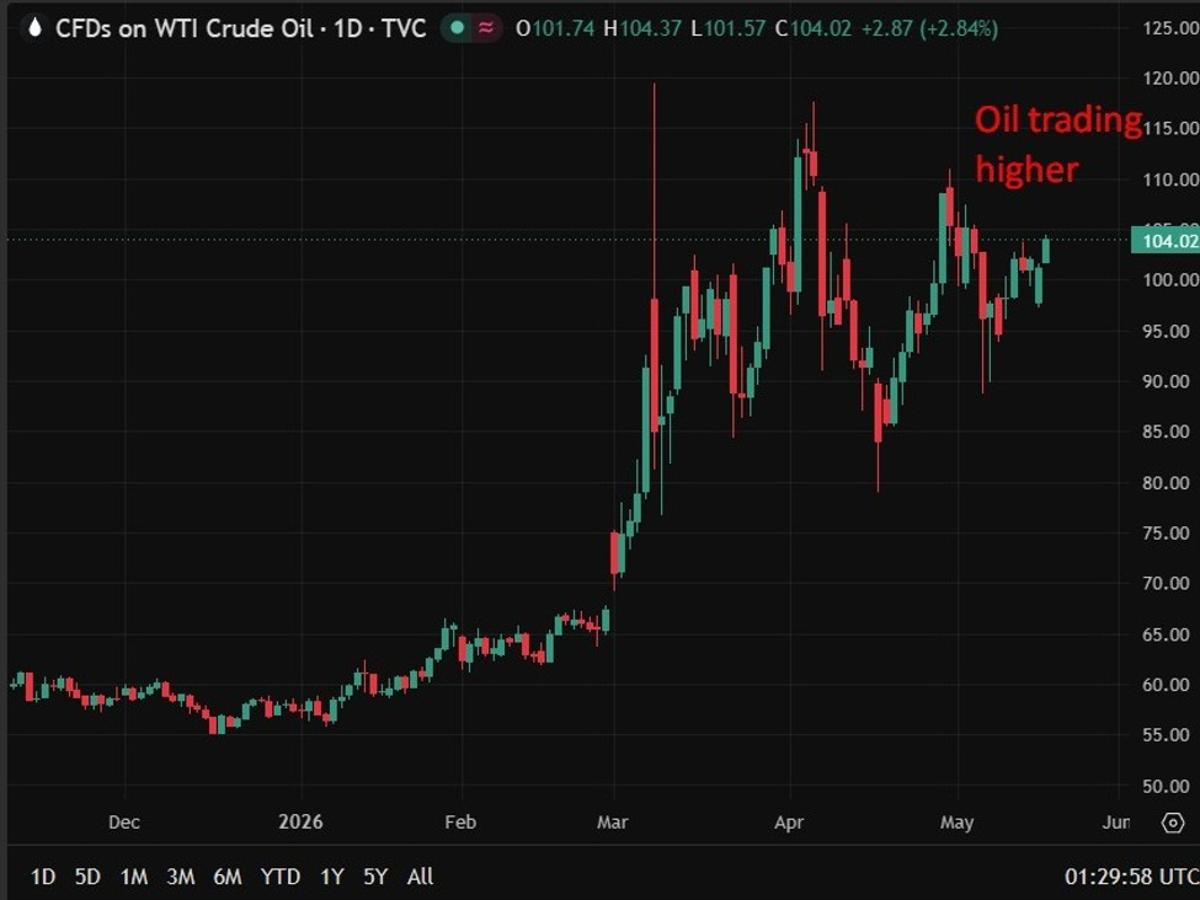
Iran War Economic Toll Deepens as Global Oil Stocks Near Exhaustion
The Iran‑U.S. conflict is deepening its economic toll, with more than 23,000 Iranian factories hit and over one million jobs lost, while the UNDP warns up to 4.1 million more citizens could slip into poverty. At the same time, global oil...
India Raises Fuel Prices For The First Time In Four Years
India’s state‑run refiners lifted retail gasoline and diesel prices by about $0.031 per litre, a roughly 3% increase and the first hike in four years. The rise follows a sharp surge in global crude prices that has squeezed Indian refiners’...

"Energy Is The Issue" - NANO Nuclear Highlights Reactor And Enrichment Opportunity
NANO Nuclear's founder Jay Yu appeared on Fox Business to outline the company’s plan to pair small modular reactors with a laser‑based uranium enrichment technology for AI data‑center power. The firm recently signed a strategic MOU with Supermicro to integrate...

Trump’s Tax Law Is Slowing Down Projects and Piling Up Legal Work
The Trump administration’s One Big Beautiful Bill Act introduced foreign‑entity‑of‑concern (FEOC) rules that govern eligibility for clean‑energy tax credits. Because the Treasury has not clarified how to calculate foreign debt or equity exposure, developers, investors, and banks face uncertainty about...

Carney & Smith Agree to Start Building New Pipeline as Early as 2027
Prime Minister Mark Carney and Alberta Premier Danielle Smith announced an agreement that could launch construction of a new west‑coast oil pipeline as early as September 1, 2027. The deal ties the project to a federal‑provincial climate framework that raises the carbon...
Flex and Invest: A New Approach to Generator Interconnection
The U.S. interconnection process now averages 55 months, leaving roughly 2,300 GW of clean‑energy projects stranded in queues. Rapid load growth—over 160 GW projected by 2030—exacerbates the bottleneck as demand outpaces the outdated, thermal‑plant‑centric system. FERC has signaled action on the Large...

University of British Columbia (UBC) Researchers Discover Microbes Turning Food Waste Into Energy
University of British Columbia researchers have identified a previously unknown bacterium in the Natronincolaceae family that drives methane production in anaerobic digesters converting food waste into renewable natural gas (RNG). The microbe thrives in high‑ammonia environments, keeping the Surrey, BC...
Daily Energy Report
EU LNG imports fell 13% month‑on‑month in April 2026, reaching 8.82 million tons—the lowest level since the year began. The decline stemmed from seasonal demand weakness and the abrupt closure of the Strait of Hormuz, which stopped Qatari LNG flows that normally supply about...
The Department of Energy Is Spending a Tiny Fraction of Its Money
The Department of Energy (DOE) disbursed only 2% of its FY 2025 budget, a sharp drop from the 38% spent the year before. A wave of resignations—about one in five staff—combined with a sweeping reorganization left each employee responsible for roughly...

5 Big Energy Stories - 5.15.2026: Americans Want Permitting Reform - Climate Alarm Lobby Hardest Hit
Cuba announced it has completely run out of oil, leaving its power grid in a state of 20‑hour blackouts and intermittent one‑hour service. The shortage follows the United States’ seizure of Venezuela’s oil assets and a subsequent blockade that stopped...

LNG Shipping Market Remains Tightly Balanced as Atlantic and Pacific Dynamics Diverge
Recent LNG shipping activity shows a tightly balanced market as divergent trends emerge in the Atlantic and Pacific regions. The first Gulf‑origin LNG cargoes since the February conflict have transited the Strait of Hormuz aboard QELM and ADNOC vessels, while...
India and China Double Down on Coal Consumption
China accelerated its coal rollout in 2025, commissioning more than 50 large‑scale units—each 1 GW or larger—far outpacing the sub‑20 units typical of the previous decade. The surge reflects a wave of new coal mines coming online, underscoring Beijing’s continued reliance...
Daily Energy Report
Saudi Arabia’s western ports are now exporting an average of 4 million barrels per day (mb/d) of crude, a level that has steadied after recent fluctuations. The crude is moved from eastern fields through the East‑West pipeline, which can handle up...

How the Federal Solar Tax Credit Is Changing in 2026 and What Texas Homeowners Should Know
The federal solar Investment Tax Credit (ITC) currently offers a 30% credit, turning a $20,000 residential system into roughly a $6,000 tax reduction. While the credit is expected to stay at 30% through 2026, eligibility criteria—especially for battery storage—could evolve,...

Philanthropy Needs a New Grassroots Strategy for Clean Energy
A coalition of Wisconsin groups secured approval for the 118‑megawatt Badger Hollow wind farm after a flood of 456 public comments, emphasizing the project’s $600,000 annual revenue for local towns. The effort illustrates how targeted grassroots outreach can overcome traditional...

How Greenpeace Helped Derail the Cleanest Energy Revolution in History
Global electricity demand is set to double by 2050, with AI‑driven data centres alone adding 945 TWh by 2030. The United States abandoned large‑scale nuclear construction, where a typical Western reactor now costs about $24 billion and takes 17 years, versus China’s $2.7 billion,...

Europe's Dependence On US LNG Set To Surge
The Institute for Energy Economics and Financial Analysis warns that the European Union’s reliance on U.S. liquefied natural gas will climb from 58% of total LNG imports today to roughly 80% within two years. The United States is set to...

Bessent's "Suffocating" Iranian Regime Strategy Materializes In Kharg Island Satellite Imagery
Treasury Secretary Scott Bessent’s warning that the United States is "suffocating" Iran’s regime is now visible in satellite data. European imagery shows Kharg Island, Iran’s primary crude export hub, completely empty of ocean‑going tankers on May 8, 9 and 11, marking the longest...
~28 Years of History for the VIC-SA Interconnector, in One Chart
The VIC‑SA interconnector has logged 28 years of flow data, split into three distinct phases. From 1999‑2017 Victoria was the dominant exporter, averaging about +44 MW to South Australia. Between July 2017 and December 2020 the trend flipped, with SA exporting roughly –49 MW to...
Daily Energy Report
U.S. crude oil inventories slipped 4.3 million barrels last week, bringing total stocks to 452.9 million barrels, while gasoline supplies fell 4.1 million barrels to 215.7 million. The Strategic Petroleum Reserve was drawn down by 8.6 million barrels, leaving 384.1 million barrels on hand. Distillate stocks...

OPEC+ Data Deck (May 2026)
The United Arab Emirates announced it will leave OPEC effective May 1, 2026, making this the final OPEC+ Data Deck that includes its production figures. In April, OPEC+ quota‑participating crude output fell 1,625 kbpd to 26,558 kbpd, marking a 35‑year low for the...
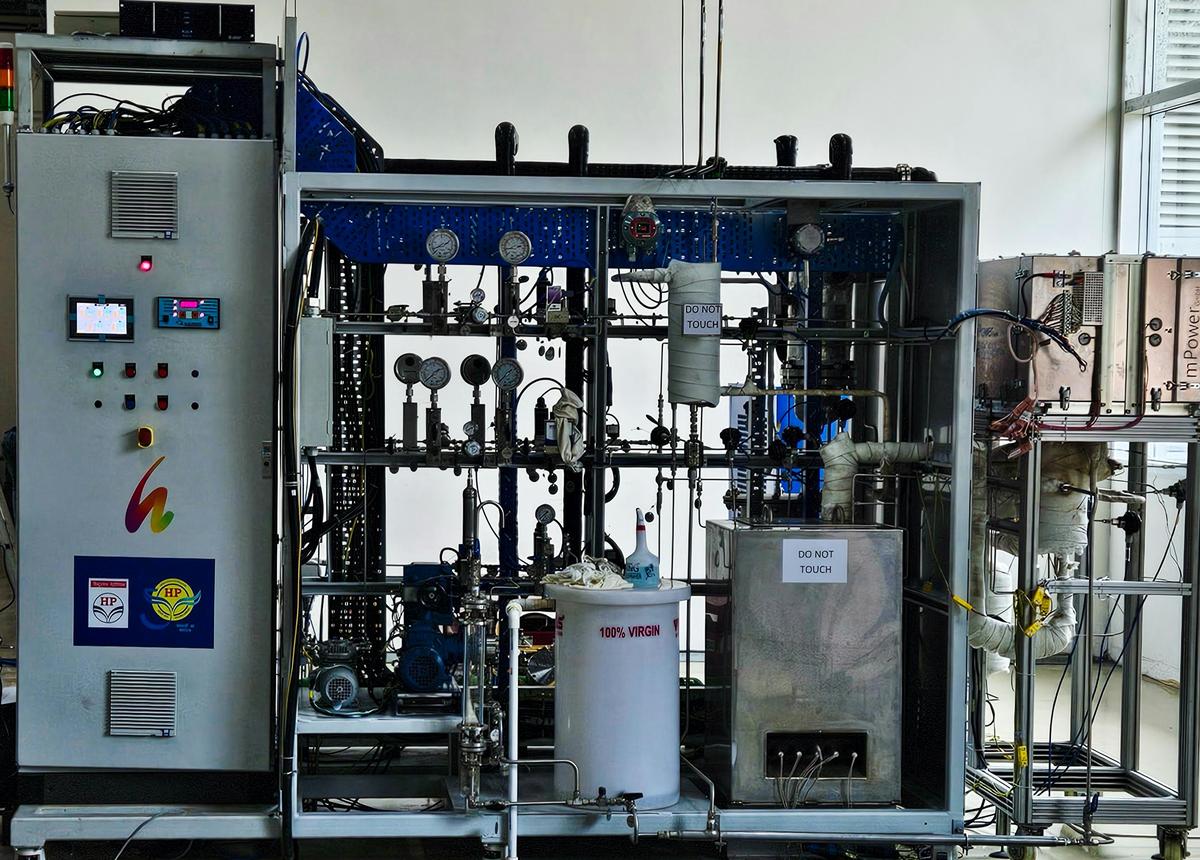
Schneider, Microsoft Show How AI Can Enable Green Hydrogen Production
Schneider Electric and Microsoft announced a partnership to bring AI‑powered, open‑software automation to industrial processes, highlighted by a green‑hydrogen project in India. Together they deployed the country’s first fully autonomous solid‑oxide electrolyzer for h2e Power, achieving over 6,000 hours of stable operation...
Mexico’s Oil Obsession Is Killing Its Petrochemical Sector
Mexico’s petrochemical push under President Sheinbaum’s Plan México hit a snag when Braskem’s $5.2 billion polyethylene complex in Veracruz fell to 70 % capacity due to Pemex’s chronic ethane shortfall. Pemex supplied only half the agreed feedstock by 2021, prompting penalties and near‑litigation....

South Korea Is Coming to America’s Nuclear Rescue
South Korea's state‑owned Korea Hydro & Nuclear Power (KHNP) signed a memorandum of understanding with Southern Company's nuclear division to cooperate on engineering nuclear power stations. The agreement centers on technology exchanges, joint workshops and best‑practice sharing, without direct financing....

Running the Numbers – Russia’s April Budget Windfall
Russia’s April budget received an unexpected boost as oil and gas tax receipts surged, more than tripling the February collection of Rb393 bn ($5.1 bn). The windfall, driven by higher Brent prices and a rebound in exports after the Iran crisis, pushed...
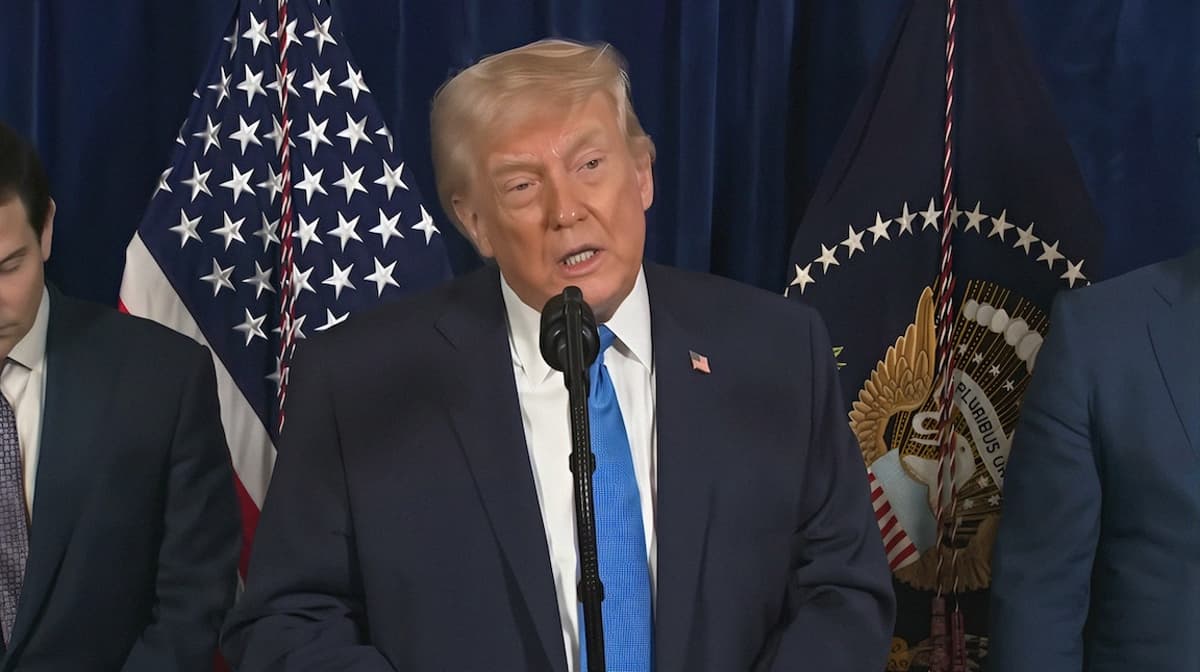
Iran War Is $29 Billion Quagmire As Trump Heads To China
The U.S. war with Iran has already cost taxpayers $29 billion, while the International Energy Agency reports over a billion barrels of Gulf oil stranded, creating a sharp supply shock. Gasoline prices in the United States remain above $4.50 per gallon...

The Velocity of Flexibility: Avoiding the IPRR Hibernation Trap
The Australian Energy Market Commission’s Integrating Price‑Responsive Resources (IPRR) framework aims to bring distributed, price‑responsive assets into the National Electricity Market, but its current administrative rules create a “Commercial Hibernation Trap.” Operators of virtual power plants and voluntarily scheduled resources...
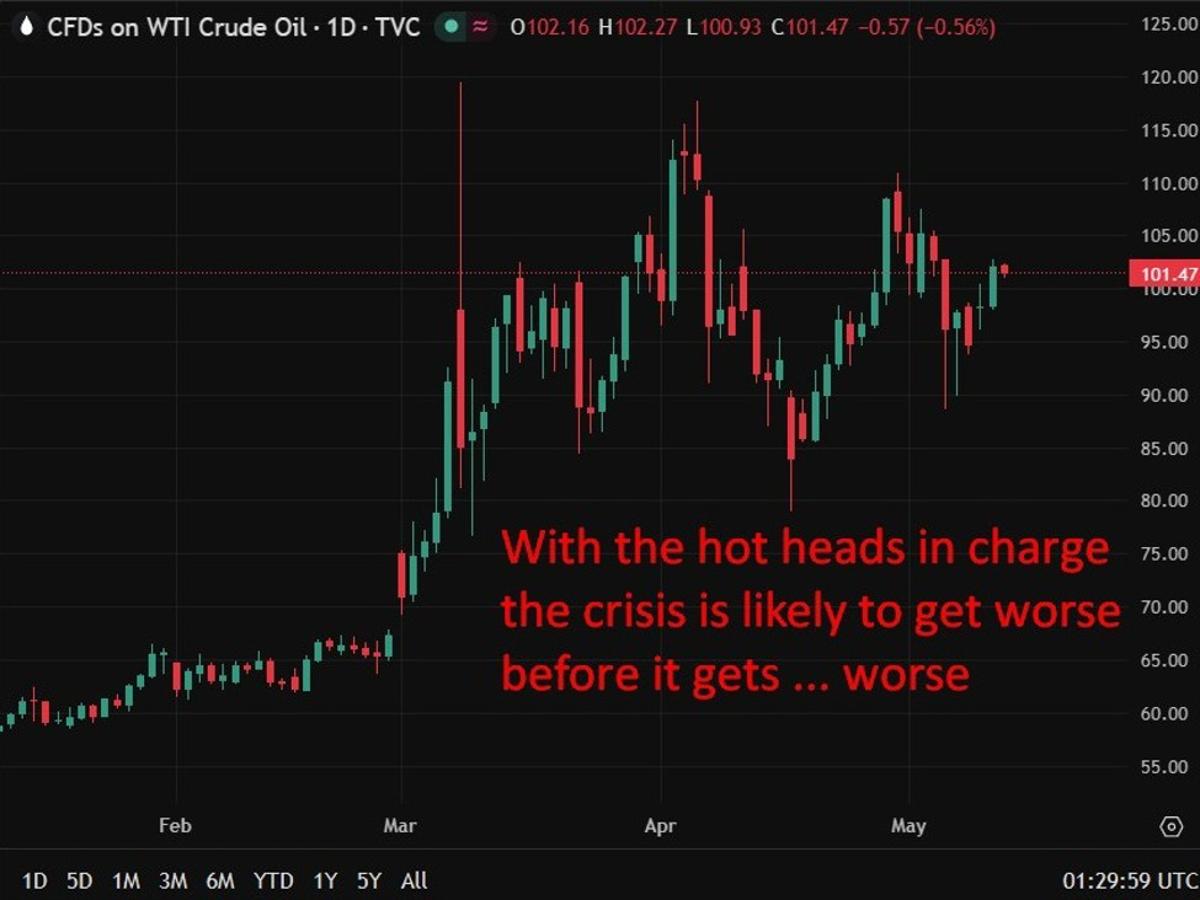
Morgan Stanley Maps Four Oil Shock Scenarios From Fed Hikes to Global Recession
Morgan Stanley outlined four alternative macroeconomic scenarios surrounding its base case of a gradual Iran de‑escalation, a brief inflation spike and a patient Federal Reserve. Scenario 1 predicts a 100‑basis‑point Fed hike in 2027 as the oil shock fades, while Scenario 2...
Daily Energy Report
China’s crude oil imports plunged by more than 2.6 million barrels per day in March and April 2026, marking the lowest import levels in seven years. The drop coincided with a sharp price rise and the Hormuz Strait crisis, which constrained...