Today's Fitness Pulse

Herbal duo Smilax glabra and Ficus hirta enhances mouse exercise performance via AMPK signaling
The Frontiers in Nutrition study found that daily dosing of the Smilax glabra‑Ficus hirta pair markedly improved exercise performance in mice, accelerating lactate clearance, increasing hepatic and muscular glycogen stores, and reducing oxidative stress and systemic inflammation. Mechanistic work demonstrated up‑regulation of adiponectin receptors AdipoR1 and AdipoR2, activating AMPK signaling pathways. These effects suggest a metabolic basis for the performance gains.
“I’ll Worry About Health Later”… Until Later Shows Up
The article warns that a singular focus on maximal lifts often leads to pain, injury, or burnout, forcing lifters to confront health issues later. It argues that true strength is the ability to keep lifting over a lifetime, not just achieving a one‑time personal record. By treating movement quality, conditioning, and recovery as core program elements, athletes can build sustainable performance. The piece concludes that health isn’t a compromise but the foundation that makes lasting strength possible.
Heavy, Intentional Training Builds Strength and Prevents Injuries
True performance training doesn't hide behind 'injury prevention' labels, it's bold, heavy, and intentional. When you chase real force production with quality reps at 80%+, the body adapts robustly; the injuries often prevent themselves as a byproduct. Golfers, fighters, and...

From Monofins to Modern Training, FINIS’ 30-Year Playbook for Better Technique
FINIS co‑founder John Mix explains how the company’s technique‑first ethos, born from a monofin discovery in 1993, guides every product decision. By observing pool‑deck pain points, FINIS rapidly prototypes gear that teaches, from the Front Snorkel to the Fuse Openback...
Rowing, Strength and All Round Athleticism
Ironwarrior25 logged a high‑intensity rowing and clean‑and‑jerk session on March 11, completing a 50‑calorie row, 30 reps at 40 kg, a 40‑calorie row, 20 reps, a 30‑calorie row, and 10 reps at 50 kg in 18 minutes. The athlete recorded a 1:51.7...
Looking for Brutal Feedback: Are These the Real Pain Points in Training/Nutrition Apps?
MuscleBvll has rolled out a suite of updates aimed at improving workout personalization and user experience. The app now supports percentage‑based training programs, automatically adjusts reps, sets and rest based on selected goals such as hypertrophy, and lets users customize...

How the Menstrual Cycle Can Make or Break an Athlete’s Performance
The link between the menstrual cycle and elite sport performance is shifting from anecdote to science. Estrogen and progesterone fluctuate across follicular, ovulatory and luteal phases, acting as neurotransmitters that modulate attention, memory and risk‑taking. Studies show some women react...

Should You Eat Before or After a Workout?
Sports dietitian Kate Patton explains that both pre‑ and post‑workout nutrition are crucial for optimal performance and recovery. A balanced meal rich in carbohydrates and moderate protein 3‑4 hours before exercise fuels the session, while a quick carb‑protein snack 30‑60...
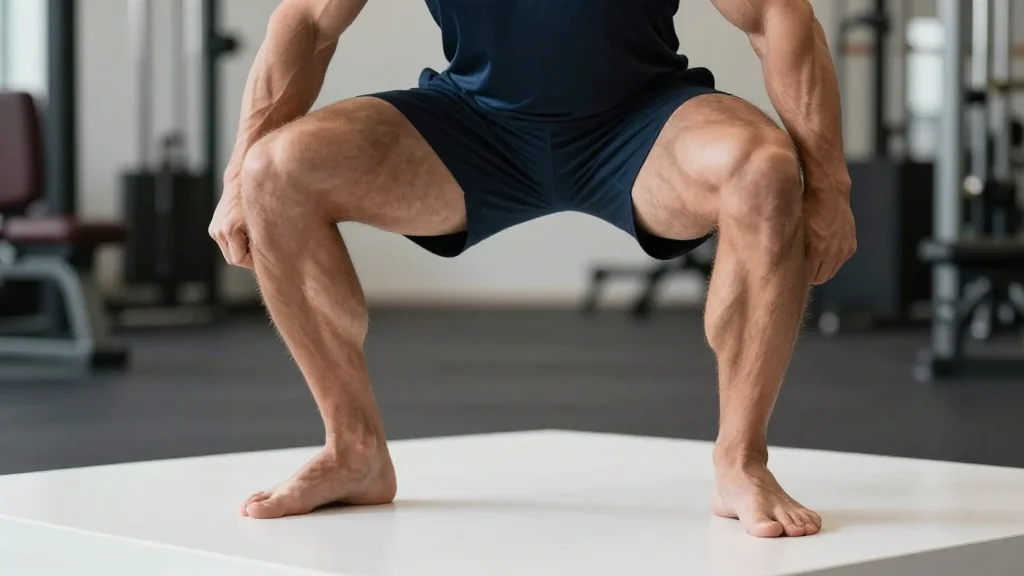
Knee Pain Isn't From Strong Quads, It's Weakness
Dumb thing PTs say: “Your knee hurts because you’re quad dominant.” Since when did strength become a weakness? Strong quads are not the problem. Weak quads, weak hips, weak hammies, poor load tolerance, and bad programming are.
From Japanese Walking to 75 Hard: What the Science Really Says About Viral Fitness Trends
A recent review dissected four viral fitness trends—Japanese interval walking, the 75 Hard challenge, dead hangs, and Pilates—comparing their popularity on TikTok with peer‑reviewed evidence. Japanese walking showed measurable improvements in strength, aerobic capacity, and blood pressure, though adherence was modest....
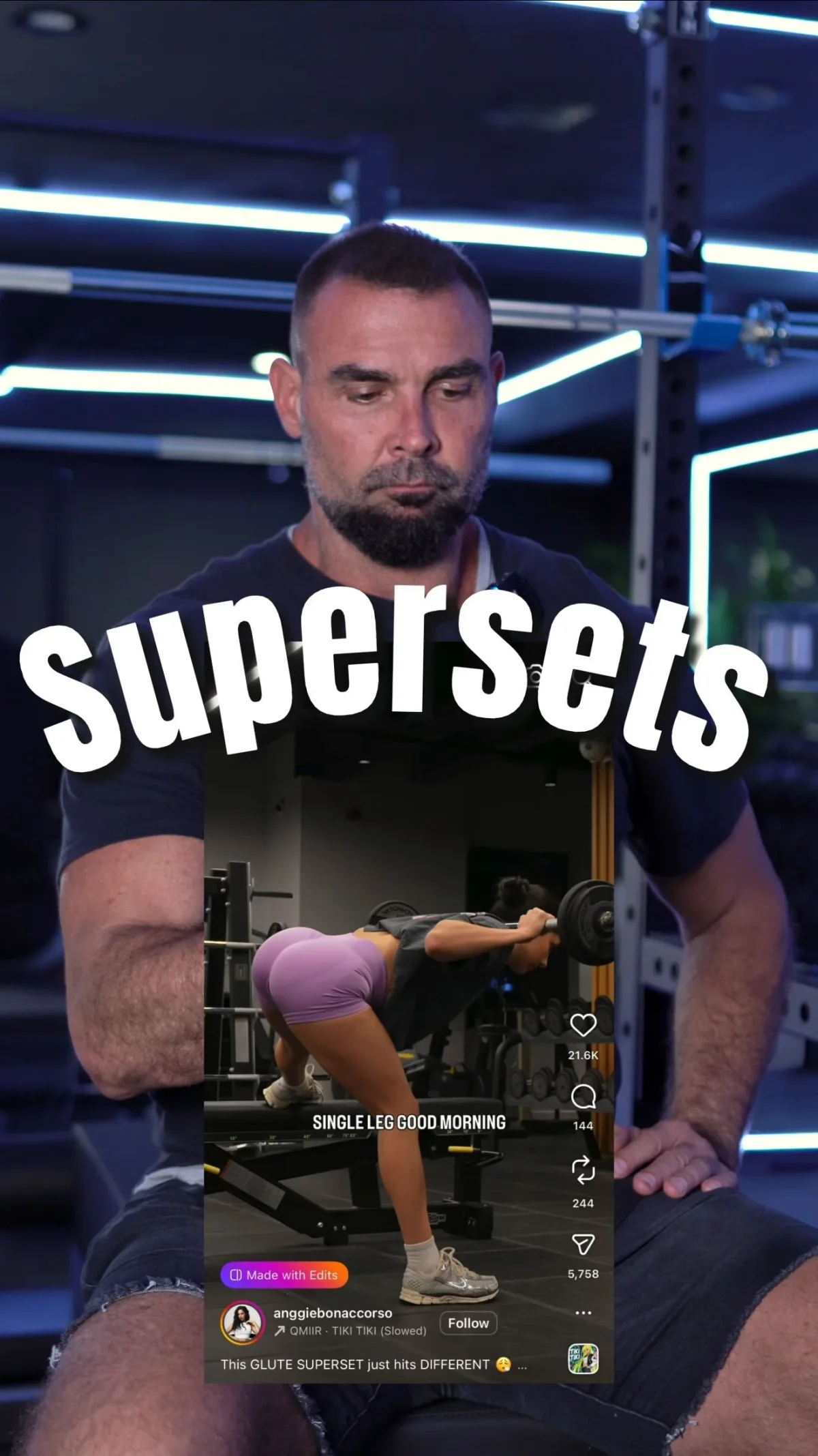
Skip Supersets; Traditional Sets Yield Better Results
Not a fan of supersets. Both exercises are great but you’ll see better results doing them traditionally instead of back to back.

Discipline, Not Genetics, Drives Fitness Transformation
People blame genetics for being out of shape. But most of the time it's routine. If you walk daily, lift weights a few times a week, sleep properly, and stop eating junk every night… your body changes. Fitness isn't complicated. Discipline is the missing ingredient. FitnessThreads

6 Training Tips From Olympian Grant Fisher on Going From a 5K to a Half Marathon
Two‑time Olympic medalist Grant Fisher is transitioning from track to road racing by targeting the New York City Half Marathon on March 15. To adapt, he swapped short, high‑intensity intervals for longer threshold workouts and boosted his weekly mileage to...

Track Everything, Unlock Performance Through Self‑
When I have my clients and athletes consistently document: ✅ Sleep ✅ Training ✅ Nutrition & hydration ✅ Reading/studying ✅ Time spent on apps/video games It builds powerful self-awareness around their daily habits what’s truly serving their goals and what’s quietly holding them back. You can’t correct...

Why You’re Probably Doing Baseline Training Wrong
Orthopedic surgeon and trail runner Howard Luks warns that many runners mistake comfortable‑feeling runs for proper base training. He explains that cardiovascular fitness (oxygen delivery) and aerobic fitness (oxygen utilization) are distinct, and easy‑day heart rates often sit in the...
Upping Mileage to Hit Sub‑3:15 London Marathon Goal
Latest @londonmarathon training update: this week I'm running 52 miles with a 22 mile long run this weekend. For the rest of the plan, I'm bumping up to 5 days of running per week (from 4) and bumped the peak...

The Grease the Groove Training Method: How Frequent Training Builds Serious Strength
Grease the Groove (GtG) is a neural‑focused strength method that replaces one‑off heavy sessions with frequent, submaximal reps spread throughout the day. Popularized by Pavel Tsatsouline, it leverages the spacing effect to reinforce motor pathways, improving signal efficiency without excessive...

Effort-Based Trail Workouts to Boost Strength and Stamina
Trail runners are shifting from pace‑based metrics to effort‑focused workouts to better handle uneven terrain. Coach Jason Koop outlines three core sessions—crest‑and‑flow surges, pace‑change sprints, and progressive hill tempo—each designed to boost strength, acceleration control, and climbing endurance. The workouts...

Inside the PGA Tour’s Mobile Fitness and Recovery Centers That Help Power Modern Golf Performance
The PGA Tour has turned its traveling schedule into a high‑tech performance platform by deploying two 1,000‑square‑foot mobile trailers that house a full‑service gym, physical‑therapy suite and a dedicated recovery center. Senior Vice President Andy Levinson oversaw a 2019 redesign...

Power Your Day with a Protein‑Packed Morning Smoothie
Your morning routine sets the tone for the entire day. Every morning I start with a smoothie made with: • Protein powder • Berries • Banana • Spinach • Greek yogurt • Milk • Creatine monohydrate I often make a larger batch and portion it out for the week...

Skip Heavy Lifts: Choose Bodyweight and Pilates
I haven't done the following exercises in 15 years: 1. Bench 2. Squat 3. Clean 4. Dead lift I actually think it is ridiculous for non-competitive athletes to EVER do these exercises. Risk of injury simply too high. Much better: 1. Push ups 2. Body squats (kettlebell) 3. Turkish...

Yes, But How Did It Feel?
A recent Dutch study compared three approaches to quantifying training stress, pitting traditional objective measures against athlete‑reported subjective scores. The researchers found that subjective metrics, such as perceived exertion, aligned more closely with physiological markers of fatigue than objective data...

I Love Riding Streaks—Here’s Why You Shouldn’t Do Them
Cycling enthusiasts often chase daily riding streaks to build habit, boost mileage, and gain social validation. While streaks can reinforce consistency, the article highlights how relentless riding without planned rest leads to burnout, overtraining, and performance plateaus. Expert insights from...

A Cycling Fueling Guide for Rides of Every Length
Cyclists often over‑consume carbs, leading to gastrointestinal distress and reduced performance. The American College of Sports Medicine advises 30‑60 g of carbohydrate per hour, matching the intestine’s absorption ceiling of about one gram per minute. Mixing glucose with fructose or maltodextrin...
Boost Volume & Intensity: 5‑AM Routine Compresses Months
There is only 1 way to solve any problem: • Up the volume • And up the intensity So here's the daily routine I use when I need to compress 3 months of progress into 3 weeks: • 5 AM — Wake up, cold...

Heat Training Makes You Faster, Even if Your Race Isn’t Hot
Heat training, traditionally used for acclimation, now shows broader performance benefits for triathletes. A five‑week protocol—two weeks for heat acclimation followed by three weeks of continued exposure—boosts plasma volume, stimulates erythropoietin release, and raises VO₂ max, translating to faster bike...

Pre‑exhaustion Offers No Advantage over Straight Sets
A common bodybuilding strategy is to perform a single-joint exercise for a given muscle group immediately before a multi-joint exercise that targets the same muscle group. The rationale is that pre-fatiguing the target muscle may allow it to receive...
Healing Isn’t Enough—Trust Your Body Again
One of my athletes is returning to sport after injury and had a very vulnerable moment with me today. He knows his body is healed but he doesn’t know if he trusts it yet. Returning from injury doesn’t just require...

Ep. 31: Shane Wallen - How to Specify Training for Your Sport
In episode 31 of the In Pursuit podcast, former professional strength coach Shane Wallen discusses how to design sport‑specific training programs, drawing on his experience with MLB and NFL teams. He emphasizes a needs‑analysis approach that aligns biomotor demands, off‑season length,...
Optimal Dosage of Exercise Combined with Intermittent Fasting for Body Composition and Cardiometabolic Health in Adults: A Systematic Review and...
A three‑level meta‑analysis of 65 randomized trials (3,293 adults) examined exercise combined with intermittent fasting (EX + IF). Compared with exercise alone, fasting alone, or no intervention, EX + IF produced modest but significant reductions in body mass, BMI, body‑fat percentage, waist circumference and...
Treadmill Running Uncovers Unbalanced Gait
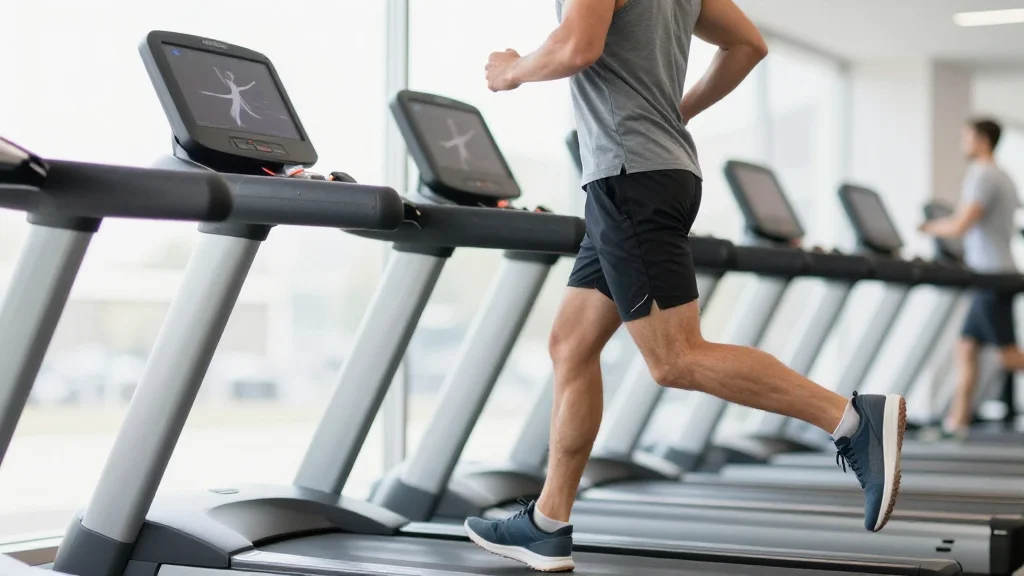
Went for a running assessment today. Was talking about my gait outdoors vs treadmill and how I felt like I'm favoring a side and Bridgerton-ing when on the treadmill. The PT understood the reference.
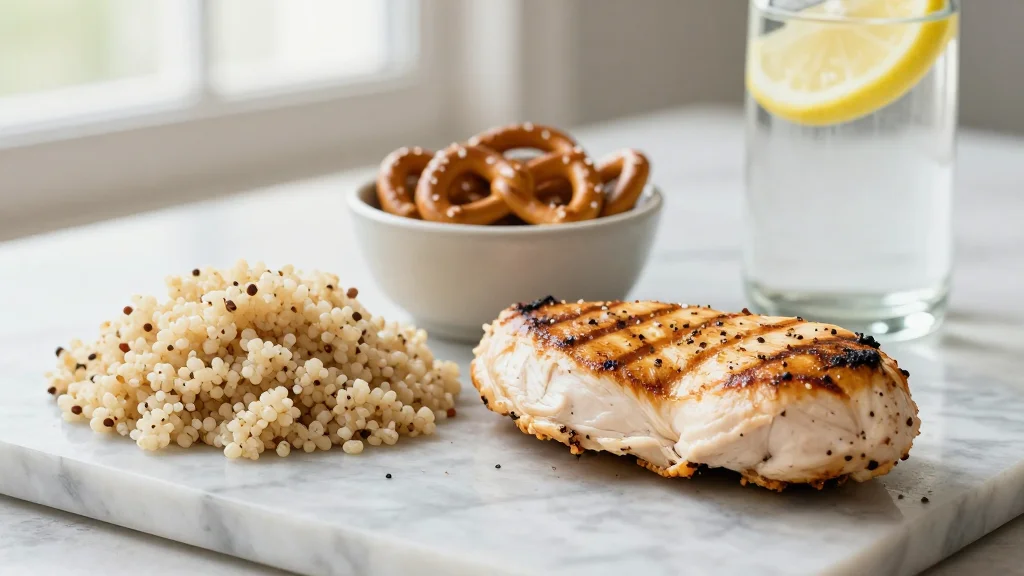
4-2-1
🍉NWW “4-2-1; Chew- Nibble- Sip” Fueling Strategy™ to optimize athletic performance: Pick a food from each category on game or training day 👇 4⃣Hrs. out CHEW ✔️25-30g protein ✔️50-75g carbs ✔️20-30 oz fluid 2⃣Hrs.. out NIBBLE ✔️10-15g protein ✔️20-30 g carbs *as needed ✔️10-15 oz...

Are You Running Too Slow on Long Runs?
Long runs are a cornerstone of distance‑training, but coaches stress they should be performed at a relaxed, zone‑2 pace—roughly 90 seconds to two minutes per mile slower than goal race pace or 60‑75% of max heart rate. This slower effort...

Harder Than Expected: Stop Overexerting for Upper Management
Will admit. These weren’t as easy as I thought they’d be ;-). Don’t do as much power or eccentric work for the uppers anymore. Was trying to mix it up. https://t.co/3ioCvmksg5
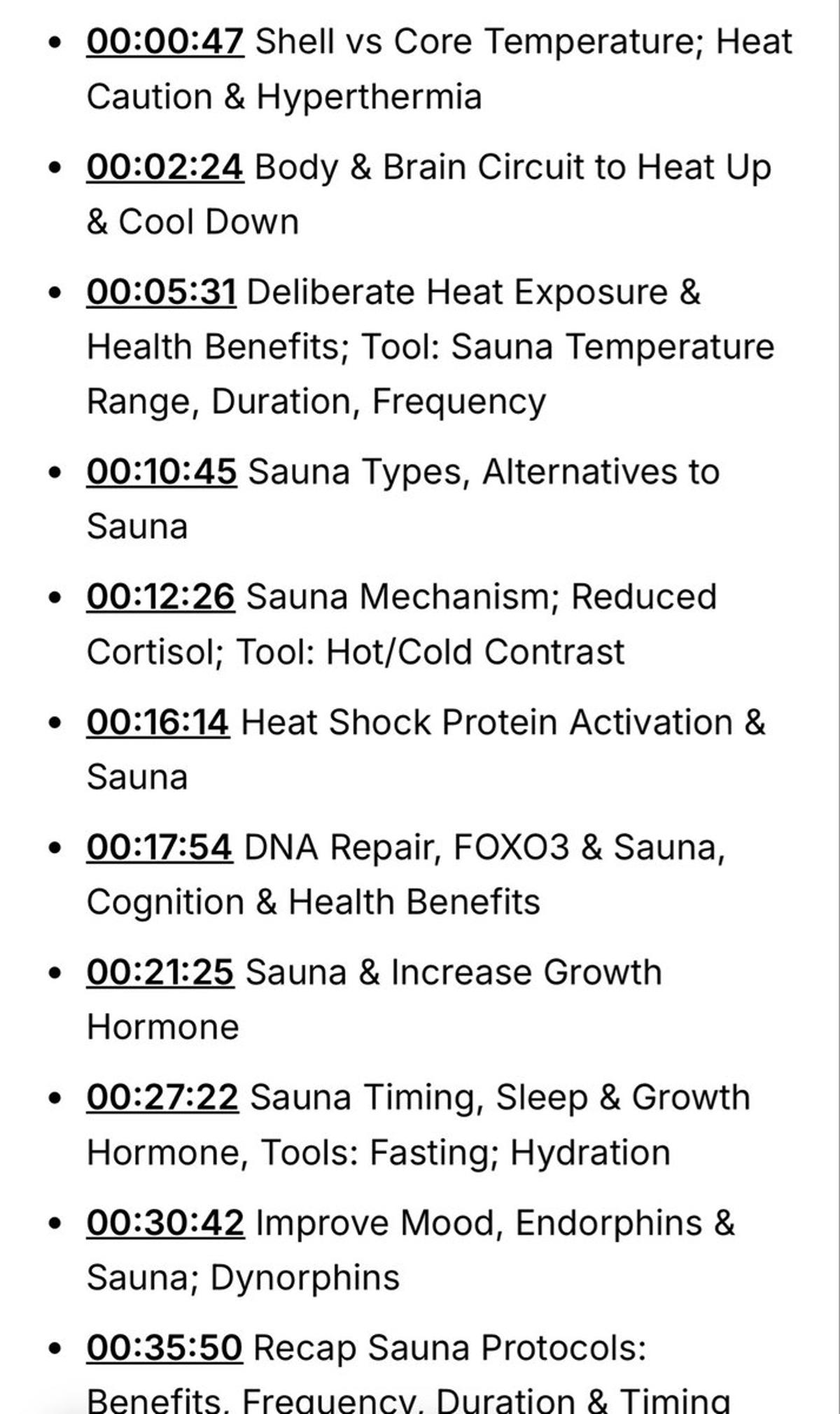
Deliberate Heat Boosts Health, Performance—Sauna Preferred, De‑Frag Effective
30 min key takeaways on deliberate heat exposure for health and performance. And unlike the cold plunge, nobody seems to mind the sauna. Then again, hardly anyone is doing the de-frag protocol… which is brutal but very effective. https://t.co/dFR0wVdSpn

Medical School Endurance: Lessons From Training for a 10K
The article recounts a medical student’s 12‑week 10K training and draws parallels to medical education. It highlights how early uncertainty, structured rest, and avoiding peer comparison shape endurance and learning. The author argues that a consistent “show‑up” mentality and intentional...

Normalize High Output, Avoid Moderate Effort
“Normalize high outputs.” One of the Ten Pillars of Feed the Cats ⤵️ #7 Perform in Practice (Moderate Exercise Never Leads to High Performance) https://t.co/rPnfc2m9Cx
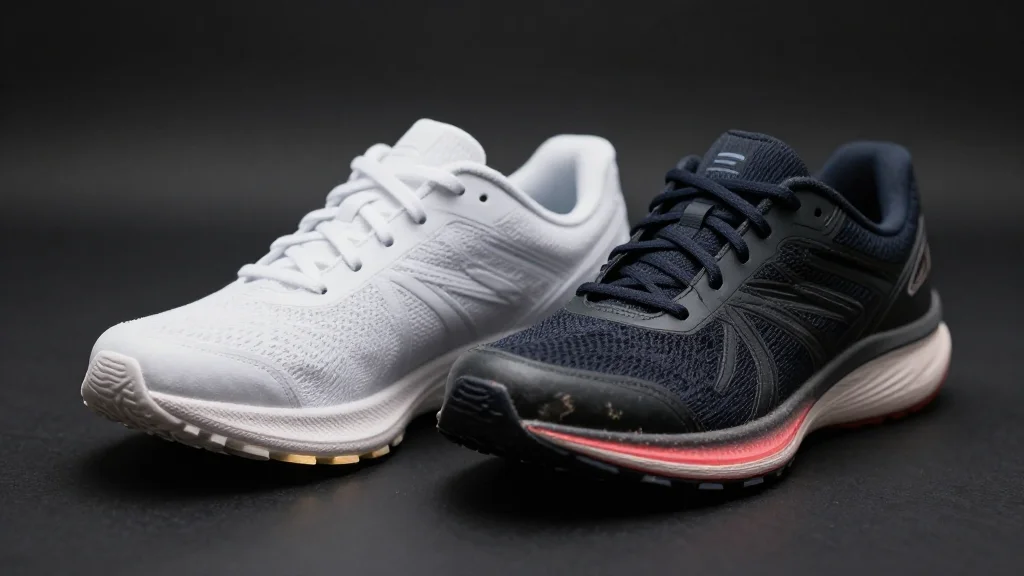
Marathons Unhealthy Only When Poorly Prepared or Mis‑paced
Two things that make marathons unhealthy IMO: 1. Inadequate preparation. 2. Inappropriate pacing (for your fitness). Both are very common, but that doesn't make running a marathon inherently unhealthy.
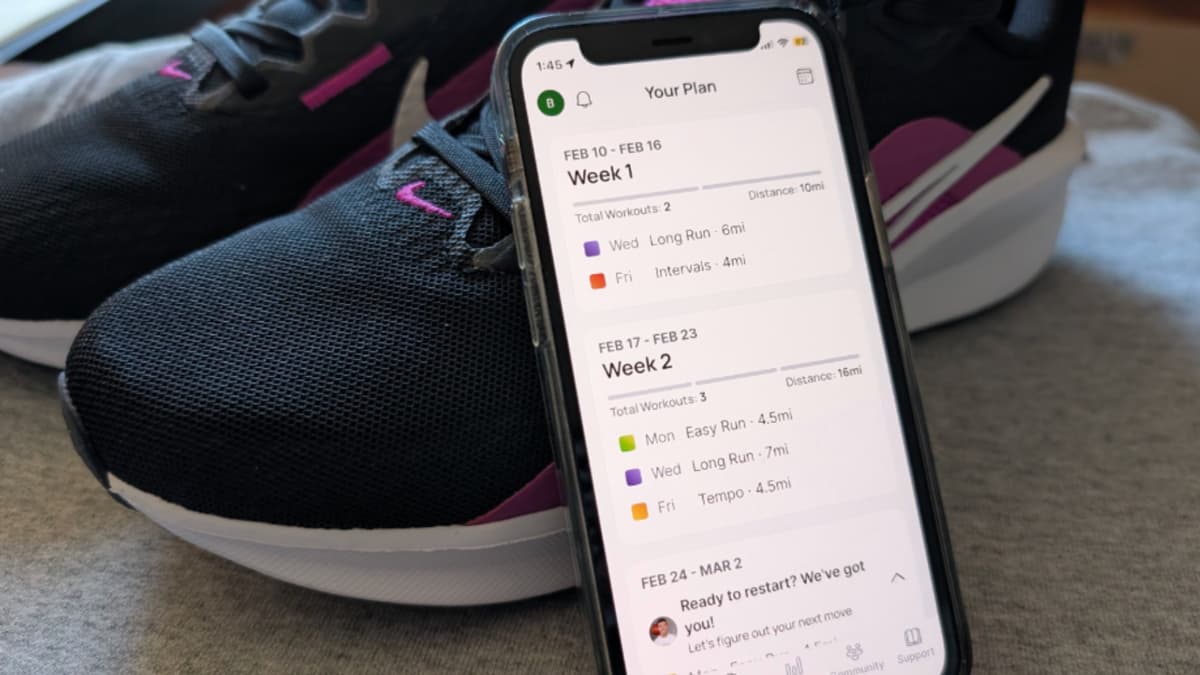
How to Avoid Injury While Using Runna Training Programs
Runna, the AI‑driven running app acquired by Strava, has faced criticism after users reported shin splints and stress fractures linked to its aggressive training plans. While injury rates among runners already hover between 27% and 52% annually, the app’s default...
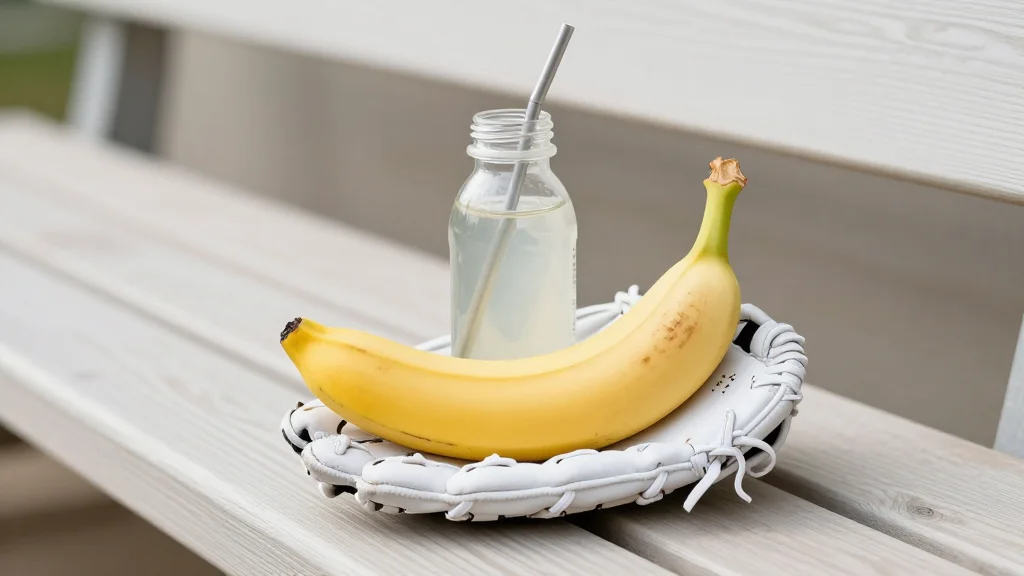
Baseball Players’ Top Nutrition Mistakes: Fuel, Timing, Recovery
Nutrition Mistakes Baseball Players Make 1. Not Eating Enough Quality Carbohydrates: Baseball players often under-fuel with carbohydrates, which are the body’s primary energy source during long practices, doubleheaders, and intense training sessions. Without enough quality carbs, players risk fatigue, slower reaction times,...
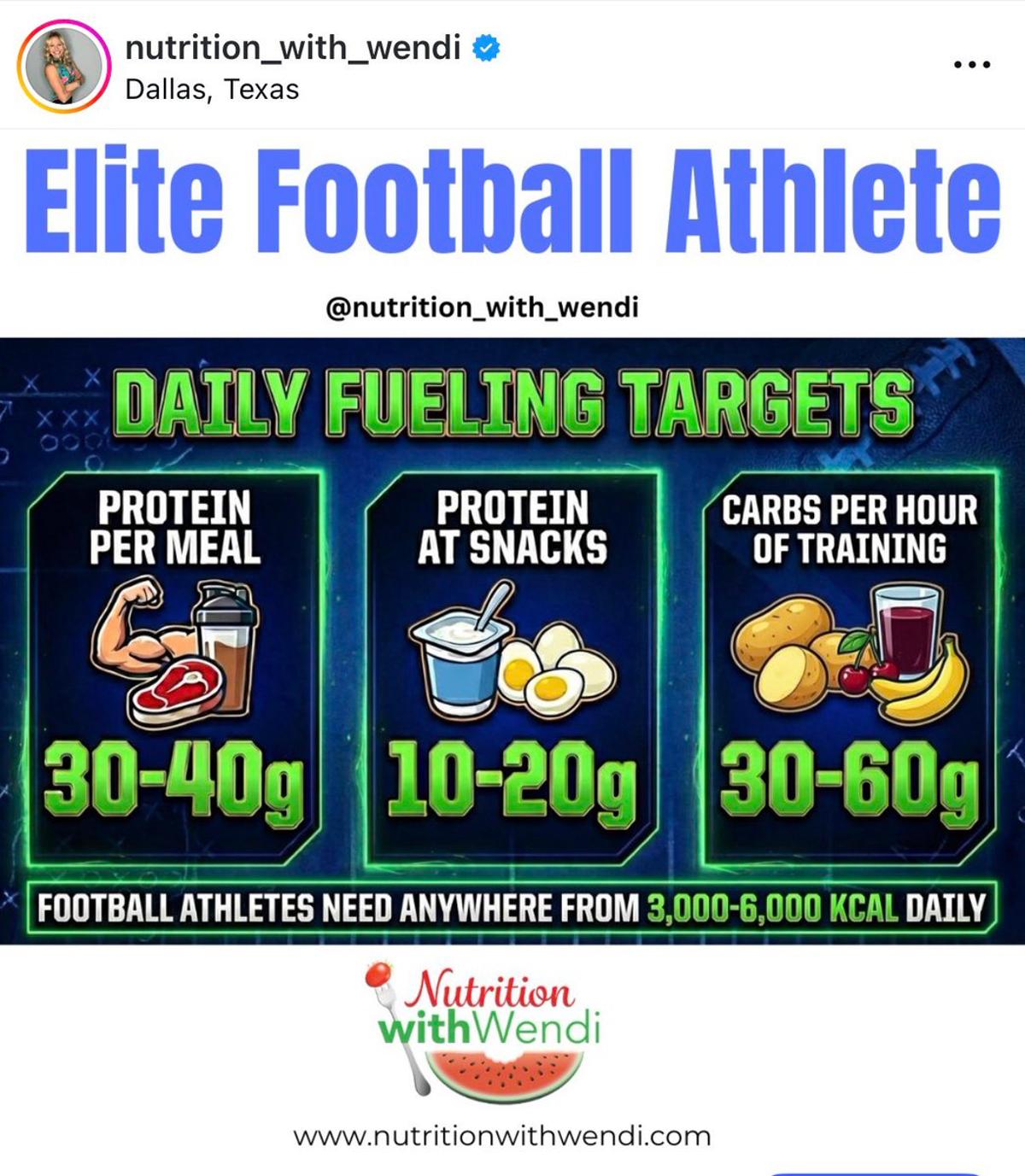
Post‑Game Protein‑Carb Boost Prevents Muscle Loss
Football athletes place incredible demands on their bodies explosive sprints, hard cuts, collisions, and repeated high-intensity efforts. Yet many high school and college players are underfueling, especially when it comes to calories and quality protein. This can lead to fatigue,...

I Made a Big Long Run Mistake That Set Me Back. Here’s How You Can Learn From My Mishap.
A runner attempted an 18‑mile long run at marathon pace right before a 12‑hour workday, then pushed straight into standing tasks, leading to severe fatigue and a subsequent injury. The author admits skipping essential recovery steps—stretching, refueling, and rest—triggered the...
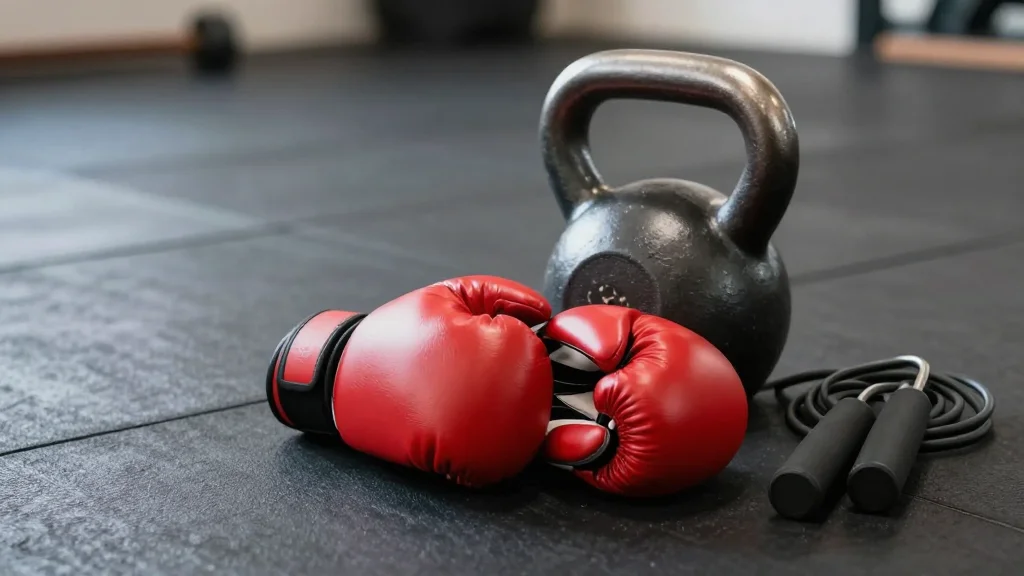
Conditioning Must Evolve With Training Age in MMA
Much like with strength, speed & power training. Conditioning will look different with training age. In combat sports the aerobic base or work capacity you needed early on is not what you need later. MMA fighters in particular are involved...
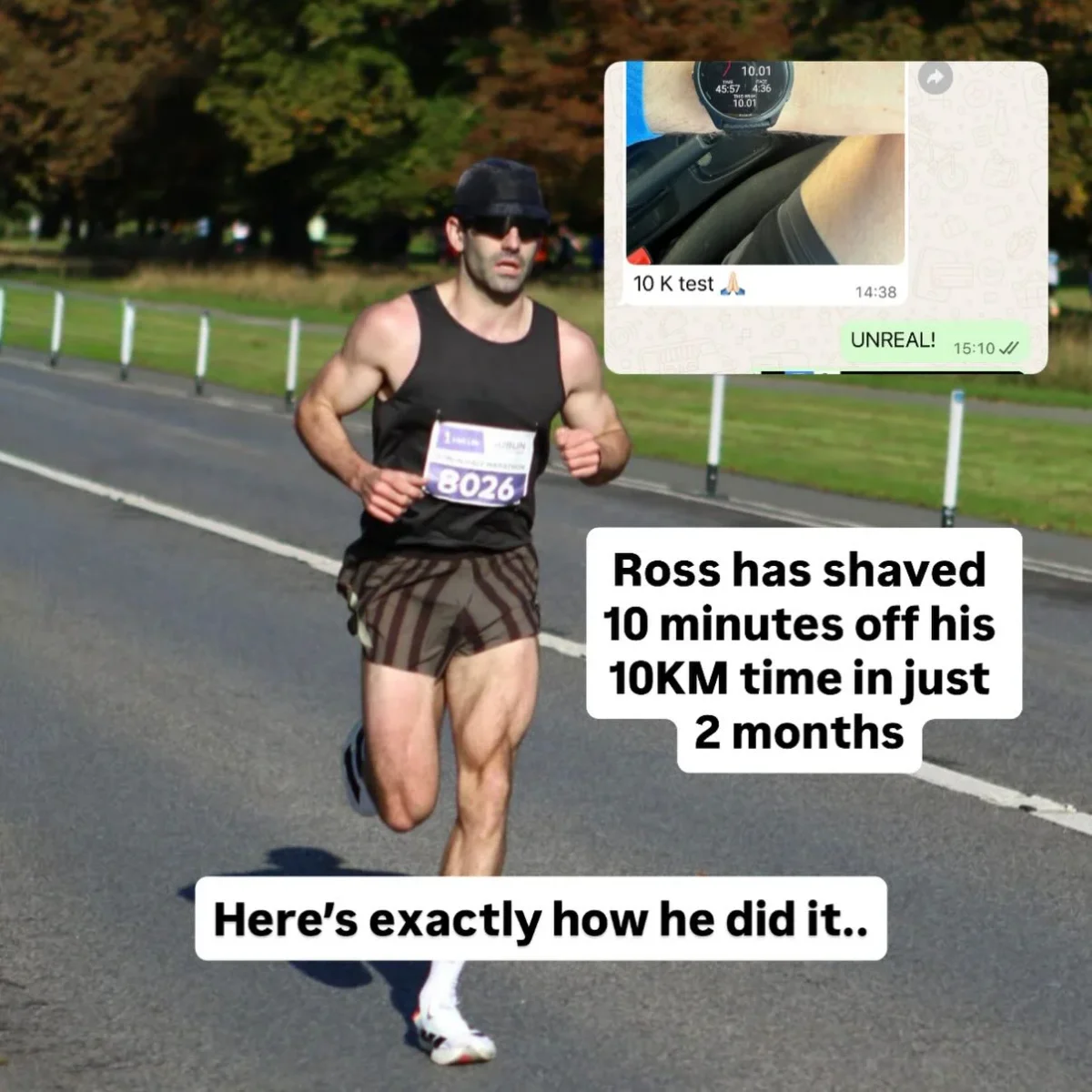
Busy CEOs Achieve Peak Performance Without Becoming Fitness Robots
Comment ‘SYSTEM’ and I’ll show you how we got Ross these results, not by becoming a fitness robot, or a boring bro - but as a busy business owner who wanted to perform at his best
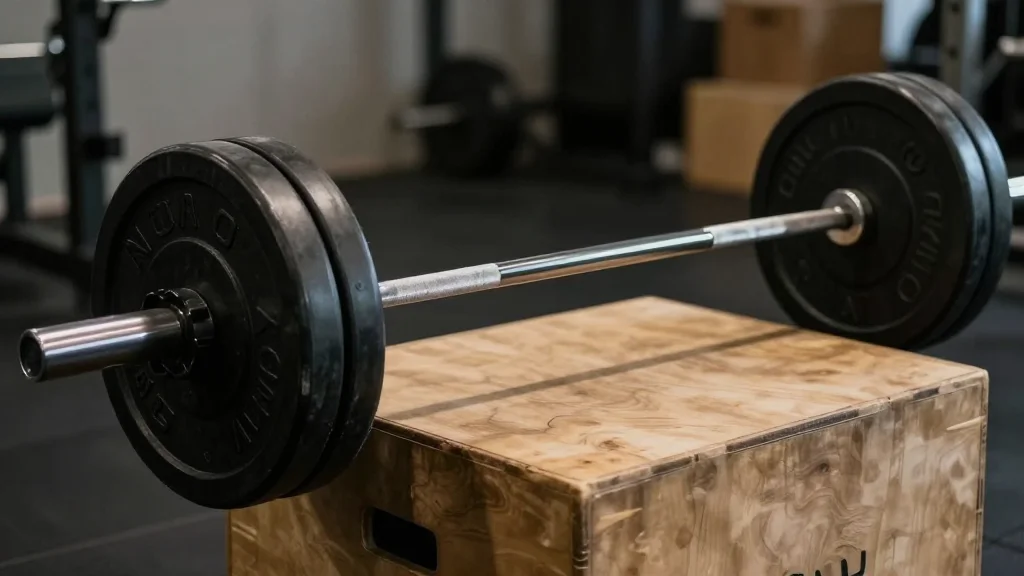
ActivitiesGuy Log III: Now Contains Westside Conjugate Like Substance
The author posted a three‑day workout log, starting with a light kettlebell press on Monday, moving to a medium‑intensity press routine on Tuesday, and finishing with easy box squats on Wednesday. Weight selections rose from 45 lb to 70 lb for presses,...
Master the Basics Before Chasing Shiny Shortcuts
For elite performers, it makes some sense to chase the shiny objects, the minutia that may not actually help. For the masses, it doesn't. Elites have already tapped out the stuff that makes 99% of the difference. The masses...

Yoga for Runners: Lower Leg Love
Runners often neglect the lower‑leg complex, yet calves, shins, ankles and feet absorb each footstrike and can become tight after mileage. Incorporating a short yoga routine—reclined foot stretch, toe squat, garland pose with heel lift, and half hero pose—restores mobility,...
Big Workout Calls for Days of Easy Recovery
I’m 6 weeks out from a half marathon, so we’re firmly in the “big workouts with big recovery” time of the cycle. Today was ~ 12 miles with 12km at ~95% of goal pace. This automatically means recovery to easy...

Training Load Predicts VO2max, Aerobic Gains Ahead
A little #ProjectUnreasonable predictive modeling this morning - Training Load + Time In Zone vs predicted VO2max. Still a whole lot of pretty aerobic colors ahead for @JohnGoldman https://t.co/noj8ztob5u
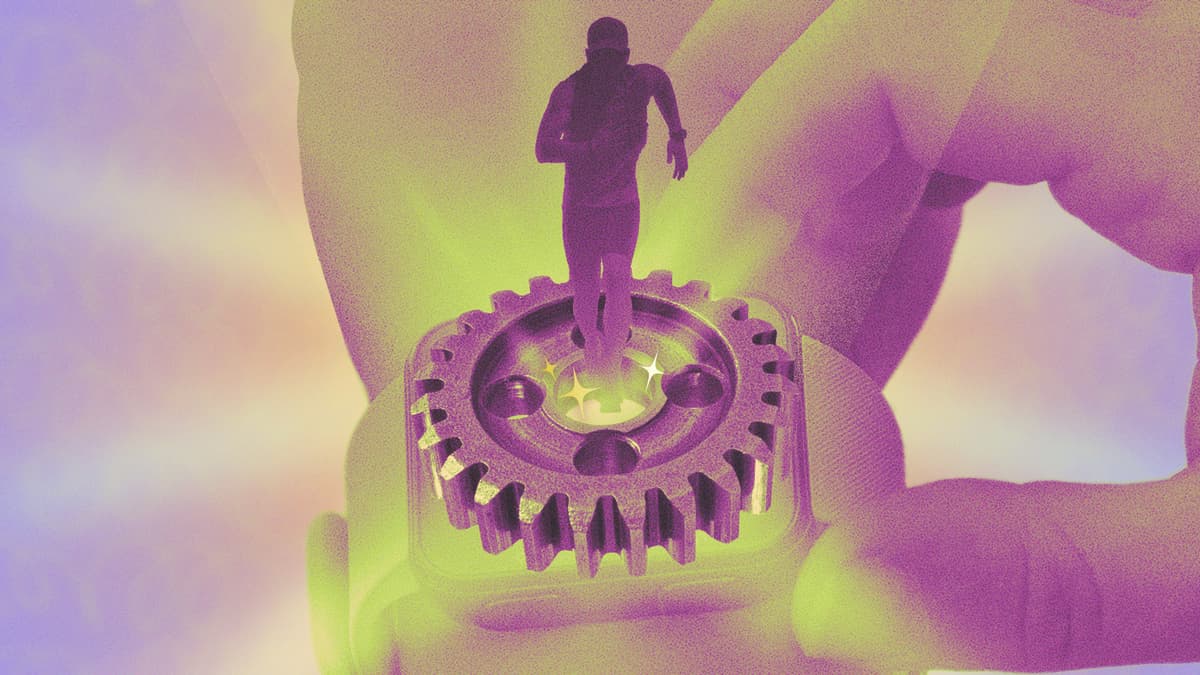
Five Hacks Every Fitness Watch User Should Know
Lifehacker outlines five practical hacks that let fitness‑watch owners squeeze more performance out of their devices. It suggests wearing the sensor on the upper arm for cleaner heart‑rate data, swapping the noisy current‑pace readout for lap‑pace averages, and programming hot‑keys...
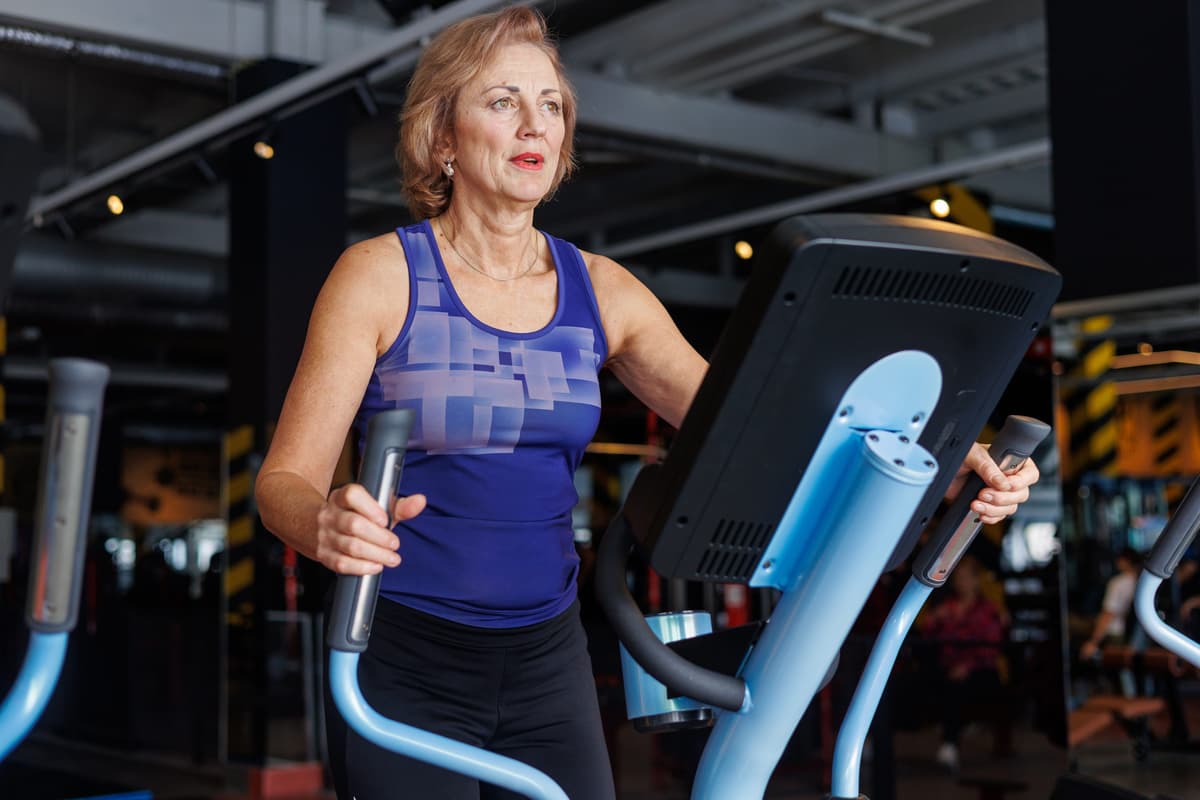
Cross-Training Could Be What You’re Missing in Your Approach as a 50+ Runner. Here’s Why.
For runners aged 50 and older, incorporating cross‑training is essential to sustain performance and prevent injuries. Experts advise at least two low‑impact or strength‑training sessions each week, such as cycling, swimming, yoga, or Pilates. These activities engage complementary muscle groups,...