
Managing Peak Demands and Rehabilitation in Football – Part 3: Programing Return to Sport Process After the ACL Injury
The final phase of a footballer’s return‑to‑sport (RTS) after ACL reconstruction reveals persistent deficits in velocity, acceleration and hamstring power despite restored maximal strength. Coaches also notice insufficient endurance exposure, which can leave players unprepared for the repeated high‑intensity actions of team training. To address these gaps, a two‑week microcycle is built around introduction, development and recovery sessions that target aerobic, glycolytic and neuromuscular systems while mirroring positional demands. Detailed drills and load metrics aim to bridge isolated rehab outcomes with real‑world match requirements.

Training Through Injuries
The Ross Training blog post argues that injuries need not halt progress; instead, athletes should modify workouts to target unaffected muscle groups and overlooked weaknesses. It cites the author’s own calf injury in 2016 as proof that strategic, low‑impact activity...

Aerobic Fitness – The Truth No One Sells By Jon Fearne
Jon Fearne argues that aerobic fitness—not flashy high‑intensity workouts—is the foundational pillar of endurance and adventure performance. Drawing on 29 years of coaching, he cites elite results such as 24‑hour world champion Steve Date, South Pole expeditions, and Kona Ironman...
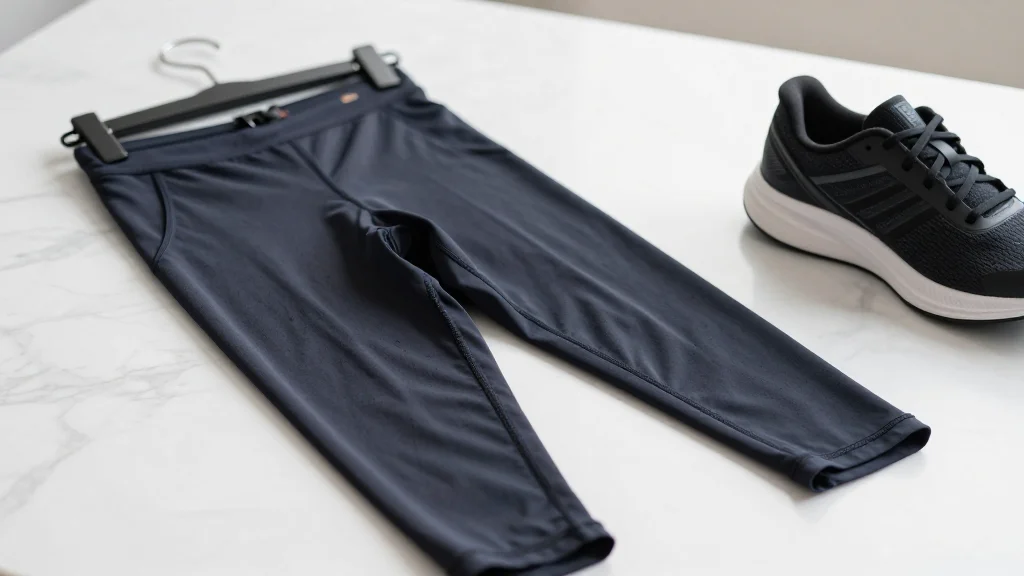
Deep Dive: No Brand’s Demo
Web Smith has logged 786 consecutive days of 7‑12 miles, turning his daily runs into a data‑collection platform for running apparel durability. He tested half‑tights from ten brands over sixty days, evaluating fit, compression, pocket architecture, fabric wear and brand...

The Tarahumara, Japan’s “Marathon Monks”, And the Strange Ancestors of Ultrarunning
The article explores the cultural roots of ultrarunning by profiling Mexico’s Tarahumara runners and Japan’s famed “Marathon Monks.” It highlights how both groups use endurance rituals, communal support, and spiritual purpose to achieve extreme distances. The piece connects these traditions...
Friday Conversation with Nathan Martin
The Endurance Mastery blog released a new interview with Asics‑sponsored marathoner Nathan Martin, who spent weeks training at high altitude in Flagstaff ahead of the 2024 U.S. Olympic Trials. Martin placed seventh in the trials, a performance that underscores his...

2 Simple Tests That Reveal If Your Rowing Form Is Good or Bad
Rowing technique often hides subtle timing errors that can sap power and increase injury risk. Two quick self‑assessment tests—a side‑view torso‑angle check and a force‑curve analysis—let athletes objectively evaluate their stroke without a coach. The torso test confirms shoulders stay...
The Latest on Ketone Supplementation
A recent Belgian study published in the Journal of Physiology examined exogenous ketone supplementation around training. Researchers found that consuming ketones during exercise did not improve performance metrics. However, taking ketone esters after a workout appeared to accelerate metabolic recovery...

Move Like a Man: Exercise as a Natural Testosterone Booster
Exercise, especially resistance training and high‑intensity interval work, has been shown to raise testosterone levels in men both acutely and over the long term. Declining hormone levels are linked to obesity, stress, and sedentary lifestyles, prompting a shift toward natural,...

Walking Lunges Improve Leg Strength and Overall Stability
Walking lunges are a single‑leg exercise that significantly boosts leg strength, glute activation, and overall stability. Recent research shows that longer steps increase activation across quads, hamstrings, calves and glutes, while adding a stride further amplifies gluteus maximus and medius...

The 6 Rules of a Great Workout
Two Percent announced a $1 price increase for new Two Percent Memberships, while existing members keep legacy rates. The post introduces a six‑step framework for crafting effective strength‑training workouts, complete with equipment‑agnostic templates, set‑rep guidance, and video demonstrations. It also...

Oxygen Advantage® Method Vs. Mindfulness: Key Differences Explained
The Oxygen Advantage® Method is a science‑based breathing system that retrains nasal, functional breathing to increase carbon‑dioxide tolerance and improve oxygen delivery, whereas mindfulness uses breath as a neutral anchor for present‑moment awareness. By deliberately lowering breathing volume and incorporating...

The Best Portable Red Light Therapy Devices (2026 Review)
The 2026 review pinpoints the leading at‑home red light therapy devices, from full‑body panels like TotalSpectrum Elite 7‑Band and PlatinumLED BioMax 900 to portable units such as FlexBeam and Rouge Nano. The market is booming, with 2.5 million monthly searches and a projected valuation...
Join Matt Fitzgerald for Tuesday Teaching: Everything Matters
Matt Fitzgerald’s Tuesday Teaching session, titled “Everything Matters,” argues that environmental factors—training venues, partners, and coaching—outweigh genetics in endurance performance. The lesson, hosted by Endurance Mastery by MG, is offered as a free preview with an option to subscribe for...
When Simple Becomes Extraordinary
Robert F. Schuler’s new book, *When Simple Becomes Extraordinary*, chronicles a 60‑year‑old diabetic man’s shift from 28 years of sedentary living to completing an ultramarathon. The narrative details the training regimen, dietary adjustments, and mindset changes that enabled the transformation....

46g Protein + 5g Creatine Smoothie
An influencer shares a smoothie recipe delivering 46 g protein and 5 g creatine, highlighting creatine’s muscle, strength, and cognitive benefits. The post warns that conventional whey protein can trigger bloating, brain fog, and leaky‑gut symptoms for many consumers. As an alternative,...
Friday Conversation with Paul Laursen
Paul Laursen, triathlete‑coach and co‑founder of Athletica AI, discusses how artificial intelligence is reshaping endurance training. Athletica AI delivers hyper‑personalized training plans by ingesting real‑time physiological data and applying machine‑learning models. Laursen highlights measurable performance gains, reduced injury risk, and...
More Proof That Running Form Improves on Its Own
A recent review of longitudinal running studies finds that runners’ biomechanics improve automatically as mileage accumulates, without the need for conscious technique drills. Implicit learning refines stride length, foot strike and cadence, leading to measurable gains in oxygen efficiency and...

Biocentric Lighting for Better Sleep, Recovery, and Performance with Kyle Harris of BrainLit
The Ready State Podcast featured Kyle Harris, CEO of BrainLit, to explain biocentric lighting—a science‑based approach that treats light as a biological signal rather than merely visual illumination. Harris highlighted how modern indoor environments, where people spend roughly 90% of...
The Most Comprehensive Analysis of Strength Training Ever Assembled
Researchers have aggregated 137 systematic reviews covering more than 30,000 participants to produce the most comprehensive strength‑training analysis to date. Conducted under the world’s largest sports‑medicine organization, the new guidance overturns several long‑standing training dogmas and outlines evidence‑based protocols for...
![Train This Close to Failure for Optimal Gains [2 New Studies]](/cdn-cgi/image/width=1200,quality=75,format=auto,fit=cover/https://mennohenselmans.com/wp-content/uploads/2026/03/Thumb.jpg)
Train This Close to Failure for Optimal Gains [2 New Studies]
Two recent studies examined strength‑trained athletes performing bench presses and squats with varying velocity‑loss thresholds to gauge proximity to failure. Results showed a clear trend: the nearer to failure, the greater the muscle hypertrophy, while strength gains were inconsistent and...
Join Matt Fitzgerald for Tuesday Teaching: HYROX Run Training—The 80/20 Way
Matt Fitzgerald’s latest Endurance Mastery post tackles the most common mistake in HYROX preparation: neglecting the run component. He argues that HYROX, despite its gym‑style stations, is fundamentally an endurance event with physiological demands akin to a half‑marathon. The article...

IGFBP7 Secreted by Senescent Cells Suppresses the Benefits of Exercise
Researchers identified insulin‑like growth factor binding protein‑7 (IGFBP7) as a circulating factor that limits exercise adaptation in older adults. Plasma proteomics from a year‑long high‑intensity interval training trial showed higher IGFBP7 levels predicted smaller fitness gains. In mice, genetic deletion...

When Wellness Meets Music
Music’s physiological impact on movement makes it a strategic asset for wellness brands, but using commercial tracks without proper rights can trigger costly lawsuits. The article outlines how data‑driven platforms like Tuned Global provide licensed catalogues, analytics and API delivery,...

Jacob Gallagher - Heart of Iowa (IA) - 2026-03-13
Jacob Gallagher completed a 2 hour 33 minute run on Iowa’s Heart of Iowa trail on March 13, 2026. He started at sunrise, faced a stiff 20‑30 mph tailwind, and navigated mixed terrain including a steep hill near mile 9. The cool 35‑40°F weather limited on‑trail...
What’s on the Run
The MarathonGuide blog’s March 9‑13 series explores the strategic value of disengagement, the need to disrupt complacency, and practical running guidance for late‑start athletes, while highlighting Shanghai’s bid for World Marathon Major status and featuring an interview with elite triathlon coach...

Frugal Fitness
Physical therapist Ed Marsh outlines why most people skip exercise—citing lack of time, knowledge, support, money, and motivation—and offers a frugal, low‑cost fitness plan. He emphasizes micro‑workouts, simple home exercises, and leveraging social networks to overcome barriers. The article includes...

Super Shoes & Running Form: What the Science Actually Says
Since Nike introduced the Vaporfly in 2016, carbon‑plated “super shoes” have accelerated marathon times and reshaped performance benchmarks. Their ultra‑soft foam, high stack height, and stiff carbon fiber plates alter foot‑strike patterns, shifting load toward the forefoot and changing ankle...
Friday Conversation with Jim Vance
Jim Vance, former professional Olympic‑distance and Ironman triathlete, now leads 80/20 Endurance and authors the training guide Run with Power. In a recent interview with Coach Matt, Vance reflects on his racing career, the transition to coaching, and the data‑driven...

Ultra-Processed Foods and Sports Nutrition: Should Athletes Be Worried?
Athletes increasingly rely on ultra‑processed sports nutrition products such as gels, drinks and recovery shakes, but these items are engineered for rapid energy delivery and post‑exercise recovery rather than everyday sustenance. The article argues that the health risks associated with...
Yes, But How Did It Feel?
A recent Dutch study compared three approaches to quantifying training stress, pitting traditional objective measures against athlete‑reported subjective scores. The researchers found that subjective metrics, such as perceived exertion, aligned more closely with physiological markers of fatigue than objective data...

Medical School Endurance: Lessons From Training for a 10K
The article recounts a medical student’s 12‑week 10K training and draws parallels to medical education. It highlights how early uncertainty, structured rest, and avoiding peer comparison shape endurance and learning. The author argues that a consistent “show‑up” mentality and intentional...
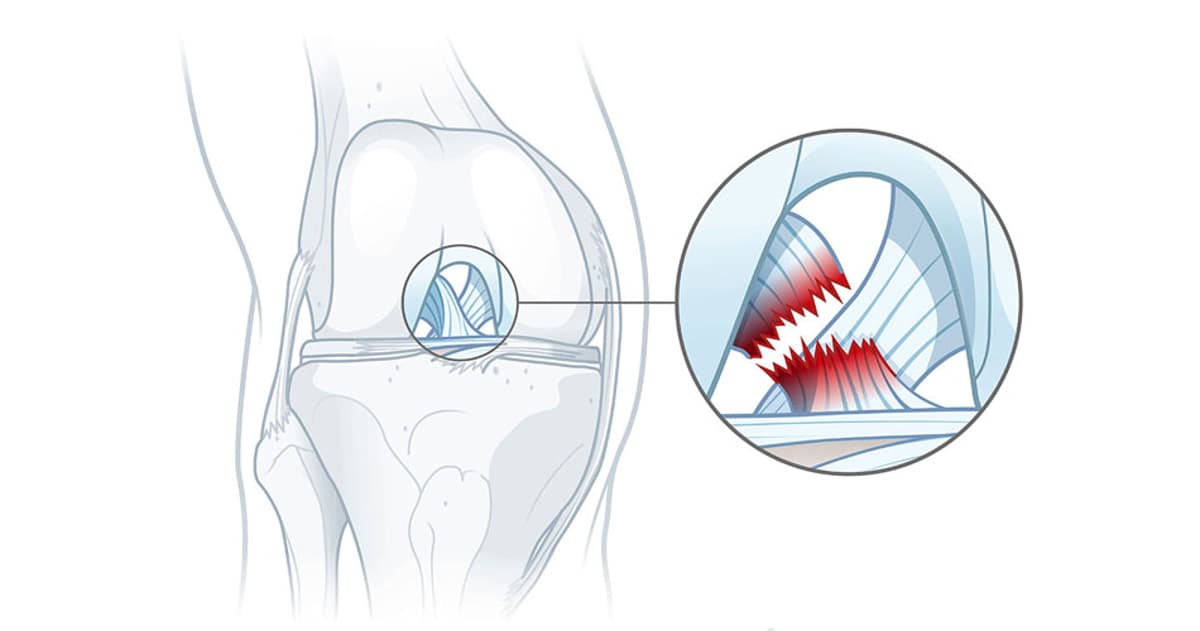
Knee Screening: Integrating Performance Training with Clinical Insight
Knee injuries remain a leading cause of lost training time and performance across sports, with up to 250,000 ACL tears reported annually in the United States alone. Sports scientists and strength‑and‑conditioning coaches are urged to adopt a systematic knee‑screening protocol...

Mitigating the Damage: My Strategy for Intake on the CDT (TRAILS Series, Part 4)
The author outlines a detailed intake strategy for the 2026 Continental Divide Trail, emphasizing the need to sustain 5,000‑7,000 daily calories over five months. He explains how chronic calorie deficits trigger muscle catabolism, immune suppression, and injury risk. Because remote...

The Top 3 Reasons You’re Not Gaining Muscle
Lifters often stall because they switch programs too often, sacrifice range of motion for ego lifts, and mismanage training volume. Frequent program hopping prevents progressive overload and reliable tracking, while ego lifting reduces muscle activation by shortening movement patterns. Unsystematic...
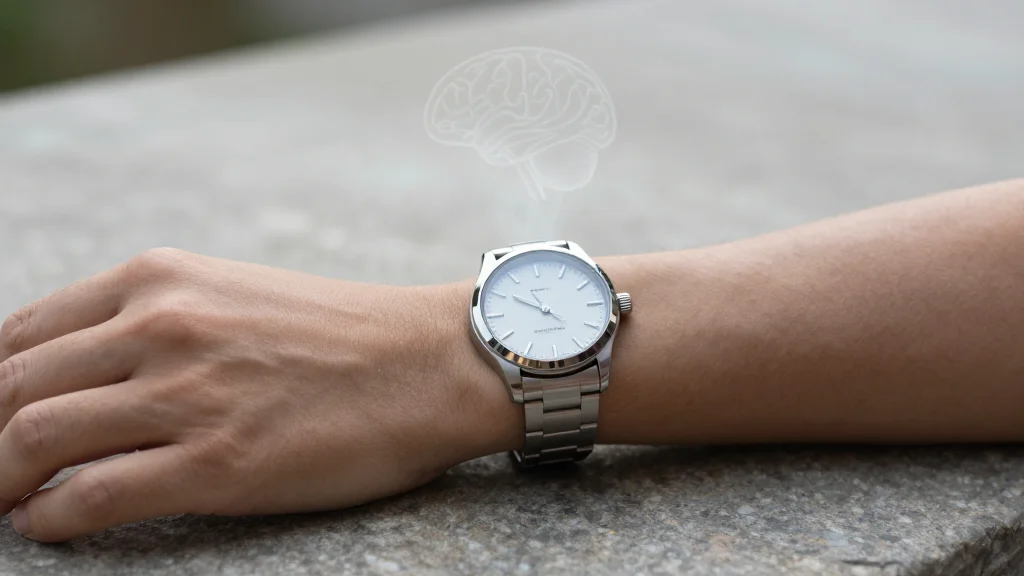
Could Your Smartwatch Be Hurting Your Recovery?
Recent commentary highlights that constant smartwatch notifications may undermine athletes' recovery by adding mental strain. A 2023 field experiment showed disabling notifications reduced strain and improved performance. While the study did not focus on athletes or wearables, the mechanism suggests...
Don't Die: Do Stepups
Stepups are a single‑leg, low‑impact exercise that directly improves functional mobility and daily‑living tasks. Research from the Czech Republic and epidemiological studies show that superior stair‑climbing ability correlates with lower all‑cause mortality and fewer catastrophic falls in older adults. The...
Disrupting Complacency
Matt Fitzgerald’s latest Endurance Mastery session tackles the danger of "good enough" training, urging athletes to continuously tinker with their methodology. The post promotes a paid call where Fitzgerald shares practical tactics to break complacency and sustain year‑over‑year improvement. By...
Burn the Ships: March 2026
The March 2026 edition of Two Percent’s Burn the Ships series launches the “Summit Push,” the final phase of a three‑month outdoor‑focused training plan. The post argues that a single, hard weekly workout delivers disproportionate gains in mental health, VO2 max,...

Still Not Losing Ground
Ross Enamait reflects on a decade‑long fitness philosophy that prioritizes preserving existing strength rather than chasing new records. He emphasizes a daily mindset of “not losing ground,” using consistent movement to blunt age‑related decline. The post argues that ego‑free training...
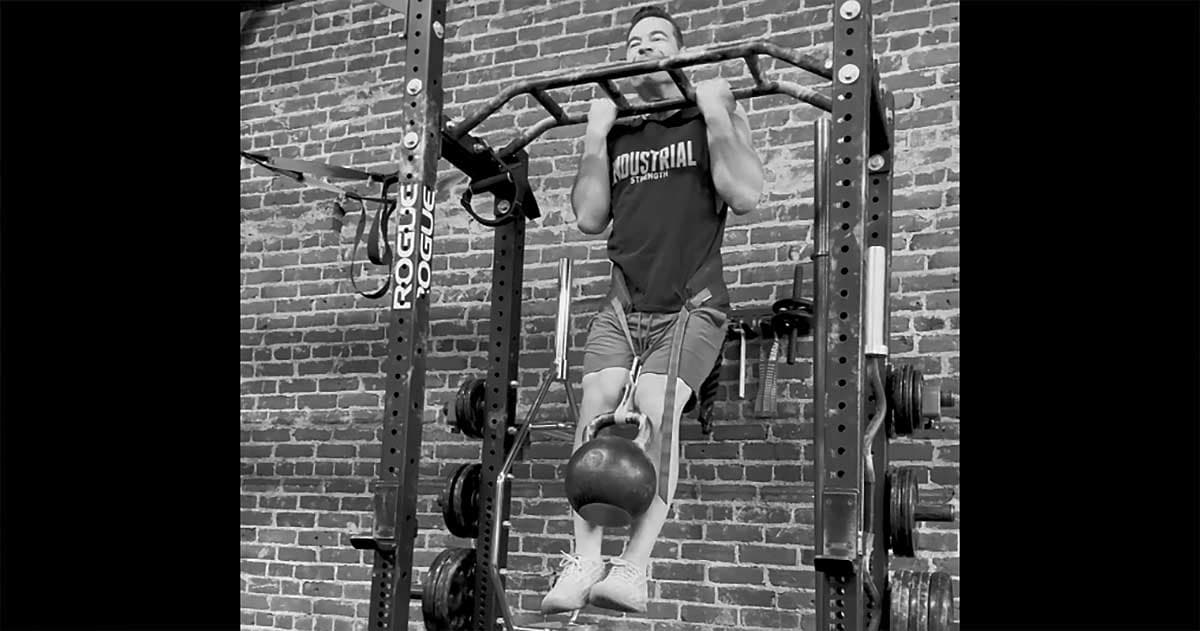
Rebuilding to a Chin-Up with “The Beast”
Tony Gracia, a StrongFirst senior instructor, suffered a mysterious right‑arm weakness that sidelined his weighted chin‑up routine. After extensive medical testing, he focused on neck‑related rehab, paused all high‑intensity lifts for three months, and then employed a step‑loading protocol to...
Should Adults Lift for Less than 5 Reps Per Set?
In episode 382 of #AskMikeReinold, the panel debates Mike Boyle’s claim that adult clients should not perform sets with fewer than five repetitions. Coaches Diwesh Poudyal, Dave Tilley, Dan Pope, and Kevin Coughlin largely agree that low‑rep, maximal loading is unnecessary...
The Two Percent Cool Down
Two Percent introduces a structured cool‑down routine that leverages the body’s post‑workout heat to boost mobility and address overlooked recovery exercises. The post outlines five specific movements designed to safely open the spine, hips, and shoulders while offsetting modern‑lifestyle wear...

Why Weight Training With Full ROM Is NOT Enough for Mobility
Weight training performed through a full range of motion does not automatically provide comprehensive mobility. While heavy squats and deadlifts can improve certain joint angles, they often fall short on deep hip flexion, ankle dorsiflexion, and thoracic extension. Targeted mobility...

Endurance Training In Football
Endurance in modern football is a hybrid of aerobic and anaerobic capacities, enabling players to sustain intermittent high‑intensity actions across 90 minutes. The sport relies on three energy systems—oxidative, alactic, and lactic—with aerobic metabolism supplying 70‑80 % of total energy while...

Why 80/20 Training Reduces the Risk of Injuries
The 80/20 training model prescribes 80 % low‑intensity and 20 % moderate‑to‑high intensity work, a formula that not only drives personal bests but also cuts injury risk for endurance athletes. By eliminating the “moderate‑intensity rut” (Zone X), the approach reduces chronic nervous‑system fatigue....
Scams, Safety, and “Sure-Things” In the Endurance Supplements World
Endurance athletes face a supplement landscape riddled with hype, hidden ingredients, and contamination risks that can jeopardize health and lead to doping violations. The article outlines a practical framework that first reduces risk through third‑party testing and simple product choices,...

Bridging AI and Sports Science: How Model Context Protocols (MCPs) and Retrieval-Augmented Generation (RAG ) Systems Can Personalize Training
Model Context Protocols (MCPs) provide a standardized bridge that lets large language models pull live athlete data from platforms like AthleteSR, Strava, or Garmin. Retrieval‑Augmented Generation (RAG) layers sport‑science knowledge from textbooks and research into the model’s output, reducing hallucinations....