
Training for Elevation Gain and Miles on the PCT
Brad J chronicles a 10‑month, trainer‑guided program that readied him for the Pacific Crest Trail. He began with Phase 1’s low‑weight, high‑rep strength work to establish a safe baseline, then progressed to Phase 2’s cardio focus, including a sprint triathlon and pool sessions. Phase 3 added heavy barbell lifts and weighted backpack hikes, culminating in a balanced weekly mix of strength, cardio, and mixed‑mode workouts. The regimen left him injury‑free after the first month on trail and confident for the remaining months of preparation.

From Rule of Thumb to Mechanistic Formula: An AI-Assisted Model for Shuttle Run Distance Correction in HIIT
Researchers led by Martin Buchheit have unveiled an AI‑assisted, mechanistic formula that corrects shuttle‑run distances in high‑intensity interval training (HIIT). The model replaces traditional rule‑of‑thumb adjustments with a data‑driven approach that accounts for biomechanics, fatigue dynamics, and environmental variables. Validation...

The Invisible Strength of Performance: Strength Training Applied to Football
The article explains why traditional gym strength rarely translates to football performance and outlines a systematic approach to make strength training sport‑specific. It distinguishes six muscle‑contraction types, describes hierarchical strength qualities, and matches each to appropriate training methods such as...
The Freedom of Constraints
The Growth Equation highlights Dave Epstein’s new book *Inside the Box*, which argues that constraints—not unlimited freedom—drive creativity and breakthrough performance. Real‑world anecdotes include a high‑school runner who won a state title using short, low‑intensity intervals after mononucleosis, and a...

Why Weightlifters Should Be Leopard Crawling (If They Actually Want to Move Well)
Leopard crawling, a low‑tech animal‑flow drill, is gaining attention among strength athletes for its ability to counteract the tightness that heavy lifting creates. The movement forces wrist extension, horizontally decompresses the spine, and compels big‑toe extension, restoring natural foot‑to‑hip mechanics....

Struggling with Zone 2 Running? You May Have Set Your Heart Rate Zones Incorrectly
Recent research reveals that conventional heart‑rate formulas often misplace Zone 2 by up to 10 bpm, because individual variation can be as high as 5 percent. A 2025 laboratory study of 50 endurance athletes showed lactate and ventilatory thresholds are far more precise...

Maingaining Is a Waste of Time (New Study)
A recent 10‑week study compared a maingaining protocol (≈0% prescribed deficit) with a 10% energy deficit in trained lifters. Both groups added roughly 1 kg of lean mass, but the deficit group shed 2.9 kg of fat versus 1.4 kg in the maingaining...

The Strength Training Thread
Andy Galpin, PhD, challenges the long‑standing belief that core training belongs to high‑rep, low‑load endurance work. He argues that abdominal muscles share a roughly 50/50 mix of slow‑ and fast‑twitch fibers, so they obey the same hypertrophy and strength principles as...
Max Heart Rate Calculator: How to Calculate Your Real Max HR (And Why Formulas Alone Aren’t Enough)
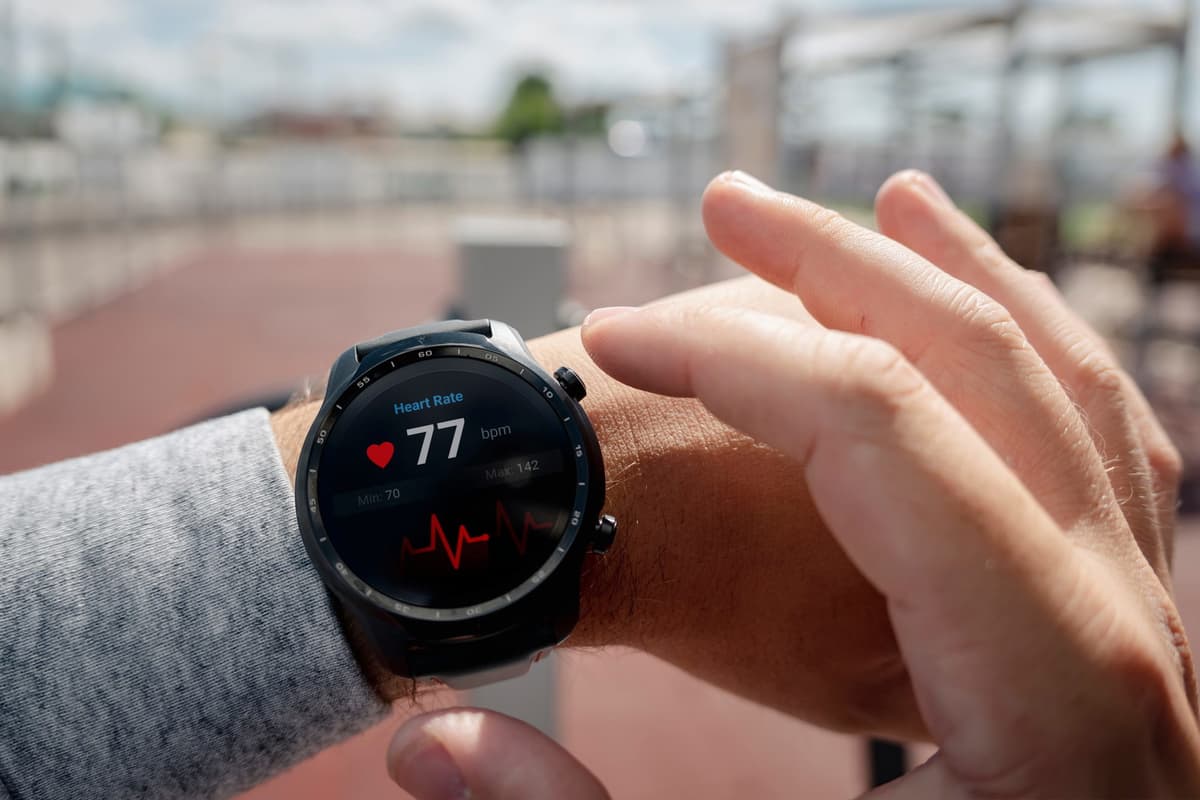
McMillan Running explains that common age‑based max heart‑rate formulas—Fox/Haskell, Tanaka, Gulati, and Nes—produce varying estimates, often differing by 10‑30 beats for the same individual. Because training zones are calculated as percentages of max HR, such errors can misplace workouts across...
Zone 2 Heart Rate Calculator: Find Your Aerobic Sweet Spot
Greg McMillan’s Zone 2 Heart Rate Calculator helps runners pinpoint the aerobic‑base intensity that fuels long‑run endurance. Zone 2 is defined as 55‑78% of heart‑rate reserve, where the body maximizes mitochondrial density, capillary growth, and fat oxidation. The guide explains the talk...

Modality-Specific Muscle Low-Frequency Fatigue and Recovery Signatures: A Case Report Mapping the HIIT Science Taxonomy
Researchers Buchheit and Laursen used the Myocene Powerdex device to track low‑frequency fatigue before, after, and up to 48 hours following nine HIIT sessions spanning the HIIT Science taxonomy. The data confirmed the presumed hierarchy: Type 1 (Zone 2 sauna bike) caused negligible...

Burn the Ships: May 2026
Two Percent released its May 2026 Burn the Ships workout, dubbed MFEMF’R, as the latest installment in its monthly high‑intensity routine. The 40‑50‑minute session blends the author’s favorite exercises and is designed for a global community of subscribers who train together...
563 🎙️ Hill Sprints, Discipline & The 2 Deadly Mistakes Dads Make
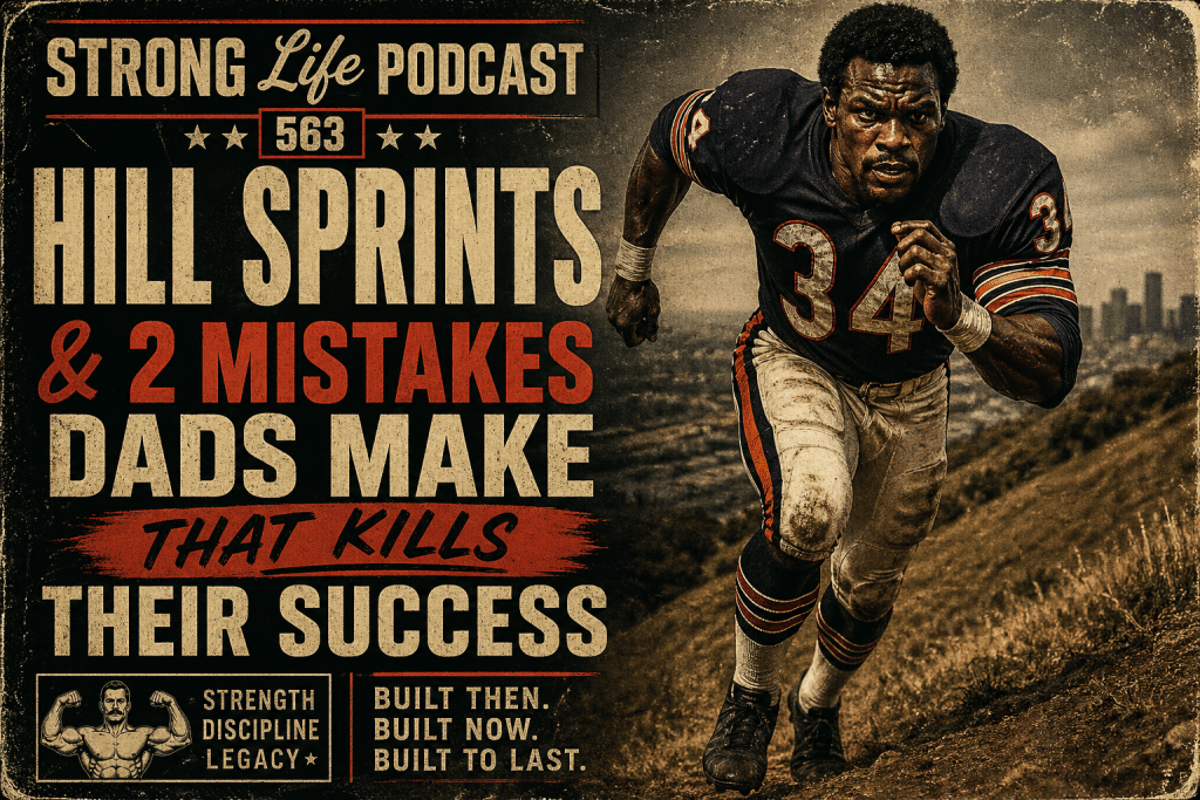
The Strong Life Podcast episode 563, hosted by strength coach Zach Even‑Esh, dives into hill sprint programming, the role of imperfect training for combat athletes and sprinters, and highlights two common pitfalls that fathers and men face in fitness and...

You’ve Got to Believe
Kenyan runner Sabastian Sawe completed the London Marathon in 1:59:30, becoming the first athlete to break the two‑hour barrier in an open race. The second‑place finisher also ran under two hours and the third bested the previous world record, turning...
My Favorite Exercises: Volume VI
The latest "My Favorite Exercises" letter spotlights an unconventional core movement that research labels one of the most effective therapies for preventing and treating low‑back pain. The author, a former Men’s Health fitness director, explains how neglecting this exercise contributed...

Your Own Customers Will Disrupt You With AI
The author compares Strava’s generic AI feedback with Claude’s data‑driven analysis of his post‑injury half‑marathon performances, showing how a simple prompt yields actionable insights. He argues that AI gives users the tools to out‑engineer incumbent platforms that already hold rich...

Jump Height Lies: Force–Time CMJ Metrics Reveal Hidden Neuromuscular Responses in Elite Football
A new study of elite footballers measured countermovement jumps 48 hours after matches and found jump height unchanged across all levels of match exposure. However, force‑time metrics—early concentric impulse, modified RSI, peak concentric force, and contraction time—showed significant declines or increases,...
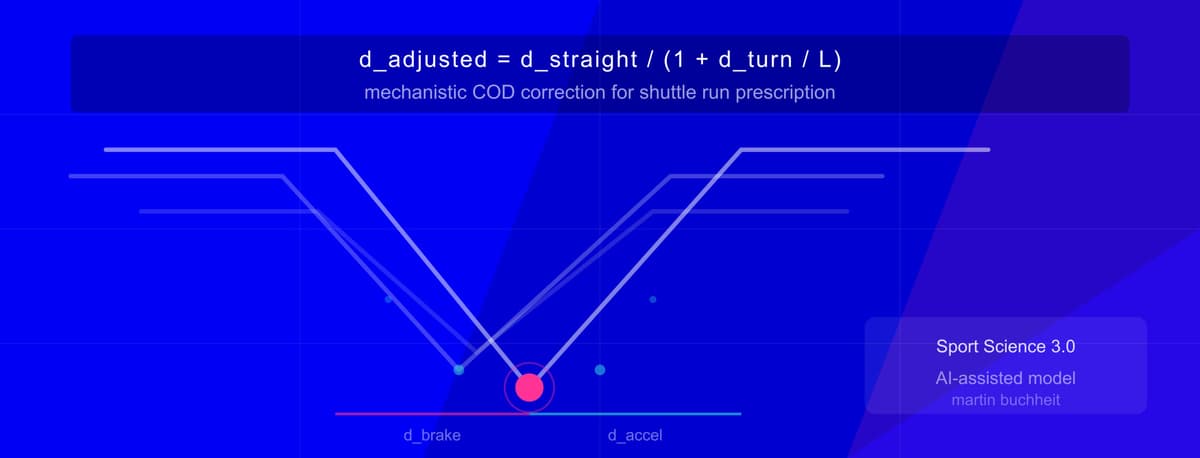
From Rule of Thumb to Mechanistic Formula: An AI-Assisted Model for Individualizing Shuttle Run Distance in HIIT
A new AI‑assisted mechanistic formula replaces the long‑standing 0.7‑second rule for adjusting shuttle‑run distance in high‑intensity intermittent training (HIIT). The model computes time lost per change of direction (COD) as t_cod = v / A0, where A0 reflects each athlete’s acceleration and deceleration capacity,...

Train Hard, Recover Harder
Athletes pushing harder risk overtraining when nutrition and recovery lag behind. The article outlines five evidence‑based nutrition tactics—protein intake, complex carbs, proper hydration, healthy fats, and strategic timing—to close the recovery gap. It stresses that these dietary levers must work...

Small-Sided Games in Football: From Theory to Practical Application
Small-sided games (SSG) remain a core training tool in football, but their effectiveness hinges on precise control of variables, especially the space allocated per player (EII). The article outlines three density zones—under 100 m², 100‑200 m², and over 200 m² per player—each producing...

Risk Factors of Arthrogenic Muscle Inhibition
The 2024 American Journal of Sports Medicine study examined arthrogenic muscle inhibition (AMI) in 300 patients with acute anterior cruciate ligament (ACL) injuries. Over half (56%) displayed some degree of AMI, though none reached the irreversible grade 3. Simple hamstring‑fatiguing drills...
Don't Die: Do Pullups Part II
The Two Percent newsletter’s second pull‑up guide expands on the first post by revealing a counterintuitive Soviet‑derived training protocol that can double the number of reps in a month. It also outlines injury‑prevention tactics, performance standards drawn from military and...

What Breathing Can Teach Us About Handling Pressure in Sports (And Why Breathwork Is Key)
Elite athletes are turning breathwork into a performance advantage, with Rory McIlroy publicly crediting nasal breathing for staying calm during The Masters. The Oxygen Advantage® method teaches controlled, CO₂‑tolerant breathing that boosts oxygen delivery, vagal tone, and stress resilience. Major...

From The Field
The Food Is Health newsletter is consolidating its many emails into a single weekly update, aiming to cut through inbox overload. Recent highlights include a livestream with Dr. Brooks Leitner emphasizing VO2 max as a top longevity predictor and the launch...

BODi Expands GLP-1 Support and Longevity-Driven Fitness with “10 Minute BODi” Workouts
BODi announced three new 10‑Minute BODi digital programs—Speed Train, Active Aging, and GLP‑1 Fitness Formula—expanding its micro‑dose fitness catalog for busy consumers, seniors, and users of GLP‑1 medications. Speed Train adds 22 resistance workouts, Active Aging delivers 15 mobility‑focused sessions...

Your Painful Joints Don't Need Rest. They Need This.
Recent analyses highlight aquatic exercise as a potent option for managing joint pain, especially knee osteoarthritis. Water’s buoyancy can reduce joint load by up to 90%, while gentle compression improves cartilage signaling and blood flow. A meta‑review of over 2,200...
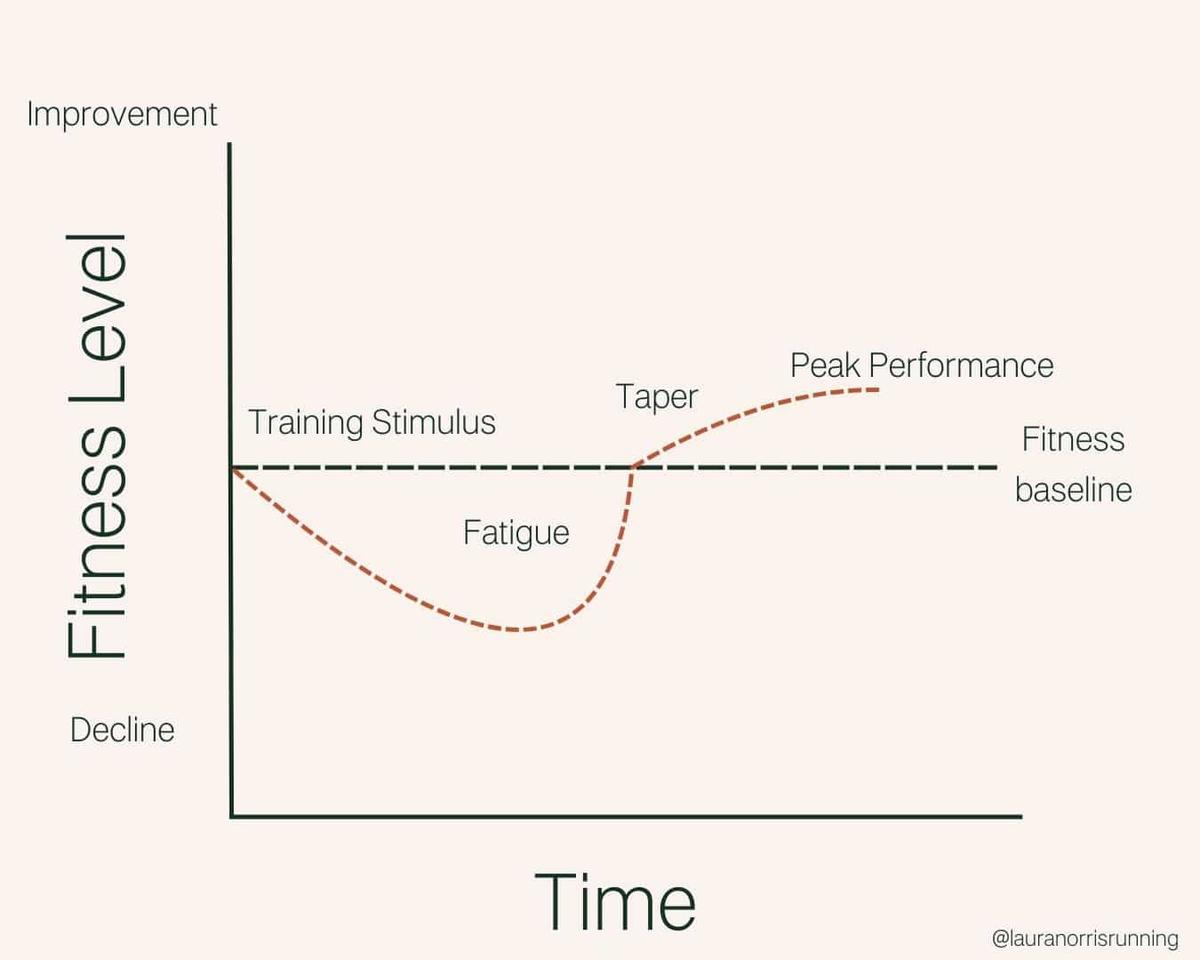
Here’s Why Your Easy Runs Slow Down During Marathon Training
During marathon training, runners often notice slower easy‑run paces, especially in peak weeks. This slowdown is usually a temporary "valley of fatigue" caused by accumulated stress from long runs and hard workouts, not a loss of fitness. Recovery of glycogen,...
What to Know Before Adding Organic Protein Powder to Your Routine
Organic protein powder is a supplement made from ingredients grown without synthetic pesticides, artificial fertilizers, or GMOs, and can be plant‑based (peas, rice, hemp) or whey from organically raised cows. The article explains that these powders deliver 20‑25 grams of protein...

Performance Anxiety in Endurance Sports: What’s Happening & What to Do About It
Endurance athletes often face performance anxiety that can derail race day despite flawless training. Mental performance expert Carrie Jackson explains the psychobiology behind threat perception, showing how heightened heart rate, muscular tension, and impaired decision‑making reduce VO₂ max and increase injury...

How Atmospheric Pressure Affects Your Training
Researchers led by Iñigo Mujika examined whether barometric pressure influences athletes’ response to altitude training. Using data from 27 elite swimmers and water‑polo players at a 2,320‑metre (7,600‑ft) Spanish high‑performance center, they found that daily pressure swings altered the “equivalent...

Marathon Pacing Strategies: How to Optimize Your Race Performance
Marathon pacing is a critical factor in achieving optimal race times, with runners typically choosing between even splits, positive splits, negative splits, or a tactical "racing the field" approach. Even splits keep pace consistent, while positive splits often stem from...

Masters Running, Motivation, and Breakthroughs with Nick Thompson
Nick Thompson, CEO of The Atlantic and world‑ranked ultrarunner, shattered the 40‑44 age‑group American 50k record by running 31 miles at a 5:56‑per‑mile pace. After a cancer diagnosis two decades ago, he reinvented his training with elite coaches, structured periodization,...
The Optimal Rep Range for Muscle Growth Isn’t What You Think
Two recent studies challenge the long‑standing belief that 6‑12 reps are optimal for hypertrophy. One intra‑subject trial found no difference in muscle size or protein synthesis between 8‑12‑rep and 20‑25‑rep sets when both were taken to failure, suggesting load is...
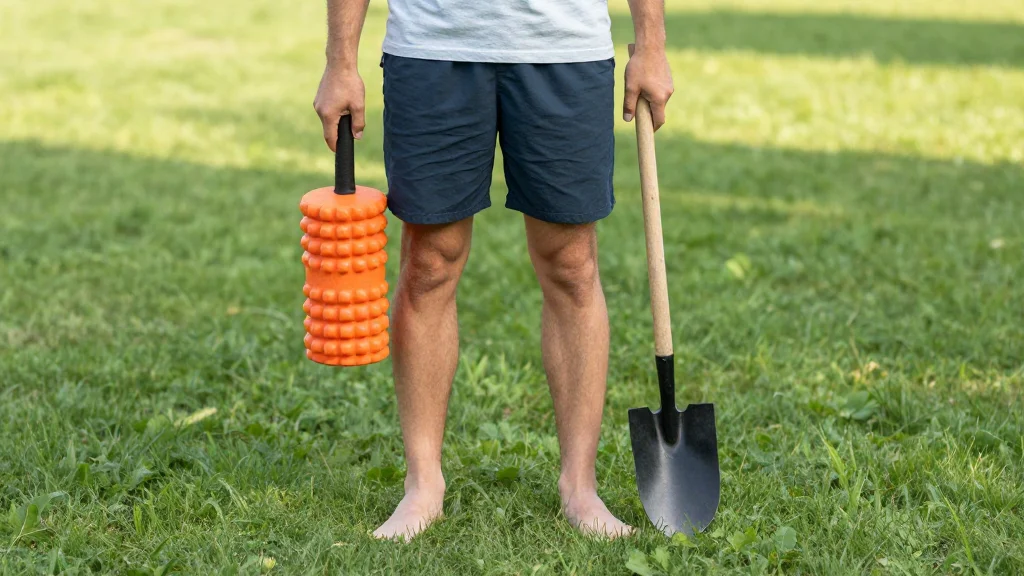
If You Only Use the RESETs When Something Hurts… You’re Missing the Point
The article urges individuals and clinicians to use "RESET" techniques—gentle, proactive movement exercises—before pain escalates, rather than waiting for injuries to demand treatment. It highlights how most people default to passive solutions like rest, braces, or medication, missing the faster...
Your Body Isn't Losing Muscle First. It's Losing Something Far More Important.
Recent research shows that muscle power, not muscle mass or strength, is the first and fastest declining attribute with age, a condition now termed powerpenia. Large fast‑twitch motor neurons begin to die around age 60, causing a shift toward slower...
How to Run Pain-Free: Movement, Strength, and Injury Prevention with Dr. John Rusin
Episode 429 of the Strength Running Podcast brings Dr. John Rusin into a deep dive on how movement‑first strength training can stop the cycle of overuse injuries that plague runners. Rusin argues that assessing movement quality, applying mindful neuromuscular patterns, and finishing...
Sarcopenia -- New Clues
Recent preclinical and clinical work links low‑grade inflammation to age‑related muscle loss, or sarcopenia, and shows that ibuprofen can blunt this process. In 20‑month‑old rats, a five‑month ibuprofen regimen cut inflammatory markers by up to 60% and boosted post‑prandial muscle...
Resistance Training: The Muscle Miracle: Can I Build Enough in My 60s to Make It to 100 – Even Though...
A growing body of research shows that seniors can substantially preserve or even increase muscle mass through targeted resistance training combined with adequate leucine‑rich protein intake. Guidelines recommend 3‑4 g of leucine (about 30 g of protein) per main meal for people...

A Complete Guide to Becoming a Certified Breathing Instructor
The Oxygen Advantage® method now offers a structured, science‑based pathway to become a certified breathwork instructor. The program starts with a Level 1 Functional Breathing Instructor course and progresses to an advanced certification that integrates CO₂ tolerance, nasal breathing, and biomechanical...

The Leverage Squat Machine
Fitness influencer Ross Enamait highlights Titan Fitness’s leverage squat machine, which he’s used for 18 months. The compact, 44‑by‑58‑inch unit offers a simple, low‑learning‑curve platform for squats, calf raises, and even overhead presses. Its sturdy construction allows explosive, high‑rep or...
How Did a 90-Year-Old Woman Just Break a World Record Doing Something You Probably Can't?
In March 2026, 90‑year‑old Ann Crile Esselstyn set a new Guinness World Record by dead‑hanging for two minutes and fifty‑two seconds, after just 30 days of remote coaching from her son. The rapid improvement stemmed from neural adaptations—enhanced motor‑unit recruitment—rather...

Ranking the Top Patellar Tendon Exercises by Tendon Load
The 2025 Medicine & Science in Sports & Exercise study quantified patellar tendon load across 35 common rehabilitation exercises, creating a weighted loading index that blends peak force, impulse, and loading rate. Researchers classified exercises into low, moderate, and high...
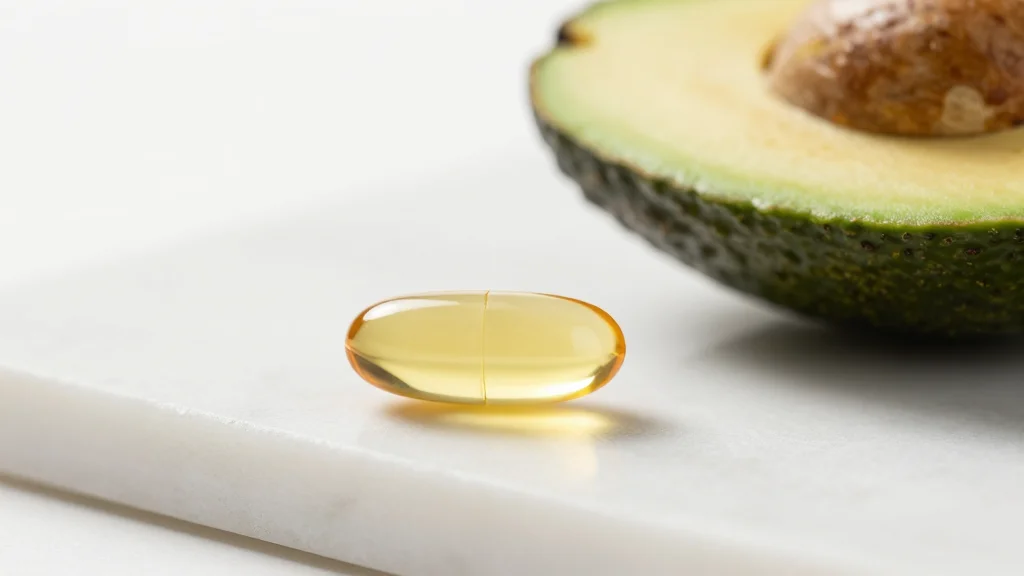
Coenzyme Q10 (CoQ10) U-Shaped Dose-Response Relation with Blood Glucose and Blood Pressure
A short‑term ubiquinol regimen of 200 mg per day for two weeks boosted strength and endurance while lowering perceived exertion in moderately trained adults. Muscle‑damage biomarkers also fell, indicating protective effects after strenuous exercise. Separate meta‑analyses suggest CoQ10 supplementation can cut...

Why Rest Is Essential for Performance
Julia Samuel’s latest Longer Monday Top Tips episode, featuring regenerative performance coach Dr. Pippa Grange, argues that modern work culture’s obsession with nonstop productivity is eroding mental and physical health. The discussion frames burnout as chronic stress that worsens when...

La Penitente
La Penitente, a 0.4‑km climb on the outskirts of Quito, Ecuador, boasts a 56 % average grade and a 240 m vertical gain over roughly 420 m of horizontal distance, making it the city’s steepest ascent. The route has become a premier training...

Movement-Based Approach in Strength Training Weekly Periodization for Women’s Football: Linking the Gym with the Pitch
Recent research highlights a movement‑based weekly periodization model that bridges strength work in the gym with on‑pitch performance for women’s football. Studies from PSG’s 2018 summit, a 2021 strength‑speed correlation analysis, and a 2025 micro‑dosing framework demonstrate that frequent, low‑volume...

Only Sleep & Sex: How to Engineer Perfect Sleep
The article argues that chronic insomnia stems from trying to force sleep, which raises cognitive arousal, and proposes a permissive approach that treats sleep as an allowed state. It outlines a five‑point framework—circadian alignment, sleep pressure, environmental setup, stimulus control,...

Avoid These 12 Myths & Build More Muscle
A recent scientific review debunked 12 pervasive muscle‑building myths, from elaborate periodization models to the so‑called “anabolic window” and spot‑reduction claims. The authors found that progressive overload, sufficient protein and energy balance, and consistent training volume are the true drivers...

Managing Peak Demands and Rehabilitation in Football – Part 3: Programing Return to Sport Process After the ACL Injury
The final phase of a footballer’s return‑to‑sport (RTS) after ACL reconstruction reveals persistent deficits in velocity, acceleration and hamstring power despite restored maximal strength. Coaches also notice insufficient endurance exposure, which can leave players unprepared for the repeated high‑intensity actions...

Training Through Injuries
The Ross Training blog post argues that injuries need not halt progress; instead, athletes should modify workouts to target unaffected muscle groups and overlooked weaknesses. It cites the author’s own calf injury in 2016 as proof that strategic, low‑impact activity...