
USITC Probes USMCA Auto Rules’ Impact on Industry Competitiveness
The U.S. International Trade Commission has opened a fact‑finding investigation into how the United States‑Mexico‑Canada Agreement’s automotive rules of origin affect U.S. competitiveness, especially for advanced and electric vehicles. The probe follows two earlier biennial reports that highlighted mismatches between the rules and emerging EV components such as batteries, semiconductors and critical‑mineral parts. It will examine impacts on auto prices, employment, investment and GDP, while also gathering industry input through a public survey and an Oct. 14 hearing. Findings could prompt revisions to tariff‑free criteria under the USMCA.

MacroVoices #523 Jim Bianco: Energy, FED & Economy in The Wake of Iran Conflict
Jim Bianco joins MacroVoices to dissect the market fallout from the recent Iran conflict, noting sharp oil price spikes and heightened volatility. He evaluates how potential Fed chair Kevin Warsh could reshape monetary policy amid rising inflation pressures. The discussion...

Emerging Market Bulls Rejoicing, But Will It Last?
Emerging‑market indices have outperformed both the MSCI World and the S&P 500 in early 2026, driven by easing inflation, a weaker dollar, and shifting investor sentiment. Forecasts show EM economies growing around 4 % this year, roughly three times the pace of...

Time to Take Stock and Prepare
The escalating Middle East conflict is pushing crude oil toward $200 a barrel, straining global markets. The Philippines’ strategic reserves only cover about 45 days, leaving the nation exposed to price shocks. A newly mandated four‑day work week will shift...

Gundlach Unlocked: Positioning for Inflation and a Weaker Dollar
In the inaugural Gundlach Unlocked webcast, DoubleLine CEO Jeffrey Gundlach warned that inflation is likely to stay above the Fed’s 2 % target, long‑term rates remain elevated despite recent cuts, and the U.S. dollar may enter a weaker phase. He outlined...

From Volatility To Chaos: Navigating Wartime Impacts For Tech Leaders
The ongoing Middle East conflict is driving a sharp rise in fuel prices, forcing companies like Southwest Airlines and UBS to brace for higher operating costs. Traditional IT operating models, built for gradual stress, are buckling under the rapid, continuous...

Middle East War Fallout: Sub-5% Philippine Growth May Persist This Year
Philippine planners warn that the Middle East conflict‑driven oil price surge could keep growth under 5% this year. DEPDev modeled two price scenarios—$100/barrel in March rising above $80 through May, and $140/barrel staying above $80 until September—each shaving 0.2‑0.3 percentage...

Turkish Central Bank Holds Rates and Shifts Away From Easing Bias
The Central Bank of Turkey kept its one‑week repo rate at 37% and left the interest‑rate corridor unchanged at 35.5%‑40%, signaling a pause amid heightened global risk and rising energy prices. In its statement the bank shifted away from an...

Infrastructure Investment Is the Key to China’s Growth
China's government set a 2026 growth target of 4.5‑5% after meeting its 2025 goal of 5%. 2025 GDP reached CN¥140.19 trillion ($20.4 trillion), with consumption contributing 52%, investment 15.3%, and exports 32.7% of growth. The economy faces geopolitical tensions and a US‑led...

The Briefing Room
Donald Trump suggested the US‑Israel conflict with Iran could end soon, but analysts warn the war may linger, keeping oil markets on edge. Prolonged fighting threatens to disrupt the Strait of Hormuz, a critical chokepoint for global oil shipments, which...

Watch: Your Oil Questions Answered
ING commodity strategist Warren Patterson discusses the ongoing oil price volatility, with Brent crude intermittently breaching $100 per barrel despite the International Energy Agency’s announcement of record supply releases. He examines how the conflict with Iran, particularly the strategic choke...

Anglo American Iron Ore Cargoes Diverted by Iran War
Anglo American rerouted three iron‑ore vessels after the Strait of Hormuz became impassable following U.S. and Israeli strikes on Iran. The ships—Cape Shangrila, Cape Jasmine and Mineral Zimbabwe—were diverted to Singapore, Vietnam and China respectively. Vale experienced similar disruptions, sending...

Middle East Tensions, Rising Energy and Fertilizer Costs Push Grocery Prices Higher
Grocery prices in February rose 0.4% month‑over‑month, reaching a 2.4% year‑over‑year increase for food consumed at home. The uptick coincides with a 0.6% rise in energy costs and a more than 25% surge in urea fertilizer prices, driven by escalating...

U.S. Trade Deficit Falls in January
The U.S. trade deficit shrank to $54.5 billion in January, a 25 percent drop from December. Exports rose 5.5 percent to $302.1 billion, driven by gold, computers and other precious metals, while imports slipped 0.7 percent to $356.6 billion. The narrowing gap appears amid a tariff...
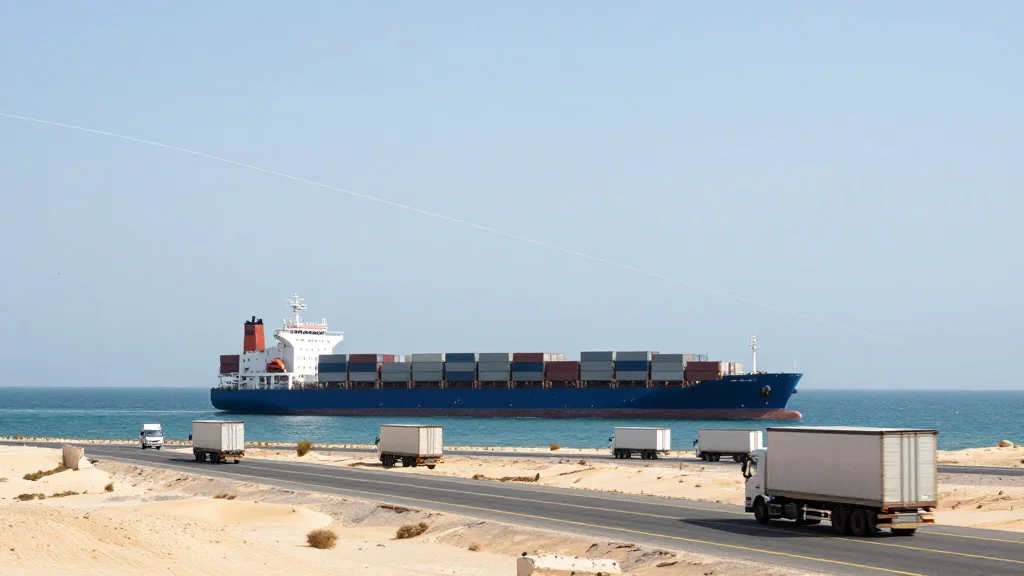
As War Rages, Multimodal Demand Surges on Asia-Europe Landbridge
Major ocean carriers are rerouting Gulf‑bound cargo to land‑based corridors after the Strait of Hormuz was effectively closed by the ongoing war. Maersk now ships to Salalah, Khor Fakkan and Jeddah, then secures trucking capacity to move goods into the Persian...
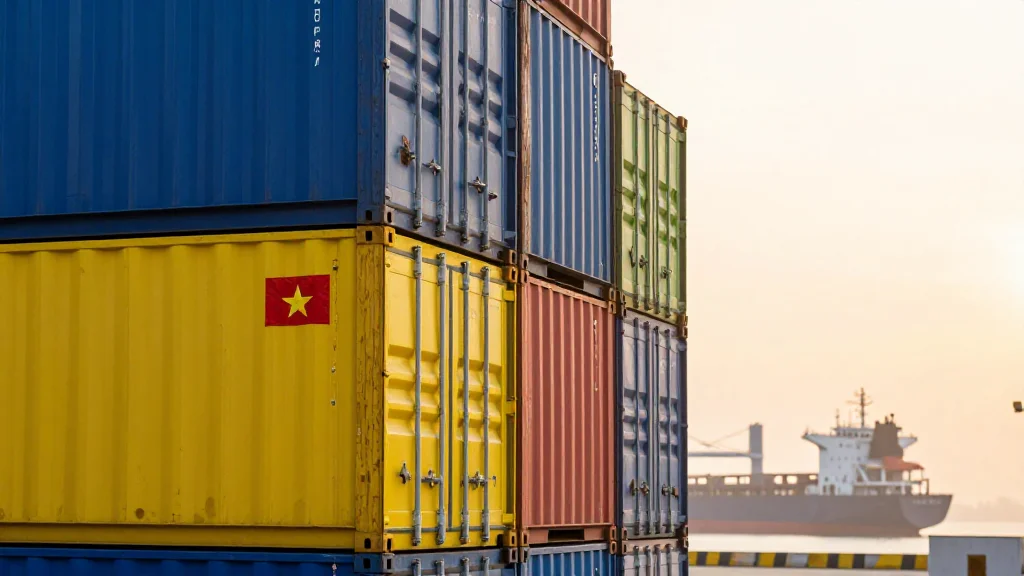
A Year of Tariffs: Looking Back at the Global Impact
A year after the United States launched its aggressive tariff regime, a Javelin Strategy report finds that global supply chains adjusted faster than anticipated, limiting consumer‑price spikes and product shortages. Low‑margin imports such as electronics, toys and apparel remained stable,...
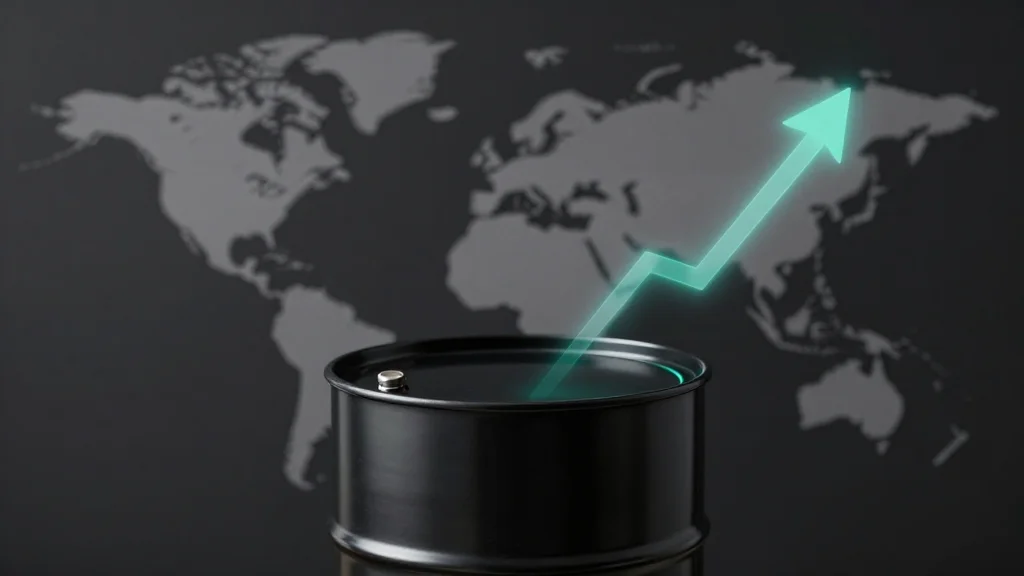
The Relationship Among Oil Prices, Food Costs, and Consumer Inflation
U.S. military actions in the Middle East have driven Brent crude sharply higher, reviving scrutiny of oil’s influence on broader price levels. Historical FRED data reveal that oil price movements have consistently co‑moved with the Global Food Price Index and...

3 Consumer Staples Mutual Funds Amid Inflation, Global Turmoil
The U.S. Consumer Price Index rose 0.3% in February, bringing the year‑over‑year CPI to 2.4% while core inflation held steady at 2.5%. Higher inflation typically pressures discretionary spending more than essential consumer staples, whose demand remains relatively inelastic. In this...

Facing Heavy Losses, Honda Cancels Its Three US-Made Electric Vehicles
Honda announced the cancellation of its three U.S.-made electric vehicles—the Honda 0 SUV, Honda 0 sedan, and Acura RSX EV—after projecting losses of $5.1 billion to $7 billion for the fiscal year. The decision stems from a mix of trade‑war tariffs, the end of the...
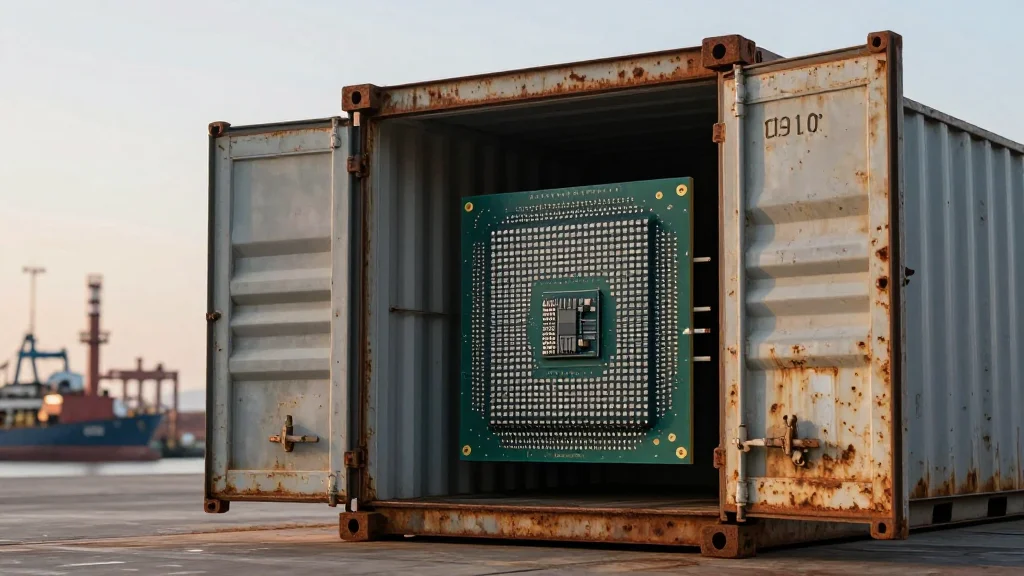
Tariffs, Scarce Power and a Splintered Map: The Macro Forces Reshaping Technology Investment to 2035
Technology investment through 2035 will be reshaped by enduring tariffs, fragmented supply chains and tightening infrastructure capacity. Governments are turning tariffs and export controls into permanent industrial tools, forcing chipmakers and device makers to absorb higher, uncertain costs. Simultaneously, AI‑driven...

Beyond the Data Center: Critical Minerals Driving AI
A Sprott report warns that 2026 marks the start of a new commodity supercycle centered on critical minerals. Geopolitical de‑globalization, energy security and the AI boom are pushing demand for metals like copper and uranium. The report highlights the Sprott...

West Asia Conflict Hits Bhilwara Textile Exports; US $86 Million–US $100 Million in Shipments Affected
The Gulf conflict is disrupting trade routes, causing Indian textile exporters to face delays and higher costs. Bhilwara, a major textile hub, now has shipments worth Rs 800‑1,000 crore (US $86‑$108 million) on hold, affecting key markets in the Gulf and Europe. Exporters cite...

Can Global Cooperation Survive a Fragmenting World?
The Peterson Institute for International Economics will host a virtual event titled “Can global cooperation survive a fragmenting world?” on March 24, 2026. Communications manager Anjali V. Bhatt will interview senior fellow Kimberly Clausing to examine how the United States’...

Olivier Blanchard on Eurobonds and Optimism for Europe's Future
Senior economist Olivier Blanchard will discuss Europe’s Eurobonds proposal at a virtual Peterson Institute event on April 14, 2026. He will examine how the bond framework could deepen fiscal integration and address rising defense expenditures. Blanchard also addresses broader challenges...

EU to Respond ‘Firmly and Proportionately’ to Any Breach of US Trade Deal
The European Union announced it will respond "firmly and proportionately" to any breach of the U.S.-EU trade deal signed at the Turnberry resort. This statement follows the United States' Section 301 investigations that could lead to new tariffs on EU goods....

Middle East Conflict Ripples Through Karnataka’s Garment and Silk Industries
The escalating Middle‑East conflict is disrupting Karnataka’s textile supply chain, slashing new garment orders by 25‑30% for March 2026 and pushing overall garment exports down 15‑20%. Export shipments worth roughly $2 billion are stranded, while silk demand has slipped 8% and cocoon...

Iran War Could Leave Lasting Shock on Commodities: Report
The US‑Israel war against Iran has already rattled global commodity markets, tightening supply chains for oil, fertilizers, chemicals and several metals. BMO Capital Markets notes oil prices spiked toward $120 per barrel before settling near $90, while nitrogen fertilizer costs...
Luke Forau: 2026 Monetary Policy Stance
The Central Bank of Solomon Islands (CBSI) announced an accommodative monetary stance for the next six months, introducing a new policy rate of 1.5% as a primary signal to the market. Growth for 2025 was revised up to 3.6% and...

Advisors May Be Watching the War, but Market's Tariff Troubles Remain
The Supreme Court overturned key Trump tariffs, eliminating roughly $1.7 trillion in projected revenue through 2036 and raising concerns about a national debt surge to $58 trillion, or 125% of GDP. In response, the White House invoked a temporary 10‑15% emergency tariff...
Chang Yong Rhee: The Future of Asia - Can It Remain the Engine of Global Growth?
In a keynote at the IMF‑Bank of Thailand “Asia in 2050” conference, Bank of Korea Governor Chang Yong Rhee highlighted Asia’s remarkable economic transformation since 1991. Per‑capita GDP across the region has risen nearly eightfold, lifting more than 1.2 billion people...
Is A New Global Apparel Industry Emerging?
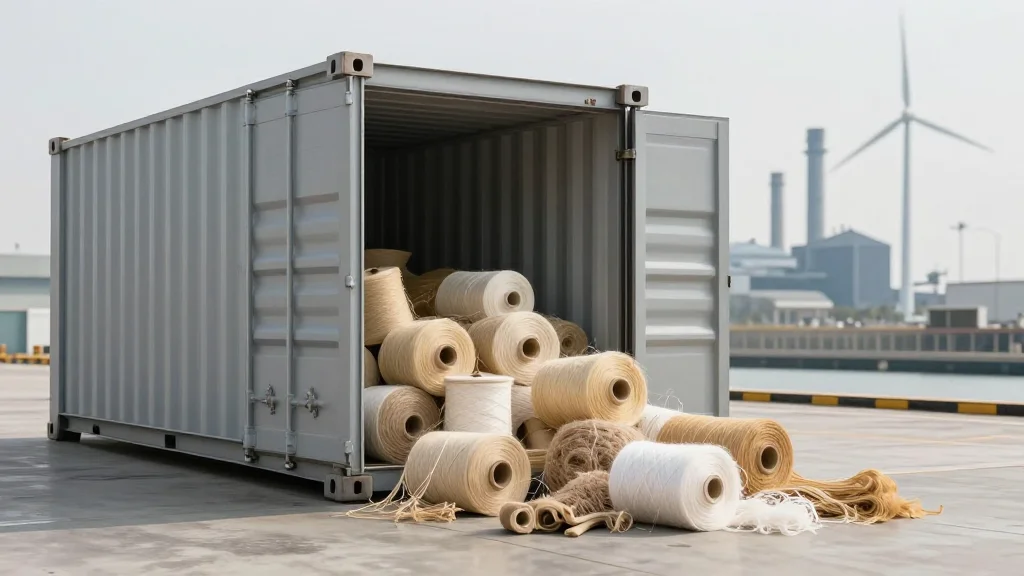
Robert Antoshak argues that a new global apparel ecosystem is forming as manufacturers scramble to bypass volatile tariff regimes. Companies are reshoring, leveraging digital cut‑and‑sew platforms, and adopting sustainable fibers to meet shifting consumer expectations. Trade policy volatility is prompting...

War in Middle East May Press Pause on Bank Deal Boom
Bank merger‑and‑acquisition activity surged in 2025, but the war in Iran has introduced sharp stock‑price volatility that threatens to stall the consolidation wave. Falling bank‑stock values erode the equity currency traditionally used to fund deals, pushing pricing down and making...

BSP Feted for ‘Modern Approach’ to Managing Foreign Reserves
The Bangko Sentral ng Pilipinas (BSP) received a Central Banking Publications award for its modern approach to foreign‑reserve management. The accolade recognizes the bank’s recent overhaul of its reserve‑management framework, featuring a refreshed strategic asset allocation, active risk‑management techniques, and...

Turkish Current Account Deficit Jumps After Methodological Revision
Turkey's current account posted a $6.8 bn deficit in January, far above the $4.8 bn forecast and analysts' $5.4 bn estimate. The gap was amplified by the Central Bank of Turkey's methodological change, which has retroactively added $8.9 bn to interest‑payment calculations since September 2020....
Middle East War Threatens African Agriculture
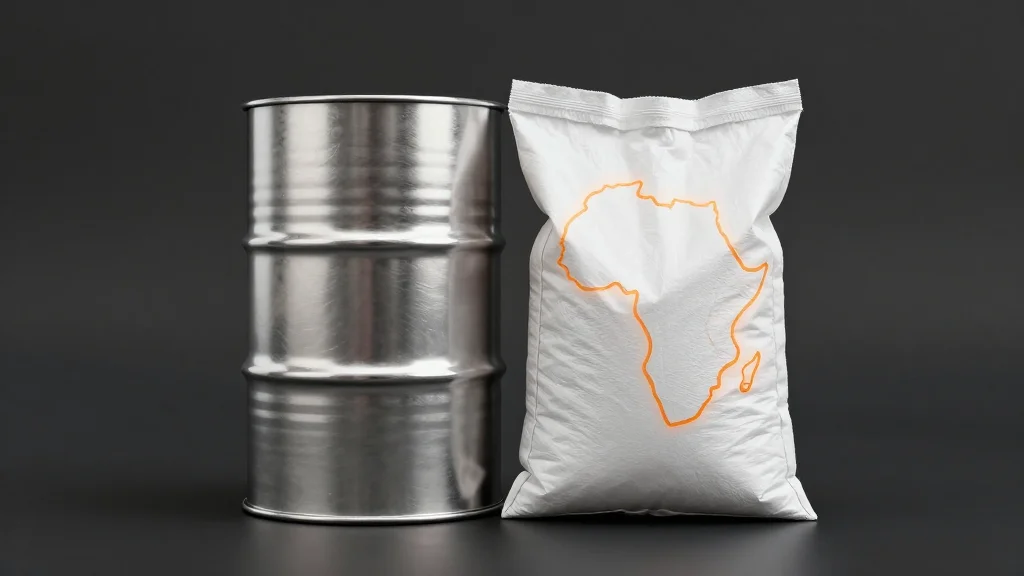
The Middle East war and Iran’s blockade of the Strait of Hormuz have driven oil prices to $87‑$120 a barrel and disrupted Gulf fertilizer exports. Fertilizer futures jumped over 10% on the first trading day, with analysts expecting a 17%...
Tiff Macklem: New Players, Old Risks - Financial Stability in a Changing Landscape
Tiff Macklem warned that the financial system’s growing reliance on non‑bank players is creating new systemic vulnerabilities, especially through hedge‑fund leveraged trading in sovereign bonds and the rapid expansion of private credit. He highlighted that hedge funds now purchase up...
Placer.ai Macroeconomic Indicators Analysis, February 2026 – Placer.ai Blog
Placer.ai’s February 2026 macro analysis shows a bifurcated U.S. consumer—price‑sensitive shoppers gravitate toward value retailers while still allocating funds for discretionary indulgences. Retail foot‑traffic remains broadly positive YoY despite weather‑driven dips, and e‑commerce fulfillment centers are logging high‑single‑digit visit growth fueled...

Eurozone Households Are First to Feel the Pain of the Current Oil Price Shock
Eurozone households are the first to feel the impact of the latest oil price shock as retail fuel prices surge across the region. A 50‑litre tank now costs €4.5‑€13 more for petrol and €8.4‑€21.5 more for diesel, with Germany seeing...
Where Investors Can Back Africa's Trade Expansion
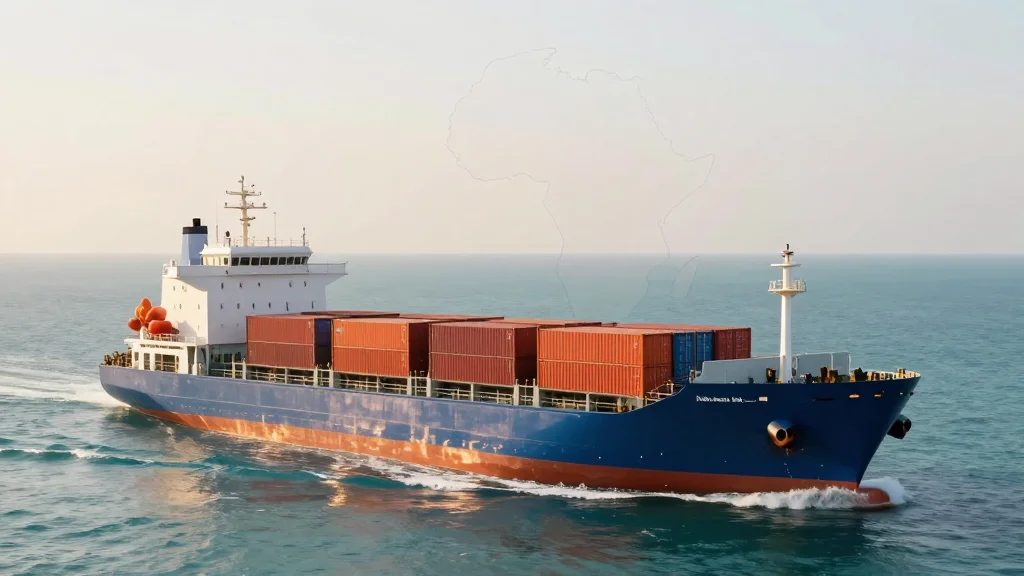
The article highlights that Africa’s intra‑regional trade finance market exceeds $60 bn but remains vastly under‑served, with only 7‑25% of demand met. Post‑2008 regulatory changes pushed global banks to partner with local institutions, making regional banks the primary conduit for cross‑border...

South Korean Lawmakers Pass Law to Manage Seoul's Pledge of $350 Billion in US Investments
South Korean lawmakers approved a law establishing a public corporation to oversee a $350 billion pledge of U.S. investments, aimed at averting new U.S. tariffs. The agreement, struck in November, allocates $200 billion to semiconductor and high‑tech projects and $150 billion to shipbuilding,...

Philippine Economy Faces ‘Serious’ Contraction From Gas Emissions Cuts—ADB
Asian Development Bank warns the Philippines could experience a serious GDP contraction as it pursues a 75% greenhouse‑gas emissions cut by 2030. The bank’s March 12 report cites high mitigation costs, price pressures and a lack of productivity measures, which...

‘Horrendously High’ Fares and Bomb Fears Upend Spring Travel
The Iran‑Israel war has shut Gulf transit hubs, wiping out up to 10% of global airline capacity. More than 46,000 flights were cancelled, driving fare spikes such as an 80% rise on Sydney‑London economy tickets and near‑tripling on Singapore‑London routes....

Yen Weakens to 159 per Dollar as Oil Prices Surge Despite Reserve Release
The Japanese yen slipped to roughly 159 per dollar on Thursday, its weakest level since mid‑January, as oil prices surged past $100 a barrel. Despite a recent release of foreign‑exchange reserves aimed at supporting the currency, the yen continued to...

Trust, Trade and the Slow Architecture of India-Middle East-Europe Economic Corridor
The India‑Middle East‑Europe Economic Corridor (IMEC) was unveiled under India’s G20 presidency as a multi‑layered framework linking market access, digital connectivity and risk mitigation. Despite the shock of the October 7 Hamas attack and subsequent Iran‑Israel‑U.S. clashes, India has kept the...

Middle East Crisis Could Test Property Market Confidence
Escalating Middle East tensions are pushing diesel prices higher, tightening operating costs for Australian rural producers. The surge is prompting both crop and grazing operators to reassess input purchases, delay acquisitions, and prioritize fuel‑efficient assets. Valuers and industry leaders warn...
Ten Maersk Ships ‘Trapped’ in Persian Gulf
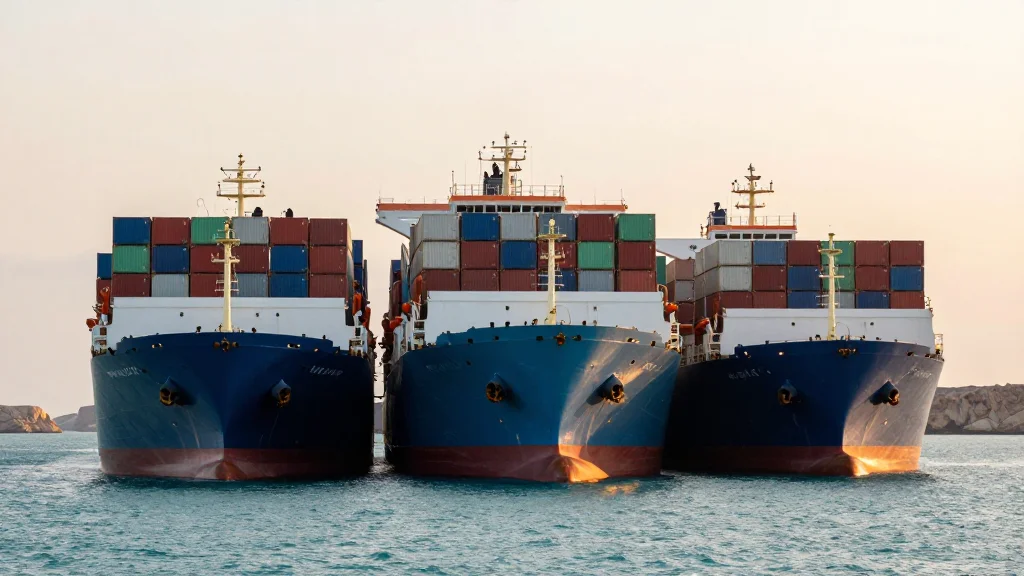
Maersk CEO Vincent Clerc said ten of the carrier’s vessels are trapped in the Persian Gulf after Iran closed the Strait of Hormuz. The ships have been grouped offshore for safety, with one under a U.S. Military Sealift Command contract....

China Largely Insulated From Global Energy Price Shocks
China’s economy is largely insulated from the recent global energy price spikes triggered by Middle East tensions. Although oil and gas import bills will rise, long‑term contracts, domestic coal dominance, and sizable strategic reserves limit cost pass‑through. The country’s low...
Hold on — Tech Stocks Are a Safe Haven Now?
Amid the escalating war in Iran, investors have turned to U.S. technology equities as a defensive position. The International Energy Agency responded to the energy shock by releasing its largest‑ever strategic oil reserve drawdown, while U.S. consumer‑price inflation held steady...

Samsung Display CEO Warns of Cost Pressure Due to Oil Shock From Iran War
Samsung Display CEO Chung Yi warned that the Iran‑related oil shock is driving up energy and raw‑material costs for the display maker. He noted that many key inputs, such as polymer films, are derived from crude oil, so price spikes directly...

MSC Strikes 45-Year Deal for Nigerian Box Terminal
Swiss shipping giant MSC Group has secured a 45‑year concession to develop a new container terminal at Snake Island Port in Lagos, partnering with Nigerian firm Nigerdock. The engineering, procurement and construction contract was awarded to ITB Nigeria and DEME...