
Pharmacy Closures Threaten Our Entire Public Health System
Pharmacies became the backbone of public health during COVID‑19, delivering most vaccinations and testing, yet they remained paid as retail stores. Since 2021, major chains have shuttered or trimmed footprints—Rite Aid liquidated, Walgreens went private, CVS closed over 1,100 locations—creating widespread pharmacy deserts. An estimated 50‑60 million Americans, especially in Black, Latino and rural areas, now lack convenient access to medication counseling and clinical services. The author labels this the "pharmacy paradox" and urges a redesign of reimbursement and support structures.
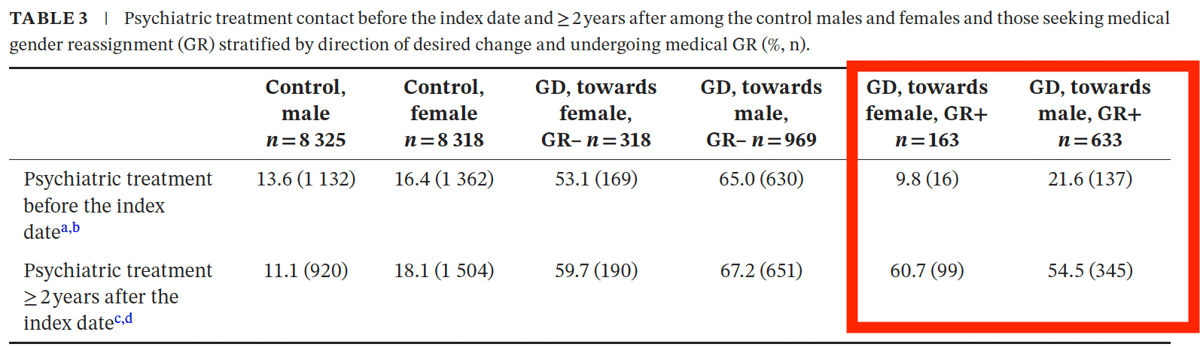
New Paper by Ruuska Et Al: Gender Reassignment Does Not Reduce Psychiatric Morbidity in Gender-Dysphoric Youth
A new Finnish cohort study of 2,083 gender‑dysphoric youths and 16,643 matched controls found that psychiatric morbidity remains high after gender reassignment. Before treatment, 47.9% of GD patients had specialist psychiatric contacts versus 15.3% of controls; two years later the...

Orforglipron
Orforglitron, an oral non‑peptide GLP‑1 receptor partial agonist developed by Eli Lilly and Chugai, received FDA approval for chronic weight management. The drug distinguishes itself from oral semaglutide by requiring no fasting or special dosing constraints, enabling once‑daily administration. Clinical trials...

Researchers Use Nanomaterials and Ultrasound to Create Light Inside the Body
Stanford researchers have created a noninvasive method that uses focused ultrasound to activate biocompatible ceramic nanoparticles, generating light at any point inside the body. The proof‑of‑concept, demonstrated in mice, produced blue 490 nm light that could stimulate neurons and mimic photodynamic...

The IPO Buzz: Obesity-Focused Kailera Therapeutics Sets $500 Million IPO
Kailera Therapeutics, an obesity‑focused biotech developing a weekly GLP‑1 injection and a daily oral pill, filed an S‑1/A to raise $500 million. The company will offer 33.33 million shares at $14‑$16 each, which would place its market value near $1.8 billion if priced...

Jessica Ledesma on Navigating the New Era of Hospital Cold Storage Resilience
The rapid growth of biosimilars and high‑value specialty drugs is straining hospital pharmacy cold‑storage capacity, according to Jessica Ledesma, product manager at Swisslog Healthcare. Aging refrigeration units now pose a heightened risk of costly inventory loss and treatment interruptions. Hospitals...

Leukogene Therapeutics Announces Two Presentations at the AACR Annual Meeting 2026 Highlighting MHC Class II-Engager Immunotherapies
Leukogene Therapeutics announced two poster presentations at the 2026 AACR Annual Meeting in San Diego, showcasing its MHC class II‑engager immunotherapy candidates for acute myeloid leukemia and pancreatic cancer. The posters will be displayed during the Immunology session on bi- and...
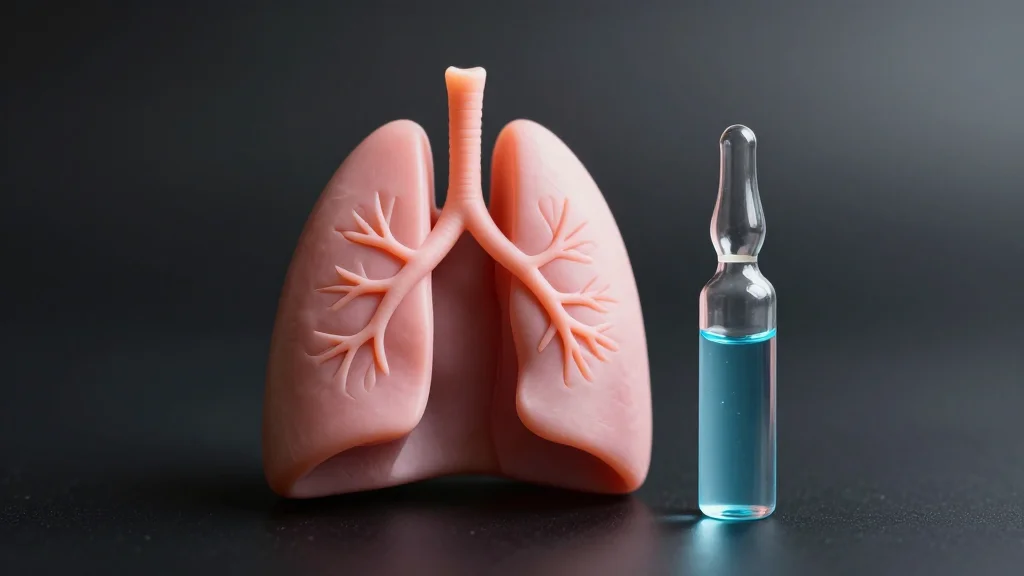
Ifinatamab Deruxtecan Granted Priority Review in the U.S. for Adult Patients with Previously Treated Extensive-Stage Small Cell Lung Cancer Who...
Daiichi Sankyo and Merck have received FDA acceptance and Priority Review for the Biologics License Application of ifinatamab deruxtecan, a first‑in‑class B7‑H3‑directed antibody‑drug conjugate, targeting adult patients with extensive‑stage small cell lung cancer (ES‑SCLC) who progressed after platinum chemotherapy. The...

CIS News
The latest CIS roundup highlights a wave of innovations linking imaging, robotics, and artificial intelligence in the operating room. GE HealthCare has integrated intra‑operative ultrasound into Medtronic’s Stealth AXiS surgical robot, while a systematic review finds Japan’s Hinotori system effective for...

Personalis and Collaborators to Highlight Ultrasensitive ctDNA Data and New Therapy Resistance Tracking Capabilities at AACR 2026
Personalis will showcase its ultrasensitive NeXT Personal ctDNA assay at the AAC 2026 meeting, including an oral presentation on neoadjuvant pembrolizumab in high‑risk colorectal cancer. The company will also debut Real‑Time Variant Tracker, a new MRD test option that longitudinally monitors therapy‑resistance...

Surprise, Surprise, Radiation Is Dangerous
A recent study found plutonium concentrations in recreational areas around Los Alamos, New Mexico, comparable to levels measured at the Chernobyl disaster site. The research underscores the persistent environmental legacy of the world’s first nuclear weapons complex. The post also...

Wasting or Fat Accumulation Post COVID: A Question of Viral Reservoirs?
Recent studies reveal that SARS‑CoV‑2 RNA and proteins can linger in the gastrointestinal tract and adipose tissue months after acute infection. In patients with inflammatory bowel disease, viral antigens were found in gut mucosa up to seven months post‑COVID, correlating...

Autism Can Be Reversed? This Changes Everything
Documenting Hope published a new peer‑reviewed case report showing full autism reversal in a child using the Specific Carbohydrate Diet and targeted medical care. The post cites a growing list of similar case studies dating back to the 1970s, highlighting...

Living, 3D-Printed Biological Knee Replacement Advances to Preclinical Testing
Columbia University researchers have received ARPA‑H’s green light to move their living, 3‑D‑printed knee implant, NOVAKnee, into preclinical testing. The device combines a biodegradable scaffold with patient‑derived stem cells that regenerate cartilage and bone after implantation. Designed to address the...

Cartherics and Catalent Expand Commercial License Agreement
Cartherics and Catalent have signed an amended commercial license agreement granting Cartherics access to Catalent's cGMP‑compliant iPSC line for manufacturing its CAR‑NK cell therapies, including lead candidate CTH‑401. The partnership enables Cartherics to use the line for development, clinical trials,...

Public Health Meets the Care Economy: Care As Infrastructure
In Part 2 of her two‑part miniseries, Katie Schenk argues that public‑health agencies treat caregiving as an individual issue rather than essential infrastructure, exposing a structural mismatch that fuels inequity and attrition. She details how pandemic‑era successes turned into political liabilities,...

Digital Tool Aims to Promote Later-Life Bladder Health
Researchers from the University of Manchester, Lithuanian Sports University and the University of Vic have launched KOKU Bladder, a digital platform that blends evidence‑based education, pelvic‑floor muscle training, behavior‑change techniques and gamification to support bladder health in adults 50+. The...

Rethinking the Role of Family Physicians Vs. Specialists
Ronald L. Lindsay argues that family physicians are not the health‑care backbone, citing limited pediatric training, insurer cost preferences, and outcome data that favor specialists. He highlights that pediatric nurse practitioners, OB/GYNs, hospitalists, and urgent‑care clinicians deliver higher‑value care at...

GLP-1 Tablets and the Shift in Discourse About Obesity
Foundayo, the first oral non‑peptide GLP‑1 tablet, received FDA approval last week, marking a new chapter in obesity treatment and intensifying competition with Novo Nordisk’s Wegovy pill. The launch coincides with a measurable shift in media coverage: mentions of obesity...

Almirall and Barcelona Supercomputing Center Expand Their Collaboration to Accelerate Innovation in Medical Dermatology
Almirall, a global medical dermatology company, has expanded its partnership with the Barcelona Supercomputing Center (BSC) under the BSC Connects program. The new framework, running through 2026, gives Almirall access to BSC’s AI and high‑performance computing resources, including the MareNostrum 5...

How Claude Mythos Preview Found Thousands of Zero-Day Vulnerabilities and Why the Health Tech Sector’s Absence From Project Glasswing Should...
On April 7, 2026 Anthropic unveiled Claude Mythos Preview, an AI model that autonomously discovered thousands of zero‑day vulnerabilities across major operating systems and browsers. The company kept the model private and launched Project Glasswing, a defensive coalition of 40+...

Massively Better Healthcare, a Review
Matthew Holt reviews Halle Tecco’s *Massively Better Healthcare*, a three‑part guide aimed at newcomers to U.S. health‑care entrepreneurship. The first section sketches the tangled American system, the second delivers practical innovation and company‑building advice, and the final part outlines four rules...

Why AI Vendors Struggle to Compete With EHRs
A new JAMA article highlights how entrenched electronic health record (EHR) vendors dominate AI adoption in U.S. hospitals, making it difficult for independent AI firms to gain traction. HealthAffairs data show 79% of hospitals use AI from their EHR vendor...

Aspirin May Fight Cancer — But Not for the Reason You Think
Researchers at Tahoe Therapeutics assembled a 100‑million‑cell dataset to ask whether drugs can push cancer cells back toward a normal gene program. Using this approach, they confirmed known colon‑cancer therapies and discovered that sodium salicylate—aspirin without its acetyl group—reverses cancer‑state...

The AHA Annual Membership Meeting: Three Issues that Require Attention
At its 2026 Annual Membership Meeting in Washington, the American Hospital Association (AHA) highlighted three strategic challenges for hospitals—affordability, profitability, and the stalled progress of value‑based care. Recent CPI data show hospital outpatient services rising faster than overall inflation, while...

FDA’s Fiscal Year 2027 Budget Is Chock-Full of Legislative Proposals – Especially on Hatch-Waxman and the BPCIA
The FDA’s FY2027 budget request bundles 27 legislative proposals into its Justification of Estimates for Appropriations Committees, a sharp increase from prior years. Highlights include allowing U.S. generic manufacturers to file Paragraph IV certifications a month earlier, deeming all approved...

Administrative Burden Is Driving Severe Physician Burnout
Physicians are overwhelmed by administrative tasks, especially prior authorizations and EHR documentation, driving severe burnout. The AMA’s 2024 survey shows 94% say prior‑authorizations delay care, while Medscape’s 2025 report finds 62% of doctors experiencing burnout, with many planning to exit...

WATCH: Former Pfizer Europe Chief Toxicologist Testifies Pfizer Vaccine Should Never Have Been Released, Calls Mass Rollout a “Human Experiment”
In March 2026, a former Pfizer Europe chief toxicologist testified before a German parliamentary committee, alleging that critical safety studies for the Comirnaty COVID‑19 vaccine were skipped. He claimed carcinogenicity tests were omitted, reproductive toxicity data were inadequate, and the...

Patient Ownership Is the Key to a Better Health Care System
Physician Steven E. Warren argues that the biggest threat to patients is not missed diagnoses but the lack of a single clinician who "owns" their care. He illustrates the problem with cases of fragmented specialist visits, polypharmacy, and overlooked lab...

A Big Data Grab in Federal Health
The Office of Personnel Management (OPM) has issued a notice seeking detailed, monthly health‑claims data from the 65 private insurers that administer the Federal Employees Health Benefits (FEHB) program. The request covers diagnoses, prescriptions, provider information and rebate details for...
The Evolving Standard of Medical Weight Loss and Obesity Treatment
Obesity remains a leading driver of chronic disease in the United States, prompting physicians to adopt medical weight‑loss strategies that combine lifestyle counseling with anti‑obesity drugs. The FDA’s July 2026 approval of oral semaglutide (Wegovy) establishes a new standard of care,...
The PCP as Specialist: How AI and Virtual Consults Will Collapse the Referral Economy and Create a New Category of...
The essay proposes an AI‑driven platform that lets primary‑care physicians (PCPs) handle many conditions traditionally referred to specialists, using an asynchronous eConsult loop. Roughly 9% of PCP visits generate referrals, costing about $965 each, and half never result in completed...

Artificial General Intelligence and the Future of Surgery
The AI arms race sees hyperscalers and frontier labs committing over $600 billion to build AGI and advanced narrow AI, shifting focus from chatbots to autonomous, agentic systems. In healthcare, two competing paths emerge: a near‑term rollout of multi‑agent ANI tools...

What Can Three Strangers Do for Your Health?
The article highlights that social isolation raises all‑cause mortality risk by 32% and is treated by the U.S. Surgeon General as a public‑health crisis comparable to smoking. Research across commuter trains, buses, taxis and coffee shops shows that brief, low‑effort...

Connecting Science with Real Life at the OAC Convention
The Obesity Action Coalition (OAC) Convention will take place July 23‑25 in Orlando, bringing together researchers, clinicians, policymakers, industry leaders, and people living with obesity. The three‑day event emphasizes translating the latest scientific advances—such as emerging medications and lifestyle interventions—into practical...

Weekly Reads: Federal Stem Cell Charges Disappear, SCBEM Ethics, Diet & MYCN Cancer, How to Make a Nose
The article examines the abrupt dismissal of former South Carolina lawmaker Stephen Goldfinch’s federal stem‑cell charge, underscoring the uneven enforcement of unapproved cellular therapies. It contrasts this with a pending federal indictment targeting peptide manufacturers, especially BPC‑157, highlighting regulatory blind...

How Pfizer Created More Depressed People
In the early 1990s Pfizer launched Zoloft and deliberately reshaped public and medical perceptions of depression to expand its market. The company promoted a view that ordinary sadness was a chemical imbalance requiring medication, targeting primary‑care physicians as prescribers. This...

GLP-1 Micro Dosing - Strategies and Tactics?
A Reddit user is experimenting with micro‑dosing GLP‑1 agonists, currently injecting 3 mg tirzepide weekly and planning to use a 7 mg generic oral semaglutide tablet. The goal is to reduce visceral adipose tissue and support cartilage regeneration after knee injections, targeting...

Elastin Fragments Identified as Drivers of Systemic Aging
Recent research identifies macrophage elastase (MMP‑12) as a key enzyme that creates toxic elastin fragments, driving systemic aging. Low‑dose doxycycline, a known matrix metalloproteinase inhibitor, can prevent elastin degradation and has been used off‑label for periodontal disease and aneurysm management....
Unrecognized Depression Is a Hidden Crisis in Medicine
Unrecognized depression remains a hidden crisis in medicine, with physicians identifying only about 47% of cases. Studies show prevalence in primary care ranges from 5% to 14%, and missed diagnoses lead to functional decline, higher health‑care utilization, and increased suicide...

At the Trump Kennedy Center: Author Shira Boehler (“One Scan Saved My Life”) In Dialogue with Dr. Mehmet Oz and...
On April 14, the Trump Kennedy Center’s Millennium Stage will host a fireside chat featuring Shira Kupperman Boehler, author of the forthcoming book “One Scan Saved My Life,” alongside CMS Administrator Dr. Mehmet Oz and Vanderbilt pulmonology expert Dr. Kim...

Weekend Reading: Healthcare Fraud in CA Goes Way Beyond Hospice
Recent investigations have exposed massive hospice fraud in California, revealing that the abuse extends across a wide range of taxpayer‑funded healthcare programs. Federal and state auditors uncovered coordinated schemes that inflated billing and generated false claims, siphoning hundreds of millions...

How Weight-Loss Injections Are Changing Obesity Treatment
Weight‑loss injections, especially GLP‑1 agonists, are reshaping obesity care, turning a once‑surgical‑focused field into a multibillion‑dollar pharmaceutical arena. The article warns that aggressive marketing and easy online access are driving off‑label use for aesthetic goals, while clinical data show rapid...

Severe Note Bloat Is Fueling Dangerous Physician Burnout
Physician burnout is increasingly tied to electronic health record (EHR) note bloat and passive data design. Clinicians now spend roughly six hours in the EHR for every eight‑hour patient‑care shift, with nearly three hours devoted to documentation alone. Between 2009...

Since They Won’t Remind You, Here’s What Drs. John Ioannidis, Jay Bhattacharya, and Scott Atlas, Actually Said 6 Years...
In the spring of 2020, Stanford physicians John Ioannidis, Jay Bhattacharya, and Scott Atlas publicly downplayed COVID‑19’s lethality and warned that lockdowns could cause greater societal harm. Ioannidis projected fewer than 40,000 U.S. deaths, Bhattacharya suggested a fatality rate as low as 0.01 %,...

Saturday Report 4/11/26 — When Will the Other Melania Shoe Drop?
The Hartmann Report warns that the Trump administration is moving to make Medicare Advantage the default enrollment for seniors, a shift critics say will increase private profit at taxpayers’ expense. Simultaneously, Iran’s recent closure of the Strait of Hormuz is...

A Healthier Profit
"A Healthier Profit," slated for release by Oxford University Press, examines how commercial activity now drives the majority of preventable disease worldwide. The authors argue that food systems, pollution, and climate change—rooted in profit‑seeking business models—are the primary health threats,...

How Physician Financial Autonomy Cures Physician Burnout
Physician burnout is increasingly linked to hidden financial costs rather than clinical stress alone, argues Dr. Tonya Kuhn. She shows that a typical 2% annual fee on a $1 million portfolio can shave $1.22 million off 20‑year growth, illustrating the wealth transfer...

Type 2 Diabetes in Youth Has Risen 70% Since 2013
New research in the New England Journal of Medicine shows that type 2 diabetes among U.S. youth surged 70% between 2013 and 2024, climbing from 0.73 to 1.24 cases per 1,000. The rise is most pronounced in older adolescents, females, and...

Progesterone in MHT for Protection Against Endometrial Cancer
Recent analysis of menopausal hormone therapy (MHT) highlights a tension between breast‑cancer safety and endometrial risk. Observational data from France’s E3N cohort found that women using oral micronized progesterone for five or more years faced a 2.7‑fold increase in endometrial...