Today's Human Potential Pulse

Clock vs Compass: Rethinking Productivity Tools
The article contrasts speed‑focused clock methods with direction‑focused compass approaches, arguing that without a clear north‑star fast work leads to wasted effort. It recommends starting weekly reviews with two simple questions, a habit that can trim about a third of work.
You’re Consistent but It No Longer Feels Like Progress
The post explains how consistency marks a shift from the active building phase of habit formation to a quieter maintenance stage where routines feel repetitive. As feedback fades, the mind can misinterpret stability as stagnation, creating a gap between self‑identity and actual performance. The author warns against adding new pressure out of a false sense of being stuck and suggests redefining progress in terms of reliability and sustained results. Recognizing this transition helps individuals appreciate steady performance as genuine growth.

Apply What You Learn or Your Brain Will Forget
Your brain deletes and prunes what you don’t use. So if you keep consuming without applying, you’re literally training yourself to forget. 🧠
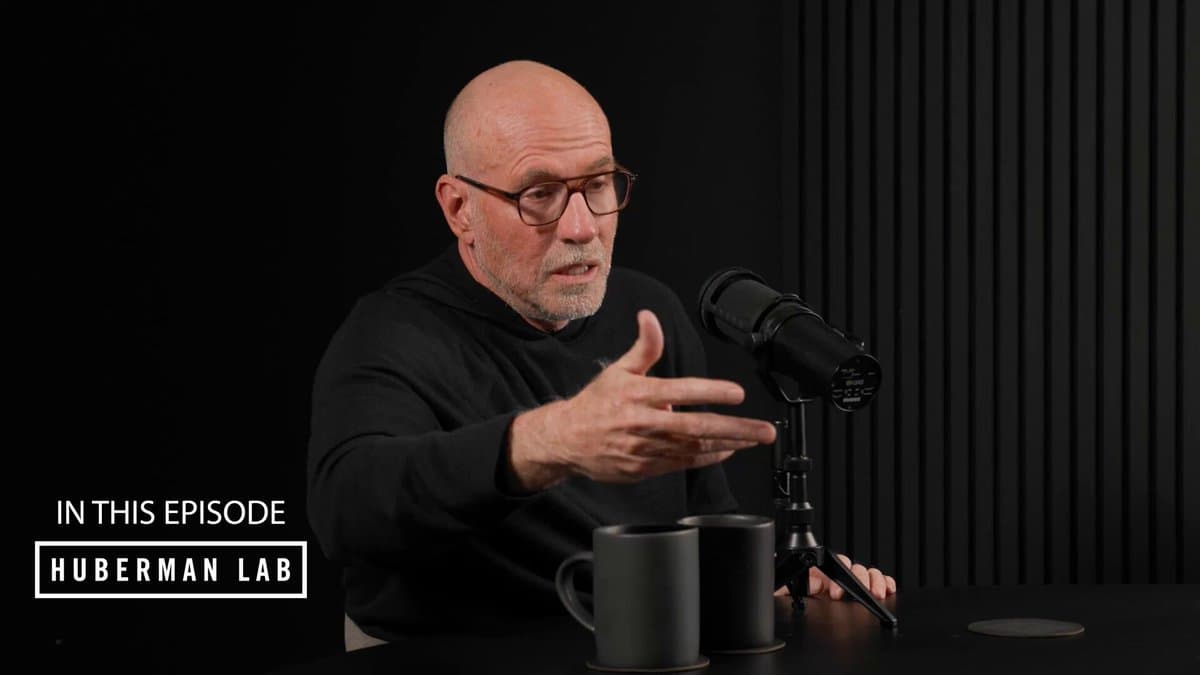
Redefining Masculinity: Mentorship, Goals, and Modern Challenges
The new Huberman Lab episode is out: Male Roles, Obligations and Options for Building a Fulfilling Life | Scott Galloway (@profgalloway) 0:00 Scott Galloway 2:45 Mentoring Young Men 6:16 Positive Masculinity Defined 13:37 Sponsors: David & Wealthfront 16:33 Men & Goals, Role Models, Technology; Relationships 26:34...

How to Use Babit-Stacking to Reach Your Health and Wellness Goals
Habit‑stacking—pairing a new behavior with an established routine—has become a buzzword in personal wellness. The Washington Post highlighted expert Katy Milkman’s warning that robust research on the technique is scarce. A modest study of 50 participants showed that flossing after...
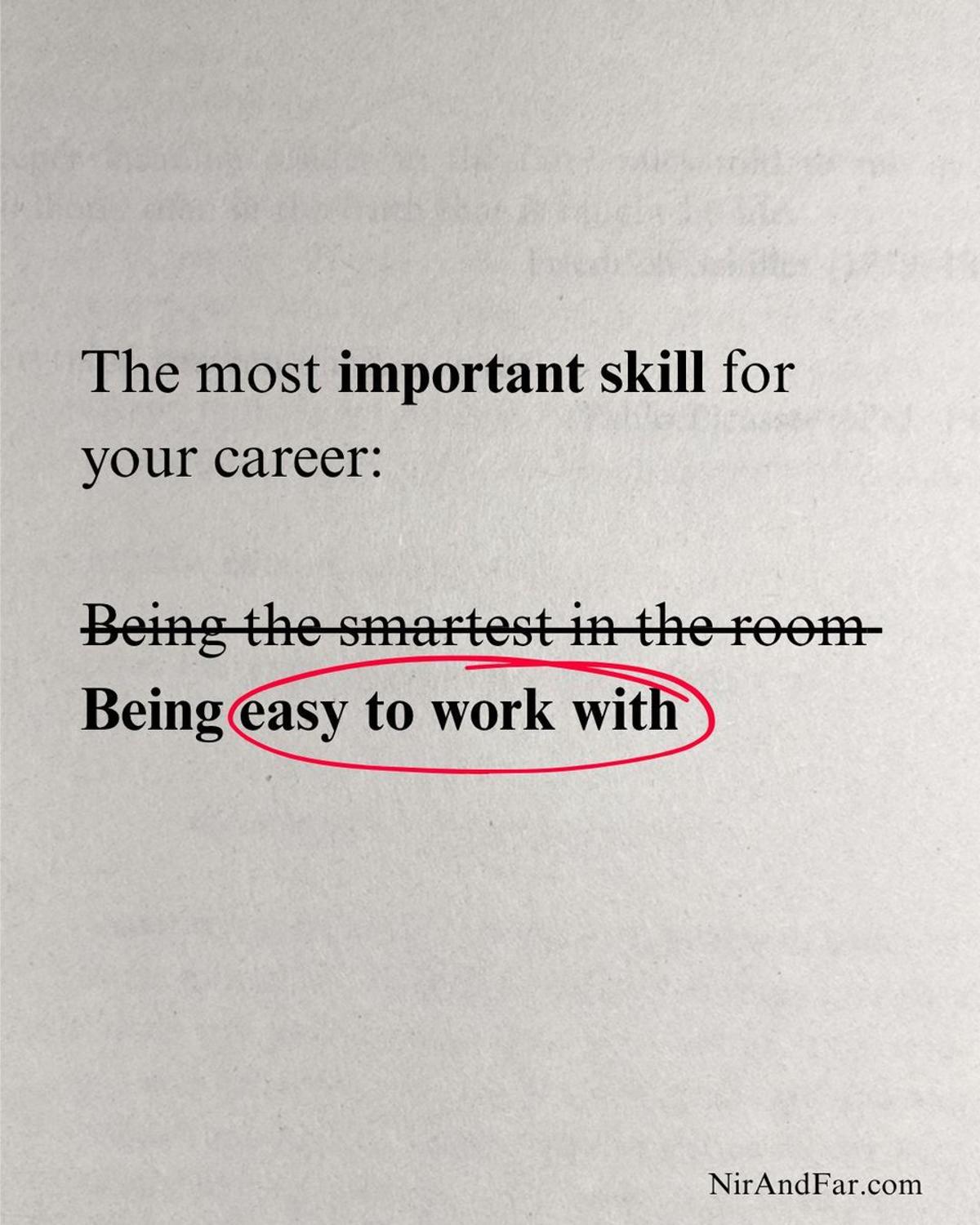
Being Easy to Work With Unlocks Career Opportunities
99% of professionals overlook this skill: being pleasant to work with. Most people think career success comes from being the smartest person in the room. But.... people don’t just hire skills. They choose teammates they trust, respect, and enjoy collaborating with. “Easy to...

When Reading About Stoicism Isn’t Enough
The post argues that reading about Stoicism is insufficient without practical application, and proposes one‑to‑one coaching as a bridge. Drawing on three decades of psychotherapy experience, the author blends ancient Stoic principles with modern CBT to help clients align daily...

Transformational Coach Emmanuela Launches Global 'Breath of Life' Program to Foster Inner Calm
Transformational coach Emmanuela has launched a global Breath of Life program that uses breathwork to counter chronic stress and burnout. The initiative targets high‑performers, parents, and professionals worldwide, promising measurable shifts in emotional regulation and presence.

New Guide Shows Habit‑Stacking Can Accelerate Health and Wellness Goals
A guide released on Yahoo outlines how habit‑stacking can speed health and wellness progress, citing UCLA Health, Cleveland Clinic and Wharton experts. The piece highlights practical steps, early research and why motivation alone often falls short.

Harvard Review Unveils Upskilling Gains, Goal‑Setting Risks, AI Fatigue and Superteam Playbooks
Harvard Business Review released a quartet of studies revealing that upskilling can lift employee performance, traditional goal‑setting may undermine outcomes, certain AI usage patterns trigger cognitive fatigue, and high‑performing teams excel by experimenting 50% more than peers. The findings reshape...

Veteran Triple-Amputee Andy Reid Targets Historic London Marathon Finish
Former British Army corporal Andy Reid, who lost both legs and his right arm in Afghanistan, is set to become the first triple amputee to finish the London Marathon. He expects a 12‑13 hour effort, raising funds for veteran charities...

The Emotional Pull of Shared Goals
The post explains how sharing goals with others creates an emotional pull that makes adherence easier, leading to higher consistency and lower dropout rates. It argues that the benefit stems from reduced isolation rather than a change in task difficulty....

You Are Not Lazy, You Are Mentally Overloaded
Many people mistake chronic mental overload for laziness, interpreting low energy and resistance to start tasks as personal failure. The article explains how constant background thinking, digital input, and unresolved decisions fill the brain, creating cognitive fatigue that hampers focus....
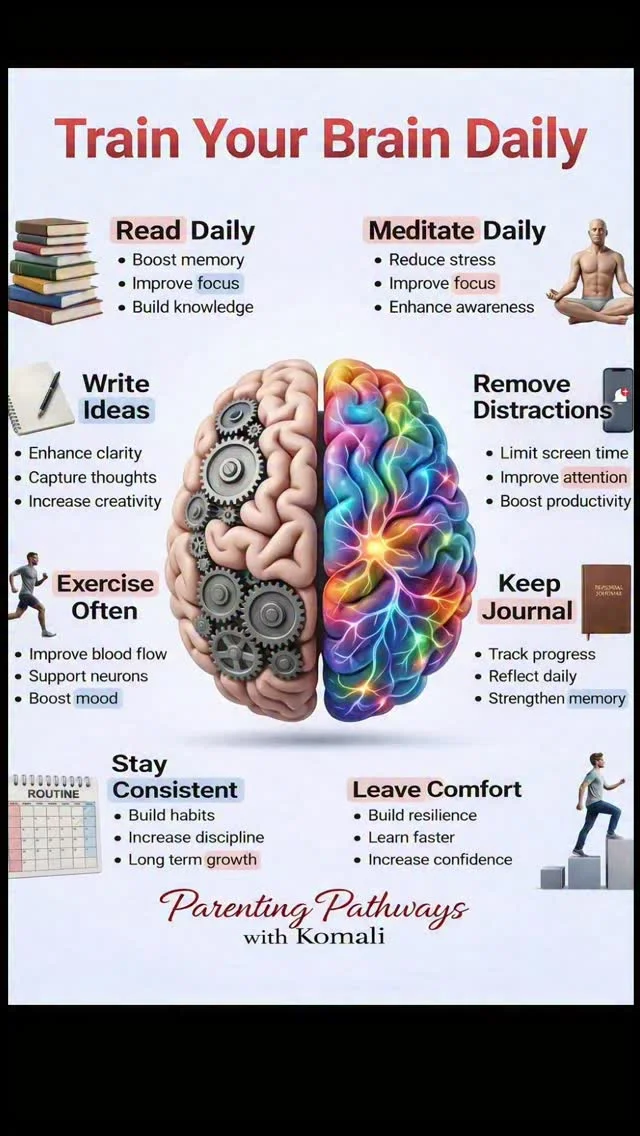
Daily Habits Strengthen Your Brain Like Muscle
Your brain is like a muscle — the more you train it, the stronger it becomes. 🧠✨ Read a little. Move your body. Write your thoughts. Meditate for clarity. Small daily habits create powerful minds and confident lives. 💡 Train your brain today… because the habits...

Raspberry Pi Proves Cheap Hardware Fuels Limitless Creativity
Steve Jobs implored: “make something wonderful” I find the story of HOW Eben Upton built Rasberry Pi every bit as interesting as the tiny little computers he makes, “a general purpose programmable computer to fall in love with the unbounded creativity...

Inner Work Office Hours (Monthly Q&A)
The author announced a monthly "Inner Work Office Hours" Q&A, inviting community members to submit personal questions about their inner‑work journey. The session offers direct guidance, interpretation support, and fresh perspectives on emerging life challenges. By framing the event as...
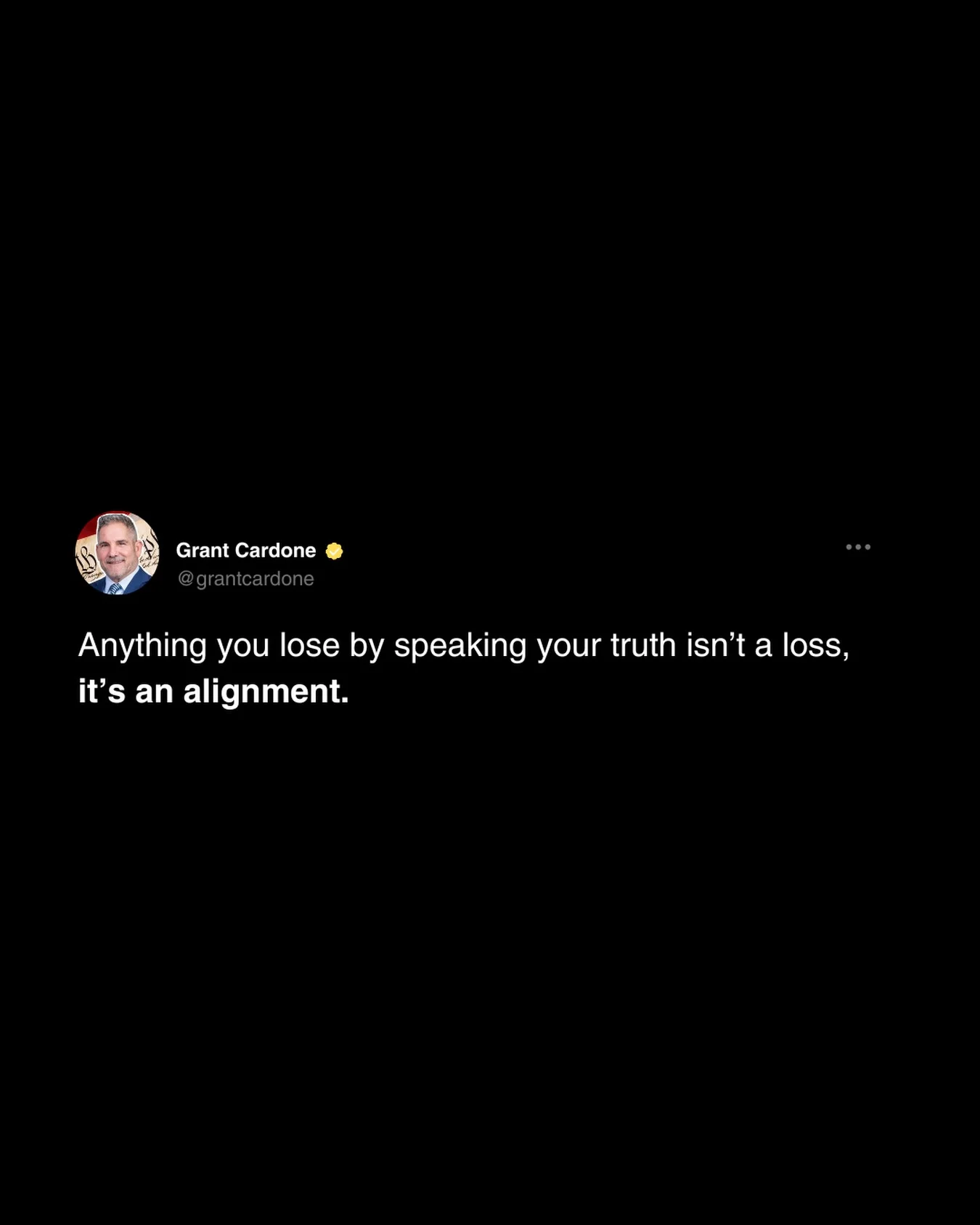
Success Requires Full Commitment, Not People‑Pleasing Adjustments
Real success comes from committing fully to your path, not adjusting it to please others…
Stop Excuses, Start Growth: Choose Solutions Over Comfort
Excuses are comfortable… until they quietly steal your growth. Not all excuses are wrong. Life happens. But the moment we cling to them, we stop experimenting, stop solving, stop growing. Every problem has a doorway. Sometimes it just needs a difficult conversation,...

Mastering Digital Stress: 5 Steps to Stay Focused in a World of Distractions
The article outlines five practical steps to combat digital stress and improve focus amid constant online distractions. It recommends a systematic notification audit, dedicated “focus blocks,” intentional device‑free periods, mindfulness breaks, and leveraging productivity tools that enforce limits. Each step...

Own Your Value: Achieve Professional Sovereignty
I'm Dr. Hume Johnson, architect of Professional Sovereignty, leadership coach, and professor of communication at RWU. I help leaders and high achieving professionals do three things: 1. Define who they are beyond title and credentials. 2. Own their value without waiting...

Monday Morning Minute: 27/April/2026 ~ Where's the Fire, and What's Your Hurry?
Mark Kolke’s Monday Morning Minute uses a fire metaphor to illustrate effective leadership, urging leaders to spot hot‑spots, inspire fire‑lighters, and train fire‑fighters within their teams. He stresses balancing urgent crises with sustained performance, likening a leader’s role to tending...

Readiness Comes From Action, Not The Other Way
Many wait till they feel like they're "ready" before they take the first step. Action creates "readiness", not the other way around.

Why Adventure Matters in Long Working Lives
The article argues that purposeful adventure—travel, role shifts, or unfamiliar projects—becomes essential for sustaining increasingly long working lives. It draws on the author’s five‑decade career, showing how each adventurous episode reshaped perspective and capability. As careers extend into the 60s,...

Raj Shamani Says Mood‑Driven Work Is Killing Productivity
In a LinkedIn podcast, motivational speaker Raj Shamani warned that letting mood dictate actions sabotages productivity. He urged a shift toward disciplined, daily routines, arguing that consistency, not fleeting motivation, drives long‑term achievement.

Psychology Today Links Intelligence Paradox to Mental Health and Self‑Mastery
Psychology Today published a fresh analysis that reframes human intelligence as a dynamic attunement process, arguing this view explains the paradox of creativity and destruction and points to new strategies for mental health and self‑mastery. The piece suggests that recognizing...

How to Find Focus in an Increasingly Distracted World
The article explores how relentless digital distractions erode productivity and presents Cal Newport’s deep‑work framework as a remedy. The author shares personal experiments, such as blocking email for three hours and restricting internet access for two, to reclaim focus. Structured...
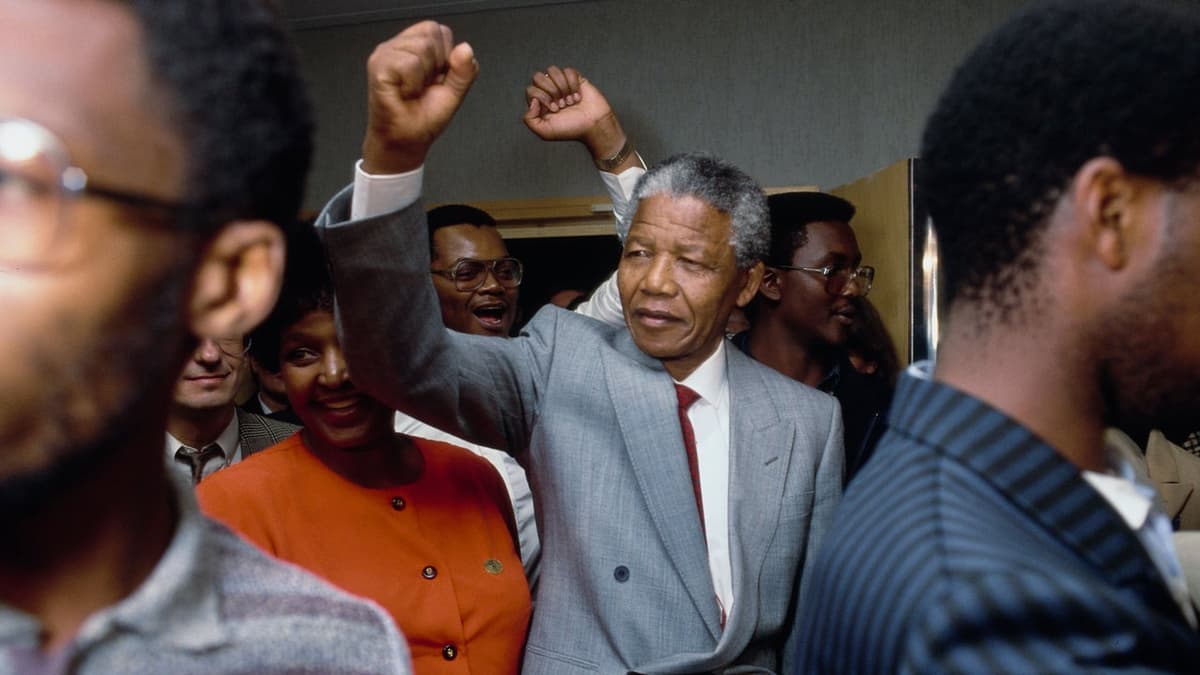
Courage Is Not Hardwired—You Can Build It Like a Muscle. Here’s How
Nelson Mandela famously turned down a conditional release in 1985, choosing to remain in prison rather than abandon the anti‑apartheid struggle. The article uses his decision to illustrate that true courage is not a mystical trait but a deliberate choice...

Lincoln's Relentless Failures Paved His Presidential Triumph
🇺🇸 FROM UNEMPLOYMENT TO US PRESIDENT 🇺🇸 Abraham Lincoln’s journey: 1832 : Lost job 1832 : Defeated for Illinois state legislature 1833 : Business failed 1835 : Fiancée died 1836 : Nervous breakdown 1838 : Defeated for Speaker 1843 : Defeated for Congress 1846 : Elected to Congress 1848 :...
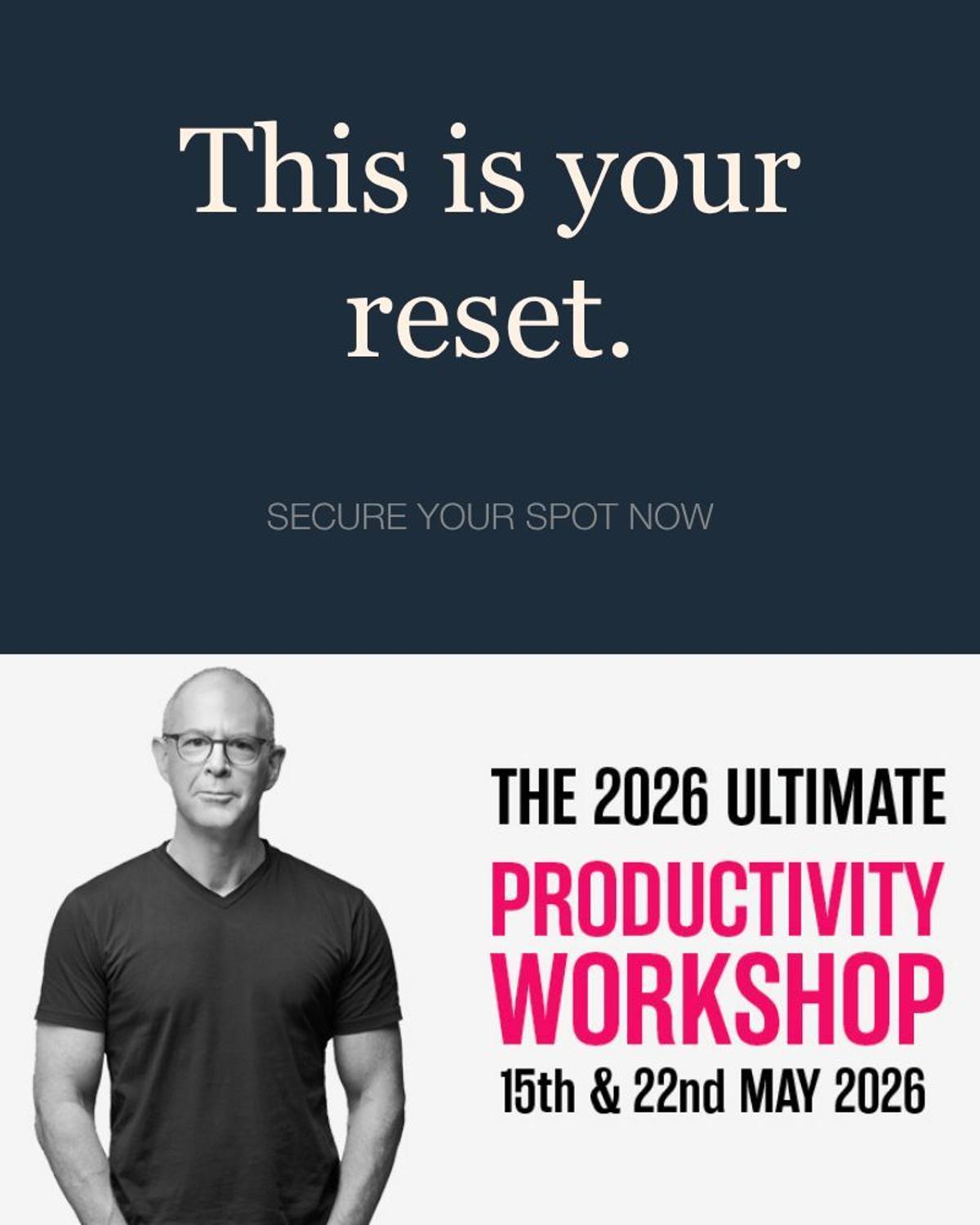
Reset Your Productivity with Upcoming Workshop
This is your reset. The next Ultimate Productivity Workshop is coming this May 15 & 22. If you’ve been feeling stuck, overwhelmed, or constantly behind… this is your chance to finally fix it. Don’t wait until your system breaks again. Don’t wait for “the...

The 4 Permissions You Need to Give Yourself a Remarkable Life
Jon Acuff’s latest podcast episode introduces the DPDR framework—permission to dream, plan, do, and review—as the core of his new book “Procrastination Proof.” Drawing on 15 years of coaching over a million people, he explains how each permission forms a...

Finding Your Creative/Intellectual Vocation
The post draws on Rilke’s letters, Kant, Spinoza, and other philosophers to argue that a genuine creative or intellectual vocation emerges from an inner necessity rather than external validation. It suggests that true freedom comes from disciplined daily habits that...

Choose Possibility over Familiarity for a Better Life
The gag is… you actually could live better than this. You just keep choosing what’s familiar over what’s possible.

Identify Your Authentic Activities and Try One Today
A Monday morning question for you: Which activities are the best expression of you? Can you spend five minutes doing one of them today?

Lanserhof’s £1,500 Mayfair Marathon Prep Offers Elite Recovery Ahead of London Marathon
Lanserhof at the Arts Club in Mayfair unveiled a £1,500 (≈$1,875) marathon preparation package that blends high‑tech cryotherapy, sports‑science diagnostics and bespoke training. The program targets both elite athletes and affluent weekend runners ahead of the April 25 London Marathon.

Success Starts with Believing a Better Future and Personal Power
“Successful people start with two core beliefs: the future can be better than the present, and I have the power to make it so.”

The Brutal Gap Between Who I Am and Could Be
The gap between my current level and my inner potential. That gap is brutal to sit in.

Running Away Is Not A Solution
The article argues that fleeing a stressful job or project—often dubbed a “geographic cure”—doesn’t alleviate overwhelm because the underlying stressors travel with you. The author shares personal anecdotes of trying to escape, only to find tasks and burnout intensifying. Instead,...

Stop Trying, Start Flow: Creativity Thrives When You Let Go
It's crazy how much better things become when I stop trying. 'Trying' has high-pressure energy that closes creativity pathways. Letting go and having fun... That's the secret to everything.

Identify Your Phase, Then Build Systems for Progress
Phase 0: You’ve determined the goal. Phase 1: You’re working towards the goal. Phase 2: You’re measuring progress towards the goal. Phase 3: You’ve built systems consistently making progress towards the goal. Which phase are you on? How will you get to the next...

The Brag Doc
Product managers are urged to treat their own careers like products, tracking features, bugs, and roadmaps through a personal "brag doc" or ship log. The article explains that without visible documentation, especially in remote settings, achievements go unnoticed and can...

Stop Letting Politics Dictate Your Life; Focus on Self-Improvement
Obsessively focusing on politics is signal you want *someone else* to make *your* life better… Social media amplifies this, making people think politics are more important & their own lives are worse. Imagine if people put same focus into simply improving their...

The Inner Game
Lisa Towles argues that today’s CEOs must go beyond financial metrics and embrace deep self‑reflection. A surge in ethical dismissals, younger first‑time CEOs, and heightened transparency have reshaped the leadership calculus. Studies from PwC, Spencer Stuart and Egon Zehnder show ethics,...
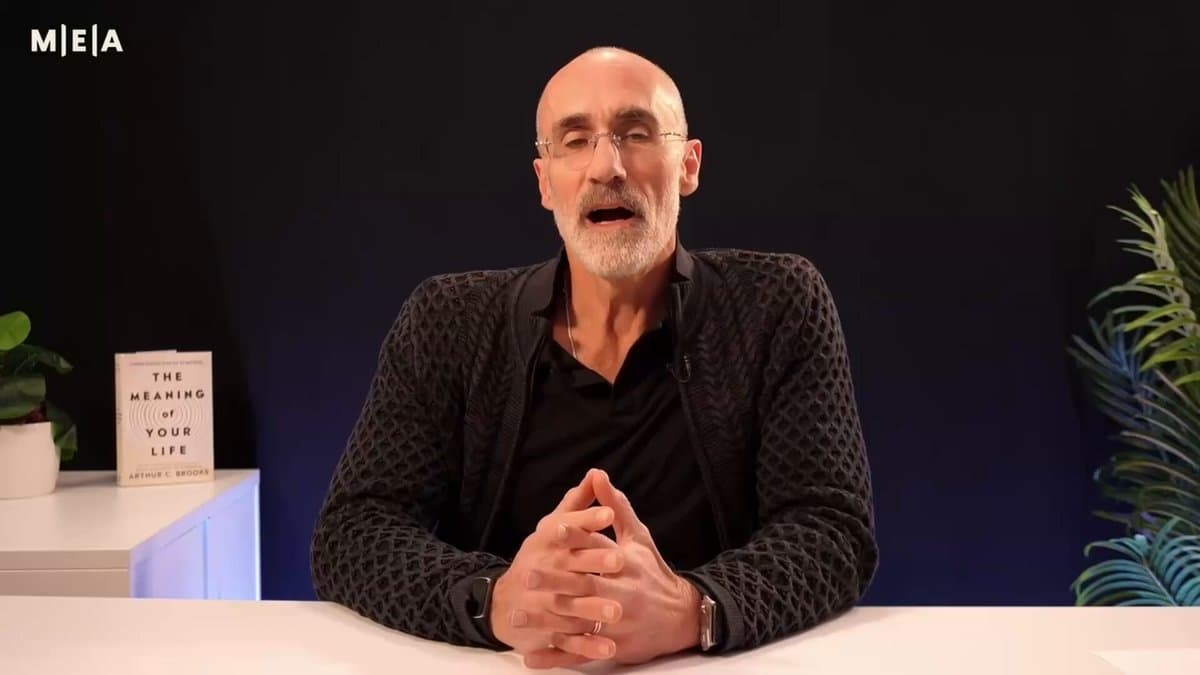
Hard Work Alone Won’t Fill Life’s Meaning Gap
Most people know how to work hard and achieve their goals, but that doesn’t always answer the deeper question of whether their life feels meaningful. You can keep moving forward and doing all the right things and still feel a...

The 2-Hour Marathon Just Fell (Officially)
A runner recounts a surprise half‑marathon victory, finishing in 1:29:25 after an early 6:40 / mile surge that defied his usual pacing. The narrative ties this personal breakthrough to historic moments like Roger Bannister’s four‑minute mile and Sebastian Sawe’s official sub‑two‑hour marathon,...

Play to Win, Not Just to Avoid Loss
One of my favorite poker ideas: Once the money is on the table, it’s no longer yours. In a sense, it’s already lost. That mindset keeps you from playing scared. If you’re protecting every dollar in every hand, you get tight, timid, and...

Unwrap Your Innate Mojo by Aligning Career with Inspiration
“Your mojo is ur personal gift of inner success which we’re all born with. But u must unwrap that gift to manifest it in the outer world. Unwrapping ur gift is sweeter when the work u do as u build ur...

Psychology Says the People Who Genuinely Get Better at Life Aren’t the Ones Running the Most Systems or Chasing the...
The article argues that genuine self‑improvement comes from stopping a single, costly habit rather than layering more systems or books. Research published in *Nature* shows people default to adding solutions—a bias called subtraction neglect—while ignoring the simpler option of removal....

Act Now—Later Steals Opportunities and Time
“Don’t leave nothing for later. Later, the coffee gets cold. Later, you lose interest. Later, the day turns into night. Later, open doors close. Later, people grow up. Later, people grow old. Later, life goes by. Later, you regret not doing something. And you had the chance.”

CEOs Master Business, Neglect Personal Health—Fix Self‑Care
CEOs are brilliant at orchestrating every part of their business. Then they walk into a doctor's office and become passive. That's where CEO self-care breaks down. And that's the first thing I changed. https://t.co/V6hjnDkJRX

Sadhguru Calls for Politics to Adopt Inner Engineering Amid Mental Health Crisis
In an April 25 interview, Sadhguru urged political leaders to embed inner engineering practices into governance, warning of a global mental‑health pandemic. He cited his 7‑minute Miracle of Mind app and stressed that personal transformation can boost societal productivity.

Act First, Reflect Later: The Shortcut to Mastery
The fastest learners have the fewest excuses between thought and action. They do the thing. Then they study what happened. That loop beats almost every form of preparation. At some point, more input becomes avoidance that feels productive.