Why New Leaders Succeed Or Fail
The Ripple Effect episode examines new research on how successor leaders differ from incumbents, using public‑school principal transitions as a natural laboratory and drawing parallels to corporate CEO changes such as Apple’s upcoming shift from Tim Cook to John Ternus.\n\nThe study finds that a successor’s success hinges on matching their leadership behavior—particularly coaching—to teachers’ perceived need for change. When employees feel improvement is required, coaching boosts engagement and test‑score gains; when they feel the status quo is adequate, the same coaching backfires. By contrast, visionary statements alone have no measurable effect.\n\nResearchers surveyed teachers before and after principal turnovers across more than a hundred schools in seven large districts, revealing that coaching drives collective motivation and performance, while incumbents’ coaching rarely shifts outcomes. The discussion applies these findings to Apple, noting that an insider successor like Ternus, who already understands the organization’s climate, is better positioned to read the room and implement appropriate change.\n\nThe implications are clear for any organization facing leadership turnover: diagnose the workforce’s appetite for change before acting, tailor coaching to that context, and recognize that successors wield disproportionate influence—both positive and negative—on employee motivation and organizational results.

How to Work with Jerks in Healthcare IT | Flourish Rerelease with Eric Williamson
The episode revisits Eric Williamson’s expertise on navigating “jerks” in healthcare IT, drawing from his book How to Work with Jerks and his own transformation from an “expert jerk” to a “jerk expert.” Hosted by Sarah Richardson, the conversation links...

HR Tech Trends: Navigating Today and Shaping Tomorrowv | Tomorrowist
The podcast explores how the HR technology market—already a $40 billion industry— is being reshaped by AI, post‑pandemic workforce changes, and escalating cross‑department collaboration. Host Jerry Juan and analysts Kenny Pile and Cal Langstrom argue that the surge isn’t just about...
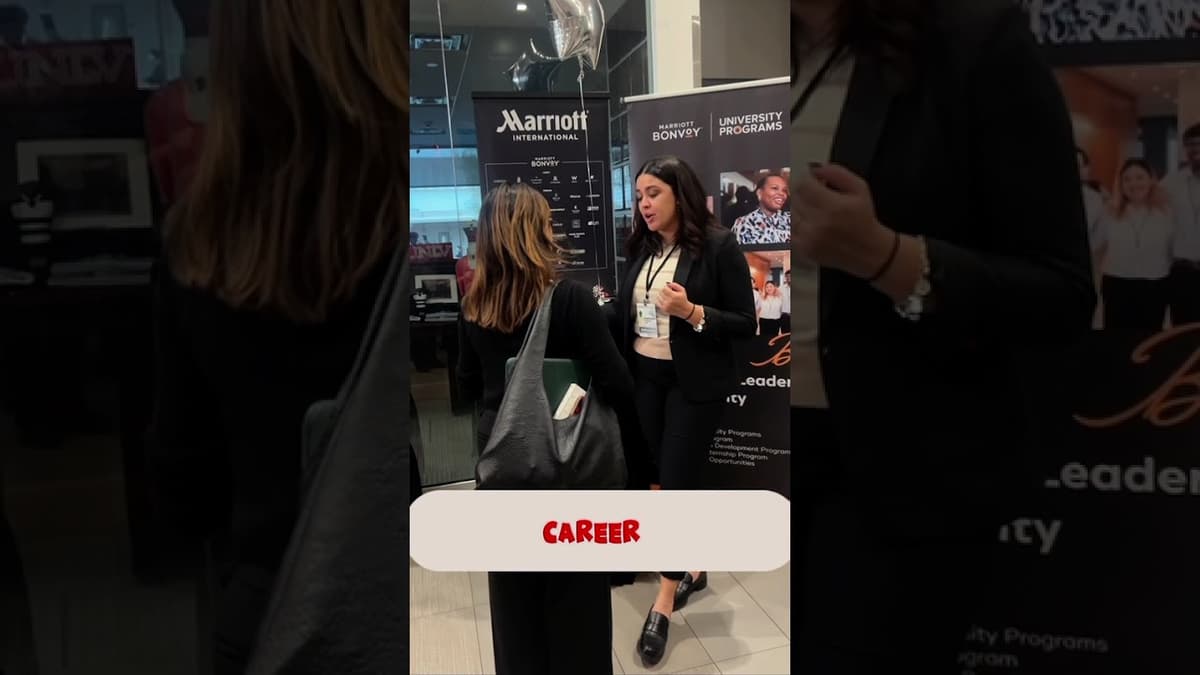
Come with Us to UNLV's Hospitality Career Fair
The University of Nevada, Las Vegas hosted its Spring 2026 Hospitality Career Fair, drawing a mix of local and national employers for students interested in the hospitality sector. Among the exhibitors were industry heavyweights such as Mera International and SpaceX, alongside...

Having the Negotiation Conversation
Mary Gray Jacobson of Fuqua’s Career Management Center explains how to conduct a negotiation conversation, whether for a job offer, salary raise, or promotion. She advises sending a brief email to schedule a phone call rather than negotiating via email, opening...

Behavioral Interview Questions
The video explains what behavioral interview questions are and why employers rely on them to gauge future performance. Interviewers start with “Tell me about a time when…” to elicit concrete examples. They evaluate three dimensions: how the candidate acted without explicit...
How to Delegate Effectively with Anemari Fiser
In the video, tech‑lead coach Anemari Fiser explains how tech leads can delegate effectively, focusing on two simple secrets that address most common delegation pitfalls. First, she stresses setting crystal‑clear expectations: define the problem, desired outcomes, specific artifacts, and any required...

Restaurants Pinched as Foreign Worker Demand Heats UpーNHK WORLD-JAPAN NEWS
Japan’s restaurant industry is confronting a sudden labor crunch as the number of foreign workers admitted under the specified‑skilled worker program surged to the 50,000 ceiling far earlier than the 2029 target, prompting a government freeze on new applications on...

How to Stop "Gemba Theater" — Karen Martin on Seeing Reality, Not a Performance
The video tackles the pervasive problem of “Gemba theater,” where managers stage operations to impress visitors during Gemba walks. Karen Martin stresses that authentic observation requires a cultural shift, not just a checklist, and that leaders must set the tone...

People Build Culture
In episode 1,272 of the Restaurant Unstoppable podcast, co‑founder Mike Gallagher of Brick Store Pub Restaurant Group argues that culture is forged by people, not by strategy documents. Gallagher contends that while systems, SOPs, tech stacks and branding are useful, they...
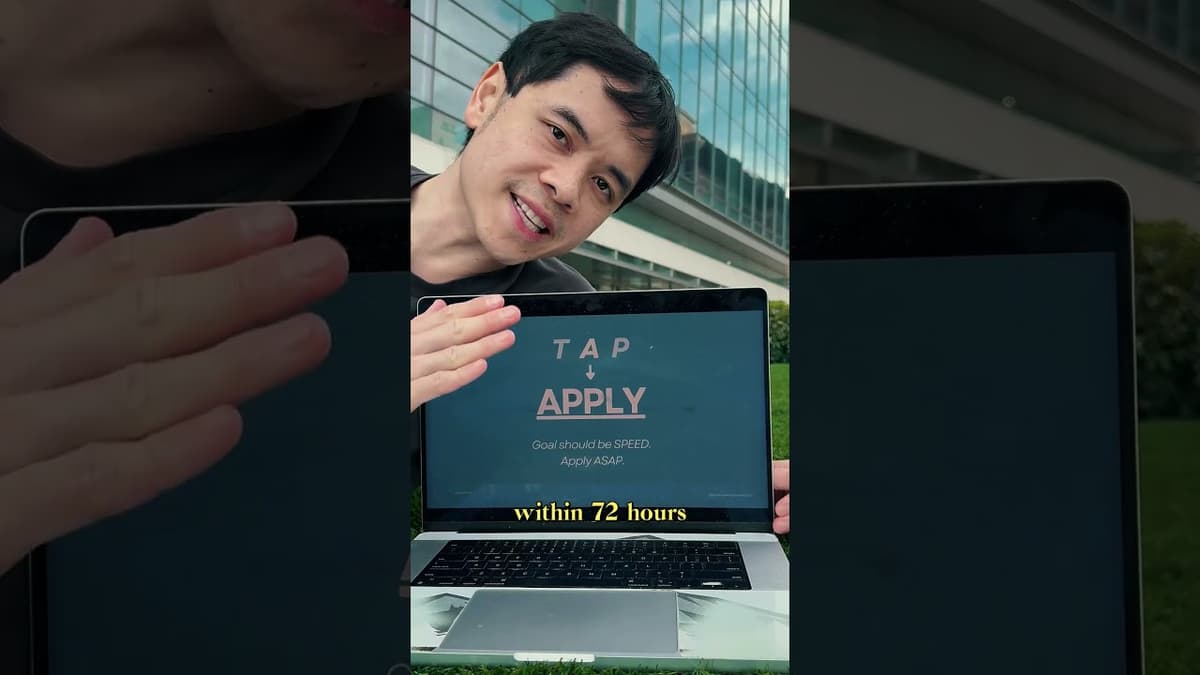
The Truth About Getting Hired in 2026 💯💡#SHORTS
The video introduces a streamlined hiring strategy for 2026, dubbed the TAP method—Title, Apply, Prioritize—aimed at helping candidates break through recruiter overload. Instead of customizing a resume for every posting, the creator advises aligning the document with the broader job...

Job Hopping Is Why Some Data Engineers Make Way More
Data engineers who frequently change employers can earn dramatically more than peers who stay put. The video cites statistics showing job hoppers earn ten to twenty times the compensation of long‑term employees, with a typical trajectory rising from $100,000 to...

Why We Need Limits on Workplace Surveillance | APA 2025 #work #mentalhealth #shorts
The video argues that electronic performance monitoring—cameras, spyware, keyloggers, facial and voice analysis, location tracking—has exploded since the pandemic as employers try to verify remote workers’ productivity. While Canada, the EU and many European nations restrict monitoring to job‑related activities, the...

You Can't Demand $11 Billion Just because You Want $11 Billion From Your Employer... #employmentlaw
The video explains how settlement conferences differ from a judge’s ruling, emphasizing that judges should not predict a case’s value before hearing evidence. Instead, magistrates, referees, or mediators can guide parties toward realistic demand figures based on calculated damages. Key points...
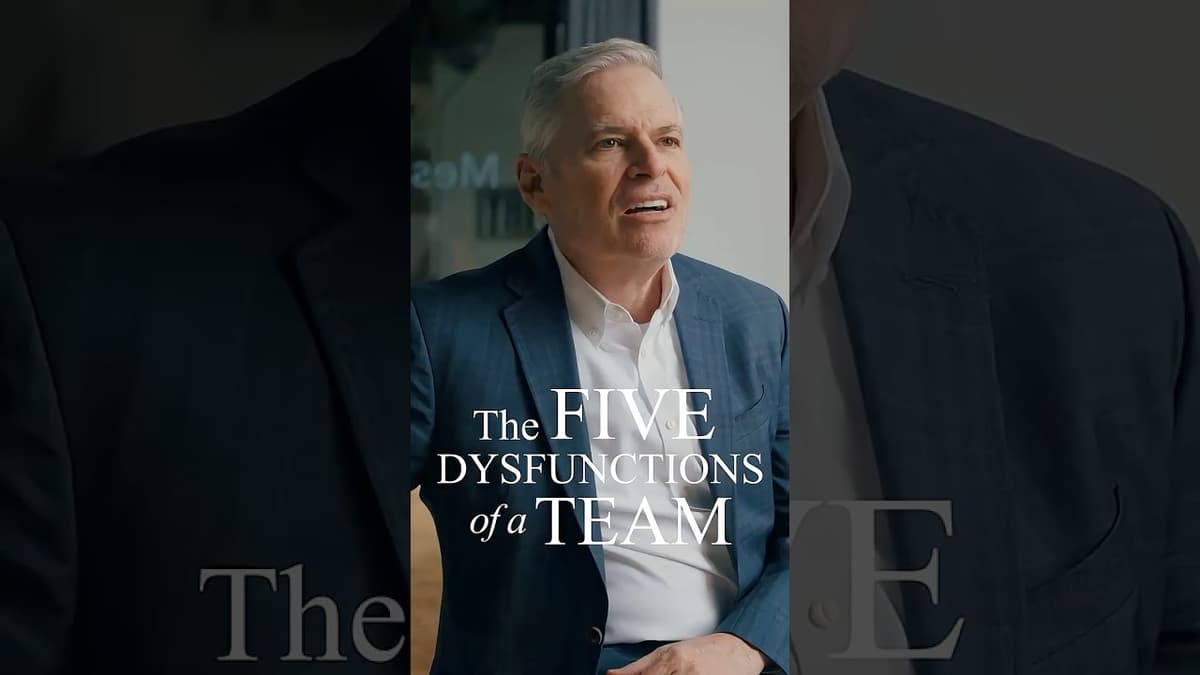
The Five Dysfunctions of a Team
The video outlines Patrick Lencioni’s Five Dysfunctions framework, describing how five common failures can cripple any team. It stresses that while building a team has many strategies, avoiding these pitfalls is essential for sustainable performance. The presenter walks through each dysfunction:...
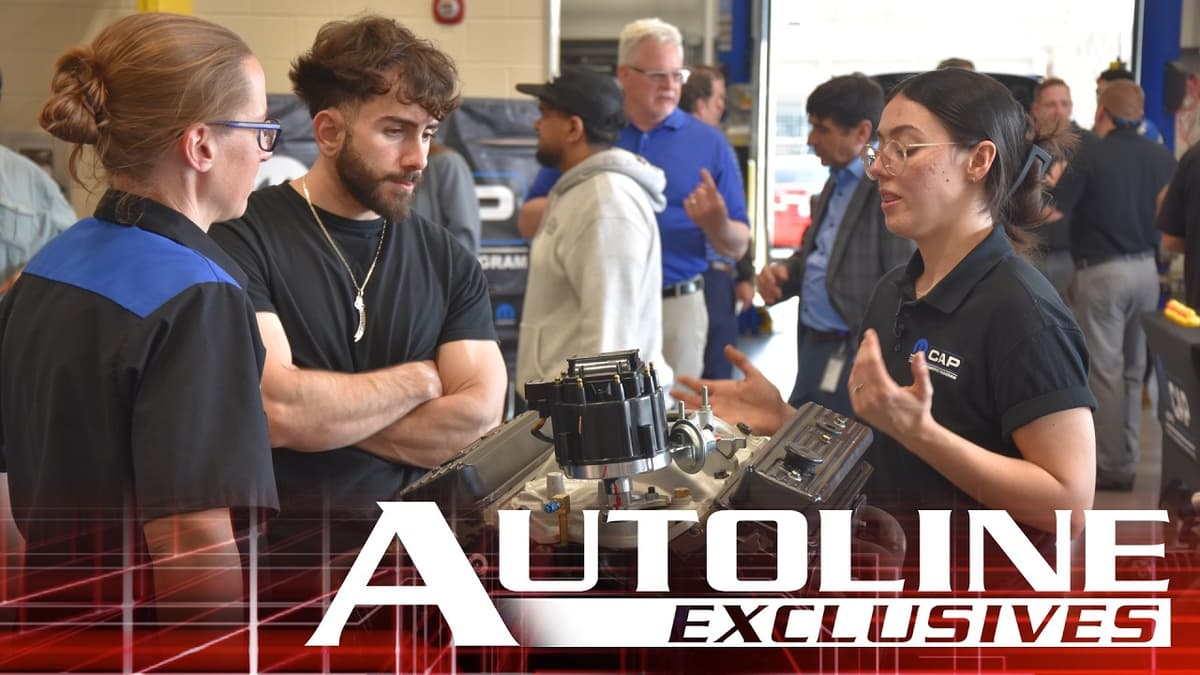
We Need More Car Mechanics, Stellantis Is Helping - Autoline Exclusives
Stellantis introduced the Mopar Career Automotive Program (CAP) at Henry Ford Community College, a partnership aimed at cultivating a new generation of automotive technicians. The initiative responds to an estimated 37,000‑plus technician shortfall across the U.S., combining standard automotive coursework with...
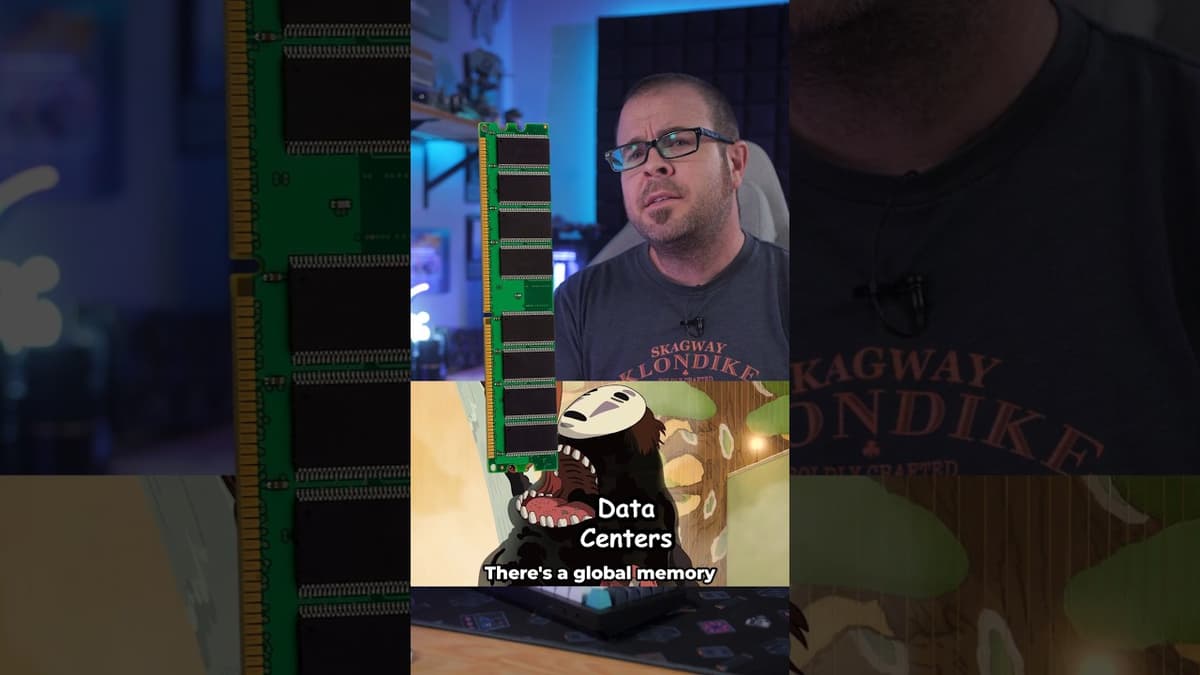
I Bet THEY Can Afford RAM...
Samsung’s memory‑fabrication division in Pyeong‑tech, South Korea, could shut down for up to two and a half weeks if negotiations with its workers break down, threatening an already tight global RAM supply. The dispute began when roughly 30,000 employees staged a...
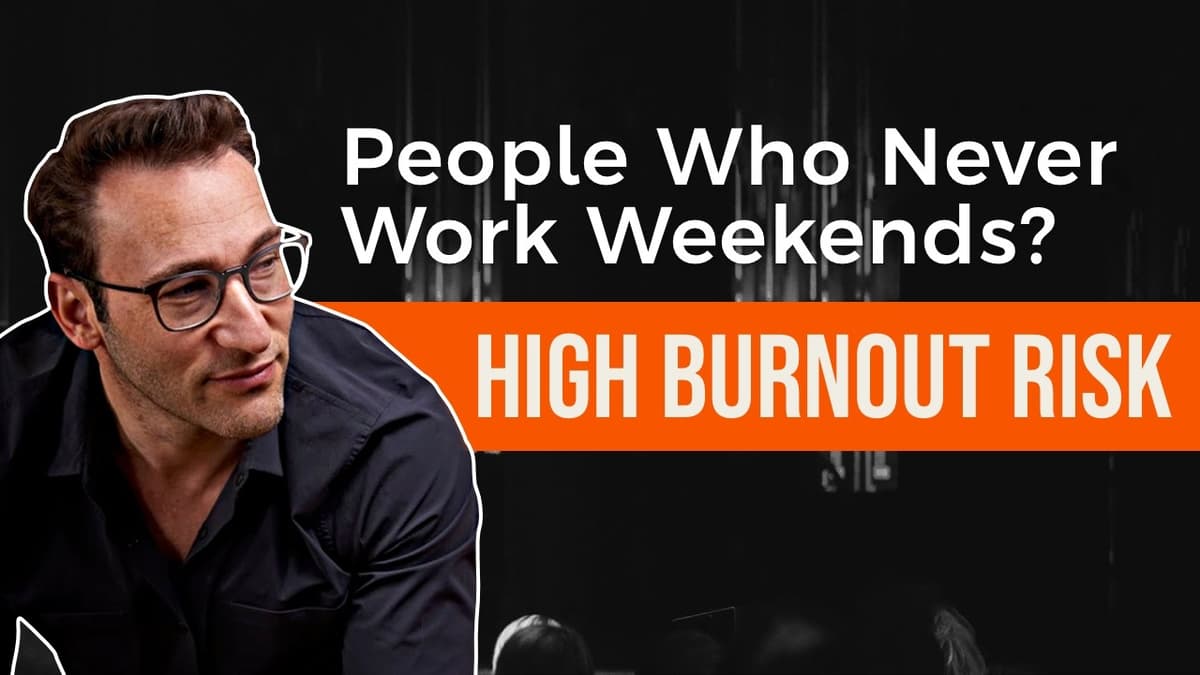
Should You Tell Your Employees Not To Work on the Weekends?
The video challenges the common belief that banning weekend work protects employees from burnout. The speaker recounts his own policy of forbidding after‑hours and weekend tasks, thinking it would preserve work‑life balance. Data from Water Cooler revealed a U‑shaped risk curve:...
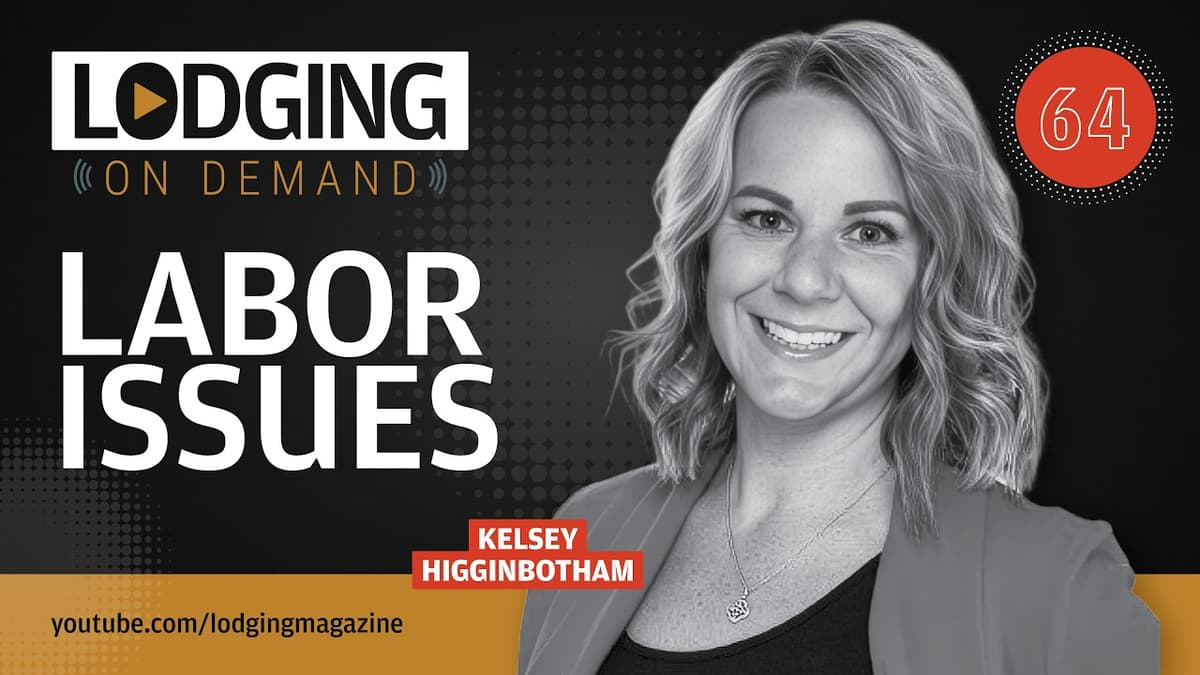
Hotel Labor & Scheduling Insights | Inn-Flow’s Kelsey Higginbotham | LODGING OnDemand Ep. 64
In this Lodging on Demand episode, Inflow’s Vice President of Customer Operations Kelsey Higginbotham explains how hotel labor decisions often default to gut instinct, especially when occupancy fluctuates, and why that reactive approach hampers both service quality and profitability. Higginbotham...

Let’s Have a Transparent Talk About SALARY PROGRESSION…#teachablepartner
The video offers a candid look at salary progression for creative strategists, tracing the speaker’s journey from humanitarian work to advertising and highlighting how individual branding can fast‑track earnings. After early setbacks—including a three‑month termination and a failed startup—the creator turned...

Learning to Lead Promoting Foreign Staff to ManagementーNHK WORLD-JAPAN NEWS
NHK World‑Japan reports that a shipbuilding firm in Hiroshima’s islands is promoting foreign workers to management to combat Japan’s chronic labor shortage. The company, with 150 employees, now has 60 % of its staff from abroad. In 2024 it elevated Indonesian technician...
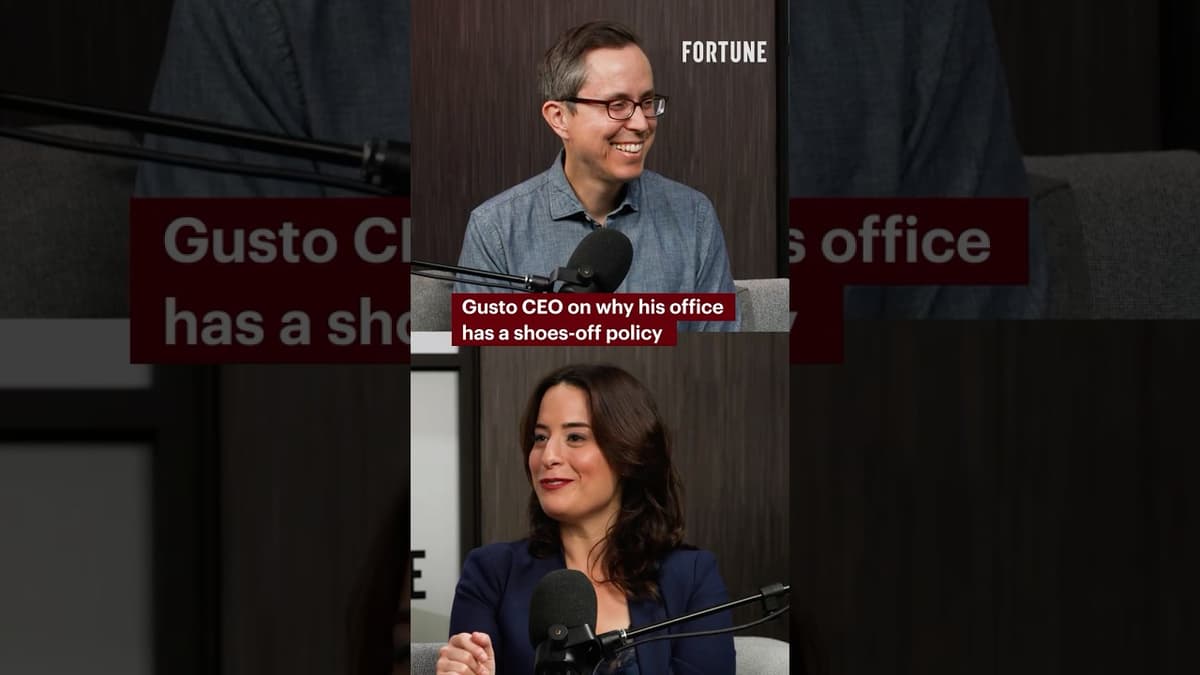
Gusto CEO on Why His Office Has a Shoes-Off Policy #Gusto #office
Gusto’s chief executive explained why the payroll‑software firm still operates with a shoes‑off office, a habit that began in the founders’ homes and has survived as the company scaled. The policy originated from Tomer Amedi’s and Josh’s upbringing, where removing shoes...

What Workers Want: Key Takeaways From SHRM’s Global Employee Monitor | All Things Work
The SHRM All Things Work podcast unpacked the latest Global Employee Monitor, a quarterly survey of workers in 26 countries, to reveal what truly drives hiring, staying and engagement across diverse markets. The research underscores that while pay remains...
Mastercard Tech Transformation
Mastercard has taken a page from its tech playbook, applying agile methodology to its human‑resources function. The experiment began with a minimum‑viable‑product (MVP) pilot in St. Louis, rolled out over 16 weeks. The rapid cycle proved that agile sprints could compress...

When Race Trumps Merit with Heather Mac Donald
The City Journal podcast episode features Heather Mac Donald discussing her book *When Race Trumps Merit*, a polemic against affirmative‑action policies and the broader culture of identity politics in higher education. Mac Donald argues that the term “affirmative action” is a deliberate...
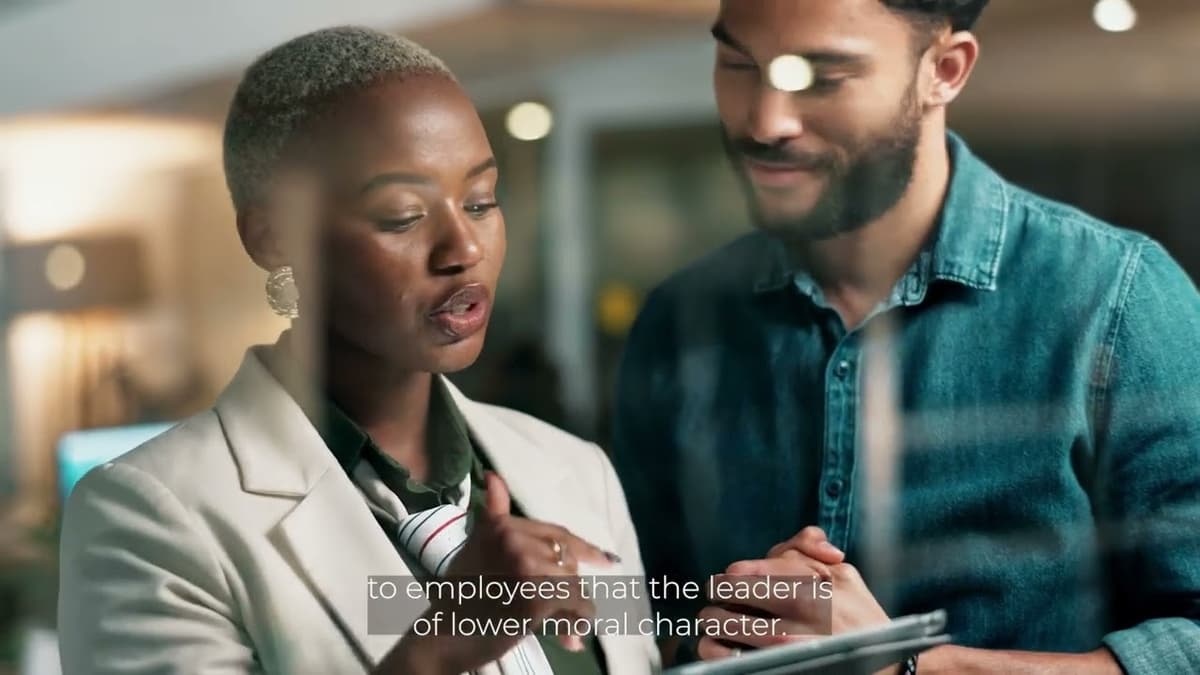
Why "Ethical" Leaders Still Create Unethical Cultures
The video examines why leaders who follow rules can still foster unethical workplaces, arguing that the way they exert influence—through dominance or prestige—shapes their team's moral compass. Across seven studies, including field surveys, time‑lag analyses, and lab experiments, researchers found that...
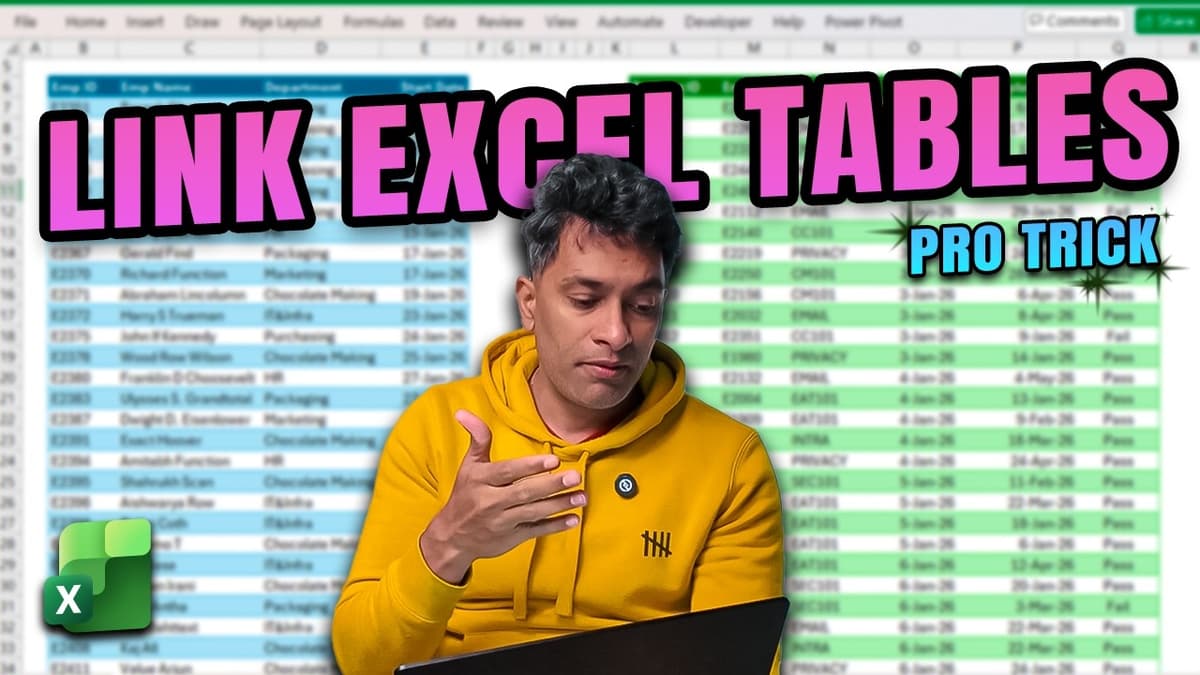
The Excel Trick that Saves Me Hours on MIS Reports 💡
The video demonstrates an Excel‑based workflow for answering common MIS compliance questions by merging an employee roster with a training log. The presenter shows how to link the two tables via employee ID, add helper columns, and apply COUNTIFS to...

From Las Vegas at KyribaLive: Why I’m Not a “Ghost” Recruiter in Treasury
In a weekly video recorded at KyribaLive in Las Vegas, the host—who identifies as a treasury recruiter—explains why he rejects the “ghost recruiter” stereotype and instead immerses himself in the community. He highlights that his role extends beyond filling positions: he...
Surviving Twitter's Growing Pains: Ex-CEO Dick Costolo
The interview with former Twitter CEO Dick Costello centers on the chaotic, hyper‑growth phase of Twitter and the leadership choices he made to steer the company toward sustainable scale. Costello recounts stepping into the role amid board turmoil, a dysfunctional...

The LinkedIn Message that Got Someone Hired 🤯💡#SHORTS
The video highlights a practical LinkedIn outreach formula that turned a casual connection into a four‑year tenure at One Consulting. The founder recounts how Aleaf, an email‑marketing agency owner, repeatedly engaged with his LinkedIn live events and content before requesting...
Rakuten's CEO Made Staff Switch to English - Or Face Demotion
Rakuten's chief executive announced a company‑wide shift to English, giving employees two years to become proficient or risk demotion. The policy is driven by the need to compete internationally and to overcome Japan’s limited domestic engineering talent. Currently 70 % of engineers...

Building Trust in Low-Touch Teams
The video addresses how leaders can cultivate trust in teams that meet infrequently, such as monthly or quarterly gatherings, emphasizing the challenges of low‑touch environments. The speaker argues that front‑loading alignment and establishing a predictable cadence of interaction are essential. He...
How Al Could Increase Your Salary - Oxford Expert Explains 💸 #OxfordUniversity
Oxford research lecturer Fabian Stefani explains that artificial intelligence is becoming a salary lever rather than a job threat. His recent analysis of UK job adverts shows a 23% wage premium for candidates who list AI competencies, outpacing the roughly 20%...
Rotman Management Magazine - Spring 2026 Issue
The clip appears to be a brief segment associated with Rotman Management Magazine’s Spring 2026 issue, yet the transcript offers little coherent narrative. The speaker delivers disjointed instructions—taking a picture, sharing it, and clicking on a bulletin—without explaining the purpose...
How to Keep CI Momentum Through Executive and Frontline Turnover — Karen Martin
The discussion, led by continuous‑improvement expert Karen Martin, tackles how firms can preserve CI momentum when executives and frontline staff are frequently changing. Martin stresses frank, early conversations with incoming leaders to surface existing projects and cultural expectations. She notes that...
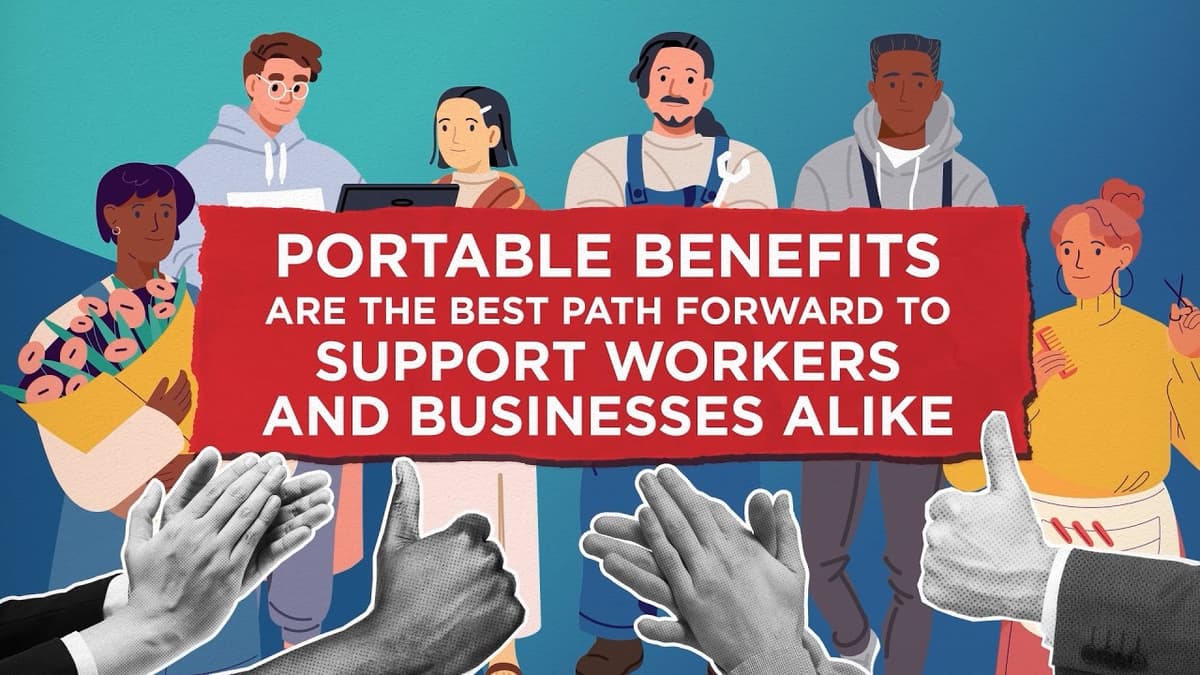
What's So Beneficial About Portable Benefits?
The video explains portable benefits—a proposed solution that lets freelancers, gig workers and other independent contractors receive tax‑advantaged health, retirement and childcare coverage without being classified as employees. It contrasts the current system, where employers fund benefits for W‑2 staff,...

Will AI Take Amazon PPC Jobs Next?
The video explores whether artificial intelligence will eventually replace Amazon Pay‑Per‑Click (PPC) specialists. The speaker argues that while AI will increasingly handle repetitive, commoditized tasks, the strategic layer of campaign planning remains firmly human for the foreseeable future. Key insights include...

Two Questions That Signal Your Company's Future Value
The video distills leadership focus to two simple questions that determine a company's future value, regardless of industry—from Disney to a widget maker. The first question asks whether the firm will have more customers who love its product tomorrow than today;...
Quests, Token Leaderboards, and a Skills Marketplace: The Elite AI Adoption Playbook | John Kim
John Kim, CEO of Sunbird, outlines an "AI adoption playbook" that turns internal ideas into production‑ready tools through AI‑driven quests, a token consumption leaderboard, and a skills marketplace. The approach treats AI as a product, empowering marketers, salespeople, and...
On-Demand Pay: How DailyPay Lets Employees Get Paid Instantly
DailyPay is positioning itself as a disruptor of the traditional payroll cycle by letting workers tap earned wages instantly, eliminating the typical two‑week wait. The company argues that immediate access helps employees living paycheck‑to‑paycut, cuts overdraft and payday‑loan costs, and boosts...

The Global Hiring Arbitrage Nobody Talks About
The video explores a growing hiring arbitrage: U.S. companies can staff sales, finance and operations with remote talent from Colombia, South Africa, the Philippines and other low‑cost markets, dramatically reducing payroll expenses. The speaker argues that while American workers remain...

COINBASE: ANNOUNCES MASSIVE LAYOFFS
Coinbase announced a 14% reduction in its workforce, eliminating roughly one‑eighth of its staff as part of a broader restructuring effort. The move comes amid a prolonged bear market for cryptocurrencies, prompting the company to reassess its cost base and...
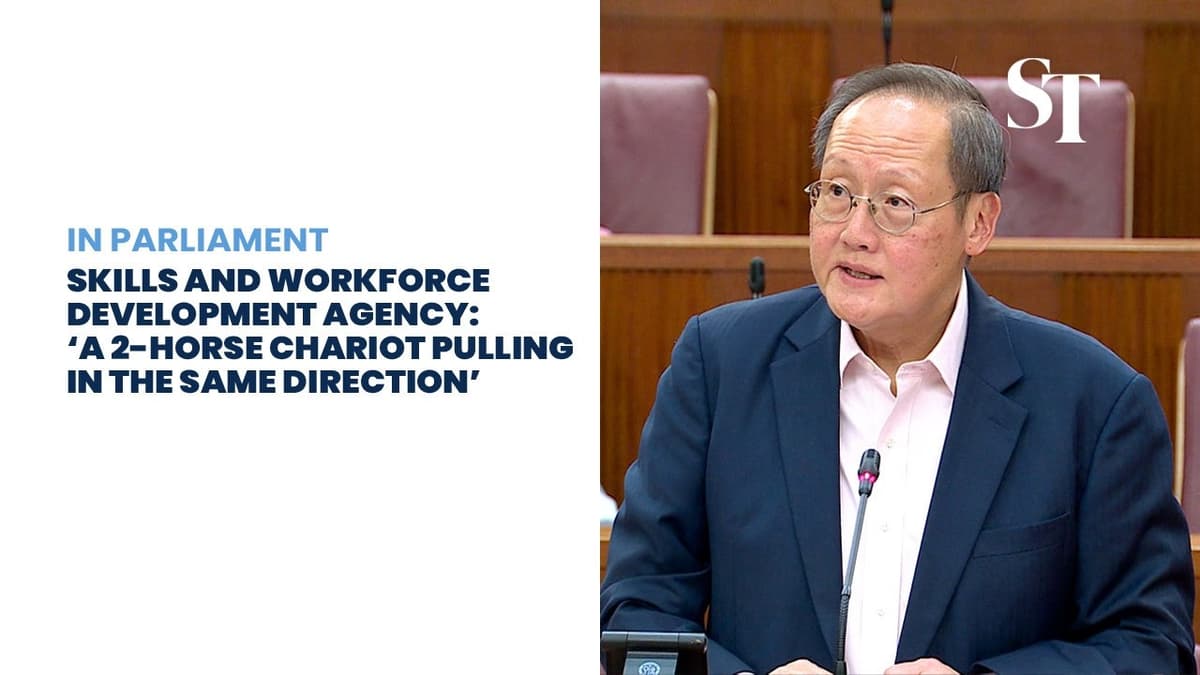
Parliament Passes Bill for a New Agency Merging SkillsFuture Singapore, Workforce Singapore
Parliament approved a bill merging SkillsFuture Singapore and Workforce Singapore into the SkillsFuture and Workforce Development Agency (SWDA). The move consolidates two statutory boards that have operated separately since 2016, aiming to create a single, end‑to‑end system that links skills...

Labour Chief Ng Chee Meng Opens Parliamentary Motion on AI Transition with No Jobless Growth
Singapore’s Labour Minister Ng Chee Meng opened a parliamentary motion outlining the nation’s AI transition strategy, emphasizing growth without jobless unemployment. He framed the discussion around workers’ questions on participation and fair opportunity in the AI era. The minister presented four...

Forever Forward: Championing Global Talent
The video spotlights London Business School’s mission to champion global talent by addressing the persistent gap in business‑school education for underserved communities worldwide. It argues that many regions lack basic access to education due to poverty and infrastructure deficits, leaving...

No Plans to Raise Penalties for Late Retrenchment Notification: Tan See Leng
Minister Tan See Leng confirmed that Singapore will not raise penalties for late mandatory retrenchment notifications (MRNs) at this time. Employers with ten or more staff must file an MRN within five working days of informing employees of a retrenchment,...
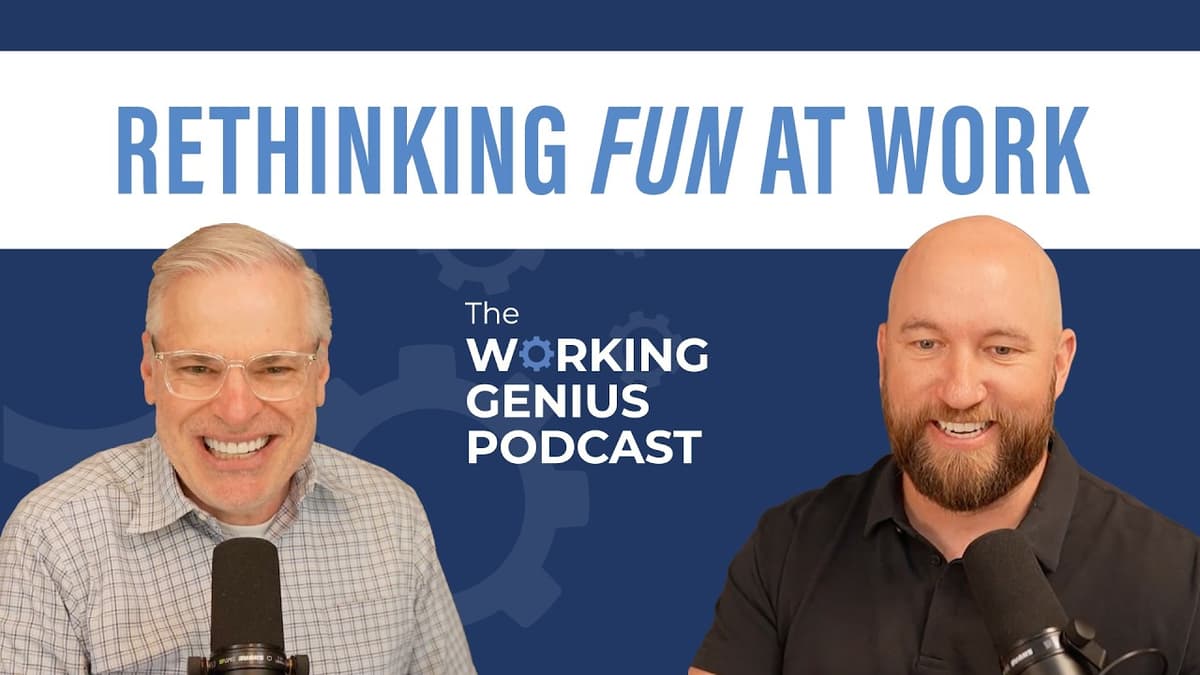
Working Genius Is FUN
The podcast hosts Pat and Cody explore how the Working Genius framework transforms the notion of fun at work, arguing that genuine enjoyment stems from aligning tasks with each person’s innate strengths rather than superficial perks. They note that when employees...

Struggling With Employee Engagement? Build a Culture of Learning | ATD Report
The ATD report, sponsored by Zensai, examines how a culture of learning can address employee engagement and retention while keeping firms agile. The study finds 69% of talent development professionals and 79% of learners consider learning a way of life, yet...

$25 Hour Minimum Wage Proposal Raises BIG Questions
The video discusses a newly introduced congressional bill that would raise the federal minimum wage from the current $7.25 to $25 an hour, marking the first increase since 2009. The legislation proposes a phased implementation, with large employers required to...
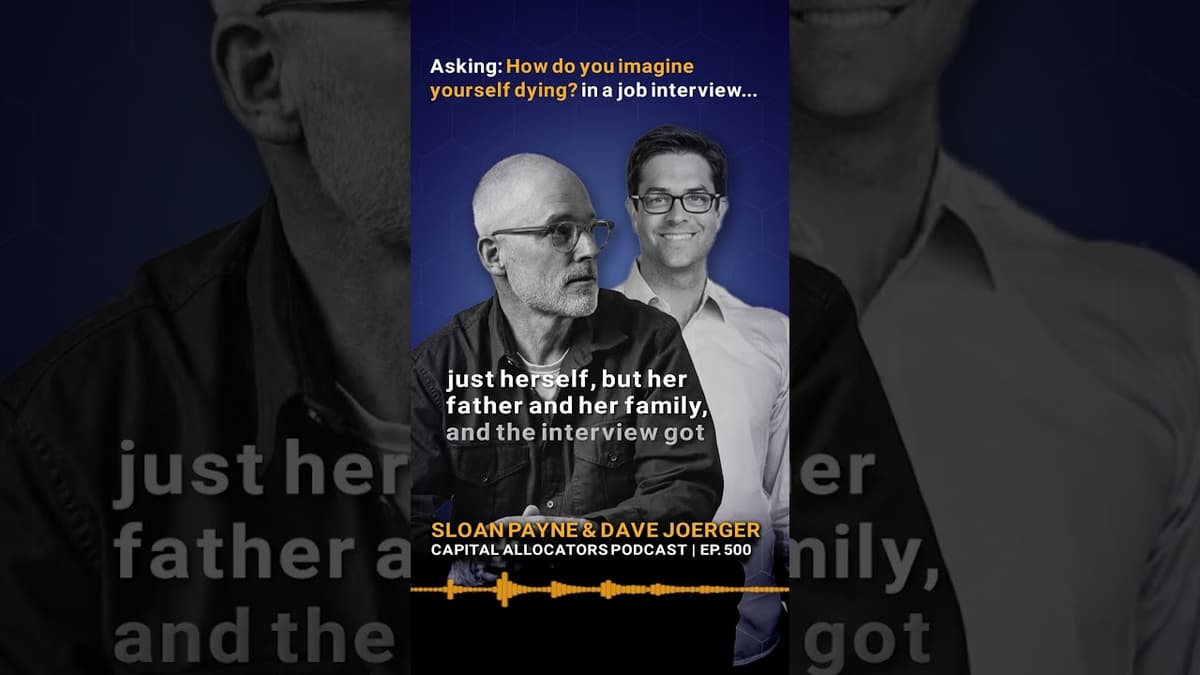
Imagine Getting Asked This in a Job Interview 😅
The video recounts a finance‑team interview that veered from casual bagel chatter to an unexpected, existential question – “How do you imagine yourself dying?” The host explains that while the first 20 minutes were spent bonding over bagels, the final...