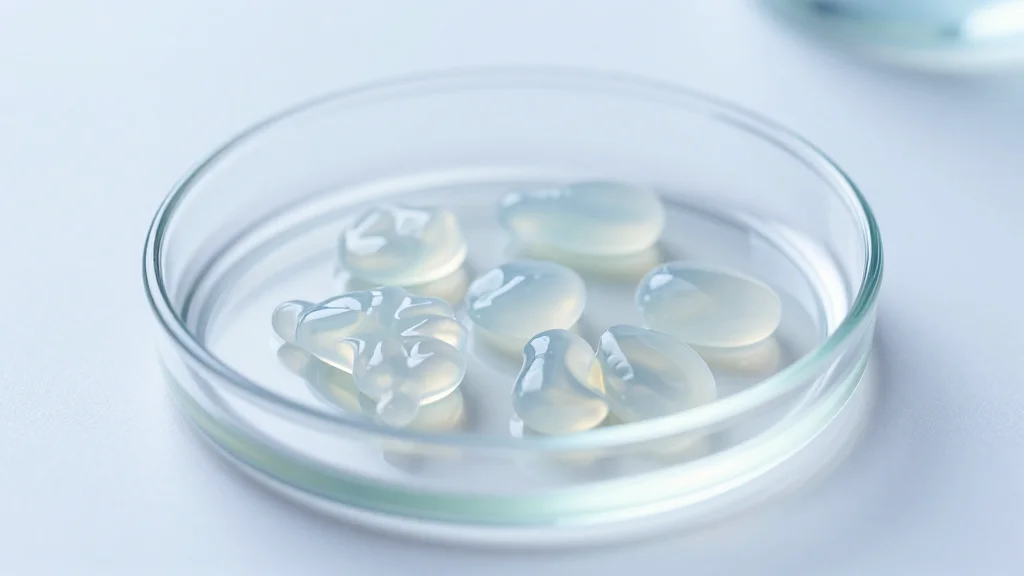
The Road to Producing New Bodies Starts with Multi-Organ Pseudo-Embryos
Biotech researchers are moving from organoid cultures toward multi‑organ pseudo‑embryos that mimic early human development without brains. Companies such as R3 Bio and Kind Biotechnology are pioneering these brain‑less constructs as a bridge between tissue engineering and full‑body regeneration. The approach promises new sources of transplantable tissue and a reduction in animal testing, but it also raises fresh ethical debates reminiscent of past stem‑cell controversies. While the technology remains experimental, its commercial potential is already attracting venture capital and public interest.
Growth Hormone Supplementation Can Restore the Thymus, but What Is Its Effect on Lifespan?
Recent debates on growth hormone (GH) supplementation highlight its ability to rejuvenate the thymus but raise serious concerns about lifespan effects. Experts from the 2013 Erice workshop and subsequent literature argue that while transient GH can restore immune tissue, chronic...

Vitamin Supplements Have Role to Play in Older Adult Health
A long‑term COSMOS trial involving more than 21,000 adults over 60 found that daily multivitamin use modestly improves memory, global cognition and slows biological aging markers. Recent analyses showed reductions in metabolomic risk scores and a small but significant 0.11‑year...
Lest We "Off" Ourselves (Cautionary Examples)
Investigative videos reveal that wellness influencers Mark Hyman and Jordan Peterson suffered severe sepsis after receiving experimental stem‑cell and regenerative‑medicine injections from Dr. Adil Khan’s unregulated clinics. The series links spinal injections and intravenous therapies to life‑threatening infections, highlighting the...

APOE4 Increases Neurons’ Excitability Before Symptoms Appear
The study published in Nature Aging shows that mice carrying the human APOE4 allele develop smaller, hyperexcitable CA3 hippocampal neurons long before any cognitive symptoms appear. Early interictal spike rates in young APOE4 knock‑in mice forecast spatial learning deficits observed...
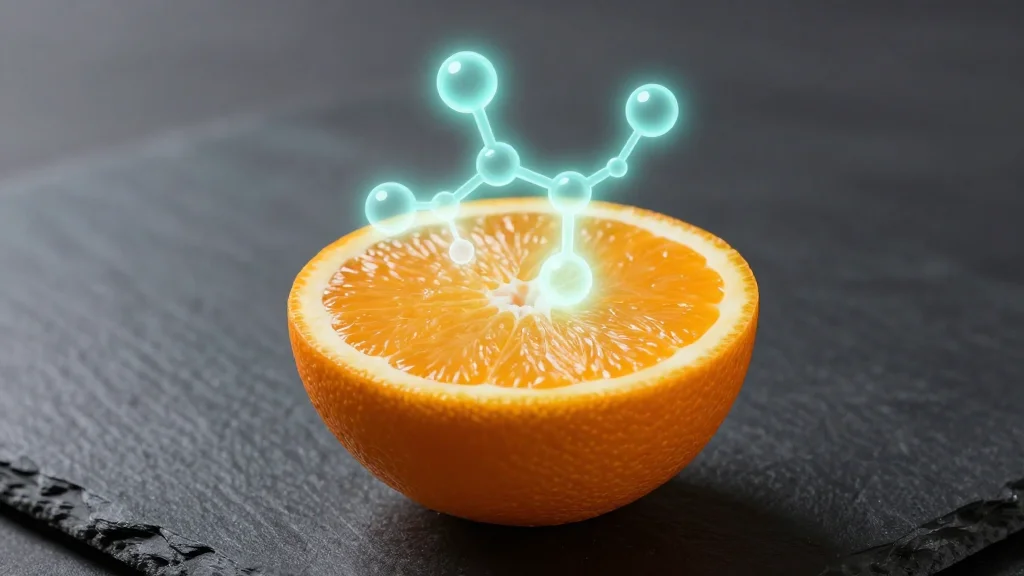
Vitamin C Re-Evaluated: A Direct Inhibitor of the 'Ferro-Aging' Clock
A 2026 Cell Metabolism study gave aged cynomolgus monkeys 30 mg kg⁻¹ vitamin C daily via drinking water for 40 months, showing direct inhibition of the ACSL4‑driven ferro‑aging clock. Pharmacokinetic data reveal vitamin C’s plasma half‑life ranges from 30 minutes to two hours at high doses,...
What a Peer-Reviewed Study Found About NOVOS Core and Skin Aging Support
A 2024 peer‑reviewed study in *Nutrients* used a 3‑dimensional human keratinocyte model to test a NOVOS formulation containing the NOVOS Core blend. The research showed that a 24‑hour treatment did not cause DNA damage and significantly lowered oxidative‑stress and DNA‑damage...
New Study Says I Was Wrong About NMN and NR?
Recent human trials show that nicotinamide riboside (NR) and nicotinamide mononucleotide (NMN) raise blood NAD levels similarly, contradicting a small crossover study that claimed NR was superior. Both compounds appear to be metabolized largely by gut microbes into nicotinic acid...
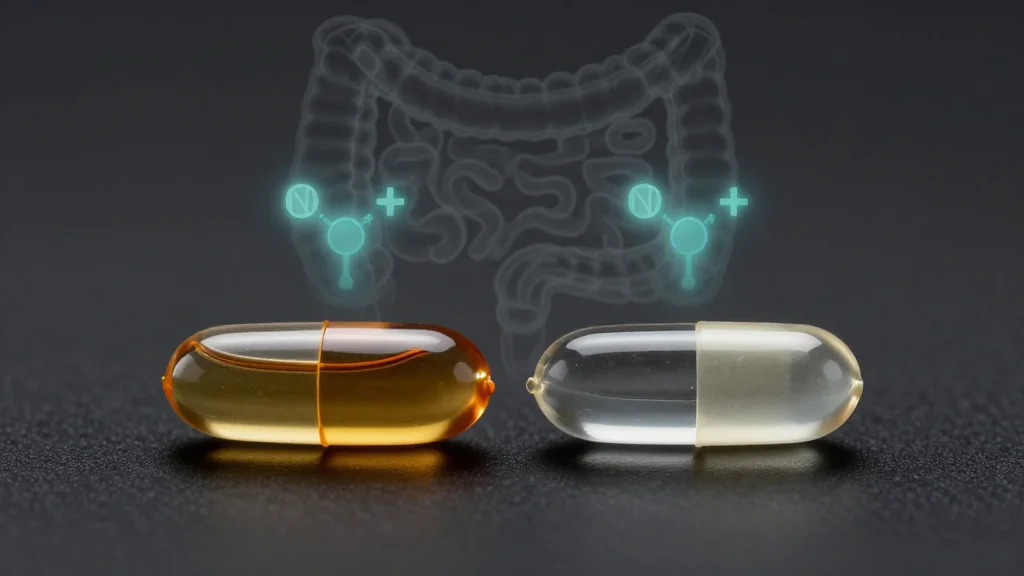
New Study Says I Was Wrong About NMN and NR?
The debate between nicotinamide riboside (NR) and nicotinamide mononucleotide (NMN) is losing relevance after recent trials. A crossover study of six adults showed NR raised blood NAD 2.3‑fold more than NMN, but a larger 65‑participant Nature Metabolism trial found both...
Lactoferrin: A Milk-Derived "Immunoceutical" Reverses the Clock on Inflammaging
Recent research highlights lactoferrin’s ability to modulate iron metabolism and reduce age‑related inflammation. A 2026 piglet study showed combined human milk oligosaccharides and lactoferrin enhanced lipid mobilization, antioxidant capacity, and neurodevelopment. A randomized trial in obese children reported three‑month lactoferrin...
Lactoferrin: A Milk-Derived "Immunoceutical" Reverses the Clock on Inflammaging
Recent peer‑reviewed studies reveal that lactoferrin, especially when paired with human milk oligosaccharides, enhances lipid mobilization, antioxidant capacity and neurodevelopment in animal models, while a 2026 randomized trial shows it improves weight, liver enzymes and insulin resistance in obese children....
Lest We "Off" Ourselves (Cautionary Examples)
Investigative videos reveal that wellness influencers Mark Hyman and Jordan Peterson suffered severe sepsis after undergoing experimental stem‑cell and regenerative‑medicine procedures at Dr. Adil Khan’s unregulated clinics. The series links spinal injections and intravenous therapies to bacterial infections, highlighting the...
University of Arizona Launches $12 Million Rapamycin Clinical Trial
The University of Arizona’s R. Ken Coit College of Pharmacy is launching a double‑blind, randomized Phase 3 clinical trial to test low‑dose rapamycin’s ability to boost resilience and immune function in adults aged 65 and older. The six‑year study, funded by a $12 million...
University of Arizona Launches $12 Million Rapamycin Clinical Trial
University of Arizona’s R. Ken Coit College of Pharmacy is launching a double‑blind, randomized Phase 3 clinical trial to test low‑dose rapamycin’s ability to improve resilience and immune function in adults 65 and older. The $12 million study is fully funded by...
Dr. Kaeberlein's Optispan Podcast Series - Rapamycin and More
AI modeling compares 6 mg rapamycin taken with grapefruit juice versus berberine 1000 mg daily. Grapefruit juice irreversibly destroys intestinal CYP3A4 and P‑gp, boosting rapamycin AUC 3‑4× and Cmax 2.5‑3.5×, effectively tripling the dose for up to three days. Berberine provides reversible...
UPAR Targeting to Enable CAR T Cell Therapies to Treat Solid Cancers
Researchers at Memorial Sloan Kettering demonstrated that CAR T cells engineered to target the urokinase plasminogen activator receptor (uPAR) can eradicate solid‑tumor cells and metastases in multiple preclinical models. uPAR was found elevated in 12 of 14 examined cancer types,...
New Study Says I Was Wrong About NMN and NR?
A recent small crossover study suggested nicotinamide riboside (NR) raised blood NAD 2.3‑fold more than nicotinamide mononucleotide (NMN), but a larger Nature Metabolism trial with 65 participants found both precursors increased NAD similarly. Mechanistic work shows oral NR and NMN...
New Study Says I Was Wrong About NMN and NR?
Recent human trials have shown that nicotinamide riboside (NR) and nicotinamide mononucleotide (NMN) raise circulating NAD levels to a similar extent, contradicting a small Bergen study that suggested NR was superior. Both compounds appear to be metabolized largely by gut...
New Study Says I Was Wrong About NMN and NR?
Recent human trials have reignited the NR‑vs‑NMN debate, with a small six‑person crossover study suggesting NR raises blood NAD 2.3‑fold more than NMN, while a larger 65‑participant Nature Metabolism trial found no meaningful difference between the two. Both studies, however,...

Life Expectancy in the USA and Around the World
The article highlights a surge in avoidable mortality as Europe ages, linking air pollution to cardiovascular risk and noting a sharp decline in the United Kingdom's healthy life expectancy to 61 years. In the United States, liberal states have achieved...

GLP-1: The Risks They're Hiding From You + My Protocol to Start Producing It Naturally
GLP-1, a naturally produced hormone that regulates blood sugar and satiety, is the same mechanism targeted by weight‑loss drugs such as Ozempic and Wegovy. The article explains that endogenous GLP‑1 is rapidly broken down by the enzyme DPP‑4, whereas pharmaceutical...
Academic Clinical Trials for Rapamycin to Answer Questions on Dosing for Anti-Aging Use
Researchers at UT Health San Antonio have launched a multi‑phase academic clinical trial to evaluate rapamycin’s biological effects in older adults. The program begins with a younger‑cohort benchmark study, then seeks the optimal dose that restores immune and metabolic markers...
A Review Focused on Exerkines in Extracellular Vesicles Generated by Muscle Tissue
A new review examines how muscle‑derived extracellular vesicles (EVs) act as carriers of exercise‑induced exerkines, linking physical activity to systemic health benefits. It details the molecular cargo—proteins, lipids, and non‑coding RNAs—that modulates muscle stem‑cell activation, combats sarcopenia, and influences distant...
Physical Activity Correlates With a Sizable Difference to Late Life Mortality
A 15‑year emulated trial of 11,169 Australian women found that consistently meeting WHO guidelines of at least 150 minutes of moderate‑to‑vigorous activity per week cut all‑cause mortality risk by half, equating to a 5.2‑percentage‑point absolute reduction. The study also observed...

#386 – Aging Clocks—What They Measure, How They Work, and Their Clinical and Real-World Relevance
Aging clocks, built on DNA‑methylation patterns, aim to quantify biological age as a shortcut for long‑term health outcomes. Researchers view them as surrogate endpoints that could compress 20‑year anti‑aging trials into months, helping evaluate drugs or lifestyle interventions. However, the...

13 Essential Vitamins Good for the Brain
The article outlines 13 vitamins essential for optimal brain function and explains how deficiencies can blunt the effects of popular nootropic supplements like racetams and tryptophan. It cites NHANES data showing over 40% of U.S. adults lack adequate vitamin intake,...
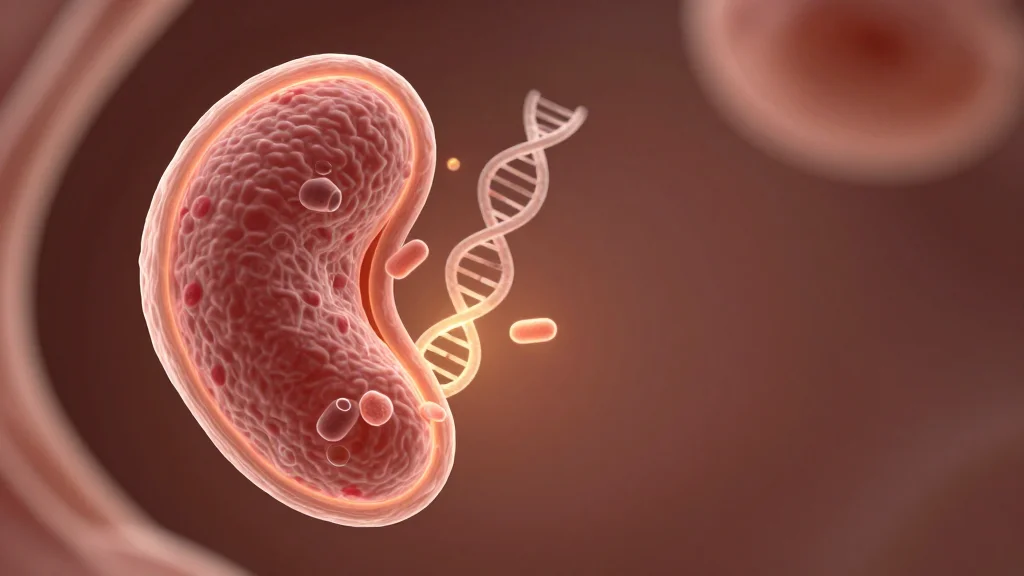
Signal Reprogramming as an Approach to the Challenge of cGAS-STING Overactivation
A new open‑access review highlights the cGAS‑STING pathway as a central driver of ovarian aging, linking DNA and mitochondrial leaks to chronic inflammation and follicle loss. The authors propose three therapeutic angles: small‑molecule inhibitors that silence cGAS or STING, upstream...
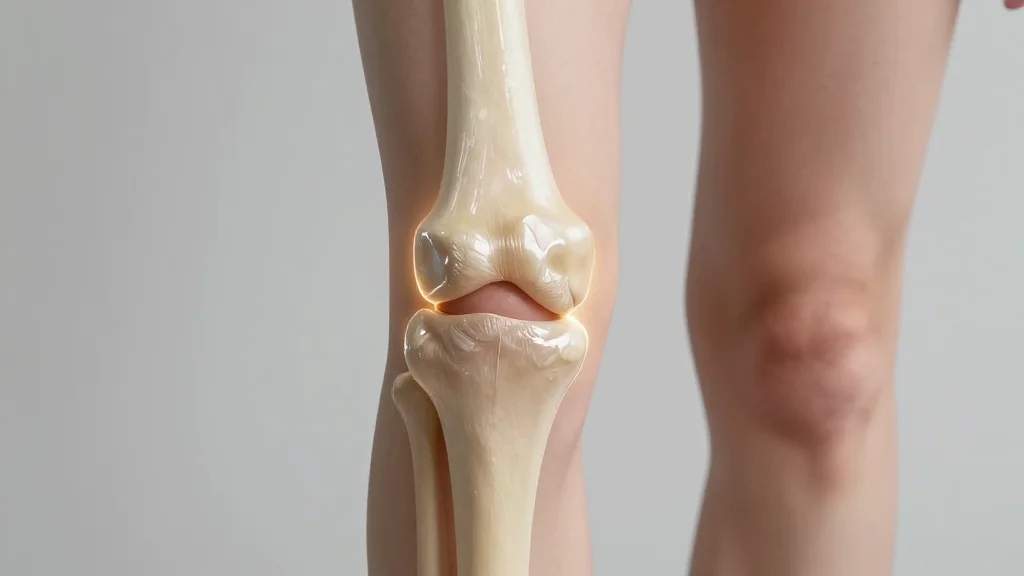
NR0B2 Is Protective of Cartilage, But Expression Decreases as Osteoarthritis Progresses
Researchers identified the orphan nuclear receptor NR0B2 (also known as SHP) as a protective factor in cartilage, with its expression markedly reduced in osteoarthritic tissue. In male mice, global or chondrocyte‑specific deletion of Nr0b2 worsened pain and joint damage after...
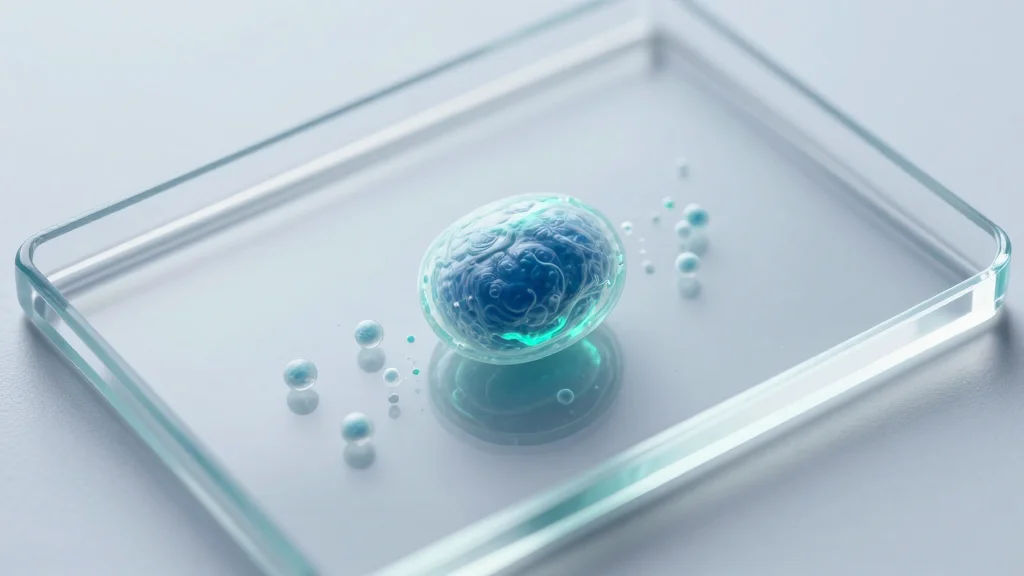
Microplastic and Nanoplastic Exposure in the Context of Aging
Recent animal research shows that high-dose nanoplastic accumulation can trigger cellular dysfunction, including oxidative stress and senescence. While these harmful exposure levels exceed current environmental concentrations, older adults may experience greater cumulative burden due to lifelong exposure and age‑related physiological...
Remaining Challenges in the Development of Partial Reprogramming Therapies
Partial reprogramming—brief exposure to Yamanaka factors OCT4, SOX2, KLF4 and MYC—has demonstrated modest rejuvenation in mouse studies but carries a substantial cancer risk if cells slip into full pluripotency. Funding is concentrated in a few well‑capitalized firms, notably Altos Labs,...

March 2026: Dave’s Favorite Products
Dave Asprey’s monthly "Dave’s Favorite Products" series spotlights biohacking tools that reinforce four core health pillars—circulation, cellular strength, mitochondrial energy, and nervous‑system resilience. The February 2026 post continues the trend, linking to January and December roundups that curate supplements, wearables,...
1389. Your Organic Protein Powder Is Slowly Killing You
Dave Asprey and PUORI CEO Oliver Amdrup‑Chamby reveal widespread contamination in the supplement market, showing that plant‑based and organic protein powders can contain up to ten times more heavy metals than whey. They explain that the organic label offers no...
Tai Chi Offers Fall Prevention and Other Benefits
Tai chi, a slow‑movement exercise that blends posture, breath control, and meditation, is emerging as a leading preventive tool for older adults. Recent clinical trials and meta‑analyses show it markedly improves balance, proprioception, and lower‑limb strength, which reduces both fall...
1389A. I Injected Stem Cells Into My Penis (Here’s What Happened)
Dave Asprey visited Costa Rica’s RMI Clinic to undergo a neurocognitive protocol that blends functional MRI mapping, neuronavigation, transcranial magnetic stimulation, focused ultrasound and mesenchymal stem‑cell infusion. The treatment targets hypofunctioning brain regions with millimeter precision and is followed by...

An Indication Selection Resource for Longevity Companies
Norn Group has released a free, detailed spreadsheet that maps 47 age‑related disease indications, providing mechanisms, incidence, market size, clinical endpoints, animal models, and trial cost estimates. The guide is designed to help longevity‑focused startups choose FDA‑approved disease targets rather...