
The Rich and Powerful Want to Live Forever. What if They Could?
President Vladimir Putin has formalized a multi‑year, $26 billion National Project to develop anti‑aging therapies, aiming to extend healthy life expectancy for 175,000 Russians by 2030. The initiative, overseen by Kurchatov Institute director Mikhail Kovalchuk, targets sarcopenia, osteoporosis, cognitive decline and advanced bioprinting, and includes a gene‑therapy vaccine that blocks the RAGE receptor linked to cellular senescence. Budget documents show more than 2 trillion rubles allocated through 2028, confirming the Kremlin’s commitment despite sanctions and limited biotech infrastructure.

I Test for 50+ Cancers Every Year. Here's What's Actually Worth It.
Multi‑Cancer Early Detection (MCED) blood tests now screen for 50+ cancers in a single annual draw, promising earlier diagnosis than traditional organ‑specific screens. The FDA‑cleared Galleri test leads the market, showing about 70% sensitivity for early‑stage disease but also a...

There Is No Safe Gamble with High LDL Cholesterol
The article challenges the claim from the documentary *The Cholesterol Code* that “lean‑mass hyper‑responders” (LMHRs) on low‑carbohydrate, high‑fat diets can sustain extremely high LDL‑C without added atherosclerotic risk. It explains that LDL‑C is a proxy for apoB particle number, the...

What If Fourteen Risk Factors Explained Nearly Half of All Dementia, and You Could Change Every One?
A 2024 international commission report found that 45% of global dementia cases are linked to 14 modifiable risk factors, up from 40% in the 2020 review. The updated list adds high LDL cholesterol and untreated vision loss and emphasizes that...

Dasatinib and Quercetin Outperform Navitoclax in a Mouse Model of Intervertebral Disc Degeneration
Researchers compared two senolytic strategies in a mouse model of intervertebral disc degeneration, finding that the dasatinib‑quercetin (DQ) cocktail outperformed navitoclax. In SM/J mice, DQ lowered degeneration grades, reduced senescence markers such as p19ARF, p21, and SASP, and preserved nucleus...

Your North Star
The article proposes a holistic "North Star" health framework that defines true health as the ability to meet physical and cognitive demands with abundant energy, mental clarity, low anxiety, high libido, and pain‑free movement. It argues that traditional proxy markers—weight,...

This Nasal Spray Rewinds the Aging Brain, Restoring Memory and Reversing Inflammation in Preclinical Models
Researchers at Texas A&M have created an intranasal spray containing extracellular vesicles derived from human induced pluripotent stem cell‑derived neural stem cells. In 18‑month‑old mice, equivalent to 60‑year‑old humans, two doses dramatically reduced hippocampal inflammation, restored mitochondrial function in microglia,...
Brad Stanfield Rapamycin Trials
Brad Stanfield’s recent clinical study found that participants receiving a placebo performed better than those given rapamycin, a drug touted for its anti‑aging potential. The unexpected outcome was reported within hours of the trial’s completion, prompting immediate scrutiny from the...
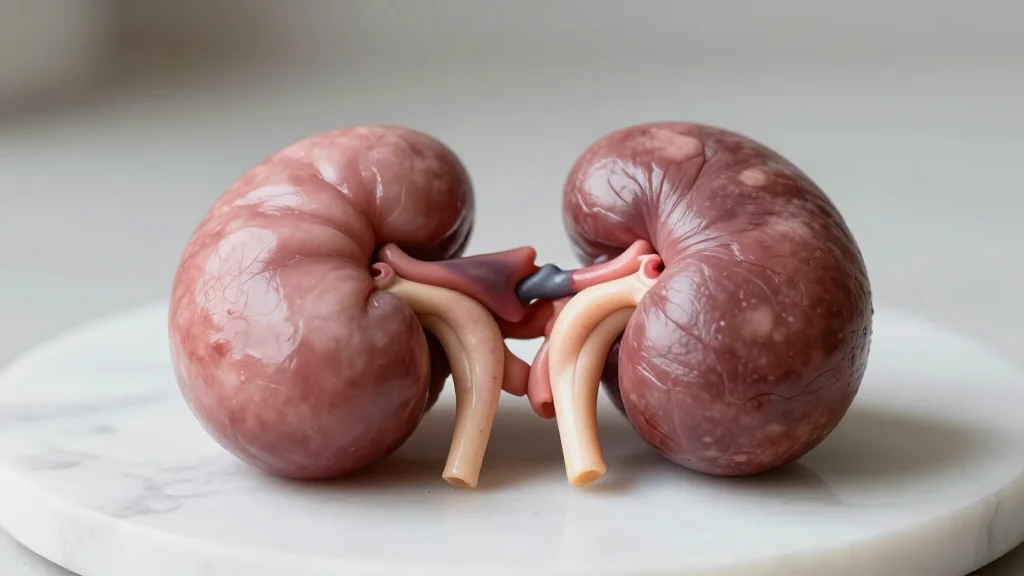
Is Chronic Kidney Disease Accelerated Kidney Aging?
Chronic kidney disease (CKD) shares many structural and functional changes with normal kidney aging, but the decline in estimated glomerular filtration rate (eGFR) occurs at a markedly accelerated pace. Recent open‑access research highlights cellular senescence as a core driver of...

Longevity Day at NFC Summit Lisbon Announces Speaker Lineup
Longevity Day, a dedicated track of the NFC Summit, will debut on June 4, 2026 at Lisbon’s Unicorn Factory. Curated by Michelangelo Gallia and Nina Patrick, the full‑day event assembles scientists, clinicians, founders and investors across three thematic pillars—Wisdom from...
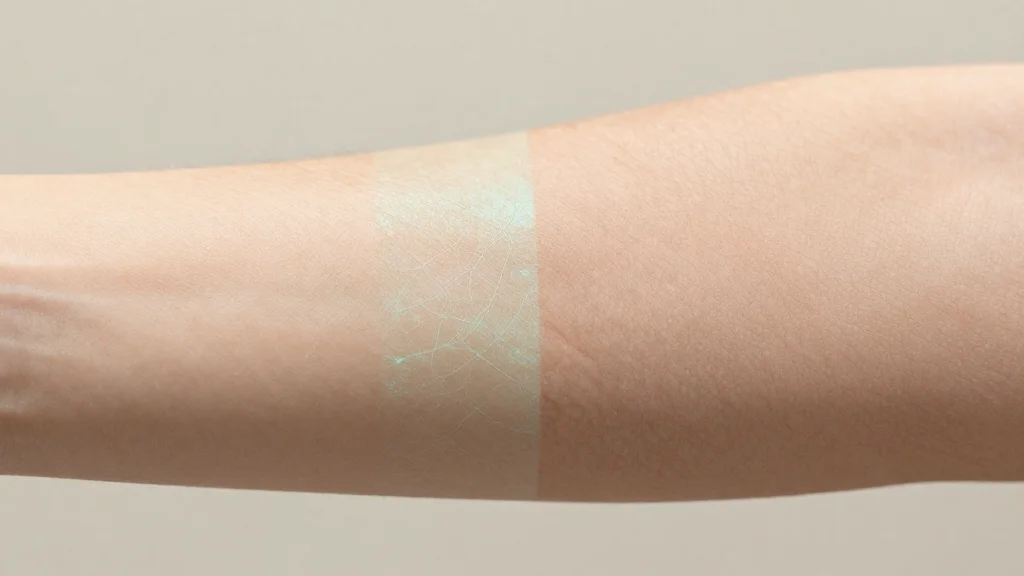
The Field of Dermatology Is Undergoing a Transformation
Dermatology is shifting from purely cosmetic, marketing‑driven procedures to science‑based longevity treatments that target the underlying mechanisms of skin aging. New therapies that clear senescent cells, modulate epigenetic clocks, and employ partial cellular reprogramming are delivering measurable improvements in barrier...
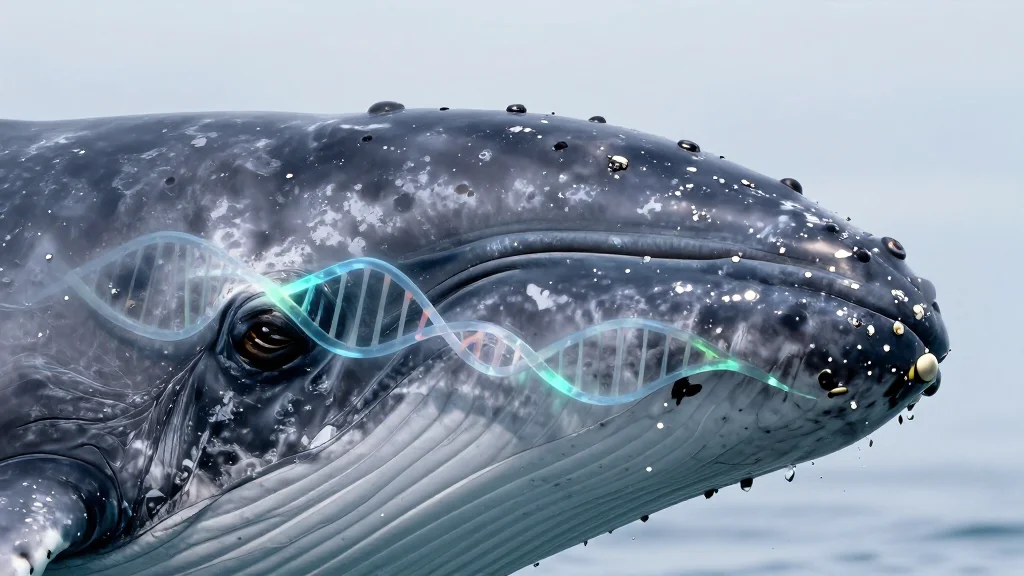
In Whales, a Long Life Absent Cancer Results From Superior DNA Repair Mechanisms
Researchers have identified that bowhead whales, which can live over 200 years, exhibit an unusually robust DNA repair system that underpins their low cancer incidence. Unlike elephants, which rely on multiple TP53 copies, whales appear to use alternative genome‑maintenance pathways...

Metabolic Acidosis May Be an Important Contributing Cause of Age-Related Frailty
A new open‑access study highlights metabolic acidosis—specifically low serum bicarbonate—as a potentially overlooked driver of age‑related frailty. Epidemiologic data link bicarbonate levels below 25 mEq/L to slower gait, reduced muscle strength, and higher mortality, even in seniors with normal kidney function....

Only 9% of Americans Know How to Maintain Brain Health, Alzheimer’s Association Finds
The Alzheimer’s Association’s 2026 Brain Health in America report reveals a stark knowledge gap: while 88% of U.S. adults aged 40+ consider brain health very important, only 9% say they know “a lot” about how to protect it. Respondents recognize...

The Immune System Ages Differently in Men and Women
A new Nature Aging study used single‑cell analysis of over 1 million peripheral blood mononuclear cells from 982 donors aged 19 to 97 to map how the immune system ages. The researchers found that women experience more pronounced age‑related changes in...

The Forgotten Guardian: Is This "Childhood" Organ the Key to Longevity?
A new study in *Nature* used AI to examine 25,000 heart and lung scans and found that adults with a healthier‑appearing thymus enjoy significantly longer lives, with up to a 50% reduction in overall mortality and a 63% lower risk...

Age-Related Degeneration of the Pineal Gland
A recent study examined how the human pineal gland’s structure changes with age, identifying two distinct aging pathways: an increase in astrocytes that may compensate for pinealocyte function, and a disruption of lobular architecture that leads to astrocytic atrophy and...

Connecting Gompertz Law Parameters with Specific Outcomes in the Treatment of Aging
Researchers used large‑scale Caenorhabditis elegans experiments to re‑interpret the two parameters of the Gompertz mortality equation. They found that reductions in the β parameter correspond to an expanded period of late‑life frailty, while declines in α reflect genuine health‑span extension...

Is Human Life Expectancy Increasing Because Aging Is Progressing More Slowly?
A new open‑access study examines whether rising life expectancy reflects a slower biological aging process or merely a postponement of its onset. Using cohort mortality data from 12 high‑income countries, the authors decompose the Gompertz slope—a proxy for the rate...

Architecting Life: Authoring the Future of Species with Dr. Adrian Woolfson
Dr. Adrian Woolfson argues that DNA must be treated as a programmable engineering material, enabling the design of living systems from houses to organs. By decoding DNA's generative grammar, humanity could author genomes and potentially rewrite its own code, ushering...

BODi Expands GLP-1 Support and Longevity-Driven Fitness with “10 Minute BODi” Workouts
BODi announced three new 10‑Minute BODi digital programs—Speed Train, Active Aging, and GLP‑1 Fitness Formula—expanding its micro‑dose fitness catalog for busy consumers, seniors, and users of GLP‑1 medications. Speed Train adds 22 resistance workouts, Active Aging delivers 15 mobility‑focused sessions...

The Gut Microbe in INDY Related Longevity in Flies
Researchers investigated how the longevity‑associated Indy gene influences the gut microbiome in Drosophila. Indy heterozygous flies displayed lower bacterial load and greater microbial diversity as they aged, while still achieving lifespan extension even in germ‑free conditions. The study linked Indy...

PEPITEM as a Potential Therapy for Autoimmune Arthritis
Researchers at the University of Birmingham have identified a decline in the anti‑inflammatory peptide PEPITEM as a key driver of worsening inflammatory arthritis with age. Laboratory tests showed that adding synthetic PEPITEM restores white‑blood‑cell responsiveness to adiponectin in early‑stage rheumatoid...
Peptides / Bioregulators
The invite‑only California Peptide Club convened over 100 tech‑savvy attendees in San Francisco to discuss self‑optimization peptides, a trend now outpacing even pickleball in Google searches. Participants, ranging from clinicians to DIY biohackers, shared personal stacks and demonstrated injection techniques...

Dr. Kaeberlein's Optispan Podcast Series - Rapamycin and More
The Optispan podcast hosted by Dr. Kaeberlein outlines a translational protocol for 3‑hydroxyanthranilic acid (3HAA), a mouse‑tested longevity molecule. Using FDA BSA scaling, the human equivalent dose (HED) is calculated at roughly 1.1 g per day for a 70‑kg adult. Safety...

Considering How to Define Animal Models of Intrinsic Capacity in Aging
A decade after the WHO introduced the intrinsic capacity (IC) framework, researchers still lack a unified way to measure its five domains—cognition, locomotion, vitality, sensory function, and psychological health. Numerous human‑centric metrics exist, but they are not comparable across studies....
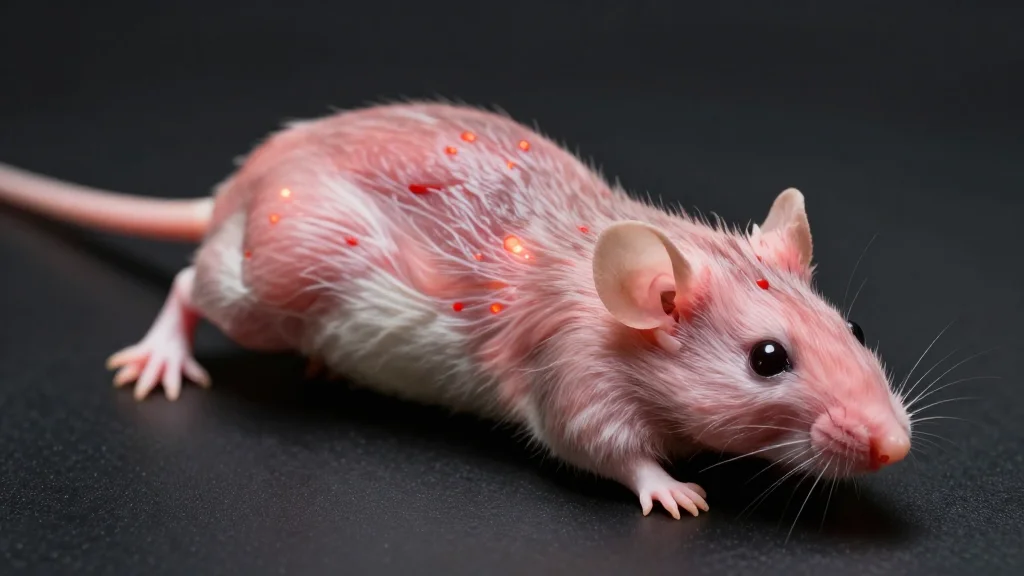
ATF5 as a Point of Tradeoff in Muscle Mass versus Muscle Quality
Researchers discovered that deleting the transcription factor ATF5 in mice prevents the typical age‑related loss of skeletal muscle mass, but this comes at the cost of reduced muscle quality and endurance. ATF5‑deficient mice showed lower activation of mitochondrial quality‑control proteins,...
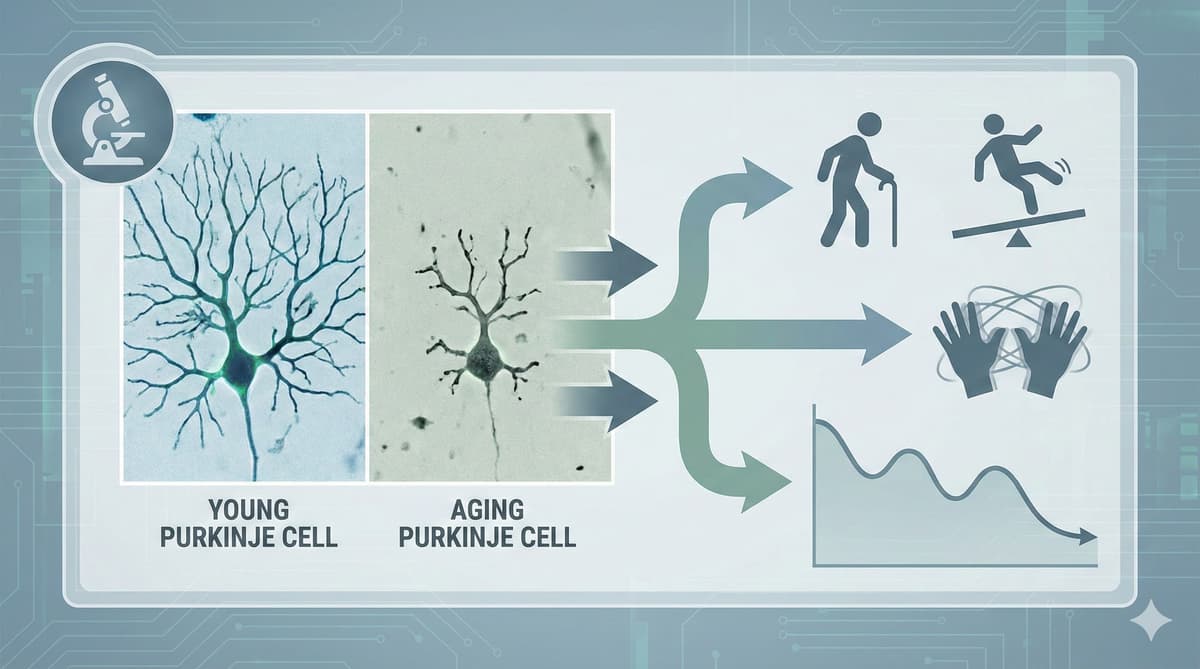
Why Do Falls Rise with Age? Cerebellar Neuron Firing Problems (and Potential Therapeutics)
A new McGill University study published in PNAS shows that age‑related motor decline is not due to loss of cerebellar Purkinje neurons but to a drop in their intrinsic firing frequency. The researchers demonstrated that suppressing Purkinje firing in young...
Dasatinib and Quercetin as Senolytic May Cause Brain Damage
A March 2026 PNAS study shows that the senolytic combo dasatinib and quercetin (D+Q) triggers demyelination in the corpus callosum of aged mice. The researchers used intermittent oral doses of 5 mg/kg dasatinib and 50 mg/kg quercetin, identical to regimens linked to...
The Longevity Effects of Reduced IGF-1 Signaling Depend on the Stability of the Mitochondrial Genome (Paper April 2026)
The study shows that reducing IGF‑1 signaling via Pappa loss does not extend lifespan in Polg D257A mutator mice, which harbor unstable mitochondrial DNA. While Pappa deletion improves several health metrics—splenomegaly, anemia, inflammation, muscle and cardiac function—the longevity benefit seen in...
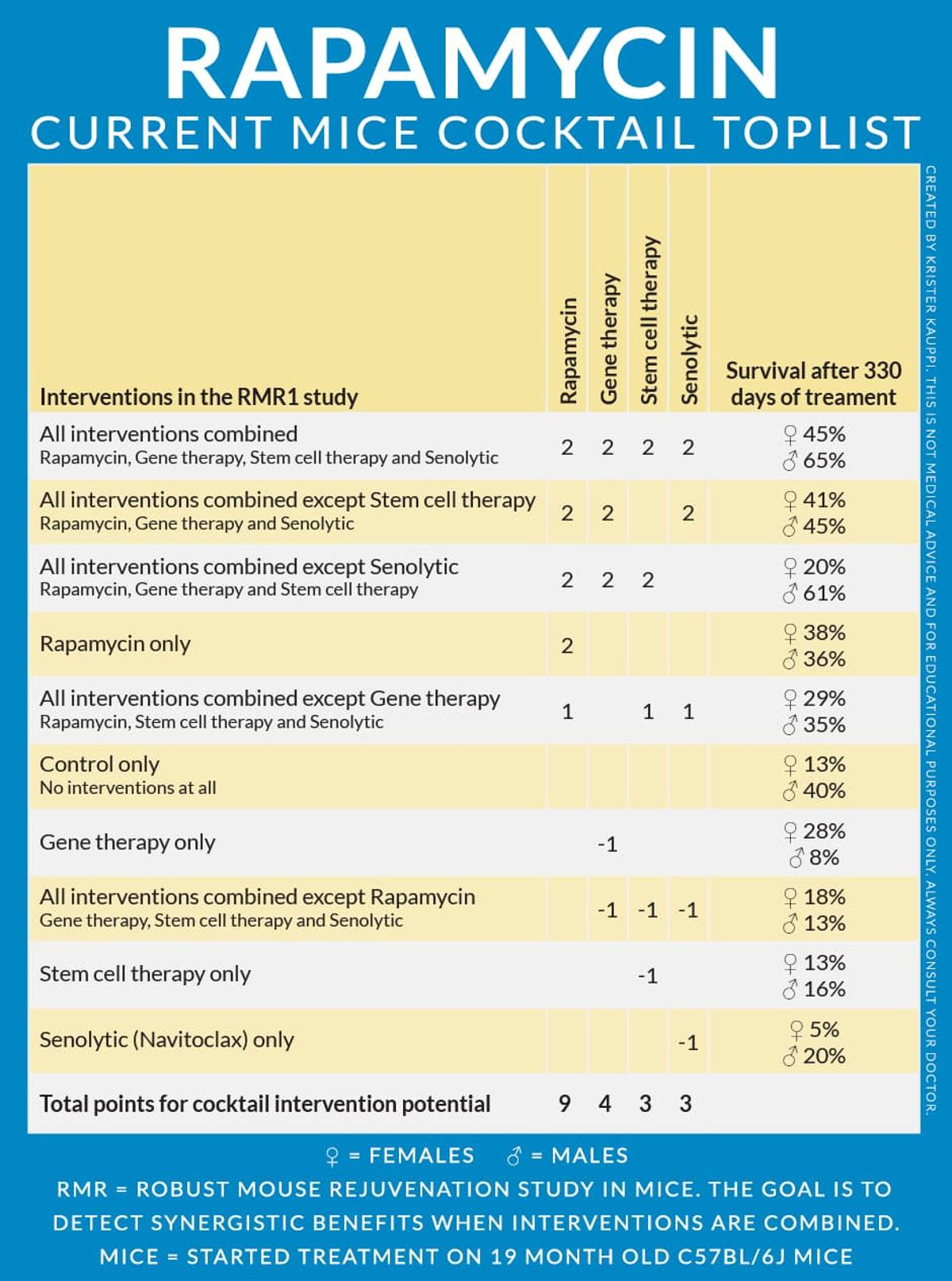
Robust Mouse Rejuvenation (RMR1) Study Update
The Robust Mouse Rejuvenation (RMR) program, led by Dr. Aubrey de Grey and the LEV Foundation, is testing multi‑intervention stacks to extend mouse lifespan far beyond the ~4‑month gains seen with single agents. RMR1 combined rapamycin, telomerase gene therapy, heterochronic bone‑marrow...
Is VC6TF the OSK Reversal Cocktail?
Researchers at the Sinclair Lab have identified a five‑molecule mix called VC6TF that chemically mimics the OSK (Oct4, Sox2, Klf4) gene‑therapy cocktail used to reset cellular age. The core of the “three‑chemical” version discussed by Dr. Sinclair includes CHIR‑99021, RepSox...
Longevity: What 2 or 3 Other Supplemental Medications Would You Use Along with Rapacan/Sirolimus?
An anonymous forum user seeks supplemental drugs to pair with rapamycin (sirolimus) for longevity, already taking resveratrol. Community responses recommend metformin, acarbose, and SGLT2 inhibitors such as dapagliflozin to counter rapamycin‑induced glucose spikes, plus statins or ezetimibe for lipid control...
The Interventions Testing Program Shows that Another Eleven Compounds Do Not Slow Aging in Mice
The National Institute on Aging’s Interventions Testing Program evaluated eleven small‑molecule and supplement candidates—including astaxanthin, meclizine, mitoglitazone, pioglitazone, α‑ketoglutarate, mifepristone, methotrexate, and an atorvastatin‑telmisartan combo—in genetically heterogeneous UM‑HET3 mice and found none extended lifespan. Earlier studies that suggested modest benefits...

Oxygen Sensing as a Component of Differences in Regenerative Capacity Between Species
Researchers investigated how oxygen sensing influences tissue regeneration by comparing amphibian and mammalian models. They cultured frog tadpole limbs and mouse embryos under varied oxygen levels, focusing on the HIF1A protein that stabilizes under low oxygen. Reduced oxygen accelerated wound...

The Category 2 Peptide Unwind: How a Rogan Appearance, 14 Withdrawn Nominations & a July PCAC Docket Will Reprice the...
Kennedy’s appearance on The Joe Rogan Experience announced that roughly fourteen peptides could be re‑classified from FDA Category 2 back to Category 1, but no Federal Register rule has been issued yet. The announcement highlights a procedural path where nominators withdraw nominations,...

In Search of Novel Means to Provoke Mild Mitochondrial Stress to Slow Aging
Researchers screened 770 FDA‑approved drugs to find compounds that safely trigger a mild mitochondrial stress response, a process known as mitohormesis that can improve cellular resilience. The screen highlighted terbinafine and miglustat, which extended lifespan and healthspan in C. elegans...
Dietary Interventions for Healthy Aging: An Epigenetic Perspective
A new review from Nanjing University of Chinese Medicine argues that diet functions as epigenetic software, supplying metabolites such as SAM, NAD+, α‑ketoglutarate and acetyl‑CoA that directly shape DNA methylation and histone modifications. It dissects three evidence‑backed interventions—Caloric Restriction, the...

How Aging Reshapes the Mammalian Body: Atlas of 7 Million Cells Reveals All
Researchers at The Rockefeller University have created the most comprehensive single‑cell atlas of aging, profiling nearly 7 million cells from 21 mouse organs at 1, 5 and 21 months. The study identified over 1,800 cell subtypes, revealing that about a quarter...
IGF-1 Signaling Suppression Fails to Slow Aging in Mitochondrial Mutator Mice
Researchers examined whether suppressing insulin-like growth factor‑1 (IGF‑1) signaling could extend the lifespan of mitochondrial mutator mice, which carry a high rate of mitochondrial DNA mutations. Contrary to expectations, reduced IGF‑1 signaling did not increase longevity; most downstream pro‑longevity pathways...

Applying Mendelian Randomization to the Correlation Between Fitness and Health
Researchers applied a phenome‑wide Mendelian randomization approach to test whether genetically predicted aerobic fitness causally influences health. Screening 712 European‑ancestry phenotypes, they identified 108 discovery associations, with 34 confirming in independent validation. Higher genetically determined fitness correlated with lower risks...

What Your Wearable Knows That Your Doctor Ignores: Weekly Livestream W/ Brooks Leitner
The Food is Health newsletter is hosting a live stream on April 17 at 2 p.m. ET with Dr. Brooks Leitner, a Yale‑trained physician‑scientist and co‑founder of VO Health. The discussion will focus on VO2 max, a fitness metric that research shows...
Vitamin D: The Prohormone Your Doctor Is Under-Dosing
The post argues that vitamin D is a prohormone most physicians under‑dose, often recommending only the minimal 400‑800 IU despite widespread deficiency. It cites research supporting daily intakes of 2,000‑5,000 IU, especially in winter, and highlights the superior bioavailability of vitamin D3 over D2....

Blue Zone BS
The post dismantles the popular Blue Zones narrative, arguing that its longevity claims rest on shaky demographic data and an oversimplified focus on plant‑based diets. It points out inconsistent birth records in regions like Okinawa, Sardinia and Nicoya, which can...
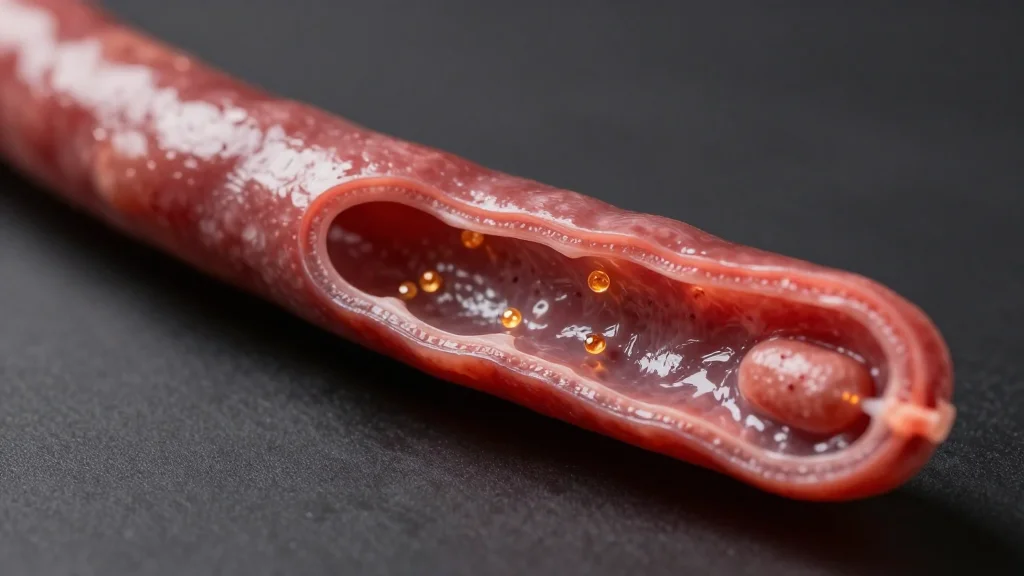
Cellular Senescence and Mitochondrial Dysfunction and the Aging of the Vascular Endothelium
The review links cellular senescence and mitochondrial dysfunction to the aging of the vascular endothelium, showing how reduced nitric‑oxide, oxidative stress, and chronic inflammation drive atherosclerosis, hypertension, and blood‑brain barrier leakage. It details a feedback loop where mitochondrial bioenergetic decline...
Homoharringtonine as a Senotherapeutic Drug
Researchers used a large‑scale drug‑repositioning screen to identify homoharringtonine (HHT), an FDA‑approved anti‑leukemic agent, as a potent senotherapeutic. In vitro, HHT selectively eliminated senescent pre‑adipocytes while sparing healthy cells. In male mice, HHT cleared senescent adipocytes, restored white‑adipose tissue function,...

Watch: AI and Preventative Health Webinar
Health Tech World and Femtech World hosted a webinar featuring four industry leaders discussing how artificial intelligence is transforming preventative health. The panel covered AI‑driven early disease detection, personalized lifestyle recommendations, and the specific implications for women’s health innovation. Recorded...
Inflammation & Immune System - A Deep Dive Into Genetic Pathways for Actionable Insights
A detailed genetic analysis of inflammation and immune pathways identified three high‑impact homozygous variants: PTPN22 R620W, CFH Y402H, and NFE2L2 –617. The report translates these findings into concrete clinical actions, including autoimmune and thyroid screening, baseline retinal imaging for age‑related...
Experiences with Ezetimibe or Empagliflozin?
A Reddit longevity thread shows users taking ezetimibe (10 mg) and empagliflozin (10‑25 mg) report minimal side effects while noting modest metabolic benefits. Empagliflozin is praised for flattening post‑prandial glucose spikes but can increase urination; ezetimibe is credited with lowering LDL‑C to...

GHK-Cu Peptide Rescues Aging Cognition but Splits Molecular Pathways in the Brain
Researchers examined the copper‑binding peptide GHK‑Cu, noting its molecular weight of about 402 g/mol and a 15.8% copper composition. Translating the mouse dose of 15 mg/kg to humans yields an 85 mg daily intake, delivering roughly 13.4 mg elemental copper—well above the 10 mg tolerable...