
Loyal Raises $100 Million: Dog Longevity Drugs Targeting IGF-1 and PPAR Pathways
Loyal, a biotech startup focused on canine longevity, raised $100 million in Series A funding to advance its anti‑aging pill that targets the IGF‑1 and PPAR pathways. The drug received a favorable “likely effective” assessment from the FDA, positioning it for market entry pending final safety and dosing reviews. If approved, the treatment could add roughly a year of healthy life to dogs, unlocking a sizable new segment of the pet‑health market. Loyal’s progress also signals broader interest in translating similar pathways to human aging therapies.

FOXO4-DRI Is Fascinating, but Was Never Intended for Human Use, What Are the Takeaways?
FOXO4‑DRI, a laboratory‑engineered senolytic peptide, has generated excitement for its ability to clear aged cells but was never designed for human administration. Enthusiasts are experimenting with off‑label protocols that combine FOXO4‑DRI, dasatinib, fisetin, quercetin and a suite of peptides such...
Telomeres: History, Health and Hallmarks of Aging
Bill Andrews, a co‑discoverer of human telomerase, argues that telomere shortening is the primary limiter of human lifespan and that systemic activation of telomerase can reverse biological aging. He promotes small‑molecule activators such as TAM‑818 and botanical blends like Telo‑Vital,...

Neural Maintenance: Why Some Brains Defy the Calendar
A new review in Ageing Research Reviews argues that chronological age is a poor predictor of cognitive performance, highlighting extreme inter‑individual variability. The authors identify the medial temporal lobe, especially the hippocampus and entorhinal cortex, as the hub where network...

The Ancient Turmeric Drink that Can Revolutionize Your Health
A 5,000‑year‑old Ayurvedic drink called haldi doodh—turmeric paste mixed with warm milk, oil, and black pepper—has been validated by modern clinical research. The addition of piperine from black pepper can increase curcumin absorption by up to 2,000 percent, while the...

Before You Trust that Aging Test, Here’s What Scientists Want You to Know
Epigenetic aging clocks translate DNA methylation patterns into a single age estimate, becoming a cornerstone for population‑level aging research. Dozens of commercial tests now market these clocks to consumers for $30‑$1,000, promising a personal “biological age.” Scientists warn that the...
Blood as the Mirror of Aging
Recent research positions blood as both a diagnostic mirror and a therapeutic lever for aging. Multi‑omics studies show plasma proteins, metabolites, and extracellular vesicles reflect chronological and organ‑specific age, while heterochronic parabiosis and young plasma transfers demonstrate that youthful circulation...
Why Does More Cancer Imply Less Neurodegeneration and Vice Versa?
Epidemiological studies consistently reveal an inverse relationship between cancer incidence and neurodegenerative disease risk. The trade‑off is linked to how tissue‑maintenance activities, especially stem‑cell driven cell replication, decline with age. Lower replication reduces the chance of oncogenic mutations but also...
A Mechanism Linking Protein Aggregation to STING Activation and Inflammation in the Aging Brain
Researchers identified S‑nitrosylation of the immune sensor STING at cysteine‑148 as a key driver of neuroinflammation in Alzheimer’s disease. The modified protein, SNO‑STING, was abundant in human Alzheimer’s brains, cultured microglia, and mouse models. Blocking this chemical change reduced microglial...

The Thymus As A Key Target For Aging Intervention, Dr. Greg Fahy (May/2026 Berkeley)
Dr. Greg Fahy argues that restoring the thymus is essential for true immune rejuvenation, citing anecdotal benefits from long‑term HGH use and early data from his TRIIM program. Recent Nature papers link thymic health to lower mortality and stronger cancer‑immunotherapy...

My Secret Homemade Electrolyte Recipe
Valérie Orsoni argues that staying hydrated isn’t just about drinking water; it requires a balance of electrolytes—sodium, potassium, and magnesium. She explains how excessive plain water can dilute these minerals, stressing the nervous system and impairing performance. Commercial electrolyte drinks...
Out of 400 Drugs, Only These Might Help You Live Longer - Dr. Kevin Perez and Siim Land
A UK Biobank study of 500,000 participants tracked medication use for up to 20 years and compared users of 400+ drugs with matched controls. After adjusting for demographics, health status and socioeconomic factors, only fourteen drugs showed a statistically significant...
The Plasticization of Human Longevity: Are Microplastics the New Gerontogens?
A new review in the Journal of Xenobiotics argues that micro‑ and nanoplastics (MNPs) accumulate in human tissues and act as systemic gerontogens, accelerating biological aging. By age 70, an average person could carry over 50,000 plastic particles, a load...

After Heart Attack, Therapeutic Plasma Exchange (TPE) Rescues the Aging Heart
Researchers at UC Berkeley demonstrated that therapeutic plasma exchange (TPE) performed 24 hours after a heart attack can nearly reverse damage in aged mice, the equivalent of humans in their 60s. By replacing half of the plasma with saline‑albumin solution, the...

Does Greater Adult Neurogenesis Allow Some People to Resist Alzheimer's Disease?
A new open‑access study examined human hippocampal tissue from control donors, Alzheimer’s patients, and individuals who showed Alzheimer’s pathology but remained cognitively resilient. Researchers identified immature neurons in all groups, but resilient brains displayed distinct transcriptional programs that promote cell...
Update on Brad Stanfield's Rapamycin Clinical Study in NZ
Brad Stanfield’s New Zealand rapamycin trial enrolled older adults on a 12‑week protocol, with participants typically taking 6 mg every other week. The study measured functional outcomes such as the chair‑stand test, sparking debate over whether short‑term dosing can reveal longevity benefits. Commentators...
Anyone Taking Rapamycin Monthly?
A growing community of longevity enthusiasts is experimenting with monthly rapamycin dosing, typically ranging from 5 mg to 30 mg and often boosted with grapefruit juice. Participants cite benefits such as fewer infections and slower aging markers, but also report side effects...
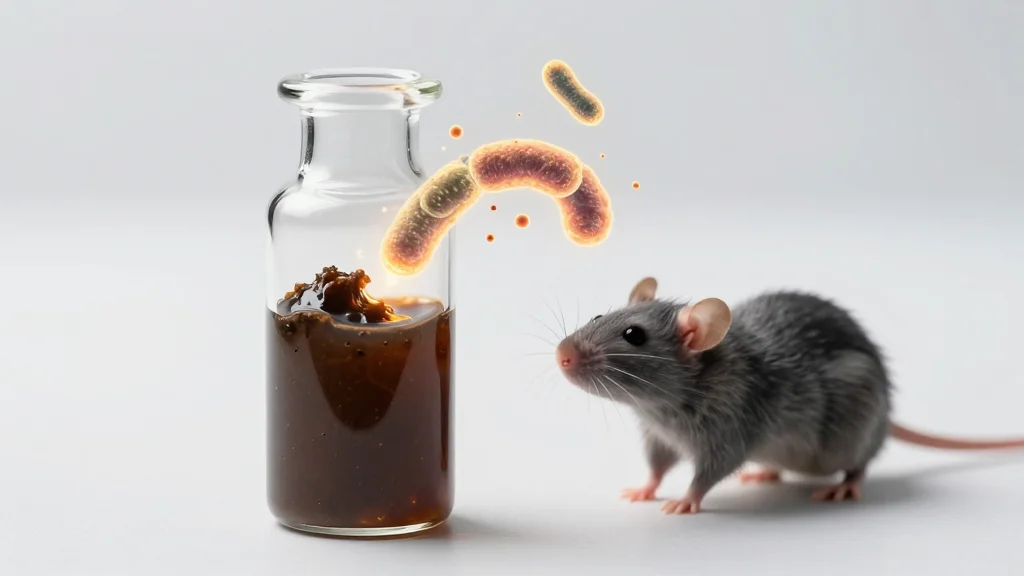
Fecal Microbiota Transplantation Reduces MDM2 Expression and Risk of Liver Cancer
Researchers demonstrated that fecal microbiota transplantation (FMT) from young to old mice suppresses age‑related MDM2 overexpression and prevents liver cancer development. In the study, none of the FMT‑treated older mice developed tumors, whereas two of eight control mice did. Treated...
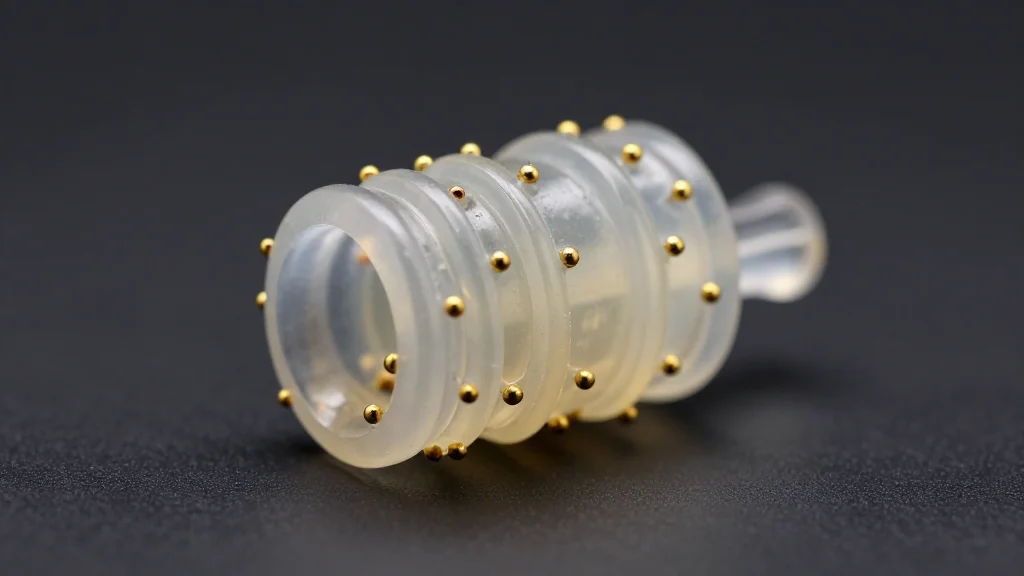
Oxidative Stress Impairs Deubiquitylase Activity in the Aging Brain
Researchers used activity‑based proteomics in mouse and killifish brains to map cysteine deubiquitylases (DUBs) across the lifespan. They found a subset of DUBs that progressively lose catalytic activity with age, despite unchanged protein levels, due to oxidative thiol modification. Antioxidant...

The Tech Billionaires Behind the Immortality Movement
Tech magnates are pouring billions into the quest for human longevity. Peter Thiel has long championed plasma‑based rejuvenation, while Sam Altman committed $180 million of personal wealth to Retro Biosciences, a startup targeting age reversal. Jeff Bezos backs Altos Labs, which pursues stem‑cell therapies to extend...
The Five Laws of Mitochondrial Health
The piece presents five philosophical laws for mitochondrial health, urging readers to start with mitochondria, put food before pharmaceuticals, avoid technology that replaces natural exposures, recognize personal needs, and adapt as those needs shift. It argues that cellular energy output...

High Altitude Populations Exhibit Features of Accelerated Immune Aging
Researchers examined immune cells in Tibetan plateau residents living at 3,600‑5,000 meters and found hallmarks of accelerated immune aging. Compared with low‑altitude groups, high‑altitude populations displayed higher chronic inflammation, increased neutrophil fractions, and enrichment of exhausted T cells and age‑associated...
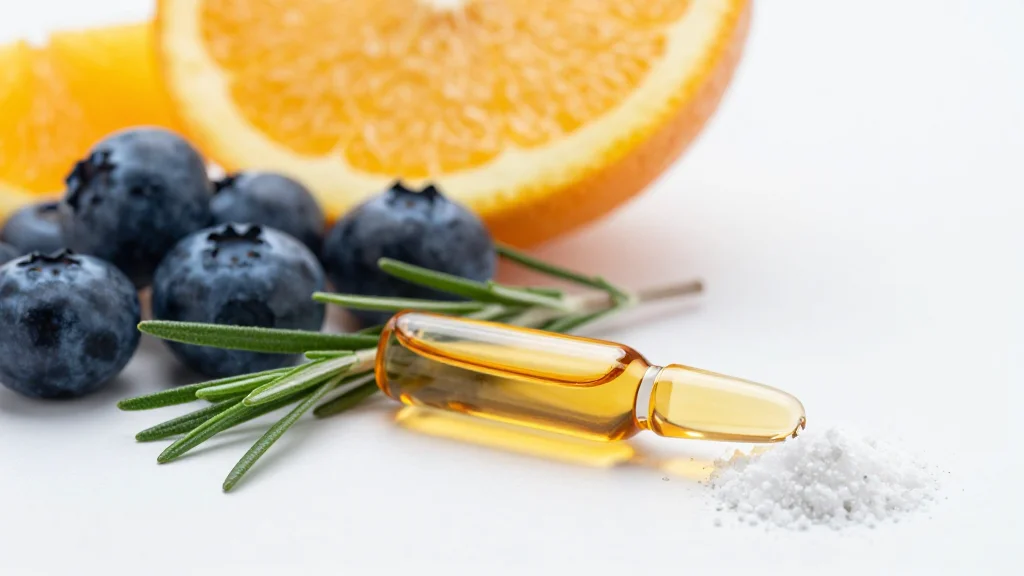
A Combination Treatment Is Claimed to Produce Sizable Life Extension in Aged Mice
Seragon funded a pre‑clinical trial of SRN‑901, a proprietary oral cocktail that blends urolithin A, quercetin, nicotinamide riboside, alpha‑lipoic acid and the company’s SRN‑820. In 18‑month‑old mice on a Western diet, the regimen extended median remaining lifespan by 33% and cut...
What We Might Learn From the Immune Systems of Centenarians
Recent research highlights that centenarians exhibit a distinct immune profile that defies typical immunosenescence. While most elderly experience dwindling naïve T‑cell pools and chronic inflammation, these super‑agers preserve naïve T cells, expand cytotoxic CD4⁺ and CD8⁺ subsets, and maintain tight...
XPRIZE Healthspan Names Top 100 Teams Advancing Healthy Aging
The XPRIZE Healthspan competition announced its top 100 teams, spotlighting the core innovations of the 40 Milestone 1 award‑winning entrants. These teams are pursuing a spectrum of strategies—from mitochondrial‑targeted small molecules and metformin‑rapamycin combos to AI‑driven nutrition plans, senolytic drugs, and...
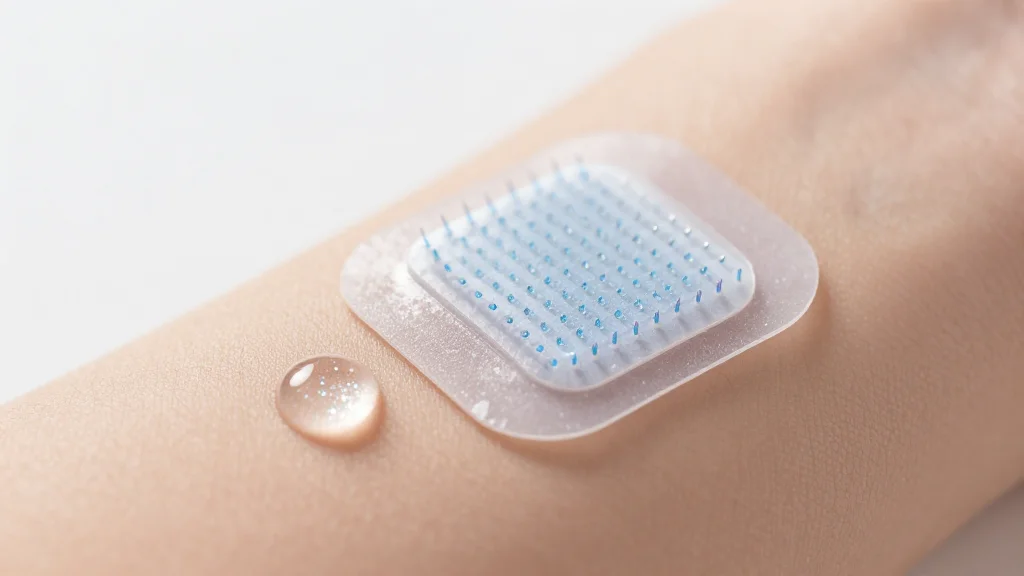
The Nanotechnology Behind Biohacking: What Works, What Is Early, and What Is Hype
Nanowerk’s new guide categorizes nano‑enabled biohacking tools into mature, emerging, and hype‑driven claims. It highlights FDA‑cleared over‑the‑counter glucose monitors and a 2026 microneedle patch that can track multiple biomarkers, while warning that many supplement and peptide claims lack solid human...
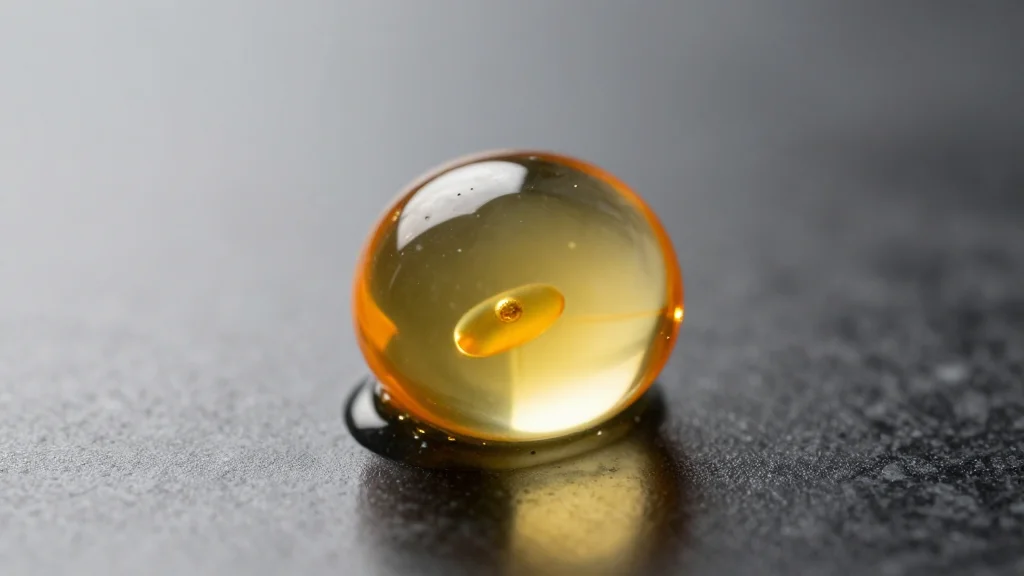
Phosphatidylcholine Synthesis Declines with Age to Contribute to Mitochondrial Dysfunction
Researchers identified a conserved age‑related decline in phosphatidylcholine (PC) synthesis as a key driver of mitochondrial dysfunction. Using C. elegans, human transcriptomic and metabolomic data, they showed that reduced activity of SAMS‑1 and PEMT enzymes leads to mitochondrial fragmentation and...
The Molecule Your Doctor Will Never Prescribe — That Does the Same Thing as Metformin (Without the Side Effects)
The article spotlights berberine, a plant‑derived alkaloid that mirrors metformin’s glucose‑lowering effects without its gastrointestinal side effects. It explains how berberine activates AMPK, improves insulin sensitivity, and reduces inflammation, making it attractive to biohackers and patients seeking natural alternatives. The...
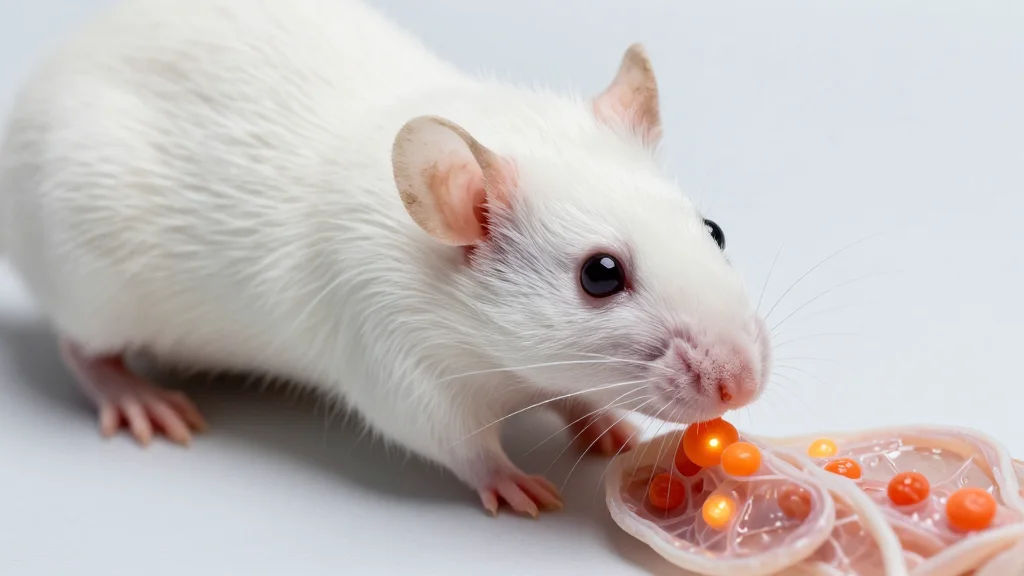
Reduced Ghrelin Receptor Activity Improves Mitochondrial Function and Muscle Function in Aged Mice
Researchers demonstrated that reducing activity of the ghrelin receptor (GHSR‑1a) improves muscle endurance and mitochondrial function in aged mice. Both genetic knockout and the inverse‑agonist PF‑5190457 increased markers of mitochondrial biogenesis and mitophagy, enhancing fatigue resistance. The interventions did not...
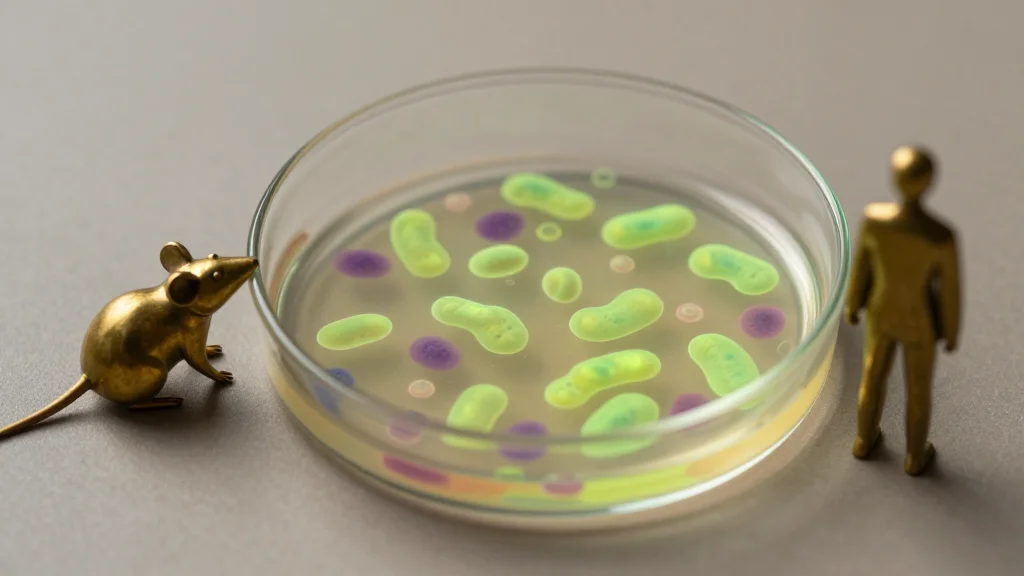
Arguing for an Emphasis on Comparative Organelle Biology
Researchers argue that aging studies should shift from a gene‑by‑gene focus to holistic comparisons of organelle structures across species. While genome‑centric approaches have identified hallmarks of aging, they often fail to explain why interventions that extend lifespan in short‑lived models...
Peptides / Bioregulators
The AGI House in San Francisco hosted the inaugural California Peptide Club, drawing over 100 invite‑only attendees to discuss self‑optimization peptides. Organiser Julius Ritter highlighted the fragmented information landscape and showcased stacks ranging from growth‑hormone releasers to cognitive enhancers. Days later, HHS...
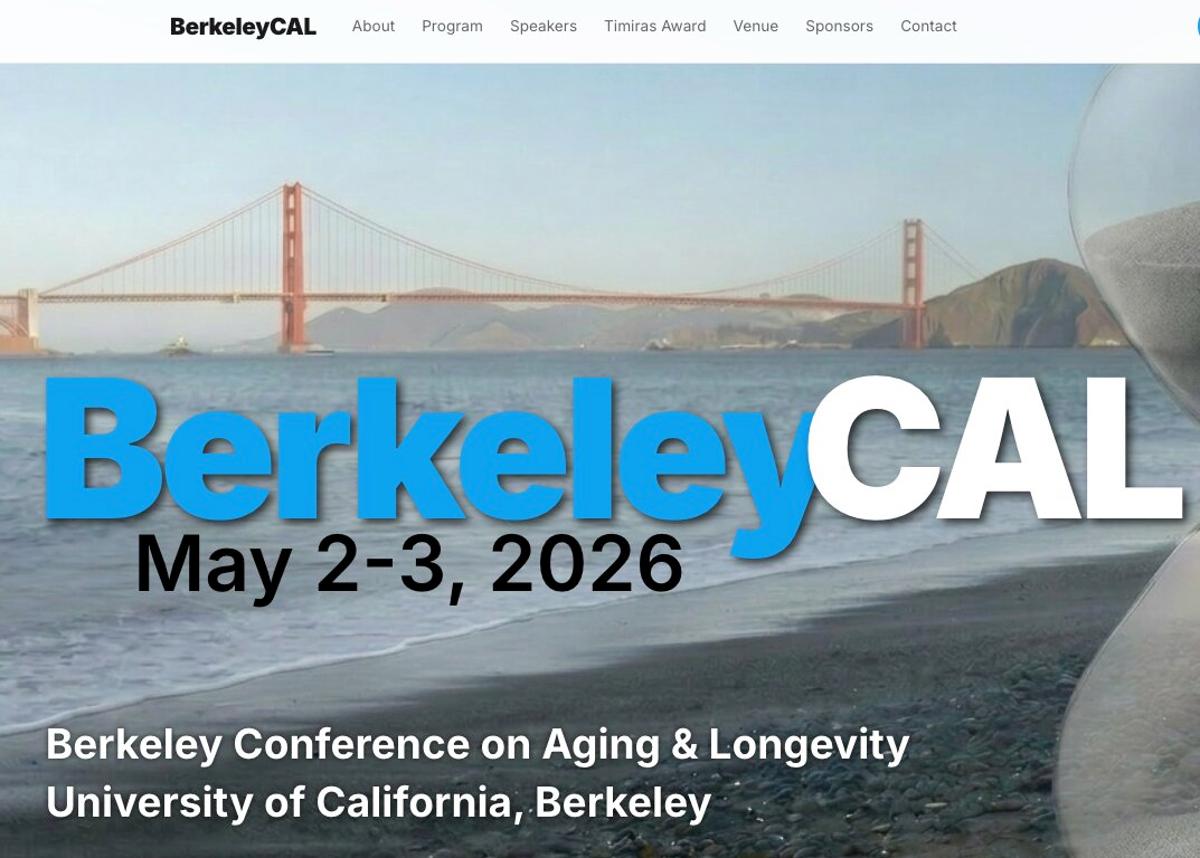
Berkeley Conference on Aging This Weekend
The University of California, Berkeley will host the BerkeleyCAL Conference on Aging and Longevity on May 2‑3, 2026, featuring a keynote by Her Royal Highness Dr. Haya Al Saud and leading researchers such as Cynthia Kenyon, Felipe Sierra, Michael D. West,...
FOXO4-DRI Is Fascinating, but Was Never Intended for Human Use, What Are the Takeaways?
FOXO4‑DRI is an experimental senolytic peptide that selectively eliminates senescent cells by disrupting the FOXO4‑p53 interaction, prompting p53‑mediated apoptosis. Pre‑clinical studies across vascular, reproductive, musculoskeletal and renal models report improved endothelial function, restored testosterone production, chondrocyte rejuvenation, and reduced frailty....
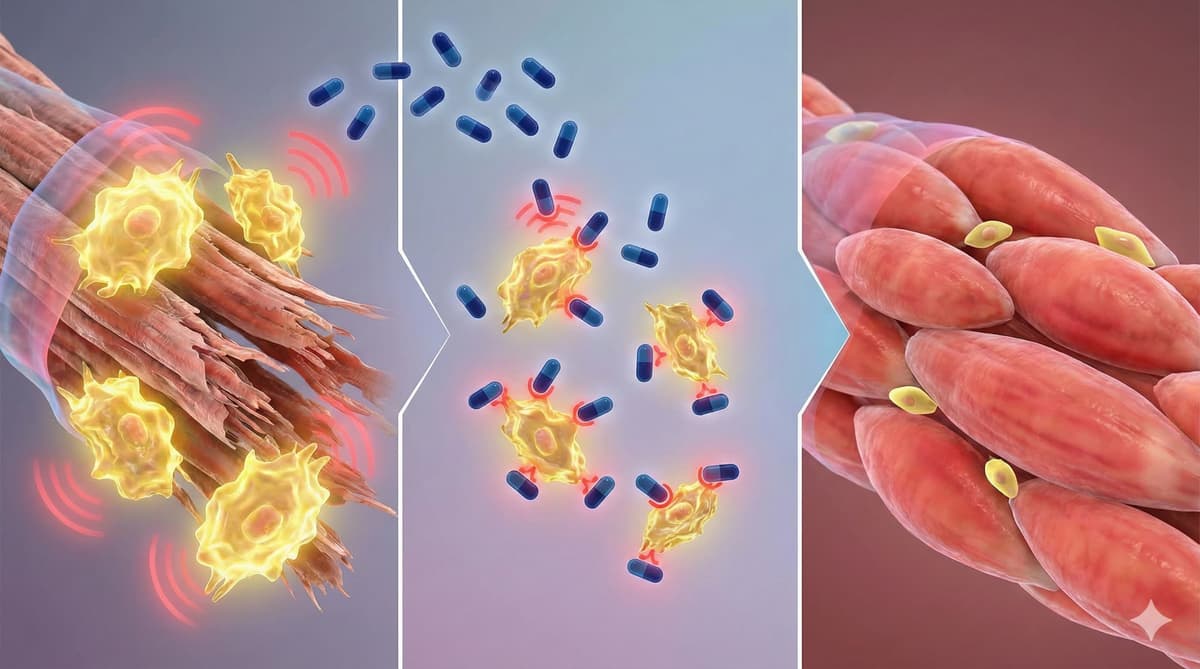
HIV Drug (Maraviroc) Reverses Muscle Aging by Purging “Zombie Cell” Signals
Researchers are exploring the HIV CCR5 antagonist maraviroc as a senomorphic agent that could blunt muscle aging by dampening chronic SASP signaling. Modeling suggests a 75 mg once‑daily dose achieves high CCR5 occupancy, but human data on sarcopenia are absent. The...

Importing Rapamycin to Save Money (2)
A community member placed a test order for sirolimus tablets from RL Pharma Jagdish in India via IndiaMart.com, paying a $25 wire transfer. The package left on Oct 16 2025 and arrived after 26 days on Nov 10 2025, experiencing delays in Zurich, JFK customs,...
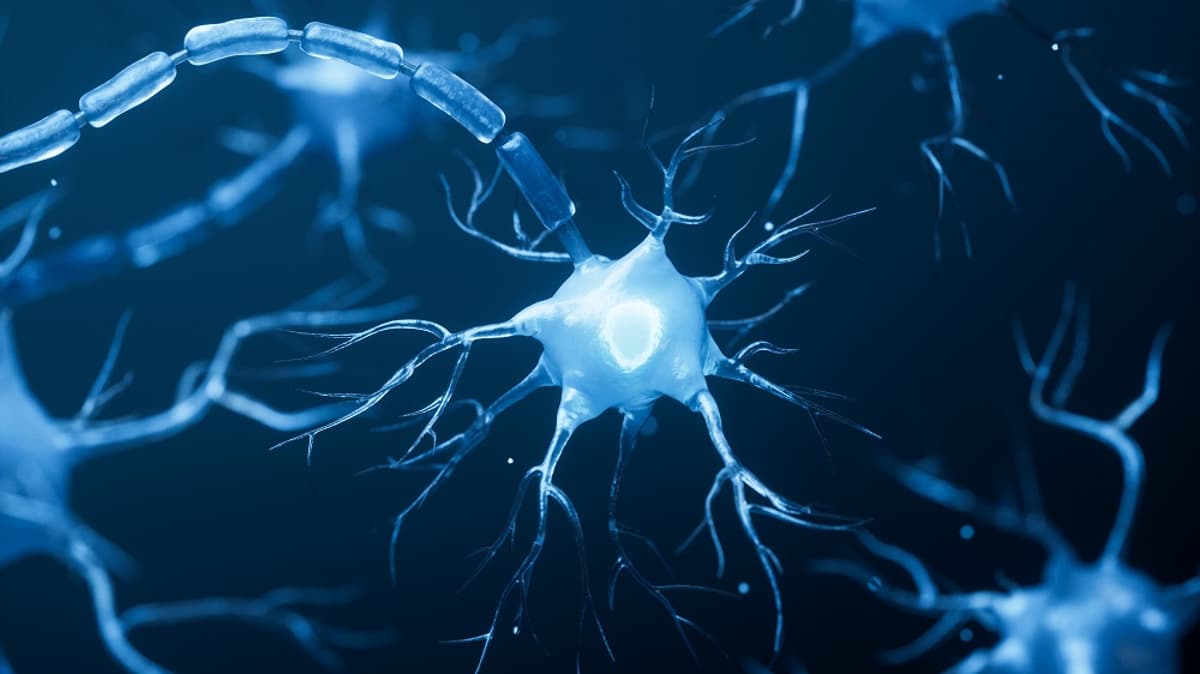
A Popular Senolytic Treatment Causes Brain Damage in Mice
A recent PNAS study shows that the widely used senolytic cocktail dasatinib plus quercetin (D+Q) impairs myelination in the mouse corpus callosum. The treatment altered oligodendrocyte morphology within minutes, reduced myelin thickness, and triggered endoplasmic reticulum stress, without killing the...
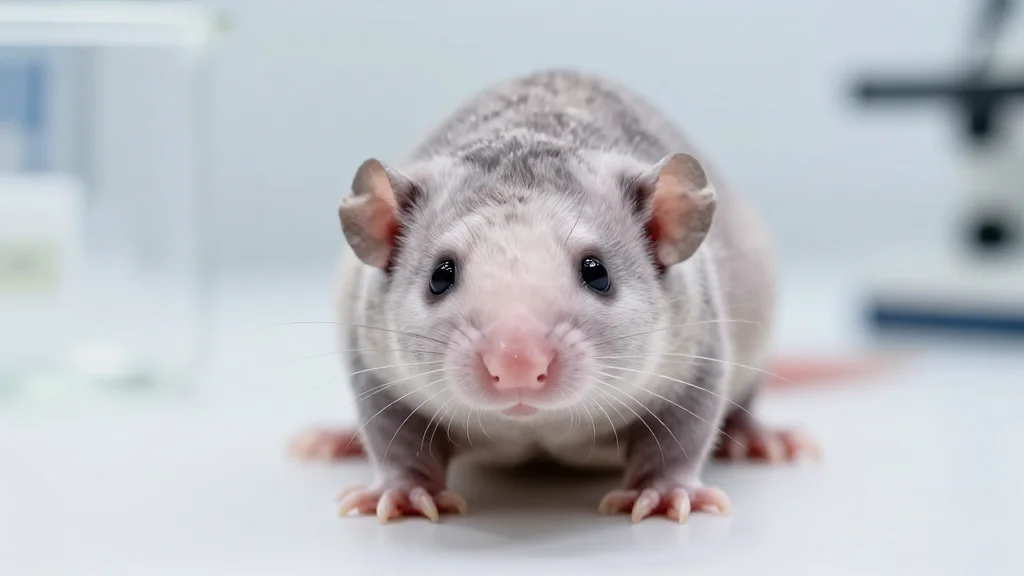
Naked Mole-Rats Exhibit Little Change in Gut Microbiome Composition with Age
Researchers examined the gut microbiome of naked mole‑rats across more than three decades and found minimal age‑related changes, in stark contrast to the pronounced shifts observed in mice. Only the archaeon Methanomassiliicoccus intestinalis increased with age, while breeding queens displayed...

Broken at the Biochemical Level: The B Vitamin Series - Part 1
The opening post of the "B Vitamin Series" frames B‑vitamins as foundational metabolic regulators rather than optional nutrients. It argues that adequate B‑vitamins are essential for energy generation, nerve transmission, cardiovascular health, and cellular repair. When levels dip, the body...

How to Add 7.5 Years to Your Life (Without Drugs or Surgery)
A Yale study led by Dr. Becca Levy tracked 660 adults over 23 years and found that people who hold optimistic views about aging live about 7.5 years longer than pessimists, outpacing benefits from lower blood pressure or cholesterol. The...

Targeting Senescent Cells as a Treatment for Chronic Obstructive Pulmonary Disease
Researchers have introduced BCLXL-PROTAC, a proteolysis‑targeting chimera that degrades the anti‑apoptotic protein BCLXL in senescent lung cells. In primary small‑airway epithelial cells and fibroblasts from COPD patients, the compound induced caspase‑3‑mediated apoptosis and lowered classic senescence markers such as p21,...
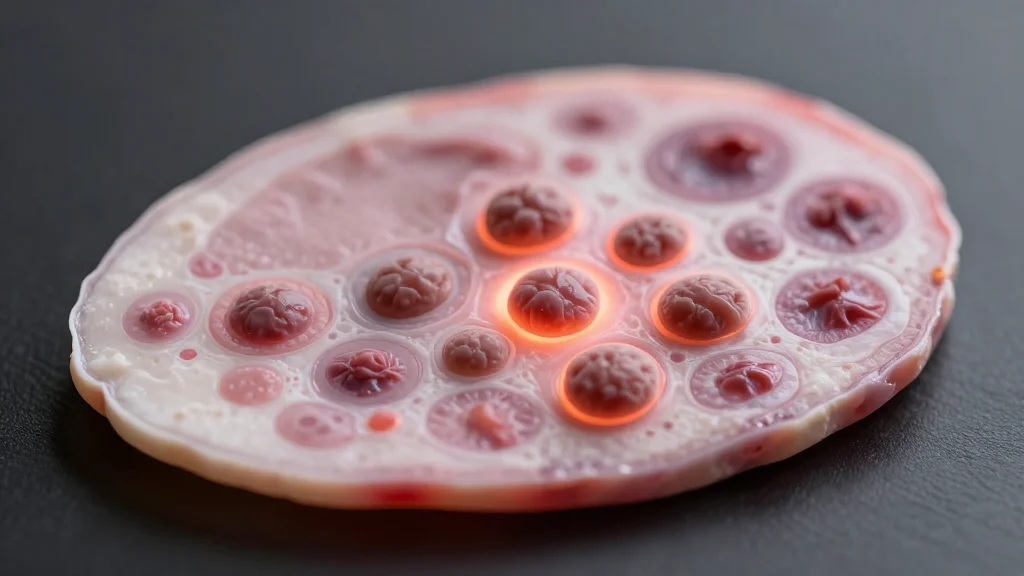
Senescent Macrophages Are Important in Liver Aging and Liver Disease
Researchers identified a distinct p21‑positive, TREM2‑positive senescent macrophage population that accumulates in aging and fatty livers. These cells drive chronic inflammation through a senescence‑associated secretory phenotype linked to type I interferon signaling. In mouse models, senolytic agents that selectively eliminate these...

Does Exposure to Air Pollution Literally Accelerate Aging?
A new open‑access study using UK Biobank data links long‑term exposure to five common air pollutants with accelerated biological aging, reduced gray‑ and white‑matter volumes, and a higher risk of dementia. Participants in the highest exposure tertile showed hazard ratios...
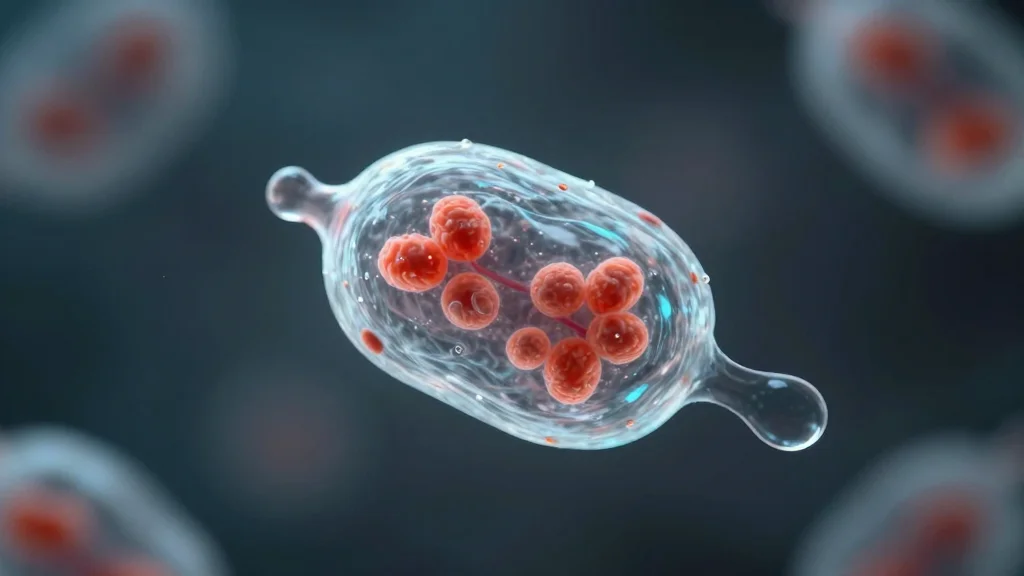
Evidence for MLKL to Be Important in Hematopoietic Stem Cell Aging
Researchers have identified the RIPK3‑MLKL signaling axis as a central driver of hematopoietic stem cell (HSC) aging. Activated MLKL accumulates in HSC mitochondria, impairing self‑renewal and lymphoid differentiation without causing necroptotic cell death. The study links multiple stress responses—such as...
Ivermectin: The New Wonder Drug?
A new consortium paper from Texas institutions challenges the long‑standing hygiene hypothesis that helminths are essential for immune maturation. The authors show that common roundworms and Toxocara remain prevalent in low‑income U.S. communities and are linked to worse asthma and...
The Cure for Death Means Billionaires Will Live Forever—And Be Rich Forever
U.S. billionaires enjoy a dramatically higher life expectancy, with 20% living past 80 compared to just 3.8% of the general population. Their longevity stems from access to premium healthcare, personal trainers, and cutting‑edge nutrition. Meanwhile, leaders like Putin and Xi...
Free Radicals Podcast (Longevity / Biotech Oriented)
Kexin Huang, the a16z‑backed founder of Pho, argues that biology is entering an "Agentic Biology" era where AI agents orchestrate research rather than merely analyze data. His Integrated Biology Environment (IBE), embodied in the Biomni platform, acts like an IDE...
Free Radicals Podcast (Longevity / Biotech Oriented)
Nathan Cheng argues that aging remains untreated due to a coordination failure rooted in cultural "deathism," despite roughly 100,000 daily deaths from age‑related diseases. He highlights a stark $5 B versus $100 B+ funding gap between longevity and cancer research, underscoring the...

Impact of World Ageing Festival Singapore 2026
The World Ageing Festival Singapore 2026, organized by Singapore Management University, convened policymakers, healthcare innovators, and senior‑care providers under the theme “Embracing Longevity: Asia’s Priority, The World’s Opportunity.” The three‑day event attracted thousands of participants and hundreds of exhibitors from...

Birdwatching to Stretch the Brain
Recent neurological research shows that activities requiring detailed visual identification—like birdwatching—can counteract age‑related brain shrinkage. By repeatedly distinguishing flora and fauna, participants build stronger neural pathways and increase cognitive reserve, a buffer against dementia. Brain scans of avid birdwatchers reveal...

HIV Medication Reverses Epigenetic Aging Markers in First Human Proof-of-Concept Trial
A proof‑of‑concept trial found that the HIV pre‑exposure drug FTC/TAF (Descovy) significantly reduced several epigenetic aging clocks in healthy adults, with declines of up to 3.4 years in heart, brain and metabolic markers. The molecular data showed an improved immune...