China Launches Standardized Physician Education in Longevity
China has launched its first national competency‑based education programme in longevity medicine, targeting physicians across internal medicine, geriatrics, cardiology and related fields. Developed by the China Non‑public Medical Institutions Association and the Asia‑Pacific Longevity Medicine Society, the curriculum blends ageing biology, AI‑driven decision support, traditional Chinese medicine and digital health. Participants must complete coursework, case studies and competency assessments to earn a longevity‑medicine certification. The initiative aligns with the Healthy China 2030 strategy to shift care from reactive disease treatment to proactive health‑span management.

Sam Altman's Anti-Ageing Bet: How AI And Biology Are Beginning To Converge
Sam Altman is backing a new biotech venture that merges AI‑driven protein design with advanced cellular reprogramming to reverse biological aging. The company claims its platform can reset epigenetic clocks and simultaneously address age‑related diseases such as Alzheimer’s, cardiovascular disease,...

Higher Predicted Age by a Metabolomic Aging Clock Correlates with Dementia Risk
Researchers applied a metabolomic aging clock (MileAge) to 223,496 UK Biobank participants and found that a higher metabolomic‑age delta predicts a 61% increase in all‑cause dementia risk and earlier disease onset. The hazard ratio for dementia rose to 1.61 per...

Sirtuin 1 as an Exerkine
Recent research re‑examines sirtuin 1 (SIRT1) as an "exerkine," linking exercise‑induced up‑regulation of the protein to metabolic and cellular benefits across multiple organs. The review synthesizes rodent and human data showing that acute and chronic aerobic, resistance, or combined training elevate...

Defying Death: The Immortality Movement Goes Mainstream
The longevity movement, once confined to ultra‑wealthy circles, is breaking into mainstream investment. Investor Boyang Wang, backing Vibe Science, highlights a new wave of bold research, including the controversial concept of brainless clones that could receive brain transplants. Venture capital...
GHK-Cu Rescues Cigarette Smoking‐induced Skeletal Dysfunction via Sirt1
The so‑called Glow Protocol mixes GHK‑Cu, TB‑500 and BPC‑157 into a sub‑cutaneous blend marketed by clinics as an anti‑aging treatment. No peer‑reviewed human trials exist for this injection regimen; the evidence base consists mainly of animal studies and topical human...
Dietary Change Can Shift the Klemera-Doubal Method Aging Clock by a Few Years
Researchers evaluated whether a short‑term dietary shift could move the Klemera‑Doubler Method (KDM) biological‑age clock. In a 4‑week trial with 104 adults aged 65‑75, participants were assigned to high‑fat or high‑carb omnivore and semi‑vegetarian diets. The high‑carb omnivore group showed...

Update on Brad Stanfield's Rapamycin Clinical Study in NZ
Brad Stanfield’s New Zealand rapamycin trial tested a 6 mg weekly dose over 13 weeks in sedentary adults aged 65‑85. The intervention blunted improvements in functional tests such as sit‑stand, walking speed, and grip strength compared with an exercise‑only control, though participants...

A View of the Changing Field of Research Into Cellular Senescence in Aging
Researchers are shifting from broad senolytic clearance toward precision targeting of harmful senescent cell subpopulations. Early clinical trials of dasatinib‑quercetin showed modest success, but most efforts now focus on mapping senescent heterogeneity and functional pathogenicity. New strategies aim to act...
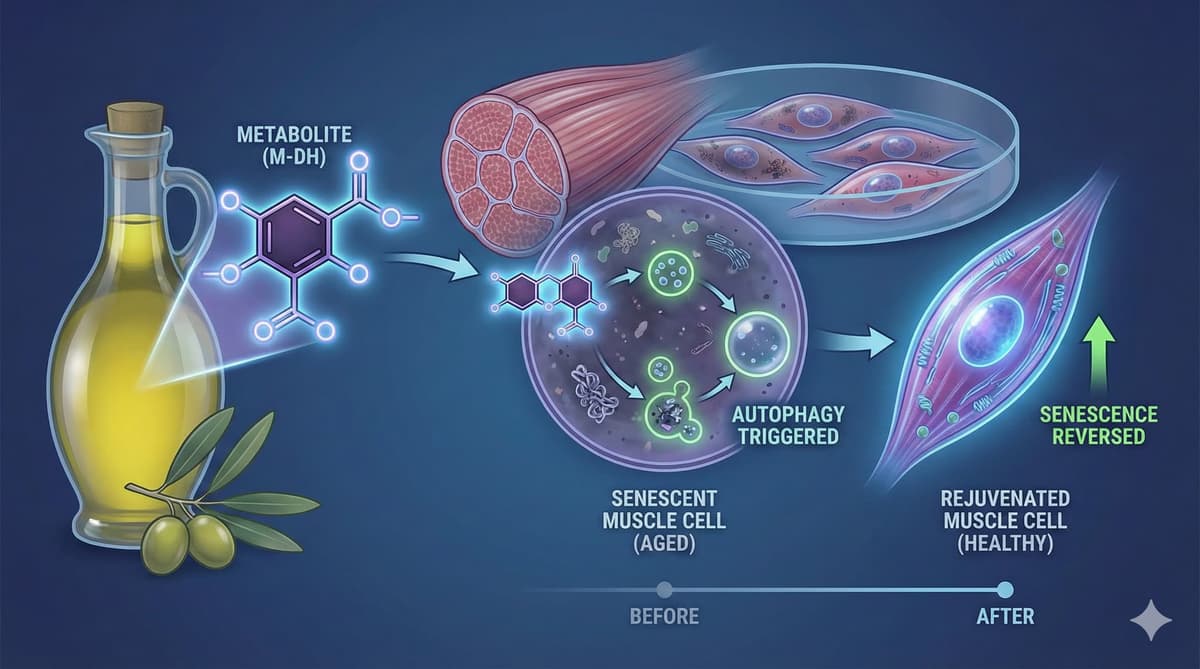
Olive Oil’s "Dark Horse" Metabolite Triggers Autophagy and Reverses Senescence in Human Muscle
Researchers at the University of Udine and Sorbonne Université identified Oleuropein Aglycone (OLE), a polyphenol in extra‑virgin olive oil, as a potent activator of the AMPK‑FOXO3a‑Sestrin pathway in human skeletal‑muscle cells. In vitro experiments showed a 43% reduction in reactive oxygen...

Cyclarity Unveils Oxidized Cholesterol Excretion Data
Cyclarity Therapeutics presented Phase 1 data for UDP-003, its cyclodextrin drug that binds and removes oxidized cholesterol (7‑ketocholesterol) from humans. The Monash Victorian Heart Institute trial showed dose‑dependent urinary excretion of 7KC, with no serious adverse events and a short...
Magnesium-Acetyl-Taurate Superior to Magnesium L-Threonate? Recent Study Poinst to This Being True
A recent pre‑clinical rat study compared magnesium‑acetyl‑taurate (MAT) with magnesium L‑threonate (MLT) and found MAT superior in raising magnesium concentrations in brain tissue, blood plasma, cerebrospinal fluid, and muscle. MAT also delivered greater gains in spatial learning, memory, anxiety‑related behavior,...

Forever Healthy Releases AI4L 1.0 for Practical Longevity
Forever Healthy has launched AI4L 1.0, an open‑source, MIT‑licensed platform that lets anyone generate rigorous, evidence‑based reviews of longevity interventions using frontier AI models. The system introduces "Audit‑Driven Prompting," a self‑auditing loop that fetches live citations, verifies metadata, and enforces zero‑tolerance...

Is Longevity a $1.2 Quadrillion Opportunity?
Peter Diamandis released the 2026 Longevity Metatrend Report, a free 200‑page analysis of the rapidly advancing health‑span sector. The report highlights breakthroughs such as human trials of partial epigenetic reprogramming, AI‑engineered proteins achieving 50‑fold efficacy gains, and the first pig‑organ...

Fasting-Mimicking Diet Clinical Trial Led to 2.5 Years of Reduced Biological Aging, 12.5 Years Increase I Max Life Expectancy if...
A recent clinical trial of a fasting‑mimicking diet (FMD) reported a 2.5‑year reduction in biological age and, if sustained for two decades, a projected 12.5‑year increase in maximum life expectancy. Participants in online forums describe lower hsCRP, improved heart‑rate variability,...

How the Collapse of Nitric Oxide Signaling Accelerates Aging
A recent audit of commercial fermented beetroot powders uncovers major standardization gaps in fermentation methods, nitrate and betalain quantification, and drying processes. The analysis ranks five popular brands by cost per 100 mg of powder, showing Better Health as the cheapest...

Dietary Advanced Glycation End Products as Active Drivers of Biological Aging
Advanced glycation end products (AGEs) formed during high‑heat, dry cooking are now recognized as active drivers of biological aging rather than passive biomarkers. Dietary AGEs (dAGEs) cross‑link proteins and activate the RAGE‑NF‑κB axis, promoting oxidative stress, vascular stiffening, impaired bone...

More Sunshine = More Longevity?
Large epidemiological studies in the UK and Sweden link higher sunlight exposure to a 12‑15% drop in overall mortality and roughly a 50% reduction in death risk for sun‑seeking individuals. The Economist cites mechanisms beyond vitamin D, including UV‑triggered nitric oxide...
Discussing Drugs to Slow Ageing BSRA Youtube Video
The British Society for Research on Ageing hosted a public discussion with Professor Gordon Lithgow, highlighting that ageing is a modifiable biological process demonstrated in model organisms such as C. elegans. Lithgow emphasized the exposome’s potential to accelerate ageing, the...
Cardiovascular Health 2026
Recent imaging studies reveal that subclinical atherosclerosis is common well before symptoms appear. The PESA study shows 63% of asymptomatic adults aged 40‑54 have plaque in at least one vascular bed, while the SCAPIS trial reports 42% of 50‑64 year‑olds...

Evidence for Sleep Apnea to Accelerate Vascular Aging via Increased Cellular Senescence
Researchers modeled obstructive sleep apnea by exposing C57BL/6J mice to intermittent hypoxia. The exposure rapidly increased epigenetic age acceleration and p16‑positive senescent cells in vascular tissue. Mice developed higher systolic and diastolic pressure and endothelial dysfunction. Systemic removal of p16‑expressing...

Microgravity as a Model of Aging
Researchers used simulated microgravity in a rotating‑wall vessel bioreactor to expose peripheral blood mononuclear cells from participants in the Stanford 1,000 Immunomes Project. Whole‑genome transcriptomic and metabolic profiling showed that microgravity‑induced changes closely track natural aging trajectories across immune, metabolic,...
The Adiponectin Paradox: Fat’s Secret Longevity Signal or a Bio-Marker of Decline?
Adiponectin, a hormone secreted by fat cells, is celebrated for its anti‑inflammatory and insulin‑sensitizing effects, yet epidemiological data reveal a paradox: while centenarians exhibit high levels, elevated adiponectin in most older adults correlates with higher mortality and frailty. Researchers attribute...
Intensity Matters: High-Intensity Interval Exercise Enhances Motor Cortex Plasticity More Than Moderate Exercise
A recent Cerebral Cortex study shows a single 20‑minute high‑intensity interval training (HIIT) session markedly enhances motor‑cortex plasticity, outperforming moderate‑intensity continuous exercise and rest. Using transcranial magnetic stimulation, researchers observed increased cortico‑motor excitability and reduced intracortical inhibition after HIIT, while...

17-Alpha Estradiol - Another Top Anti-Aging Drug
The post details efforts to source 17α‑estradiol (alfatradiol) for anti‑aging and renal‑protective research, listing vendors and pricing—including Octagonchem’s $1,200 for 100 g and Shanghai Jizhi’s roughly $80 for 200 mg (≈¥568). It proposes a group‑buy workflow that starts with small‑scale sampling, purity...

Vitalist Bay Returns: Four Day Longevity Festival in the Bay Area, May 14 to 17
Vitalist Bay, a bootstrapped longevity festival, returns to Berkeley for a four‑day event May 14‑17, 2024. Organized by Adam Gries and Nathan Chang, the conference compresses two months of last year’s content into six thematic tracks covering AI in biotech, biopreservation,...
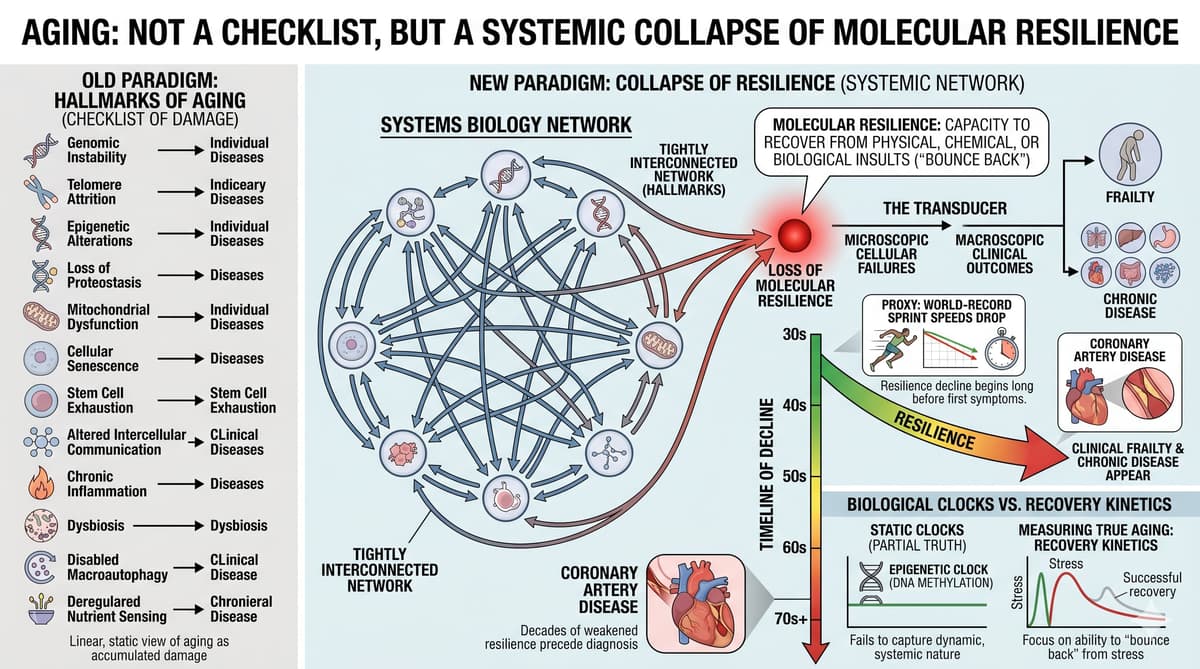
Loss of Resilience as the Key Measure of Aging, And How to Track It
A new kinetic resilience protocol shifts longevity medicine from static damage snapshots to dynamic stress‑response testing. By challenging metabolic, cardiorespiratory, autonomic and immune systems, clinicians can measure how quickly biology returns to equilibrium, using metrics such as OGTT clearance velocity,...

Spermidine
Recent clinical research confirms spermidine, a natural polyamine, boosts autophagy in brain cells, reducing amyloid‑beta and tau aggregates linked to Alzheimer’s disease. Levels of spermidine fall roughly 50 % between the twenties and seventies, correlating with increased cognitive decline, but supplementation...

Electromagnetic Field Activation of Gene Therapy as an Approach to Reprogramming
Researchers have engineered an electromagnetic‑field (EMF)‑responsive DNA element that remotely activates partial cellular reprogramming genes in mice. By cycling EMF exposure, the system triggers the Oct4‑Sox2‑Klf4 cassette without permanent gene integration, extending median lifespan to 108 weeks—about 70 human years....

Schneider Shorts 8.05.2026 – Incredible Future Is Now Becoming Reality
The biotech sector faced a series of high‑profile setbacks in early May 2026. Amgen was forced to withdraw its drug avacopan after the FDA uncovered fabricated trial data, a scandal tied to a $4 billion acquisition of ChemoCentryx. Russia announced a...

How Intestinal Aging Encourages Harmful Bacteria
Researchers in Aging Cell examined 3‑month‑old and 24‑month‑old C57BL/6 mice to chart how intestinal aging reshapes the gut microbiome and mucosal immunity. Older mice showed a sharp decline in beneficial Bifidobacterium and Faecalibacterium, replaced by pathogenic Enterobacteriaceae, alongside reduced IgA...

Immune System Aging Is a Major Contribution to Neurodegeneration
A new open‑access review links age‑related immune dysfunction—both chronic inflammation (inflammaging) and declining immune competence (immunosenescence)—to the onset and progression of neurodegenerative diseases. Mislocalized mitochondrial and nuclear DNA continuously trigger innate immune sensors, creating a persistent inflammatory milieu in the...

Hyaluronic Acid Adulteration
The FDA recently warned that several over‑the‑counter supplements marketed as hyaluronic acid contain undisclosed prescription drugs, including NSAIDs and corticosteroids. Oral hyaluronic acid itself has limited bioavailability and scant clinical evidence supporting skin or joint benefits. The adulterated products exploit...

Reviewing the Role of Advanced Glycation Endproducts in Aging and Age-Related Disease
Advanced glycation endproducts (AGEs) are protein‑sugar adducts that accumulate with age, altering protein structure and activating the RAGE receptor to drive chronic inflammation. The review highlights how AGEs cross‑link collagen, stiffening the extracellular matrix and contributing to diabetes, cardiovascular disease,...

More Evidence for Muscle Stem Cell Activity to Be Inhibited by the Aged Tissue Environment
Researchers discovered that the extracellular matrix (ECM) of aged mice suppresses the growth of both young and rejuvenated muscle stem cells (MuSCs). Elevated collagen levels in the aged ECM create a non‑autonomous barrier that limits stem‑cell proliferation, even when intrinsic...

Don’t Bury The Lead – AI Assisted Measures of Thymic Health Point to a “Fountain of Youth.”
A Nature paper introduced an AI deep‑learning system that reads CT scans to produce a continuous "thymic health" score for adults. Applying the model to 27,612 participants revealed that higher thymic health is associated with lower rates of cardiovascular disease,...

Immortal Dragons: The Quest to ‘Make Death Optional’
Immortal Dragons, a Singapore‑based longevity fund founded by 34‑year‑old CEO Boyang Wang, secured $40 million—$4 million from friends and family and $36 million of Wang’s own money—to back moonshot biotech projects. The fund’s portfolio includes Frontier Bio, which is developing 3D bio‑fabrication techniques...
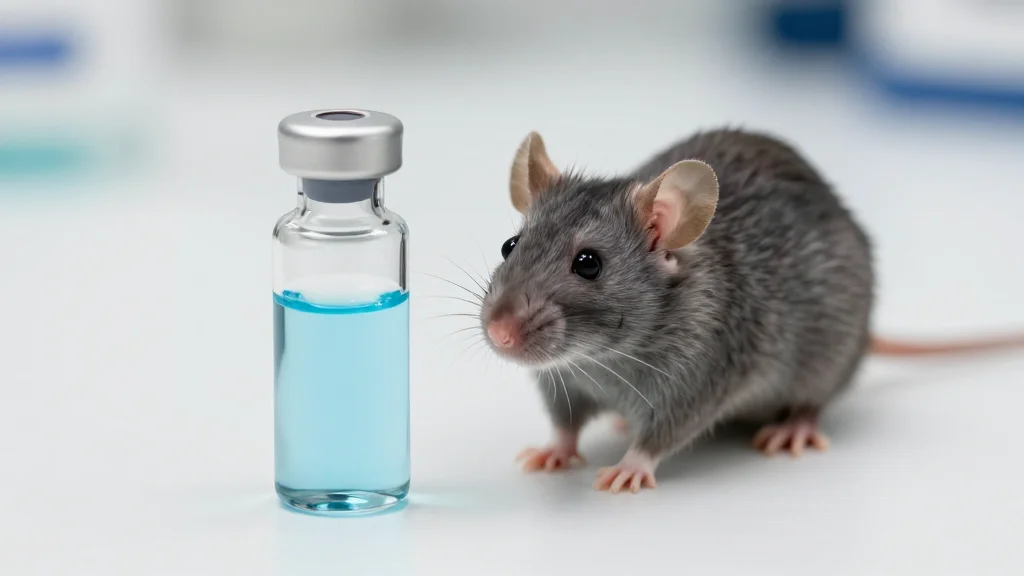
Assessing Candidate IGF-1 Receptor Inhibitors for the Ability to Modestly Slow Aging in Mice
The study tested two small‑molecule IGF‑1 receptor inhibitors, picropodophyllin (PPP) and NVP‑ADW742, in 13‑month‑old C57BL/6 mice to assess healthspan and survival. Both drugs improved memory, blood pressure, glucose tolerance and frailty metrics, with NVP‑ADW742 extending healthspan by about 93 days....

Predicting Alzheimers & Dementia (and Minimizing Risk)
Recent research highlights a multi‑pronged approach to predicting and preventing Alzheimer’s and other dementias. Large meta‑analyses show routine adult vaccinations can lower dementia risk by up to 40%, while a novel drug combo (ACX‑02) demonstrated rapid clearance of amyloid and...
S-Mitochonic Acid 5. Increases ATP, NAD+ and SIRTUINS
Researchers have synthesized the S‑enantiomer of Mitochonic Acid‑5 (MA‑5) with 99 % enantiomeric purity. The compound strengthens the mitochondrial protein Mitofilin, preserving crista junction geometry and boosting ATP synthase efficiency. It also acts as a direct NAMPT agonist, raising intracellular NAD⁺,...

Sleep 2.0 – Understanding and Upregulating the Rejuvenating Aspects of Good Sleep
Researchers have identified the plant‑derived alkaloid harmine as a candidate drug that reverses cellular aging caused by sleep loss. In animal studies and cultured human cells, harmine blocked the DREAM protein complex, restoring mitochondrial function and reducing oxidative stress. The...
Testosterone Replacement for Older Men
Matt Kaeberlein, a longevity researcher and Optispan CEO, began weekly testosterone injections in his 50s after testing revealed low levels. Six years of therapy has, by his account, boosted energy, mood, body composition and overall well‑being, positioning TRT as a...

Broken at the Biochemical Level: The B Vitamin Series Part 2: B Vitamins, Heart Health, and Stroke Risk: What the...
Recent research highlights that deficiencies in B‑vitamins—particularly B6, folate (B9) and B12—disrupt homocysteine metabolism, a key driver of cardiovascular strain. Elevated homocysteine impairs blood vessel integrity and raises the risk of heart disease and stroke. B‑vitamins also influence red blood...

Examining the Extracellular Matrix of Skin in Long-Lived Naked Mole-Rats
Researchers examined the extracellular matrix (ECM) of naked mole‑rat skin to uncover why these rodents retain youthful skin for up to 40 years. Using Raman spectroscopy and FT‑IR, they found that, unlike mice, the mole‑rat epidermis thickens with age and hyaluronic...

Why Do Eusocial Species Tend Towards Greater Longevity?
Researchers propose that the reproductive architecture of eusocial colonies inherently selects for longer lifespans. Using mathematical modeling based on the Gompertz mortality equation, they demonstrate that channeling reproduction through a single queen amplifies selection on the rate of age‑related risk...

AI Body Composition Tool Predicts Future Health Risks
Researchers at University Medical Center Freiburg used an AI‑driven deep‑learning framework to analyze whole‑body MRI scans from 66,608 participants, creating the most detailed age‑, sex‑ and height‑adjusted body‑composition reference map to date. The study showed that skeletal‑muscle quality and visceral...

Partial Reprogramming Concern Altos Labs Is Becoming Less Stealthy
Altos Labs, launched in 2022 with roughly $3 billion in private funding, is intensifying its public profile as it pursues partial cellular reprogramming to reverse organ aging. The company is racing alongside rivals such as Life Biosciences, which has just begun...

From Stress to Recovery: Why Magnesium Is the Ultimate Mineral
Dr. Sircus explains that chronic stress rapidly depletes the body’s magnesium stores, creating a feedback loop that fuels disease. He argues modern diets no longer provide adequate magnesium, making supplementation essential for cardiovascular, metabolic, and neurological health. The video links...

Can Hydra Biology Inform Strategies to Extend Life in Other Species?
Hydra vulgaris displays negligible senescence thanks to a perpetual pool of stem cells that continuously replace its tissues. Researchers suggest that inserting Hydra‑like gene expression patterns into the short‑lived rotifer Brachionus manjavacas could extend the rotifer's healthspan and lower age‑related...