
How Aging Cells May Trigger Heart Attacks and Strokes
Researchers at UT MD Anderson identified a molecular cascade in which loss of the regulatory proteins LATS1/2 forces endothelial cells into a senescent yet hyper‑active state. This triggers CD38‑driven metabolic reprogramming, inflaming plaques and destabilizing them into high‑risk, clot‑prone lesions. The work links cellular aging directly to atherothrombosis and explains why some cancer therapies, which induce senescence, raise heart‑attack and stroke risk. Inhibiting CD38 reversed these effects in animal models, suggesting a new therapeutic target.
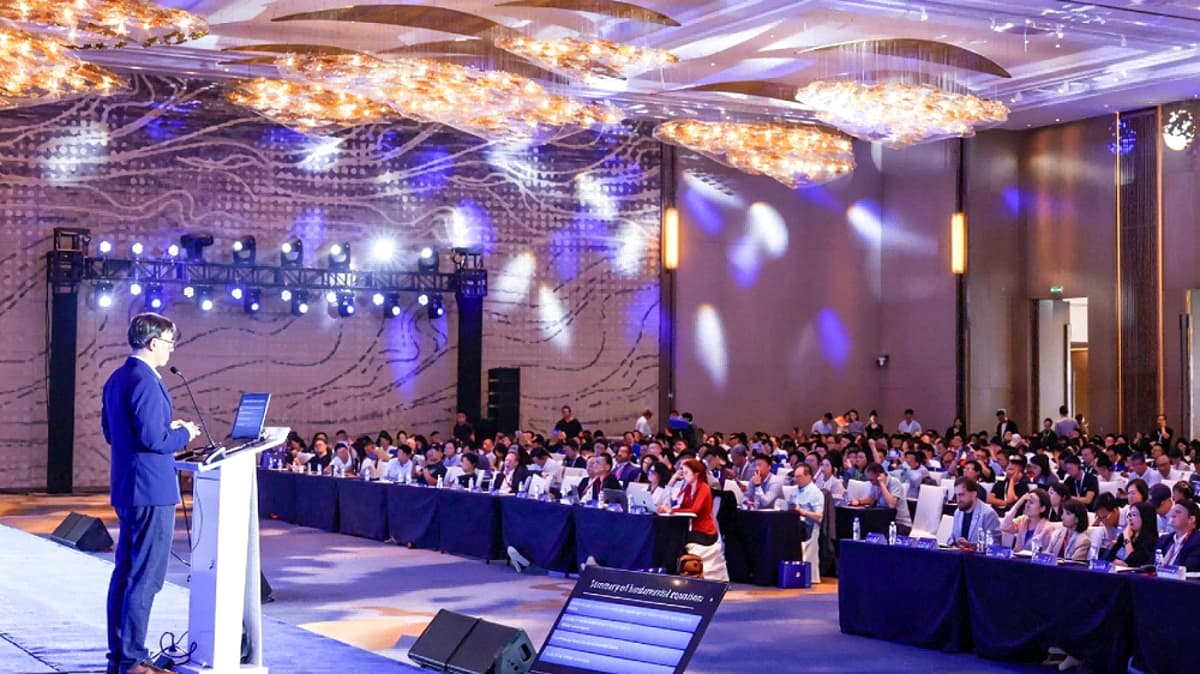
TimePie Longevity Forum Spotlights Evidence-Based Medicine
The 7th TimePie Longevity Forum will convene roughly 2,000 researchers, clinicians, investors and tech firms in Shanghai on September 12‑13, 2026 to push aging science toward evidence‑based, real‑world medicine. China’s elderly population, now 323 million people (23% of the nation), is...
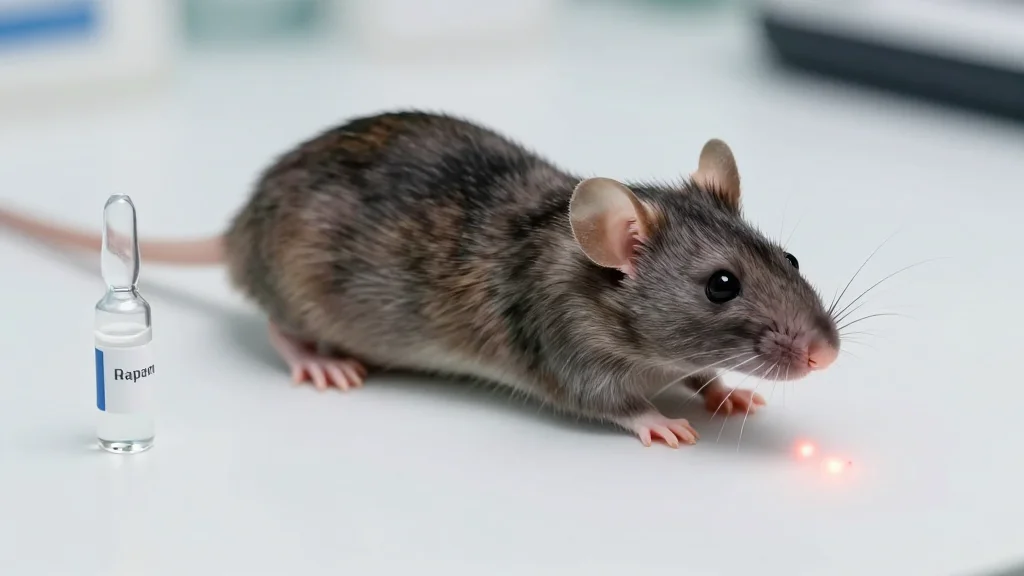
Low Dose Continuous Rapamycin Favorably Alters the Aging Immune System
Researchers fed aged mice a low‑dose rapamycin diet to assess its impact on immune aging. The regimen did not markedly change overall innate or adaptive immune cell counts, but it significantly curtailed the expansion of IL‑17‑producing γδ T cells, especially...

Butyrate: The Microbiome's Anti-Aging "Kill Switch" For Senescent Cells
Recent research highlights butyrate—a short‑chain fatty acid produced by gut microbes—as a potent anti‑aging agent that clears senescent cells and improves metabolic markers. Large‑scale fiber meta‑analyses show high intake (≈25 g/day) cuts all‑cause, cardiovascular, and cancer mortality by roughly 20‑25 %. Practical...

Predicting Alzheimers & Dementia (and Minimizing Risk)
Recent epidemiological studies show that high intake of omega‑3 fatty acids from oily fish dramatically lowers dementia risk. The Framingham Offspring cohort found a 49% reduction in Alzheimer’s disease for participants with the highest red‑blood‑cell DHA levels, while a UK...

Reviewing What Is Known of the Natural Rejuvenation Taking Place During Reproduction
Recent research highlights that mammalian oocytes possess a built‑in rejuvenation program that resets biological age, allowing offspring to begin life biologically young even when derived from aged parents. The article reviews how epigenetic reprogramming, mitochondrial quality control, and proteostasis cooperate...

Rethinking Insulin Resistance in Aging: A Reserve-Oriented Clinical Framework (Paper July 2026)
A new reserve‑oriented framework redefines insulin resistance in older adults, emphasizing muscle quality, mitochondrial health, and functional biomarkers over simple weight loss. The paper outlines actionable interventions—including SGLT2 inhibitors, senolytic fisetin, intranasal insulin, nicotinamide riboside, and weekly semaglutide—each supported by...
Rapamycin (Sirolimus) Clinical Evidence Guide: 2026 Medical Standards
The 2026 Clinical Evidence Guide positions rapamycin as the most validated geroprotector, recommending a weekly 3‑8 mg pulse to trigger autophagy while sparing mTORC2 and avoiding insulin resistance. Metformin remains a cornerstone for glucose control and modest longevity benefits, yet its...

MOTS-C Clinical Evidence Guide: 2026 Medical Standards
MOTS‑c, a mitochondrial‑derived peptide, is being positioned as a potent exercise mimetic that activates AMPK, reverses insulin resistance, and boosts skeletal‑muscle endurance. Preclinical models demonstrate complete prevention of diet‑induced obesity, dramatic endurance gains, and protection against osteopenia. Human data remain...

GHK-Cu (Copper Peptide) Clinical Evidence Guide: 2026 Medical Standards
GHK‑Cu, an endogenous copper‑binding tripeptide, is now classified under 2026 medical standards as a systemic epigenetic modulator, not just a cosmetic agent. Clinical consensus rates its collagen‑boosting effect as stronger than Vitamin C and tretinoin, while also showing moderate evidence for...
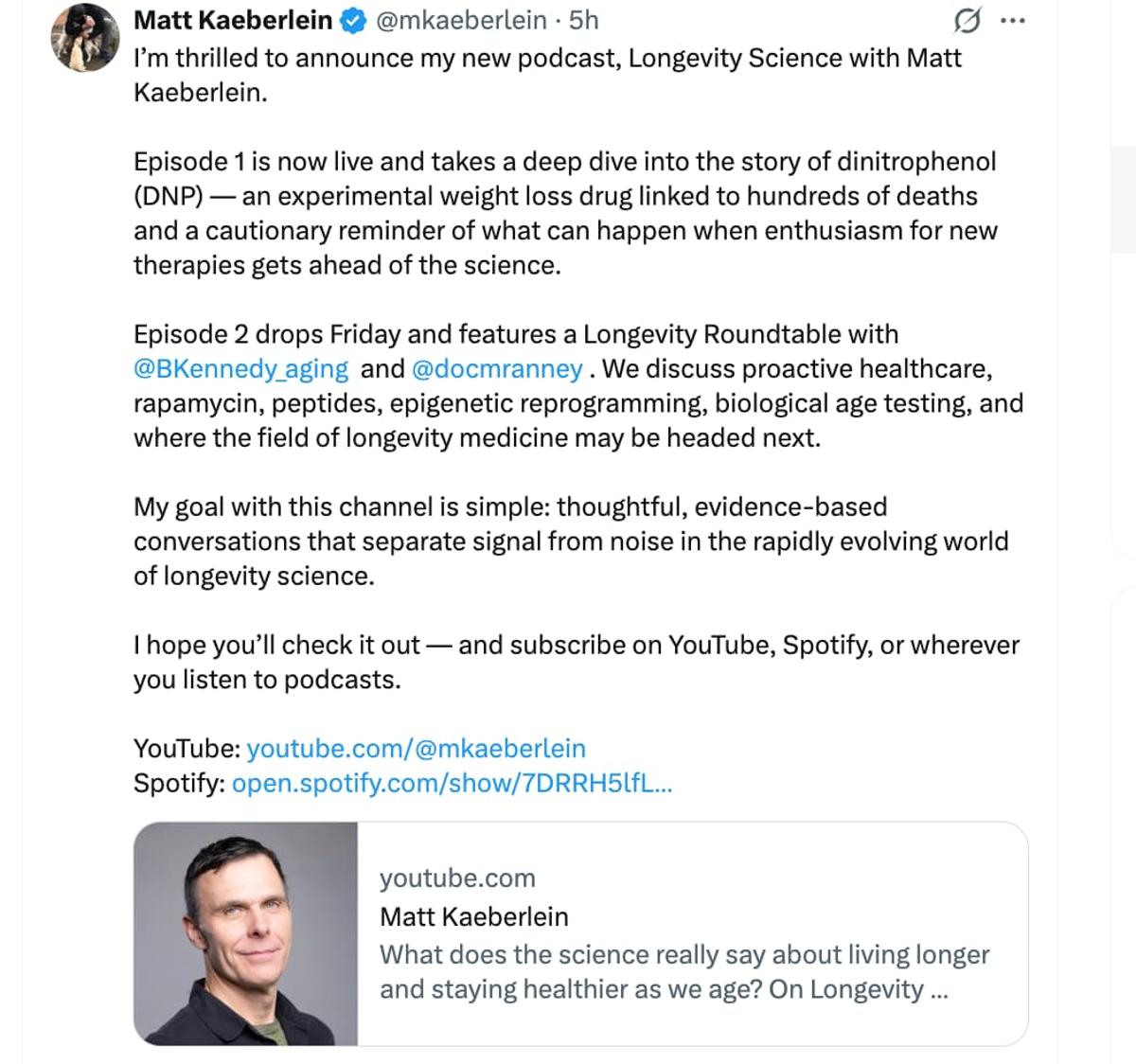
Matt Kaeberlein's New Longevity Science Podcast / Youtube Channel (May, 2026)
Matt Kaeberlein launched a new longevity‑focused podcast and YouTube channel in May 2026, using the platform to warn clinicians and consumers about the growing gray market for unapproved mitochondrial activators. The inaugural episode contrasts historic DNP tragedies with today’s synthetic pan‑ERR...
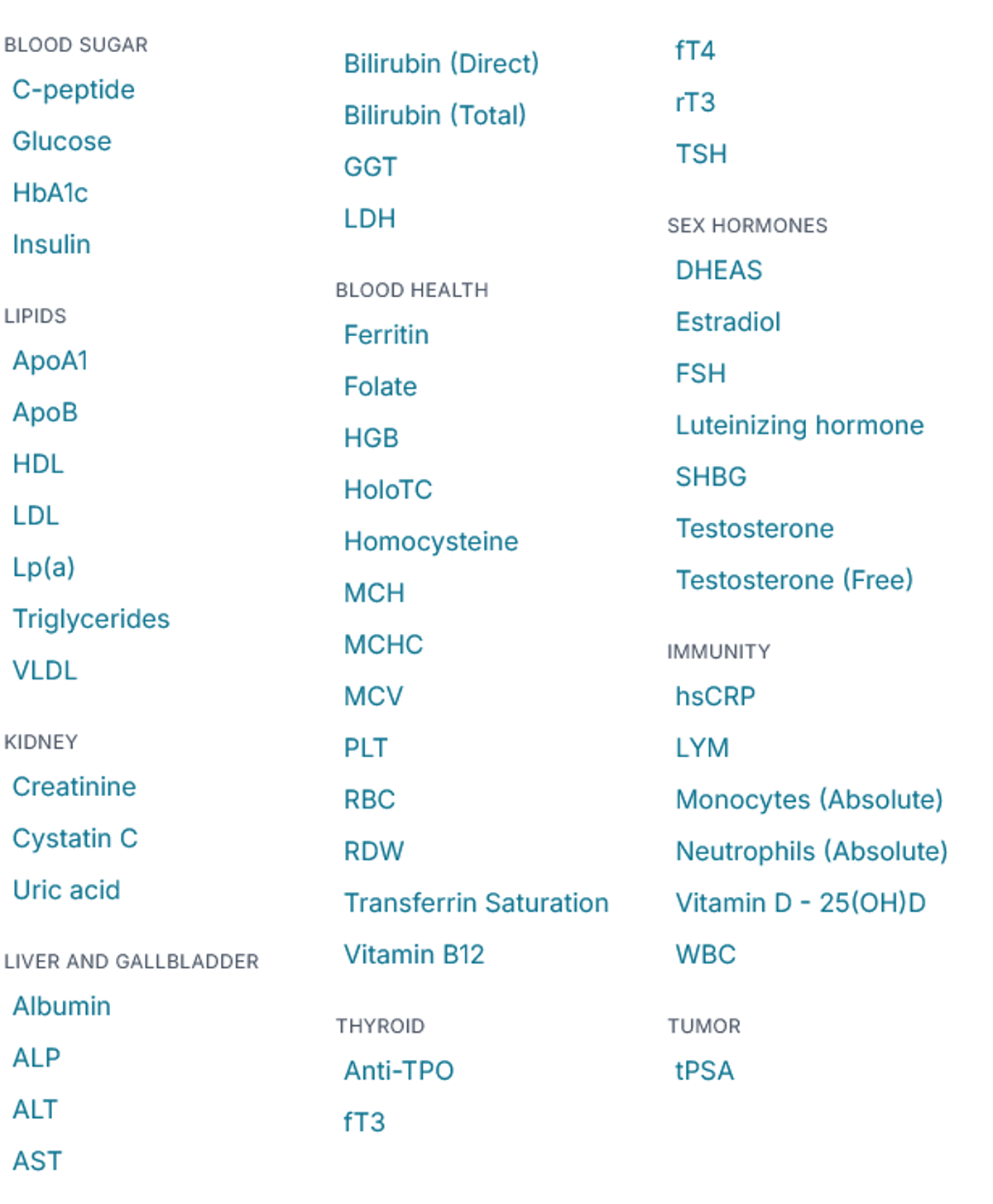
Best Biomarkers and New Biological Age, Bortz Blood Age Calculator (Free)
The Bortz Biological Age Clock, built on UK Biobank data from over 306,000 participants, leverages 25 blood biomarkers to estimate physiological age. Using an elastic‑net Cox regression and an actuarial conversion, the model achieves a concordance index of 0.778, surpassing...
Dasatinib and Quercetin as Senolytic May Cause Brain Damage
Dr. Natalia Mitten argues that total white‑blood‑cell counts mask age‑related immune shifts, making high‑resolution profiling of T‑cell p16^INK4a and TCF7 essential for assessing Immune Resilience (IR). Her SapereX "Hexagon" model links six immune domains to a composite Immune Longevity Score,...
Matt Kaeberlein's New Longevity Science Podcast / Youtube Channel (May, 2026)
Matt Kaeberlein and Brian Kennedy introduced LinAge, a second‑generation mortality‑risk clock built on standard clinical chemistry panels, positioning it as a reproducible alternative to first‑generation DNA‑methylation clocks. They highlighted the technical instability and lack of clinical actionability of epigenetic clocks,...
A Cross-Species Transcriptomic Aging Clock
Researchers combined more than 11,000 transcriptomes from mouse, rat, macaque and human tissues to create a cross‑species transcriptomic aging clock. The model accurately predicts chronological age, time‑to‑death and mortality‑linked disease risk, uncovering conserved gene signatures such as CDKN1A and LGALS3....
The Inflammation Paradox: Why Molecular Swapping in the IL-6 Pathway Dictates Human Lifespan
Statins lower circulating interleukin‑6 (IL‑6) through cholesterol‑independent, pleiotropic actions that inhibit prenylation of Rho‑family GTPases and suppress NF‑κB signaling. A network‑meta‑analysis ranking shows atorvastatin achieving the greatest IL‑6 reduction (35‑44%), while rosuvastatin’s effect ranges from negligible to 56% depending on...

Gut Microbiome Derived or Supplemented Glutamic Acid Improves the Quality of Aged Oocytes
A new open‑access study shows that transplanting gut microbiota from young donors or directly supplementing glutamic acid restores the quality of aged oocytes in mice. The researchers linked the effect to Bacteroides caecimuris‑derived glutamic acid, which enhances mitochondrial function and reduces...
Dr Brian Kennedy – Validating Aging Interventions and Why Rapamycin Is the Gold Standard
Singapore’s government is partnering with Prof. Brian Kennedy’s laboratory to launch the nation’s first human longevity studies, beginning with exercise and supplement protocols. A rapamycin trial is slated for early 2023, involving about 80 volunteers over six months and will...
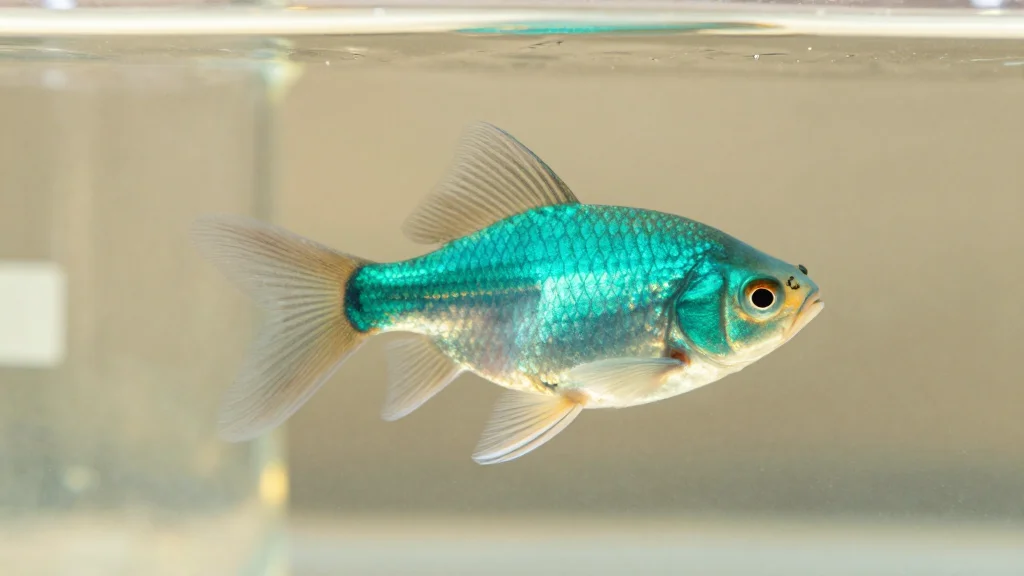
Germ Cells Influence the Pace of Aging Differently by Sex
Researchers using the short‑lived fish Nothobranchius furzeri found that germ cells influence somatic aging in a sex‑dependent manner. Removing germ cells in males extended healthspan and lifespan, linked to heightened vitamin D signaling, while the same intervention in females reduced...
An Aging Clock Based on Circulating Amino Acid Levels
Researchers introduced AmiAge, a biological age clock built on the concentrations of 18 circulating amino acids and powered by a Random Forest algorithm. The model was trained on more than 11,000 in‑house samples and over 270,000 publicly available profiles spanning...
Crémieux: Viagra for Life Extension Does It Work? I'm Doubtful
Recent Mendelian‑randomisation studies indicate that genetically proxied inhibition of phosphodiesterase‑5 does not lower Alzheimer’s risk and may modestly increase odds of Alzheimer’s and Lewy‑body dementia. Observational research, however, reports up to a 70 % reduction in Alzheimer incidence among Viagra users,...

The Mushroom Molecule That May Rewrite Aging: Ergothioneine Emerges as a Multi-Target Geroprotector
A new systematic review in Ageing Research Reviews positions ergothioneine (ET), a sulfur‑rich amino acid abundant in shiitake and other mushrooms, as a multi‑target geroprotector. The paper outlines how the OCTN1 transporter delivers ET to vulnerable organs and links its...

Deprenyl - Anti-Aging Drug Proven Effective in Dogs
A new random‑effects meta‑analysis of 22 lifespan experiments across mice, rats, hamsters and dogs finds that the FDA‑approved MAO‑B inhibitor L‑deprenyl (selegiline) modestly extends average lifespan, with a standardized mean difference of 0.68 (p = 0.0002). The benefit varies widely, driven by...
The Longevity Show - The UK’s First Longevity Festival - 26 – 27 June 2026
The Longevity Show announced its inaugural Top 30 startup finalists, chosen from 95 entries spanning 32 countries. The cohort covers AI‑driven diagnostics, women’s health, nutrition, oncology, and environmental health, reflecting a broader move toward preventive and scalable longevity solutions. The competition...
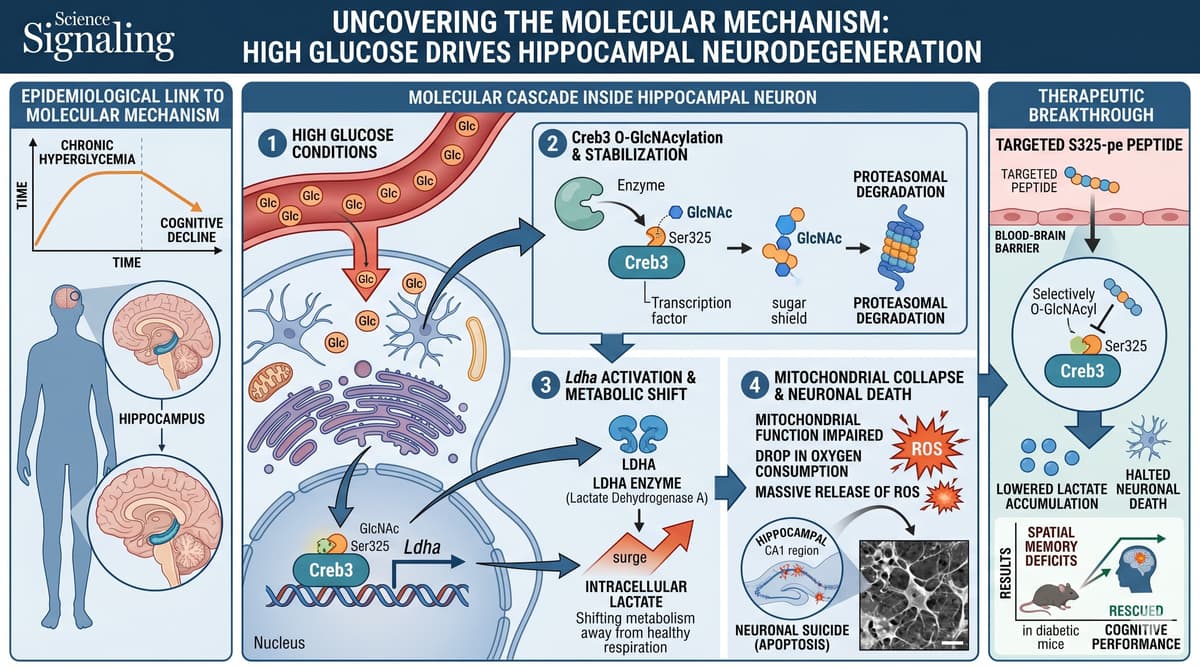
The Sugar Brain Drain: How Diabetes-Induced Lactate Accumulation Triggers Cognitive Decline
A new study in Science Signaling reveals that chronic high blood sugar drives a metabolic cascade in hippocampal neurons, leading to excess lactate production and cognitive decline. The researchers identified O‑GlcNAcylation of transcription factor Creb3 at Ser325 as the trigger...
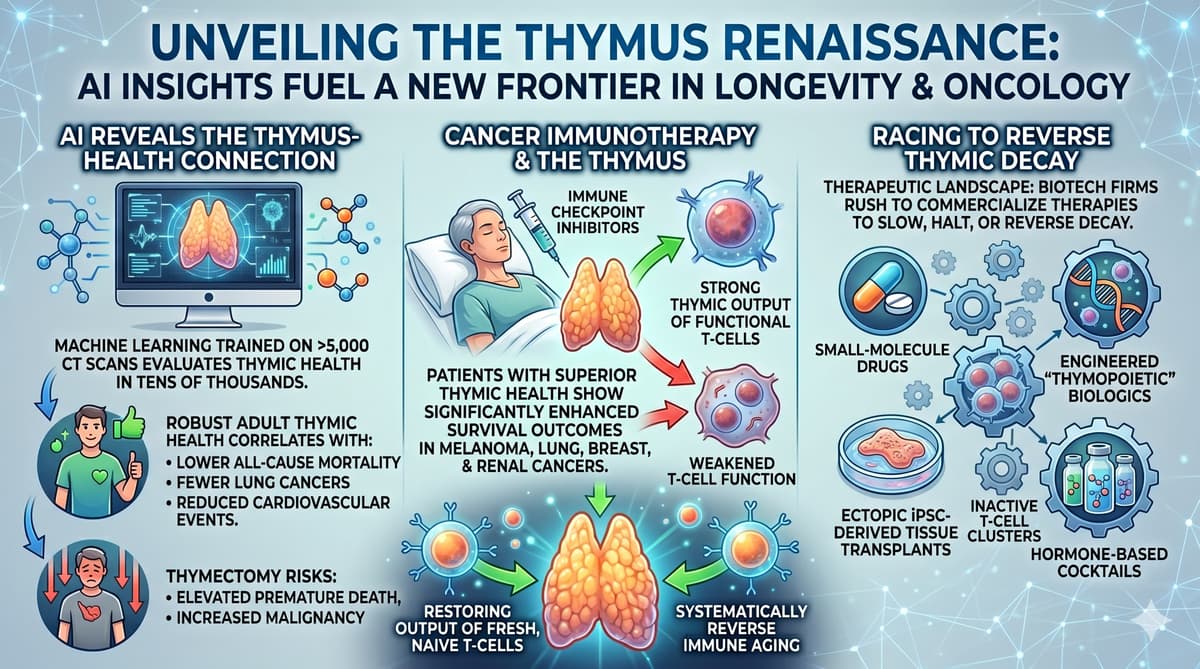
The Thymus Renaissance: Reawakening the Body's Forgotten Immune Engine for Longevity
Decades of belief that the adult thymus is vestigial have been overturned by large‑scale AI analyses of thousands of CT scans, which show that preserved thymic tissue strongly predicts lower all‑cause mortality, fewer lung cancers, and reduced cardiovascular events. A...
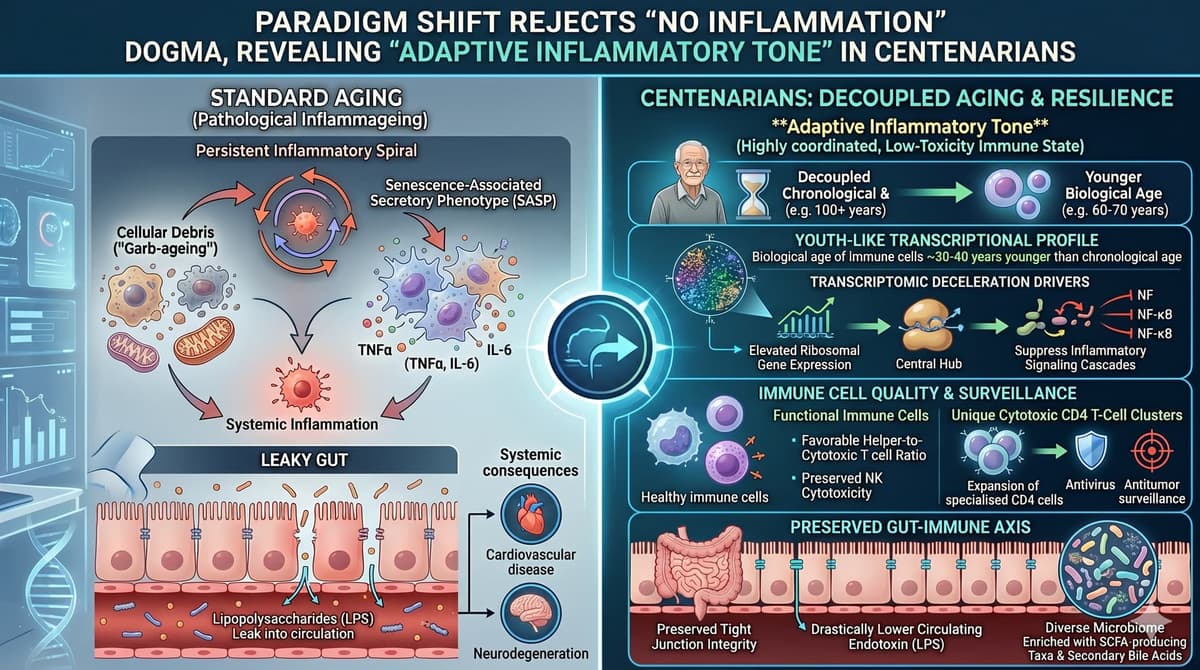
The Century-Old Immunome: Learning From the Adaptive Shield of Human Centenarians
The article outlines translational strategies to mimic centenarians’ elevated RNASEH2C activity, which clears cytoplasmic RNA:DNA hybrids and dampens chronic inflammation. It proposes four therapeutic levers: epigenetic maintenance to prevent RNASEH2C hyper‑methylation, delivery of centenarian‑derived extracellular vesicles, upstream protection of mitochondrial...

My Father Had Severe Emphysema. Doctors Gave Him 6 Months to Live — 20 Years Ago.
Twenty years ago, Valérie Orsoni's father was diagnosed with severe emphysema and given a six‑month life expectancy. Defying that prognosis, he has now reached age 85, no longer relies on CPAP or nightly supplemental oxygen, and maintains 96‑97% oxygen saturation...
This Single Dietary Shift Cuts Cellular Damage By 25% (Modern Healthspan)
Researchers at USC published a cross‑sectional study in Frontiers in Nutrition showing that high adherence to a traditional Mediterranean diet markedly raises circulating mitochondrial‑derived peptides Humanin and SHMOO in older adults with atrial fibrillation. Participants with the highest diet scores...
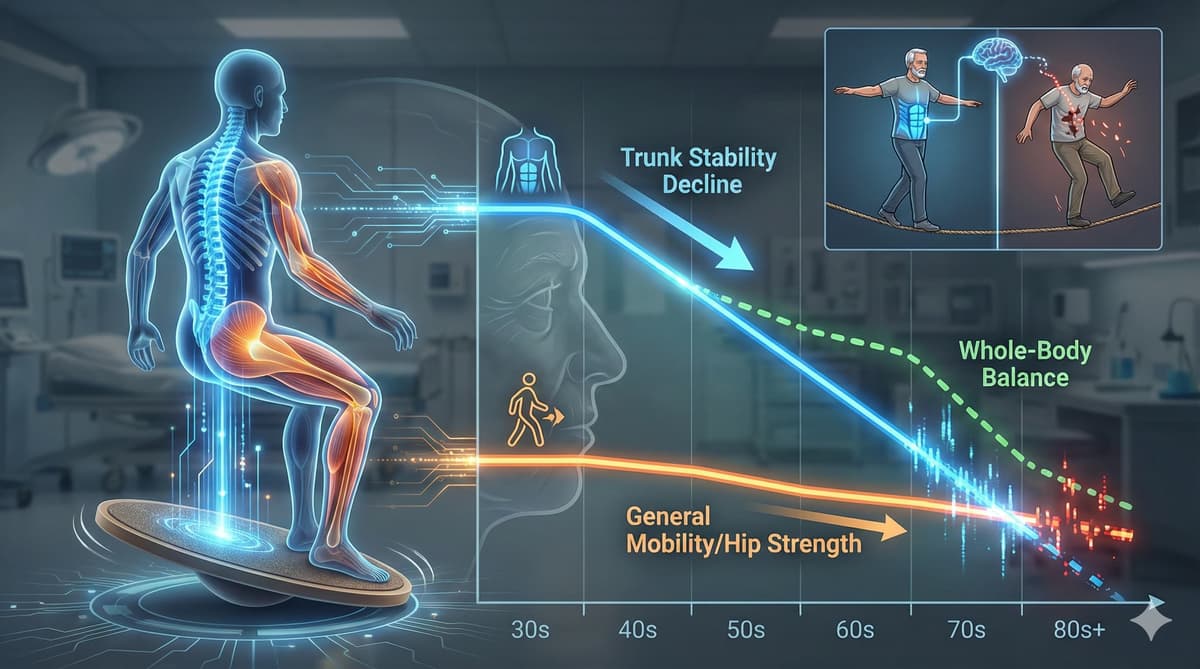
Core Stability: The Silent Biomarker of Aging That Outpaces Mobility and Strength
A new “Neuromuscular Core Calibration” protocol recommends unstable‑surface training to restore age‑related loss of core proprioception. Meta‑analyses define a minimum effective dose of 2–3 weekly 20‑30‑minute sessions over six weeks, delivering measurable balance gains within 2–4 weeks and muscle density...
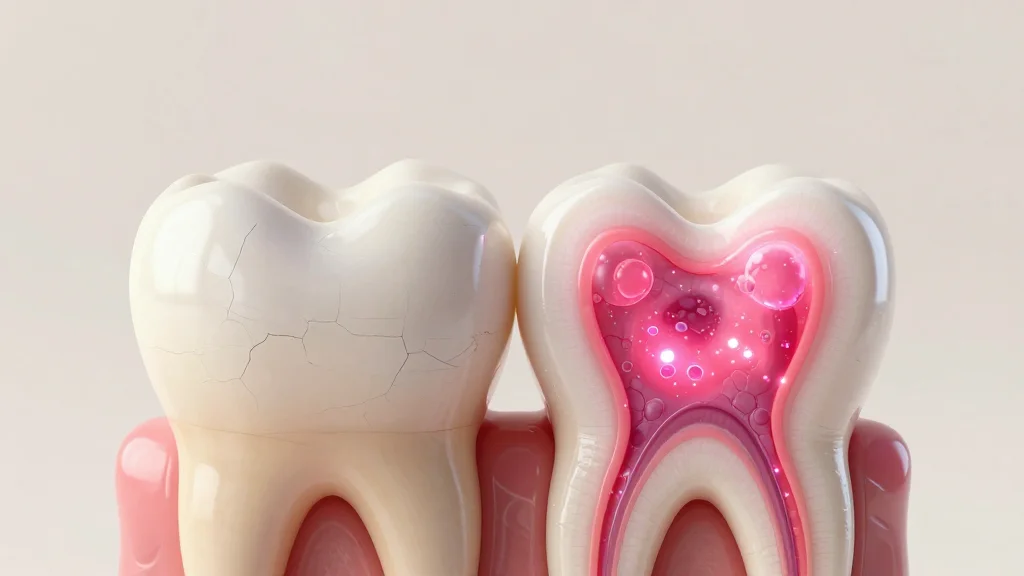
Senolytic Therapies Reduce the Impact of Aging on the Maintenance of Teeth
Researchers identified loss of NFATC1 in dental pulp mesenchymal stromal cells as a key driver of age‑related tooth brittleness. The decline is linked to accumulation of senescent cells in the pulp. Using senolytic drugs to clear these senescent cells restored...

A Public Health Viewpoint on the Future of Human Longevity
The authors contend that the biggest gains in life expectancy over the past century came from classic public‑health measures such as clean water, vaccination and nutrition. As populations age, chronic disease and multimorbidity have eclipsed infectious threats, demanding a shift...
Arguing for the Desirability of Multi-Omics Aging Clocks
Machine‑learning models now generate biological aging clocks from diverse omics data, but most efforts still rely on single‑omic inputs such as DNA‑methylation. While early clocks like Horvath’s predict chronological age, newer clocks trained on mortality or disease outcomes show better...
Whole Genome Sequencing
Human Longevity, Inc. announced a clinical‑grade whole‑genome sequencing (WGS) service priced at $599, delivering 30× coverage and AI‑generated disease‑prevention reports. The offering aims to make genomic medicine accessible to a broader consumer base, positioning the company against lower‑cost narrative reports...

Granzyme K Secreted by Aged T Cells Contributes to Cognitive Decline, an Effect that Can Be Reversed
Researchers identified an age‑associated CD8+ T‑cell subset that secretes the serine protease granzyme K (GZMK), which disrupts hippocampal signaling and drives cognitive decline. Using heterochronic parabiosis, they showed that aged circulating T cells retain their dysfunctional phenotype even in a young...

Junevity to Present Breakthrough Research on siRNA Therapeutics at American Aging Association’s 2026 Annual Meeting
Junevity will present pioneering in‑vivo data showing an siRNA therapeutic can restore global gene networks to a healthier state. Co‑founder Dr. Janine Sengstack will share results from diabetic mouse studies and safety data in rats and non‑human primates, marking the...

Cellular Senescence in Microglia as a Contribution to Neurodegenerative Conditions
Recent research highlights cellular senescence in brain microglia as a key driver of neurodegenerative diseases such as Alzheimer’s. Age‑related epigenetic and metabolic reprogramming pushes a subset of microglia into a senescent state marked by chronic inflammation, reduced phagocytosis, and mitochondrial...
Matt Kaeberlein's New Longevity Science Podcast / Youtube Channel (May, 2026)
Dr. Matt Kaeberlein’s Longevity Science podcast provides a biochemistry‑focused audit of the burgeoning peptide market, clarifying that true peptides are short amino‑acid chains and excluding compounds like NAD+ and rapamycin. He evaluates leading peptides—synthetic mitochondrial agent Elamipretide and the popular...
Cardiovascular Health 2026
A massive Mendelian randomization analysis of 173,082 genetic exposures and over one million survival records shows that higher lifelong LDL‑cholesterol directly shortens lifespan. A one‑standard‑deviation rise in LDL (≈38.7 mg/dL) cuts overall life expectancy by about 1.21 years and reduces the odds...

Growth Hormone for Musculoskeletal System Repair
Human growth hormone (hGH) is heavily promoted for tissue repair, anti‑aging and performance enhancement, yet robust clinical evidence in non‑deficient adults is lacking. While GH replacement is effective for documented deficiency and severe catabolic states, trials show only modest, inconsistent...

Reviewing What Is Known of Mechanisms Driving Individual Variation in Longevity
The review examines why individuals age at different rates, highlighting the interplay of genetics, epigenetics, and environment. It contrasts accelerated‑aging disorders with the biology of centenarians to pinpoint protective and deleterious variants. Emerging mechanisms such as hypoxic adaptation, chromatin remodeling,...

The Hallmarks of Aging and the Scientific Endeavor
The Hallmarks of Aging have become the dominant taxonomy for geroscience, offering a neutral checklist of nine cellular and molecular damage pathways. Emerging after the more activist SENS framework, the Hallmarks provide a common language that streamlines research design, funding...
Sirtuin 6 Overexpression Reverses Age-Related Structural Changes in Nuclear DNA in Liver Cells
Researchers used a multi‑omics approach to show that aging in male mouse liver increases chromatin accessibility, driving inflammation and metabolic decline. Overexpressing the histone deacetylase SIRT6 via AAV vectors reversed these epigenetic alterations, restoring a youthful chromatin landscape. The reversal...
Lifestyle Strategies and Mechanistic Implications for Slowing Neurodegeneration (Paper March 2026)
A 2026 narrative review in npj Metabolic Health and Disease by Gunning et al. evaluates four lifestyle interventions—intermittent fasting/ketogenic metabolic switching, calorie restriction, high‑quality diets (Mediterranean/MIND/DASH), and exercise—as strategies to slow neurodegeneration, especially Alzheimer’s disease. The authors map each intervention to...
Omega-3 Supplements May Increase Risk of Cognitive Decline, Scientists Warn
A new ADNI observational study of 273 older adults found that self‑reported omega‑3 supplement users experienced faster cognitive decline over a median five‑year follow‑up, with the only imaging change being reduced brain glucose metabolism on FDG‑PET. The researchers controlled for...
Matt Kaeberlein's New Longevity Science Podcast / Youtube Channel (May, 2026)
Dr. Matt Kaeberlein’s new longevity podcast warns that unapproved mitochondrial activators such as the research‑grade compound SLU‑PP‑332 are being prescribed despite lacking any human safety data. He draws a direct line from this modern gray‑market practice to the historic DNP...
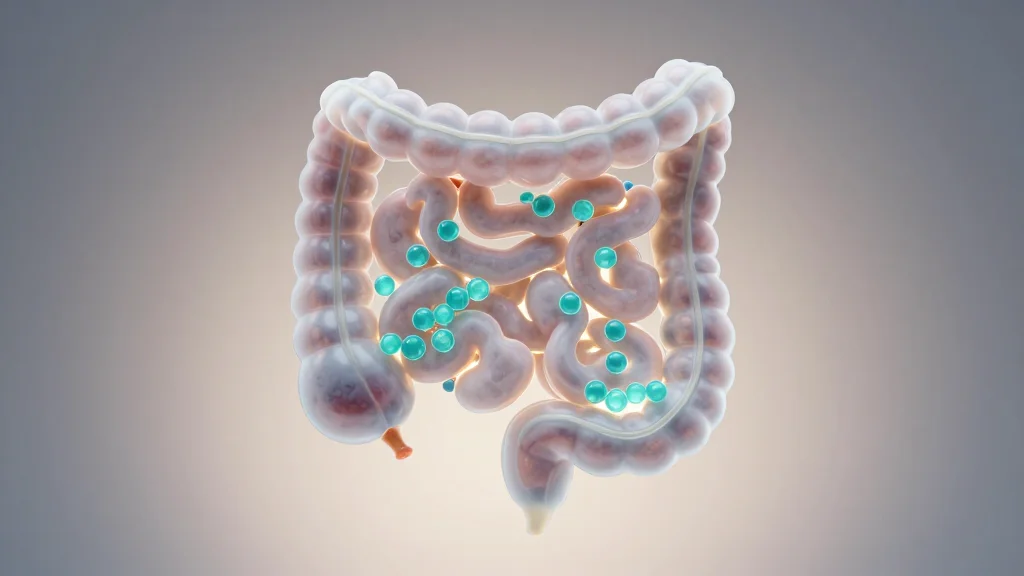
The Aged Gut Microbiome Generates Extracellular Vesicles that Harm Tissue Function
Researchers identified that extracellular vesicles—specifically gut luminal exosomes (LFEs)—from aged mice carry proteins and microRNAs that impair intestinal barrier integrity and promote insulin resistance. Multi‑omic profiling revealed distinct age‑ and sex‑dependent cargo signatures, with old‑derived LFEs triggering metabolic dysfunction when...
TPE Long-Term Effects in Healthy Elderly Same as Sham
A 2025 Aging Cell trial of therapeutic plasma exchange (TPE) with and without IVIG in 42 healthy adults over 50 showed a modest 2.6‑year biological‑age reduction at the mid‑point but no significant difference versus sham at the final assessment. The...

Best Longevity Retreats & Destinations (2026): An Independent, No-BS Guide
The longevity‑retreat market has exploded, offering programs from $340‑night fasting centers to $5,000‑night elite diagnostic experiences. Evidence‑based options—especially medically supervised fasting and the Pritikin program—show measurable health improvements, while many luxury integrative retreats rely on amenities over outcomes. International venues...

KHL Foundation Launches a Medical Tourism Gene Therapy Program for Older Patients
The KHL Foundation, founded by longevity veterans Ken Scott and Helga Sands, has launched a medical‑tourism program that offers a gene‑therapy cocktail to people over 60. The Rejuvenation Cocktail combines intramuscular follistatin with intranasal klotho and SIRT1, targeting muscle, brain...