
Ultra-Processed Foods Linked to Measurable Drops in Human Attention Span
A new cross‑sectional study of over 2,100 Australian adults links higher consumption of ultra‑processed foods (UPFs) to measurable declines in attention span, even among those following otherwise healthy diets. Researchers found that a 10 percent increase in UPF intake—roughly one extra packet of chips per day—produced lower scores on visual‑attention and processing‑speed tests. Participants derived about 41 percent of daily calories from UPFs, mirroring national averages. The study also tied greater UPF consumption to risk factors such as hypertension and obesity, which are associated with dementia.
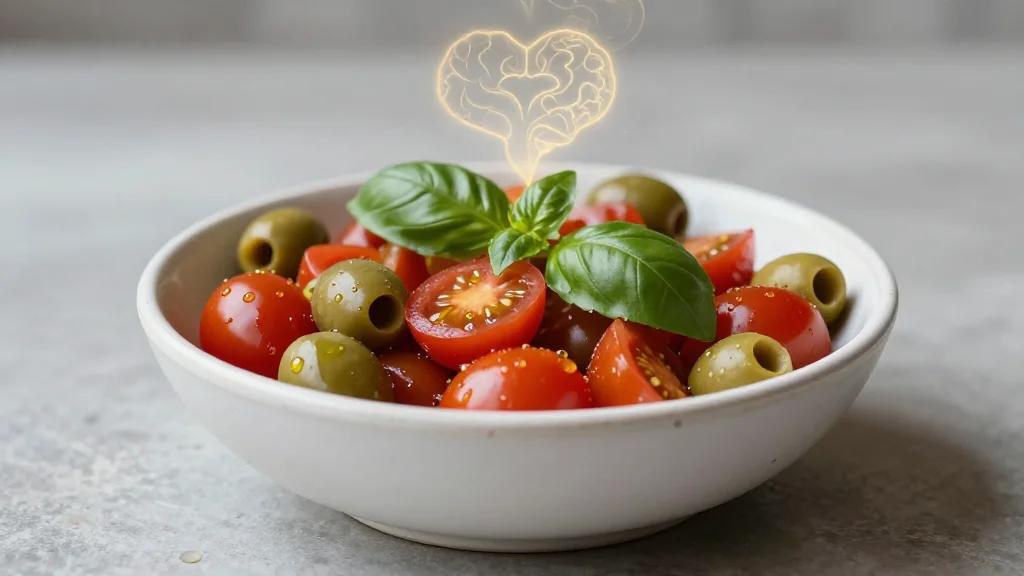
Tiny Mitochondrial Proteins May Explain the Health Benefits of the Mediterranean Diet
A study in Frontiers in Nutrition found that older adults who closely follow the Mediterranean diet have higher circulating levels of the mitochondrial microproteins Humanin and SHMOOSE, both linked to protection against heart disease and cognitive decline. The research compared...

Parkinson's Disease
A recent randomized controlled trial found that daily resistant starch supplementation alleviated motor symptoms in Parkinson’s disease patients. Over a 12‑week period, participants showed a 15% reduction in Unified Parkinson’s Disease Rating Scale (UPDRS) motor scores compared with placebo. The...

The Best Time to Eat Breakfast? It’s Not Right When You Wake Up
Nutrition experts argue that the optimal breakfast isn’t eaten immediately after waking but delayed until mid‑morning. Waiting extends the overnight fast, supports time‑restricted eating, and encourages the body to burn fat rather than carbs. They recommend rehydrating with salted water...

Here’s How to Reduce Your Sugar Intake (Including Six Foods to Avoid)
Dietitians Fareeha Jay and nutritionist Sas Parsad stress that added sugar isn’t needed and should be limited to roughly 33 g (about eight teaspoons) per day. They recommend sourcing natural sugars from fruits, vegetables, dairy, and whole foods while cutting back...
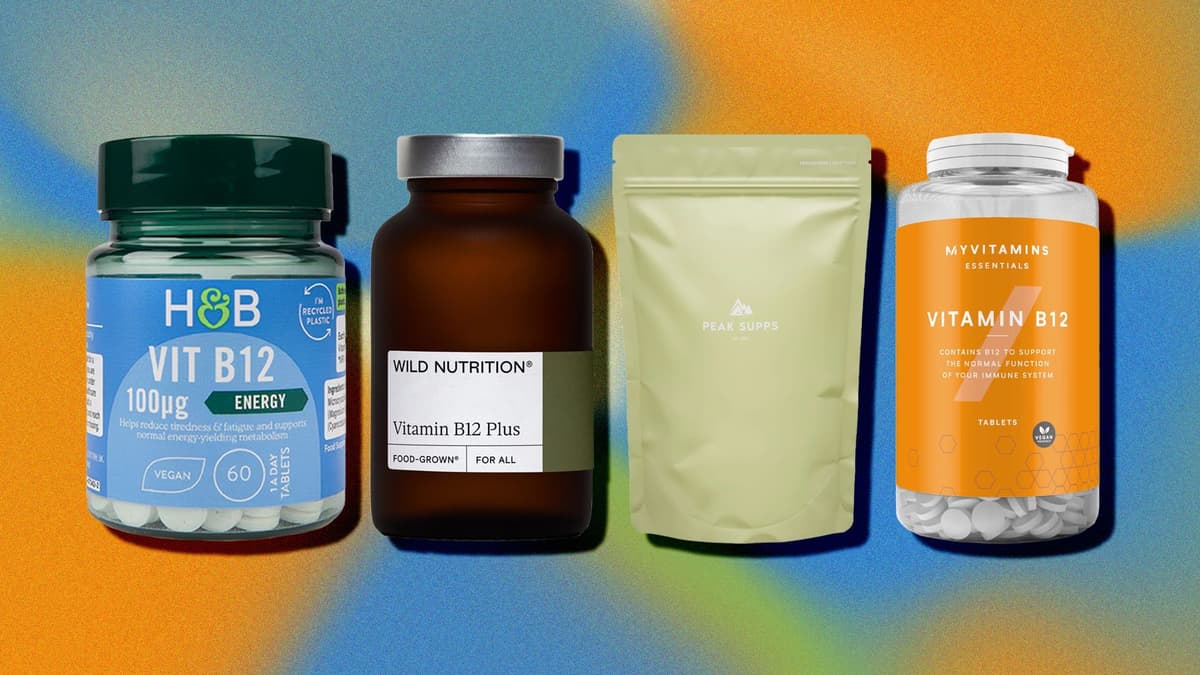
How to Know If You Have a Vitamin B12 Deficiency—And What to Do About It
Vitamin B12 (cobalamin) is essential for nerve health, red‑blood‑cell formation and DNA synthesis. Deficiency affects roughly one in ten people over age 75 and presents with fatigue, neurological signs and skin changes. High‑risk groups include seniors, vegans, those with gastrointestinal...