
What to Eat for a Sharper Brain: Omega-3s, Polyphenols & Nutrients That Matter | Dr. Tommy Wood
The video centers on how targeted nutrition can sharpen cognition and support long‑term brain health, with Dr. Tommy Wood outlining a flexible yet evidence‑based framework. He emphasizes a core set of nutrients—vitamin D, B‑vitamins (especially B12, folate, B6), magnesium, zinc, and antioxidant vitamins C and E—alongside omega‑3 fatty acids and polyphenols as essential for reducing dementia risk. Key insights include consuming minimally processed, nutrient‑dense foods to avoid excess calories, meeting protein needs of 1.2‑1.6 g per pound (particularly for aging adults), and ensuring adequate omega‑3 status via an omega‑3 index above 6 % (ideally 8 %). Polyphenol‑rich sources such as berries, coffee, tea, and roasted nut skins support gut, vascular, and direct brain anti‑inflammatory pathways. Notable examples cited are women’s superior conversion of plant‑based ALA to DHA/EPA, the American diet’s reliance on coffee as its largest antioxidant source, and research linking regular berry consumption or modest red‑meat intake to lower dementia and mood‑disorder rates. Dr. Wood also recommends 2‑4 g of combined EPA/DHA daily (or 5‑10 g weekly) and suggests B12 supplementation for strict vegans. The implications are clear: a balanced diet that blends animal and plant foods—or strategic supplementation—can optimize cognitive function while supporting body composition. Monitoring omega‑3 levels and tailoring protein intake become practical steps for professionals seeking to maintain mental acuity and mitigate age‑related cognitive decline.

Your Skin Loses 75% of This by Age 75 (New Fix)
The video examines whether oral hyaluronic acid (HA) supplements can counteract the dramatic loss of HA in skin—by age 75 people retain only about a quarter of the levels found at age 19. It reviews past absorption doubts and highlights...

Plant vs Animal Protein. Does It Actually Matter? | Educational Video | Biolayne
The video dissects a recent 16‑week trial that assigned untrained women to either a strict vegetarian or an omnivore diet while they performed twice‑weekly resistance training. Researchers measured quadriceps and calf thickness, DEXA‑derived body composition, and one‑rep‑max strength. Results showed no...

Your “Healthy” Acid Reflux Meal Is Failing You because of This One Mechanical Error. ⚠️ #GERD #LPR
The video addresses a common mechanical mistake behind persistent acid‑reflux symptoms: eating past the point of comfortable fullness. The creator explains that simply swapping trigger foods is insufficient; the real issue lies in stomach pressure on the lower esophageal sphincter...

2 Tbsp Literally Melts Fat 14x Faster (Not Exaggerating)
The video argues that two tablespoons of olive oil can dramatically accelerate fat oxidation, emphasizing that the type of dietary fat—not just calories—determines post‑meal metabolic response. It explains that oleic acid, the primary monounsaturated fat in olive oil, is oxidized...

Thyrogastric Syndrome: Why Your Gut Is Killing Your Thyroid Progress
The video introduces thyrogastric syndrome—autoimmune gastritis that commonly co‑occurs with Hashimoto’s thyroiditis—and explains why it can sabotage thyroid treatment. Dr. Christensen notes that 30‑40% of Hashimoto’s patients develop antibodies against stomach parietal cells, impairing hydrochloric acid and intrinsic factor production. The...

GERD-Friendly Bowl Recipe for Easy Digestion!
The video demonstrates a GERD‑friendly meal‑prep bowl centered on spaghetti squash, a low‑acid, fiber‑rich alternative to traditional pasta. The host outlines how to roast the squash halves with avocado oil and salt, then shred them into noodle‑like strands. The accompanying sauce...

Why Does Politics Decide What Americans Should Eat? | Chistopher Gardner and Ty Beal | EP#409
The video examines how political forces shape the United States’ dietary guidelines, featuring Stanford nutrition expert Dr. Christopher Gardner and Global Alliance for Improved Nutrition’s Ty Beal. Both guests recount their frustration with a process that lacked transparency, noting that...

Stanford SHE Talks 2026
The Stanford SHE Talks 2026 opened with Dr. Amy Voedisch, an OB‑GYN and menopause specialist, framing the event as a response to the flood of health misinformation confronting working parents. She introduced a lineup of four experts who would dissect...

The US Dietary Guidelines Debate: Science, Politics & Ultra-Processed Foods | Gardner & Beal
The podcast brings together Stanford nutritionist Dr. Christopher Gardner and Global Alliance for Improved Nutrition’s Dr. Tai Beal to dissect the latest U.S. Dietary Guidelines, exposing how scientific input is routinely sidelined by political actors. They highlight that the advisory...

Normal Cholesterol But Still Getting Heart Disease? Here's Why | Dr. Mark Hyman
In the video, functional‑medicine physician Dr. Mark Hyman argues that the conventional view of LDL‑cholesterol as the primary driver of heart disease is outdated. He points to large epidemiological studies showing that many heart‑attack patients have normal LDL levels and...

What Happens If You Eat 4 Eggs Every Day?
The video explores the physiological cascade triggered by eating four eggs each day, arguing that this simple dietary tweak can reshape cholesterol metabolism, skin health, cognition, hormone balance, and eye function. It frames the egg as a low‑cost, nutrient‑dense food...

Here Are My TOP 5 Nutrition Tips for March
The video claims to present the creator’s “top 5 nutrition tips for March,” framed as bio‑hacking strategies to “evolve” one’s biology. The host dismisses conventional staples—brown rice, milk, oats—and promotes high animal‑protein intake and mineral‑rich water. The speaker argues brown rice...

10g Stops Insulin Spikes From Bread and Carbs
The video explains how a simple 10‑gram dose of psyllium husk, turned into a viscous gel before eating, can act as a physical barrier that blunts the glucose surge from bread, rice, pasta or sugar, without altering hormones or metabolism. When...

Ultra Running Nutrition: How to Fuel for Performance, Avoid GI Issues, and Race Longer
The Fast Talk Podcast episode dives into ultra‑running nutrition with Dr. Stephanie, a former Nordic skier turned ultrarunner who holds a PhD in sports nutrition. She explains how fueling strategies for ultra events differ markedly from those for cycling or...

Doctor Reveals the Nitric Oxide Booster He Takes
The video examines how nitric‑oxide (NO) production wanes with age and why many consumers are drawn to over‑the‑counter “NO boosters.” The doctor explains that while prescription NO donors such as glyceryl trinitrate or isosorbide mononitrate provide rapid vasodilation, the body...

This Green Tea Trick Stops Cortisol and Visceral Fat (Insanely Fast)
The video explains a specific green‑tea protocol designed to lower cortisol and accelerate loss of visceral, or organ‑surrounding, fat. It stresses that the effect is not driven by caffeine alone but by a polyphenol called EGCG found in matcha, especially...

Fasting Targets Belly Fat? | What the Fitness | Biolayne
The video argues that fasting is the only effective way to shed belly fat, attributing abdominal obesity to insulin resistance and hyperinsulinemia. The presenter claims that without fasting, insulin‑resistant patients cannot lose weight, positioning fasting as a unique metabolic reset. The...

This Is What 1lb of Ground Beef Daily Does to the Human Body
The video examines the physiological impact of consuming roughly one pound of ground beef each day, centering on its role in modulating leptin—a hormone that signals satiety and energy balance. The presenter argues that this dietary pattern can reverse leptin...

Cardiologist Reveals Lies Behind Saturated Fat
Dr. Brett Scherer challenges the blanket condemnation of saturated fat, arguing that its health impact hinges on the food matrix and the individual’s metabolic state. He contrasts saturated fat from processed sources like pizza and pastries with that from whole...

The Ozempic Face Explanation
The video tackles the phenomenon popularly dubbed “Ozempic face,” arguing that the gaunt, hollow‑cheeked appearance seen in some rapid‑weight‑loss patients is less a direct side effect of GLP‑1 agonists and more a manifestation of accumulated toxins that become visible when...
The GLP-1 Side Effect Nobody's Talking About (And What To Do Instead) with Kyal Van Der Leest
GLP‑1 agonists such as Ozempic and tirzepatide drive rapid fat loss, but high‑dose regimens can impair gastric motility, leading to bacterial overgrowth, leaky gut, and bloating. Kyal Van Der Leest explains that fast fat loss also releases stored toxins—heavy metals...
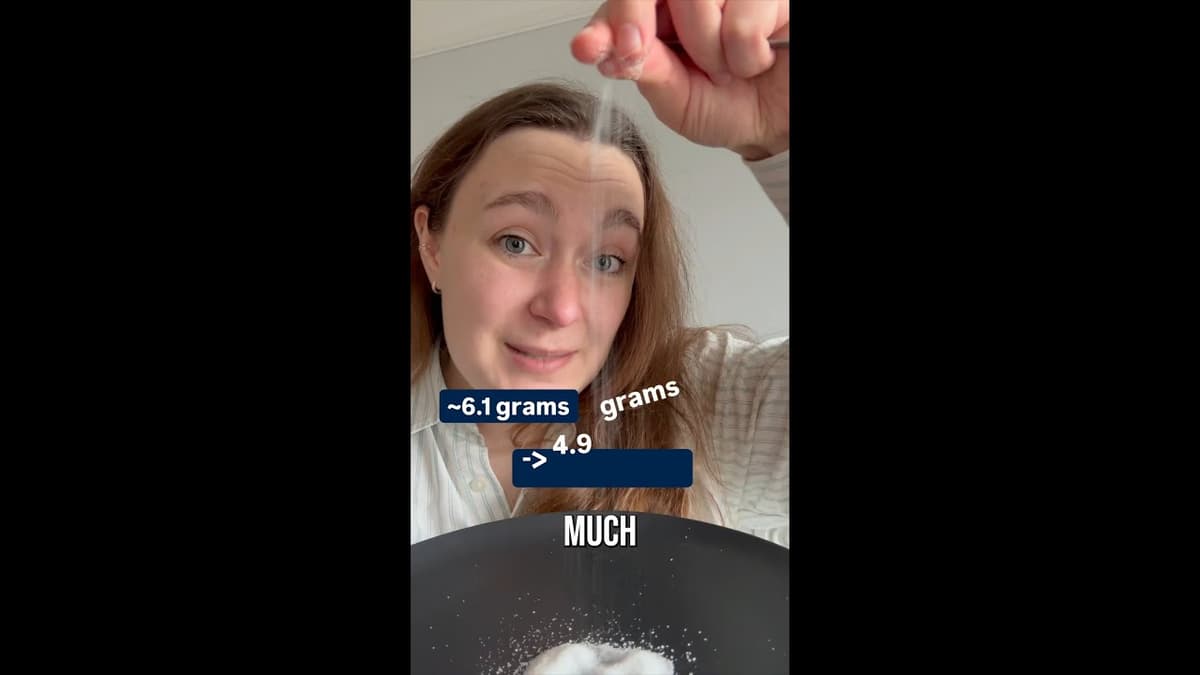
Cutting Salt in Everyday Foods Could Prevent Thousands of Heart Attacks and Strokes
Oxford researchers estimate that cutting salt in everyday UK foods could dramatically improve public health. Adults currently ingest about 6.1 g of salt per day; meeting the government’s 2024 target of 4.9 g would represent a 17 % reduction achieved without any change...
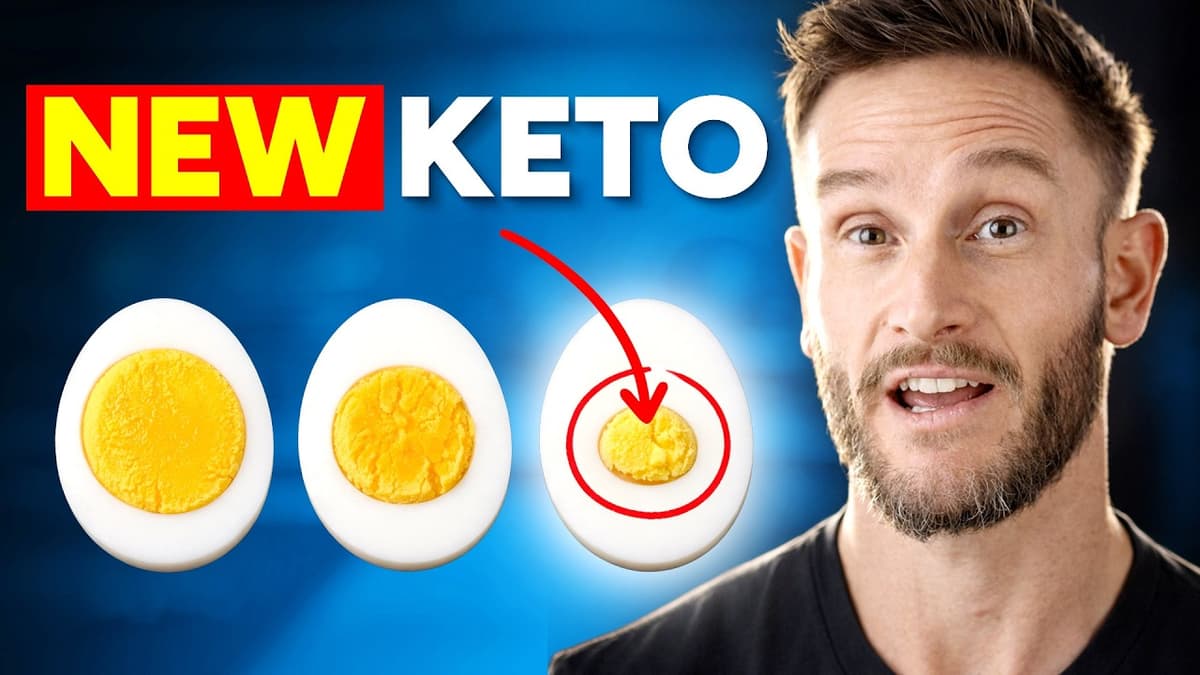
The New Era of Keto in 2026 (NEW Science, NEW Rules)
The video outlines ten updated keto guidelines for 2026, emphasizing a shift from the old “high‑fat, low‑carb” dogma to a more nuanced, metabolically‑flexible approach. It argues that MCT oils, while rapid ketone producers, trigger a feedback loop that suppresses lipolysis, so...

What One High-Fiber Meal Does to Your Gut | Dr. Karan Rajan
Dr. Karan Rajan explains that a single high‑fiber meal can trigger measurable changes in the gut microbiome, highlighting the rapid adaptability of intestinal bacteria. He cites studies showing that beneficial bacterial species begin to rise within 24 to 48 hours...

How I Helped My Client Heal Her GERD!
The video chronicles a case study of a 34‑year‑old client plagued by severe GERD who had relied on antacids, upright sleeping, and a restrictive chicken‑and‑rice diet. Rather than merely eliminating trigger foods, the practitioner identified chronic stress and erratic eating...
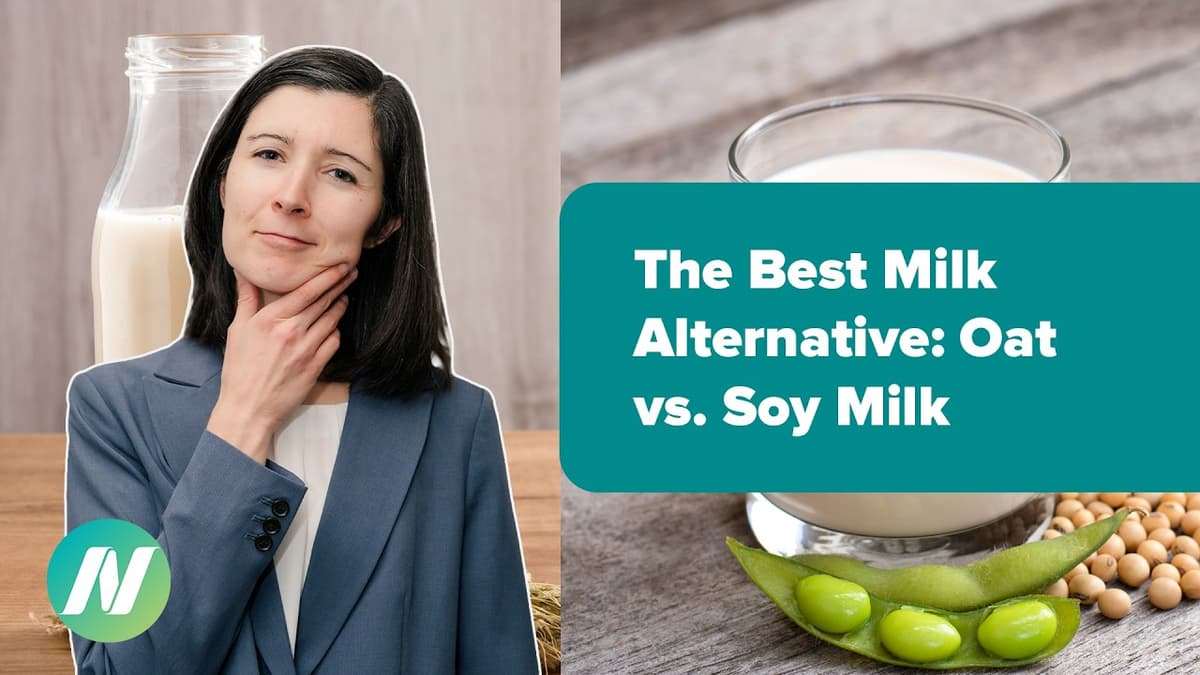
The Best Milk Alternative: Oat Vs. Soy Milk
The video compares oat and soy milk as leading plant‑based alternatives, examining nutrition, market share, and health impacts versus dairy. It notes soy provides ~7 g protein per cup and is consistently fortified, while oat matches calcium and vitamin D but contains...

Sleep Scientist Dr. Kristen Knutson: The 4 Things That Actually Determine Your Sleep Health EP#408
Dr. Kristen Knutson, a leading sleep‑circadian researcher, explains that sleep health hinges on four key determinants: light exposure, timing regularity, alignment of central and peripheral clocks, and appropriate use of melatonin as circadian medicine. She frames the discussion around the...

Pro Bodybuilder Gets Humbled at Miami Beach
The clip captures a pro bodybuilder on Miami Beach being publicly challenged about his physique, with onlookers questioning whether he truly fits the classic‑physique mold. Throughout the exchange, several participants label him “too skinny” and “not the top dog,” suggesting he...

Sumo: American Football... With No Pads
The video frames traditional Japanese sumo as a form of American football stripped of helmets and pads, emphasizing its raw, unmediated physicality. The host, a former high‑school folk‑style wrestler with Brazilian jiu‑jitsu experience, points out that once a competitor’s hand...
Stop Wasting Money on 40 Supplements | Here's What Actually Works | Hack Your Media
The video tackles the common habit of taking dozens of supplements, urging listeners to strip back to evidence‑based essentials and focus on lifestyle fundamentals before chasing marginal hacks. The host recommends a core stack: creatine monohydrate dosed at 0.1 g per kilogram...
Are Diet Sodas Actually Healthier? #harvardchanstudio
The video examines whether diet sodas are a healthier alternative to sugar‑sweetened beverages, drawing on recent Harvard epidemiologic research. It highlights the challenge of reverse causation—overweight individuals often switch to diet drinks, which can confound study results—but the analysis adjusts...

Alcohol’s Health Benefits and Risks Explained #harvardchanstudio
The video from Harvard Chan Studio examines the complex trade‑offs of alcohol consumption, summarizing experimental and epidemiological evidence on both its cardiometabolic benefits and its carcinogenic hazards. Short‑term randomized trials, ranging from one to two months up to two years, consistently...
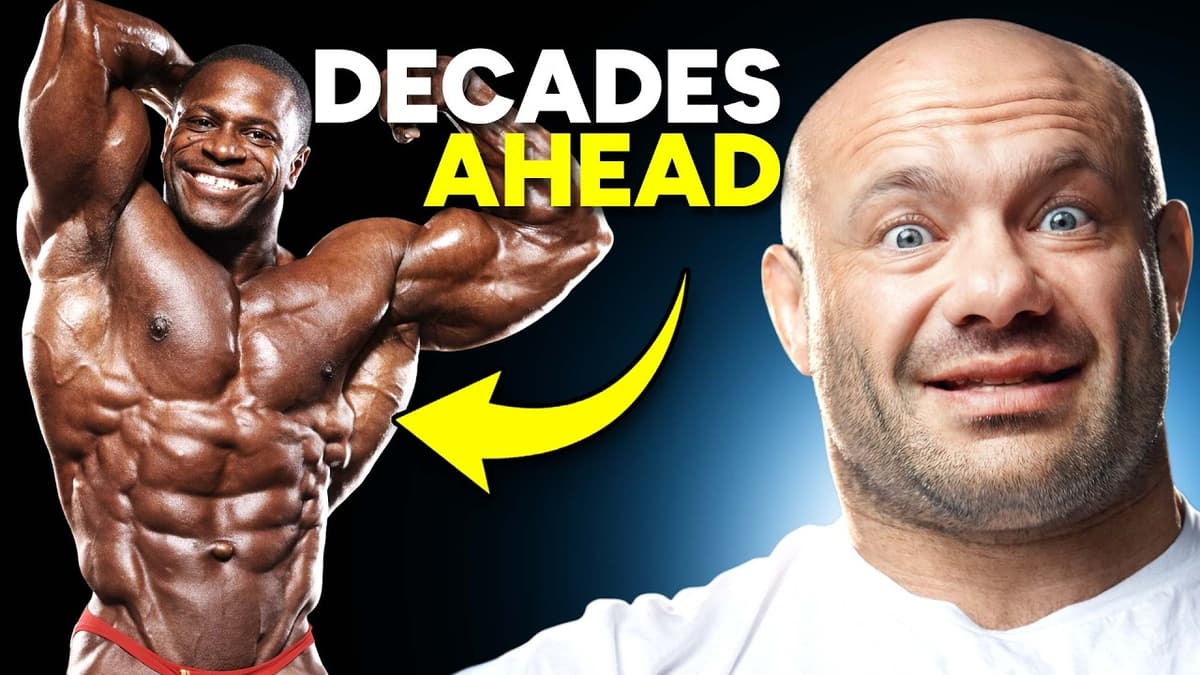
Exercise Scientist Critiques Lee Haney’s Revolutionary Training Methods
The video features Dr. Mike, an exercise‑science professor, dissecting Lee Haney’s legendary bodybuilding regimen. He emphasizes that Haney’s eight Mr. Olympia titles were built on a methodical, scientific approach rather than sheer brute force, integrating power‑lifting fundamentals with bodybuilding isolation work. Key...
Body Composition & Fueling: Performance, Risk, and Why Under-Fueling Harms Athletes
On the Try Do podcast medical mailbag, hosts Jeff Sankoff and Juliet Hawkman with nutritionist Alex Larson examined the complex relationship between body composition, fueling, and athletic performance. They noted evidence that increases in lean mass and reductions in body...
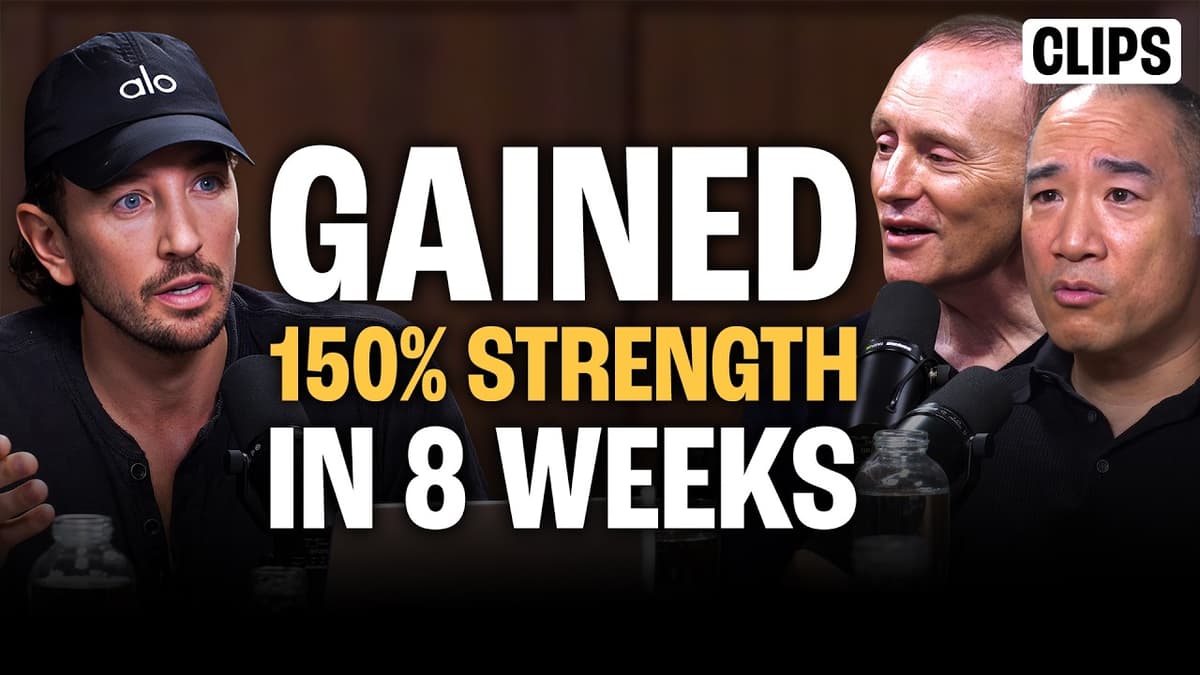
90-Year-Olds Gained 150% Strength in 8 Weeks | Here's What That Means for You | Brad & Alan | EP#406
The video highlights a landmark study in which non‑agenarian participants added leg‑extension resistance training three times weekly for eight weeks, resulting in an average 150% increase in leg strength and a 50% boost in functional capacity. The hosts use this...

How to Maintain End-Season Fitness & Fuel Short Races Like Cyclocross
Hosts discuss how cyclists can extend end-of-season fitness without burning out, arguing that peak form often lasts longer than riders assume if they maintain supportive gym work and balanced training. Mental fatigue and logistical stress, not just physical wear, commonly...

Nutrition for Junior Endurance Athletes: Fueling Growth, Performance & Healthy Habits
Speakers advise that nutrition for junior endurance athletes should prioritize supporting growth, consistent energy availability and long-term healthy habits rather than simply copying elite athletes’ performance-focused diets. Practical priorities include regular breakfasts, easy balanced snacks during long school days, slightly...

My 3-Step Protocol to Shrink Thyroid Nodules (No Surgery Needed)
Dr. Alan Christianson outlines a three‑step, evidence‑based protocol to shrink thyroid nodules without surgery. The approach targets insulin resistance, optimizes iodine intake, and incorporates specific nutraceuticals such as Prunella vulgaris, Spirulina, Boswellia and Curcumin. He also explains when minimally invasive...

Experts Were Wrong About Insulin Resistance - This Exercise Stops It Fast
Thomas DeLauer explains that recent research overturns conventional wisdom about insulin resistance, showing high‑intensity interval training (HIIT) can reverse the condition faster than traditional moderate‑intensity cardio. The study cited compares a short‑term HIIT protocol to steady‑state exercise, finding significantly greater...

Why Your Gut Needs the Right Enzymes
A significant portion of the population—estimated between 8% and 25%—lacks sufficient sucrase‑isomaltase, an enzyme that breaks down sucrose and certain starches. This deficiency leads to undigested carbs fermenting in the gut, triggering bloating, reflux, joint pain, skin flare‑ups, and even...

How Much Protein Do We Need For Longevity? MTOR, Sarcopenia, and Mortality Risk
The video weighs competing views on protein for longevity: one side warns that high, especially animal-derived, protein chronically activates growth pathways (mTOR/IGF‑1) linked to aging and cancer in animal models; the other warns that insufficient protein raises sarcopenia and frailty...

Building Muscle Is a Science
Building muscle after age 40 becomes slower as myostatin levels rise, limiting lean‑mass gains despite regular resistance training and adequate protein. Reducing myostatin activity removes this inhibitory signal, allowing muscle protein synthesis to proceed more efficiently. Enhanced protein utilization further...

This Is Stopping Autophagy Dead in Its Tracks
Thomas DeLauer explains that not all fasting protocols support cellular recycling, highlighting a specific type of fasting that can actually block autophagy. He then reveals a simple glucose‑spike trick that re‑activates autophagy during a fast. The video also outlines optimal...

Big Levers vs Biohacks: The Health Basics That Actually Move the Needle
The Ready State episode distinguishes “big levers” – core habits like sleep, nutrition, movement and relationships – from “little levers” such as trendy biohacker metrics. It argues that unprocessed foods, adequate rest, stress control, and strong social ties drive the...

15g Increases Muscle, Detoxes the Liver and Shrinks Fat (Try Post Workout)
Thomas DeLauer’s video explains how a daily 15‑gram dose of glycine can simultaneously enhance muscle protein synthesis, support liver phase‑2 detoxification, and promote fat loss. He highlights the synergistic effect of pairing collagen with whey to boost glutathione production, a...

This Drops Visceral Fat in the Shortest Amount of Time Possible - Dr. Rhonda Patrick
In a detailed discussion with Dr. Rhonda Patrick, Thomas DeLauer explains how visceral fat—fat stored around internal organs—drives insulin resistance, chronic inflammation, and disease risk. He outlines why many people can appear lean yet remain metabolically unhealthy, and highlights the fastest levers...
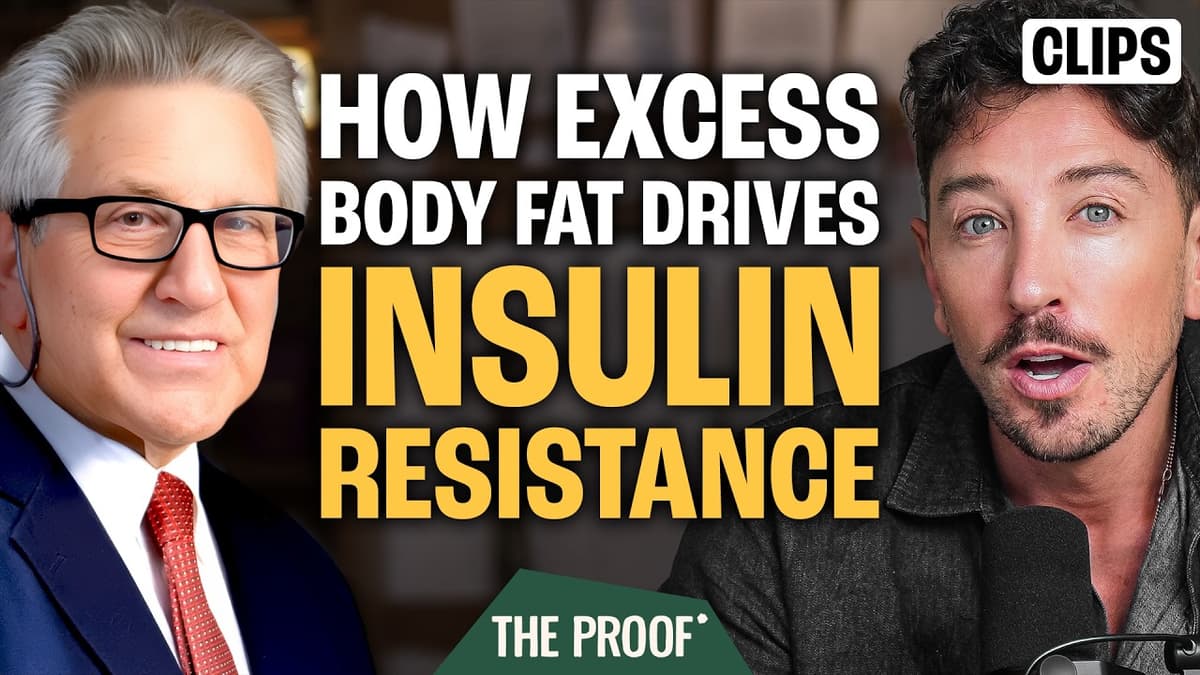
Why Insulin Resistance Develops: Fat, Fatty Acids, and Metabolic Dysfunction | Robert Eckel | EP#403
The discussion centers on two distinct pathways to insulin resistance: the metabolic derangement that accompanies excess body fat and the physiological insulin resistance observed during very low‑carbohydrate, ketogenic eating patterns. Robert Eckel explains that a ketogenic diet suppresses insulin, drives...

This Shrinks Visceral Belly Fat with ZERO Diet and Exercise
Thomas DeLauer explains how visceral belly fat can be reduced without drastic diet changes or intense exercise by focusing on hydration, electrolyte balance, and whole‑food nutrition. He contrasts whole foods with processed options, highlighting their impact on insulin and inflammation....

1500 Calories and STILL Not Losing Belly Fat, Here’s Why
Thomas DeLauer explains why a 1500‑calorie diet may still leave belly fat unchanged. He argues that many viewers aren’t truly in a caloric deficit, often replace muscle with fat, and suffer nutrient deficiencies that blunt metabolism. The video also highlights...