
Why Canadians Should Care About United Airlines | The Suite Talk Travel Show Ep.6
United launched a Canada-branded credit card issued by Neo that within a month has replicated a major U.S. benefit: cardholders can unlock additional saver award seats on United, producing steep discounts on business-class redemptions—reportedly as much as 60–70% on some routes. The card carries a modest welcome offer (25,000–30,000 miles with promos) and an $89 annual fee offset by a 5,000-mile renewal bonus, but its base earn rates trail some Canadian alternatives and it lacks several U.S.-style perks like lounge-access vouchers. Hosts flagged that both U.S. and Canadian cardholders see the same unlocked inventory, ran tests confirming the savings, and expressed concern about how long United will maintain the generous access. Overall the card provides a straightforward new path for Canadians to accumulate and redeem United miles, even if hardcore points earners may prefer other earn strategies.

Would You Actually Buy This?
A creator proposes a DIY business: buy a $400 stock tank from Tractor Supply and a $200 above-ground pool jet kit from Amazon, assemble a minimalist hot-tub-style pool using YouTube and ChatGPT, photograph it professionally, and sell finished units to...
5 Tools To Prevent Financial Disaster
The video outlines five financial tools to prevent disaster: a fully funded emergency fund (3–6 months of living expenses) after covering deductibles, employer retirement matches and high-interest debt; retirement accounts to harness compounding and tax benefits (avoid raiding 401(k) loans);...

Michael Saylor: 'Never Be a Net Seller' Explained
Michael Saylor, the MicroStrategy CEO known for his "never sell Bitcoin" mantra, clarified that his stance is actually "never be a net seller" of the cryptocurrency. He explained that occasional profit‑taking does not contradict a long‑term bullish view, and the...

Wealthy + Wise | Are Defence Stocks Really Defensive?
The episode examines whether defense stocks truly qualify as defensive investments, focusing on the sector’s surge as governments increase military spending. Host Nadine Blay and experts Andrew Coleman and Peter Hazruni dissect the $2 trillion global defense market, highlighting the long‑term...

No One’s Talking About Generation X But They Control the Property Market
The episode spotlights Generation X – Australians born roughly 1964‑1981 – as the silent power broker shaping the nation’s economy and housing market. Now in their mid‑50s, they dominate senior corporate roles, occupy a disproportionate share of political leadership, and...

Even Beyonce Has a Mortgage!
The video opens by noting that the financial system was built by the wealthy, but its mechanics are accessible to anyone willing to learn. It uses Beyoncé and Jay‑Z’s recent mortgage as a springboard to illustrate how even the richest...
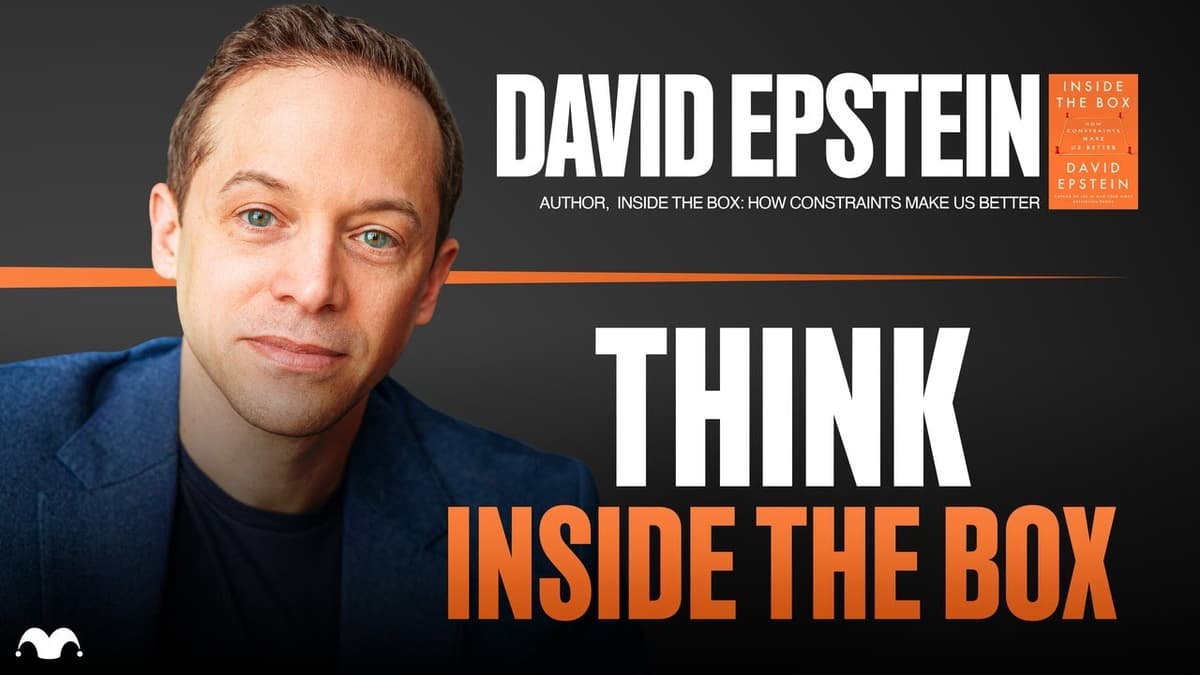
NYT Bestseller David Epstein: Why Too Much Freedom Hurts Investors—And How Constraints Win
David Epstein discusses his new book *Inside the Box*, arguing that well‑designed constraints, not unlimited freedom, drive better thinking and performance. He explains how our brains are wired to avoid effort, so when options are abundant we default to the...

Why Customers Are Too Scared to Invest | Fintech Insider Podcast
The Fintech Insider podcast episode explores why many potential investors remain on the sidelines, emphasizing psychological inertia and fear of making costly mistakes. Hosts cite interview data showing customers lack the financial literacy, experience, and confidence needed to evaluate opportunities, leading...
Inside MAS Episode 5: Why Your 'Smart' Investment Strategy Might Be Wrong
Inside MAS Episode 5 spotlights MoneySense, Singapore’s national financial‑education programme overseen by the central bank’s capital‑markets group. Launched in 2003, the initiative partners with CPF Board, Ministry of Manpower and industry bodies to raise financial literacy across the population. The episode highlights...

What’s Driving Financial Anxiety in Singapore?
The video examines a recent survey revealing that Singapore’s Millennials and Gen Z are experiencing the highest levels of financial anxiety across generations. The discussion centers on how rising property prices, stagnant wages, and a tougher credit environment are reshaping...

Has Frictionless Investing Led to Higher Valuations?
The video examines whether the near‑zero friction of modern investing—no‑fee accounts, tax‑advantaged vehicles and three‑tap mobile trades—has inflated overall market valuations. The speaker argues that easier access fuels emotional, crowd‑driven buying, especially in strong markets, pushing prices above fundamentals. Conversely, the...

5 Ways to Benefit From a Volatile Stock Market
The Morning Filter episode tackles how investors can turn heightened market volatility into an advantage. Co‑hosts Susan Jabinski and Morningstar’s Christine Benz outline tactics for both hands‑off and more active investors, emphasizing that volatility need not be feared but can...
You're Losing Money by Not Investing
The video argues that most financial advice focuses on the dangers of market loss, while neglecting the far greater danger of never investing. It warns that failing to allocate money to equities can severely diminish one’s standard of living in...

Forget Timing the Market: Capital Group’s Mike Gitlin on Investing in an Uncertain World
Mike Gitlin, chief investment officer at Capital Group, explained the firm’s distinctive model where analysts are also investors, giving them genuine "skin in the game" and a long‑term perspective. He contrasted this approach with conventional advice‑driven research, emphasizing that personal...

Capital Allocation Is the #1 Most Important Thing a Management Team Has to Get Right
The video argues that capital allocation is the single most critical competency for any management team, eclipsing traditional valuation metrics such as price‑to‑earnings ratios. It stresses that cash‑flow‑rich businesses must deploy capital wisely—avoiding stock repurchases at inflated prices and steering clear...

People Are Wrong About Dividend Stocks - Here’s Why
The video challenges the common perception that dividend stocks are dull, arguing they are actually a powerful wealth‑building tool when selected correctly. Citing a 1963‑2021 study of the 1,500 largest U.S. stocks, the presenter shows the high‑dividend half delivered roughly ten‑fold...

Gold & Silver May Face a Shakeout Before the Next Big Rally | Chris Vermeulen
The video examines the current state of gold and silver, highlighting a classic mixed‑signal environment: a rising long‑term trend contrasted with short‑term weakness. Chris Vermeulen stresses that the 150‑day moving average remains upward, framing the metals in a potential bull‑flag...
The Fund Factsheet Checks Every #investor Should Make
The video advises investors to scrutinize mutual fund fact sheets, highlighting common gaps and essential metrics that reveal a manager’s active stance. It stresses that a fact sheet should display the fund’s benchmark and directly compare sector and geographic allocations against...

Super Strategy Shifts Ahead of Budget Day | the Advisory
The advisory episode focuses on how the imminent federal budget could reshape strategies for self‑managed super funds (SMSFs). Host and Sonus Wealth’s Liam Short warn listeners not to overreact while the government finalises capital‑gains‑tax (CGT) reforms and other super‑annuation measures. They...
Pay Less Taxes in Retirement Without Cutting Spending #retirement #taxes #moneyhacks
The video explains how retirees can dramatically reduce their tax burden by structuring income around tax‑free buckets rather than focusing on spending levels. It emphasizes that the IRS taxes taxable income, not the amount of money you actually live on,...
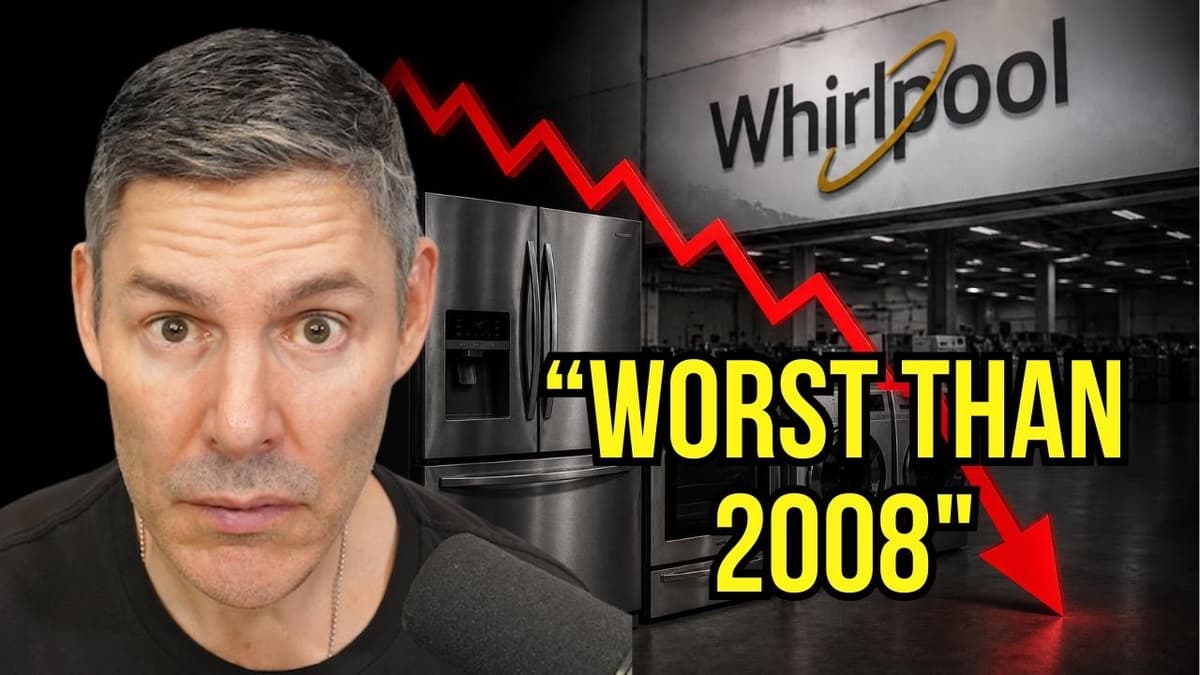
The TRUTH About The Economy Was Just Revealed
The video dissects Whirlpool’s recent warning that its sales have fallen to recession‑levels, attributing the dip to the Iran‑related Middle East conflict and soaring fuel costs. The host argues that while executives point to geopolitics, the underlying issue is a...

Value Investing Is Often Misunderstood
The video tackles common misconceptions about value investing, redefining it as the disciplined pursuit of assets priced below their intrinsic worth rather than a narrow focus on cheap stocks. The speaker emphasizes that true value investing seeks a superior price‑to‑quality relationship,...

Your Traditional IRA Is Killing Your Backdoor Roth
The video explains how a backdoor Roth IRA works and why a pre‑existing Traditional IRA can turn a seemingly tax‑free maneuver into an unexpected tax bill. Investors first make a non‑deductible $6,000 contribution to a Traditional IRA, then convert it to...
What's Your Plan for Your ROTH CONVERSION? (Where Are You Retiring?)
The video warns investors that a Roth conversion cannot be evaluated solely on federal rates; state tax environment where you live now versus where you retire can flip the math. Using a New York‑to‑Florida scenario, the presenter shows a 30% federal...

As Costs Climb, More Americans Are Turning to #multi-generational #living to Make #life Work.
As housing prices, child‑rearing costs, and elder‑care expenses surge, more American families are opting to live under one roof. Business Insider’s “The New American Home” series spotlights this growing multigenerational trend, framing it as a pragmatic response to economic pressure. The...

How to Build Wealth During an Affordability Crisis
The Aspen Institute’s Financial Security Program hosted a webinar titled “How to Build Wealth During an Affordability Crisis,” featuring experts who examined the twin challenges of rising essential costs and stagnant household incomes. Speakers highlighted that since 2000, expenses...

Morning Markets for Wednesday, May. 6, 2026
The May 6 morning markets roundup highlighted a confluence of geopolitical optimism and strong corporate earnings, driving a broad rally across North American indices. Negotiations between the United States and Iran appear to be nearing a one‑page memorandum, sparking a risk‑on sentiment...
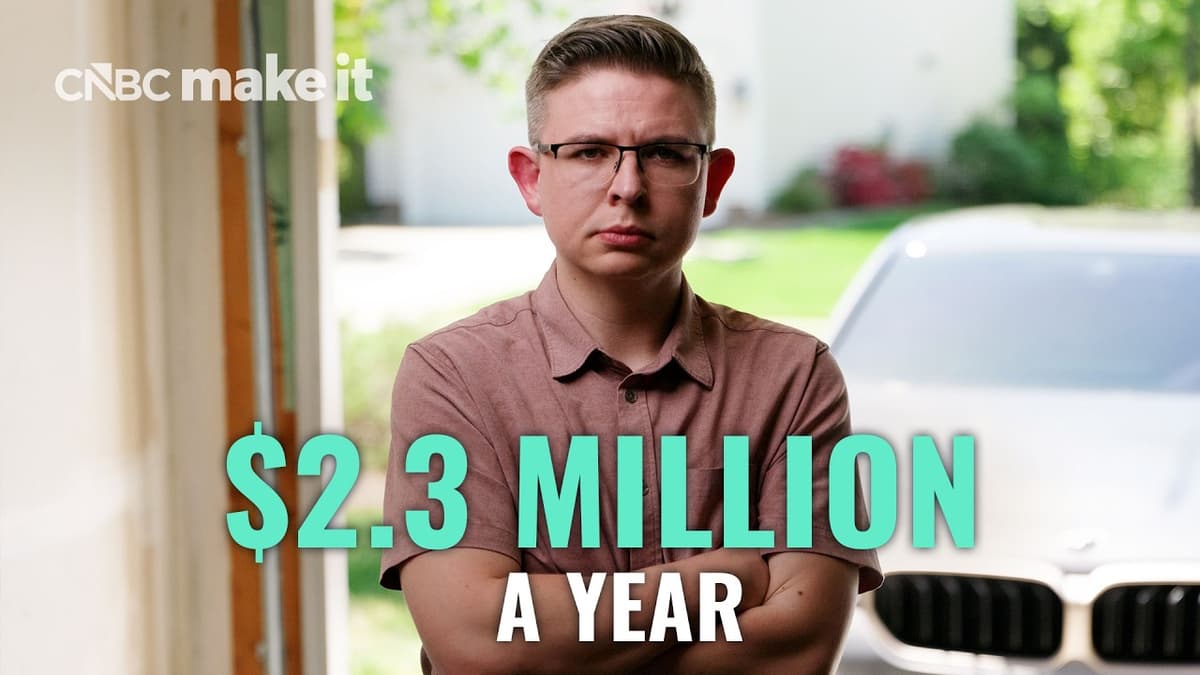
People Pay Me $1,000 To Negotiate Their Car Deals—How I Built A $2.3 Million Fully Remote Business
Delivrd, founded by 33‑year‑old Tomi Mikula in Charlotte, North Carolina, offers a fully remote service that negotiates new‑car purchases on behalf of consumers. In 2025 the company generated roughly $2.3 million in revenue, positioning itself as a direct alternative to traditional...
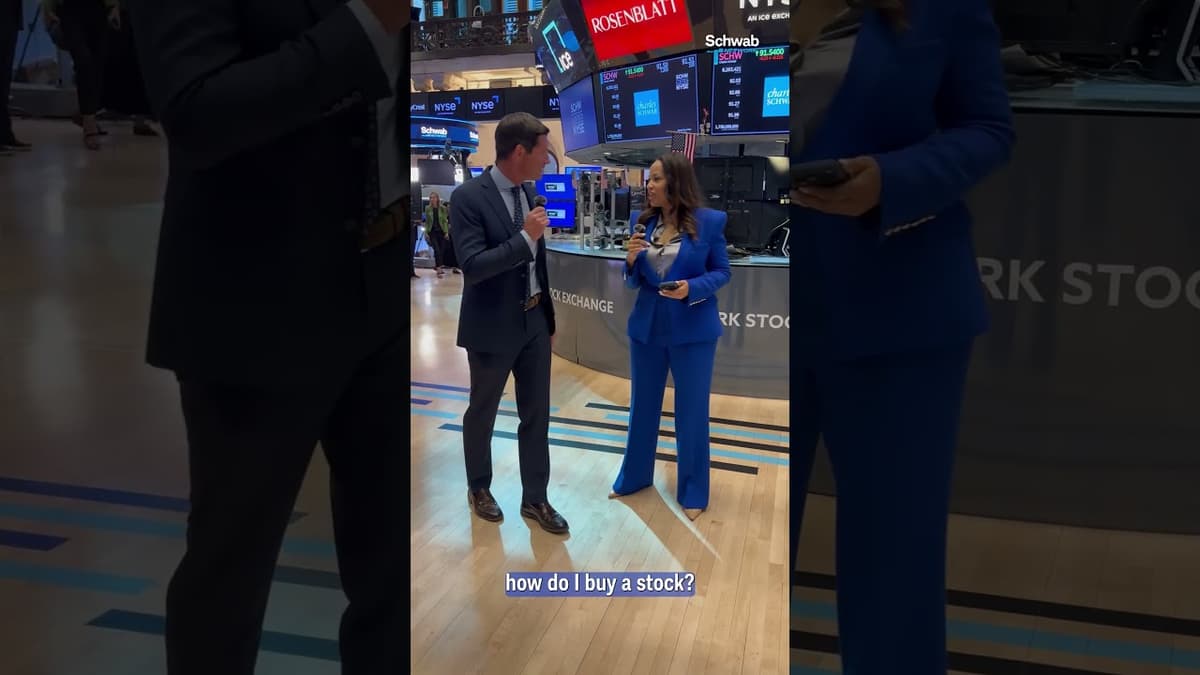
Schwab CEO on Removing Investment Barriers #shorts
On National Investing Day, Schwab CEO highlighted the firm’s ongoing mission to dismantle traditional obstacles that have kept many Americans out of the equity markets. He noted that Schwab has removed commissions and introduced $5 fractional‑share purchases at no cost, allowing...
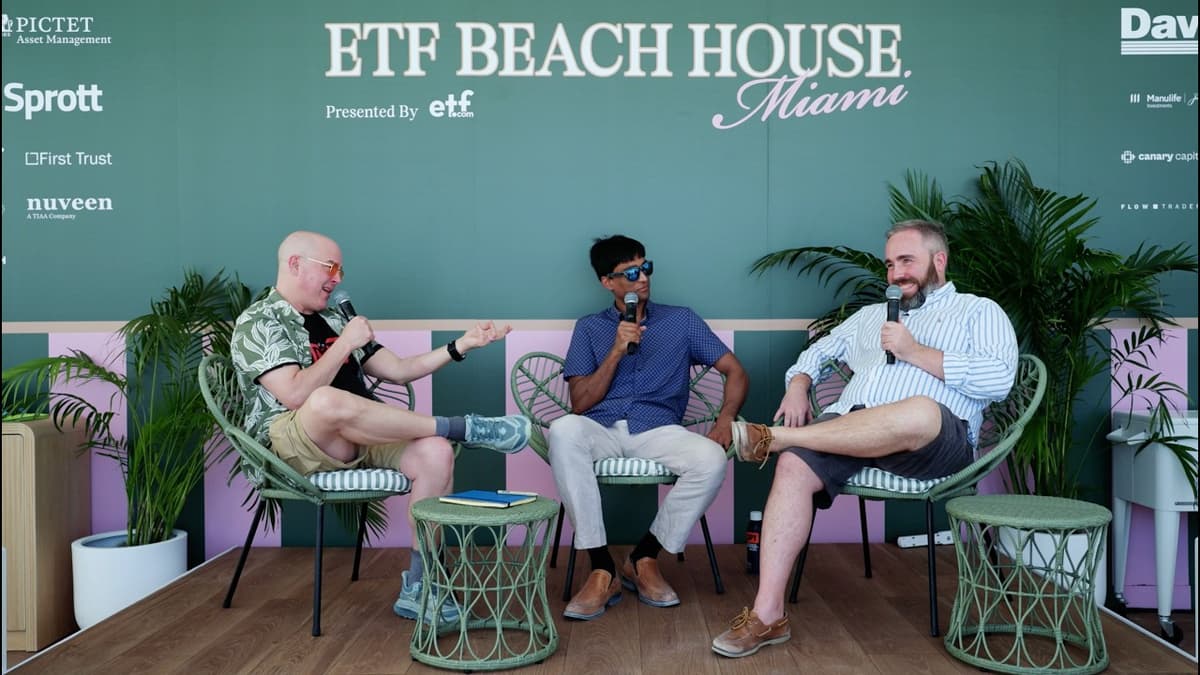
ETF Investors! Don’t Buy the Pre-IPO Hype Until You Watch This
The video warns investors against chasing pre‑IPO hype through private‑credit and private‑equity ETFs, highlighting structural flaws that make these products risky for retail portfolios. Liquidity mismatches dominate private‑credit ETFs: inflows dilute exposure while outflows force managers to sell public holdings, inflating...

How Much Bitcoin Do You Need to Retire? Wrong Question...
The speaker argues that asking "how many Bitcoin do I need to retire" is the wrong question. Instead of treating Bitcoin as a simple replacement for a mutual fund, investors must adopt a "personal treasury" – a five‑step system...
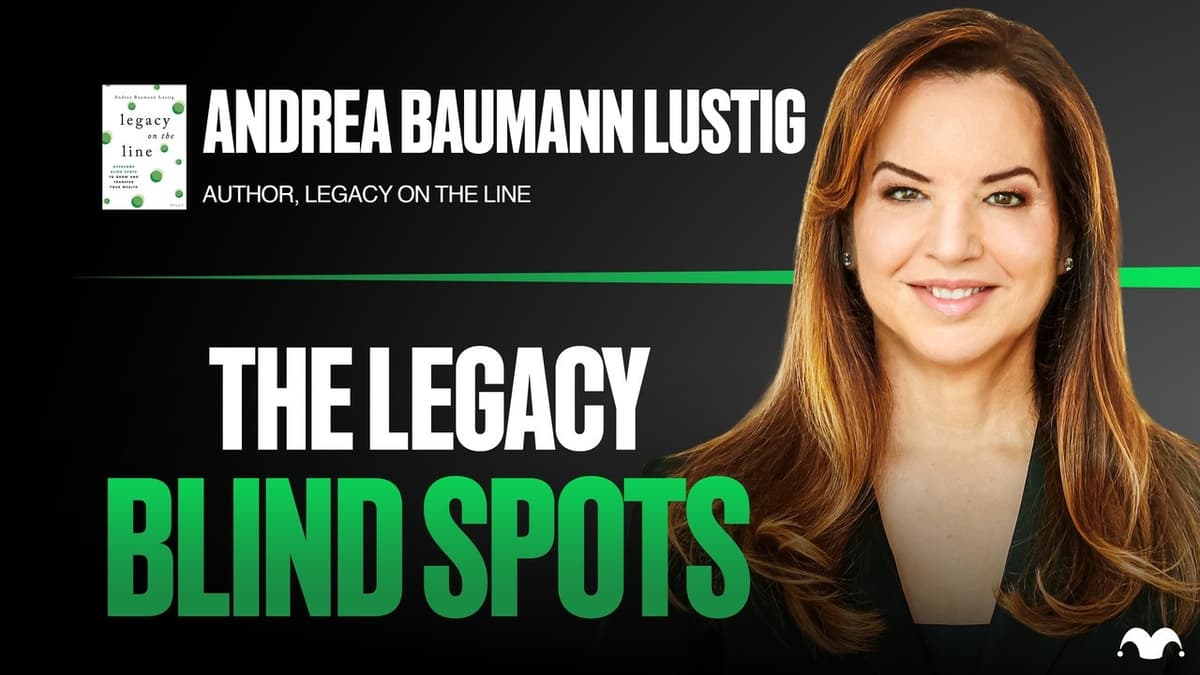
The $124 Trillion Wealth Transfer: A 6th-Gen Wealth Manager's Blueprint to Protect Your Legacy
The interview with Andy Bowman Lustig, a sixth‑generation wealth manager and author of *Legacy on the Line*, centers on the unprecedented $124 trillion wealth transfer expected by 2048. Lustig frames wealth management as three distinct phases—accumulation, retirement/spending, and transfer—emphasizing that the skills...

The New Fed Chair Just Told Congress His Plan — He Left Out The Part That Steals Your Savings!
The video examines the agenda of the incoming Federal Reserve chair, Kevin Walsh, and how his policy blueprint could reshape America’s $39 trillion debt burden. Walsh signals a return to ultra‑low interest rates, a reduction of the Fed’s balance sheet, and...

You’re Not Broke — You’re Overspending | Jonathan Wellum
The video features Jonathan Wellum urging listeners to treat overspending as a solvable problem by embracing frugality and disciplined budgeting. Drawing on a 2007 Berkshire Hathaway Q&A where Charlie Munger answered, “spend less than you make,” Wellum frames living below...

My Financial Coaching Business Brings in Around $60,000 a Year
The video spotlights a niche financial‑coaching business that generates about $60,000 a year while the founder works 40‑50 hours weekly from a portable office. He structures his day around client emails, Instagram Live sessions, podcasts, and one‑on‑one coaching, targeting LGBTQ,...

Kids Are Investing Earlier Than Ever: What Parents Should Watch For | Don't Short Yourself
The video spotlights a rising trend: teenagers are entering the stock market earlier, driven by curiosity and parental support. MarketWatch reporter Vanessa Wong interviews 18‑year‑old Adam Ehrlichson, who began investing at twelve, and his mother Kim, illustrating how a modest...
Most IRA Heirs Are Stuck With This Rule After SECURE Act — And It's Not Good
The SECURE Act overhauled inherited IRA distribution rules, creating distinct treatment for three beneficiary categories. The video walks through non‑designated beneficiaries, non‑eligible designated beneficiaries, and the timing of the original owner's required beginning date (RBD). Non‑designated beneficiaries—estates, charities, and non‑qualifying trusts—remain...
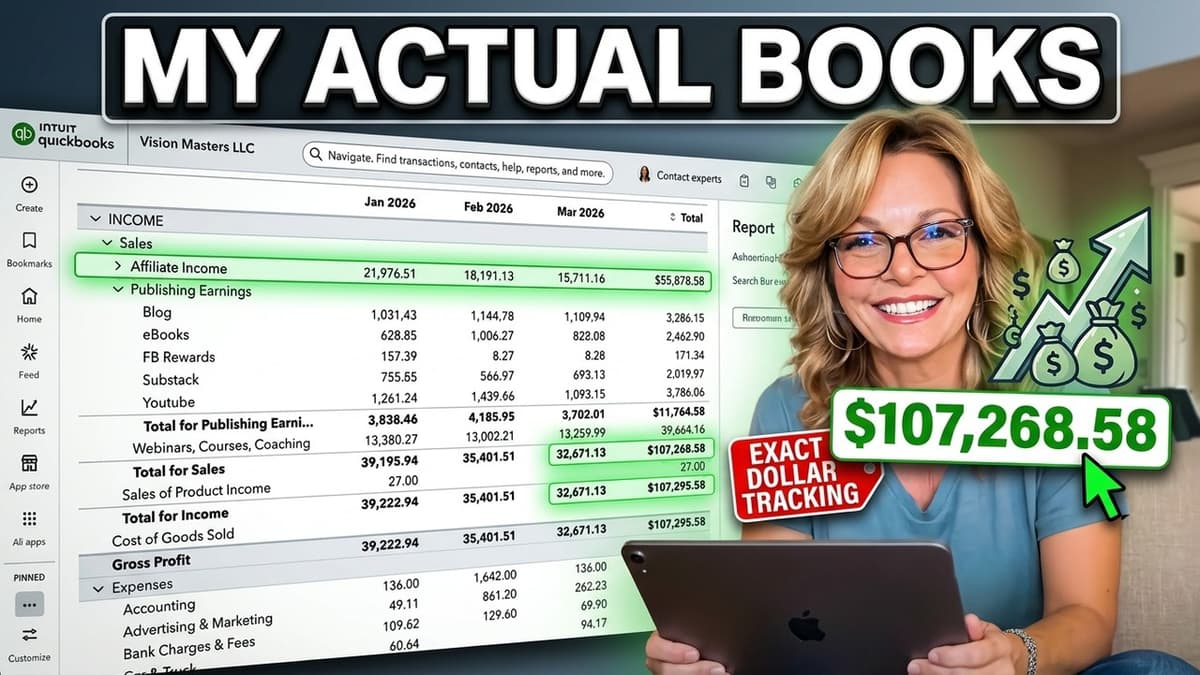
$420K Creator Reveals: Here's Exactly How I Track Every Dollar
The video walks viewers through how a six‑figure content creator tracks every dollar, moving from a simple spreadsheet to a fully automated QuickBooks system. She explains why she chose QuickBooks—its bank‑linking, rule‑based categorization, and payroll features—allowing income and expenses to...

To Risk or Not to Risk Your Risk-Free 4% CPF Return?
The video examines Singapore’s upcoming Life Cycle Portfolio scheme, slated for 2028, which will let CPF members allocate a portion of their Special Account (SA) savings into diversified, low‑cost investment funds. Host Howie Lim brings together Providend CEO Christopher Tan...
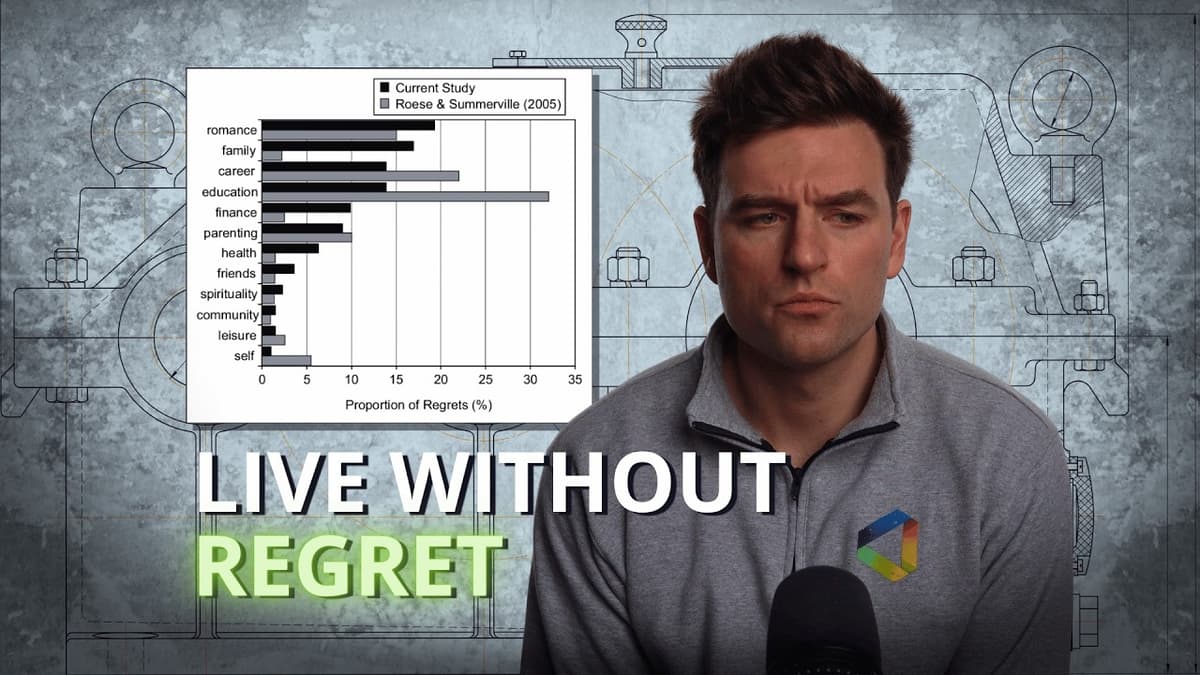
Using Your Money To Be Happier
Ben Felix, chief investment officer at PWL Capital, argues that personal finance should fund a good life, not merely accumulate wealth. He explains that while sufficient income is essential for basic needs, beyond a modest threshold money contributes little to...

Where to Invest 10 Lakh Rupees
The video tackles how an Indian investor should deploy a 10‑lakh‑rupee portfolio as global markets wobble after the Iran‑Israel clash and lingering trade‑policy fallout. Four market strategists agree on a core‑plus tilt: avoid trying to catch a market bottom, lean on...

11 “Frugal” Habits That Actually Keep You Broke
The video challenges popular "frugal" habits that actually drain wallets, grouping them into neglect, waste, and lifestyle traps. It argues that short‑term cost avoidance often creates larger expenses later, turning supposed savings into hidden losses. Key examples include the "boots theory"—buying...

Jim Nagle’s No Nonsense Investing Advice
Jim Nagle shares the core of his mentor’s no‑nonsense real‑estate philosophy: act quickly, trust the numbers, and never let aesthetics outweigh cash flow. He recounts making offers within minutes, arguing that borrowing to buy an appreciating asset is prudent as long...

How to Budget for a Renovation | This First House
The video walks homeowners through building a realistic renovation budget, emphasizing that costs differ dramatically across regions and that media‑driven expectations often mislead consumers. Presenters break down a $50,000 basement remodel into line‑item figures—dumpsters, demolition, framing, insulation, plumbing, electrical, HVAC, finishes,...
The '100 Minus Your Age' Formula Explained
The video explains the "100 minus your age" rule, a straightforward guideline for retail investors to determine how much of their portfolio should be allocated to equities. By subtracting one’s age from 100, investors arrive at a target percentage of...
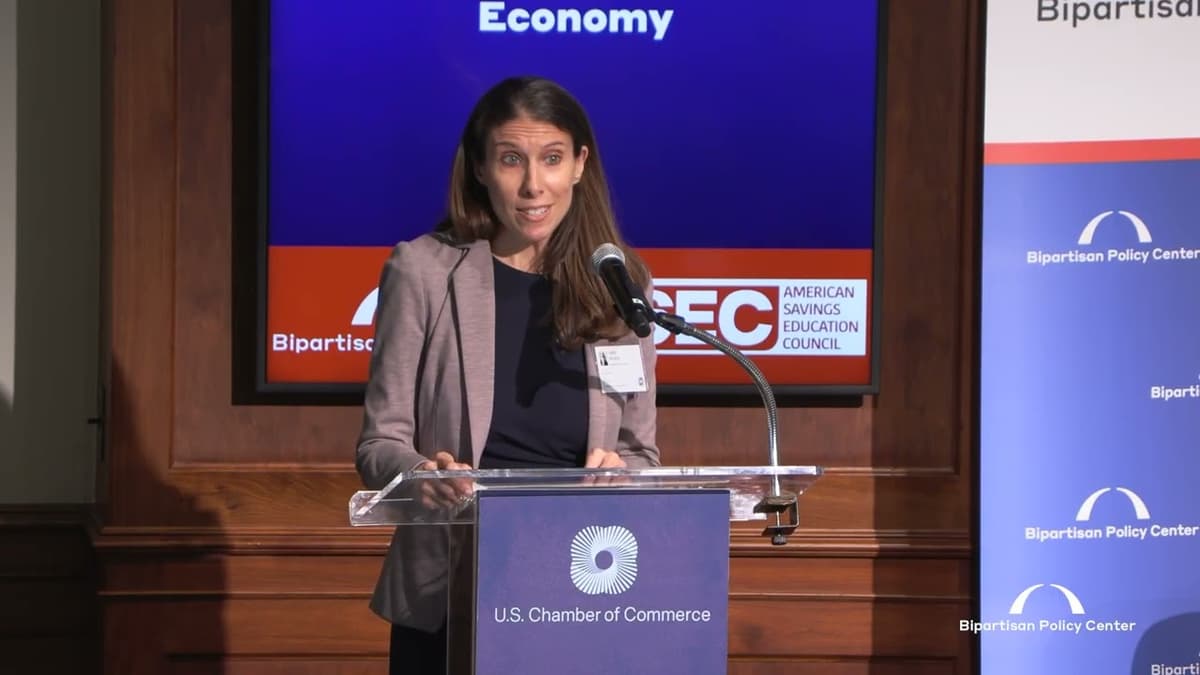
Opening Remarks - Building Financial Resilience in a High Cost-of-Living Economy | BPC
The Bipartisan Policy Center opened its forum on financial resilience with remarks from Lety Nosera, head of the American Savings Education Council. She framed the event around the urgent challenge of soaring everyday costs that force millions of Americans to...

Was It Easier For Previous Generations To Build Wealth? (Full Breakdown)
The video pits Baby Boomers against today’s Millennials and Gen Z, using a data‑driven comparison from 1980 to 2026. Financial advisers Brian and Bo adjust historic figures to today’s dollars and walk through income, inflation, consumer goods, housing and borrowing costs...
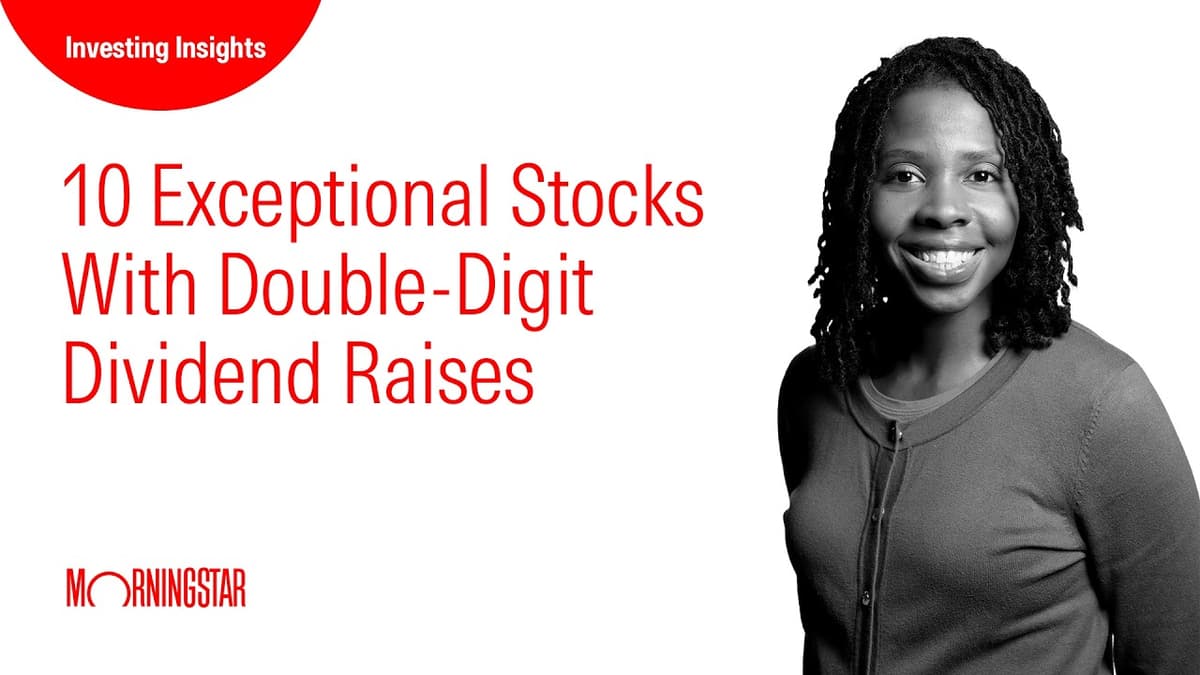
10 Exceptional Stocks With Double-Digit Dividend Raises
The episode introduces Morningstar’s annual "Dividend Growers" list, a curated set of stocks that have increased their per‑share dividend payouts by at least 10% for five straight calendar years. Host Ivana Hampton interviews newsletter editor David Herrell, who explains the...

Or You Could Just Do THIS Instead
The video presents a tongue‑in‑cheek “day in the life” of a self‑styled 12‑year‑old, eight‑figure day trader, walking viewers through his pre‑market routine of coffee, a jog, gym session and a quick motivational clip before the market opens. At 6:30 a.m. PT he...