Today's Science Pulse

Twisting 2D hBN layers unlocks unprecedented control of quantum light
Researchers demonstrated that rotating ultra‑thin hexagonal boron nitride sheets can reversibly shift the color and wavelength of embedded quantum emitters far beyond what traditional solid‑state hosts allow. By picking up, stacking, and twisting the layers, they achieved spectral tuning orders of magnitude larger, a breakthrough reported in Science Advances.

Survey Reveals Many Dog Owners Overlook Subtle Pain Signs Like Nighttime Restlessness and Clinginess
A recent PLOS One survey of Dutch dog owners found that only about half can correctly identify subtle pain indicators such as nighttime restlessness and heightened clinginess. The study presented 17 behavioral cues and three case scenarios to both owners and non‑owners, revealing a significant knowledge gap. Misreading these signs can leave chronic or acute pain undiagnosed, delaying veterinary care. Researchers call for stronger public education and tech‑assisted monitoring to bridge the awareness divide.

20/20 BioLabs Expands Longevity Test with Kidney Risk Tech
20/20 BioLabs announced an exclusive U.S. license with South Korea’s ROKIT Healthcare to embed its chronic kidney disease (CKD) prediction algorithm into the company’s OneTest for Longevity platform. The addition expands the test beyond inflammation biomarkers to provide early kidney...

Enlivex Clears Pivotal FDA Hurdle in Knee Osteoarthritis
Enlivex has secured FDA Investigational New Drug (IND) clearance to launch a global Phase 2b trial of its immunotherapy Allocetra for moderate‑to‑severe age‑related knee osteoarthritis. The study will be randomized, double‑blind, and placebo‑controlled, building on promising Phase 1/2a data from 134 patients....
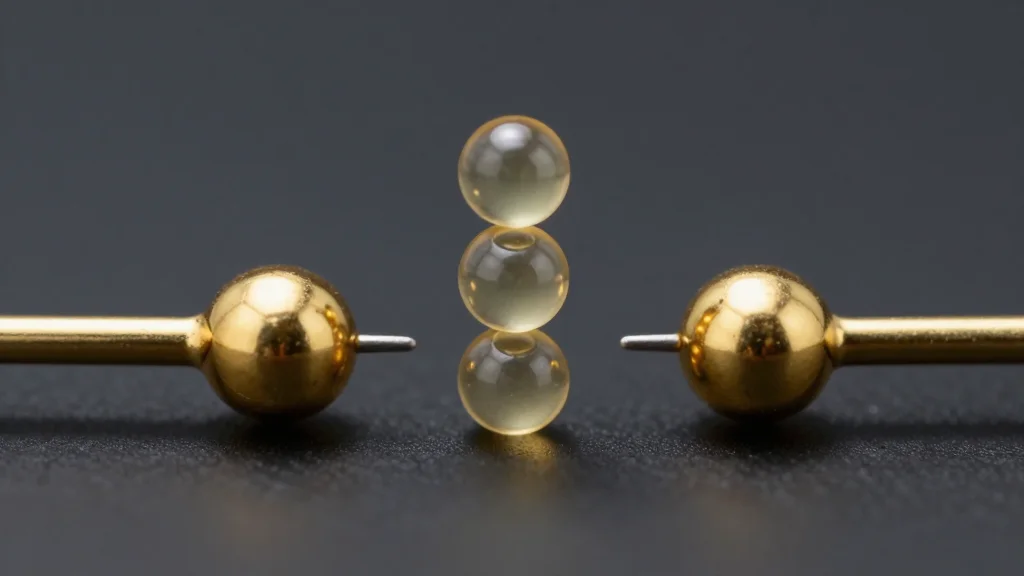
Fullerene's Spherical Symmetry Enables a Reliable Three-State Molecular Switch
Researchers have leveraged the spherical symmetry of C₆₀ fullerene to create a reliable three‑state molecular switch. By mechanically stacking one, two, or three C₆₀ molecules between gold electrodes, they achieved three distinct, fully reversible conductance levels spanning nearly four orders...

New Soft Sensors Give Humanoid Robots Finger Finesse
Researchers from Zhejiang, Hangzhou Dianzi and Lishui Universities unveiled a hybrid rigid‑soft robotic hand equipped with omnidirectional optical bending sensors. The hand offers 18 active degrees of freedom and can independently measure finger pitch and yaw with an error of...

Microplastic and Nanoplastic Exposure in the Context of Aging
Recent animal research shows that high-dose nanoplastic accumulation can trigger cellular dysfunction, including oxidative stress and senescence. While these harmful exposure levels exceed current environmental concentrations, older adults may experience greater cumulative burden due to lifelong exposure and age‑related physiological...

Study: Eye Microbiome Unchanged by Contact Lens Wear
A new study published in Microbiology Spectrum examined the ocular surface microbiome and tear proteome of 25 contact‑lens wearers and 23 non‑wearers. The researchers found no significant differences in bacterial composition or tear protein expression between the two groups. While...
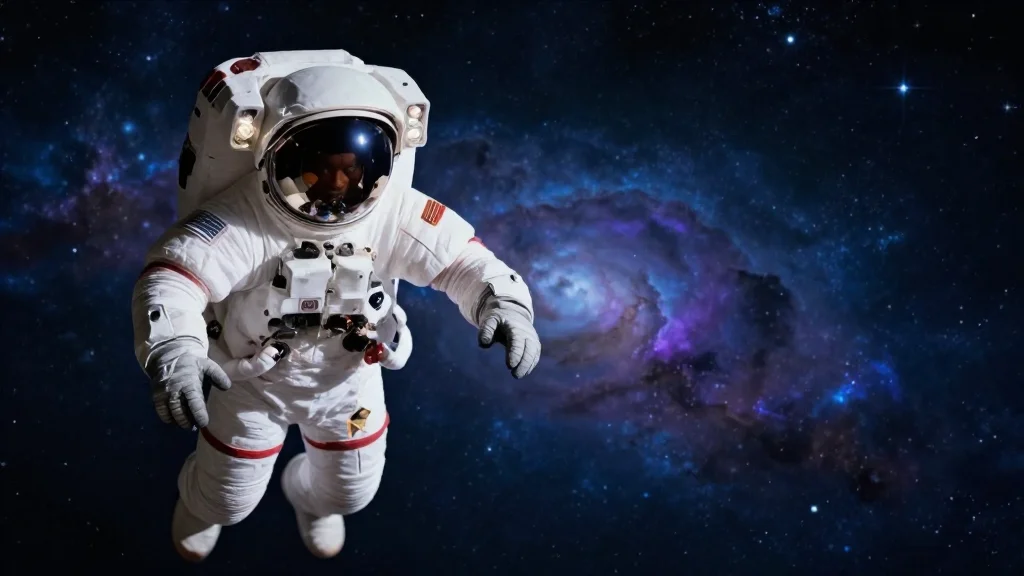
Scientists Use Brain Measurements to Identify a Video that Significantly Lowers Racial Bias
Researchers Yilong Wang and Paul J. Zak identified a short, highly immersive video about Black astronaut Dr. Ronald McNair that measurably reduces racial bias. In a lab test of 62 participants, the video generated the strongest neurologic "Immersion" response, prompting...

Scientists Create Plant That Produces Ayahuasca, Shrooms, and Toad Psychedelics All At Once
Scientists have genetically modified tobacco plants to biosynthesize five distinct psychedelic compounds typically sourced from psilocybin mushrooms, ayahuasca vines, and the Sonoran Desert toad. The engineered pathway, detailed in a Science Advances paper, yields measurable amounts of psilocybin, DMT, 5‑MeO‑DMT...
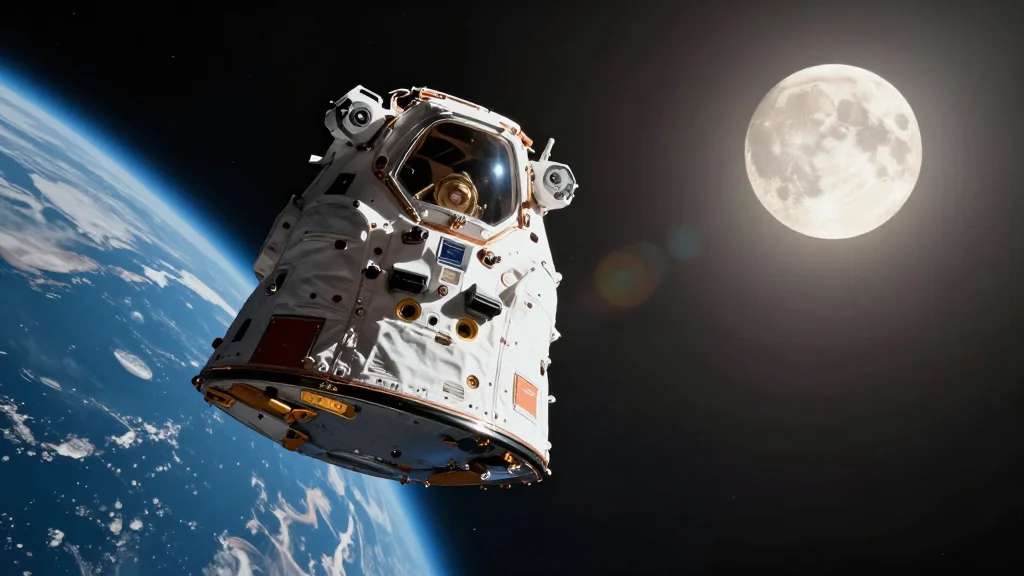
Oh. Another Moonshot
NASA is preparing to launch Artemis II, a ten‑day crewed flyby of the Moon, marking the first U.S. astronauts to travel beyond low Earth orbit since 1972. The mission is part of NASA’s “Ignition” roadmap, which earmarks roughly $20 billion over the...

Quantum Systems: Simple Equations Unlock Exact Solutions for Complex Problems
Researchers at the University of Vienna have derived a concise, fixed‑size equation that provides a necessary and sufficient condition for Matrix Product States (MPS) to exactly represent eigenstates of local Hamiltonians. The local characterisation hinges on how a Hamiltonian term...

New Research Highlights Brain-Gut-Skin Axis in Chronic Skin Diseases
Recent research published in Frontiers in Immunology reframes chronic skin disorders such as acne, psoriasis and atopic dermatitis as systemic illnesses driven by a brain‑gut‑skin axis (BGSA). The model links psychological stress, gut microbiome composition, and immune signaling to skin...

Gravitational Waves as Possible Candidates for the Origin of Dark Matter
A new study published in Physical Review Letters proposes that stochastic gravitational waves from the early universe could have generated dark matter through a freeze‑in process. The mechanism suggests mass‑free fermions were created by wave‑particle conversion and later acquired mass,...
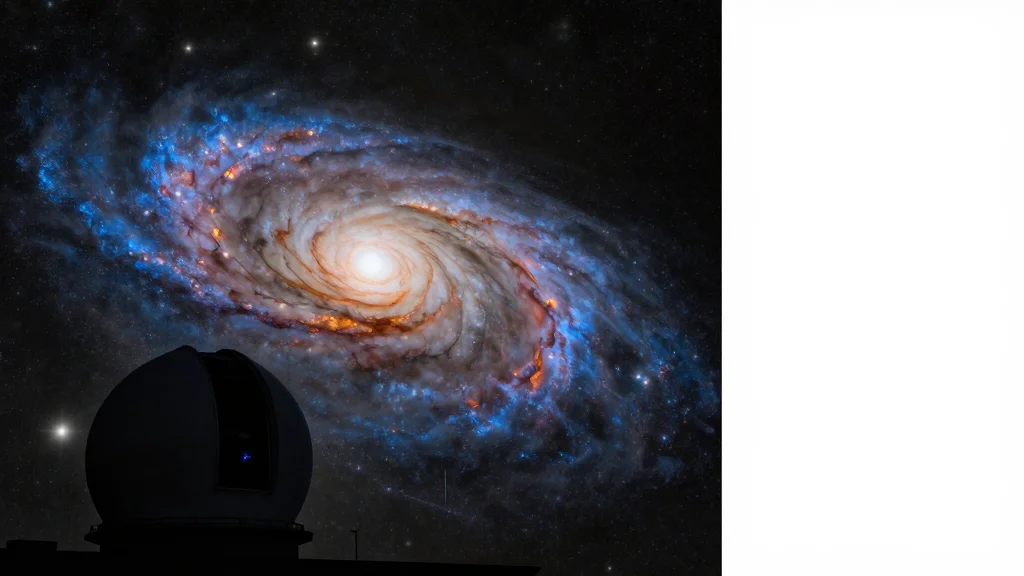
Cosmic Collision of Galaxies Mapped by Maunakea Telescope
Astronomers using the Canada–France–Hawaii Telescope’s unique SITELLE instrument captured full‑field spectral maps of the interacting spirals NGC 2207 and IC 2163. By running hundreds of simulations, they reconstructed a 440‑million‑year collision that will eventually merge the galaxies into a single system. The...

Silent Minds: Exploring the Absence of Inner Speech
Recent cognitive‑science research reveals that inner speech—often assumed universal—is absent in a subset of people, a condition termed anendophasia. Studies such as Nedergaard and Lupyan (2024) show measurable behavioral differences for those without an internal voice. The field faces methodological...

NASA Taps SFL Missions to Build Eight Satellites for Solar Wind Study
Toronto‑based SFL Missions Inc. has secured a NASA contract to build eight 150‑kilogram “Node” satellites for the HelioSwarm science mission. The Nodes will ride on a larger Hub spacecraft before deploying into coordinated formations in high‑Earth orbit. Built on SFL’s...

Unraveling Sleep Genetics via Wearable Device Data
Researchers have conducted the largest genome‑wide association study (GWAS) to date using objective sleep metrics captured by accelerometer‑based wearables. By harmonizing millions of device‑derived sleep measurements with genotyping data, they identified dozens of novel genetic loci tied to duration, efficiency,...
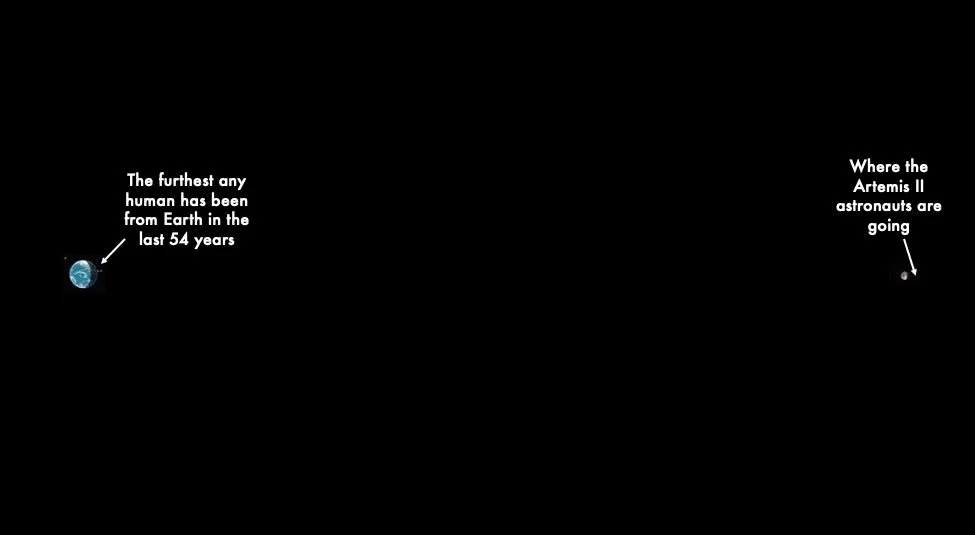
Moon’s Distance Dwarfs All Planets—Artemis II Soars
If you’re having problems conceptualizing why going to the moon is such a big deal, here’s your reminder that you can fit every planet in the solar system in between the Earth and the moon. The Artemis II astronauts are...
Untitled
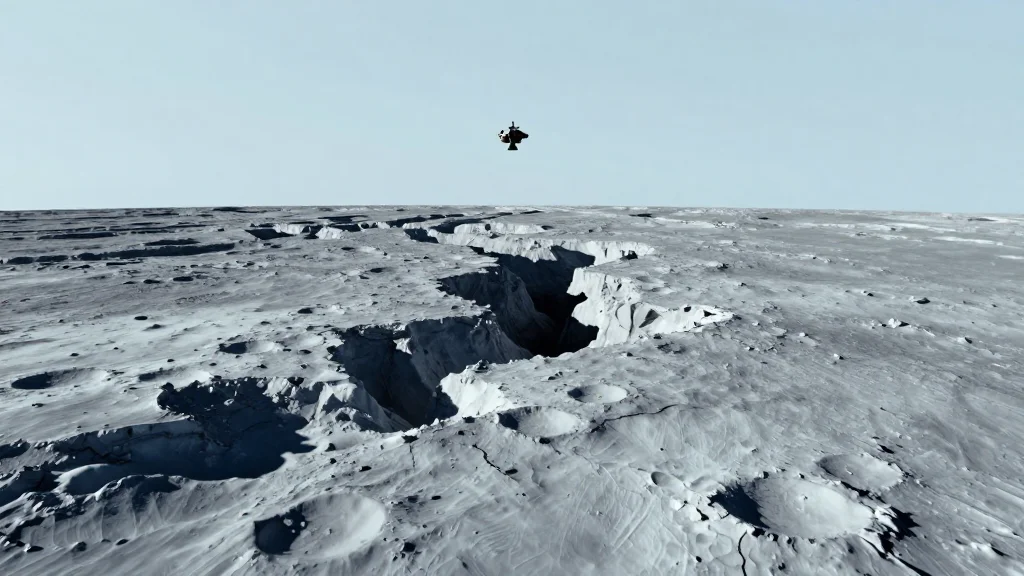
NASA’s Voyager 2 spacecraft flew past Uranus’s largest moon, Titania, in 1986, capturing detailed images of its rugged terrain. The moon’s surface features a mix of deep canyons, cliffs, and impact craters, suggesting a violent geological past possibly driven by water‑ice...

Test Maps Circadian Rhythm Via Hair Sample
Researchers at Charité have created a hair‑based diagnostic that reads the activity of 17 clock‑related genes to pinpoint an individual’s chronotype. In a study of over 4,000 volunteers, the test showed that lifestyle factors—especially employment—shift internal clocks more than genetics...

Who Is Reid Wiseman, Commander of the Artemis II Moon Mission?
Reid Wiseman, a 50‑year‑old former naval fighter pilot, will command NASA’s Artemis II mission, the agency’s first crewed flight to the Moon since 1972. Selected as an astronaut in 2009, Wiseman has logged extensive flight time, combat deployments, and two spacewalks...
NASA Artemis II Moon Mission Live Launch Broadcast
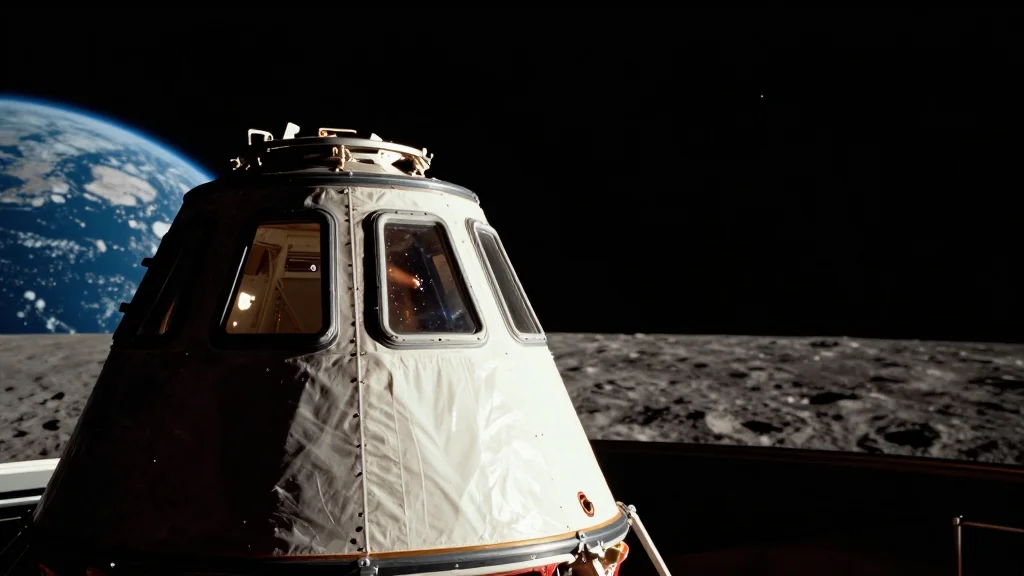
NASA launched Artemis II, its first crewed flight under the Artemis program, from Kennedy Space Center at 1 p.m. today. The four‑person crew—Reid Wiseman, Victor Glover, Christina Koch and Canadian astronaut Jeremy Hansen—will spend roughly ten days circling the Moon. The mission’s...

Dehydration Shrinks Brain, Confounds MRI and TMS
Dehydration can shrink your brain by over 0.5%, and may be a reason you get a headache. Hydrate to maintain light yellow urine. Also hydrate before an MRI, as dehydration-related small decreases in brain volume can confound MRI-based assessment...

Researchers Unlock the Key to Axon Regeneration
Researchers at Icahn School of Medicine discovered that the aryl hydrocarbon receptor (AHR) acts as a molecular brake preventing axon regeneration after nerve injury. Genetic deletion or pharmacological inhibition of AHR in mouse models redirected neurons from a stress‑survival mode...

Why A 45-Minute Nap Can Reset Your Brain’s Learning Power (M)
A recent study shows that a 45‑minute afternoon nap can fully restore the brain’s capacity to learn new information. The nap length allows participants to cycle through both slow‑wave and REM sleep, which together reactivate hippocampal networks and clear metabolic...
SLAC-Led SuperCDMS Experiment Reaches Operational Temperature
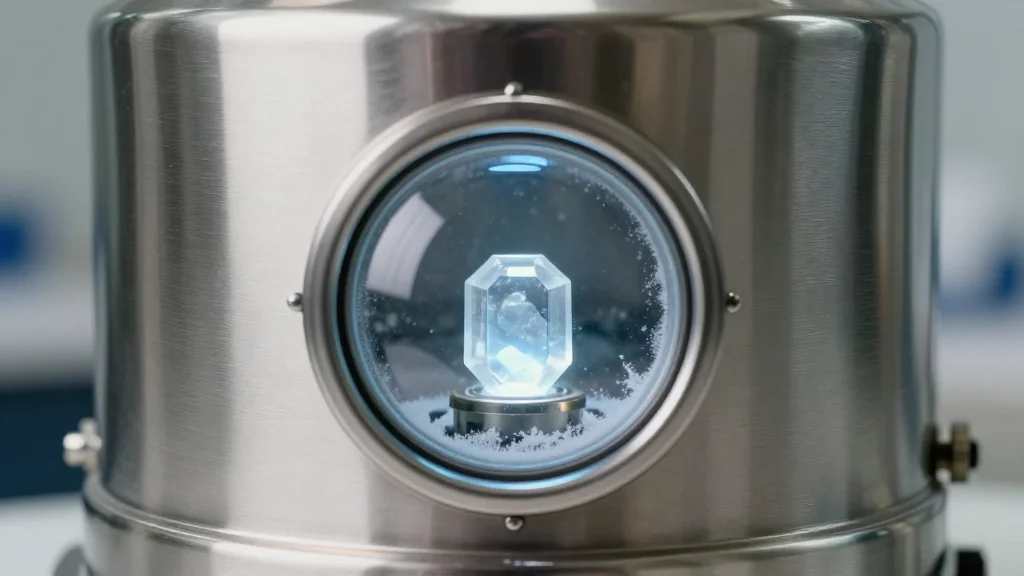
The Super Cryogenic Dark Matter Search (SuperCDMS) experiment, led by SLAC, has successfully cooled its detector array to its target operational temperature of roughly 15 milliKelvin. This milestone enables the cryogenic germanium detectors to function at the sensitivity required for low‑mass...
First Moon Mission Since 1972 Launches Today
We are sending people to the moon for the first time since 1972 TODAY. Don’t let this historic moment pass you by!
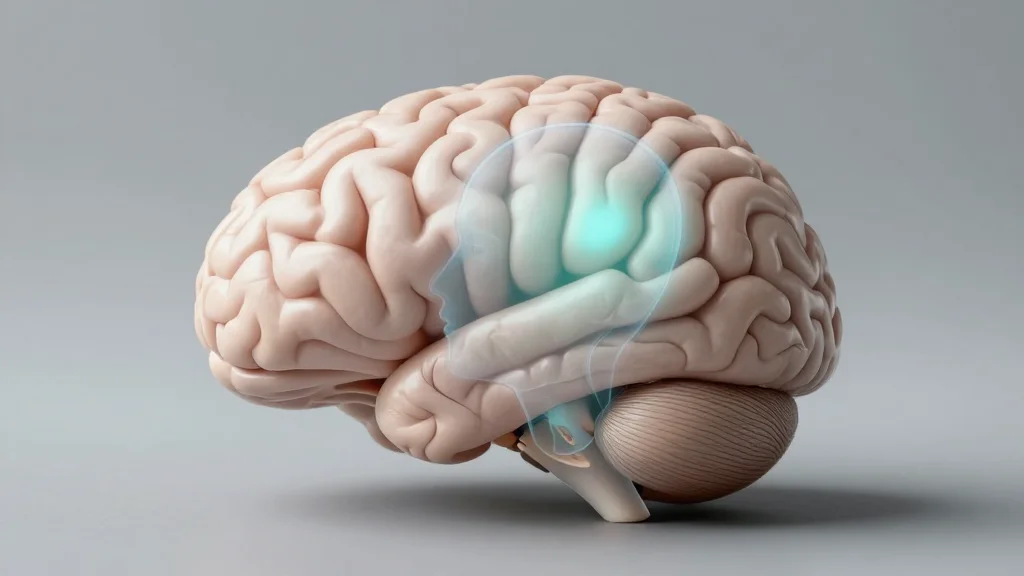
Alzheimer’s Begins in Your 30s, Not Just Old Age
I’m a doctoral researcher studying aging, and I wish more people realised this: Alzheimer’s isn’t a disease of old age. It often begins developing decades earlier — as early as your 30s and 40s — and only manifests later in life.
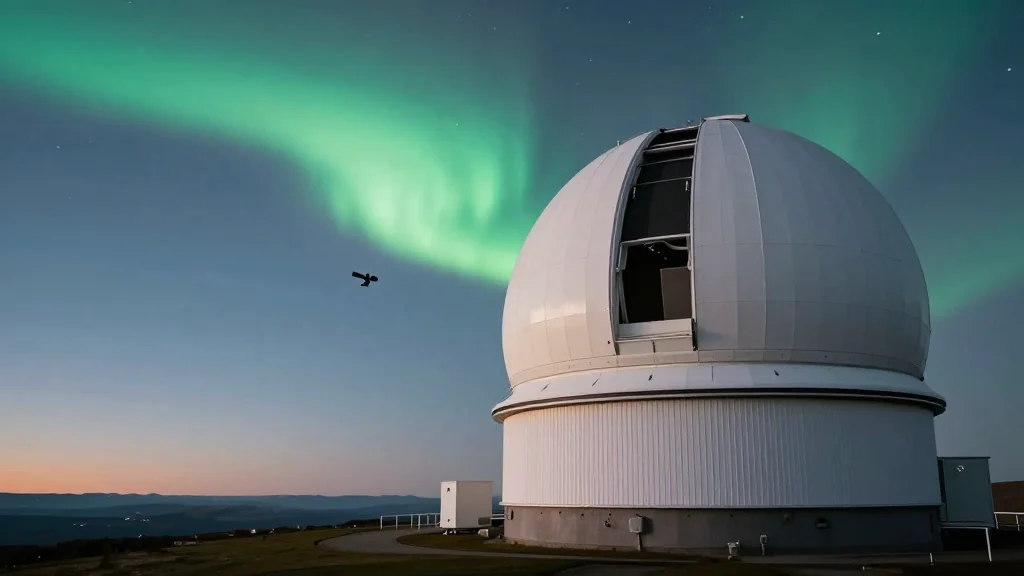
Launching an Alert System for the Changing Sky
Stanford’s SLAC National Accelerator Laboratory has unveiled a new real‑time alert system that monitors rapid changes in the upper atmosphere and space‑weather conditions. The platform integrates data from ground‑based telescopes, satellite sensors, and machine‑learning models to issue warnings within seconds...
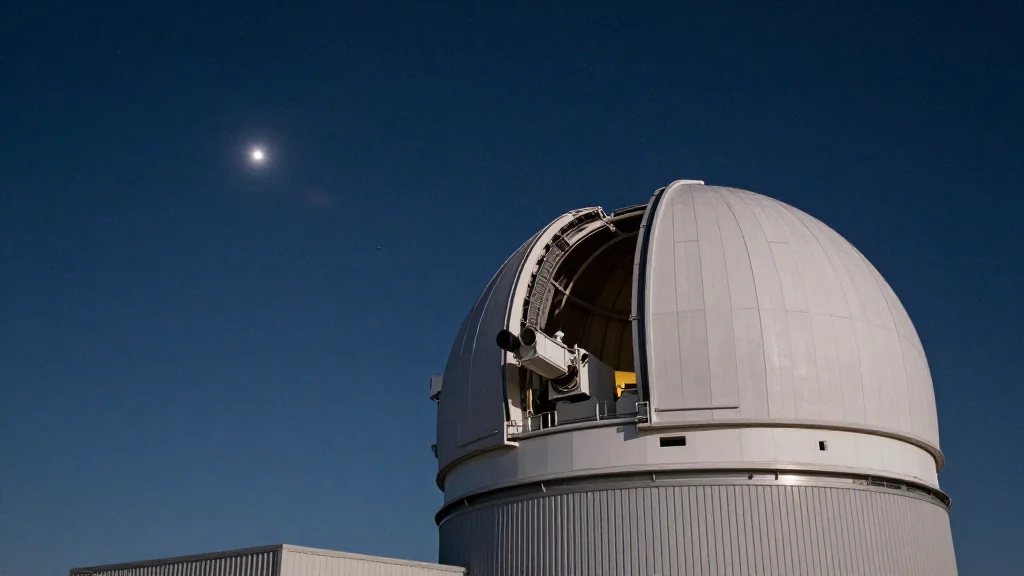
Rubin Observatory Has Started Paging Astronomers 800,000 Times a Night
The Vera C. Rubin Observatory’s Legacy Survey of Space and Time (LSST) has begun issuing roughly 800,000 alerts each night to astronomers worldwide. An automated paging system routes these alerts in real time, flagging transient phenomena such as supernovae, asteroid...
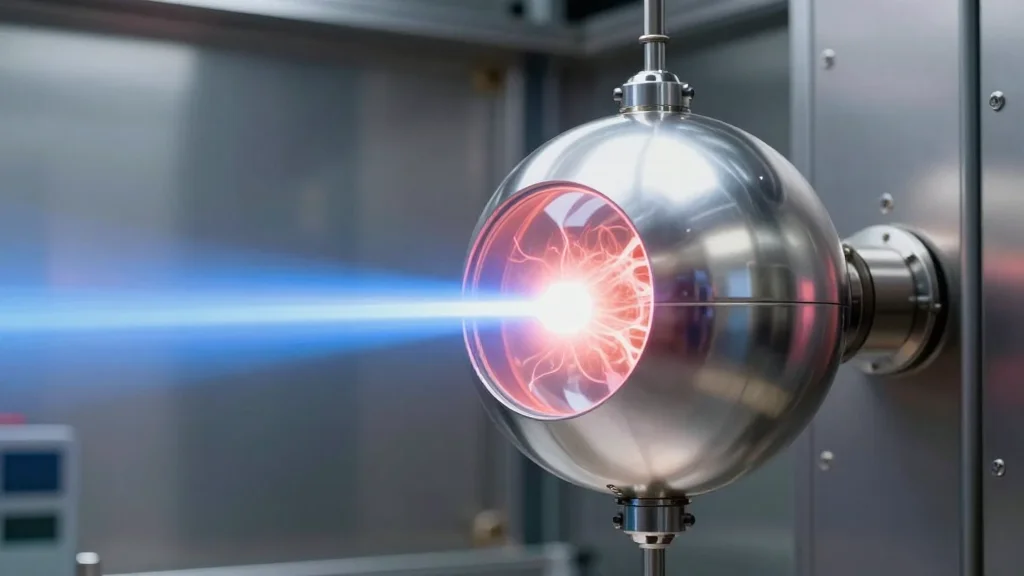
Giant X-Rays Deliver the Sharpest View Yet of Fusion Plasma Gone Haywire
Researchers at SLAC’s Linac Coherent Light Source used ultra‑bright X‑ray pulses to capture the sharpest images yet of a laser‑driven fusion plasma that went unstable. The snapshots, taken with sub‑micron spatial resolution and 10‑femtosecond timing, revealed filamentary structures and turbulence...
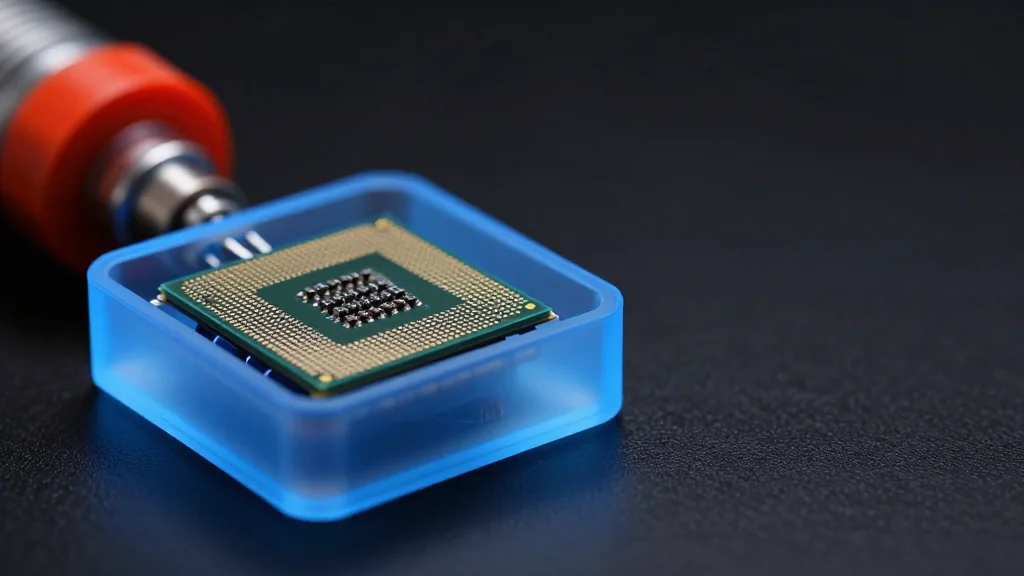
Leaving Massive Thermodynamic Computing for Cozy NISQ Quantum Systems
As we enter a new month, I'm leaving thermodynamic computing and going back to quantum computing. The fact that thermo systems will reach 100M+ pbits in scale within a year is too overwhelming to think about, I miss the coziness of...
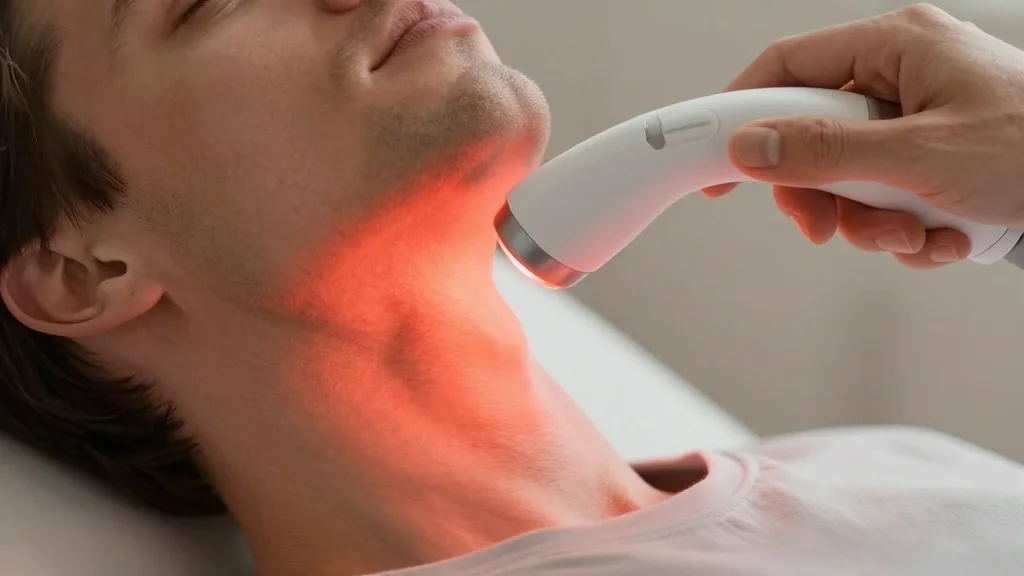
Light Therapy Eases Fatigue in Hashimoto’s Patients
The effect of photobiomodulation therapy on fatigue and behavioural status in patients with Hashimoto’s thyroiditis https://t.co/AJx5dvqHyw

AI Inspires New Research Topics in Materials Science
Researchers at Germany's Karlsruhe Institute of Technology combined large language models with machine‑learning to scan thousands of materials‑science papers, building concept graphs that map how key terms co‑occur over time. The analysis spotlights emerging interdisciplinary links—such as perovskite materials and...
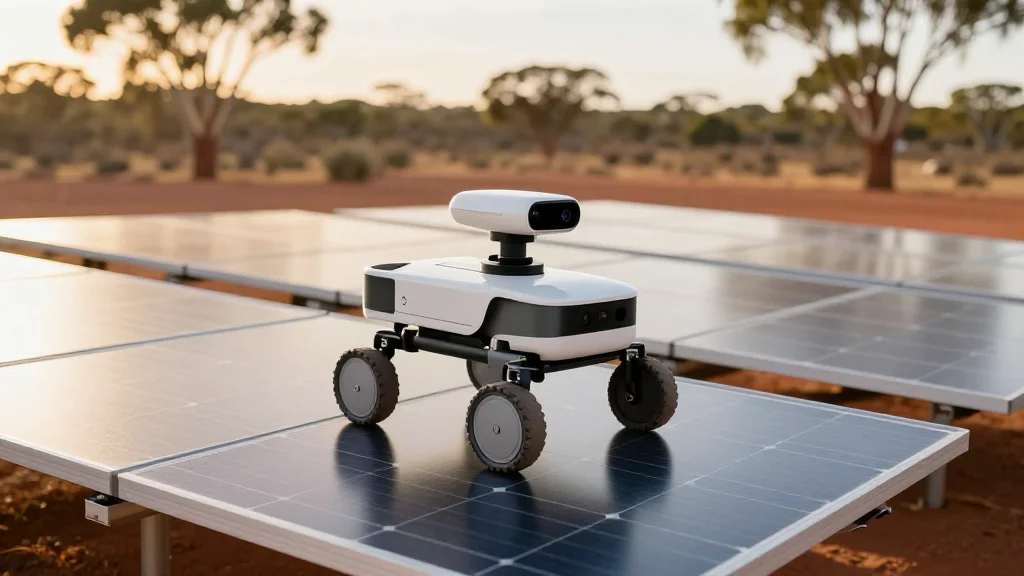
Australia Tests AI Robots for Solar Farm Maintenance
Australian science agency trials AI robots for solar farms #energysky -- via pv magazine global: https://t.co/1cum7O4u2V

Doctors Will Swap Pills for Gene Therapies and Epigenetics
Longevity 2.0: Your next doctor won't prescribe pills—they'll prescribe gene therapies, epigenetic reprogramming, and personalized longevity protocols. Medicine is shifting from "treat symptoms" to "reverse aging at the cellular level."
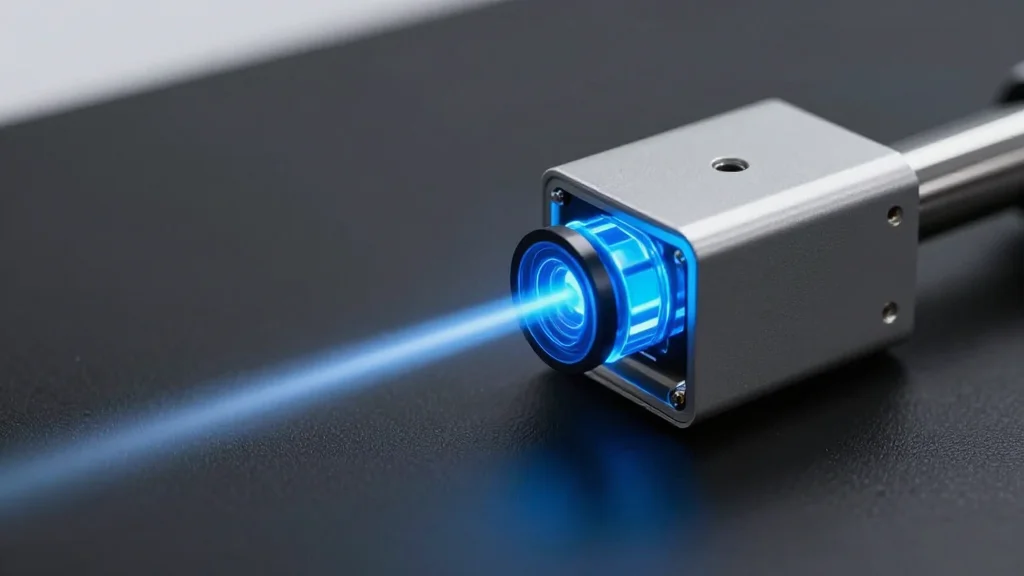
Illuminating the Invisible
The Linac Coherent Light Source II (LCLS‑II) at SLAC has begun delivering femtosecond X‑ray pulses that enable scientists to film atomic‑scale motions in real time. Using a newly installed high‑speed detector array, researchers captured molecular vibrations and electron dynamics previously...

Receipt BPA Slashes Teen Testosterone by Half
I don't wanna say but I told you guys Touching receipts -> BPA enters your bloodstream High BPA levels in adolescents -> 50% reduction in Testosterone levels

Aging Immune System Shapes Allergy and Biologic Response
Immunosenescence and Allergy: Molecular and Cellular Links Between Inflammaging, Neuro-Immune Aging, and Response to Biologic Therapies https://t.co/DMVxerI64T https://t.co/TUPGK6SqUK
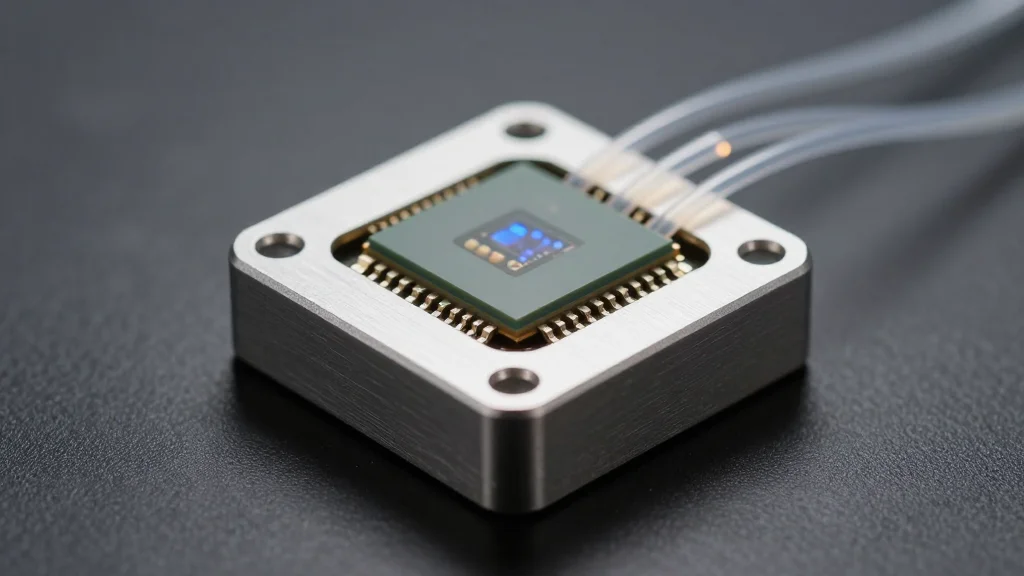
Nanofluidic Chip Holder Integrates Thermal, Electrical, and Optical Control
Researchers at Chalmers University unveiled a compact nanofluidic chip holder that merges heating, cooling, electrical actuation, and real‑time optical spectroscopy into a single platform. The device accommodates 10 mm silicon chips with up to 12 fluidic connections and can maintain temperatures...
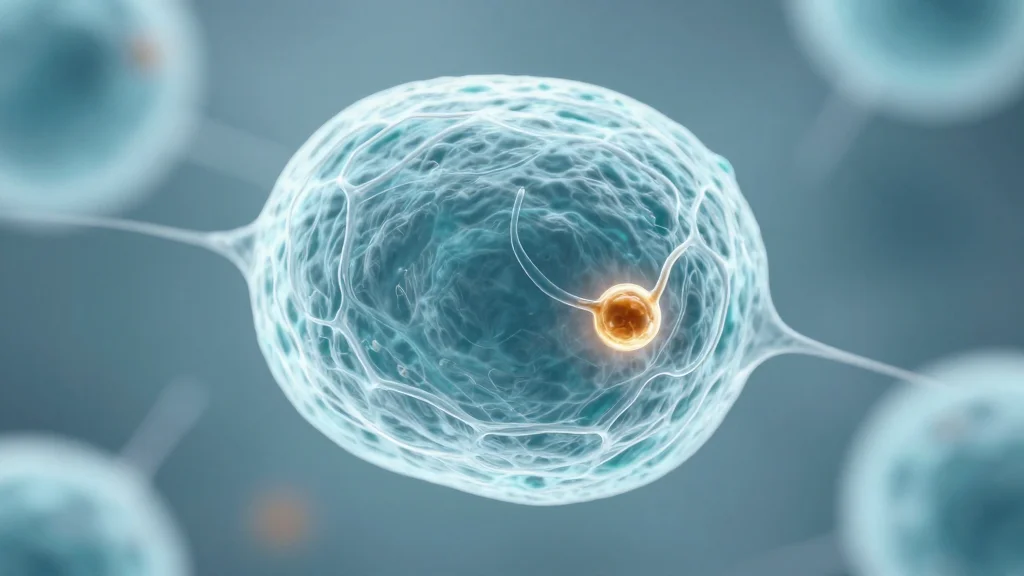
OHSU Researchers Reveal Intracellular "Wind" System That Powers Cancer Cell Migration
Catherine and James Galbraith at Oregon Health & Science University identified a previously unknown intracellular fluid‑flow system—dubbed “cellular winds”—that actively pushes proteins toward a cell’s leading edge. Published in Nature Communications, the finding challenges diffusion‑based textbook models and offers a...
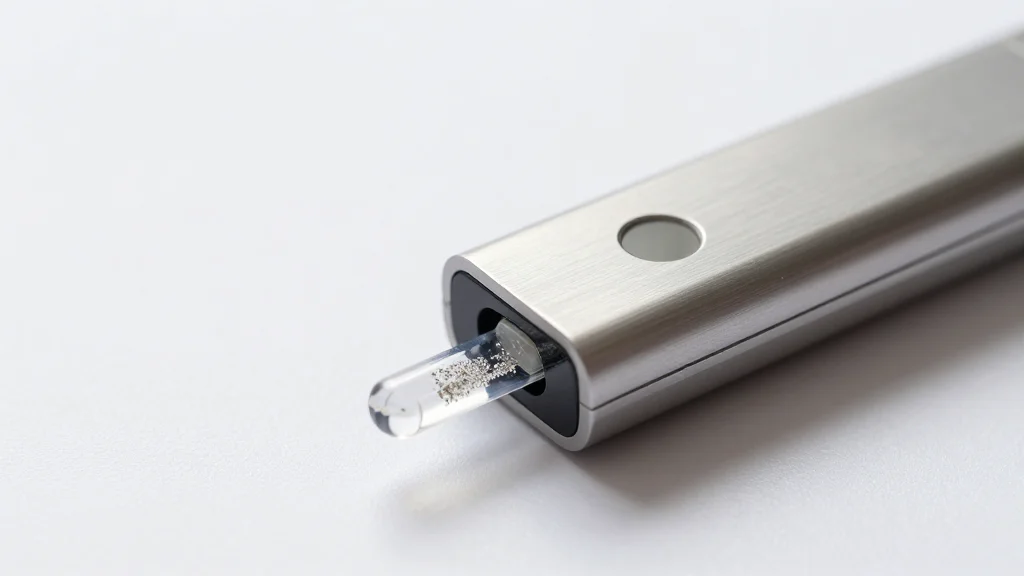
Nanotechnology Sensor Reads Creatinine in Seconds for Rapid Kidney Testing
Researchers at Tohoku University and City College of New York unveiled a nanotechnology‑based creatinine biosensor that reads concentrations from 1 to 300 mg/dL in about 35 seconds. The device uses a platinum‑nanoparticle polymer composite tuned near the percolation threshold, eliminating the...

Resistance Training Slows Biological Brain Aging in Seniors, Study Finds
Researchers at the Global Brain Health Institute reported that a year of heavy resistance training lowered the biological age of seniors' brains, as measured by advanced brain‑clock models. The randomized trial of 309 adults aged 62‑70 suggests weight lifting can...

Ultrafast Quantum Light Pulses Measured for the First Time
Researchers at Technion have, for the first time, directly measured the temporal length of individual bright squeezed vacuum (BSV) pulses, a quantum light state with zero average electric field but massive fluctuations. Using a novel interferometric method, they reconstructed each...

Roscosmos Confirms Post‑ISS Station Built From New ISS Modules
Speaking at the Federation Council, Roskosmos chief also confirmed that the post-ISS station would be assembled at ISS out of (New) Node, Science & Power and Airlock modules (as I illustrated back in 2021 ;) Context: https://t.co/wVxTkUEbNa https://t.co/zOHPUfG7hC

A New Reptile Is Discovered, and Ten Poachers Book Flights To. . . Craig Stanford
A tiny mud turtle, now named the Vallarta mud turtle, was formally described in 2018 and is estimated to number only a few hundred individuals in the swamps of Puerto Vallarta, Mexico. Within days of the scientific announcement, poachers descended...

Artemis II Launch Sparks Excitement for Moon Return
If you're looking for a reason to get psyched about the Artemis II launch today, check this out: https://t.co/qlqzQNJzby https://t.co/hbJQThOk2Q
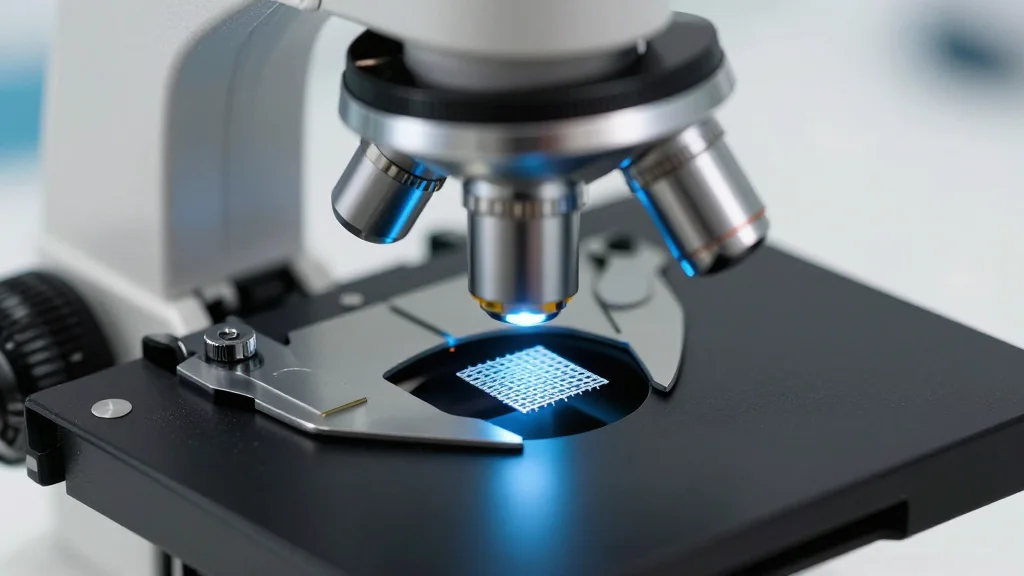
LMU Nano‑Institute Wins €2.45 M EIC Transition Grant for iNSyT‑ONE Platform
LMU’s Nano‑Institute has been awarded a €2.45 million (about $2.7 million) European Innovation Council Transition Grant for its iNSyT‑ONE microscope platform. The three‑year funding will drive technology maturation, industrial validation and market‑entry plans, positioning the university as a potential nanotech spin‑out hub.

Oceans Are Darkening All over the Planet – What’s Going On?
Marine scientists have identified that roughly one‑fifth of the world’s oceans are becoming increasingly opaque, a trend dubbed "ocean darkening." Analysis of two decades of satellite imagery revealed large, contiguous regions where surface waters let in less sunlight. The phenomenon...
HCW Biologics Appeals Nasdaq Notice, Targets Phase 1 Data for HCW9302 in H1 2026
HCW Biologics Inc. filed an appeal to Nasdaq over a minimum bid‑price compliance notice and announced that Phase 1 results for its lead immunotherapy HCW9302 are slated for the first half of 2026. The appeal follows a 5.56% drop in the...