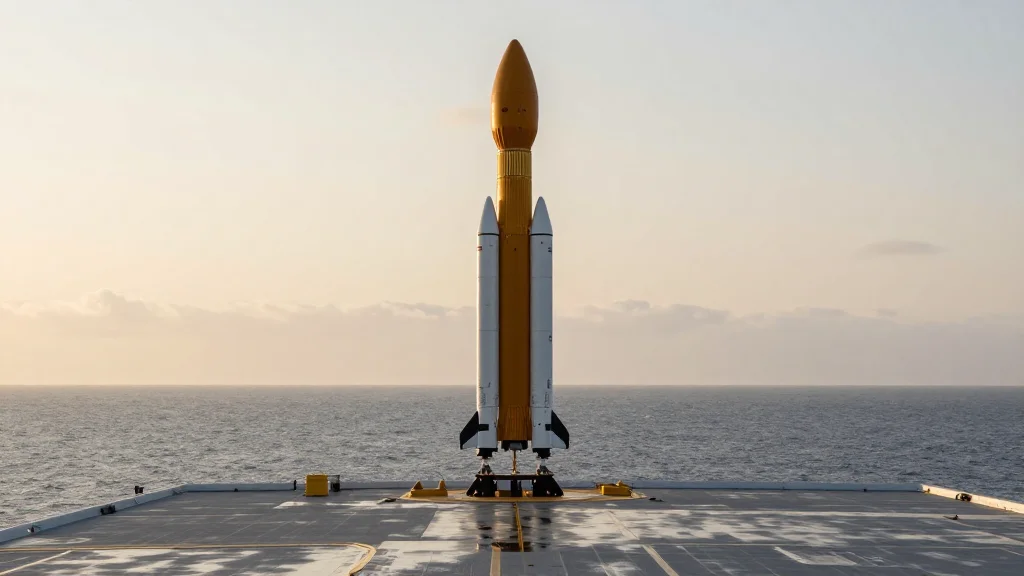
Live Coverage: SpaceX to Launch Return to Flight Falcon 9 Mission Following Brief Stand Down
SpaceX is slated to launch the Falcon 9 Starlink 17‑33 mission from Vandenberg on Feb 7, marking its first return‑to‑flight after a brief stand‑down caused by a second‑stage anomaly on Feb 2. The launch will deploy 25 additional Starlink satellites, pushing the constellation past 9,600 units in low‑Earth orbit. Booster B1088, on its 13th flight, will attempt a drone‑ship landing that would be the 176th on “Of Course I Still Love You.” The FAA has cleared the vehicle following its own investigation of the mishap.

The Actual Size Of Jupiter Might Shock You
NASA’s Juno spacecraft has refined Jupiter’s dimensions, measuring an equatorial radius of 88,841 miles and a polar radius of 83,057 miles—slightly smaller than the long‑standing textbook values. The new figures come from 32 radio‑occultation data points, far surpassing the six...

Venus Might Experience A Meteor Shower This Summer
Scientists predict Venus will encounter a meteor shower on July 5, 2026, generated by debris from a recently split asteroid. The dust originates from two Atira‑group asteroids, 2021 PH27 and 2025 GN1, which share a common parent body that fractured under solar...

Asteroid Mining Market Assessment
The latest market assessment shows asteroid‑mining valuations are built on optimistic assumptions about metal concentrations, extraction efficiency, and future prices. Detailed analysis reveals that technical hurdles—such as micro‑gravity mining, in‑space processing, and costly return logistics—make realistic mission economics far less...

India’s OrbitAID Aerospace In Talks With ISRO, SpaceX For Twin Satellite Mission
OrbitAID Aerospace Pvt Ltd is in talks with ISRO and SpaceX to launch a pair of 110‑kg satellites that will demonstrate autonomous docking, fuel and power transfer, and on‑orbit life‑extension capabilities. The twin spacecraft – a target and a chaser...
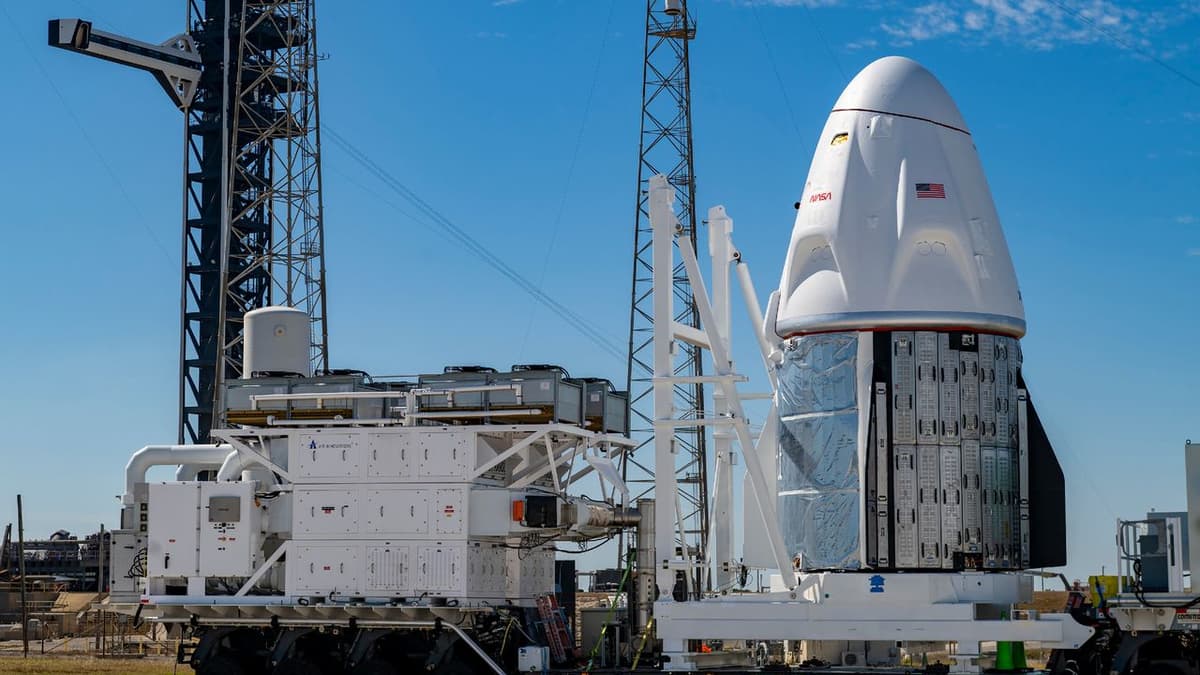
SpaceX's Next Astronaut Launch for NASA Is Officially on for Feb. 11 as FAA Clears Falcon 9 Rocket to Fly...
The FAA has cleared SpaceX’s Falcon 9 to resume flights, ending a four‑day grounding caused by an upper‑stage engine failure during a Feb 2 Starlink launch. With clearance secured, NASA’s Crew‑12 mission is set to lift off on Feb 11 from Cape Canaveral,...

Canadian Researchers Map the Milky Way's Magnetic Field
Canadian astronomers using the Dominion Radio Astrophysical Observatory have completed the Global Magneto‑Ionic Medium Survey (GMIMS) of the northern sky, producing the first full‑spectrum map of the Milky Way’s magnetic field. The effort, led by Dr. Jo‑Anne Brown and Dr....

The Collaboration that Brought You the First Image of a Black Hole Just Released Photos of Its Massive Jet
The Event Horizon Telescope collaboration released new VLBI images that pinpoint the launch point of M87*'s relativistic jet. By exploiting intermediate baselines, researchers identified a compact emission region about 0.09 light‑years from the black‑hole shadow, linking it to the jet’s...
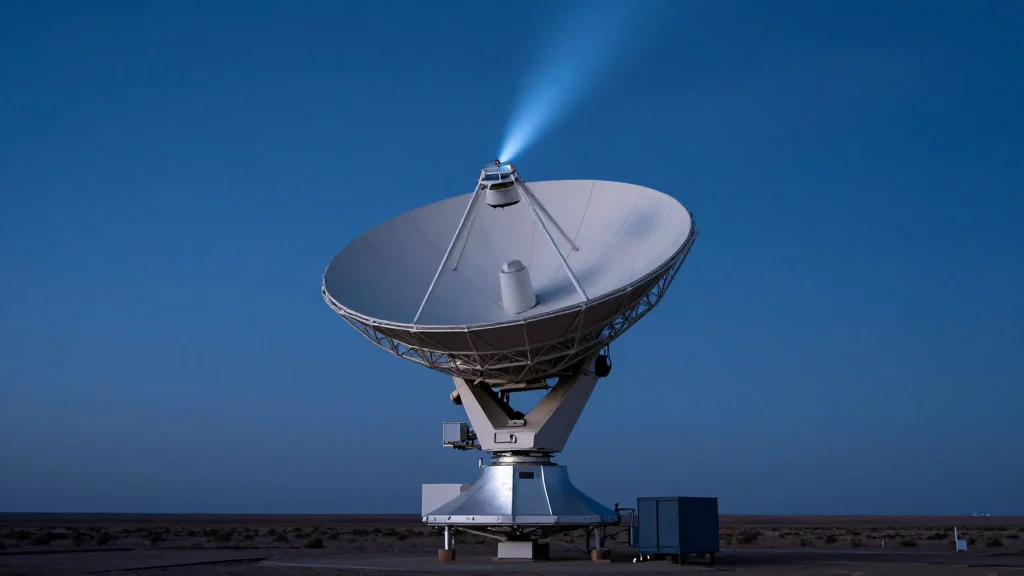
Viasat Expects F2 Satellite to Enter Service in May, Posts 3% Revenue Growth in Q3
Viasat reported a modest 3% year‑over‑year revenue increase to $1.16 billion in Q3 FY2026, driven primarily by its Defense and Advanced Technologies segment, which grew 9%. The company announced that its second ViaSat‑3 satellite (F2) is about 34 days from on‑station...

Strong Solar Flare
NASA’s Solar Dynamics Observatory captured a powerful X4.2 solar flare on February 4, 2026, visualized in extreme ultraviolet light. The flare, one of the strongest recorded this solar cycle, erupted from the Sun’s surface and was highlighted in blue‑red colorization. Such X‑class...
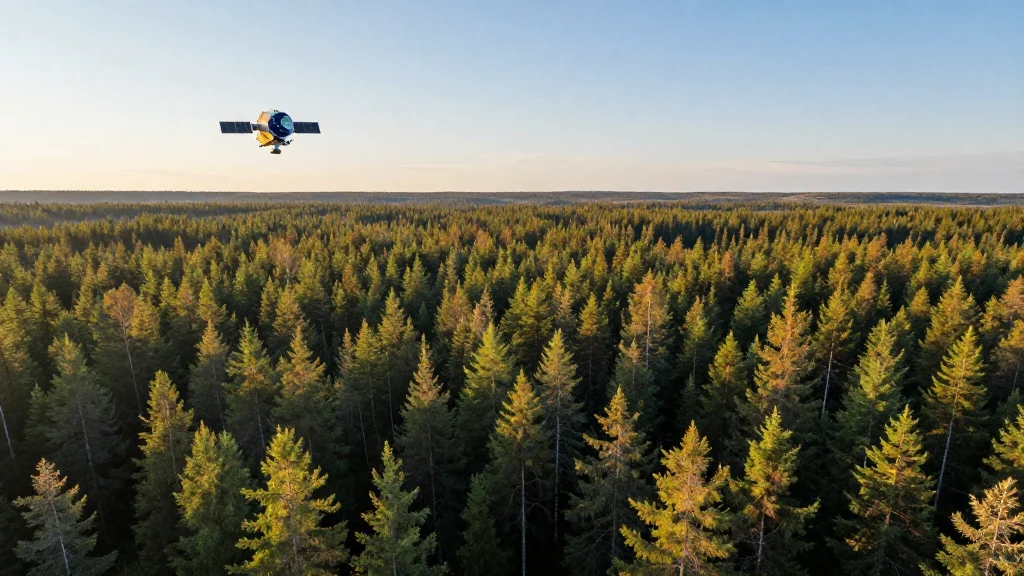
Boreal Forests Are Shifting North
Researchers using the full Landsat archive confirmed that the world’s boreal forest has expanded and migrated northward over the past four decades. Between 1985 and 2020 the forest grew by 0.844 million km², a 12% increase, and its mean latitude shifted...
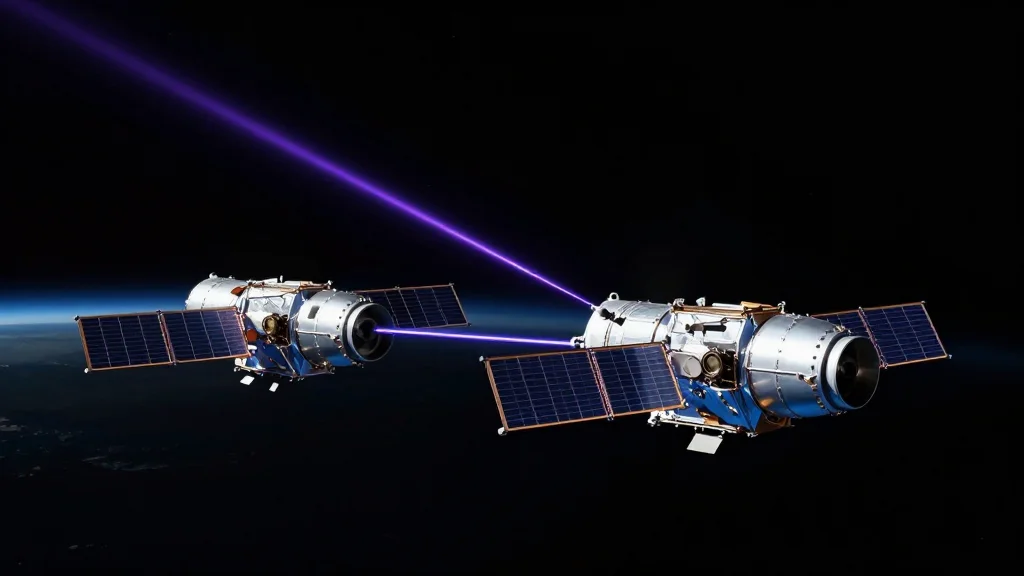
Blue Origin’s TeraWave Constellation: Analysts Size Up Competitive Positioning
Blue Origin unveiled TeraWave, a planned constellation of 5,280 low‑Earth‑orbit and 128 medium‑Earth‑orbit satellites linked by optical cross‑links and operating in the Q/V‑band. The service is aimed at roughly 100,000 enterprise and data‑center customers seeking fiber‑like throughput and resilient middle‑mile...
Workforce Directive: Restoring NASA’s Core Competencies
NASA Administrator Jared Isaacman issued a Workforce Directive aimed at restoring the agency’s core engineering and operational competencies by reducing reliance on contractors. The plan calls for 30‑day assessments of outsourced work and a 60‑day transition strategy to convert key...
How Far Will Elon Musk Take the ‘Everything’ Business as SpaceX and xAI Merge?
Elon Musk announced the merger of SpaceX and his AI startup xAI, creating a unified "everything" conglomerate that could reshape Silicon Valley’s power dynamics. With a personal net worth near $800 billion, Musk positions the combined entity to accelerate innovation across...
FAA Says Falcon 9 Investigation Still Ongoing, Launch Uncertain
An FAA spokesperson told us within the past hour that Falcon 9 rocket mishap investigation, stemming from the Starlink 17-32 mission, remains ongoing. The FAA didn't speculate as to whether it would be resolved prior to the scheduled launch on...
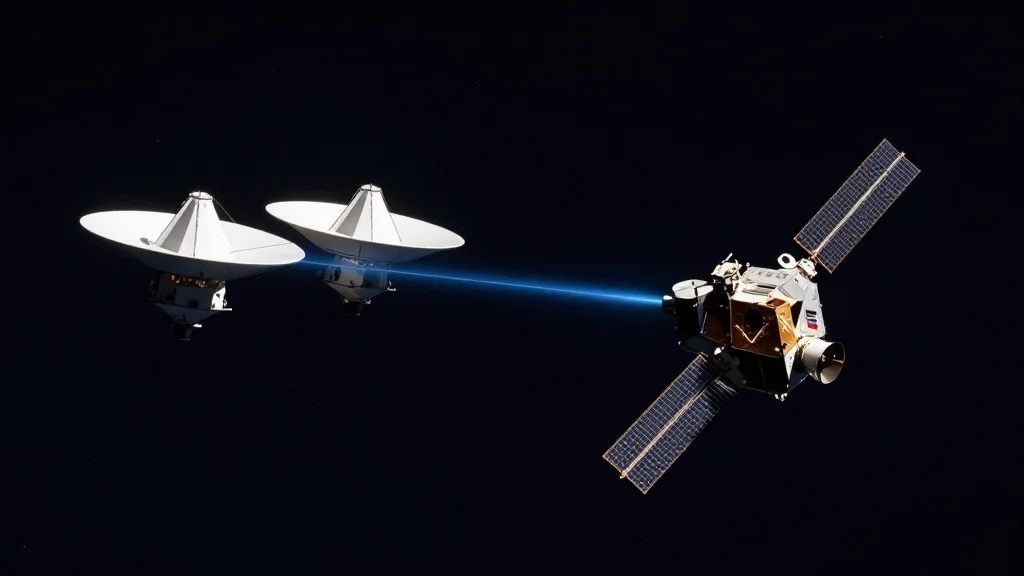
Russian Spy Satellites Repeatedly Intercepted European GEO Communications
The Russians are causing problems again. It was reported this week that Russian spysats may have intercepted what were supposed to be secure comms from European GEO satellites several times during the past three years. https://t.co/2kQy8PtQwG
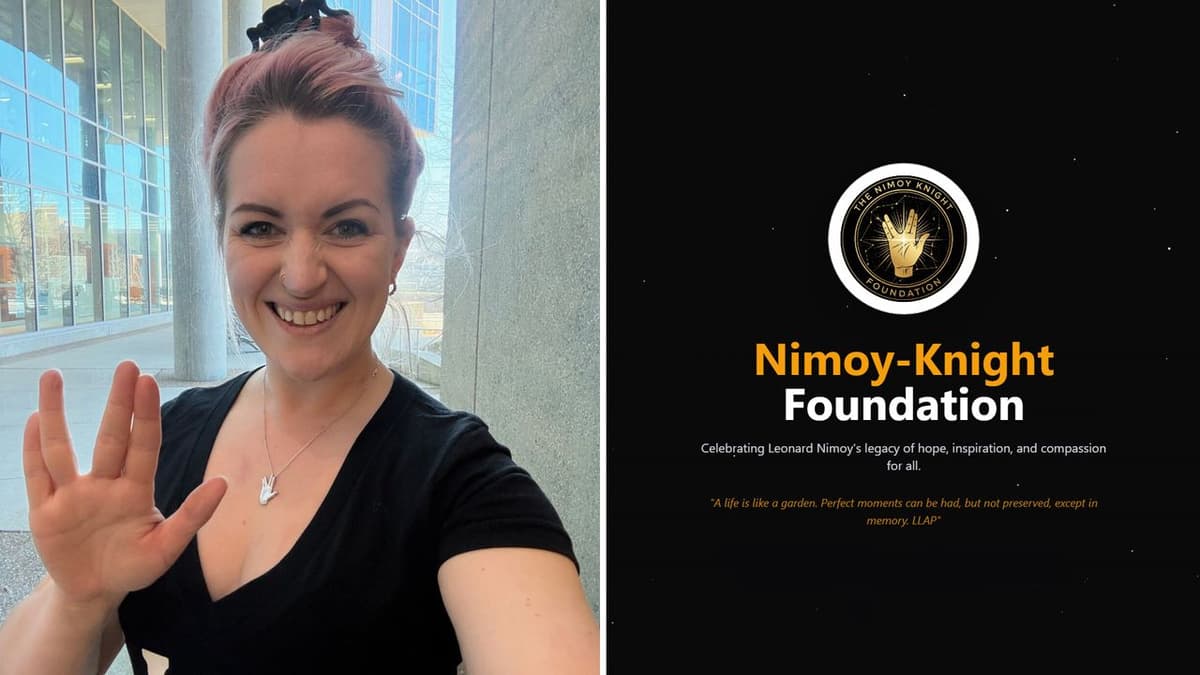
Nimoy-Knight Foundation Honors 'Girl Spock' And Her Mission to Become the 1st Openly Autistic Woman in Space
The Nimoy‑Knight Foundation awarded Dr. Jessica Schonhut‑Stasik, known as “Girl Spock,” its Live Long & Prosper Tribute Award. Schonhut‑Stasik, an astrophysicist and neurodiversity advocate, aims to become the first openly autistic woman in space. The award celebrates Leonard Nimoy’s legacy of hope, logic,...
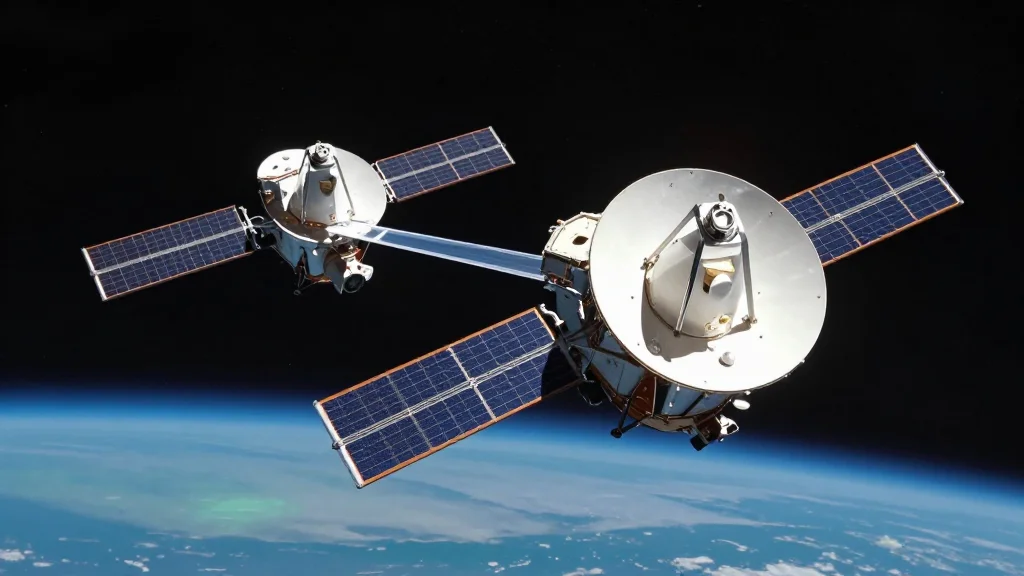
Viasat Prioritizes Satellite Launches and Debt Reduction
.@viasat: focus #1: Get final Viasat-3 sats into operation: F2 by May and F3 (if all OK with F2) by September. Priority on cutting debt. Negotiations on #Equatys MSS satellite infrastructure with @space42ai continue, no word on Viasat investment. https://t.co/ERfwbfBgEn
A New American Satellite Constellation Gets FCC Approval
Satellite startup Logos received partial FCC approval for its planned 4,178‑satellite internet constellation, authorizing use of K‑, Q‑ and V‑band frequencies. The network will span seven orbital shells between 870 km and 925 km with inclinations from 28° to 90°. FCC rules...

‘People Knew that They Could Come to Us to Figure Out How to Get Things Done.’
In 2025, the federal space workforce shrank by 13%, with 322,000 civil servants leaving, marking the steepest post‑World‑War II decline. The interview with Shawn Phillips, a 27‑year veteran of the Air Force Research Laboratory’s Rocket Propulsion Division, illustrates this exodus as he...

Join an Exclusive Webinar About Satellite Imagery and AI
In this episode, host Dr. Oleg Demidov interviews Luke Fischer, CEO of SkyFi, to explore the $3.8 trillion market built around satellite imagery and AI. They discuss how Earth‑observation data has fallen from $20,000 per image to $20 per insight, shifting...
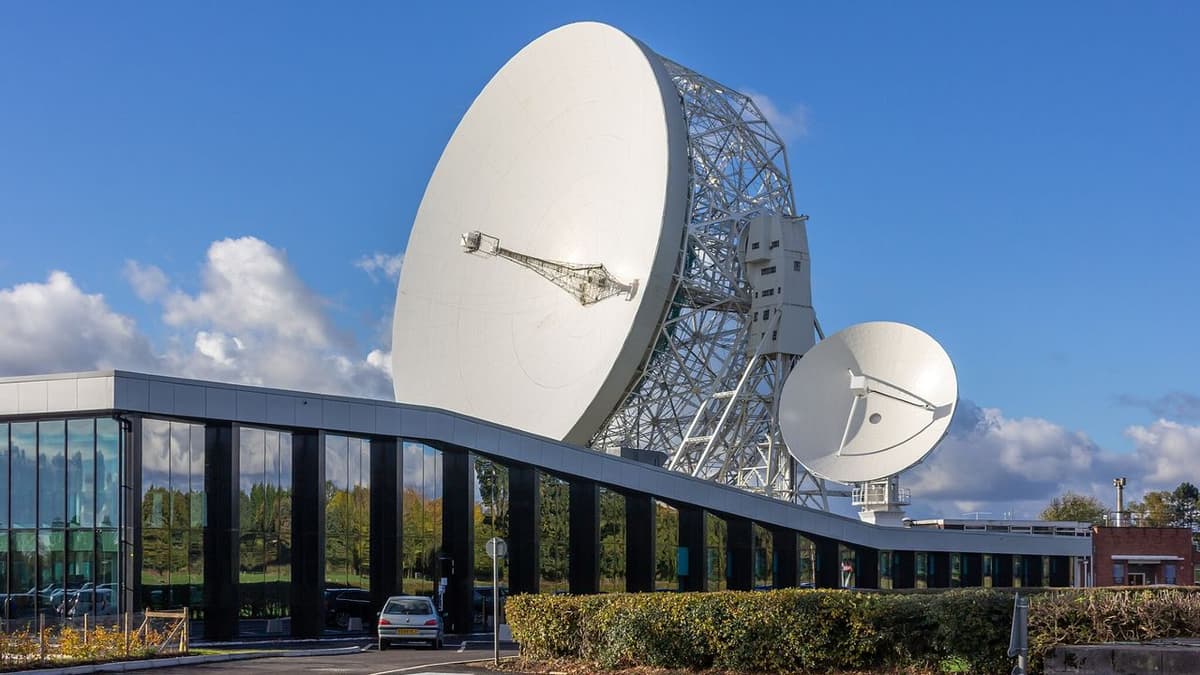
UK Government Proposes 30% Budget Cut to Astronomy and Physics Research: 'It's Pretty Disastrous'
The UK government has announced a 30% reduction in funding for astronomy, particle and nuclear physics through the Science and Technology Facilities Council. The cuts arrive after a previous 15% reduction and follow a decline in the UK’s contribution to...
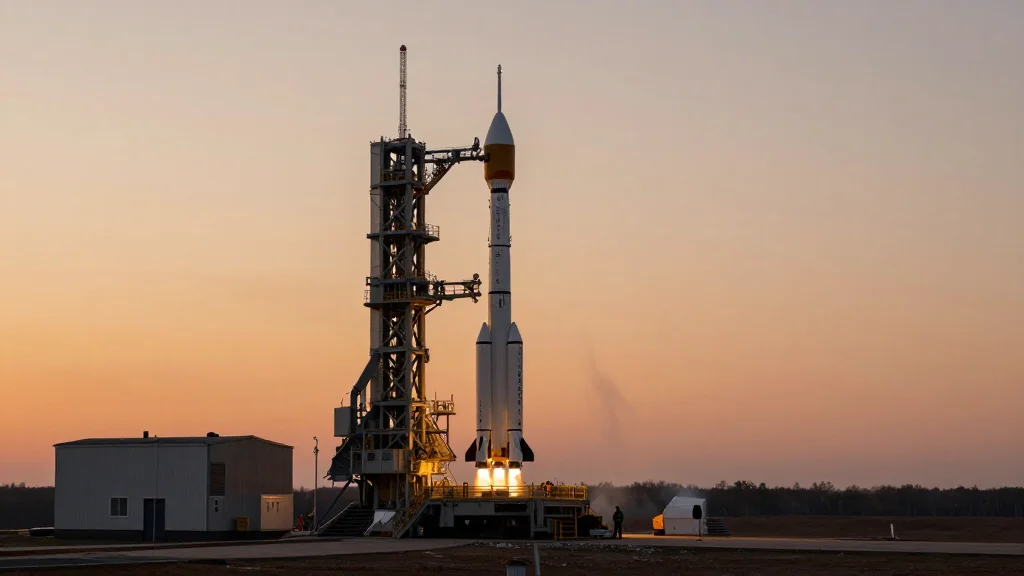
Russia Launches Classified Nine Satellites
Russia successfully placed nine classified military satellites into orbit using a Soyuz‑2 rocket launched from the Plesetsk spaceport. The Fregat upper stage first released a primary payload at roughly 330 km before maneuvering to about 500 km to deploy the remaining eight...
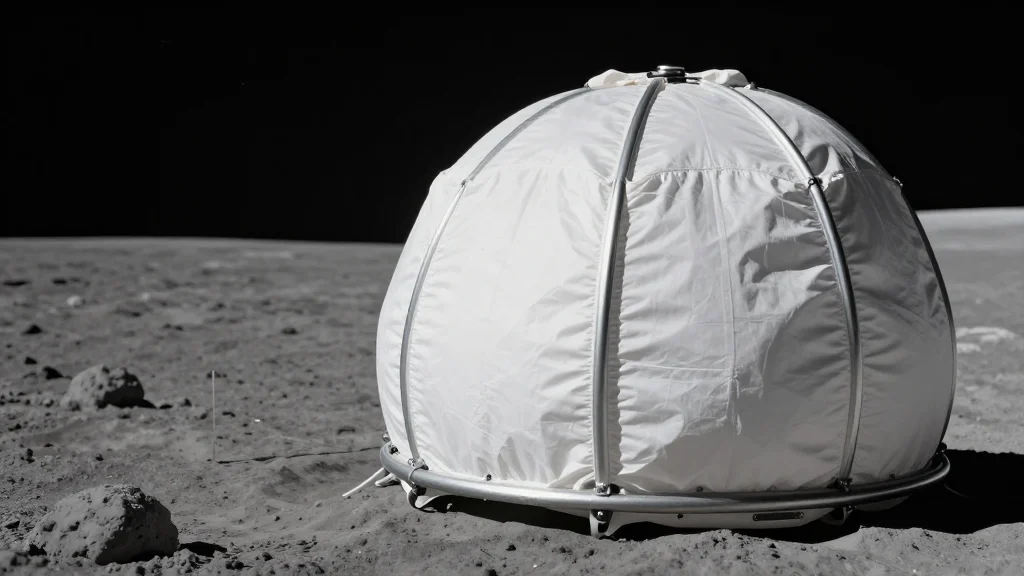
Voyager Technologies and Max Space Team up to Develop Inflatable Planetary Structures
Voyager Technologies, the lead of the Starlab consortium, and Max Space, developer of the Thunderbird inflatable station, have announced a partnership to co‑develop inflatable planetary habitats for lunar and Martian use. The collaboration will combine Voyager’s single‑module Starlab, slated for...
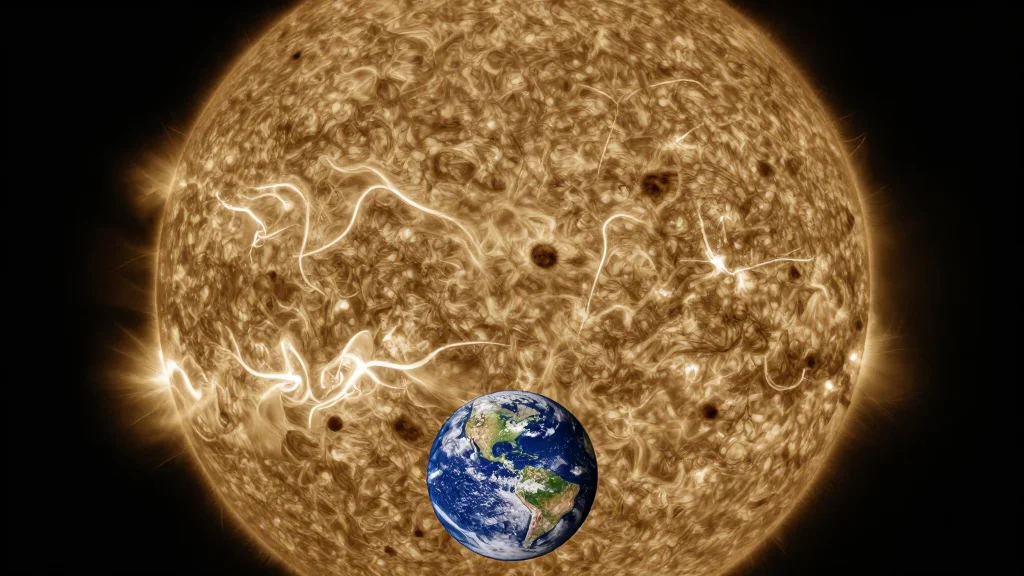
Michael’s Miscellany: 10 More Cool Things About the Sun
Michael Bakich adds ten fresh solar facts, highlighting the Sun’s differential rotation, elemental makeup, magnetic polarity reversal, historic Carrington flare, and expansive corona. The piece quantifies rotation periods (25.6 days at the equator, 33.5 days at the poles) and details...
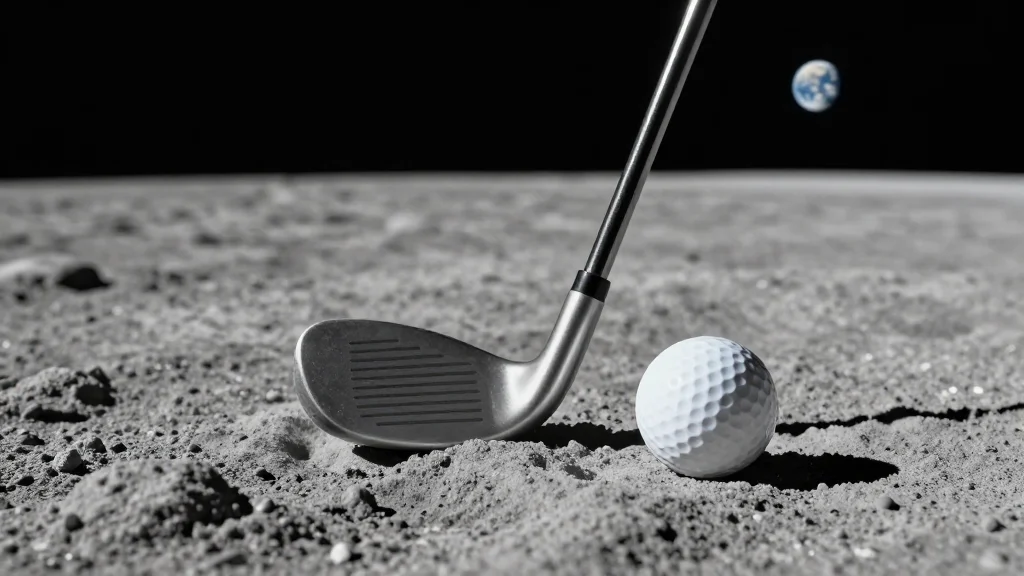
Feb. 6, 1971: Teeing Off on the Moon
On Apollo 14 in February 1971, astronaut‑commander Alan Shepard turned a lunar sampling tool into a makeshift 6‑iron and took two historic golf swings on the Moon. The first ball vanished into a crater, while the second was lofted far enough for...
History of the Antares Orbital Launch Vehicle
The Antares launch vehicle has been the workhorse for NASA’s Commercial Resupply Services, delivering Cygnus cargo to the ISS since its first flight in 2013. After the 2014 Orb‑3 failure, the aging AJ26 engines were swapped for Russian RD‑181 units,...
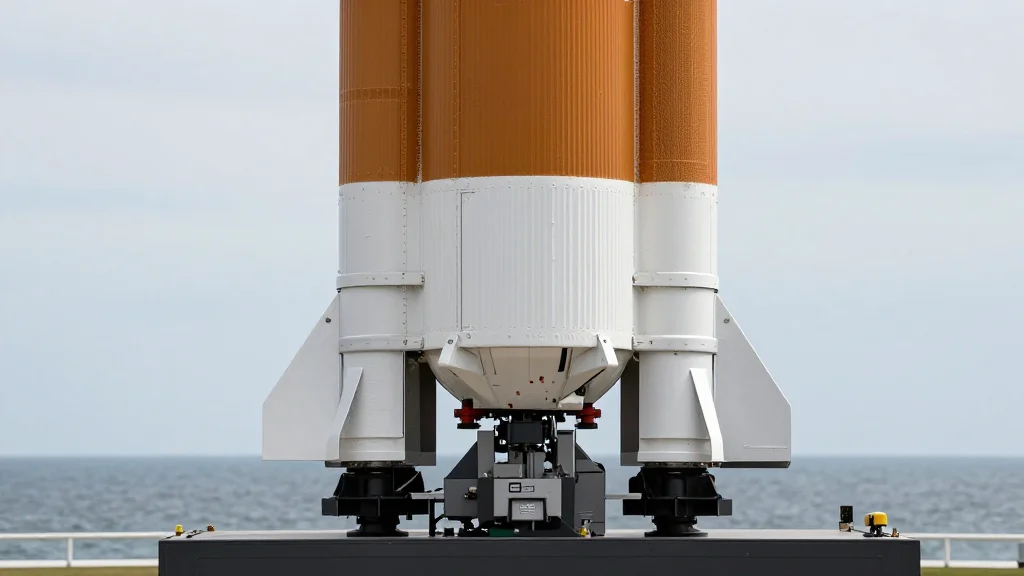
ULA Offloads First Vulcan Rocket at Vandenberg at It Preps Its Next Cape Launch
United Launch Alliance has offloaded the first Vulcan rocket booster and upper stage at Vandenberg Space Force Base, marking the inaugural West Coast launch of its next‑generation launch vehicle. The hardware arrived via the R/S RocketShip barge after transiting from...
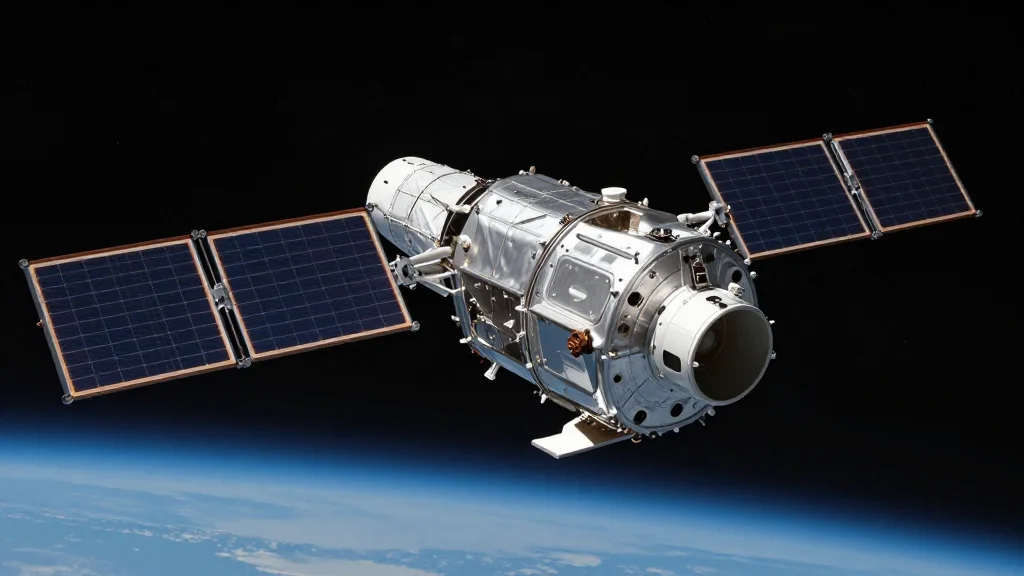
Rev's Q3 Income Rises, Secures Japan ISR Contract
.@skyperfectv: Rev, operating income up for 9M to Dec 31, contract to operate future Japan ISR constellation expected this month. #constellr @SpeQtral_Space @QPS_Inc @synspective @SpaceCompassCo1. https://t.co/yi02Jb63Ce

The Dirty Afterlife of a Dead Satellite
Satellite megaconstellations are set to launch tens of thousands of low‑cost satellites, each with a 5‑10‑year lifespan. To avoid the Kessler Syndrome, operators plan to deorbit them by burning up in the atmosphere, potentially as many as 23 satellites per...
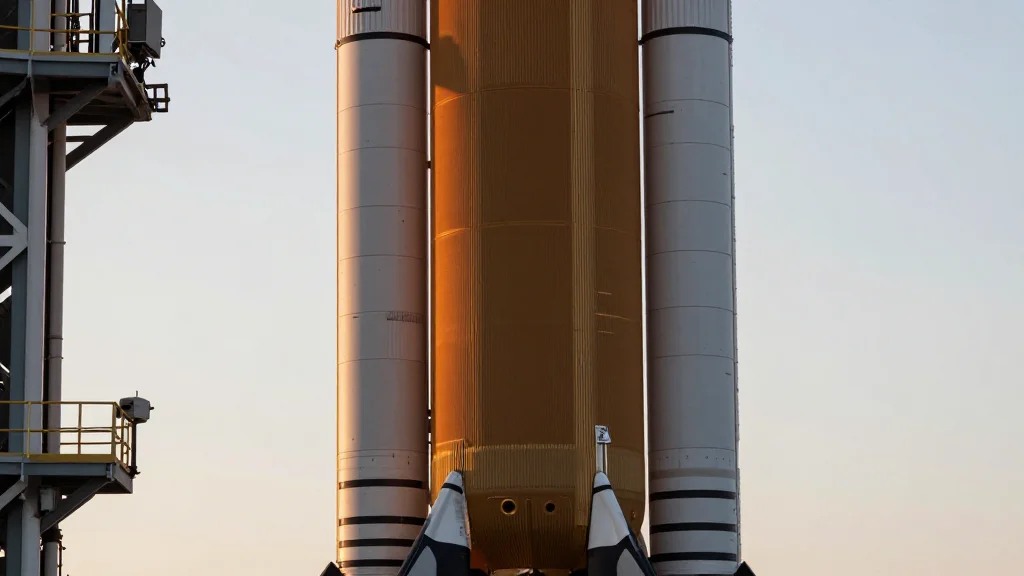
Slow Launch Tempo Clouds Long-Term Role of Space Launch System
NASA’s Space Launch System (SLS) has now been in development for 15 years, accumulating more than $30 billion in taxpayer spending. The program’s launch cadence remains painfully slow, with fewer than one flight per year, undermining its intended role in deep‑space...

Earth From Space: Olympic View
The Copernicus Sentinel-2 satellite has released a high‑resolution view of northern Italy as the 2026 Winter Olympics open. The image spotlights the main competition venues, from alpine slopes to the Olympic village, illustrating the mission’s precise Earth‑observation capabilities. ESA used...
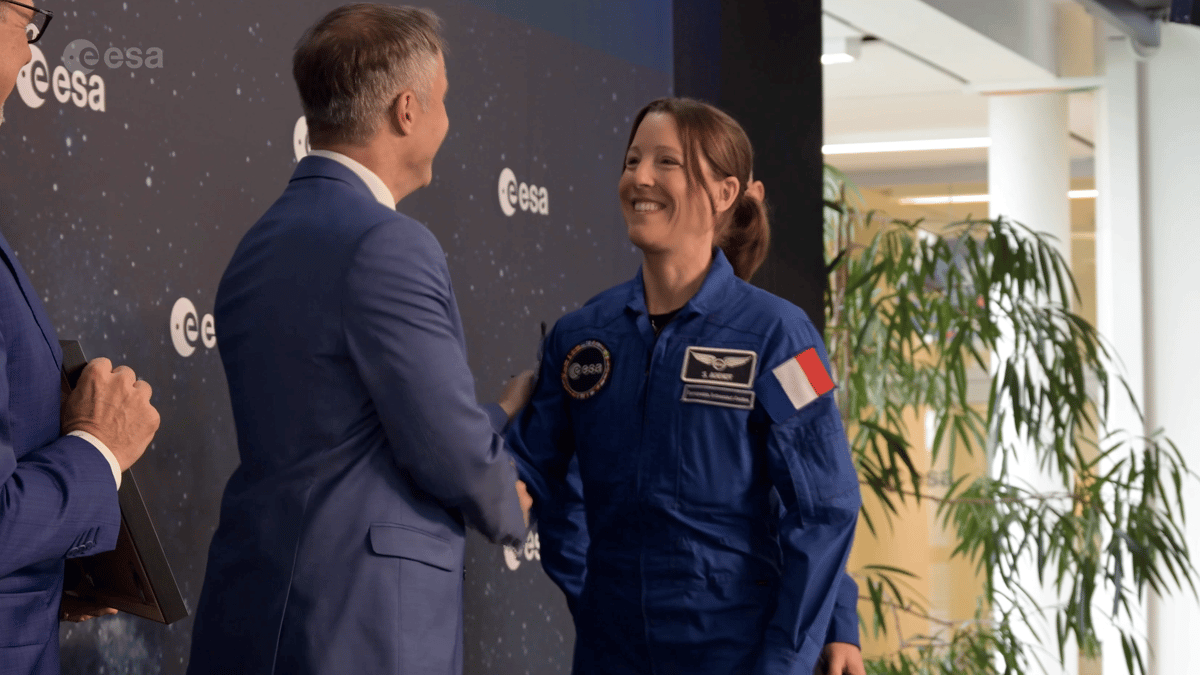
Sophie Adenot Ready for First Space Mission
ESA astronaut Sophie Adenot is set to launch on the εpsilon mission, her first flight to the International Space Station. She will travel alongside NASA and Roscosmos colleagues as part of a multinational crew. On the ISS, Adenot will conduct a...

Europe’s New Weather Satellite Delivers Data That Could Change Forecasting
Europe’s new Meteosat Third Generation‑Sounder (MTG‑S) has begun delivering its first infrared temperature and humidity data after 15 years of development. The hyperspectral sounder, operating from geostationary orbit, produces global surface‑heat and cloud‑top temperature maps as well as moisture fields...
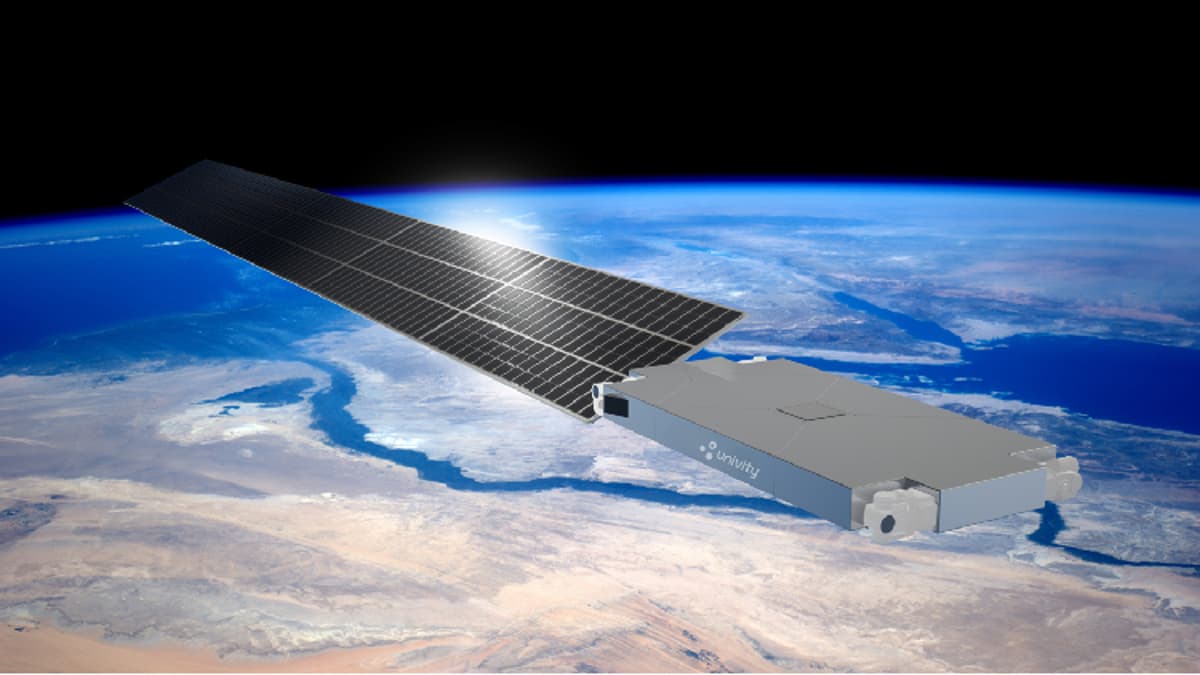
Univity Adds Direct-to-Device Service in VLEO Constellation
French satcom startup Univity is pivoting its very‑low‑Earth‑orbit (VLEO) constellation to offer direct‑to‑device (D2D) connectivity, adding a cellular‑compatible antenna and boosting satellite transmit power. The company will launch two demo satellites in 2027, then begin a 1,500‑satellite rollout in 2028...
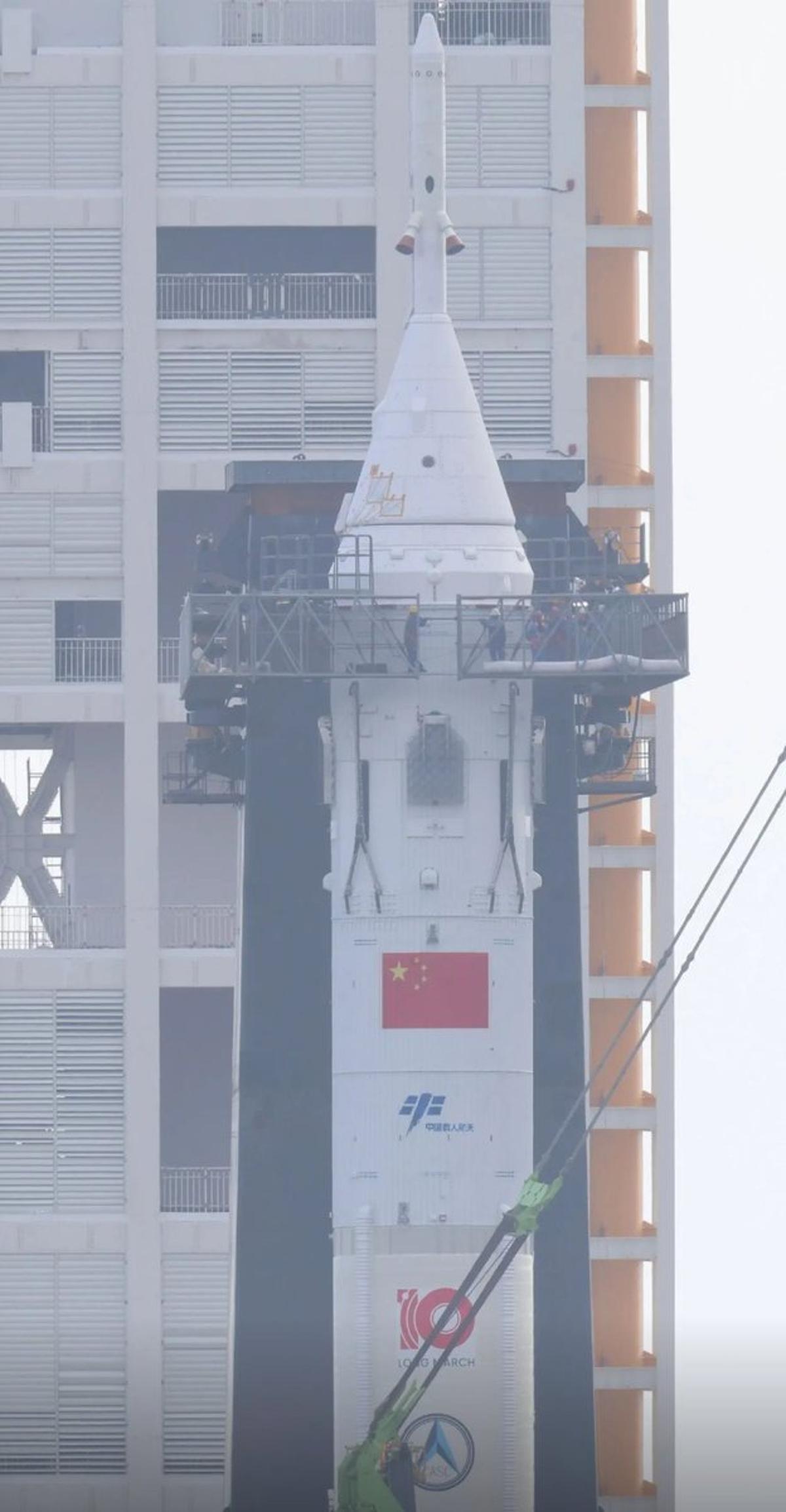
CZ-10A Test Stage Readied for Feb 11 Max‑Q Abort Flight
Mengzhou atop of the CZ-10A test stage. Grid fins and recovery hooks visible at the top of the stage, with people offering perspective of scale. Low-altitude test flight and abort test at maxQ scheduled for Feb. 11. https://t.co/oht5CPXIVu https://t.co/7E3tRMolAk
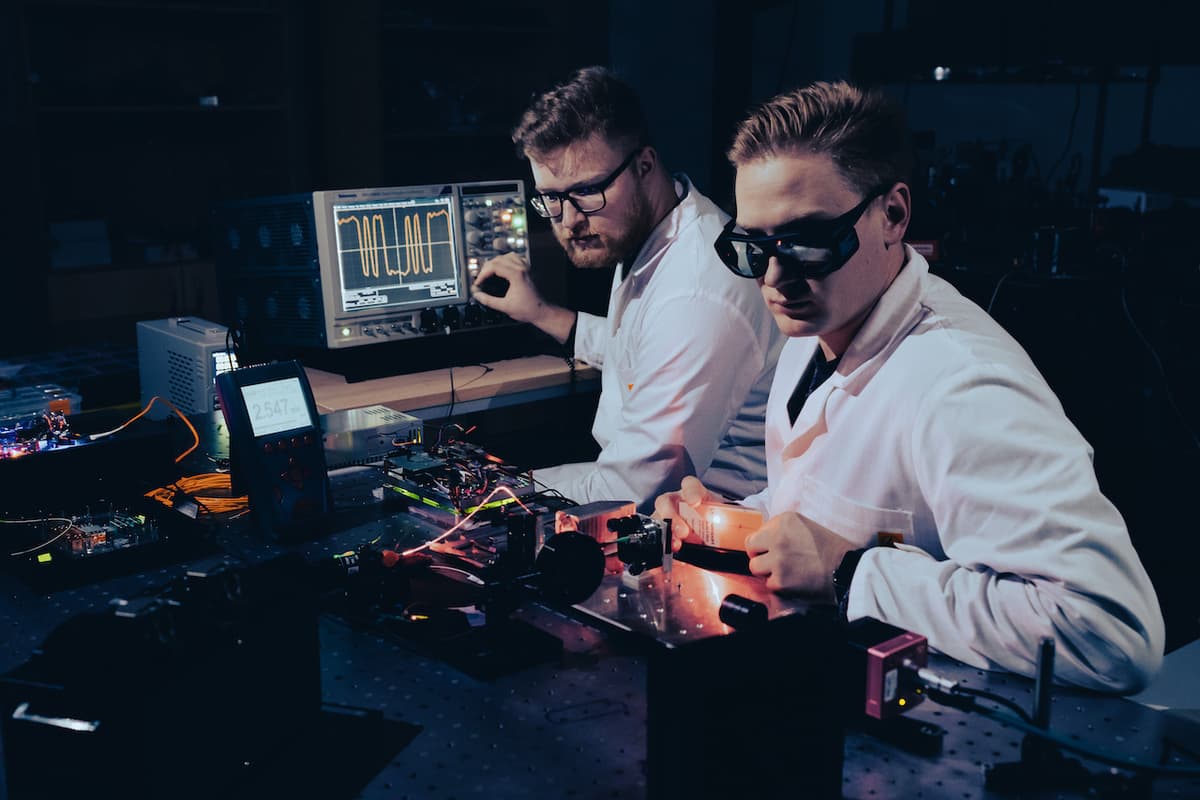
Astrolight Plans to Demo Space-to-Ground Optical Comms
European optical communications startup Astrolight will demonstrate three laser‑based payloads on SpaceX’s Transporter‑16 rideshare mission. The demos support ESA’s ARTES ScyLight program, which has earmarked nearly €1 billion for optical and quantum communications over the next three years. Astrolight is also...

Upcoming Lunar Rover Missions (2026–2035)
Between 2026 and 2035 a wave of lunar rover missions will transform Moon exploration from static landers to mobile surface operations. NASA’s Commercial Lunar Payload Services program, along with national agencies and private firms, will launch dozens of rovers ranging...

SSPI-WISE Presents: New Orbits, New Rules of Space & Satellite Governance
The episode explores the rapidly changing landscape of space regulation and satellite governance, focusing on new orbital rules, debris mitigation, and licensing frameworks. Dr. Alice Bunn explains the UK Space Agency’s strategic priorities, Karen Cox discusses how LeoLabs’ tracking data...

The "Little Red Dots" Observed by Webb Were Direct-Collapse Black Holes
Astronomers using JWST have identified the enigmatic “Little Red Dots” observed in the early universe as accreting direct‑collapse black holes (DCBHs). A Harvard‑led team led by Fabio Pacucci employed radiation‑hydrodynamic simulations that reproduced the dots’ infrared brightness, weak X‑ray emission,...

Tesla Admits Optimus Robots Are Doing No Useful Work & Other Things We Learned From Mag 7 Earnings
Tesla confirmed on its earnings call that Optimus humanoid robots are still in R&D and are not performing useful work in its factories, contradicting earlier claims. The admission resets expectations for the robotics sector, underscoring the gap between prototypes and...

Elon Wants Data Centers in Space?
In this episode, Jamie and Jaeden examine Elon Musk's recent acquisition of XAI by SpaceX, discussing how the merger could enable the creation of data centers in orbit and accelerate lunar manufacturing initiatives. They explore the strategic advantages of combining...
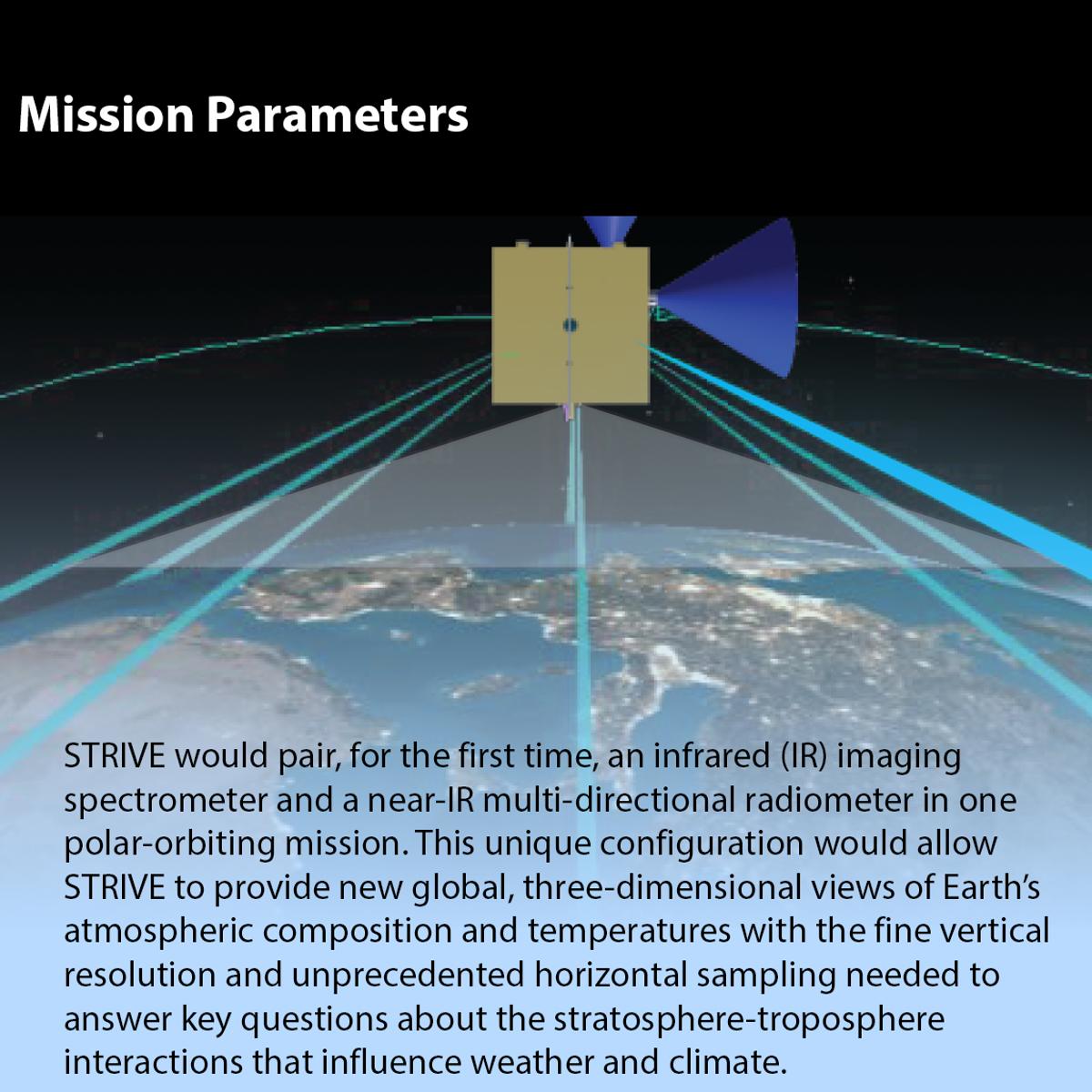
NASA Greenlights Two $355M Earth Observation Missions
NASA announced two Earth observation missions for continued development as part of its Earth System Explorers Program. STRIVE (Stratosphere Troposphere Response using Infrared Vertically-resolved light Explorer) and EDGE (Earth Dynamics Geodetic Explorer) will go through confirmation review in 2027 and,...
Arabsat Taps Audimatic for IoT Video Analytics
Arabsat has signed a partnership with Audimatic to deploy its IoT‑driven, real‑time television viewership detection platform across the MENA region. The solution delivers second‑by‑second analytics on channel performance, viewing distribution, and satellite reach, giving Arabsat continuous visibility into live satellite...

NASA Confirms Crew‑12 Still Set for Feb 11
Asked NASA this afternoon (Feb 5) whether they're still targeting Feb 11 for Crew-12. Here's their reply, which basically is yes, but... (and is pretty much what they said at Tuesday's post-WDR presser, too). https://t.co/icHWwDZ4aI

NASA Selects Two Earth System Explorers Missions
NASA has selected two Earth System Explorers missions—STRIVE and EDGE—for further development, targeting launch no earlier than 2030. STRIVE will provide daily, near‑global, high‑resolution measurements of temperature, atmospheric composition, and aerosols from the upper troposphere to the mesosphere, enhancing long‑range...
Expandable Structures in Space: New Strategic Partnership
Voyager Technologies and Max Space have formed a strategic partnership to develop expandable space habitats that can launch compactly and inflate up to twenty times their stowed size. The habitats are designed to fit on a single Falcon 9 launch, dramatically...
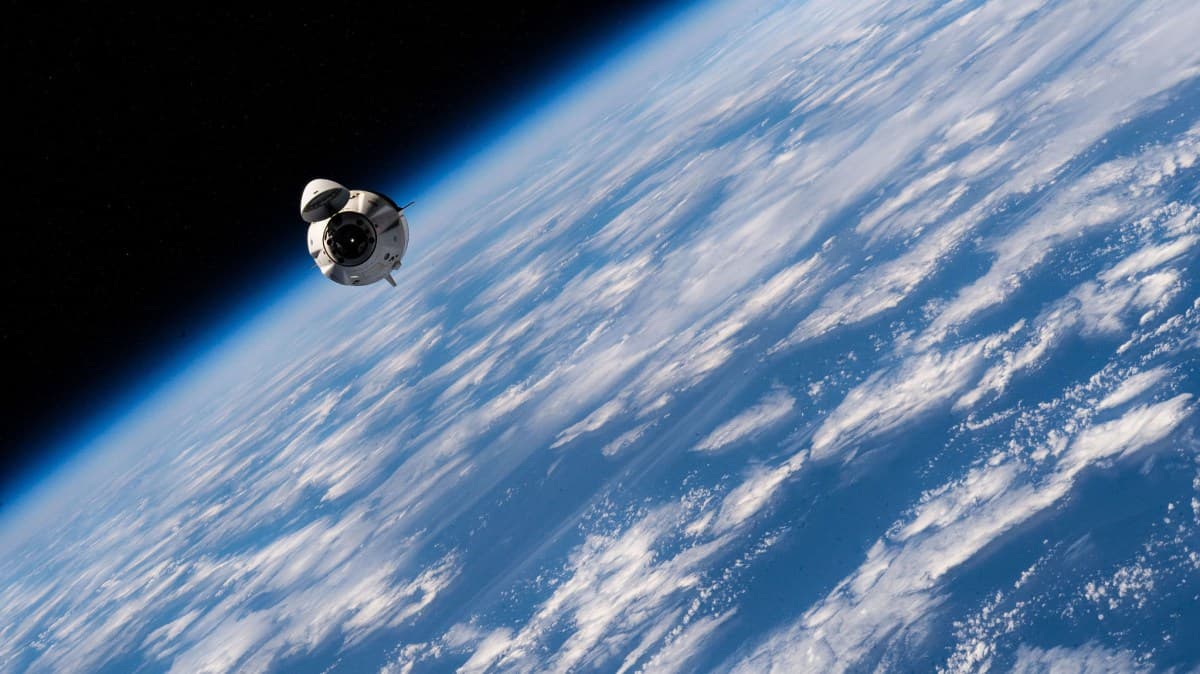
NASA Astronauts Can Now Bring Their Phones with Them on Their Mission to the Moon
NASA announced that astronauts on upcoming Crew‑12 and Artemis II missions will be permitted to bring personal smartphones into space for the first time. The policy shift follows an accelerated qualification process that cleared modern iPhone and Android devices for flight...

Hidden Threats in the Sun’s Glare: Celestial Dangers Earth Can’t See
The Sun’s intense glare creates a permanent blind spot that hides asteroids and comets approaching from the Sun‑ward direction, rendering both ground‑based and most space‑based telescopes ineffective. The 2013 Chelyabinsk event proved that even modest‑sized objects can strike with little...
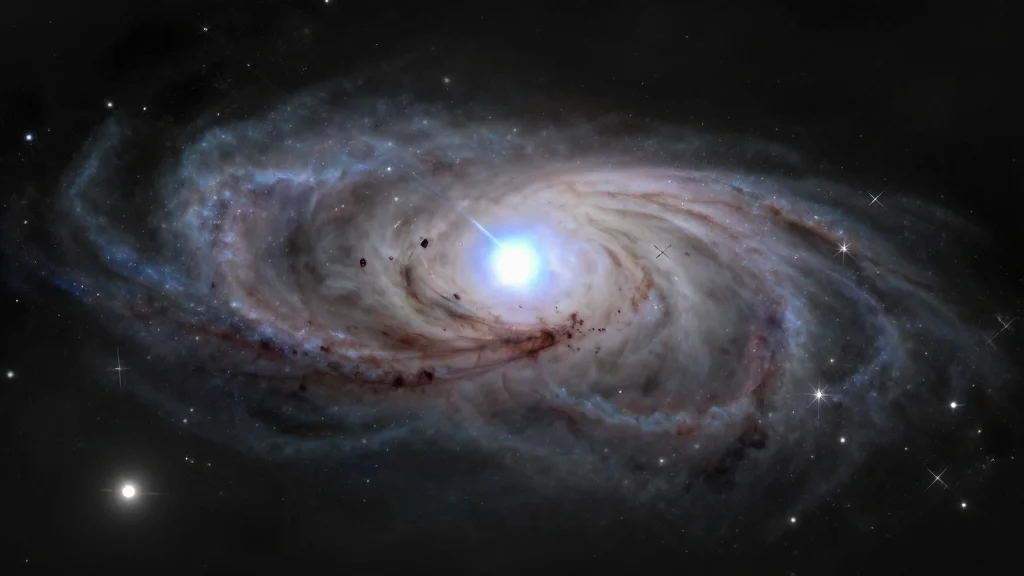
The Amaterasu Particle: Cosmic Investigation Traces Its Origin
The Amaterasu particle, detected in 2021 by the Telescope Array, is the second‑highest‑energy cosmic ray ever recorded, packing roughly 40 million times the energy of LHC particles. A new study in The Astrophysical Journal argues that its origin is more likely...