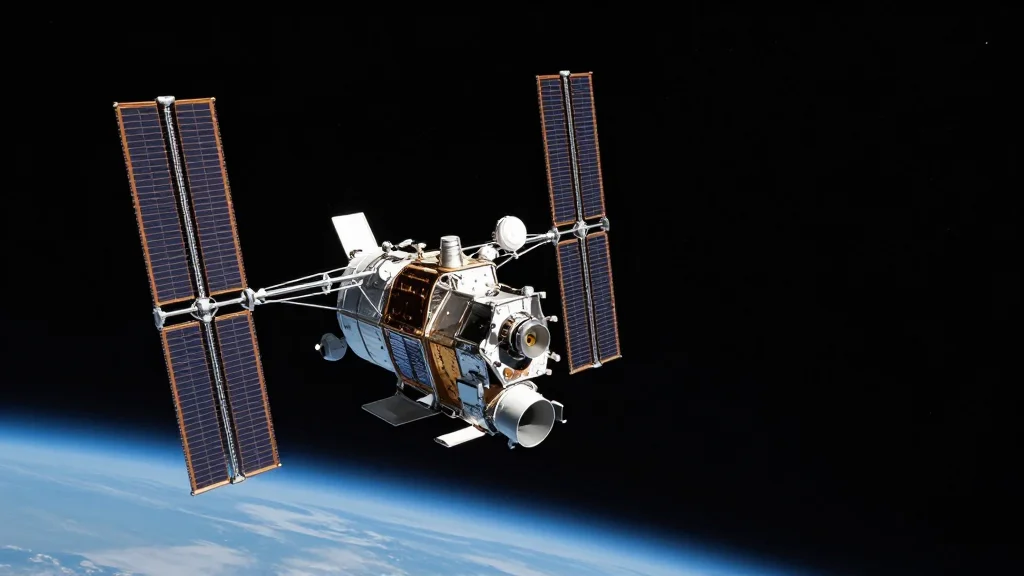
Amazon Responds to SpaceX’s FCC Complaint About Its Last Leo Satellite Launch
Amazon responded to SpaceX’s FCC complaint that its latest LEO launch placed 32 satellites 50 km above the licensed altitude, forcing SpaceX to maneuver 30 Starlink satellites. Amazon argues the orbit complies with its license and blames SpaceX’s recent lowering of Starlink orbits, but it has now agreed to lower insertion altitudes after three more Ariane‑6 missions. The FCC must decide whether to force an immediate change, which could delay three Ariane‑6 launches and about 100 satellites. Amazon is also seeking a license extension to meet its 1,616‑satellite target by July 2026.
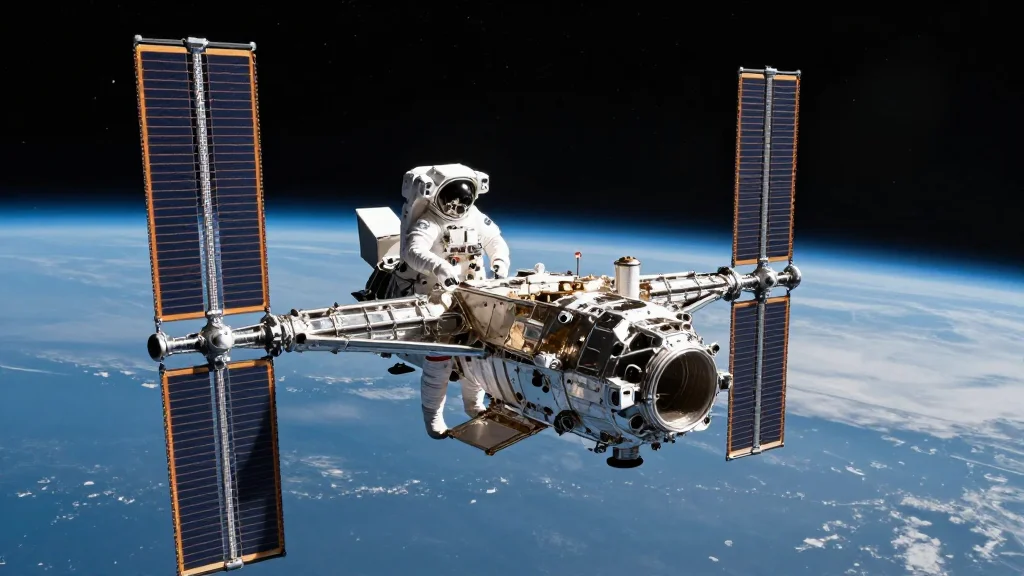
Gravitics Receives Strategic Funding Increase From SpaceWERX
Gravitics secured a Strategic Funding Increase (STRATFI) contract from SpaceWERX, the U.S. Space Force’s innovation arm, worth up to $60 million. The award will fund a flight‑demonstration of Gravitics’ Orbital Carrier on a low‑Earth‑orbit rideshare, alongside a Viper orbital transfer vehicle...
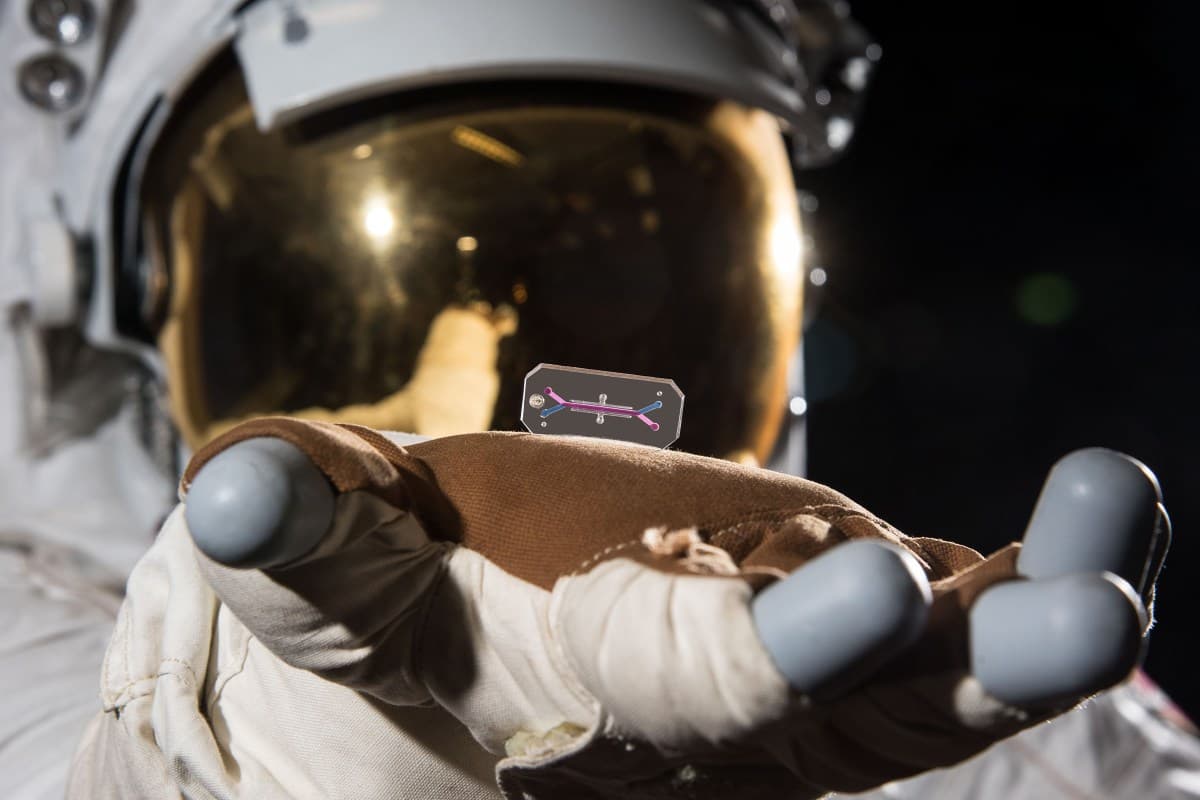
The Moon Astronauts Brought Along USB Stick-Sized Living Samples of Their Own Tissue
NASA’s Artemis II crew—Reid Wiseman, Victor Glover, Christina Koch, and Jeremy Hansen—will carry USB‑stick‑sized organ‑on‑a‑chip samples grown from each astronaut’s bone‑marrow cells. The “functional” organ chips travel alongside the astronauts on a 10‑day lunar flyby and duplicate sets are sent to...
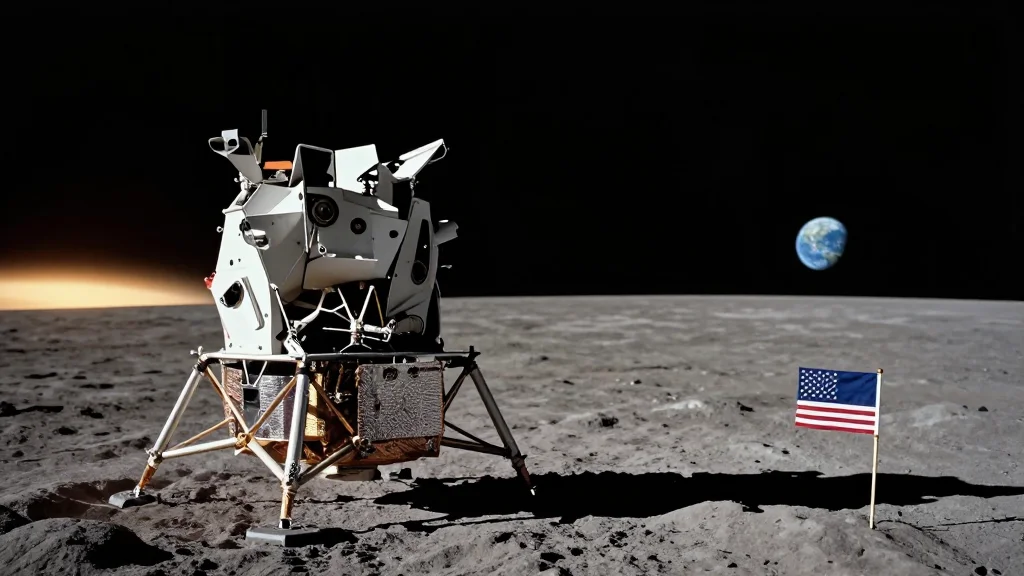
Trump FY2027 NASA Budget Supports Moon Missions, But Cuts Everything Else
The Trump administration’s FY2027 budget request keeps NASA’s total funding at $18.8 billion, a 23 percent cut that mirrors the FY2026 proposal. It adds $731 million for Artemis lunar landings and $175 million for a robotic lunar base camp, while slashing the science portfolio...

Elon Musk Reveals Date of SpaceX Starship V3’s Maiden Voyage
SpaceX CEO Elon Musk announced that the upgraded Starship v3 will attempt its first flight, designated IFT‑12, within the next four to six weeks, targeting early‑mid May 2026. The v3 configuration features a taller Super Heavy booster, higher propellant capacity...
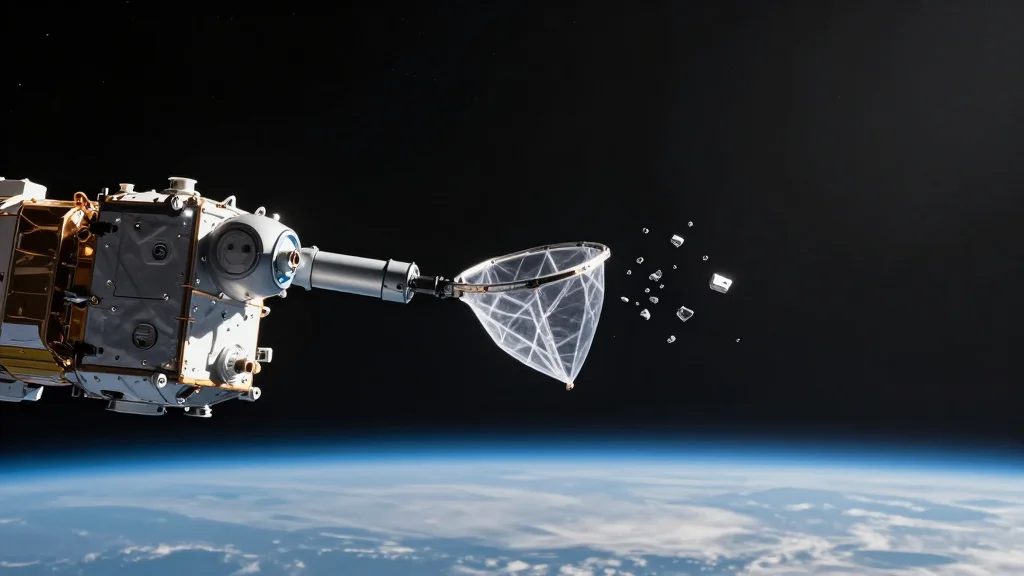
Report: Trio of Science and Technology Trends – Orbital Debris Removal Flagged
The U.S. Government Accountability Office’s latest report highlights orbital debris removal as one of three emerging science and technology trends poised to shape society over the next decade. It notes that more than 15,000 pieces of debris are currently tracked,...
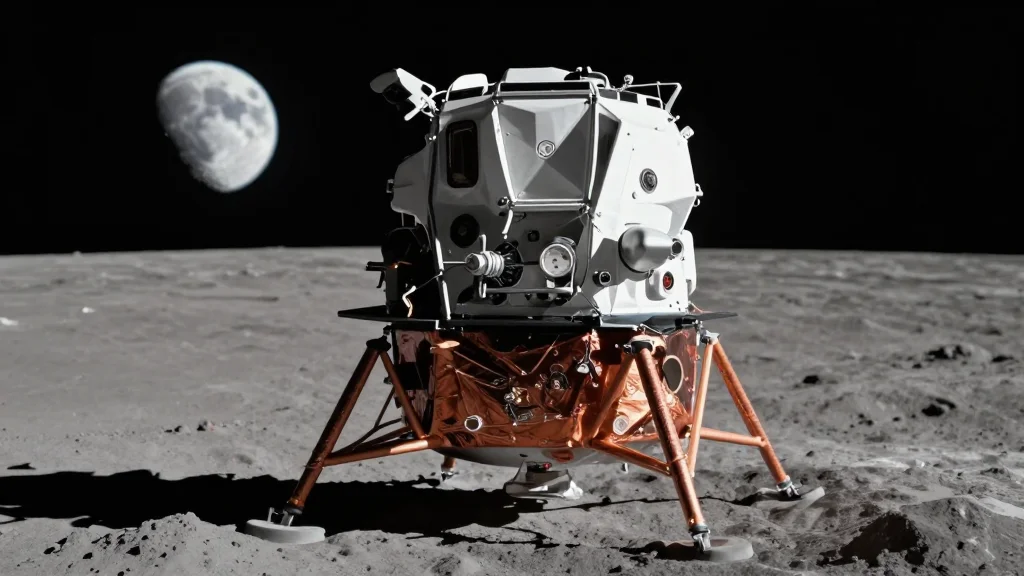
Anyone Watch the Artemis II Launch?
NASA launched Artemis II on April 1, 2026, sending a four‑person crew on a free‑return trajectory around the Moon—the first crewed lunar mission since Apollo 17 in 1972. The launch succeeded after two earlier attempts this year were aborted due to a propellant...

Hello, World
NASA astronaut Reid Wiseman captured the first downlinked images from the Artemis II crew after the spacecraft’s translunar injection burn. The photograph shows Earth framed by two auroras and a faint zodiacal light, highlighting Orion’s window view capabilities. This visual milestone...

SpaceX Files for Record $1.75 Trillion IPO, 21 Banks Lead June Offering
SpaceX has confidentially filed with the SEC for a $1.75 trillion initial public offering that could raise up to $50 billion. A 21‑bank underwriting syndicate headed by Morgan Stanley, Goldman Sachs, JPMorgan Chase, Bank of America and Citigroup will run the deal,...

Week in Images: 30 March - 03 April 2026
The latest "Week in images" roundup showcases a diverse set of space‑related photographs, from a versatile silicon chip to the final glimpse of ESA’s Smile spacecraft. Highlights include the Artemis II launch with Orion and the European Service Module, a rare...
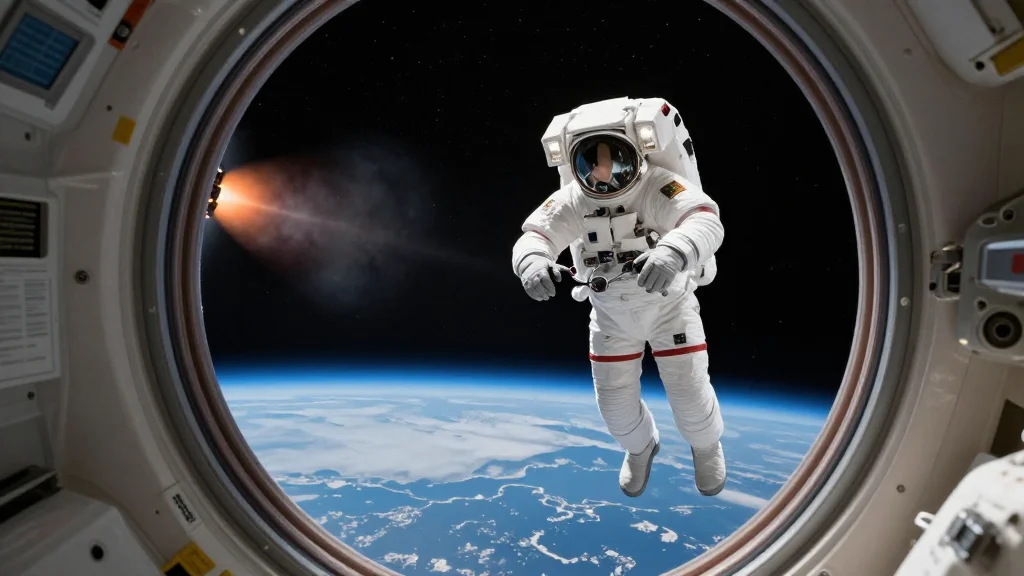
Artemis II Completes Key Engine Burn as Four‑astronaut Crew Heads Toward Lunar Flyby
NASA’s Artemis II mission, carrying four astronauts, performed a crucial engine burn on Day 2 to set a trajectory toward the Moon. The crew is now adjusting to life aboard Orion, using a lightweight exercise device and confirming the AVATAR payload ahead...
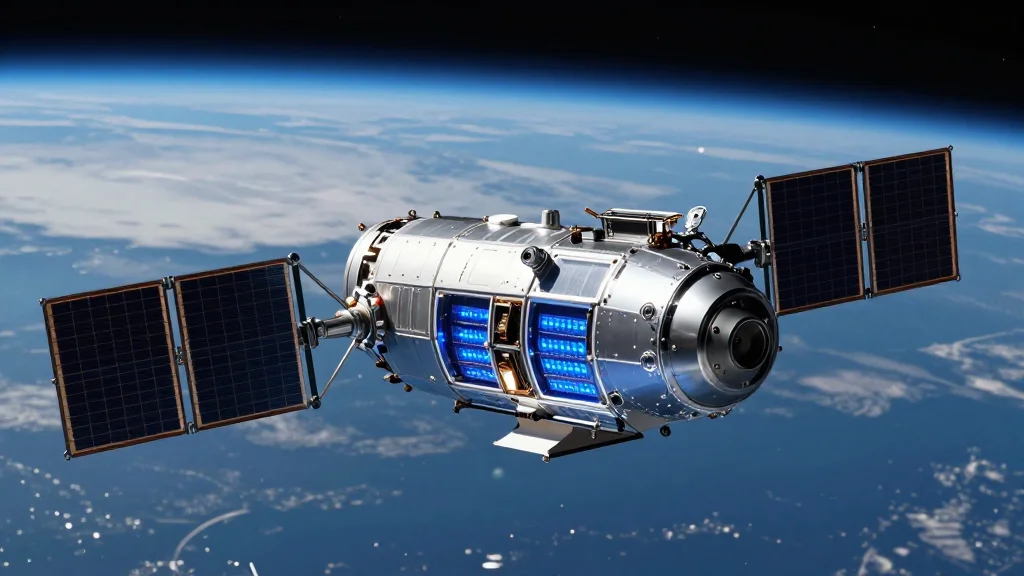
Elon Musk Unveils Orbital Data Centers, Ties Funding to $75 B SpaceX IPO
Elon Musk announced that SpaceX will launch data‑center satellites to power AI workloads from orbit, and he positioned the plan as a cornerstone of a confidential $75 billion IPO filing that could value SpaceX at $1.75‑$2 trillion. The proposal raises questions about...

Insurance Is Commercial Space Nuclear’s Biggest Headache
Commercial space nuclear power faces a critical obstacle: insurance. While reactors remain inert until they reach orbit, insurers are reluctant to underwrite launches involving radioactive material because of uncertain re‑entry risks. Industry leaders argue that government indemnification—through Department of Energy...
SATShow Week 2026 United the Global Space Ecosystem and Unveiled Industry-Wide Technological Progress in Its 45th Year
SATShow Week 2026 convened 14,738 senior leaders and 515 exhibitors from 36 countries at the Walter E. Washington Convention Center, marking the event’s 45th anniversary. The conference featured 273 speakers, expanded programming, and high‑level participation, with 39% of attendees in...

Artemis Program Highlights 21st‑Century Space Research Landscape
Part 2 of exploring the current ecosystem of space exploration and research we see in the 21st century via the Artemis program #space #stem #nasa @aljazeeraenglish
Artemis II to Beam 4K Video From Moon
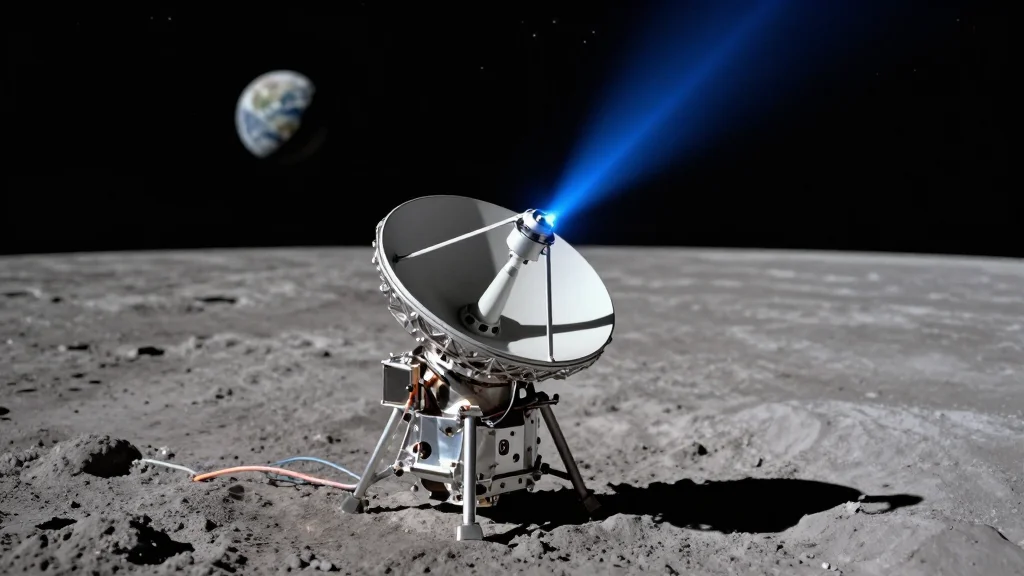
Artemis II will use laser beams in giant leap for space video — new optical tech will stream '4K high-definition video from the Moon' https://www.techradar.com/streaming/artemis-ii-will-use-laser-beams-in-giant-leap-for-space-video-new-optical-tech-will-stream-4k-high-definition-video-from-the-moon
Charts Defining the Space Industry in Q1 2026
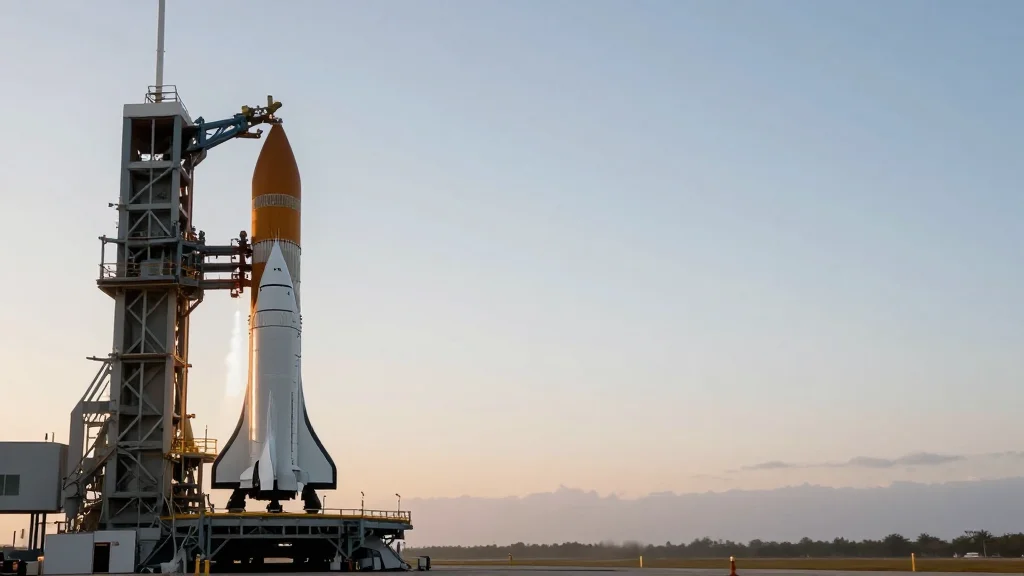
Q1 2026 saw a robust rebound in the commercial space sector, with launch activity climbing 12% year‑over‑year to 84 missions. Total satellite revenue reached roughly $9 billion, driven by megaconstellations and high‑throughput services. Venture capital poured an estimated $3.2 billion into space...
NASA Is Developing a New Nuclear Battery that Could Run for Four Centuries or Five Human Lifetimes
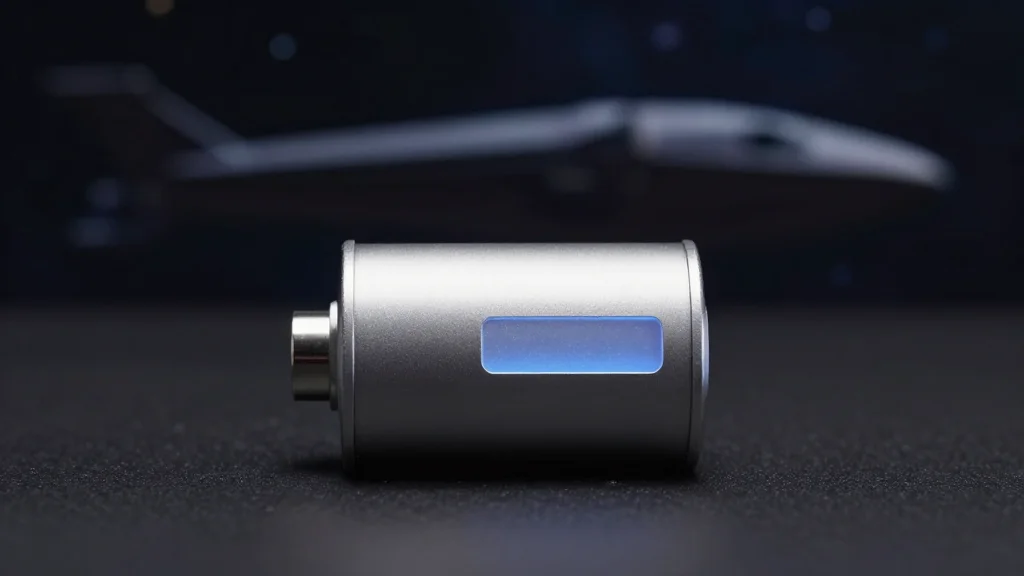
NASA is evaluating americium‑241 as fuel for next‑generation radioisotope power systems, offering a half‑life of roughly 433 years—about five times longer than the current plutonium‑238 sources. The isotope’s slow decay would enable nuclear batteries to operate for centuries, supporting deep‑space...

India Targets LVM3 Rocket Power Upgrade by End of 2026
India’s space agency ISRO is targeting an integrated hot‑test of its indigenous semi‑cryogenic SE/SCE‑2000 engine by the end of 2026, with test facilities already in place. The 2,000 kN thrust engine could serve as LVM3’s second stage or replace the existing...
OpenAI, SpaceX Deals Echo Localized ZIRP Phenomenon
OpenAI buying a podcast for a few hundred million and SpaceX IPOing for a $2 trillion feels like a wierdly localized form of ZIRP. https://www.wired.com/story/openai-acquires-tbpn-buys-positive-news-coverage/
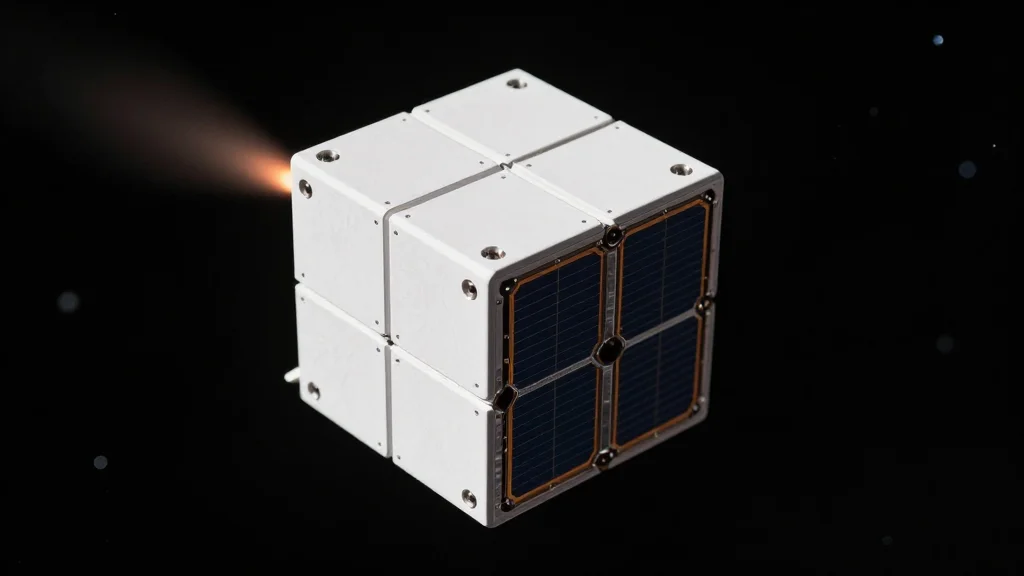
Three Artemis‑II Cubesats Show Successful Perigee‑Raise Burn
Three of the four Artemis-II cubesats have now been cataloged; orbits are 149 x 70247 km, 492 x 70228 km, and 61 x 70276 km. Suggests at least one made a successful perigee raising burn, but waiting for more data...

The Awe of a Moon Launch in an Age of Trump, Turmoil and Tribal Divisions
Artemis II launched on April 2, 2026, sending four astronauts on a lunar flyby and testing critical deep‑space systems. The mission revives the spirit of Apollo 8, offering a brief unifying moment amid intense domestic division. President Trump gave a 35‑second acknowledgment before shifting...

Charlie Duke Calls for Return to Moon via Artemis
In honor of Artemis: Yours truly with Charlie Duke, youngest living human to have walked on the moon. Let’s get back there, soon. 🌖 https://t.co/PkTaRIMwJG

From 1966 to Artemis II: Earth’s View Evolves
On the left is the first ever full-disk image of Earth captured in 1966, on the right is the most recent photo taken by the Artemis II crew Incredible. https://t.co/codJxEg6NB
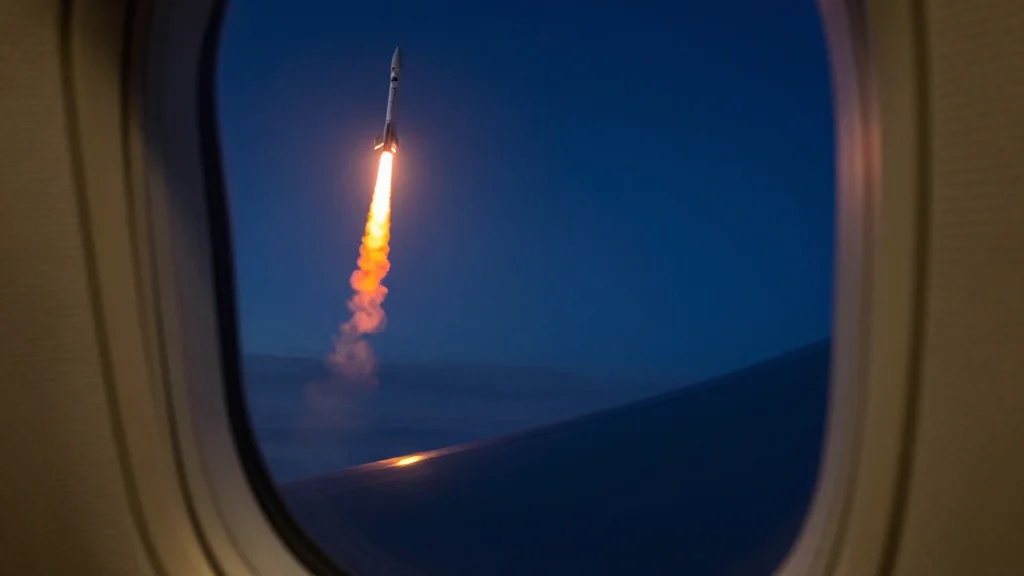
Cool: Spirit Airlines Passengers Capture Video of Artemis Rocket Launch
NASA’s Artemis II mission launched on the Space Launch System, marking a key step toward a sustained lunar presence and future Mars trips. Passengers on Spirit Airlines flight NK 3830 from Atlanta to San Juan were rerouted over Florida, capturing a rare, close‑up...
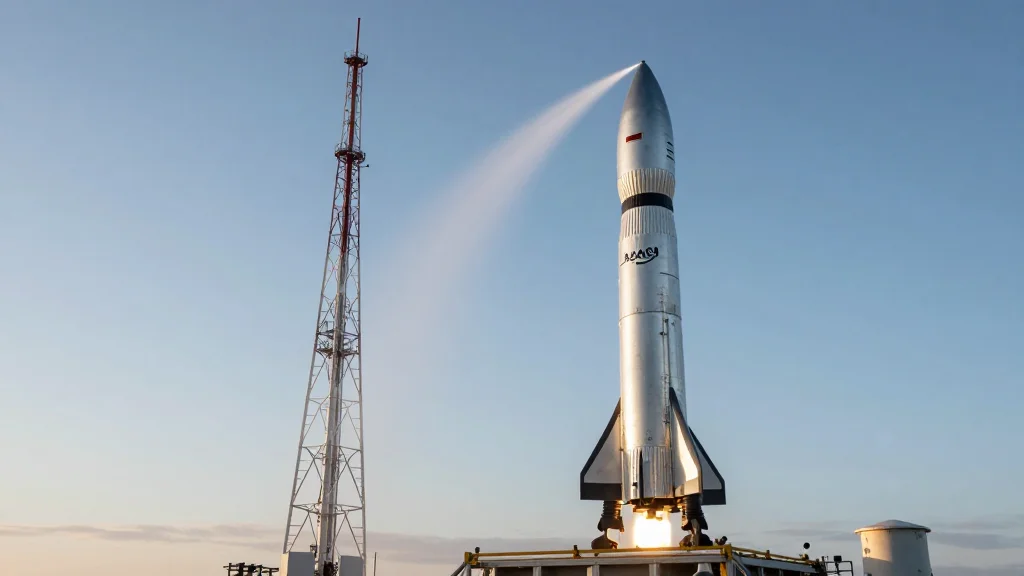
Amazon Leo Seeks Lower Insertion Altitudes, Maintains Schedule
"Amazon Leo is working with its other launch providers to determine if they can lower insertion altitudes without impacting Amazon Leo’s schedule,” https://t.co/atARL8KM70 via SpaceNews
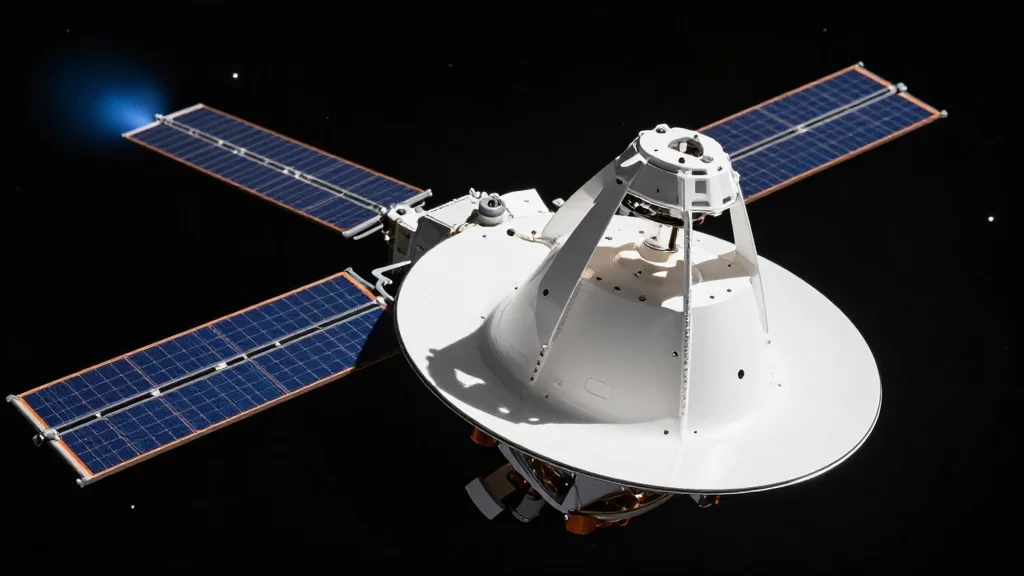
Soyuz-2-1a Launch From Plesetsk Carries Meridian Satellite
LAUNCH at 0628 UTC of a Soyuz-class rocket from Plesetsk. Suspected to be a Soyuz-2-1a/Fregat with a Meridian military comms satellite, but we'll have to wait for Space Force tracking to confirm that.
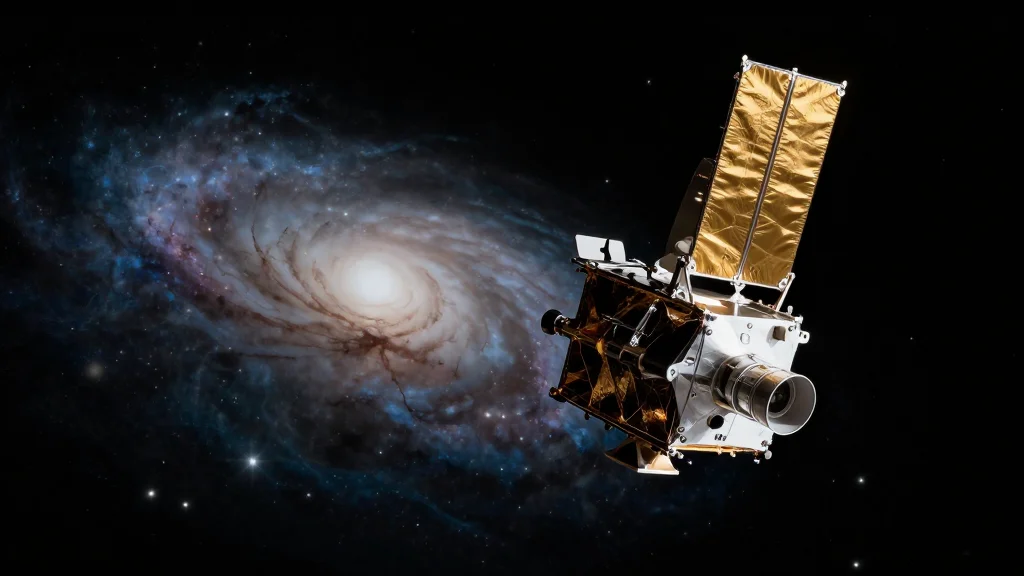
JWST Spotlights Potential First-Generation Stars in Distant Galaxy Hebe
A team of astronomers using the James Webb Space Telescope has identified a galaxy, dubbed Hebe, that existed just 400 million years after the Big Bang and appears to contain extremely metal‑poor, youthful stars. The finding could represent the first direct...
White House Proposes 23% NASA Budget Cut for FY27
The White House is proposing $18.8 billion for NASA in FY27, a 23% cut to NASA's 2026 enacted funding. Science, ISS, and education major targets of the proposed cuts. https://t.co/4PxZxpplUh

Experiencing a Moon‑bound Rocket Launch Live
From the Earth to the Moon - what's it like to watch a rocket launch? #Artemis #NASA #ArtemisII https://t.co/ixlbGUQBk0 https://t.co/d7yEw0ZMRo
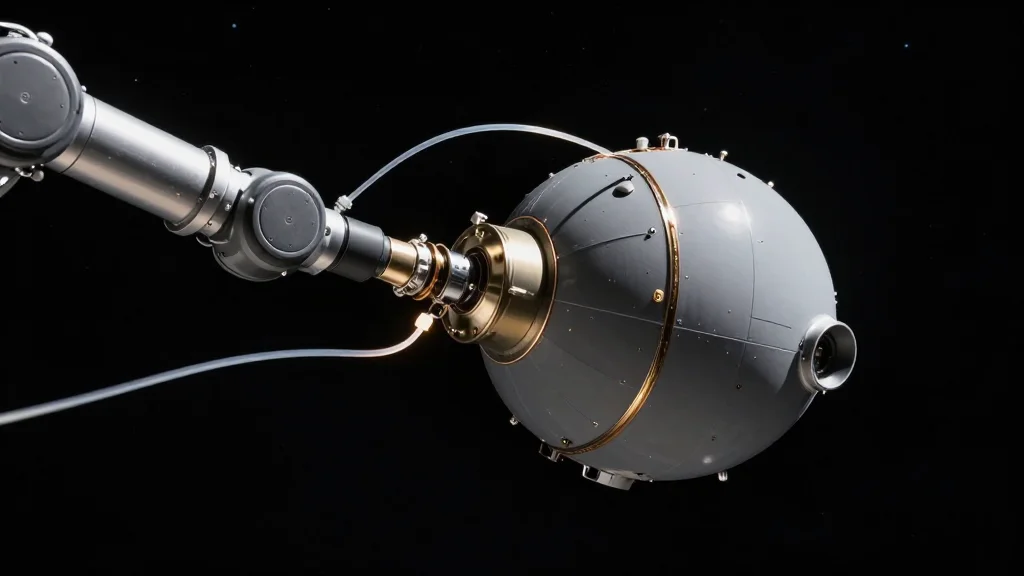
China's Hukeda-2 Refueling Demo Generates Vast In‑Orbit Telemetry for Satellite Analytics
China's Hukeda-2 satellite successfully completed its first in‑orbit refueling test on March 24, creating a flood of telemetry data that will be processed by big‑data platforms to improve satellite servicing and lifecycle management. The milestone highlights how massive data streams...

Soyuz-2-1a Launches Military Payload From Plesetsk
A Soyuz-2-1a rocket launched military payload from Plesetsk at 9:28 MSK today, according to the Russian Ministry of Defense. Developing story: https://t.co/RigHJQbcKJ https://t.co/HKeC4ADywg

Starship and V3 Test Flights Expected Within Six Weeks
Next flight of Starship and first flight of V3 ship & booster is 4 to 6 weeks away https://t.co/tg4OQQ7pyI
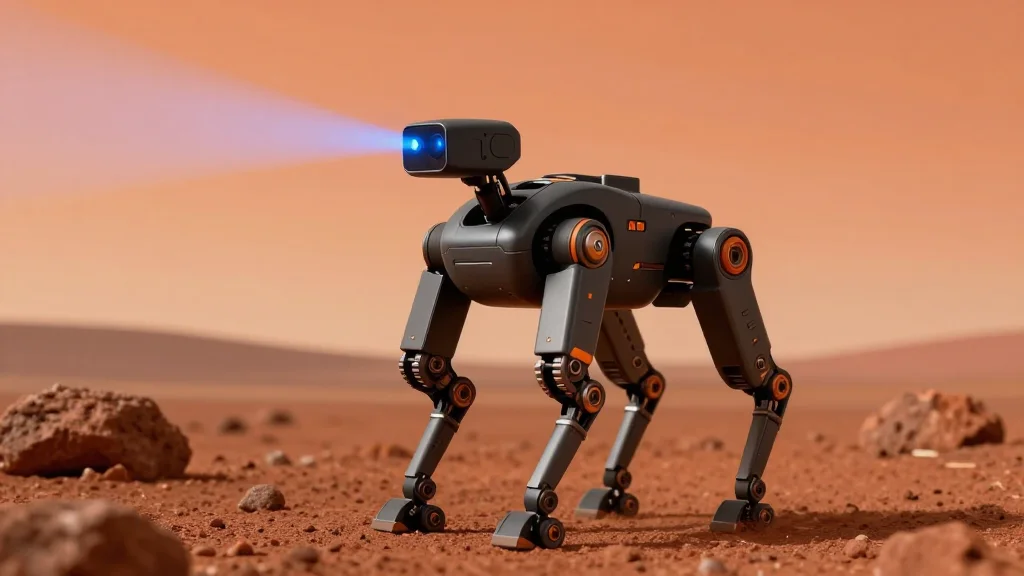
Quadruped Robot ANYmal Slashes Mars and Moon Test Times by Up to 70%
A team from the University of Basel, ETH Zurich and Swiss partners demonstrated that the four‑legged robot ANYmal can autonomously visit and analyze multiple targets in 12‑23 minutes, versus 41 minutes for a human‑guided approach. The study suggests quadruped robots...
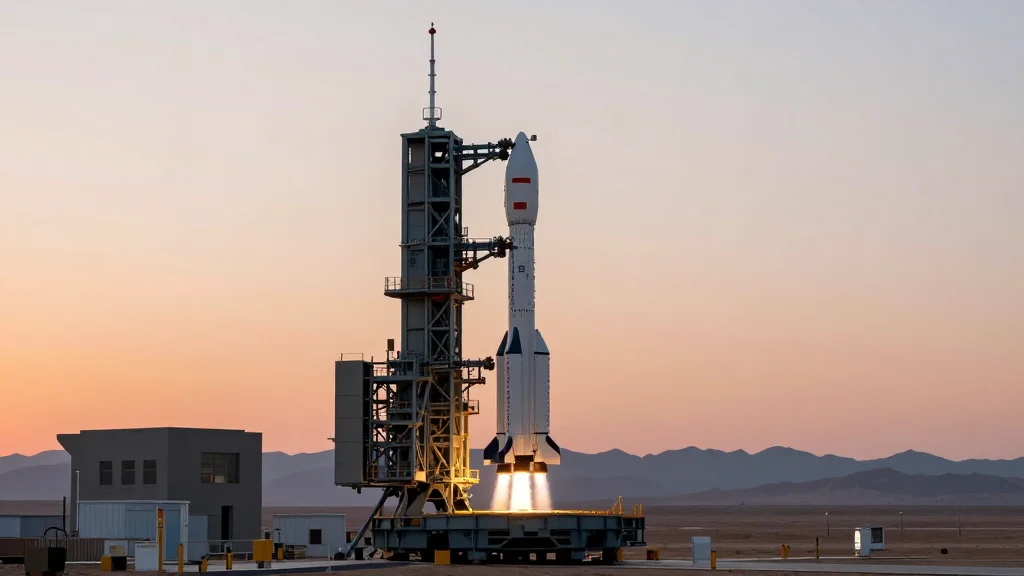
Tianlong-3 Launch Unconfirmed Amid Failure Speculation
LAUNCH of Tianlong-3 from Jiuquan at about 0417 UTC. Speculation it has failed but no official info yet.
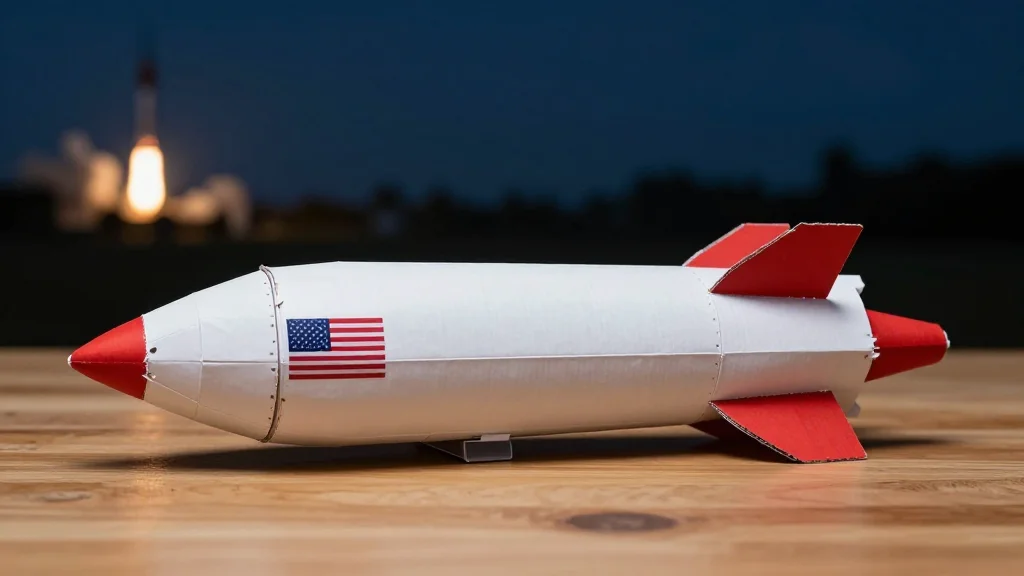
National Science Programs Spark Kids' DIY Space Curiosity
Watched the Artemis launch yesterday with my 8yo. Today he built a rocket out of household stuff and started explaining all the parts. Don’t underestimate how important national science programs are. 🚀

SMILE’s April 9 Launch Could Finally Show Us What Solar Storms Actually Look Like When They Hit
The Solar wind Magnetosphere Ionosphere Link Explorer (SMILE) is set to launch on April 9 from French Guiana, carrying four instruments to image Earth’s magnetosphere in soft X‑rays. By capturing the interaction between solar wind and the magnetic shield, and simultaneously...
NASA Announces Daily Mission Status Briefings (Schedule Linked)
NASA will have daily mission status briefings. The list is here, but times are subject to change: https://t.co/CR88eAwACM
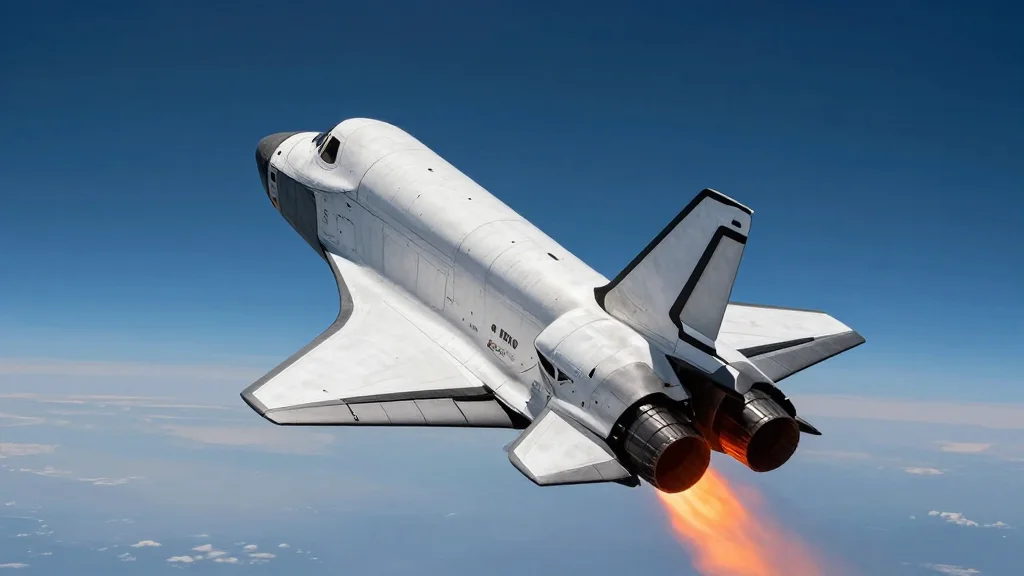
Integrity Crew Shatters Isaacman 1400 Km Record 13 Minutes Post‑launch
Per a question asked in the presser, Integrity's crew broke the Isaacman height record of 1400 km at 2306 UTC Apr 1, a mere 13 minutes after launch.

Swift Spacecraft Reorientation Buys Time for Reboost Mission
NASA has reoriented the 2004‑launched Swift observatory to reduce atmospheric drag by roughly 30%, buying critical weeks before its orbit falls below the 300‑kilometer threshold needed for a planned reboost. Updated decay models now show a 10% chance of reaching...

Artemis II Will Cross Van Allen Belts—No Tails
YES Artemis II will fly through the Van Allen Belts and no the crew won’t all grow tails. #author #history #space #science #apollo

CLPS Companies Excited For NASA’s ‘Opportunity Bomb’ Lunar Plan
NASA released a draft RFP for CLPS 2.0, outlining a $6 billion budget cap, a ten‑year ordering window, larger landers, and support for lunar‑night power and sample return. The agency aims to begin monthly uncrewed lunar deliveries as early as next year,...
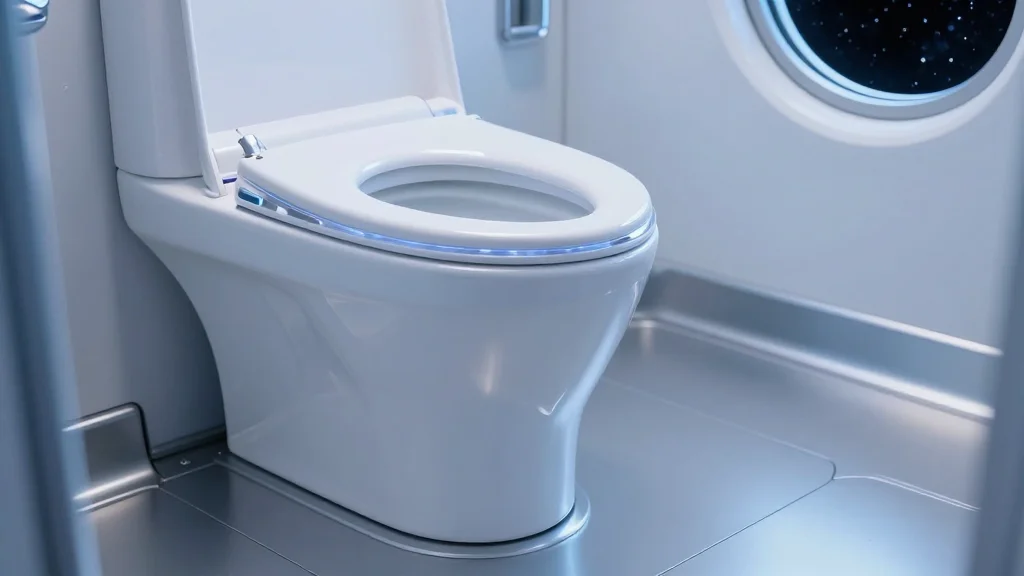
April 2, 2026 Quick Space Links
A daily roundup highlights several space industry updates, from Orion’s crew‑toilet functioning after an early glitch to Japan’s Martian Moons eXploration (MMX) spacecraft arriving at Tanegashima for a 2026 Phobos sample‑return mission. It also notes Amazon’s stalled acquisition of Globalstar,...
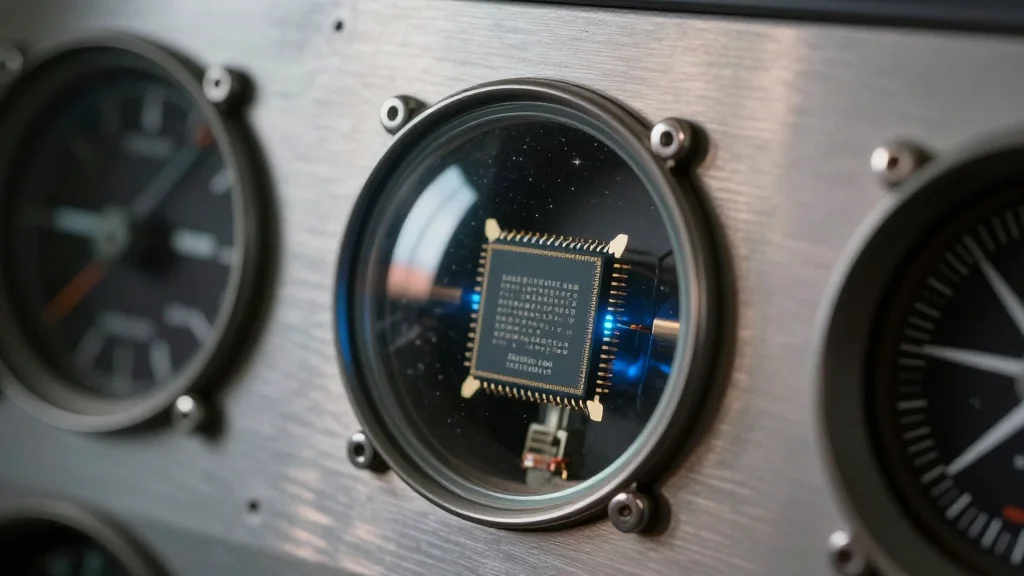
1969 NASA Relied Solely on Sealed Fairchild Chip
And it was done in 1969 using a Fairchild semiconductor chip. As I have heard the story, NASA had to chose between either manual navigation or automatic navigation, because the chips had to in a sealed system to avoid moisture...
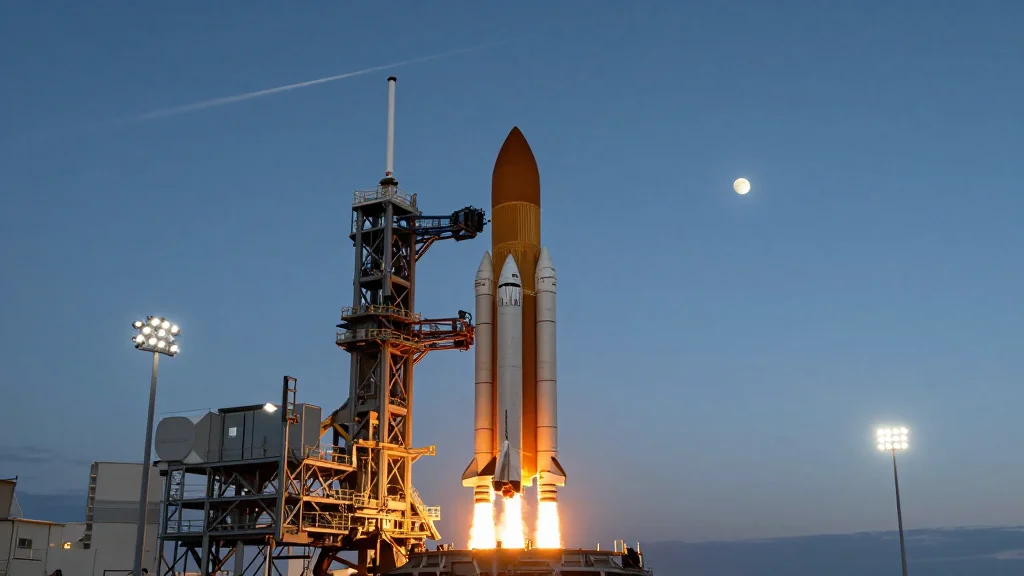
NASA Marks 10th Crewed TLI Since 1968
That is NASA’s 10th crewed translunar injection burn since 1968. TLI is the quintessential American maneuver.
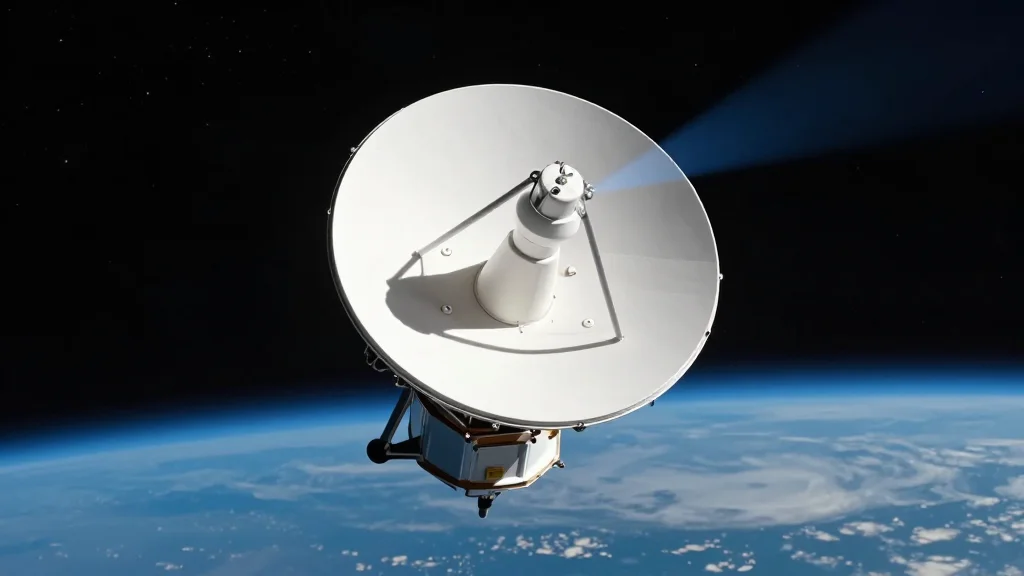
Moving Target Indication, Orbital Warfare Among Areas Needing Increased Investment, Space Force Official Says
U.S. Space Force Lt. Gen. Dennis Bythewood told a Mitchell Institute forum that the defense industrial base must receive more funding for moving‑target indication, launch infrastructure, orbital warfare, and positioning, navigation and timing (PNT). He emphasized the need to expand...
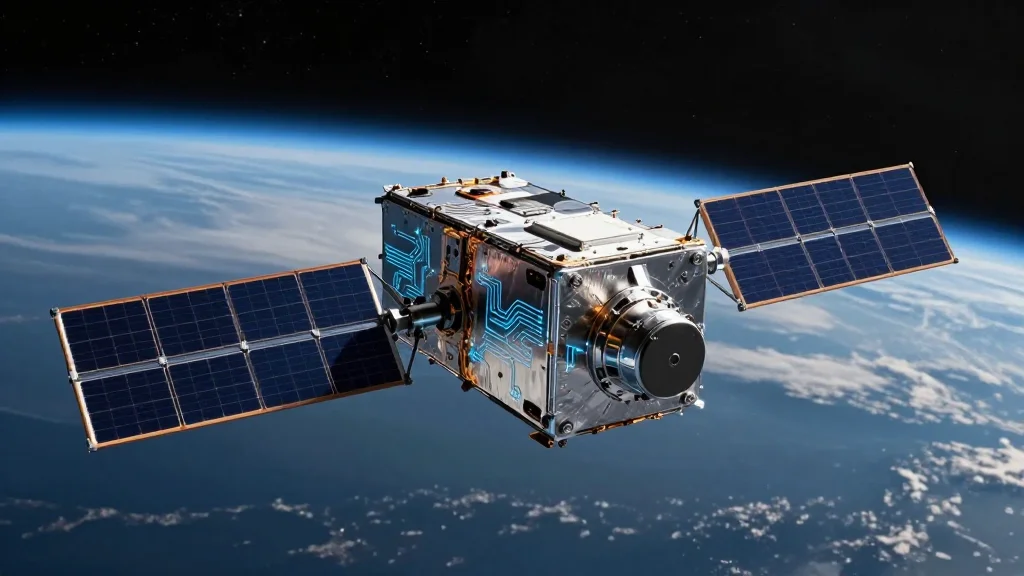
Orbital AI Data Centers Soon Offer Unlimited, Low‑Cost Compute
Very interesting: The business case for orbital AI data centers appears to close. Near-continuous solar power + falling launch costs = Compute unconstrained by terrestrial limits. AI inference capacity will expand massively, and the marginal cost of intelligence falls. 🛰️⚡🤖

NatGeo Captures Artemis II Launch in 2,000 Fps
Just 1,500 feet (457 m) from the Artemis II launch, @NatGeo deployed special high-resolution, slow-motion camera to record the blast-off in jaw-dropping detail at 2,000 frames per second. https://t.co/fbUevVtgz4

Artemis II Shines; Credit Goes to Michoud Assembly Facility
The Artemis II is undeniably badass. But can we take a moment to appreciate the Michoud Assembly Facility? https://t.co/aulWNkbYTR

Artemis II Launch Reveals SRB Staging and Early Moonrise
NASA has posted rocket cam views from the launch of Artemis II. Here's SRB staging and the Moonrise the crew observed at T+5 minutes. https://t.co/paJDONlg0a https://t.co/M9lkXnDjHu