
ISRO Launches Mission MITRA in Ladakh to Study Astronaut Behaviour in Extreme Conditions
ISRO has launched Mission MITRA in Ladakh, positioning a test crew at roughly 3,500 metres to simulate space‑flight stressors such as hypoxia, low temperature and isolation. The five‑day analog study, running until April 9, is designed to capture physiological, psychological and operational data on astronaut‑ground team interoperability. Conducted with the IAF Institute of Aerospace Medicine and managed by start‑up Protoplanet, the mission directly supports the upcoming Gaganyaan crewed program. Findings will inform crew coordination, decision‑making and overall mission safety for future long‑duration flights.

The Full Engineering History of Cassini’s Grand Finale: How NASA Deliberately Crashed a $3.4 Billion Spacecraft Into Saturn and Why...
NASA’s Cassini mission, a $3.4 billion flagship, ended on Sept. 15, 2017 when the spacecraft was deliberately steered into Saturn’s atmosphere. A decade‑long debate among engineers, planetary‑protection officials, and policymakers weighed fuel limits, contamination risks to Enceladus and Titan, and the scientific...
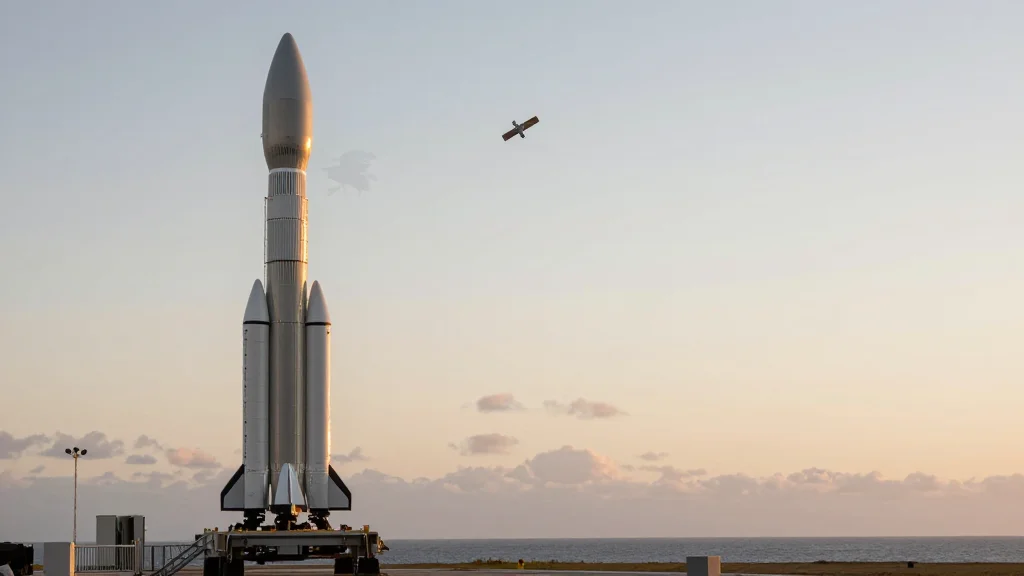
SpaceX Secures $178.5 Million Space Force Contract for Missile‑Tracking Satellites
SpaceX received a $178.5 million task order from the U.S. Space Force to launch two missile‑tracking satellites for the Space Development Agency. The launches, slated for Q3 2027 on Falcon 9 rockets from Florida and California, expand SpaceX’s role in national‑security missions and...
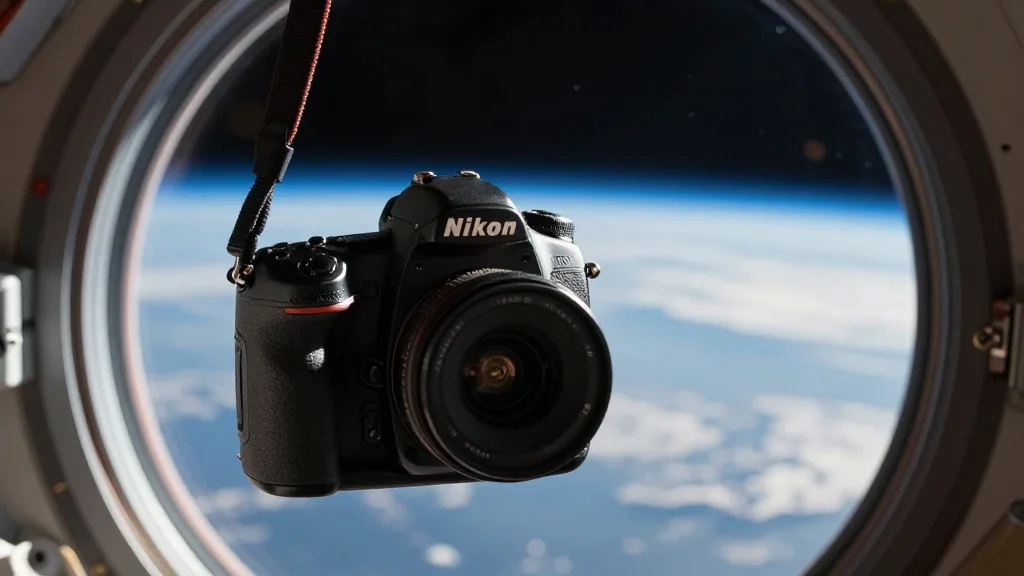
NASA’s Artemis II Streams First Earth Photos as Crew Circles Moon
NASA’s Artemis II mission, launched on April 1 with four astronauts, released its first images of Earth captured from inside Orion, sparking massive online reaction and showcasing the use of iPhone 17 Pro Max, Nikon D5 and GoPro Hero 11 cameras on a deep‑space...

Blue Origin Launches Planned for 2026
Blue Origin has outlined a busy 2026 launch calendar featuring four New Glenn missions. The lineup includes the NG‑3 flight for AST SpaceMobile, an Amazon low‑Earth‑orbit satellite deployment, a NASA‑backed lunar Artemis mission, and a second AST SpaceMobile flight. Additional entries...

Blue Origin New Glenn Targets April Launch of AST Space Mobile Satellite
AST SpaceMobile is set to launch its Block 2 “BlueBird” satellite on Blue Origin’s New Glenn NG‑3 mission between April 10‑14, 2026. The next‑generation satellite promises up to 120 Mbps peak data rates and 24/7 nationwide cellular broadband coverage across more than 5,600 cells. Block 2...

Space Pioneer Tianlong-3 Rocket Fails Its Debut Launch Attempt
China’s private launch firm Space Pioneer saw its Tianlong‑3 rocket fail on its maiden flight on April 3, 2026, after an engine‑bay explosion at about 33 seconds. The partially reusable vehicle, designed to lift up to 20 metric tons to...
NSS Responds to OMB’s Proposed FY27 NASA Budget
The National Space Society (NSS) welcomed the OMB’s FY27 NASA budget proposal for its shift away from the Lunar Gateway and a planned phase‑out of the Space Launch System in favor of commercial heavy‑lift services. It also praised the repurposing...
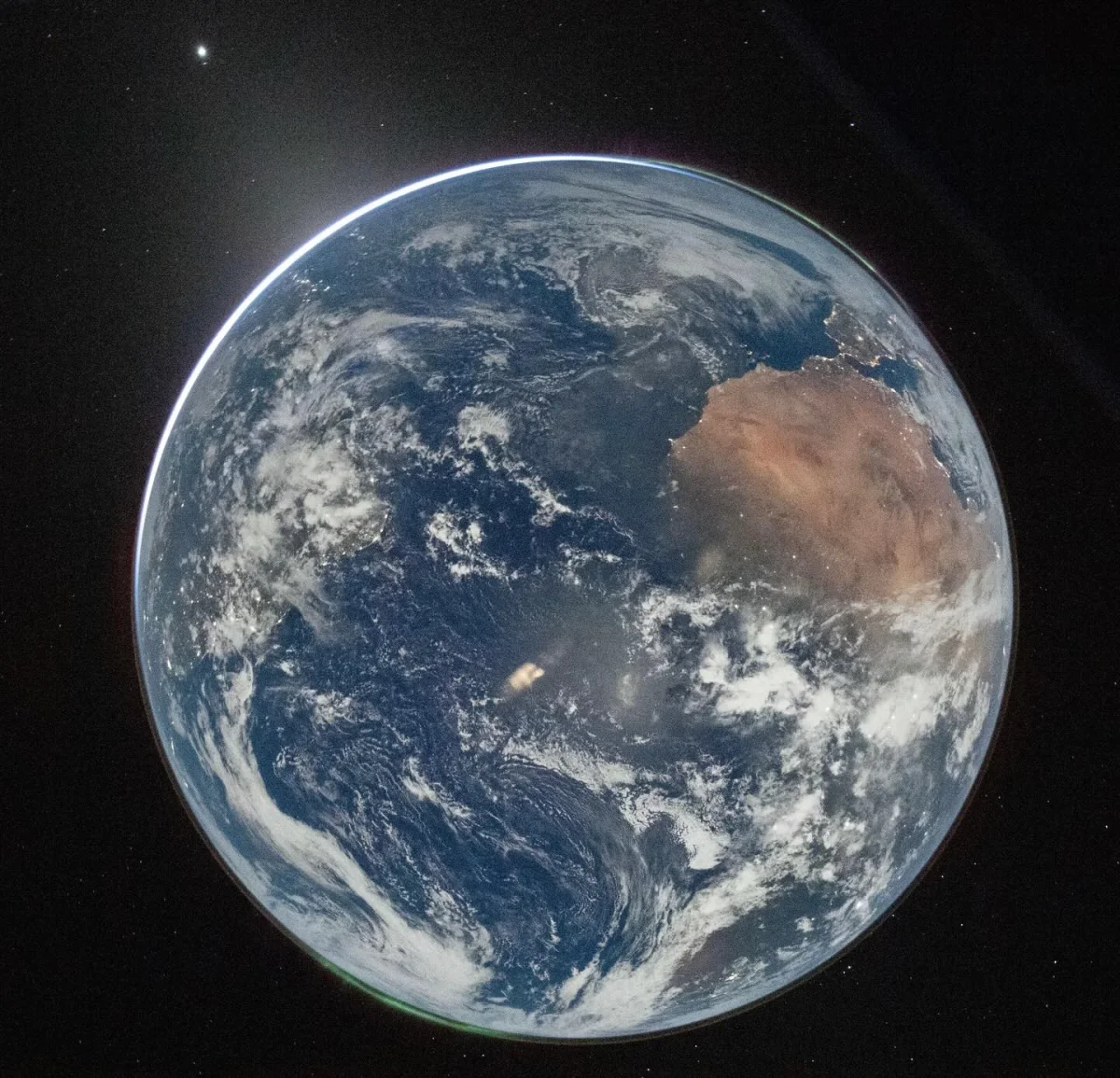
Moonlit Earth Reveals Aurora, Venus, Zodiac Light
This amazing photo was taken by Commander Reid Wiseman on the Artemis II mission to the moon. What a lot of folks don't realize is that this side of Earth is illuminated by moonlight, not the sun. And you can see...

AST SpaceMobile Shares Jump 17.7% as Low‑Orbit Satellite Array Gains Investor Backing
AST SpaceMobile’s low‑orbit satellite array propelled its stock 17.7% higher this week, adding to a 27.5% year‑to‑date gain and a four‑fold increase over the past year. The surge reflects growing investor confidence in the company’s smartphone‑direct broadband model as the...
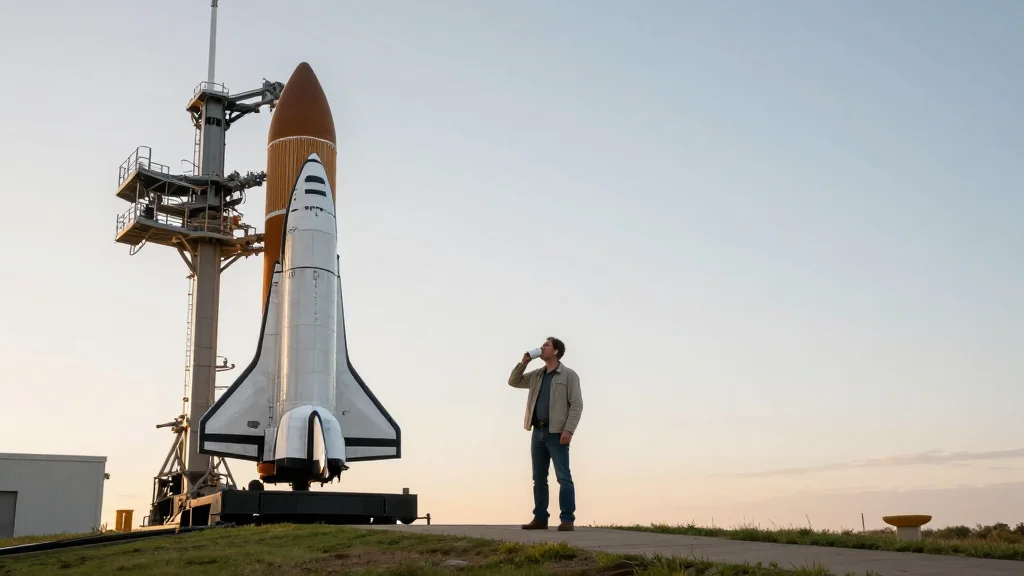
Space Launches Are Now Routine, a Quiet Triumph
Amid everything that's going on, it's worthwhile to sit back a bit and marvel at the fact that launching rockets into space doesn't inspire the same kind of awe that it did 50.years ago. And that's precisely the point, it is...
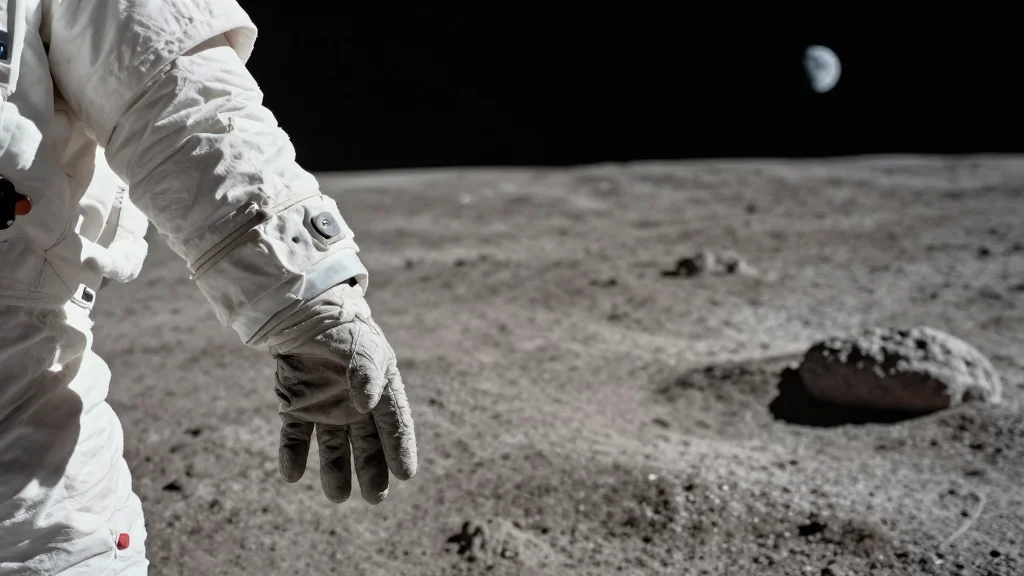
Leave Our Mark: Handprints on Moon, Mars, Beyond
Humans should leave handprints in a cave on the Moon, the on Mars, then on...
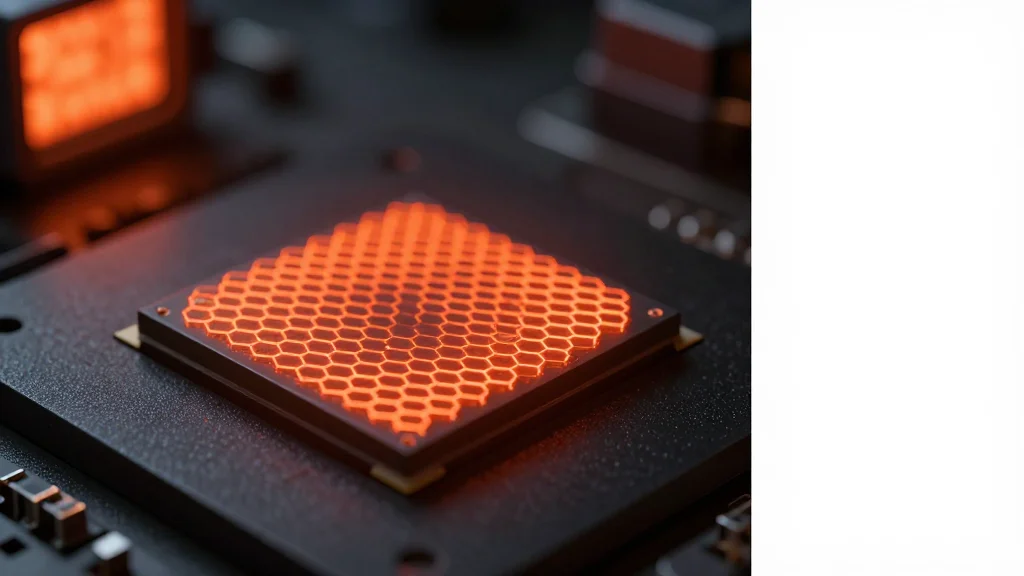
Graphene Memristor Stores Data at 700 °C, Paving Way for Lava‑Proof Electronics
Researchers from USC, the Air Force Research Lab, Kumamoto University and TetraMem demonstrated a graphene‑based memristor that operates reliably at 700 °C, retains data for over 50 hours and endures more than a billion switching cycles. The breakthrough could unlock non‑volatile...
Western Satellite Imagery May Be Delayed, Restricted, Altered
Can western commercial satellite imagery be trusted? I think there are good arguments to be made for delaying imagery. But if they will selectively restrict access, could they move to alter images too in the future? Their biggest customer is...
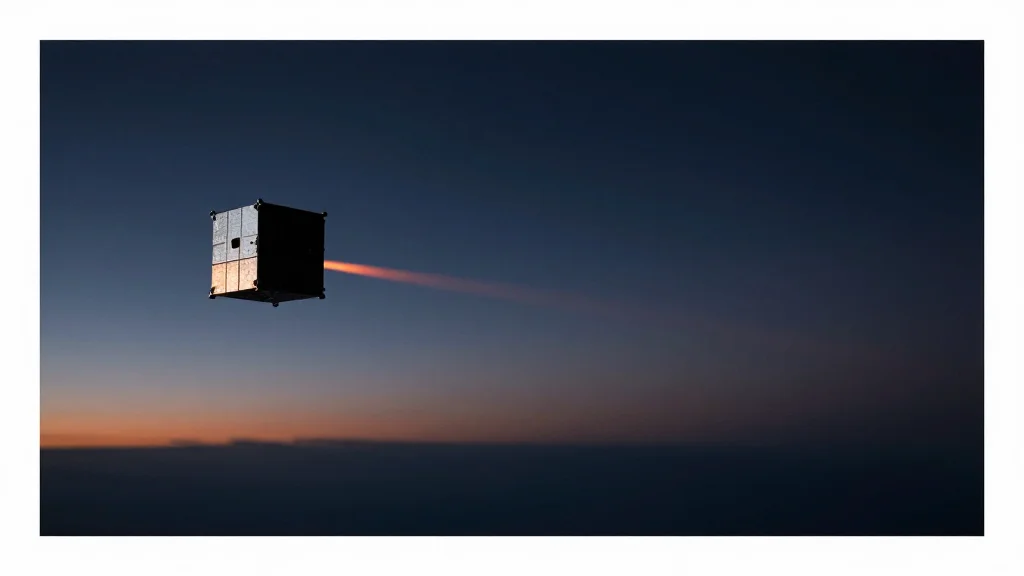
Artemis II Cubesats Tracked; ATENEA Likely Re
The Artemis II cubesats TACHELES, SWC-1 and K-RADCUBE have now been identified on Space-Track. ATENEA was not cataloged+was expected to have reentered at 1st perigee since it had no propulsion to raise its orbit. K-RAD may also have...

Artemis 2 in Good Shape Cruising Towards the Moon
NASA confirmed that Artemis 2’s Orion spacecraft is performing nominally as it cruises toward the moon, with subsystems operating as expected. The translunar injection burn on April 2 used propellant within 5% of predictions, prompting controllers to cancel the first of three...
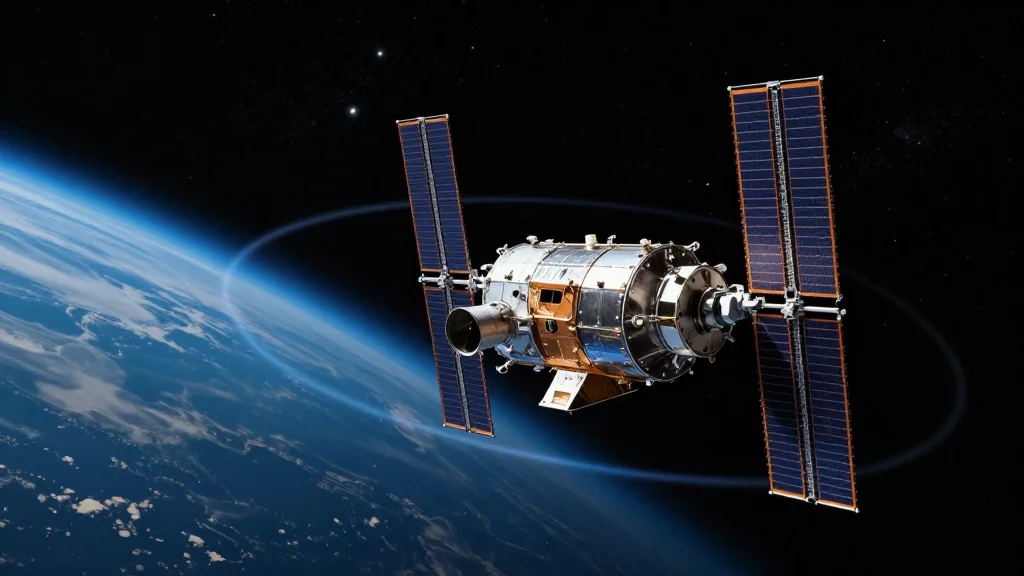
Space Force Confirms Meridian-M Launched Into Expected Molniya Orbit
Space Force orbit data show the Meridian-M satellite launched yesterday in a 996 x 39714 km x 62.8 deg 'Molniya' orbit as expected

Google Predicts Extraterrestrial Data Centers Within a Decade
Google CEO Sundar Pichai says we’re just a decade away from a new normal of extraterrestrial data centers | Fortune https://t.co/CZZFylxfaQ #spaceeconomy https://t.co/7lt2ezN51t

April 3, 2026 Zimmerman/Batchelor Podcast
Robert Zimmerman’s new book *Genesis: the Story of Apollo 8* chronicles the historic 1968 mission that first took Americans to another world, offering fresh insights and a new introduction. The title is available as a hardback ($60), paperback ($45) and ebook...

Mission Control Checks: Artemis II Toilet Availability Confirmed
watching the Artemis II live stream, mission control just asked them to confirm "toilet is available?"

Vast Safely Deorbits Haven Demo, Marking Key Step Toward Commercial Space Stations
Vast successfully performed a controlled deorbit of its Haven Demo spacecraft on 4 February 2026, concluding a three‑month orbital test campaign that hit 49 objectives. The mission, launched on a SpaceX rideshare in November 2025, validated critical systems such as...
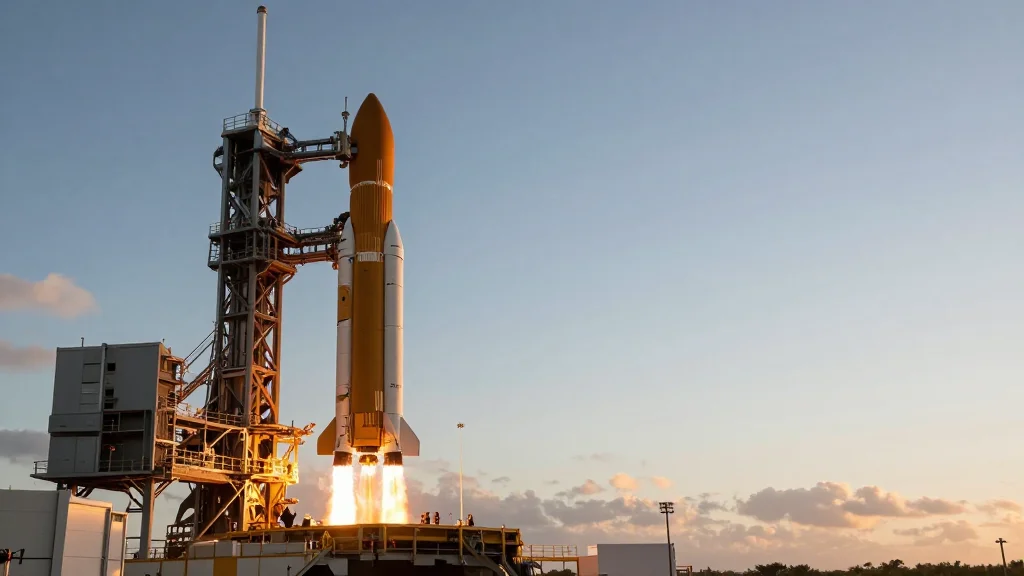
ULA’s Atlas 5 Rocket Launches Its Heaviest Payload Ever with Fifth Amazon Leo Mission
United Launch Alliance successfully launched an Atlas 5 rocket carrying 29 Amazon Leo broadband satellites, marking the heaviest payload the vehicle has ever delivered. Liftoff occurred on April 4 at 1:46 a.m. EDT from Cape Canaveral’s SLC‑41 after a brief weather‑related delay. The...

Voyager-2’s Most Detailed Look at Neptune’s Moon Triton
Voyager 2’s 1989 flyby delivered the sharpest image yet of Neptune’s moon Triton, captured from just 25,000 miles and covering a 140‑mile swath with half‑mile resolution. The frame reveals a landscape of uniformly spaced circular depressions intersected by rugged ridges, a terrain...

NASA Sets Coverage for Northrop Grumman’s CRS-24 Resupply Launch
NASA announced coverage for Northrop Grumman’s CRS‑24 resupply flight, slated for launch no earlier than 8:49 a.m. EDT on April 8, 2026. The Cygnus XL cargo vehicle, riding a SpaceX Falcon 9 from Cape Canaveral, will carry roughly 11,000 lb of science investigations, crew supplies and hardware...
Amazon in $9 B Talks to Acquire Globalstar, Boosting Its Low‑Earth‑Orbit Satellite Fleet
Amazon is in advanced discussions to buy Globalstar for roughly $9 billion, a deal that would add the LEO operator’s 24‑32 satellites to Amazon’s Leo constellation. The transaction would also involve Apple, which holds a 20% stake in Globalstar, and could...

All the Space Events, Conferences, and Meetups Worth Your Time in April 2026
April 2026 hosts a dense schedule of space‑focused events across the United States and abroad, ranging from policy‑driven summits to hands‑on technical workshops. Highlights include the Assured PNT Summit in Washington, the 41st Space Symposium in Colorado Springs, and the...
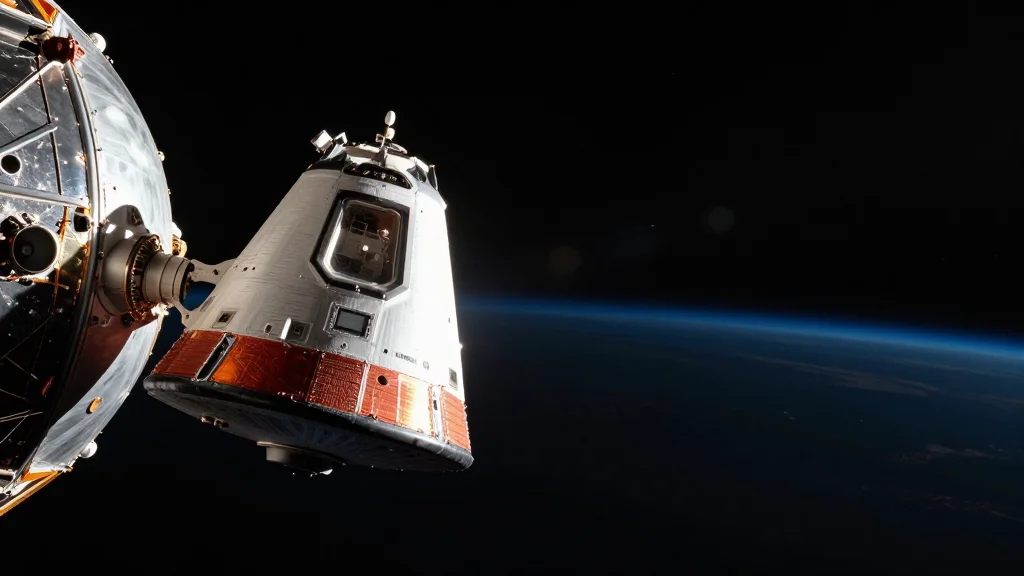
Artemis II Pilot Test Drove the Orion Capsule on the Way to the Moon
NASA astronaut Victor Glover manually piloted the Orion crew capsule during Artemis II after it separated from the Space Launch System’s second stage. Glover described the controls as responsive and superior to the ground simulator. Program manager Howard Hu likened the...

Dreaming of Leading Artemis Packing: Locker D Bag 6
The joy I’d feel if I were the person in charge of packing for Artemis and I got to say, “Locker D bag 6”
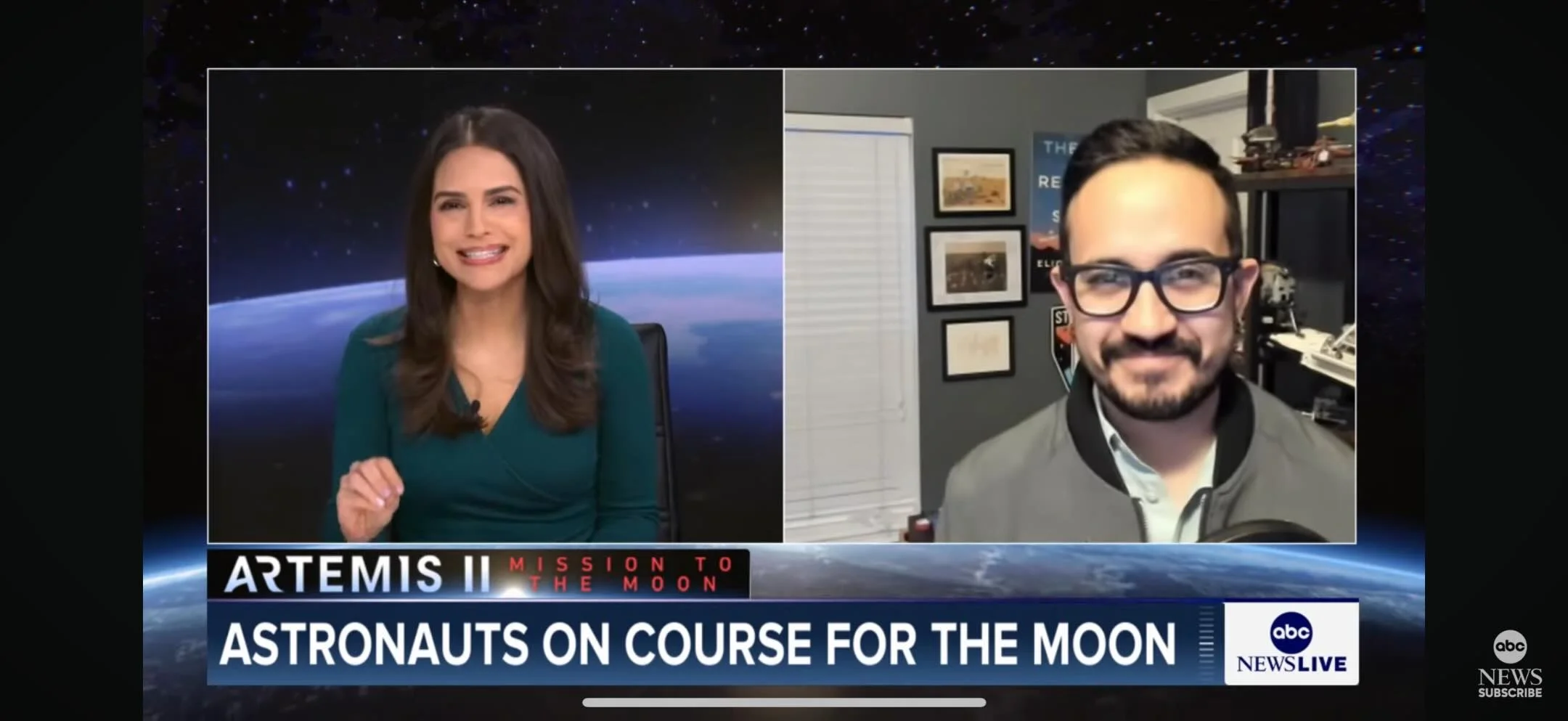
Artemis Mission Sparks Global Hope for Moon Exploration
@abcnews called, I answered, and now millions of people know why the Artemis mission is the the most hopeful thing happening on this planet right now. Four astronauts. The Moon. Let’s go. 🔥🚀

1st Results From Blue Ghost Lunar Lander Reveal How Much We Still Don't Know About the Moon
Firefly Aerospace’s Blue Ghost lander, which touched down on the Moon in March 2025, returned its first scientific data after a two‑week surface stay. Using the LISTER heat probe, the craft measured subsurface heat flow at Mare Crisium that matched the values...

Isaacman Letter To NASA On FY 2027 Budget
Jared Isaacman’s letter to NASA staff highlights the FY 2027 budget request, praising the recent Ignition alignment and the successful Artemis II launch while warning that implementation will be the real test. He urges employees to stay mission‑focused and avoid politics, emphasizing...

Italy’s Argotec Plans to Scale Florida Satellite Facility to Meet Rising US Demand
Italy’s Argotec has opened a 465‑square‑meter satellite production plant near Kennedy Space Center, backed by a $25 million investment. The facility will initially staff about 20 engineers and plans to triple that headcount within two years, enabling simultaneous assembly of more...

‘Hello, World’ ↦
NASA astronaut Reid Wiseman captured a striking photograph of Earth from the Orion spacecraft during Artemis II’s translunar injection burn. The image shows the planet’s night side illuminated by a full moon, with visible aurorae and the Sahara region identifiable. The...
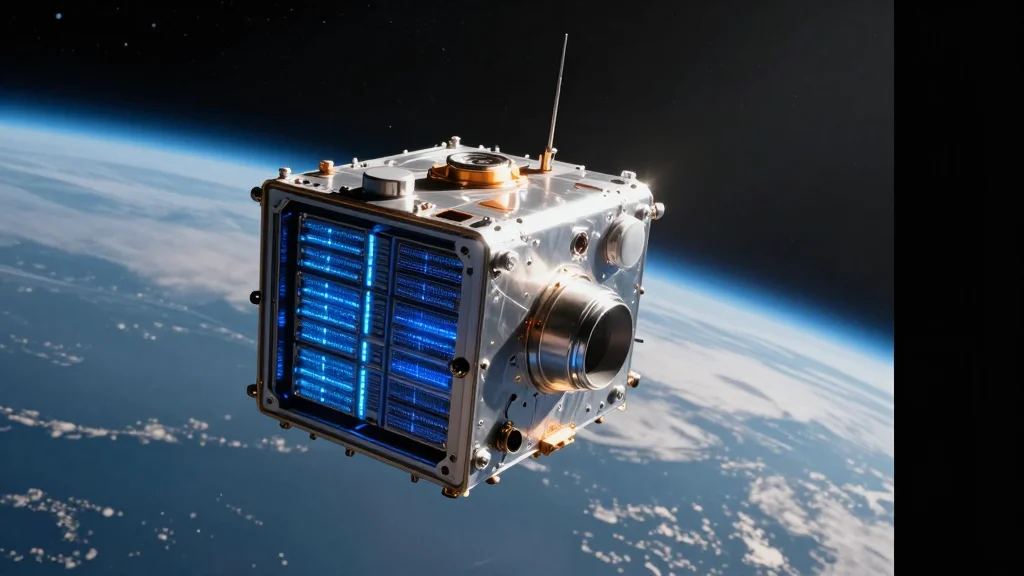
SpaceX Aims for Million Orbital Data Centers, Faces Hurdles
SpaceX wants to put up to a million data centers in orbit. There are a few technological hurdles standing in the way.

Twitter Mistakes Random Photo for Artemis Space View
Most of twitter think this is the view from the Artemis window right now. https://t.co/6haHcJJ0kE
Live in the Booth: Matt Desch Talks Iridium NTN Direct and Alt PNT Advances
Iridium is launching Iridium NTN Direct, positioning itself as the first standardized, global narrow‑band satellite IoT service. The offering runs on Iridium’s existing constellation, eliminating the need for new hardware. CEO Matt Desch highlighted automotive use cases such as airbag...

Artemis Launches Toward Stunning Moonrise on Historic Mission
"We have a beautiful moonrise, we're heading right at it" - @Rob_Coppinger reports from the Cape as #Artemis heads off its historic Lunar mission #NASA #spaceflight https://t.co/19auQ1CF4A https://t.co/1OSns1jQ63

Artemis Captures New “Blue Marble” Sequel
Likely the most widely-distributed photograph in history, the original Blue Marble, taken by an unknown astronaut in 1972 from Apollo 17, and becoming the model for many images of Earth. Now we have a sequel, from Artemis (the second image)....
Redwire Wins European Quantum Satellite Contract
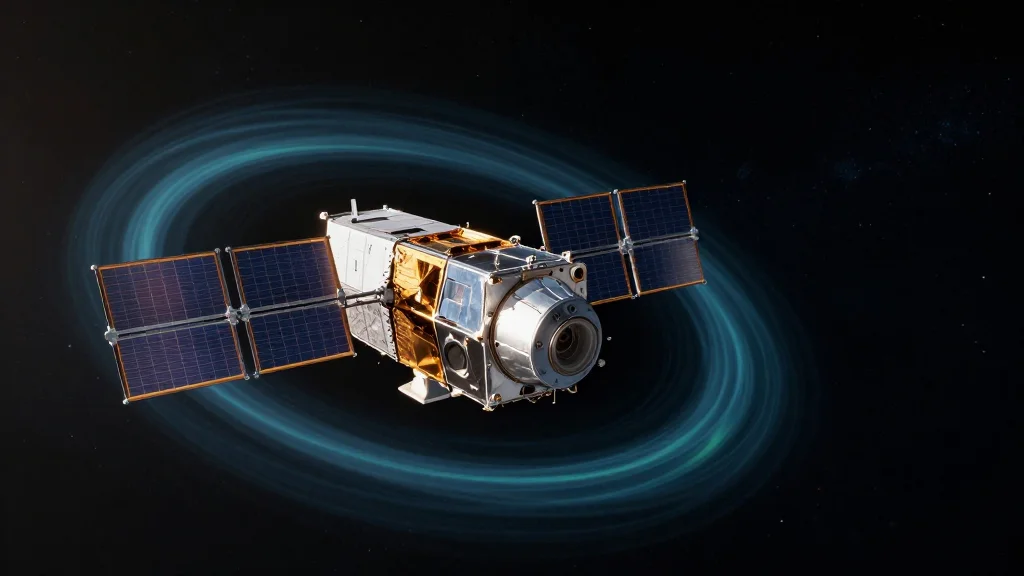
Redwire announced it has won a European Space Agency (ESA) contract to build a quantum‑secure satellite under the QKDSat program. The company will deliver its Belgium‑built Hammerhead spacecraft equipped with a quantum key distribution (QKD) payload and its ADPMS‑3 avionics...
Artemis II Daily News Conference Begins at 3:30 PM ET
NASA's Artemis II Daily News conference should be starting soon at 3:30 pm ET. https://t.co/aezEU3Simh
African Market for Satellite Services Offers Pent Up Demand
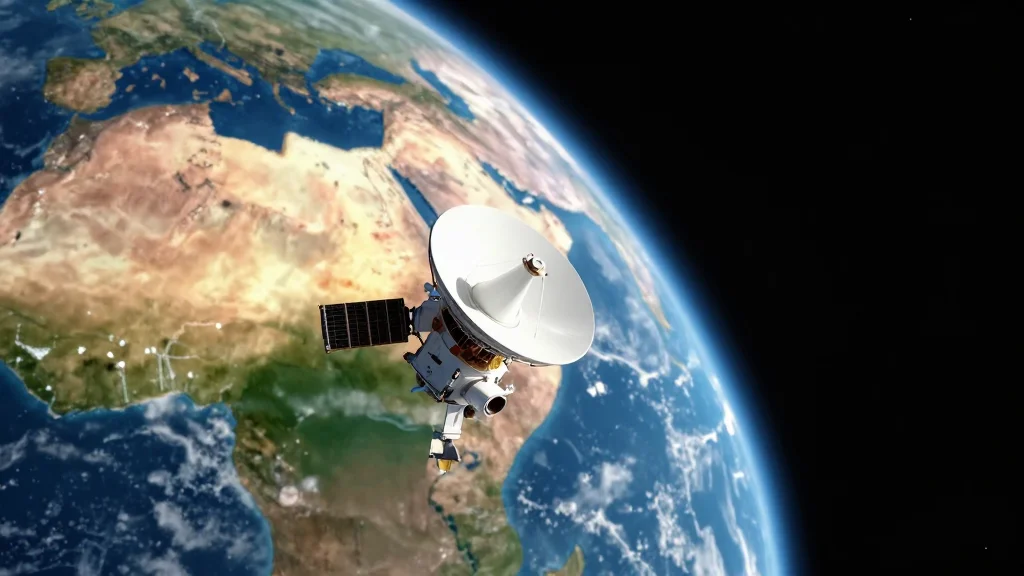
Africa’s satellite market is accelerating, with 21 nations operating space programs and 65 satellites already launched, and another 120 slated by 2030. Broadband penetration remains under 50% for over 1 billion people, prompting a surge in satellite terminals from 100,000 to...

Humans Return Beyond LEO After 50 Years
Getting a ringside seat to space history - after over half a century humans venture out beyond LEO again #Artemis #NASA #spaceflight #ArtemisII https://t.co/RMT4s1iZSC https://t.co/7NGliTWrD1

Artemis II Captures Earth’s Auroras and Zodiacal Light
Breathtaking view of Earth taken by Artemis II commander Reid Wiseman after the TLI burn yesterday. The NASA post (link below) explains the two auroras and the zodiacal light in the image. https://t.co/jSToocbGT1 https://t.co/7lbb8pErhF

Virgil I. “Gus” Grissom
Virgil "Gus" Grissom, born April 3, 1926, became NASA’s second astronaut to reach space on the 15‑minute Mercury‑Redstone 4 mission aboard Liberty Bell 7 in July 1961. The flight ended safely, but the capsule’s hatch blew prematurely, flooding the spacecraft and forcing...
JWST Images Expose Hidden Star‑Forming Regions in W51 Nebula
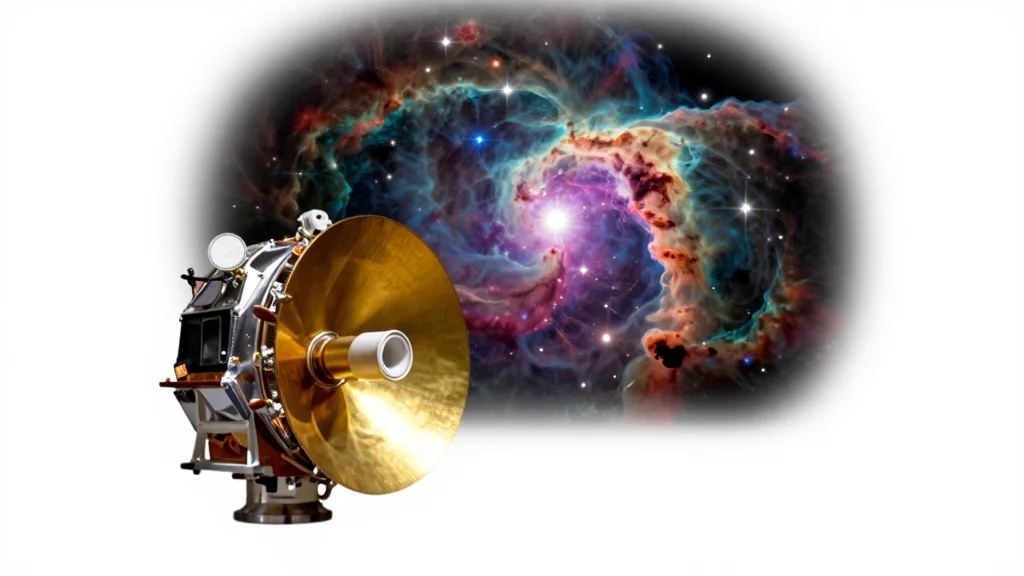
NASA's James Webb Space Telescope has captured unprecedented infrared images of the W51 star‑forming region, revealing dozens of previously hidden young stars. The discovery shows that stellar birth in this massive cloud began within the last million years, offering fresh...
Ridiculous NASA Budget Complicates Isaacman's Mission, Congress Steps In
It's hard to get too exercised about the ridiculous White House budget for NASA, because Congress will address a lot of its issues. But this will make Isaacman's job a lot more difficult than it need be.

Planetary Society Warns FY2027 NASA Science Cuts
Statement from The Planetary Society about the new FY2027 proposed budget cuts to NASA's science programs: https://t.co/qDYyJ2dGOB

The Downlink Deficit: The Pentagon’s Optical Mesh Network and the Terrestrial Bottleneck
The Pentagon’s Proliferated Warfighter Space Architecture relies on an optical inter‑satellite mesh, but only about 10 % of the required optical ground stations exist today. Roughly 200‑500 diverse stations will be needed by 2030 to achieve the 99.9 % availability demanded for...

From Kubrick’s Dream to Artemis: Moon Journey Continues
April 2, 1968, Kubrick releases 2001: A Space Odyssey. December 21, 1968, Apollo 8 orbits the Moon. July 20, 1969, Apollo 11 lands on the Moon. April 1, 2026, Artemis heads back to the Moon. https://t.co/OYK341YTa2
Russia Launches Classified Military Payload; China Has a Launch Failure
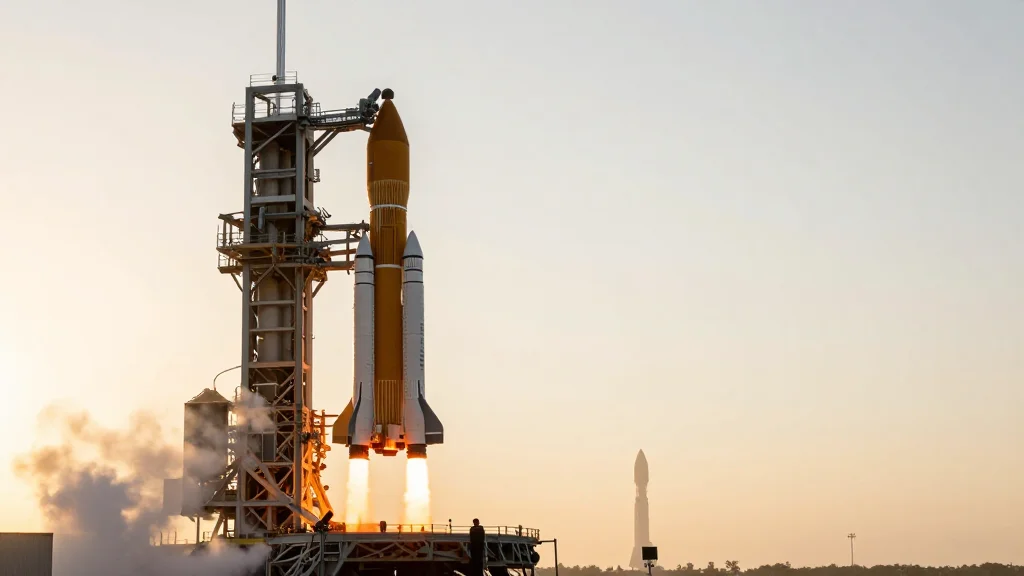
China's private launch firm Space Pioneer saw its Tianlong‑3 rocket abort two minutes after liftoff, after an apparent thrust imbalance at roughly 33 seconds. In contrast, Russia successfully lofted a classified payload on a Soyuz‑2 from Plesetsk, likely a military...