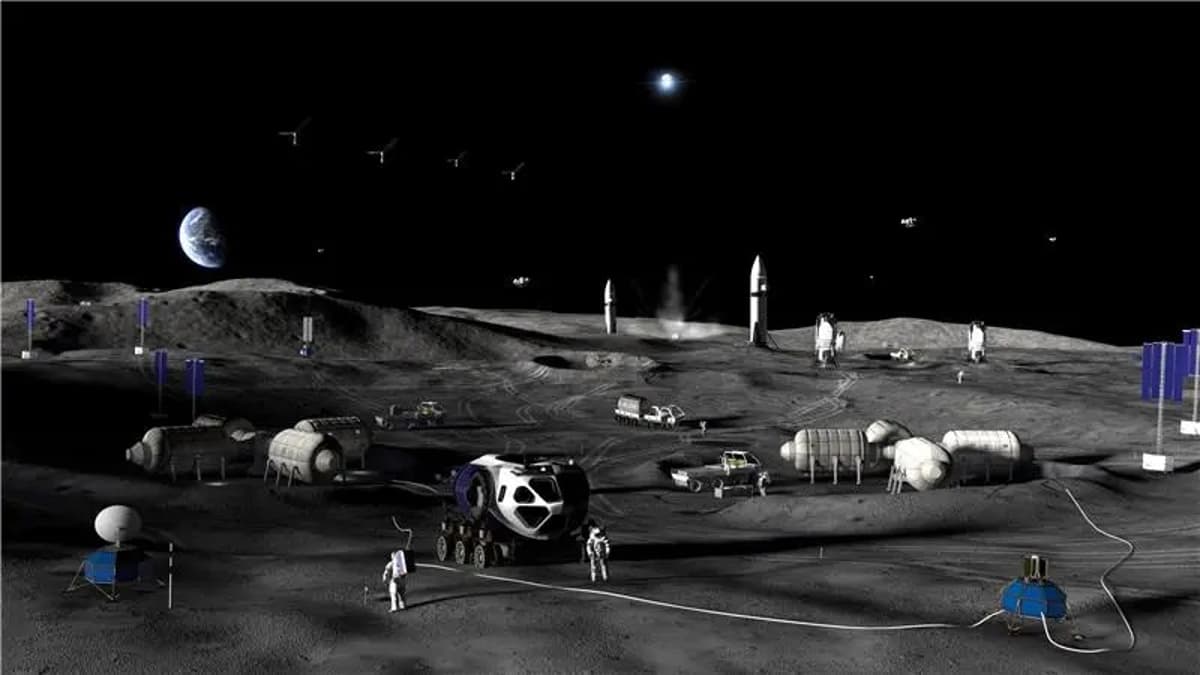
The Moon Base Has a Hardware Plan. It Needs a Software Strategy, Too.
NASA announced a phased plan to build a permanent lunar base, targeting crewed landings every six months and a nuclear propulsion test to Mars by 2028. The initiative relies on a sprawling network of commercial partners, CLPS providers, and international collaborators. While hardware development is advancing, the article warns that existing mission‑critical software is fragmented and legacy‑bound, threatening program tempo. A shift toward purpose‑built, AI‑enhanced software platforms is presented as essential for sustaining a long‑term outpost.
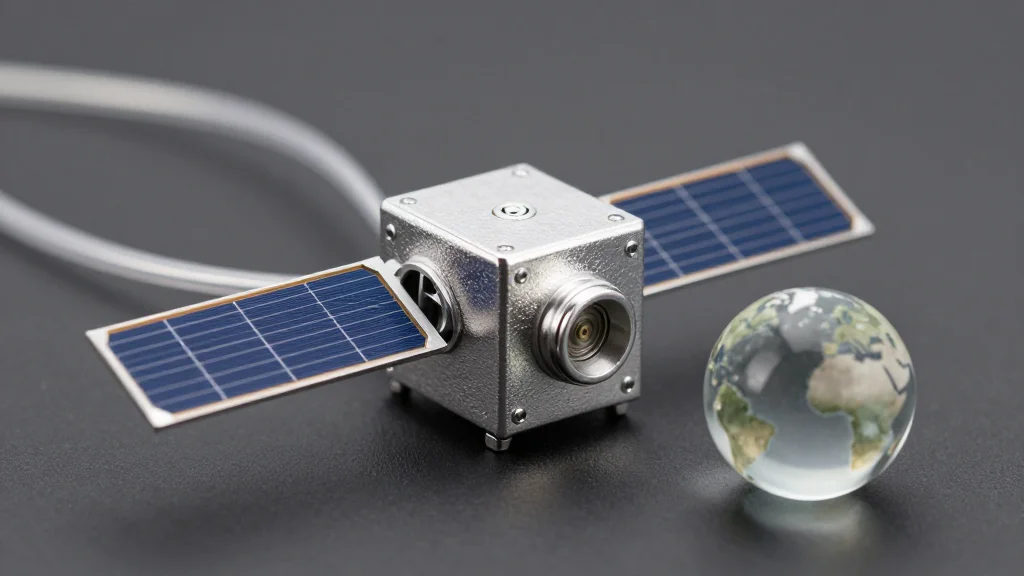
Spain’s Xoople Raises $130 Million Series B to Map the Earth for AI
Spanish startup Xoople secured $130 million in Series B funding, led by Nazca Capital, to build a satellite constellation delivering high‑precision ground‑truth data for AI models. The company partnered with U.S. defense contractor L3Harris to develop advanced optical sensors for its planned...

Why Will Today's Lunar Flyby only Beam Back Low-Resolution Video?
Artemis II’s Orion crew will swing past the Moon at roughly 4,000 mi (6,400 km) altitude, broadcasting live video from four low‑rate SAW GoPro cameras. The feed will be low‑resolution because the Deep Space Network’s radio bandwidth is stretched thin by distance and...

Artemis II Astronauts Will Recreate Apollo 8’s Iconic “Earthrise” Photo TODAY
NASA’s Artemis II crew will attempt a deliberate recreation of Apollo 8’s iconic Earthrise photograph during today’s lunar flyby. The mission timeline allocates a few minutes on the far side of the Moon for both Earthrise and Earthset shots. Modern digital cameras...

The State of Satcom 2026
SpaceX Starlink and Amazon Leo are reshaping satellite communications, with Starlink surpassing 10 million users and operating over 10,000 LEO satellites, while Amazon Leo targets service in 100 countries by 2028. Their massive capital, spectrum purchases, and low‑cost launch capability are...
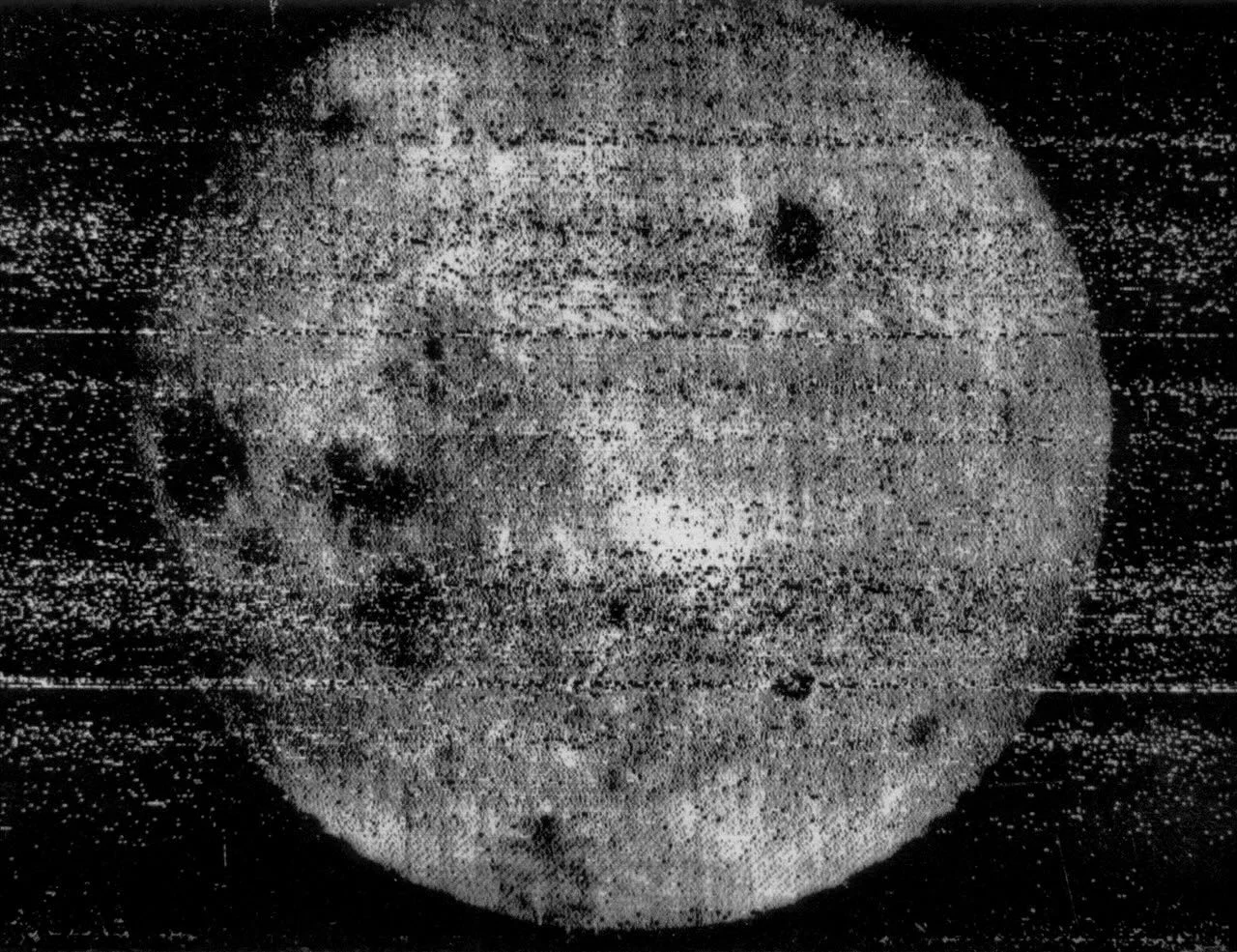
Luna 3’s 1959 Far‑Side Photos Preview Artemis Terrain
The first images of the far side of the moon were taken by the Soviet Luna 3 probe in 1959. The probe used automatic sensing and film cameras to take the images. The film was developed onboard the spacecraft, the...

Artemis II Supplier Series: Orion’s Windows
McDanel Advanced Materials, after acquiring Rayotek, will provide every Orion spacecraft window for Artemis II and the next four missions. The windows use a multi‑layer construction that shields against micrometeoroid impacts, radiation, and microbial growth while meeting strict mass limits. McDanel’s...
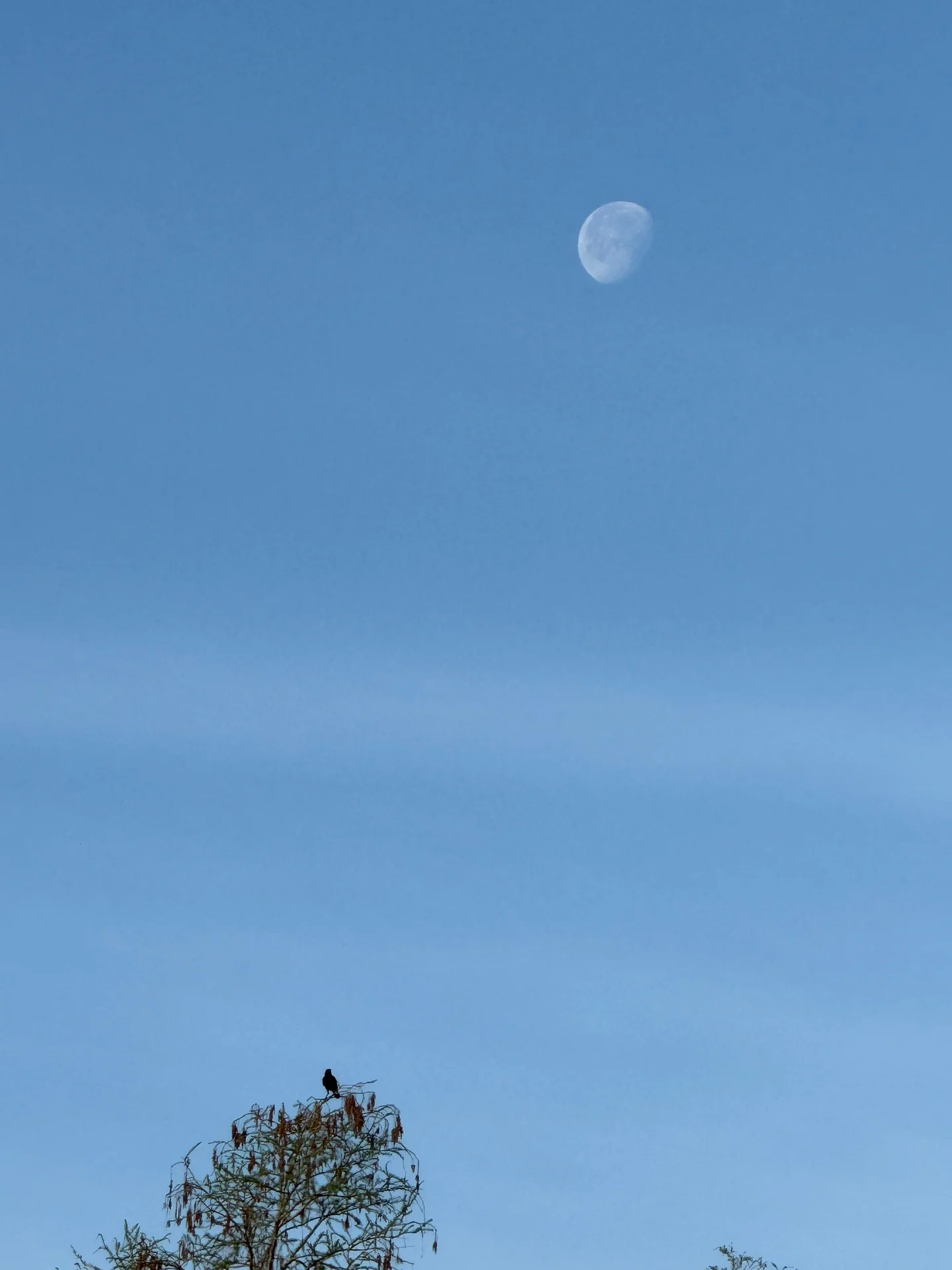
First Humans Since 1972 Capture Moon’s Dark Craters
4 people are flying around that Moon today. The first since 1972, and the first-ever with digital cameras, to see better into the dark craters and textures. The crew will have perfect quiet when the Moon blocks out Earth -...

Seagate Space Signs MOU with Firefly Aerospace to Collaborate on Offshore Launch Infrastructure for Alpha
Seagate Space Corp. signed an MOU with Firefly Aerospace to develop an offshore launch platform for the Alpha rocket, leveraging Seagate’s purpose‑built Gateway Series. The platform received “Approval in Principle” from the American Bureau of Shipping, marking the first offshore...
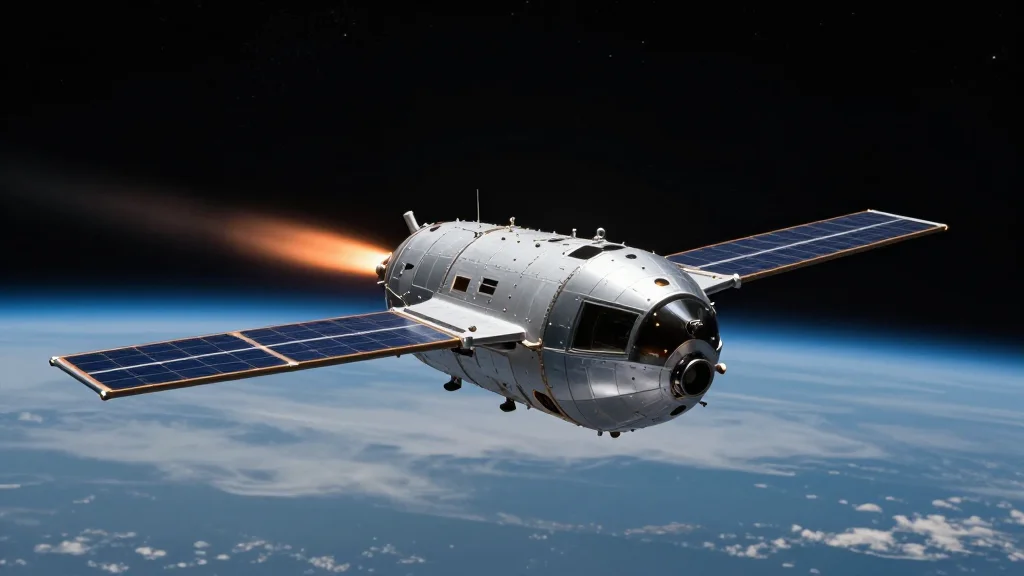
Thirty Years Later, Mars 96 Has Not Been Found
In November 1996 Russia launched Mars 96, a 6,500 kg, multinational probe designed to orbit Mars and deploy landers and penetrators. A malfunction in the Proton‑K upper stage left the spacecraft stranded in low‑Earth orbit, causing it to re‑enter the atmosphere weeks...
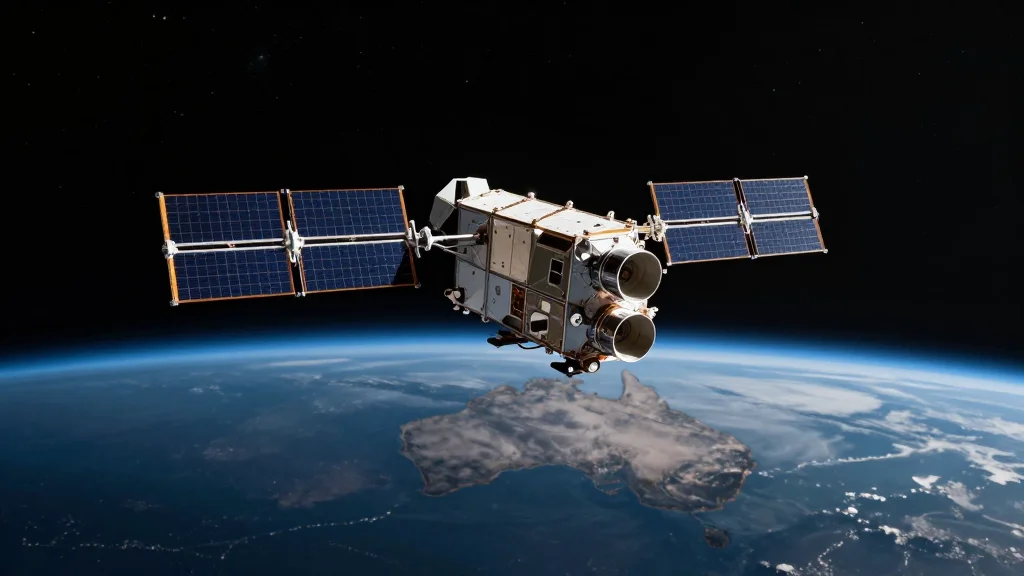
Ownership without Oversight: Australia's On-Orbit Supervision Gap
In late 2025 Australian firm HEO bought the in‑orbit satellite Continuum‑1 from Argentina’s Satellogic, marking Australia’s first privately owned space asset. While the United States remains the launching state, Australia now bears treaty‑based responsibility for supervising the satellite’s operations, yet its...
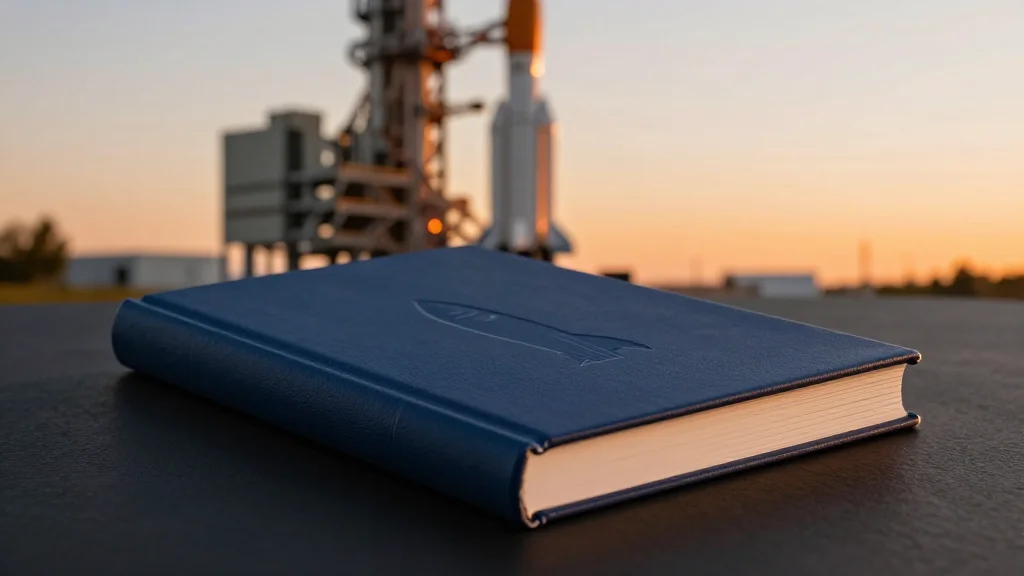
Review: Return to Launch
Stephen C. Smith’s new book *Return to Launch* chronicles how Florida’s Space Coast has shifted from government‑driven boom‑and‑bust cycles to a private‑sector‑led launch hub. The narrative highlights more than 100 orbital launches in 2025, driven largely by SpaceX’s presence at...
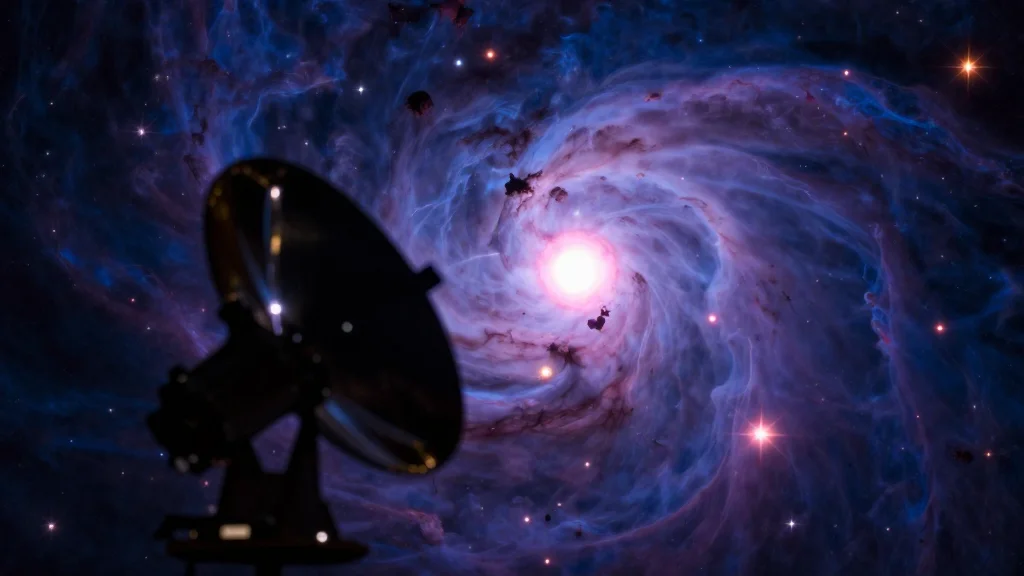
JWST Reveals Thousands of Hidden Massive Stars in W51 Star‑Forming Region
The James Webb Space Telescope has identified thousands of massive stars previously concealed by dust in the W51 star‑forming complex. Infrared imaging combined with ALMA data provides an unprecedented look at the region’s stellar nursery, prompting a reassessment of how...
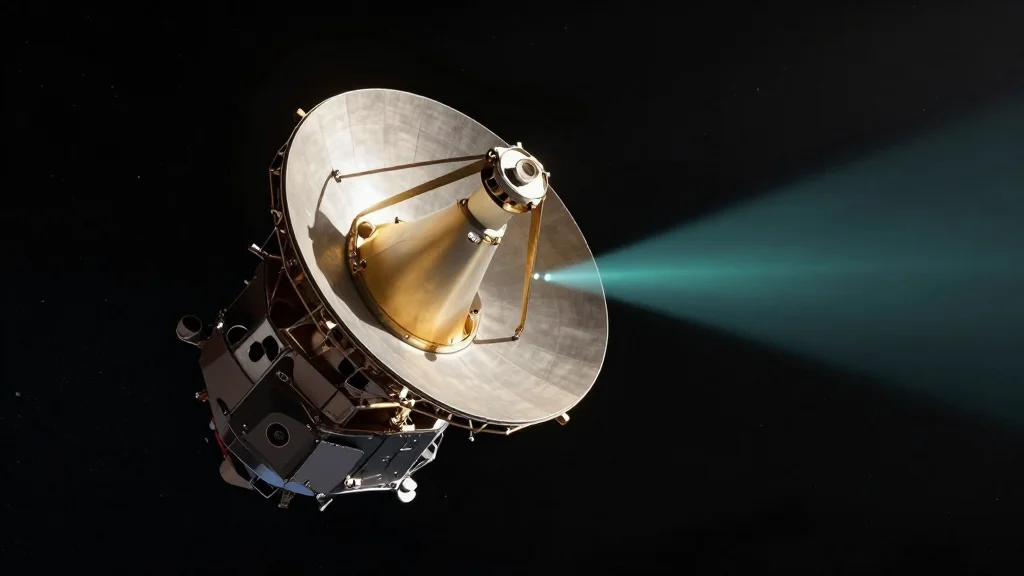
Pentagon Picks Impulse Space and Anduril for Golden Dome Missile‑Tracking Prototypes
The U.S. Pentagon awarded development contracts to satellite startup Impulse Space and defense‑tech firm Anduril to build prototypes for the Golden Dome space‑based missile tracking and targeting system. The move advances President Trump’s 2025 executive order, even as critics warn...
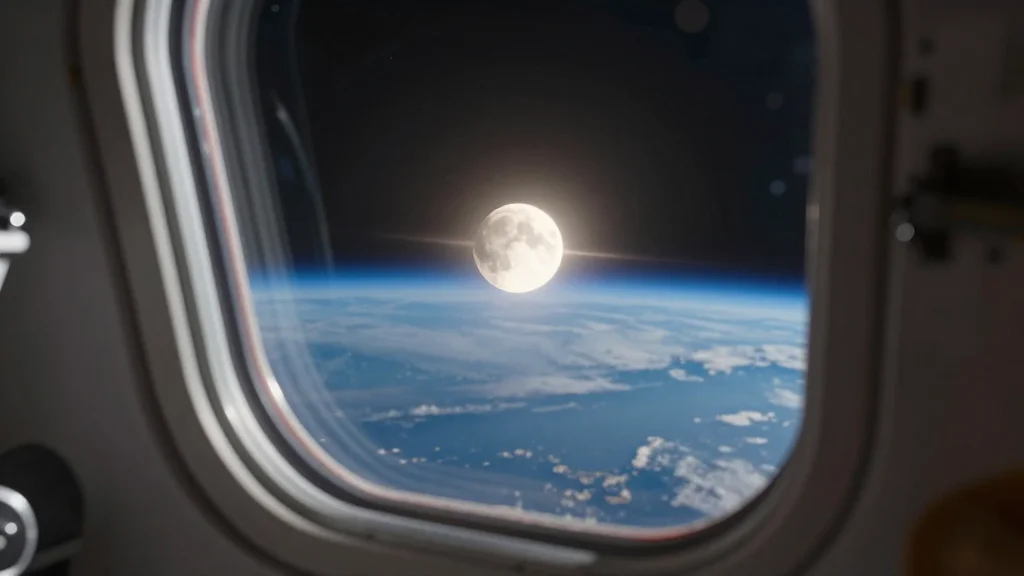
Artemis II Set to Shatter Apollo 13’s Distance Record on Moon Flyby
NASA’s Artemis II astronauts will surpass Apollo 13’s 248,655‑mile distance record by roughly 4,000 miles during a six‑hour lunar flyby on Monday. The mission will deliver unprecedented far‑side imagery and a brief total solar eclipse from Orion’s window, underscoring the next steps toward...

Avio Delays SMILE Launch After Component Production Issue Identified
Avio has postponed the European Space Agency’s SMILE mission, originally slated for 9 May, after a supplier flagged a technical issue on a subsystem component during production. The launch would have been the first Vega C flight managed directly by Avio...

As Rocket Launches Increase, They May Be Polluting the Skies
Rocket launches have surged, nearly tripling in the past five years to about 320 flights in 2025, driven largely by private megaconstellations like SpaceX’s Starlink. Researchers warn that exhaust—especially black carbon from kerosene‑based fuels and chlorine from solid boosters—accumulates in...

Monday Briefing: Can Human-Based Space Exploration Still Be Meaningful?
Artemis II’s four‑person crew will spend a brief period alone on the lunar far side, out of contact with Earth, marking the deepest human spaceflight since Apollo. During this blackout they will photograph regions of the Moon never seen by astronauts,...

Spacetech Startup SatLeo Labs Raises $2.2 Mn in Seed Round
SatLeo Labs, a spacetech startup focused on thermal satellite data, secured a $2.2 million seed round led by Unicorn India Ventures, bringing its total funding to $5.5 million. The capital will accelerate the development of its TAPAS‑1 thermal payload and expand its...
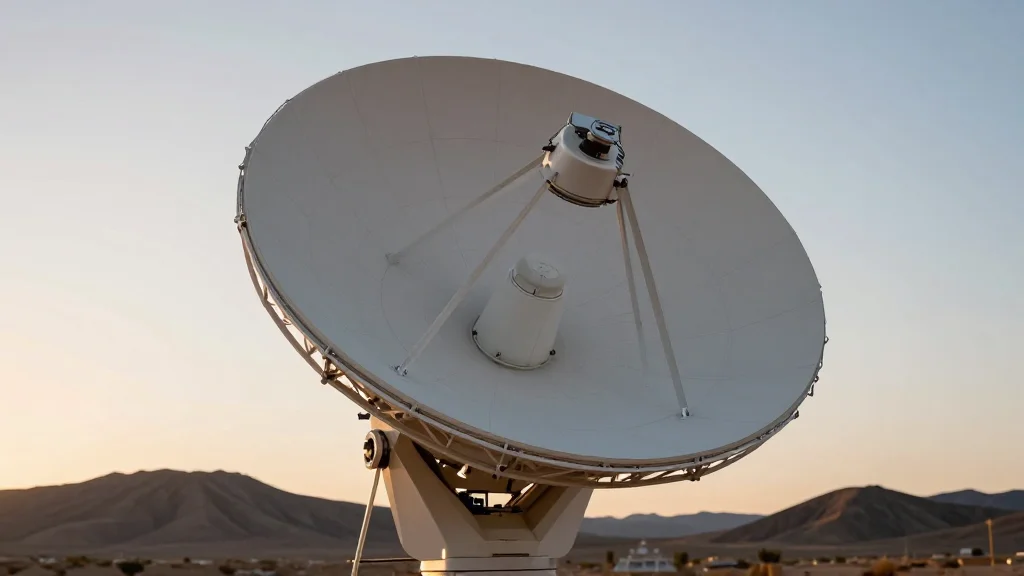
Chinese AI Satellite Images Aid Iran Targeting of US Bases, US Defense Warns
US defense officials warned that Chinese firm MizarVision’s AI‑enhanced satellite images of US Middle East bases are helping Iran’s Revolutionary Guard identify targets. The disclosure follows a series of posts that mapped Patriot systems and aircraft just before Iranian strikes,...

Awe‑inspiring NASA Artemis Coverage Sparks Broad Conversation
I’m still in awe of nasaartemis and it’s a pleasure to be covering it throughout the days. This is just a snippet of the wider conversation on @abcnews_au this morning. #artemis #nasa #space
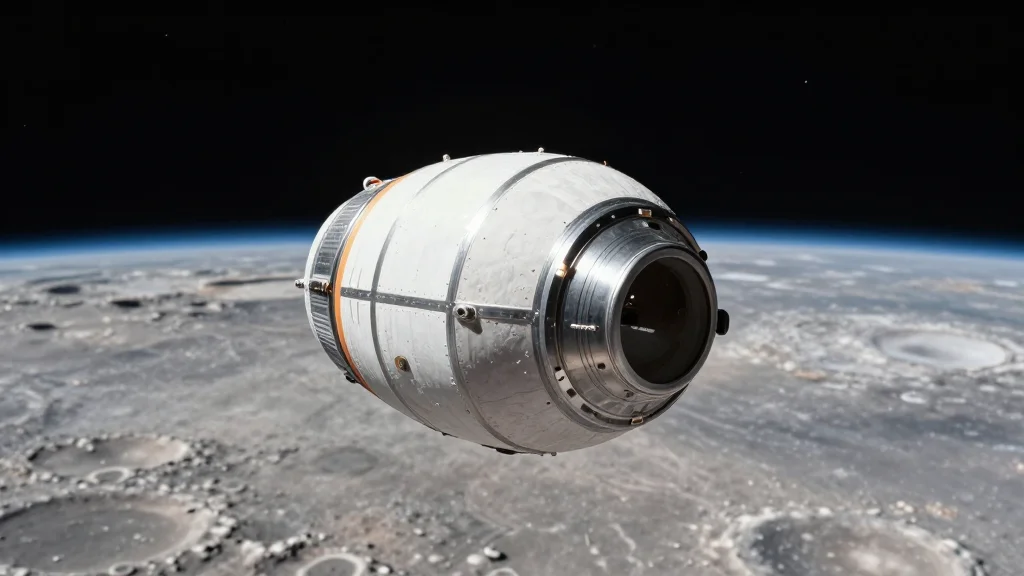
Artemis II Moon Flyby Streams Live on Netflix Today
JUST IN: Artemis II to fly past the moon at 1pm ET today, streaming on Netflix

Artemis II Crew Shares Easter Messages
NASA’s Artemis II crew recorded Easter greetings while en route to the Moon, marking the first crewed lunar fly‑around mission in decades. The astronauts, aboard the Orion spacecraft, shared personal reflections and hopes for the holiday as they prepared for a...

200 Nations, 200 Satellite Constellations in a Decade
A vision of sovereignty rum amok: 'In 10 years, 200 cosntellations for 200 nations.' @planet @AirbusUSA @ReOrbitOy @Satellogic @mynaric @RocketLab.https://t.co/9JumWSmegd https://t.co/oPyZqlQNjT

AeroSociety Leader Highlights Artemis' Human vs Robotic Race
Great to see @AeroSociety President-Elect Malcolm Macdonald on BBC Breakfast this morning, talking about robotic vs human spaceflight, the significance of #Artemis and the new space race #ArtemisII #NASA #spaceflight https://t.co/foGQbGreeG

Ed Goes Extra-Terrestrial
Amazon and Tesla are planning massive low‑earth‑orbit (LEO) data‑centre satellite constellations, each targeting up to a million satellites. The UK boasts over a hundred firms capable of building satellite components, with expertise in radiation‑hard ICs, laser communications and thermal control....

Artemis II Captures First View of Orientale Basin
The first Artemis II image of the moon includes a portion of the Orientale basin (far left)- @NASA #ArtemisII https://t.co/JUWYGEPBFN
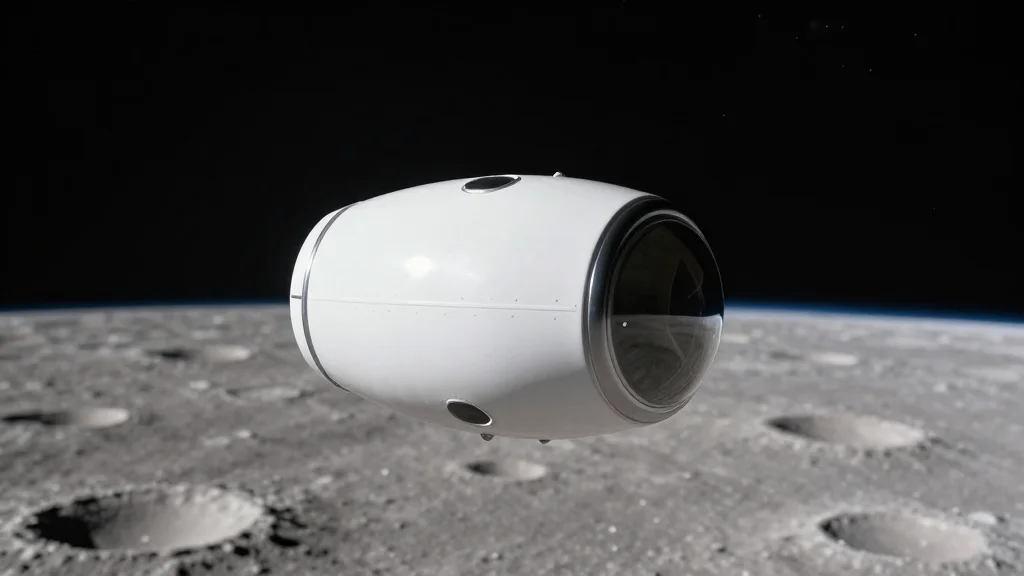
Integrity Spacecraft Reaches Lunar Orbit; 25‑28th Humans Depart Earth
The Integrity spacecraft just entered the lunar gravitational sphere of influence, at 0438 UTC Apr 6. Wiseman, Glover, Koch and Hansen are now the 25th to 28th humans to have left terrestrial space.

Chief Data and Artificial Intelligence Officer for the United States Space Force, Chandra Donelson, Steps Away
Chandra Donelson, the first permanent Chief Data and Artificial Intelligence Officer for the United States Space Force, announced her resignation on April 3, 2026, ending a tenure that reshaped the service’s data strategy. She led the shift toward a data‑centric architecture that...
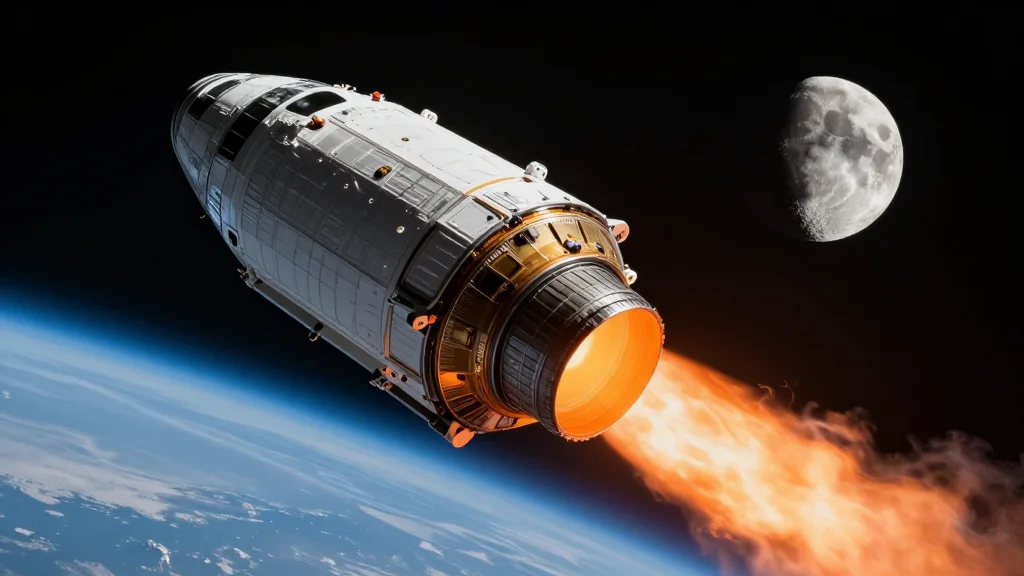
Artemis 2 Completes Key Burn, Stays on Moon Slingshot Track
Artemis 2 update: the 19 second trajectory correction burn just now was successful per NASA. Two prior burns were deemed unnecessary. On track for their slingshot around the Moon tomorrow (Apr 6).
F9 Launch Delays Reveal Flawed Planning
LOL. Now remove all the F9 launches since they've been postponed for at least a year... #cluelesscult

Astronaut Reid Wiseman Juggles Artemis II Command and Single Fatherhood
NASA astronaut Reid Wiseman, commander of the upcoming Artemis II mission, is finalizing preparations for the first crewed lunar flight in over 50 years while raising his teenage daughters Ellie and Katherine as a single parent. His candid discussion of estate...
SpaceX Leverages Launch Margin, Not Platform Model
This is just weird, since SpaceX's key advantage is that *it alone* gets to exploit the gap between launch price and launch cost to build its own systems (satellites, ODCs, perhaps even a moon colony). That's not a "platform business"
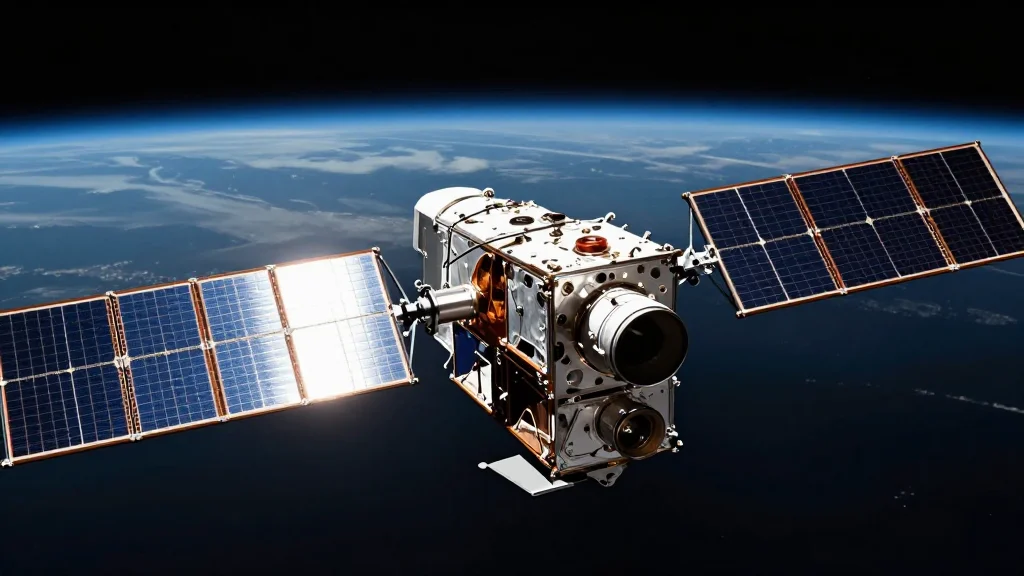
Azur Space Boosts Solar Capacity 25% Amid AI‑Driven Satellite Surge
Azur Space plans a 25pc solar cell capacity increase in 2026 as satellite demand rises with AI growth. https://www.metalnomist.com/2026/04/azur-space-solar-cell-expansion-signals.html
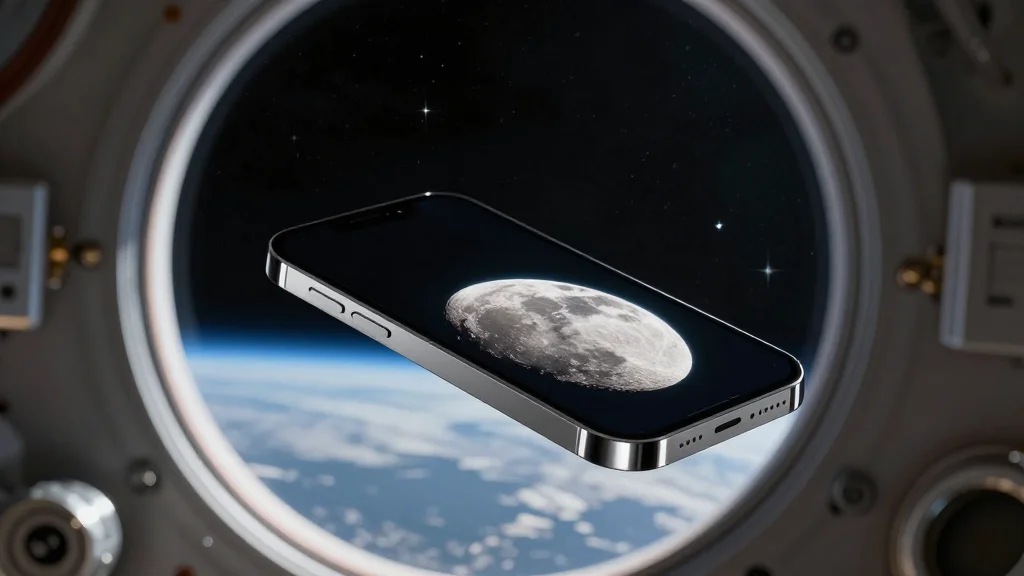
NASA Astronauts Carry iPhones Aboard Artemis II Lunar Flyby
NASA’s Artemis II crew—Reid Wiseman, Victor Glover, Christina Koch and Jeremy Hansen—took iPhones aboard the Orion capsule for informal photo‑taking during the historic lunar flyby, underscoring the integration of consumer technology into deep‑space missions.
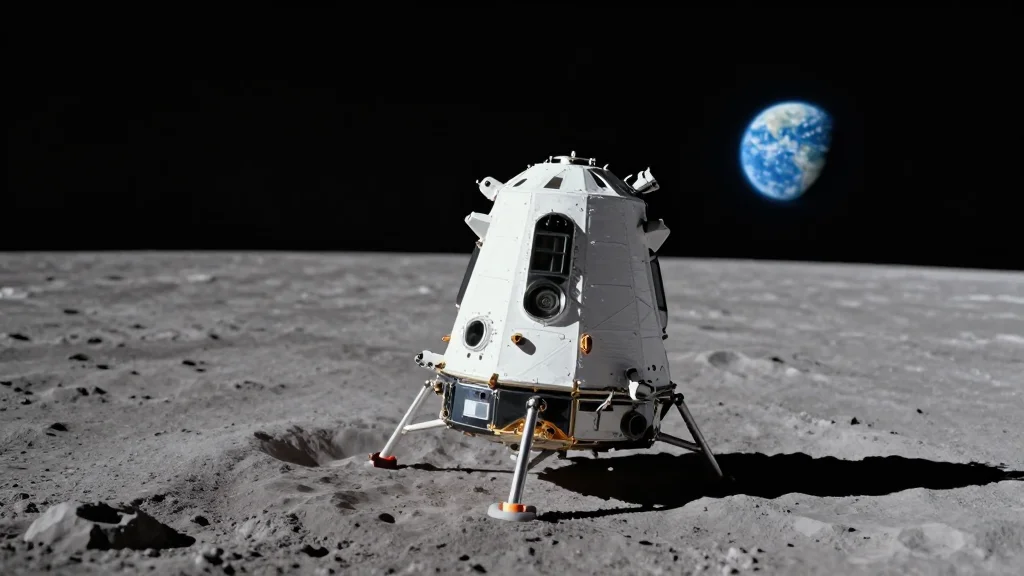
Artemis Escapes Moon Thanks to Sufficient Escape Velocity
Good question in the press conf: once it's in the grip of lunar gravity how come Artemis gets out again later? Because it has escape velocity relative to the Moon. The Moon is dominating its motion, but it's going...

Satellite Lifetime Drops Sharply With Altitude, Study Shows
Today's calculation: how long does a satellite in a circular orbit stay up when it stops all reboost burns? Depends on a lot of things, especially solar activity, but let's average over all of that and do a Kaplan-Meier analysis...

A Structural Analysis of the Space Economy: Horizontal and Vertical Markets
The global space economy reached roughly $626 billion in 2025, driven by a surge in satellite services and ground equipment that together exceed $260 billion annually. Horizontal markets—launch services, satellite manufacturing, ground infrastructure, and data platforms—supply the foundational layer used by dozens...
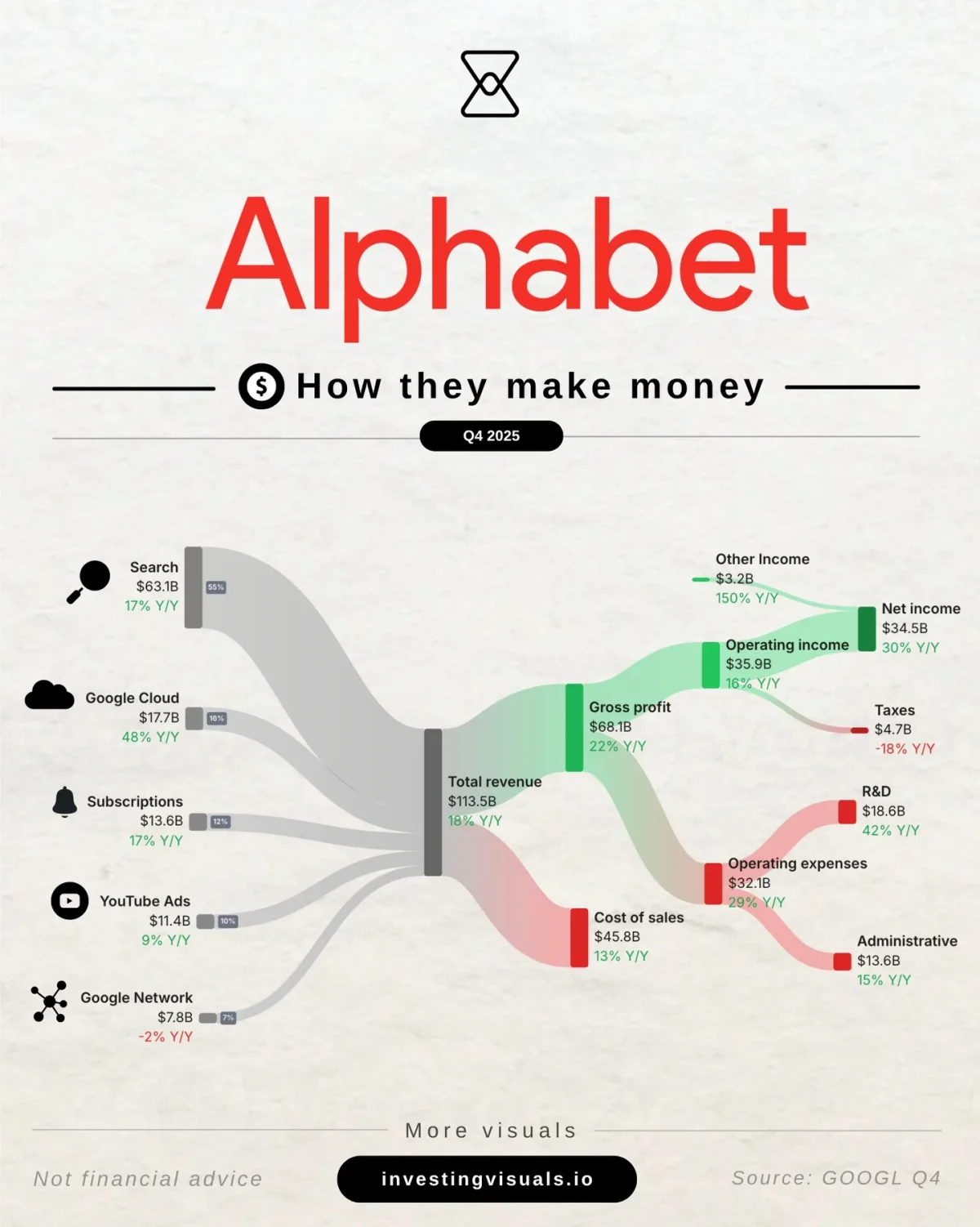
Google's SpaceX Stake Dwarfs Its Quarterly Revenue
GOOGL stake in SpaceX could be worth up to $120B. That’s more than their entire quarterly revenue… and about 4x GOOGLs net income🤯
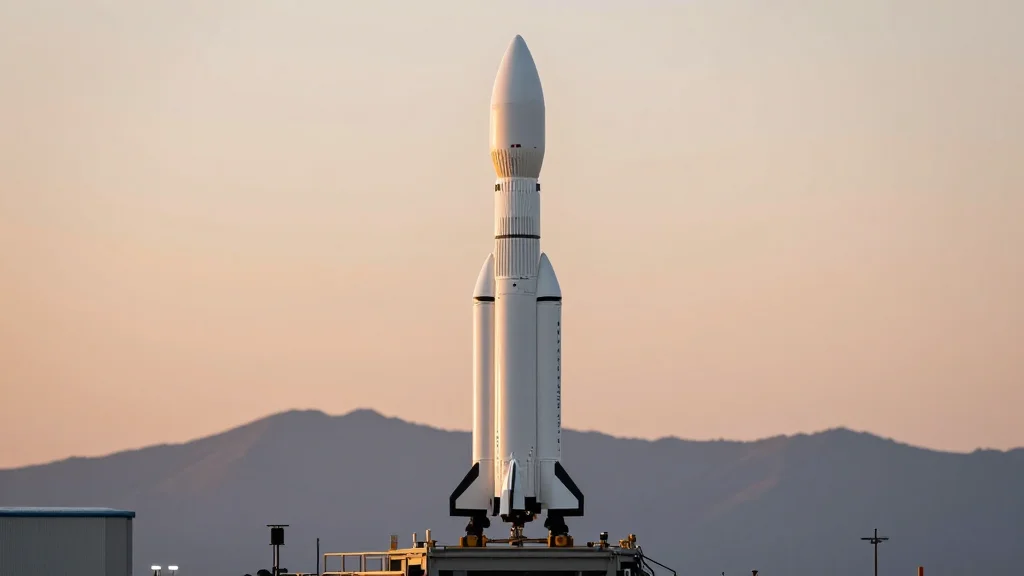
SpaceX Launch From Vandenberg at 7:41 Tonight, April 05
SpaceX scheduled a launch from Vandenberg Space Force Base at 7:41 p.m. PT on April 5, 2026. The mission is expected to carry a rideshare payload of multiple small satellites destined for a sun‑synchronous orbit. The launch window was chosen to maximize...

Bennu Sample Reveals How Water Flowed Through the Newly Forming Asteroid
A team led by Mehmet Yesiltas used nanoscale infrared and Raman spectroscopy to examine NASA's OSIRIS‑REx sample from asteroid Bennu, uncovering three chemically distinct domains at ~20 nm resolution. The domains—aliphatic‑rich, carbonate‑rich, and nitrogen‑bearing organic‑rich—show that water migrated through the asteroid...
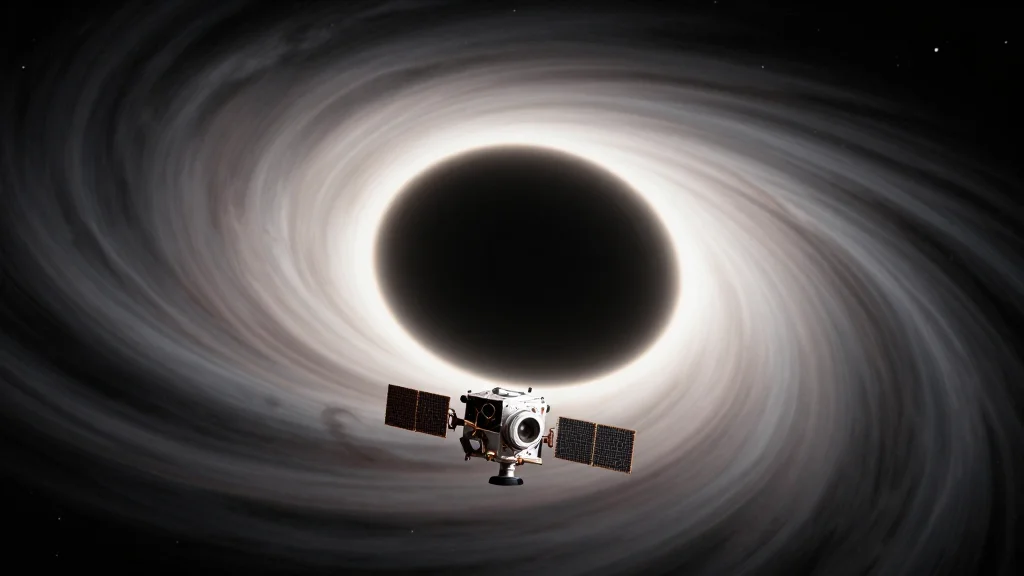
TESS Captures Early Outburst, Confirming Inside‑out Disk Model
NASA’s TESS satellite captured the early outburst of black hole X-ray binary AT 2019wey, providing high-precision, continuous optical data that support an inside-out outburst scenario in the system’s accretion disk. astronomy

Live NASA Artemis II Visualization Powered by X API
New @X API + @Replit is lots of fun. @tannerlbraden built a @NASAArtemis II mission visualization w/ live @X feed & stats. https://t.co/ptLIf58yCr

Maximum Theoretical Falcon 9 Launch Rate for SpaceX in 2026
SpaceX’s Falcon 9 launch cadence in 2026 is bounded by pad capacity rather than booster availability, capping the theoretical maximum at roughly 155‑165 flights. The company’s own guidance points to a likely range of 140‑145 launches, while a worst‑case scenario could...

Astronauts Enter Moon
The astronauts wake up to “Work” by CeeLo Green and Apollo 16 astronaut Charlie Duke sends a message: “Below you on the moon is a photograph of my family…Godspeed and safe travels home.” Today they will enter the Moon’s gravitational...

SES Eyes Cross‑unit Content Bundles for Evolving Passenger Experience
Multi-orbit satellite operator SES is exploring cross-unit content bundles between its media and aero or cruise businesses, as the passenger experience evolves. https://t.co/jmm0rS22Cy #PaxEx

Planet Labs Imposes Indefinite Blackout on Iran Satellite Imagery at U.S. Request
On April 5, 2026 Planet Labs announced an indefinite suspension of satellite imagery covering Iran and surrounding Middle East conflict zones, following a direct request from the U.S. national‑security team. The blackout, retroactive to March 9, replaces the previous 14‑day delay...
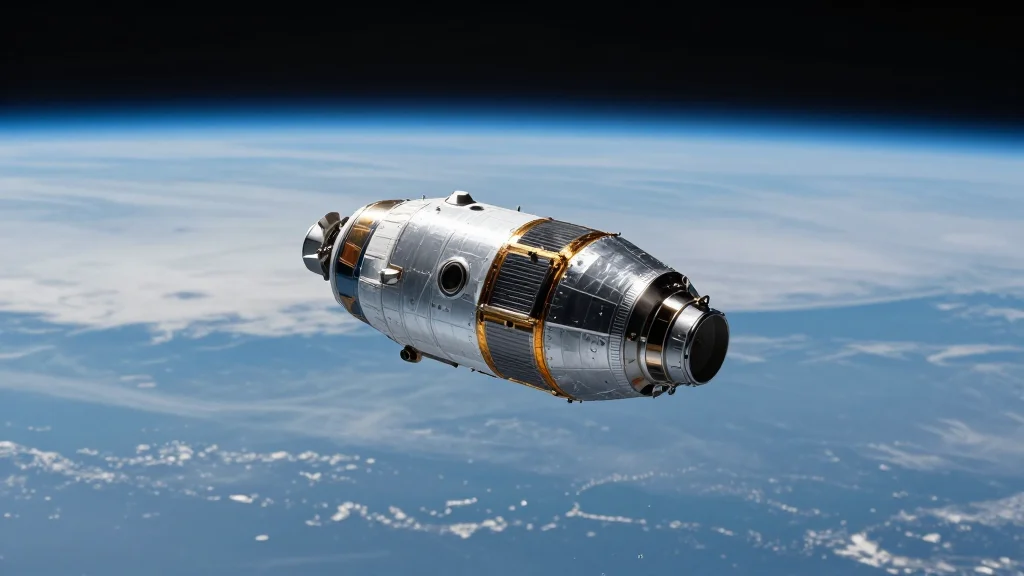
Artemis II Crew Shares Stunning Space Views
Gaze in awe and wonder at these shots being shared by NASA and the crew of the Artemis II. https://t.co/Qqhj7afCAA
NASA’s Fiscal Year 2027: Thumbs Up…Thumbs Down?
The White House’s FY 2027 budget request proposes a 23% cut to NASA’s overall funding, slashing the agency’s budget to roughly $11 billion. Within that, the Science Mission Directorate would be reduced by 47%, dropping from $7.25 billion to about $3.9 billion. The Planetary...

Tom Brady Claims He Had Starlink Before Starlink
“What is my quarterback internet speed? Fast as shit. I was Starlink before @Starlink.” — @TomBrady | @elonmusk https://t.co/bMJRr2tprj