
FOSSA Targets Japan’s Defense Market as Larger Smallsats Expand Capabilities
Spanish startup FOSSA Systems is entering Japan’s defense market through a distribution deal with conglomerate Kanematsu and opening a Tokyo office. The company has moved from sub‑kilogram picosatellites to larger 3U, 6U cubesats and is developing a 75‑150 kg microsatellite platform for signal intelligence and secure communications. FOSSA now operates seven 3U cubesats, launched its first 6U with propulsion, and plans a 140‑satellite constellation within three years. Revenue has surged 500% and the firm is raising additional capital after a €6.3 million ($7 million) Series A round.

Artemis 2 Flight Day 6: Lunar Flyby Coverage Begins as Orion Prepares for the Far Side
Flight Day 6 of NASA’s Artemis 2 mission featured a live lunar‑flyby broadcast as the Orion crew, including CSA astronaut Jeremy Hansen, approached the Moon’s near side. At 1:57 p.m. EDT the crew set a new human‑distance record, surpassing Apollo 13’s 400,171 km (248,655 mi) mark. Real‑time...
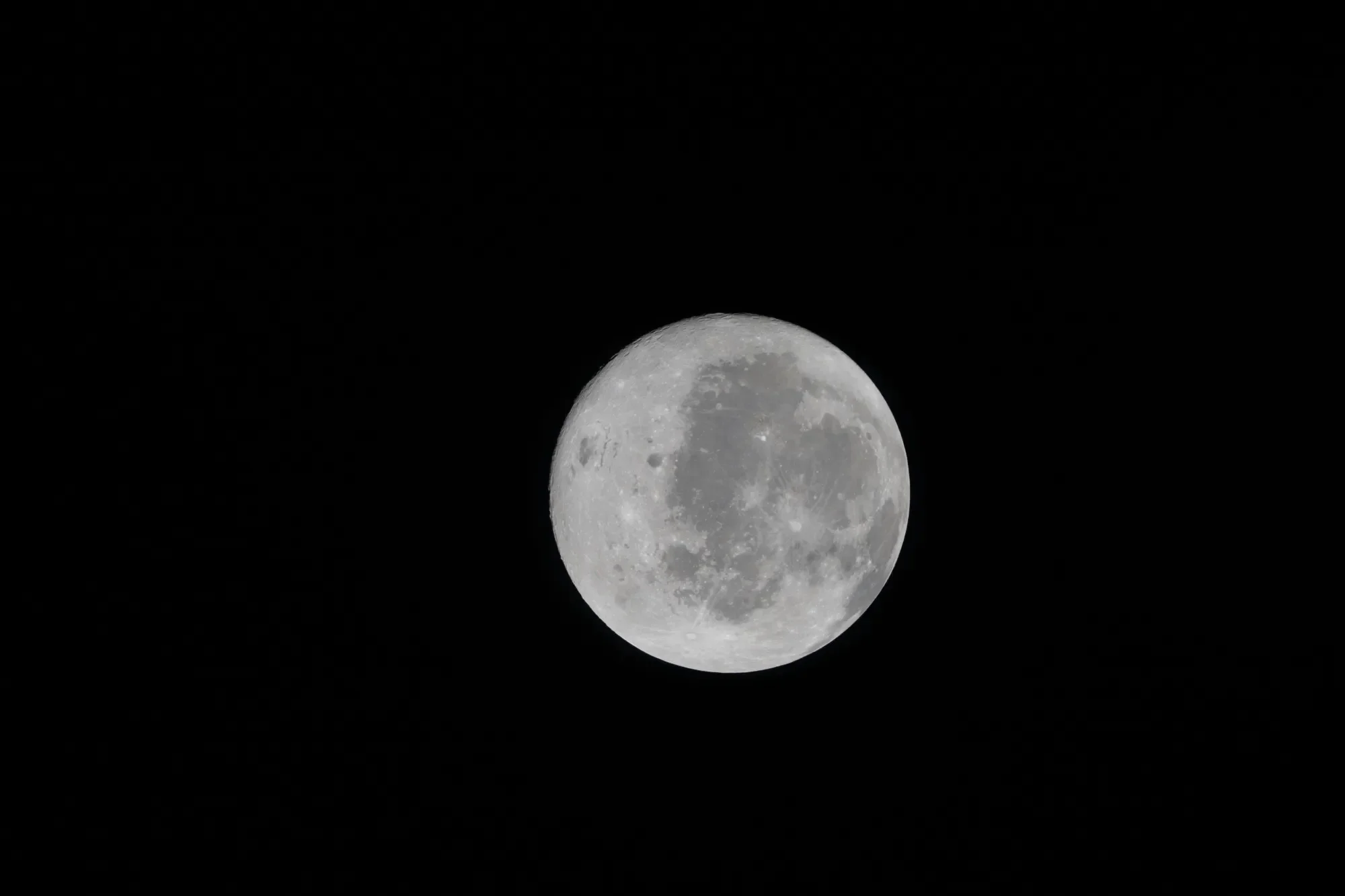
Human Eyes Become Artemis II’s Most Valuable Instrument
In 2026, in the age of AI, NASA's most important scientific instrument on the Artemis II mission is four pairs of human eyes. Right now as we speak 4 humans are flying around the Moon. And their primary job is to...

Q&A: U.S. House Space Subcommittee Chair on Extending ISS, Fostering Commercial LEO Market
U.S. Rep. Mike Haridopolos, chair of the House Space and Aeronautics Subcommittee, discussed extending the International Space Station (ISS) beyond 2030 and fostering a commercial low‑Earth‑orbit (LEO) market. NASA’s budget can only fund one private LEO station, raising concerns about...
Lunar Flyby Live-Threading: Surprisingly Relaxing Compared to Hearings
i guess i'm live-threading this lunar fly by. it's actually much more relaxing than the other live threading we do here (congressional hearings, SOTU)

The Moon Astronauts Just Broke the Record for the Farthest Any Human Has Ever Traveled From Earth
Five days after launch from Kennedy Space Center, NASA’s Artemis 2 crew broke the record for the farthest distance any human has traveled from Earth, reaching 252,752 miles. The record surpasses Apollo 13’s 248,655‑mile apex set in 1970. During the lunar flyby...
Orion Crew Breaks Record, Fulfilling Childhood Space Dreams
The 4 astronauts aboard the Orion spacecraft just flew farther into space than any human has ever ventured before. As a little girl I used to stand in the driveway staring up at the dark night sky, dreaming of playing a...

NASA Flight Control Exclaims Awe Over Astronauts' Earth‑Moon
Ahahaha NASA Flight control just responded "Amaze Amaze Amaze" to Integrity astronauts describing the view of the Earth and the Moon during their flyby

Xoople Raises $130M to Build AI Earth Data Layer
Xoople announced a $130 million Series B round, bringing its total financing to $225 million and cementing its position as the most funded player in the nascent physical‑world intelligence space. After seven years of stealth development, the company will begin commercializing its AI‑ready...

NASA's Moon Ship and Rocket Seem to Be Working Well, so What About the Landers?
NASA’s Artemis program is accelerating its Human Landing System development by removing the near‑rectilinear halo orbit requirement, which reduces the delta‑V and propellant needed for lunar landers. SpaceX and Blue Origin have submitted revised proposals—Starship will dock with Orion in...
Artemis II Sets New Lunar Distance Record, Witnesses Solar Eclipse
Artemis II crew just broke the distance record, surpassing Apollo 13’s 1970 mark. The lunar observation begins at about 2:45 p.m. EDT Orion passes behind the Moon and communications blackout begins at approximately 6:44 p.m. EDT Closest approach occurs at about 7:02 p.m....
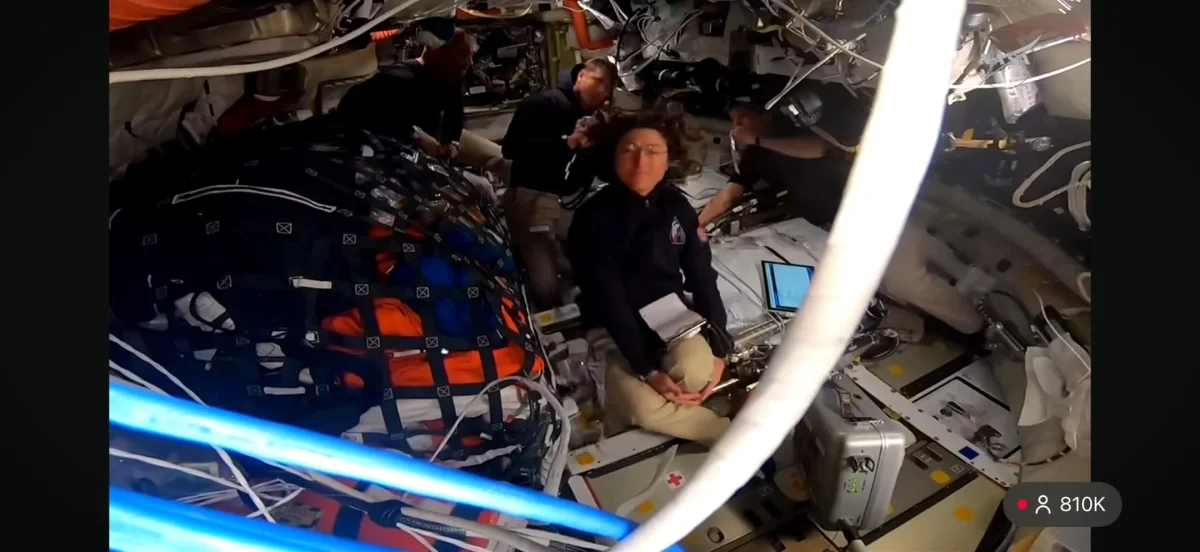
Orion Sets New Record for Human Space Distance
The Orion spacecraft just broke the record for farthest distance humans have ever traveled from Earth.
NASA’s Artemis II Astronauts Break Apollo’s Distance Record
NASA’s Artemis II mission has sent four astronauts farther from Earth than any human before, reaching 248,655 miles (400,171 km). The record eclipses Apollo 13’s 1970 distance of about 205,000 miles, which was an accidental by‑product of an emergency lunar flyby. The crew—Reid Wiseman, Victor...

Astronauts Celebrate Historic Launch with Lovell’s Message and Tribute
First cry of the day: the late Apollo astronaut Jim Lovell’s pre-recorded message for the crew welcoming them to his neighbourhood Second cry of the day: the crew giving Science Officer Kelsey Young at Mission Control her flowers for preparing...
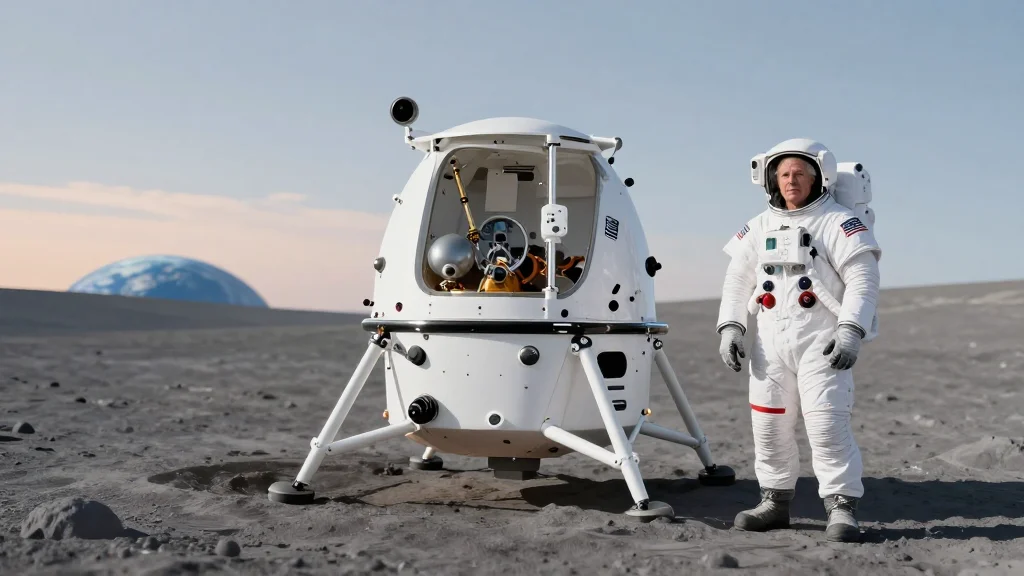
NASA Official Confirms Lunar Landers Progress Amid SLS, Orion Success
With SLS and Orion flying great, I checked in with a senior NASA official on how the lunar landers are coming along. https://t.co/qbbFfY0kA8
Watch Live—NASA’s Artemis II’s Moon Flyby Is Underway
NASA’s Artemis II crew completed a historic lunar flyby, becoming the first humans to travel beyond the Moon in over five decades. The Orion spacecraft broke the Apollo 13 distance record, reaching about 4,070 miles from the lunar surface and spending five...
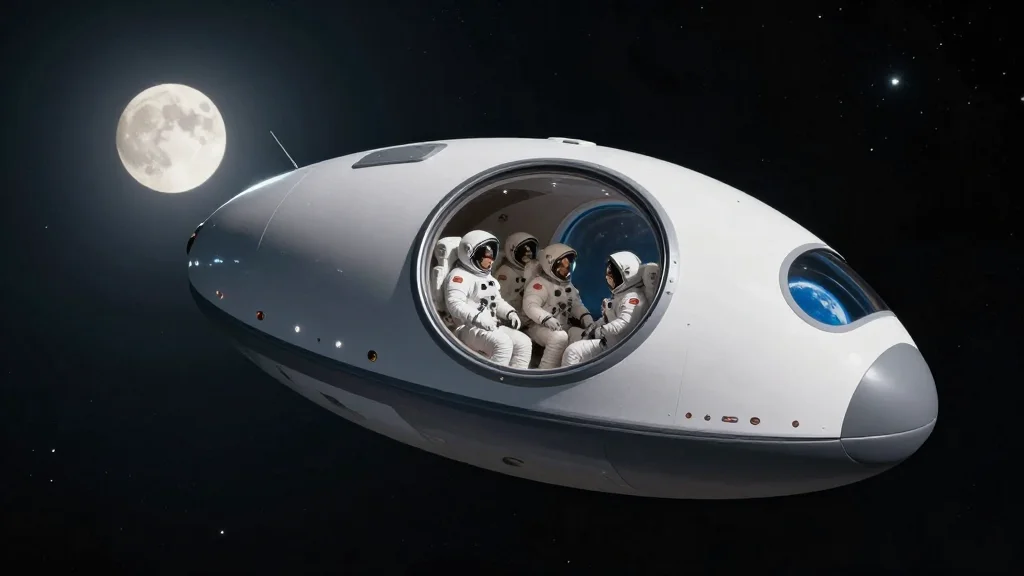
NASA Crew Sets Record, Travels Farther than Any Human
A NASA crew of four astronauts have now traveled farther in space than anyone in history as the group’s spacecraft hurtles toward the moon for a historic flyby https://t.co/e9nfMCPUR9
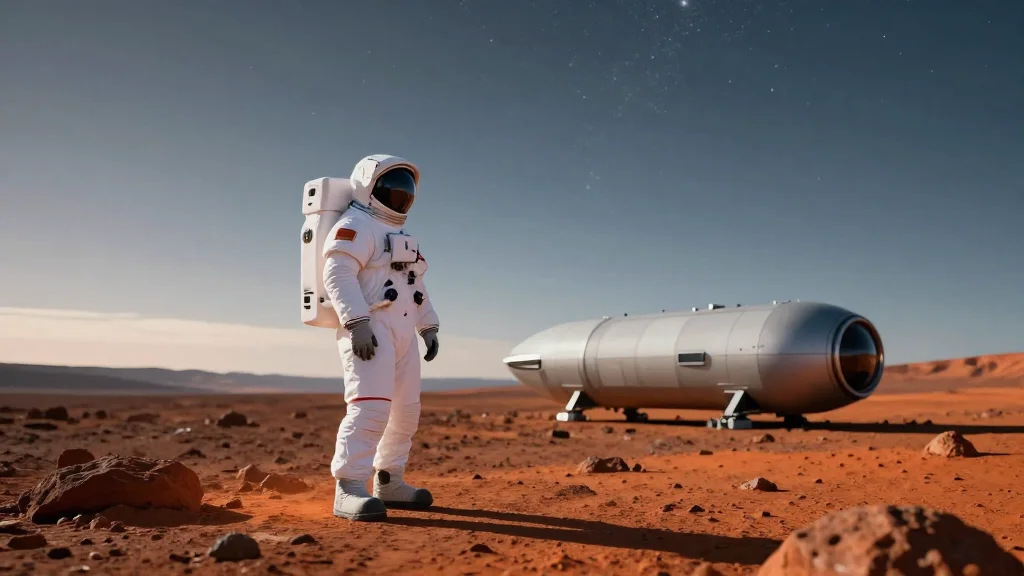
Four Astronauts Become Humanity's Most Distant Explorers, Emotional
Reid, Victor, Christina, and Jeremy have become the most distant explorers in human history. Wow. I'm not sure I was ready for the emotional weight of that moment.
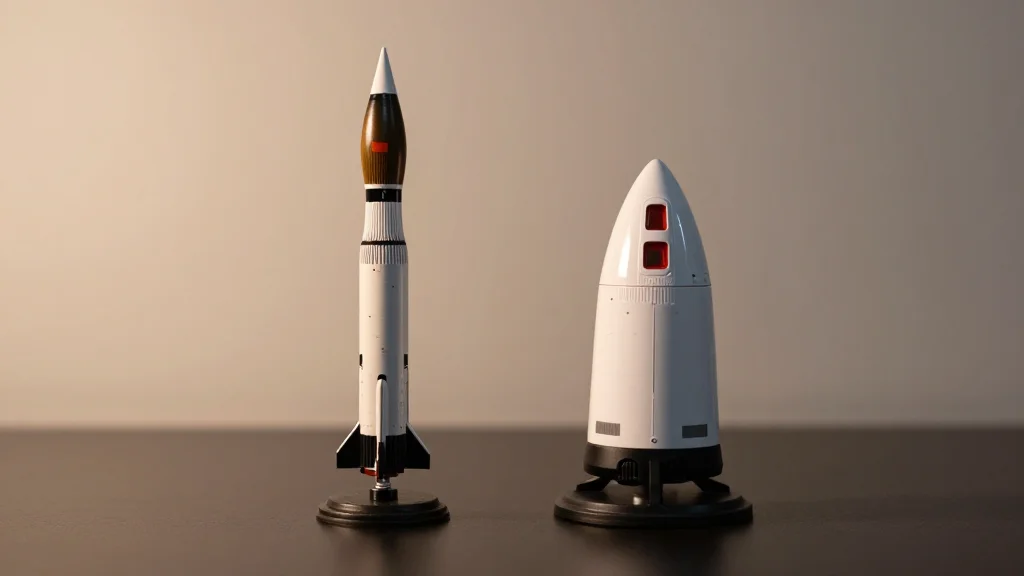
On Artemis and Starshot
Artemis’ recent launch reignited the excitement of returning humans to deep space, showcasing NASA’s powerful yet expensive Space Launch System (SLS). The mission underscores the urgency of developing more affordable, reusable launch solutions for a sustained lunar presence and eventual...
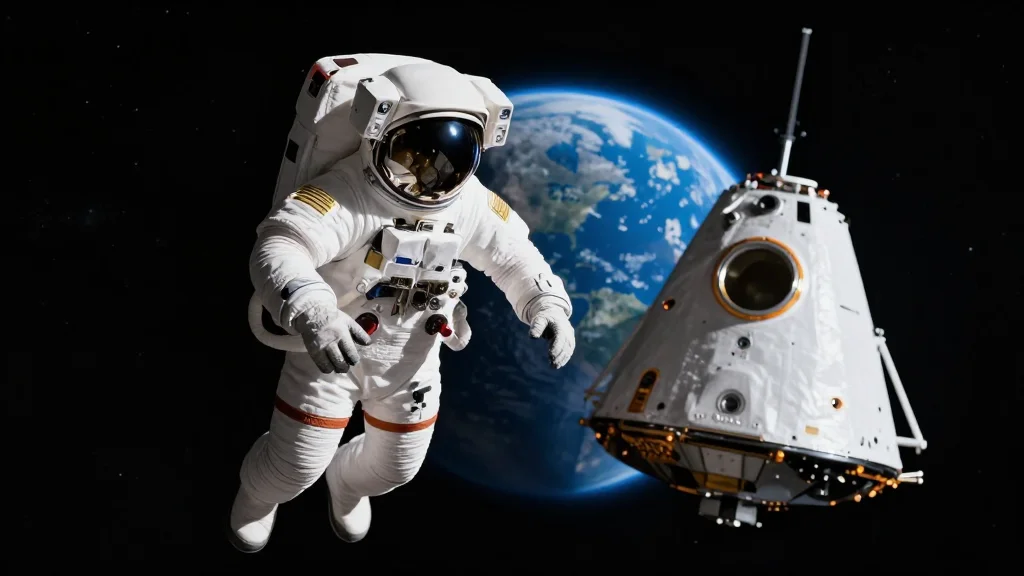
Artemis II Crew Surpasses Apollo 13, Sets Human Distance Record
Apollo 13 record broken. Artemis II crew now further out in space than any other humans in history.

Artemis II Carries Wright Brothers’ Fabric, Space History Soars
This is extremely awesome. I also understand that Artemis II is also carrying a small swatch of fabric from the Wright Brothers’ flyer. This is MEGA awesome.
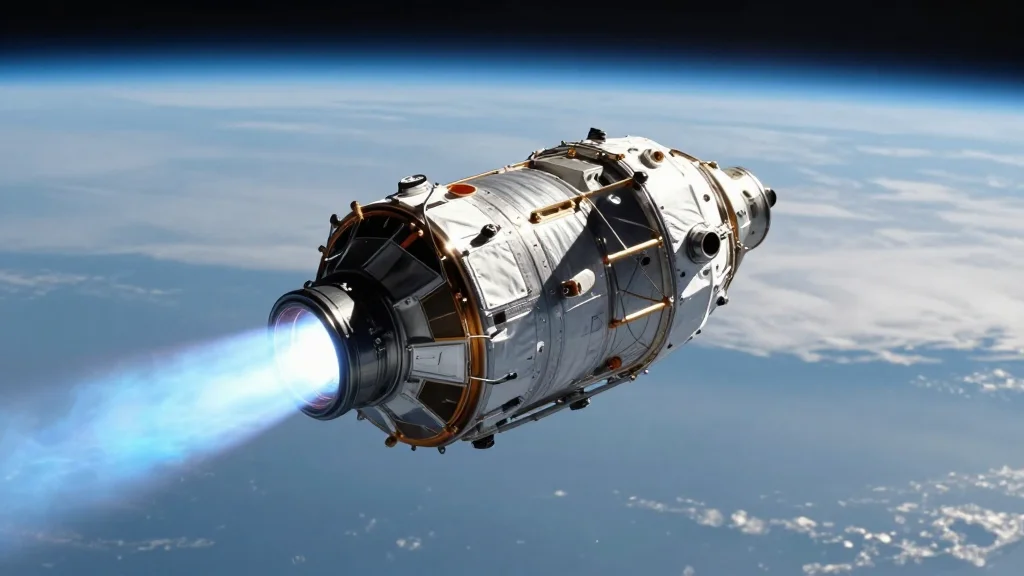
Orion Completes Small Mid-Course-Correction Engine Burn as It Prepares to Swing Around Behind the Moon
NASA’s Orion capsule completed a 17.5‑second mid‑course correction on April 5, 2026, fine‑tuning its trajectory for the Artemis II lunar fly‑by scheduled for the evening of April 6. The crew – astronauts Reid Wiseman, Victor Glover, Christina Koch and CSA’s Jeremy Hansen –...

Seeing the Moon, Realizing Humans Are Closer Than Expected
Never in my life have I looked up at the moon and known there are humans closer to there than here. https://t.co/IkQlVJf1lS
Artemis II Crew Set to Break Apollo 13 Distance Record
10 minutes to when the Artemis II crew passes the Apollo 13 record for furthest distance from Earth for astronauts. Watch on NASA's YouTube at: https://t.co/7JM1ti9vAq
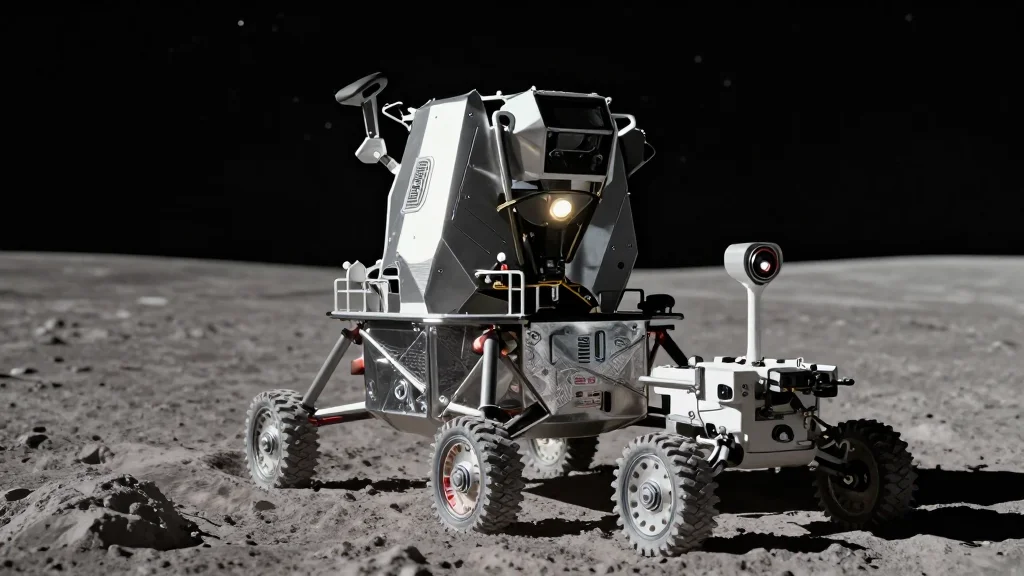
Japan’s Lunar Lander Startup Ispace Wins Contract with Korean Rover Startup
Japanese lunar‑lander startup Ispace announced a contract with South‑Korean rover company Unmanned Exploration Laboratory (UEL) to fly its two‑wheeled rover on Ispace’s upcoming ULTRA lander. The payload will ride on Mission 3, slated for launch in 2028, representing the first Korean...
Lunar Flyby Footage Falls Short: Here’s Why
You're probably going to be disappointed with the video imagery of the lunar flyby. Here's why: https://t.co/20YF81w0uA

New ROS Guide Adds Outpost Thermal-Control System
Expanding our exclusive technical guide to the ROS complex with the introduction to the outpost's thermal-control system (subscription). CONTEXT: Home page for the ROS project: https://t.co/81bSOWHp9D https://t.co/upduOMWNYd
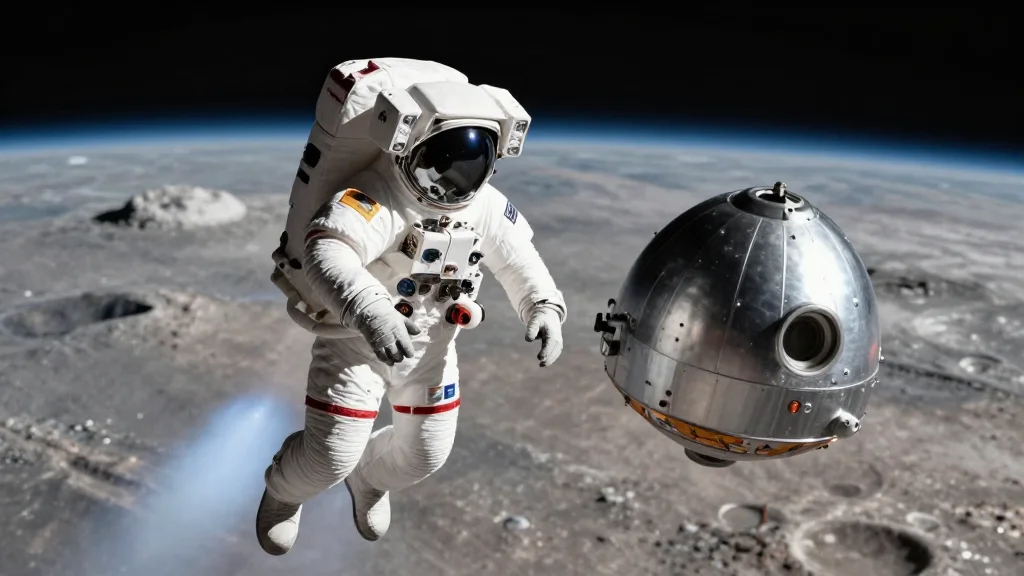
Artemis II Mission Day 5 Recap April 5
On Flight Day 5, Artemis II astronauts completed the first deep‑space test of Orion’s Crew Survival System emergency suits, performed a 17.5‑second trajectory correction burn, and entered the Moon’s sphere of influence. The crew also photographed the entire Orientale Basin, marking humanity’s...
McKinsey Analysts Forecast $1.8 Trillion Global Space Economy by 2035
Analysts at McKinsey & Company estimate the global space economy will grow to $1.8 trillion by 2035, driven by satellite transport, broadband connectivity and tourism. The projection fuels optimism for publicly traded launch firms such as Rocket Lab, whose Q4 revenue...
Spanish AI‑Mapping Startup Xoople Secures $130 Million Series B to Scale Satellite Constellation
Spanish geospatial AI startup Xoople closed a $130 million Series B, led by Nazca Capital, to fund a satellite constellation that will deliver ultra‑high‑resolution data for enterprise customers. The round also introduced a sensor‑building partnership with U.S. defense contractor L3Harris, underscoring...
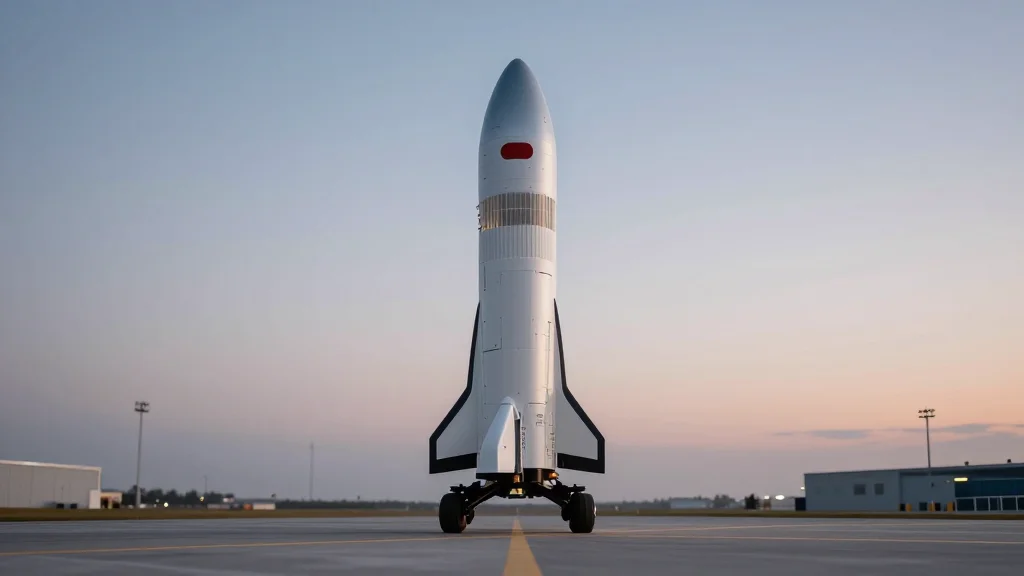
Japanese Rocket Startup Interstellar Gets Another $47 Million Grant From Japan
Interstellar, a Japanese rocket startup, received an additional $47 million grant from the government’s Small Business Innovation Research (SBIR) program, bringing its total public funding to roughly $99 million (¥15.4 bn). Combined with nearly $130 million in private capital, the company has moved into...
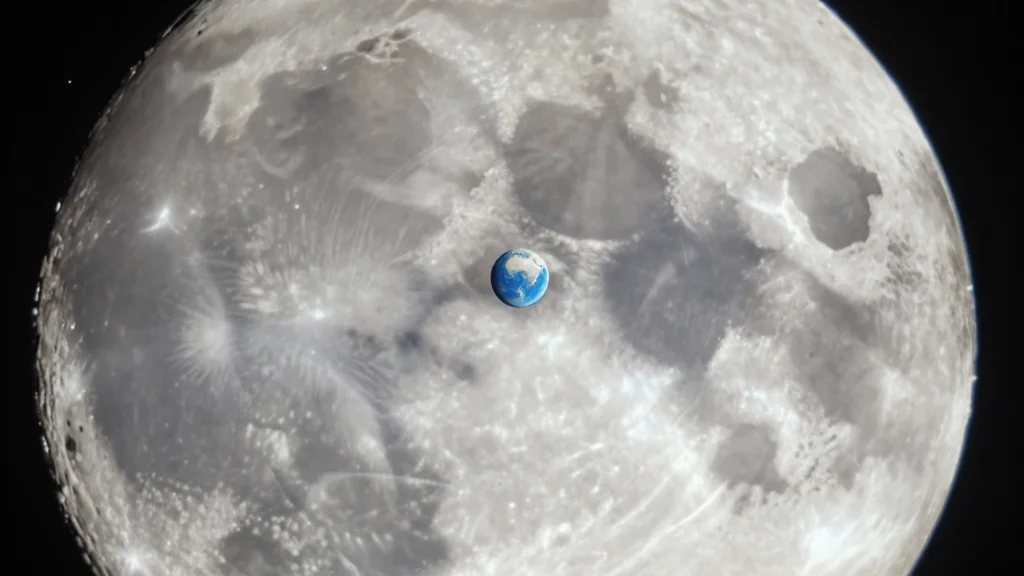
Artemis II Crew Delivers Stunning New Image of the Moon's Hidden Far Side
On day five of its ten‑day lunar flyby, NASA’s Artemis II crew captured the first ever human‑eye view of the Moon’s far side and posted the image online. The four astronauts—Reid Wiseman, Victor Glover, Christina Koch and Jeremy Hansen—were 18,830 miles from the Moon...
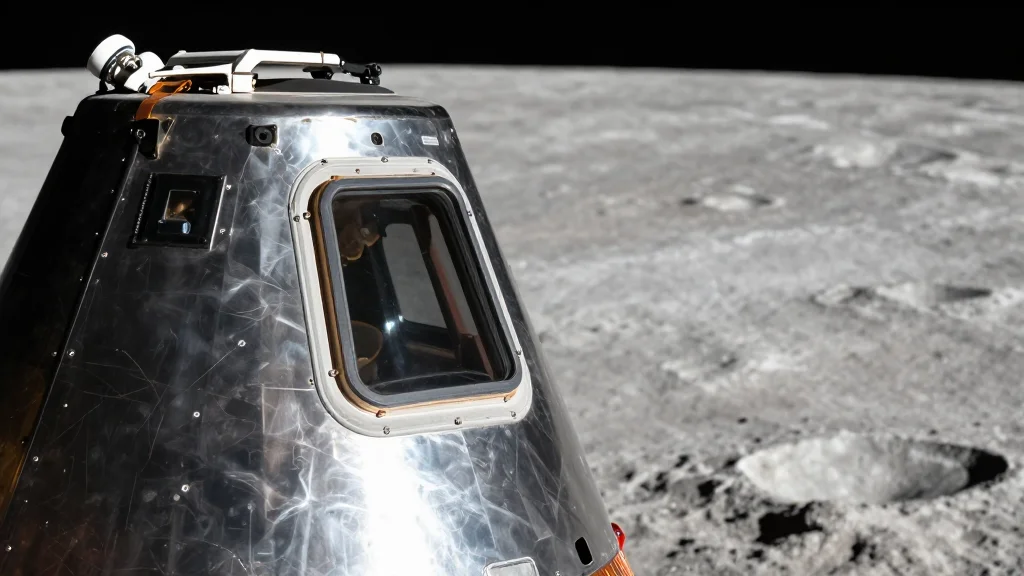
Artemis II Crew Nears Moon as Spacecraft Enters Lunar Orbit Phase
NASA launched the Artemis II mission on April 1, 2026, sending a Space Launch System (SLS) rocket and Orion spacecraft with four astronauts from Kennedy Space Center. Early Monday, the crew entered the lunar sphere of influence, where the Moon’s gravity overtakes Earth’s,...

How to Watch NASA’s Artemis II Flying Past the Moon Live
NASA’s Artemis II mission on April 6, 2026 performed a historic lunar flyby, marking the first crewed deep‑space flight since 1972. Four astronauts aboard the Orion capsule passed within roughly 4,070 mi of the Moon’s surface, capturing images and conducting scientific observations. NASA streamed...
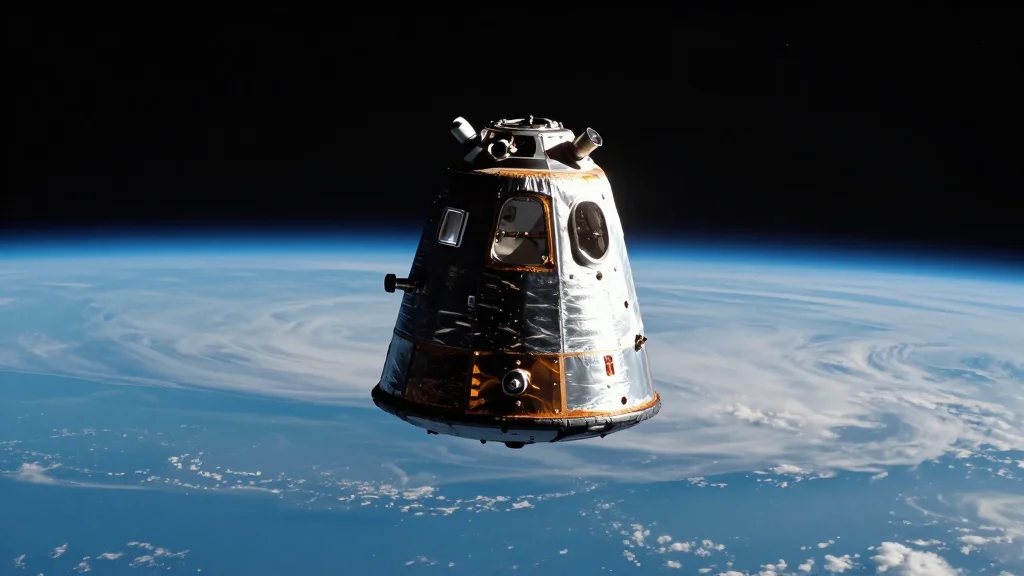
Beware AI‑generated Fake Artemis II Images; Use Official Source
PSA: The amount of AI generated absolute garbage being used by conspiracy theorists AND unbeknownst enthusiasts is ALARMING. If you want REAL images from Artemis II, here's the best source - https://t.co/gXuDxbtsfH

Night Sky Network Celebrates Artemis II
On April 6, 2026 the Artemis II crew became the first humans to orbit the Moon’s far side, traveling roughly 4,000 miles above the lunar surface. The historic maneuver was streamed live on NASA’s YouTube channel and the new NASA+ platform. NASA’s Night Sky...

No Orbital Starship Flight Before IPO—Do Investors Care?
One important takeaway is no orbital Starship flight before the IPO. But do investors care?
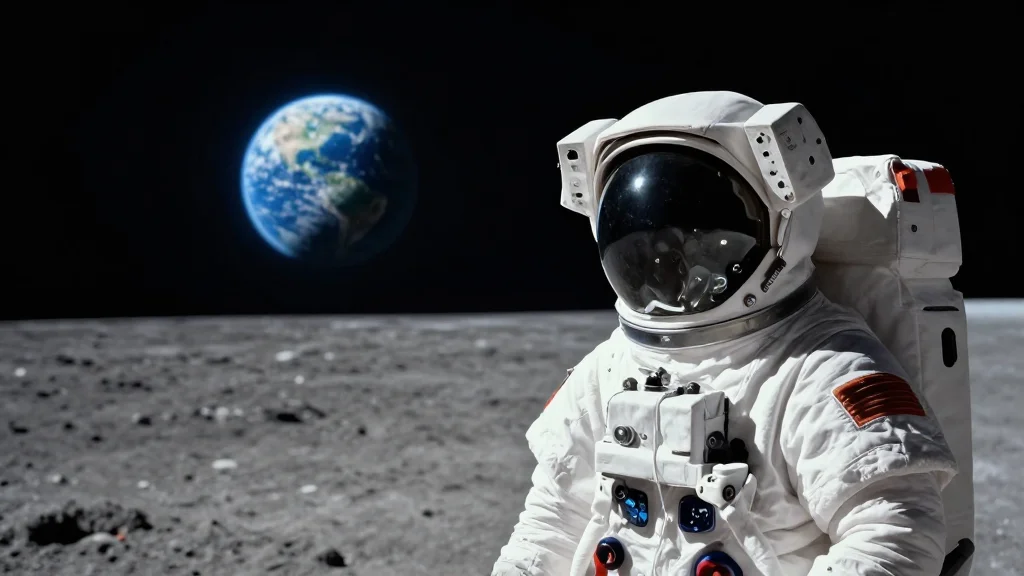
Artemis II Moon Return Sparks Hope for Humanity
Something special is happening in space right now As Artemis II astronauts reach the Moon for the first time in 54 years, it gives humanity something we've been missing for decades: hope that we can become something great. https://t.co/wdFUF4tfOB

Artemis II: NASA’s Orion Heads Home After a Historic Loop Around the Moon
NASA’s Artemis II Orion spacecraft completed a historic five‑day lunar flyby, looping around the Moon’s far side on April 6. The crew witnessed the first human‑viewed total solar eclipse from lunar orbit and captured unprecedented visual detail of the far‑side terrain. A...
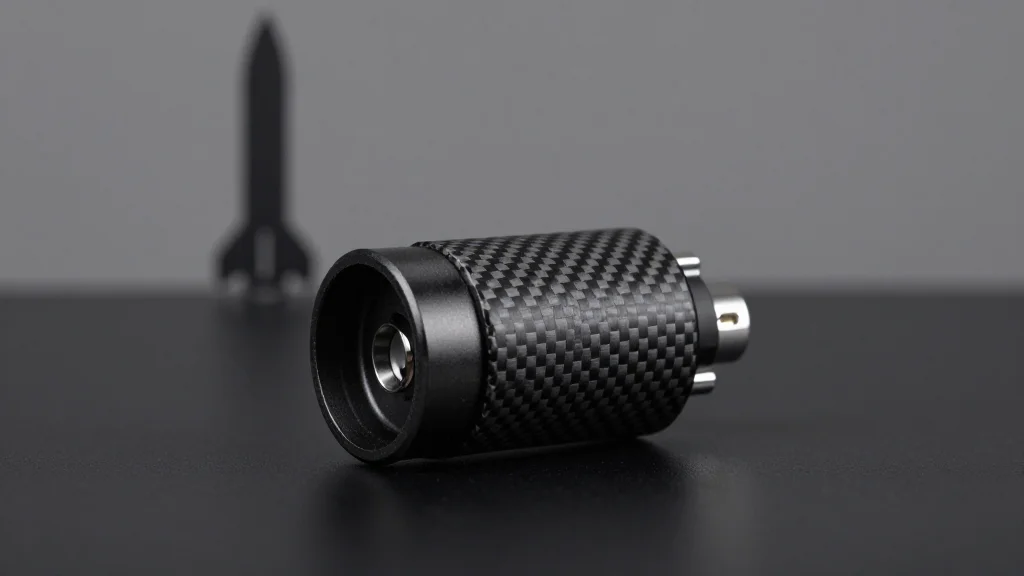
Beyond Gravity Composites Expertise Aid NASA Artemis II Mission
Beyond Gravity, a Swiss carbon‑fiber specialist, is supplying critical hardware for NASA’s Artemis II mission. The firm will deliver the universal stage adapter that connects the Space Launch System to the European Service Module, a 9.9‑meter‑tall structure slated for first use...

The Near Side of the Moon
NASA’s Orion spacecraft captured a high‑resolution view of the Moon’s near side on April 4, 2026, highlighting dark basaltic lava flows that are exclusive to this hemisphere. The image was taken by the Artemis II crew—Victor Glover, Reid Wiseman, Christina Koch, and CSA...

Young Journalist Reveals Behind‑Scenes of Artemis II Live Stream
A young journalist shares the production story behind NASA’s historic Artemis II live stream. https://t.co/VaicXmbX1a
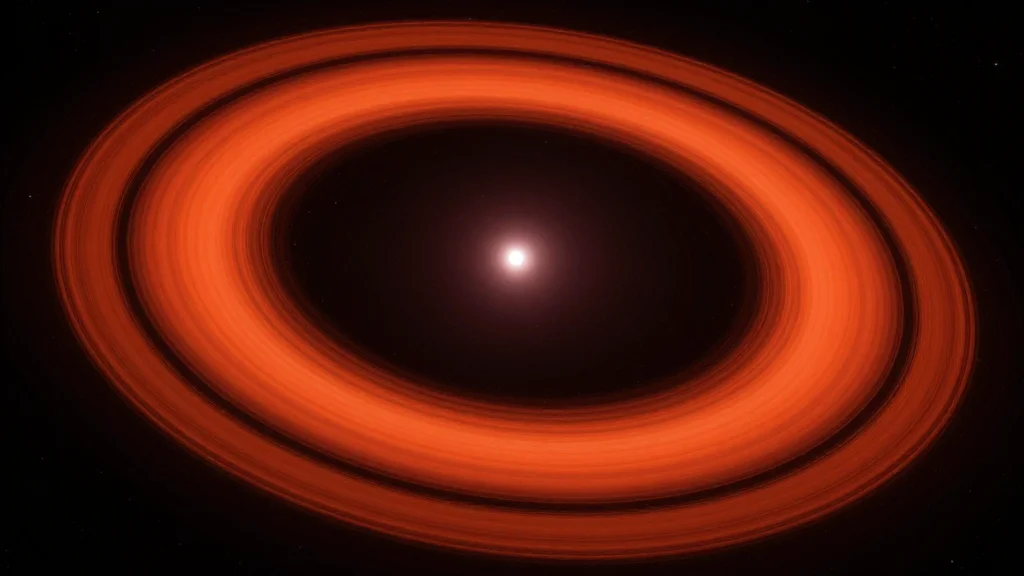
JWST Eyes a Pair of Planet-Forming Disks
The James Webb Space Telescope has obtained high‑resolution infrared images of a pair of protoplanetary disks surrounding young stars roughly 450 light‑years from Earth. The observations reveal distinct gaps and ring structures that are hallmarks of early planet formation. By...

Artemis II: Everything We Know as Its Crew Approaches the Far Side of the Moon
Artemis II’s Orion capsule entered the Moon’s sphere of influence and is now orbiting the lunar far side, preparing for a six‑hour dark‑side flyby on April 6 at 2:45 pm EDT. The four‑person crew has already shared striking Earth‑rise photos and the first human‑viewed...

Praying for Safe Return of Artemis Astronauts
Dark side of the moon. Praying for the save return of all our astronauts on this historic space flight. #artemis https://t.co/gx8v8UOFGR
SpaceX Blames Amazon Satellites; Amazon Cites Starlink Altitude
. @SpaceX argues that a subset of Amazon Leo's satellites are creating collision risks. Amazon Leo countered that it is operating safely and that any increased risk is due to SpaceX lowering the altitude of Starlink satellites. @Light_Reading ...
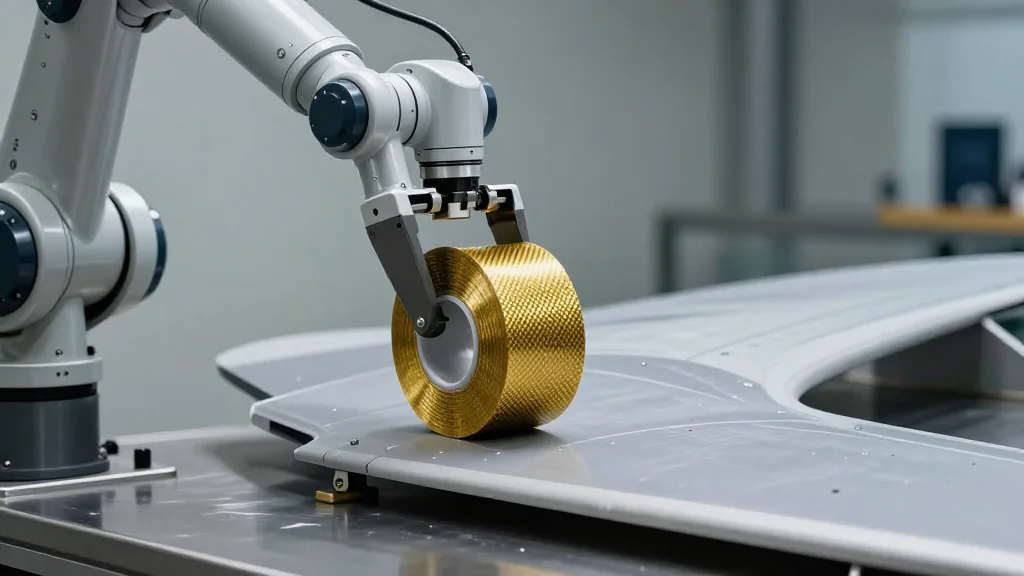
Avel Robotics Accelerates Aerospace Development with Bordeaux Location, Ongoing Activity Diversification
Avel Robotics, a French specialist in automated fiber placement, opened a commercial office in Bordeaux in January 2026 to sit closer to key aerospace and space players. The move follows the signing of new aerospace contracts, notably a development deal...
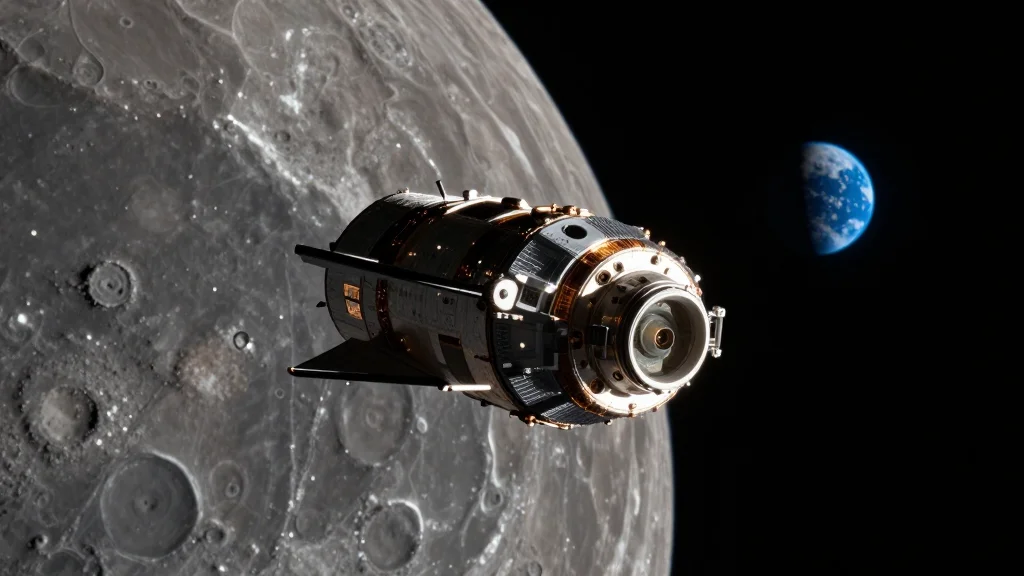
NASA’s Artemis II Mission Is About to Pass Behind the Moon
NASA’s Artemis II crew entered the Moon’s sphere of influence and is preparing for a six‑hour lunar flyby that will bring humans within 4,070 miles of the surface. Day five featured emergency‑suit tests, a trajectory‑correction burn, and an Easter‑egg hunt aboard...
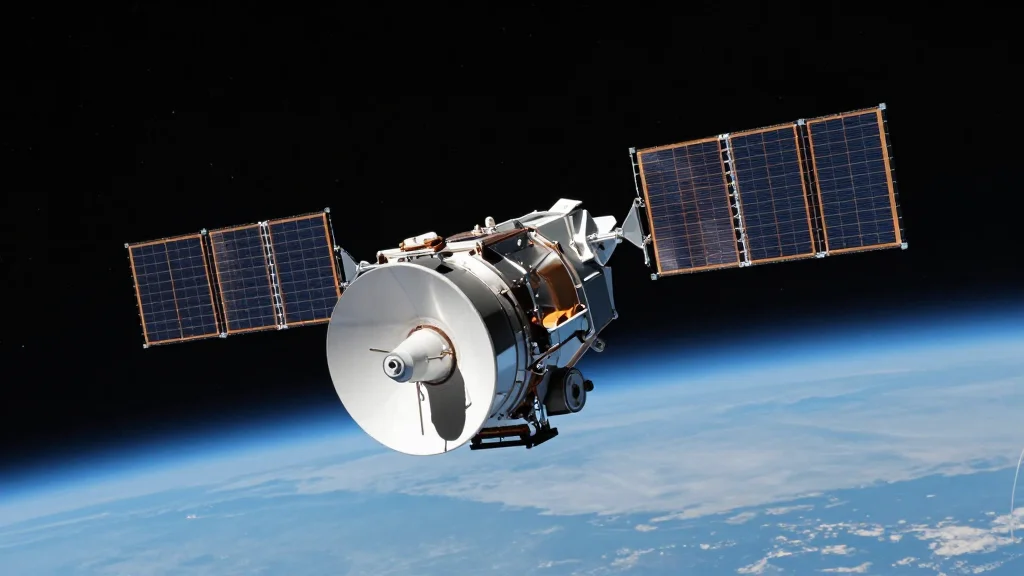
SpaceX Files FCC Complaint Over Amazon Kuiper Altitude Violations
SpaceX has lodged a formal complaint with the FCC accusing Amazon’s Project Kuiper of launching satellites above authorized altitudes, creating unmitigated collision risks for Starlink. The dispute pits the two largest low‑Earth‑orbit broadband operators against each other and could reshape...

SpaceX IPO Rumors Target $2 Trillion Valuation, Sparking Investment Bank Interest
Analysts and media outlets are buzzing about a potential SpaceX initial public offering that could value the company at up to $2 trillion, dwarfing current market giants. The speculation, cited by Salon.com and Axios, puts investment banks on alert for a...