
Venus Has A Giant Volcanic Cave Beneath Its Surface
A University of Trento team re‑examined NASA’s 1990s Magellan radar data and identified a massive volcanic cave beneath the Nyx Mons region on Venus. The skylight‑like pit is roughly 1 km wide, with a 150 m thick roof, 375 m height and a 45 km‑long subsurface conduit. This marks the first direct evidence of a large lava tube on the planet and hints at a hidden network of similar structures. Researchers say forthcoming ESA EnVision and NASA VERITAS missions could map these features in detail.

China Reveals Military Capabilities in New Space Solar Power Plant Design
China’s Zhuri program has unveiled a revamped OMEGA design that replaces a single massive orbital power station with a modular array of smaller solar‑collecting units. The new architecture emphasizes ultra‑narrow, steerable microwave beams capable of both wireless power transmission and...

Satellite Services for Weather Forecasting Market Analysis 2026
The global satellite weather services market surpassed $2.5 billion in 2024 and is projected to grow around 7.5% annually through 2028. Commercial operators such as Spire Global, Tomorrow.io and GeoOptics are increasingly supplying high‑resolution atmospheric data—especially GNSS radio‑occultation profiles—that complement traditional...

Satellite Mirror Plans Could Disrupt Sleep and Ecosystems Worldwide, Scientists Say
Scientists from four international chronobiology societies warned the FCC that Reflect Orbital’s proposed reflective mirrors and SpaceX’s plan to launch up to one million low‑Earth‑orbit satellites could dramatically alter the natural night‑time light environment. The mirrors would project 5–6 km wide beams...

The Complete Engineering Story of the James Webb Space Telescope’s Sunshield: Five Layers of Kapton Thinner than a Human Hair...
NASA’s James Webb Space Telescope relies on a five‑layer Kapton sunshield, the size of a tennis court, to passively cool its instruments to roughly 40 Kelvin. Each layer, thinner than a human hair, is coated with silicon or aluminum to reflect...

Mint Explainer | India Finds a Space Surveillance Market. Why Regulations May Pose a Challenge
Since India liberalized its space sector in 2020, private startups have begun offering satellite‑based surveillance services, a capability now in high demand due to conflicts such as the West Asia war. Indian firms see a lucrative market serving defense and...

Sneak Peek: Inside Artemis Sound Stage Unseen
I got to see the artemis sound stage, managed to take this pic without anyone seeing:

Houston, We Have a Protocol.
The episode dives into space cybersecurity, featuring Brandon Bailey of the Aerospace Corporation and Cass (Kaz) Vogel, Blue Origin’s Director of Cybersecurity Governance, Risk, and Compliance. They discuss the evolving threat landscape as humanity expands beyond Earth, emphasizing the need...
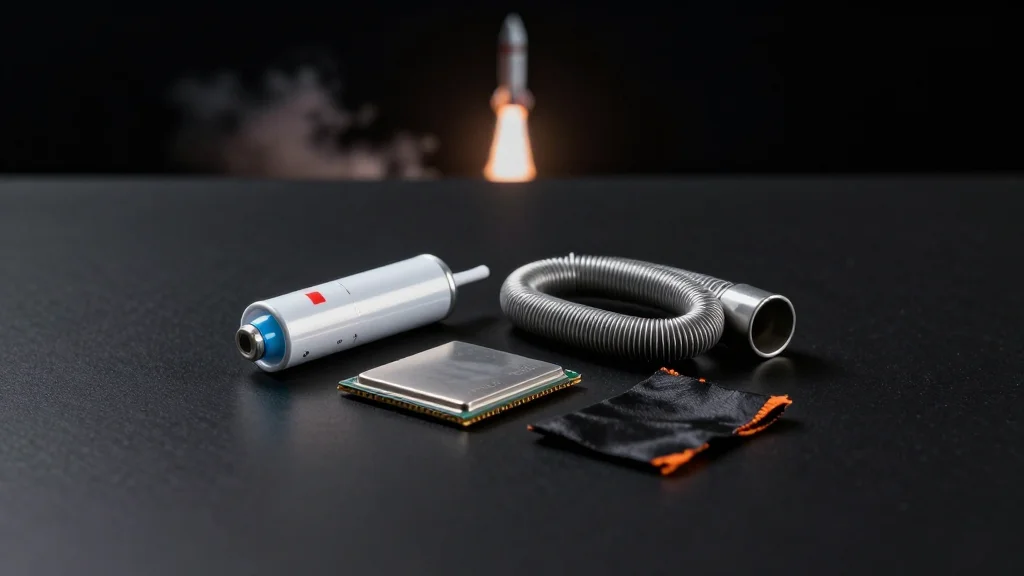
Space Exploration's Spin‑offs Power Everyday Life
A startup idea: every time people say we don’t need to conquer space because there are so many problems here on Earth (and that’s a perfectly valid take that deserves a proper answer), you could automatically hand those people a...
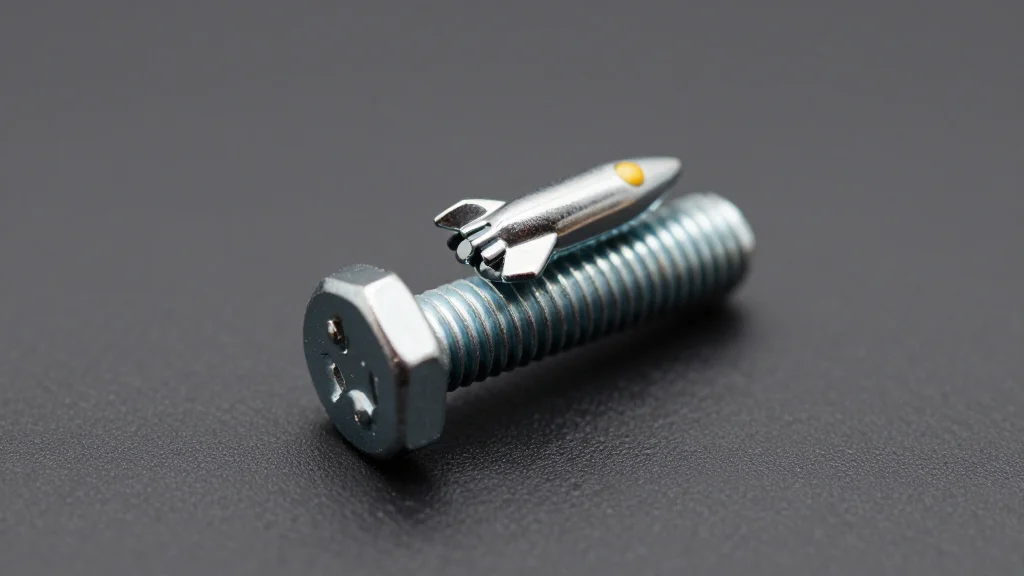
Everyday Comforts on Earth Complicate Space Travel
I know this seems funny, but all these little things that we take for granted on the ground, are exactly what make space travel incredibly difficult.

The $93 Billion Question: Is the Artemis Program Worth It?
NASA’s Artemis program is now projected to cost about $93 billion through fiscal year 2025, with each SLS‑Orion launch soaring to roughly $4.2 billion. The figure reflects cumulative spending on the heavy‑lift rocket, Orion capsule, ground systems and early lunar gateway work, despite...
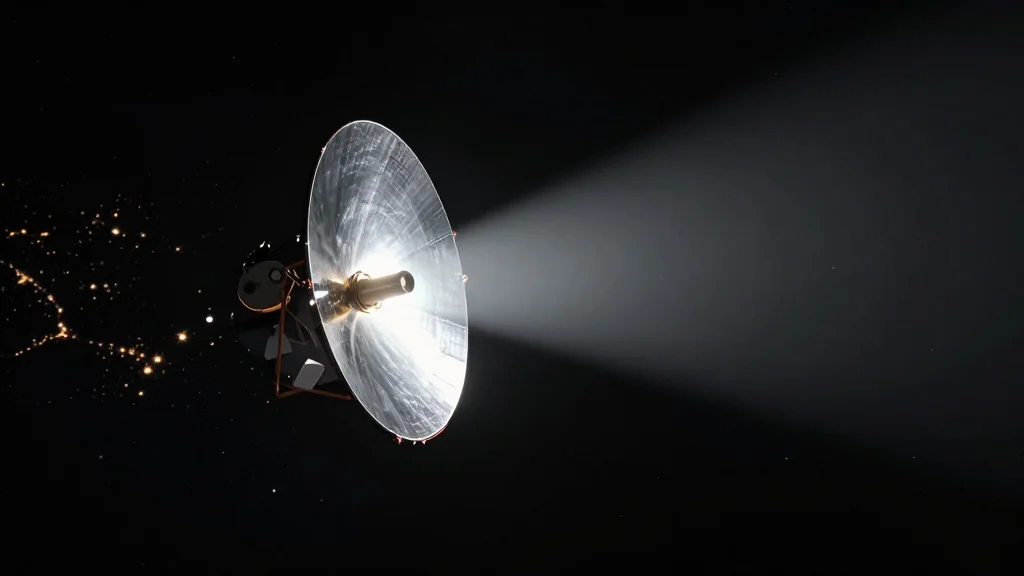
Satellite Mirrors Threaten Global Sleep and Ecosystems
Let Mother Earth sleep. Satellite mirror plans could disrupt sleep and ecosystems worldwide, scientists say https://t.co/w6OCTyPqcu
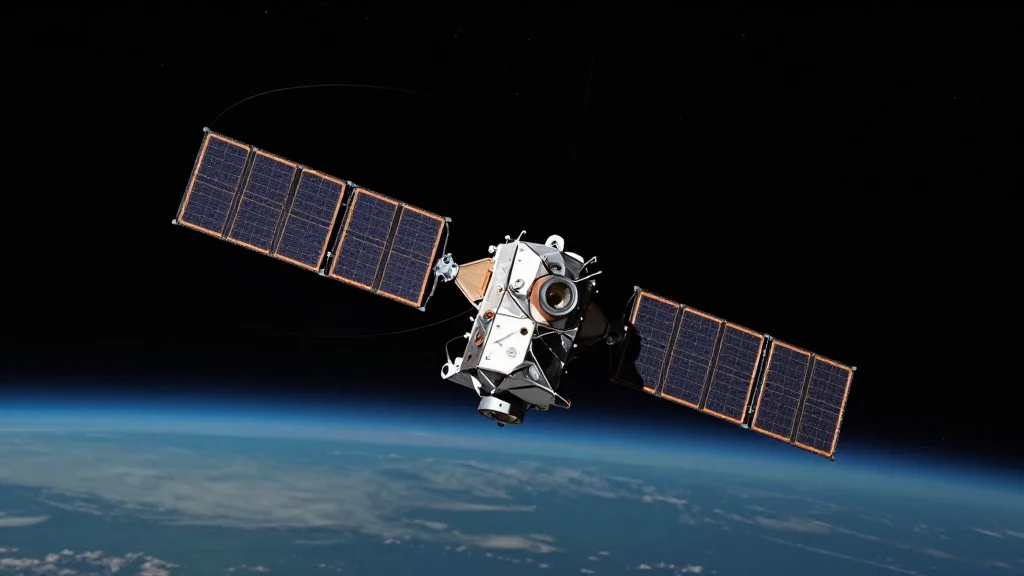
Internet Eliminates Blind Spots, Connects Everywhere Instantly
One of the greatest achievements of the modern age and hardly a peep... provides no blind spot internet and comms to anywhere on the planet...
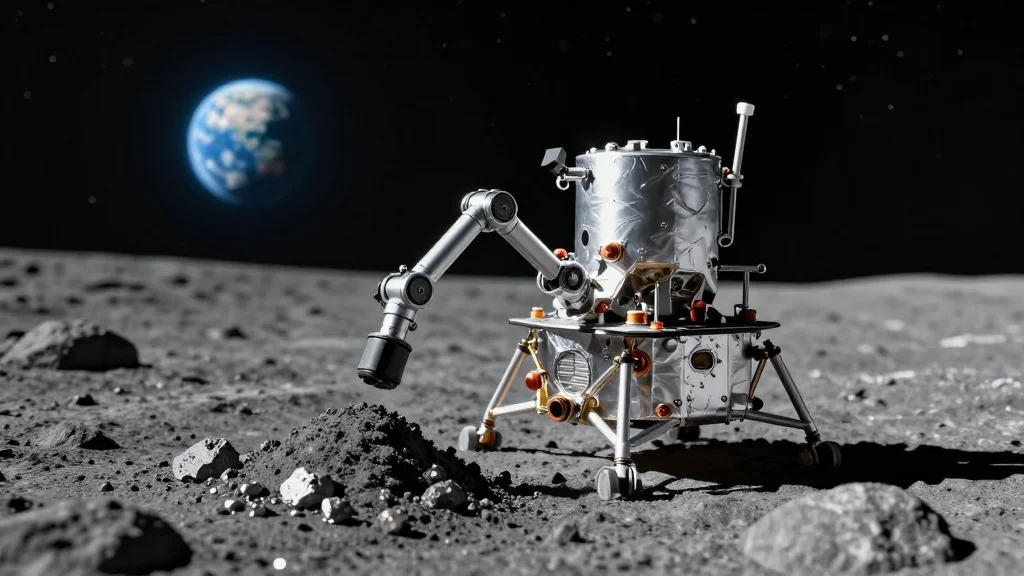
AstroForge Targets 2026 Asteroid Landing as Investors Chase Trillion‑Dollar Space Mining Dream
California‑based AstroForge announced plans to launch a second asteroid‑targeting spacecraft later in 2026, hoping to achieve the first commercial asteroid landing. The move has investors eyeing the venture as a potential trillion‑dollar play alongside SpaceX’s looming $1.5 trillion IPO.

Robots Run Fully Automated Lunar Vegetable Farm
Lunar Vegetable Factory Powered Entirely by #Robot Workers by @Fabriziobustama #AgriTech #Robotics #Innovation #Technology #TechForGood https://t.co/7RSLUsyh0f
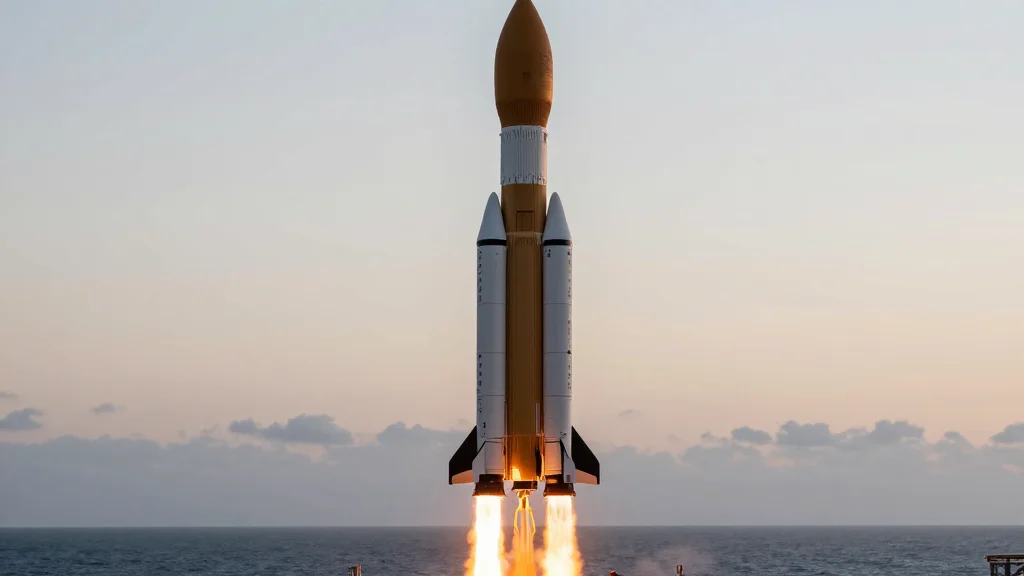
ULA Atlas V Lifts 29 Amazon Leo Satellites, Marking Its Largest Payload Yet
United Launch Alliance’s Atlas V 551 rocket lifted off from Cape Canaveral on April 4, deploying 29 Amazon Leo broadband satellites – the most ever on a single Atlas mission. The launch brings Amazon’s total to 241 satellites, but the...
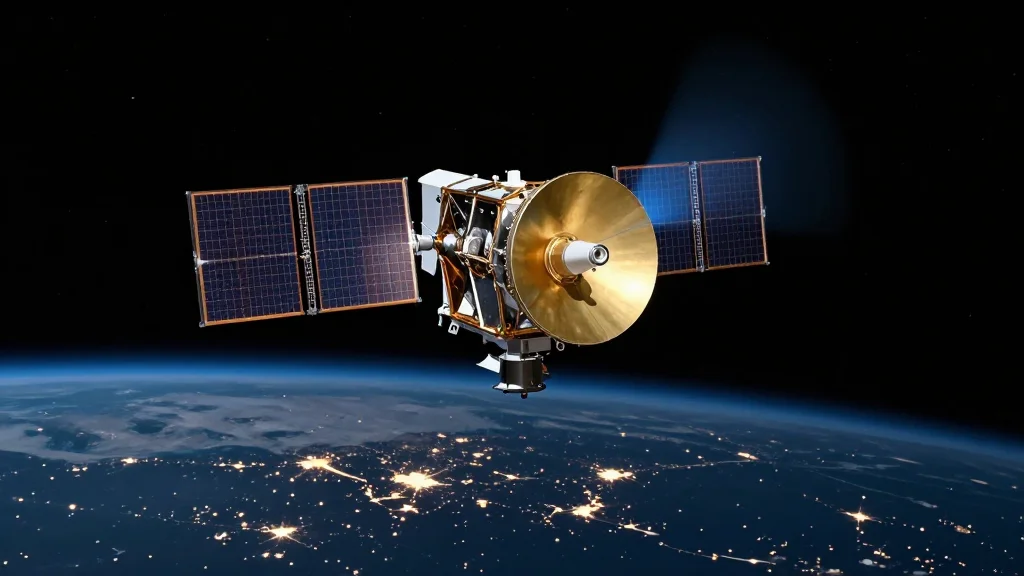
V2mini Boosts Capacity, Scaling Cuts Starlink Costs
The current V2mini sats have usable capacity for ~2000 customers globally (with a BH provisioning rate of ~2.5Mbps) & the V1 sats had ~1/4 of that capacity. Starlink's business model worked out because costs (of satellites, launch & terminals) fell...
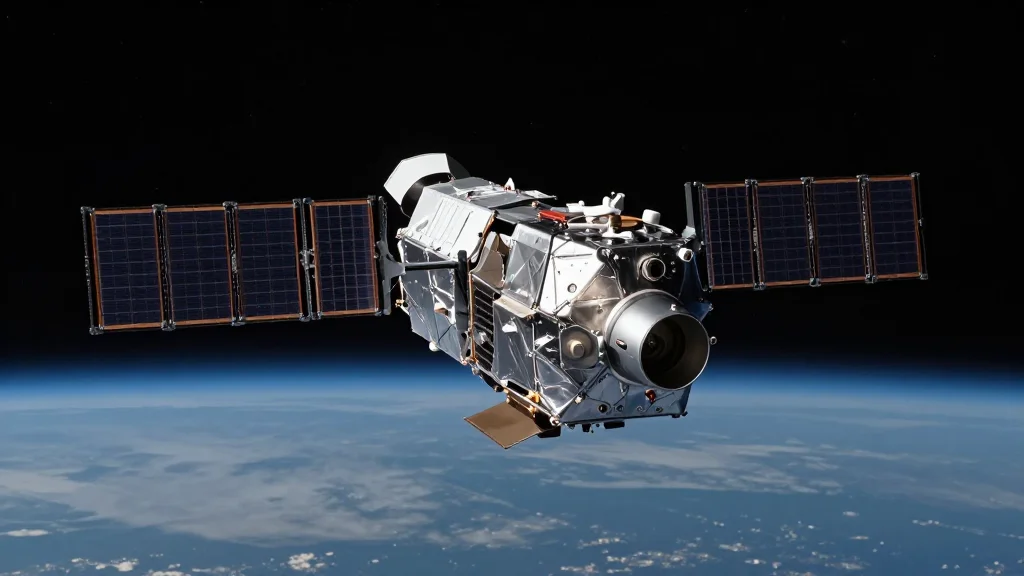
Satellite Firm Planet Labs to Indefinitely Withhold Iran War Images
Planet Labs announced it will indefinitely withhold all satellite imagery of Iran and the surrounding conflict zone, complying with a U.S. government request. The firm had already imposed a 14‑day delay on Middle East images last month, but now blocks...

Amazon in Advanced Talks to Buy Globalstar in $9 Billion Deal
Amazon is in advanced talks to acquire low‑Earth‑orbit satellite operator Globalstar for roughly $9 billion. The deal would give Amazon’s Leo network immediate access to an operational satellite fleet, spectrum licenses and a foothold in Apple’s emergency‑SOS service, while Apple’s 20%...
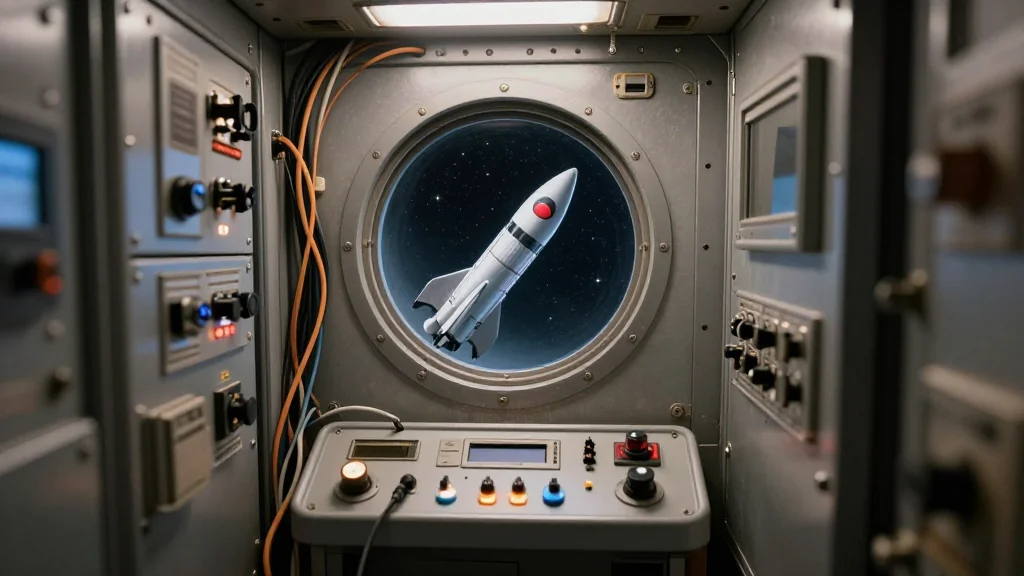
Real Artemis Feels Cramped Vs. Hollywood's Spacious Rockets
In space movies, the shuttles or rockets are always kind of modern and spacious. Meanwhile Artemis (which is amazing yay science etc) looks like a cramped radio shack.

India’s NavIC Satellite Network Faces 15–18 Month Revival
India’s NavIC satellite navigation system is projected to need another 15‑18 months to regain partial functionality, according to a parliamentary committee report. Only three of the eleven launched satellites currently deliver positioning, navigation and timing services, and their performance is...

NASA’s Artemis II Moon Mission Is Gearing up for Its Lunar Flyby
NASA’s Artemis II crew has passed the mission’s halfway point and is gearing up for a five‑hour lunar flyby on Monday, April 6. Astronauts Victor Glover, Jeremy Hansen, Christina Koch and Reid Wiseman will photograph the Moon’s far side, targeting the massive Orientale...

Space42 and Viasat: Contract Close for 2800 Satellites
Space42 and California‑based Viasat are on the verge of signing a contract to build a 2,800‑satellite low‑Earth‑orbit (LEO) mega‑constellation under the Equatys joint venture. The fleet, slated for launch between 2029 and 2030, will operate at three altitude bands and...
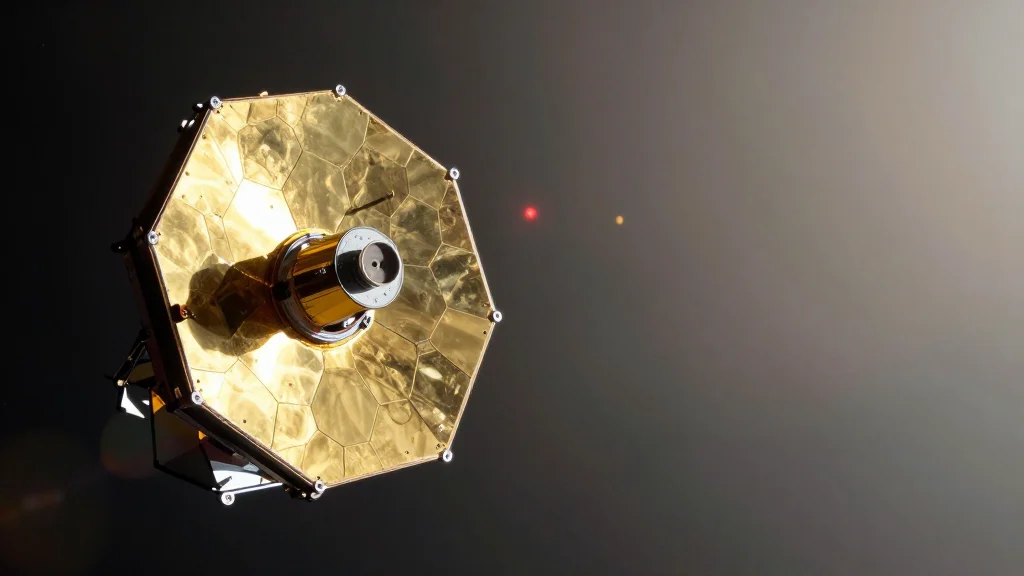
JWST Rules Out Thick Atmospheres on TRAPPIST‑1b and C
NASA's James Webb Space Telescope has measured thermal phase curves for TRAPPIST‑1b and TRAPPIST‑1c, finding no atmospheres thicker than about one bar. The data reveal extreme day‑night temperature contrasts, indicating airless or ultra‑thin atmospheres and prompting a reassessment of habitability...

Impulse Space, Anduril Building Space Technology for Golden Dome
Satellite startup Impulse Space is partnering with defense contractor Anduril Industries to develop space‑based interceptor prototypes for the Pentagon’s Golden Dome missile‑defense program, a concept championed by former President Donald Trump. The Pentagon selected both firms to design interceptors that...
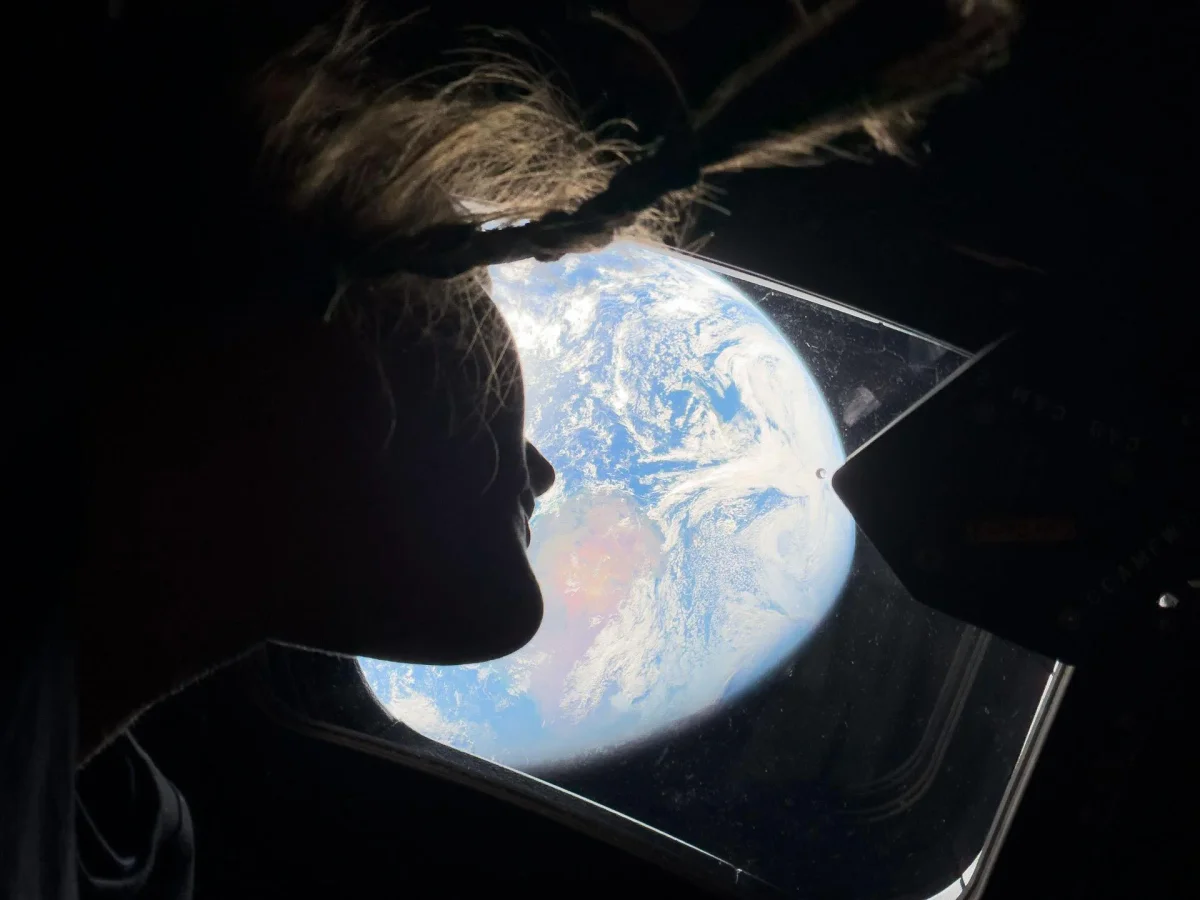
Christina Koch Becomes First Woman to View Whole Earth
NASA just dropped this image of Artemis II astronaut Christina Koch looking back at us. The first woman to ever see our planet in its entirety. I’m not crying you’re crying 🥹 📸: NASA
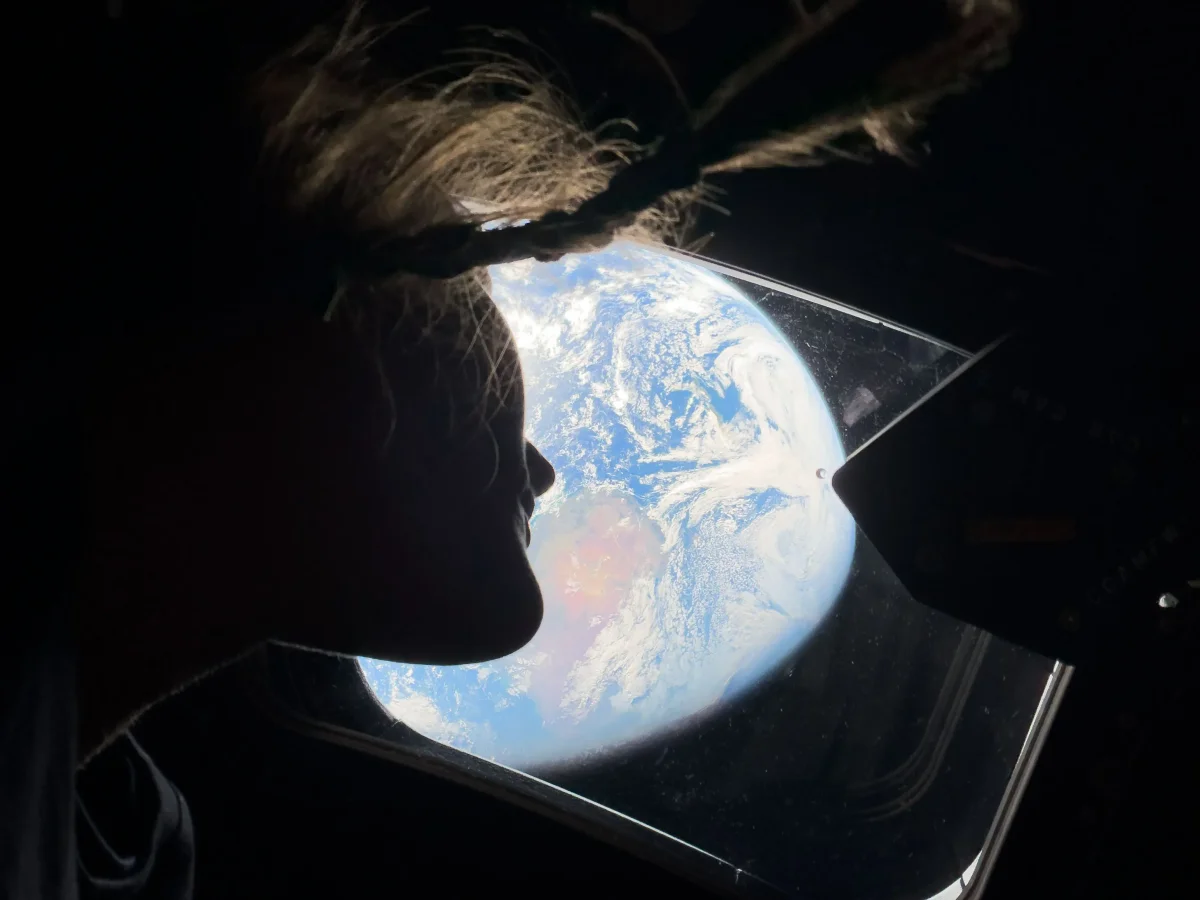
Christina Koch Marvels at Earth From Orion Capsule
Christina Koch watching that beautiful blue marble we call home, through the window of the Orion capsule. I love this 🫶

AI Satellites Lock Onto Ocean Garbage Patches To Supercharge Cleanups
European Space Agency’s Sentinel‑2 satellites are being equipped with AI‑driven image recognition to locate ocean plastic patches. The ADOPT program combines these detections with predictive drift models, giving cleanup teams a 24‑hour window to target debris. Cloud interference hampers optical...
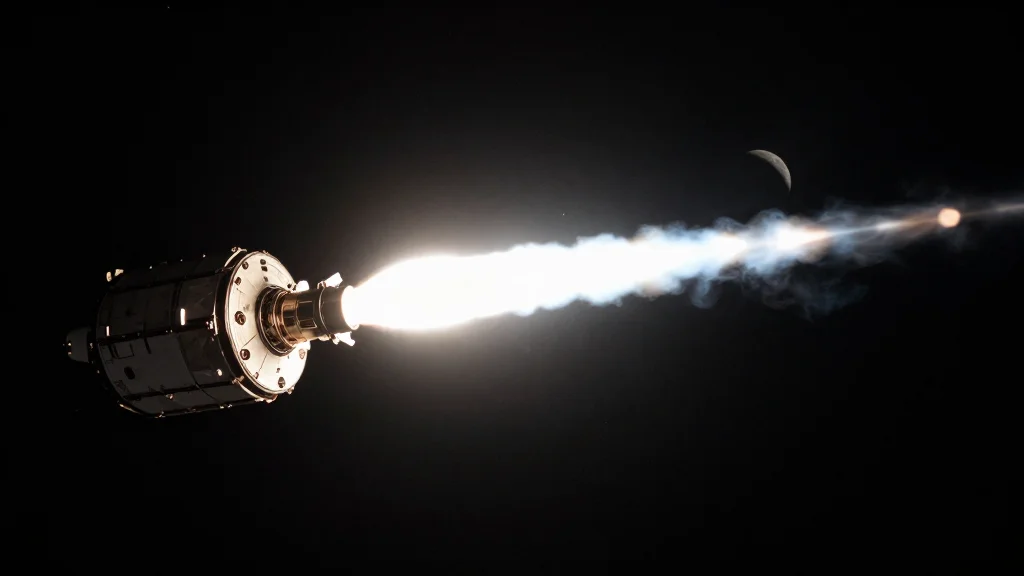
Artemis II Performs Translunar Injection, Leaving Earth Orbit for Moon
NASA’s Artemis II mission executed a flawless five‑minute‑50‑second translunar injection burn, sending the Orion crew capsule out of Earth orbit and onto a free‑return trajectory toward the Moon. The maneuver, performed on April 2, 2026, puts four astronauts on the first deep‑space...
Victor Glover Sr. Praises Son Ahead of Historic Artemis II Moon Flight
Victor Glover Sr. told CNN he is "extremely proud" of his son, astronaut Victor Glover Jr., who will fly on NASA's Artemis II mission later this year. The interview highlights the personal side of a program that aims to return humans...
Manned Spaceflight: Expensive Self‑Expression Without Practical Value
My most contrarian opinion might now be that manned space light is a very expensive sort of self expression. There’s no scientific or economic or any other tangible value. We’re not going anywhere, there’s nowhere to go, and there’s nothing...
SpaceX to Acquire xAI in $1.25 Trillion Deal, Paving Way for Record‑Breaking IPO
Elon Musk’s aerospace firm SpaceX has completed a $1.25 trillion acquisition of his AI startup xAI. The merger creates a mega‑tech conglomerate and positions SpaceX for an IPO that could value the combined entity at $1.75 trillion, dwarfing any public offering to...

Video: Artemis 2 Flight Day 3 Highlights – Orion Crew, Including Canada’s Jeremy Hansen, Are Now Closer to the Moon...
On Flight Day 3 of NASA’s Artemis 2 mission, the Orion crew crossed the halfway point, becoming closer to the Moon than to Earth. A planned outbound trajectory correction burn was evaluated and then canceled, preserving valuable propellant. The astronauts performed a...
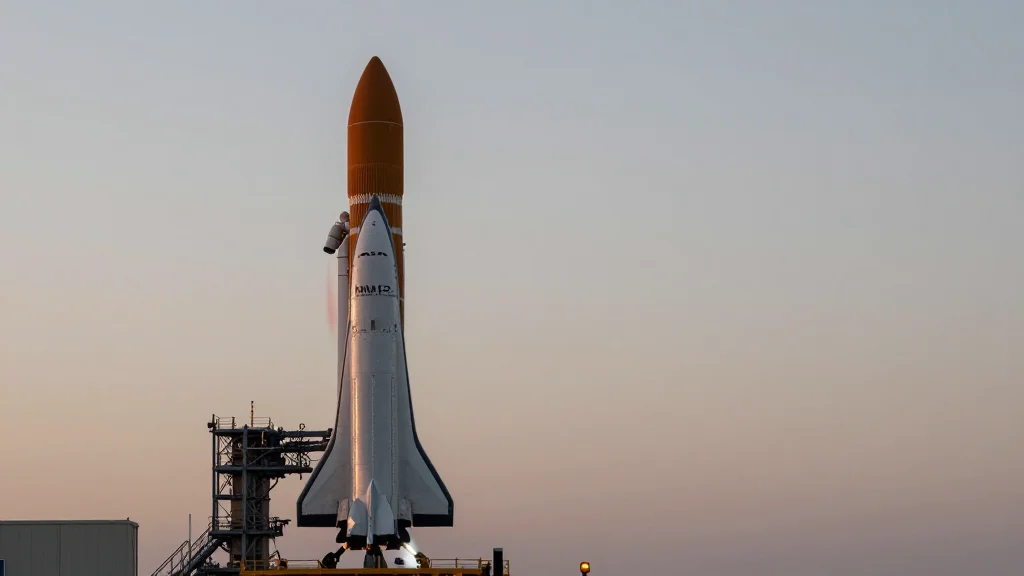
China’s Tianlong‑3 Heavy‑Lift Rocket Fails on First Flight, Delaying Challenge to SpaceX
China’s privately developed Tianlong‑3 heavy‑lift launch vehicle suffered a flight anomaly on its inaugural launch on April 3, 2026, halting the rocket’s immediate entry into service. The setback pushes back the timeline for delivering satellites to China’s planned megaconstellation and underscores...
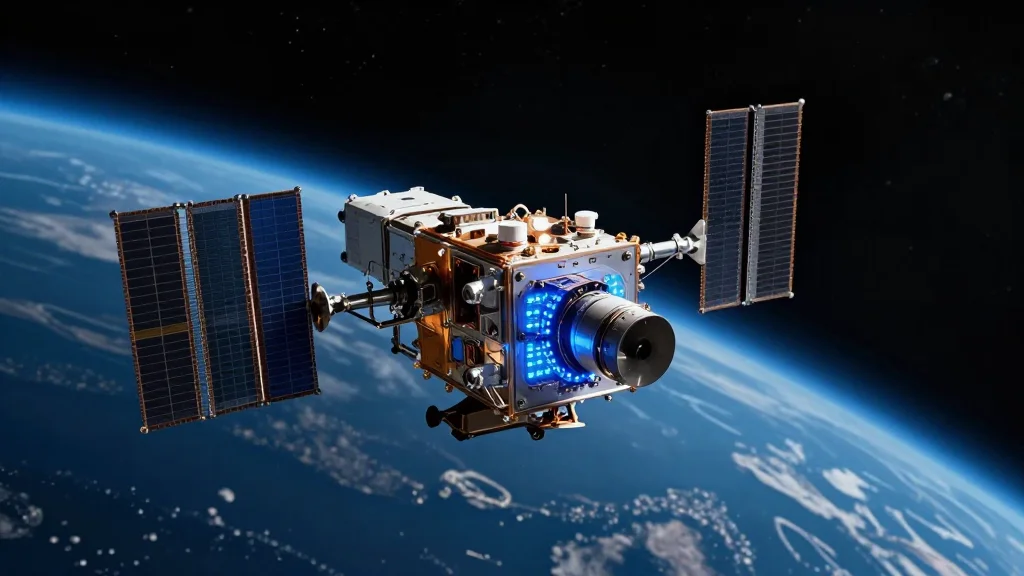
Musk Unveils Plan for Orbital Data Centers to Power AI, Sparks Debate
Elon Musk told a crowd in March that SpaceX, now merged with xAI, will deploy data centers in Earth orbit to run AI workloads, saying space‑based power could soon be cheaper than terrestrial solutions. The proposal has drawn both enthusiasm...
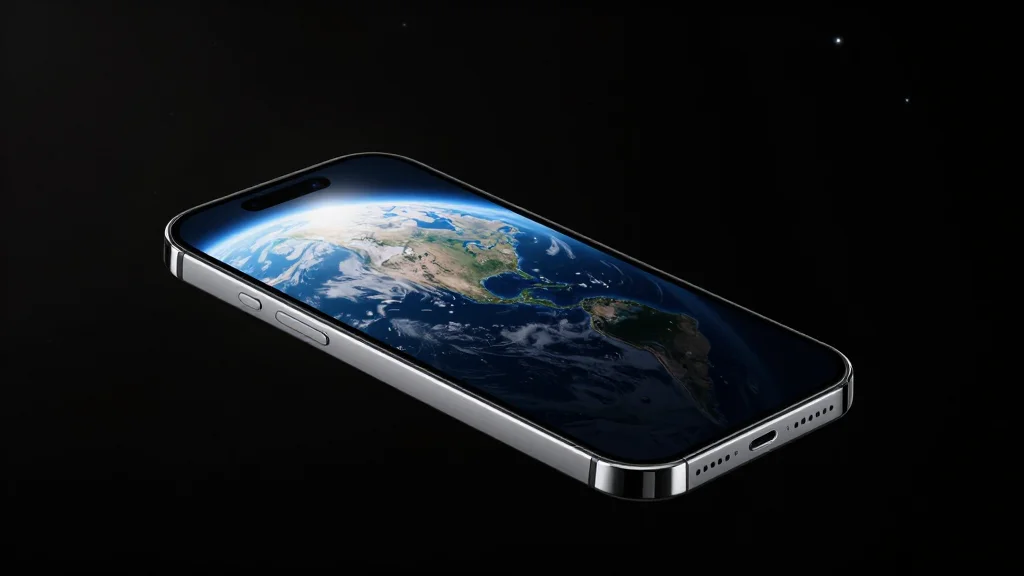
NASA's Artemis II Sends First Earth Images, iPhone 17 Pro Max Captures Moon Flyby
NASA’s Artemis II mission, launched on April 1, has beamed back its first images of Earth from the Orion spacecraft and revealed that the crew is using iPhone 17 Pro Max cameras alongside professional gear. The four‑astronaut crew—Reid Wiseman, Victor Glover, Christina Koch and Jeremy Hansen—are now...

NASA’s $30 Million Space Toilet Broke Down Hours Into Artemis Moon Mission
NASA’s Artemis II mission encountered a malfunction in its $30 million Universal Waste Management System just hours after launch when the urine‑collection fan jammed. Crew member Christina Koch reported a fault light, prompting Mission Control to guide the astronauts through a troubleshooting sequence....

Dream Job: Covered Artemis II Launch on CNN
Spoke with @johnberman on @cnn before the Artemis II launch. Getting to cover this mission has been a dream. My job is so cool. #artemisii #rocketlaunch #nasa #news #haiku

Axiom Space Company Profile: Building the World’s First Commercial Space Station
Axiom Space, founded in 2016, is constructing the world’s first commercial space station while operating private crewed missions to the International Space Station. In February 2026 the company secured $350 million in equity and debt financing to speed hardware development and its...

Illuminated in Orion
On the third day of NASA’s Artemis II mission, the Orion crew began outfitting the capsule for a lunar flyby. Astronauts performed exercise routines, practiced medical emergency procedures, and validated the spacecraft’s deep‑space emergency communications system. The photo shows Christina Koch reading...

Hayabusa2 Samples Reveal All Five DNA Nucleobases on Asteroid Ryugu
Japan's JAXA Hayabusa2 mission returned asteroid Ryugu material that contains all five canonical DNA and RNA nucleobases. The discovery, published in Nature Astronomy, suggests that the basic chemical toolkit for life may be common across the solar system.
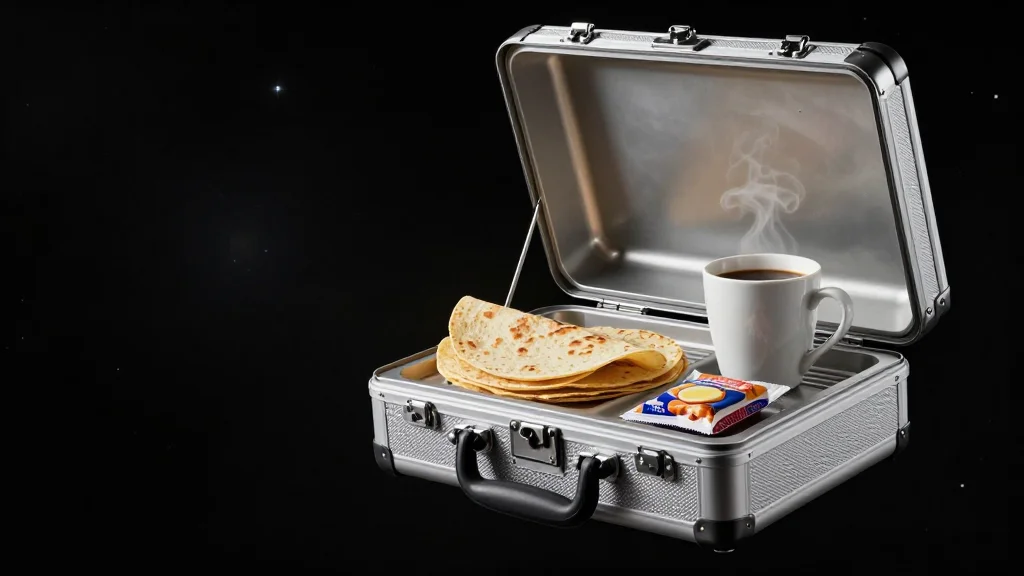
NASA Reveals Artemis II Menu: 189 Items, 58 Tortillas and 43 Cups of Coffee
NASA unveiled the Artemis II crew menu, featuring 189 distinct items, including 58 tortillas, 43 cups of coffee and a briefcase‑style food warmer. The selection reflects astronaut input, high‑energy needs and new capabilities for deep‑space nutrition.

Artemis Captures Earth From Behind, Unlike Apollo.
Left to right: Original unedited Apollo 17 mission Blue Marble photo; Artemis II's Hello, World photo; Apollo 17 Blue Marble edited by NASA; and NASA's EPIC camera onboard NOAA's Deep Space Climate Observatory satellite on the 50th anniversary of the...
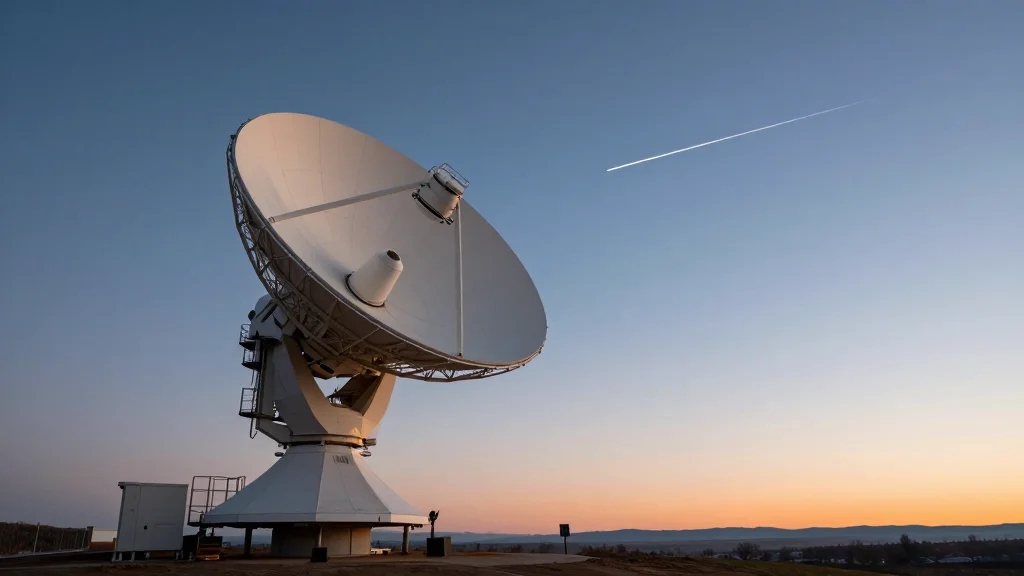
Aaron's Repost Reveals Publicity Chase over Analysis
It is hugely ironic that Aaron would repost this today, at exactly the time when Apple's hand *is* being forced by Globalstar's sale...and shows that his objective is not providing "rigorous" analysis, but instead sucking up to get Musk's endorsement...
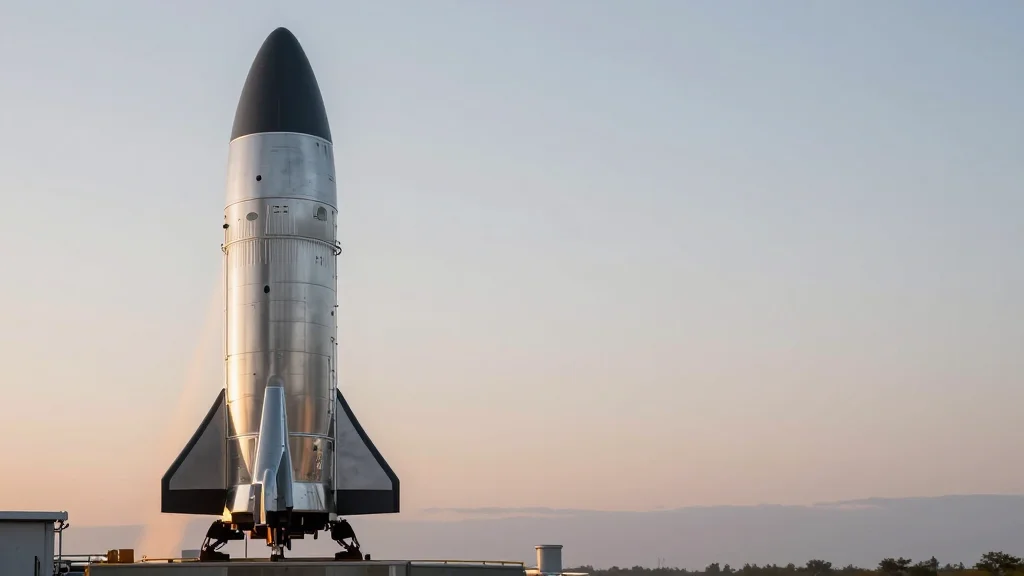
SpaceX Delays Next Starship Test Flight to May, Extending Timeline
SpaceX said the upcoming Starship test flight will now occur in May, a month later than planned. The shift pushes back the timeline for the vehicle’s orbital certification and highlights ongoing technical challenges.

Artemis II Replay Highlights Launch Abort System Jettison
Going through some of NASA's Artemis II launch replays, and this one showing Launch Abort System jettison pops. https://t.co/sa9Byen6VT
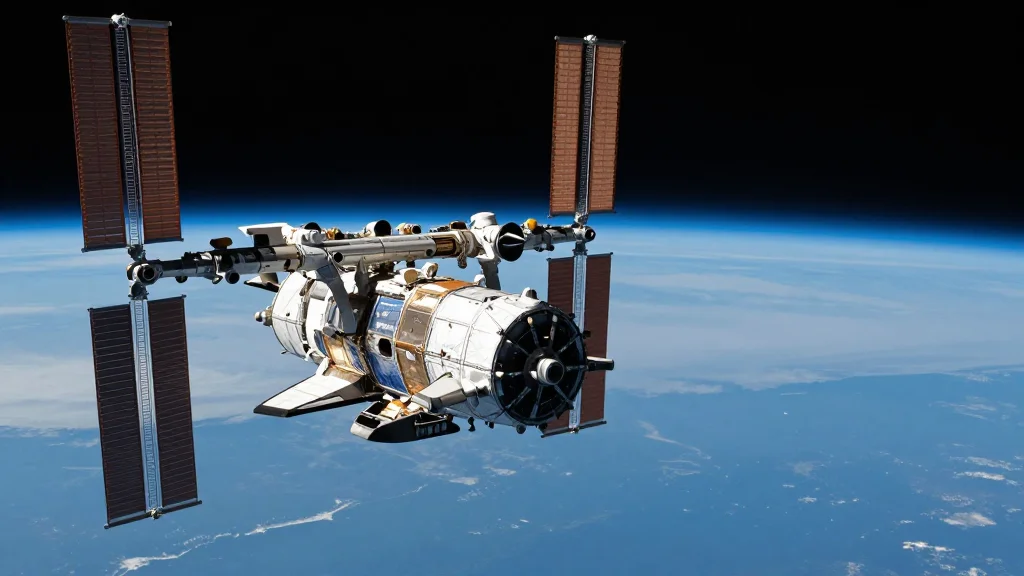
NASA Skips Prelaunch Briefings for Upcoming Resupply Flight
Unfortunately, NASA is not doing any prelaunch mission or science briefings for this, unlike most previous resupply flights.

Houston Cheers on Artemis II Moon Mission, Reclaiming Its Place as ‘Space City’
The Artemis II crewed lunar‑flyby mission launched from Florida on April 3, 2026, with flight control transferred to NASA’s Johnson Space Center in Houston. Over a thousand spectators gathered at Space Center Houston to watch the live broadcast, turning the city’s historic space...

Artemis II Crew Passes Halfway Point to Moon, Shares New Photos of Earth
NASA’s Artemis II crewed Orion spacecraft passed the halfway mark on its lunar flyby, roughly 192,000 km from Earth, on Friday. The four astronauts streamed new high‑resolution photographs of Earth’s cloud‑covered surface, underscoring the mission’s scientific and public‑relations goals. Launched Wednesday, Artemis II...

How Do Satellites Determine Their Orbital Position?
Satellites determine their orbital position by fusing data from ground‑based radar, laser ranging, GNSS receivers, and onboard attitude sensors such as star trackers and IMUs. The U.S. Space Force’s Space Surveillance Network monitors over 27,000 objects, while laser stations achieve...