
The Artemis II Launch: A Global Milestone and a Mirror for China’s Ambitions
In early April 2026 NASA launched Artemis II, its most powerful rocket carrying four astronauts on a ten‑day lunar orbit mission, the first crewed Moon flight since 1972. The flight serves as a critical test for the Orion capsule, the Space Launch System, and the broader Artemis architecture that aims for a sustainable presence on the Moon. While an American milestone, the launch reverberates worldwide, prompting other spacefaring nations to reassess their timelines. Observers view the mission as a benchmark for China’s rapidly advancing lunar ambitions.
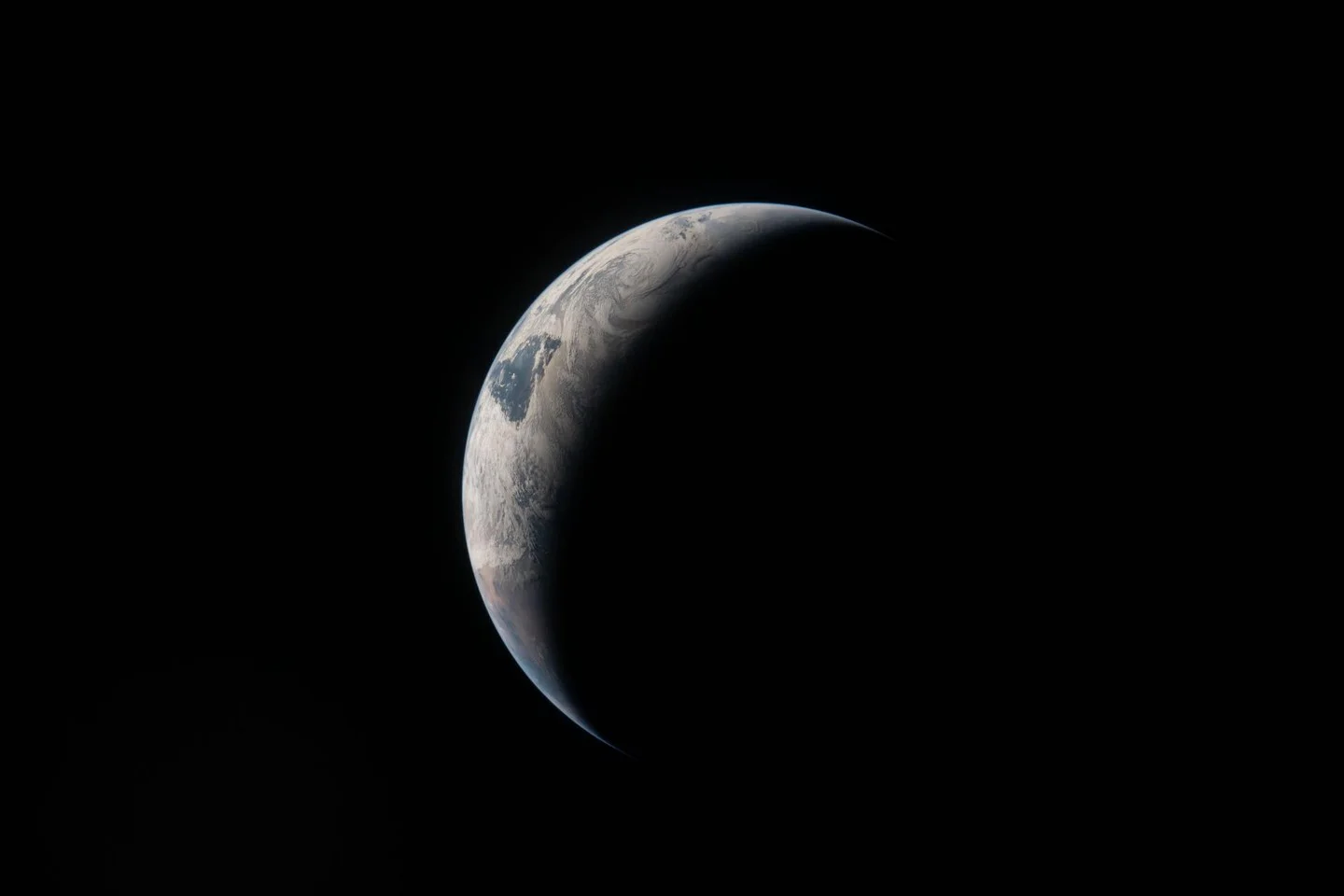
Colorado Powers Artemis II, Showcasing Earth’s Stunning View
As Artemis II makes its journey, we’re proud that Colorado plays a key role in powering space exploration. From aerospace innovation to cutting-edge technology, our state is helping make missions like this possible. Check out this ‘amazing’ photo of Earth taken...

Trump Speaks with NASA's Artemis II Astronauts After Historic Moon Flyby
President Donald Trump phoned the Artemis II crew aboard Orion to commend their historic lunar flyby. The four‑person crew, including three NASA astronauts and a Canadian, set a new record as the farthest humans have traveled from Earth, reaching 252,756 miles...
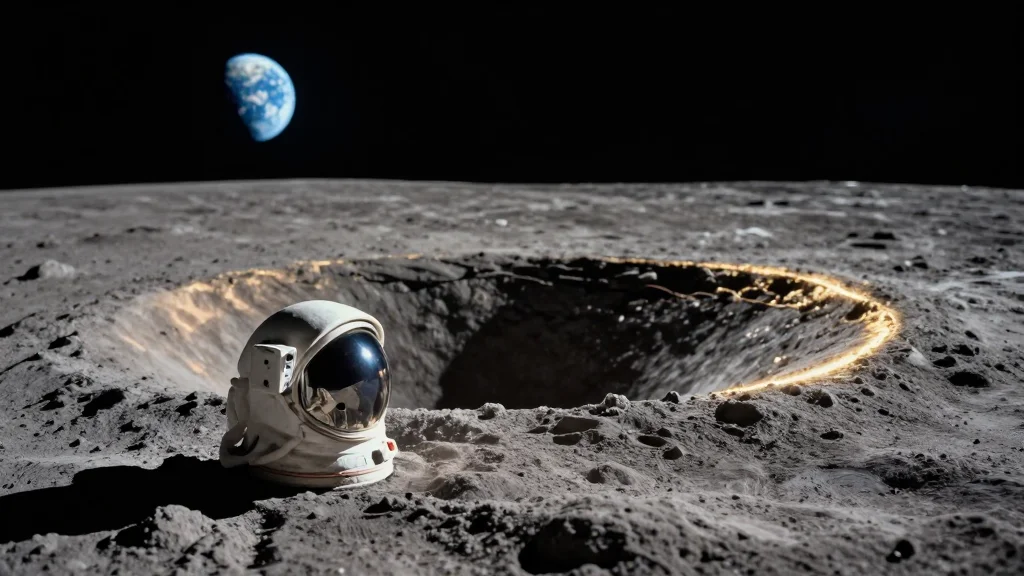
Artemis 2 Crew Shares Emotional Moment as They Name Crater After Commander’s Late Wife
Artemis 2 astronauts, fresh from setting a record for the farthest distance from Earth, announced a proposal to name a lunar crater “Carroll” in memory of commander Reid Wiseman’s late wife, Carroll Taylor Wiseman. Mission Specialist Jeremy Hansen described the feature...

Renesas Rad-Hard ICs Aboard NASA’s Artemis II
Renesas Electronics’ radiation‑hardened integrated circuits are aboard NASA’s Artemis II mission, which launched on April 1 from Kennedy Space Center. The Intersil‑branded rad‑hard ICs are embedded in Orion’s avionics and the Space Launch System, managing power distribution, signal integrity and onboard computing...

Australia Rejects Call To Pursue Full European Southern Observatory Membership
On 1 April 2026 the Australian government rejected a proposal to become a full member of the European Southern Observatory, citing a $40 million AUD (≈$26 million USD) annual fee. The move will terminate Australia’s partnership with ESO by 2027, cutting access to the world’s...
Artemis II Crew Enters Lunar Sphere of Influence, First Since Apollo 17
NASA astronauts Reid Wiseman, Christina Koch, Victor Glover and Canadian astronaut Jeremy Hansen entered the moon’s sphere of influence at 12:41 a.m. ET Monday, the first crewed crossing since Apollo 17. The move confirms Orion’s trajectory and sets the stage for the...
NASA Mission Control Thrilled by Meteor Flashes, Coronal Views
Watching NASA Mission Control be giddy from the descriptions of meteor impact flashes and coronal structure makes me giddy.
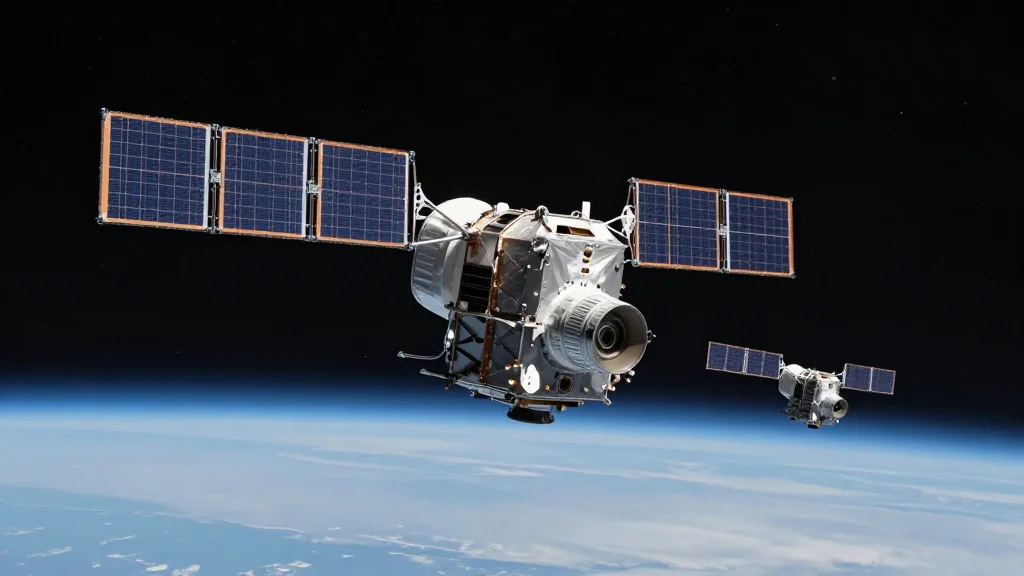
Tianshi‑1 Deployment Near 66A Raises Orbital Ambiguity
China's Tianshi-1 appears to have been deployed from the Xinzhengcheng-02 parent satellite; object 66D was cataloged, but has TLEs that put it stationkeeping within 1 km of 66A. More data needed for clarity.

Emotional Artemis II Crew Names Moon Crater 'Carroll' After Nasa Commander's Late Wife - Video
NASA’s Artemis II crew, on the brink of a historic lunar flyby, asked mission control to name an unnamed lunar crater after commander Reid Wiseman’s late wife, Carroll. Mission specialist Jeremy Hansen relayed the request, describing the feature as a bright...

Falcon 9 Streaks over Venice Beach During Evening Walk
falcon 9 over Venice beach this afternoon during an evening dog walk Launched from vandenberg space force base. Gorgeous 🚀🚀🚀 https://t.co/DZF9rrc20C

Moon‑
In a frame moving with the center of the Moon, the little loop goes away and is replaced by a hyperbola. Cyan dot is the sphere of the moon to scale, dashed line is the lunar sphere of influence....

China Taps Rocket, Satellite Startups to Catch up to SpaceX
China is mobilizing private rocket and satellite startups to accelerate its space ambitions and challenge SpaceX’s dominance. State‑owned China Satellite Communications Group plans a 50,000‑satellite low‑Earth‑orbit constellation, while a new $2.9 billion government fund supports over 600 domestic space firms. The...

Artemis 2’s Flight Path Overlaid on Moon’s Orbit
Here's the Artemis 2 trajectory in a geocentric inertial frame projected onto the equatorial plane. The cyan track shows the motion of the moon during the mission. https://t.co/deCYMUyDal

Childhood Snack Now Floating Aboard Lunar Spacecraft
I never thought my daily childhood spread would be floating in a space craft around the moon. https://t.co/FNcQD8fVGD
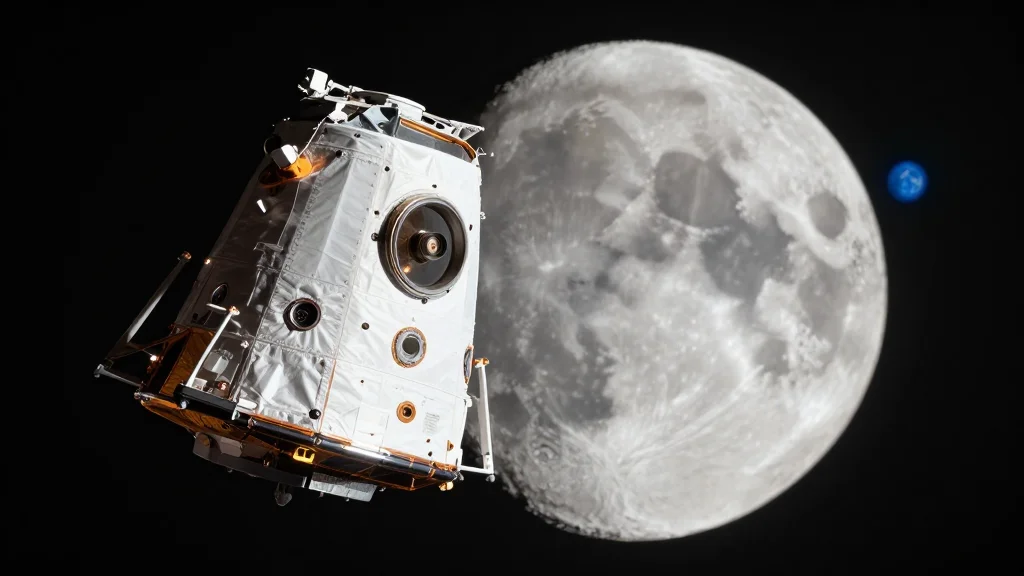
Artemis II Races to Set New Distance Record
NASA’s Artemis II crew performed a six‑hour lunar fly‑around, becoming the most distant humans ever, surpassing Apollo 13’s 400,171 km record by more than 6,600 km. The mission used a free‑return trajectory that loops around the moon and brings the Orion capsule back to...

Artemis Crew Witness Meteor Impacts During Lunar Eclipse
Man the Artemis stream today What an incredible thing to experience live Coolest part was the crew seeing surface flashes during the solar eclipse Basically the sun was blocked out, so they could see meteorites hitting the moon every few mins Just wow https://t.co/VLikKVEFiy

Azercosmos and Viasat Sign Partnership Agreement for In-Flight Connectivity
Azercosmos and Viasat have signed a partnership to bring Azerbaijan into the European Aviation Network (EAN), combining S‑band satellite coverage with a complementary ground component. The agreement includes precise frequency coordination of the 1980‑2010 MHz uplink and 2170‑2200 MHz downlink bands to...

Artemis II Finds Joy on Moon’s Far Side
The Artemis II team is out of contact with Earth on the other side of the moon. Making them the happiest humans in the universe.

Satellite Deployers to Be Used on JAXA Small Satellite Mission by Exolaunch
JAXA has chosen Exolaunch to provide its EXOpod NOVA deployers for the Kakushin Rising small‑satellite mission, slated for launch no earlier than April 23, 2026 on a Rocket Lab Electron from New Zealand. The mission will release eight university‑ and industry‑built spacecraft into a...

SpaceX Raptor Engine Test Seems to Have an Explosion
SpaceX performed a static‑fire test of its next‑generation Raptor methane engine at the McGregor, Texas test site, and a bright fireball suggested an explosion during the run. The incident was captured on video and appears to be an engine failure,...
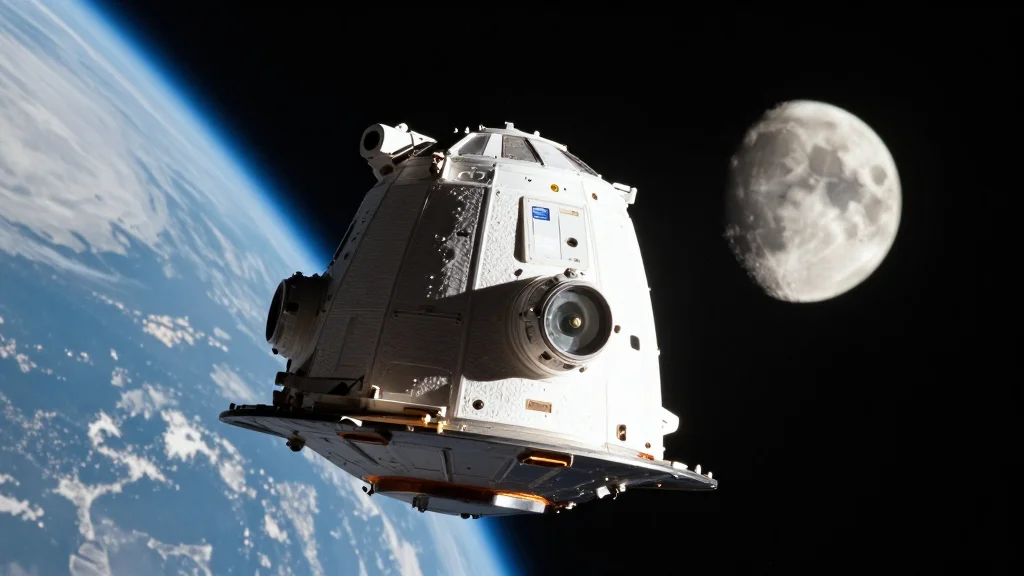
NASA’s Artemis II Moon Mission Reaches Greatest Distance From Earth
NASA’s Artemis II crew reached a record‑breaking 252,756 miles (406,771 km) from Earth on April 6, marking the farthest distance humans have traveled since Apollo 13. The astronauts also passed the Moon at a closest approach of 4,067 miles (6,545 km), during a 40‑minute communications blackout...

Last Week in ConTech - 6 April 2026
Starcloud announced a $170 million Series A round to develop data centers in orbit, betting on rapidly falling launch costs. SpaceX’s Starship aims to bring payload prices down to $10 per kilogram, making off‑world infrastructure economically viable. The U.S. government simultaneously pledged...

The Dark Side of the Moon Is Really the Far Side
The New York Times clarifies that the so‑called "dark side" of the Moon is a misnomer; the far side receives as much sunlight as the near side but remains hidden from Earth‑based observers. The article notes NASA’s current focus on...
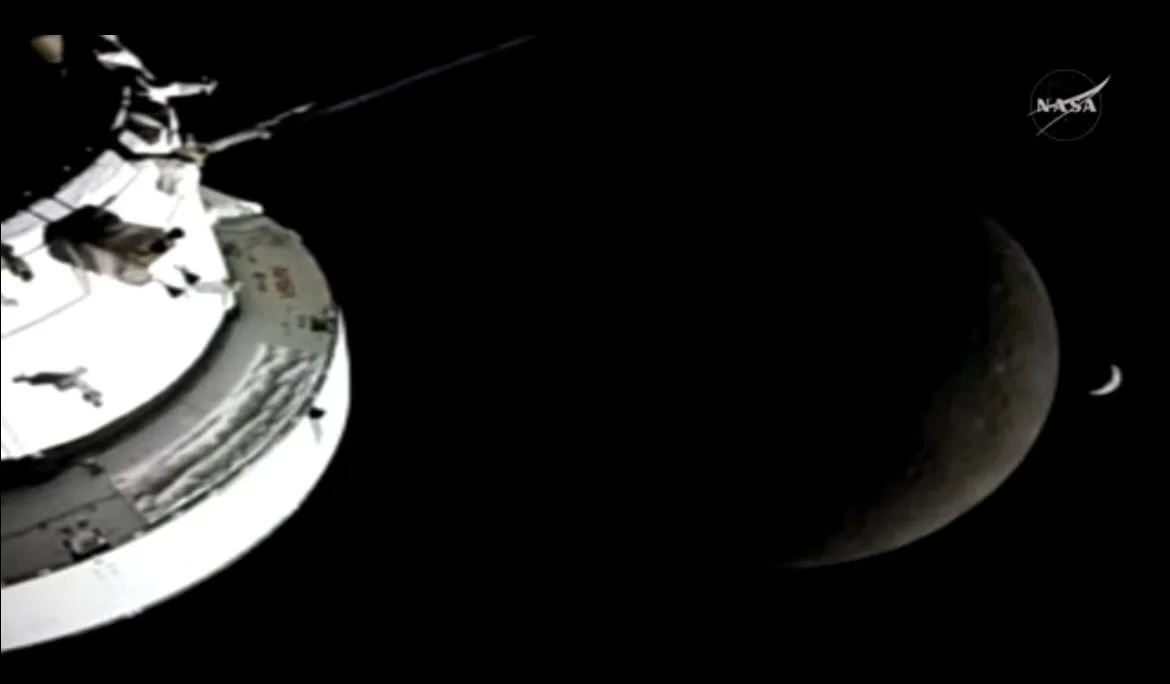
Artemis II Sends Love From Moon Before Silence
From Artemis II right before they lost signal going behind the moon: “As we prepare to go out of radio communication, we’re still able to feel your love, from Earth. And to all of you down there on Earth and...
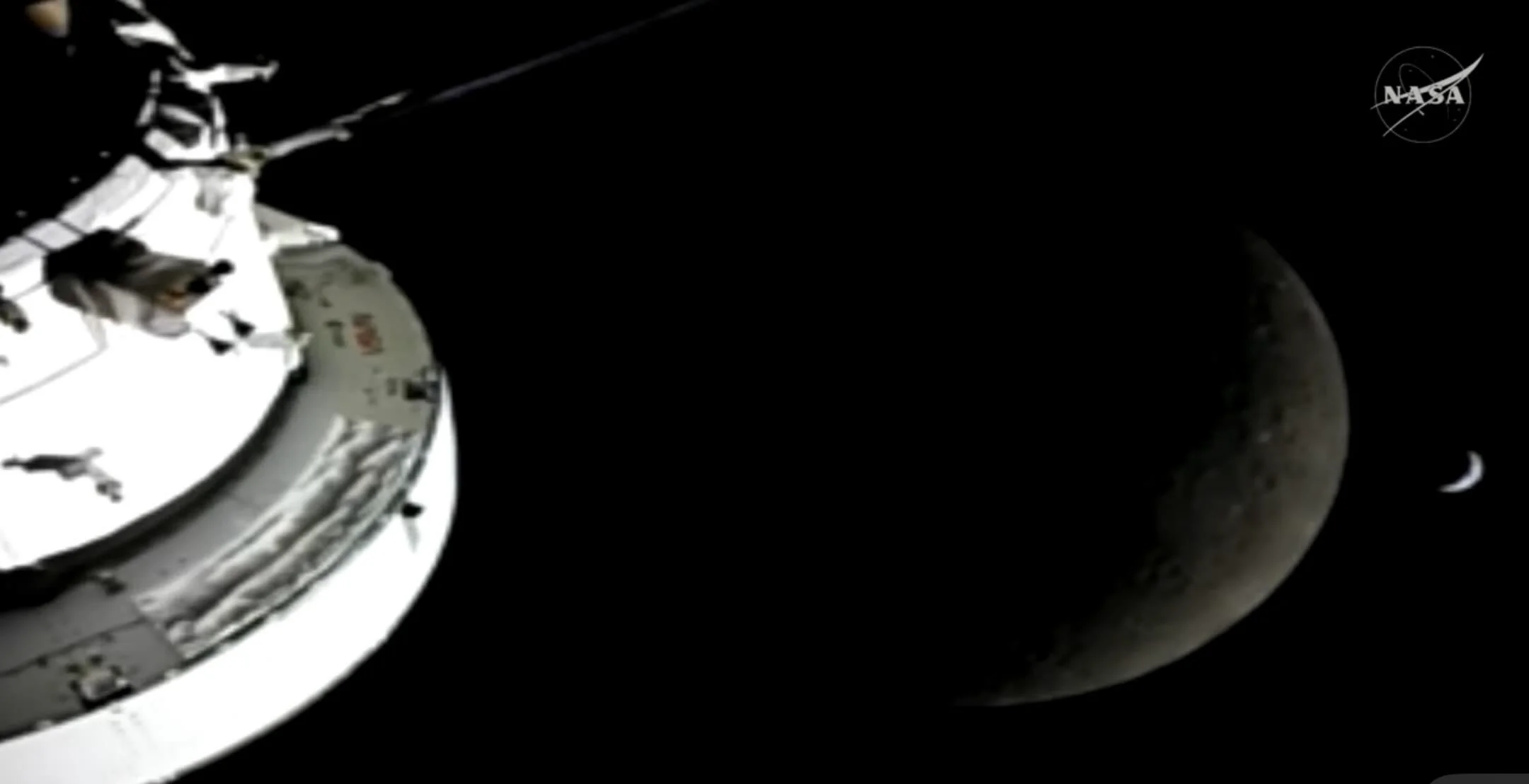
Orion, Moon, Earth: Humanity Captured in One Frame
This is wild: Orion in the foreground, the Moon, and a crescent Earth in the distance. All of who we are, all of what we know in one photo. #ArtemisII

Voyaging to ‘Space Beach’
Voyager Technologies Inc., a Denver‑based space‑defense firm, opened a 140,000‑square‑foot facility in Long Beach, positioning itself near the region’s aerospace cluster and the Space Force base in El Segundo. The move follows a record‑breaking 2025 where Voyager posted $166.4 million in net...
Artemis 2 Loses Contact for 40 Minutes at Closest Moon Pass
NASA is providing live coverage of Artemis 2 sharing obs of the Moon, but at 6:44pmET they'll be behind the Moon and comms will be lost for ~40 min. During that time, they'll make their closest approach to the surface...
Fake AI Images Mistaken for Artemis Photos Surge
The number of fake AI generated things that people are believing are photos from Artemis is unreal.

Artemis Moon Mission Sets Record; Trump Sets Tuesday 8PM Deadline For Iran
NASA’s Artemis II crew set a new distance record, reaching roughly 252,760 miles from Earth during a lunar flyby and confirming Orion’s performance ahead of a planned 2028 Moon landing. The astronauts will splash down near San Diego on April 10 after...

Asteroid Bennu’s Minerals and Organic Matter Occur in Distinct Chemical Domains: Study
Scientists at Stony Brook University used nanoscale infrared and Raman spectroscopy on NASA’s OSIRIS‑REx sample OREX‑800066‑3 from asteroid Bennu. The analysis revealed that organic compounds and minerals occupy distinct chemical domains at 20‑500 nm resolution, indicating water‑driven alteration was spatially heterogeneous....

Confessing My Supersonic Garage Rocket and Space Nerd Roots
In light of the Artemis mission I think it's time to come clean about what an absolute massive space nerd I truly am: - I went to Space Camp - I interviewed John Glenn - At the age of 18 I custom...

Artemis II Reaches Closest Lunar Approach, Sets Human Distance Record
#Artemis II just got as close to the moon's surface as it will, and carried its humans farther away from Earth than anyone has ever been. https://t.co/fQcg72jSkH

Cracked Bedrock on Mars?
A high‑resolution image from NASA’s Mars Reconnaissance Orbiter, taken on Dec 3 2025, shows an unusual flat‑rimmed crater in Mawrth Vallis surrounded by two 50‑70‑foot mesas and a network of cracks. The cracked terrain resembles dried mud, indicating a long‑standing dry environment...
Integrity Exits Moon's Gravity, Heading Back Earth
Integrity has now passed lunar closest approach and is climbing uphill in the lunar gravity field. In about 18 hours it will leave the lunar gravitational sphere of influence and start falling back towards Earth.

Artemis Crew Faces 40‑minute Lunar Blackout, Relies on Camaraderie
Artemis astronauts about to lose contact with the Earth for about 40 minutes as they pass behind the Moon. At least they have each other. https://t.co/jAC1YLps9f

UK Develops Robotic Lab to Study Moon and Mars Rocks
The University of Leicester’s Space Park has unveiled a Double‑Walled Isolator (DWI), an ultra‑clean robotic laboratory designed to store, handle and analyse lunar and Martian samples without contamination. NASA and ESA officials toured the facility and observed the system unpack,...

Early Guess: EO Aperture on Proteus Meant for 180
When we saw pics of that EO aperture on Proteus years ago I said to Joe, “well that’s sure to be for the 180!”

Artemis Reaches 6,544 Km Perilune, 413,146 Km
At 2302 TDB (2300 UTC) Artemis will reach a perilune of about 6544 km altitude. Four minutes later it will reach a maximum distance to the geocenter of 413146 km. [Blue: geodistance; Red: height above moon; Magenta: geocent radial...

Cygnus Heads to the ISS as SpaceX Keeps up the Pace
Northrop Grumman’s Cygnus NG‑24 is slated for an April 8 launch from Cape Canaveral, carrying over 11,000 lb of supplies, experiments, and hardware to the International Space Station’s Expedition 73 crew. The spacecraft will be captured by the station’s Canadarm2 and later docked...

Artemis II Hits Moon at 4,067 Miles, Reaches 252,756 Miles
Astronaut Jenni Gibbons, in Houston, transmits the latest information on Artemis II's trajectory to astronaut Victor Glover, a quarter-million miles away. Closest approach to the Moon: 7:00:46 pm EDT at a distance of 4,067 miles Farthest distance from Earth: 7:02:51 pm...

Artemis II Commander Shares iPhone Moon Snapshot
iPhone pic of the Moon from Artemis II commander Reid Wiseman, a sneak peek of what's to come. https://t.co/FnkGVlOeay

SmallSat Europe Speaker Focus: Dr. Ane Aanesland, ThrustMe
ThrustMe celebrated its 100th iodine electric propulsion system in orbit in June 2025, marking a shift from prototype to industrial scale. The solid‑iodine thrusters eliminate bulky xenon tanks, cutting mass and cost for small‑sat manufacturers. The company has surged past 200...

FCC Can Ensure Market Reciprocity Amid EU Draft Concerns
Commercial space to @FCC: Calm down. Draft @defis_eu #SpaceAct & #DigitalNetworksAct have issues, but they'll wash out & FCC already has power to assure market reciprocity. @SpaceX @EutelsatGroup @SESSpaceDefense @leaf_space @MyriotaGlobal @Viasat.https://t.co/Q69bFtNufa https://t.co/d9hjU9GOmL
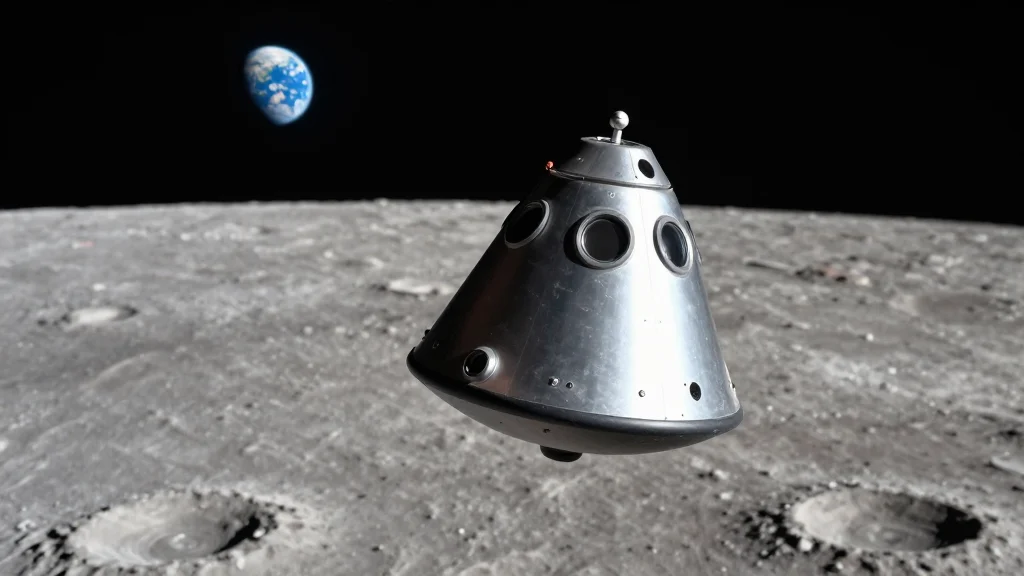
How the Crew of Artemis II Reacted to Seeing the Moon up Close
Artemis II’s crew performed a seven‑hour flyby of the Moon, becoming the farthest humans from Earth since the Apollo era. The spacecraft lost contact for about 45 minutes as it passed behind the lunar far side, giving the astronauts a rare...

Artemis Faces Crude Toilet Woes on Lunar Mission
Small tweet upgrade, re the toilet problems on the #Artemis: A crude loonar mission. 🚀🚽

Live GoPro Moon Footage From Crewed Spacecraft
It absolutely rules that we have live GoPro views of the Moon from a crewed spacecraft 250,000 miles from Earth https://t.co/Yrfcu21XNB

Moog Highlights Growing Satellite Bus Capabilities with Full‑Scale METEOR Reveal at Space Symposium
Moog Inc. unveiled a full‑scale model of its METEOR satellite bus at the 41st Space Symposium in Colorado Springs, highlighting a portfolio of scalable spacecraft platforms. The METEOR demonstrator showcases adaptable payload interfaces, flexible power systems, and high‑delta‑V propulsion designed...
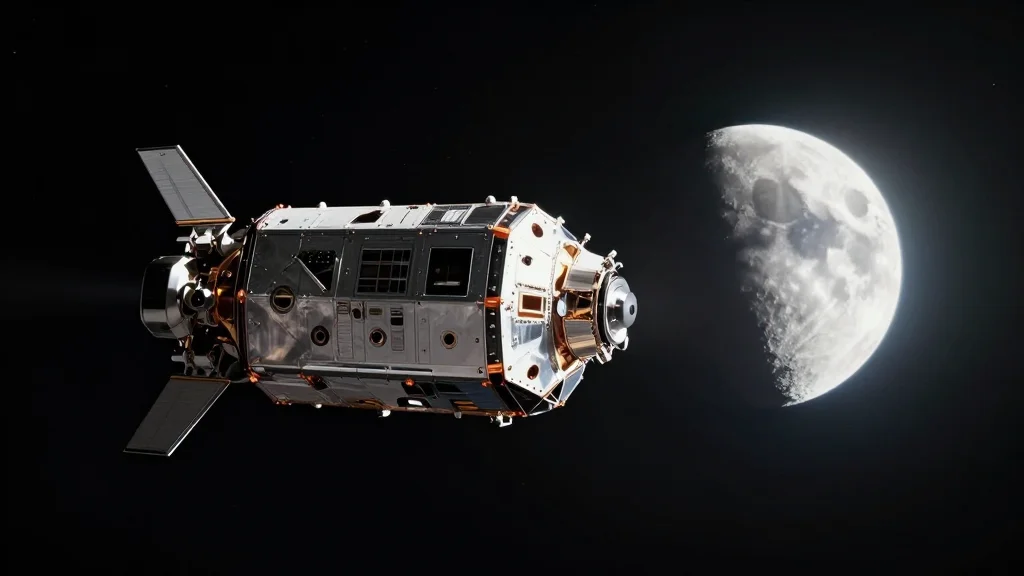
Artemis II Completes Historic Lunar Flyby—Watch Livestream
Congratulations to @NASA’s Artemis II on making history with their lunar flyby 🌕 You can continue watching the rest of their journey back to 🌎 by tuning into the official and creator-led livestreams on @youtube. https://t.co/topBlVXt4c
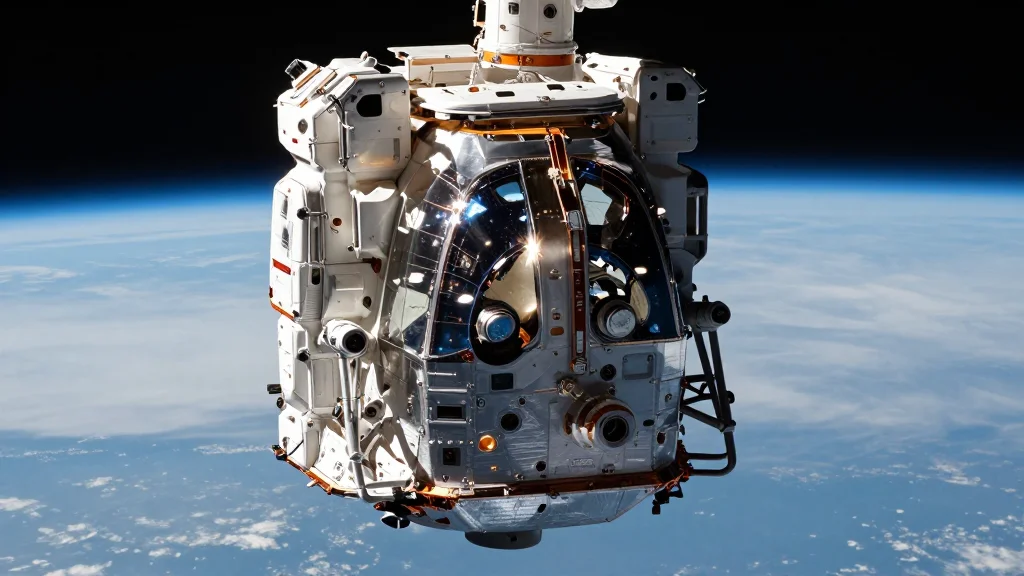
Why Artemis II Lacks High‑Resolution Fly‑by Images
In every other planetary fly-by we get hi-res images. Why not for the Artemus II mission? Youtube resolution does not cut it.