
Launch Aggregators and the Business of Bundled Access to Space
Launch aggregators have evolved from simple rideshare brokers into full‑service mission‑access providers, handling integration, compliance, and post‑launch logistics. The model accelerated after SpaceX’s Transporter‑16 flew 119 payloads in March 2026, proving that high‑volume rideshare can be a repeatable commercial product. Companies such as Spaceflight, Exolaunch, ISISPACE and Maverick now bundle launch slots with hardware, regulatory support, and orbital‑transfer services, turning launch access into a bundled logistics offering. Industry analysts expect the category to further split into launch‑service specialists, in‑space logistics firms, and defense‑oriented providers by the early 2030s.
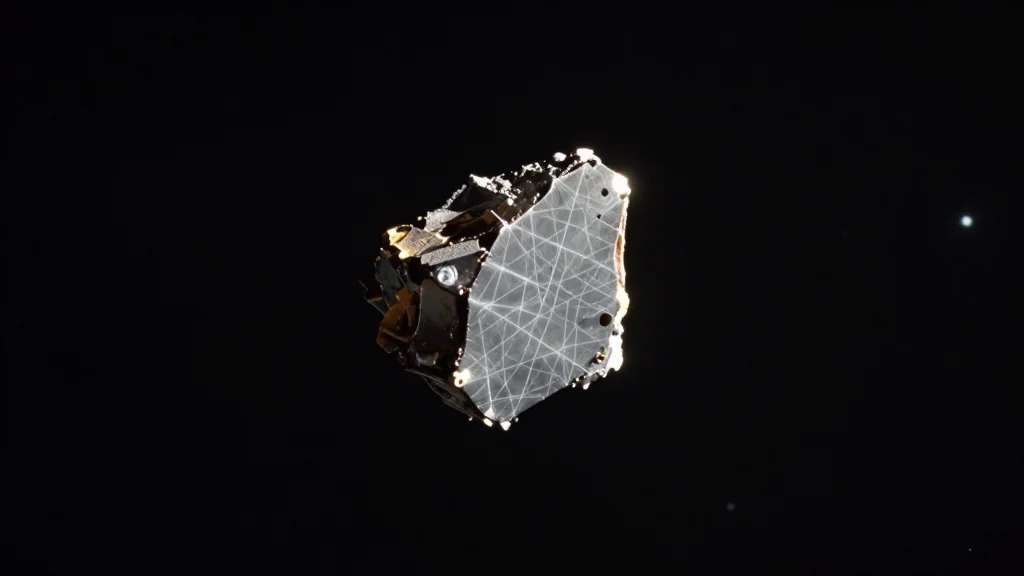
Space Junk: Do Scientists Have a Fix?
Space debris is reaching a critical mass, with the European Space Agency estimating over 15,100 tonnes in orbit, 1.2 million objects between 1 cm and 10 cm, and 140 million smaller fragments. A sub‑millimetre particle recently cracked the Shenzhou‑20 capsule window, forcing a rescue...
Elon Musk Merges SpaceX with xAI, Adding $75 B to Valuation Ahead of IPO
Elon Musk announced a February merger of SpaceX with his AI lab xAI, lifting SpaceX’s estimated valuation by $75 billion and positioning the aerospace giant for a potential $50 billion IPO. The deal ties satellite‑based AI data centers to rocket operations, promising...
U.S. Requests Satellite Firms to Withhold Iran Imagery, Deepening Digital Fog of War
The United States has formally asked satellite‑imagery companies to suspend real‑time coverage of Iran, joining Tehran’s internet blackout and creating a new “digital fog of war.” The move hampers open‑source investigators, raises questions about intelligence transparency, and underscores the information‑war...
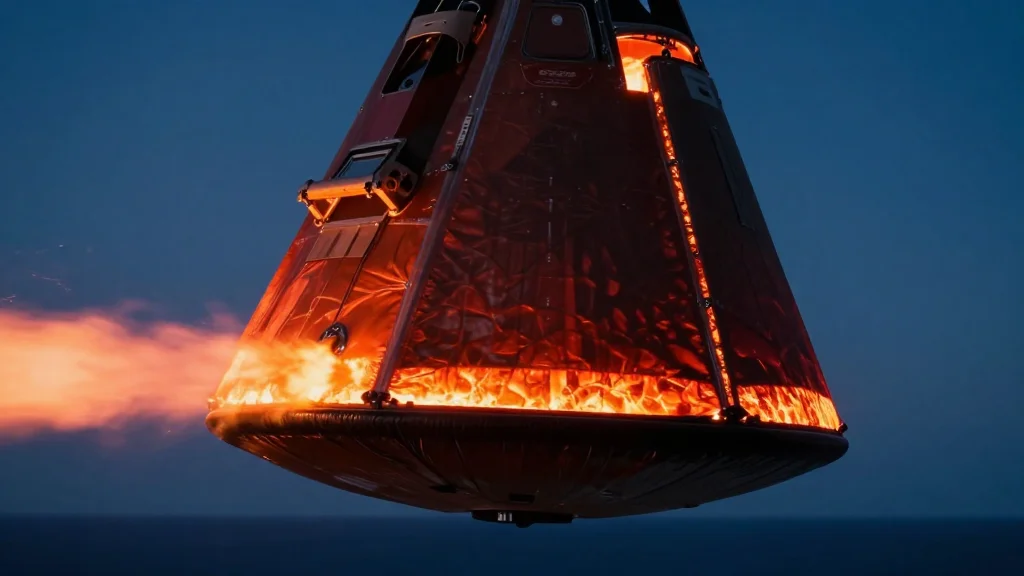
A Fiery Re-Entry Awaits the Artemis Astronauts
NASA’s Artemis II crew of four is set to begin the most demanding phase of their mission—re‑entry into Earth’s atmosphere. The Orion capsule will encounter a fireball of roughly 5,000 °F as it descends, testing the heat‑shield technology that faltered on the...

SmallSat Europe Speaker Focus: Chiara Manfletti, Neuraspace
Neuraspace, a Portuguese space‑traffic‑management startup now operating in Portugal and Luxembourg, has rolled out an AI‑driven platform that predicts collision probabilities days ahead of traditional methods. The system, enhanced by machine‑learning prediction plots, star‑tracker debris detection, and an autonomous maneuver...
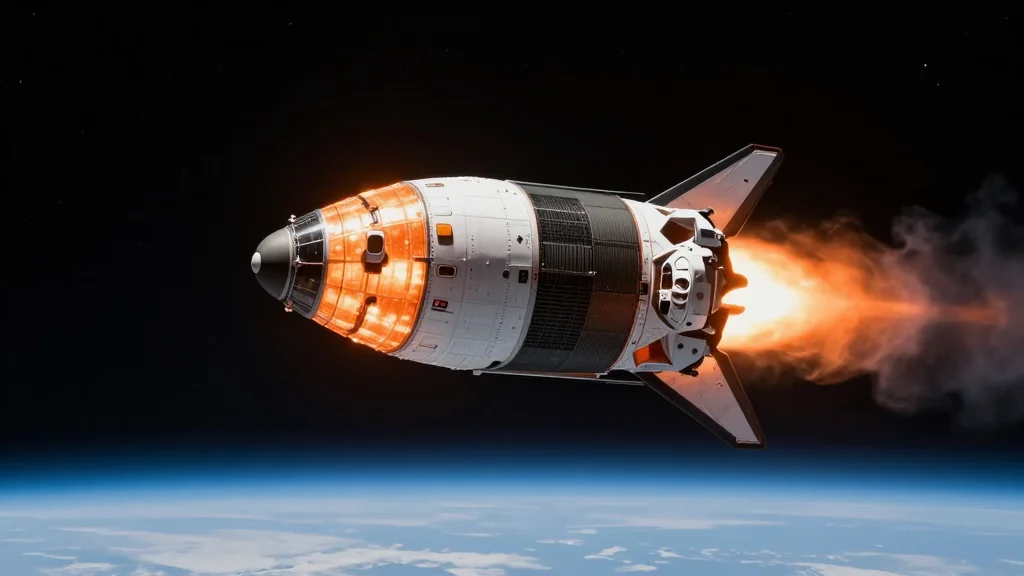
Artemis II Reentry Streams Tonight
NASA’s Artemis II crew is slated to reenter Earth’s atmosphere tonight, April 10, 2026, concluding the first crewed deep‑space flight since the Apollo era. The Orion spacecraft, carrying Mission Specialists Christina Koch and Jeremy Hansen, Pilot Victor Glover, and Commander Reid Wiseman, will perform a Pacific Ocean...

Artemis II Crew Sends A Timely Message Of Love To The Earth
Artemis II’s Orion capsule completed a four‑person lunar flyby and is returning to Earth, marking NASA’s first crewed mission beyond low Earth orbit since Apollo. Astronauts emphasized a message of love and wonder, resonating globally and even proposing to name a...
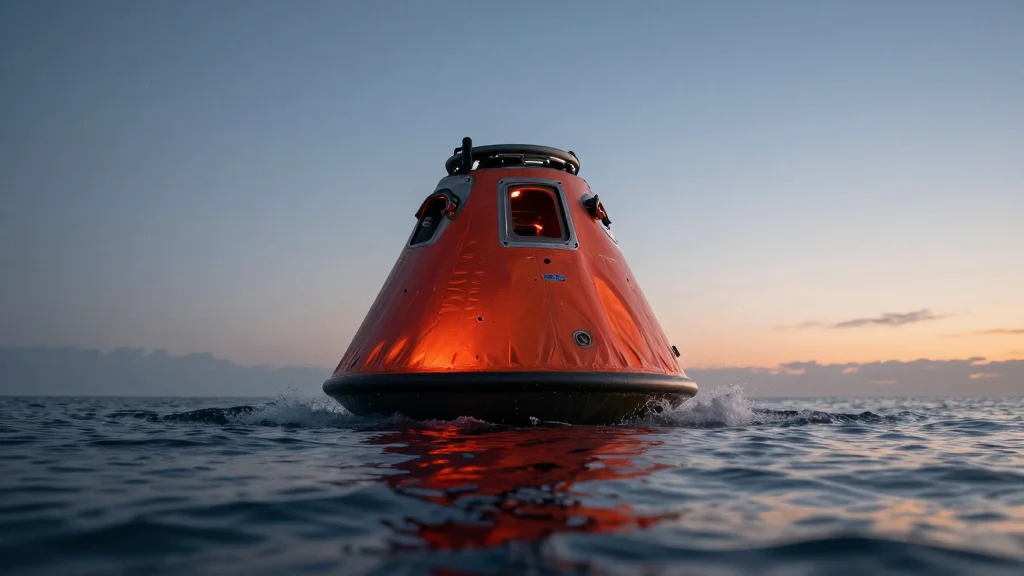
NASA’s Artemis II Crew Is Expected to Splash Down Friday Evening
NASA’s Artemis II crew is slated to splash down Friday evening around 8:07 p.m. Eastern, concluding a week‑long deep‑space flight that marked the farthest journey by humans to date. The descent will put the Orion crew module’s heat shield and structural integrity...
High Stakes: U.S. – China Moon Plans Detailed
The United States and China have unveiled detailed roadmaps to return astronauts to the Moon, reigniting a 21st‑century space race. NASA officials say the new Artemis schedule aims for a crewed landing by 2029, while U.S. lawmakers are pushing additional...

SpaceX Engine Explodes as Musk Targets $2 Trillion IPO
SpaceX suffered an engine fire during a Starship test in McGregor, Texas, just days after Elon Musk announced the test flight would be delayed to early‑mid May 2026. The company still targets an initial public offering with a $2 trillion valuation,...
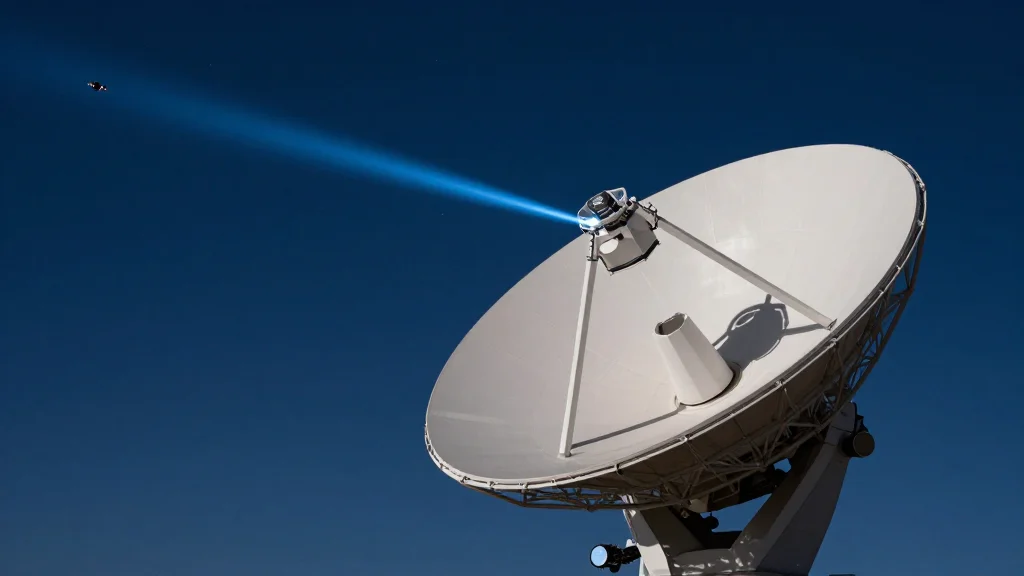
The Deep Space Network Acquires Artemis II Signal
NASA’s Deep Space Network successfully captured the radio‑frequency signal from Artemis II, marking the first crewed deep‑space mission to be handed off from the Near Space Network to DSN. The handoff followed the April 1, 2026 launch, ending a 50‑year gap since a...

Week in Images: 06-10 April 2026
The week’s visual roundup highlights a Sentinel‑2 satellite image of an active lava flow on Réunion’s Piton de la Fournaise, alongside multiple European engineering milestones in NASA’s Orion program and ESA’s Eagle mission‑control. It also showcases a successful ROSE‑L radar...

Siemens Joins European Space Agency’s EPIC Initiative
Siemens has joined the European Space Agency’s Partnership Initiative for Commercialization (EPIC), offering its industrial‑grade digital twin and simulation platform to ESA‑backed space startups. The collaboration gives startups access to Siemens Xcelerator, mentorship, and a fully digital engineering backbone to...
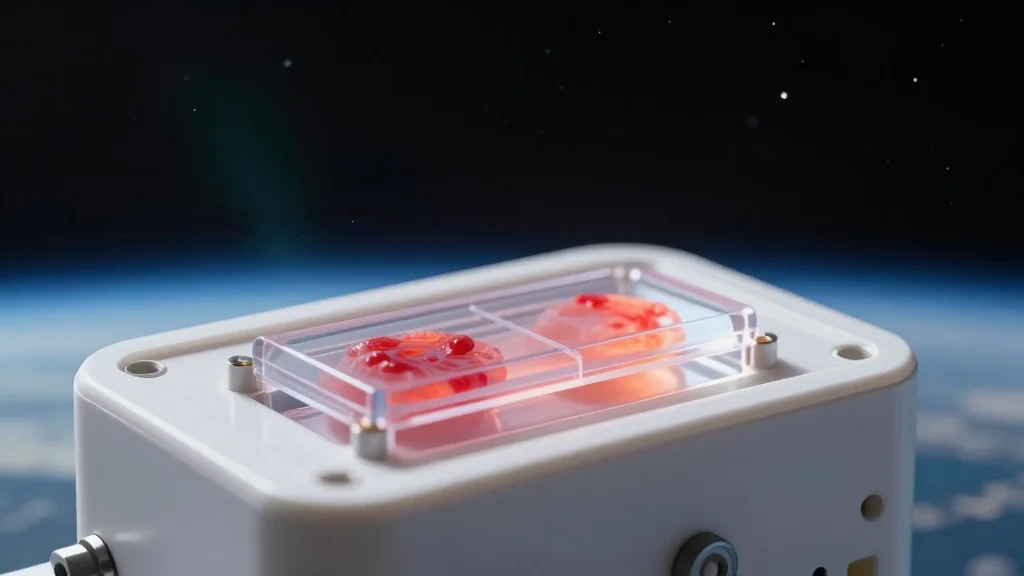
Wyss Institute’s Organ‑Chip Avatars Fly on Artemis II to Probe Astronaut Health
The Wyss Institute for Biologically Inspired Engineering and Emulate, Inc. have placed human bone‑marrow organ‑chip “avatars” on NASA’s Artemis II mission, launched April 1, 2026, to study how radiation and microgravity affect astronaut tissue. The experiment could reshape space‑medicine research and give...

KDDI and Okinawa Cellular's Au Starlink Direct Now Supports iPhones in US
KDDI and Okinawa Cellular have upgraded their au Starlink Direct service to work with 22 iPhone models, spanning the iPhone 13 through iPhone 17 line‑ups and the iPhone Air. The service delivers direct satellite‑to‑smartphone connectivity for customers roaming in the United States, bypassing traditional cellular...
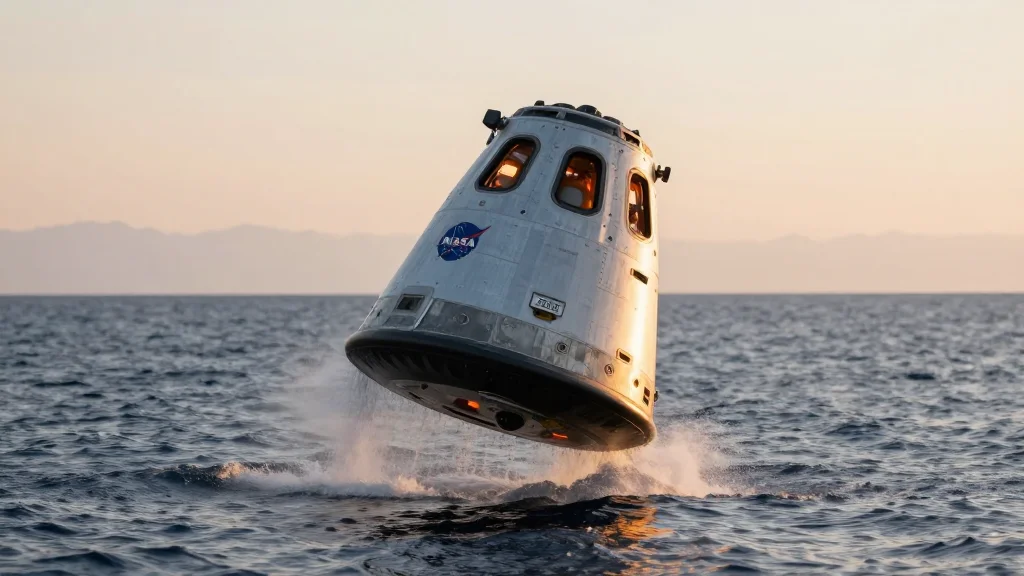
Artemis II to Splash Down Despite Heat‑shield Concerns, NASA Confident
NASA will bring the four‑person Artemis II crew back to Earth on Friday, using a steeper re‑entry trajectory to offset heat‑shield damage observed on Artemis I. Agency officials say the risk is managed, while some former astronauts continue to warn that the...
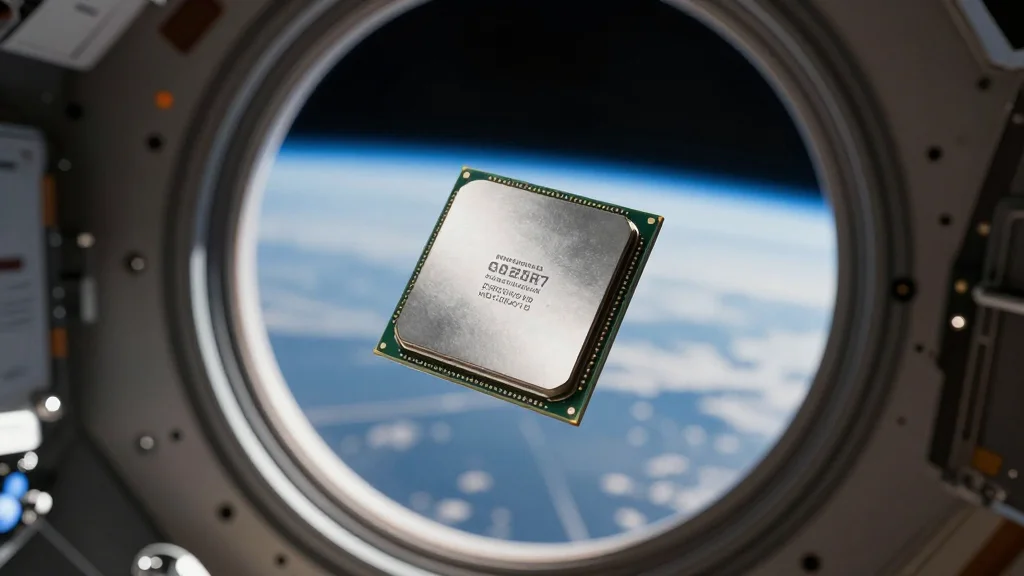
Infleqtion Partners with NASA to Deploy Quantum Hardware on ISS, Stock Rises 3%
Infleqtion, Inc. announced a partnership with NASA to deliver upgraded quantum hardware to the International Space Station via the Northrop Grumman‑24 cargo mission. The news sent the company's NYSE‑listed shares up 3.36% to $11.70, underscoring investor enthusiasm for space‑enabled quantum...
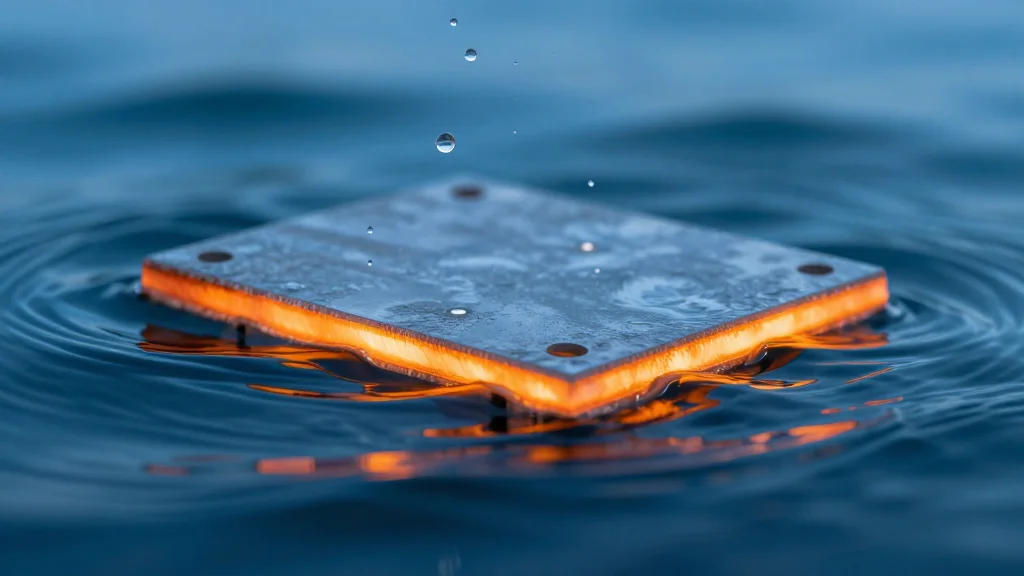
Artemis II Crew Set for Pacific Splashdown as NASA Eyes Safe Return
NASA’s Artemis II crew—Reid Wiseman, Victor Glover, Christina Koch and Canadian astronaut Jeremy Hansen—are slated to splash down in the Pacific Ocean off San Diego at 5:07 pm local time on Saturday. The re‑entry will test Orion’s heat shield at 2,760 °C and a peak velocity...

The Emergence of Sustainable Orbital Data Center Infrastructure
The orbital data‑center market accelerated in 2025 when Canada’s PowerBank Corp. launched DeStarlink Genesis‑1, the first satellite in Orbit AI’s low‑Earth‑orbit cloud. U.S. hyperscale cloud providers are now exploring solar‑powered ODCs after an executive order and the DOE’s Genesis Mission...

Weekly Wrap: The Fight over MSS Spectrum Is in Full Swing
Amazon is in advanced talks to acquire Globalstar in a deal valued around $9 billion. Globalstar holds valuable mobile‑satellite service spectrum in the L/S‑band and, more critically, Band 53/n53 (2483.5‑2495 MHz) licensed in 11 countries, which Amazon could integrate into its Leo network...
Senior Official Calls for Orion Valve Redesign, Embraces Transparency
During the final Artemis II mission briefing yesterday there were lots of questions about Orion's helium valves. Lower level officials were hesitant to provide too much information on the consequences. Halfway through the senior official on stage, Amit Kshatriya, clearly...
SoftBank Adds Free Starlink Mobile to Japan Carriers
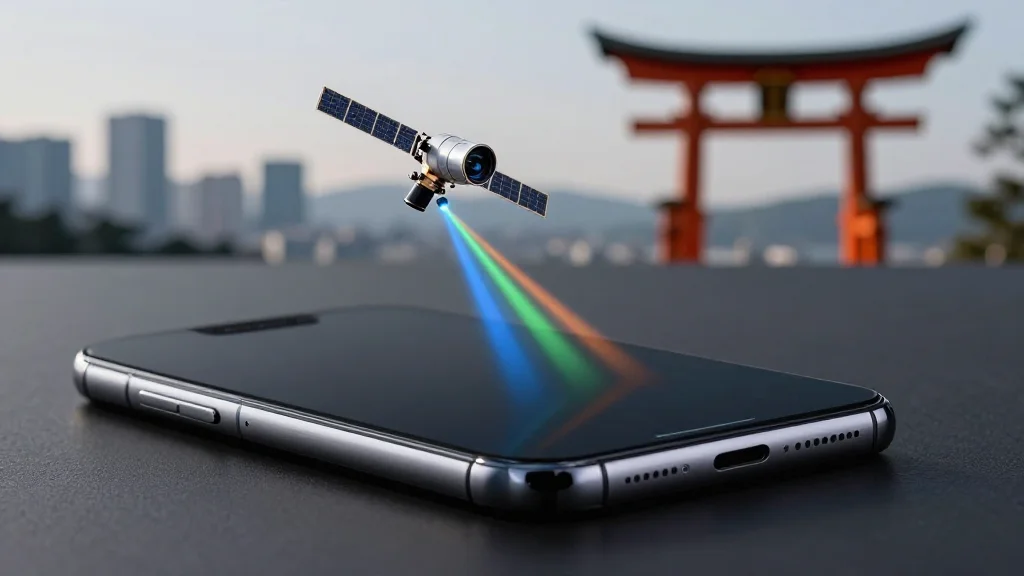
Starlink Mobile goes in-country-multicarrier Today SoftBank joined KDDI and Docomo in offering Starlink Mobile for free to mobile customers in Japan. https://t.co/qXooo8MHM2

One Starlink MVNO to Conquer All
US Mobile has become the first mobile‑virtual network operator to bundle residential Starlink satellite internet with a cellular plan. The offering gives subscribers a single subscription that provides broadband via Starlink and phone service that automatically switches among Verizon, AT&T...
Artemis II Splashdown Show Tonight: Mission Recap & Updates
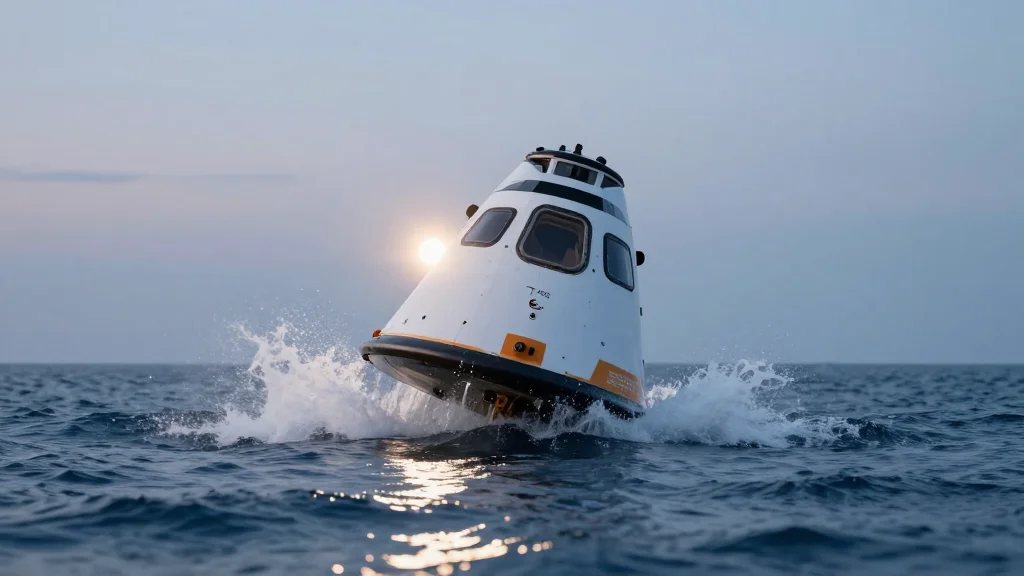
Artemis II Splashdown show tonight @BloombergTV Will recap the mission, listen in to @NASAArtemis @NASA mission updates and discuss with @lorengrush
Cheaper Rockets and AI Make Space Exploration Imminent
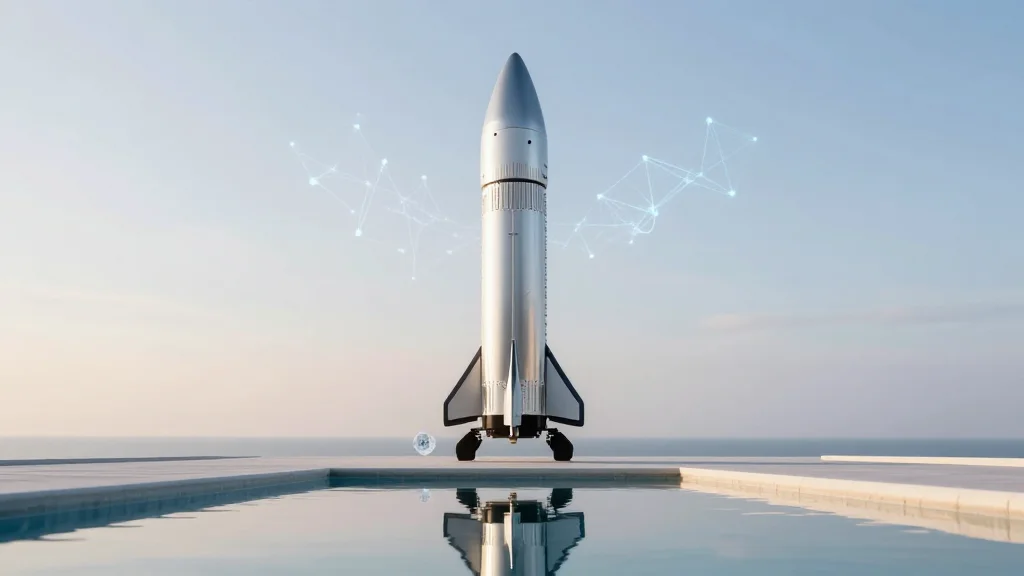
To understand the universe, we must explore it. With the cost of exploration plummeting alongside reusable rockets, AI navigation, and more... This is about to become a reality.

Potential Applications of the X-37B Space Plane
The U.S. Space Force’s X‑37B orbital testbed has proven its ability to stay aloft for months, maneuver efficiently, and return payloads to Earth for post‑flight analysis. Recent missions demonstrated aerobraking, laser‑communications trials, and a quantum inertial sensor, highlighting its role...
US Mobile's Starlink Bundles Start $47, Rise After Six Months
"US Mobile has revealed pricing on a set of Starlink bundles that start at $47 per month for new customers. The discount on the Starlink tiers convert to regular pricing after six months, which is $20 higher for each tier."...
Three Factors That Let Artemis II Surpass Apollo’s Record
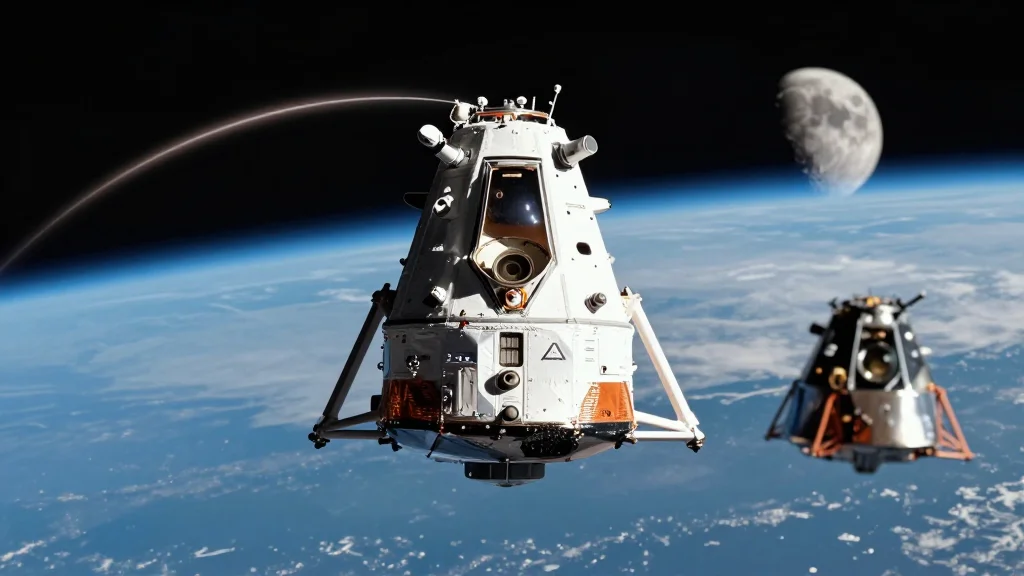
How did Artemis II break Apollo’s distance record? #AskEthan If you ask google how Artemis II broke Apollo 13's distance record, it'll lie and say "because the rocket was more powerful." But these three reasons, combined, are how it really happened. https://t.co/lqbj3u00kP
Artemis II: As Humans Return to the Moon, Which of These 4 Futures Will We Choose?
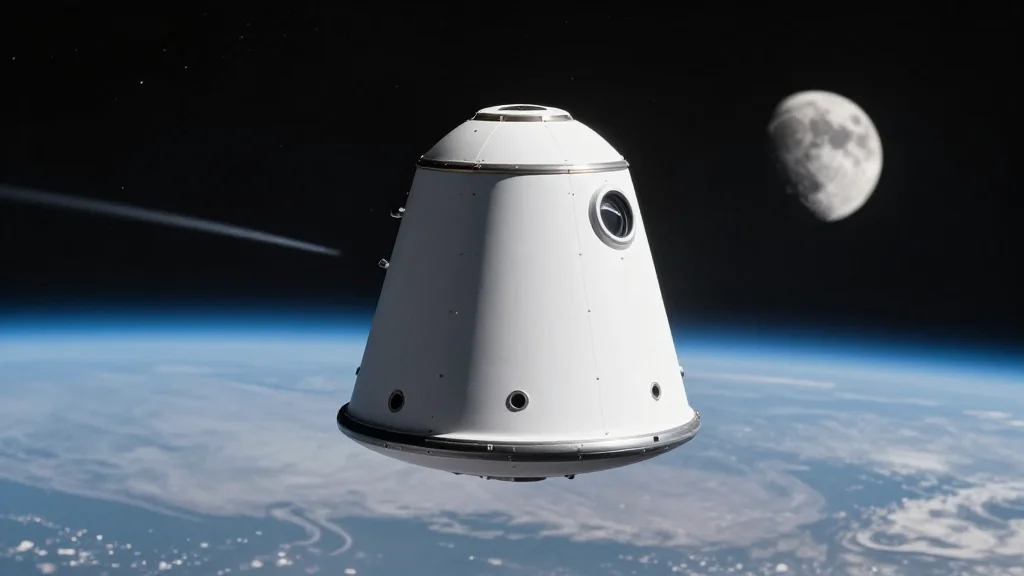
Artemis II completed the first crewed lunar flyby since Apollo, with four astronauts looping around the Moon and preparing for splash‑down. The mission revives NASA’s deep‑space agenda while highlighting policy friction as the U.S. Artemis Accords carve exclusive “safety zones” for...
Join Live Q&A on Artemis Splashdown Today at 4 PM
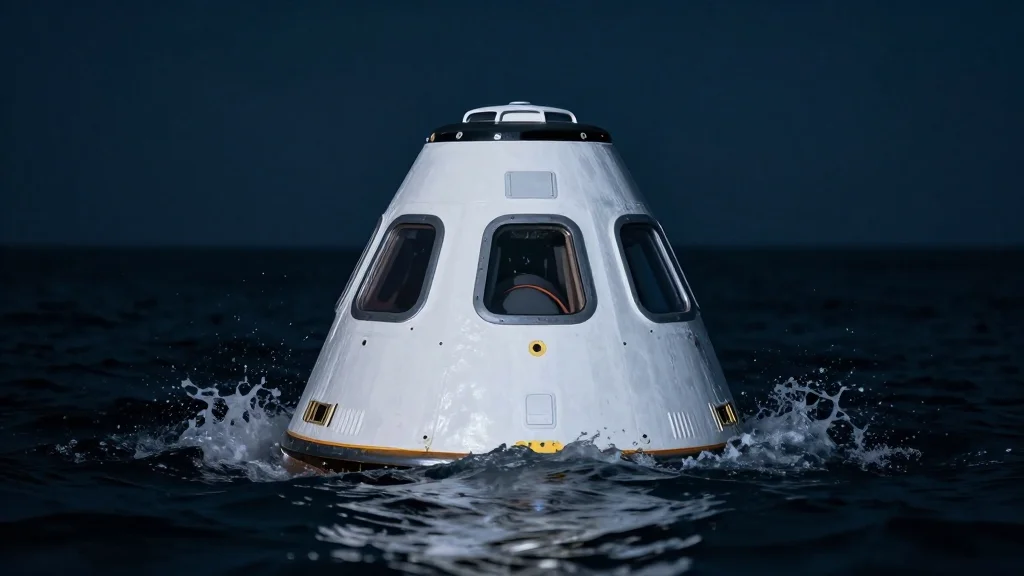
With the @NASAArtemis splashdown happening Friday night, there is no better time to sit down with me and talk science. Join @WorldSciFest live on YouTube for a Q&A today at 4pm EDT. Drop your questions below to get them answered...
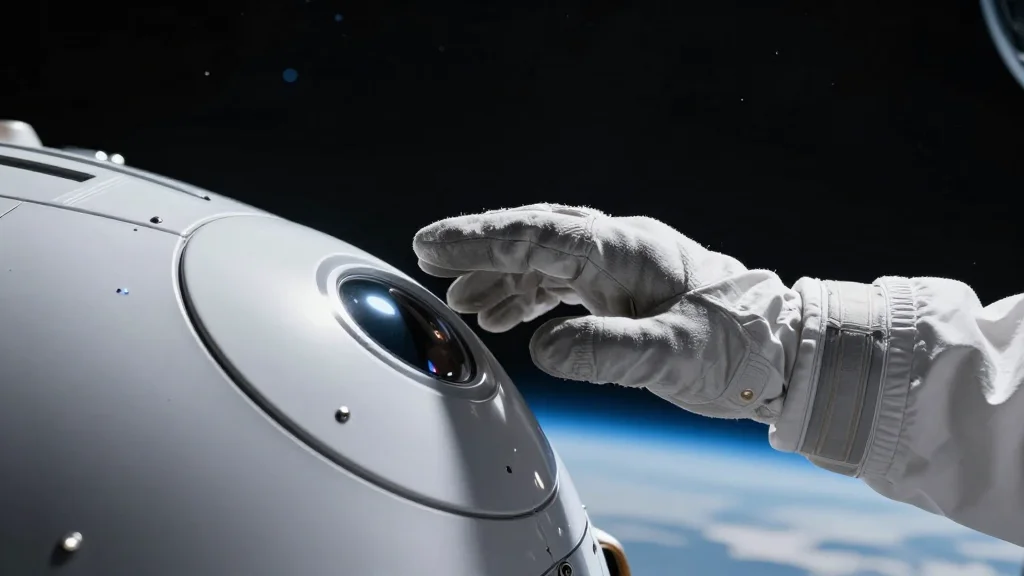
Guess the Orion Tech Piece NASA Will Touch Tonight
Fun @NASAArtemis II quiz: Who can guess can what the last piece of cool Orion technology Reid, Victor (Go Mustangs @calpoly), Jeremy, and Christina will touch after landing tonight?

Albedo Ratchets Up the Power for Its Second VLEO Flight
Albedo unveiled Vicinity, a very‑low‑Earth‑orbit (VLEO) satellite bus slated for a second flight in 2027. The bus boosts peak power to 3 kW and average power to 400 W while supporting up to one ton of payload and a five‑year lifespan at...
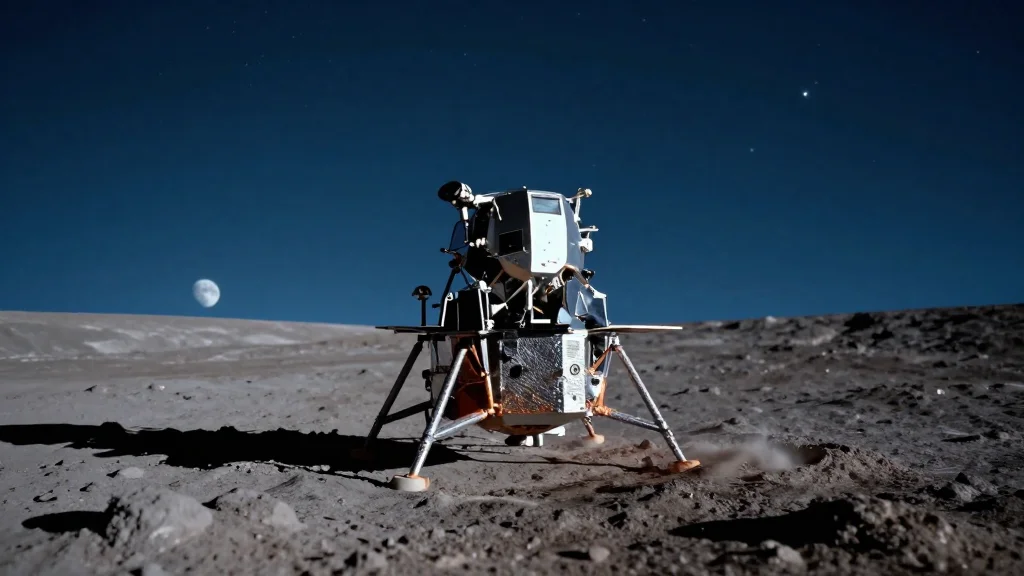
Chang'e‑7 Mission Targets Lunar South Pole Exploration
The Planetary Society has a nice summary of what Chang’e-7 will do at the lunar South Pole. https://t.co/wmotppdsyf

Katherine Johnson Stresses Math's Vital Role in Space
Katherine Johnson, the brilliant mathematician who helped @NASA put a man on the Moon talks about the importance of math https://t.co/bgRPTeCXVc

Moog’s “Tip to Tail” Contributions to the Artemis II Flight
Moog Inc. supplied more than 100 actuation and control components for NASA’s Artemis II mission, ranging from thrust‑vector control on the Space Launch System to hatch‑opening actuators on Orion. The company’s actuator business has doubled in the past five years, prompting...

ESA's Celeste IOV-1 Sends First Navigation Signals
.@esa's Celeste IOV-1 sat, built by @infoGMV /@OHB_SE & launched by @RocketLab March 28, sends 1st L-, S-band nav signals to ground. Mission's goal, w/ @Thales_Alenia_S-built IOV-2, is to register use of this spectrum w/ @ITU. IOV-2 signals expected...

The Space Symposium’s Real Agenda: Alliances, Workforce Gaps, and What Artemis II Actually Changes on the Ground
The 40th Space Symposium in Colorado Springs highlighted a growing crisis: the U.S. and its allies lack enough skilled workers to sustain the ambitious Artemis program and expanding commercial space activities. While Artemis II demonstrated historic crew milestones and international cooperation,...

Proud Moments in American Space Exploration
American space exploration has progressed from Alan Shepard’s 15‑minute suborbital flight in 1961 to the James Webb Space Telescope delivering unprecedented infrared images of the early universe. Milestones include Apollo 11’s historic Moon landing, Voyager’s exit into interstellar space, Hubble’s post‑servicing...

L3Harris Wins $150m US Space Force Contract
L3Harris Technologies has been awarded a $150 million contract by the U.S. Space Force to sustain and modernize critical space surveillance and ground systems under the MOSAIC program. The effort aims to boost decision‑making speed, early threat warning, and overall space...

Panu Routila Takes Chair at Finland’s Kuva Space as Company Targets Dual-Use Markets
Finnish hyperspectral imaging firm Kuva Space appointed Panu Routila as chairman. Routila, current chair of defense contractor Patria and former CEO of Konecranes, brings defense and industrial expertise as the company targets dual‑use markets. Kuva Space, which has raised €40 million...
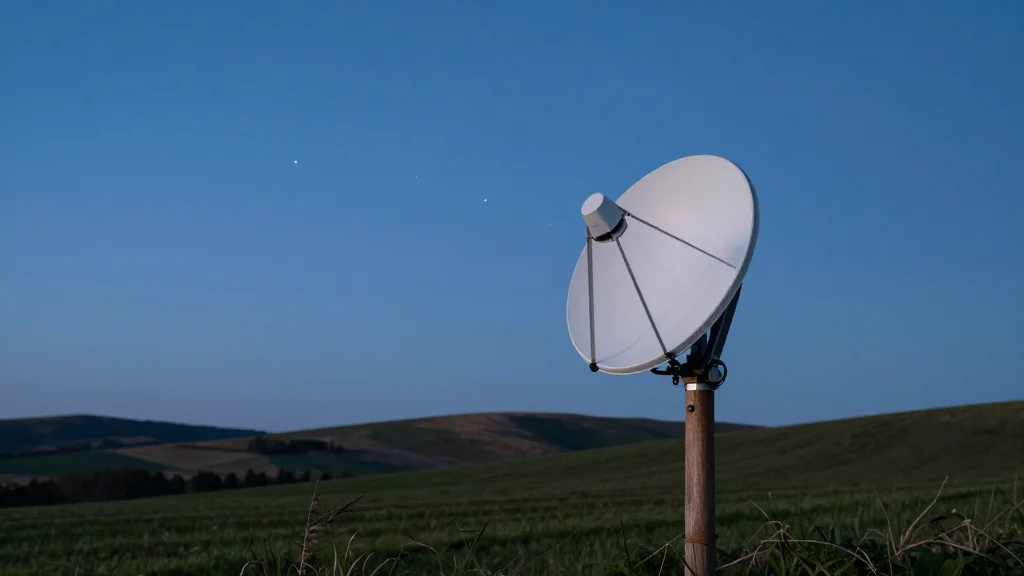
FCC to Vote April 30 on Easing LEO Satellite Power Limits, Boosting Starlink
The Federal Communications Commission will vote on April 30 to relax power restrictions for low‑Earth‑orbit (LEO) satellites, a move that could dramatically increase the speed and reliability of SpaceX’s Starlink broadband. The proposal pits the growing LEO industry against incumbent...

How the James Webb Space Telescope’s Infrared Detectors Actually Work, Why They Almost Didn’t, and What Their Engineering Lineage Tells...
The James Webb Space Telescope relies on two advanced infrared detector families—HgCdTe arrays for near‑infrared and Si:As sensors for mid‑infrared—to capture faint photons from the early universe. Engineers tuned HgCdTe composition, hybridized each pixel to silicon read‑out circuits, and cooled...
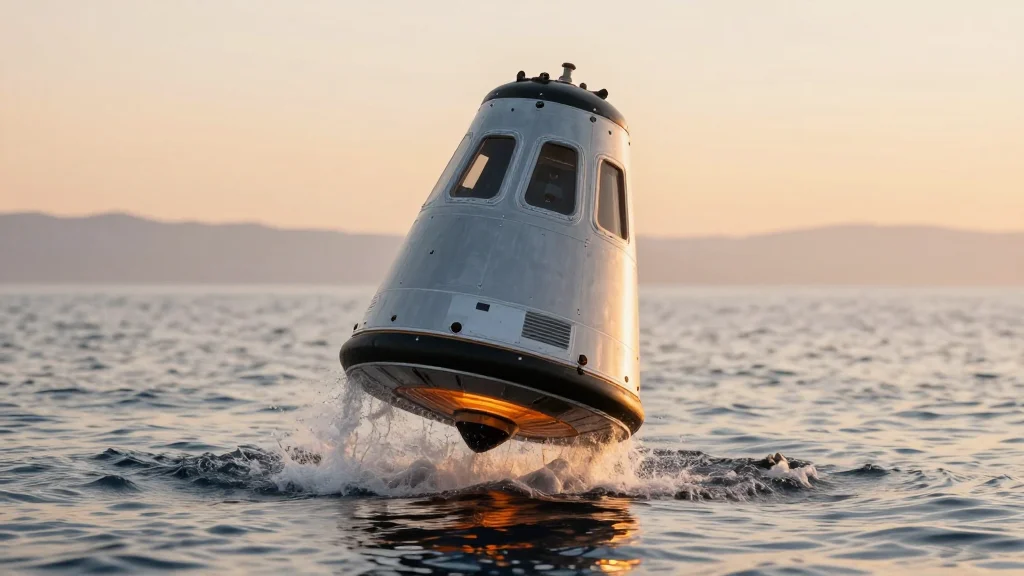
Artemis II Crew Set for Pacific Splashdown as NASA Eyes Safe Return
NASA’s Artemis II crew – Reid Wiseman, Victor Glover, Christina Koch and Jeremy Hansen – are slated to splash down in the Pacific Ocean off San Diego at 5:07 pm local time on Saturday. Officials highlighted confidence in the Orion heat shield after Artemis I anomalies,...

Artemis II Gave Us the First Deep-Space Health Data in Half a Century — Here’s What It Actually Tells Us...
Artemis II returned to Earth after a ten‑day deep‑space flight, delivering the first real‑time biomedical data from beyond Earth’s magnetosphere in more than 50 years. Unlike Apollo’s retrospective health checks, the mission embedded tissue‑chip experiments, the SENTINEL physiological monitoring system, and upgraded...

How and When to Watch the Artemis II Mission’s Return to Earth
NASA’s Artemis II crew will complete a 10‑day lunar flyby and begin re‑entry of the Orion capsule in early May 2026. The mission’s return will be broadcast worldwide, with the splashdown expected in the Pacific Ocean near Hawaii. NASA plans a...
Artemis Astronauts to Shed Light on Space Health Risks
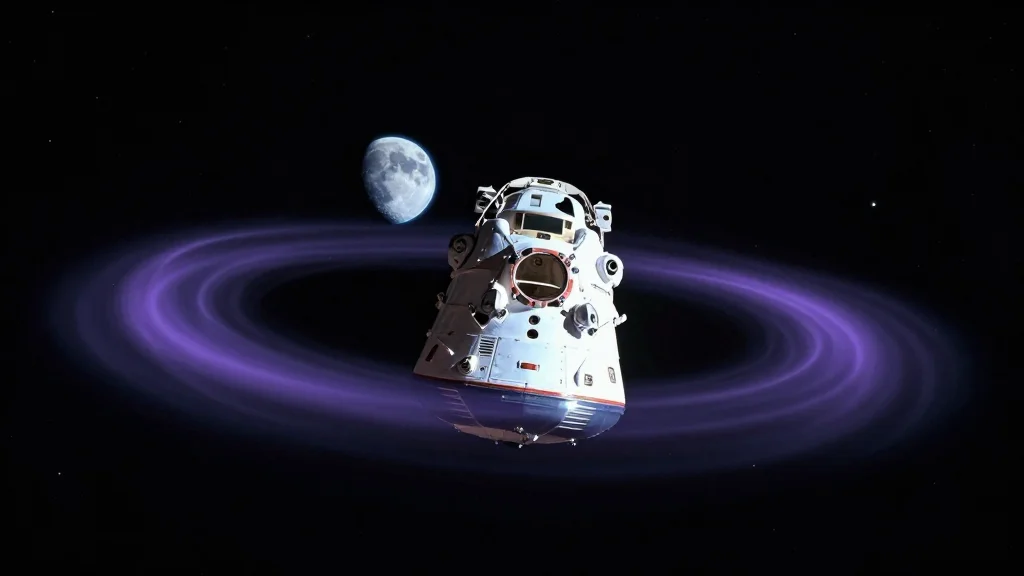
NASA's Artemis II mission sent four astronauts on a lunar flyby, exposing them to deep‑space radiation levels far beyond those in low‑Earth orbit. The agency equipped Orion with radiation sensors, collected blood, saliva, and smartwatch health data, and installed bio‑mimetic chips...

SpaceX Is Keeping the Space Station Alive Again This Weekend
SpaceX will launch Northrop Grumman’s Cygnus XL cargo spacecraft on April 11, targeting the International Space Station with over 11,000 pounds of supplies for Expedition 73. The NG‑24 mission, named S.S. Steven R. Nagel, uses a Falcon 9 after Northrop switched from the...

Europe and China Are Running a Joint Space Mission in an Era When They Agree on Almost Nothing
Europe’s ESA and China’s Academy of Sciences are set to launch the 2.3‑tonne Smile satellite from French Guiana on a Vega‑C rocket later this month. The spacecraft will travel to an elliptical orbit with a 121,000 km apogee over the North...

Artemis II Gives Airbus Hope For European Spaceflight
Artemis II’s 10‑day lunar flyby concluded with the European Service Module (ESM) – built by Airbus Defence and Space in Bremen – performing flawlessly, powering Orion’s life‑support and propulsion. The mission showcases Airbus’s heritage from the ISS Columbus lab and Automated...