
Elon Musk's Next Big Bet: Inside the Rise of SpaceX
Fox Business aired a panel titled “Elon Musk's next big bet: Inside the rise of SpaceX,” where analysts examined the company’s rapid growth and its pivotal role in NASA’s Artemis II mission. The discussion highlighted SpaceX’s Starship development, expanding Starlink broadband revenues, and its increasingly dominant share of U.S. launch contracts. Panelists also debated Musk’s longer‑term ambitions, including Mars colonization and the commercialisation of low‑Earth‑orbit services. The segment underscored how SpaceX’s trajectory is reshaping the broader aerospace ecosystem.

One of Us Can’t Wait for Artemis II’s Return
One of us is more excited than the other to watch the Artemis II crew return to Earth…

NASA Artemis II Splashes Down in Pacific Ocean in ‘Perfect’ Landing for Moon Mission
NASA’s Artemis II mission successfully returned the four‑person crew to Earth after a ten‑day lunar flyby. The Orion capsule, named Integrity, splashed down in the Pacific off San Diego at 5:07 p.m. PT, with all astronauts in good health. The flight marked the first...

Back to Earth: What Happens to the Artemis II Astronauts Now?
The Artemis II crew safely splashed down off California after re‑entering at 25,000 mph, completing the first crewed flight to travel farther than any human before – roughly 4,000 miles beyond Apollo 13’s record. Upon landing, the astronauts were examined on a U.S. warship,...
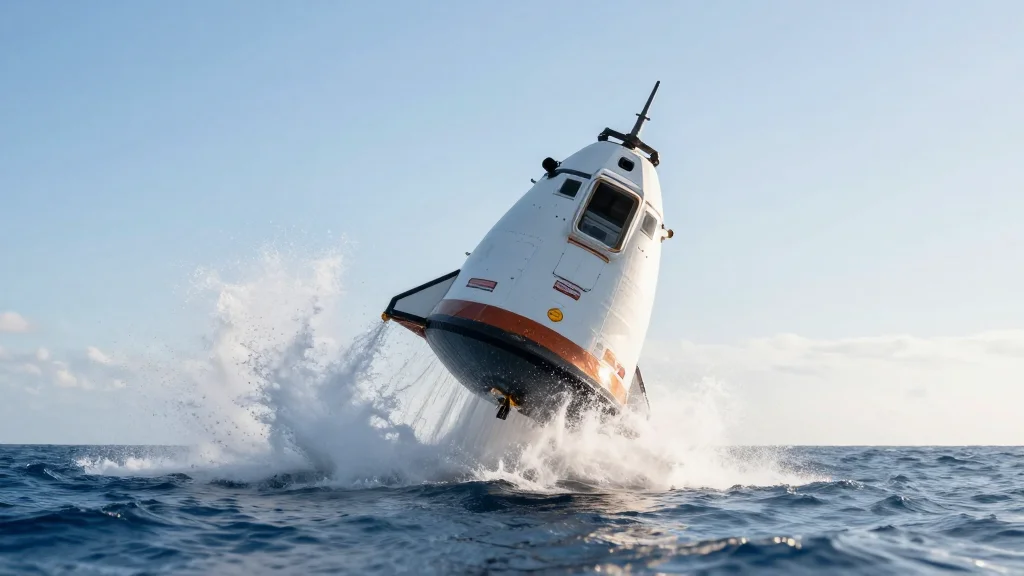
Orion Splashdown Thrills Team, Including Proud Daughter
Beautiful reentry and splash down. (My daughter worked on Orion. She’s very excited right now, as is everyone who contributed to our initial return to the moon)

Naval Support Enables Artemis Return: Sea Power Fuels Space
USS John P. Murtha offshore San Diego assisting with recovery of the Artemis capsule. Reminder: Sea Power is still a prerequisite for Space Power
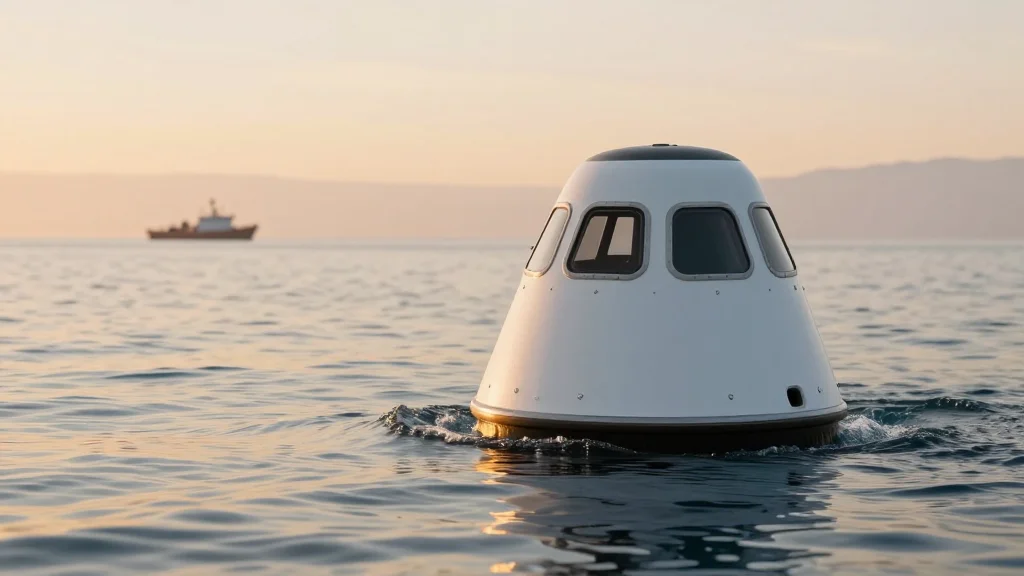
Orion Survives Re-Entry, Crew Splashes Down Safe
Orion’s Orion capsule survived a high‑energy re‑entry and splashed down off California, with all four astronauts remaining inside the capsule as recovery crews arrived. The Artemis‑2 mission, a three‑day lunar fly‑by, is now complete, though analysis of the heat‑shield performance...
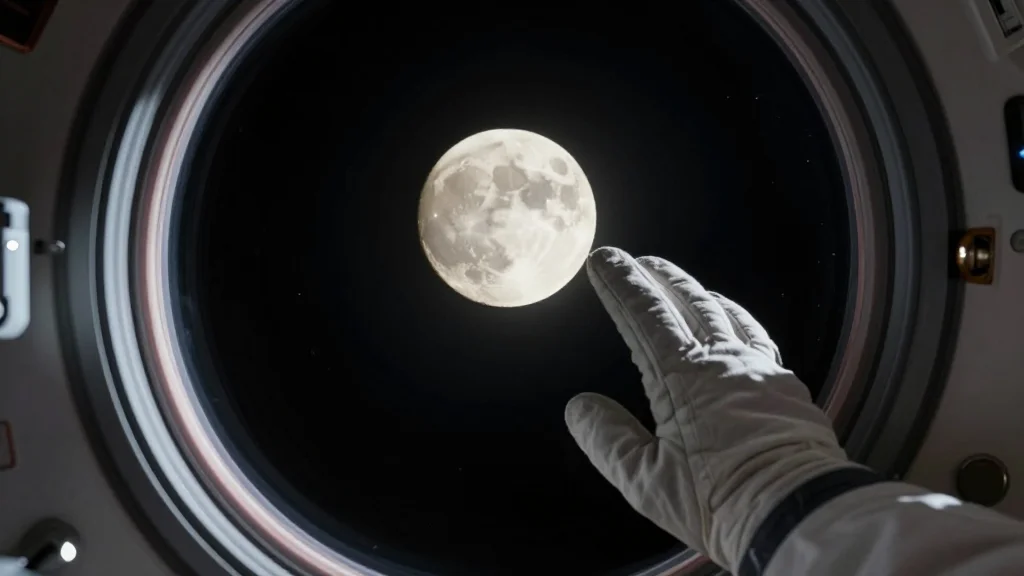
Astronaut Spots Shrinking Moon, Mission Control Jokes About Comeback
"We got a great view of the moon out window 2, looks a little smaller than yesterday" Wiseman told mission control minutes before the crew plunged into Earth's atmosphere. "Guess we'll have to go back," mission control replied. https://t.co/8KNPaFFiFv
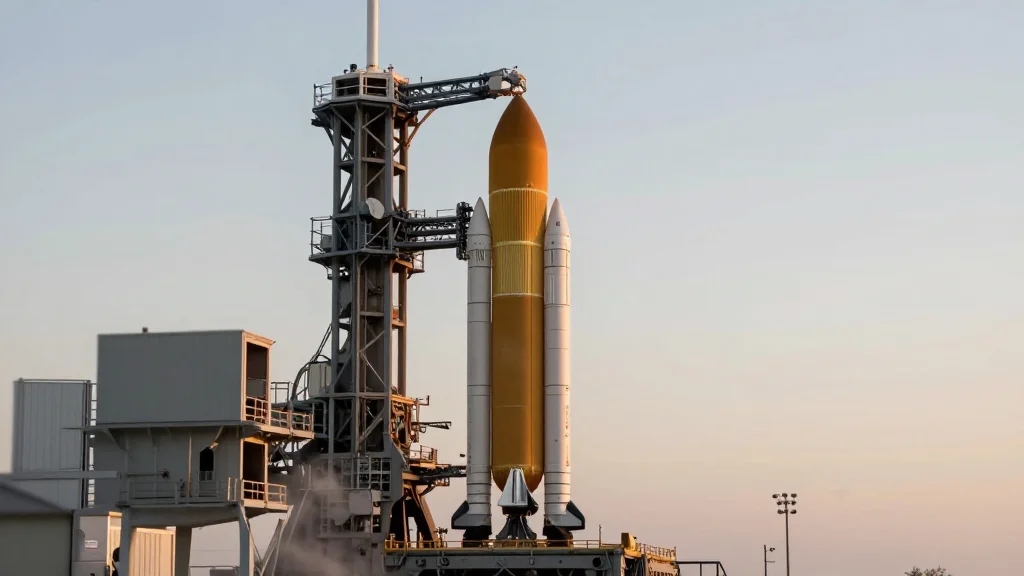
Artemis Era Launches: A Global Celebration for NASA
Epic day for NASA and everyone around the world who contributed to this. The Artemis era has truly begun.

‘It’s 13 Minutes of Things that Have to Go Right’: Artemis II Splashes Down Despite Faulty Heat Shield
NASA’s Artemis II mission returned safely to the Pacific after a historic 10‑day lunar flyby, despite a known flaw in the Orion heat shield. Engineers discovered the shield’s internal layers could trap gas during reentry, risking chunk loss. To mitigate, NASA...

Celebrating Integrity's Return and Apollo 13 Free‑Return Anniversary
🎯 Welcome Back Integrity, with a bullseye splash down just now And tomorrow is the 66-year anniversary of the Apollo 13 launch, the last time a mission brought the astronauts back with a free-return trajectory, slingshotting around the moon. https://t.co/TWKKMtnxDF

Watch Artemis Mission Landing Live Right Now
MyPOV - Very cool. Tune into the live stream now for the #Artemis mission landing https://t.co/CulPUWM1bl
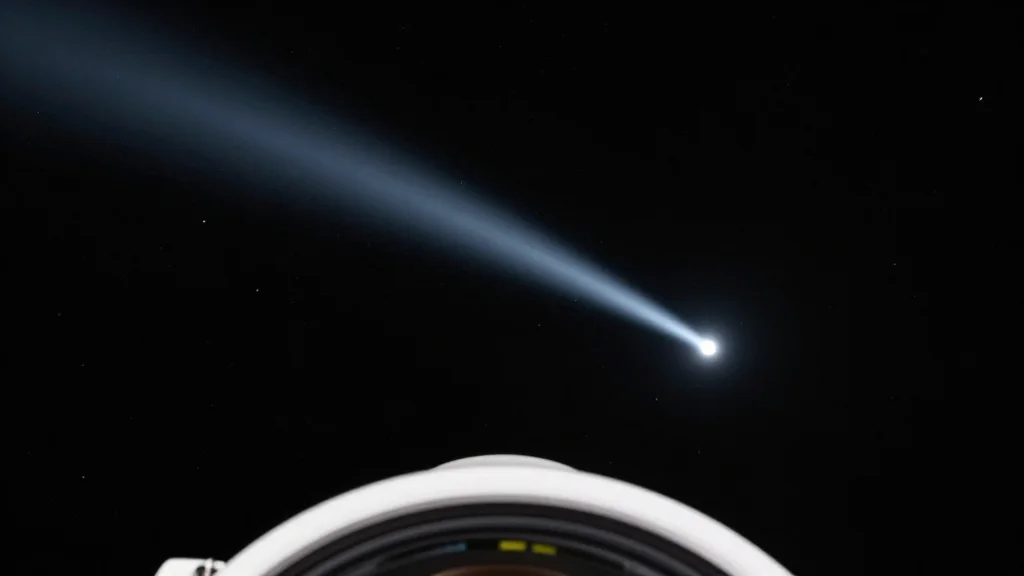
Chance Encounter in Space: JANUS Camera Captures Interstellar Comet 3I/ATLAS
The European Space Agency’s JANUS camera captured high‑resolution images of interstellar comet 3I/ATLAS during a close flyby in early 2026. The observations were made when the comet passed within 0.3 AU of Earth, revealing an elongated nucleus and active gas jets....

Anxious Pizza Binge Fuels Artemis II Splashdown Watch
Anybody else anxiously eating a few too many pizza slices while watching the Artemis II splashdown feed?

Under One Moon
NASA’s Artemis II crew completed a historic lunar flyby, capturing striking images of Earth rising behind the Moon and collecting data on previously unseen craters, a solar eclipse and meteor impacts. The mission demonstrated Orion’s deep‑space capabilities and reinforced the United...

Chang'e Mission Samples Reveal How Exogenous Organic Matter Evolves on the Moon
China’s Chang’e‑5 and Chang’e‑6 lunar sample returns have, for the first time, revealed nitrogen‑bearing organic compounds embedded in moon soil grains. The study shows these organics exist as particles, surface‑adhered films, and mineral inclusions, and bear isotopic signatures that point...
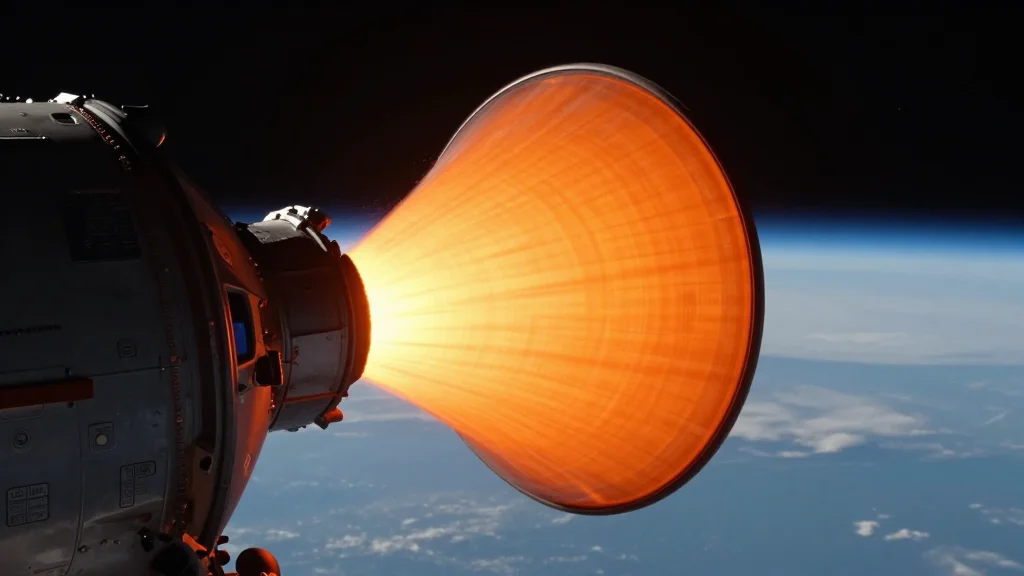
World Holds Breath for Artemis II’s Safe Return
Artemis II is on the way home. The part where everything has to go right. Where the whole world quietly holds its breath. Hoping. Watching. Waiting. Bring them home. 🚀🇺🇸🇨🇦
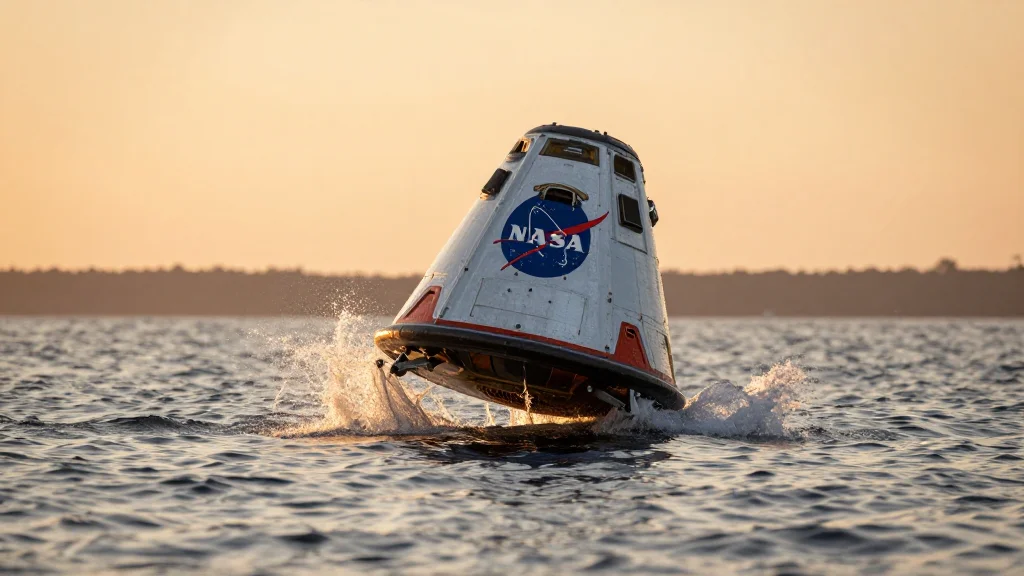
After More than 9 Days in Flight, NASA's Artemis II Is Set to Return to Earth
NASA’s Artemis II crew completed a nine‑day lunar flyby and splashed down in the Pacific off San Diego. The Orion capsule re‑entered at over 24,000 mph, enduring temperatures near 5,000 °F before deploying three parachutes. Four astronauts—including the first woman and the first person...

Artemis II and the Surprisingly Earth-Bound Problem of IP
Artemis II’s launch highlighted not only NASA’s return to lunar missions but also the massive patent portfolios behind the hardware. Boeing, Northrop Grumman, Aerojet Rocketdyne, Lockheed Martin and Airbus together hold seven‑figure numbers of patents covering propulsion, life‑support and communications systems. The article explains...
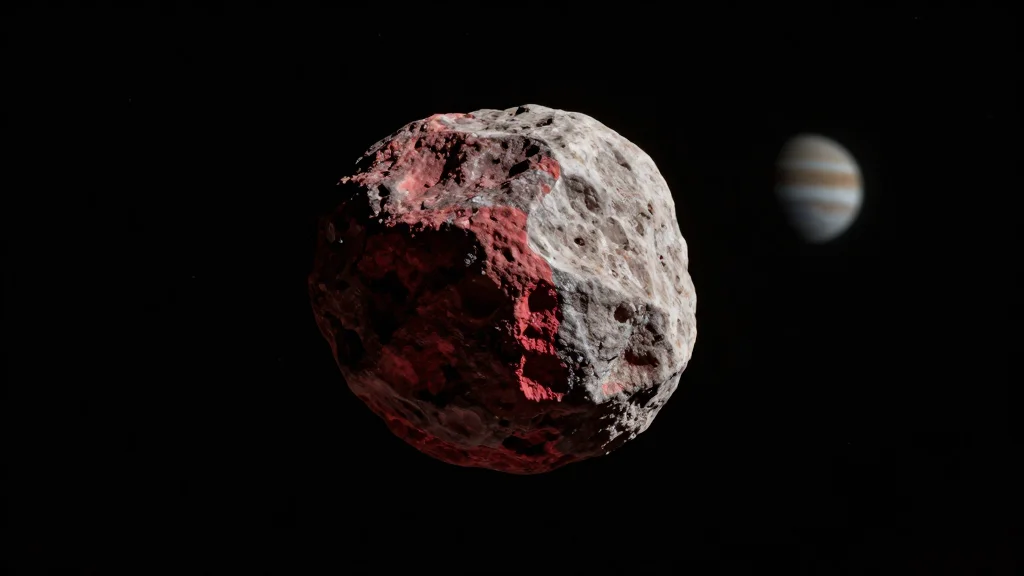
Subaru Telescope Sheds Light on Jupiter Trojan Asteroids' Color Mystery
Using the Subaru Telescope’s Suprime‑Cam, researchers observed 120 small Jupiter Trojan asteroids and found that, unlike larger Trojans, the smaller bodies lack a clear red/less‑red color bimodality and share identical size distributions across color groups. The study, published in *The...

How Vandenberg’s Range Is Scaling to Meet Launch Demand
Vandenberg Space Force Base is gearing up for a dramatic increase in launch activity, targeting 150 launches in the next five years and over 200 by 2036. The effort is backed by $1.3 billion in federal funding through FY2028 and a...
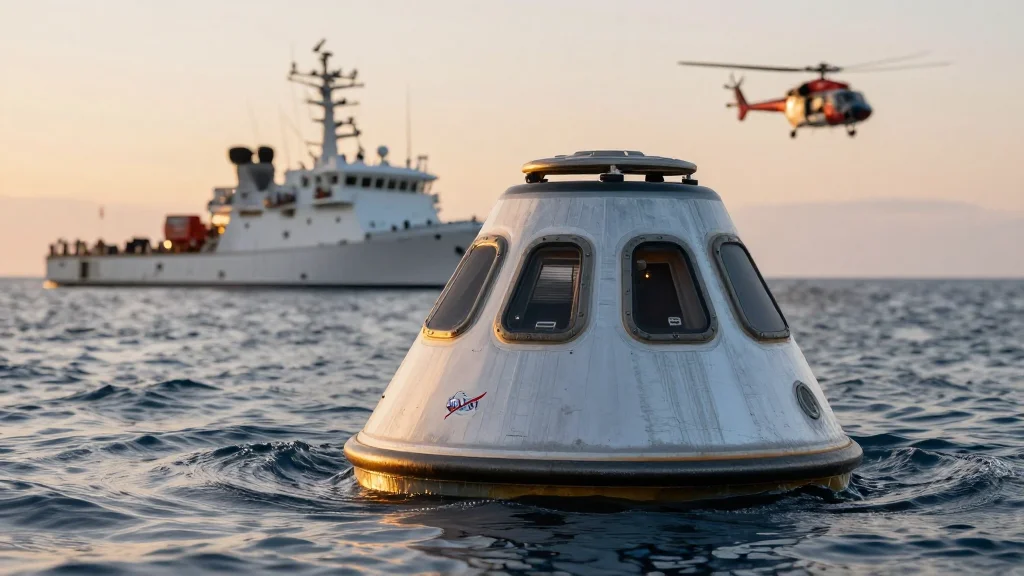
NASA Confident Splashdown Tonight; Graphic Timeline Guides Return
The weather at the splashdown site is looking good and NASA’s experts are feeling confident. But I find it also helps to know what to expect, so I made this graphic summary of key events to return our amazing astronauts...

How Will NASA Get the Artemis II Crew Safely Back on Earth? Here's the Science Behind Splashdown
NASA will bring the Artemis II crew back to Earth on 10 April 2026 with a splashdown in the Atlantic Ocean. The Orion capsule’s heat shield, redesigned after unexpected damage on the uncrewed Artemis I flight, will endure re‑entry temperatures near 1,500 °C before a...
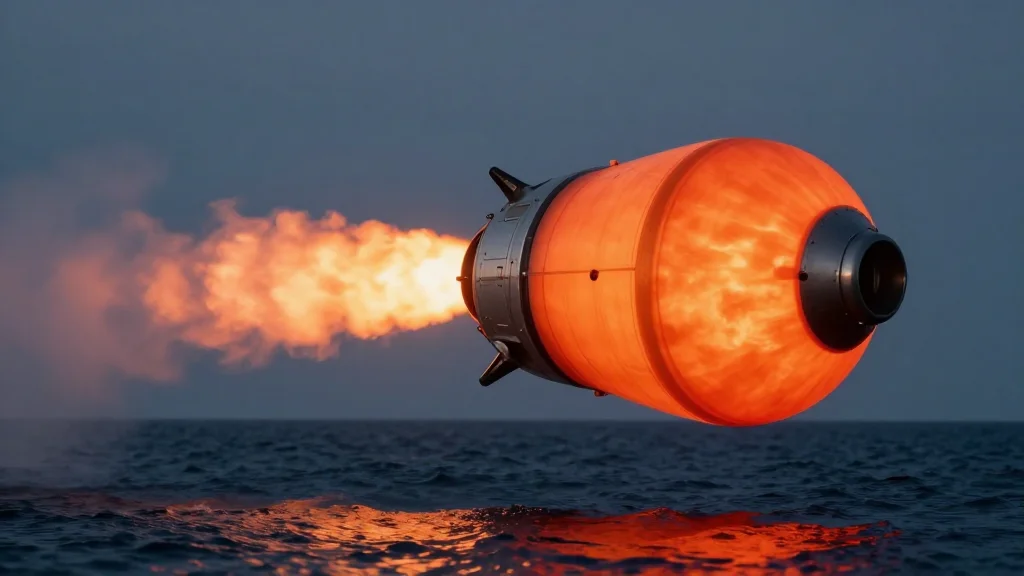
Artemis II Crew Begins Fiery Return to Earth, Splashdown Planned for Pacific Ocean
NASA’s Orion capsule Integrity, carrying astronauts Reid Wiseman, Victor Glover, Christina Koch and Canada’s Jeremy Hansen, began re‑entry at 7:53 p.m. ET on April 10, targeting a Pacific splashdown near San Diego. Officials highlighted the heat‑shield’s performance and precise entry angle as the...

From Starbase to Orbit
The April 2026 update shows autonomous in‑space manufacturing has moved from concept to live orbital demonstration through DARPA’s NOM4D program, while the U.S. Space Force has formally incorporated SpaceX’s Starbase launch logistics into its warfighter technology portfolio. A single FCC...
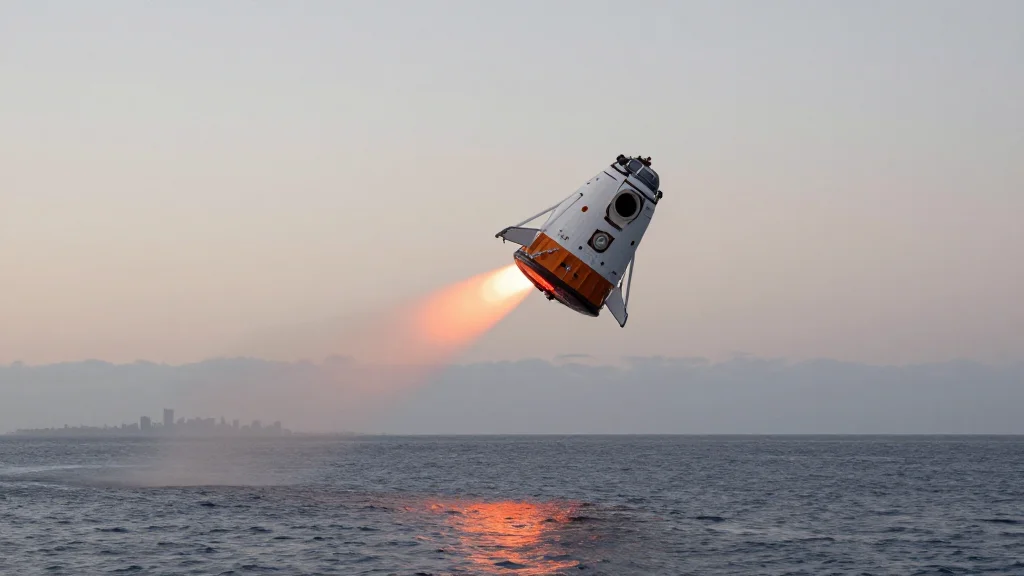
Did You Feel It? As Artemis II Nears Reentry, Scientists Want to Know How Far the Sonic Boom Travels
NASA’s Artemis II moon‑flyby mission will splash down off San Diego on Friday, generating a sonic boom as the Orion capsule decelerates at roughly 30 times the speed of sound. The U.S. Geological Survey is inviting Californians to report whether they heard the...
BryceTech Report Shows SpaceX Accounted for 50% of Launches in 2025
BryceTech’s 2025 Year in Review reports 325 orbital launches and 4,544 spacecraft, a 25% rise in launches and 54% more spacecraft than 2024. SpaceX led the market with 165 launches, representing roughly 51% of all global launches and 85% of...
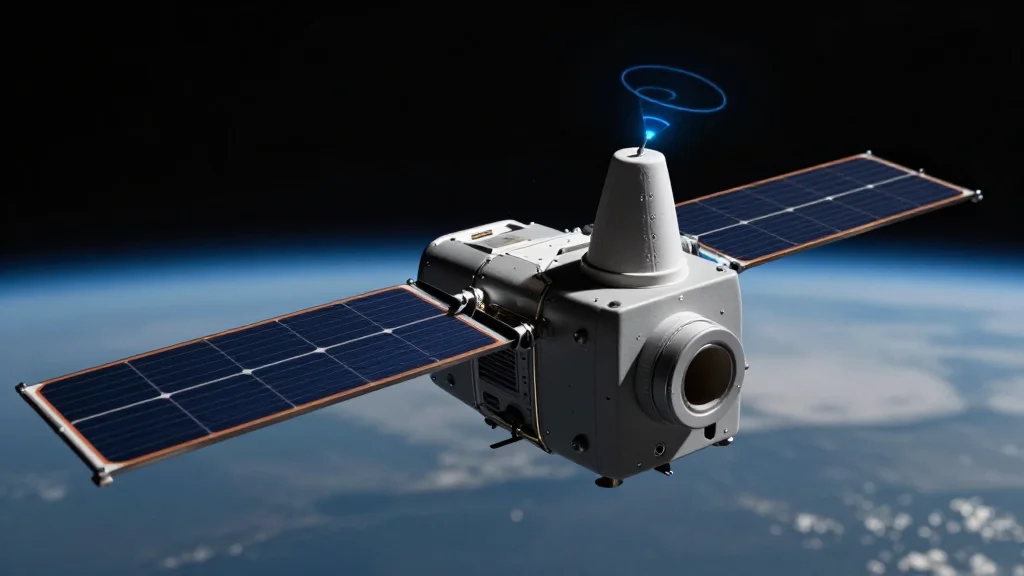
EnduroSat and Shield Space Strike European Partnership for Defense Missions
EnduroSat and UK‑based Shield Space announced an all‑European partnership to deliver rapid space‑defense missions. By merging Shield Space’s autonomous guidance systems with EnduroSat’s fixed‑cost satellite services, the duo claims they can field operational missions in nine months instead of years....
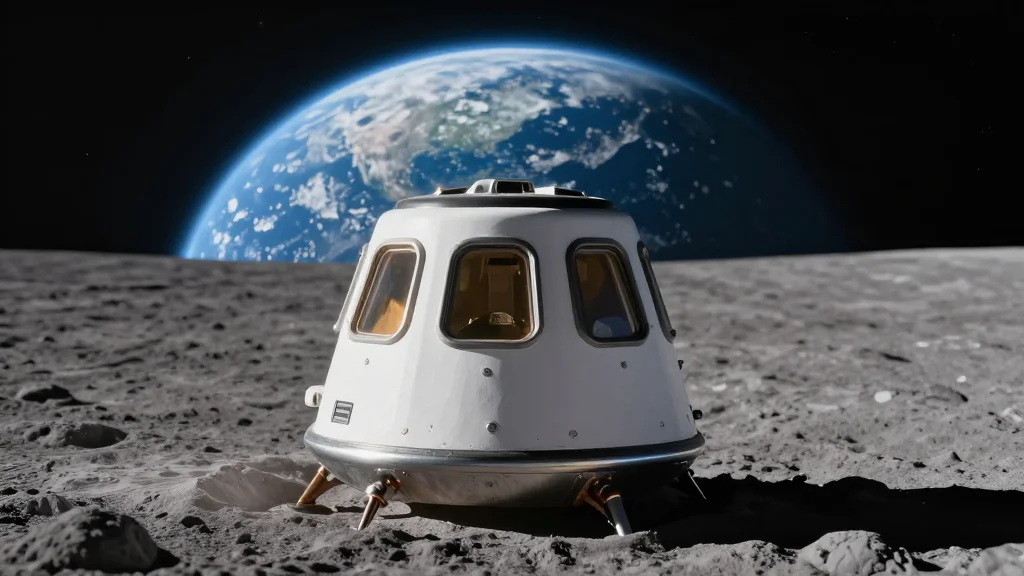
Artemis II Reminds Us of Humanity’s Awe‑inspiring Potential
All this Artemis II stuff gets me choked up. It's just astonishing what humans can accomplish.

Study: Broadcasters Must `Prepare Now’ for Impact of FCC C-Band Auction
The FCC plans to auction the remaining 100‑180 MHz of upper C‑band spectrum by July 2027, effectively ending broadcasters’ long‑standing satellite option. Unlike the 2020 reallocation, this auction leaves no like‑for‑like replacement, forcing stations to consider Ku‑band, managed IP or hybrid delivery...

Nigeria’s NIGCOMSAT Says It Earned $1.6 Million Amid Satellite Dispute
Nigerian Communications Satellite Limited reported ₦2.2 billion ($1.6 million) revenue for 2025, more than triple its 2024 earnings. Broadcasting still generates over half of that income, but the firm is pivoting toward broadband to reach a projected ₦8 billion ($5.8 million) target. CEO Jane...
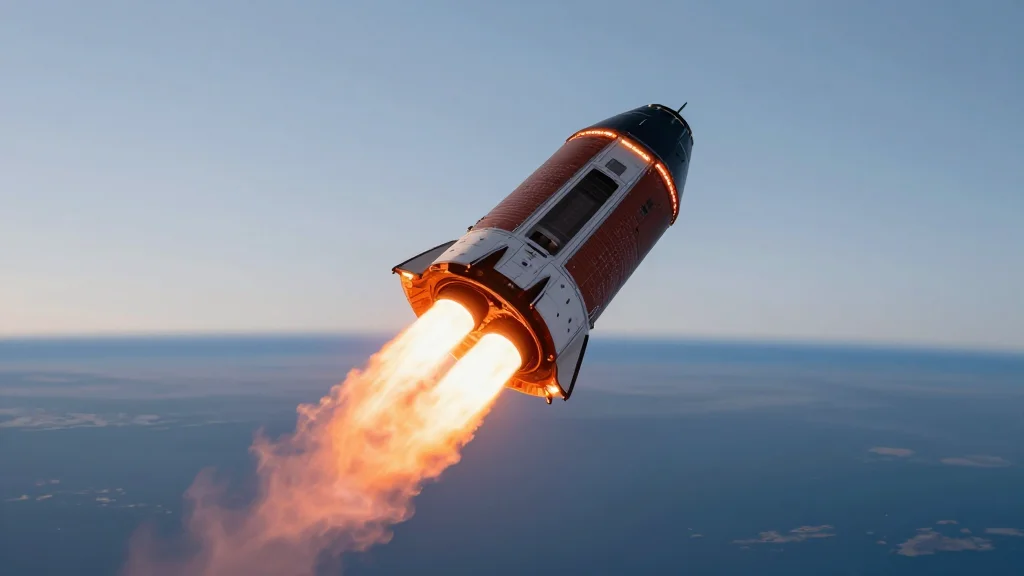
Parachutes: A Vital Part of Artemis II's Trip Home
NASA’s Artemis II will return the Orion crew to Earth using a sophisticated parachute suite. Eleven parachutes, arranged in four deployment stages, slow the capsule from 350 mph after heat‑shield deceleration to a gentle 17 mph splashdown off Southern California. The system begins...

See Photos From All 10 Days of NASA’s Artemis II Moon Mission
NASA launched Artemis II on April 1, 2026, sending three Americans and a Canadian on a 10‑day lunar flyby after multiple launch delays. The crew—Reid Wiseman, Victor Glover, Christina Koch and Jeremy Hansen—traveled farther from Earth than any humans before, capturing unprecedented images...

Artemis II Is Showing How Federal Education and Operational Experience Come Together in Space
Artemis II marked the first crewed flight of NASA’s Orion capsule atop the Space Launch System, taking four astronauts on a lunar flyby and returning for splash‑down. The mission served both as a flight‑test of new hardware and procedures and as...

This Dashboard Tracks Everything Going on with Artemis’ Orion Capsule as It Returns to Earth
NASA’s Artemis II mission is in its final phase, with the Orion capsule—nicknamed Integrity—scheduled to splash down off San Diego at 8:07 p.m. EDT on Friday. The crew has already completed a historic fly‑by of the Moon’s far side and returned high‑resolution imagery...

Chang’e-7’s Water-Ice Hunt Could Redraw the Map of Lunar Resource Politics
China’s Chang’e‑7 mission, slated for a 2026 launch, will deploy a hopping probe equipped with the Lunar Soil Water Molecule Analyzer to drill into permanently shadowed craters near the lunar south pole. A positive detection of usable water‑ice would turn...

Blue Origin Hatch Endures Reentry, Opens Precisely On Cue
Ok. As was correctly guessed it's the hatch mechanism. Designed and built by my awesome @blueorigin HBR Robotic's team. Here's a pic. Keeps the air in. Will absolutely NOT open when it's not supposed to. Absolutely...
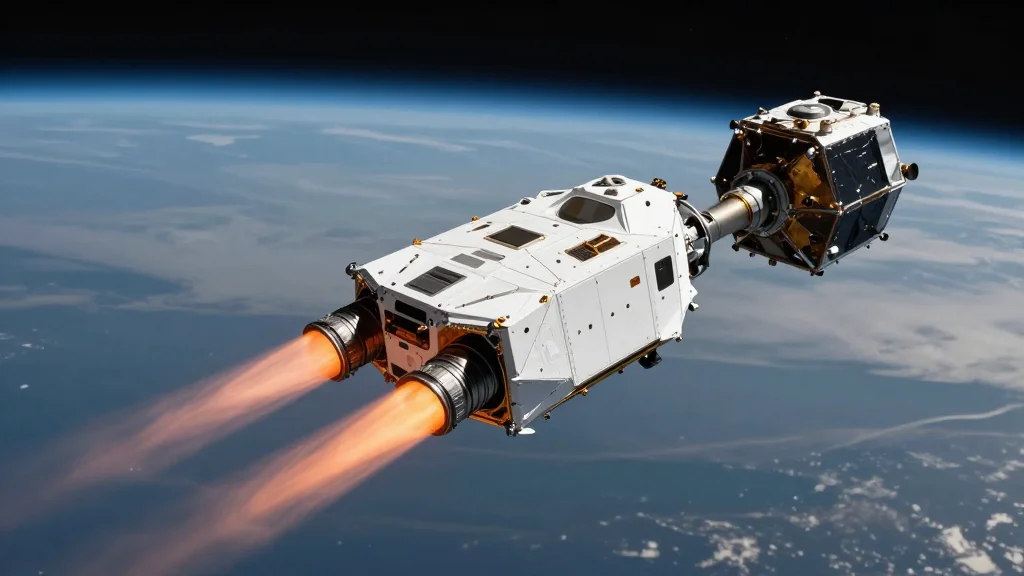
Command Module Executes 3 M/S Raise
Integrity CM 3m/s raise burn using the small thrusters on the command module to ensure good distance from the abandoned service module

286: Eyes to the Stars with Dr. Steve Hawley, NASA Shuttle Astronaut
In this episode, astronaut Dr. Steve Hawley discusses his new memoir "Eyes to the Stars" and reflects on the legacy of the Space Shuttle, the transition to Orion, and the Artemis II mission. He highlights how Artemis leverages proven shuttle...

Orion Returns Home After Crew Module Separation
Orion is coming home. Good crew module sep. Godspeed the crew of Artemis II. https://t.co/aYgG56dcMb

Orion Crew Capsule Set to Separate in Under 30 Minutes
Less than 30 minutes until the Orion crew capsule separates from the service module. https://t.co/o9Fz1gSC3R

HawkEye 360 Files S‑1 for NYSE Debut, Ticker HAWK Set for First U.S. Satellite‑Data IPO This Week
Geospatial analytics company HawkEye 360 announced it has filed a Form S‑1 with the SEC to launch an initial public offering on the New York Stock Exchange under the ticker HAWK. Lead book‑running managers include Goldman Sachs and Morgan Stanley,...
Watch NASA’s Artemis II Return Live and Celebrate
Right - space twitter/X - grab family/friends/colleagues and strangers and WATCH this NASA stream - and cheer #ArtemisII back from space https://t.co/EeXIjX2fk4

Artemis II Crew Receives Final Landing Safety Briefing
"Please set seats to upright, stow tray tables and switch off all personal electronic devices" Almost home #ArtemisII

New Perspective of Home
NASA’s Artemis II mission captured a striking image of the Moon and Earth aligned during its April 6, 2026 lunar flyby, showing both bodies partially illuminated by the Sun. The crew—NASA astronauts Reid Wiseman, Christina Koch, Victor Glover, and CSA astronaut Jeremy Hansen—are...
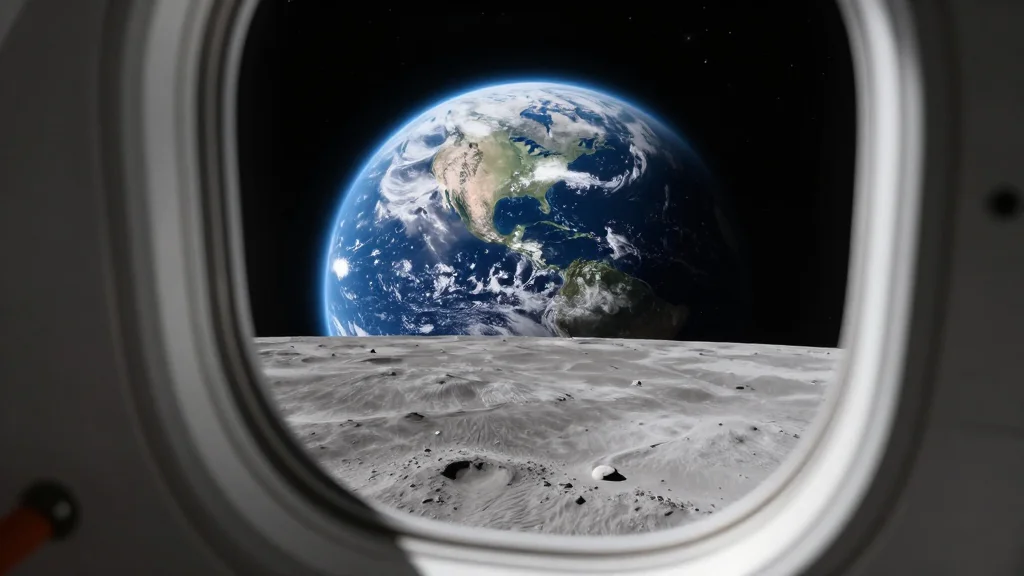
Artemis 2 Shows Earth’s Beauty Amid Global Challenges
Astonishing views at the moment of Earth getting closer from Artemis 2. An uplifting mission to the Moon during a difficult time on Earth - as was Apollo 8. https://t.co/vVNXyenwHG

Awaiting Clear Skies for Orion’s Chute Descent
Hope the mist clears so we can get a great view of Orion coming down under chutes. https://t.co/sqUI0GTmTZ
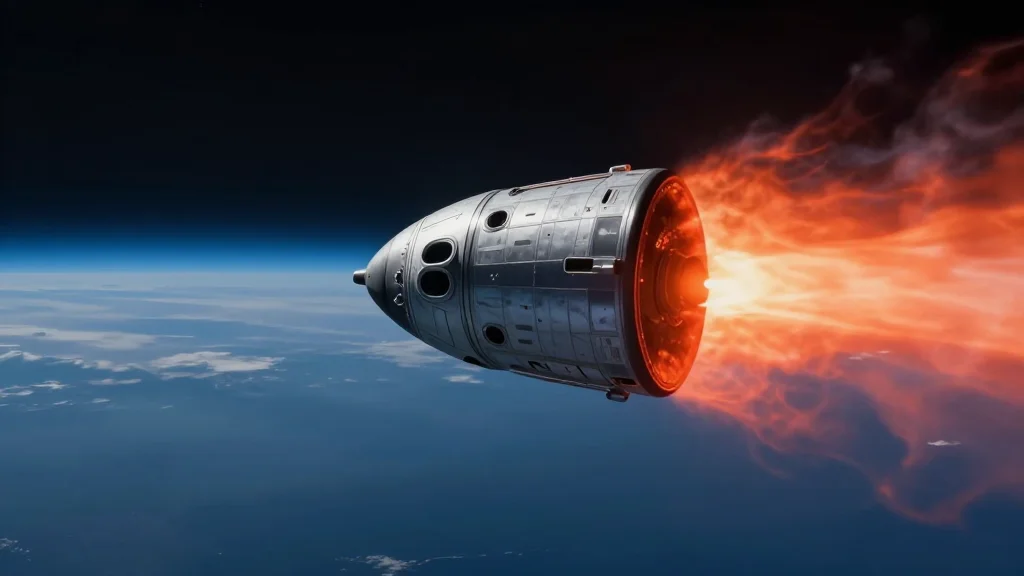
Moon Crew Set to Re‑enter at Record 25,000 Mph
Today, 4 brave souls, Reid, Victor, Christina & Jeremy will return from their voyage to the Moon Paradoxically, when they are closest to home is one of the riskiest parts They will be traveling 25,000 mph when they hit the atmosphere, the...

Artemis II’s Final Hours Seen From Orion’s Solar Array
Artemis II and Earth, 3:30 pm ET, April 10, 2026, just over 4.5 hours from splashdown at 8:07 pm ET (left). Compared with this time yesterday (right). Views from a camera on one of Orion's solar arrays. Screenshot from: https://t.co/3y6Tm3VF4k...

Starlink Delivers Ground‑level Internet Speed at 30,000 Ft
Starlink provides an Internet connection in flight that is on par with ground Internet speed & latency