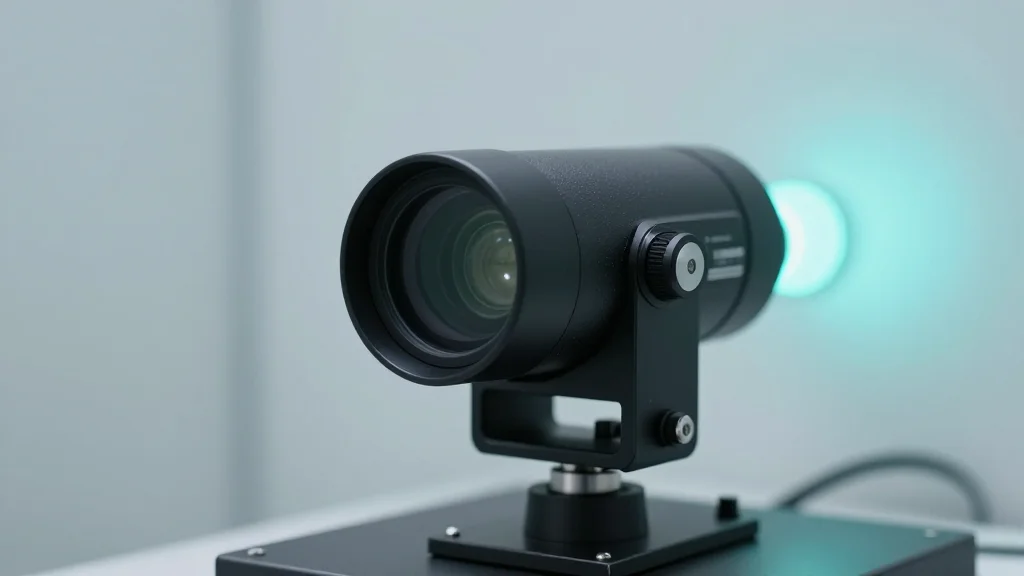
BitFlow Frame Grabber Selected by NASA for Space Radiation Testing of InGaAs Infrared Camera
BitFlow’s Axion‑CL Camera Link frame grabber was chosen by NASA’s Goddard Space Flight Center as the sole data‑acquisition interface for a rigorous single‑event effects test of Princeton Infrared Technologies’ 1280MVCam InGaAs SWIR camera at the Space Radiation Laboratory. The test exposed the camera to high‑energy heavy‑ion beams up to 575 MeV/nucleon, while the frame grabber transmitted real‑time images and commands over a 100‑foot Ethernet link in a shielded cave. The campaign identified persistent SEFIs at the lowest LET threshold, informing the screening strategy for the ARGOS stratospheric aerosol instrument. Successful operation validates BitFlow’s reliability for space‑qualified imaging systems.
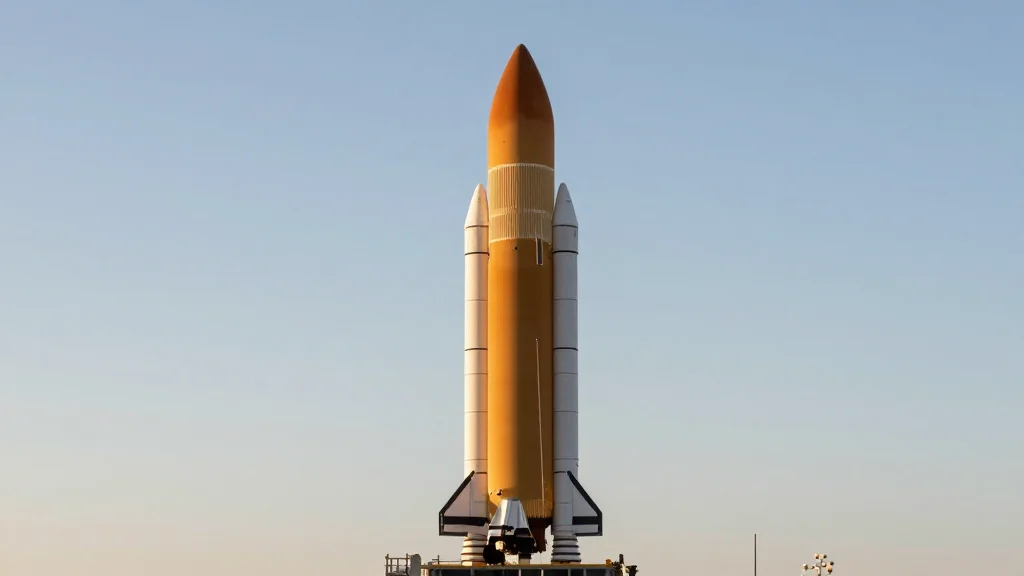
Building Momentum
NASA’s Artemis II mission, the first crewed lunar flyby since Apollo, launched in early April 2026 after a modest start. Real‑time images of the Orion capsule sparked a surge of media attention, temporarily eclipsing the usual news cycle. The excitement is expected...
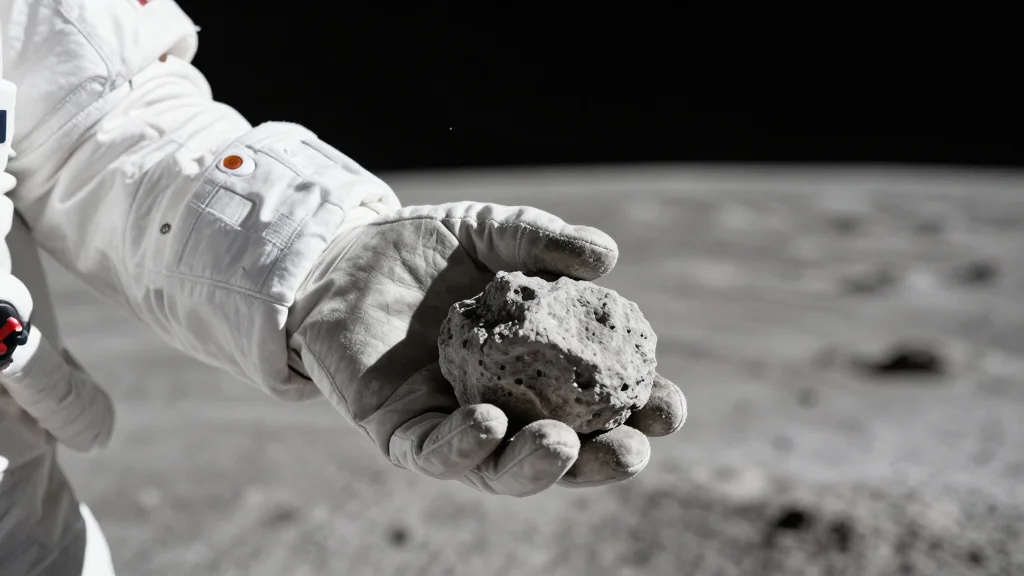
Moon Mission Needs Thousands of Unique Careers
It took the dedication and passion of thousands of people to make humanity’s return to the Moon possible. 🌑✨ Here are just a few of the countless out-of-this-world jobs required to pull off a mission of this magnitude. 🚀 Let...
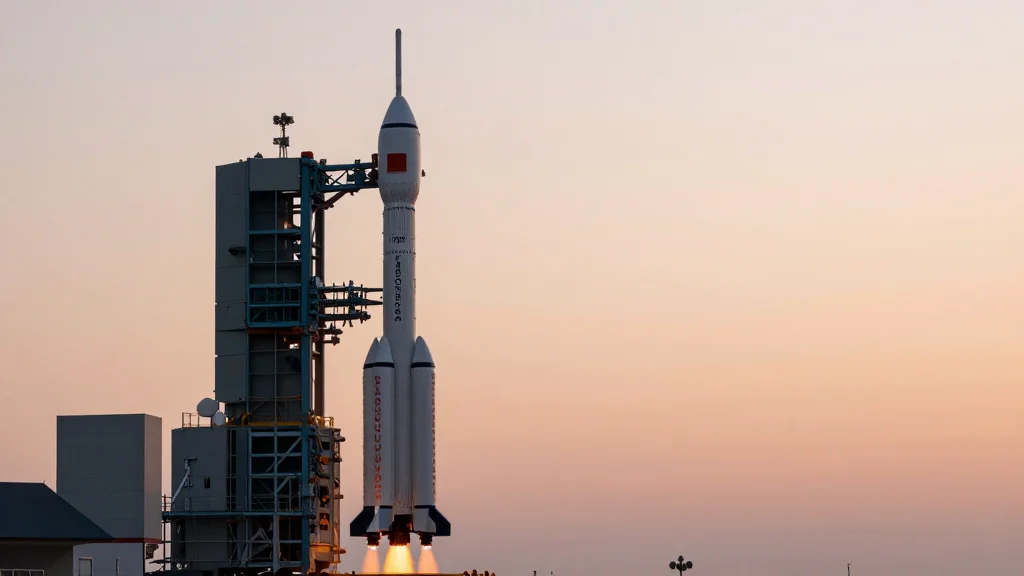
China Launches 18 More Qianfan Internet Satellites
China’s Long March 8 rocket lifted off from Wenchang, placing 18 additional Qianfan internet satellites into low‑Earth orbit. The launch brings the total deployed to 137, part of a planned constellation that could eventually host up to 10,000 spacecraft, though the...
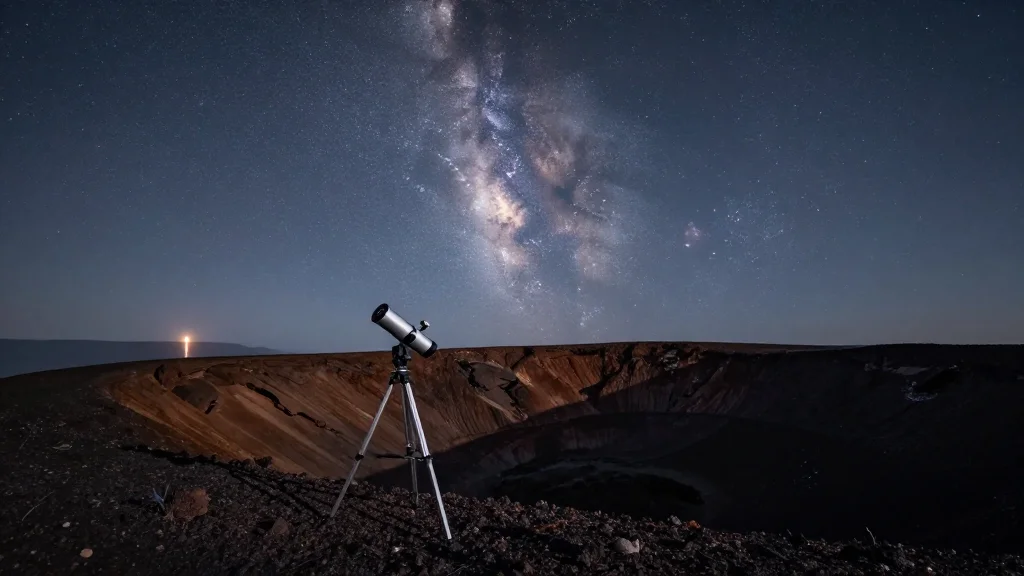
Artemis II Launch Sparks Surge in Space‑Themed Outdoor Adventures Across the Southwest
NASA’s Artemis II crewed lunar flyby, launched on April 1, 2026, has ignited a wave of space‑themed outdoor experiences—from volcanic‑crater hikes in Arizona to dark‑sky festivals in San Diego. Operators are leveraging the mission’s excitement while grappling with preservation concerns.
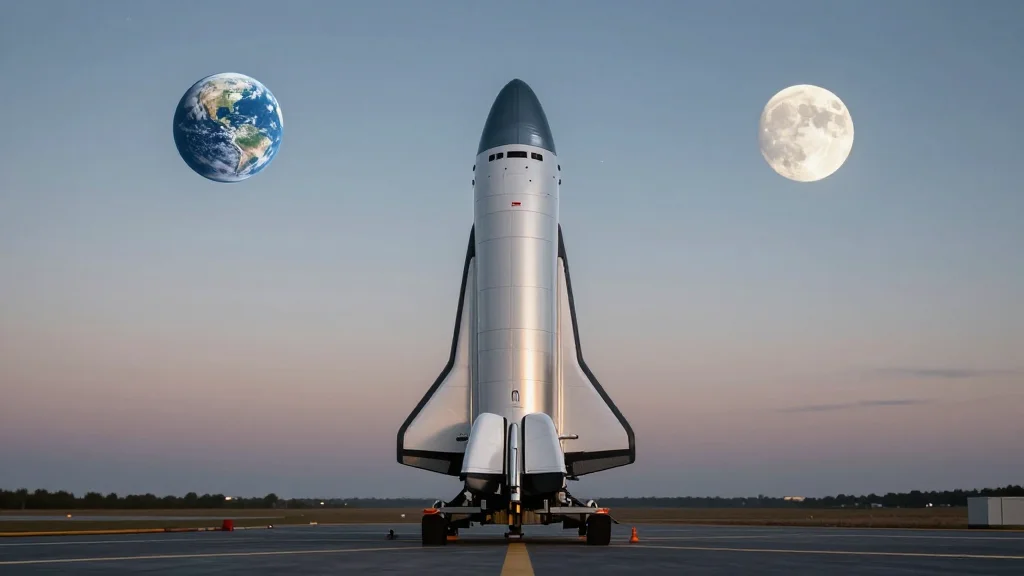
Not Everyone’s Gone To The Moon
The United States has completed 45 lunar missions—the most of any nation—culminating with the Artemis II launch on April 1, 2026. The former USSR conducted 22 missions between 1959 and 1976, while China has logged ten, including a serendipitous 1997 Hong Kong satellite...
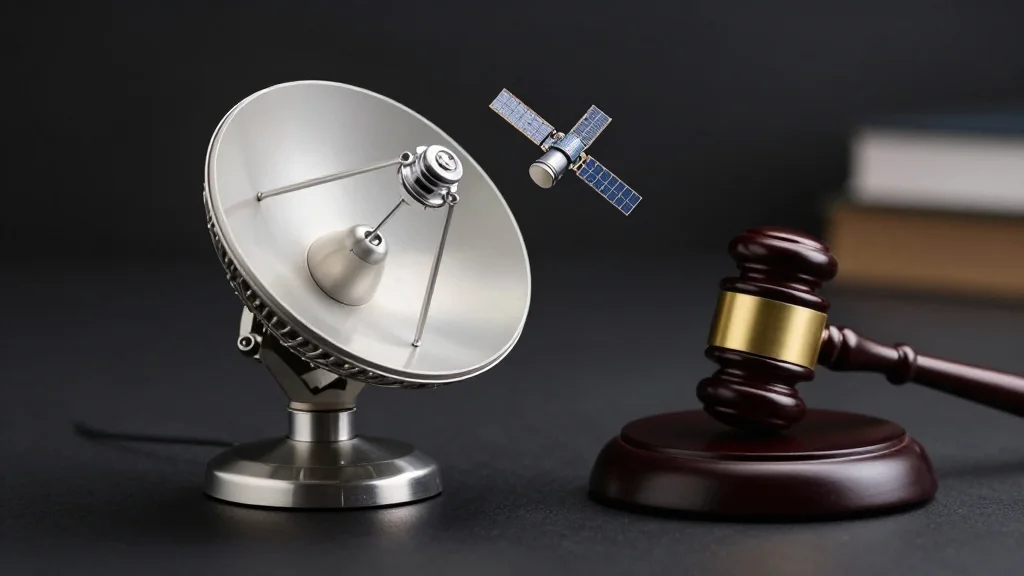
Satellite Set to Headline FCC’s April Open Meeting
The FCC’s April 30 open meeting will spotlight a proposed overhaul of satellite spectrum‑sharing rules, aiming to replace the decades‑old EPFD framework with performance‑based protection criteria. SpaceX’s Starlink petition and Amazon’s Project Leo stand to benefit from higher speeds and...

Friend Celebrated for Coining “The Overview Effect”
Great to see my friend @fwhite66 get the recognition he deserves for literally coining the term "The Overview Effect." Great article by @jackiewattles

Redwire Lands Share of $1.8B Andromeda Contract
Redwire $RDW among the awardees of a new $1.8 Billion US Government contract for for the space Andromeda program from the Dept of War Air Force contract. Mentions several other co's $RDW most noteworthy https://t.co/cEThY0jpWC

SpaceX Starship Engine Test Is Successful In Every Way, Except For All Of The Exploding
SpaceX’s latest ground test of the Raptor 3 engine, slated for the Starship V3 launch vehicle, ended in a dramatic explosion that destroyed the test article. The test, conducted at the Starbase facility in Texas, was intended to verify the performance...
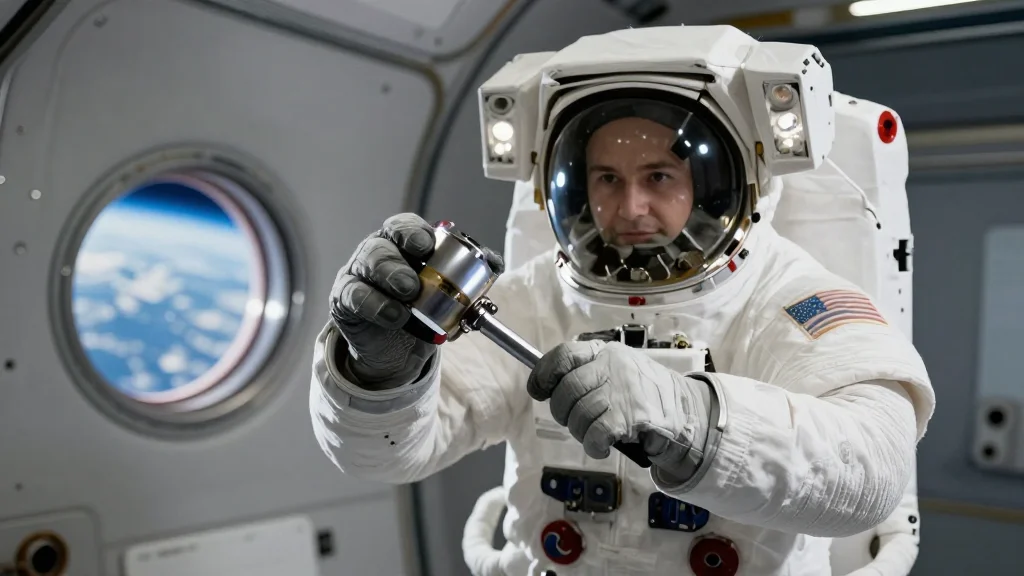
In Tight Quarters, Artemis II Astronauts Stay Fit with the Flywheel
NASA’s Artemis II crew is using a compact flywheel exercise device to counteract microgravity‑induced muscle and bone loss during the mission’s 10‑day flight. The handheld system fits in a carry‑on‑sized space, yet can deliver up to 400 pounds of resistance for squats,...

How Artemis II Astronauts Readjust to Earth
NASA’s Artemis II crew, launched April 1, is slated to splash down off San Diego on April 10, ending a ten‑day lunar flyby. The Orion capsule will be recovered by the U.S. Navy, with astronauts moved to a ship‑board medical bay within two hours...

Korean Air Charts Future of Inflight Connectivity with Starlink Integration
Korean Air announced a partnership with SpaceX to equip its long‑haul 777‑300ER and A350‑900 fleet with Starlink satellite‑based Wi‑Fi, promising up to 500 Mbps speeds. The airline, which earned a Five‑Star Global rating for the ninth year, aims to replace its...

Automation and Agility: How SSC Space Go Is Designed for the New Age of Ground
SSC Space unveiled its SSC Space Go service, a software‑defined ground segment that virtualizes antenna stations via Kratos’ OpenSpace platform. The network of 4‑meter antennas spans five locations—Sweden, Alaska, Canada, Australia and Chile—offering dual‑polarization S, X and Ka‑band connectivity for...

Artemis 2 Updates: NASA, Canada Host Evening Conferences
Today, Apr 8: NASA's Artemis 2 Daily News Conf is at 5:00 pm ET. Canadian Space Agency will have one at 7:00 pm ET incl Prime Minister Carney. Then a crew media conf at 9:45 pm ET. The NASA...

Live in the Booth: Sky Perfect JSAT President & CEO Eiichi Yonekura
Sky Perfect JSAT is transitioning from a pure communications provider to a space‑based data and solutions company. The firm ordered a low‑Earth‑orbit Earth Observation constellation from Planet, giving it direct access to EO imagery for government and mission‑critical users. It...
FCC to Vote on Order to Update EPFD Framework
The Federal Communications Commission will vote on a Report and Order to replace the existing Equivalent Power Flux Density (EPFD) framework with performance‑based protection criteria for geostationary (GSO) satellites. The change is intended to modernize spectrum‑sharing rules between GSO and...

New Report Highlights Global Trend Toward ‘Bodyguard’ Satellites
The Secure World Foundation’s 2026 counter‑space report shows a surge in “bodyguard” satellite programs as Japan, France, India and Germany move to protect and counter‑attack threats in orbit. These co‑orbital platforms combine surveillance with defensive or offensive capabilities, such as...

Lynk Awaits US Approval, Launch Access Delays 640‑sat Launch
.@LynkTheWorld: We're waiting for US regulatory OK of merger w/ @omnispace, which triggers @SES_Satellites investment, but plans are for early ops of our 640-sat constellation in mid-2027. Access to launch is biggest issue. @FCC.https://t.co/hXoS3DuQUf https://t.co/fFvAavyR4J

How Does Space Weather Affect the Artemis Missions?
Space weather has become a core flight‑safety issue for NASA’s Artemis program, with real‑time solar‑radiation forecasting now integrated into crew‑mission planning. Artemis II launched on April 1 2026, marking the first crewed lunar flyby since Apollo and testing Orion’s onboard radiation sensors and...
Northrop Grumman to Build HUGEO Satellite for Hungary’s 4iG
Hungarian firm 4iG Space and Defense Technologies signed a contract with Northrop Grumman to build HUGEO, a Ka‑band communications satellite based on the GEOStar‑3 platform. The deal, worth several hundred million dollars, targets delivery by 2030 and marks Hungary’s first...

The Artemis Astronauts Are Studs
Artemis II completed a 252,756‑mile lunar flyby, sending four astronauts around the Moon’s far side for the first crewed deep‑space mission since Apollo. The crew’s daily life—Christina Koch’s hair, a repaired toilet, and a space‑shower—was streamed live, giving viewers an unprecedented, intimate...

Liquid Metals as Vital Materials for Future Deep-Space Missions
A research team led by Prof. Liu Jing at the Chinese Academy of Sciences has shown that room‑temperature liquid metals can serve as critical materials for deep‑space missions. Published in Cell Press Blue, the study highlights liquid‑metal‑based power systems, propulsion, thermal‑management,...

Procurement Lag Vs. Conflict Speed: Can Defense Buying Cycles Keep Up with Space Innovation?
Analyst Omkar Nikam warns that U.S. defense procurement, rooted in Cold‑War FAR rules, can’t keep pace with the rapid innovation of commercial space. The Ukraine war forced the Pentagon to buy Starlink services on short notice, exposing the gap between...

Nebraska Tops Starlink Speeds, 58% Meet 100/20 Mbps
Update: @Speedtest said Nebraska led the nation for @Starlink performance, with 58.31% of Starlink users meeting 100/20 Mbps in the second half of 2025, up from 32.16% in the first half. https://t.co/VXH7nlVrW4

Delta and Amazon Leo Collaborate to Deliver Next Era of Tech-Enabled Travel Experiences
Delta Air Lines and Amazon have signed a long‑term deal to equip Delta’s fleet with Amazon’s Leo low‑Earth‑orbit satellite network. The partnership will roll out high‑speed, low‑latency inflight Wi‑Fi on an initial 500 aircraft starting in 2028, leveraging AWS and...

Webb Captures Striking Edge-On Views of Two Planet Nurseries
The James Webb Space Telescope has delivered striking edge‑on images of two young, planet‑forming systems—Tau 042021 in Taurus and Oph 163131 in Ophiuchus—located roughly 450‑480 light‑years from Earth. Using NIRCam and MIRI, Webb captured the disks in unprecedented detail, showing the central...

FCC to Boost Satellite Internet Speeds by Raising Power Limits
The FCC will vote this month to supercharge your Internet. Lifting outdated power limits on satellite Internet means faster speeds and more capacity. 🚀 🛰️ 🛜 https://t.co/Qy7yuHv8Mx
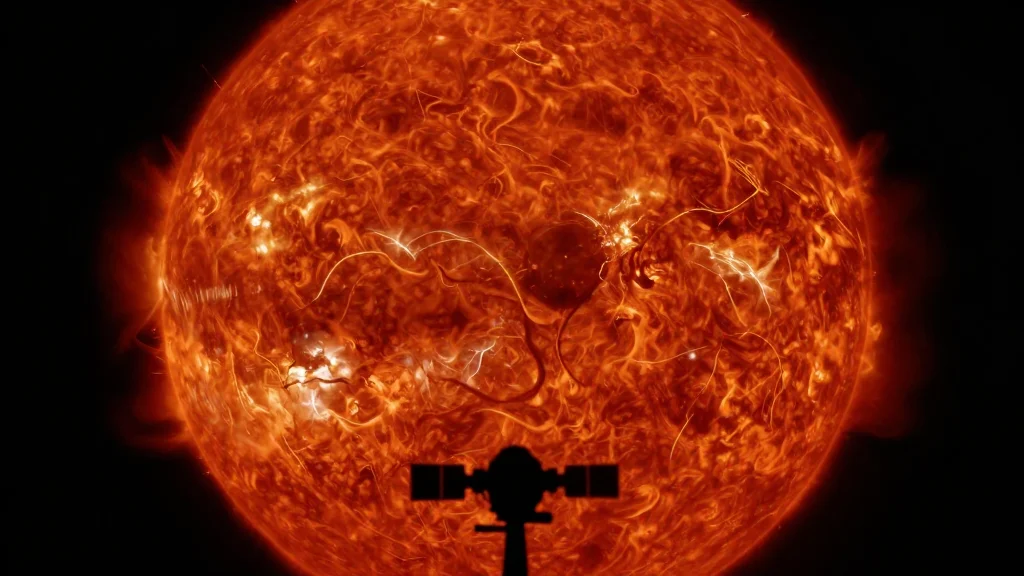
Student Research on Coronal Holes Improves Space Weather Forecasting
A New Mexico State University graduate student, Khagendra Katuwal, published a study in The Astrophysical Journal linking magnetic unipolarity in equatorial coronal holes to fast solar‑wind streams. Analyzing 70 coronal holes from SDO data, he found that about 88% exhibited...
The Moon Is Back on the Menu
Artemis II’s April 1 launch proved NASA’s new heavy‑lift rocket and Orion spacecraft can carry astronauts around the Moon, marking the first crewed lunar mission since Apollo. Administrator Jared Isaacman introduced the Ignition policy, shifting NASA toward a systems‑architect role that emphasizes...

Commercial Space Weather and Orbital Risk Intelligence: Emerging Necessity or Thin Market Niche?
Commercial space weather and orbital risk intelligence are evolving into essential layers of modern infrastructure, but the market structure remains split. Public agencies such as NOAA and ESA continue to deliver baseline observations and alerts, while private firms focus on...

This UK College Is Quietly Training the Workers Behind the Moon Missions
Suffolk New College in Ipswich hosted a career‑focused session for about 50 students, highlighting engineering and welding roles that underpin satellite manufacturing, launch infrastructure and lunar missions. Industry representatives from Space East emphasized that East Anglia houses more than 800...

Moon Astronaut Captures Shot of Earth That Lets You See Its Razor-Thin Atmosphere Perfectly
NASA astronaut Reid Wiseman captured a striking image titled “Hello, World” as Artemis 2 departed Earth on April 2. The photo uniquely displays the thin edge of Earth’s atmosphere, two faint auroras, and a zodiacal light glow, offering a fresh perspective not...

Space Stocks Lift Off as Investors Eye Space X Moment
Retail investors are piling into space‑focused trusts as the sector cements its place in long‑term portfolios. Scottish Mortgage Investment Trust, a top SIPP buy, holds a sizable stake in SpaceX, fueling optimism around a potential IPO that could rank among...

Video: Artemis 2 Flight Day 7 Highlights – Orion Calls the ISS and Completes Its First Return Burn
Flight Day 7 of NASA’s Artemis 2 mission saw the Orion crew, including Canadian astronaut Jeremy Hansen, shift to a quieter schedule after the lunar flyby. The crew captured a total solar eclipse from lunar orbit, producing striking imagery of the Sun’s...
Update on SpaceX’s Starship/Superheavy Launchpad Improvements at Boca Chica
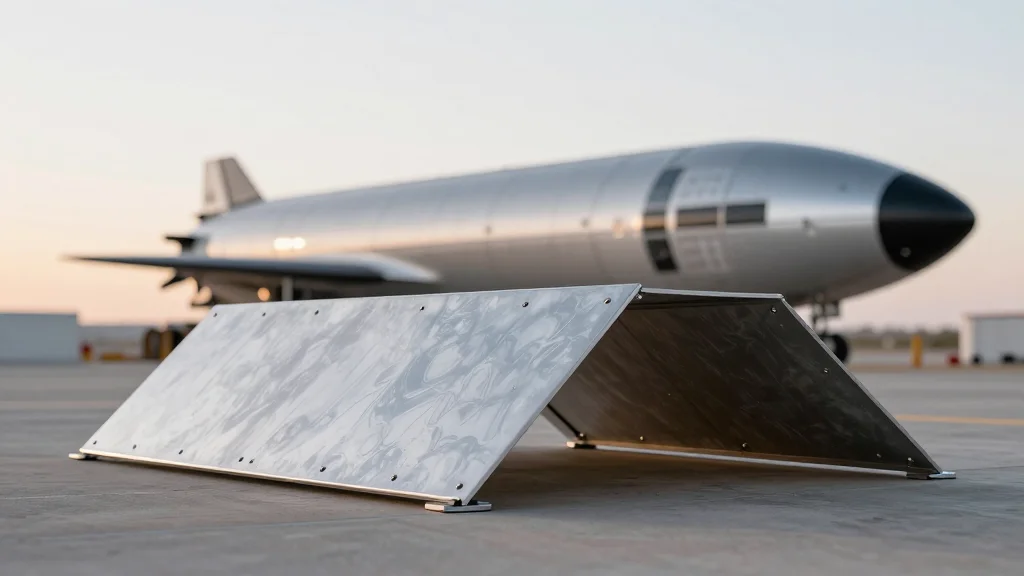
SpaceX is upgrading the Boca Chica launch complex ahead of the next Starship‑Super Heavy orbital test, now slated for mid‑May. Engineers have bolstered the Ship Quick Disconnect (SQD) arm with steel reinforcements, allowing a faster swing‑out that lessens exposure to...

Jeremy Hansen: From Physics to the Moon
Col. Jeremy Hansen is set to become the first Canadian to fly around the Moon on NASA’s Artemis II mission. A graduate of the Royal Military College with honours in space science and a master’s in physics, he combines a distinguished...

Industry Sentiment Shifts as Quilty Space Reveals Top 5 Takeaways From Satellite 2026
Analysts at Quilty Space released five key takeaways from the Washington Satellite 2026 show, highlighting a notable shift in industry sentiment away from the previous fatalism tied to SpaceX dominance. Launch providers are reporting unprecedented backlogs driven by large projects such...
Artemis II Mission Day 7 Recap April 7
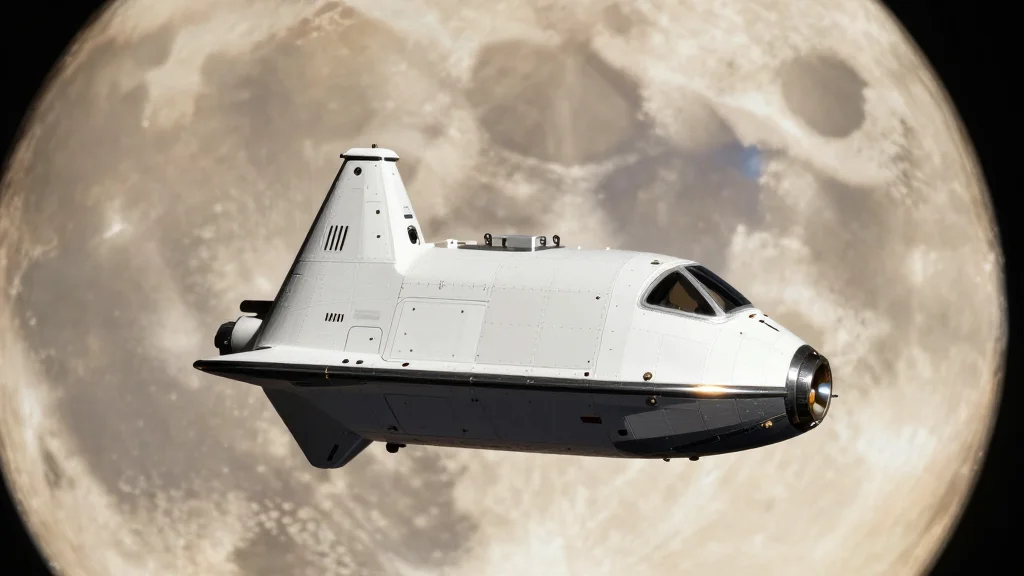
On Flight Day 7, Artemis II’s Orion capsule left the Moon’s sphere of influence at 41,072 miles and began its return to Earth. The crew debriefed the historic lunar flyby, conducted a 15‑second trajectory‑correction burn that added 1.6 ft/s, and held a 15‑minute audio...
US NRL Launches Three Experimental Payloads on STPSat-7 Mission
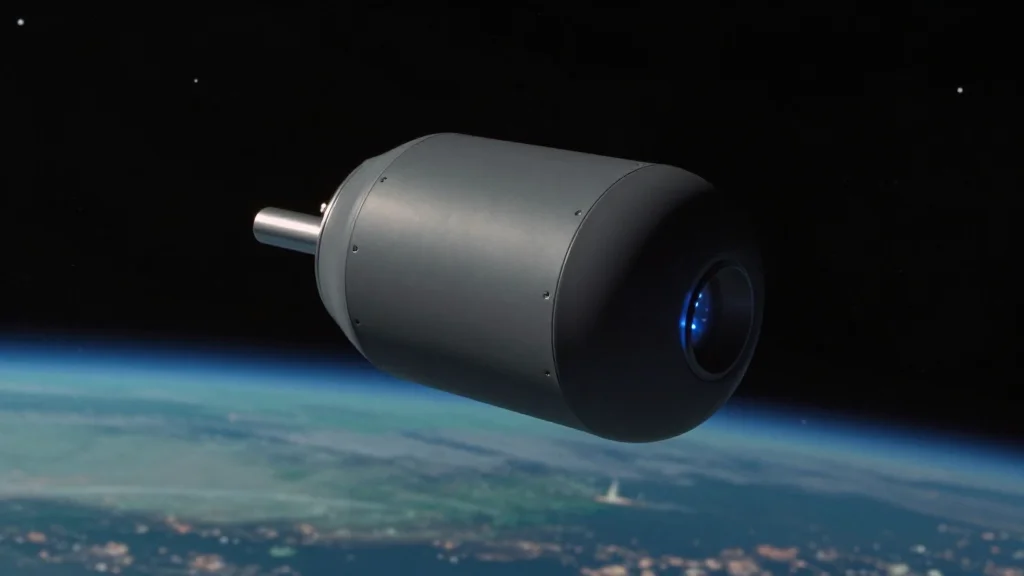
The U.S. Naval Research Laboratory (NRL) launched three experimental payloads—LARADO, GOSAS, and GARI‑1C—on the Department of War Space Test Program’s STPSat‑7 mission on April 7 from Vandenberg Space Force Base aboard a Northrop Grumman Minotaur IV. The payloads aim to improve orbital...
TRAI Launches Consultation on Satellite Communication Network Authorisation and Spectrum Framework
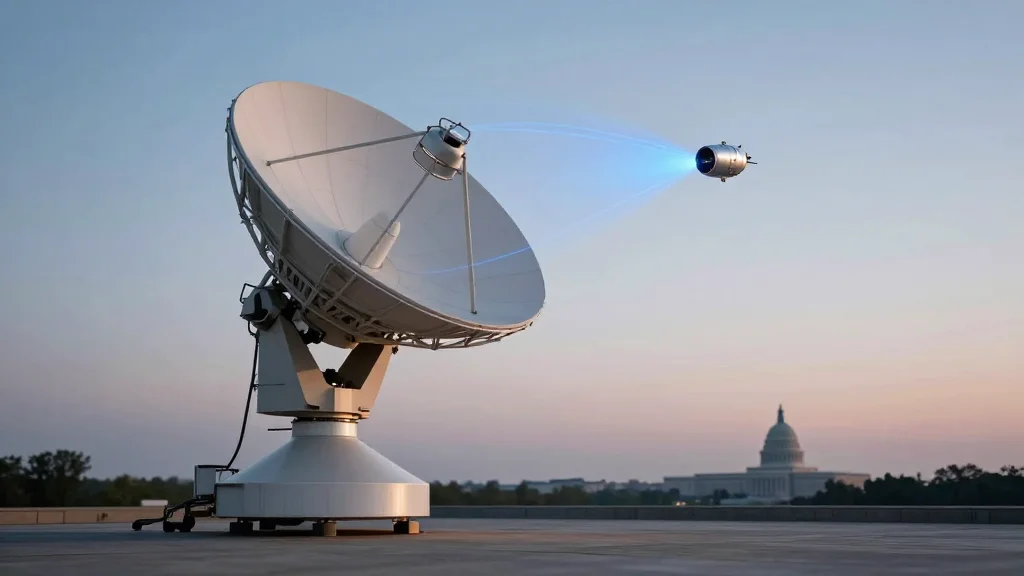
The Telecom Regulatory Authority of India (TRAI) released a consultation paper outlining a new licensing and spectrum framework for Satellite Communication Networks (SCNs). The proposal defines eligibility, authorisation periods, technical and security standards, and introduces a Satellite Communication Network‑as‑a‑Service (SCNaaS)...

DT Launches Starlink Powered Satellite Service for Businesses
Deutsche Telekom has launched Satellite Internet Access by Starlink (SIA), a fully managed satellite broadband service for large enterprises and public‑sector organisations in Germany. The service delivers up to 400 Mbps download and 40 Mbps upload using panel antennas, targeting sites lacking...
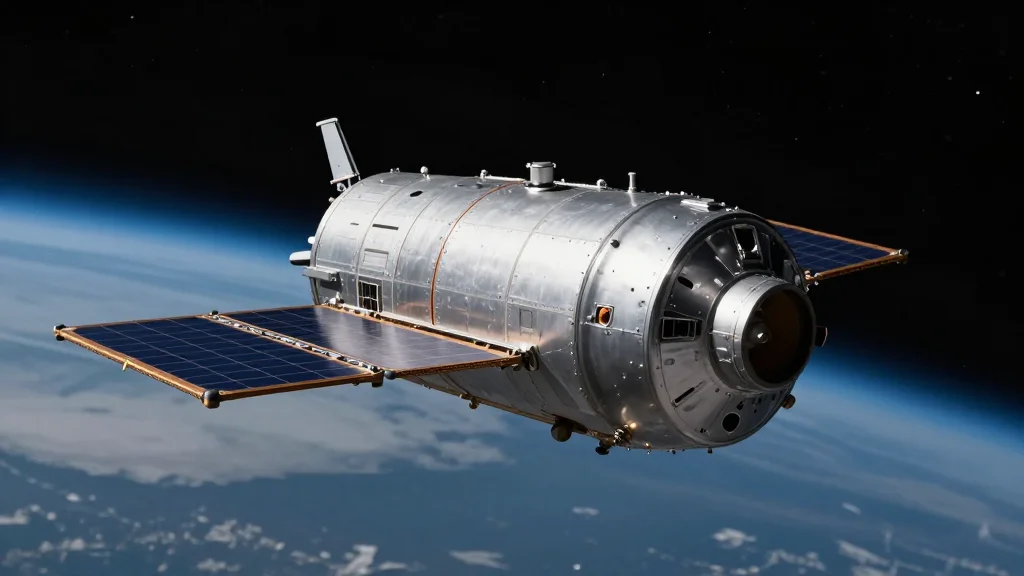
Astroscale to Fly Mission to Rendezvous and Inspect Two Different Satellites
Astroscale announced its ISSA-J1 mission, slated for 2027, to rendezvous with two retired Japanese Earth‑observation satellites—ALOS and ADEOS‑II—at different orbital altitudes. The inspector spacecraft will conduct close‑range observations of attitude, rotation and degradation, providing data more detailed than conventional tracking....

Life From Space? I Have Questions
Scientists analyzing samples from the carbon‑rich asteroids Ryugu and Bennu have identified all five nucleobases that form DNA and RNA, confirming that these fundamental organic molecules can arise through abiotic processes in space. The findings, published in Nature Astronomy, add...
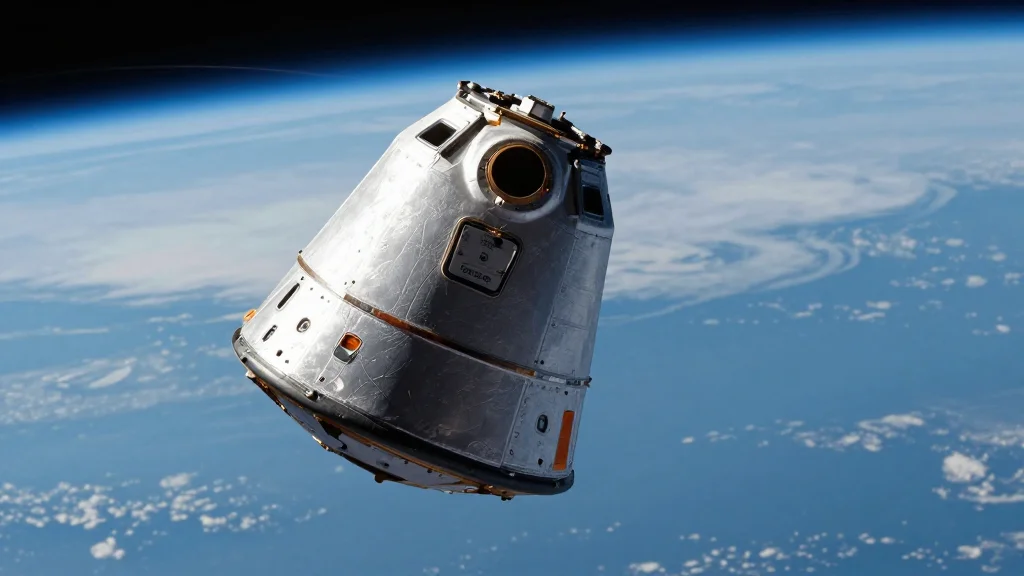
Artemis III's Initial Orbit Remains Undecided, Officials Say
“One of the questions is what the initial orbit will be for Artemis III." https://t.co/atoSFLDYEs
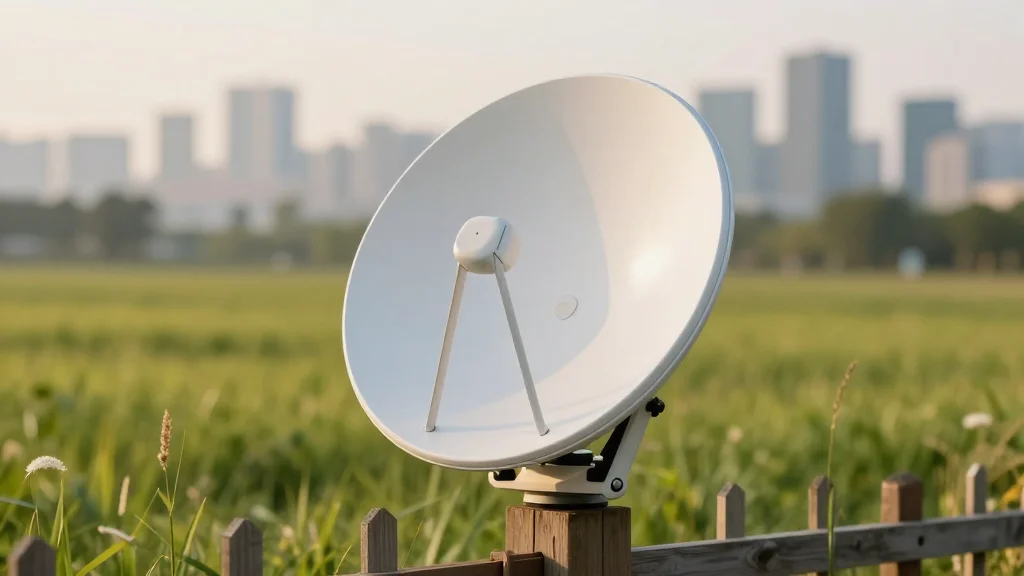
Rural Starlink Beats Urban Speed in 29 States
"In 29 of the 50 states, rural Starlink users get better broadband speeds than urban users. In addition, five states—Florida, Massachusetts, Hawaii, New Jersey and Connecticut—have more Starlink users in urban areas than rural areas." https://t.co/B2dsUEs12P

Intellian Unveils Future Military and Aerospace Antenna Technologies at Satellite 2026
Intellian Technologies showcased a suite of next‑generation antenna solutions at Satellite 2026, highlighting a 2.4 m fly‑away antenna that can simultaneously operate on X‑band and Mil Ka‑band for communications‑on‑the‑pause missions. The company also previewed an L‑band antenna family for UAVs and USVs, a...

Is the Space Industry Too Dependent on a Small Group of Semiconductor and Electronics Suppliers?
The space sector relies on a handful of semiconductor and electronics vendors, not the broader global chip market. Radiation tolerance, long‑life qualification, and stringent testing shrink the usable pool to a few trusted names such as Microchip, Renesas, Teledyne and...

E-GEOS and VENG Strengthen Global Partnership for SAOCOM Satellite Data Distribution
e‑GEOS, the Italian‑Argentine joint venture, and Argentina’s VENG have signed a multi‑year agreement to market and distribute SAOCOM L‑band SAR data worldwide. The deal links SAOCOM’s 1A/1B satellites with Italy’s COSMO‑SkyMed X‑band constellation, creating the first integrated European‑American radar system...
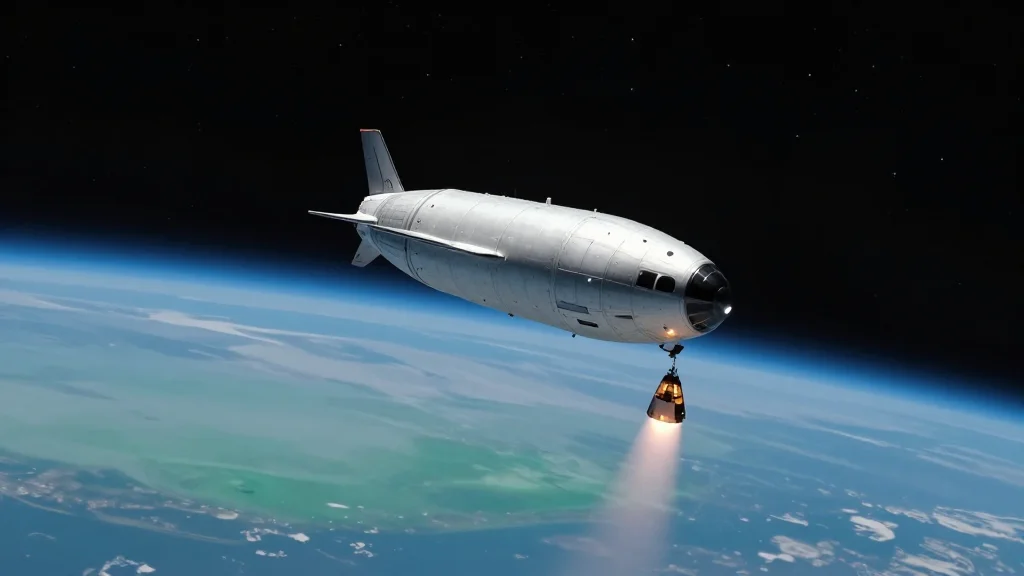
Orbiting Warehouses Enable Hour‑long Global Deliveries
What if your warehouse was in orbit? Aerospace company Inversion has built a space-based delivery vehicle called Arc that can drop cargo anywhere on earth in under an hour. No airports. No roads. This is what the next logistics frontier looks...