
Musk, Bezos, Both Cry To Trump’s FCC In Bid To Dominate Satellite Broadband
Elon Musk’s SpaceX and Jeff Bezos’s Amazon are locked in a proxy fight at the FCC over dominance of low‑Earth‑orbit (LEO) satellite broadband. SpaceX alleges Amazon’s Project Leo violates orbital‑debris rules by launching satellites at excessively high altitudes, while Amazon contends Starlink moved its own satellites to block Leo’s progress. Both billionaires have leaned on a Trump‑aligned FCC to secure favorable treatment, including the redirection of roughly $21 billion in infrastructure subsidies to their satellite ventures. The clash spotlights regulatory, safety, and market‑competition challenges in the emerging LEO sector.
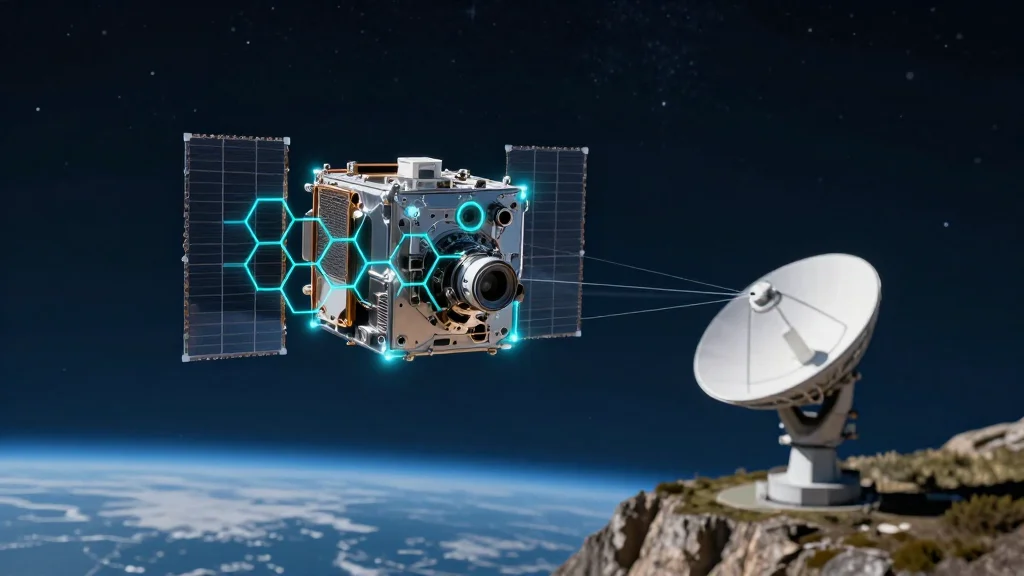
Keysight and Sateliot Win European Space Agency and GSMA Foundry Challenge for 6G Innovation
Keysight Technologies and Spanish satellite‑IoT firm Sateliot were named winners of the European Space Agency and GSMA Foundry Innovation Challenge at Mobile World Congress 2026. Their joint project, a blockchain‑enabled end‑to‑end anomaly detection platform for 5G non‑terrestrial networks, earned funding...

Artemis II Commander Calls Earth "Special Place" As Spaceship Heads Home
NASA’s Artemis II crew began its return to Earth on April 9, with commander Reid Wiseman describing the view of the Moon eclipsing Earth as a reminder that our planet is a “special place.” The Orion spacecraft, launched on April 1, set a...
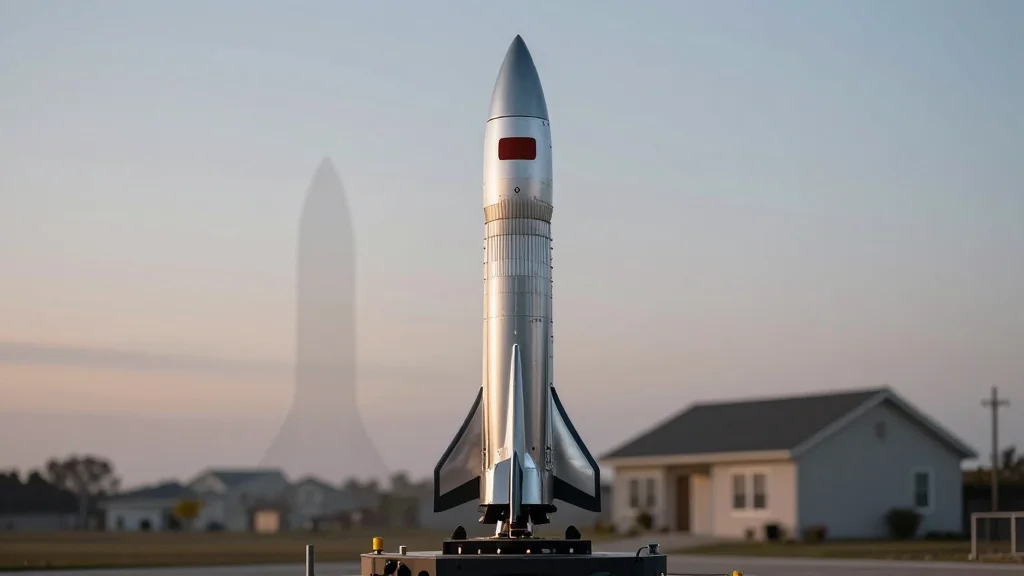
Shooting $100 Billion in Taxpayer Funds to the Moon Is Not a Win
Washington is proposing to spend roughly $100 billion of taxpayer money on a renewed lunar program, even as Americans face high inflation, stagnant wages, and a housing shortage. The article argues that such a massive allocation diverts resources from pressing domestic...

Artemis Flight Day 8: “Bubble Wrap Nominal”
Artemis II’s Flight Day 8 focused on validating return‑flight operations as the Orion crew approached Earth. A minor bulkhead issue—likely expanded bubble wrap—was resolved, prompting Mission Control to confirm “bubble wrap nominal.” The crew conducted a manual tail‑to‑Sun maneuver to gather guidance,...

Sateliot Seeks €100M in Latest Funding Round
Sateliot, the Spanish low‑Earth‑orbit (LEO) satellite operator, has opened a Series C round seeking roughly $108 million to finance the launch of 16 additional 5G‑capable satellites. The company already has six satellites in orbit and plans to add five more this year,...
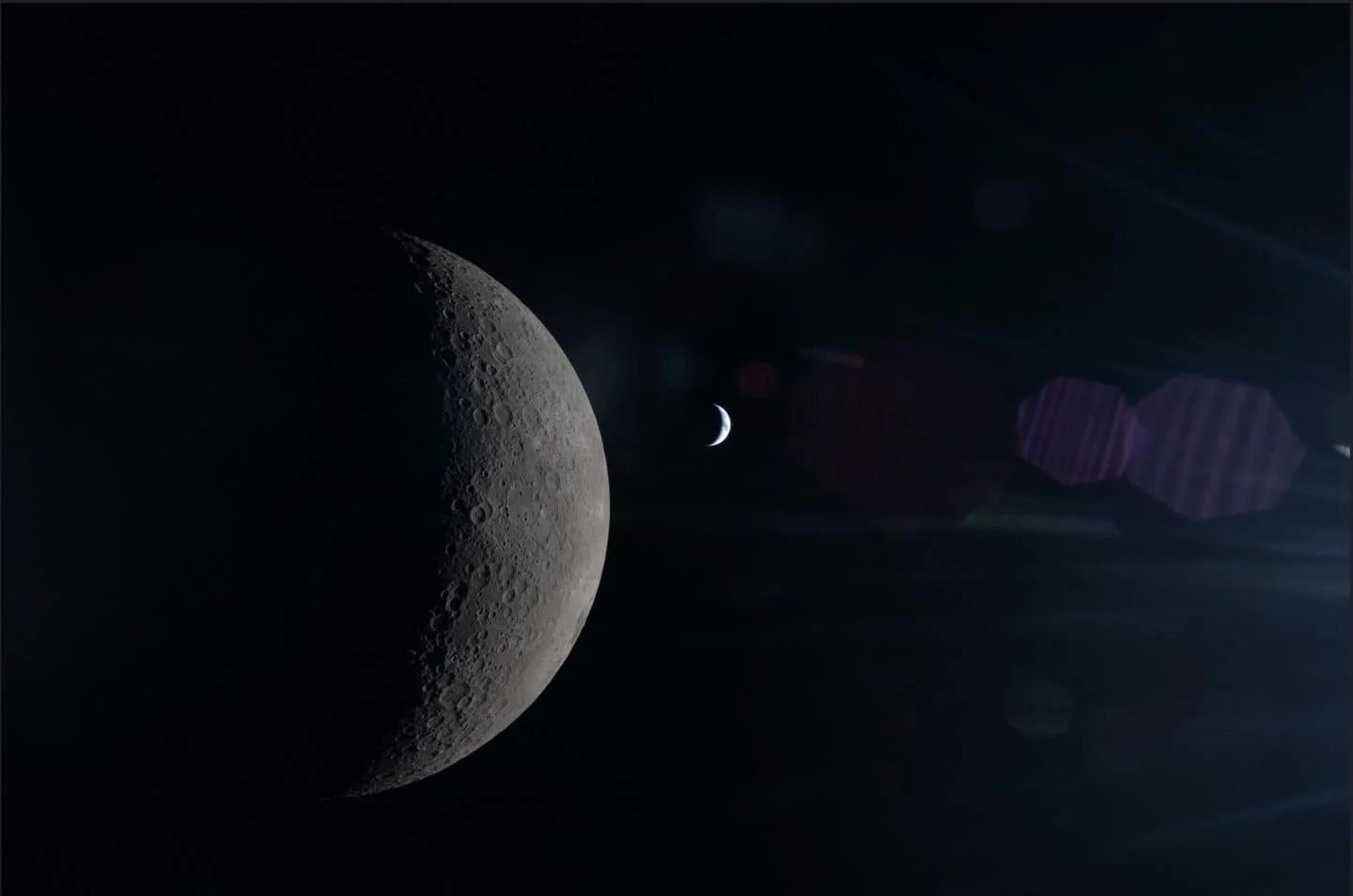
Artemis 2 Crew Set to Become Fastest Humans Ever
Imagine having this view as you’re commuting home. The Artemis 2 crew is now falling to Earth, picking up speed every second as gravity relentlessly pulls them. When they plow into the upper atmosphere they’ll be the fastest humans in history...

EDGX Launches Sterna Satellite Payloads on SpaceX Transporter-16
EDGX successfully launched its first Sterna high‑performance data processing units aboard SpaceX’s Transporter‑16 mission, showcasing an AI‑powered edge computer designed for satellite constellations. The Sterna payload leverages Nvidia’s Jetson Orin NX, can dynamically scale power between 10 W and 45 W, and is...

Space Is Becoming Supply Chain Infrastructure
The space economy has moved from a niche frontier to a core layer of supply‑chain infrastructure. In 2024 the sector was valued at $613 bn, with commercial activity accounting for $480 bn and a launch every 34 hours, led by the United...

Satellite Data Shows Earth's Nighttime Brightness Up 16% but Flickers with Conflict and Policy
Researchers using daily satellite imagery report a 16% net increase in global nighttime illumination between 2014 and 2022, driven by rapid urbanization in Africa and Asia. The study also uncovers sharp regional dimming linked to conflict, power outages and deliberate...

The Complete Story of Voyager’s Interstellar Mission: How Two Spacecraft Built in the 1970s Are Still Rewriting What We Know...
Voyager 1 will cross the one‑light‑day threshold in November 2026, placing it about 16 billion miles from Earth and making round‑trip communications take nearly two days. The probe, launched in 1977, continues to send unique measurements of the heliopause and interstellar medium, revealing...
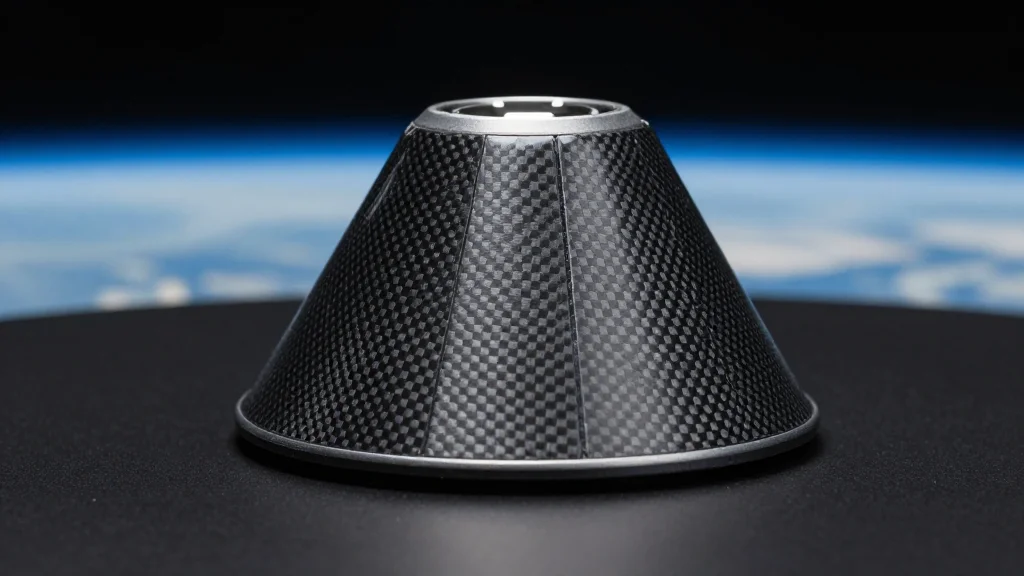
Artemis II Crew Completes Lunar Flyby, Eyes Pacific Splashdown
NASA’s Artemis II astronauts—Reid Wiseman, Victor Glover, Christina Koch and Canada’s Jeremy Hansen—completed a record‑breaking lunar flyby, traveling 252,756 miles from Earth. The crew now heads for a splashdown off San Diego, while NASA warns the mission’s heat shield leaves no margin...

Travelling at the Speed of Light
ScienceClic released a 15‑minute YouTube video titled “Travelling at the speed of light,” directed by French visual artist Alessandro Roussel. The piece uses polished 3D graphics to illustrate how relativistic physics would appear to passengers on a near‑light‑speed craft, covering time...

All Eyes on Orion’s Heat Shield: Artemis 2 Astronauts Will Hit Earth's Atmosphere at Nearly 24,000 Mph on April 10
NASA’s Artemis 2 crewed Orion capsule will begin its return to Earth on April 10, entering the atmosphere at roughly 23,840 mph (38,367 kph) from an altitude of about 75 miles. After the heat‑shield damage observed on the uncrewed Artemis 1 flight, mission planners opted for...

‘Hybrid Constellations’ Are Making It Hard for Militaries to Hide
Vantor, formerly Maxar, announced a five‑fold expansion of its satellite fleet, adding 40 new spacecraft that will deliver 20 cm resolution imagery and a complementary set of lower‑resolution, high‑revisit satellites. When the hybrid constellation is operational after 2029, it will be...

Vantor Unveils New Sat Classes: Vantage and Pulse
Vantor announced two new satellite classes—Vantage and Pulse—to boost both imagery resolution and revisit frequency. Vantage will deliver 20‑cm resolution images, with two satellites slated for launch in 2029, while Pulse, a smallsat fleet the size of a refrigerator, will...
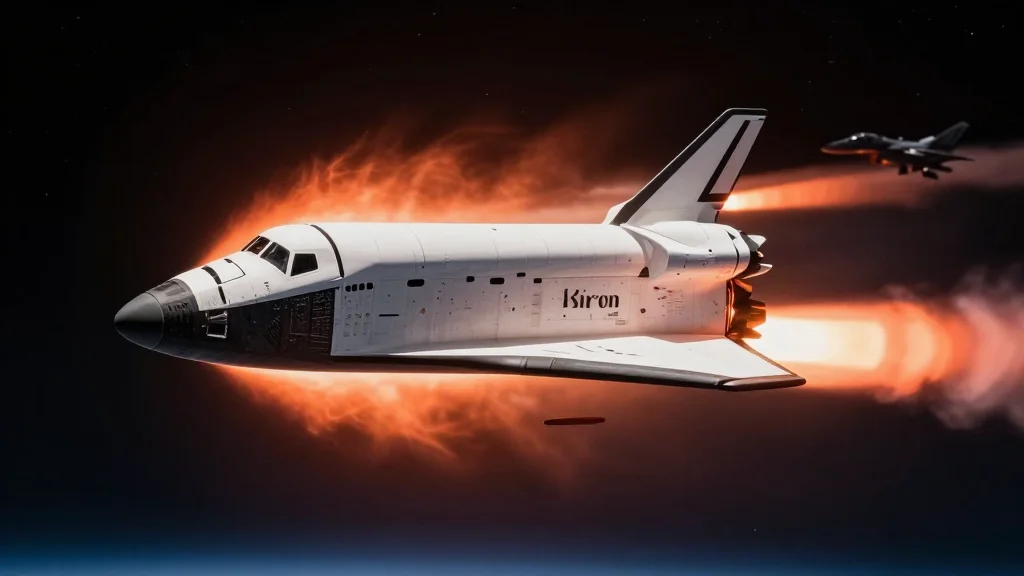
A Cracked Heat Shield Rattled NASA After Artemis I. Now, Artemis II Will Put the Fix to the Test
NASA will put a revised re‑entry trajectory to the test on Artemis II after a heat‑shield crack was discovered on the uncrewed Artemis I flight. The crewed Orion capsule will plunge into Earth’s atmosphere at 32 Mach, using a direct‑entry path that avoids...

Apex Satellite’s Big Pivot: Why a Small-Sat Company Is Suddenly Building for the Pentagon and Orbital Data Centers
Apex Satellite announced two new spacecraft platforms, the Comet Mini and Comet XL, targeting the Pentagon’s Golden Dome missile‑defense architecture and emerging orbital data‑center markets. The Mini will deliver about 20 kilowatts of power, while the XL aims for up to...

Application Spotlight: 3D Printed Replacement Antenna Masts Save Decades of Combined Supply Wait Time
The US II Marine Expeditionary Force faced long‑standing shortages of replacement antenna masts for its Mobile User Object Systems (MUOS), as the original parts became brittle and costly to procure. Leveraging additive manufacturing, the Marines produced 3D‑printed mast replacements that...

NASA Prepares for Artemis II Splashdown After Historic Moon Flyby
NASA is preparing for the splashdown of Artemis II, its first crewed lunar flyby, scheduled for Friday off Southern California. The four‑person crew—NASA astronauts Reid Wiseman, Victor Glover, Christina Koch, and CSA astronaut Jeremy Hansen—completed a record‑breaking loop around the Moon,...
Weird Space Stuff: Jay Schwartz on the Journals of Space Commerce Podcast
In this episode, FCC Space Bureau Chief Jay Schwartz explains the bureau’s recent creation (April 2023) and its expanding mandate to manage the surge in satellite communications licensing, especially as low‑Earth‑orbit (LEO) constellations now dominate 80% of applications—a 217% increase...

U.S. Space Force Launches Andromeda Orbital Tracking Program
The U.S. Space Force awarded a $1.843 billion multiple‑award IDIQ contract to 14 companies for its Andromeda program, which will run through April 8 2036. The effort funds space‑domain‑awareness systems that track, identify, and monitor satellites, debris, and potential hostile activity in orbit....

Orbiting Compute Becomes Real Infrastructure
𝗦𝗽𝗮𝗰𝗲 𝗱𝗮𝘁𝗮 𝗰𝗲𝗻𝘁𝗿𝗲𝘀 𝘀𝗼𝘂𝗻𝗱 𝗮𝗯𝘀𝘂𝗿𝗱. Until you notice who is already moving. And the economics are changing fast. Launch costs have fallen from roughly $10,000/kg to around $1,000/kg, with some projecting near $200/kg by 2027. The moment orbit starts competing with prime terrestrial infrastructure,...

Artemis II Astronauts Witnessed 6 Meteorites Colliding With the Moon
During the Artemis II flyby of the Moon’s far side, astronauts aboard Orion reported six brief white‑blue flashes caused by meteorite impacts. The crew was 6,000‑7,000 km away and observed the events while a solar eclipse darkened the lunar surface, making the...
Untitled
On April 6, 2026, NASA’s Artemis II Orion spacecraft completed a seven‑hour lunar flyby, capturing the striking "Earthset" view as Earth dipped below the Moon’s horizon. The crew surveyed the Moon’s far side, documenting the well‑preserved Orientale basin and discovering two previously unknown...

Sharjah’s Satellite Infrastructure Still Intact After Missile Attack: Space42
On April 7, 2026, a missile struck the administrative building of Thuraya Telecommunications in Sharjah. Space42, Thuraya’s parent, confirmed that satellite services and infrastructure remain fully operational. The attack injured two Pakistani nationals, but no disruption to customers was reported....

Maple Syrup or Nutella? PM Carney Calls Canadian Artemis Astronaut
Canadian Prime Minister Mark Carney held an Earth‑to‑space call with astronaut Jeremy Hansen, a crew member of NASA’s Artemis II mission and the first non‑American to orbit the Moon. Hansen emphasized teamwork and calculated risk, promising to share images after the...
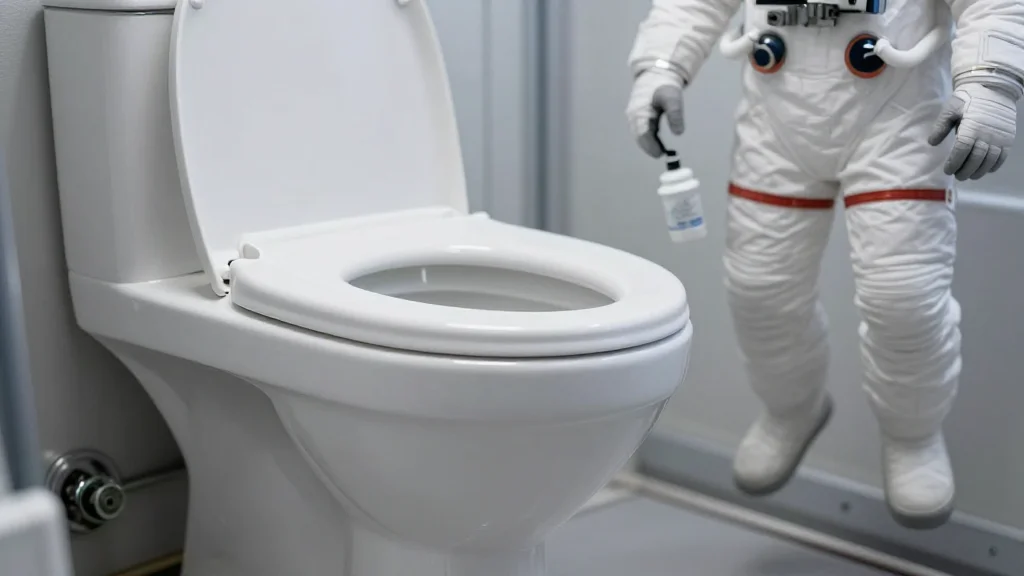
Chemical Reaction Clogs Orion’s $23M Toilet, Crew Uses Backup
A chemical reaction in Orion’s urine treatment system has clogged the spacecraft’s $23 million toilet, prompting astronauts to use contingency devices while the fecal disposal system remains unaffected. spaceflight

FCC May Boost Starlink Power for Faster Broadband
D.C. Memo: @BrendanCarrFCC Planning to Allow @Starlink to Increase Power Levels, Yielding Much Faster Download Speeds: 'By discarding last century’s satellite regulations, we could see billions of dollars in benefits for the [U.S] economy and broadband speeds many times faster...

LeoLabs’ Delta Platform Signals a Turning Point: Space Situational Awareness Is Now a Military Product
LeoLabs has launched Delta, a threat‑detection platform that moves space situational awareness from pure collision avoidance to identifying hostile intent in low‑Earth orbit. The system analyzes radar data and orbital patterns to flag co‑planar maneuvers and repeated close approaches that...
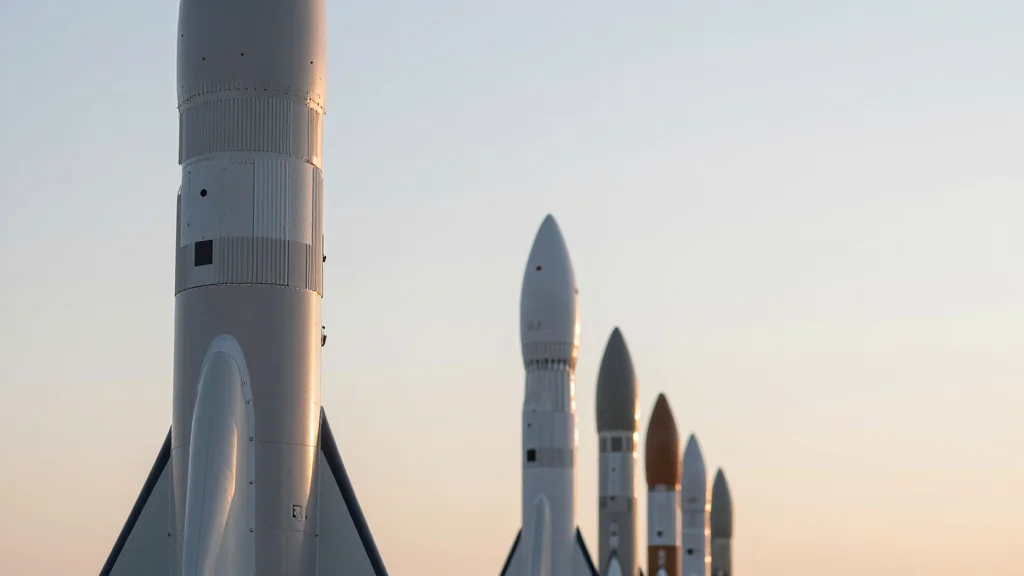
Auriga Space Charges up the Launch Game
Auriga Space is building a reusable, electricity‑powered accelerator that replaces the first stage of traditional rockets, aiming to cut launch costs and eliminate the two‑year backlog that plagues the industry. Founder Winnie Lai likens the system to a maglev train,...
Federal Scientists Celebrate Artemis II Success Amid Challenges
"Artemis II: Beleaguered federal scientists take a victory lap" by @chelseaeharvey for @EENewsUpdates /@politico: https://t.co/79kGMuySrj

NASA’s Private Space Station Program Is Stuck in Procurement Limbo — And the Clock Is Ticking on ISS
NASA’s Commercial Low‑Earth‑Orbit Destinations (CLD) program, intended to replace the aging International Space Station with private stations, has missed its April 2026 award target and still has not issued a final request for proposals. Delays stem from leadership turnover, a...

ESA Spent €82 Million to Launch Sentinel-1D Satellite on Ariane 6
The European Space Agency disclosed that the Sentinel‑1D Earth‑observation satellite launched on an Ariane 62 rocket in November 2025 cost €82,070,773, roughly $89 million. The mission was originally slated for a Vega‑C launch, but the rocket’s two‑year grounding forced a switch to...

Major Boost for Starlink
The FCC will vote on April 30 to lift longstanding power caps on satellite spectrum, a move that could boost Starlink’s capacity up to seven times and generate about $2 billion in economic benefits. Existing 1990s rules limit transmission power, restricting speeds...

Fire Erupts During Test Of The SpaceX Starship V3 Engine
SpaceX experienced a fire during a Texas test of its Starship V3 Raptor engine on April 9, 2026. The incident, captured on a NASA Spaceflight livestream, showed a loud pop followed by a burst of flames on the Raptor North...

NASA Artemis II Astronauts Prepare to End Moon Mission in 'Fireball' Re-Entry
NASA’s Artemis II crew completed a historic ten‑day flight, becoming the farthest‑flying humans at roughly 252,000 miles from Earth. The Orion capsule will re‑enter the atmosphere at 23,839 mph, subjecting its heat shield to a high‑risk "fireball" descent. Astronauts held a live press...

Artemis II Is 'Inspiring' A Whole Generation
Artemis II completed a historic crewed lunar fly‑by, the first such mission since Apollo 8, and is now on its return to Earth after a ten‑day journey. The four astronauts—Reid Wiseman, Victor Glover, Christina Koch and Jeremy Hansen—spent more than two years...

Space Mission to Image Earth's Protective Bubble
A first‑of‑its‑kind mission called SMILE will orbit 120,000 km above the North Pole to image Earth’s magnetosphere using X‑ray emissions from solar wind. Led by UCL’s Mullard Space Science Laboratory with partners including ESA, the University of Leicester and the Chinese...

Artemis 2 Crew Reflects on Lunar Flyby and Earth’s Fragility During Briefing
NASA’s Artemis 2 crew held an in‑flight press conference as Orion coasted back to Earth, reflecting on the historic lunar flyby and the mission’s emotional moments. Commander Reid Wiseman recounted the crew’s surprise tribute of naming a lunar crater “Carroll” for...

Nasa Meteorologists Trialling Model to Produce Ultra Local, Short-Term Forecasts
NASA meteorologists at the Wallops Flight Facility are trialling a new ultra‑high‑resolution weather model called US1k, developed by Meteomatics. The model delivers forecasts on a 1 km grid every 15 minutes, nine times finer than typical operational models. By providing a zoomed‑in...
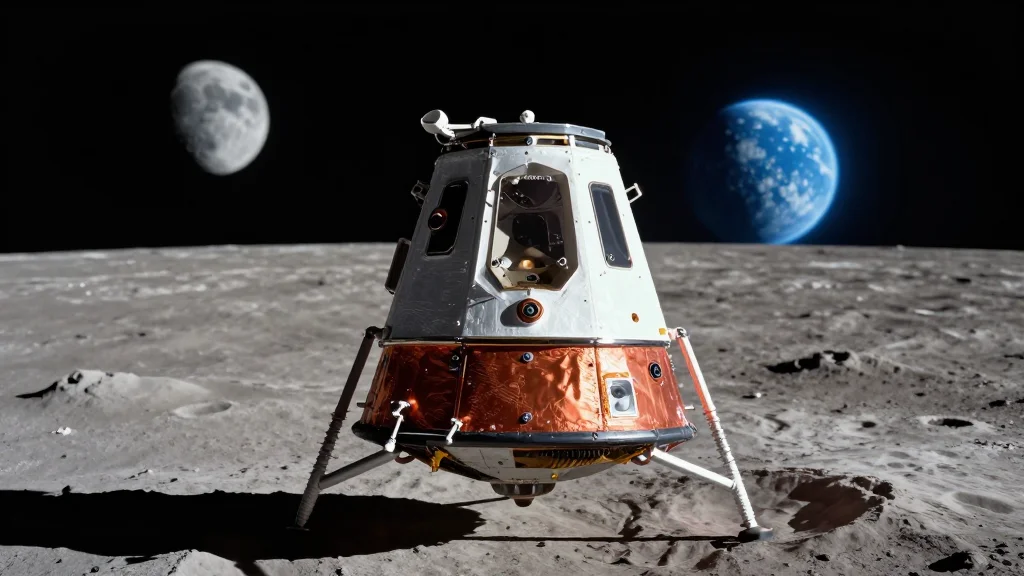
Artemis II May Only Teach Us How to Explore Again
So what, exactly, is Artemis II's contribution to our knowledge of the Moon? Maybe it's just relearning how humans can explore. https://t.co/yslyyDUYUA

Everything You Need to Know About Artemis II so Far – Podcast
The Guardian’s Science Weekly podcast recaps NASA’s Artemis II mission, where the four‑astronaut crew broke Apollo 13’s distance‑from‑Earth record during a ten‑day lunar flyby. The episode details technical hiccups the crew faced, the breathtaking views of the Moon, and the intense emotional...

Sovereign Satellite Networks: Strategic Necessity or Costly Political Redundancy?
Governments are redefining satellite sovereignty after Ukraine’s reliance on Starlink exposed political vulnerability, prompting a surge in demand for assured, controllable communications. In Europe, the EU’s pooled GOVSATCOM and IRIS² initiatives contrast with national projects in Germany and Italy, highlighting...

NTIA Space Launch Frequency Coordination Portal: Inside the System Replacing Decades of Email-Based Spectrum Management
The National Telecommunications and Information Administration (NTIA) launched the Space Launch Frequency Coordination Portal, a web‑based system that replaces the decades‑old email process for securing S‑band spectrum during commercial launches. The portal, live since March 24, 2026, routes requests through a single...

Quantum-Secure Satellite Communications and the Future of Protected Networks
Quantum‑secure satellite communications are transitioning from concept to early service architecture, using quantum key distribution from orbit to protect high‑value links. Government programs such as ESA’s SAGA, the QKDSat‑Redwire partnership, and Canada’s QEYSSat illustrate strategic investment driven by sovereignty and...
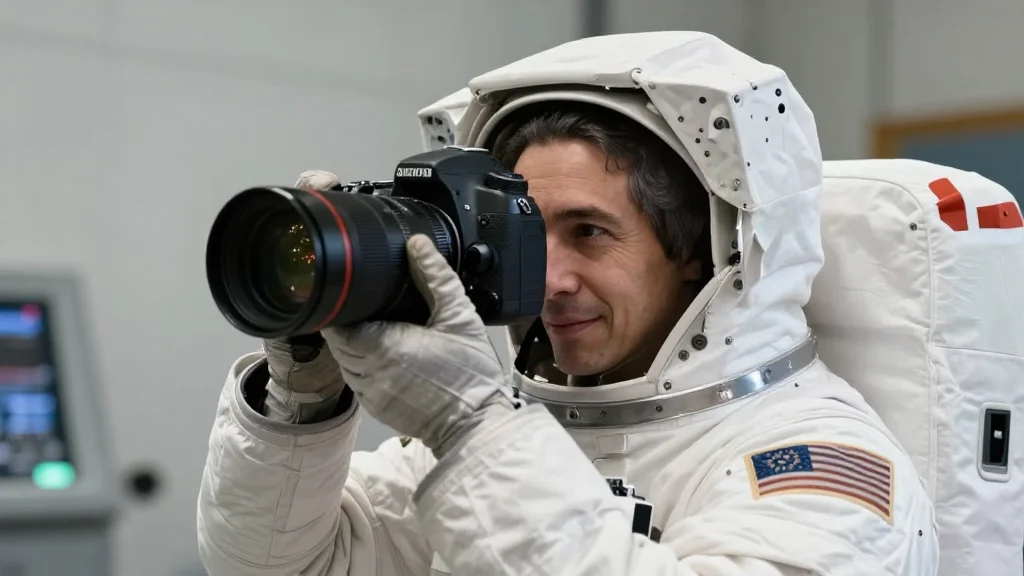
Astronauts Rehearse Every Mission Moment in Advance
What do people think the astronauts do for the years leading up to their mission? They have scripted out and walked through every moment of the flight.

Space Supply Chain Resilience and Sovereign Industrial Capacity
Space agencies and governments are elevating supply‑chain resilience to a strategic priority, recognizing that mission success hinges on a fragile network of valves, electronics, and specialty materials. NASA’s civil space industrial base assessment and ESA’s industrialisation campaign illustrate a coordinated...
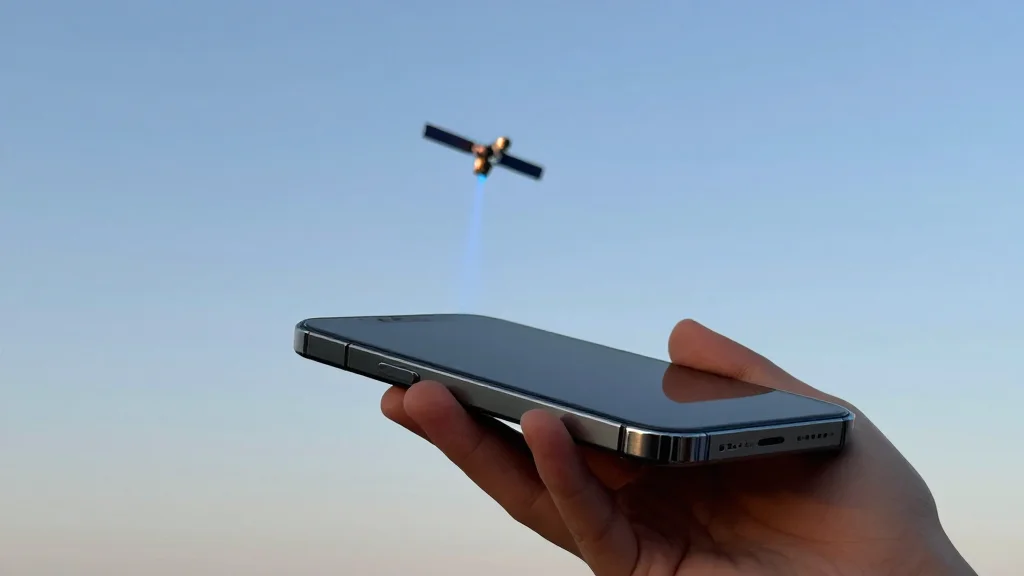
TRAI Weighs Direct Satellite-to-Mobile Communication Services
India’s telecom regulator TRAI has issued a consultation paper on Direct‑to‑Device (D2D) satellite services, which would let ordinary mobile phones receive signals directly from satellites. The regulator is weighing two models – using Mobile Satellite Service (MSS) spectrum or repurposing...
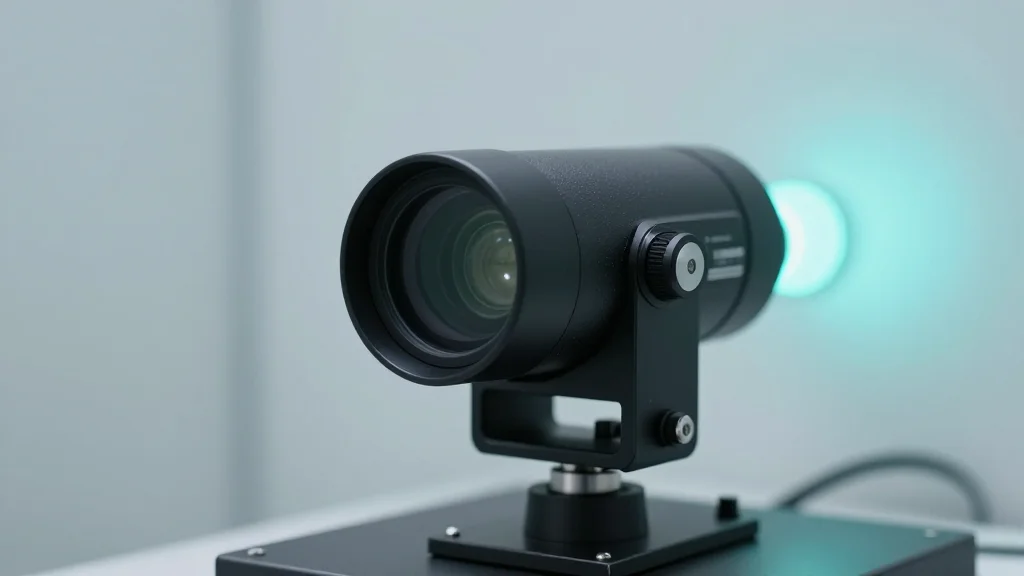
BitFlow Frame Grabber Selected by NASA for Space Radiation Testing of InGaAs Infrared Camera
BitFlow’s Axion‑CL Camera Link frame grabber was chosen by NASA’s Goddard Space Flight Center as the sole data‑acquisition interface for a rigorous single‑event effects test of Princeton Infrared Technologies’ 1280MVCam InGaAs SWIR camera at the Space Radiation Laboratory. The test...