
Albedo Ratchets Up the Power for Its Second VLEO Flight
Albedo unveiled Vicinity, a very‑low‑Earth‑orbit (VLEO) satellite bus slated for a second flight in 2027. The bus boosts peak power to 3 kW and average power to 400 W while supporting up to one ton of payload and a five‑year lifespan at 320 km. By adding deployable solar arrays, upgraded software and in‑house electronics, Albedo aims to attract high‑power payloads such as SAR, electronic warfare and tactical D2D communications. The company is self‑funding the launch and expects defense and commercial demand to follow.

Moog’s “Tip to Tail” Contributions to the Artemis II Flight
Moog Inc. supplied more than 100 actuation and control components for NASA’s Artemis II mission, ranging from thrust‑vector control on the Space Launch System to hatch‑opening actuators on Orion. The company’s actuator business has doubled in the past five years, prompting...

The Space Symposium’s Real Agenda: Alliances, Workforce Gaps, and What Artemis II Actually Changes on the Ground
The 40th Space Symposium in Colorado Springs highlighted a growing crisis: the U.S. and its allies lack enough skilled workers to sustain the ambitious Artemis program and expanding commercial space activities. While Artemis II demonstrated historic crew milestones and international cooperation,...

Proud Moments in American Space Exploration
American space exploration has progressed from Alan Shepard’s 15‑minute suborbital flight in 1961 to the James Webb Space Telescope delivering unprecedented infrared images of the early universe. Milestones include Apollo 11’s historic Moon landing, Voyager’s exit into interstellar space, Hubble’s post‑servicing...

L3Harris Wins $150m US Space Force Contract
L3Harris Technologies has been awarded a $150 million contract by the U.S. Space Force to sustain and modernize critical space surveillance and ground systems under the MOSAIC program. The effort aims to boost decision‑making speed, early threat warning, and overall space...

Panu Routila Takes Chair at Finland’s Kuva Space as Company Targets Dual-Use Markets
Finnish hyperspectral imaging firm Kuva Space appointed Panu Routila as chairman. Routila, current chair of defense contractor Patria and former CEO of Konecranes, brings defense and industrial expertise as the company targets dual‑use markets. Kuva Space, which has raised €40 million...
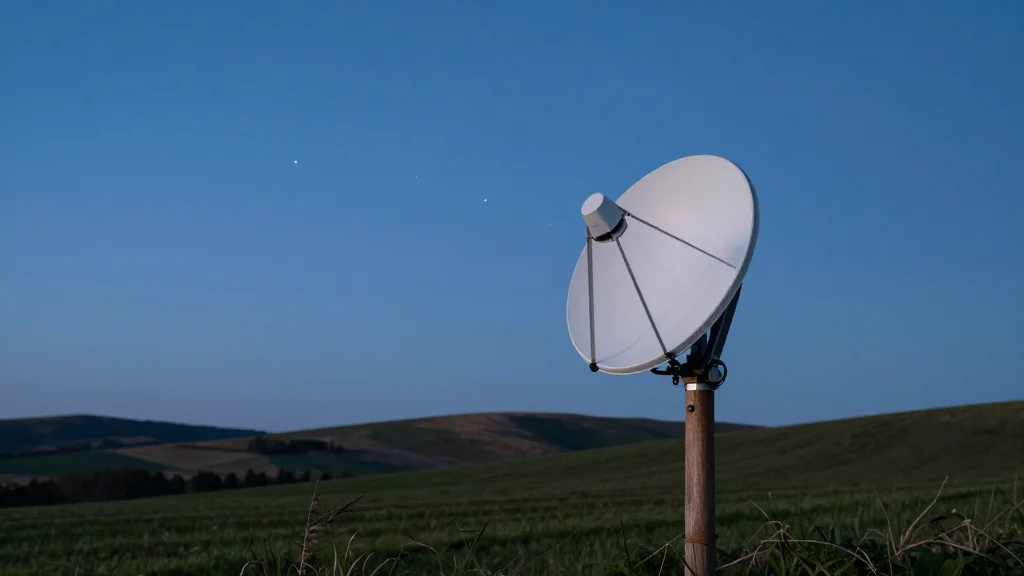
FCC to Vote April 30 on Easing LEO Satellite Power Limits, Boosting Starlink
The Federal Communications Commission will vote on April 30 to relax power restrictions for low‑Earth‑orbit (LEO) satellites, a move that could dramatically increase the speed and reliability of SpaceX’s Starlink broadband. The proposal pits the growing LEO industry against incumbent...

How the James Webb Space Telescope’s Infrared Detectors Actually Work, Why They Almost Didn’t, and What Their Engineering Lineage Tells...
The James Webb Space Telescope relies on two advanced infrared detector families—HgCdTe arrays for near‑infrared and Si:As sensors for mid‑infrared—to capture faint photons from the early universe. Engineers tuned HgCdTe composition, hybridized each pixel to silicon read‑out circuits, and cooled...
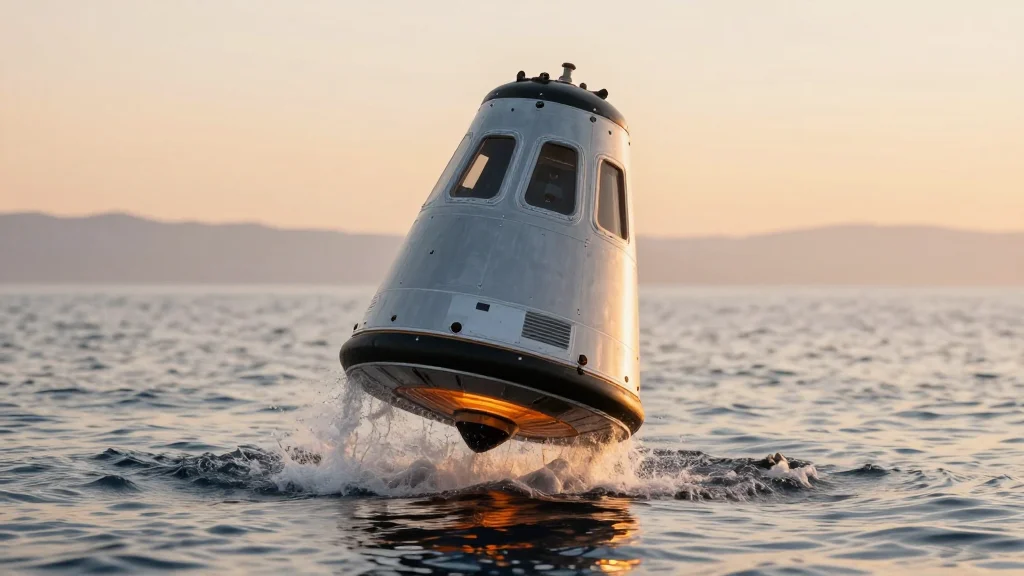
Artemis II Crew Set for Pacific Splashdown as NASA Eyes Safe Return
NASA’s Artemis II crew – Reid Wiseman, Victor Glover, Christina Koch and Jeremy Hansen – are slated to splash down in the Pacific Ocean off San Diego at 5:07 pm local time on Saturday. Officials highlighted confidence in the Orion heat shield after Artemis I anomalies,...

Artemis II Gave Us the First Deep-Space Health Data in Half a Century — Here’s What It Actually Tells Us...
Artemis II returned to Earth after a ten‑day deep‑space flight, delivering the first real‑time biomedical data from beyond Earth’s magnetosphere in more than 50 years. Unlike Apollo’s retrospective health checks, the mission embedded tissue‑chip experiments, the SENTINEL physiological monitoring system, and upgraded...

How and When to Watch the Artemis II Mission’s Return to Earth
NASA’s Artemis II crew will complete a 10‑day lunar flyby and begin re‑entry of the Orion capsule in early May 2026. The mission’s return will be broadcast worldwide, with the splashdown expected in the Pacific Ocean near Hawaii. NASA plans a...
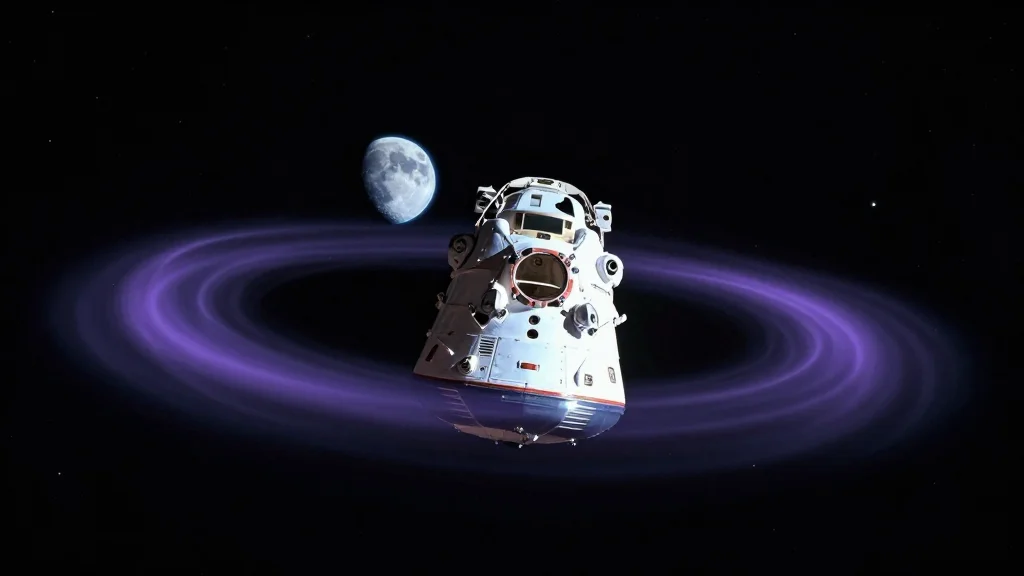
Artemis Astronauts to Shed Light on Space Health Risks
NASA's Artemis II mission sent four astronauts on a lunar flyby, exposing them to deep‑space radiation levels far beyond those in low‑Earth orbit. The agency equipped Orion with radiation sensors, collected blood, saliva, and smartwatch health data, and installed bio‑mimetic chips...

SpaceX Is Keeping the Space Station Alive Again This Weekend
SpaceX will launch Northrop Grumman’s Cygnus XL cargo spacecraft on April 11, targeting the International Space Station with over 11,000 pounds of supplies for Expedition 73. The NG‑24 mission, named S.S. Steven R. Nagel, uses a Falcon 9 after Northrop switched from the...

Europe and China Are Running a Joint Space Mission in an Era When They Agree on Almost Nothing
Europe’s ESA and China’s Academy of Sciences are set to launch the 2.3‑tonne Smile satellite from French Guiana on a Vega‑C rocket later this month. The spacecraft will travel to an elliptical orbit with a 121,000 km apogee over the North...

Artemis II Gives Airbus Hope For European Spaceflight
Artemis II’s 10‑day lunar flyby concluded with the European Service Module (ESM) – built by Airbus Defence and Space in Bremen – performing flawlessly, powering Orion’s life‑support and propulsion. The mission showcases Airbus’s heritage from the ISS Columbus lab and Automated...
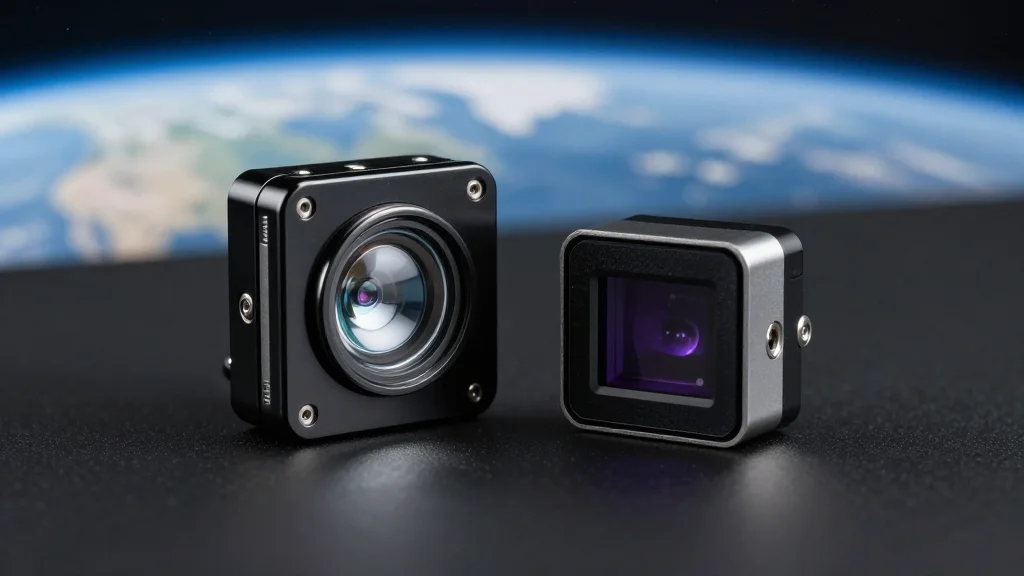
Student-Built Instruments Head to Space
Astrophysics undergraduates Eva Godwin and Gael Gonzalez at the College of Charleston have built two research instruments that will fly aboard Northrop Grumman’s Cygnus‑24 cargo mission to the International Space Station. The payload includes a liquid‑lens optical camera for studying biological...

ISRO Successfully Conducts Second Integrated Air Drop Test for Gaganyaan Mission
India’s space agency ISRO completed its second integrated air‑drop test (IADT‑02) for the Gaganyaan crewed mission at the Satish Dhawan Space Centre in Sriharikota. The test dropped a 4.8‑tonne dummy capsule from three kilometres using a Chinook helicopter, validating the...

SpaceX Revenue Will Be Close to Around $27-30 Billion in 2026
SpaceX’s Starlink service is slated to generate roughly $20 billion in 2025, nearly doubling its 2024 earnings of $11.8 billion. Subscriber acquisition is accelerating from 750,000 to 1.5 million new users each month, reshaping the company’s revenue mix. The airline and maritime segments...

NASA Managers Outline Artemis 2 Reentry and Address Propulsion Issue Ahead of Splashdown
NASA mission managers held a final status briefing ahead of Artemis 2’s splashdown, confirming the Orion crew capsule will reenter Earth’s atmosphere at roughly 40,233 kph (25,000 mph) and endure heat comparable to the Sun’s surface. The briefing detailed a tight reentry timeline,...

Blastoff — a Moment of Hope, From Space
NASA’s Artemis II mission completed a historic 10‑day lunar flyby, marking the farthest human spaceflight to date. The Orion crew, including pilot Victor Glover, reported a unifying view of Earth from the spacecraft’s windows. The flight tested critical launch and navigation...

Laser Firm 'over the Moon' To Play a Part in Artemis II Space Mission
Welsh laser specialist Spectrum Technologies supplied laser‑marked wiring for NASA’s Artemis II Orion capsule, the first Welsh‑made component on a crewed lunar fly‑by. The company’s machines printed unique alphanumeric codes on 32 km of wiring, enabling reliable identification of thousands of wires....

Debris or Destiny: How Megaconstellation Operators Are Rewriting the Rules of Orbital Sustainability
Megaconstellation operators are reshaping orbital sustainability as low‑Earth‑orbit congestion surges. In 2025 Starlink alone executed roughly 300,000 collision‑avoidance maneuvers, while the CRASH Clock metric indicates close‑encounters are now 100 times more frequent than in 2018. SpaceX plans to lower 4,400 satellites...

“Lord of the Moon”: As NASA Crew Prepares for Splashdown, One Man Has Sold Millions in Lunar Real Estate
NASA’s Artemis II mission, its first crewed lunar flyby in over five decades, launched on April 1, 2026 and is slated to splash down in the Pacific off San Diego on April 12. The four‑astronaut crew includes Reid Wiseman, Victor Glover, Christina Koch and Canadian Jeremy Hansen. While NASA...
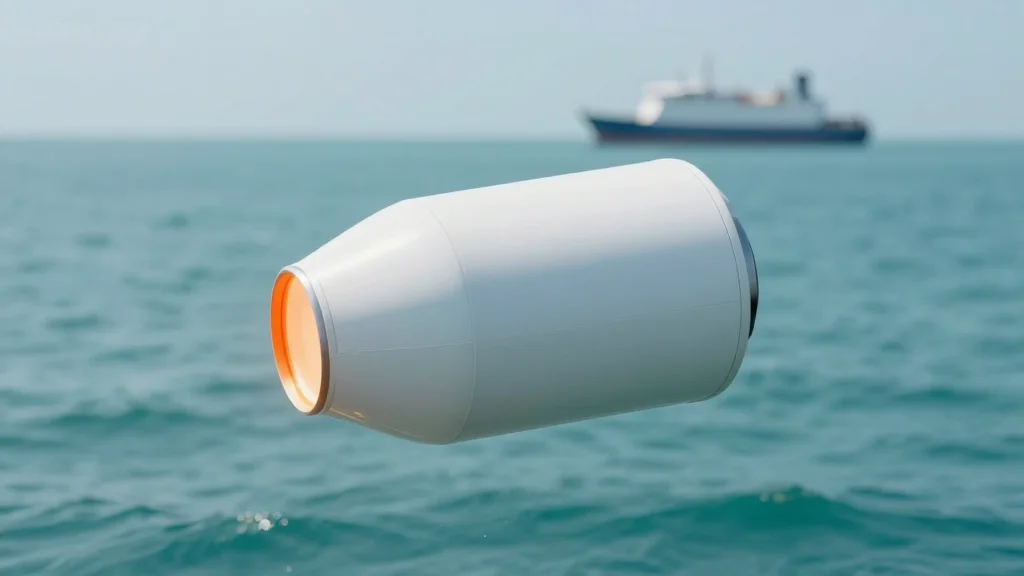
From 5,000°F Fireball to Splashdown in 13 Minutes
Tomorrow, Orion slams into Earth’s atmosphere at nearly 24,000 mph. 13 minutes later? Splashdown off the coast of San Diego where the US Navy is already waiting. In those 13 minutes, the spacecraft goes from a 5,000°F fireball to a controlled ocean...

Body Gets Nervous Even when Mind Feels Calm
Excuse me body, why do you do this?! I just finished chatting to @abcnews_au about the final stages of Artemis II. I swear I don’t really feel like Iget nervous when I do live TV anymore but my body is apparently...

Watch the Artemis II Crew Return to Earth
The Artemis II crew is set to splash down in the Pacific Ocean near San Diego on April 10, and CBS News will broadcast a live one‑hour special covering the return. Hosted by Jericka Duncan, the program features astronaut Suni Williams, Lt. Col Dave Mahan, and other...

ESA's Celeste IOV-1 Sends First Navigation Signals
.@esa's Celeste IOV-1 sat, built by @infoGMV /@OHB_SE & launched by @RocketLab March 28, sends 1st L-, S-band nav signals to ground. Mission's goal, w/ @Thales_Alenia_S-built IOV-2, is to register use of this spectrum w/ @ITU. IOV-2 signals expected...

ClearSpace Launches Robot to Clean Space Debris
ClearSpace Unveils #Robotic Spacecraft to Capture and Remove Dead Satellites by @spaceandtech_ #SpaceTech #AI #Robots #Engineering #Innovation #Technology https://t.co/cmG85VPICD
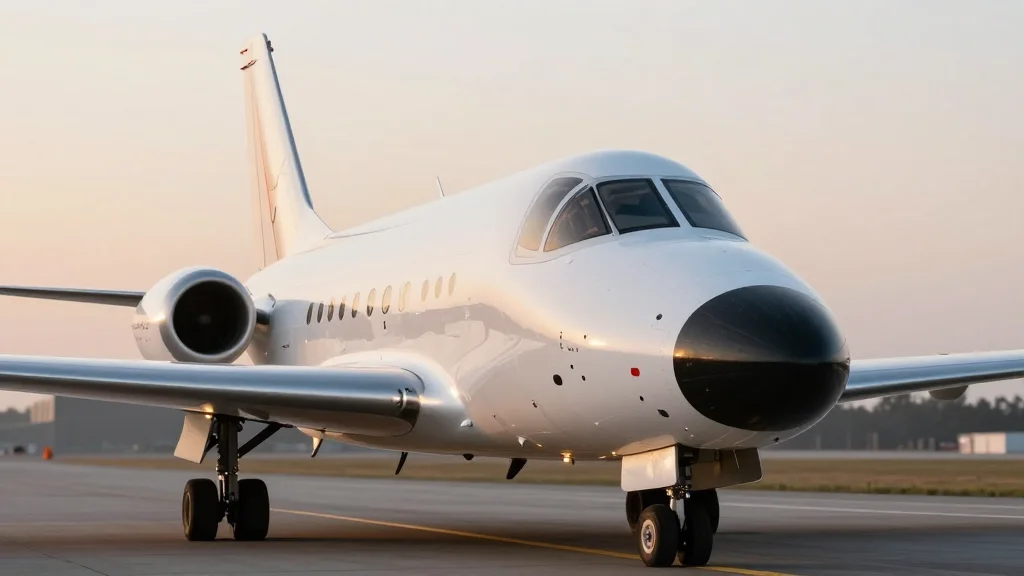
Virgin Galactic Restarts Ticket Sales at $750,000 per Seat, 50 Spots Open
Virgin Galactic announced the reopening of its commercial ticket sales, offering 50 new sub‑orbital seats at $750,000 each. The price jump from $600,000 reflects higher development costs and a push toward a twice‑weekly flight schedule, with flight testing expected in...

Artemis II Rehearsals Transform Astronauts’ Vision of the Moon
The Artemis II team did photography training and dry runs for moon pass-by with an inflatable moon. Victor Glover said these practice runs completely changed how he understood importance of the mission. Christina Koch wanted to “tell a story” and share the...
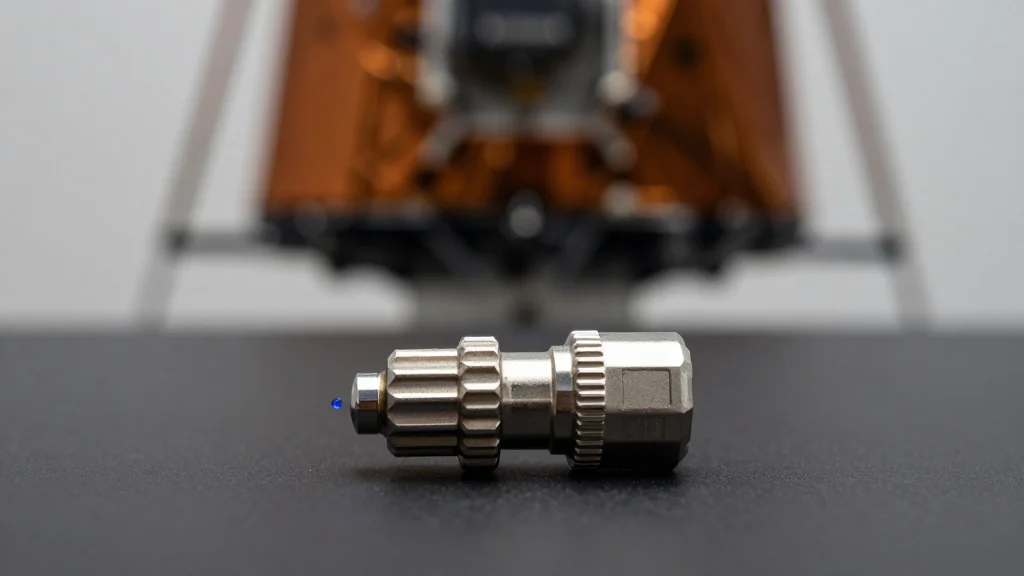
NASA to Fix Orion’s Leaky Helium Valves Before Artemis
NASA will likely redesign Orion's leaky helium valves before sending the next Artemis crew to the Moon. https://t.co/ZB5x5JbH0t

Two Day Delay for Blue Origin New Glenn
Blue Origin has pushed the third New Glenn launch from April 14 to April 16, citing that the rocket sections remain in the integration bay. The mission will carry AST SpaceMobile’s BlueBird 7, a Block 2 communications satellite with a 2,400‑sq‑ft array and 120 Mbps peak...
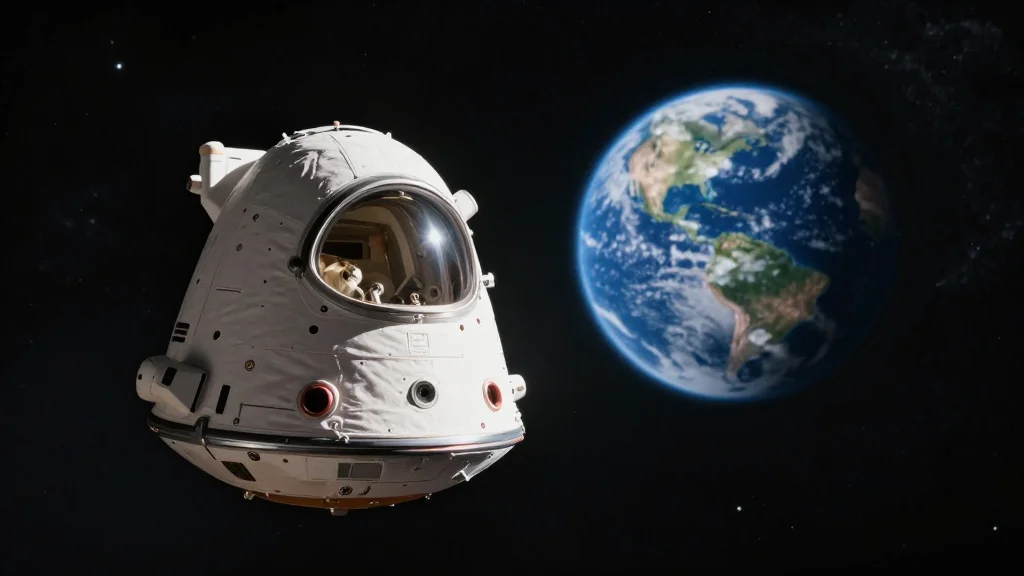
Far Away Objects
Artemis II has set a new record for the farthest distance traveled by a crewed spacecraft, reaching a peak of 406,771 km from Earth. The mission demonstrates NASA’s progress toward deep‑space crewed flights beyond low‑Earth orbit. By contrast, the most distant human‑made...

Xoople Raises $130 Million in Funding to Gather Optical Data Of Earth For AI
Xoople, a Spanish data‑infrastructure startup, closed a $130 million Series B round led by Nazca Capital, MCH Private Equity, CDTI, Buenavista Equity Partners and Endeavor Catalyst. The funding will finance the development of its own optical‑satellite constellation in partnership with U.S. defense...

The End of the VSAT Parts Bin
Tactical VSAT systems are moving from a modular “parts‑bin” approach to fully integrated terminal‑modem‑interface platforms. The shift consolidates antennas, ruggedized outdoor modems and a single browser‑based control GUI, slashing deployment time and reducing field failures. Parabolic dishes still dominate high‑throughput...
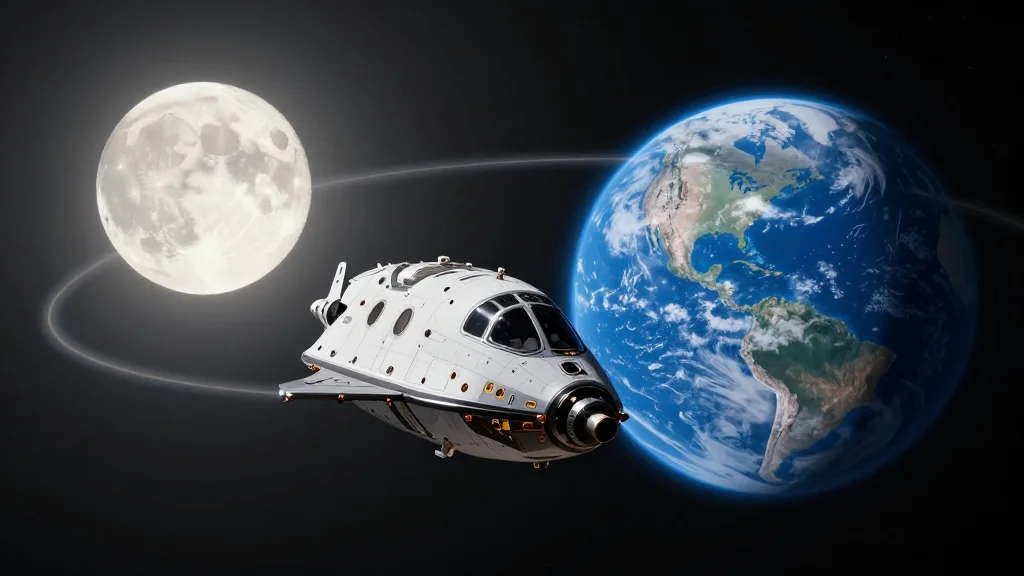
Orbital Mechanics Keep Artemis II Crew Far From Earth
Listening to Rob Navias on the Artemis II livestream, it amazes me every time he says that the crew is not yet half way back to Earth from the Moon. Even though they're landing this time tomorrow. "It's just...

A New Memory Chip Survives 700°C and Could Enable AI in Space
Researchers at the University of Southern California have demonstrated a memristor memory chip that functions at 700 °C (1,300 °F) without degradation. The device uses a tungsten electrode, hafnium‑oxide insulator and a graphene interlayer that blocks tungsten filament formation. It retains data...
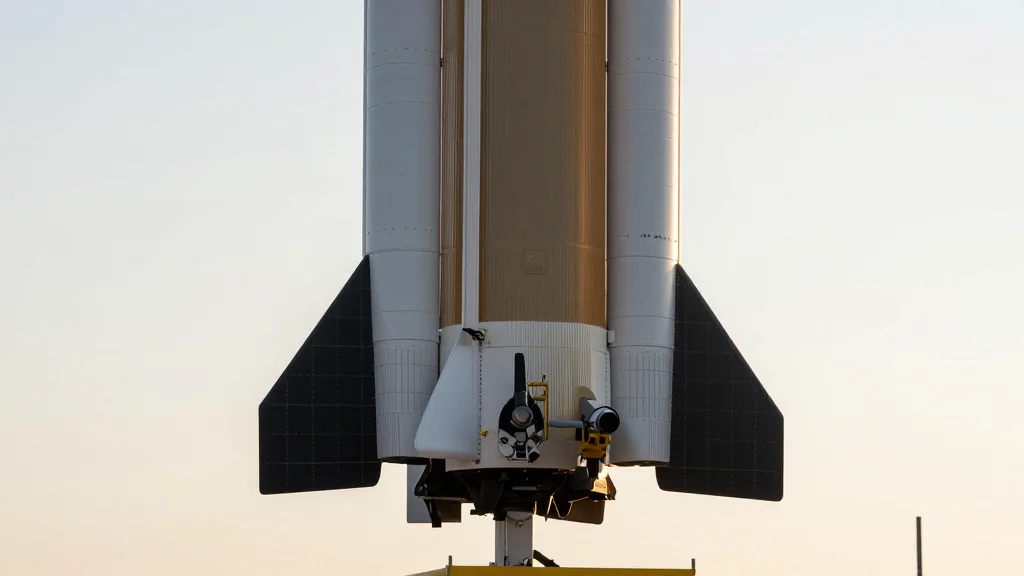
Cygnus Soars on Falcon 9 XL, Showcasing Massive Payload Capacity
Still wild to me seeing Cygnus flying on Falcon 9. The XL really packs that available payload area.
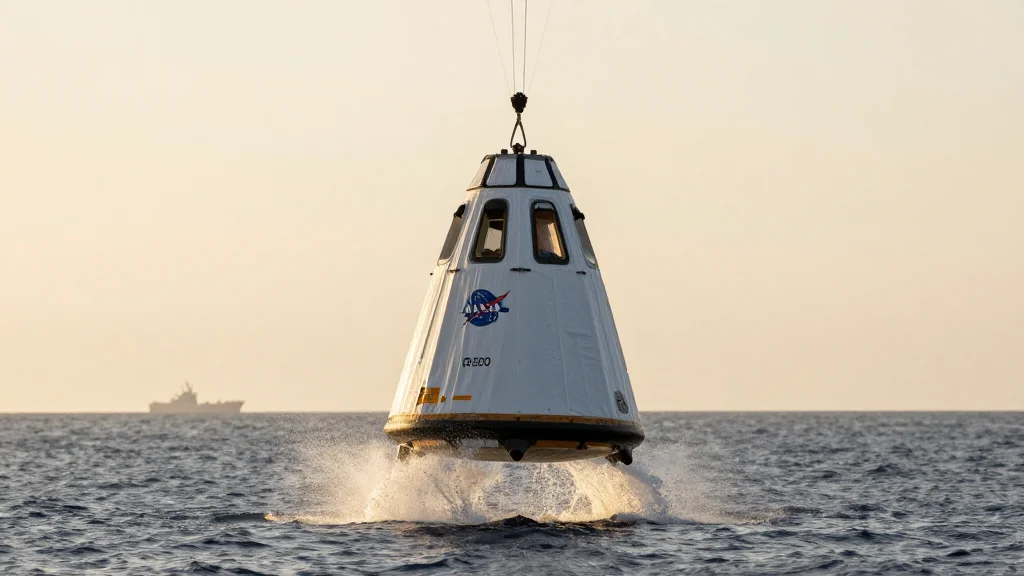
How to Watch the Artemis 2 Splashdown
NASA’s Artemis 2 crew—Commander Reid Wiseman, Pilot Victor Glover, Mission Specialist Christina Koch and CSA astronaut Jeremy Hansen—will conclude their historic lunar flyby with a splashdown near San Diego at 8:07 p.m. EDT on Friday. The Orion capsule will re‑enter at roughly 23,864 mph,...
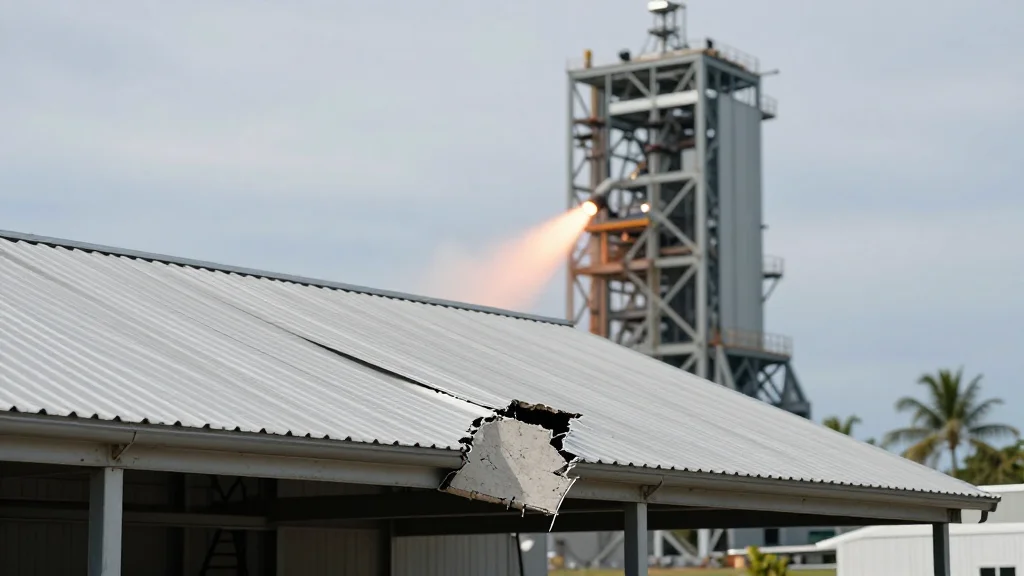
Blue Checks Second-Stage Impacts Despite Unrelated Hardware
This is not hardware for the third New Glenn launch scheduled for later this month, but I'm sure Blue is checking for any effects on the second stage on that vehicle.
April 9, 2026, Quick Space Links
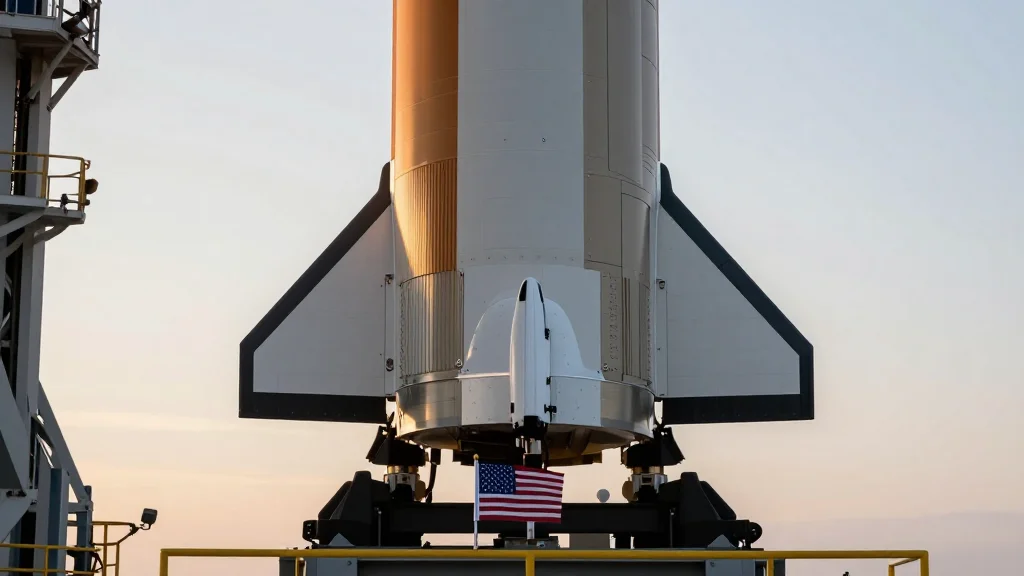
The post curates a set of recent space‑industry highlights, from Stoke Space unveiling near‑complete photos of its Nova launch vehicle to Axiom marking four years since its inaugural private tourist flight to the ISS. It also shares a rehearsal image...

White House Budget Puts 54 NASA Science Missions on the Chopping Block
The White House’s FY 2027 budget proposal slashes NASA’s science program by 46%, reducing the agency’s total allocation to $18.8 billion. An analysis by The Planetary Society flags 54 major missions—including the Juno Jupiter probe, Venus explorers DAVINCI and VERITAS, and several...
How to Observe Artemis 2’s Last Day in Space with a Telescope
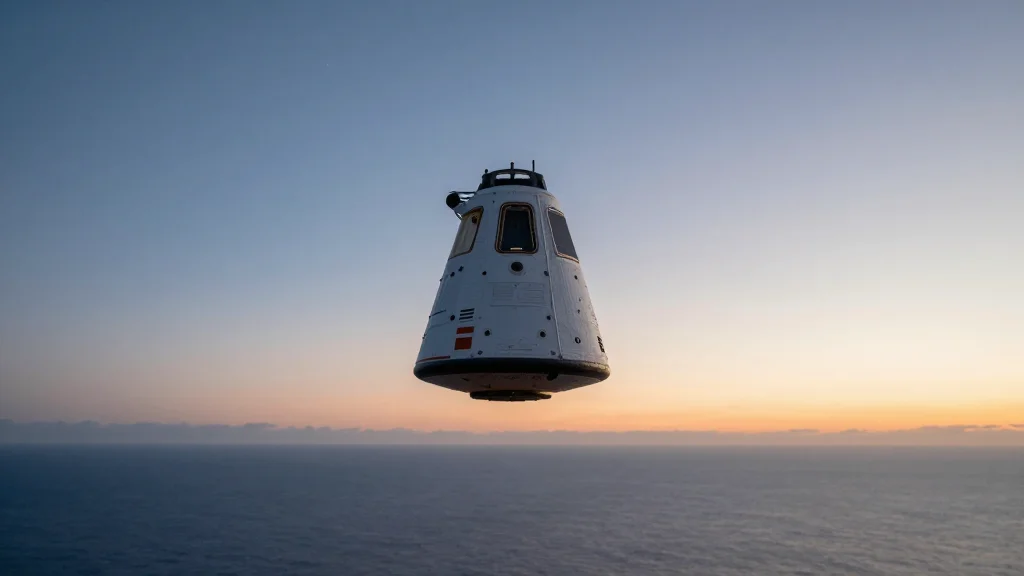
Artemis 2’s Orion capsule will make its final Earth approach on Friday, April 10, with a splashdown scheduled for the evening. The spacecraft will be visible in the pre‑dawn sky across much of the United States, reaching a peak altitude of only...
How the Artemis Astronauts Are Protected From Dangerous Space Radiation
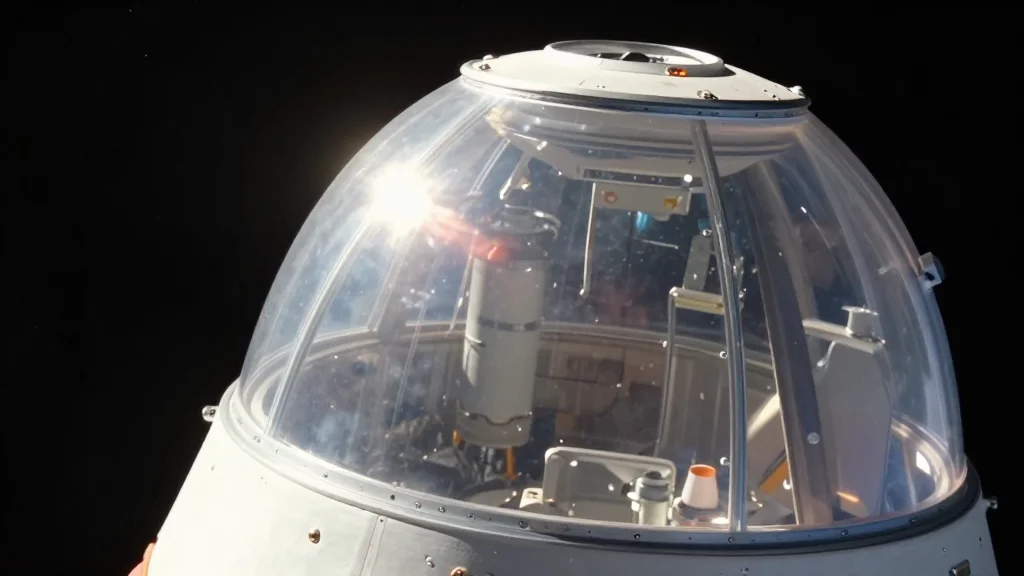
NASA is tackling the heightened radiation threat to Artemis 2 astronauts with a layered strategy that combines physical shielding, an on‑board “storm shelter,” and advanced space‑weather forecasting. Orion’s hull incorporates hydrogen‑rich materials such as water and plastics, while crew can reconfigure...

The Role of SpaceAg in the Emerging Lunar Economy
Artemis II marks humanity’s return to the Moon, shifting focus from pure exploration to a sustained presence that will underpin a burgeoning lunar economy. The World Economic Forum forecasts the overall space market to reach $1.8 trillion by 2035, while the lunar...
NASA Team Finds 22‑Meter Fresh Crater on Moon, First New Impact Seen in Years
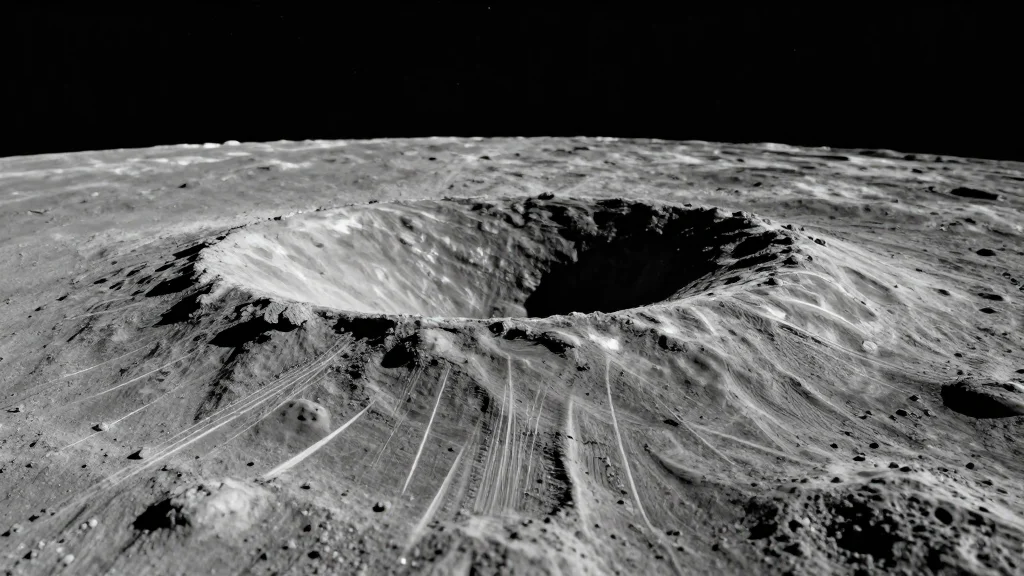
NASA's Lunar Reconnaissance Orbiter Camera (LROC) team has identified a fresh 22‑meter‑wide crater on the Moon, visible as a bright scar with striking ejecta rays. The discovery, made by comparing images taken before December 2009 and after December 2012, offers a rare...

As Astronauts Visit the Moon, NASA Insider Says Agency Is in Shambles Behind the Scenes
Four NASA astronauts completed a lunar flyby, delivering striking images of Earth and the Moon’s far side. At the same time, the agency is grappling with a proposed 47% cut to its science directorate under the Trump administration’s 2026 budget...
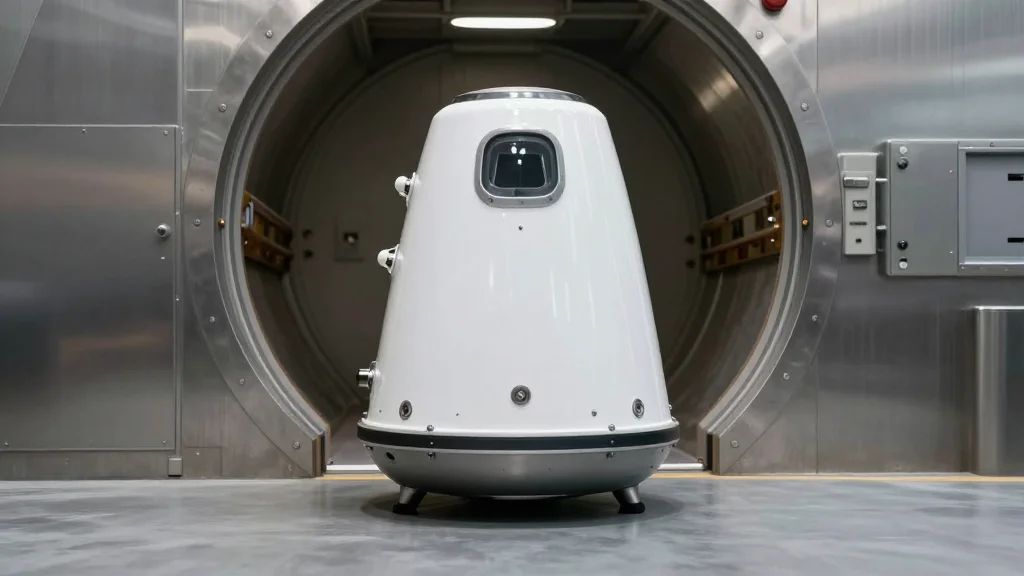
Blue Moon Mk1 Exits NASA Vacuum Chamber, No Issues Reported
Amit Kshatriya of NASA said Blue Moon Mk 1 has “just” come out of the vacuum chamber at Johnson Space Center and will soon be shipped back to Florida. No comment on how it performed but he did not indicate...

BBC Inside Science
NASA’s Artemis II mission marked the first crewed lunar flyby since Apollo, sending astronauts around the Moon and back to Earth. The 28‑minute BBC Inside Science episode examined whether this flyby is merely a test or a stepping stone toward a...

SpaceX Starship 13 Should Be the First Orbital Flight
SpaceX’s Federal Communications Commission (FCC) licenses for Starship flights have been revised. Flight 12 retains a suborbital profile for both stages, with a launch window aimed at late April or early May. Flight 13’s license now authorizes a suborbital first stage followed...