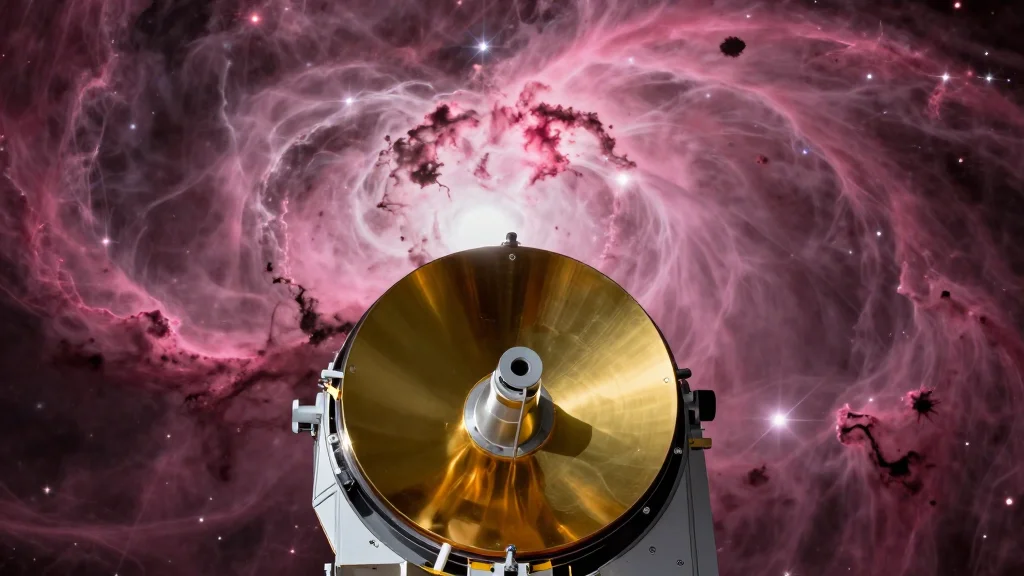
JWST Infrared Imaging Maps 10,000 Solar Masss in W51A Star Nursery
A team led by Taehwa Yoo at the University of Florida used JWST's NIRCam and MIRI to image the W51A star‑forming region, uncovering two protoclusters each converting roughly 10,000 solar masses of gas into new stars. The findings, published in the Astronomical Journal, provide unprecedented detail on how massive stars sculpt their natal clouds.
Colorado Aerospace Powers Artemis’s Record‑Fast Reentry
An incredible moment for American innovation and exploration. As NASA’s Artemis mission returns to Earth, astronauts are reentering our atmosphere at speeds nearing 25,000 mph — among the fastest speeds ever traveled by humans. Colorado is proud to play a role in...
Analysts Weigh $2 Trillion SpaceX IPO, Eyeing a New Mega‑cap Theme
Motley Fool Money contributors Travis Hoium, Lou Whiteman and Dan Caplinger examined a possible $2 trillion initial public offering for SpaceX, arguing it could birth a new large‑cap investment theme and reshape sector allocation for growth‑stock investors.

Artemis Returns Safely, Celebrating Humanity’s Space Triumph
Artemis home, safe in the sea, Millions watched, one HUM-AN-ITY. From questions asked to answers flown, Science made the unknown… known. To every hand that shaped the way, Thank you for bringing her home today 🌙 Goodnight, everyone ✌️

The Artemis II Crew Is Home
NASA’s Orion capsule, dubbed Integrity, safely splashed down in the Pacific on Friday, bringing home four astronauts after the first crewed lunar flyby in 54 years. The re‑entry generated plasma temperatures of roughly 5,000 °F, causing a six‑minute communications blackout before...

NASA’s Artemis II Mission Was a Historic Success
NASA’s Artemis II mission returned safely on 10 April after a historic crewed flyby of the Moon, the first human trip beyond low Earth orbit since Apollo 17 in 1972. The Orion capsule traveled to a record‑breaking 406,771 km from Earth, surpassing Apollo 13’s distance...

How Recovery Personnel Will Secure Artemis II Capsule at Sea After Splashdown
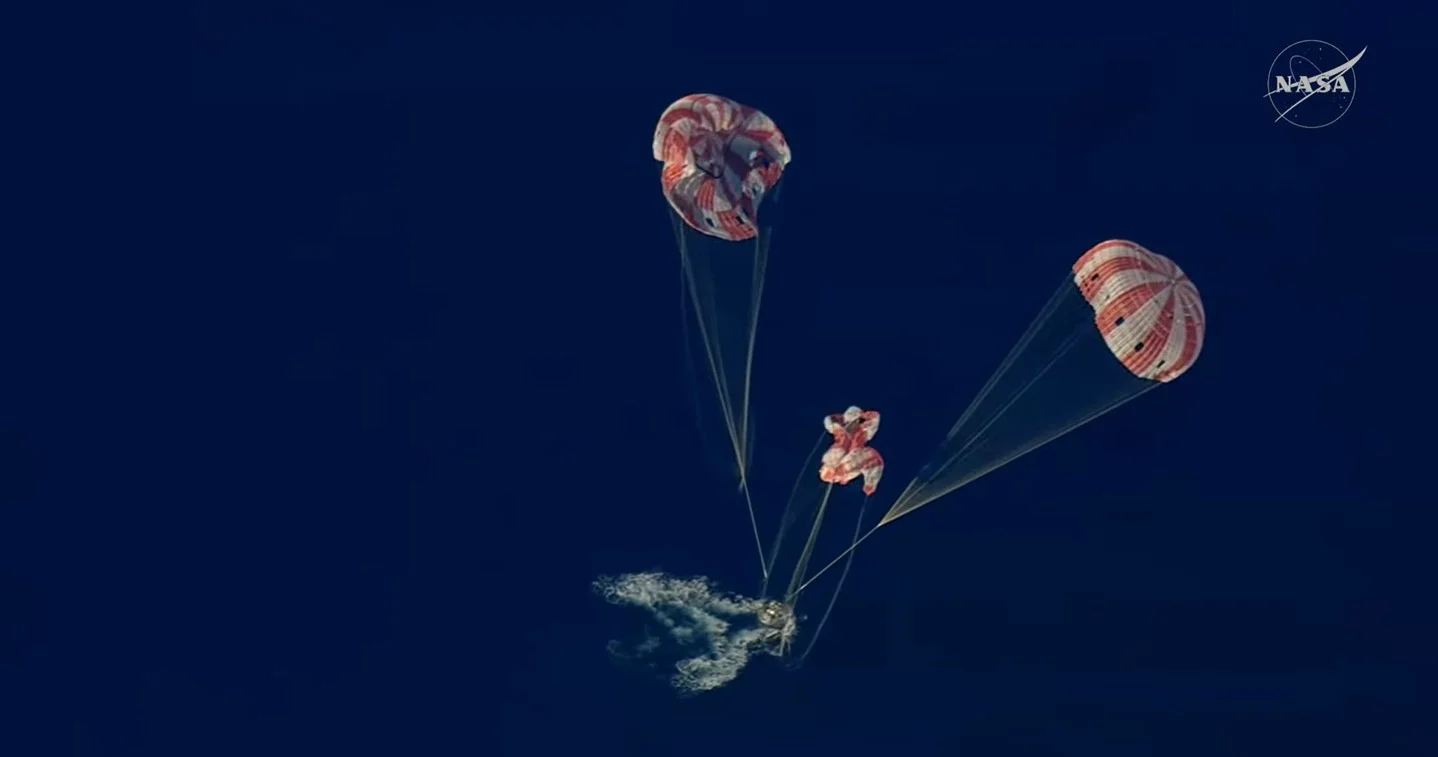
NASA’s Artemis II Orion capsule splashed down in the Pacific off San Diego, leaving four astronauts afloat in a vessel that survived re‑entry temperatures near 5,000 °F. Five airbags on the capsule’s top automatically inflated, righting the spacecraft and stabilizing it against waves...

Artemis Crew Safely Splashes Down Off California Coast
NASA confirmed that the Artemis II crew safely re‑entered Earth’s atmosphere and splashed down in the Pacific off Southern California. The four‑person team—NASA astronauts Reid Wiseman, Victor Glover, Christina Koch and CSA astronaut Jeremy Hansen—completed a 10‑day lunar flyby, the first...

Elon Musk's Next Big Bet: Inside the Rise of SpaceX
Fox Business aired a panel titled “Elon Musk's next big bet: Inside the rise of SpaceX,” where analysts examined the company’s rapid growth and its pivotal role in NASA’s Artemis II mission. The discussion highlighted SpaceX’s Starship development, expanding Starlink broadband...

One of Us Can’t Wait for Artemis II’s Return
One of us is more excited than the other to watch the Artemis II crew return to Earth…

Artemis 2 Astronauts Arrive on Recovery Ship for Medical Checks
The helicopters carrying the four Artemis 2 astronauts have landed on the deck of the recovery ship, USS John P. Murtha. They'll now head to the ship's medical bay for post-flight checks.

NASA Artemis II Splashes Down in Pacific Ocean in ‘Perfect’ Landing for Moon Mission
NASA’s Artemis II mission successfully returned the four‑person crew to Earth after a ten‑day lunar flyby. The Orion capsule, named Integrity, splashed down in the Pacific off San Diego at 5:07 p.m. PT, with all astronauts in good health. The flight marked the first...
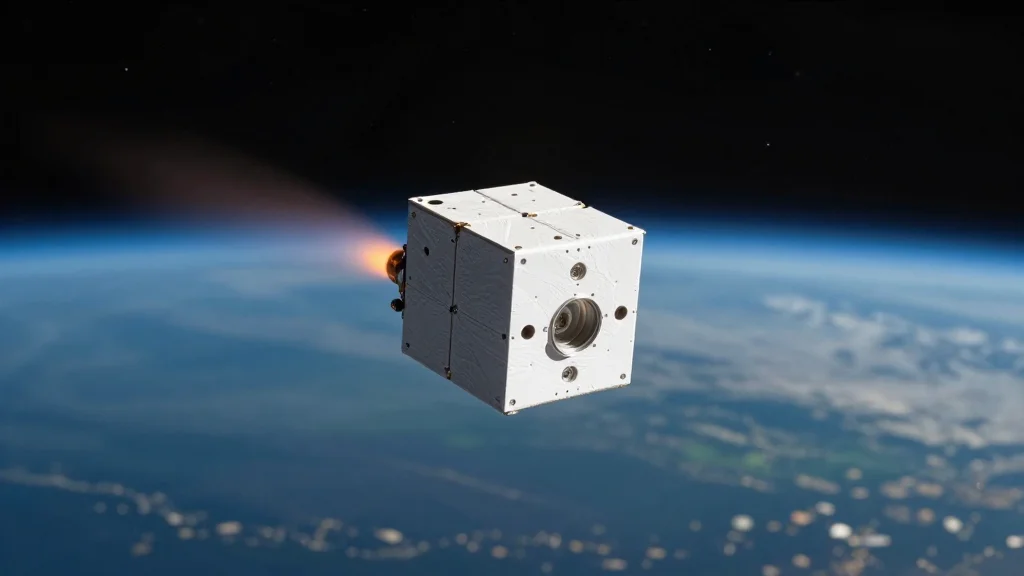
Only One Artemis II CubeSat Achieved Orbit Boost, Others Failed
Three of the four Artemis II cubesats were meant to fire propulsion systems to raise perigee and stay in orbit. Only one (Saudi Arabia's SWC-1) managed to do so; TACHELES and K-RadCube reentered at first perigee.

Earth: A Fragile Crescent Home for 8 Billion
We all live on this dot, more than 8 billion of us. @NASA: Seen from afar, Earth appears as a small, delicate waning crescent suspended in the darkness of space, captured by the crew during the Artemis II mission (April 6,...

Back to Earth: What Happens to the Artemis II Astronauts Now?
The Artemis II crew safely splashed down off California after re‑entering at 25,000 mph, completing the first crewed flight to travel farther than any human before – roughly 4,000 miles beyond Apollo 13’s record. Upon landing, the astronauts were examined on a U.S. warship,...

Astronaut Captures Breathtaking Earth View From Soyuz Reentry
NASA astronaut Mike Hopkins pointed a camera out of the window of the Soyuz reentry capsule, and this is what he saw from the window seat returning to Earth from space https://t.co/e5dI5EiJHI

Artemis 2 Crew Exits Orion, Board Helicopters to Recovery Ship
The Artemis 2 astronauts are starting to exit Orion. They'll be hoisted onto helicopters for a short flight to the recovery ship.
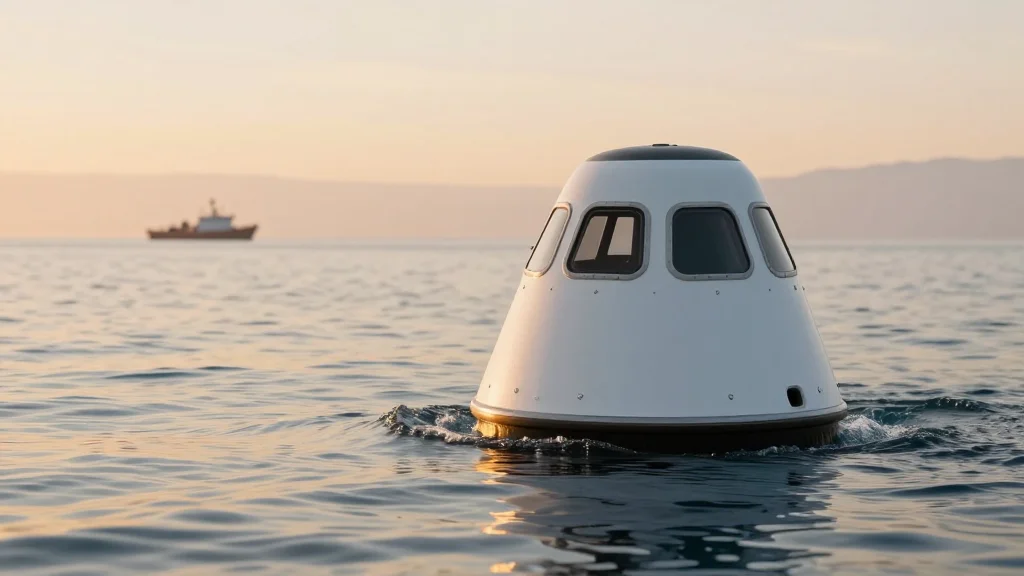
Orion Survives Re-Entry, Crew Splashes Down Safe
Orion’s Orion capsule survived a high‑energy re‑entry and splashed down off California, with all four astronauts remaining inside the capsule as recovery crews arrived. The Artemis‑2 mission, a three‑day lunar fly‑by, is now complete, though analysis of the heat‑shield performance...

NASA Celebrates Flawless, Triumphant Mission Success
Warmest congratulations to the entire @NASA family for an outstandingly successful and perfectly executed mission.
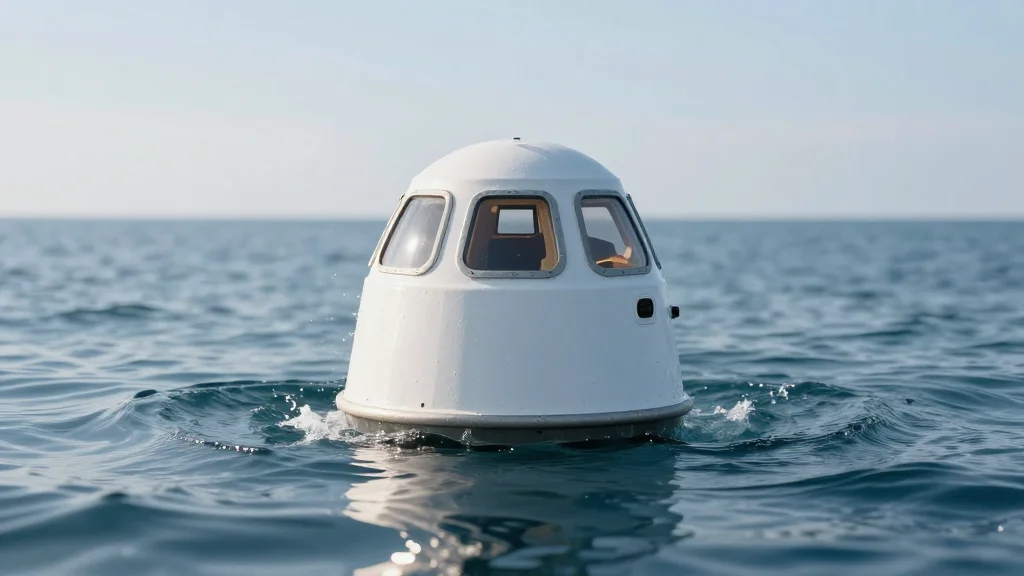
Capsule Lands Right-Side-Up: Stable One Confirmed
Glad to see the capsule is "Stable One". (There are two stable positions for a capsule after splashdown. "Stable Two" is NASA speak for "upside down".)

‘It’s 13 Minutes of Things that Have to Go Right’: Artemis II Splashes Down Despite Faulty Heat Shield
NASA’s Artemis II mission returned safely to the Pacific after a historic 10‑day lunar flyby, despite a known flaw in the Orion heat shield. Engineers discovered the shield’s internal layers could trap gas during reentry, risking chunk loss. To mitigate, NASA...

Outlook PM Celebrates Artemis II Crew's Safe Earth Return
the PM for Microsoft Outlook seeing that Artemis II crew succesfully made it back to earth https://t.co/E3JEawI3Dh
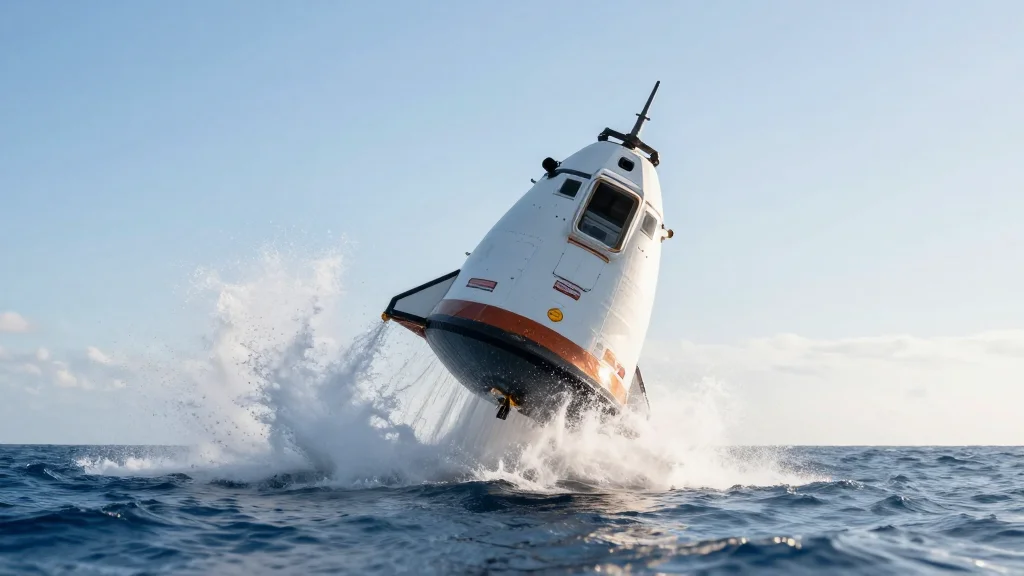
Orion Splashdown Thrills Team, Including Proud Daughter
Beautiful reentry and splash down. (My daughter worked on Orion. She’s very excited right now, as is everyone who contributed to our initial return to the moon)
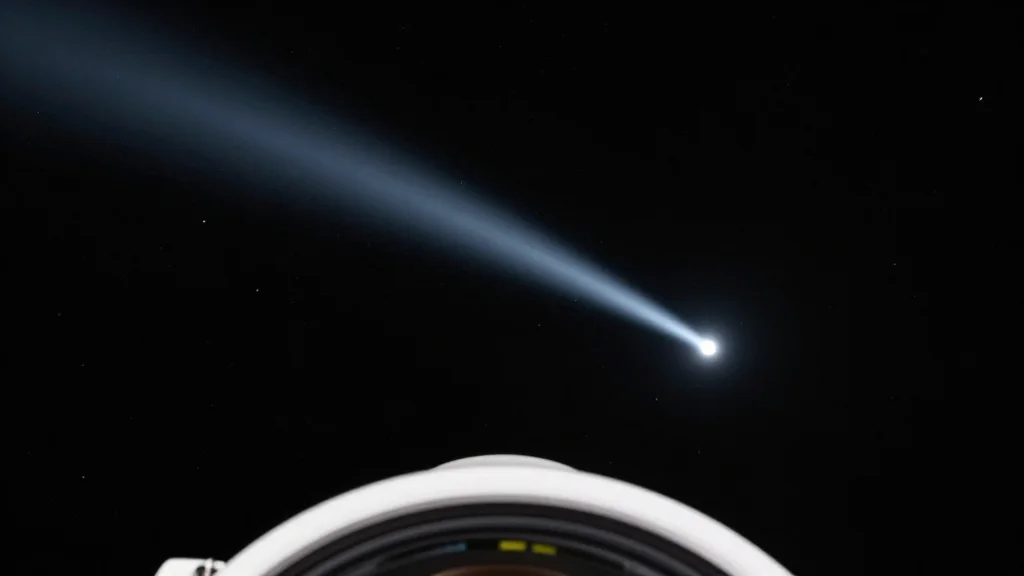
Chance Encounter in Space: JANUS Camera Captures Interstellar Comet 3I/ATLAS
The European Space Agency’s JANUS camera captured high‑resolution images of interstellar comet 3I/ATLAS during a close flyby in early 2026. The observations were made when the comet passed within 0.3 AU of Earth, revealing an elongated nucleus and active gas jets....

Naval Support Enables Artemis Return: Sea Power Fuels Space
USS John P. Murtha offshore San Diego assisting with recovery of the Artemis capsule. Reminder: Sea Power is still a prerequisite for Space Power
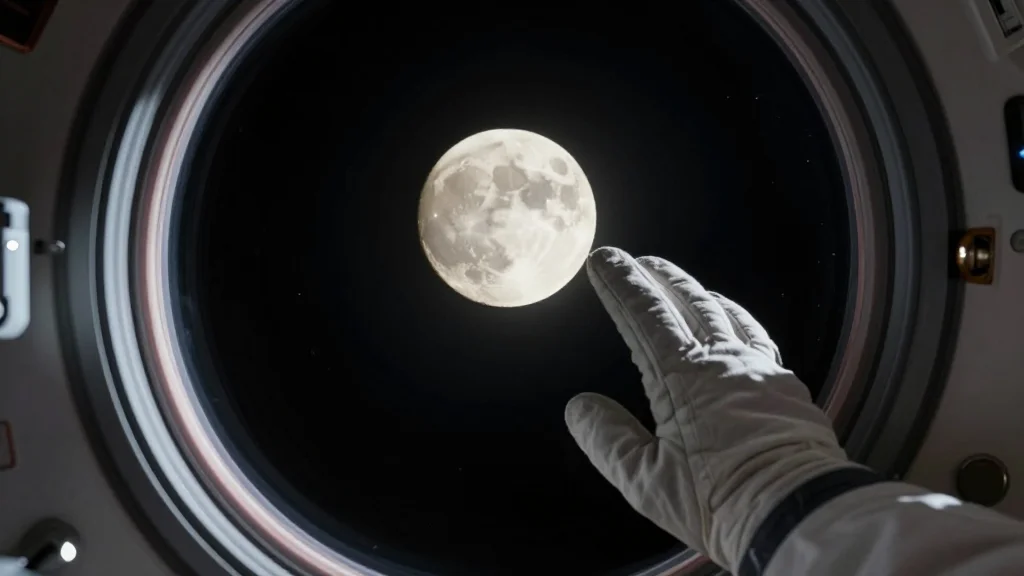
Astronaut Spots Shrinking Moon, Mission Control Jokes About Comeback
"We got a great view of the moon out window 2, looks a little smaller than yesterday" Wiseman told mission control minutes before the crew plunged into Earth's atmosphere. "Guess we'll have to go back," mission control replied. https://t.co/8KNPaFFiFv

Under One Moon
NASA’s Artemis II crew completed a historic lunar flyby, capturing striking images of Earth rising behind the Moon and collecting data on previously unseen craters, a solar eclipse and meteor impacts. The mission demonstrated Orion’s deep‑space capabilities and reinforced the United...
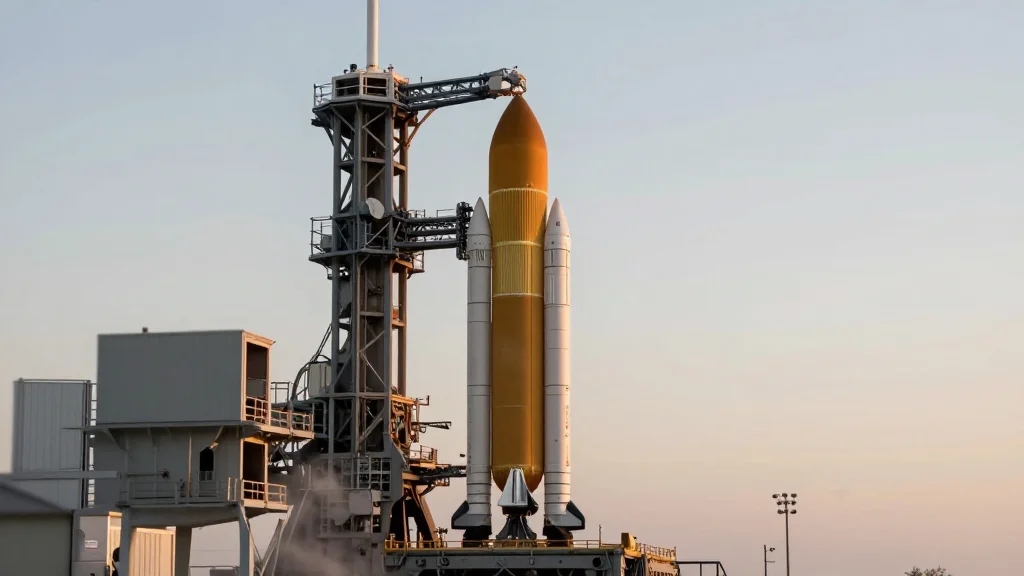
Artemis Era Launches: A Global Celebration for NASA
Epic day for NASA and everyone around the world who contributed to this. The Artemis era has truly begun.

Celebrating Integrity's Return and Apollo 13 Free‑Return Anniversary
🎯 Welcome Back Integrity, with a bullseye splash down just now And tomorrow is the 66-year anniversary of the Apollo 13 launch, the last time a mission brought the astronauts back with a free-return trajectory, slingshotting around the moon. https://t.co/TWKKMtnxDF

Chang'e Mission Samples Reveal How Exogenous Organic Matter Evolves on the Moon
China’s Chang’e‑5 and Chang’e‑6 lunar sample returns have, for the first time, revealed nitrogen‑bearing organic compounds embedded in moon soil grains. The study shows these organics exist as particles, surface‑adhered films, and mineral inclusions, and bear isotopic signatures that point...

Watch Artemis Mission Landing Live Right Now
MyPOV - Very cool. Tune into the live stream now for the #Artemis mission landing https://t.co/CulPUWM1bl

Anxious Pizza Binge Fuels Artemis II Splashdown Watch
Anybody else anxiously eating a few too many pizza slices while watching the Artemis II splashdown feed?
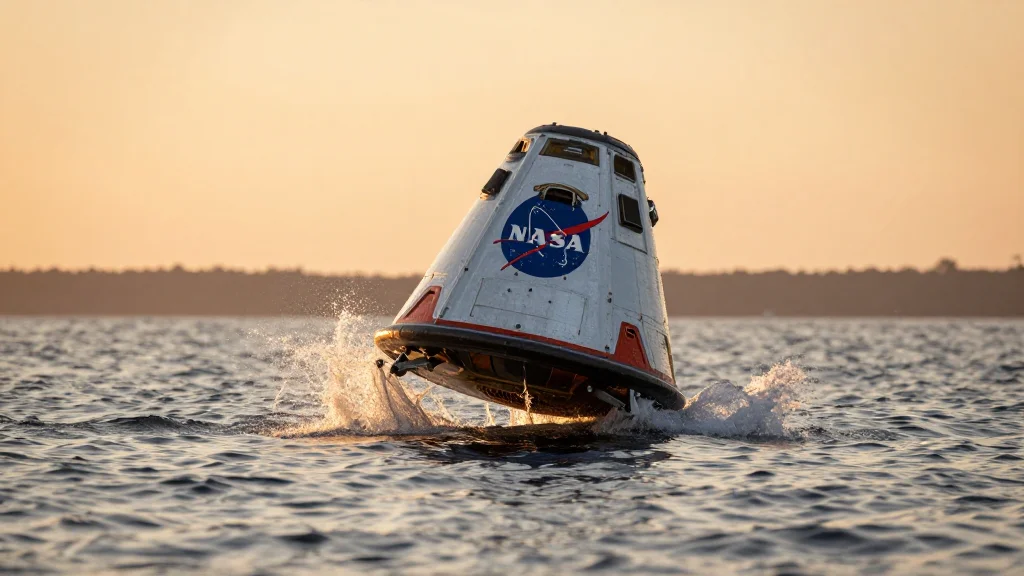
After More than 9 Days in Flight, NASA's Artemis II Is Set to Return to Earth
NASA’s Artemis II crew completed a nine‑day lunar flyby and splashed down in the Pacific off San Diego. The Orion capsule re‑entered at over 24,000 mph, enduring temperatures near 5,000 °F before deploying three parachutes. Four astronauts—including the first woman and the first person...
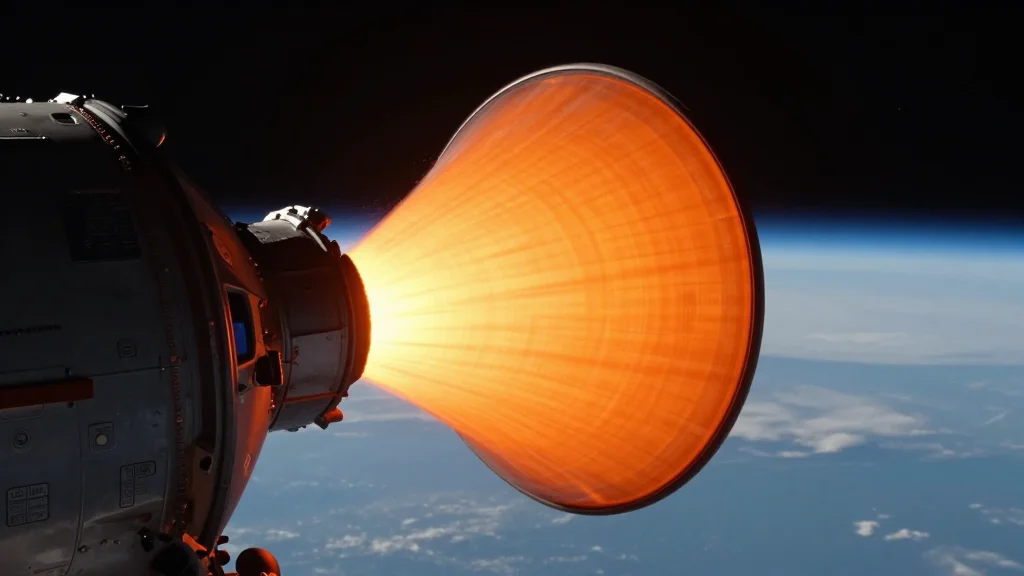
World Holds Breath for Artemis II’s Safe Return
Artemis II is on the way home. The part where everything has to go right. Where the whole world quietly holds its breath. Hoping. Watching. Waiting. Bring them home. 🚀🇺🇸🇨🇦

Artemis II and the Surprisingly Earth-Bound Problem of IP
Artemis II’s launch highlighted not only NASA’s return to lunar missions but also the massive patent portfolios behind the hardware. Boeing, Northrop Grumman, Aerojet Rocketdyne, Lockheed Martin and Airbus together hold seven‑figure numbers of patents covering propulsion, life‑support and communications systems. The article explains...
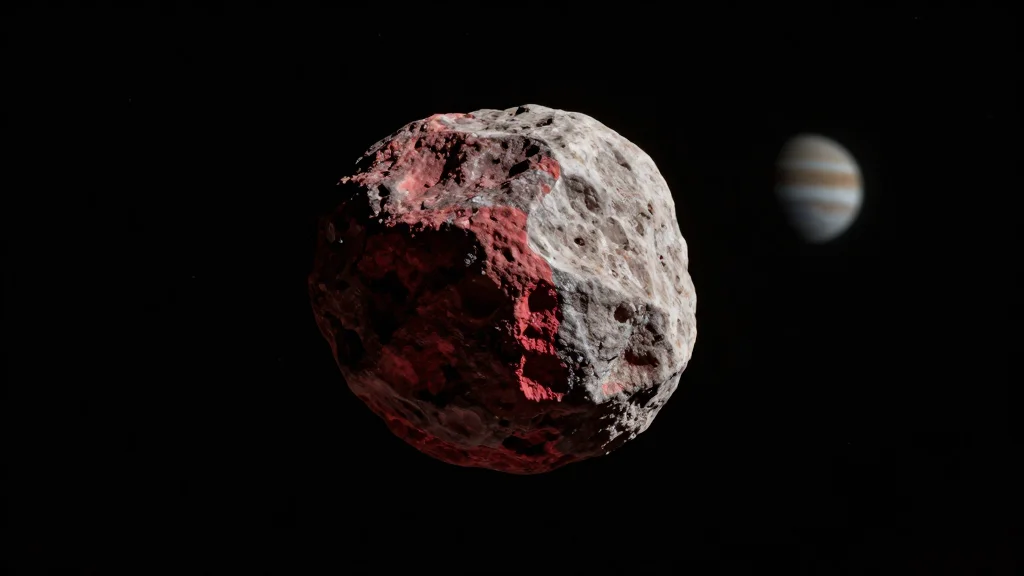
Subaru Telescope Sheds Light on Jupiter Trojan Asteroids' Color Mystery
Using the Subaru Telescope’s Suprime‑Cam, researchers observed 120 small Jupiter Trojan asteroids and found that, unlike larger Trojans, the smaller bodies lack a clear red/less‑red color bimodality and share identical size distributions across color groups. The study, published in *The...

How Vandenberg’s Range Is Scaling to Meet Launch Demand
Vandenberg Space Force Base is gearing up for a dramatic increase in launch activity, targeting 150 launches in the next five years and over 200 by 2036. The effort is backed by $1.3 billion in federal funding through FY2028 and a...
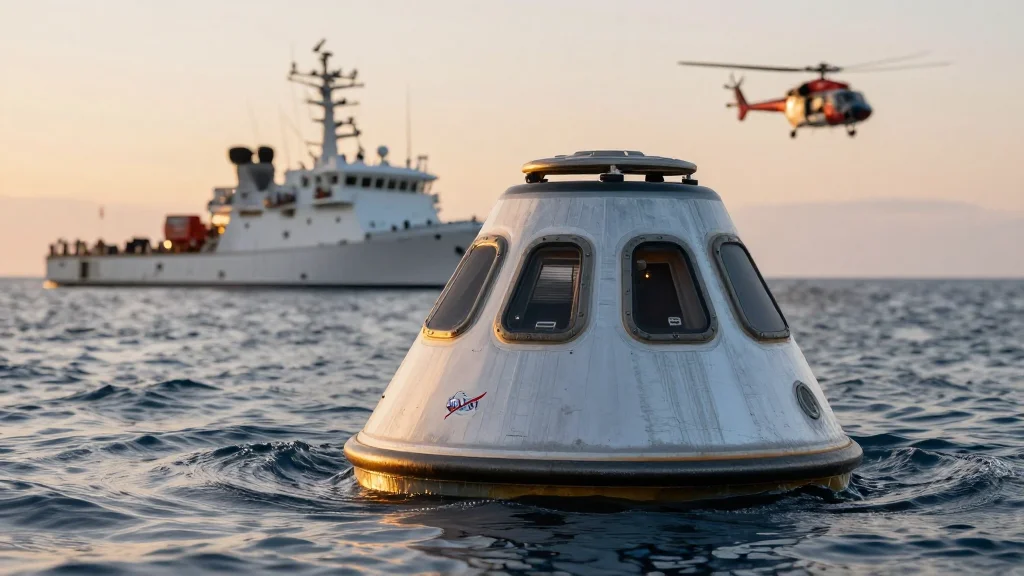
NASA Confident Splashdown Tonight; Graphic Timeline Guides Return
The weather at the splashdown site is looking good and NASA’s experts are feeling confident. But I find it also helps to know what to expect, so I made this graphic summary of key events to return our amazing astronauts...
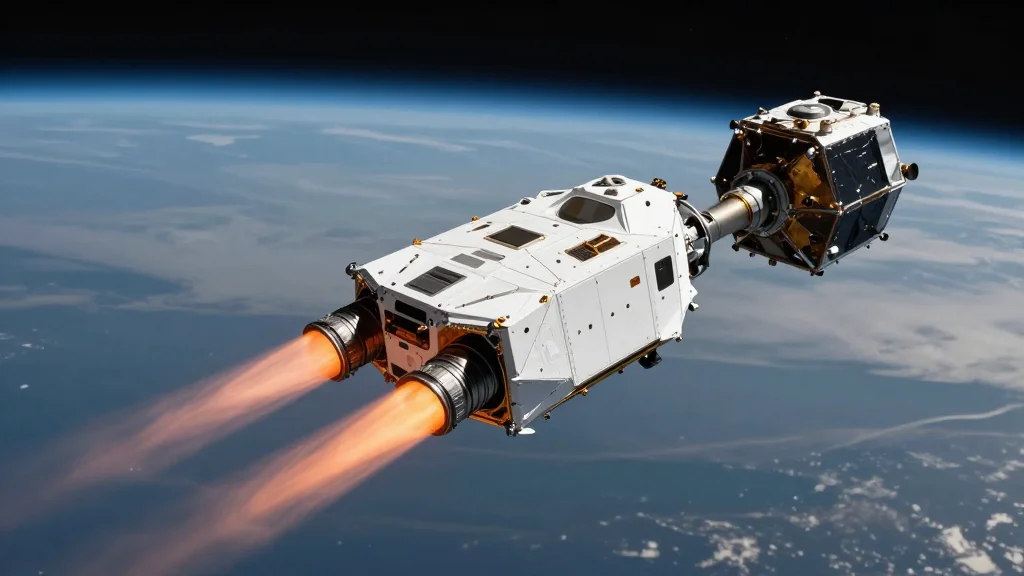
Command Module Executes 3 M/S Raise
Integrity CM 3m/s raise burn using the small thrusters on the command module to ensure good distance from the abandoned service module

How Will NASA Get the Artemis II Crew Safely Back on Earth? Here's the Science Behind Splashdown
NASA will bring the Artemis II crew back to Earth on 10 April 2026 with a splashdown in the Atlantic Ocean. The Orion capsule’s heat shield, redesigned after unexpected damage on the uncrewed Artemis I flight, will endure re‑entry temperatures near 1,500 °C before a...

Orion Returns Home After Crew Module Separation
Orion is coming home. Good crew module sep. Godspeed the crew of Artemis II. https://t.co/aYgG56dcMb

Orion Crew Capsule Set to Separate in Under 30 Minutes
Less than 30 minutes until the Orion crew capsule separates from the service module. https://t.co/o9Fz1gSC3R
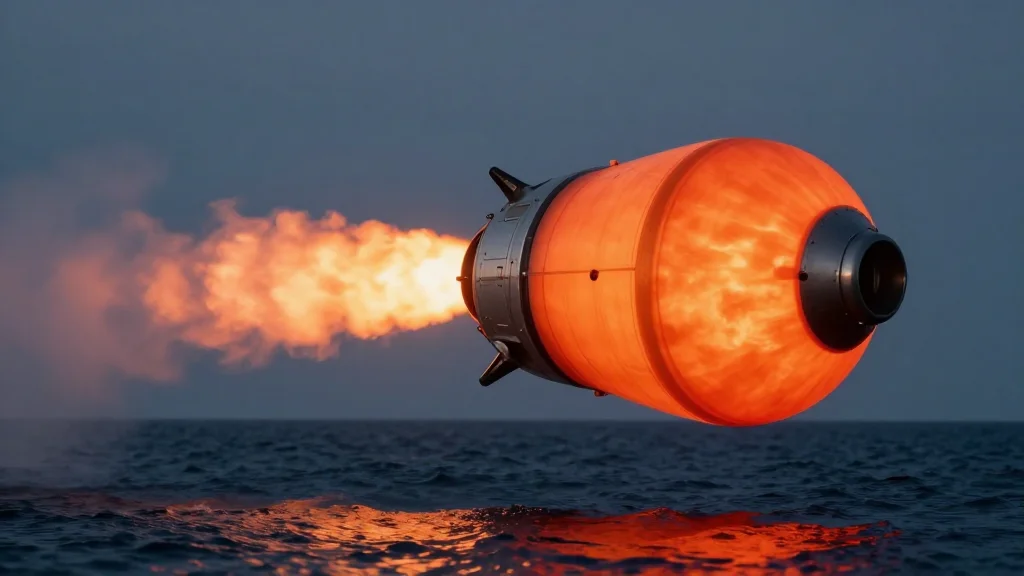
Artemis II Crew Begins Fiery Return to Earth, Splashdown Planned for Pacific Ocean
NASA’s Orion capsule Integrity, carrying astronauts Reid Wiseman, Victor Glover, Christina Koch and Canada’s Jeremy Hansen, began re‑entry at 7:53 p.m. ET on April 10, targeting a Pacific splashdown near San Diego. Officials highlighted the heat‑shield’s performance and precise entry angle as the...

Watch NASA’s Artemis II Return Live and Celebrate
Right - space twitter/X - grab family/friends/colleagues and strangers and WATCH this NASA stream - and cheer #ArtemisII back from space https://t.co/EeXIjX2fk4

Artemis II Crew Receives Final Landing Safety Briefing
"Please set seats to upright, stow tray tables and switch off all personal electronic devices" Almost home #ArtemisII

From Starbase to Orbit
The April 2026 update shows autonomous in‑space manufacturing has moved from concept to live orbital demonstration through DARPA’s NOM4D program, while the U.S. Space Force has formally incorporated SpaceX’s Starbase launch logistics into its warfighter technology portfolio. A single FCC...

Artemis 2 Shows Earth’s Beauty Amid Global Challenges
Astonishing views at the moment of Earth getting closer from Artemis 2. An uplifting mission to the Moon during a difficult time on Earth - as was Apollo 8. https://t.co/vVNXyenwHG

Awaiting Clear Skies for Orion’s Chute Descent
Hope the mist clears so we can get a great view of Orion coming down under chutes. https://t.co/sqUI0GTmTZ
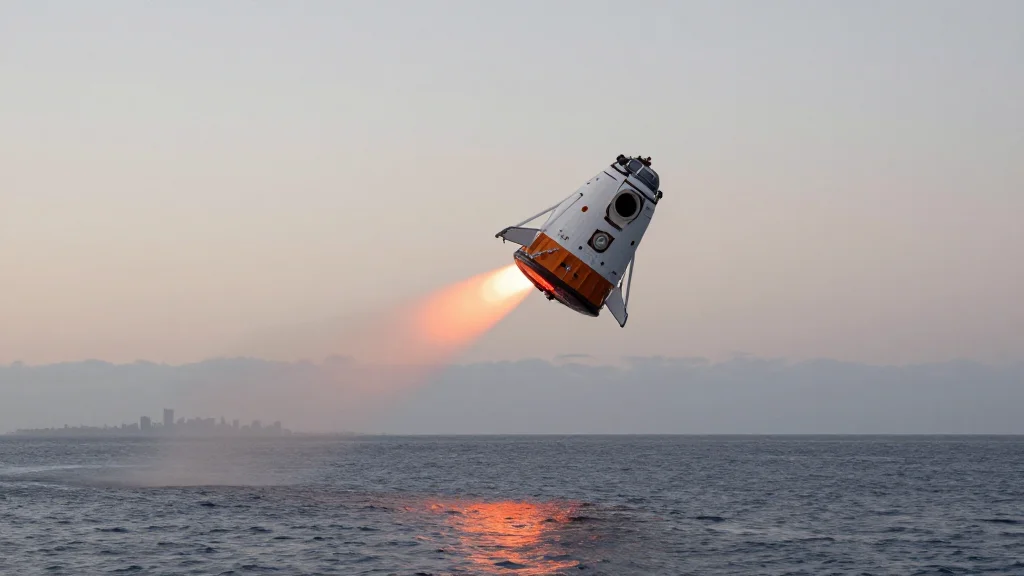
Did You Feel It? As Artemis II Nears Reentry, Scientists Want to Know How Far the Sonic Boom Travels
NASA’s Artemis II moon‑flyby mission will splash down off San Diego on Friday, generating a sonic boom as the Orion capsule decelerates at roughly 30 times the speed of sound. The U.S. Geological Survey is inviting Californians to report whether they heard the...
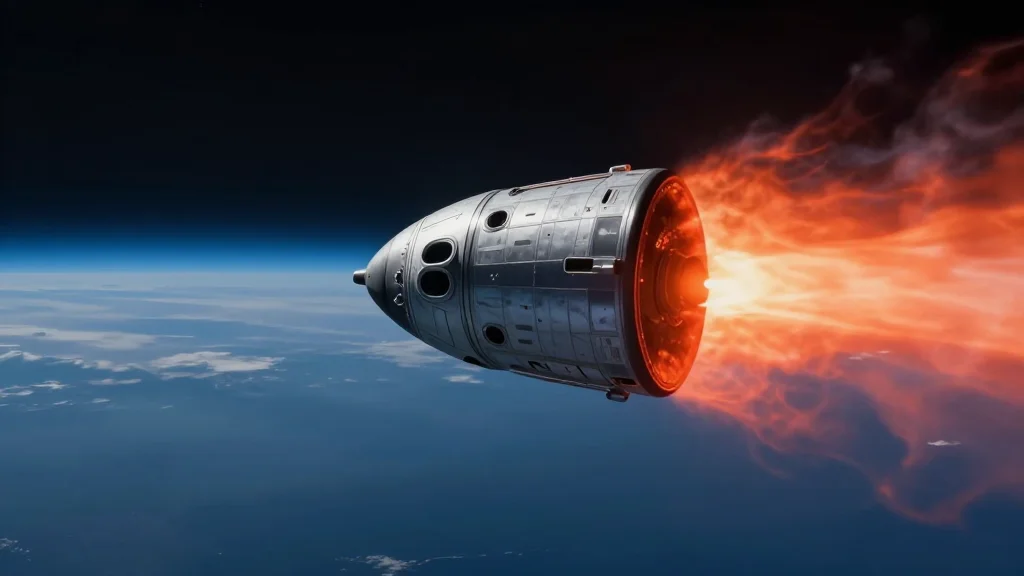
Moon Crew Set to Re‑enter at Record 25,000 Mph
Today, 4 brave souls, Reid, Victor, Christina & Jeremy will return from their voyage to the Moon Paradoxically, when they are closest to home is one of the riskiest parts They will be traveling 25,000 mph when they hit the atmosphere, the...