
Artemis Reached The Moon. The Grid Can Reach The 21st Century.
Artemis II returned four astronauts from lunar orbit, highlighting how modern spacecraft rely on redundant, software‑driven digital control systems that are thousands of times faster than the Apollo era. In stark contrast, the United States electrical grid still operates on largely mechanical hardware, with manual reporting and slow response times. The article argues that new silicon‑carbide (SiC) and gallium‑nitride (GaN) semiconductors now make a high‑speed, software‑centric grid feasible. It calls for the same ambition that funded deep‑space travel to modernize the nation’s power infrastructure.
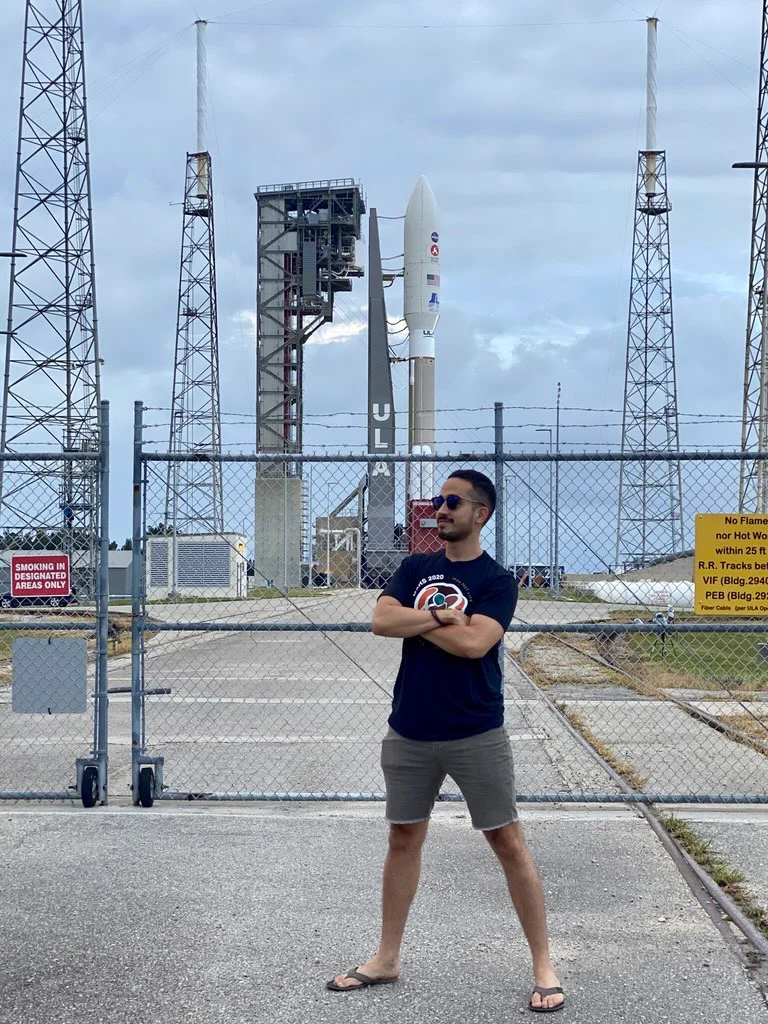
Space Engineer Shares Journey to Inspire Future Explorers
🛰️ I'm Elio — space engineer by trade, storyteller by necessity. I help build and operate the spacecraft that roam Mars and the Moon, and I talk about it here so the next generation of explorers knows the door is...

People Question Need for AI-Generated Artemis Images
I don't understand why there are AI photos from Artemis. I mean, the real pictures are super awesome - there's just no reason for fake. Is there?

How Governments Buy Commercial Earth Observation Data
Governments are increasingly integrating commercial Earth observation (EO) data into their core operations, moving beyond one‑off pilots to repeatable contracts. Agencies such as NOAA and NASA now procure raw imagery, processed analytics, and managed services to fill mission gaps in...
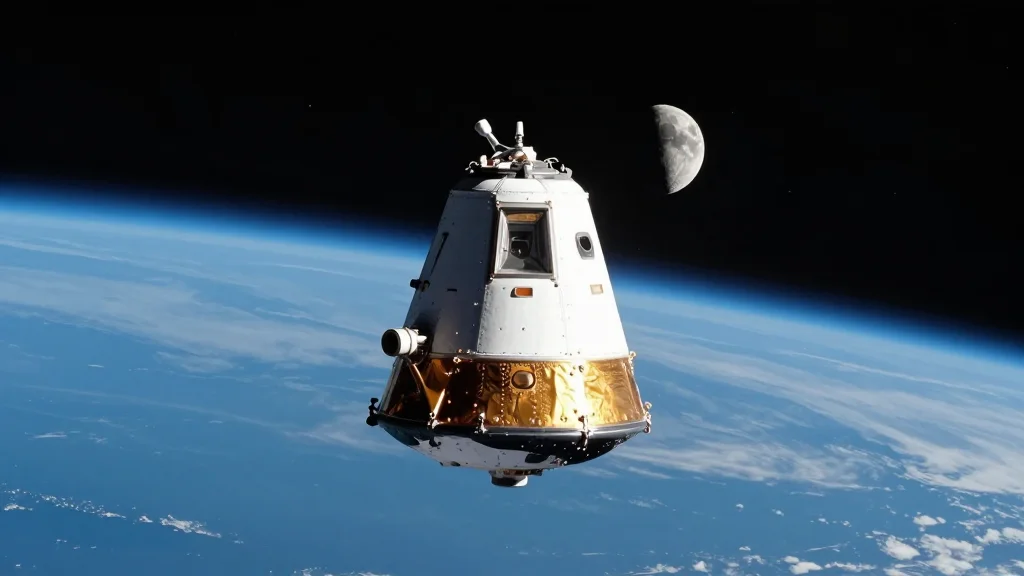
The National Space Society Welcomes the Crew of Artemis 2 Home
Artemis 2 returned to Southern California on April 10 after a flawless nine‑day flight that included launch, high‑Earth orbit, trans‑lunar injection, a lunar flyby and safe splashdown. The mission proved Orion’s systems operated as planned, earning praise from NASA veterans and the...

Ground Stations as a Service: The Quiet Infrastructure Behind the Space Economy
Ground stations as a service (GSaaS) are turning the traditionally hidden ground segment into a commercial platform. Satellite operators now purchase global antenna access, telemetry delivery, and integrated cloud workflows from providers such as AWS Ground Station, KSAT, and Atlas...
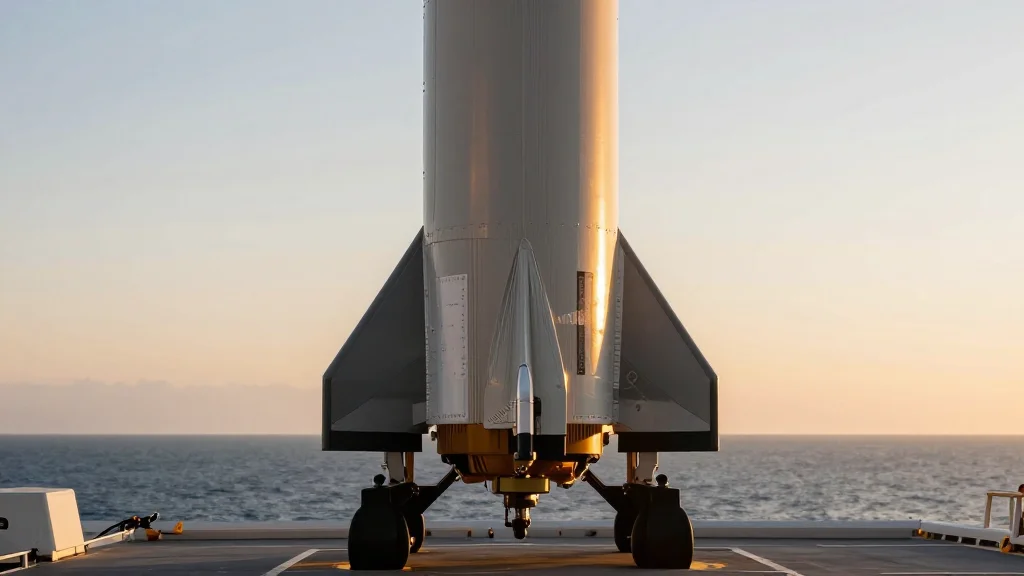
Three Launches, Two by SpaceX and One by China
SpaceX conducted two launches on April 11, 2026, placing 25 Starlink satellites from Vandenberg and sending Northrop Grumman’s Cygnus cargo capsule to the ISS from Cape Canaveral. The Falcon 9 booster B1063 completed its 32nd flight, tying for fourth‑most‑flown launch vehicle,...

ESA’s Celeste Mission First Signal Sets New European PNT Records
On 8 April 2026 ESA’s Celeste IOD‑1 transmitted the first dual‑frequency L‑ and S‑band navigation signal from a European low‑Earth‑orbit satellite, marking a historic milestone for Europe’s positioning, navigation and timing (PNT) ambitions. The Celeste pair, launched by Rocket Lab on...

Falcon 9 Launches Cygnus Cargo Spacecraft to the ISS
On April 11, a SpaceX Falcon 9 lifted off from Cape Canaveral carrying Northrop Grumman’s Cygnus NG‑24 cargo spacecraft, named S.S. Steven R. Nagel, to the International Space Station. The launch, delayed by weather, placed the 5‑ton XL‑class vehicle into low‑Earth orbit, where it will dock...
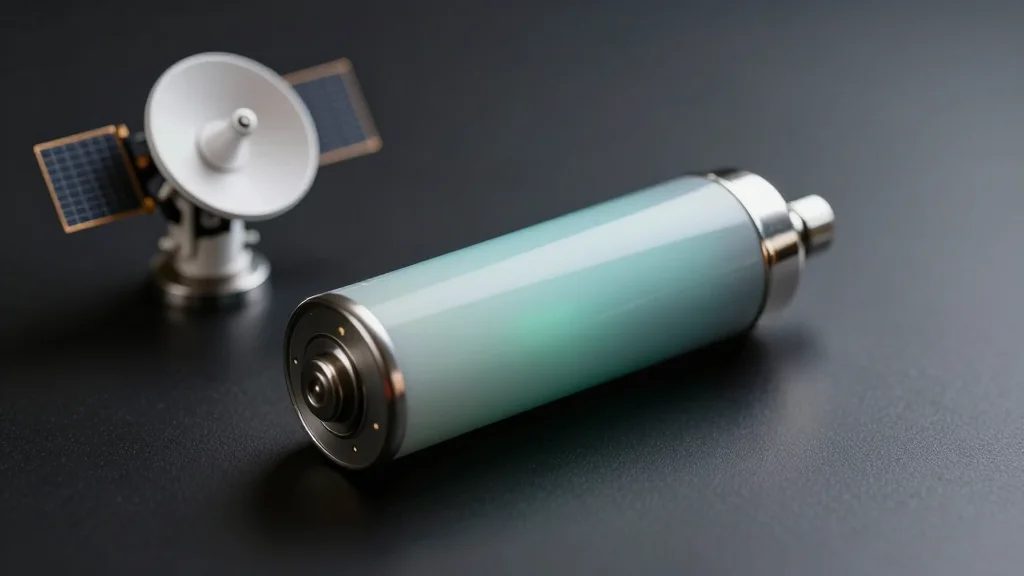
DARPA Grants $5.2 Million to Avalanche Energy for Space Radioactive Batteries
DARPA has awarded Avalanche Energy a $5.2 million contract under its Rads to Watts program to build a lightweight radioactive battery capable of powering a laptop‑class system for months. The effort targets higher‑density, resilient power sources for defense‑grade satellites and other...

Trump Hires Orbital Towing Company to Build Space Interceptors
Donald Trump’s team has selected Impulse Space, a fledgling orbital‑tug firm founded by former SpaceX engineer Tom Mueller, to build the orbital layer of his “Golden Dome” missile‑defense concept. The contract pairs Impulse with Anduril Industries and a Pentagon prototype...

SPARTA Countermeasures: The Complete Guide to Defending Spacecraft From Cyber and Counterspace Threats
The Aerospace Corporation’s SPARTA Countermeasures guide (v3.2) presents a comprehensive, eight‑layer defense‑in‑depth framework for protecting spacecraft against cyber and counter‑space threats. It catalogs 90 specific countermeasures, aligns each with NIST SP 800‑53, ISO 27001, NASA best practices and MITRE D3FEND, and introduces...

Boeing’s Moon Rocket Faces Uncertain Future Under Trump’s NASA
NASA’s $24 billion Space Launch System (SLS) propelled Artemis II crew around the Moon, yet the Trump administration is already soliciting commercial alternatives, casting doubt on the rocket’s future. The White House budget request and a direct outreach to rivals aim to...

New Era For Space Dawns, As Artemis II Returns
Artemis II successfully splashed down, confirming Orion’s heat shield endured the high‑speed, 400,000‑foot re‑entry despite earlier concerns from Artemis I. NASA reaffirmed its commitment to the Space Launch System and Orion through the “Ultimate 5” flights, even as the program faces cost overruns...
Anthony Scaramucci Says He Owns SpaceX Stock And Won't Miss Out On The IPO Despite Elon Musk's 'Cult Of Personality'...
Anthony Scaramucci announced he will buy into SpaceX’s upcoming IPO, despite acknowledging that Elon Musk’s personal brand inflates the company’s valuation. He already owns SpaceX from a private round and points to Starlink as a massive revenue engine. The launch‑pad...

NASA Science, Cargo Launch Aboard Northrop Grumman CRS-24
NASA launched the Commercial Resupply Services‑24 (CRS‑24) mission on April 11, 2026, using a Northrop Grumman Cygnus XL mounted on a SpaceX Falcon 9. The spacecraft carried roughly 11,000 lb of scientific experiments, crew provisions, and hardware to the International Space Station....
The Final Frontier Is Becoming Big Business. Here Are 3 Space Stocks to Buy Now.
The global space economy, now valued at $613 billion, is set to hit $1.8 trillion by 2035, driven by rapid advances in launch services, satellite imaging, and defense contracts. Rocket Lab, the second‑most‑used U.S. launch provider, has completed 85 launches and is...

Another Giant Leap Reminds Us How Small We Are
NASA’s Artemis II mission concluded on Friday with a clean splashdown in the Pacific after a ten‑day lunar orbit. The four‑person crew gathered scientific data, photographed the Moon and tested life‑support systems, marking a critical step toward sustained lunar exploration. Beyond...
Navy’s Legacy Fuels Artemis II Astronaut Recovery
Wings of gold. It's always been the Navy's job to get those astronauts, a legacy that lives on with Artemis II. Proud to have been part of the story of how the Navy prepared for this moment. 🦅🇺🇸🦅🇺🇸⚓️⚓️

The SPARTA Matrix: A Complete Guide to Space System Attack Tactics, Techniques, and Sub-Techniques
The Aerospace Corporation released SPARTA version 3.2, a publicly available matrix that catalogs more than 85 techniques and hundreds of sub‑techniques used to attack spacecraft and their supporting infrastructure. Modeled on MITRE ATT&CK, the framework spans cyber intrusion, electronic warfare, and...

We Can Still Do This
Artemis II returned to Earth after a 695,000‑mile lunar flyby, marking the first crewed mission beyond low Earth orbit since Apollo 13 in 1972. The four‑person crew—Reid Wiseman, Victor Glover, Christina Koch and Canadian astronaut Jeremy Hansen—reentered the atmosphere at roughly 25,000 mph, showcasing NASA’s...
April 11, 1970: Apollo 13 Blasts Off for the Moon
On April 11, 1970 Apollo 13 launched as NASA’s third attempted lunar landing, crewed by Jim Lovell, Fred Haise and last‑minute replacement Jack Swigert. Ten minutes after a live TV broadcast, an oxygen tank in the Service Module exploded, crippling the spacecraft’s power and...
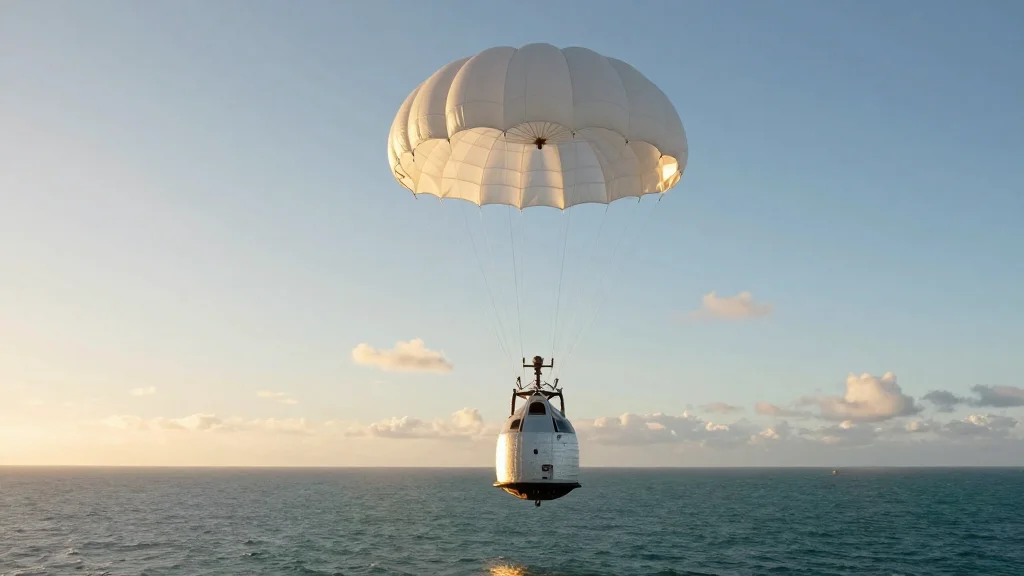
Artemis II's Parachutes Deploy Flawlessly, Awe-Inspiring Safe Return
Literally holding my breath watching Artemis II deploy those parachutes and return safely. How amazing?!
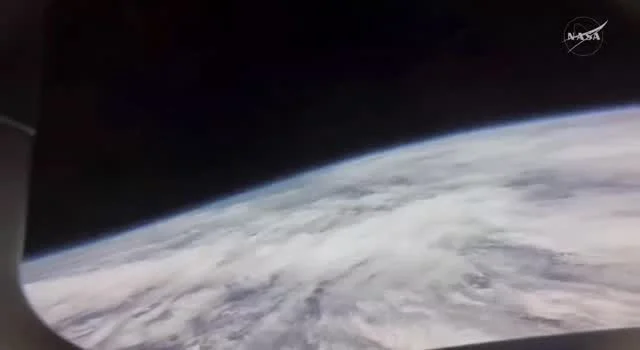
Artemis II Proves Engineering Consistency Fuels Lunar Future
53 years after Apollo 17, humans circled the Moon again with Artemis II and returned safely. The Orion capsule's re-entry was a high-stakes test: faster than ISS returns, intense heat, but the adjusted trajectory and robust design delivered. Crew healthy,...

Original Apollo 11 Code Open-Sourced by NASA — Original Command Module and Lunar Module Code Repos Are Now Public Domain...
NASA has released the original Apollo 11 Guidance Computer software for the Command Module (Comanche 055) and Lunar Module (Luminary 099) as public‑domain code on GitHub. The repositories were digitized by Virtual AGC and the MIT Museum, providing full machine‑code listings and build tools....

Artemis II Splashes Down
NASA’s Orion spacecraft safely splashed down in the Pacific Ocean on April 10, 2026, concluding the ten‑day Artemis II mission. The crew set a new distance record for human spaceflight, surpassing Apollo 13, and returned with unprecedented images of the Moon’s far...
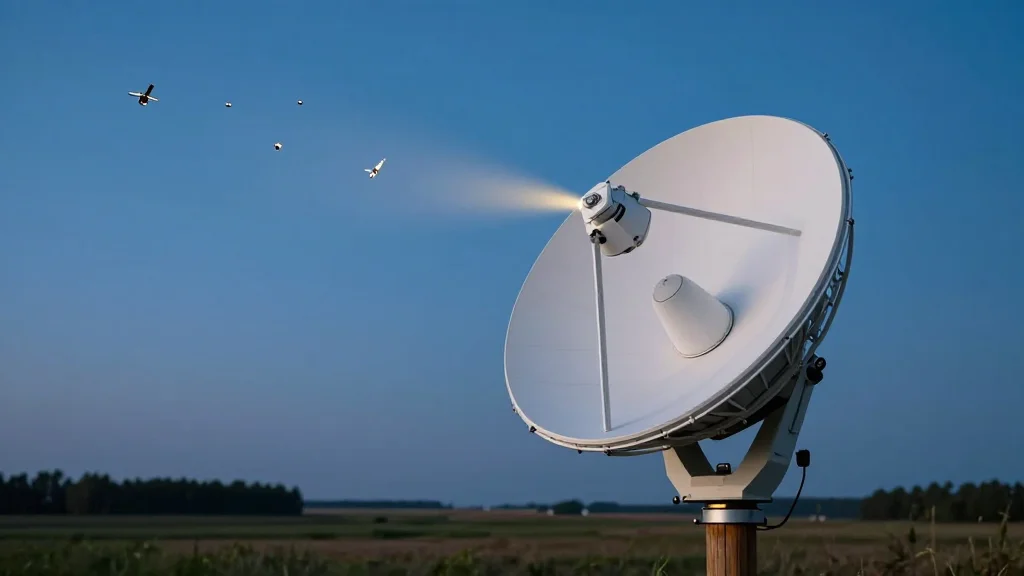
FCC to Lift Satellite Power Limits, Potentially Boosting Starlink Capacity Sevenfold
The Federal Communications Commission will vote on April 30 to eliminate decades‑old power limits on low‑Earth‑orbit satellites, a change that could increase SpaceX’s Starlink capacity by as much as seven‑fold. The proposal promises faster, cheaper internet for rural users but...
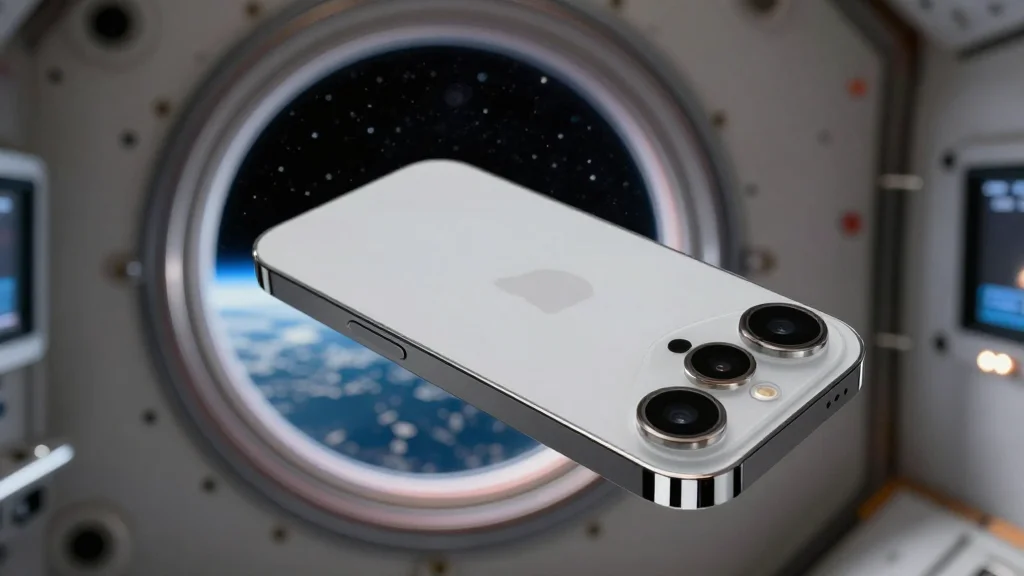
Apple, GoPro, Microsoft Gadgets Ride Orion on Artemis II Mission
NASA’s Artemis II crew flew Apple’s iPhone 17 Pro Max, GoPro HERO11 and MAX 1 360° cameras, Nikon D5 DSLRs and Microsoft Surface Pro tablets aboard Orion, turning the lunar test flight into a showcase for consumer gadgets. The mission’s 248,655‑mile journey highlighted how everyday...

Artemis 3 and Beyond: What's Next for NASA After Artemis 2 Moon Success
NASA’s Artemis 2 crew safely returned on April 10, 2026, marking the first U.S. crewed lunar mission since 1972. The agency has now redirected Artemis 3 from a lunar landing to an Earth‑orbit test of Orion’s docking with SpaceX’s Starship and Blue Origin’s...

Congratulations to the Artemis II Crew – but the Case for Sending Astronauts Into Space Is Rapidly Shrinking | Martin...
NASA’s Artemis II mission marked the first crewed flight of the new lunar system, returning astronauts safely after a 10‑day lunar loop. The program has already consumed roughly $100 billion, with Congress earmarking an additional $9.9 billion for Artemis IV and V. While the scientific...
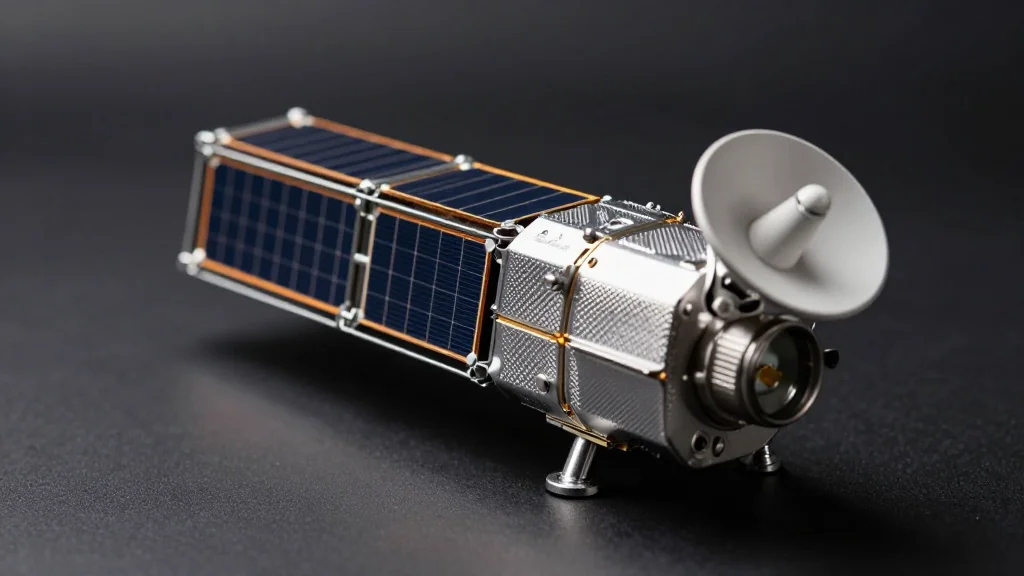
Spacebuilders Share Journey, Thank Followers for Support
It’s great to be able to share what those of us in the space industry feel as we build and test our spacecraft. Thank you for following along.

Houston Prepares to Greet Artemis II Crew Returning From Moon
The stage is set for Houston to welcome the Artemis II crew home from the Moon. https://t.co/Nwu7iSX1i3

Splashdown. Now Comes The Greatest Danger
The article reflects on the profound psychological shift astronauts experience after returning from deep‑space missions, drawing parallels between Apollo crews and the recent Artemis II crew. The author recounts a university project measuring lunar mountain heights, emphasizing the spiritual “overview effect”...

Modex
42 : The modex on the recovery chopper that picked up the @NASAArtemis crew https://t.co/XCCZpzqSUB
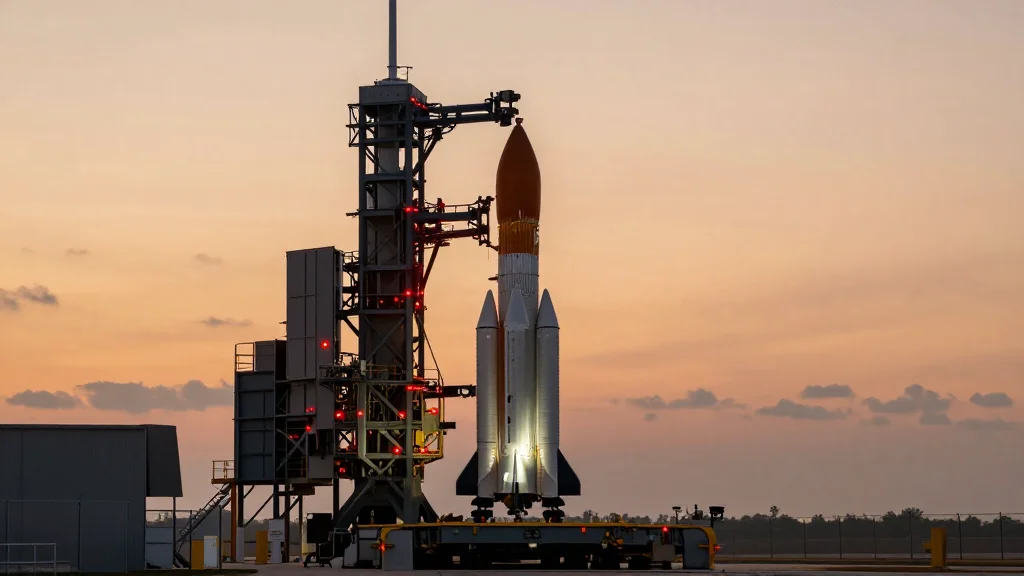
Russian Launch Warnings Deliberately Obscure Exact Liftoff Timing
That would explain why recent danger zone warnings ahead of Russian launches have longer time windows and their start time does not match the liftoff time, so to complicate the determination of a moment when the fueled vehicle is on...

Artemis II Splashdown Gives NASA Momentum in Renewed Moon Race
NASA’s Artemis II mission splashed down safely in the Pacific on April 11, 2026, concluding the first crewed deep‑space flight since 1972. The four‑person crew—three Americans and a Canadian—completed a lunar‑orbit trajectory that demonstrated the Space Launch System’s performance and re‑entry capabilities....

Artemis II Crew Celebrates Orion “Integrity” Aboard USS Murtha
GREAT photo of the crew with their Orion spacecraft "Integrity" in the well deck of the USS John P. Murtha.
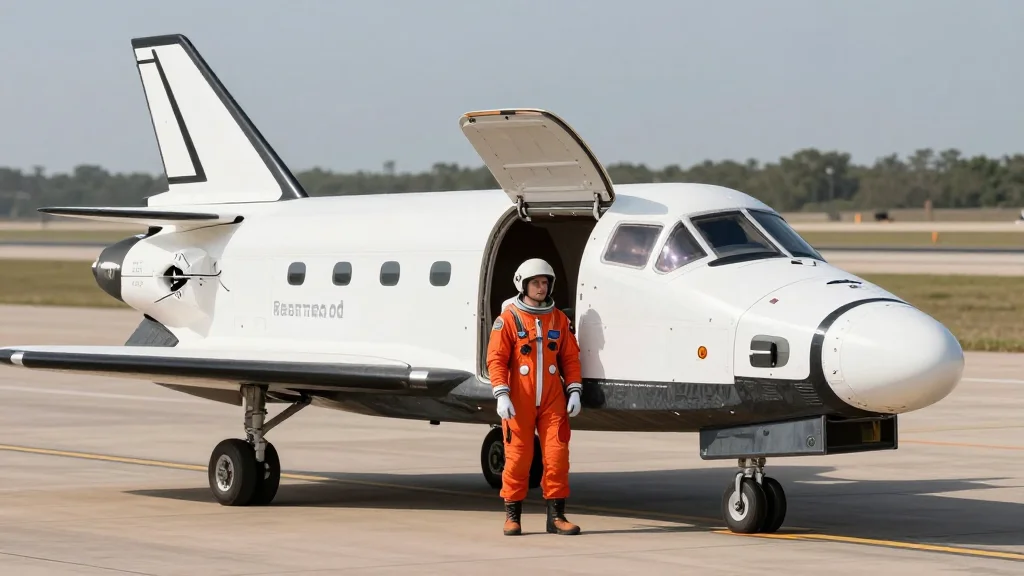
Artemis II Crew Returns to Ellington Field at 4:15 PM
NASA tells me the Artemis II crew is expected back at Ellington Field (near JSC) "about" 4:15 pm ET. Will be on NASA+, YouTube, and X.

The Artemis II Mission Has Ended. Where Does NASA Go From Here?
NASA’s Artemis II mission successfully completed a 700,000‑mile lunar flyby and splash‑down, marking humanity’s first deep‑space crewed flight in over 50 years. The Space Launch System delivered a near‑perfect orbit insertion, while Orion returned safely, providing valuable data on heat‑shield performance and...
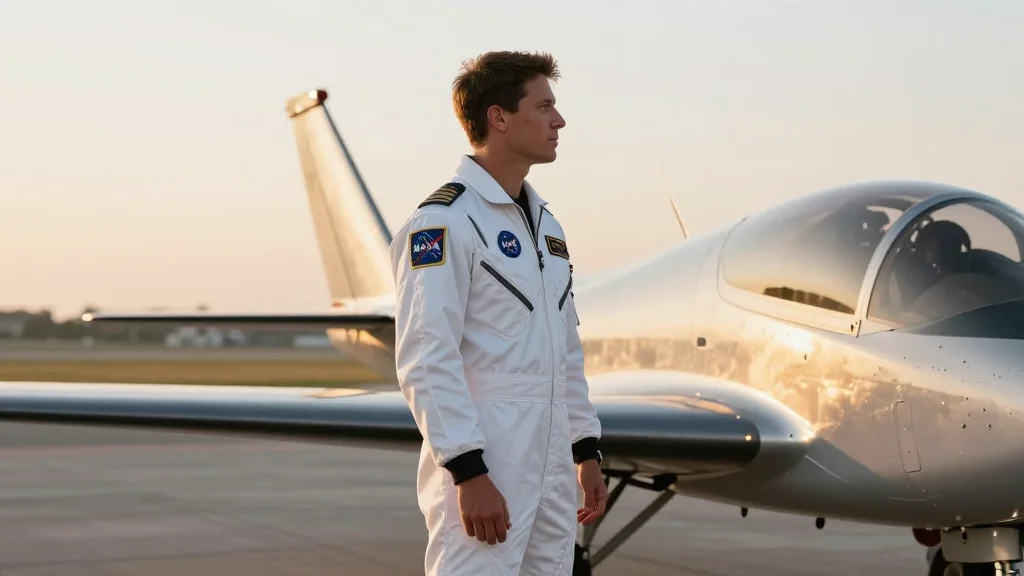
RAeS Recommends NASA Flight Test Nomination
I think there is an obvious flight test nomination here @NASAAdmin ! (And congrats from all of us at the RAeS)

Canada’s Key Contributions to Artemis II Revealed
When the Moon Met Canada Have you been watching Artemis II with awe? The Canada Letter today, by @LaVjosa, illuminates the Canadian elements in the mission. Sign up to get the New York Times Canada newsletter in your inbox every...
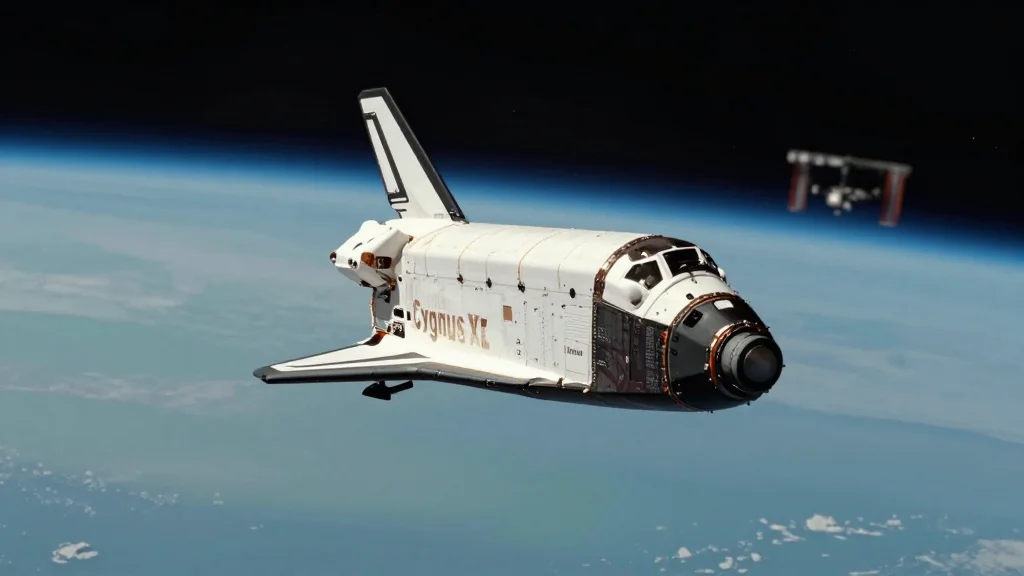
305th ISS Resupply Mission Launches in 2026
The 2nd cargo-supply mission of 2026 departed for the International Space Station. This is the 305th flight to assemble and maintain the ISS since its start in 1998: https://t.co/z0hQPyDt9P

SpaceX Launches NG-24, Falcon 9 Lands Booster Successfully
🚀SpaceX launched Northrop Grumman NG-24 (CRS-24) this morning at 7:41 a.m. ET from SLC-40. The Falcon 9 carried the Cygnus spacecraft (S.S. Steven R. Nagel) with ~11,000 lbs of supplies and science to the ISS. Booster B1094 (7th flight) nailed...
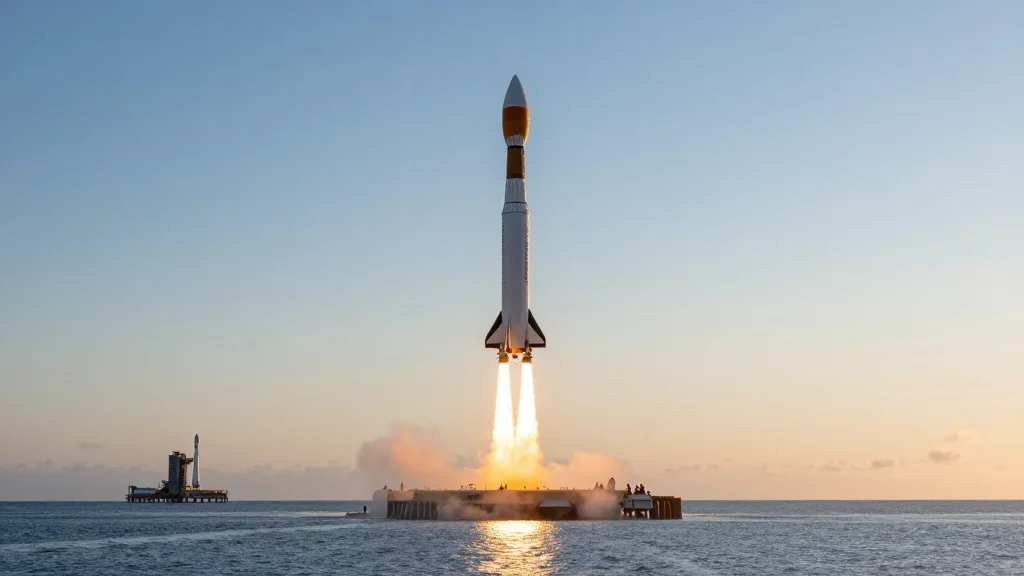
Falcon 9 Lifts ISS Cargo as China Readies Jielong‑3 Launch
LAUNCH at 1141 UTC Apr 11 of a Falcon 9 from Canaveral with the ISS Cygnus NG-24 cargo ship SS Steven R. Nagel. Also waiting to confirm LAUNCH at 1133 UTC of a Jielong-3 from the Yanjiang area in the South...

Decelerators: Slowing Mach 33 to 20 Mph for Planetary Landings
Inspired by the #ArtemisII moon mission and/or working in the space industry? June sees @aiaa and @Aerosociety conference on aerodynamic decelerators - how do you slow down an object from Mach 33 to 20mph to land on Earth or other...

NASA’s Skyfall Mission Aims to Deploy Helicopters on Mars
NASA’s “Skyfall” Mission Could Drop Helicopters Across Mars by @spaceandtech_ #SpaceTech #Robots #Engineering #Innovation #Technology https://t.co/tNkCvNHm2x
Over the Moon After Seven Hours of Stunning Recovery Images
So many amazing images at recovery. What is your fav? I'm quite figuratively "over the moon" having watched everything unfold over the past 7 hours.

Artemis II’s 3D Flight Path to the Moon
Artemis II mission route in 3D! https://t.co/MwqPxMYofs #artemis #ArtemisII #moonmission #moon #journeytomoon #space #SpaceLovers @lexfridman @KirkDBorne @Ronald_vanLoon @erikbryn @antgrasso @sallyeaves @Nicochan33 @HaroldSinnott @mvollmer1 @marcusborba @CatherineAdenle @vinod1975 @YuHelenYu @ingliguori @fogoros @ylecun @TerenceLeungSF @SourabhSKatoch @wil_bielert @HsrYueli @faustospain @Whats_AI @kaifulee @demishassabis @marek_rosa @AndrewYNg @BernardMarr...
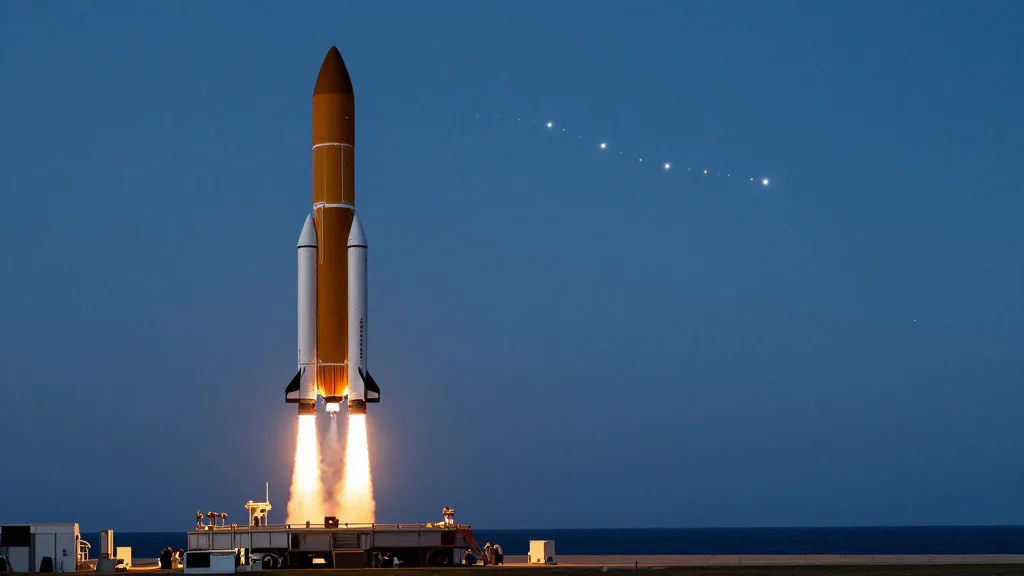
Starlink Group 17‑21 Launches From Vandenberg at 0504 UTC
LAUNCH at 0504 UTC Apr 11 of Starlink Group 17-21 from Vandenberg Space Force Base
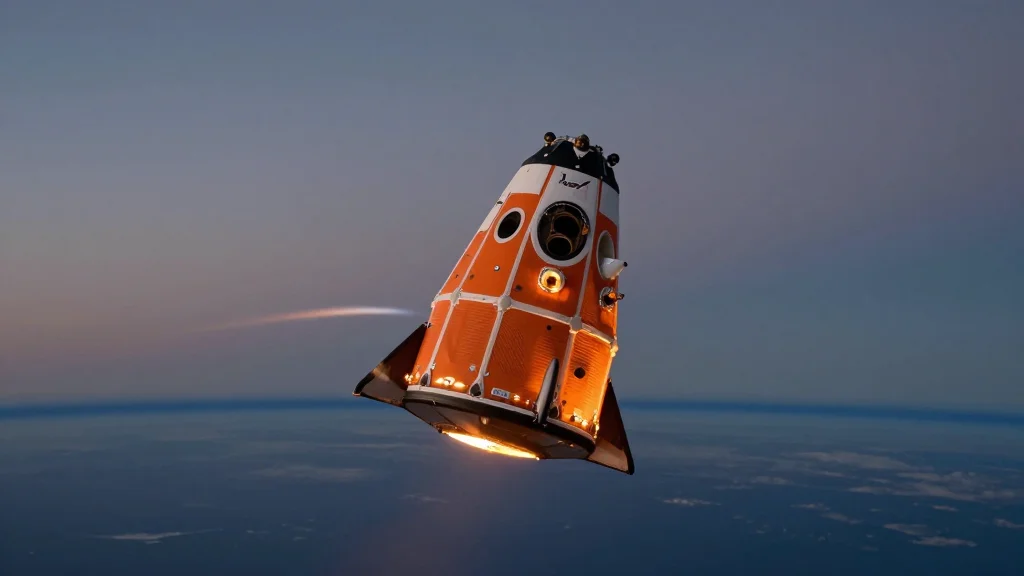
Artemis II Nails Precision: Distance, Speed, Reentry on Target
Artemis II return stats, per flight director Rick Henfling (via FDO): • Distance traveled: 700,237 miles • Top speed: 24,664 mph • Reentry angle: Within 0.4% of target • Entry distance: 1,957 miles • Landing location: Within 1 mile of target