Untitled
On April 6, 2026, NASA’s Artemis II mission performed a historic lunar flyby, the first since Apollo 17 in 1972. The Orion spacecraft rounded the Moon’s far side, reaching a peak distance of roughly 407,000 km—making it the farthest humans have traveled from Earth since Apollo 13 in 1970. Crew members Reid Wiseman, Victor Glover, Christina Koch and Jeremy Hansen captured a selfie with a solar‑array‑wing camera as Earth appeared as a thin crescent beyond the lunar limb. The mission concluded safely with splashdown on flight day 10.
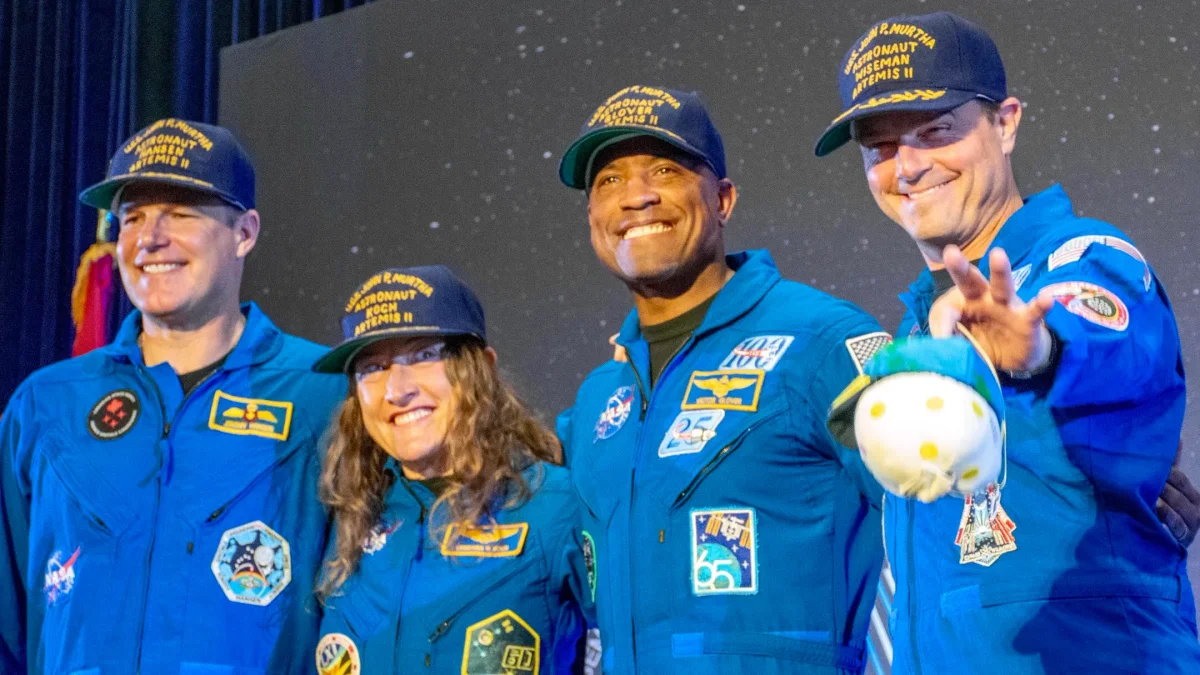
Exhausted Yet Relieved, Fans Crave Faster Moon Missions
Anyone else feeling the duality of absolute exhaustion and relief that Artemis 2 is over, and also a sadness in the absence of such an incredible mission to continue captivating the world? I hope @rookisaacman’s plan to launch SLS every...
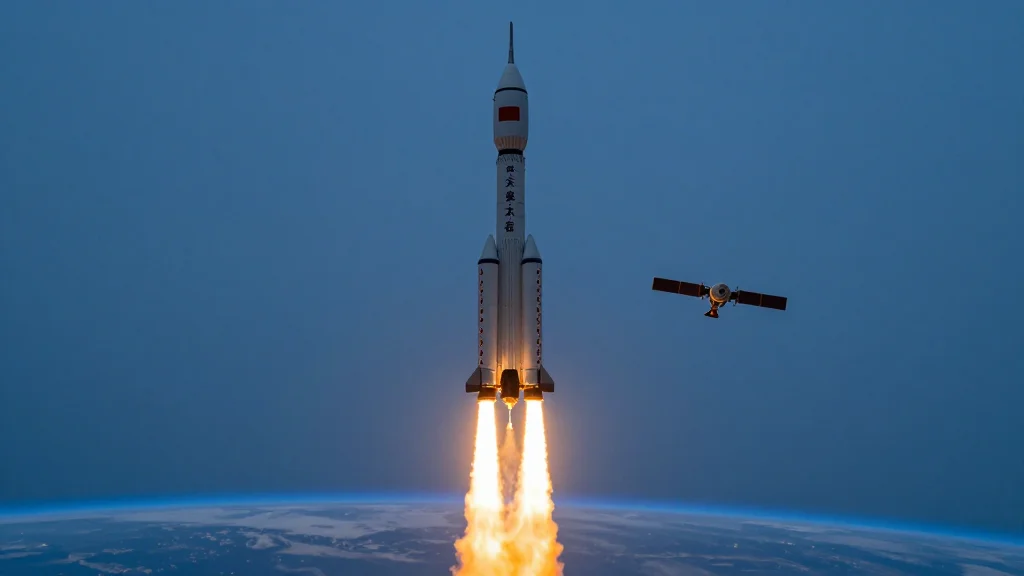
China Launches Test Satellite to Validate Next‑generation Satellite‑internet Tech
China has successfully launched a test satellite aimed at validating next‑generation satellite‑internet technology, a milestone in its push for a home‑grown broadband constellation. The launch underscores Beijing's drive to compete with global players such as SpaceX and OneWeb in the...

UK’s SatVu Expands Thermal “Eyes in the Sky” With HotSat‑2 Launch
SatVu, a UK‑based space data firm, launched HotSat‑2 on SpaceX’s Transporter‑16 rideshare from Vandenberg. The satellite carries mid‑wave infrared sensors that deliver high‑resolution thermal imagery capable of seeing heat signatures through roofs and other structures. HotSat‑2’s data is positioned for...
Dream Realized: Artemis 2 Astronauts Celebrate Moon Mission
Getting to cover This mission has been a dream. Thanks most to this crew. https://www.space.com/space-exploration/artemis/the-most-special-thing-that-will-ever-happen-in-my-life-artemis-2-astronauts-describe-their-epic-moon-mission

Epic, Must-Watch 4K Footage of the Artemis II Launch
NASA’s Space Launch System lifted off from Kennedy Space Center on April 1, 2026, carrying the Orion spacecraft named Integrity on a ten‑day lunar flyby. The Artemis II mission marks the first crewed flight beyond low‑Earth orbit since Apollo 17 and the inaugural crewed...

What Lit up the Night Sky? PhilSA Explains Strange Glow Seen over PH
On April 11, a luminous “space jellyfish” lit up the Philippine night sky, which the Philippine Space Agency (PhilSA) attributes to the Chinese Jielong‑3 rocket launched minutes earlier from the South China Sea. The high‑altitude exhaust plume reflected sunlight, creating a...

Rocket Lab’s iQPS Deal Hits 15 Missions: What Repeat Customers Tell Us About the Small Launch Market
Rocket Lab has added three more Electron launches for Japanese radar operator iQPS, bringing the partnership to 15 dedicated missions. The deal underscores a shift in the small‑launch market from one‑off sales to recurring revenue streams. At roughly $7.5 million per...
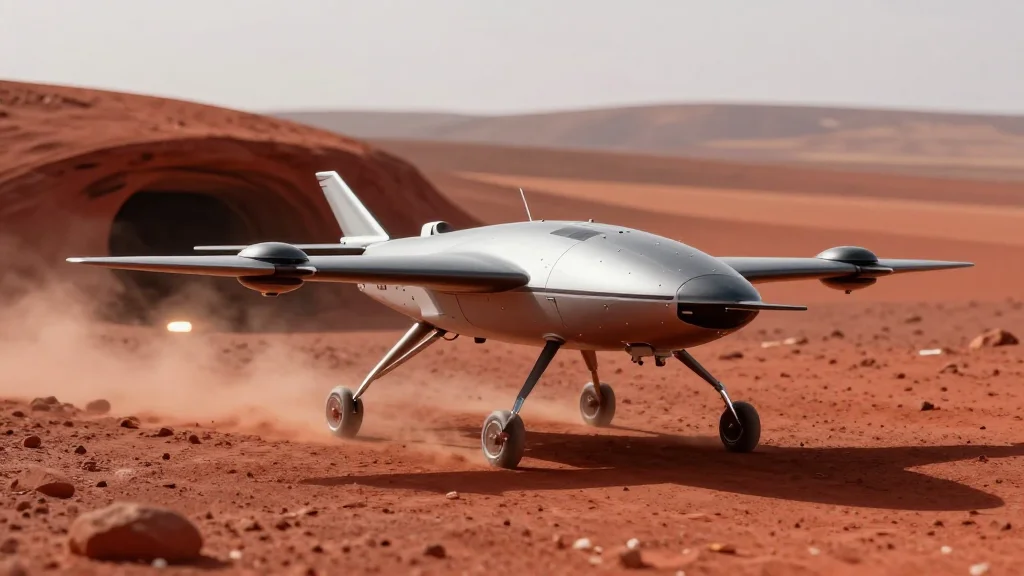
Meet Orpheus—A Hopper Mission Built to Hunt for Life in Martian Volcanoes
Researchers at the SETI Institute have proposed Orpheus, a vertical take‑off and landing (VTOL) hopper designed to explore the volcanic fissures, pits, and vents of Mars’s Cerberus Fossae region. Targeting the young volcanic deposits and a specific vent (Vent #5)...

Royal Navy Fleet to Get Satellite Tactical Data Links
The UK Ministry of Defence announced that Phase 2c of the Maritime Multi Link programme has hit its Equipment Delivery Date, paving the way for satellite‑based tactical data links on 13 Royal Navy vessels, including Type 23 frigates, Type 45 destroyers and the...
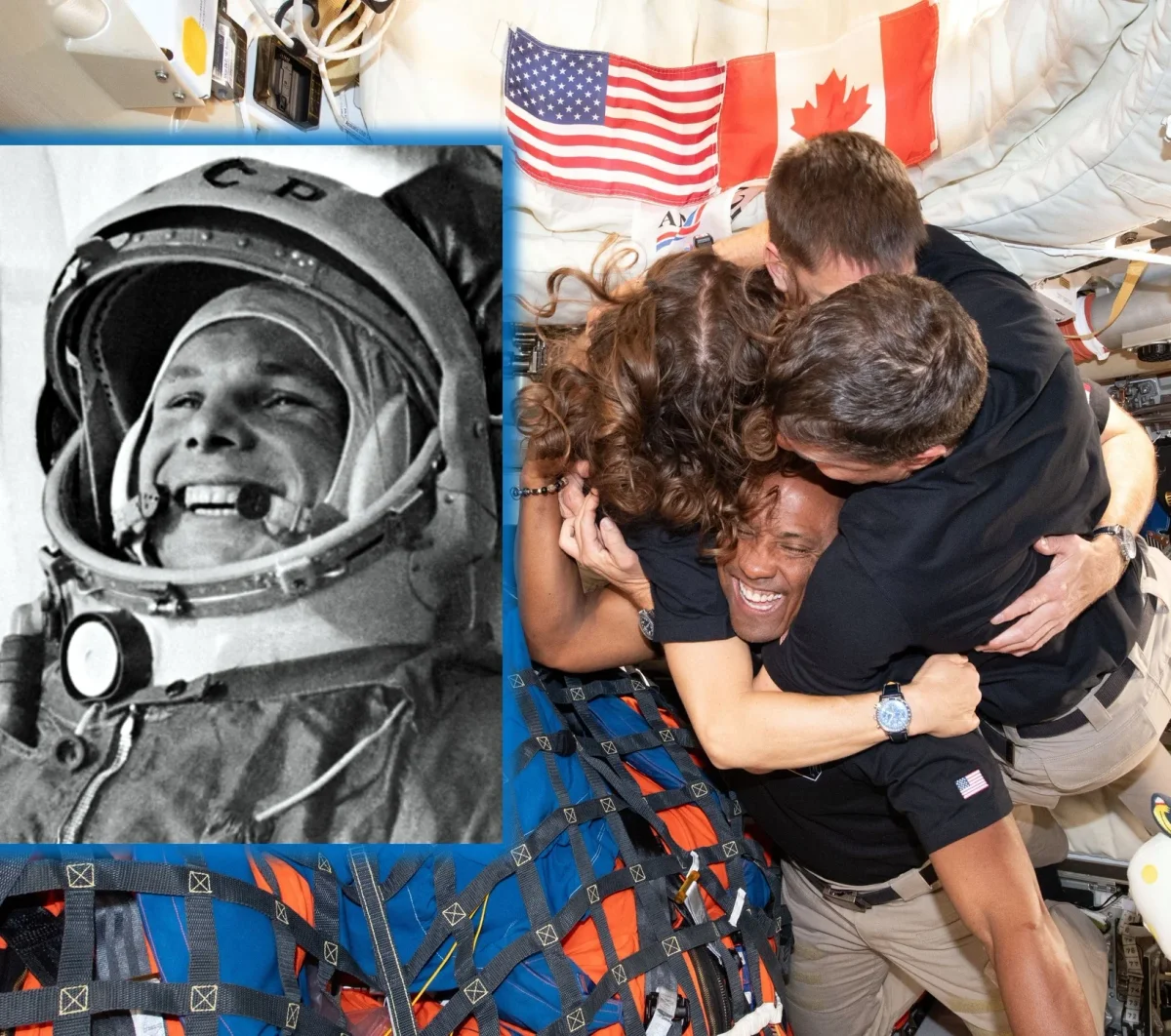
From Gagarin to Artemis: Humanity’s Space Journey Begins
How it started - how it's going. Yuri Gagarin was the first, 65 years ago today. Artemis 2 crew, safely back from the Moon this week. I salute the bravery, and marvel at what we can do. We've only just...
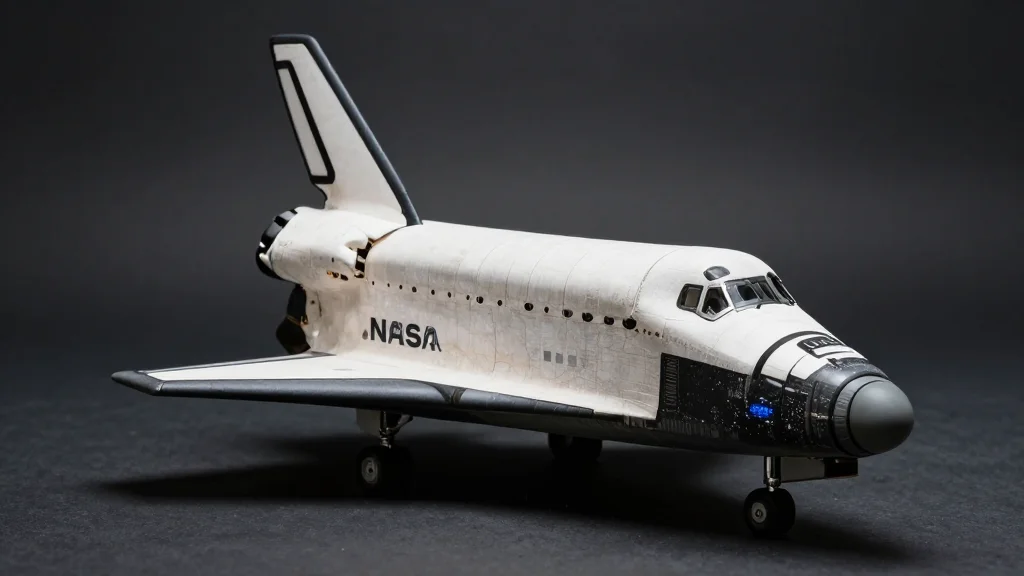
April 12, 1981: Columbia Lifts of for the First Space Shuttle Mission
On April 12, 1981, NASA’s Space Shuttle Columbia lifted off on STS‑1, the inaugural flight of the United States’ reusable spacecraft program. Piloted by John Young and Robert Crippen, the two‑day mission demonstrated successful launch, orbit, and safe return, validating...

Launch Services Procurement: How Buyers Choose Rockets, Rideshares, and Mission Assurance Partners
Launch procurement is evolving from a price‑centric exercise to a risk‑allocation strategy that prioritizes schedule certainty, mission assurance, and integration fit. Buyers start with mission constraints—orbit, timing, payload value—and then evaluate rockets, rideshares, or dedicated services based on how each...

South Africa’s Viable Alternatives Ease Starlink Licensing Pressure
Emotions are boiling… The issue of @Starlink in South Africa has been a thorn in the flesh for @elonmusk … South Africa has the potential to be one of the biggest markets for Starlink in Africa… South Africa has reliable &...

Aer Lingus Introduces Starlink-Powered High-Speed Onboard WiFi to Transform Digital Passenger Experience
Aer Lingus has equipped its first aircraft with SpaceX’s Starlink satellite system, delivering onboard Wi‑Fi speeds exceeding 500 Mbps. The airline will begin the rollout on North America routes, expanding to European long‑haul flights, with the entire fleet expected to be...

Rocket Lab Wins Contract for Three More iQPS Launches
Rocket Lab announced a new contract with Japan’s iQPS to launch three more Electron missions beginning in 2028. The agreement adds to an existing pipeline that already includes seven completed iQPS flights and five launches on order. Each Electron flight...
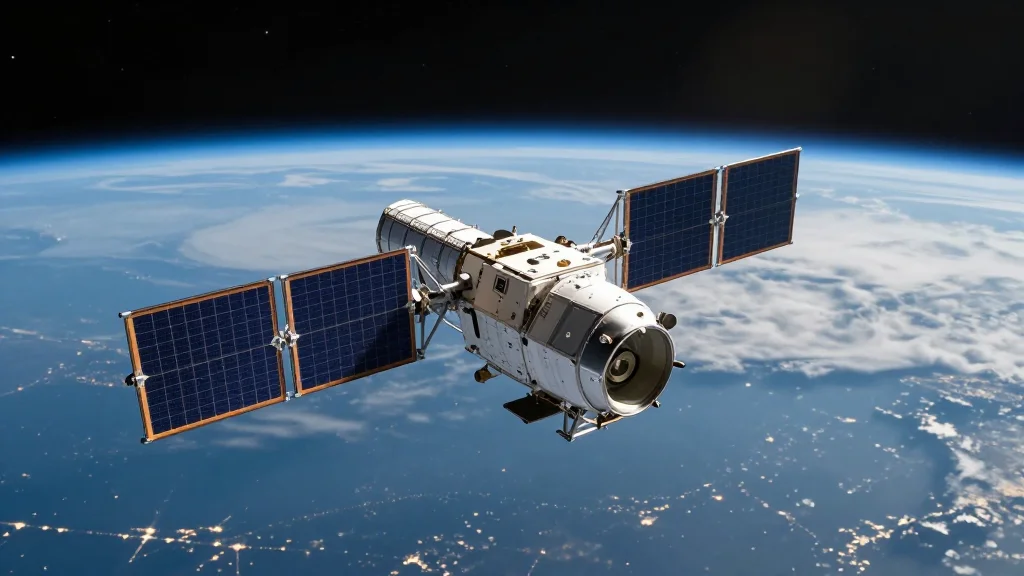
Amazon Mulls Globalstar Deal as Satellite Stock Jumps 8%
Amazon is reportedly evaluating an investment or acquisition of Globalstar, prompting an 8% rally in the satellite firm’s shares. Analysts cite Globalstar’s worldwide spectrum licenses as a fast‑track for Amazon’s low‑Earth‑orbit broadband ambitions, while competitors such as Iridium and SpaceX...
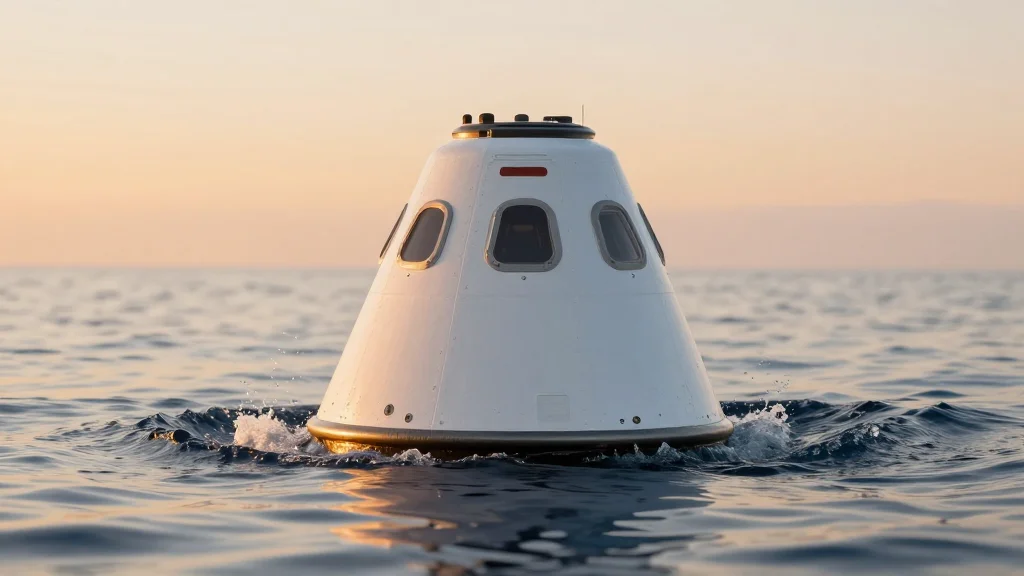
Artemis II Returns Safely to Pacific After 10‑Day Lunar Flyby
NASA confirmed that the Artemis II crew of four astronauts completed a 10‑day lunar flyby and splashed down in the Pacific Ocean on Thursday. The textbook touchdown ends the first crewed test of the Orion spacecraft and paves the way for...
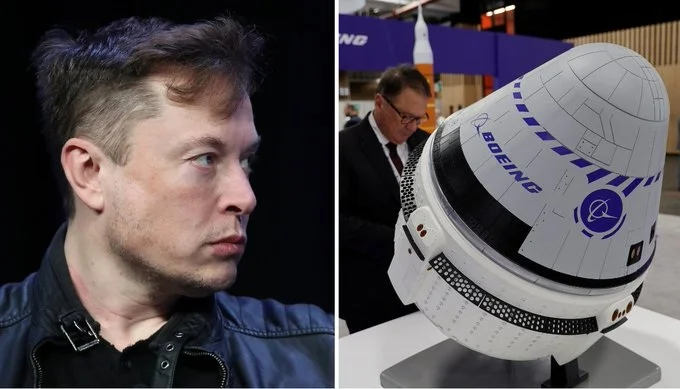
One Call to NASA Rescued SpaceX From Collapse
In 2008, Elon pulled off the greatest heist in history: • SpaceX was dying • Every rocket failed • Boeing was stealing their $1.6 billion contract Then Elon made ONE desperate call to NASA. Here’s how a 60-second convo saved him:

IVO Quantum Orbital Thrust Update
Between September and December 2025 IVO’s test satellite decayed 4,880 m, about 600 m less than its control twin, indicating an average upward drift of roughly 6.6 m per day. The drift aligns with the expected thrust from the IVO Quantum Drive (~1.75 mN)...

Victor Glover's First Words After Returning From the Moon Will Tug At Your Heart
NASA astronaut Victor Glover delivered an emotional address after the Artemis II crew splashed down, thanking God and his five daughters before speaking to the broader public. The Artemis II mission marked a ten‑day, crewed test flight that looped around the Moon—the...

NASA Chief Says Artemis III Crew Announcement Is Coming Soon After 'Greatest Adventure in Human History'
NASA Administrator Jared Isaacman announced that the Artemis III crew will be revealed in the coming weeks, following the successful return of the Artemis II crew after a historic 10‑day lunar flyby. The Artemis III mission, targeted for 2027, will launch on the...
The Future of Space Manufacturing.
In this episode of T‑Minus, host Maria Varmazis talks with Alistair McGibbon, head of semiconductors at UK‑based SpaceForge, about the company’s breakthrough in growing semiconductor crystals in low‑Earth orbit using plasma‑enhanced chemical vapor deposition. They explain how microgravity yields higher‑quality,...

Christina Koch Shares Strong Message After Artemis II Return to Earth
NASA’s Artemis II crew completed a 10‑day lunar flyby and splashed down safely off San Diego, with all four astronauts emerging unassisted and in good health. Astronaut Christina Koch used the moment to reflect on the deeper meaning of crew, describing a...

SpaceX Will Have Static Fire Testing of All 33 Engines
SpaceX announced that it will conduct static‑fire testing of all 33 Raptor engines slated for its Starship launch system. The tests are a key milestone before the vehicle’s high‑frequency launch schedule, which Musk envisions as 100‑plus times the annual cadence...

The Artemis II Crew Made It Through 10 Days in Space – but Could They Have Survived My First Office...
NASA’s Artemis II mission returned its four‑person crew after a ten‑day orbital flight in a capsule barely larger than a family tent. Beyond the engineering triumph, the crew endured nonstop proximity, testing their ability to cooperate without the usual off‑hours reprieve....

A History of Space Debris Impacts on the ISS and ISS Conjunction Avoidance Actions
Since its launch, the International Space Station has endured a continuous barrage of orbital debris, with tiny, untracked particles responsible for the majority of documented hardware damage. While NASA conducts collision‑avoidance burns when the calculated risk exceeds a 1 in 10,000...

Amazon Leo to Deploy Ka‑Band mmWave by 2026
Amazon Leo plans to launch services commercially by mid-2026 according to Andy Jassy. The spectrum for user links is millimeter wave (Ka band). Shannon-Hartley Theorem: C = B \log_2(1 + S/N) Where: •C = channel capacity (bits per second) •B = bandwidth (Hz) •S/N =...
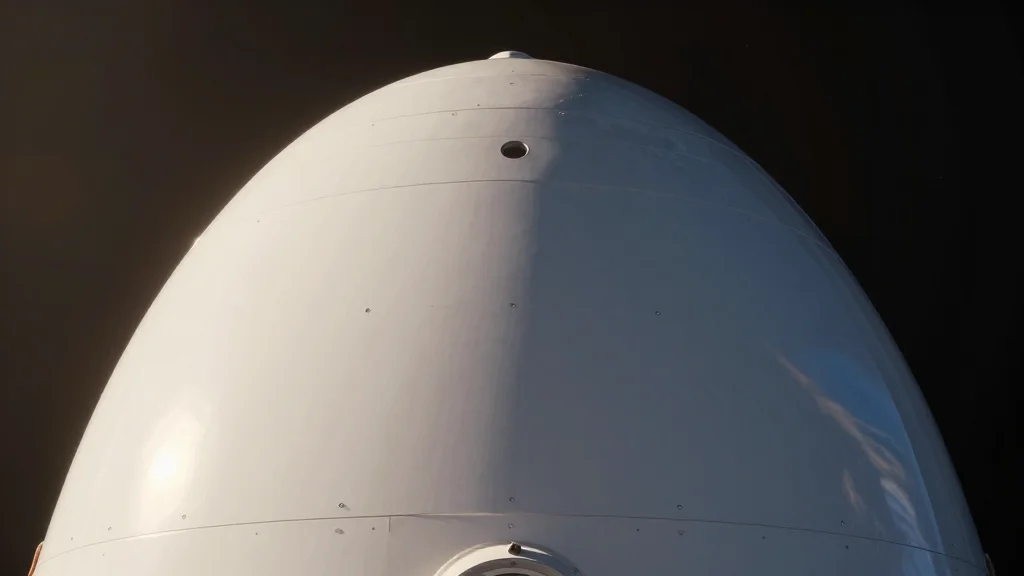
Artemis 2: A Bright Gift Amid Growing Negativity
what a gift to humanity drowning in so much negativity lately - Artemis 2 was... We should celebrate our astronauts, engineers, scientists, and all the awesome people at NASA who made it possible.
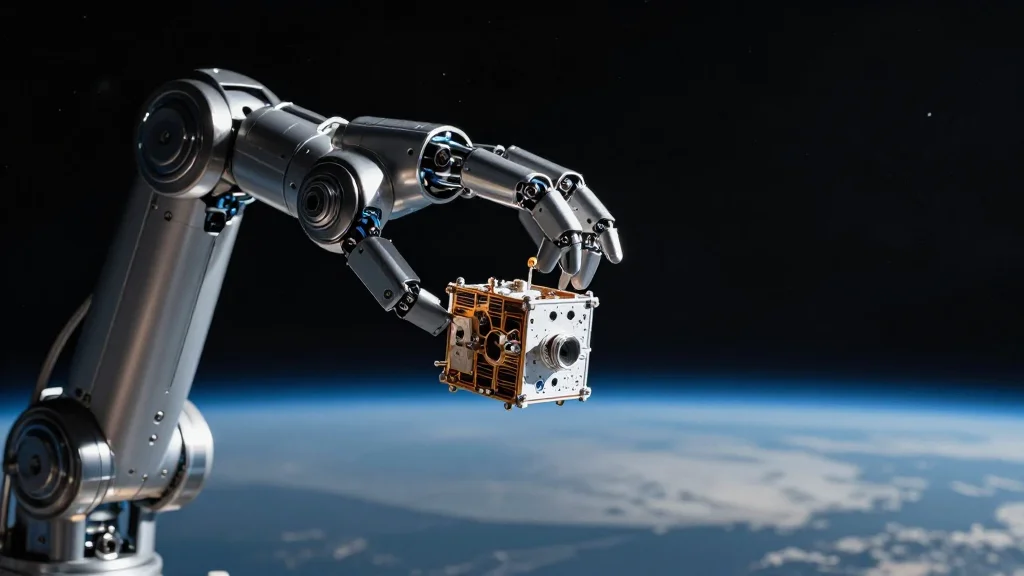
NRL to Unveil Sovereign Space Tech at 41st Space Symposium
The U.S. Naval Research Laboratory (NRL) will showcase its sovereign‑space capabilities at the 41st Space Symposium, featuring three experimental payloads launched on April 7 and a panel on robotic satellite servicing. The effort underscores a push for autonomous, resilient space‑domain awareness...

Satellite Internet Surges After Argentina Lifts Provider-Protecting Ban
Argentina: "satellite internet use exploded once the government lifted its ban, which had, until then, benefited a politically powerful local internet provider." https://t.co/AgkhhECtJH https://t.co/LkfF5ZGwAx
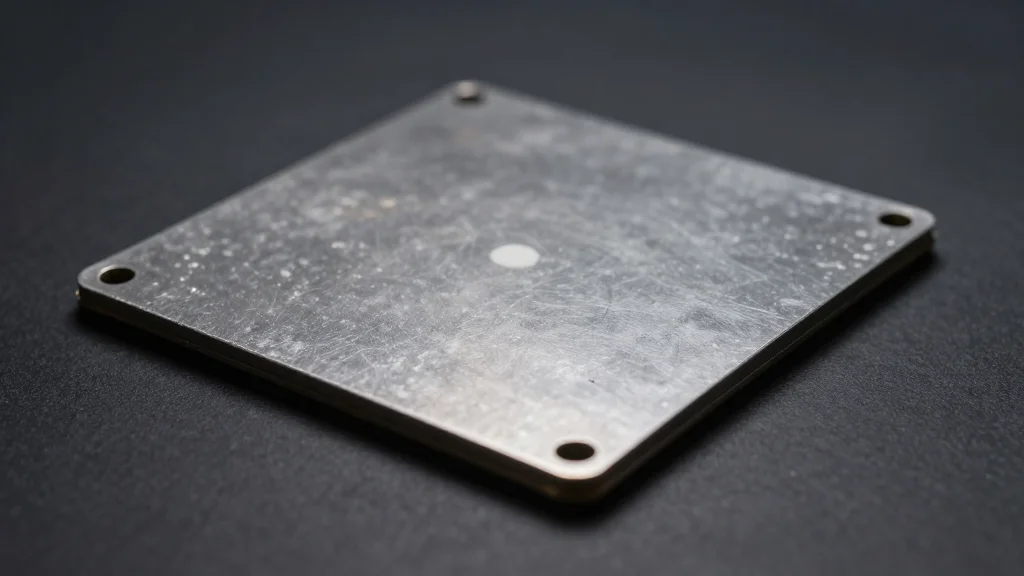
Heat Shield Fine Despite White Discoloration, Says Jared
Jared clarifies the status of the heat shield; some observers were concerned by an area of white discoloration but it's no big deal.
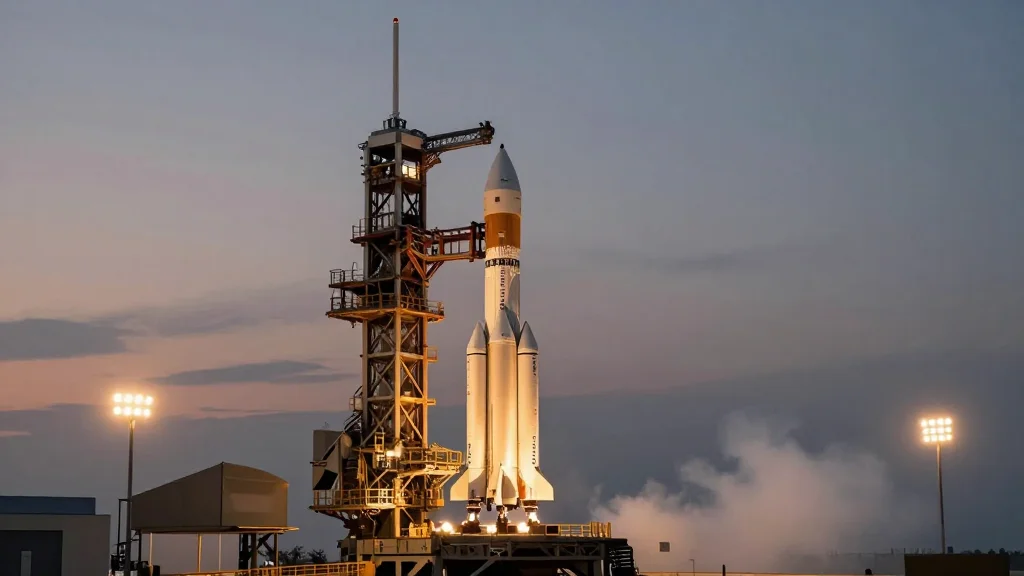
Northrop Grumman’s Minotaur IV Launch Propels USSF Tech Demo Toward 1,000‑Satellite Goal
Northrop Grumman successfully launched a Minotaur IV carrying the STP‑S29A payload for the U.S. Space Force, marking the second Space Test Program mission in four months and supporting the Space Development Agency’s target of a 1,000‑satellite low‑Earth‑orbit network by the end...
SpaceX Valued Near $15 B, Not $16 B, with Starlink $11‑12 B.
The legacy Twitter business was supposed to be $2.9B last year and xAI was hoping for $500M. That would mean SpaceX itself is just over $15B (not the $16B many have been stating) and Starlink is in the region of...

Zero‑G Liquid Storage Set to Revolutionize Space Missions
New Zero-G Liquid Storage System Could Transform Space Missions by @interesting_aIl #SpaceTech #Tech #Technology #EmergingTech #Space https://t.co/RrdFcR9tCT
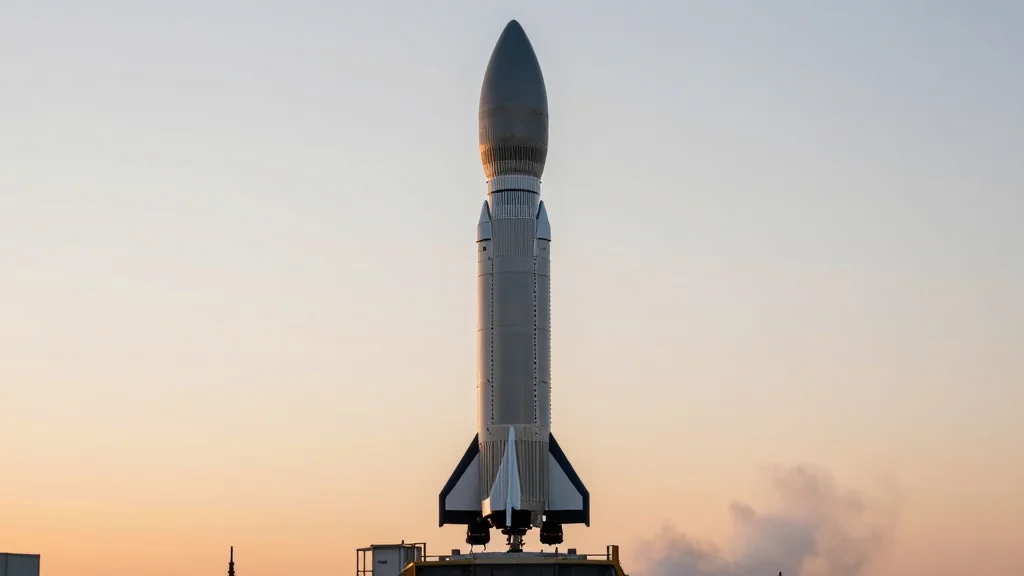
China’s Tianlong‑3 Debut Fails, Shaking Hopes for Commercial Heavy‑lift Market
Space Pioneer’s Tianlong‑3 suffered an ascent‑phase anomaly on its maiden flight Friday, ending in failure. The 72‑meter, partially reusable vehicle was designed to lift 17‑22 metric tons to low Earth orbit and had attracted $350 million in funding. The setback highlights...

Earth: A Fragile Lifeboat, We’re All Crew
Christina Koch’s reflection on Artemis II crew: “When we saw tiny Earth…what struck me wasn’t necessarily just Earth. It was all the blackness around it. Earth was just this lifeboat hanging undisturbingly in the universe…Planet Earth. You are a crew.” https://t.co/ck2ZZjj1ZC
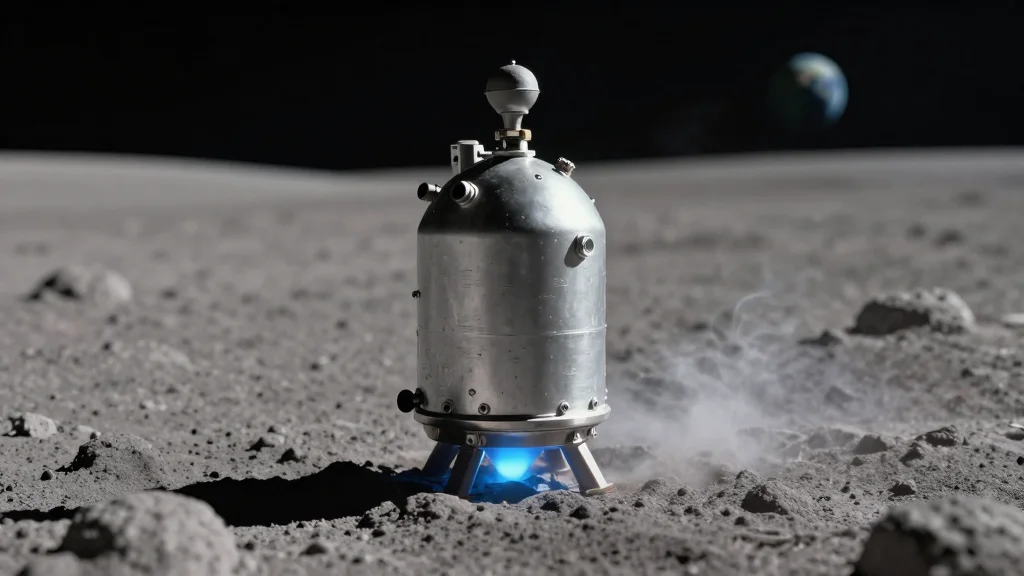
Oxygen Made From Moon Dust For First Time
Blue Origin announced its Air Pioneer reactor can generate breathable oxygen from lunar regolith by applying an electric current, marking the first successful in‑situ oxygen extraction on the Moon. The compact system also liberates iron, aluminium and silicon, and would...

NRL to Showcase Sovereign Space Capabilities at 41st Space Symposium
At the 41st Space Symposium, the U.S. Naval Research Laboratory will unveil a suite of technologies aimed at bolstering space domain awareness and autonomous orbital infrastructure. The lab recently launched three experimental payloads—LARADO, GOSAS, and GARI‑1C—on the STP‑S29A mission, showcasing...
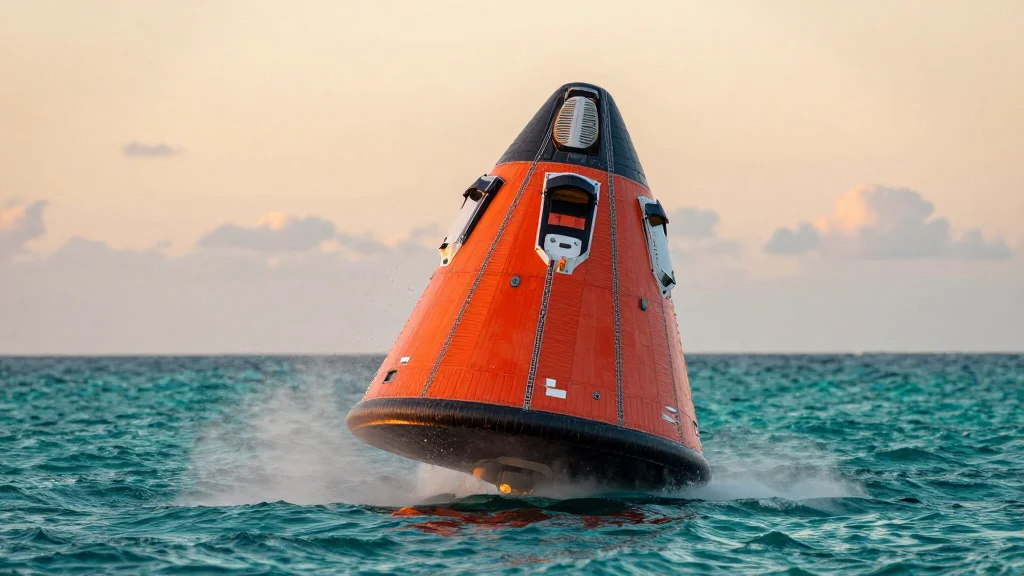
Orion Heat Shield Passes Reentry, Crew Remains Safe
I just had a moment to chat with Lori Glaze, head of the Artemis program, about how the Orion heat shield held up during reentry yesterday. She said they have imagery in hand from divers at the splashdown site, but...

How Satellite Communications Support Aviation, Maritime, and Defense Customers
Satellite communications have become essential for aviation, maritime and defense users that operate beyond the reach of terrestrial networks. Providers such as SES, Viasat and Inmarsat are shifting from pure bandwidth sales to offering continuity, coverage and secure, mission‑critical links....

The New Market for Dual-Use Space Technology
Dual‑use space technology is emerging as a major market as governments seek commercial speed and firms pursue diversified demand. NASA’s FY 2026 performance plan and the U.S. Space Force Commercial Space Strategy embed commercial capabilities into defense and civil missions, turning...

Lunar Communications, Navigation, and Power as Commercial Infrastructure Markets
Lunar communications, navigation, and power are evolving from mission‑specific support into early commercial infrastructure markets as NASA’s Artemis, CLPS, and Ignition programs demand continuous services. Private firms like Intuitive Machines, KSAT, and Nokia are already prototyping relay satellites and surface...

Northrop Grumman Minotaur IV Lofted USSF Tech Demonstration Payloads to Orbit
On April 7, 2026 Northrop Grumman launched the DoD Space Test Program S29A mission from Vandenberg using a Minotaur IV rocket. The launch deployed the primary STPSat‑7 satellite with five experiments and six secondary CubeSats, including Army‑sponsored Rawhide. The Minotaur IV, powered by three retired...

How Satellite Services Support Smart Airports, Shipping, and Logistics Hubs
Satellite services are becoming core components of smart airports, ports, and logistics hubs, delivering outside‑the‑fence visibility, precise timing, and resilient communications. Providers such as Aireon and Spire are expanding from raw position data to integrated tracking, Earth observation, and connectivity...

Frontier Technologies of the Space Industry as of 2026
In 2026 space technology has shifted from single‑mission spectacles to an industrial ecosystem built on reusable launch, on‑orbit servicing, and autonomous data handling. Companies such as SpaceX, Blue Origin, Rocket Lab and Relativity are deploying fully or partially reusable vehicles,...
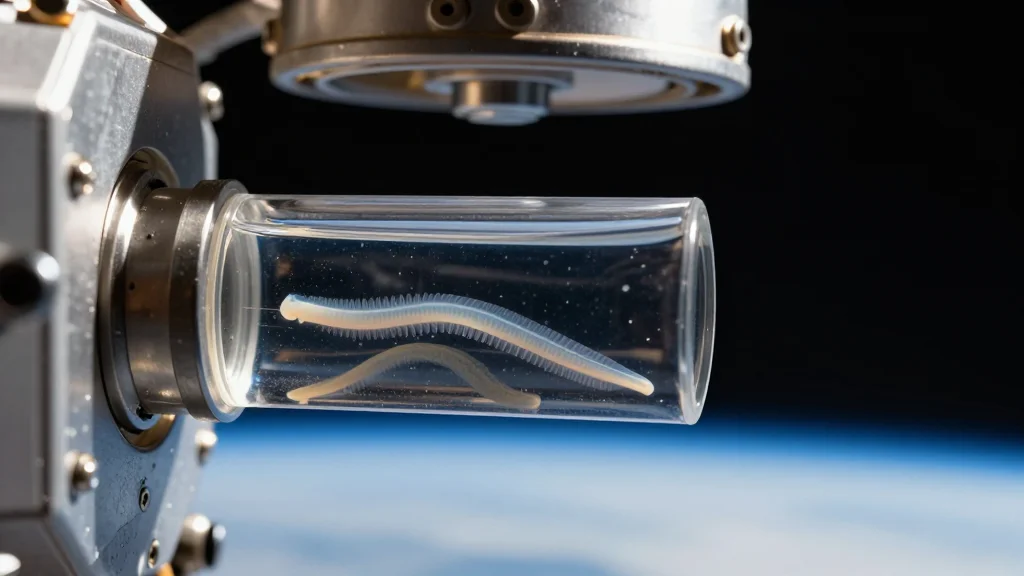
Regarding Those Worms Outside The ISS
University of Exeter’s Fluorescent Deep Space Petri‑Pods (FDSPP) will carry millimeter‑long C. elegans worms outside the International Space Station for a 15‑week exposure. Launched on NASA’s CRS‑24 mission, the 3 kg Petri Pod contains 12 sealed chambers that independently control temperature,...
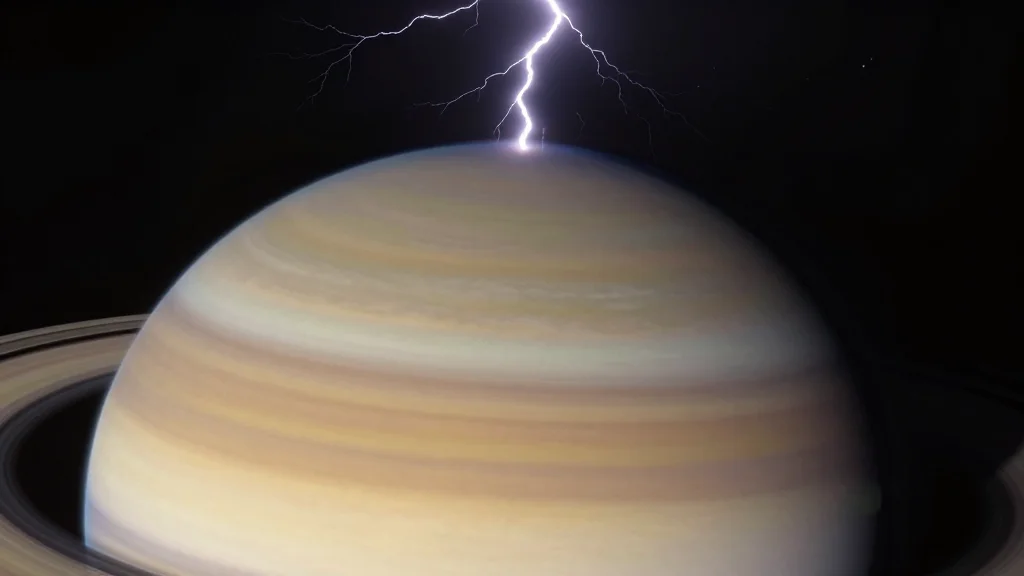
Czech Scientists Pinpoint Saturn Lightning to 35° North, Solving 45‑Year Mystery
Researchers at the Institute of Atmospheric Physics of the Czech Academy of Sciences, led by Masafumi Imai, have identified the true source of Saturn's lightning at 35 degrees north latitude, overturning a four‑decade‑old belief that it originated near the equator....

Apollo 13 Artifacts Reveal Ingenious Life‑saving Ingenuity
For this anniversary of the Apollo 13 launch, here are four new artifacts that flew on that heroic mission: 1) Complete Tool Kit 2) Main Bus B Battery Bar used for emergency power 3) Stowage Strap 4) External Decal from Command Module Apollo 13 was...
Astronaut Patch Meets Boltzmann's Law: Entropy Art
Well, the astronauts like @Astro_Suni on the @CBSNews Special Report for the @NASAArtemis splash down have their @NASA patches, so I wore Boltzmann's law, central to the principle of ever increasing disorder. Patch by artist @AndreaLauer