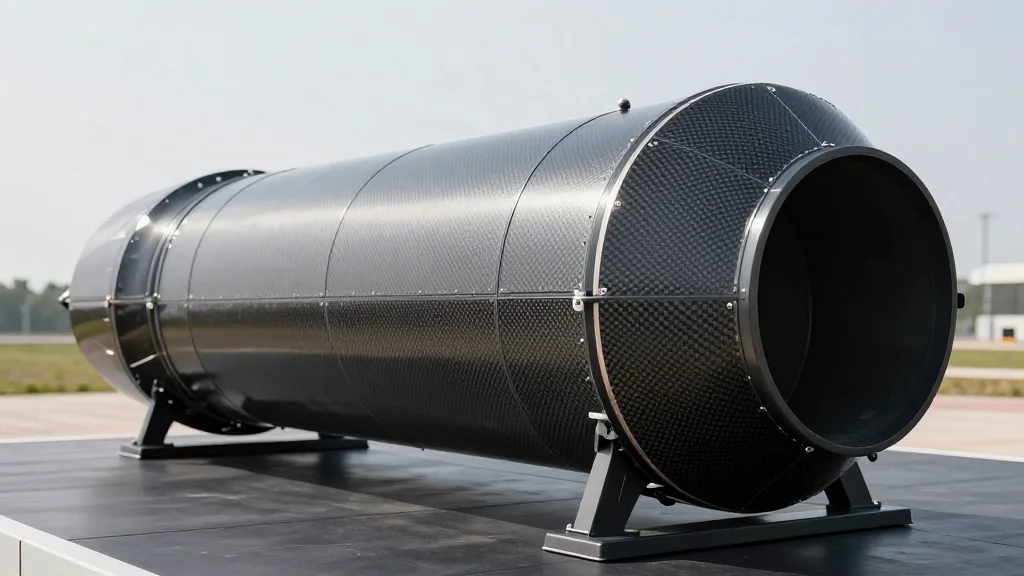
China's CASC Unveils 5‑Meter Composite Propulsion Module for Reusable Spacecraft
China Aerospace Science and Technology Corporation (CASC) unveiled the nation’s largest integrated composite propulsion module for reusable spacecraft, a 5‑meter‑diameter structure that is over 60% composite, can bear 1,000‑tonne axial loads, and was built in a seven‑month cycle. The milestone underscores China’s push to cut launch costs and accelerate hardware iteration amid fierce global competition.

Meet Liliana Villarreal, the Latina Who Brought Artemis II Safely Back to Earth
Liliana Villarreal, a Colombian‑born aerospace engineer, served as NASA’s Landing and Recovery Director for Artemis II, overseeing the mission’s safe splashdown on April 10, 2026. The crew of four returned from lunar orbit after a 10‑day flight, reentering the atmosphere at 25,000 mph and...

SpaceX IPO Looms as Anthropic Tops OpenAI
SpaceX may be headed for a $2T public debut just as Anthropic takes the ARR crown from OpenAI. Add in lunar missions, orbital data centers, and AI that’s getting cheaper and more dangerous at the same time, and this week...

Global Defense Leaders Convene as Space Symposium 41 Addresses Orbital Security
The 41st Space Symposium in Colorado Springs shifted from exploration to orbital security, spotlighting the Pentagon’s $175 billion “Golden Dome” missile‑defense architecture. Defense leaders highlighted the Proliferated Warfighter Space Architecture, aiming to field resilient low‑Earth‑orbit sensor layers and space‑based interceptors funded...

NASA Finds Humor Key for Mars Mission Crews
NASA ran a study on a potential trip to Mars and found the most important trait for team dynamics was humor https://t.co/tB3gQlKZPL
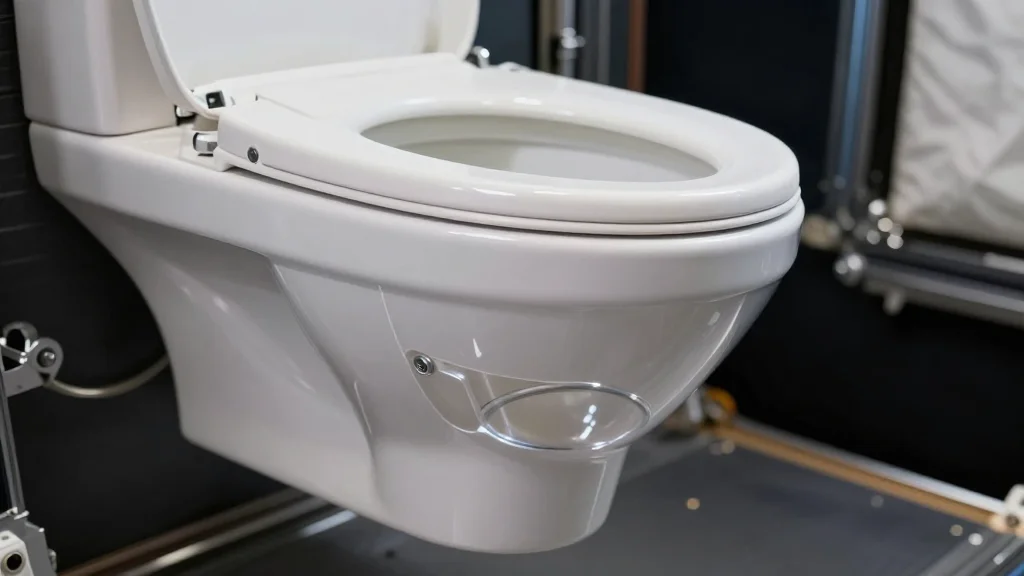
Let's Talk Space Toilets
Space toilet technology has evolved from primitive Apollo waste bags to the International Space Station’s sophisticated water‑recycling system, but challenges remain. Early designs relied on suction and antimicrobial powders, while the Shuttle introduced narrow‑opening fans that still produced odor issues....

Questioning SpaceX, Starlink Subscriber Numbers for BEAD Program
Aren't @SpaceX and @Starklink behind trend in reporting new subscriber totals, @elonmusk ? Asking for @NTIAgov's BEAD program. https://t.co/mqR6fUsklF
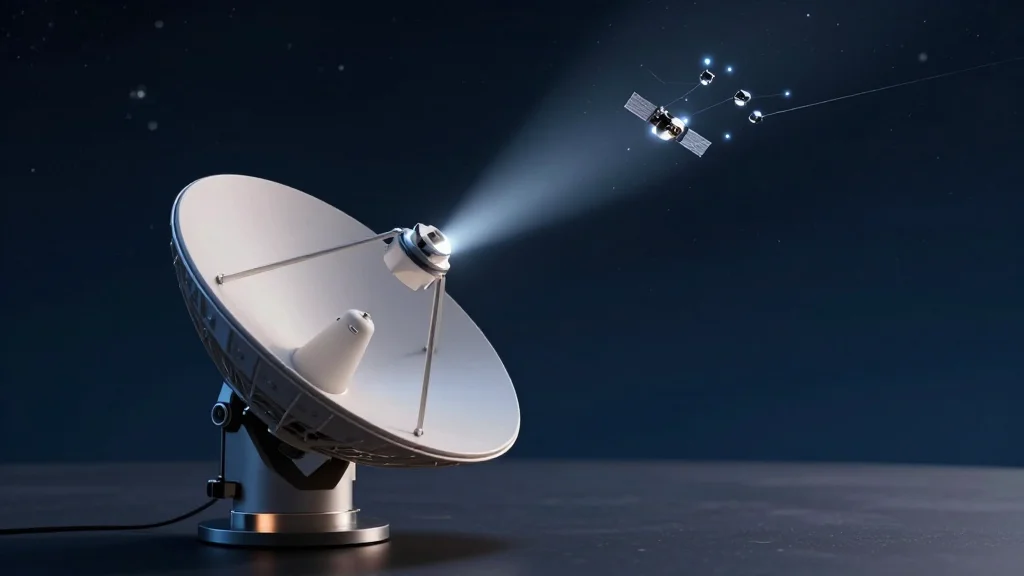
Starlink Poised to Eclipse Combined Windows, Netflix, Spotify Users
Starlink will be the largest subscription product ever created. Bigger than windows (400m) Netflix (300m) and Spotify (260m) — combined. @grok remind me of this is ten years @grok build a model that shows the path of a 1B...
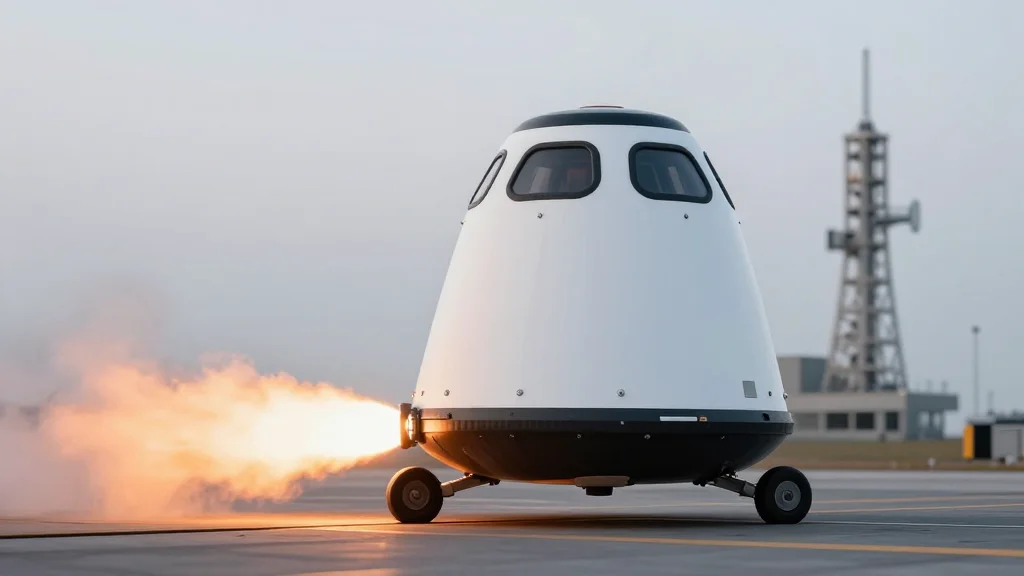
ESA Opens €1 Million Call for Crew Launch Abort Demonstrator, Targeting Ariane 6 Safety
The European Space Agency has opened a €1 million (about $1.1 million) call for proposals to design a crew launch abort demonstrator, kicking off a 12‑month System Level Definition phase on 10 April. The effort focuses on modelling pad‑abort scenarios for an Ariane 6...

NASA Releases Moon Base Guide for Permanent Off‑world Living
NASA just quietly published something incredible. A map of how we build a permanent human presence off Earth. It’s called the Moon Base User’s Guide. Here's what's in it! 🧵 https://t.co/oMEKKo5O8Q
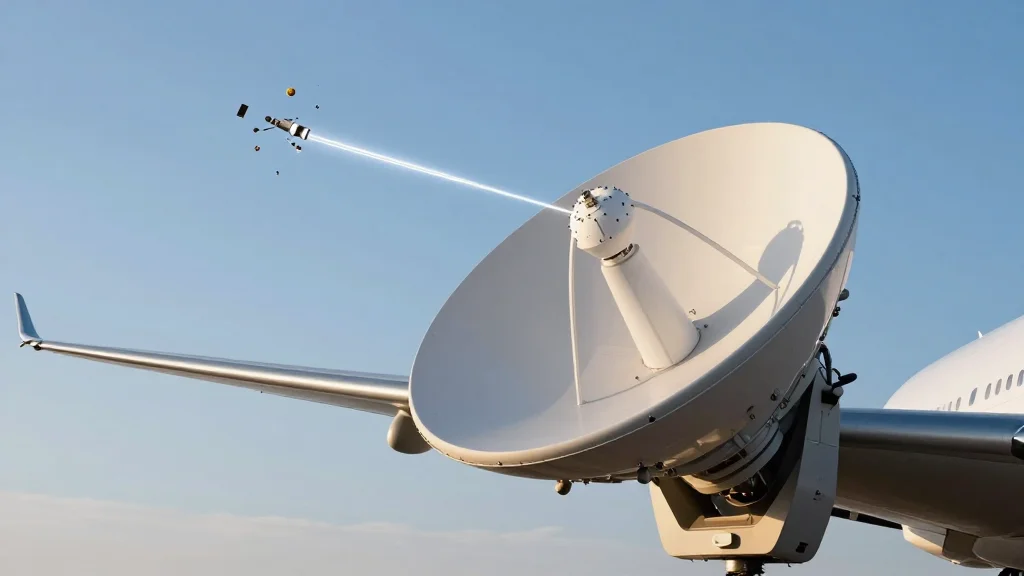
Better In‑Flight Wi‑Fi Will End Guilt‑Free Reading
starlink/leo competition is going to solve airline wifi and that means i will no longer be able to simply read a novel sans guilt while flying

Senate Commerce Targets Satellite Security in Next Executive Session
On April 13, 2026, the Senate Commerce Committee scheduled a markup session to consider nine bills, including the Secure Space Act and the Satellite Cybersecurity Act, aimed at strengthening U.S. satellite communications security. The Secure Space Act would bar the...
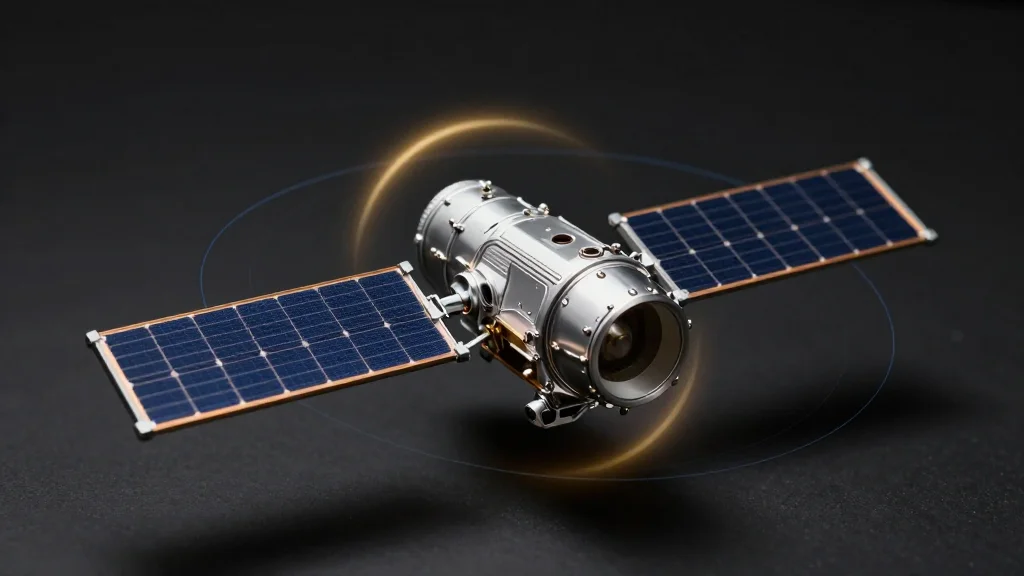
Citra Space Announces $15M Series A
Citra Space Corp announced a $15 million Series A financing led by Washington Harbour Partners, with participation from Industrious Ventures, Reliable Properties, Scout VC, Squadra Ventures, Alumni Ventures, and Flex Capital. The round adds to earlier backers and provides fresh capital to...
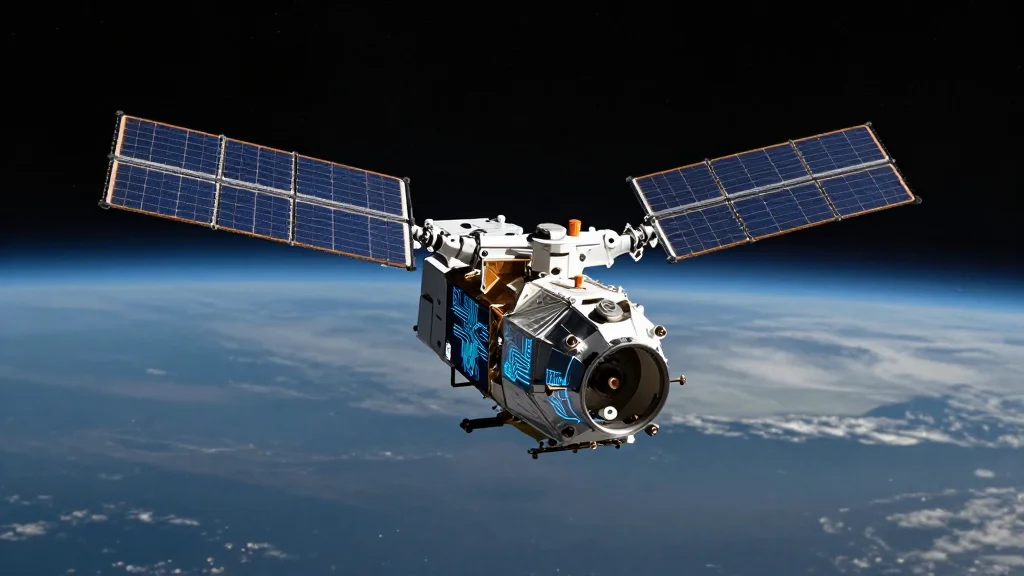
Solar-Powered Satellites Enable Space‑Based AI Compute
Orbital outlines its vision for space-based AI infrastructure, using solar-powered satellites to overcome energy and cooling limits and scale compute beyond Earth’s grid. https://t.co/v0QjYh9BQC

Bring Back Wonder: Why Artemis II Still Matters
Artemis II, NASA’s first crewed flight beyond low‑Earth orbit, is more than a technical rehearsal. While it will validate Orion’s life‑support and propulsion systems for a future lunar landing, the mission also seeks to rekindle the public’s sense of awe that...
Artemis II Post‑Flight Press Conference
The Artemis II post-flight press conf is this Thursday, Apr 16, at 2:30 pm ET. https://t.co/53UepeaDOb Watch on YouTube.
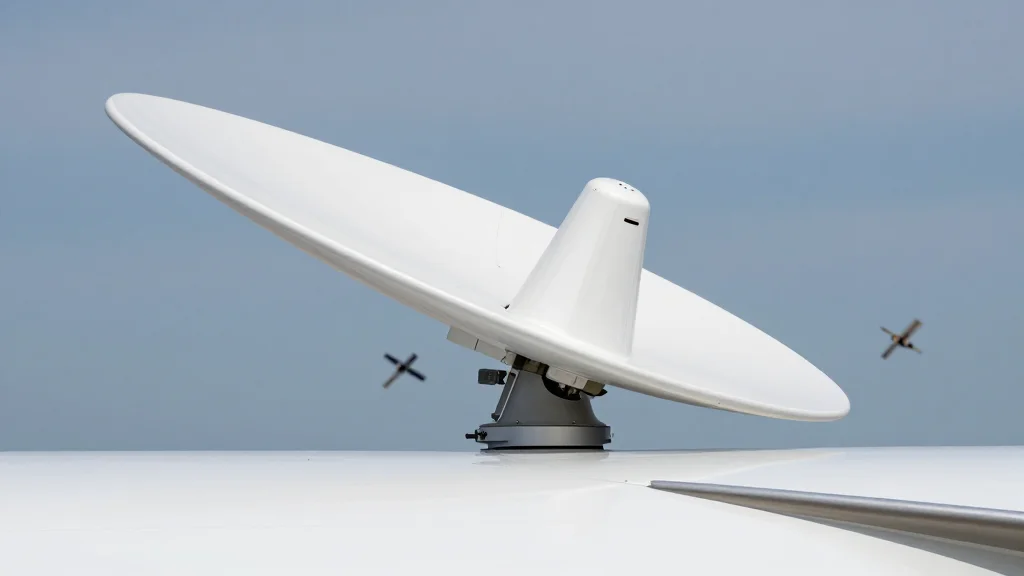
Amazon's Faster, Single-Dish Wi‑Fi Wins Delta over Starlink
This may explain why Delta went with Amazon instead of Starlink. 3X the download speed and only a single dish required for each aircraft. $AMZN $DAL
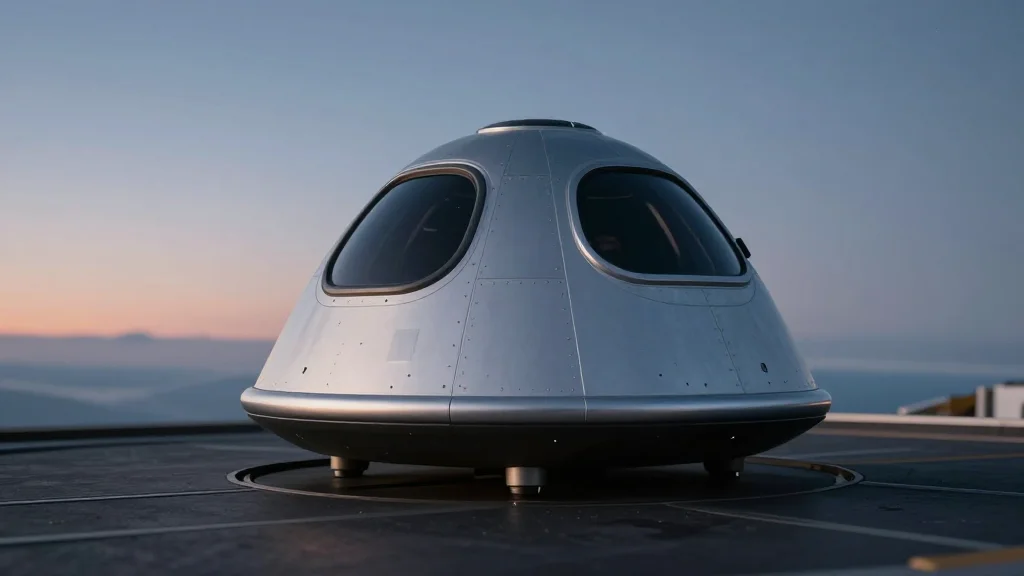
April 13, 2026 Quick Space Links
Space industry observers noted several key developments on April 13. NASA engineers examined the Artemis‑2 Orion capsule, while ISRO completed landing‑engine tests for its Chandrayaan‑5 lunar mission slated for 2028, and China’s Chang’e‑7 mini‑hopper prepared for a 2024 launch to...
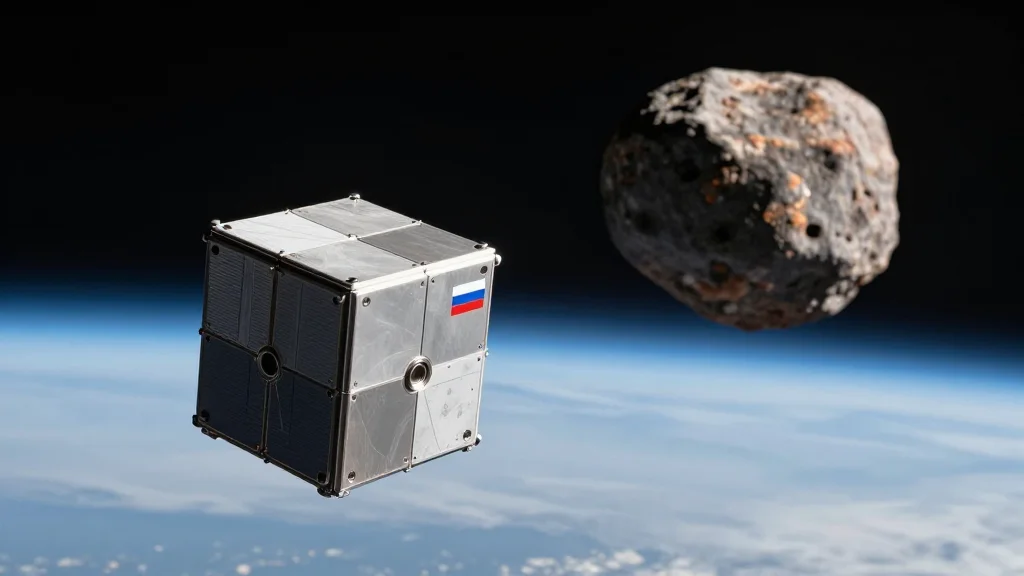
MGU Revives Apophis Mission as Modern Cubesat
Moscow State University, MGU (my alma mater;) suddenly revived the idea of a mission to Apophis, but now in a cubesat form. No mention of the original project from two decades ago, but https://t.co/5Uo4JA9Xcu uniquely preserves the context: https://t.co/oNmeevbzhR https://t.co/nNmr4JJzyS
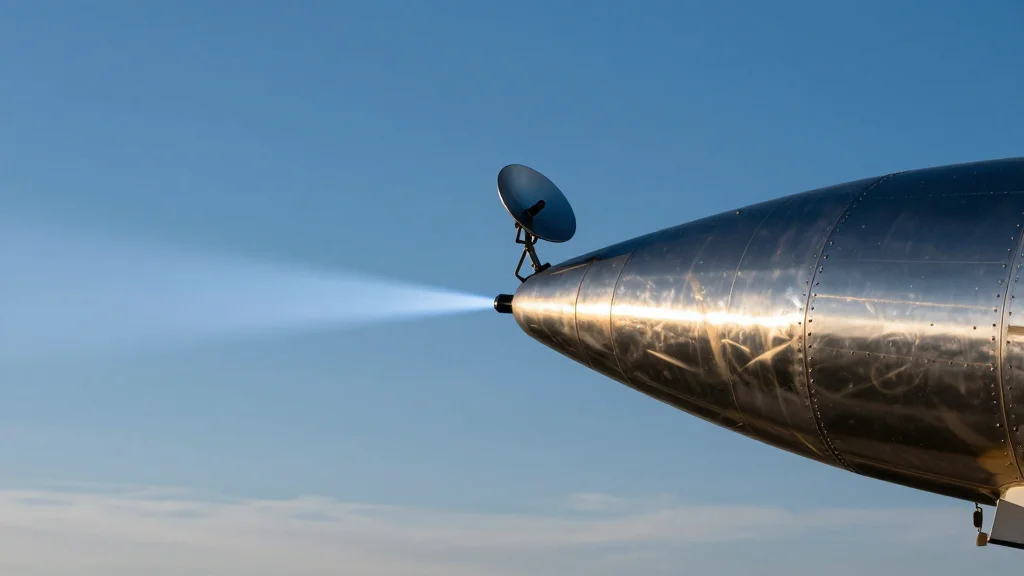
Japanese Team Unveils Lightweight Mirror for Ultra‑Sharp X‑ray Telescope
Scientists at Nagoya University have built a lightweight nickel mirror that lets a sounding‑rocket X‑ray telescope resolve a 3.5 mm target from a kilometer away. Tested at the SPring‑8 synchrotron, the system will fly aboard the US‑Japan FOXSI‑4 mission, marking a...
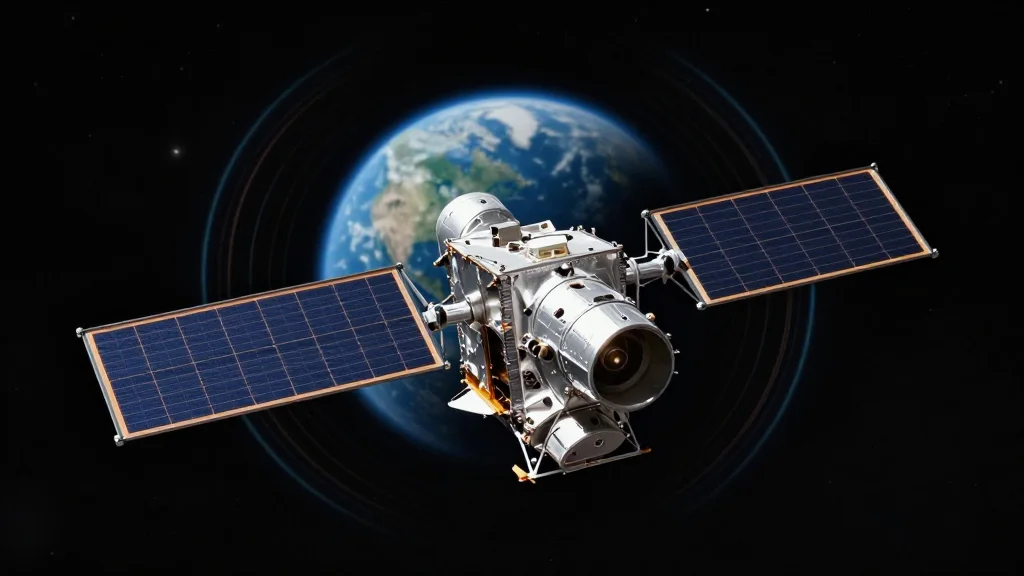
Amazon Mulls $9 B Offer for Globalstar to Accelerate Satellite Broadband
Amazon is exploring a bid valued around $9 billion for Globalstar, a satellite communications firm with valuable spectrum licenses in more than 120 countries. The move would speed Amazon’s plan to expand its Project Kuiper constellation, which currently trails rivals like...

Hughes Readies Satellite Antenna Combo for Airlines
Hughes Network Systems announced a new electronically steerable antenna (ESA) that merges Ka‑band and Ku‑band capabilities, aiming to free airlines from reliance on a single satellite network. The solution pairs the existing HL1520 Ku‑band ESA with a newly developed Ka‑band...
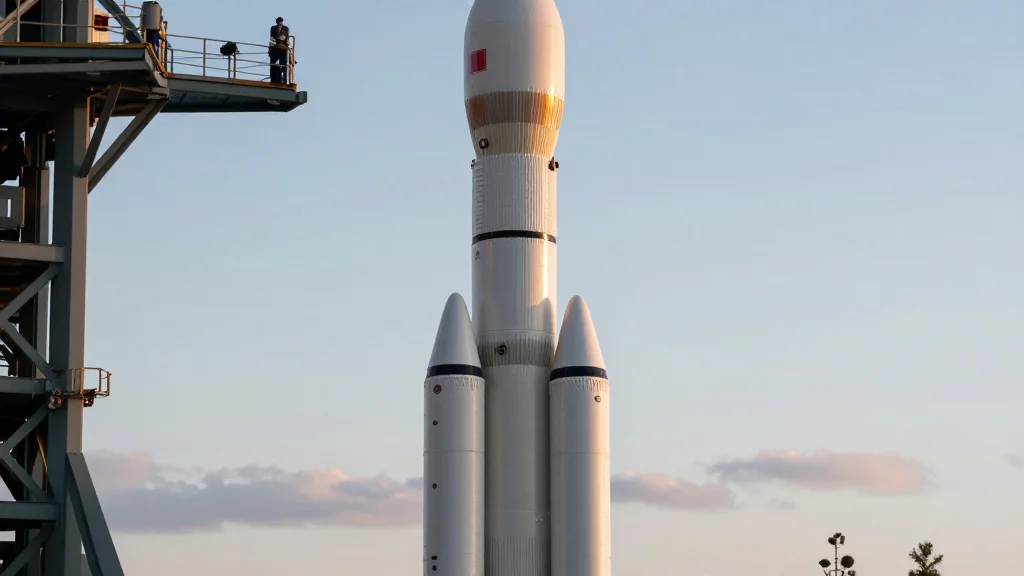
Russia Calls for Expanded International Space Cooperation on Gagarin's 65th Anniversary
On the 65th anniversary of Yuri Gagarin’s historic flight, Russia’s President Vladimir Putin and Roscosmos chief Dmitry Bakanov urged expanded international cooperation in space. The appeal comes as Russia reports $6.5 bn in industry revenue, 17 launches last year and plans...
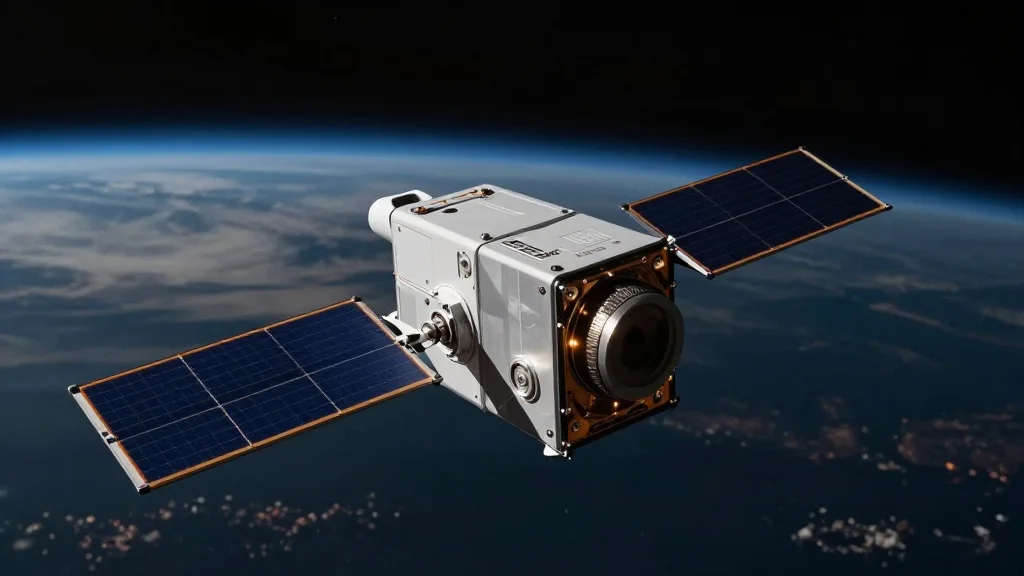
SpaceX Deploys 25 Starlink V2 Mini Satellites on Falcon 9 From Vandenberg
SpaceX lifted 25 Starlink V2 Mini Optimized satellites aboard a Falcon 9 from Vandenberg Space Force Base, using booster B1100 on its fourth flight. The launch highlights the company's push to treat orbit as a manufacturing line, accelerating global broadband...

Hawkeye360 IPO Preps with $117M Revenue, Massive Backlog
Satellite signals-intel provider @hawkeye360, preparing IPO on @NYSE, reports $117.7M in 2025 rev, $24.8M EBITDA and sharply lower operating loss. Revenue was 61% US government, 16% Japan, 23% rest of world. Backlog, at $302.7M, up 6.8x from 2024.https://t.co/E8IPZWf3pK https://t.co/QgmLlopOAW
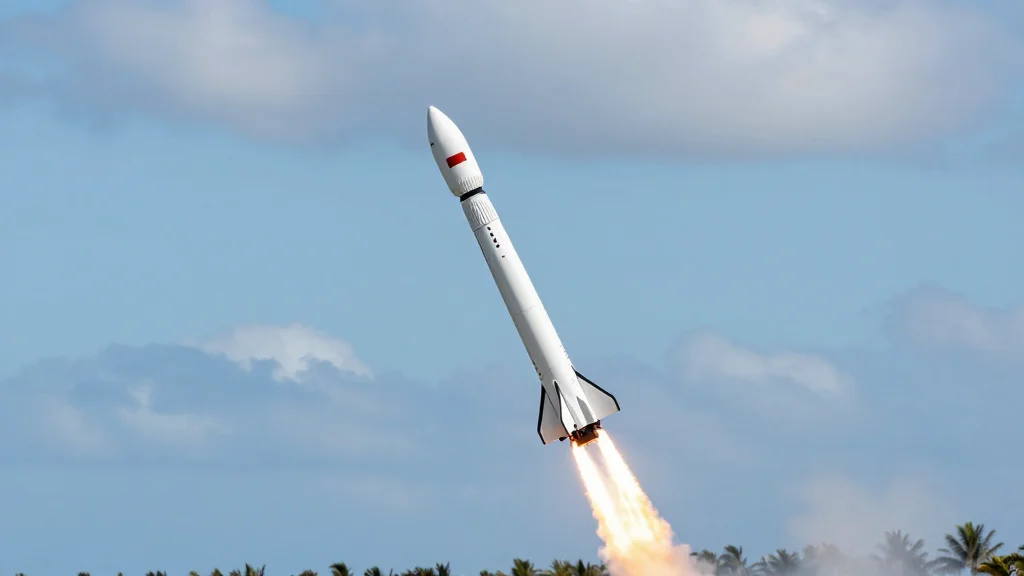
Watch: SpaceX Launches Cygnus XL Cargo Ship to Resupply ISS Crew
SpaceX's Falcon 9 lifted off from Cape Canaveral at 7:41 a.m. EDT on Saturday, carrying Northrop Grumman's Cygnus XL cargo spacecraft. The Cygnus XL is bound for the International Space Station to deliver scientific experiments, food, and equipment for the crew....

The Best Moments From the Artemis II Mission
NASA’s Artemis II mission launched on 1 April 2026, sending a four‑astronaut crew on a ten‑day deep‑space flight around the Moon—the first crewed mission beyond low Earth orbit in 50 years. The flight validated the Space Launch System and Orion spacecraft, confirming critical systems...

SmallSat Europe Speaker Focus: Chris Quilty, Quilty Space
Chris Quilty, co‑CEO of Quilty Space, has become a pivotal voice in satellite market intelligence, most notably after his September 2025 projection that Starlink would generate $15.9 billion in revenue and $11 billion in EBITDA for 2026. His forecasts have been baked into...

Funding Cuts Kill Reusable Angara Rocket Plans
...Last but not least, all attempts to develop a reusable version of the Angara rocket are now dead due to absence of funding for that purpose in the newly approved budget, Khrunichev official said. CONTEXT: https://t.co/Mp292k3hJC https://t.co/ENtbupoBsX
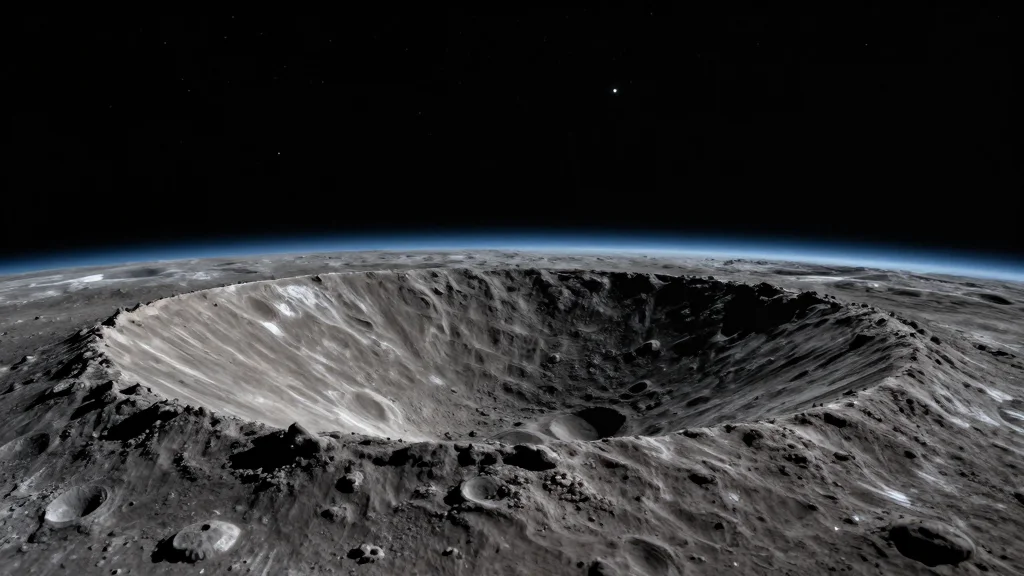
The Moon Just Got a New Scar
In late spring 2024 a meteoroid struck the Moon, creating a 225‑meter‑wide, 43‑meter‑deep crater—the largest impact captured by NASA’s Lunar Reconnaissance Orbiter (LRO) to date. Researchers compared meter‑scale images taken before and after the event, revealing bright ejecta rays, a...
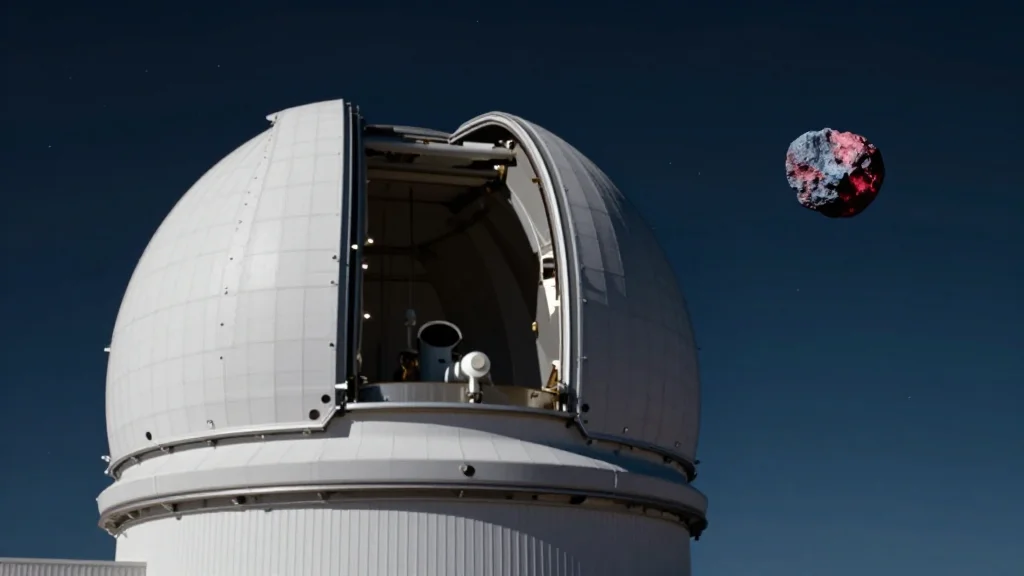
Subaru Telescope Sheds Light on the "Color Mystery" Of Jupiter Trojan Asteroids
The Subaru Telescope’s Hyper Suprime‑Cam surveyed over 500 Jupiter Trojan asteroids, revealing a bimodal color distribution that resolves a long‑standing “color mystery.” The study shows that the red and less‑red groups correspond to distinct surface compositions and likely different formation...

Space ETF Forms Tight Bull Flag Amid Market Volatility
$UFO Daily. High, tight bull flag for Space ETF. One of the cleaner ETF charts in the entire market right now amid wild headline volatility. https://t.co/i7ypmTDTuC

Indian Spacetech Startups Shift Gears From R&D to Scalable Manufacturing
Indian spacetech startups are moving from pure research to large‑scale manufacturing as demand for low‑Earth‑orbit constellations accelerates. Bellatrix Aerospace, Agnikul Cosmos and Red Balloon Aerospace have each built regulated, additive‑manufacturing and assembly‑line processes to shrink build cycles from months to...
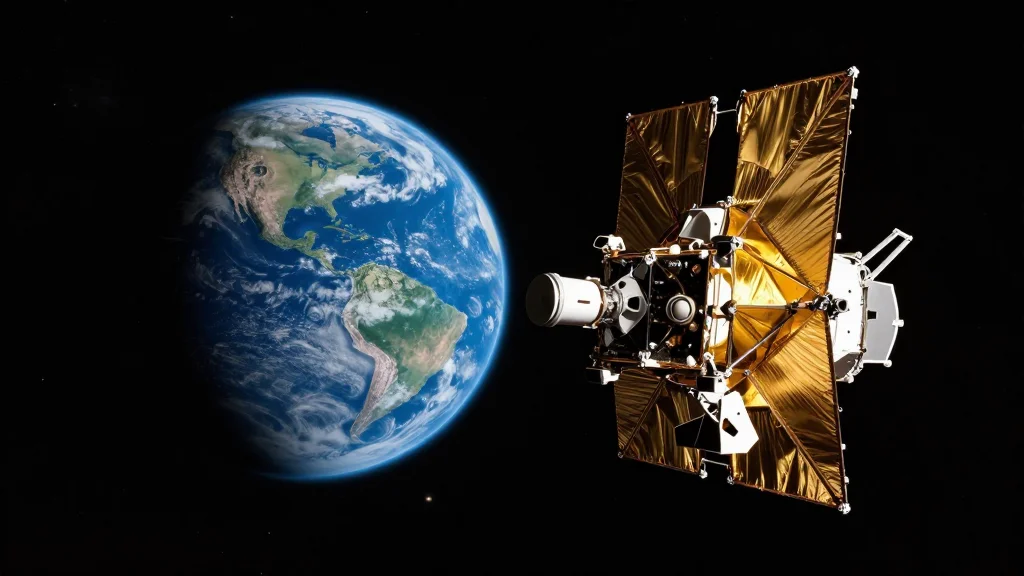
Between Eternal Night and Day, the Faces of Two Cousins of Earth
An international team using the James Webb Space Telescope has produced the first climate maps of two Earth‑sized exoplanets, TRAPPIST‑1b and TRAPPIST‑1c. Thermal phase‑curve data reveal day‑night temperature differences exceeding 500 °C, indicating the planets lack substantial atmospheres. The study, published...

NASA Is the Most Underrated Brand
Four astronauts completed Artemis II, the deepest crewed flight to date, looping the Moon with a 5.7 million‑pound rocket. The mission reignited public pride, with 80% of Americans rating NASA favorably and its website rivaling major tech brands in traffic. Despite higher...

Mission Control Taps Magellan Aerospace for Lunar Utility Rover Systems
Mission Control announced that Magellan Aerospace will develop core subsystems for Canada’s Lunar Utility Rover, a semi‑autonomous, minibus‑sized vehicle. The Canadian Space Agency has earmarked about $985 million USD in total, with $876 million USD allocated over 13 years for design and...
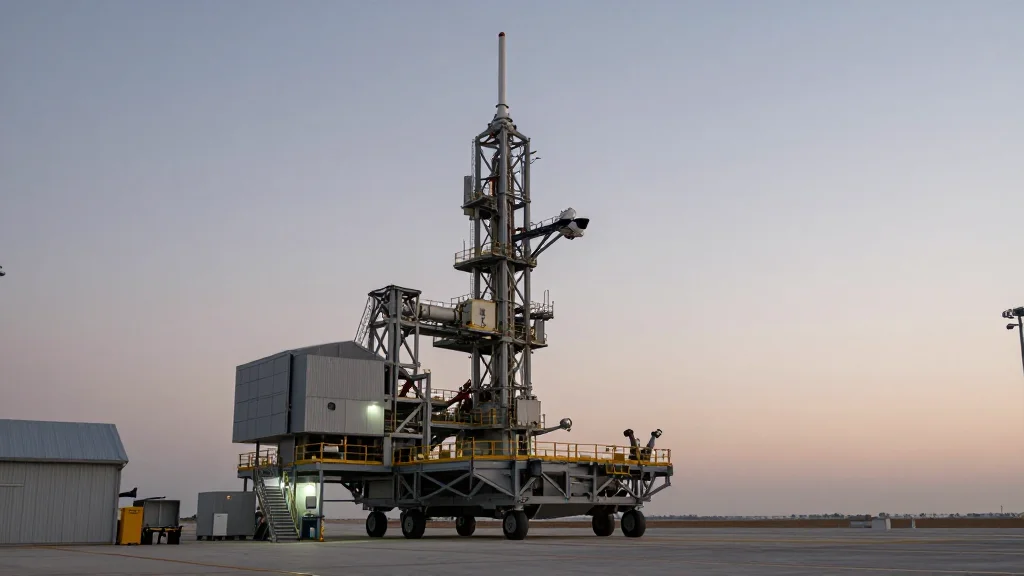
NASA and Contractors Accelerate Mobile Launcher Refurbishment, Artemis III Hardware to Meet New Schedule
NASA is accelerating the Artemis program to enable a mid‑2027 Artemis III launch, moving solid‑rocket booster deliveries forward and fast‑tracking mobile‑launcher refurbishment. The 112‑meter‑tall mobile launcher will be inspected, power‑washed, and welded to remove corrosive booster residue and repair heat‑warped structure...
MDA Announces Orbital Servicing Platform
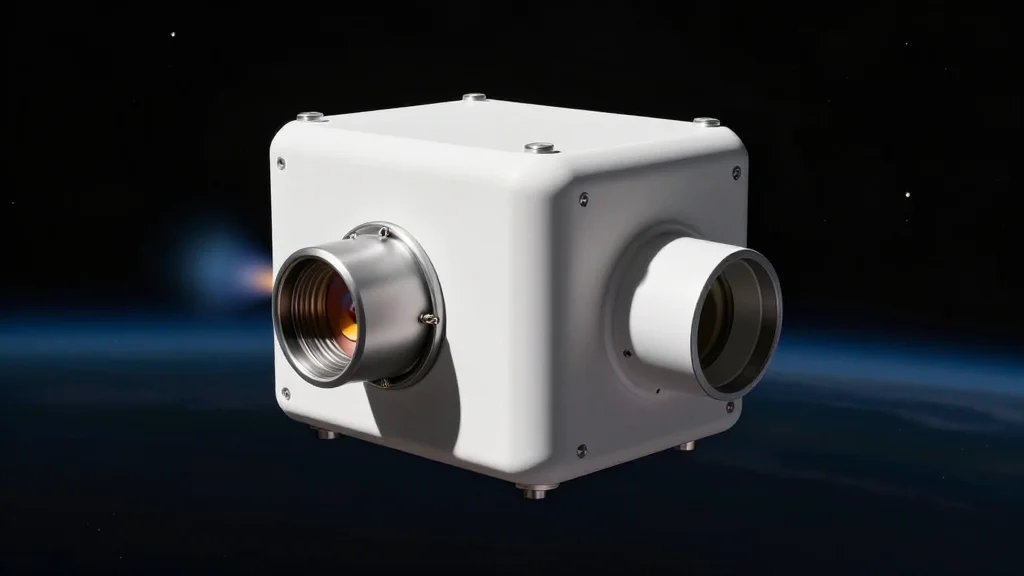
MDA Space unveiled MDA Midnight, an on‑orbit servicing platform, at the Space Symposium. The satellite is built for rendezvous and proximity operations to detect, identify, counter and deter threats to space assets. Its inaugural mission will showcase inspection, electronic‑countermeasure mitigation,...
With Renewed Interest in Going to the Moon, How Will Future Trash Be Dealt With?
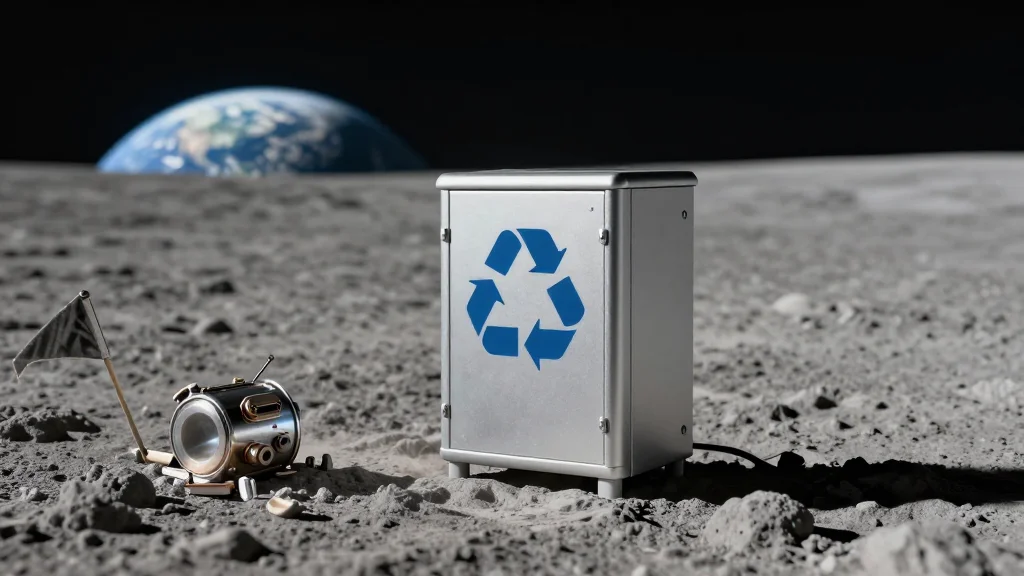
Renewed lunar activity has revived concerns over the 400,000 lb (181 t) of Apollo-era trash now classified as human heritage under the 2020 One Small Step Act. While the Artemis Accords and UN bodies stress debris mitigation, concrete plans for surface waste...

Artemis 2: Our Favorite Photos From NASA's Historic Moon Mission
NASA’s Artemis 2 mission concluded on April 10 with a splashdown in the Pacific after a 10‑day flight around the Moon’s far side. The crew—Reid Wiseman, Victor Glover, Christina Koch and Jeremy Hansen—set several historic milestones, including the first woman and the...

Citra Space Raises $15 Million Series A to Expand Platform for Identifying Objects in Orbit
Citra Space announced a $15 million Series A round led by Washington Harbour Partners to scale its space‑domain‑awareness platform. The Colorado startup, founded by former U.S. Space Force officers, aggregates data from ground and space sensors to create persistent fingerprints of orbital...
JWST Confirms 'Little Red Dots' Are Distant Galaxies and Star‑Forming Regions
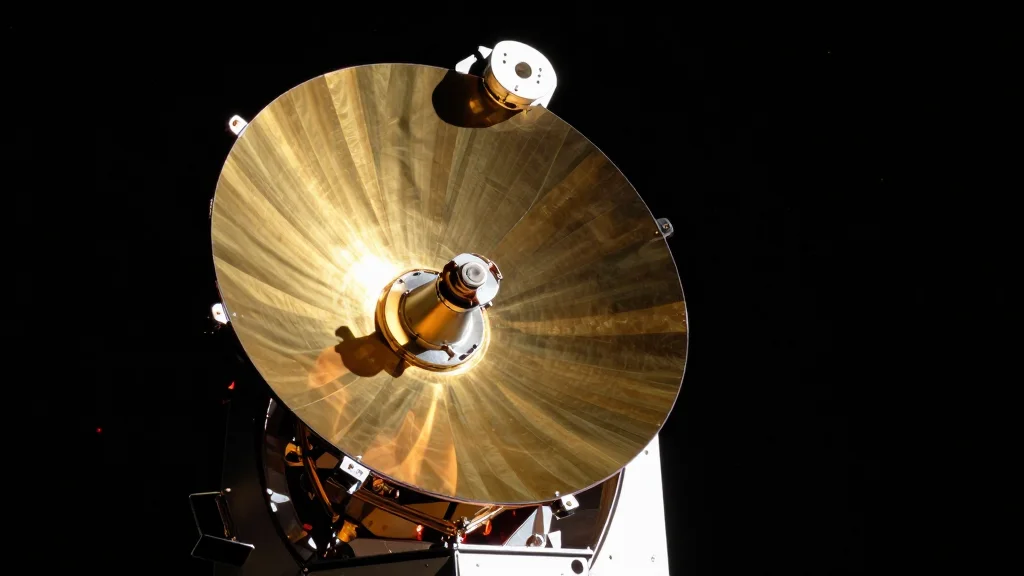
Astronomers using the James Webb Space Telescope have determined that the enigmatic 'little red dots' captured in recent images are distant galaxies and star‑forming regions. The finding resolves a high‑profile mystery and opens new avenues for studying the early universe.

Atomic-6 Launches Orbital Data Center Marketplace
Atomic-6 unveiled ODC.Space, a marketplace that lets customers order orbital data center hardware as easily as an online purchase. The platform aggregates space‑industry suppliers, offering configurations from 1U shared units to sovereign 42U racks, with the latter priced at roughly...

Sophia Space and Kepler Sign Agreement to Demo ODC Tech
Orbital data‑center startup Sophia Space has signed an agreement with satellite operator Kepler Communications to demo its operating system, SOOS, on Kepler’s distributed in‑orbit compute network. The partnership will see Sophia upload SOOS to the network by year‑end for an...

Atomic-6 Unveils Online Marketplace for Orbital Data Centers
Atomic-6 announced ODC.space, an online marketplace that lets customers procure complete satellites for on‑orbit data‑center capacity. The platform offers both dedicated satellites and shared compute rentals, handling everything from component sourcing to launch and mission operations. Target customers include AI...

Orbit Is Filling up Fast. Now Comes the Awkward Bit: Pre-Empting and Handling a Crisis.
Earth’s orbital environment is nearing a tipping point as tens of thousands of new satellites are slated for launch, pushing low‑Earth orbit toward congestion. In 2023 Starlink alone performed roughly 300,000 collision‑avoidance maneuvers, and analysts warn that as many as...

Artemis–Chinese Space Station Distance Might Exceed Estimates
Oh, but wait.... A preliminary check suggests the Artemis- Chinese Space Station max distance may be even larger. I'll have to do a more careful analysis

The Price of European Military Space Autonomy
European nations are committing roughly $109 billion to military space programs by 2030, but the IISS warns that this level of funding falls short of true autonomy from U.S. capabilities. An extra $10 billion would close the most critical gaps for limited...

Rohde & Schwarz Enables Pulsar Signal Simulation to Support Next-Generation Navigation Devices
Rohde & Schwarz announced that its SMBV100B and SMW200A vector signal generators will support simulation of Xona’s Pulsar, a low‑Earth‑orbit navigation service designed to complement GPS. The new software option lets device makers test Pulsar compatibility in production environments, accelerating validation and...
Ukraine’s Yuzhnoe Previously Built Massive Solid Rocket Boosters
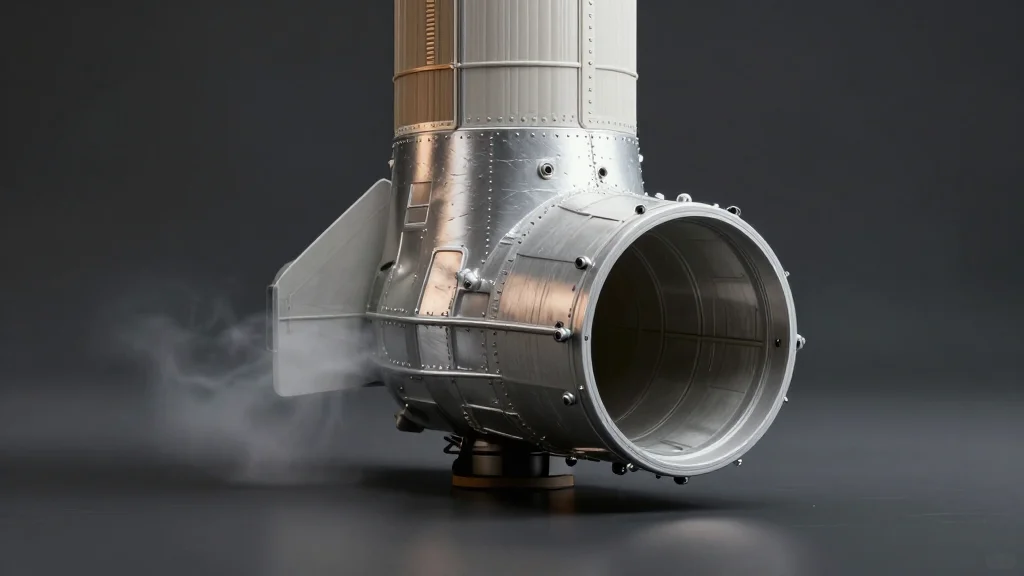
Very interesting. Do we know anything about these rocket boosters? They are new to me. Ukraine's Yuzhnoe did build the RT-23 and R-39 solid missiles (2.4m dia) in the Soviet era.