
A Dimmer Blue Marble? What Artemis II Photo Really Shows About Earth
In April 2026 astronauts on Artemis II captured a full‑disk view of Earth that quickly went viral alongside the iconic 1972 Apollo 17 "Blue Marble." Observers noted the newer picture appears dimmer and less saturated, sparking debate over whether the change reflects a real planetary shift or merely differences in camera technology and lighting. The article explains that Artemis II used digital sensors and often recorded the Earth under moonglow, while the Apollo image was taken on colour film with high contrast. Scientific data does show a modest 0.5% drop in Earth’s albedo and a measurable greening of ocean surfaces over the past two decades, but these trends unfold gradually and cannot be inferred from a single photograph.
Analysis: Amazon
Amazon announced an $11.57 billion acquisition of Globalstar, securing valuable L‑band mobile‑satellite spectrum. The deal bolsters Amazon’s Project Kuiper, which plans to launch about 3,200 low‑Earth‑orbit satellites by 2029, with half the constellation operational by July. Globalstar’s Direct‑to‑Device (D2D) technology will...

NASA Administrator Jared Isaacman On Artemis, Budget, And Establishing a Lasting Space Vision
NASA Administrator Jared Isaacman defended the White House’s FY2027 budget proposal, emphasizing fiscal responsibility amid growing congressional scrutiny. He highlighted Artemis II’s largely successful flight, noting a pristine heat shield and only minor system glitches such as a small helium leak....
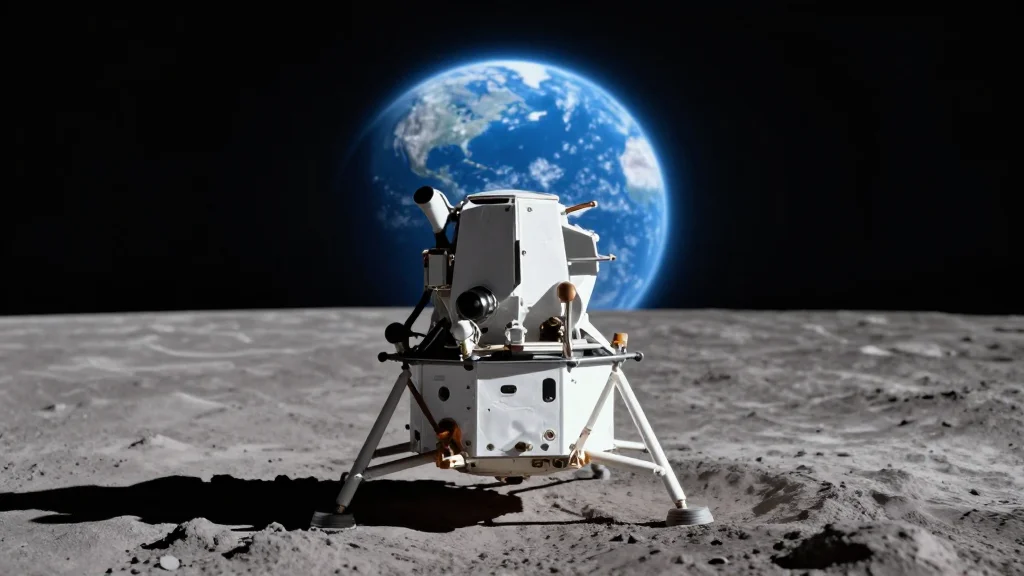
NASA Charts Post‑Artemis II Lunar Roadmap, Paving Way for Artemis III Test and 2028 Moon Landing
NASA unveiled a detailed post‑Artemis II roadmap that moves from a low‑Earth‑orbit test of landing hardware in Artemis III (2027) to a crewed Moon landing in Artemis IV (2028). The plan hinges on new commercial lunar payload contracts, intensified competition between SpaceX and...
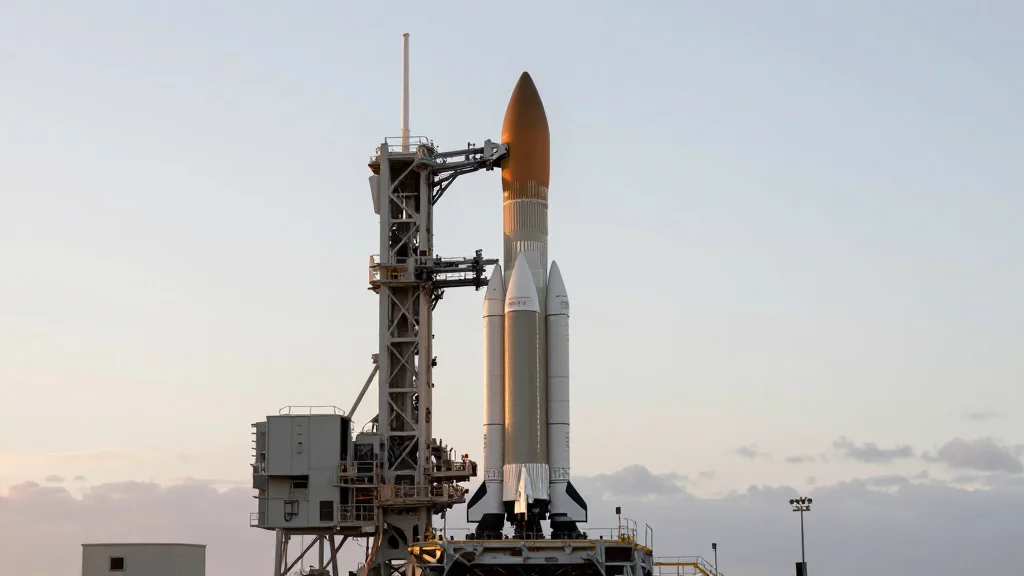
Blue Origin Readies New Glenn for Third Cape Canaveral Launch, Targeting April 16
Blue Origin has placed its 321‑foot New Glenn rocket on Launch Complex 36 at Cape Canaveral for a third flight, with a tentative liftoff no earlier than 6:45 a.m. on Thursday, April 16. The mission will carry AST SpaceMobile’s next‑generation Block 2 BlueBird satellite, marking...

Seagate Space and Oceaneering Join Forces to Build the Future of Offshore Launch Infrastructure
Oceaneering International and Seagate Space have signed a memorandum of understanding to co‑develop an offshore launch platform, dubbed the Gateway concept. The partnership leverages Oceaneering’s maritime and space systems heritage, including work on the Space Shuttle and Artemis, to accelerate...

Apple Chooses Amazon Satellites for iPhone, Years After Rejecting Starlink Offer
Amazon announced a $11.6 billion acquisition of Globalstar and a partnership that makes it the primary satellite service provider for iPhone and Apple Watch. The deal gives Amazon access to Globalstar’s existing low‑Earth‑orbit constellation, spectrum and Mobile Satellite Service licenses. Amazon...

BAE Unveils Highly Maneuverable, Refuelable Satellite, Eyes 2027 Delivery
BAE Systems unveiled Ascent, a high‑thrust, refuelable satellite in its Elevation line, aimed at dynamic space operations for the U.S. Space Force, commercial and civil users. The platform can maneuver across medium‑Earth orbit, geosynchronous orbit and cislunar space, and a...
Amazon Stock Pops on Double Satellite Win
Amazon’s stock rose about 4% after the company announced plans to acquire Globalstar and to expand its low‑Earth‑orbit Leo satellite network. The deal will fold Globalstar’s assets into Leo and is paired with a separate agreement to provide satellite texting...

One Small Step, 4KB of RAM
NASA has released the original Apollo 11 guidance software for the Command and Lunar Modules into the public domain, making the historic code accessible to anyone. The software, known as Comanche and Luminary, runs on the Apollo Guidance Computer, which...

Put Science Back in the Driver’s Seat
NASA’s science program is increasingly dependent on ride‑along payloads, a stark shift from decades of dedicated missions that delivered breakthroughs like alien oceans and the accelerating universe. A proposed 46% budget cut for 2026‑27 would eliminate half of the agency’s...

Delta Air Lines Contracts Airbus to Install Hughes Co-Developed IFC on Upcoming A350-1000 Aircraft
Airbus will outfit 20 of Delta's upcoming A350‑1000 jets with a multi‑orbit in‑flight connectivity system co‑developed with Hughes, making Delta the first North American customer for Airbus' HBCplus line‑fit offering. The HBCplus modular solution supports up to two antennas and...
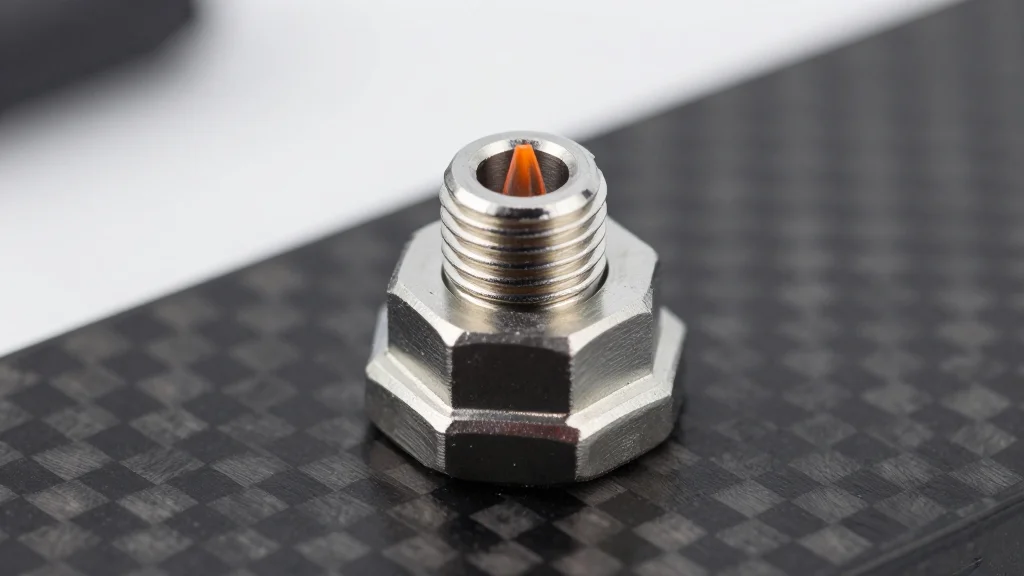
EBAD’s Lisa Brown Talks Supporting Customer Missions at Space Symposium
Ensign‑Bickford Aerospace & Defense (EBAD) leveraged its 190‑year legacy to supply critical ordnance for NASA’s Artemis II mission. Lisa Brown, EBAD’s Space Market Segment Director, discussed with Via Satellite how the company’s solid‑rocket motors powered the launch and its separation systems...

Ground-Based Telescopes and a Shared Orbiting Starshade Can Directly See Earth-Like Exoplanets
A new Nature study proposes a hybrid observatory that couples a 30‑meter‑class ground telescope such as the ELT, TMT or GMT with a 99‑meter orbiting starshade. The starshade creates a deep shadow above the atmosphere, while adaptive optics on the...
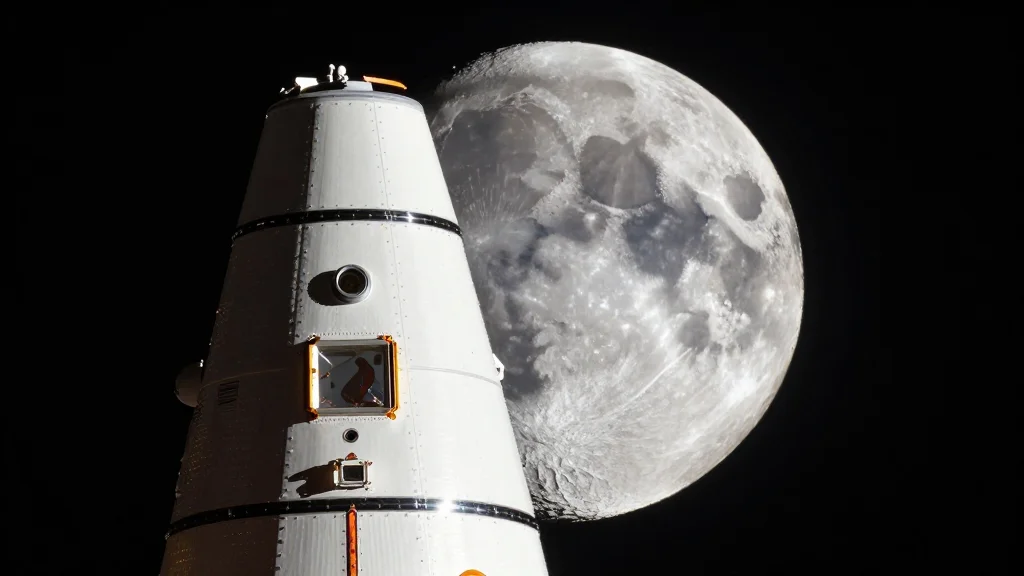
NASA’s Global Reach Just Got Broader
NASA’s Artemis II mission successfully looped a 5.7 million‑pound rocket around the Moon and back, marking the deepest crewed venture since the Apollo era. The flight demonstrated the agency’s technical readiness for a future lunar landing and underscored its growing brand relevance....

CLD Companies Say NASA Is Wrong. NASA Says Prove It.
NASA Administrator Jared Isaacman challenged commercial low‑Earth‑orbit (CLD) station builders to prove a viable market after the agency announced it doubts commercial demand and plans to purchase a core module for the ISS. Axiom Space and Vast submitted feedback arguing...

Trump Pledges U.S. Lead in Next‑gen Satellite Connectivity
President Trump is restoring U.S. leadership in technology & connectivity. America will be first out of the gate with multiple competitors offering fast, next-gen connectivity straight from satellites to your smartphone anywhere in the country. Starlink, Amazon, & others are now empowered...

White House Releases Space Nuclear Policy
The White House unveiled a six‑page space nuclear policy (NSTM‑3) on April 14, directing NASA, the Pentagon and the Department of Energy to develop low‑ to mid‑power nuclear reactors for orbit and the lunar surface. NASA must begin work within 30 days...

Defense Firms Unveil New Satellite Designs for Orbital Warfare
U.S. defense giants BAE Systems and Lockheed Martin announced accelerated programs to develop maneuverable satellites for orbital warfare. BAE unveiled the Ascent platform, a 2,200‑kg payload, refuelable space tug, targeting a classified pathfinder launch in 2027. Lockheed detailed its Next‑Generation...

Q&A: Aerospace Corp Flexes Its Data Advantage
Aerospace Corporation, the government‑funded research center, is leveraging its 65‑year legacy of spacecraft testing to build AI models that speed design and anomaly resolution. CEO Tanya Pemberton highlighted a new "government‑furnished talent" initiative that lets private firms tap the FFRDC’s...

Dismantling the Pipeline: How a 47% Science Cut Would Break the Systems That Make Human Exploration Possible
The White House’s FY 2027 budget request proposes slashing NASA’s Science Mission Directorate by roughly 47%, trimming the agency’s total budget to about $18.8 billion. Dozens of flagship missions—including New Horizons, Juno, the Roman Space Telescope, and the Dragonfly Titan probe—are slated for...

Canada Formalizes Subscriptions to Four New European Space Agency Programs
Canada has formally authorized participation in four European Space Agency initiatives—Moonlight, FutureNAV, ACCESS and ERS‑EO—through Orders in Council dated March 30, 2026. The decision follows a historic $664.6 million CAD (≈$448 million USD) infusion into ESA commitments, earmarked to secure contracts for at least...

Contec Opens Second Satellite Optical Ground Station in South Korea with Cailabs
Contec has opened its second optical ground station in South Korea, located at the Asian Space Park on Jeju Island. The site uses Cailabs’ turbulence‑mitigation laser technology and a TILBA‑OGS L10 terminal to improve space‑to‑ground data downlink. The deployment supports...

MDA Space Taps UK-Based Spaceflux for Canadian Space Surveillance Observatories
MDA Space, after winning a $32 million Surveillance of Space 2 contract, has chosen UK‑based Spaceflux to supply optical systems and its Cortex AI platform for three new Canadian ground‑based observatories in Alberta, Manitoba and New Brunswick, slated for delivery by 2028....

How Cassini’s Final Months at Saturn Became the Most Scientifically Productive Planetary Mission Ever Flown and What It Taught Engineers...
Cassini’s five‑month Grand Finale, a deliberate plunge into Saturn, yielded unprecedented data on the planet’s interior, rings and magnetosphere before its controlled destruction on September 15, 2017. Engineers navigated 22 ultra‑close orbits through a previously uncharted gap between Saturn’s clouds...
Aerospace Nanotech Market Set to Reach $6.86 B by 2030, Driven by 7.5% CAGR
The Business Research Company forecasts the aerospace nanotechnology market will climb to $6.86 billion by 2030, expanding at a 7.5% compound annual growth rate. The surge is fueled by demand for nanosensors, graphene‑based components, and lightweight nanocomposites across commercial aviation and...
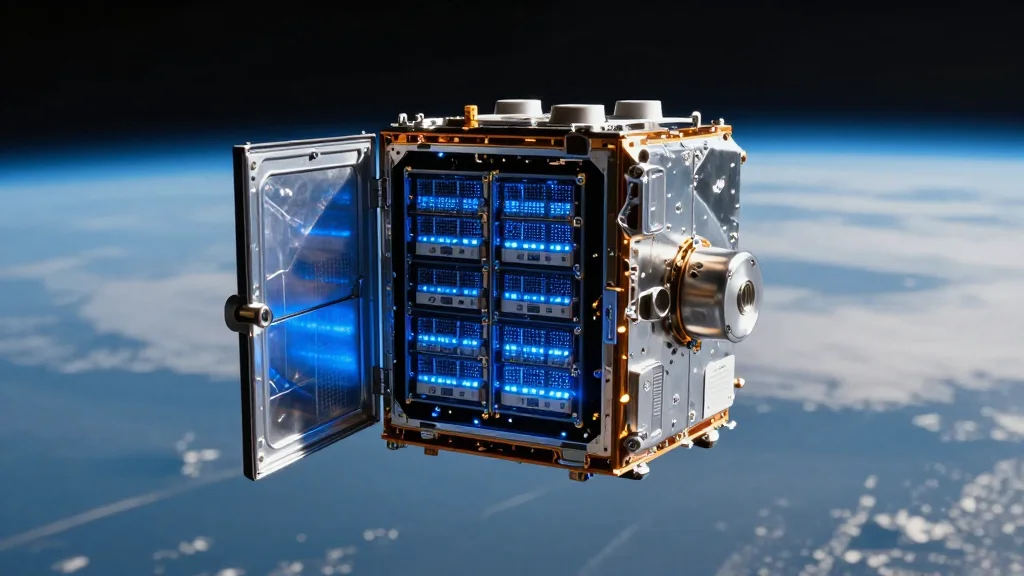
Atomic-6 Unveils ODC.space Marketplace to Offer Orbital Data Centers for AI
Georgia‑based Atomic-6 has launched ODC.space, a marketplace that lets AI developers, software providers and government agencies order orbital data‑center capacity without building their own satellites. The service targets delivery of turnkey, low‑Earth‑orbit compute nodes by 2029, aiming to sidestep terrestrial...

SmallSat Europe Speaker Focus: Daniel Metzler, Isar Aerospace
Isar Aerospace’s 28‑meter Spectrum rocket completed a 30‑second sub‑orbital flight on March 30, 2025, making the company the first private firm to launch an orbital‑class vehicle from continental Europe. Since that brief flight, CEO Daniel Metzler has secured roughly $432 million in lifetime funding...

Amazon Buys Globalstar and Does Satellite Deal with Apple
Amazon announced it will acquire Globalstar, folding the satellite operator’s fleet, spectrum licenses, and infrastructure into its Amazon Leo business. The deal secures Globalstar’s existing 85% capacity allocation to Apple, while Amazon and Apple signed a new agreement to keep iPhone...
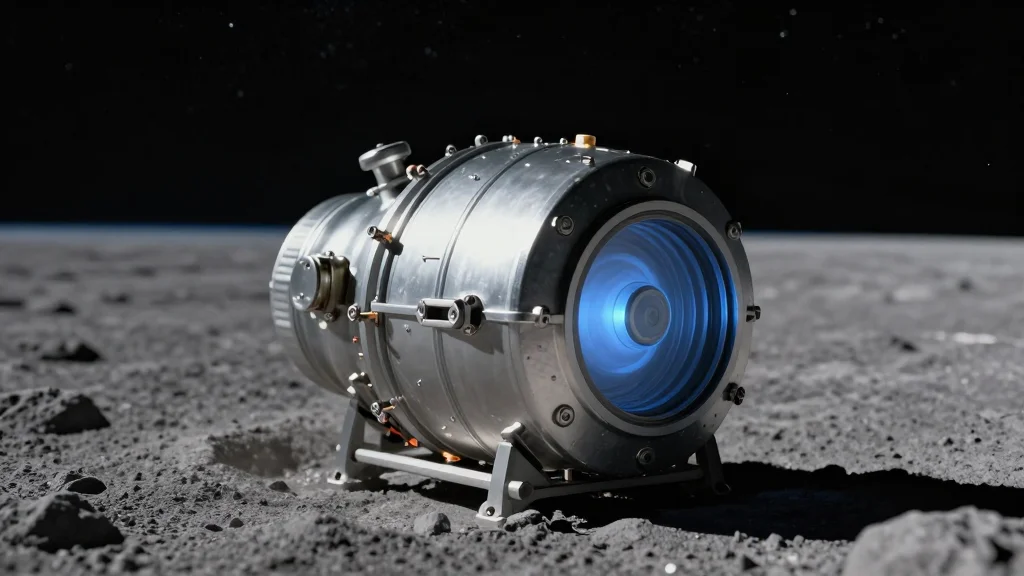
National Initiative For American Space Nuclear Power
The White House’s Office of Science and Technology Policy issued a memo under Executive Order 14369, directing a National Initiative for American Space Nuclear Power. The plan calls for near‑term deployment of nuclear reactors on the Moon and in Earth...

Amazon Just Bought Its Way Into the Satellite-to-Phone Race — And the Real Target Is SpaceX
Amazon announced it will acquire satellite operator Globalstar, instantly gaining licensed mobile‑satellite spectrum, an operational L‑band fleet, and ground infrastructure that already supports Apple’s emergency messaging. The deal, structured as cash and stock, is slated to close in 2027 pending...

Here Comes Starlink, the Next Telecom Giant
Starlink, five years into commercial service, is now reshaping the telecom landscape by offering ultra‑low latency broadband that rivals traditional GEO and MEO satellites. Its partnership with MVNO US Mobile marks a foray into fixed‑line bundling, while Asian markets see incumbents...

Amazon to Power Apple Devices via Satellite Networks
re Truist note Amazon$AMZN to power satellite services for Apple devices. As part of the agreement, Amazon struck a partnership with Apple (APPL, NR), which currently holds a ~20% stake in Globalstar $GSAT, to continue to power satellite...

Orbital Starts Countdown to Space Data Centre Test
Orbital announced that its first satellite, Orbital 1, will launch aboard a SpaceX Falcon 9 in April 2025 to test sustained GPU operation in low‑Earth orbit. The mission, funded by a16z Speedrun, aims to prove radiation‑hardening, continuous solar power and space‑based cooling...
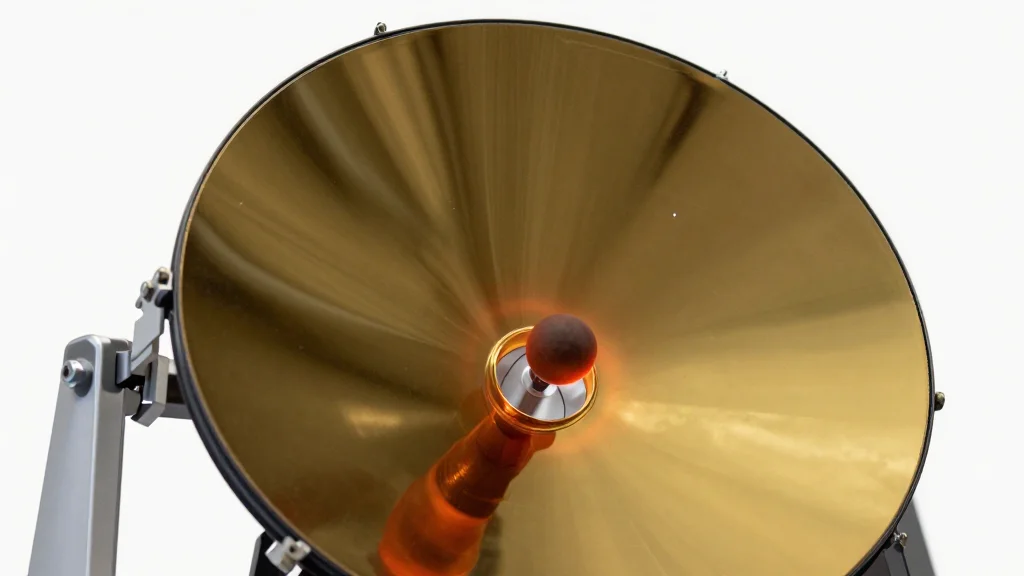
NASA’s JWST Redefines Dividing Line Between Planets, Stars
NASA’s James Webb Space Telescope has captured high‑resolution spectra of several substellar objects that sit on the borderline between massive planets and low‑mass stars. The observations reveal atmospheric signatures and temperatures that challenge the traditional deuterium‑burning mass cutoff used to...
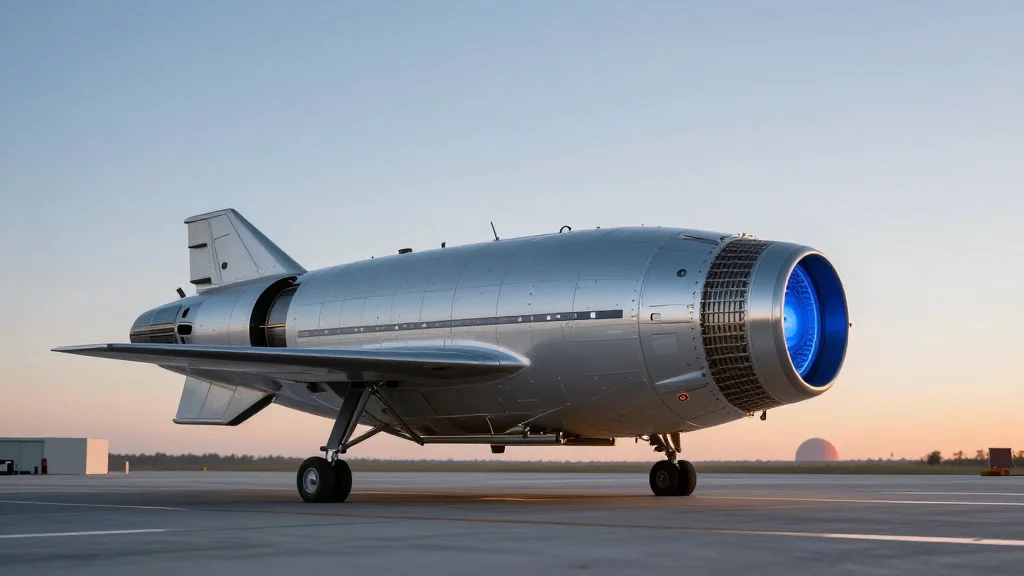
NASA's Nuclear‑Powered SR‑1 Targets Mars Launch by 2028
NASA has announced SR-1, the first-ever nuclear-reactor-powered interplanetary spacecraft, with a planned Mars launch before the end of 2028—a timeline experts call aggressive but exciting.

Space Force Secures Long‑Term Funding Stability Beyond FY28
After combing through the budget documents released so far, it looks like the increase in Space Force funding is enduring. While the service was highly dependent on reconciliation funding in FY26, and somewhat less dependent in FY27, the increases are...
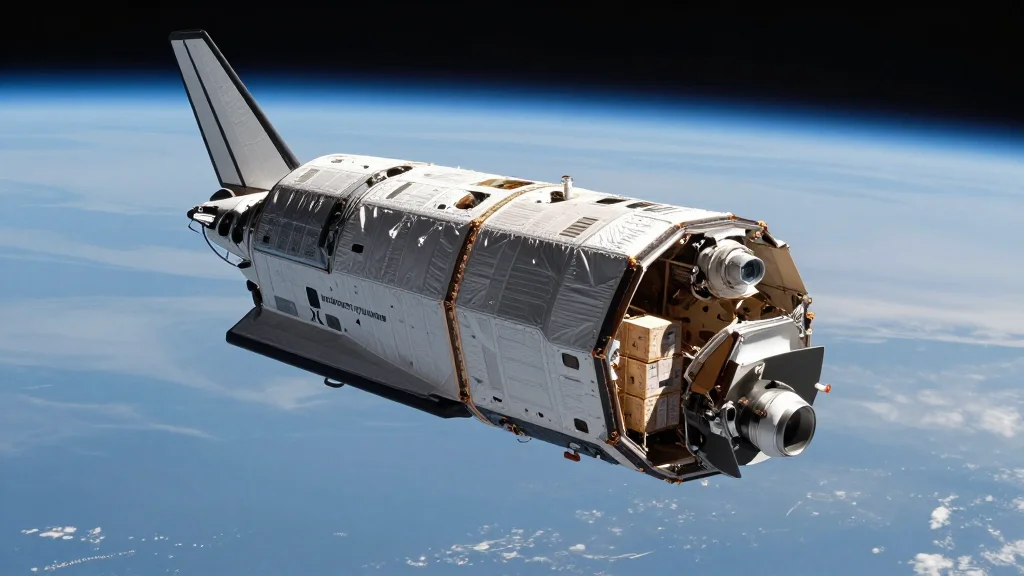
Northrop Grumman’s Cygnus XL Reaches ISS Carrying Tons of Supplies
Northrop Grumman’s Cygnus XL cargo spacecraft completed its second flight to the International Space Station, docking on April 13. The vehicle was captured by the station’s Canadarm2 robotic arm at 1:20 p.m. EDT. The mission delivered several tons of scientific equipment,...

Rigid Belief in Relativity May Stifle Space Exploration
🤔A question that touches my soul... Are we "demotivated" by our cognitive rigidity that accepts Einstein's equation of time dilation as the final arbitor of space travel? @ericweinstein @elonmusk
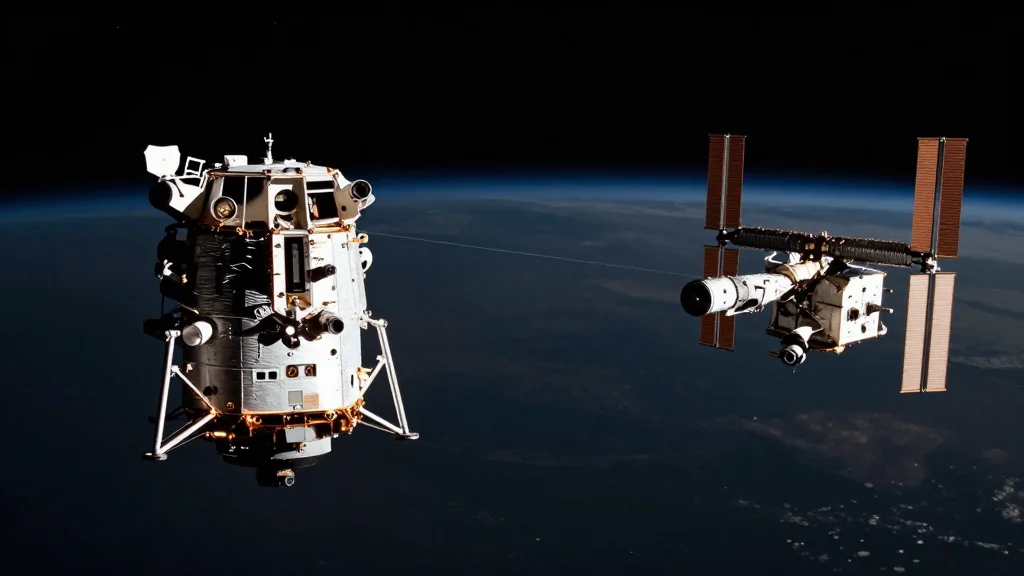
Precise Data Shows CSS Farther From Artemis than ISS
A more precise calculation gives a max CSS-Artemis distance as 419643 km at 2220:08 UTC; max ISS-Artemis was 419581 km at 2222:05 UTC. My earlier calculation neglected a coordinate frame precession between the Artemis and ISS/CSS data...

General Atomics Completes Pre-Ship Review for Space Force Weather Payload
General Atomics Electromagnetic Systems announced on April 14, 2026 that its advanced EO/IR payload passed the pre‑ship review, clearing it for integration into the U.S. Space Force’s Weather System (EWS) satellite bus. The payload expands spectral coverage to 16 bands,...
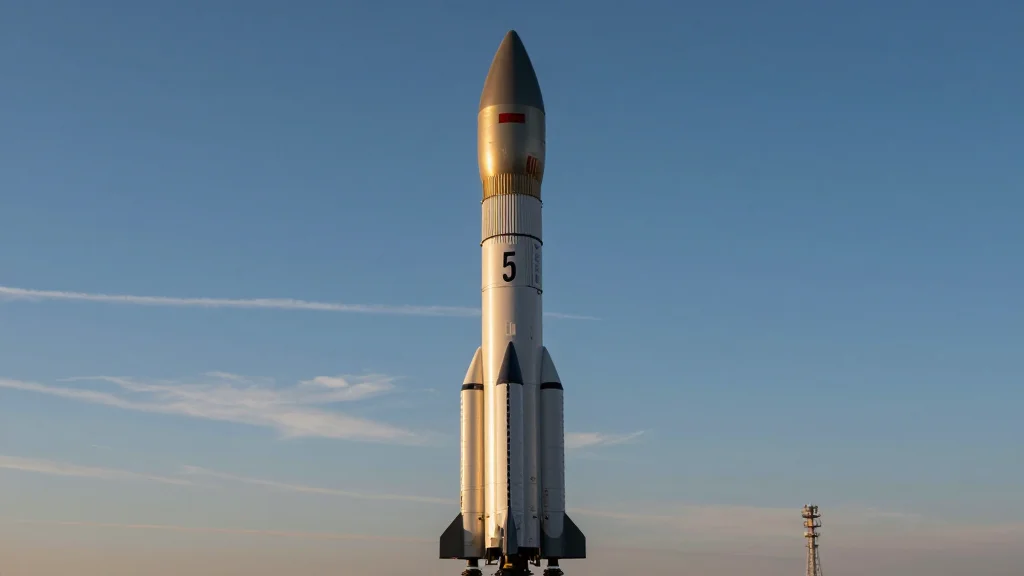
Soyuz‑5 Launch Window Slips as Issues Persist
Launch opportunities for the inaugural flight of the Soyuz-5 rocket are reported to be open until April 20, but more than a day after the first window, there is no official word on the status of the mission, as specialists...
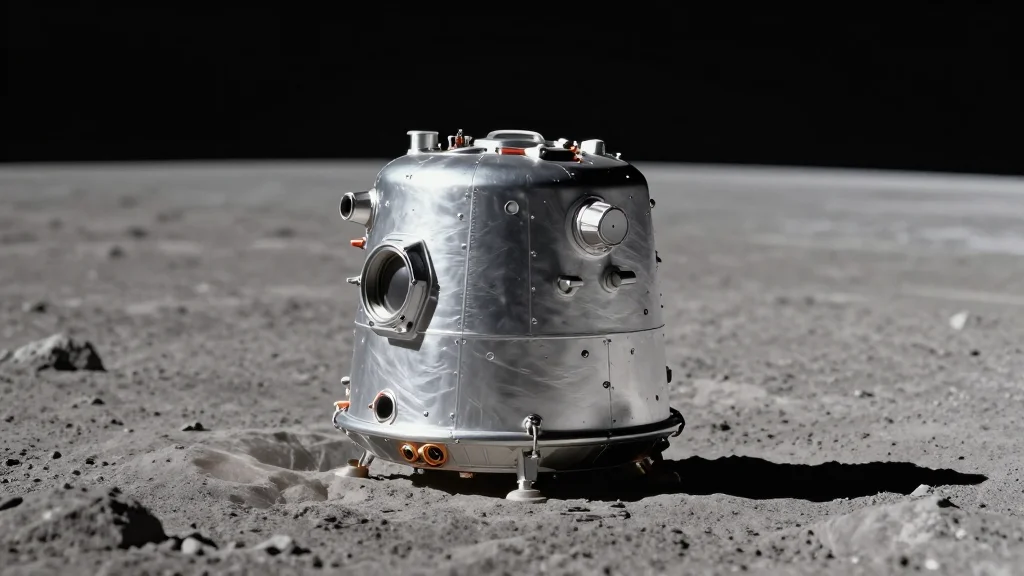
Europe Questions Gateway's End, Doubts Post‑ISS Station
An interesting view from Europe of the dissolution of Gateway, what it means for European boots on the Moon, and a discussion of working with JAXA and Canada on a post-ISS space station with Gateway elements. The latter idea seems...

Russia Claims Moon Territories Tied to Rosatom’s Selena Project
Russian officials began talking about "setting aside sovereign territories" on the Moon for Moscow. These seemingly far-fetched claims are linked to the Selena nuclear-power station project from Rosatom which we profile for our subscribers today: https://t.co/DJXLghOrrU https://t.co/SB4D5byjTG
NASA Announces Crew‑13 Lineup for Nov 21 Launch
Not sure when NASA will make it official, but Crew-13 will consist of: • Jessica Watkins • Luke Delaney • Josh Kutryk (CSA) • Sergey Teteryatnikov (Russia) Great crew. Launch date is NET Nov 21, 2026. (Which would be happy 24th anniversary to the lovely...
Amazon to Operate Globalstar Satellites, Launch Own System by 2027
Amazon told PCMag: “We expect the transaction to close in 2027, and at that point we plan to operate Globalstar’s existing satellite fleet, and their upcoming low Earth orbit satellites being manufactured by MDA Space, before deploying a next-generation DTD...
Seeking Fresh Questions on Starship HLS Beyond Usual Topics
Just so I don't miss anything in my deep dive on Starship HLS, let me know what questions you have BESIDES the dozen plus refilling tankers, height / tippiness of it, and using methalox as those topics are greatly covered.

Higher-Frequency Ka-Band Boosts Bandwidth, Shrinks Antennas, Worsens Propagation
To understand the Amazon acquisition of Globalstar start with physics. The wavelength becomes shorter as you move from L-band up to Ka-band spectrum which provides more hertz for moving bits and enables smaller antennas, but higher frequency means worse propagation. https://t.co/YcG2qfwol2
TaaraConnect Expands Free-Space Optics to Video Distribution and Data Centers
. @TaaraConnect , a Google X Moonshot Factory grad focusing on free space optics, has opened up a new video distribution use case and is exploring its role in both terrestrial and orbital data centers. @Light_Reading https://t.co/SzaYL7n8uq
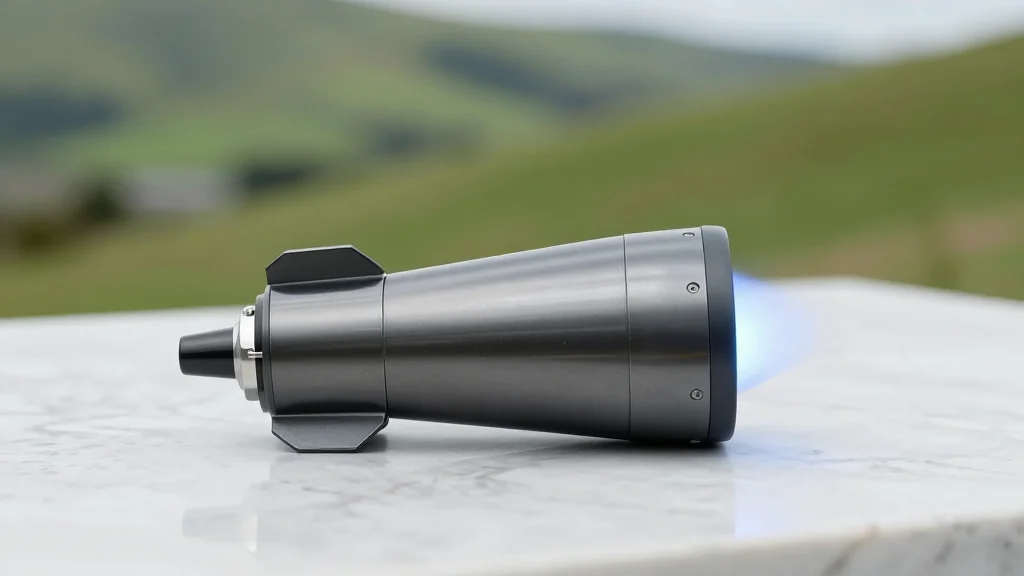
Rocket Lab Ramps up NZ-Built Gauss Thrusters for Constellations
.@RocketLab says its Gauss electric thruster is built in New Zealand, so no US tech-export control issues; now producing the thrusters at 200-per-year rate.