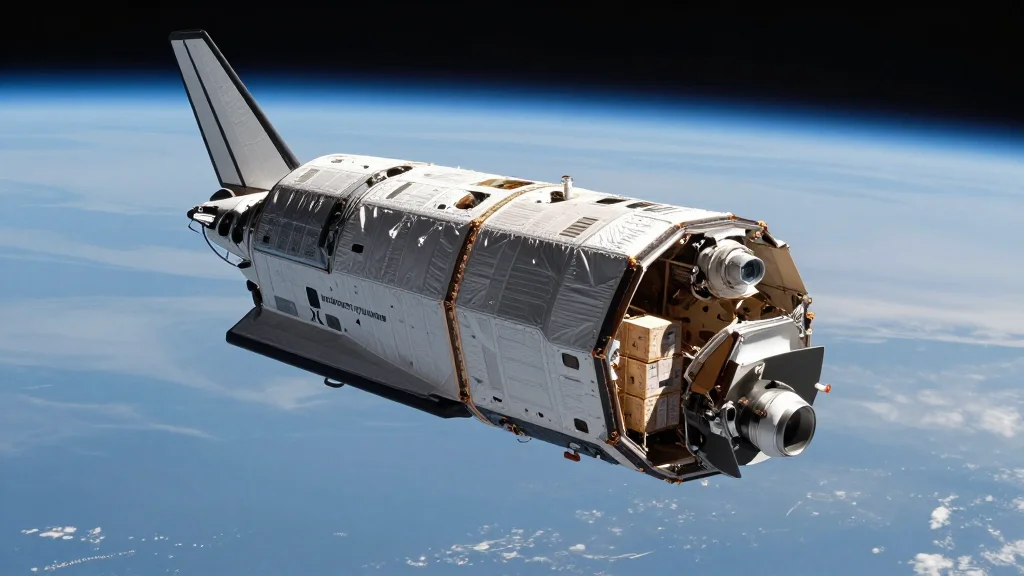
Northrop Grumman’s Cygnus XL Reaches ISS Carrying Tons of Supplies
Northrop Grumman’s Cygnus XL cargo spacecraft completed its second flight to the International Space Station, docking on April 13. The vehicle was captured by the station’s Canadarm2 robotic arm at 1:20 p.m. EDT. The mission delivered several tons of scientific equipment, food, and spare parts, fulfilling part of NASA’s Commercial Resupply Services contract. This launch continues the cadence of commercial cargo deliveries that sustain the ISS’s long‑term operations.

Space Force Secures Long‑Term Funding Stability Beyond FY28
After combing through the budget documents released so far, it looks like the increase in Space Force funding is enduring. While the service was highly dependent on reconciliation funding in FY26, and somewhat less dependent in FY27, the increases are...

General Atomics Completes Pre-Ship Review for Space Force Weather Payload
General Atomics Electromagnetic Systems announced on April 14, 2026 that its advanced EO/IR payload passed the pre‑ship review, clearing it for integration into the U.S. Space Force’s Weather System (EWS) satellite bus. The payload expands spectral coverage to 16 bands,...
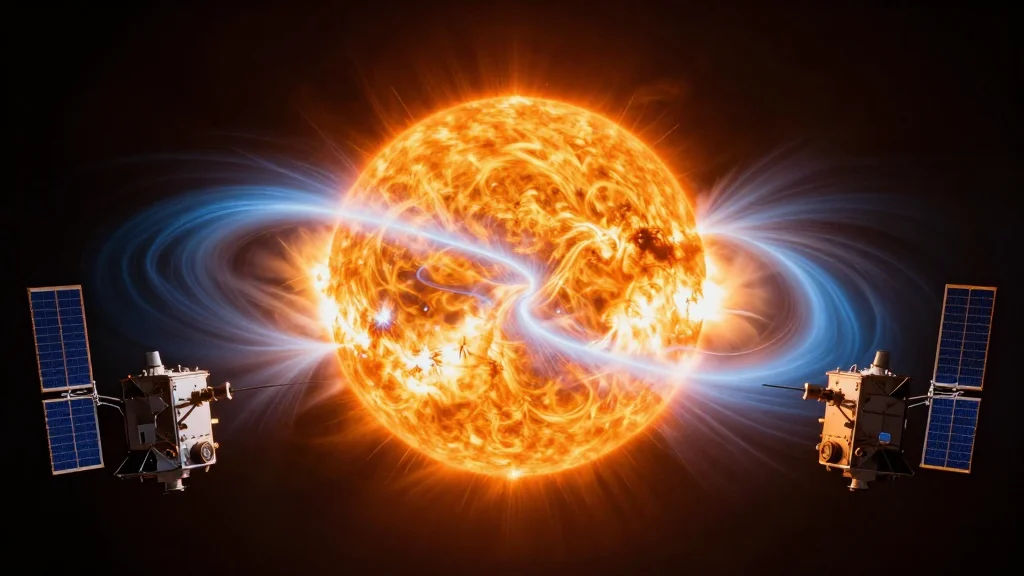
First Proba-3 Science: Surprisingly Speedy Solar Wind
ESA’s Proba‑3 mission delivered its first science data, revealing solar‑wind streams traveling up to 800 km/s just 5 solar radii from the Sun—significantly faster than most models predict. The twin‑satellite coronagraph captured high‑resolution images of the corona, allowing direct measurement of plasma...
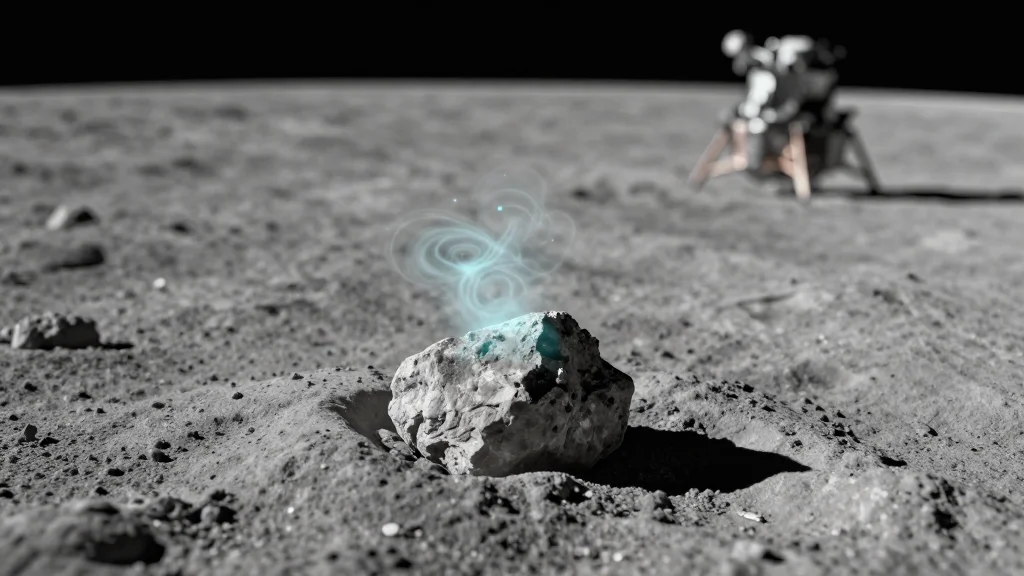
Chang'e Mission Samples Reveal How Exogenous Organic Matter Evolves on the Moon
Chinese Chang'e‑5 mission returned the first new lunar samples in decades, including minute amounts of organic compounds. Researchers analyzed the regolith and identified a suite of exogenous organics that have been altered by solar radiation, micrometeorite impacts, and thermal cycling....
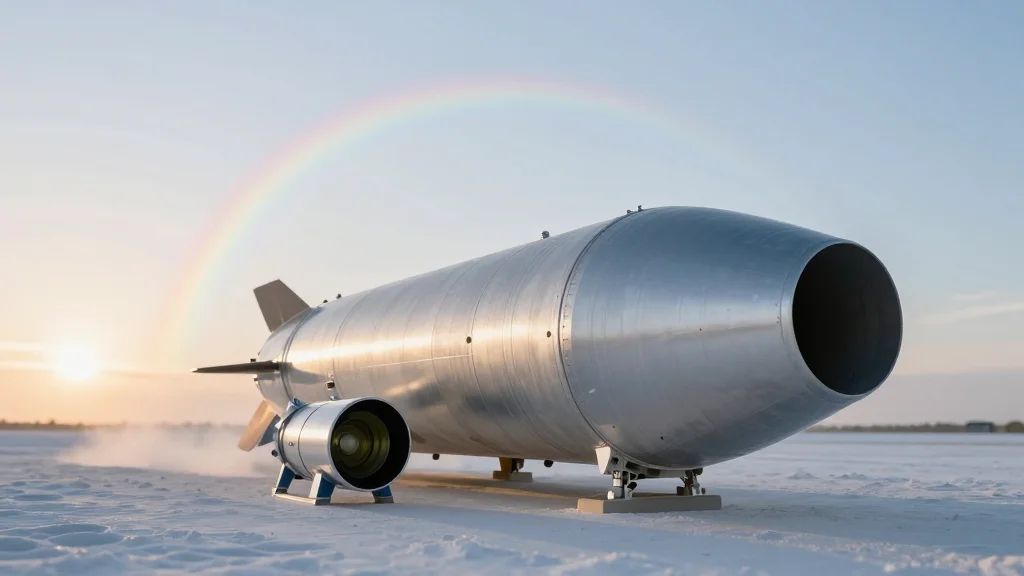
Japan Delivers Its Sharpest X-Ray Telescope for FOXSI, a US–Japan Rocket Program to Observe the Sun
Japan’s Nagoya University has completed its most precise X‑ray telescope yet for the Focusing Optics X‑ray Solar Imager (FOXSI) program, a joint US‑Japan sounding‑rocket effort to capture high‑energy solar flares. The new optics achieve sub‑arcsecond resolution across a 0.5‑10 keV band,...

Dawn Aerospace Unveils “Loop” Refueling Network to Combat Orbital Obsolescence
Dawn Aerospace announced the Loop, an on‑orbit refueling network that standardizes a Docking and Fluid Transfer (DFT) port on SatDrive satellites larger than 10 kN. The system pairs a reusable Space Utility Vehicle with expendable Orbital Propellant Depots, turning propellant from...

Amazon Makes Globalstar Deal Official, Shakes Up Satellite Sector
Amazon announced the acquisition of Globalstar for $11.57 billion, aiming to broaden its Leo satellite constellation and challenge SpaceX’s Starlink. The news lifted Amazon’s shares 2.7% to $246.33 and sent Globalstar stock up 10.2% to $80.30. Options activity surged, with call...

From Bras to Space: Seamstresses Redesign NASA Suit
When a bra maker got the job of making the first NASA spacesuit In 1966, when seamstresses at the International Latex Corporation arrived at its new Apollo Suit shopfloor in Frederica, Delaware, they were essentially “taught to sew again from scratch.”...
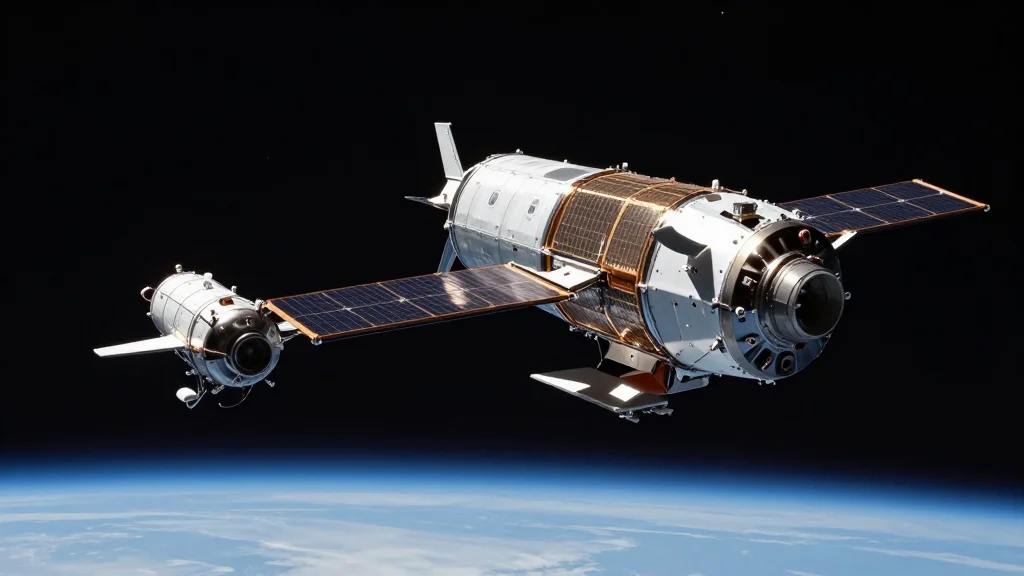
Lockheed Martin Self‑Funds Vanguard and Sentinel Satellites to Demonstrate Orbital Warfare
Lockheed Martin announced it will self‑fund the development of two satellite platforms, Vanguard and Sentinel, to demonstrate next‑generation orbital warfare capabilities for the U.S. Space Force. The smaller Vanguard is targeted for launch in late 2028, followed by the larger...

Slingshot Introduces AI-Powered Portal Platform
Slingshot Aerospace launched the Slingshot Portal, an AI‑driven platform that consolidates data from its Global Sensor Network, government tracking feeds, orbital object catalogs, and customers' proprietary sources. The portal delivers near‑real‑time monitoring, anomaly detection, and maneuver planning within a single...

Taara Expands Into Video Distribution, Sizes up Data Center Opportunity
Taara, the free‑space‑optics spin‑out of Google X, is entering remote video distribution through a partnership with production‑tech firm Cintegral. The collaboration will showcase 4K and 8K wireless feeds powered by Taara’s Lightbridge platform at the NAB Show, leveraging up to...

Synopsys Solutions Support NASA's Artemis Program with Spacesuit Analysis and Communication System Development
Synopsys, together with Electro Magnetic Applications (EMA) and Cesium, is providing NASA with advanced electromagnetic simulations to evaluate Artemis spacesuit charging and to model lunar cellular network performance. The partnership leverages Ansys Charge Plus for 3‑D electrostatic discharge analysis and integrates...

AWS Powered the Moon Mission: Lunar Landing Next in Line
NASA’s Artemis II mission returned safely to the Pacific on April 10, marking the first crewed flight beyond low Earth orbit in five decades. Behind the splashdown, Amazon Web Services supplied the cloud backbone that processed telemetry, stored terabytes of video, and...

Artemis 2 Is Not a European Triumph
Artemis 2 marked the first crewed Moon‑orbit mission in over 50 years, but Europe’s role remained largely invisible. ESA supplied three Orion Service Modules—totaling roughly $1.6 billion—and key Gateway hardware, yet no European astronaut flew; Canada’s Jeremy Hansen took the sole non‑U.S. seat....

Amazon Reaches Definitive Merger Deal with Globalstar with Support for Apple Devices
Amazon announced a definitive agreement to acquire Globalstar at $90 per share, a roughly 23% premium over the stock’s recent close of $72.89. The deal will integrate Globalstar’s low‑Earth‑orbit satellite network with Amazon Leo, enabling direct‑to‑device (D2D) services. Amazon also secured...

Amazon Leo to Enable Satellite Service on iPhone, Apple Watch
AMAZON X APPLE PARTNERSHIP Amazon $AMZN and Apple $AAPL just announced a new agreement for Amazon Leo to power satellite services for supported iPhone and Apple Watch models

AI Satellite Constellation Startup Orbital Gets Funded by A16z to Verify Space-Based Data Center Concept
Orbital Inc., an AI satellite‑constellation startup, closed an undisclosed funding round led by Andreessen Horowitz’s a16z Speedrun. The capital will finance its first test mission, Orbital‑1, slated for launch on a SpaceX Falcon 9 in April 2027. The company aims to prove...

Orbital Raises Funding and Makes Plans to Put AI Data Centers Into Space
Orbital has closed a new funding round and announced plans to launch its first AI‑focused data center satellite in April 2027. The startup argues that the biggest limitation to scaling artificial‑intelligence models is not chip supply but the massive power...
Space Investing Is Heating up as SpaceX Rockets Toward a Record-Breaking ...
Venture‑capital firm Space Capital reports a record $36 billion invested in the space economy during Q1 2026, a six‑fold increase from the same period a year earlier. The surge is led by $25.3 billion flowing into application‑focused companies leveraging space infrastructure for...
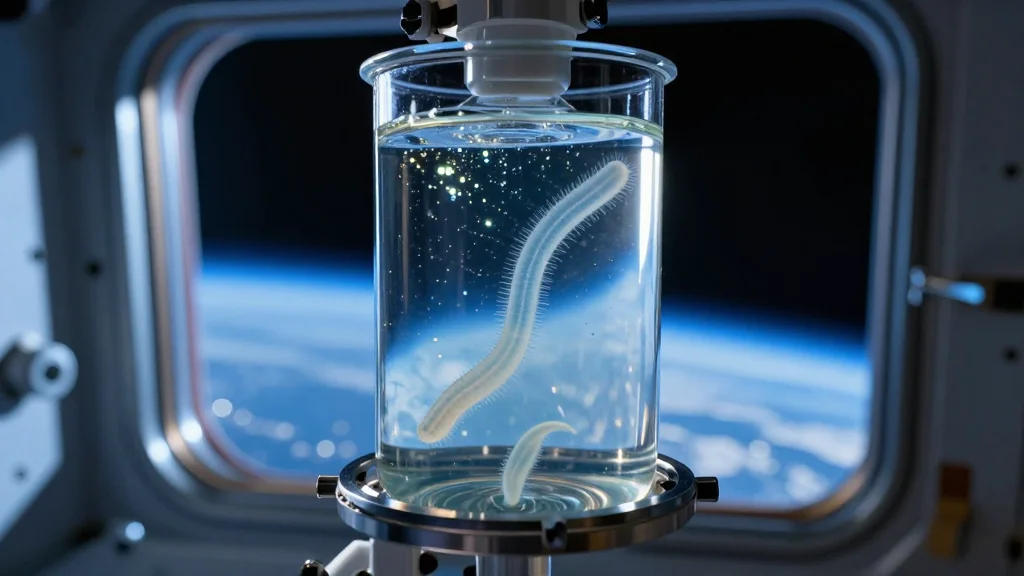
British 'Space Worms' Reach ISS to Test Microbial Support for Moon Missions
British researchers have sent a crew of microscopic worms to the International Space Station to examine how microbes can sustain life during extended lunar missions. The experiment, the first of its kind, will monitor worm growth, reproduction and metabolic activity...
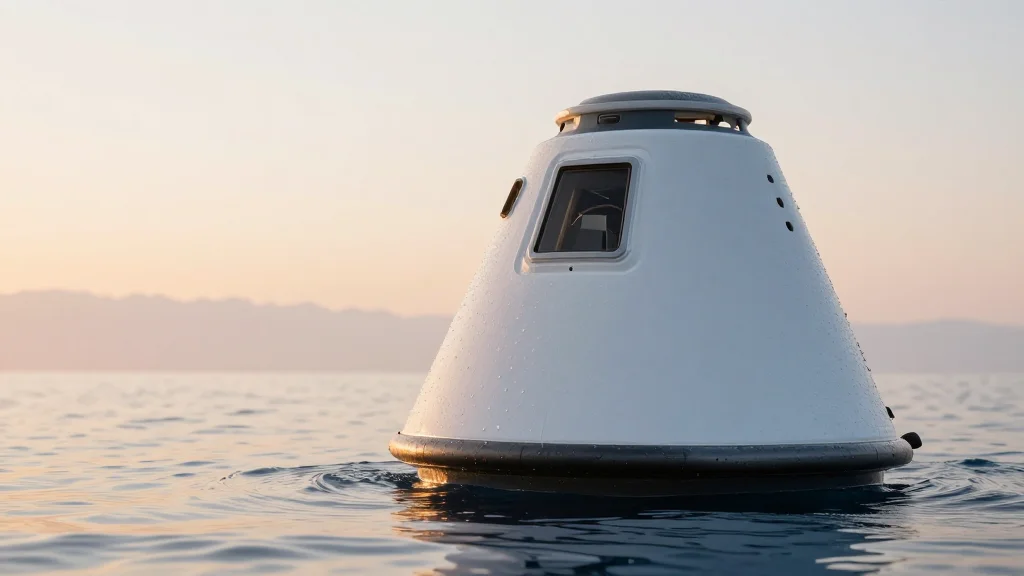
Artemis II Returns Safely, Crew Reflects on Historic Moon Flyby and NASA Plots Next Steps
NASA’s Artemis II crew safely splashed down in the Pacific on April 10, ending a 10‑day, 695,081‑mile journey that set new distance records. In a Houston press conference, the astronauts described the mission’s emotional impact, while Administrator Jared Isaacman framed it as...

Ukraine Lawmaker Claims Rockets Crossed The Kármán Line Twice in 2025
Ukrainian MP Fedir Venislavskyi said Ukraine launched two vehicles in 2025 that crossed the Kármán Line, reaching 100 km and 204 km, to conduct purely military tasks. The flights used an air‑launch system from an Antonov An‑124 cargo plane at about 8,000 m altitude, a...
5 Space Stocks Already Climbing Ahead of the SpaceX IPO
SpaceX filed a confidential registration on April 1, seeking a $1.75 trillion valuation and roughly $75 billion in proceeds, with a June Nasdaq debut on the horizon. MarketBeat analyst Thomas Hughes argues the IPO will set a pricing benchmark that legitimizes commercial space...
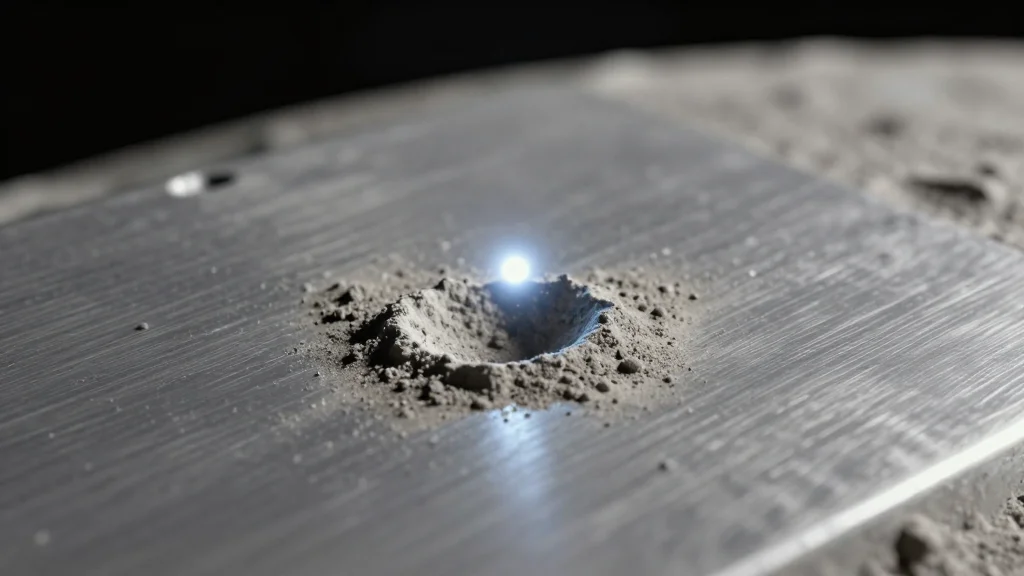
This AI Prediction Model Could Help Shield Future Lunar Habitats Against Micrometeorites
NASA’s Artemis II crew observed six micrometeorite impact flashes during a 30‑minute window of its lunar flyby, indicating a higher‑than‑expected particle flux. In response, researchers from UT San Antonio and Purdue have created a deep‑learning artificial neural network that predicts penetration depths...

Lockheed Gets $68.5M Deal for Next-Gen Missile Warning Satellites
Lockheed Martin Space secured a $68.5 million contract modification for its Next‑Gen OPIR GEO missile‑warning satellite program, pushing the cumulative contract value to $8.2 billion. The work, funded by FY 2026 RDT&E, will be carried out at the Boulder, Colorado facility and is...

Microgravity System Recycles SLA Resin And Enables Casting
A research team has unveiled a closed‑loop system that recycles unreacted SLA photopolymer resin and enables injection casting in microgravity. The design replaces gravity‑based settling with capillary‑driven fluid handling, membrane filtration, and inline sensors to recondition resin streams for reuse....
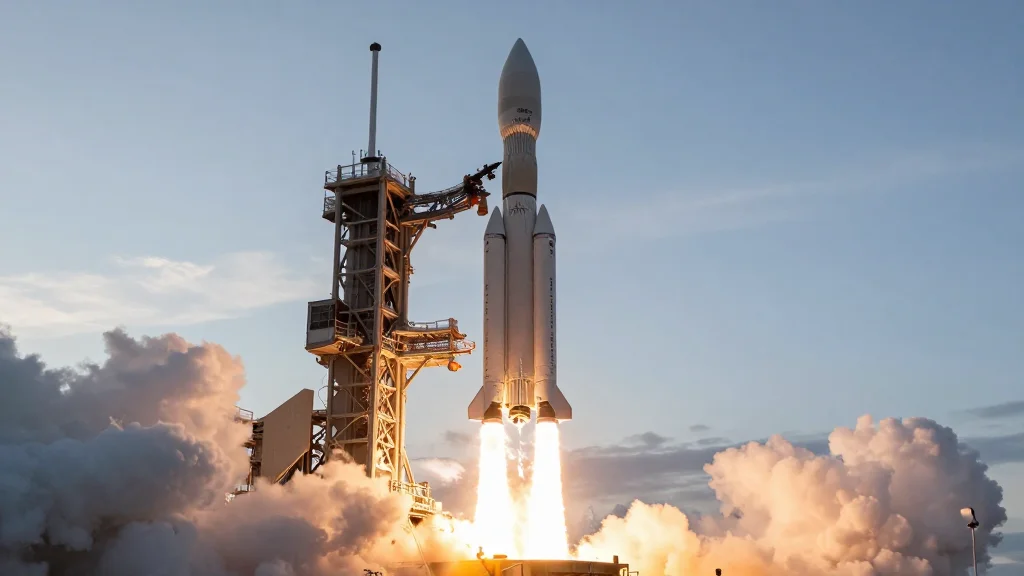
SpaceX Launches 1,000th Starlink Satellite of 2026 on Falcon 9 Rocket From Cape Canaveral
SpaceX lifted off its 1,000th Starlink satellite of 2026 from Cape Canaveral, sending 29 broadband‑internet units into low‑Earth orbit. The launch, designated Starlink 10‑24, was the company’s 37th dedicated Starlink mission this year, bringing the year‑to‑date total to 1,002 satellites. The...

Telefónica Germany Pushes IoT Beyond Terrestrial Limits
Telefónica Germany announced the integration of narrowband satellite links into its 5G IoT portfolio, positioning satellite as a natural extension rather than a threat. The hybrid connectivity model lets devices switch between cellular and satellite networks to cover gaps in...

Japan Airlines Taps SES to Expand Multi-Orbit Inflight Connectivity
Japan Airlines has partnered with satellite operator SES to equip its long‑haul fleet with multi‑orbit inflight connectivity. The deal covers 20 Airbus A350‑900s, 10 Boeing 787‑9s in line‑fit and 11 787‑9s as retrofits, with installations slated to begin in 2027‑2028....

Ukraine Has Been Secretly Launching Rockets Into Space From an 'Air Spaceport' Flying at 26,000 Feet, Lawmaker Says
Ukrainian lawmaker Fedir Venislavskyi disclosed that Kyiv secretly launched two rockets into space from a transport aircraft flying at roughly 8,000 metres (26,000 feet) during the ongoing war with Russia. One rocket reached the Kármán line at 62 miles, the...
Ready to Fill Last‑Minute Artemis III Spot
Standing by, @NASA 👨🚀 If someone drops out last minute for Artemis III, I’m ready.
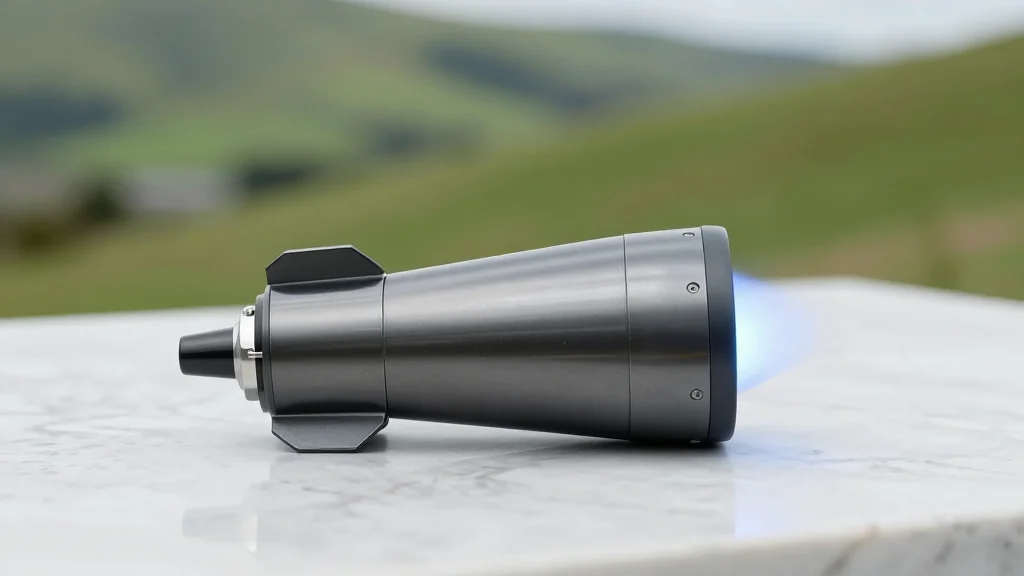
Rocket Lab Ramps up NZ-Built Gauss Thrusters for Constellations
.@RocketLab says its Gauss electric thruster is built in New Zealand, so no US tech-export control issues; now producing the thrusters at 200-per-year rate.

Space Industrial Base Studies: How the US, UK, ESA, Canada, and Japan Are Assessing Their Competitive Position in Space
A new wave of formal assessments from the United States, United Kingdom, European Space Agency, Canada and Japan reveals common weaknesses in their space industrial bases. All five reports flag workforce shortages, fragile supply chains and a mismatch between ambitious...
Orbital Targets 2027 Launch of Space AI Data Centers
Orbital, a startup led by Euwyn Poon, aims to develop a system comprising thousands of space-based data centers focused on AI inferencing. Its first space-based test is slated for 2027. @Light_Reading https://t.co/rNIQfxf17B
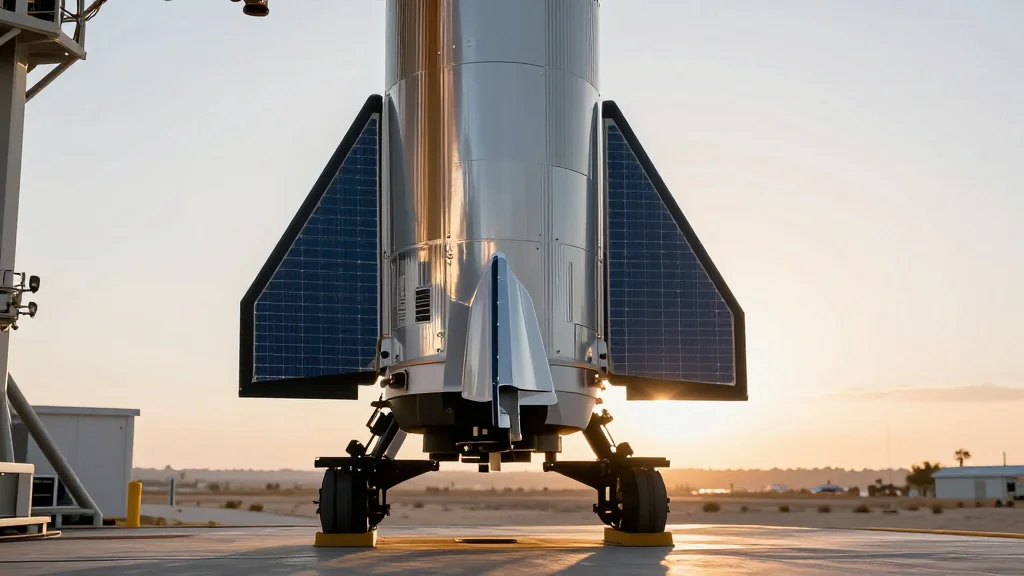
GCL Optoelectronic Plans 2026 IPO, US Plant, Space Solar
GCL Optoelectronic targets 2026 IPO, US plant, space solar rollout #energysky -- via pv magazine global: https://t.co/rdA4GxUdCl

Amazon Nears Deal for Globalstar in Push to Rival Musk’s Starlink
Amazon.com Inc. is in advanced talks to acquire satellite operator Globalstar Inc., a move that would accelerate its Project Kuiper satellite broadband rollout. The deal, expected to be announced as early as Tuesday, would give Amazon access to Globalstar’s low‑Earth‑orbit...
Apple Skips C‑3 Services as Amazon Plans 2028 Constellation
This doesn't specifically say what's happening to the C-3 constellation, but Apple is not getting the more advanced services intended as part of that constellation and Amazon is building its own constellation in 2028. Looks to me like C-3 may...

Tanzania Urges More Spectrum for Satellite D2D, Cites Interference Concerns
.@GSMA @GSOA_SAT @Ofcom Tanzania #TCRA on @ITU proposal to release more terrestrial spectrum for satellite D2D at @ITU #WRC27. Cross-border signal interference remains an issue for many nations.https://t.co/8WrxIctTmQ https://t.co/s2CjjJDPSe
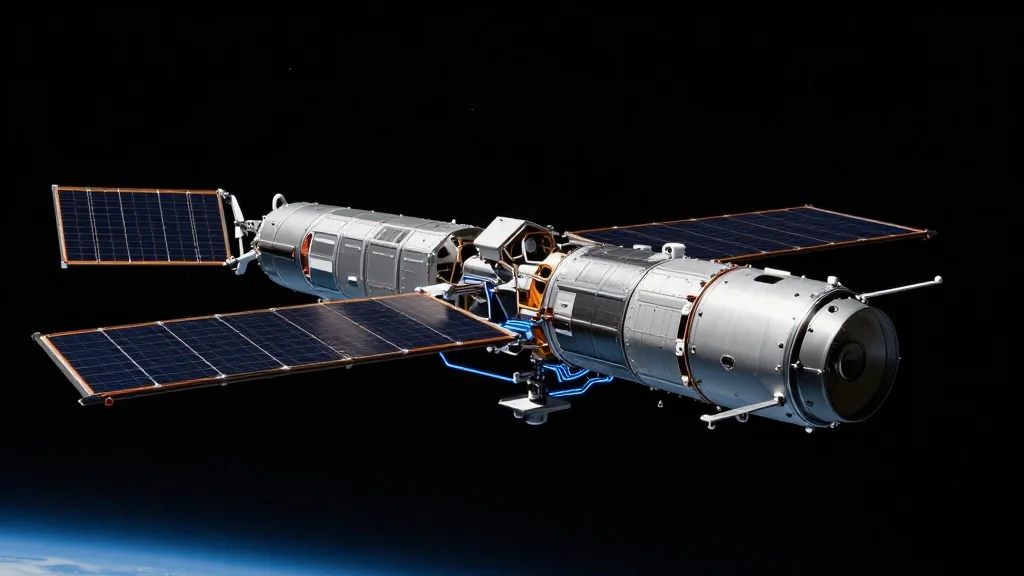
Deloitte Deploys Two New Commercial Satellites, Boosting Project Constellation
Deloitte announced the launch of two commercial satellites, Deloitte-2 and Deloitte-3, extending its Project Constellation portfolio. The move underscores the firm’s shift from advisory services to operating space assets and highlights a focus on on‑orbit cyber defense and AI‑driven anomaly...
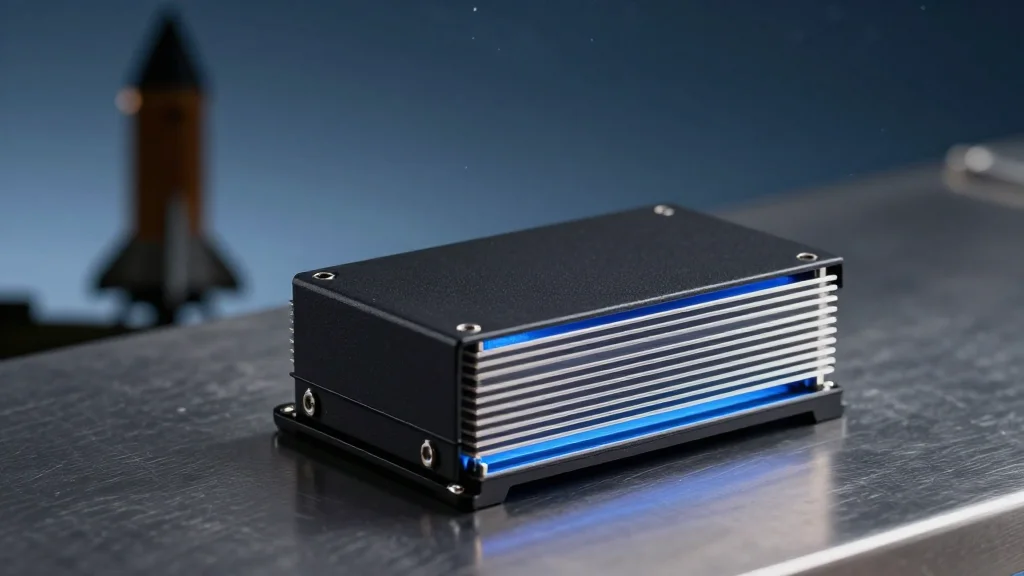
HEICO Subsidiaries Deliver Critical Components for Artemis II, NASA Eyes Next Lunar Steps
HEICO’s three subsidiaries—3D PLUS, Exxelia and VPT—provided memory devices, capacitors, magnetics and radiation‑hardened power converters for NASA’s Artemis II crewed flight. The supply‑chain win underscores the growing reliance on commercial space‑qualified parts as NASA shifts focus to Artemis III and the lunar landing...
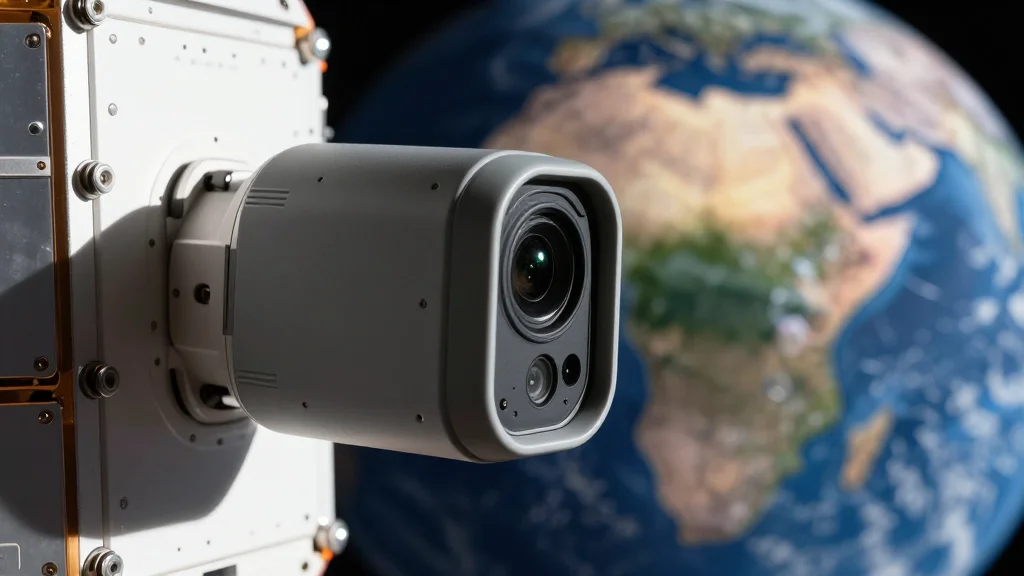
Kenya, Egypt and Uganda Launch AI‑Enabled Climate Camera to ISS in Historic African Collaboration
The Kenya Space Agency, together with the Egyptian Space Agency and Uganda’s National Space Programme, launched the 3.5‑kg AI‑driven ClimCam payload to the International Space Station on 11 April 2026. Riding on a SpaceX Falcon 9 and Northrop Grumman’s Cygnus XL NG‑24, the mission will...

Algeria Is Offering Two Licences To Operate Non-Geostationary Orbit (NGSO) Satellite Networks
Algeria's Regulatory Authority of Posts and Electronic Communications (ARPCE) announced the issuance of two licences for operating Non‑Geostationary Orbit (NGSO) satellite networks. The licences grant holders the right to both operate and provide services linked to NGSO satellites within Algerian...

SpaceX to Reuse Booster Now, Engines Later
Interesting. So they will re-fly the booster itself on this mission, and the re-fly the engines in the future one. https://t.co/tHgcEEzzag

Exclusive: Vast Debuts Flight Suit For Haven-1, Private Astronaut Missions
Vast announced its first flight suit designed for crew members of the upcoming Haven‑1 private space station and its ISS‑bound private astronaut missions. The modular garment can be worn as a separate jacket and pants or zipped into a traditional...

NASA Unveils ERNEST, Rover for Extreme Planetary Missions
Meet ERNEST: NASA’s Smart Rover Designed for Extreme Planetary Exploration by @spaceandtech_ #SpaceTech #Tech #Technology #EmergingTech #Space https://t.co/BmO3uxBCmv
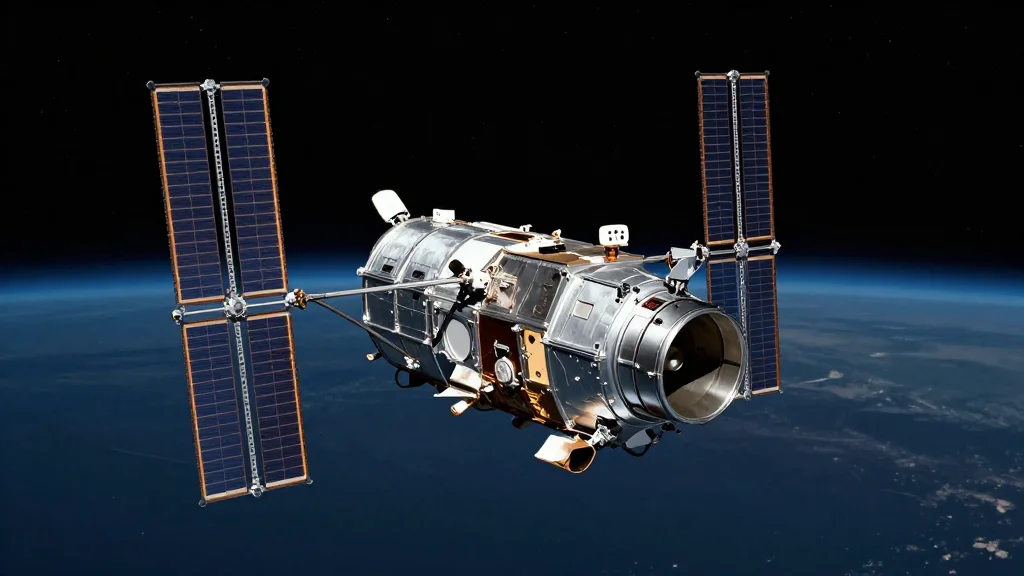
Lockheed Martin Planning Next-Generation Space Dominance Demos On Orbit
Lockheed Martin is self‑funding two next‑generation space‑dominance demonstrations—a small satellite called Vanguard and a medium‑class platform named Sentinel—targeted for launch in late 2028 and early 2029. The missions will prove rendezvous and proximity operations (RPO) and command‑and‑control capabilities from geosynchronous...
Regulators Challenged With Keeping Up With the Cadence of Space Development
At the Space Symposium, FCC, NOAA and FAA officials highlighted how regulators are scrambling to keep pace with the rapid commercial space boom. FCC chief Jay Schwarz stressed the need to modernize satellite licensing as launch cadence accelerates. NOAA detailed...
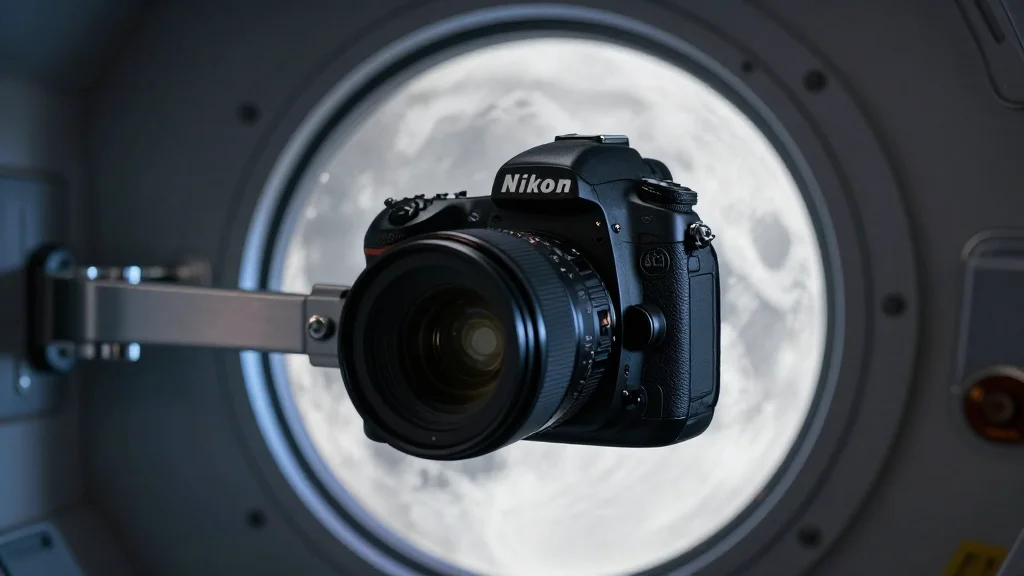
NASA Picks Nikon D5 DSLR as Primary Camera for Artemis II Mission
NASA has selected Nikon's D5 DSLR as the primary imaging system for the Artemis II crewed lunar flyby, favoring a proven, consumer‑grade camera over newer mirrorless models. The decision underscores the agency’s emphasis on reliability, weight considerations, and budget efficiency for...
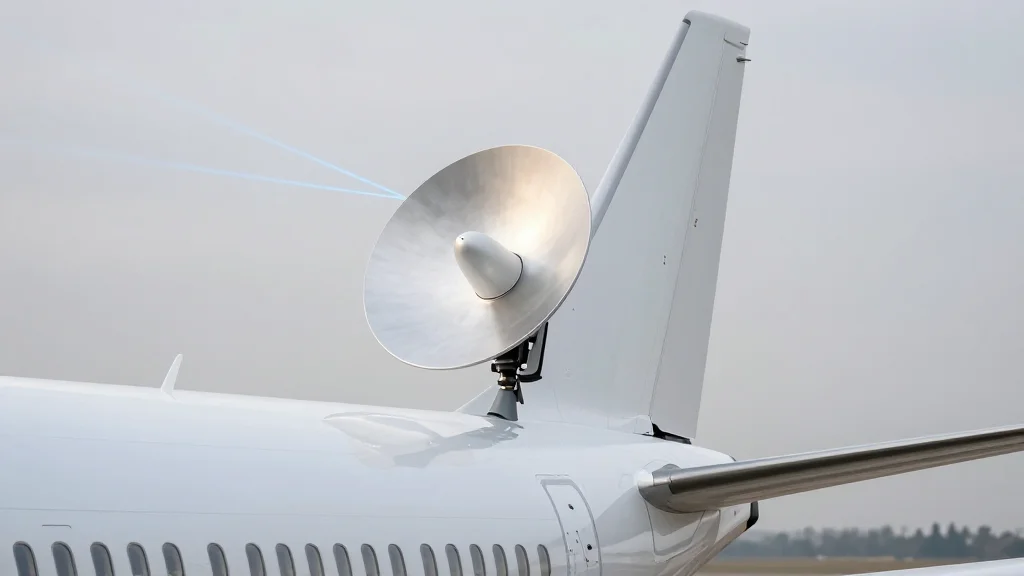
Amazon Unveils Leo Aviation Antenna, Promising Gigabit In‑Flight Connectivity
Amazon announced the Leo Aviation Antenna, a low‑profile phased‑array terminal that can deliver up to 1 Gbps download and 400 Mbps upload to commercial aircraft. The hardware is slated for service in mid‑2026, positioning Amazon against SpaceX’s Starlink in the fast‑growing inflight...