Artemis 2, Apollo 8, and the Problem with History
Artemis 2’s lunar flyby mirrors Apollo 8’s historic 1968 mission, but its justification is largely technical rather than geopolitical. Recent declassified CIA memos reveal that intelligence on Soviet circumlunar plans was shared with NASA, yet historians argue the primary driver for Apollo 8 was schedule pressure after the Lunar Module delay. The article contrasts Cold‑War motivations behind Apollo with the more commercial and exploratory framing of Artemis, noting that modern intelligence now monitors China’s lunar ambitions. Ultimately, the decision‑making process for both missions reflects a blend of engineering constraints and strategic signaling.
Artemis 2 Set Record: 413,145 Km From Earth
Artemis 2 was the furthest human voyage from Earth. Per the final JPL Horizons trajectory I estimate the max distance from the geocenter was 413145 km at 2304 UTC Apr 6 (about 4 km less and 1...

ThinKom Unveils Space-Optimized ThinAir Nexus Aircraft Antenna
ThinKom introduced the ThinAir Nexus, a space‑optimized aircraft antenna that delivers multi‑orbit, multi‑constellation inflight connectivity in a footprint comparable to single‑orbit electronically steered antennas. The Nexus supports gigabit‑class throughput for GEO, MEO and LEO satellites and can be upgraded via a...
Strategic Celestography and Lunar Competition: Artemis, CLEP, and the Struggle for Positional Advantage
The United States' Artemis program and China’s Lunar Exploration Program (CLEP) are racing to secure strategic footholds on the Moon and in cislunar space. Both powers target the lunar south‑pole for its water‑ice deposits and favorable solar illumination, while leveraging...

What It’s Like to Be…an Aerospace Engineer
The latest episode of Dan Heath’s podcast "What It’s Like to Be…" features Swati Mohan, a NASA JPL aerospace engineer who helped guide the Perseverance rover through the infamous “seven minutes of terror” landing on Mars. Listeners hear how JPL’s ultra‑clean rooms...

The U.K. Just Spelled Out What a Carrington-Class Solar Storm Would Cost — and the Numbers Should Change Policy
The UK’s National Risk Register now quantifies a Carrington‑class solar storm as a trillion‑dollar threat, estimating $0.6‑$2.6 trillion in first‑year global damages and tens of billions of pounds in domestic losses. The country’s electricity sector alone underpins roughly $112 billion of GDP,...

Key Senate Appropriator Rejects Proposed NASA Budget Cuts
Sen. Jerry Moran, chair of the Senate Appropriations Commerce, Justice and Science subcommittee, announced he will fight the administration’s proposed 23% cut to NASA’s FY2027 budget, aiming to keep funding near last year’s $24.4 billion level. He emphasized a balanced budget...
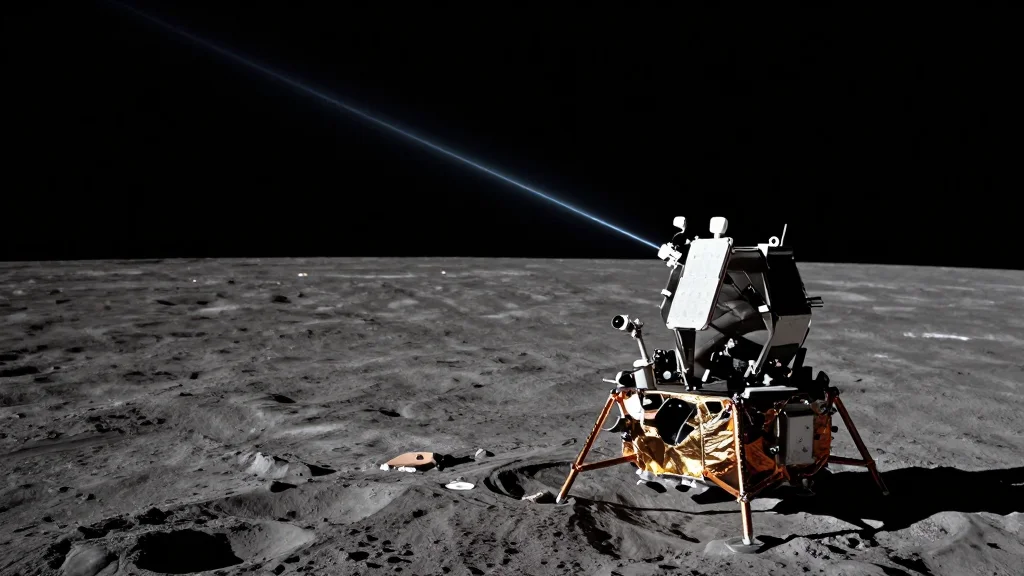
Volta Space Technologies Leverages Government Partnerships and Funding to Develop Laser-Enabled Lunar PV Power Network
Volta Space Technologies is developing LEPTON, a laser‑enabled power‑transmission network that will beam electricity from low‑lunar‑orbit satellites to surface assets. The company secured a slot on Firefly Aerospace’s Blue Ghost Mission 2, targeting a 2028 demonstration that will power a lander‑mounted...

Q&A: Building a Broadband Constellation for a Contested Space Era
Logos Space Services, founded by former NASA and Google executive Milo Medin, received FCC approval to launch up to 4,178 low‑Earth‑orbit broadband satellites operating in K‑, Q‑ and V‑band frequencies. The company’s private‑network architecture uses super‑narrow beams to boost capacity,...

AI System GOFLOW Generates Hourly Global Ocean‑Current Maps From Satellite Thermal Images
Scientists at UC San Diego’s Scripps Institution of Oceanography have launched GOFLOW, a deep‑learning system that transforms GOES‑East satellite thermal imagery into hourly, global ocean‑current maps. The breakthrough promises finer‑scale, near‑real‑time insight into ocean dynamics critical for climate, weather, and...

Sceye Completes 12‑Day HAPS Test, Paving Way for Stratospheric 5G Service
Sceye announced that its high‑altitude platform system (HAPS) balloon completed a 12‑day endurance flight, marking the end of its technology validation phase. The data gathered will inform upcoming commercial trials aimed at delivering 5G‑grade broadband from the stratosphere. The milestone...

ESA Publishes New Details on Crew Launch Abort Demonstrator
The European Space Agency (ESA) has opened a call for proposals to develop a Crew Launch Abort Demonstrator, allocating roughly $1.1 million for the System Level Definition phase that will run up to 12 months. The project will use an Ariane 6...

Space Compass Forges Optical Satellite Relay Pact
Space Compass signed a memorandum of understanding with Apolink and JSAT International to develop optical data‑relay technology that links geosynchronous (GEO) and low‑Earth‑orbit (LEO) satellites. The agreement will explore both technical feasibility and commercial potential, initially focusing on integrating Apolink’s...
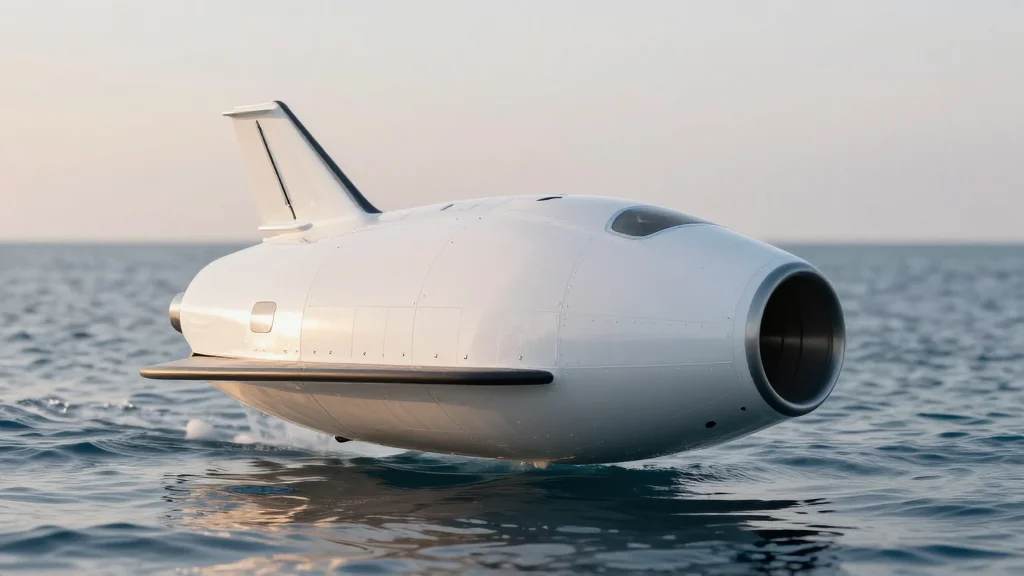
Lockheed Martin Nails Historic Orion Splashdown With NASA, Paving Way for Moon Return
Lockheed Martin celebrated the successful splashdown of NASA’s Orion spacecraft, concluding the Artemis II mission that sent astronauts on a 10‑day journey beyond the Moon. The splashdown validates Orion’s deep‑space re‑entry capabilities and reinforces Lockheed’s role as the prime contractor for...

A Worst-Case Solar Storm Could Knock Out Satellites, GPS and Power Grids, Report Warns
Scientists from the U.K.’s Science and Technology Facilities Council released a 80‑page report outlining a worst‑case solar‑storm scenario that could recur every 100‑200 years. The analysis warns that a severe geomagnetic event could trip power‑grid safety systems, age or destroy...

Proba-3’s First Results Are Already Rewriting What We Thought We Knew About Solar Wind
ESA’s Proba‑3 twin‑satellite mission has released its first scientific data, revealing solar‑wind speeds in the inner corona that far exceed existing model forecasts. The formation‑flying pair creates an artificial eclipse, allowing the ASPIICS coronagraph to observe the Sun’s innermost atmosphere...

Ukraine Confirms Rocket Launches Into Space During Wartime
Ukraine’s Main Intelligence Directorate (GUR) confirmed two wartime rocket launches that crossed the Kármán line, reaching 100 km and 204 km altitudes. The unit also performed a pioneering air‑launch from a transport aircraft at 8,000 m, a first for Europe and only the...

First Proba-3 Science: Surprisingly Speedy Solar Wind
The European Space Agency’s Proba‑3 mission has turned artificial eclipses into a repeatable laboratory, delivering 57 artificial solar eclipses and over 250 hours of high‑resolution corona video since July 2025. Using the ASPIICS coronagraph, scientists tracked slow‑wind plasma blobs moving at 250‑500 km s⁻¹,...

South Africa’s Politics Might Stifle The Growth Of Its Space Programme
South Africa’s Portfolio Committee on Science, Technology and Innovation warned that political and fiscal missteps are jeopardising the nation’s nascent space programme. SANSA has poured $18.3 million into the EO‑Sat1 satellite, yet the project was stalled for six years due to...

The Satellite War on Terrestrial Telecoms Has Already Begun
The convergence of silicon‑carbon battery advances, relaxed FCC power‑limit rules and higher‑bandwidth LEO satellite capabilities is bringing satellite direct‑to‑device (DTD) connectivity closer to everyday use. Early demonstrations—MTN’s 2025 voice call in South Africa and Vodafone’s 2026 video call—show that smartphones...

Congrats Artemis II—NASA’s Backup Crew Ready for Artemis III
Congrats on Artemis II. Just in case you need a backup crew for Artemis III... @nasa

The Largest Orbital Compute Cluster Is Open for Business
Kepler Communications launched the largest orbital compute cluster in January, featuring 40 Nvidia Orin edge processors spread across ten satellites linked by laser communications. The firm announced a partnership with Sophia Space, which will upload its proprietary operating system to...
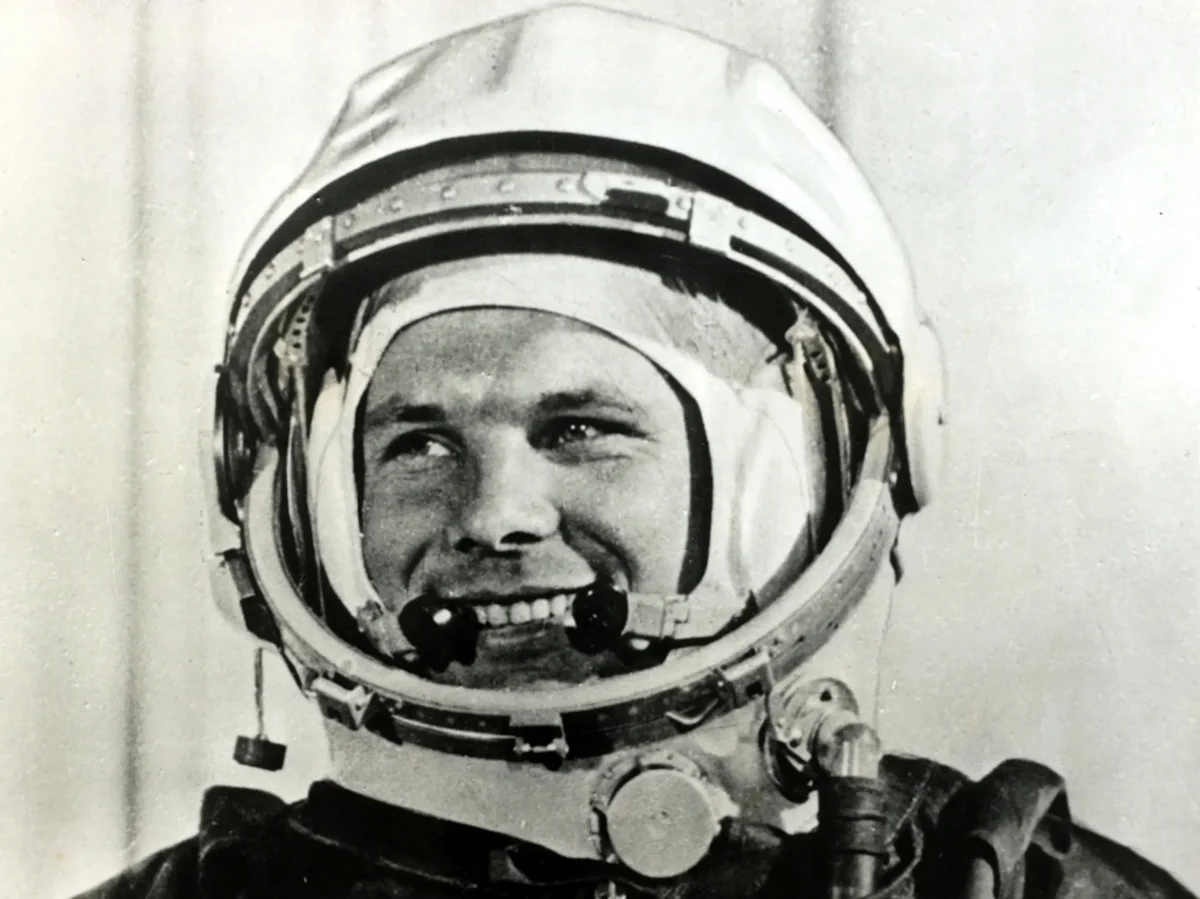
From Gagarin to Artemis: Stepwise Journey to Lunar Settlement
Today is International Day of Human Spaceflight. On April 12, 1961, Russian cosmonaut Yuri Gagarin became the first human to leave Earth. He made one orbit. That was just the beginning. Now, 65 years later, Artemis II has taken humans beyond...
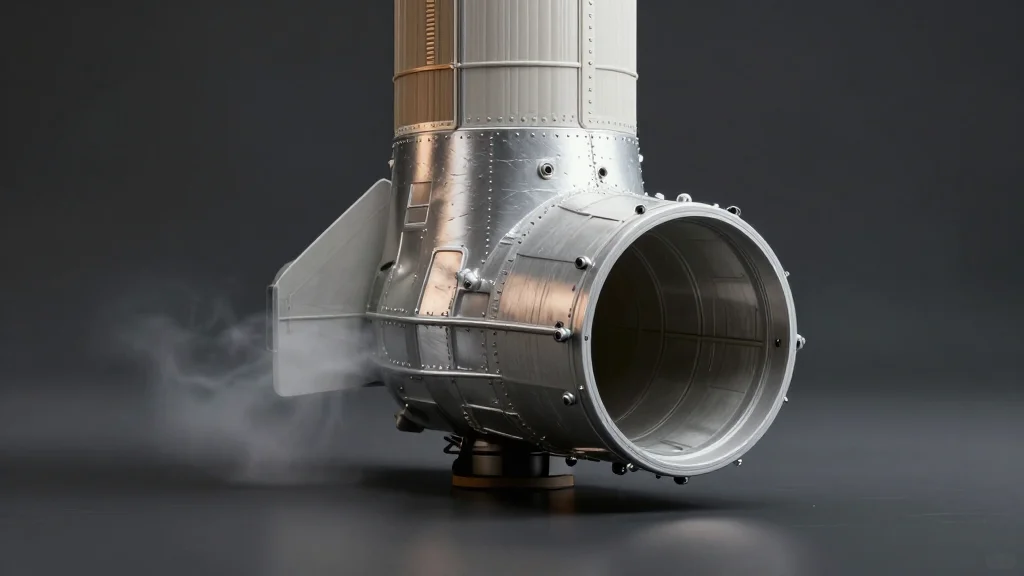
Ukraine’s Yuzhnoe Previously Built Massive Solid Rocket Boosters
Very interesting. Do we know anything about these rocket boosters? They are new to me. Ukraine's Yuzhnoe did build the RT-23 and R-39 solid missiles (2.4m dia) in the Soviet era.

They're Home From the Moon / The Pet Debt Crisis Is Real / Gen Z Thinks AI Is Rotting Their...
The episode covers three main stories: NASA’s Artemis II splashdown, highlighting the historic return of four astronauts and the promise of future lunar missions; the emerging pet‑debt crisis, with veterinary costs up 43% since 2021 and lifetime pet expenses exceeding $50,000,...

Angara-5M to Launch PTK Prototype by 2028
Upgraded Angara-5M rocket is now promised to fly with a development prototype of the PTK crew vehicle during a 2027-2028 period (a delay from 2025). Context and full story: https://t.co/ithnEIbQfV https://t.co/g9fUBxzoNz

Europa Clipper Probes Hidden Ocean for Extraterrestrial Life
NASA’s Europa Clipper Explores Hidden Oceans for Signs of Life by @BrianRoemmele #SpaceTech #Tech #Technology #EmergingTech #Space https://t.co/2O5Lx5ewb1

As Artemis II Is Celebrated, the World Faces Hard Questions About US Leadership in Space
Artemis II completed the first crewed lunar fly‑by in over five decades, carrying the first woman and the first person of colour to orbit the Moon. The mission is a milestone in NASA’s broader goal of establishing a permanent lunar base...

Starship’s Commercial Moment: What Operational Starship Flights Would Do to Launch Economics
SpaceX’s Starship is on the cusp of commercial operation after the FAA approved up to 25 launches per year from Starbase and the V3 Raptor engine fired for the first time in early 2026. Analysts estimate near‑term launch costs between...

The Satellite Manufacturing Market After Starlink: How Mass Production Changed the Economics of Building Spacecraft
Starlink’s assembly line now produces about five satellites per day at roughly $400,000 each, slashing unit costs far below the $150‑$300 million price tag of traditional GEO spacecraft. Global satellite‑manufacturing revenue rose 17% to $20 billion in 2024, with U.S. firms delivering...

OneWeb UK Ups Revenue in 2025
OneWeb Holdings UK, the London arm of Eutelsat, posted a 44.5% jump in revenue to $186 million for the year ending June 2025. Staff costs were cut by a third, falling to $82.8 million, while the operating loss shrank 66% to $456 million. Eutelsat...

Recapping the Historic Artemis II Mission Around the Moon
NASA’s Artemis II mission completed a historic crewed flyby of the Moon, covering nearly 700,000 miles before splashing down in Houston. The ten‑day flight launched on a Space Launch System (SLS) rocket carrying the Orion capsule and a four‑person crew. Over the...
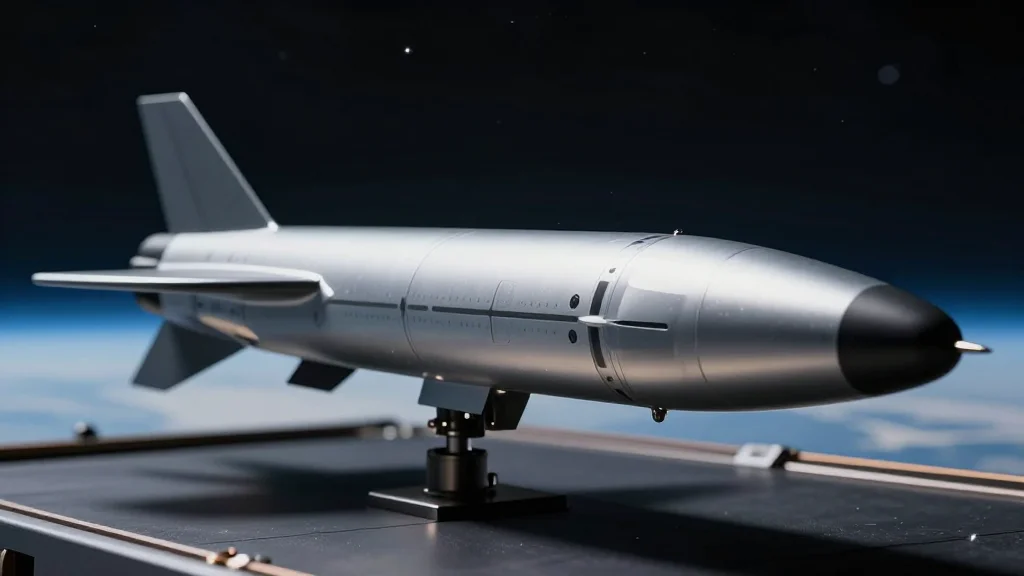
U.S. Air Force Unveils NGI Kinetic Interceptor to Destroy ICBMs in Space
The U.S. Air Force introduced the Next Generation Interceptor (NGI), a Lockheed Martin‑built kinetic‑kill missile capable of striking intercontinental ballistic missiles in space. The system uses high‑speed impact, multiple kill vehicles and digital‑twin simulations to improve reliability against sophisticated threats.

Analyst: SpaceX Making 340 Satellites per Month
SpaceX is now manufacturing roughly 340 Starlink satellites each month, topping 4,000 units annually—a 40% jump from 2024. The network’s ground‑station footprint expanded to about 503 sites in 2026, more than double the 2024 count. Quilty Space projects Starlink revenue...
SpaceX Eyes $2 Trillion-Plus Valuation in June IPO, Sparking Fierce Pricing Debate
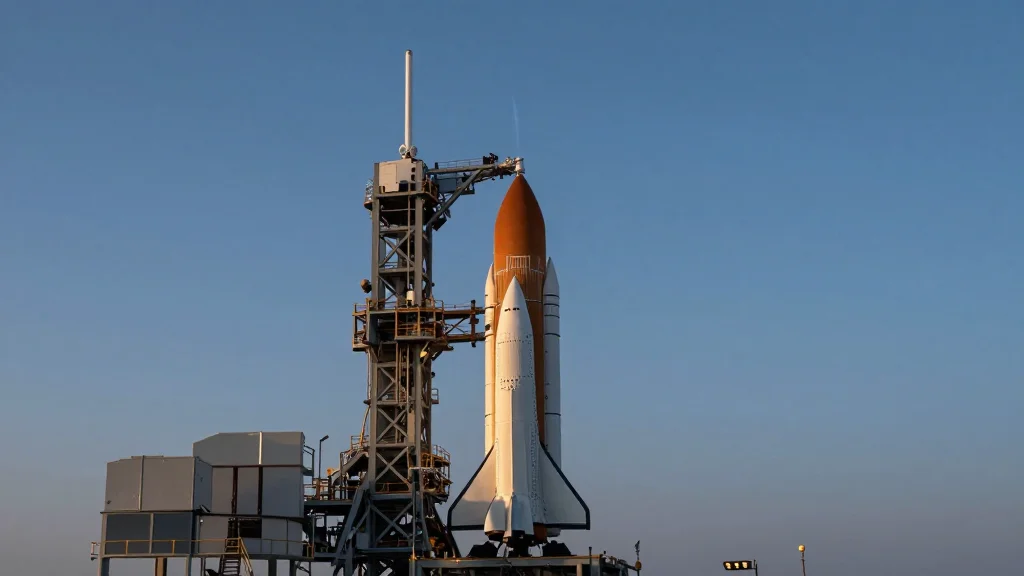
SpaceX has confidentially filed for a U.S. IPO and is positioning for a valuation that could top $2 trillion, with investors eyeing a $75 billion raise. The lofty target has ignited a clash over how to benchmark the rocket and satellite maker...

US Mobile’s New Bundle Combines Its Multi-Network Mobile Service with Starlink Residential Internet
US Mobile announced a partnership with SpaceX’s Starlink to bundle its prepaid, multi‑network cellular service with Starlink residential internet. The offering combines unlimited mobile plans that switch automatically among AT&T, Verizon and T‑Mobile with uncapped Starlink broadband, all managed through...

The Future of the Artemis Program
NASA’s Artemis II mission successfully completed a 700,000‑mile lunar flyby and splashed down off California, marking the United States’ return to crewed deep‑space travel after more than 50 years. The four‑astronaut crew demonstrated the Orion spacecraft’s performance and validated key navigation,...
NSA Reveals Details of New LEO Security Report
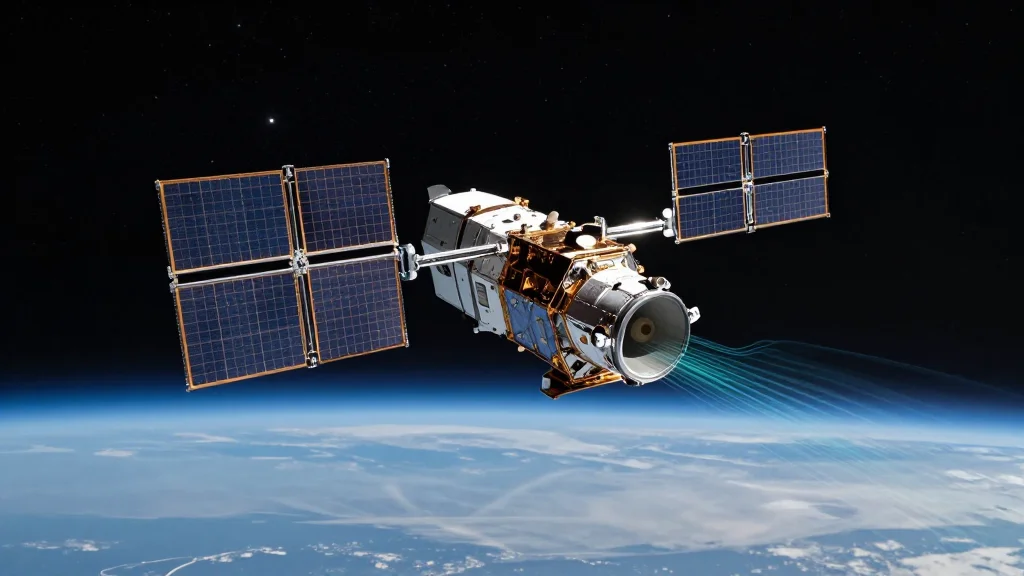
The National Security Agency, together with Australia, Canada, New Zealand and the Australian Space Agency, has issued a Cybersecurity Information Sheet titled “Securing Space: Cyber Security for Low Earth Orbit Satellite Communications.” The guidance breaks LEO sat‑com risk and mitigation into...

China Accelerates Orbital Internet Deployment with Successful Smart Dragon-3 Sea Launch
China’s Smart Dragon‑3 carrier rocket lifted off from a sea‑based platform off Guangdong on April 11, delivering a test payload for its sovereign low‑Earth‑orbit internet network. The four‑stage solid‑propellant vehicle, now on its 11th successful flight, can place up to 1,500 kg...
Boeing’s $24 Billion Space Launch System Faces Uncertain Future Under Trump Administration
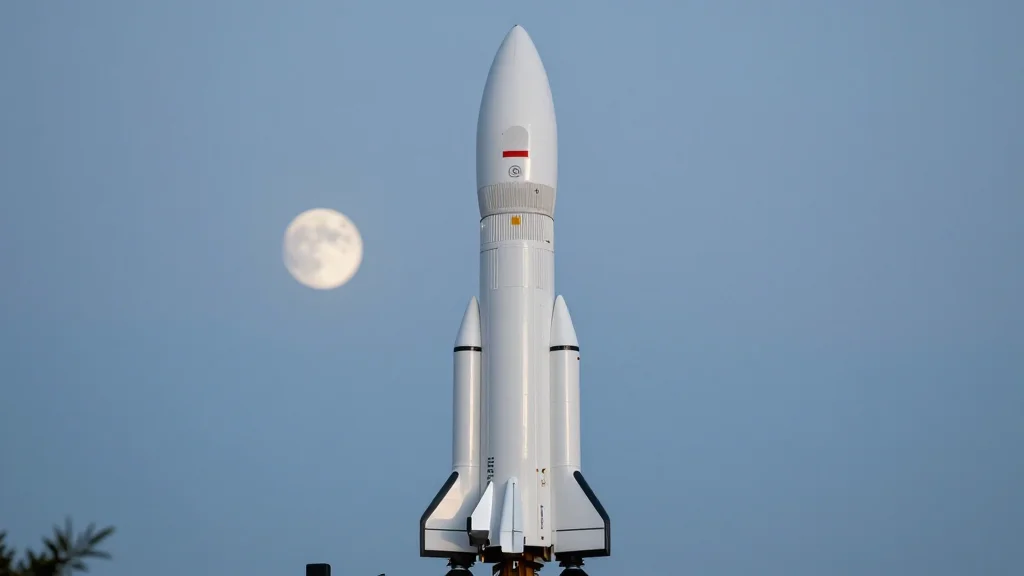
NASA asked rival firms for alternative lunar launch options about a week before Boeing’s $24 billion Space Launch System (SLS) carried Artemis II crew around the Moon. The White House’s budget request echoed that outreach, casting doubt on the SLS’s future under...
UAE Unveils 2031 Space Strategy to Double Economy and Join Top‑10 Space Nations
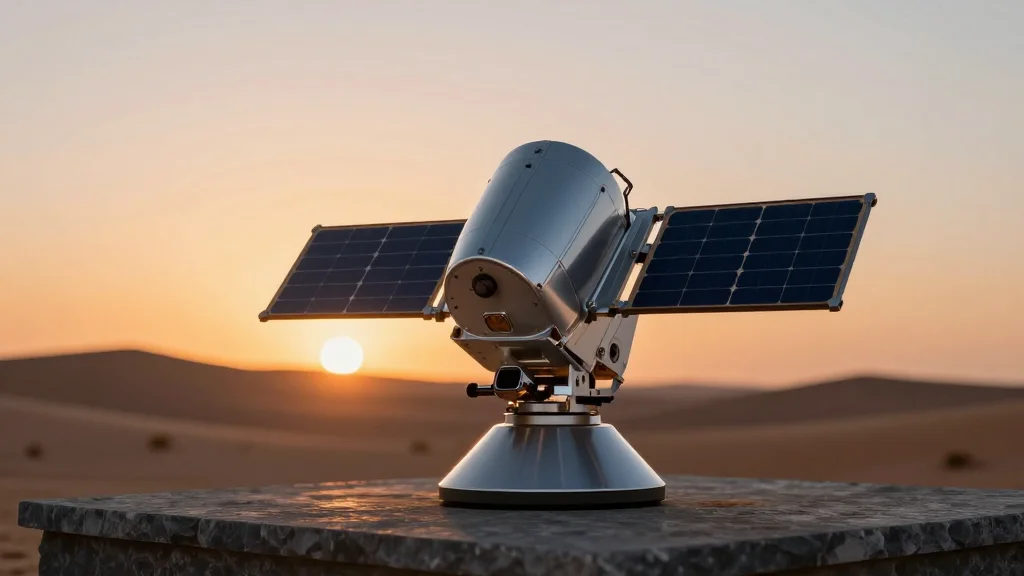
The United Arab Emirates announced its National Space Strategy 2031, targeting a doubled space‑economy revenue and a place among the world’s top‑10 space powers. The plan builds on 30 satellites, 170 active space firms and a Mars probe extended to...

Smallsats Dominate 2025 Launch Landscape as Mass Efficiency Peaks
In 2025, smallsats—satellites under 1,200 kg—accounted for 98% of all launches, marking a decisive industry shift. The second quarter saw 1,198 spacecraft lifted, with smallsats delivering 87% of the 743,770 kg upmass, while the third quarter maintained a 98% share despite a...
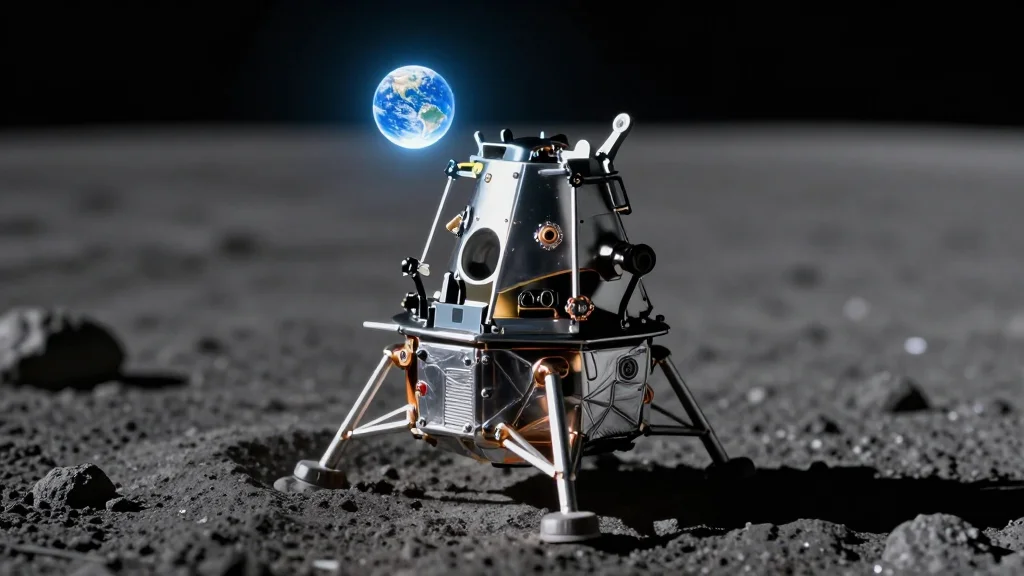
Artemis Highlights NASA’s Evolving Mission Landscape
This post is now a newsletter, with hyperlinked sources + some thoughts on Artemis and the state of NASA https://ayanaelizabeth.substack.com/p/earth-is-blue-thank-you-artemis

MIT STAR Lab Expands Scope From Lasercom Innovation to Space Policy Architecture
MIT’s Space Telecommunications, Astronomy and Radiation (STAR) Lab is broadening its focus from pure hardware innovation to a hybrid of high‑performance CubeSat technology and emerging space‑policy frameworks. Under Professor Kerri Cahoy, the lab is integrating astrophysics research, such as exoplanet...
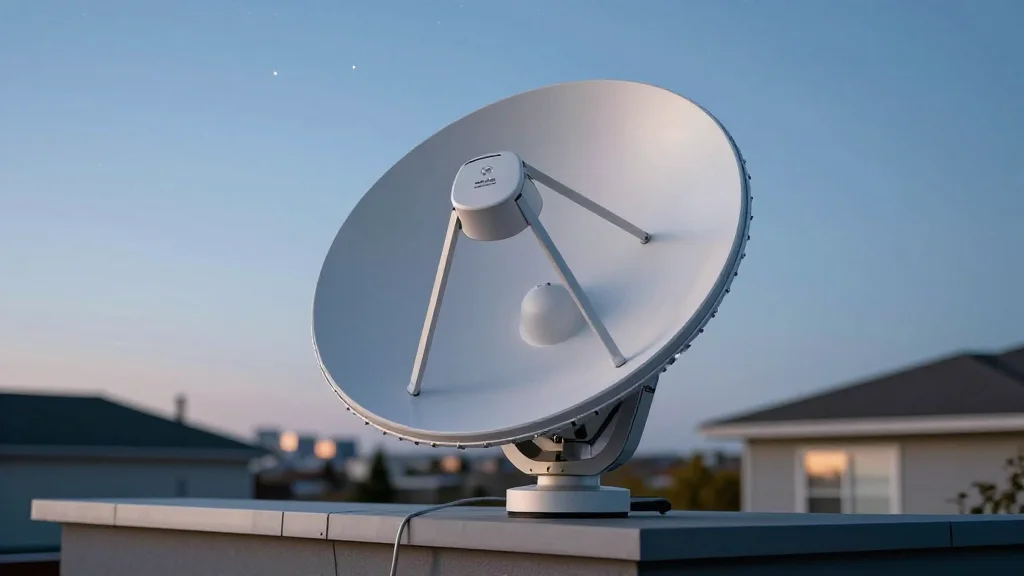
Starlink Speed in Asia Pacific: Growth, Regulation, Pricing and Performance Trends
Starlink now serves over 10 million subscribers in 155 countries, capturing 97.1% of global satellite Speedtest samples in Q3 2025. In Asia‑Pacific, Oceania leads with median download speeds of 162 Mbps and 35 ms latency, while Southeast Asian markets show mixed results—Malaysia up to...
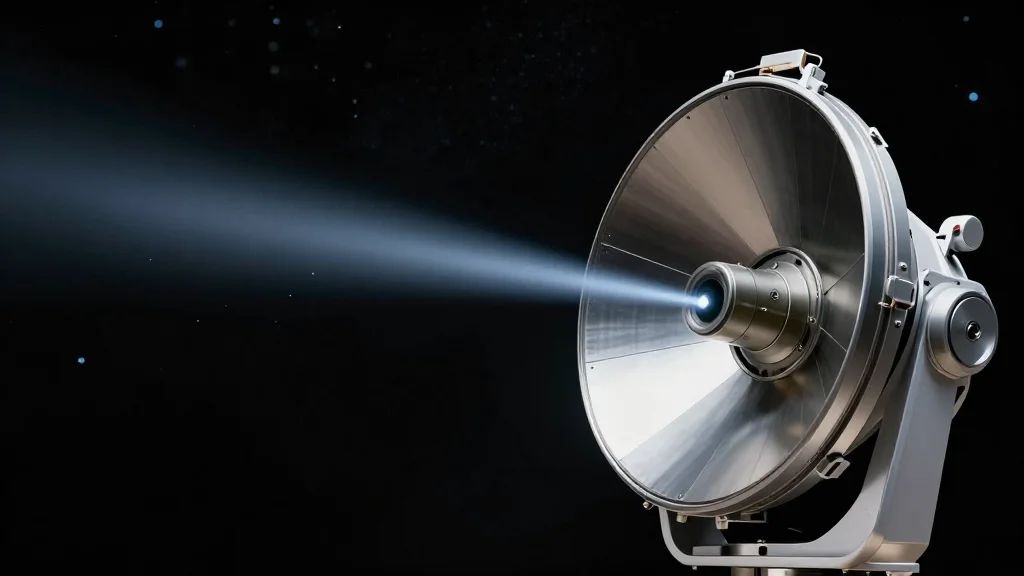
Compact X‑ray Telescope Resolves 3.5 Mm at One Kilometer
A new high-resolution X-ray telescope, developed with advanced mirror technology, can distinguish objects just 3.5 mm wide from a kilometer away, marking a significant step toward compact, high-precision space-based X-ray astronomy. spaceinnovation
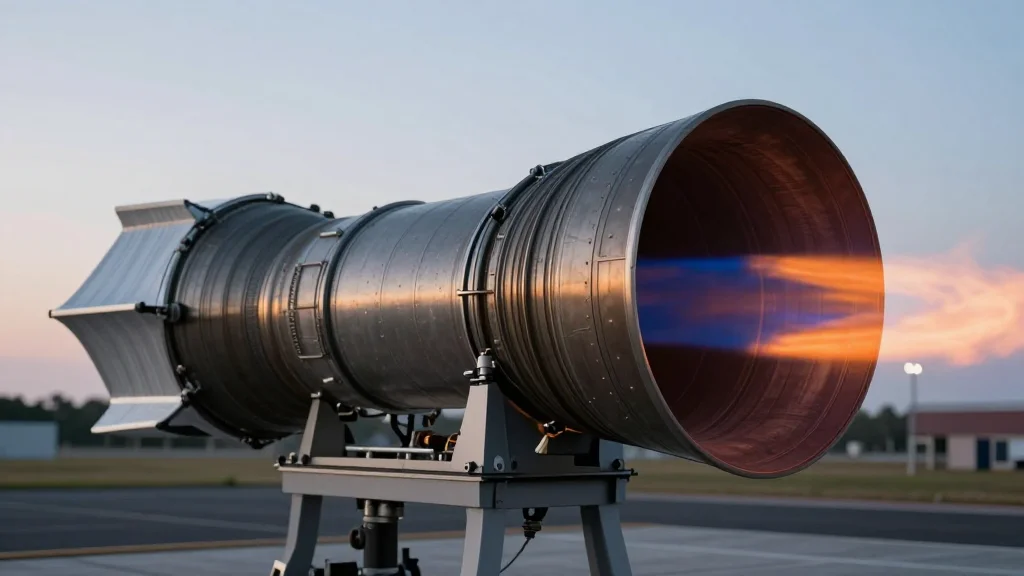
Anticipating History's Most Powerful V3 Raptor Static Fire
Let's go! 🔥 Can't wait to see this magic for the first time. Presumably will be the most powerful static fire in history using V3 Raptors. No big deal.... right?
JAXA Plans to Bring Back Pristine Early Solar System Samples From a Comet
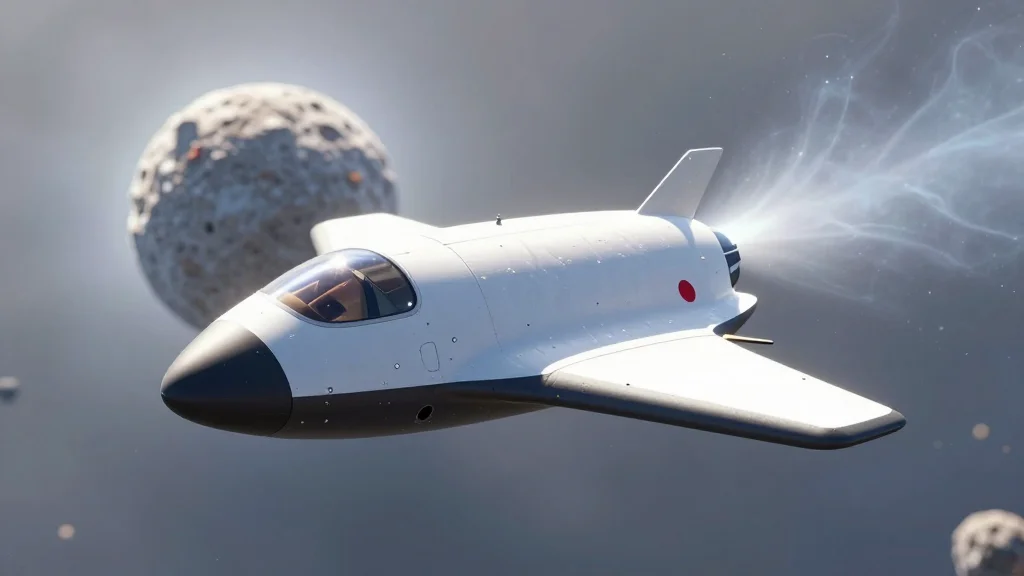
Japan’s space agency JAXA has outlined the Next Generation Small‑Body Return (NGSR), a large‑class mission to retrieve pristine material from comet 289P/Blanpain. The 2034 launch will send a lander that will impact the comet’s surface, collect subsurface ice and dust,...
Space Twitter’s Ad Hoc Heat Shield Analysis
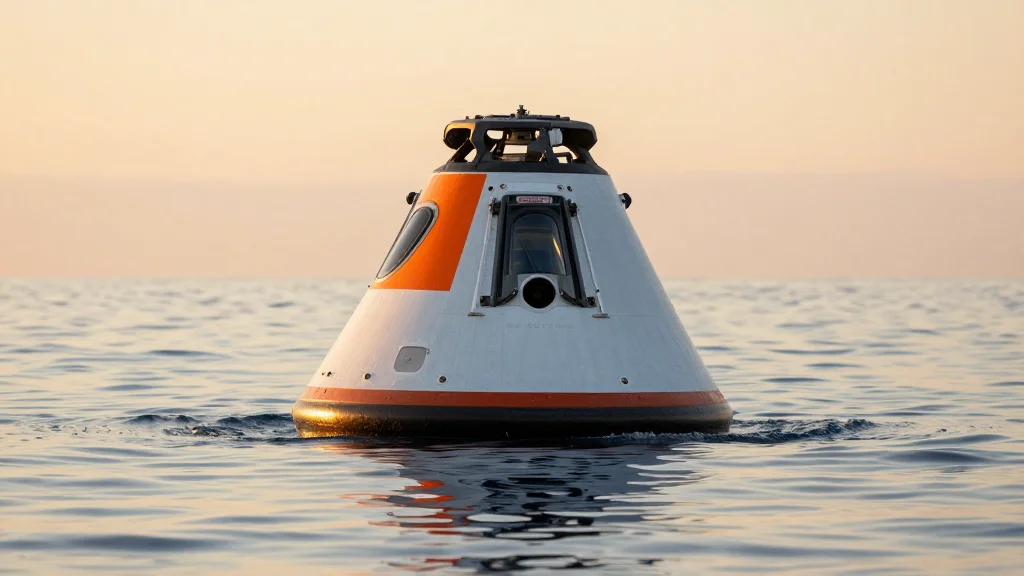
NASA’s Artemis II splashdown image sparked a wave of speculation on Space Twitter after a bright, colored patch appeared on the capsule’s heat shield. Influencers and arm‑chair experts quickly labeled it a potential problem, despite the picture’s low resolution. NASA Administrator Jared Isaacman...

First Human Orbital Flight Marks 65-Year Milestone
65 YEARS AGO TODAY: The first human reaches Earth's orbit FULL STORY (and my reconstruction of the event): https://t.co/l1fyUe3ztw https://t.co/KqZ4ndMNXk