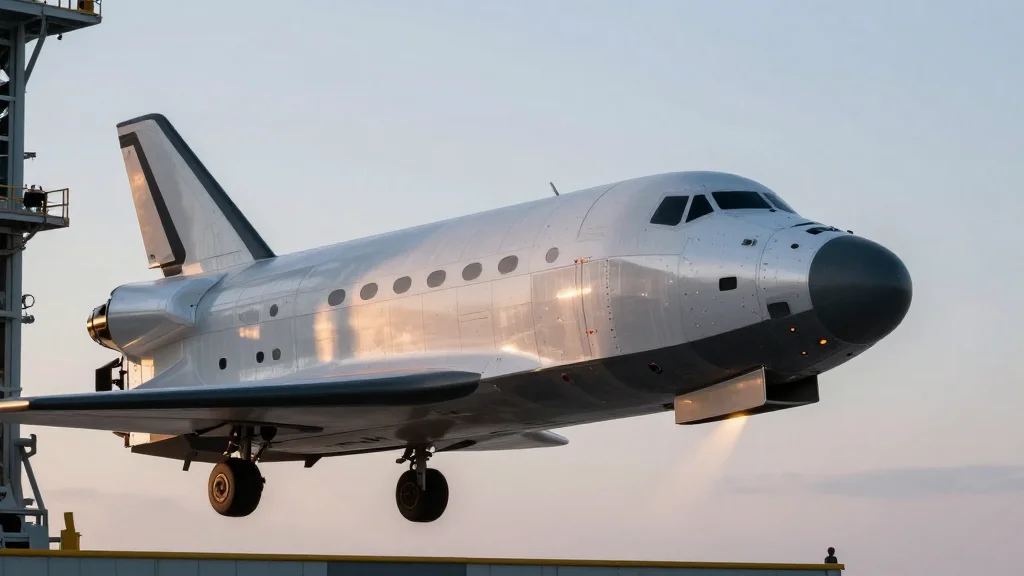
BryceTech Report Shows SpaceX Accounted for 50% of Launches in 2025
BryceTech’s 2025 Year in Review reports 325 orbital launches and 4,544 spacecraft, a 25% rise in launches and 54% more spacecraft than 2024. SpaceX led the market with 165 launches, representing roughly 51% of all global launches and 85% of satellites placed in orbit. Small satellites under 1,200 kg dominated, accounting for 98% of the payloads, while U.S. providers delivered nearly 60% of total launches. China’s CASC followed with 68 launches, and Rocket Lab and Roscosmos each logged under 20 missions.
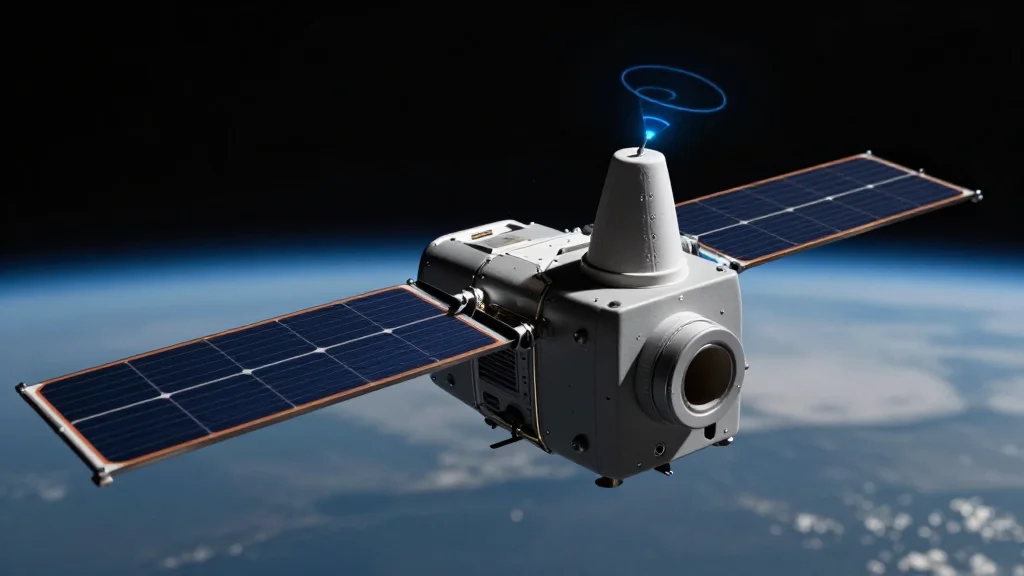
EnduroSat and Shield Space Strike European Partnership for Defense Missions
EnduroSat and UK‑based Shield Space announced an all‑European partnership to deliver rapid space‑defense missions. By merging Shield Space’s autonomous guidance systems with EnduroSat’s fixed‑cost satellite services, the duo claims they can field operational missions in nine months instead of years....
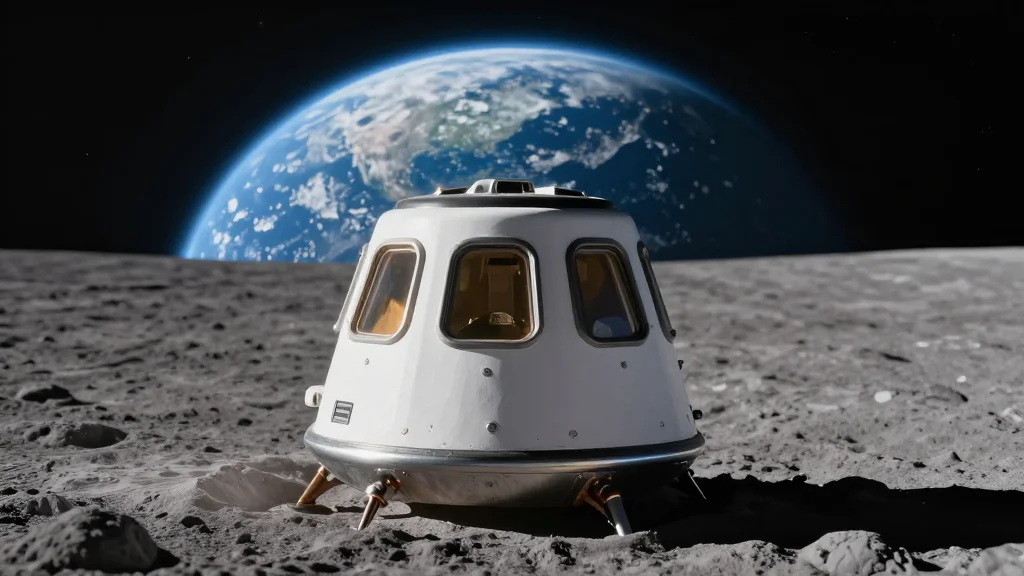
Artemis II Reminds Us of Humanity’s Awe‑inspiring Potential
All this Artemis II stuff gets me choked up. It's just astonishing what humans can accomplish.
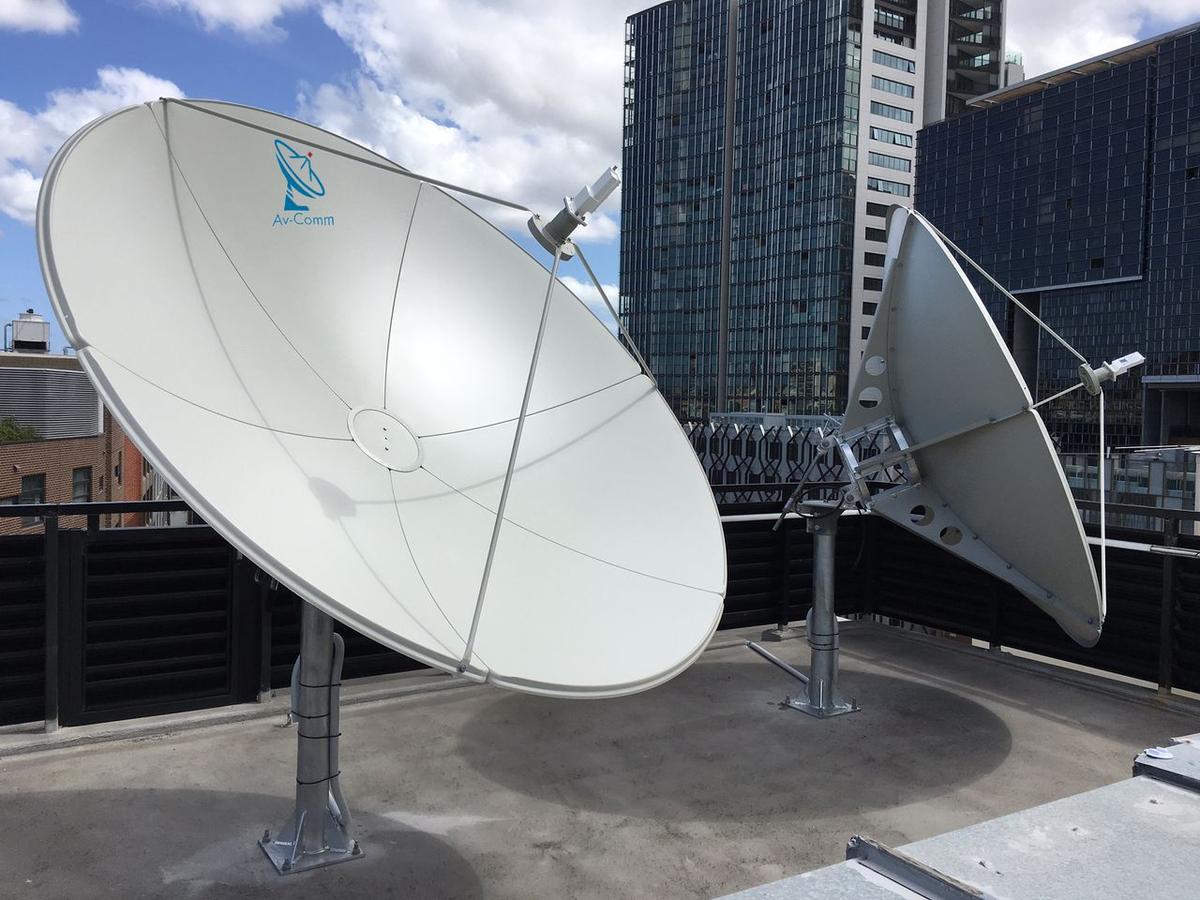
Study: Broadcasters Must `Prepare Now’ for Impact of FCC C-Band Auction
The FCC plans to auction the remaining 100‑180 MHz of upper C‑band spectrum by July 2027, effectively ending broadcasters’ long‑standing satellite option. Unlike the 2020 reallocation, this auction leaves no like‑for‑like replacement, forcing stations to consider Ku‑band, managed IP or hybrid delivery...

Nigeria’s NIGCOMSAT Says It Earned $1.6 Million Amid Satellite Dispute
Nigerian Communications Satellite Limited reported ₦2.2 billion ($1.6 million) revenue for 2025, more than triple its 2024 earnings. Broadcasting still generates over half of that income, but the firm is pivoting toward broadband to reach a projected ₦8 billion ($5.8 million) target. CEO Jane...
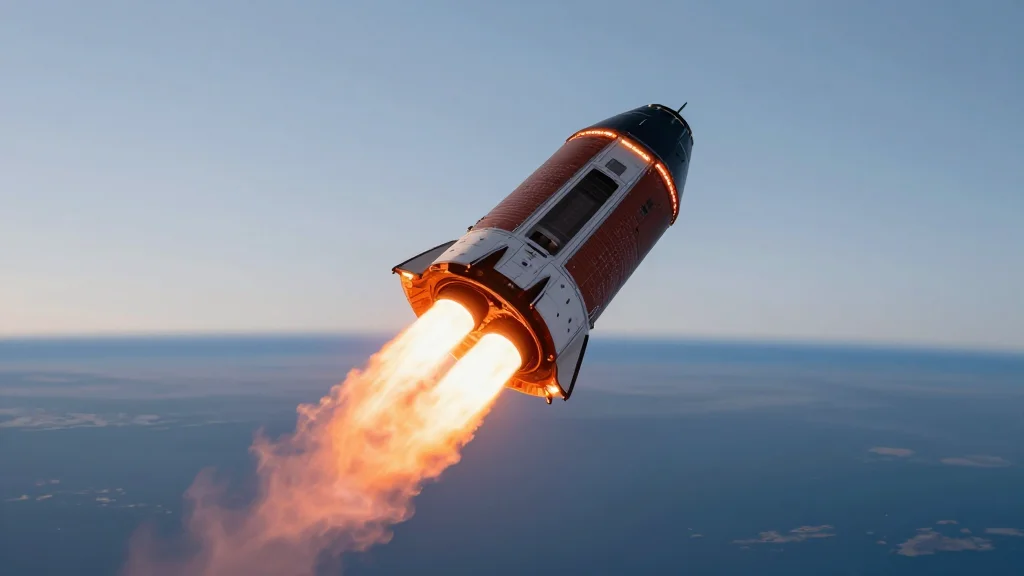
Parachutes: A Vital Part of Artemis II's Trip Home
NASA’s Artemis II will return the Orion crew to Earth using a sophisticated parachute suite. Eleven parachutes, arranged in four deployment stages, slow the capsule from 350 mph after heat‑shield deceleration to a gentle 17 mph splashdown off Southern California. The system begins...

See Photos From All 10 Days of NASA’s Artemis II Moon Mission
NASA launched Artemis II on April 1, 2026, sending three Americans and a Canadian on a 10‑day lunar flyby after multiple launch delays. The crew—Reid Wiseman, Victor Glover, Christina Koch and Jeremy Hansen—traveled farther from Earth than any humans before, capturing unprecedented images...

Artemis II Is Showing How Federal Education and Operational Experience Come Together in Space
Artemis II marked the first crewed flight of NASA’s Orion capsule atop the Space Launch System, taking four astronauts on a lunar flyby and returning for splash‑down. The mission served both as a flight‑test of new hardware and procedures and as...

This Dashboard Tracks Everything Going on with Artemis’ Orion Capsule as It Returns to Earth
NASA’s Artemis II mission is in its final phase, with the Orion capsule—nicknamed Integrity—scheduled to splash down off San Diego at 8:07 p.m. EDT on Friday. The crew has already completed a historic fly‑by of the Moon’s far side and returned high‑resolution imagery...

Chang’e-7’s Water-Ice Hunt Could Redraw the Map of Lunar Resource Politics
China’s Chang’e‑7 mission, slated for a 2026 launch, will deploy a hopping probe equipped with the Lunar Soil Water Molecule Analyzer to drill into permanently shadowed craters near the lunar south pole. A positive detection of usable water‑ice would turn...

Blue Origin Hatch Endures Reentry, Opens Precisely On Cue
Ok. As was correctly guessed it's the hatch mechanism. Designed and built by my awesome @blueorigin HBR Robotic's team. Here's a pic. Keeps the air in. Will absolutely NOT open when it's not supposed to. Absolutely...

286: Eyes to the Stars with Dr. Steve Hawley, NASA Shuttle Astronaut
In this episode, astronaut Dr. Steve Hawley discusses his new memoir "Eyes to the Stars" and reflects on the legacy of the Space Shuttle, the transition to Orion, and the Artemis II mission. He highlights how Artemis leverages proven shuttle...

HawkEye 360 Files S‑1 for NYSE Debut, Ticker HAWK Set for First U.S. Satellite‑Data IPO This Week
Geospatial analytics company HawkEye 360 announced it has filed a Form S‑1 with the SEC to launch an initial public offering on the New York Stock Exchange under the ticker HAWK. Lead book‑running managers include Goldman Sachs and Morgan Stanley,...

New Perspective of Home
NASA’s Artemis II mission captured a striking image of the Moon and Earth aligned during its April 6, 2026 lunar flyby, showing both bodies partially illuminated by the Sun. The crew—NASA astronauts Reid Wiseman, Christina Koch, Victor Glover, and CSA astronaut Jeremy Hansen—are...

Launch Aggregators and the Business of Bundled Access to Space
Launch aggregators have evolved from simple rideshare brokers into full‑service mission‑access providers, handling integration, compliance, and post‑launch logistics. The model accelerated after SpaceX’s Transporter‑16 flew 119 payloads in March 2026, proving that high‑volume rideshare can be a repeatable commercial product. Companies...
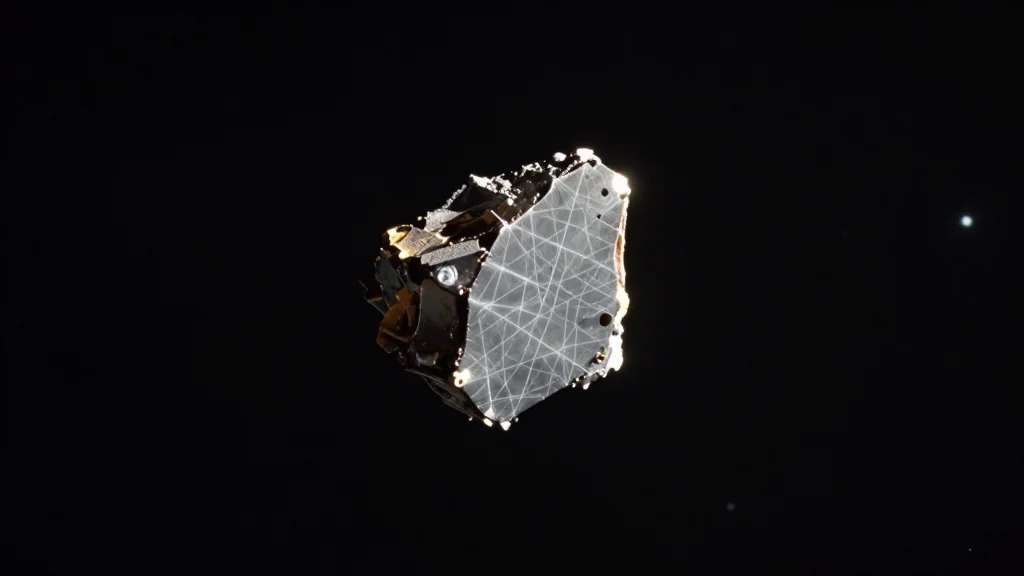
Space Junk: Do Scientists Have a Fix?
Space debris is reaching a critical mass, with the European Space Agency estimating over 15,100 tonnes in orbit, 1.2 million objects between 1 cm and 10 cm, and 140 million smaller fragments. A sub‑millimetre particle recently cracked the Shenzhou‑20 capsule window, forcing a rescue...
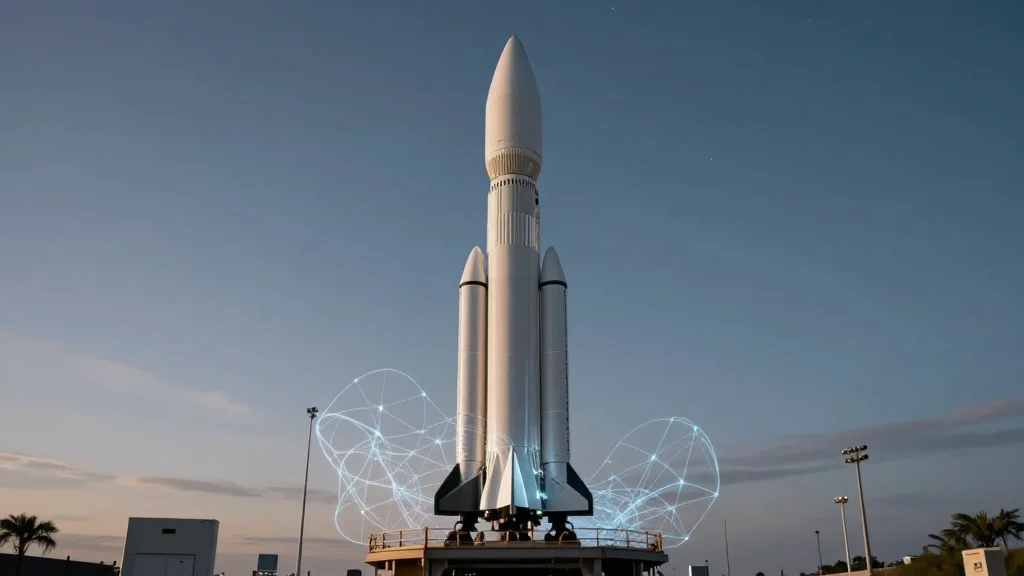
Elon Musk Merges SpaceX with xAI, Adding $75 B to Valuation Ahead of IPO
Elon Musk announced a February merger of SpaceX with his AI lab xAI, lifting SpaceX’s estimated valuation by $75 billion and positioning the aerospace giant for a potential $50 billion IPO. The deal ties satellite‑based AI data centers to rocket operations, promising...
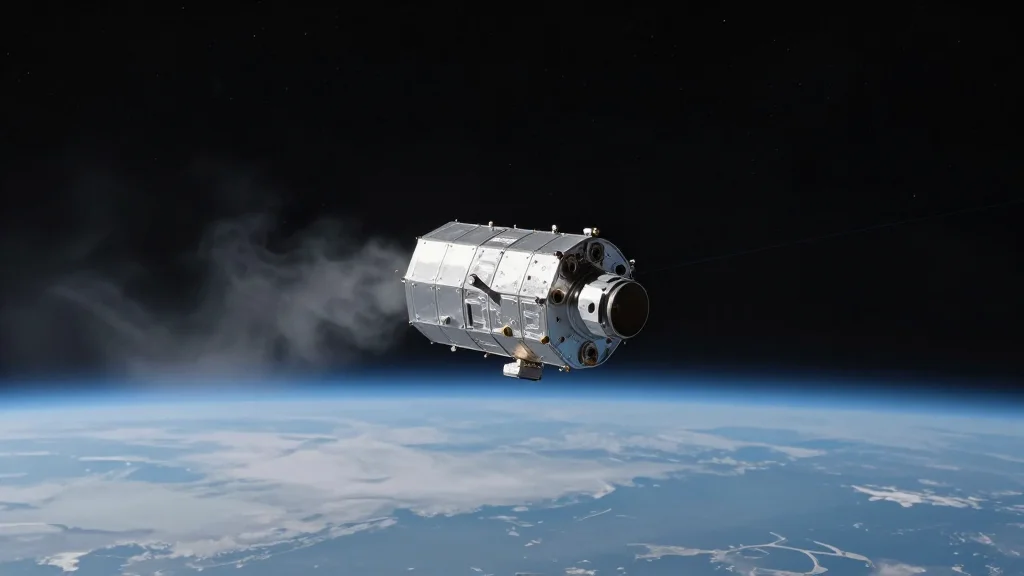
U.S. Requests Satellite Firms to Withhold Iran Imagery, Deepening Digital Fog of War
The United States has formally asked satellite‑imagery companies to suspend real‑time coverage of Iran, joining Tehran’s internet blackout and creating a new “digital fog of war.” The move hampers open‑source investigators, raises questions about intelligence transparency, and underscores the information‑war...
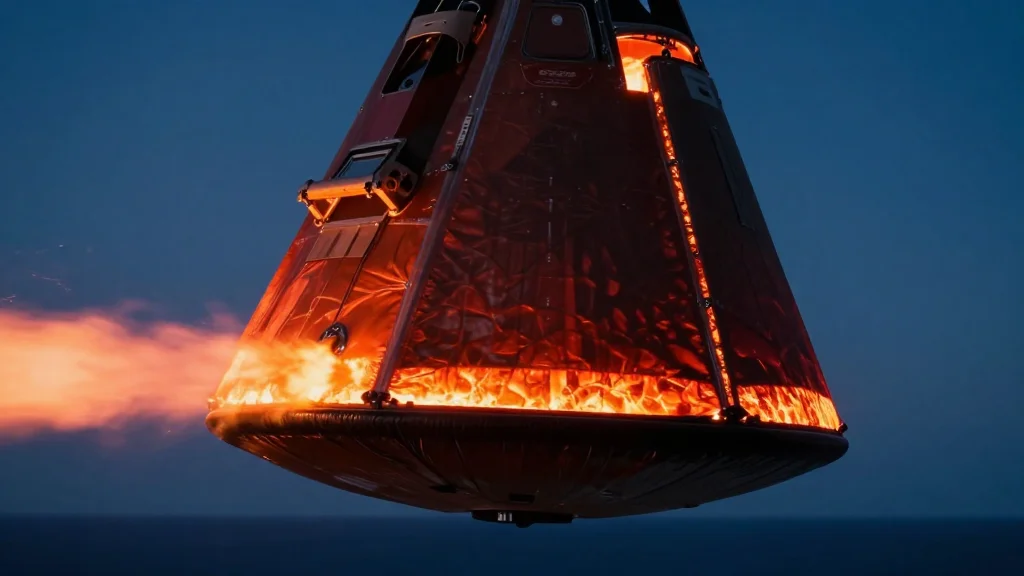
A Fiery Re-Entry Awaits the Artemis Astronauts
NASA’s Artemis II crew of four is set to begin the most demanding phase of their mission—re‑entry into Earth’s atmosphere. The Orion capsule will encounter a fireball of roughly 5,000 °F as it descends, testing the heat‑shield technology that faltered on the...

SmallSat Europe Speaker Focus: Chiara Manfletti, Neuraspace
Neuraspace, a Portuguese space‑traffic‑management startup now operating in Portugal and Luxembourg, has rolled out an AI‑driven platform that predicts collision probabilities days ahead of traditional methods. The system, enhanced by machine‑learning prediction plots, star‑tracker debris detection, and an autonomous maneuver...
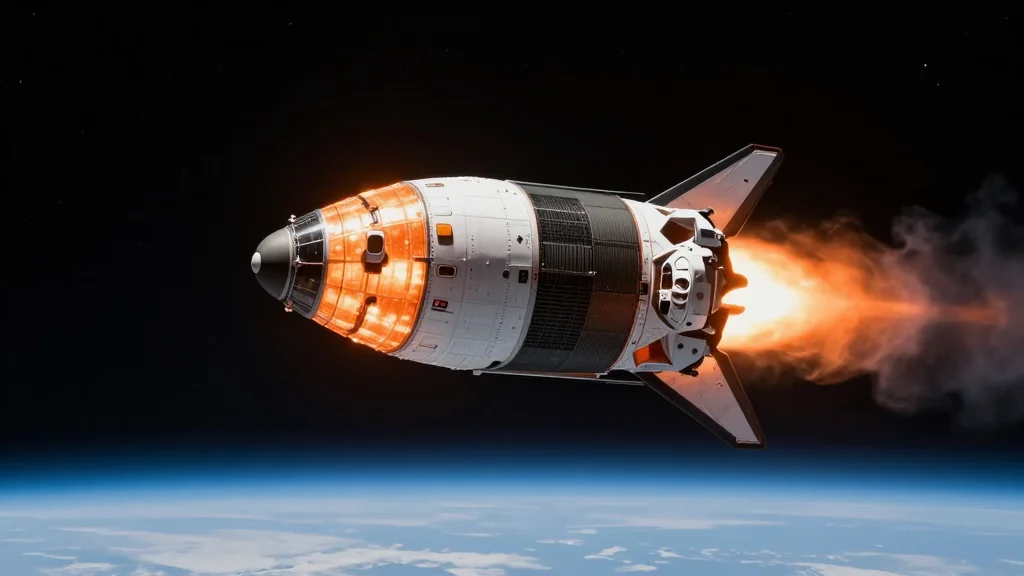
Artemis II Reentry Streams Tonight
NASA’s Artemis II crew is slated to reenter Earth’s atmosphere tonight, April 10, 2026, concluding the first crewed deep‑space flight since the Apollo era. The Orion spacecraft, carrying Mission Specialists Christina Koch and Jeremy Hansen, Pilot Victor Glover, and Commander Reid Wiseman, will perform a Pacific Ocean...

Artemis II Crew Sends A Timely Message Of Love To The Earth
Artemis II’s Orion capsule completed a four‑person lunar flyby and is returning to Earth, marking NASA’s first crewed mission beyond low Earth orbit since Apollo. Astronauts emphasized a message of love and wonder, resonating globally and even proposing to name a...
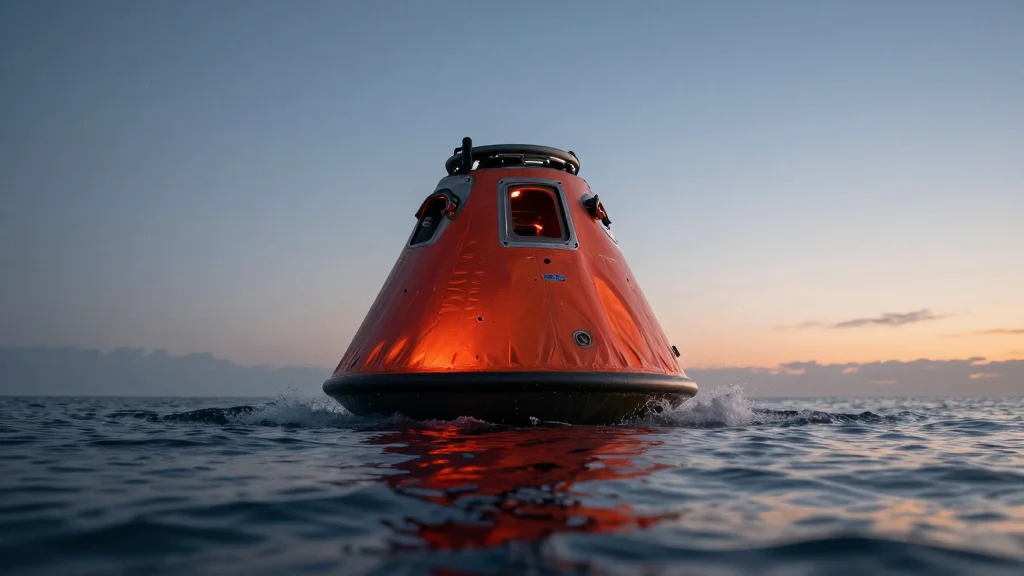
NASA’s Artemis II Crew Is Expected to Splash Down Friday Evening
NASA’s Artemis II crew is slated to splash down Friday evening around 8:07 p.m. Eastern, concluding a week‑long deep‑space flight that marked the farthest journey by humans to date. The descent will put the Orion crew module’s heat shield and structural integrity...
High Stakes: U.S. – China Moon Plans Detailed
The United States and China have unveiled detailed roadmaps to return astronauts to the Moon, reigniting a 21st‑century space race. NASA officials say the new Artemis schedule aims for a crewed landing by 2029, while U.S. lawmakers are pushing additional...

SpaceX Engine Explodes as Musk Targets $2 Trillion IPO
SpaceX suffered an engine fire during a Starship test in McGregor, Texas, just days after Elon Musk announced the test flight would be delayed to early‑mid May 2026. The company still targets an initial public offering with a $2 trillion valuation,...
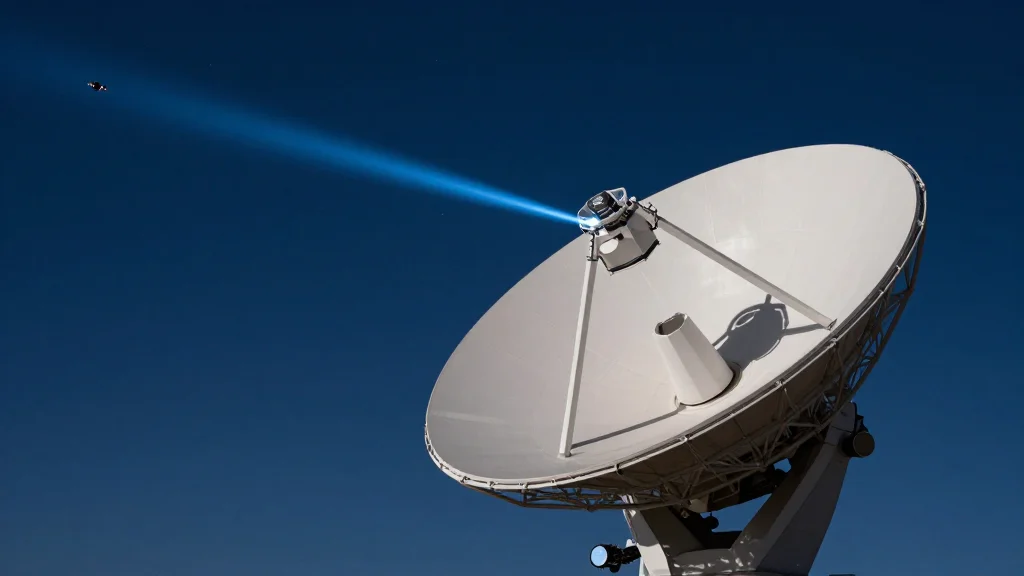
The Deep Space Network Acquires Artemis II Signal
NASA’s Deep Space Network successfully captured the radio‑frequency signal from Artemis II, marking the first crewed deep‑space mission to be handed off from the Near Space Network to DSN. The handoff followed the April 1, 2026 launch, ending a 50‑year gap since a...

Week in Images: 06-10 April 2026
The week’s visual roundup highlights a Sentinel‑2 satellite image of an active lava flow on Réunion’s Piton de la Fournaise, alongside multiple European engineering milestones in NASA’s Orion program and ESA’s Eagle mission‑control. It also showcases a successful ROSE‑L radar...

Siemens Joins European Space Agency’s EPIC Initiative
Siemens has joined the European Space Agency’s Partnership Initiative for Commercialization (EPIC), offering its industrial‑grade digital twin and simulation platform to ESA‑backed space startups. The collaboration gives startups access to Siemens Xcelerator, mentorship, and a fully digital engineering backbone to...
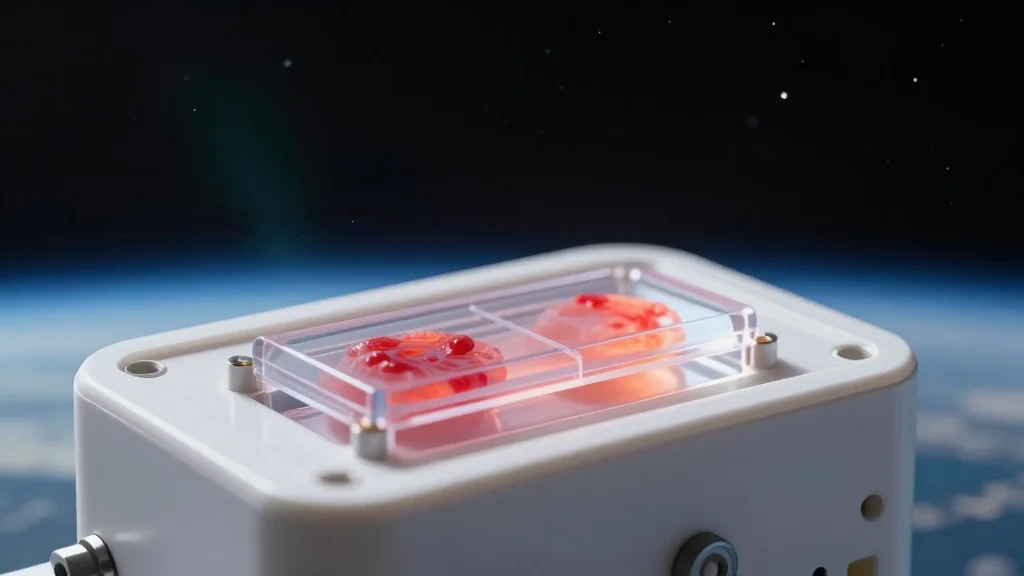
Wyss Institute’s Organ‑Chip Avatars Fly on Artemis II to Probe Astronaut Health
The Wyss Institute for Biologically Inspired Engineering and Emulate, Inc. have placed human bone‑marrow organ‑chip “avatars” on NASA’s Artemis II mission, launched April 1, 2026, to study how radiation and microgravity affect astronaut tissue. The experiment could reshape space‑medicine research and give...

KDDI and Okinawa Cellular's Au Starlink Direct Now Supports iPhones in US
KDDI and Okinawa Cellular have upgraded their au Starlink Direct service to work with 22 iPhone models, spanning the iPhone 13 through iPhone 17 line‑ups and the iPhone Air. The service delivers direct satellite‑to‑smartphone connectivity for customers roaming in the United States, bypassing traditional cellular...
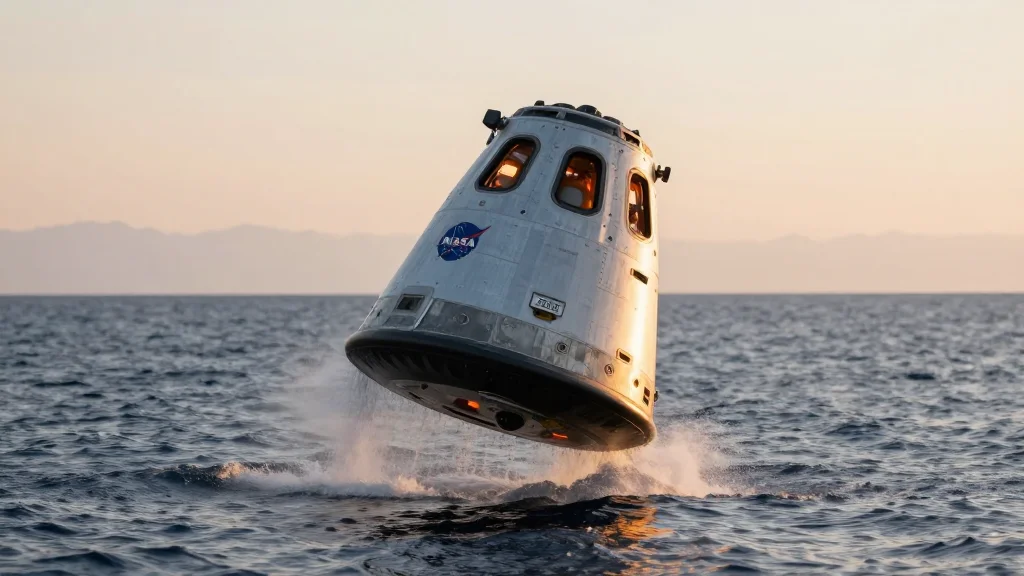
Artemis II to Splash Down Despite Heat‑shield Concerns, NASA Confident
NASA will bring the four‑person Artemis II crew back to Earth on Friday, using a steeper re‑entry trajectory to offset heat‑shield damage observed on Artemis I. Agency officials say the risk is managed, while some former astronauts continue to warn that the...
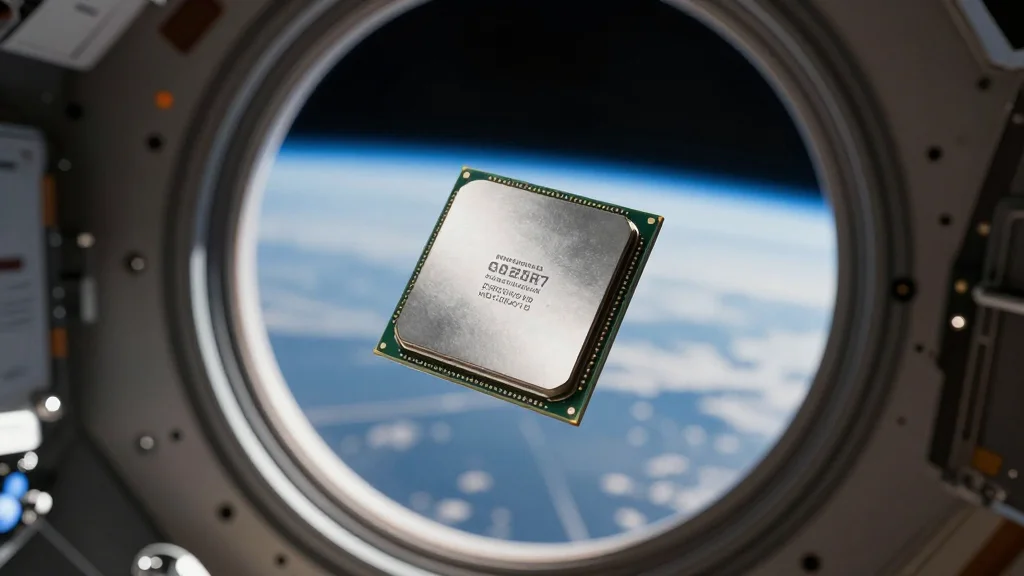
Infleqtion Partners with NASA to Deploy Quantum Hardware on ISS, Stock Rises 3%
Infleqtion, Inc. announced a partnership with NASA to deliver upgraded quantum hardware to the International Space Station via the Northrop Grumman‑24 cargo mission. The news sent the company's NYSE‑listed shares up 3.36% to $11.70, underscoring investor enthusiasm for space‑enabled quantum...

Artemis II Crew Set for Pacific Splashdown as NASA Eyes Safe Return
NASA’s Artemis II crew—Reid Wiseman, Victor Glover, Christina Koch and Canadian astronaut Jeremy Hansen—are slated to splash down in the Pacific Ocean off San Diego at 5:07 pm local time on Saturday. The re‑entry will test Orion’s heat shield at 2,760 °C and a peak velocity...

The Emergence of Sustainable Orbital Data Center Infrastructure
The orbital data‑center market accelerated in 2025 when Canada’s PowerBank Corp. launched DeStarlink Genesis‑1, the first satellite in Orbit AI’s low‑Earth‑orbit cloud. U.S. hyperscale cloud providers are now exploring solar‑powered ODCs after an executive order and the DOE’s Genesis Mission...

Weekly Wrap: The Fight over MSS Spectrum Is in Full Swing
Amazon is in advanced talks to acquire Globalstar in a deal valued around $9 billion. Globalstar holds valuable mobile‑satellite service spectrum in the L/S‑band and, more critically, Band 53/n53 (2483.5‑2495 MHz) licensed in 11 countries, which Amazon could integrate into its Leo network...

Senior Official Calls for Orion Valve Redesign, Embraces Transparency
During the final Artemis II mission briefing yesterday there were lots of questions about Orion's helium valves. Lower level officials were hesitant to provide too much information on the consequences. Halfway through the senior official on stage, Amit Kshatriya, clearly...

Artemis II’s Final Hours Seen From Orion’s Solar Array
Artemis II and Earth, 3:30 pm ET, April 10, 2026, just over 4.5 hours from splashdown at 8:07 pm ET (left). Compared with this time yesterday (right). Views from a camera on one of Orion's solar arrays. Screenshot from: https://t.co/3y6Tm3VF4k...

One Starlink MVNO to Conquer All
US Mobile has become the first mobile‑virtual network operator to bundle residential Starlink satellite internet with a cellular plan. The offering gives subscribers a single subscription that provides broadband via Starlink and phone service that automatically switches among Verizon, AT&T...
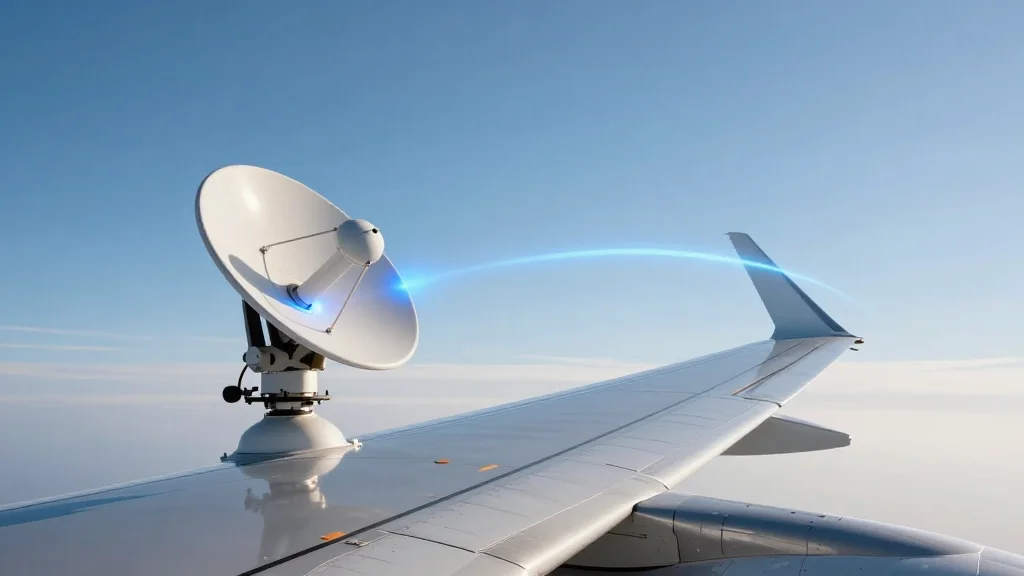
Starlink Delivers Ground‑level Internet Speed at 30,000 Ft
Starlink provides an Internet connection in flight that is on par with ground Internet speed & latency

SoftBank Adds Free Starlink Mobile to Japan Carriers
Starlink Mobile goes in-country-multicarrier Today SoftBank joined KDDI and Docomo in offering Starlink Mobile for free to mobile customers in Japan. https://t.co/qXooo8MHM2

Potential Applications of the X-37B Space Plane
The U.S. Space Force’s X‑37B orbital testbed has proven its ability to stay aloft for months, maneuver efficiently, and return payloads to Earth for post‑flight analysis. Recent missions demonstrated aerobraking, laser‑communications trials, and a quantum inertial sensor, highlighting its role...
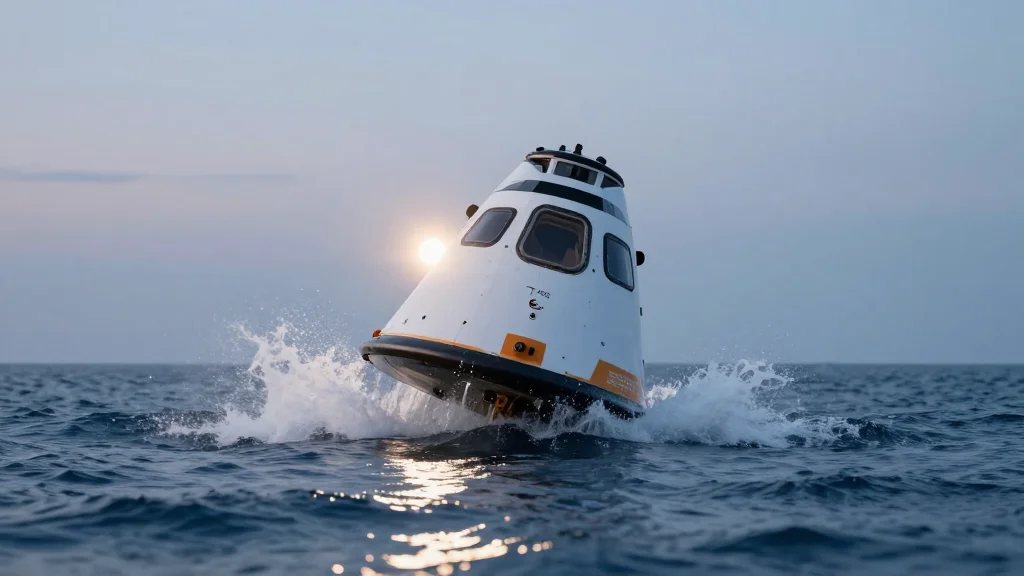
Artemis II Splashdown Show Tonight: Mission Recap & Updates
Artemis II Splashdown show tonight @BloombergTV Will recap the mission, listen in to @NASAArtemis @NASA mission updates and discuss with @lorengrush
Cheaper Rockets and AI Make Space Exploration Imminent
To understand the universe, we must explore it. With the cost of exploration plummeting alongside reusable rockets, AI navigation, and more... This is about to become a reality.
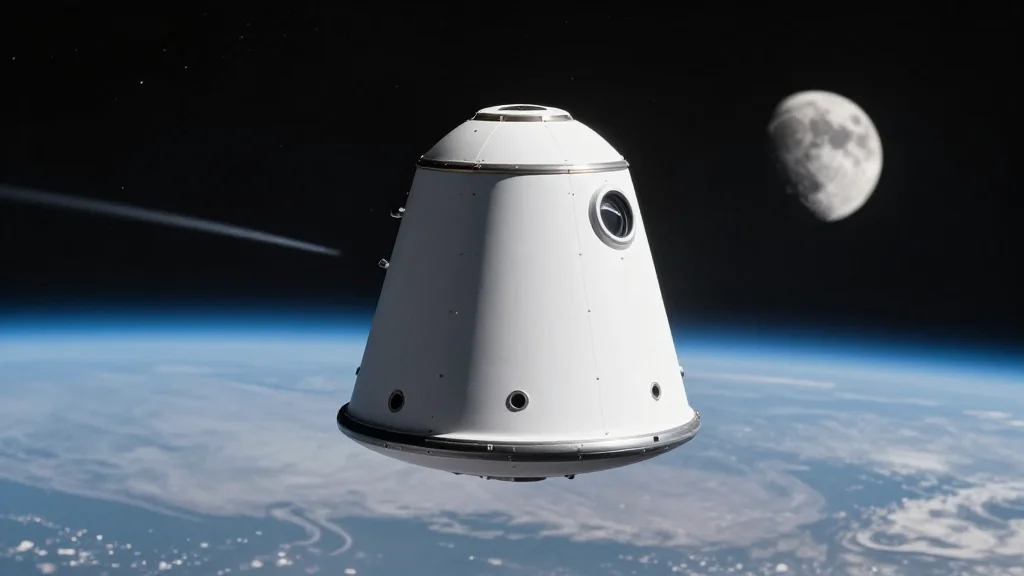
Artemis II: As Humans Return to the Moon, Which of These 4 Futures Will We Choose?
Artemis II completed the first crewed lunar flyby since Apollo, with four astronauts looping around the Moon and preparing for splash‑down. The mission revives NASA’s deep‑space agenda while highlighting policy friction as the U.S. Artemis Accords carve exclusive “safety zones” for...

US Mobile's Starlink Bundles Start $47, Rise After Six Months
"US Mobile has revealed pricing on a set of Starlink bundles that start at $47 per month for new customers. The discount on the Starlink tiers convert to regular pricing after six months, which is $20 higher for each tier."...
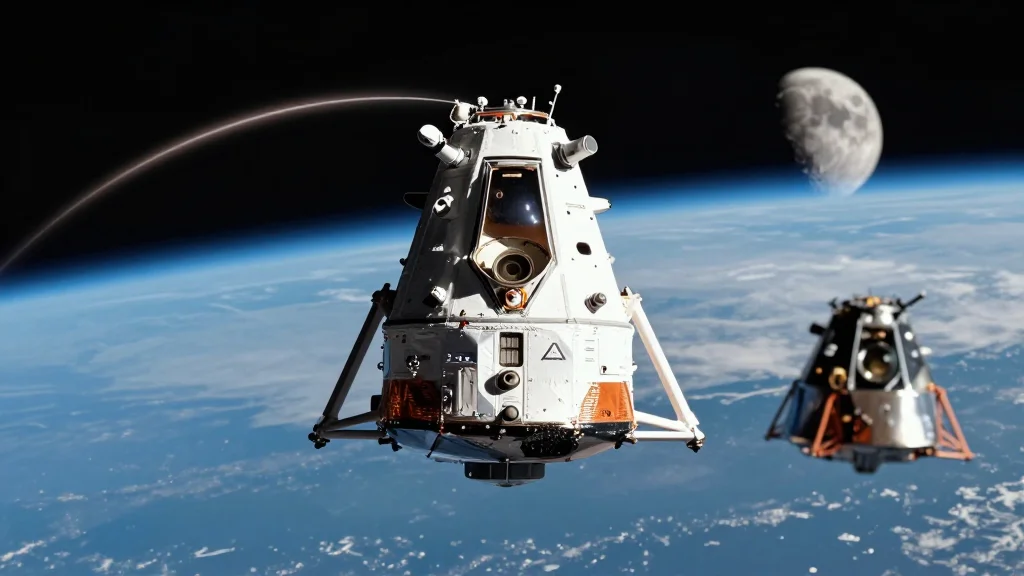
Three Factors That Let Artemis II Surpass Apollo’s Record
How did Artemis II break Apollo’s distance record? #AskEthan If you ask google how Artemis II broke Apollo 13's distance record, it'll lie and say "because the rocket was more powerful." But these three reasons, combined, are how it really happened. https://t.co/lqbj3u00kP
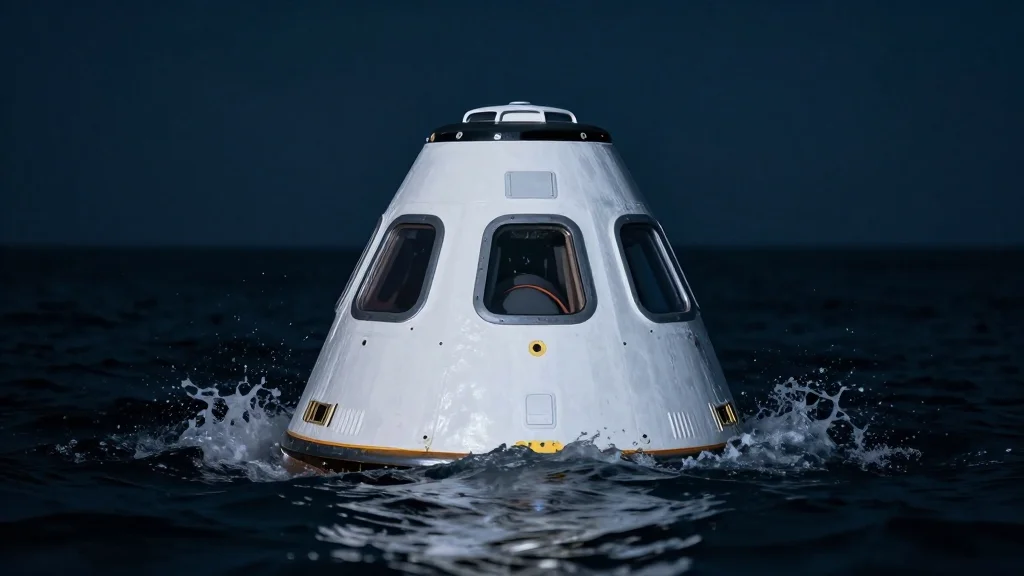
Join Live Q&A on Artemis Splashdown Today at 4 PM
With the @NASAArtemis splashdown happening Friday night, there is no better time to sit down with me and talk science. Join @WorldSciFest live on YouTube for a Q&A today at 4pm EDT. Drop your questions below to get them answered...
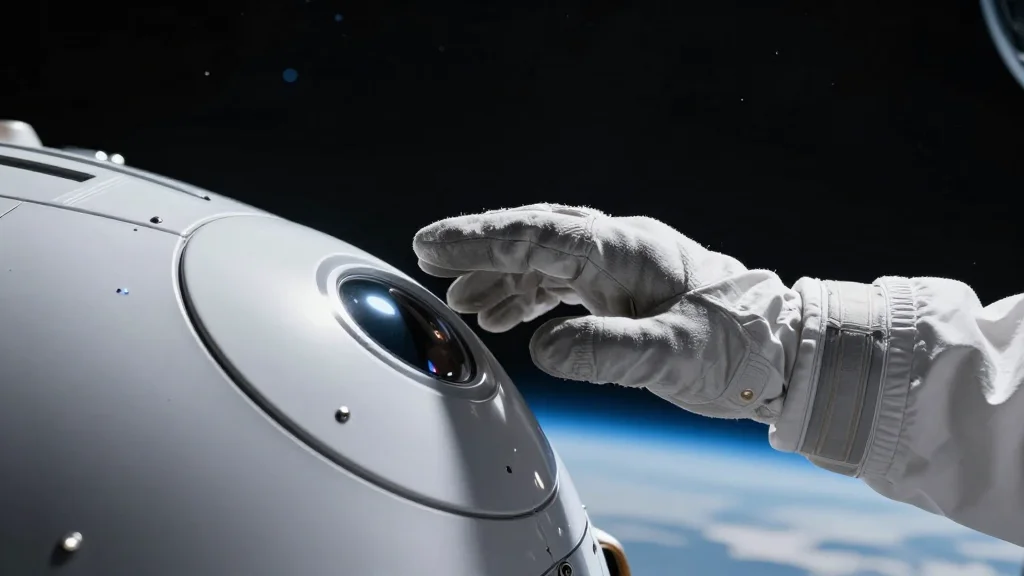
Guess the Orion Tech Piece NASA Will Touch Tonight
Fun @NASAArtemis II quiz: Who can guess can what the last piece of cool Orion technology Reid, Victor (Go Mustangs @calpoly), Jeremy, and Christina will touch after landing tonight?
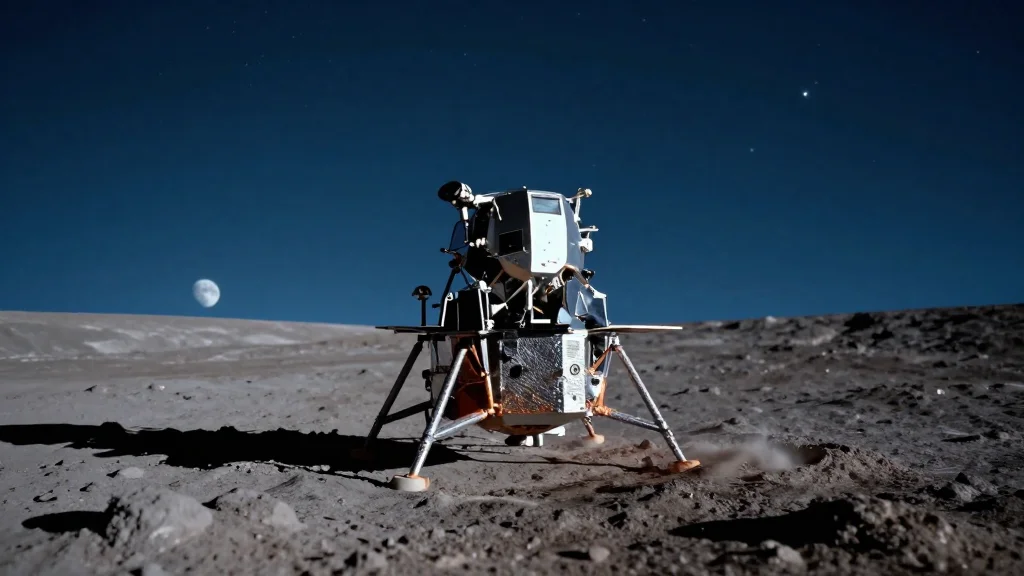
Chang'e‑7 Mission Targets Lunar South Pole Exploration
The Planetary Society has a nice summary of what Chang’e-7 will do at the lunar South Pole. https://t.co/wmotppdsyf

Katherine Johnson Stresses Math's Vital Role in Space
Katherine Johnson, the brilliant mathematician who helped @NASA put a man on the Moon talks about the importance of math https://t.co/bgRPTeCXVc