
Marketing Is Entering Its ‘Air Traffic Control’ Era by AtData
AtData argues that modern marketing is evolving into an "air traffic control" function, where thousands of AI‑driven models coordinate decisions rather than follow a linear funnel. Recommendation engines, fraud detectors, identity systems and dynamic creative generators now act simultaneously, often producing conflicting outcomes. The piece warns that weak identity infrastructure amplifies these conflicts, turning signal noise into costly mis‑routing. Companies that build robust, real‑time trust and signal frameworks will gain a decisive edge as autonomous agents dominate the customer journey.
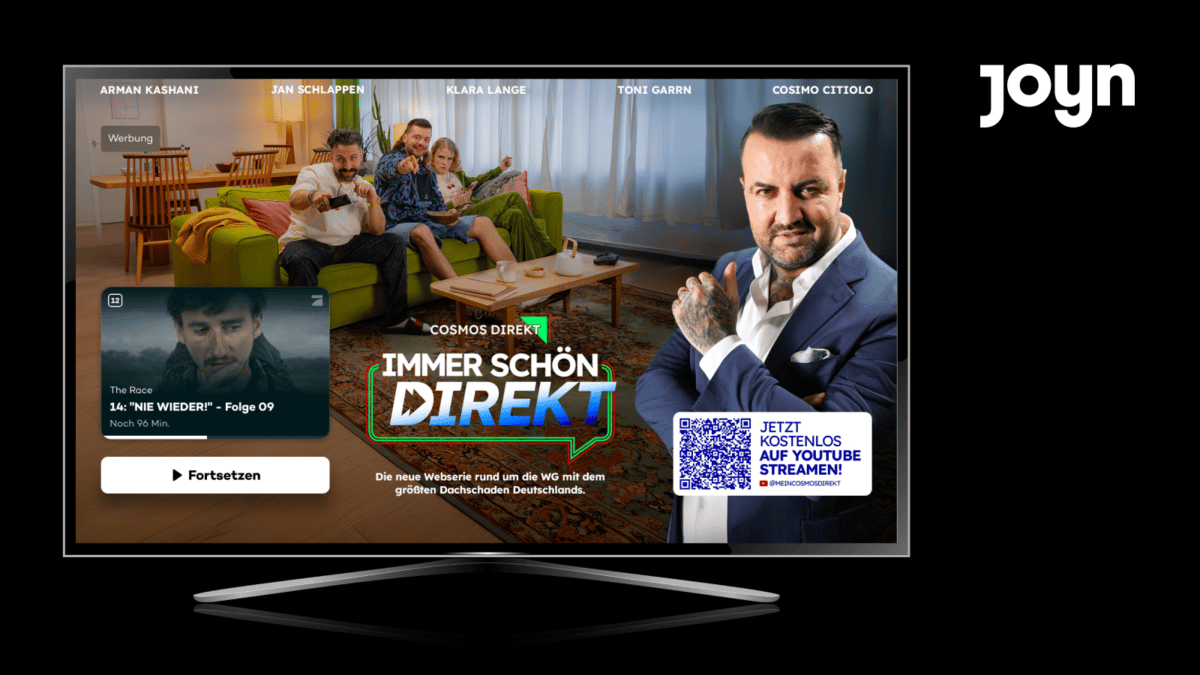
Seven.One Media Launches Pause Ads on Joyn
Seven.One Media, the ad sales arm of ProSiebenSat.1, has rolled out a new "pause‑ad" format on its streaming service Joyn. The full‑screen ad appears four seconds after a viewer pauses VOD content and remains until playback resumes, offering uninterrupted brand...
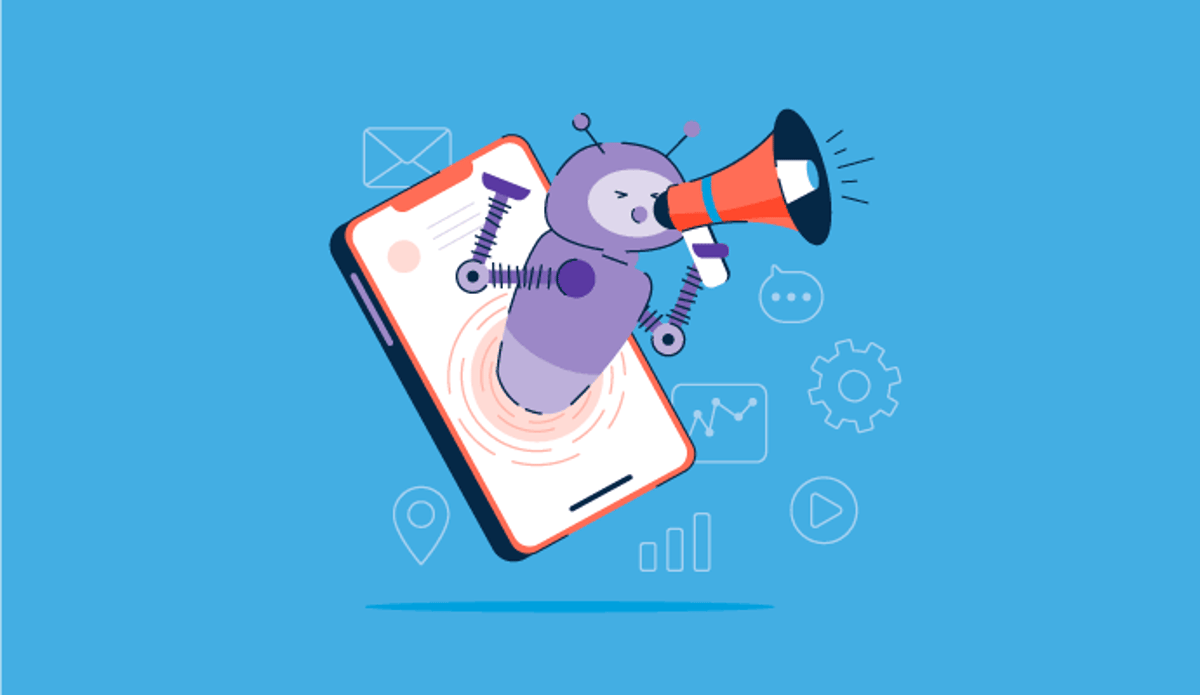
How to Automate Ad Personalization in 7 Steps
Automating ad personalization in 2026 hinges on centralizing first‑party data in a CRM or CDP, using AI to segment users by intent, and deploying modular creative assets through dynamic creative optimization (DCO). These personalized ads are then pushed to platforms...
Adnami & Adnuntius Join Forces to Shape the Future of Political Advertising in the Nordics
Adnami and Adnuntius have formed a partnership to deliver a privacy‑first, TTPA‑compliant political advertising solution across the Nordics. The joint offering combines Adnuntius’s marketplace and automatic transparency labeling with Adnami’s high‑impact, attention‑measuring formats, operating in a 100 % no‑cookie environment. It...

Digest: Publicis Buys LiveRamp for $2.2bn; Netflix Expands Ad Tier
Publicis Groupe agreed to buy data‑collaboration platform LiveRamp for $2.2 bn cash, a roughly 30% premium, to embed identity‑ and AI‑driven capabilities into its agency network. LiveRamp will stay a neutral, interoperable platform with CEO Scott Howe reporting to Publicis chief...

Influencer Boost Budgets Are Throwing Gas on Social Video Spending Fire
Brand spending on social video is accelerating as influencer amplification budgets surge. Marketers now routinely allocate part of paid media spend to boost creator videos, with budgets ranging from a few thousand dollars to as much as $5 million per campaign....

Inside The Trade Desk’s Claude-Powered Campaign Agent
The Trade Desk unveiled Koa Agents, an AI‑driven layer that automates key steps of programmatic campaign creation using models like Anthropic’s Claude via its Open Agentic Kit. The agents ingest media plans, format them for the platform, troubleshoot creatives and...

Publicis to Buy US Data Company in $2.2bn Deal as It Deepens AI Marketing Push
Publicis Groupe announced a $2.2 billion acquisition of US data‑focused marketing firm Cheetah Digital, combining cash and stock components. The deal is designed to embed advanced AI capabilities into Publicis' existing creative, media, and data services. Completion is expected in early...
Why Every Brand Is Now Its Own Media Company, Featuring Prince Street Pizza
Brands are turning into media companies, launching original video series to meet the relentless demand for vertical, viral content. Gap appointed a chief entertainment officer, David’s Bridal debuted “Breaking Bridal,” and New York‑based Prince Street Pizza rolled out the YouTube...

Why CTV Strategy Needs a Reset in an Agent-Driven Ecosystem
Connected TV (CTV) is poised to move from a branding‑only role to a performance engine as AI‑driven agents compress the consumer journey. The article argues that fewer clicks and impressions make traditional digital signals less reliable, while CTV still captures...
To Sell TV, The New ‘Premium’ Is ‘Fandom’
At the 2026 TV upfronts, major networks and streaming platforms highlighted performance, AI, and especially fandom as the new premium. Executives from Disney, NBCUniversal, Netflix, Amazon, Warner Bros., and others argued that advertisers should chase passionate, highly engaged fanbases rather than...

AIEthos Debuts Next-Gen Generative Engine Optimization (GEO) Platform to Measure Brand Visibility in ChatGPT, Claude, and Gemini
AIEthos has launched its AI‑Readiness platform, a Generative Engine Optimization (GEO) solution that lets brands measure and boost visibility within large language model outputs such as ChatGPT, Claude and Gemini. The platform introduces proprietary scoring, semantic patching and citation‑engine tools...

7 New Things at Cannes Lions 2026
Advertising’s premier Cannes Lions Festival returns June 22‑26 on the French Riviera, drawing 15,000 delegates from 90 countries. This year introduces seven notable changes, including stricter entry rules for submissions, a brand‑new AI award that spotlights machine‑generated creativity, and PMG...

Seizing the World Cup 2026 in APAC: Why Context and Emotion Will Shape Advertising Strategies
The 2026 World Cup will dominate APAC media consumption, offering brands a massive, emotionally charged audience across OTT, short‑form, and connected‑TV platforms. Traditional keyword blocklists are wiping out valuable football inventory, especially as digital ad spend in the region is...
Upfronts: WBD Expands Advanced Ad Capabilities and AI Ad Tech
Warner Bros. Discovery used its upfront to unveil a suite of AI‑driven ad technologies, including Scene‑Level Moments that target individual scenes, Shoppable Pause Ads that let viewers shop without interrupting playback, and Dynamic Creative that tailors headlines in real time....

Richer Contextual Signals in the Bidstream Help Agencies and Publishers Alike
Seedtag is introducing richer contextual signals—intent, tone, and emotional cues—into the programmatic bidstream. This granular data allows agencies to match ads to real‑time content nuances, while giving publishers a way to monetize previously over‑blocked news inventory. By integrating these signals...

ADWEEK Commerce Advantage: Retail Media Is About To Take Even More TV Ad Spend
Retail media ad revenue has already eclipsed linear TV, and the gap is widening as retailers capture a larger slice of TV ad spend. Amazon and Walmart are leading the charge by leveraging their smart‑TV ecosystems to sell data‑rich video...

Advertisers Are Missing The Top World Cup Opportunities
The 2026 World Cup will be a multi‑week, streaming‑first spectacle, extending far beyond the 90‑minute live matches. Advertisers traditionally treat the tournament as a single, high‑priced spike, but fan engagement now spans pre‑match analysis, betting, and post‑match highlights across connected...

Iridio Expands Social Media Marketing Portfolio with New Platform Integrations to Boost Multichannel Performance
Iridio, the RRD‑owned social media marketing platform, has added integrations for Reddit and LinkedIn, expanding its multichannel reach. The solution leverages RRD’s proprietary Consumer Graph and Household Connect technologies to target 130 million anonymized household personas without cookies. An internal study...

Digital Audio Proves Its Full Funnel Credentials in Audion & Happydemics Study
Audion has unveiled its Audio Performance Index, the first benchmark that quantifies digital audio advertising across the full marketing funnel. Analyzing 423 brand‑lift campaigns in the UK, France, Germany, Italy and the Netherlands, the study finds audio lifts brand image...
Co-Op Expands Retail Media with Digital OOH Network
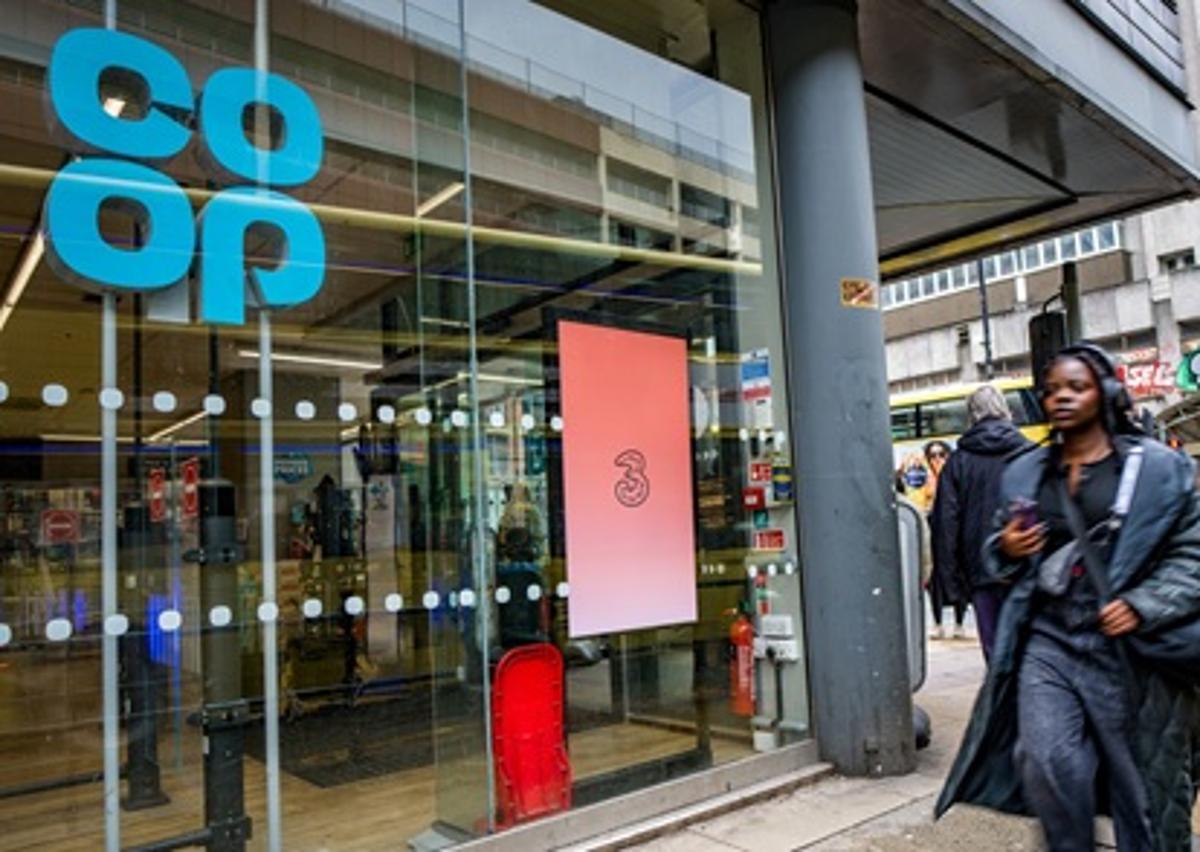
Co‑op Media Network has launched a nationwide digital out‑of‑home (DOOH) network, positioning the retailer as the UK’s fourth‑largest digital outdoor advertiser behind JCDecaux, Global and Bauer Media Outdoor. The estate comprises roughly 1,000 front‑of‑store screens in stores and 23 new...
Aceex Expands Programmatic Capabilities Through Collaboration with Media.net
Aceex announced a strategic collaboration with Media.net to enhance its programmatic advertising platform. The partnership focuses on delivering higher‑quality inventory, greater supply‑path transparency, and more efficient campaign execution. By integrating Media.net’s extensive ad network, Aceex aims to strengthen its infrastructure...

The AI Chat Ad Frontier: What LLMs Change About Brand Safety And Control
OpenAI has launched ChatGPT ads, marking the first true advertising channel inside large language models. Unlike traditional digital media, the ad environment is generated in real time, with the surrounding conversational context evolving dynamically as users interact. This shift introduces...
The AI Chat Ad Frontier: What LLMs Change About Brand Safety And Control
ChatGPT ads are emerging as a new advertising channel, shifting impressions, searches and transactions into the conversational windows of large language models (LLMs). Unlike static web or social media placements, LLM responses are generated in real time, making the surrounding...

‘We Should Own It’: Hershey’s Programmatic Chief on AI Agents and Media Mix Modeling
Hershey’s VP of Consumer Connections Vinny Rinaldi says the confectioner spent a year building a suite of AI‑driven media‑mix‑modeling agents that shrink reporting cycles from months to weeks. The new system lets Hershey prioritize relevance over reach, steering spend toward...

Marketers Put up Guardrails as AI Agents Reshape Programmatic Buying
AI agents are rapidly entering programmatic ad buying, promising autonomous campaign creation and real‑time optimization. Marketers, however, remain wary, citing hallucinations and budget‑blowout risks, and are installing guardrails to retain control. Companies like Kelly Scott Madison and Bayer have built internal gatekeepers...

Netflix Ramps up Global Ad Push with AI Tools and 250M Monthly Viewers
Netflix announced that its ad‑supported tier now reaches over 250 million monthly active viewers worldwide, signaling a major scaling of its advertising business. The company unveiled AI‑powered tools that can manage ad purchases and dynamically adapt creative assets, as well as...
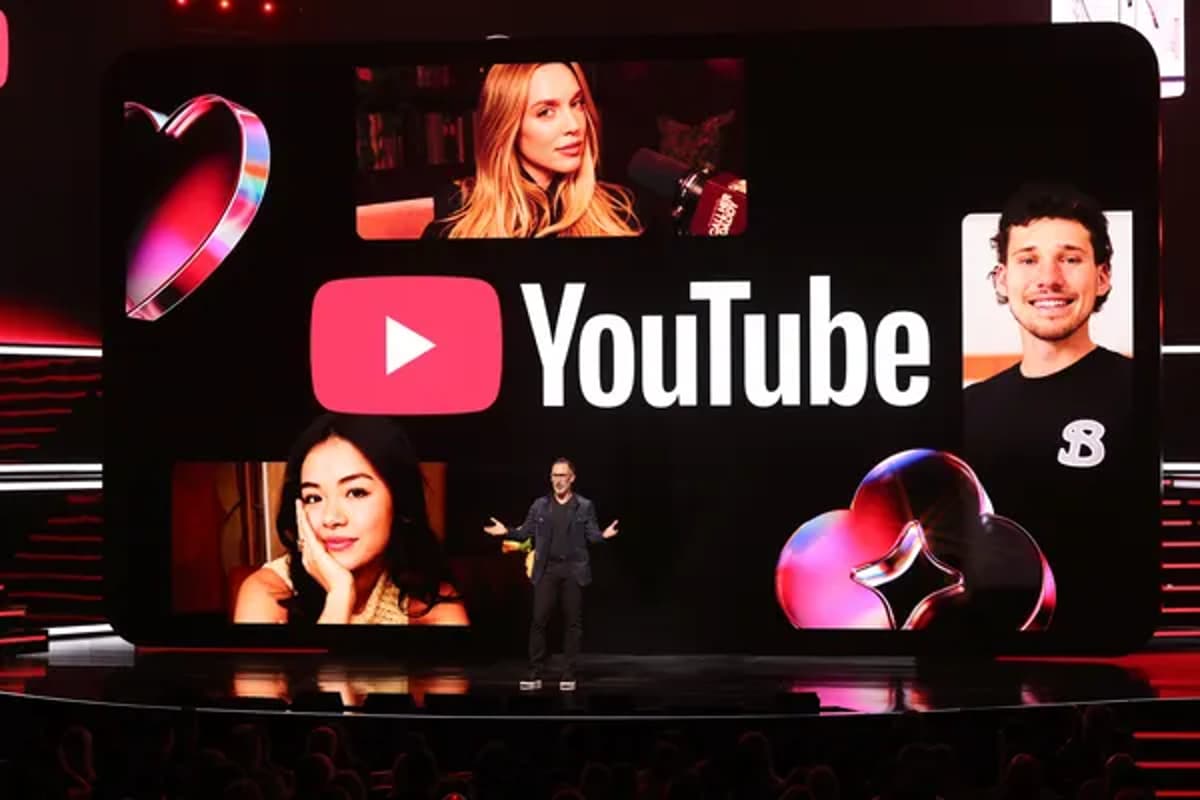
Everything We Announced at YouTube Brandcast 2026
YouTube Brandcast 2026 unveiled a slate of exclusive creator‑driven shows and a suite of AI‑powered advertising tools designed to blend brand building with direct performance. New features include Custom Sponsorships that auto‑match videos to brand moments, a Masthead with a...

Check Out the Latest News From YouTube’s Brandcast 2026.
YouTube’s Brandcast 2026 unveiled a suite of AI‑enhanced advertising tools, including Custom Sponsorships that dynamically match videos to brand moments and a Masthead with a Custom Content Shelf for richer hero placements. The platform introduced Buy with Google Pay, letting CTV...
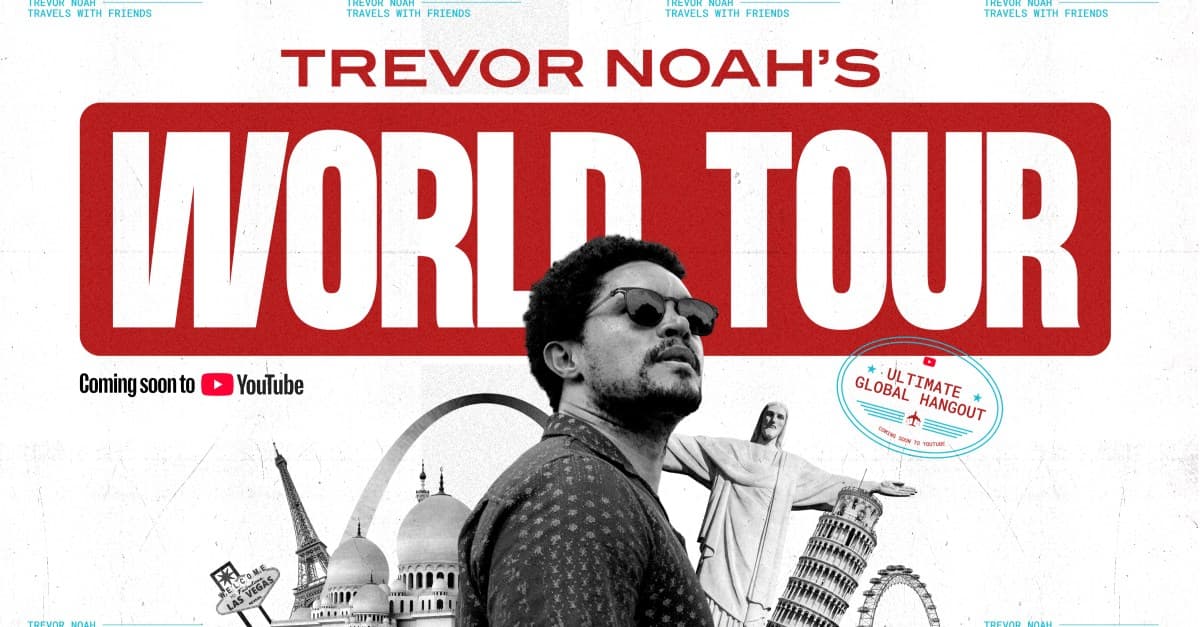
YouTube Is Courting Creators — and Sponsors — with Streaming Shows
YouTube announced a slate of exclusive, creator‑driven streaming shows at its annual advertiser event, featuring personalities like Trevor Noah and Alex Cooper. The platform is positioning itself as a bridge between creators and brands, bundling original series with AI‑powered tools that...

Untitled
The traditional TV Upfront—an annual ceremony where networks sell future ad inventory—has survived streaming, cord‑cutting and programmatic, but 2026 is a pivotal test as advertisers demand both premium placement and real‑time agility. Horizon Media’s Samantha Rose argues the Upfront must...

Netflix Boasts 250 Million Global MAUs, Adding 15 New Ad-Supported Countries, ‘KPop Demon Hunters’ World Concert Tour in 2027
Netflix announced it now has 250 million global monthly active users, with 60 % of new sign‑ups opting for the ad‑supported tier. The company will add 15 additional ad‑supported countries in 2027, bringing the total to 27 markets for its $7.99 plan....
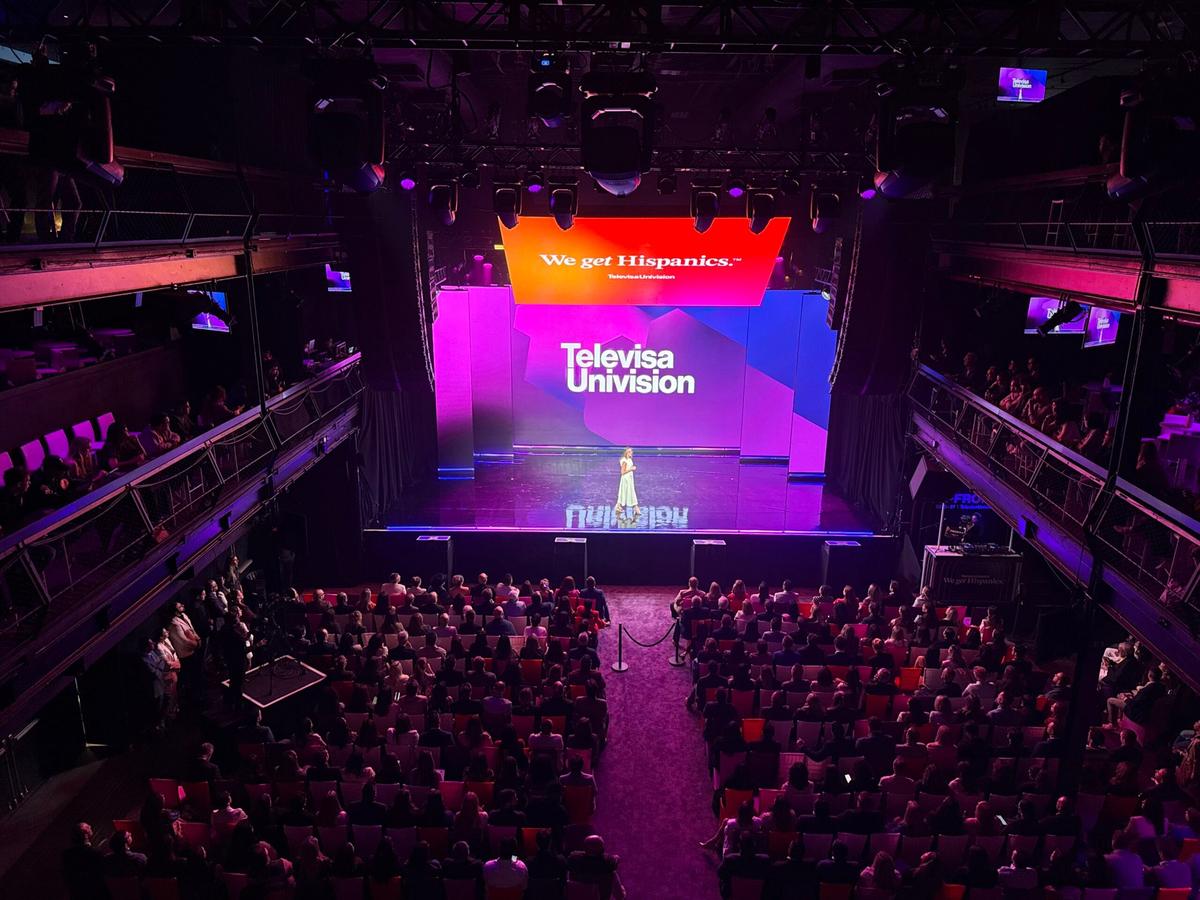
Upfronts Day Two: Dancing And Data
TelevisaUnivision used Day Two of the TV upfronts to spotlight its Hispanic‑focused strategy, emphasizing data quality and unveiling a household graph it says reaches 98% of U.S. Hispanics. The broadcaster warned that third‑party measurement often underrepresents this audience, creating a...
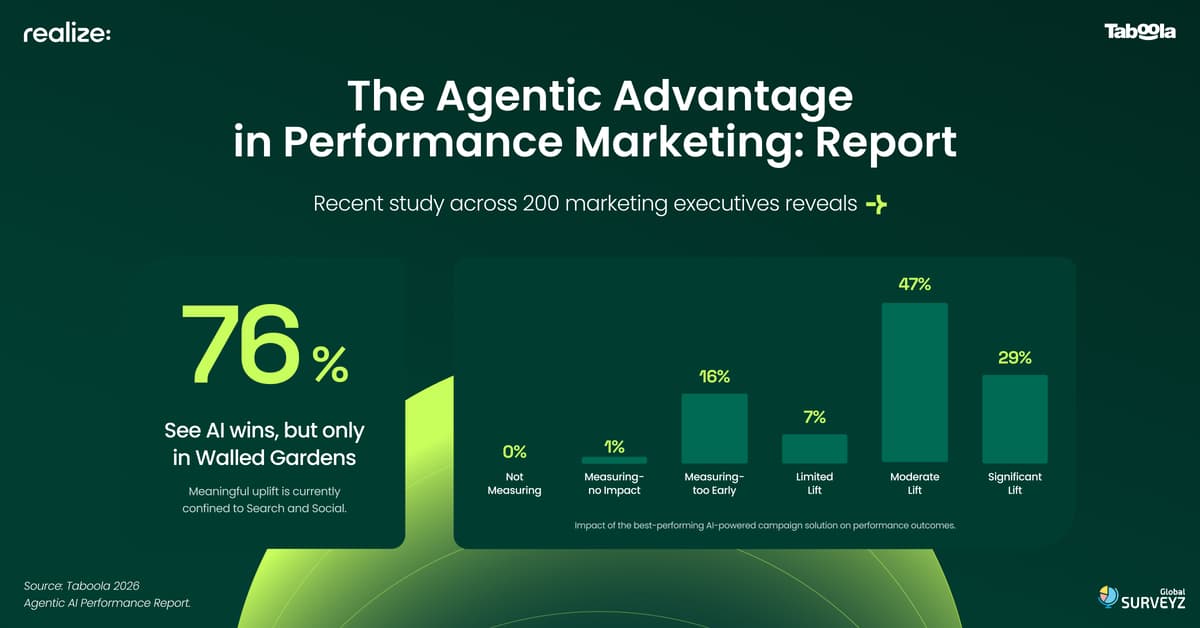
Taboola Data Reveals 76% Advertisers See Improved Performance From Agentic AI
Taboola’s new research shows 76% of advertisers experience performance gains from agentic AI, mainly on search and social platforms. The study finds 80% would boost open‑web ad spend if comparable AI tools existed, with 86% ready to allocate up to...
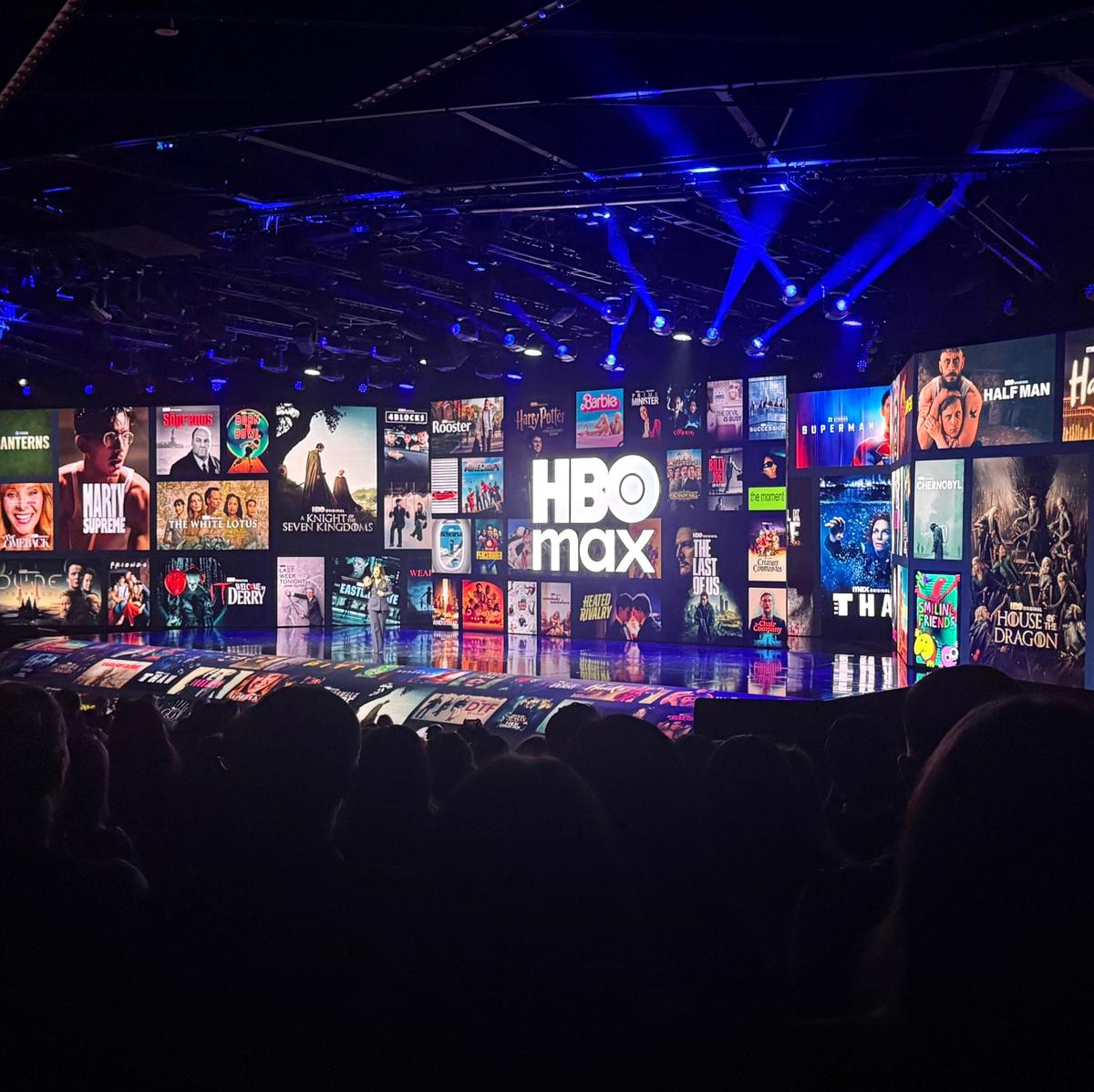
Warner Bros. Discovery’s Upfront Was All About Performance
Warner Bros. Discovery used its upfront to unveil two ad‑measurement initiatives. It joined OpenAP’s conversion‑API effort, allowing advertisers to match outcomes data with first‑party data across major TV publishers. The company also launched an Always‑On Measurement & Attribution Dashboard that...
The State of Agentic Advertising
The Digiday‑Optable State of the Industry report surveyed 180 agencies, publishers, brands and retailers on agentic advertising. While 89% of advertisers are already using or building AI agents, most publishers remain in early or fragmented stages, with 42% not prioritizing...

Netflix’s Nicolle Pangis on Measurement, AI, and the Future of Streaming Advertising
Netflix’s advertising chief Nicolle Pangis says the next wave of streaming ads will hinge on unified data, interoperable measurement and AI‑driven infrastructure. She argues that siloed metrics limit advertisers’ ability to assess performance across streaming and retail channels. Netflix is...

Adform Opens Full-Stack Infrastructure for Agentic Advertising
Adform has opened its entire FLOW platform—DSP, ad server, DMP and ID Fusion—to external AI tools via a new Model Context Protocol (MCP) server. The MCP gateway provides over 800 agentic capabilities, letting advertisers and agencies control campaign planning, optimisation...
Flightpath Introduces Revenue Optimizer, Giving Publishers Greater Control Over Revenue, Inventory, and Campaign Performance
Flightpath announced Revenue Optimizer, a managed traffic service for podcast and digital‑audio publishers that builds on its predictive forecasting and flight‑simulator technology. The solution is designed to increase revenue, improve campaign delivery and give operations teams greater flexibility, with an...

TikTok Launches MCP Server to Let AI Agents Run Campaigns
TikTok announced the Model Context Protocol (MCP) server, a developer toolkit that lets AI agents directly create, launch, and optimize ad campaigns on its platform. The move mirrors similar MCP releases from Google, Meta, and Amazon, signaling a shift toward...

Forget Dances. TikTok Wants People To Shop
TikTok is accelerating its shift from a short‑form video app to a full‑stack ecommerce platform. In March it unveiled TikTok GO, letting users book travel and activities directly in the feed, and introduced Branded Buzz and Search Hubs to scale creator‑driven...
How Index Managed Demand Sources Revenue for Media Owners
Index Exchange has launched Index Managed Demand, a formal program that sources differentiated, high‑quality programmatic demand for media owners. Over the past 12 months, Index‑sourced deals accounted for roughly 13% of participating publishers’ revenue. The service introduces a transparent, dynamic...

IAB Tech Lab Opens New CTV Ad Signalling Standards for Public Comment
IAB Tech Lab has published updated technical specifications to standardize signaling for Connected TV (CTV) ad formats, including Pause Ads, Menu Ads, Overlay Ads, and Squeeze Back Ads. The framework is open for public comment until June 5, 2026, giving stakeholders a...
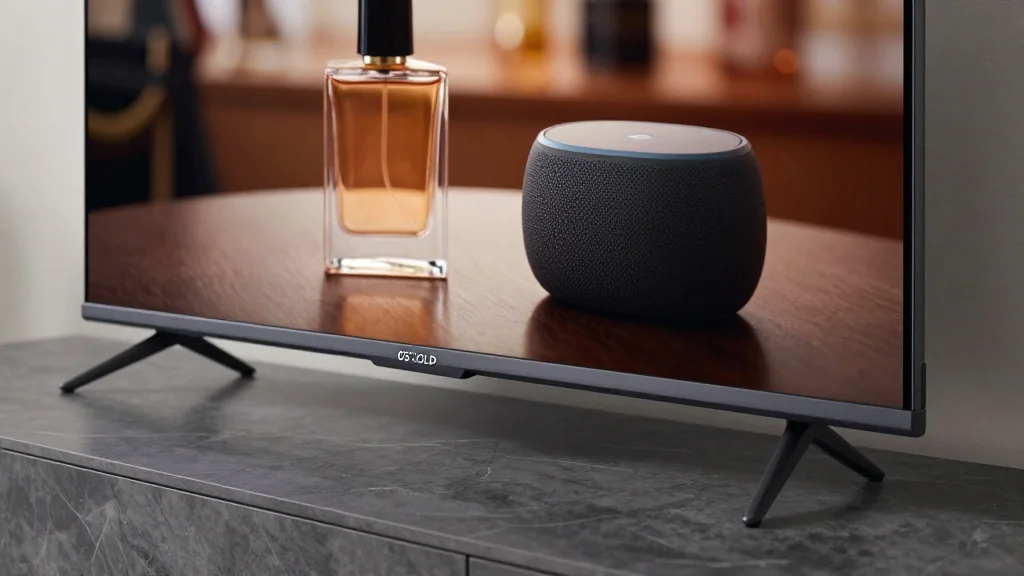
Ahead of Paramount Mega-Merger, WBD Bets on Agentic Ads
Warner Bros. Discovery introduced a suite of AI‑driven ad products at its May upfront, including shoppable ads that appear when viewers pause programming and a Kerv.ai partnership that aligns ads with specific scenes. The company also upgraded its dynamic creative tools, linking...

Data Strategies Are Evolving From Single Video Campaigns to Building “Lifetime of a Brand”
Dailymotion is shifting its advertising model from isolated video campaigns to a continuous, brand‑wide strategy. By aggregating data from Connected TV, online video and social platforms, the company can extract insights from each run and apply them to future efforts....

TikTok Builds for the AI Future, Welcoming Third-Party Agents for Ads
TikTok announced at TikTok World that it will open its ad platform to third‑party AI agents, allowing advertisers to automate campaign creation and management. The initiative is powered by a Model Context Protocol (MCP) server that functions like an API, letting...

US TV Giants Form Cross-Publisher Initiative with OpenAP
A coalition of U.S. TV giants—including A+E, AMC, Fox, Hallmark, NBCUniversal, Paramount, Scripps, TelevisaUnivision and Warner Bros Discovery—has partnered with OpenAP to launch a cross‑publisher initiative that standardizes the connection of first‑party outcome data to campaign exposure. The effort introduces a unified...
Future of TV Briefing: Inside Warner Bros. Discovery’s Programmatic Upfront Pitch
Warner Bros. Discovery says more than half of its programmatic ad demand now comes through the upfront, marking a pivotal shift toward automated buying. The company has opened live‑sports inventory—including March Madness and the upcoming French Open—to programmatic deals, requiring...
Turning Purchase Data Into Outcomes in Mobile Gaming: Unity and Attain’s Partnership
Unity announced a partnership with data‑provider Attain to embed verified, real‑time purchase information into its mobile gaming inventory. Attain’s permissioned data set covers more than 14 million consumers, allowing programmatic buyers to create purchase‑based audience segments. The combined offering lets advertisers...

Disney’s 2026 Upfront Goes All in on Savannah Bananas, Billie Jean King and ‘American Horror Story’
Disney’s 2026 upfront showcased a cross‑platform slate that blends live‑event programming, premium scripted series, and high‑profile talent. The company announced that the Savannah Bananas’ Banana Bowl will stream live on Disney+ in October and highlighted a Billie Jean King 30‑for‑30 documentary on ESPN. Marvel’s...