Today's AI Pulse
Odyssey lands $310M Series B, valued at $1.45B
Odyssey announced a $310 million Series B round that values the AI lab at $1.45 billion. The round was led by Natural Capital and included backers such as Amazon, AMD Ventures, GV, EQT and IQT. In parallel, Odyssey struck a preferred‑cloud deal with AWS to use Trainium silicon for large‑scale model training.
Also developing:

Canton Fair Unveils AI‑Powered, Sustainable Toys Targeting Modern Parents
At the 139th Canton Fair, exhibitors in the Toys & Children, Baby and Maternity Products category launched a suite of AI‑enabled, sustainable toys and parenting gadgets. The lineup blends voice‑recognition, health monitoring and recycled materials, positioning China’s edtech hardware for a global market hungry for smart, safe child‑development tools.

Google Adds AI Features to Smart TVs, Sparking Privacy Backlash
Google rolled out AI-powered capabilities for smart TVs, extending its Photos app to Samsung displays and bringing Gemini‑driven YouTube summaries to the living‑room screen. Privacy advocates warn the move deepens data collection on devices that already sit in 77% of...

Air Force Names Dr. Keith Hardiman Deputy CIO, Cementing Leadership of IT and AI Programs
The Department of the Air Force announced that Dr. Keith Hardmann has been confirmed as the permanent Deputy Chief Information Officer for both the U.S. Air Force and U.S. Space Force. The appointment follows his acting tenure since July 2025 and...

Top 7 Modern AI-Powered EAP Providers for Global Workforces in 2026
Traditional employee assistance programs are used by only 1‑3% of workers, prompting a surge in AI‑powered EAP solutions that promise higher engagement and faster care. Providers such as Spring Health, Kyan Health, Lyra Health, Modern Health, Unmind, Wysa and Yuna...

Cisco Nerds Out: May the Fourth Be with Your AI Assistant
Cisco unveiled "Galaxy Mode" for its AI Assistant, a limited‑time Star Wars‑themed interface for Meraki and Thousand Eyes customers that runs through June 4. The release introduces Deep Reasoning, an AI‑driven analysis engine that interprets network events and offers security compliance...

I Asked AI to “Fix My Life”: Here Are the 5 Prompts That Actually Worked
A Substack post outlines a five‑prompt AI framework that helps solopreneurs replace ad‑hoc admin work with a systematic operating system. The first prompt, dubbed the “Shitstorm Decoder,” categorizes a brain‑dump of tasks into urgent, important, delegable, or discardable buckets and...

Tesla Signals Fresh Push on Robotaxi Service and Optimus Humanoid Amid Capital Spend Surge
Tesla announced a substantial increase in capital expenditures and a new Intel 14A chip partnership, underscoring renewed confidence in its robotaxi service and Optimus humanoid robot. The moves come as analysts remain divided on the stock’s valuation but acknowledge the...

Bolster AI Launches Marketplace Protection, Cutting Fraud Costs by 20X
Bolster AI unveiled Marketplace Monitoring & Takedowns, a service that continuously scans global e‑commerce platforms for counterfeit, unauthorized, and fraudulent listings. The solution pairs AI‑driven detection with evidence‑backed takedown requests, automating removal and suppressing repeat offenders. By streamlining the enforcement...

AI Startup Artisan Accused of Stealing KC Green’s “This Is Fine” Meme for Subway Ad
AI startup Artisan used a modified version of KC Green’s iconic “This is fine” meme in a subway advertisement, prompting the artist to allege copyright infringement and consider legal action. The dispute highlights growing tensions over AI‑generated marketing and intellectual‑property...
Mortgage Brain Launches AI Charter to Combat Hidden Data Risks in Broker Tech
Mortgage Brain has unveiled its first AI Charter, establishing formal standards for building, governing, and deploying artificial intelligence within the heavily regulated mortgage sector. The charter targets hidden data risks by ensuring client information stays within Mortgage Brain’s own infrastructure...

Workflow Ownership Is the New AI Wealth
The blog argues that AI wealth in 2026 comes from owning end‑to‑end workflows rather than mastering individual models. It defines a workflow as a trigger‑decision‑outcome chain that can automate tasks like lead enrichment, email drafting, and CRM updates. By embedding...
U.S. Cyber Officials Mull 3‑Day Fix Deadline for Exploited Flaws Amid AI Threats
Acting CISA director Nick Andersen and National Cyber Director Sean Cairncross are weighing a proposal to cut the federal deadline for remediating known exploited vulnerabilities from two‑to‑three weeks down to three days. The move is driven by fears that advanced...

AI-Powered Synthetic Identity Fraud Threatens South African Financial System
Artificial intelligence is enabling fraudsters to mass‑produce synthetic identities that can bypass South African KYC checks, driving a surge in biometric verification failures. A Smile ID report shows 87 % of failed biometric checks stem from AI‑driven impersonation, and an analysis...

Why Data Foundations Will Define the AI Economy
AI’s effectiveness now hinges on the quality of its data foundations as global data creation is set to more than triple between 2024 and 2029. Enterprises face a shift from treating storage as a commodity to viewing it as a...

Perfectly Aligning AI’s Values With Humanity’s Is Impossible
Researchers at King’s College London have mathematically proven that perfect alignment between artificial intelligence and human values is impossible, drawing on Gödel’s incompleteness theorems and Turing’s halting‑problem undecidability. They propose a managed‑misalignment strategy that creates a “cognitive ecosystem” of diverse...

CIS News
The latest roundup of surgical‑robotics news shows a surge of regulatory wins, funding rounds, and first‑in‑human procedures. Medtronic’s Stealth AXiS platform earned a CE mark and was deployed by U.S. surgeons for the first time, while EndoQuest secured $30 million to...

Powering Data Centers in Emerging Markets
Artificial intelligence and cloud growth will push global data‑center electricity use past 945 TWh by 2030, prompting developers to look beyond saturated hubs in the U.S., Europe and East Asia. Emerging regions such as Southeast Asia, the Middle East, Latin America,...

AI Voice Recognition For Your Growing Business: Speed Up Your Day
Salesforce is promoting AI voice recognition tools that let small and medium businesses dictate notes, update CRM records, and run automated phone agents directly from their smartphones. The technology, built on speech‑to‑text models like OpenAI Whisper, integrates with Salesforce CRM,...
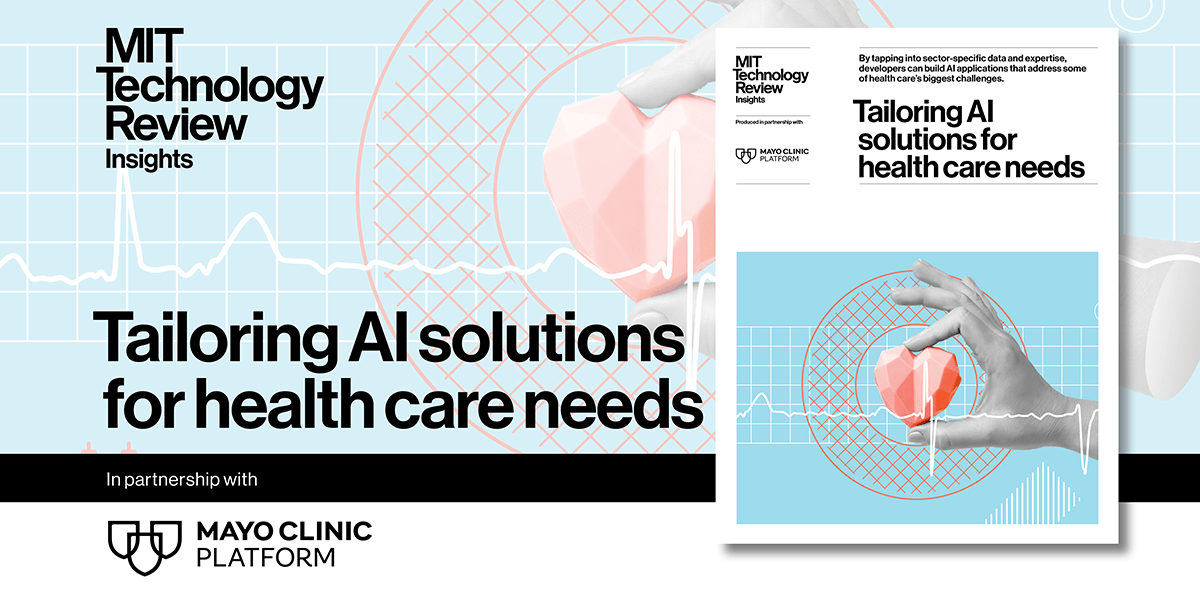
Tailoring AI Solutions for Health Care Needs
AI is rapidly reshaping health care, with the FDA approving more than 1,300 AI‑enabled medical devices—over half in the past three years—and a surge in non‑device AI for administrative tasks. Mayo Clinic Platform stresses that successful tools must blend deep...

Tray’s Maple AI Integration and Other Digital Transactions News Briefs From 5/4/26
Tray, a point‑of‑sale system provider, announced a completed integration with Maple, an AI‑driven voice platform that will now be available to restaurant operators using Tray. Western Union disclosed it will leverage Fireblocks’ digital‑asset infrastructure to back its new USDPT stablecoin,...

Microsoft and Postel: An Innovative New Data and AI-Driven Solution to Optimize Italian SMEs' Relationships with Their Customers
Microsoft, Postel (a Poste Italiane Group company) and Audiencerate have expanded their partnership to launch a Marketing Data Platform that blends AI‑powered market intelligence, first‑party data, and omnichannel activation for Italian small‑ and medium‑sized enterprises (SMEs). The solution integrates Postel’s...

FourKites Launches Agentic Ocean Booking Platform
FourKites unveiled Booking Connect for Ocean, the first fully agentic ocean freight booking platform integrated into its Intelligent Control Tower. The solution automates contract ingestion, carrier selection, documentation, and exception handling, eliminating the manual labor traditionally outsourced to brokers. By...

What China’s AI Push Can Teach Africa About the Future of Labor
China’s 2026 Two Sessions outlined an "intelligent economy" that blends AI, robotics, and green energy while targeting 4.5‑5% growth and 12 million new urban jobs. The government acknowledges AI will both displace and create work, noting a mismatch where factories lack...

The Pyramid Has Already Broken
A fast‑growing U.S. law firm, Pierson Ferdinand, now runs with more than 270 partners and no junior associates, relying on AI to perform tasks traditionally done by entry‑level lawyers. The firm’s model proves that capable AI can undercut the economic...
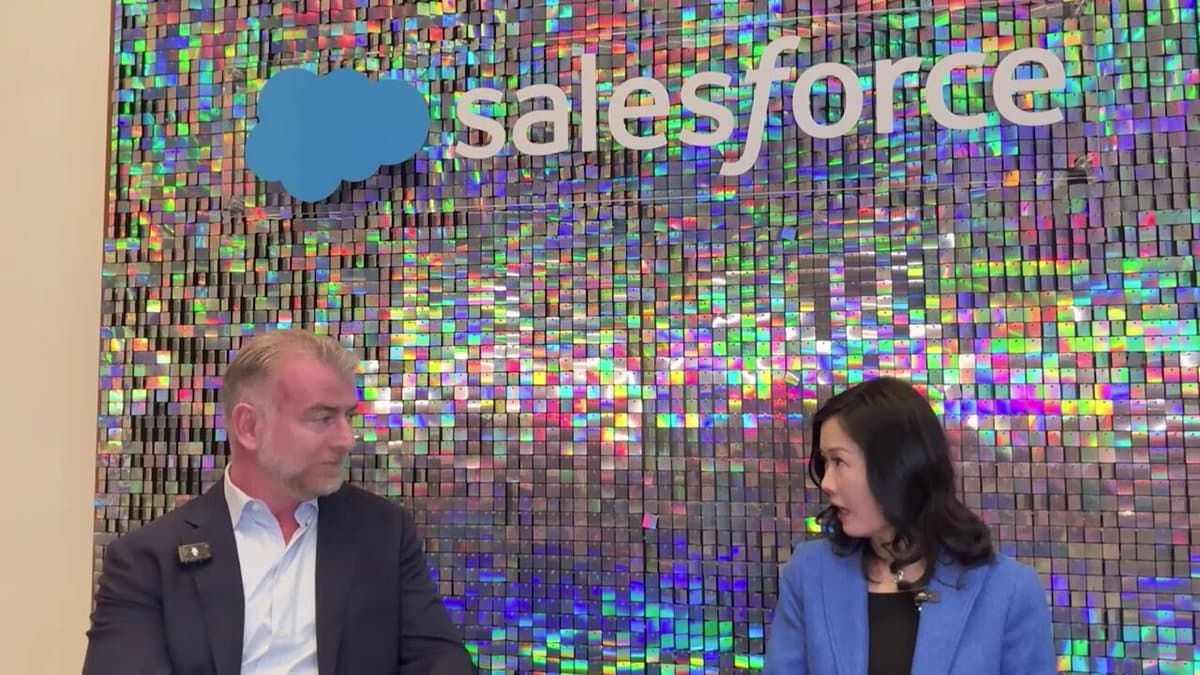
Scale Teams by Multiplying Digital Workers, Not Headcount
What does it mean to scale a team when part of your workforce is digital labor? #Sponsored At @salesforce TDX, I sat down with Brandon Metcalf, CEO of @Asymbl_Inc, and what he shared challenged the assumption that growth is tied to...

DeepSeek Edition of Claude Code
DeepSeek has launched DeepSeek‑TUI, a terminal‑based coding agent built in Rust that mirrors the functionality of Claude Code but is tuned for DeepSeek's large language models. The open‑source project quickly amassed 3,000 GitHub stars and landed on the platform’s Trending...

How to Lead a Business in the Age of AI
The article argues that leaders must become hands‑on AI users to make better strategic choices as AI proliferates across business functions. It warns that most executives will initially make many poor decisions because tools and models evolve rapidly. To counter...

Chrome Extensions for GenAI Visibility
Ann Smarty outlines three Chrome extensions that help marketers gauge how well their pages perform in generative‑AI models. GEO Auditor scores sites on semantic coverage, extractability and answerability, flagging missing topics and schema gaps. AI SEO Extension evaluates AI‑readable content, crawlability...

Mythos AI Is a Cybersecurity Threat, but It Doesn’t Rewrite the Rules of the Game
Anthropic unveiled Claude Mythos Preview, a large‑language model that autonomously discovers and exploits software vulnerabilities at unprecedented speed. In controlled tests, the model identified 271 flaws in Firefox and crafted exploits for 181 of them, and it uncovered thousands of...

GlobalFoundries Accelerates Adoption of Co-Packaged Optics for Advanced AI Data Centers with SCALE Optical Module Solution
GlobalFoundries unveiled its SCALE™ optical module, the first co‑packaged optics platform that meets the Optical Compute Interconnect (OCI) Multi‑Source Agreement. Built on GF’s silicon‑photonic silicon, the solution demonstrates 8λ and 16λ bi‑directional DWDM capability, far exceeding copper‑based interconnect limits. It...

Eddie Ramos: How AI Is Reshaping Investing and Boardrooms
In this episode, Eddie Ramos—a veteran investor, board director, and ESG advocate—explores how artificial intelligence is fundamentally reshaping investment practices, board oversight, and capital formation. He explains AI’s rapid rise since ChatGPT’s debut, its integration into mutual funds, venture‑focused public...
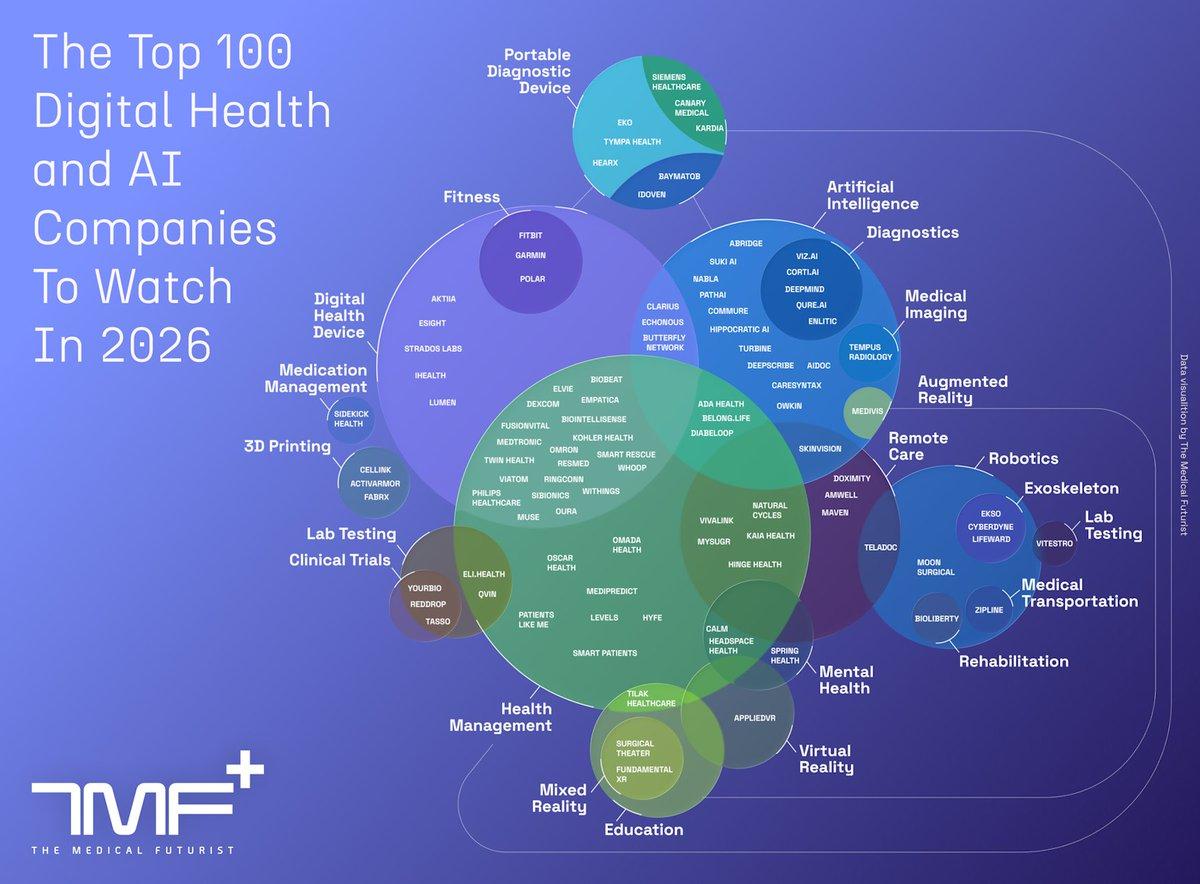
100 Independent Digital Health & AI Companies Ranked for 2026
I’m proud to introduce The Medical Futurist’s 100 Digital Health and AI Companies of 2026! Just like in previous years, we don’t accept any sponsorship or financial support. We do not have any interest or connection in any of the companies...
Reddit’s AI Translations Keep Booming One Year Later
Let's start this week off with a boom. An AI-translated boom. :) I wrote a two-part series last year about Reddit's AI translations and how they were booming. Well, I revisited their AI translation project to see how things were...

Getting Ready for the World of Agentic Commerce: What Businesses Need to Know
Agentic commerce—AI‑driven digital assistants that shop, compare, and purchase for consumers—is poised to reshape retail. The market, valued at $46.7 billion in 2025, is forecast to reach $218.37 billion by 2031, growing at roughly 30% CAGR. Major players such as Google, Perplexity,...

Human QA Staff Become AI Trainers Through Feedback
A Chinese man spent years at a tech company doing one specific thing. He reviewed AI outputs. Caught mistakes. Made the model better. His title was QA supervisor. His actual job was teaching an LLM to do his job.
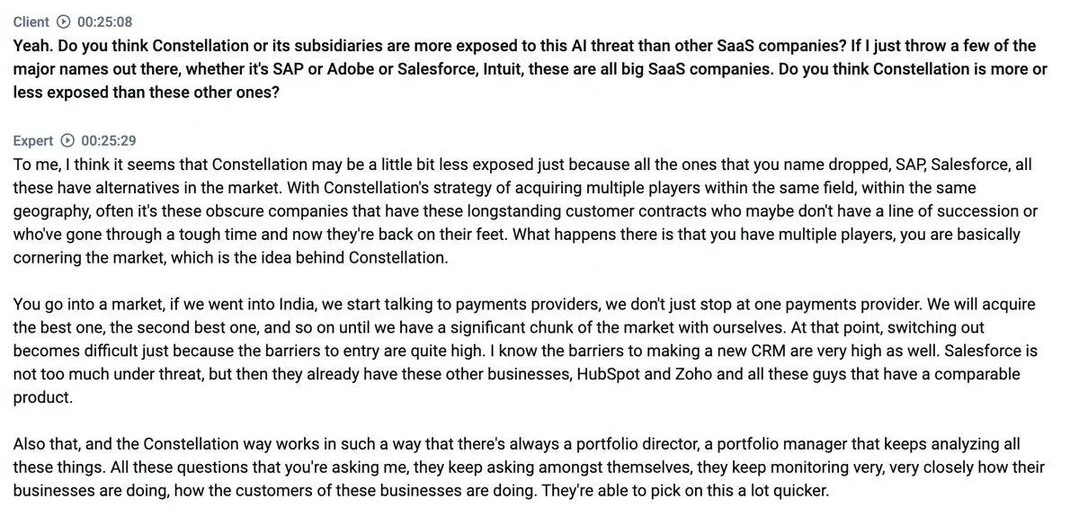
CSU’s Acquisition Strategy Shields It From AI Disruption
Former head of M&A at $CSU on why $CSU is less exposed to the AI threat compared to $ADBE, $CRM, $INTU "We will acquire the best one, the second best one, and so on until we have a significant chunk of...

Why Retail’s Next AI Breakthrough May Come From Convenience Stores
Retail AI is moving beyond e‑commerce personalization into the high‑velocity world of convenience stores. Operators are deploying machine‑learning models that forecast demand by the hour, adjust pricing, and optimize replenishment based on hyperlocal data such as weather and commuter patterns....

How Is AI Changing Retail Strategy Now?
Artificial intelligence is reshaping retail by moving shoppers from a traditional search model to an answer‑driven economy, evidenced by a 693% surge in AI‑generated traffic to retail sites by the end of 2025. This shift forces brands to prioritize Generative...

Brief ChatGPT Like a Consultant for Better Results
💡 Most people use ChatGPT like a search box. You will get far better results by briefing it like a smart consultant. In this video, I share a simple method: ✅ In one prompt, provide 3 things ✅ Context, who...

AI Swarms Are Already Undermining Global Democratic Discourse
Starting today, I'm a contributor at O'Reilly. My first piece just dropped on the Radar, "How AI Swarms Are Disrupting Democracy." It's about swarms of AI agents already bending public discourse across the globe. https://t.co/c0ZN5k0AAy
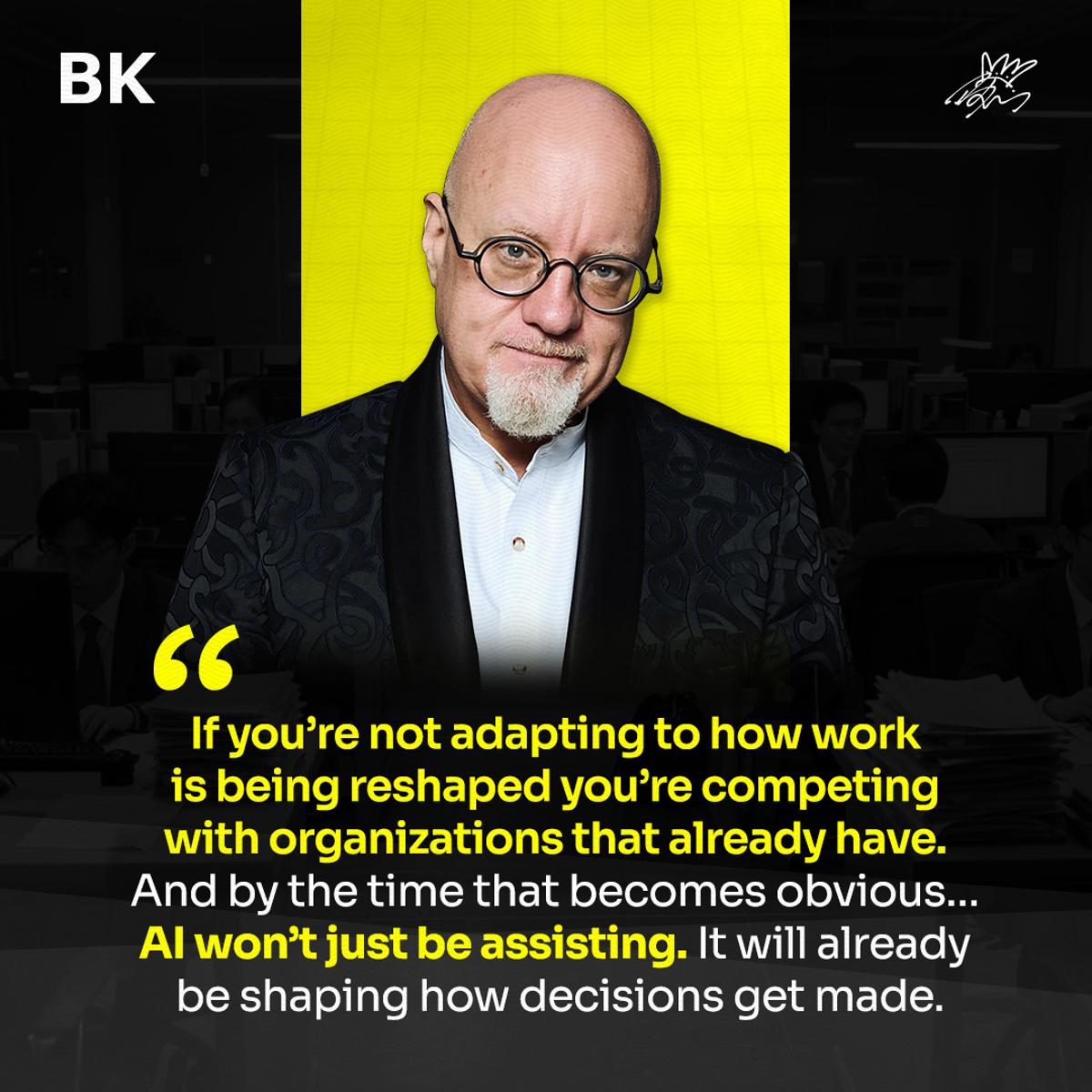
Winning Firms Embed AI Into Strategy, Risk, Operations Now
Most companies think they have time to adapt. But the organizations winning today are already embedding AI into how strategy, risk, and operations are run. https://t.co/fTBb9ibEZw
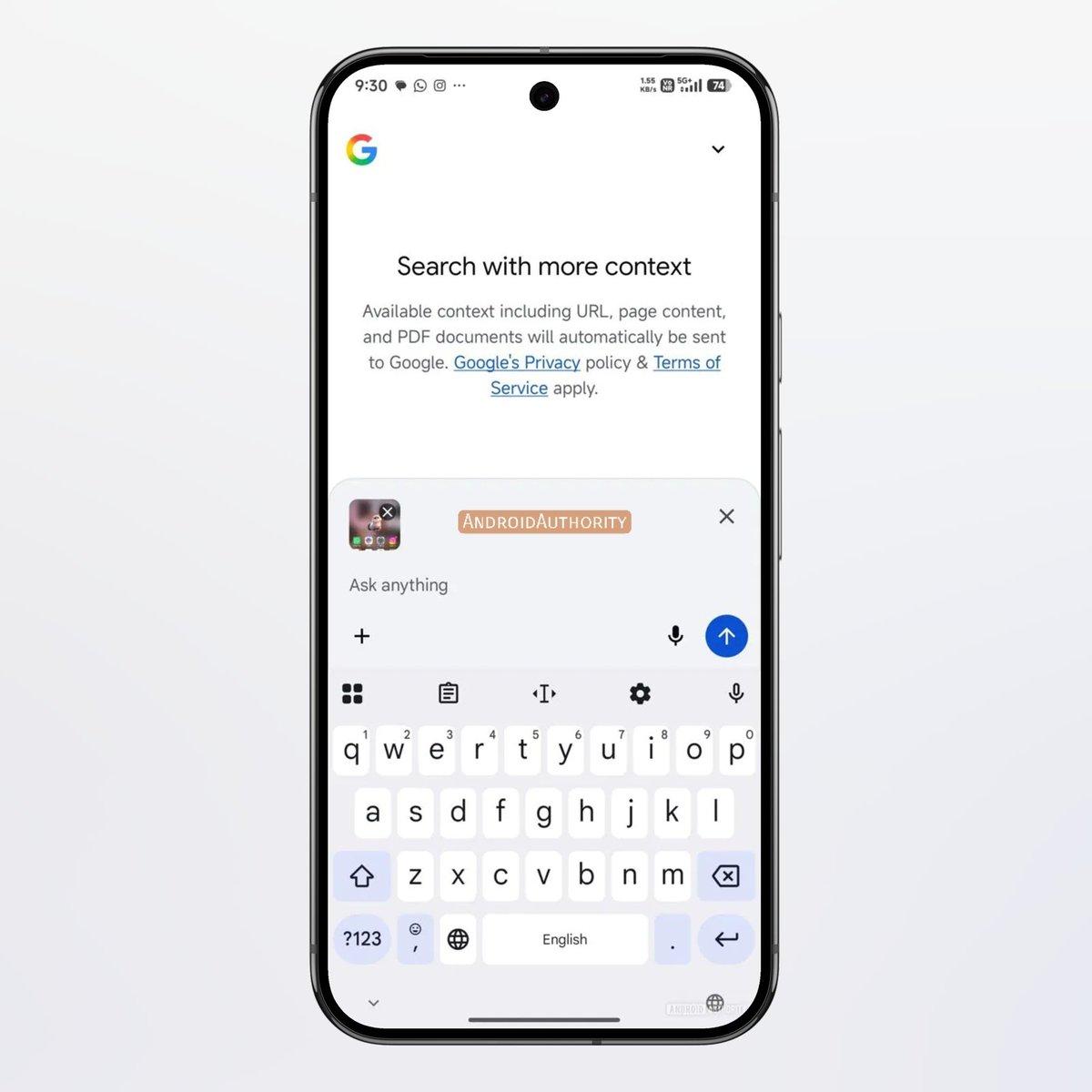
Google’s “Ask About Screen” Expands AI Search Beyond Visible Content
Circle to Search update lets Google look beyond your screen content The "Ask about screen" feature integrates URLs and PDF data to provide deeper AI-driven search results ✅ Details and more screenshots - https://t.co/EFB9DllOJr https://t.co/WfPdhdp1B8
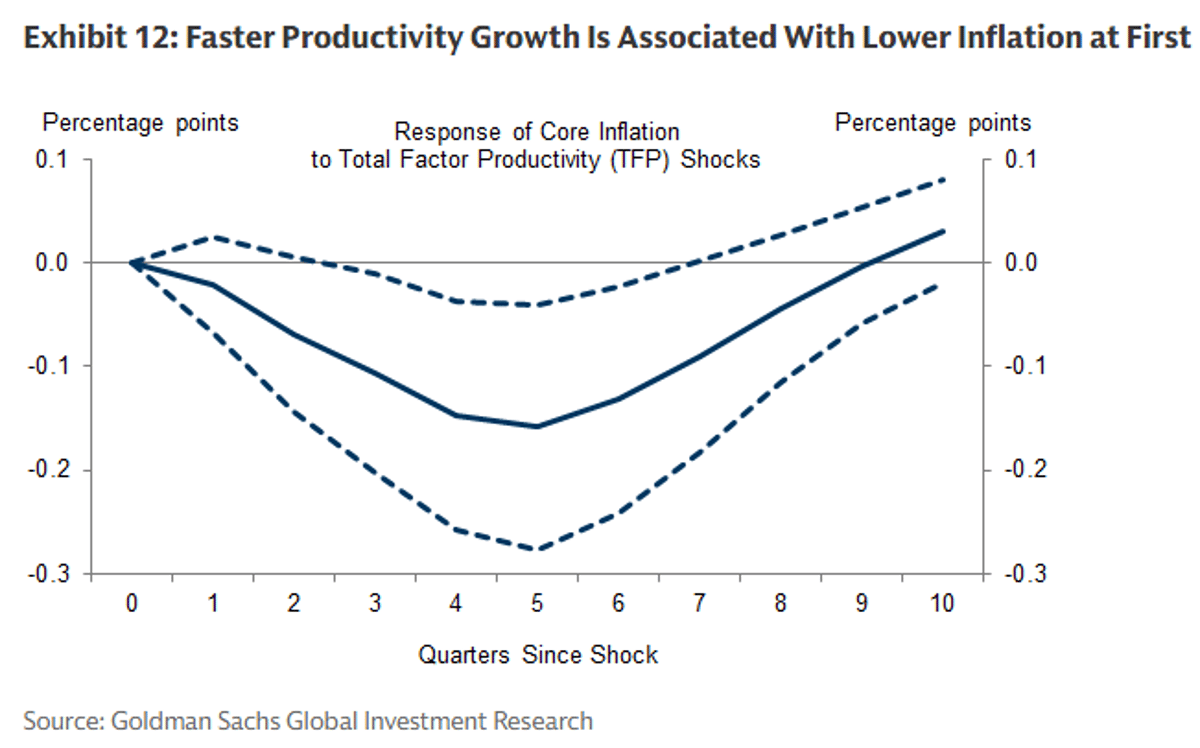
AI Promises Growth, yet Fuels US Inflation Now
GS: We expect artificial intelligence to deliver large productivity gains over the next several years, boosting the economy’s potential growth rate and putting downward pressure on production costs. So far, however, AI is boosting US inflation. https://t.co/c0lNX9gTvd

China Leverages Open AI Models as Soft Power
China is playing a different game in AI. By opening up the inner workings of models like DeepSeek, it is turning technology into a form of soft power. The strategy is clear. Influence in AI may come as much from openness as...

Real AI Risks Ignored for Imaginary Fears
When there's so many good reasons to be worried about AI, it's amazing people are focused on those that are totally fake.
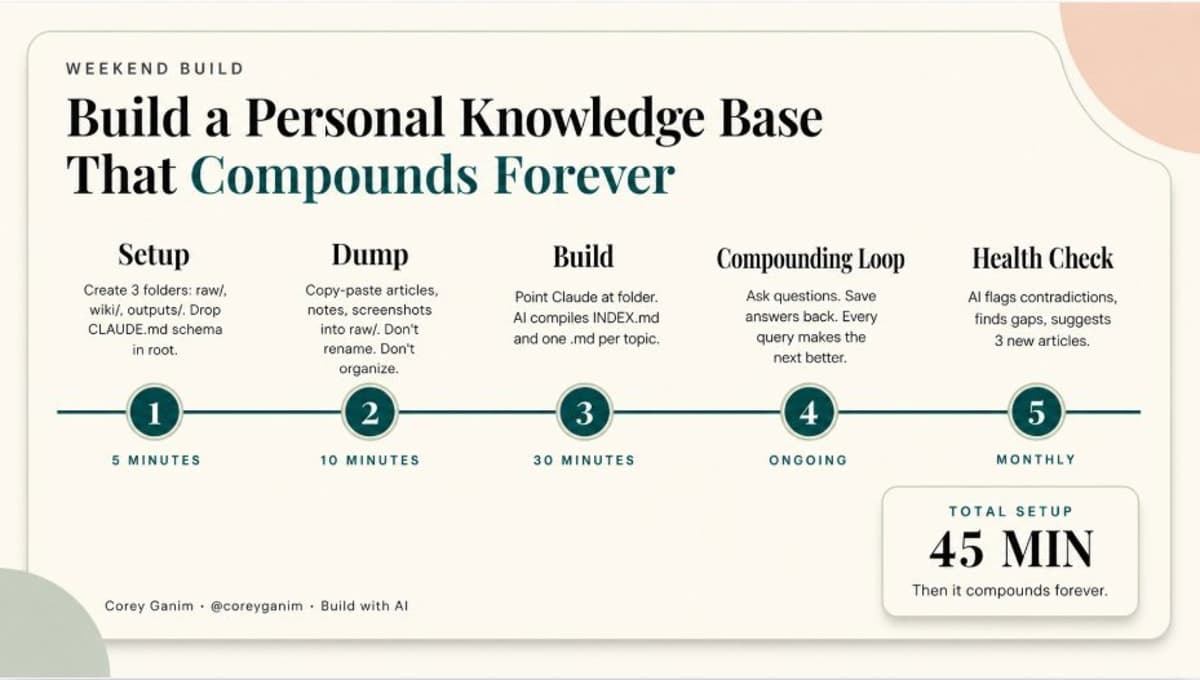
One Claude File Turns Notes Into a Self‑updating Wiki
this guy literally took @Karpathy's 2nd Brain concept to replace complex note-taking forever 🤯 → 3 folders → 1 CLAUDE.md file dump your notes, run the prompt, BOOM 💥 AI organizes chaos into a self-updating Wiki. + Claude Skill that builds this for you...

Top AI Researcher Departs Genentech, Rethinks Pharma Future
“It got a bit too distant for me." Some insights into big pharma & AI from @kchonyc, a top AI researcher who talked with me about leaving Roche's Genentech and what he's thinking about next: https://t.co/IvzWUjc9Qd
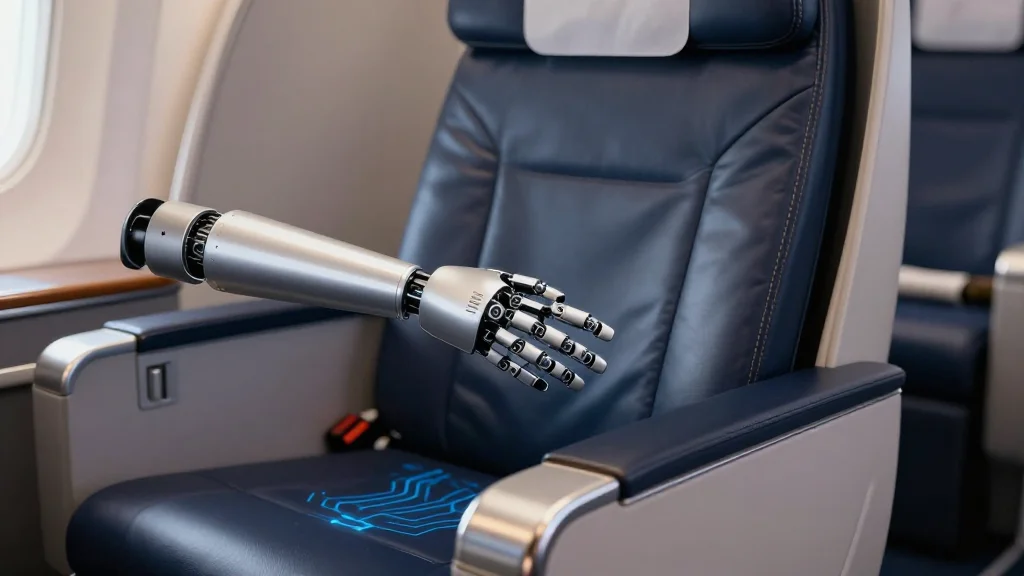
AI Misallocates Seats Despite On‑time Arrival
American Airlines AI Gave Away Their Seats — Even Though They Made It To The Gate On Time https://t.co/KiYcTw6pAV

Claude Code’s “Undercover Mode” Hides AI Identity
Anthropic has a feature in Claude Code literally called "undercover mode." No off switch. It quietly tells Claude to never reveal it's an AI. Kind of a wild choice from the company whose whole brand is transparency 👀 https://t.co/3qR3JbyZ8q
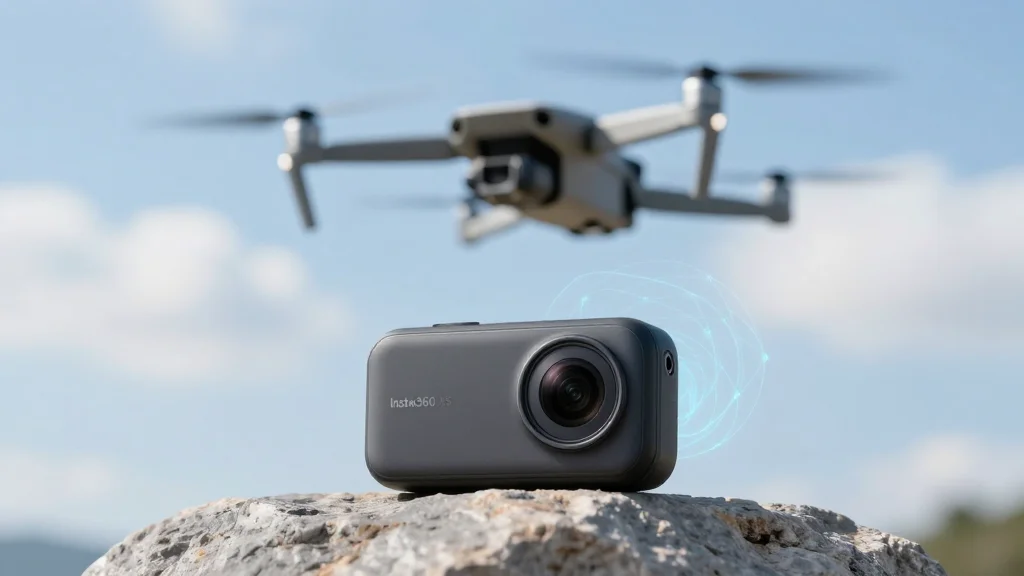
Unlock Hidden Tricks for Insta360 X5 & A1 Drone
Splatica revealed a hidden talent in my Insta360 X5 camera and Antigravity A1 drone – and you can try it too https://t.co/FphnGR3Wpo