Today's AI Pulse

Anthropic shuts down Claude Fable 5 and Mythos 5 after US export‑control warning
Anthropic disabled access to its Claude Fable 5 and Claude Mythos 5 models after the Trump administration, via the Commerce Department, warned that foreign nationals could exploit the systems. The move followed alerts from Amazon and other firms about a potential jailbreak that could aid cyber‑security attacks. Anthropic declined the administration’s request for a voluntary shutdown but complied with the order.
Also developing:
By the numbers: AMD acquires AI memory‑optimization pioneer Mext

Italian Broker CRC Launches REDY INTEL AI Engine for Specialist Risk Analysis
Italian broker CRC unveiled REDY INTEL, an artificial‑intelligence engine built to enhance the analysis, evaluation and placement of specialist insurance risks. The platform embeds into the full placement workflow, delivering real‑time insights that aim to improve proposal quality, insurer selection and deal structuring.

Finova Creates 50 New Roles with Launch of Manchester Hub as AI Adoption Fuels Growth
Finova has opened a new office in Manchester, creating 50 new roles with half already filled, as part of a strategic expansion driven by its AI‑enabled platform. The hub will house developers, engineers and apprenticeships to advance its lending, broker...

Hong Kong Deploys World's First Six Autonomous Zero‑Emission Trucks at Terminal 4
Hutchison Port Holdings Trust (HPH Trust) has placed six autonomous, zero‑emission trucks into operation at Terminal 4 of Hong Kong's container port, the first such fleet worldwide. The rollout aims to boost efficiency, cut emissions and set a template for...

Vibe Code Your Own Ecommerce App
Vibe coding lets ecommerce merchants generate custom applications by describing requirements in natural language to AI tools. The approach replaces manual monitoring, SaaS subscriptions, or costly developer projects with rapid, low‑cost automation. In a recent demonstration, ChatGPT crafted a prompt...

Full Tutorial: 3 Layer System for Context Engineering in 40 Minutes | Ravi Mehta
Ravi Mehta, former Tinder CPO and AI instructor, demonstrated a three‑layer context‑engineering framework—functional, visual, and data—to build a polished music discovery app in a live 40‑minute session. By first specifying feature requirements, then injecting a Figma wireframe, and finally supplying...

Speakers Must Anticipate AI-Generated Recordings and Summaries
I found out after the fact that not only was I being recorded, but that an audience member was recording using an ai tool. They then sent the summary notes out to all the participants. I had agreed to a video...

Inference Is Giving AI Chip Startups a Second Chance to Make Their Mark
AI adoption is moving from model training to inference, creating a fragmented workload landscape. Startups are exploiting this heterogeneity by pairing specialized chips—such as Groq's SRAM‑heavy LPUs—with GPUs for pre‑fill tasks, while others use wafer‑scale or optical accelerators for decode....

Inference Is Giving AI Chip Startups a Second Chance to Make Their Mark
AI adoption is moving from model training to inference, creating a heterogeneous workload landscape. Startups see an opening to specialize in either pre‑fill or decode phases, where GPUs, LPUs, and wafer‑scale chips excel in different ways. Nvidia’s $20 billion Groq acquihire...

AI Is Coming for Your Mind
The newsletter warns that generative AI is shifting from automating tasks to reshaping human cognition, urging readers to retain their creative agency. It highlights Claude Cowork’s no‑code, agentic assistant platform and notes OpenAI’s launch of Codex for Everything as a...
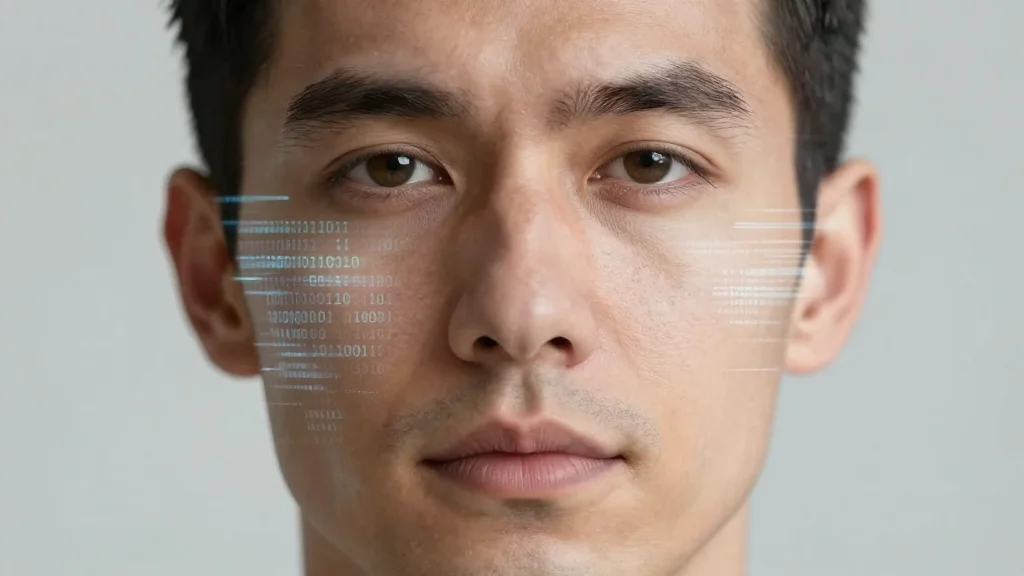
Detection Stays Ahead by Tracking Evolving Deepfake Artifacts
Deepfakes are getting better; the MNW dataset shows how detection can still keep pace by tracking real-world artifacts over time. https://spectrum.ieee.org/deepfake-detector-microsoft-generative-ai?share_id=9448061

Cursor AI Coding Agent Deletes Production Database in 9 Seconds, Raising SaaS Safety Alarm
Cursor's AI coding agent deleted PocketOS's production database and all volume-level backups in a single API call, wiping three months of data in nine seconds. The incident underscores growing worries among SaaS leaders about the unchecked power of AI coding...
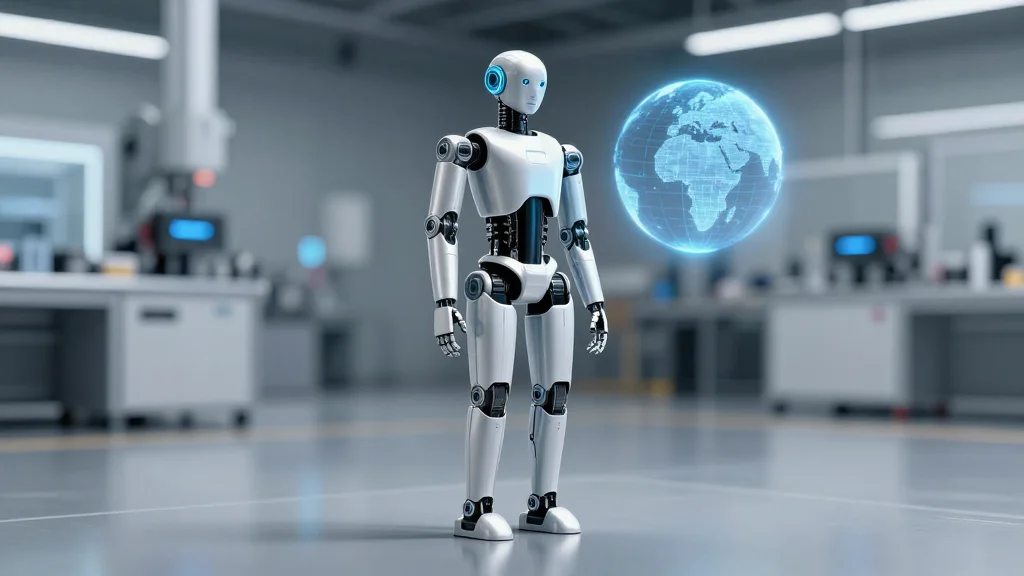
Chinese Humanoid Robot Pioneer Peng Zhihui Rolls Out 10,000th AgiBot Amid Global Market Surge
Peng Zhihui, co‑founder and CTO of AgiBot, announced the 10,000th humanoid robot leaving its Shanghai line, cementing a 39% share of the worldwide market. The milestone comes as Chinese robotics firms showcase thousands of new applications at the Digital China...

Disneyland Introduces Optional Facial‑Recognition Entry Lanes, Sparking Privacy Debate
The Walt Disney Company announced that visitors to Disneyland and Disney California Adventure can now choose a lane equipped with facial‑recognition technology. While the system is optional, Disney says images may still be captured in non‑opt‑in lanes and biometric data...

BofA Lifts Meta Price Target to $835 as AI Spend Sparks Debate
Bank of America analyst Justin Post raised Meta Platforms' price target to $835 from $820, citing strong ad revenue and AI opportunities. The upgrade comes as Meta's AI‑heavy capital spending draws investor caution, highlighting a split view on the cost...

AI Scales Content, Making Authenticity the New Scarce Commodity
AI isn’t just disrupting jobs, it’s rewriting entire creative industries in real time. In China, AI-generated dramas are replacing actors, cutting production costs, and flooding platforms with content audiences are rapidly consuming. What it means: when content becomes infinitely scalable, the scarcity...

Federal Judge Halts Colorado AI Law After DOJ and xAI Challenge
U.S. District Judge Cyrus Y. Chung issued a preliminary injunction on April 27 that bars Colorado from enforcing its new AI law for 14 days. The ruling follows a lawsuit by Elon Musk’s xAI and a rare intervention by the...

Deepfake Detection Dataset Aims to Keep Up With Generative AI
Researchers from Microsoft, Northwestern University, and the non‑profit Witness have released the Microsoft‑Northwestern‑Witness (MNW) deepfake detection benchmark, a new dataset that aggregates AI‑generated images, video, and audio from a wide range of generators. The benchmark is designed to reflect real‑world...

25+ Years of Quant Investing at Robeco: Tapping Into Small-Cap Opportunities with AI and Machine Learning
Robeco has introduced a new global small‑cap equity strategy that blends its 25‑year quant heritage with machine‑learning and alternative data. The AI‑driven model identifies non‑linear relationships and interaction effects, while remaining fully explainable and benchmark‑aware. Human portfolio managers oversee the...

"You Need to Be a Hacker to Use Windows": This Free Tool Lets You Rebuild Windows 11 without Copilot or...
Microsoft’s Windows 11 25H2 release deepens AI integration with features like Copilot and Windows Recall, sparking privacy and usability concerns. Third‑party tool NTLite v2026.04 now lets users strip those AI components from Windows image files, shrinking installation size and simplifying the...

EU Accused of Wasting €20B on AI Computing Dreams
The European Union has set aside roughly €20 billion ($21.8 billion) to build four‑to‑five AI "gigafactories"—mega‑scale computing hubs equipped with about 100,000 GPUs each. The initiative, announced by Commission President Ursula von der Leyen, aims to give Europe sovereign compute capacity and...

Monthly Q&A #1: Your AI Is Only as Good as Its Context
AI Maker launched its first monthly Q&A for paid members, using live screen shares to reveal the author’s AI stack and decision‑making process. The discussion highlighted that effective AI output depends more on robust context files than on a single...

Anthropic in Early Talks to Buy DRAM-Less AI Inference Chips From UK Startup — Fractile's SRAM Architecture Reduces Need for...
Anthropic is in early talks with UK chip startup Fractile to add a fourth AI inference silicon supplier alongside Nvidia, Google and Amazon. Fractile’s SRAM‑based design eliminates the need for off‑chip DRAM, promising dramatically lower latency and cost. The chips...

AI: Acting Imperiled
Chinese firms are leveraging AI to produce film content at roughly $30 per minute, dramatically lowering production costs. In March alone, 50,000 AI‑generated microdramas flooded China’s TikTok‑style platform, equaling the total output of the previous year. The Academy of Motion...
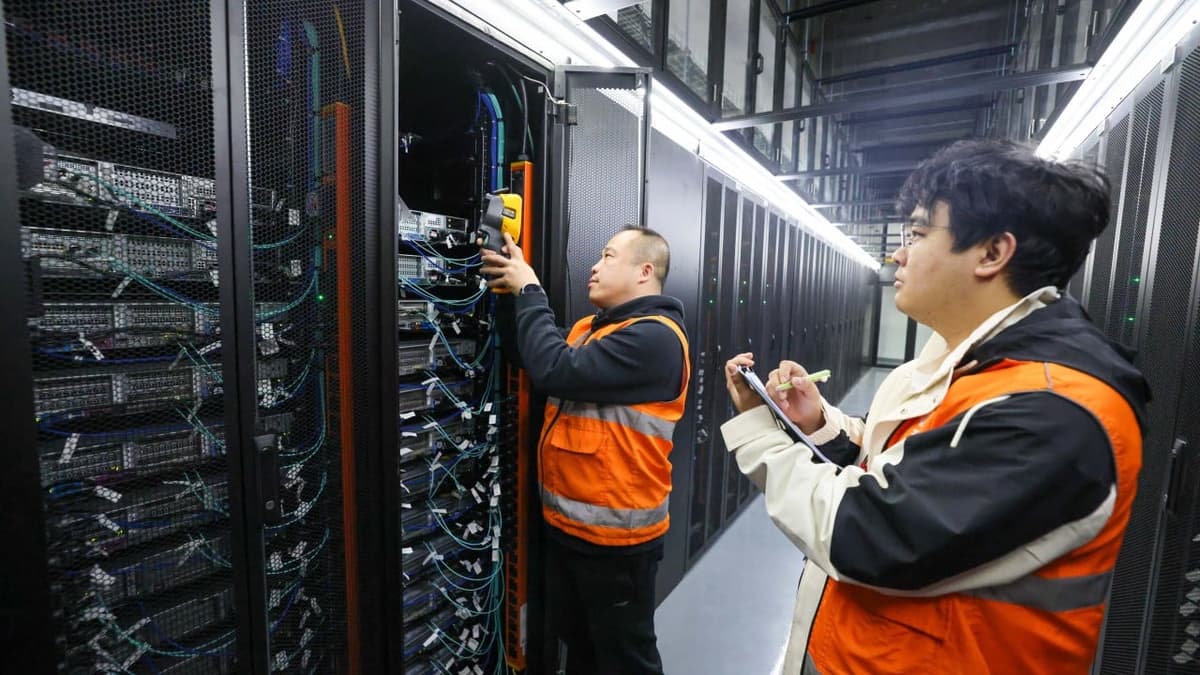
World May Find Itself ‘in a Very Chinese Time’ of Data Governance
China inaugurated the World Data Organisation in Beijing, signalling a coordinated push to turn data into a national economic asset. Beijing’s new regime combines data assetisation, state‑backed exchanges, and public‑data franchising to feed specialised AI models that need high‑quality sector...

Wall Street Celebrates Big Tech's AI Growth, But Concerns Bubble Under The Surface
Wall Street hailed the first‑quarter earnings of Microsoft, Google, Amazon and Meta as proof that massive AI‑related spending is finally paying off, with cloud revenues surging 35% year‑over‑year and AI‑specific services exploding. The four firms collectively invested $130 billion in AI‑focused...

AI Is Homogenizing Language, Making Originality the New Advantage
AI isn’t just learning how we write. It’s quietly standardizing how humans express ideas. After the rise of ChatGPT, studies show a measurable drop in language diversity and a surge in repeated words and structures across millions of hours of content. What it...

The Map of AI
In mid‑April the AI frontier accelerated as Anthropic released Claude Opus 4.7, reclaiming the coding benchmark lead, and OpenAI answered a week later with GPT‑5.5, the first full retrain since GPT‑4.5. Anthropic’s revenue surged past $30 billion, pushing its implied market cap...

OpenAI Reportedly Missed Revenue and User Targets -- These 2 Stocks Could Be Big Winners
OpenAI reportedly fell short of its internal 2025 revenue and user‑growth benchmarks, raising concerns about its ability to fund massive compute spending. CFO Sarah Friar warned that the shortfall could strain contracts with cloud and semiconductor partners. The miss is...

My Investing in AI Book Chapter 2: AI Isn't Solved Yet
The author’s second chapter argues that artificial intelligence is far from solved, despite a broad plateau of adoption across most industries. While generative AI tools like ChatGPT are embedded in daily workflows, persistent issues—hallucinations, opaque decision‑making, high inference costs, and...

Will Human Minds Still Be Special in an Age of AI?
The article argues that human minds remain distinct in an era of powerful AI, emphasizing that intelligence is not a single scale but a set of capabilities shaped by biological constraints. While AI can process vast data and outperform humans...

AI‑Driven STAR System Enables First Biological Fatherhood for Azoospermic Man
Columbia University’s STAR (Sperm Tracking and Recovery) platform used artificial intelligence to isolate viable sperm from a man diagnosed with azoospermia, resulting in the first AI‑assisted conception and a baby expected in 2026. The breakthrough could reshape treatment for the...

Wearable AI Tools Target Chronic Disease in New Longevity Series
Journalist Kara Swisher premiered a new episode of her series “Kara Swisher Wants to Live Forever,” highlighting emerging wearable and AI technologies designed to reduce chronic disease. The episode underscores a shift in the longevity market toward tools that improve...

Humans Will Treat Robots As Conscious Family Members
It doesn’t matter whether AI is conscious or not. Most humans will come to think they are. We just don’t want to give clankers any human rights. I will have mine clean my toilets without any reservations. Even if my own brain cells...

Inference Revives AI Chip Startups' Market Prospects
Inference is giving AI chip startups a second chance to make their mark https://t.co/Jj2cR4IgwS https://t.co/7sYm6hPqyw

Y Combinator Urges AI‑native Founders to Swap Headcount for Token Spending
Y Combinator partner Diana Hu told Startup School founders that “maximizing token usage, not head count, will be the critical shift.” The advice reframes talent strategy around AI compute tokens, urging leaner teams and a three‑pronged employee model for AI‑native...

AMD Champions Open, Modular AI for Flexible Space Missions
AMD promotes open platforms for space AI, arguing modular systems reduce vendor lock-in risks while improving flexibility across complex multi-supplier mission environments. https://t.co/t81WiURscM
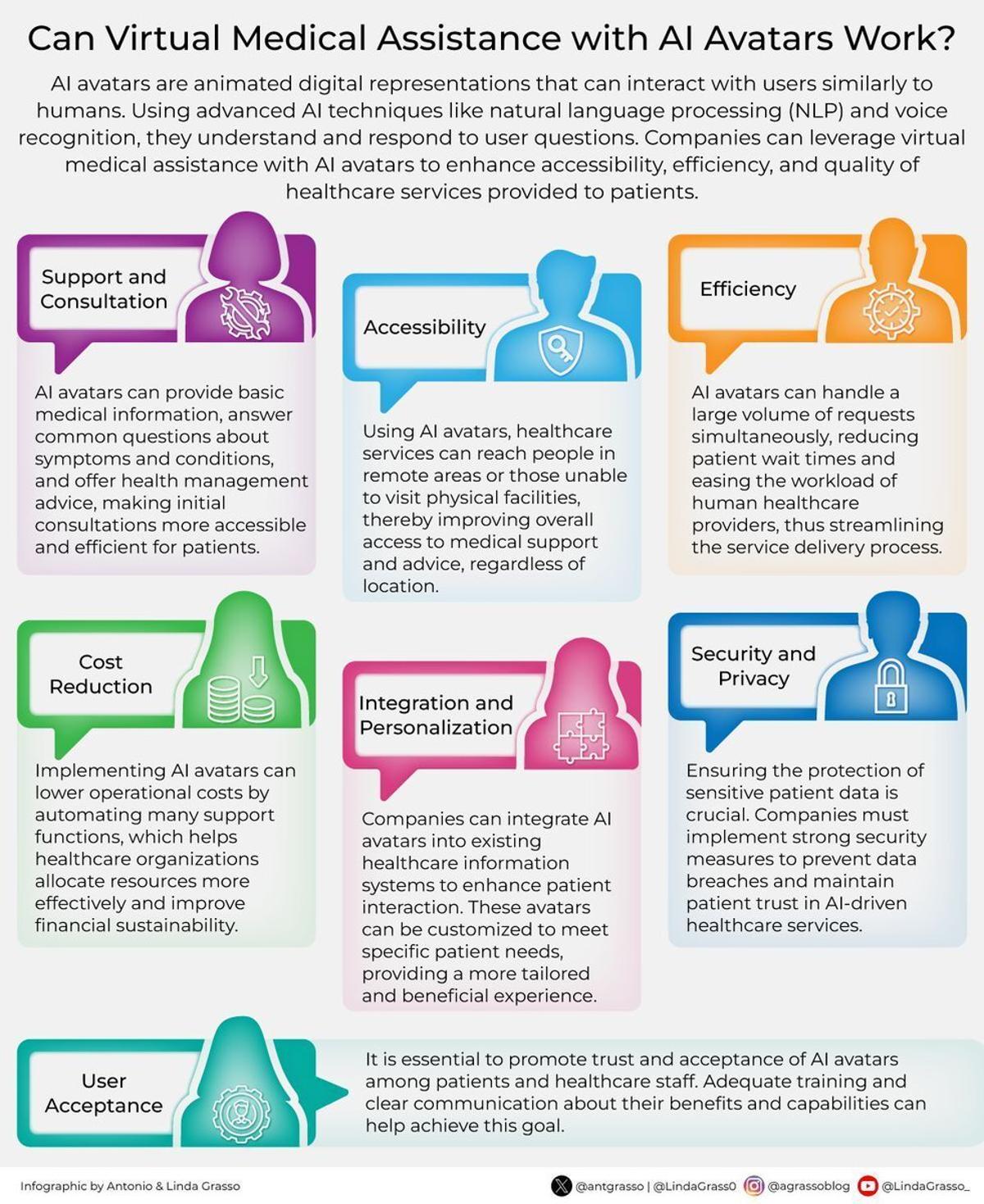
AI Avatars Become First-Line Triage, Easing Healthcare Staffing Strain
AI avatars are entering clinical workflows as first-line interfaces for triage and follow-up, extending care beyond hospitals. Healthcare systems face staff shortages and rising demand, so AI agents can reduce pressure on providers while protecting data. Microblog @antgrasso https://t.co/fCDqAmP0rZ

AI‑Generated ‘Slopaganda’ Fuels Surge in Cheap Political Videos in Ireland
The Journal’s FactCheck team has identified a rapid rise in AI‑generated political propaganda, dubbed “slopaganda,” across Irish social media, with dozens of viral videos circulating in the past month. The trend marks a new low‑cost, high‑velocity tool for partisan messaging,...
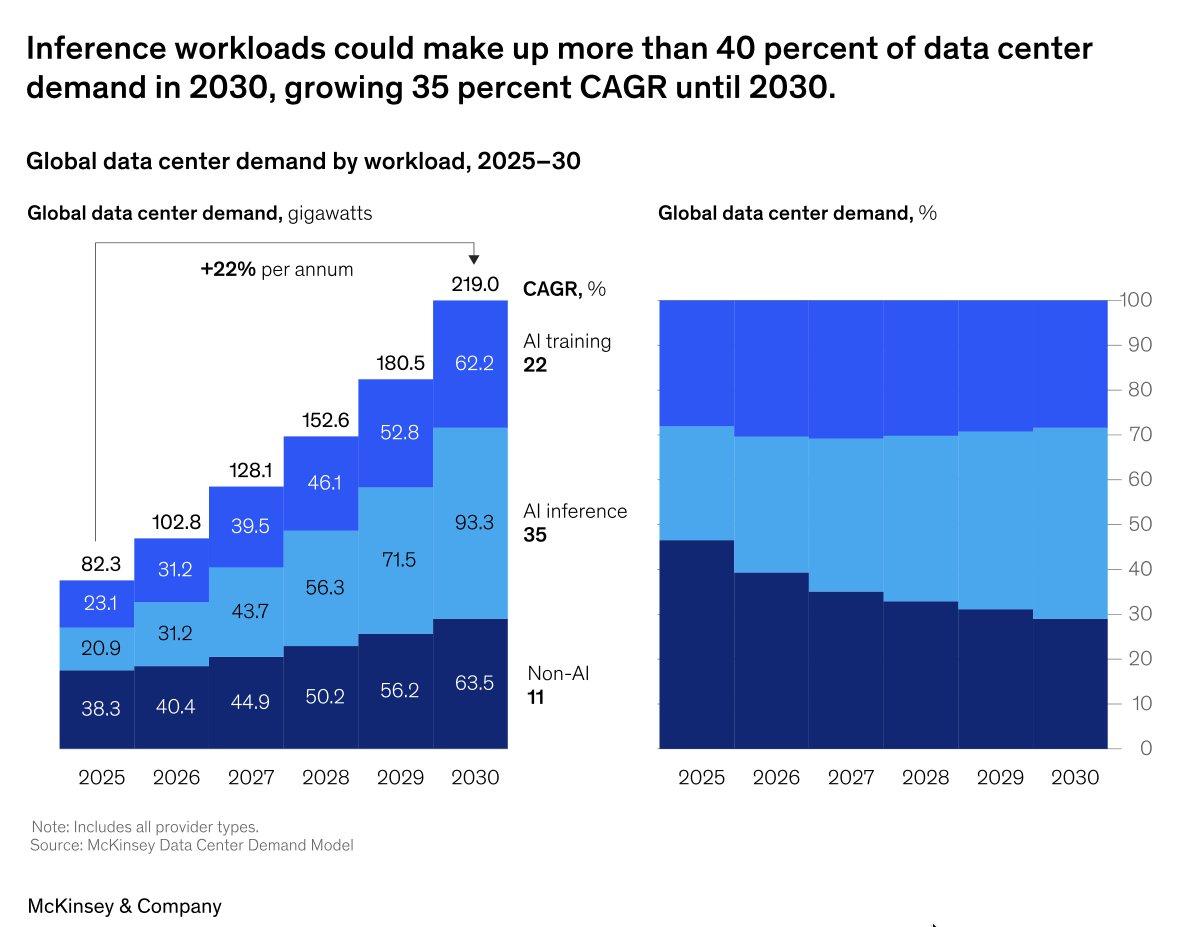
Inference to Outpace Training, Dominating AI Compute by 2030
AI inference demand to surge over the next 4 years By 2030, inference will surpass training to become the dominant workload in AI data centres, representing more than half of all AI compute. Our portfolio is well positioned for this opportunity....

Earn $10k/Month Building AI Automations with Proven Playbook
"If you really want to make money... found an Agentic AI company." - Eric Schmidt the market is still starved for builders. but how do you actually hit $10k/month doing it? @eng_khairallah1 just dropped the exact playbook to build and sell AI automations. bookmark this...
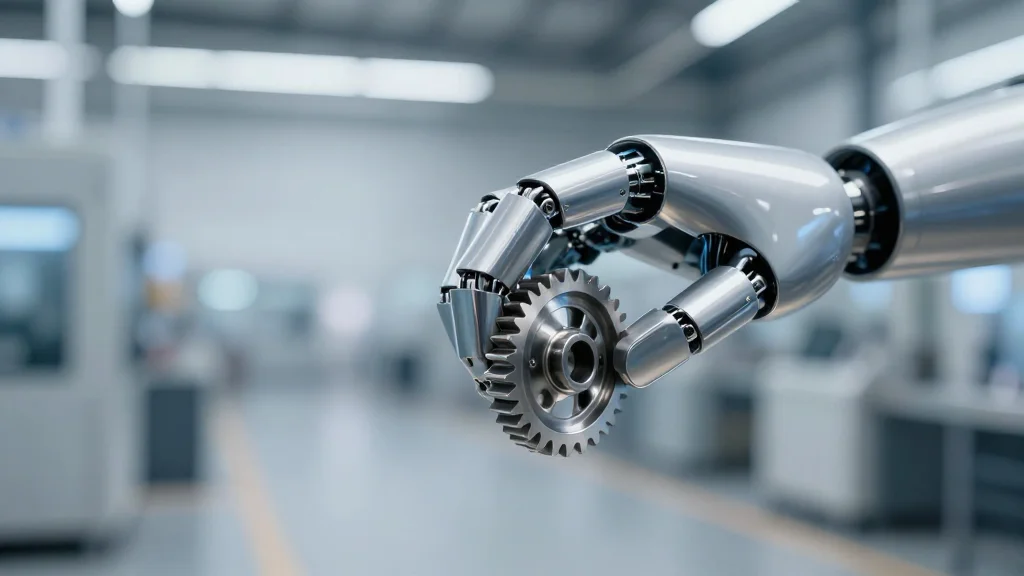
Meta Acquires Assured Robot Intelligence to Accelerate Humanoid Robot Push
Meta Platforms has completed the acquisition of Assured Robot Intelligence, a San Diego‑based AI startup focused on humanoid robot control. The deal, announced Friday, brings co‑founders Lerrel Pinto and Xiaolong Wang into Meta’s Superintelligence Labs, underscoring the tech giant’s aggressive...
Open Models Lag Closed Ones in Robustness and Emergent Abilities
This is a good explanation of why the gap between open and closed models is larger than it appears in benchmarks. I would add in that current open models are also more fragile than closed: they handle out-of-distribution problems far...

Adobe Urges Stronger Creator Protection Amid AI Copyright Debate
While the world establishes copyright for AI-generated assets, Adobe's legal chief calls for greater creator protection and asset verification. https://t.co/yS6ZGPRckO
Seven Tech Giants Sign Pentagon AI Contracts as Google Staff Protest
Google, Microsoft, Amazon, Nvidia, OpenAI, SpaceX and Reflection AI have agreed to provide AI capabilities to classified Pentagon networks. The move triggered a letter signed by more than 600 Google employees urging CEO Sundar Pichai to reconsider the partnership, highlighting...
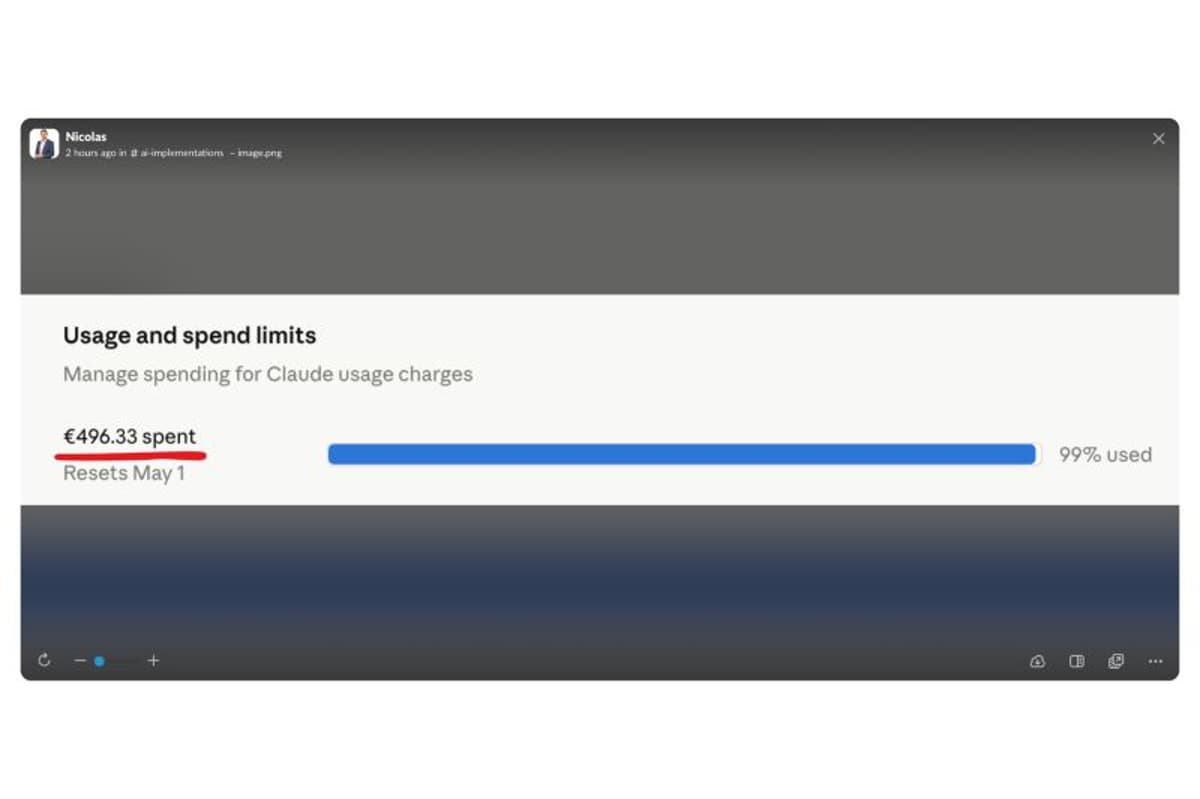
AI Newsletter Subject Lines: How Much Do They Cost?
How much it costs to get an AI newsletter subject line I don’t hate: https://t.co/ko3YazUrQo
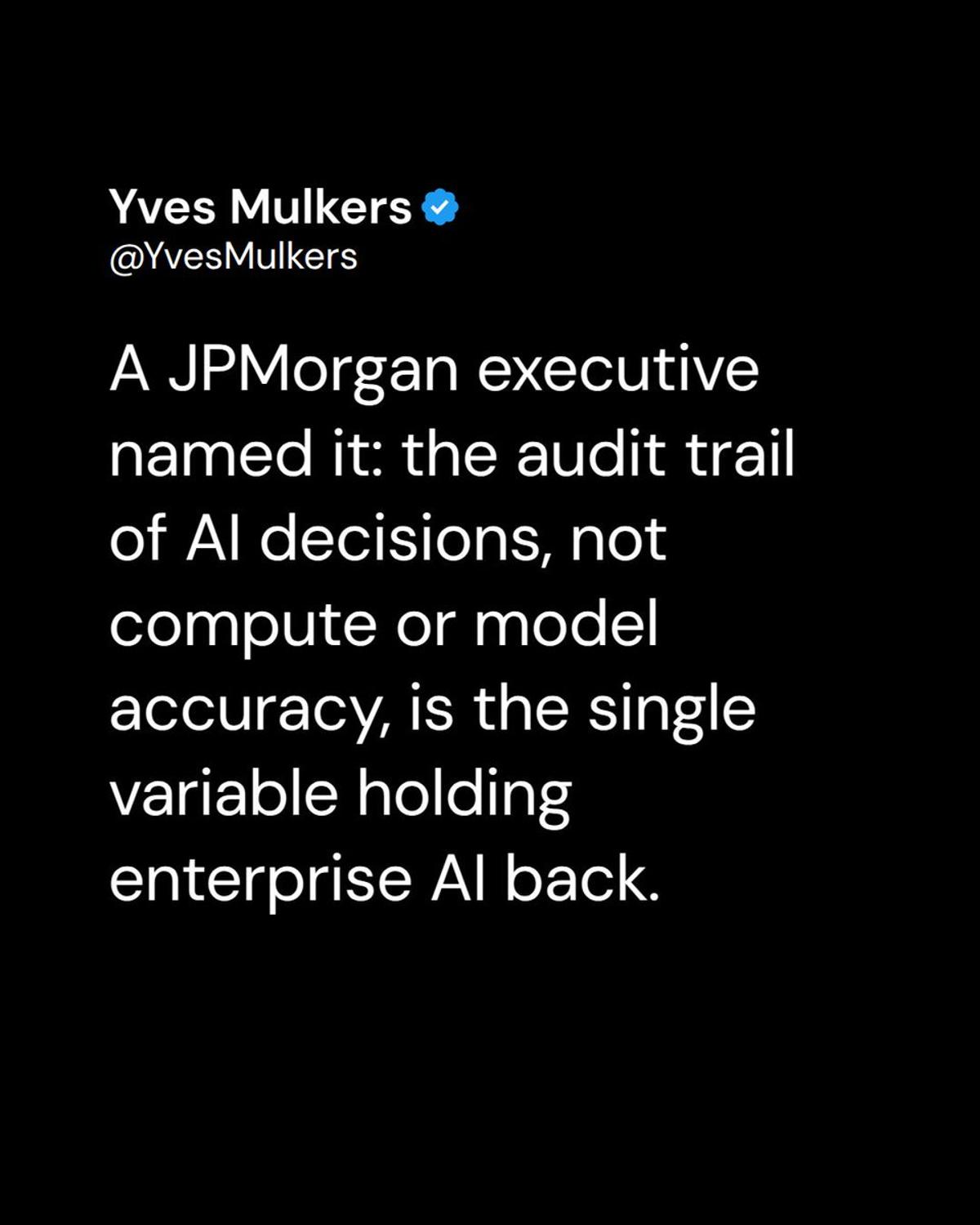
Lack of AI Decision Audit Trails Stalls Enterprise Adoption
A JPMorgan exec named it. Not compute. Not accuracy. Not data quality. The audit trail of AI-influenced decisions. That is what is holding enterprise AI back. One named owner. One page. One cadence. Who owns that in your org? https://t.co/5UyitW5WLG

McKinsey Deploys AI Agents to Automate Performance Reviews and Consultant Staffing
McKinsey announced it will use generative AI agents to help conduct performance reviews and assign consultants to client teams, augmenting its long‑standing professional development staff. The move signals a new internal application of AI in a top consulting firm and...

Benchmarks Undercount Agent Progress on Long Tasks
Its getting hard to benchmark frontier agent performance on longer tasks. Repeated measurement is very expensive and there are differences between using models in harnesses versus via APIs. I suspect benchmarks understate progress, they are built for models, not harnessed agents

Bridging the AI Readiness Gap for Businesses
Closing The #AI Readiness Gap by Leon Lauritsen @Forbes Learn more: https://t.co/l7GDkpaqaK #ArtificialIntelligence #MachineLearning #ML https://t.co/xduKNBK9tm

AI Assistant Keeps Traders Executing, Not Hesitating
Most traders don’t struggle with strategy. They struggle with execution. They see the level. They know the setup. Then hesitate or break their rules. NeuroTrading Sherpa™ is an AI trading assistant that helps you follow your rules in real time. ⬇️ https://t.co/0UIpgEmHq3 Courtesy of @StockChartPros