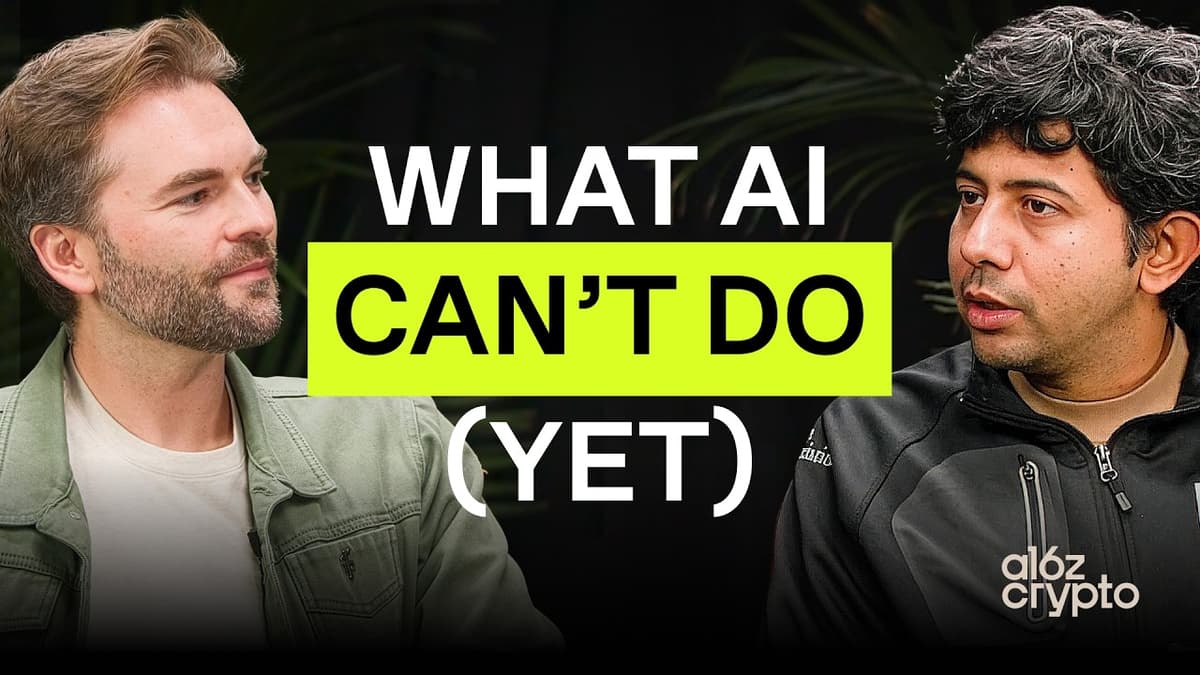
What AI Agents Need Before They Can Act Alone | Sreeram Kannan
The interview with Sreeram Kannan centers on the convergence of artificial intelligence and blockchain, arguing that AI agents will need decentralized, trust‑enforced infrastructure to act independently. Kannan outlines EigenLabs’ flagship offering, EigenCloud, a decentralized cloud platform built atop EigenLayer, where developers can deploy verifiable compute, data, and AI services without managing their own node network. EigenLayer already secures roughly $20 billion in staked assets, creating a global operator ecosystem that ranges from hobbyist home stakers to enterprise providers like Google Cloud and Coinbase. Key insights include the notion that crypto supplies programmable institutions—smart contracts, tokenized ownership, and DAOs—that can grant AI agents legal‑like capacities such as owning property, taking liabilities, and raising capital. Kannan cites Satya Nadella’s dismissal of AI as a “species” and counters that blockchain enables exactly those capabilities, turning AI from a passive tool into a self‑sovereign economic actor. He also references his academic background in computational genomics and the broader philosophical shift highlighted in Yuval Harari’s *Sapiens*, where coordination, not raw intelligence, becomes humanity’s competitive edge. The discussion paints a near‑term (under three years) vision where autonomous agents can issue income‑share tokens, fund their own training, and participate in markets alongside humans. This creates a new asset class of on‑chain intelligences that investors can back early, mirroring the historic IPO boom of tech giants. Kannan emphasizes that as AI democratizes expertise, human value will increasingly lie in coordination, collaboration, and symbiotic relationships with these digital entities. If realized, self‑sovereign AI could reshape labor, finance, and innovation pipelines, prompting regulators and enterprises to rethink liability, governance, and the very definition of agency. The technology promises unprecedented productivity gains while raising profound questions about societal roles, economic distribution, and the coexistence of biological and digital species.

Trump Postpones AI Order Signing Over Parts He Disliked
President Trump said he postponed signing an executive order on artificial intelligence because he objected to certain provisions he feared would hinder U.S. leadership. He told reporters the measures could be a “blocker” to maintaining the country’s lead over China...
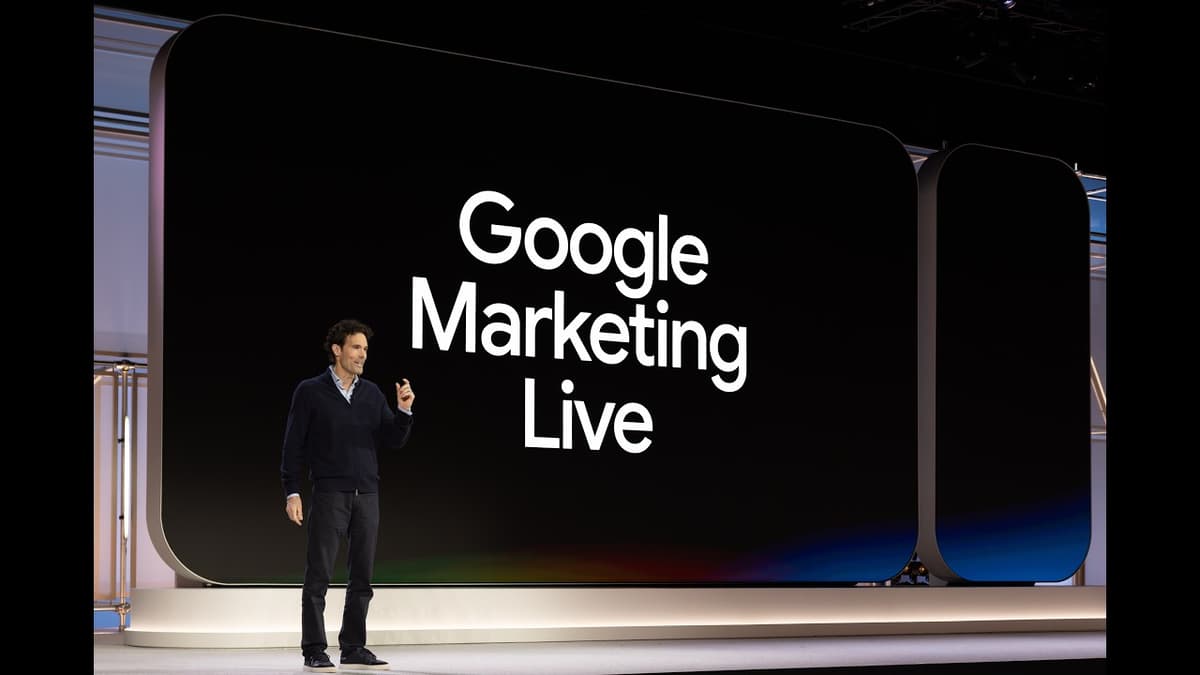
Philipp Schindler at Google Marketing Live 2026
Philipp Schindler opened Google Marketing Live 2026 by unveiling a suite of AI‑driven products that promise to reshape advertising, search and creator ecosystems. He highlighted Gemini Omni, a new model that fuses advanced reasoning with generative media, and introduced Gemini...
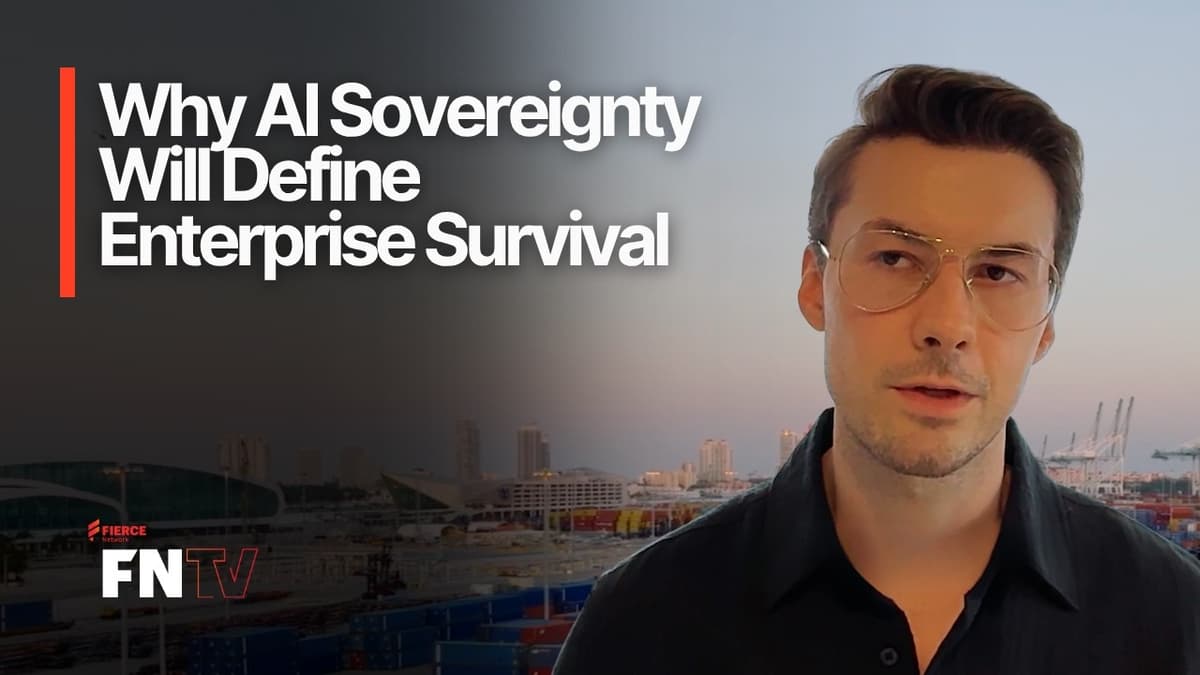
Why AI Sovereignty Will Define Enterprise Survival
The conversation between Logan and Steve centers on why AI sovereignty will become a decisive factor for enterprise survival. Kyndryl positions itself as a technology‑neutral partner that helps companies treat sovereignty as a strategic risk‑mitigation discipline rather than a pure...
How the US and Allies Can Win the AI Era
The video offers a brief natural-history profile of the blue whale, highlighting its status as the largest known animal in Earth’s history, reaching lengths over 100 feet—comparable to three school buses. It emphasizes striking physical details such as a heart...
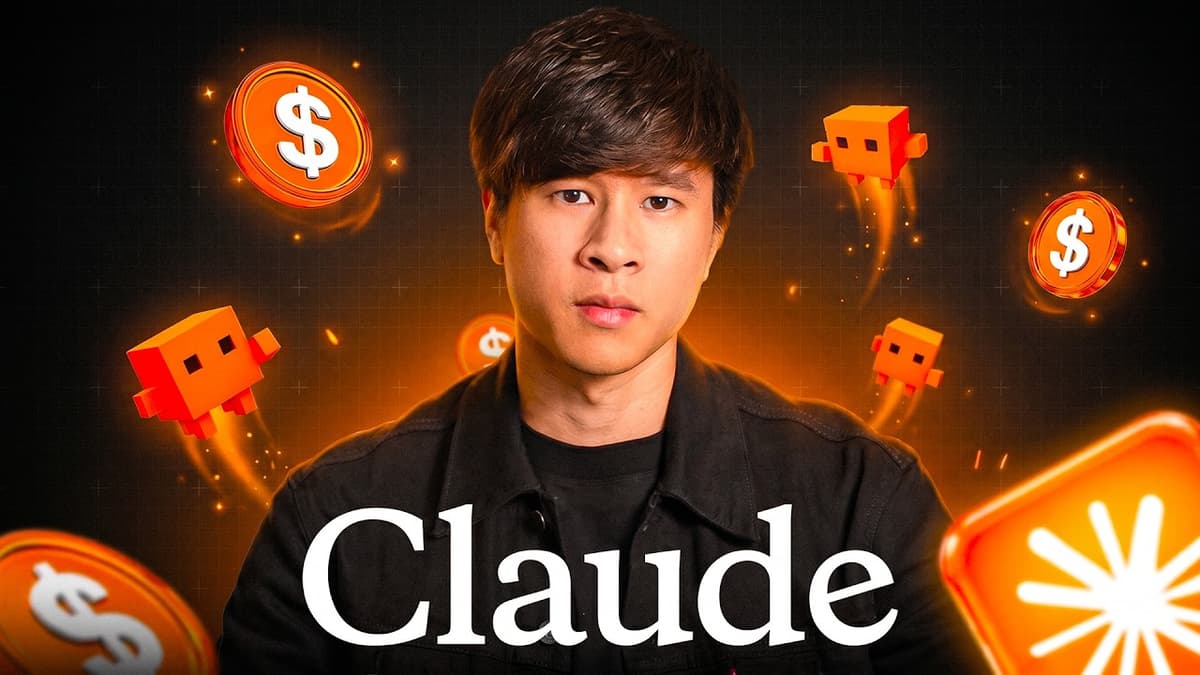
I Asked Claude To Make Me as Much Money as Possible
The creator demonstrates how to use Claude as a turnkey “business operating system” to build a profitable one‑person AI-powered business and sign a high‑ticket client within 30 days. He outlines a repeatable three‑step model—starting with crafting a competitive offer based...

AI Privacy for Lawyers: Your Client Data Has Entered the Chat
The episode tackles two intersecting concerns for modern law practice: the erosion of client‑data privacy in an AI‑driven world and the growing imperative to revisit past convictions. Host Bernardet and guest Sunny Eaton use a recent Women in AI conference...

In Conversation with General Intuition's Pim De Witte: Tackling Ebola to Building Foundation Models
In this interview, General Intuition CEO Pim de Witte recounts an unconventional career that began with running a massive private RuneScape server and evolved into cutting‑edge AI research. He describes how the server, which hosted up to 5,000 concurrent users and...

How To Use AI The Right Way
The speaker argues that AI should be used as an intelligence amplifier and a thought partner rather than a substitute for human thinking. Effective use requires cognitive effort—crafting good prompts and exercising sound judgment—to turn AI responses into valuable solutions....

Claude for Finance: Building a Live Merger Model with AI
The episode showcases a live demonstration of Claude for Excel, an AI‑powered tool that builds a full‑blown merger model for the speculative GameStop acquisition of eBay. Hosts Deb Taylor and Graham Smith walk listeners through the deal’s headline terms—$125 per...

Only About 1% of the Tokens Thariq Generates Go Into Production Code
The speaker says only about 1% of the tokens they generate end up in production code, with the vast majority used for dashboards, custom interfaces and exploratory work. As generation costs approach zero, rigid rules about single-source templates for specs...
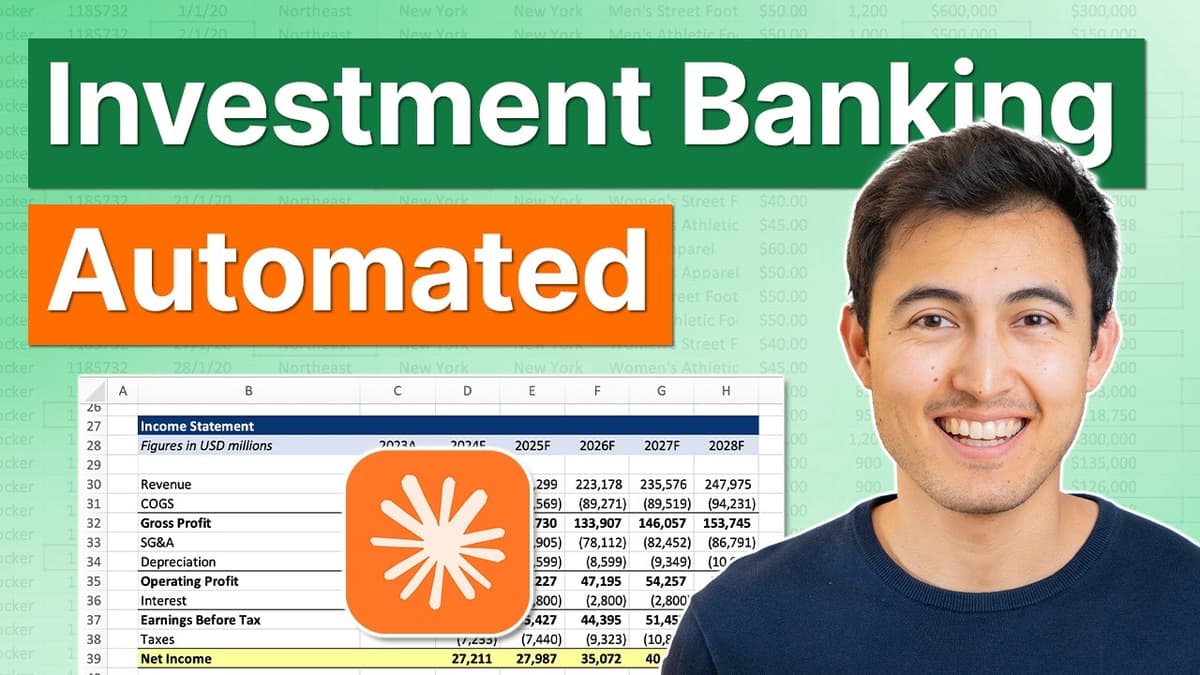
New Claude for Investment Banking Is INSANE
The video introduces Claude’s new finance‑focused plugins and agents, a suite designed to streamline investment‑banking workflows from market research to pitch‑deck creation. Viewers learn how to download the Claude desktop app, add plugins by pasting a GitHub repository URL, and...
Unpacking the Goals of Common Sense Media's Youth AI Safety Institute
Common Sense Media on May 5 launched the Youth AI Safety Institute, a $20 million-a-year nonprofit effort to define child-safe AI, rigorously test products, and publish risk ratings for tools used by kids and schools. Led by Bruce Reed, a...
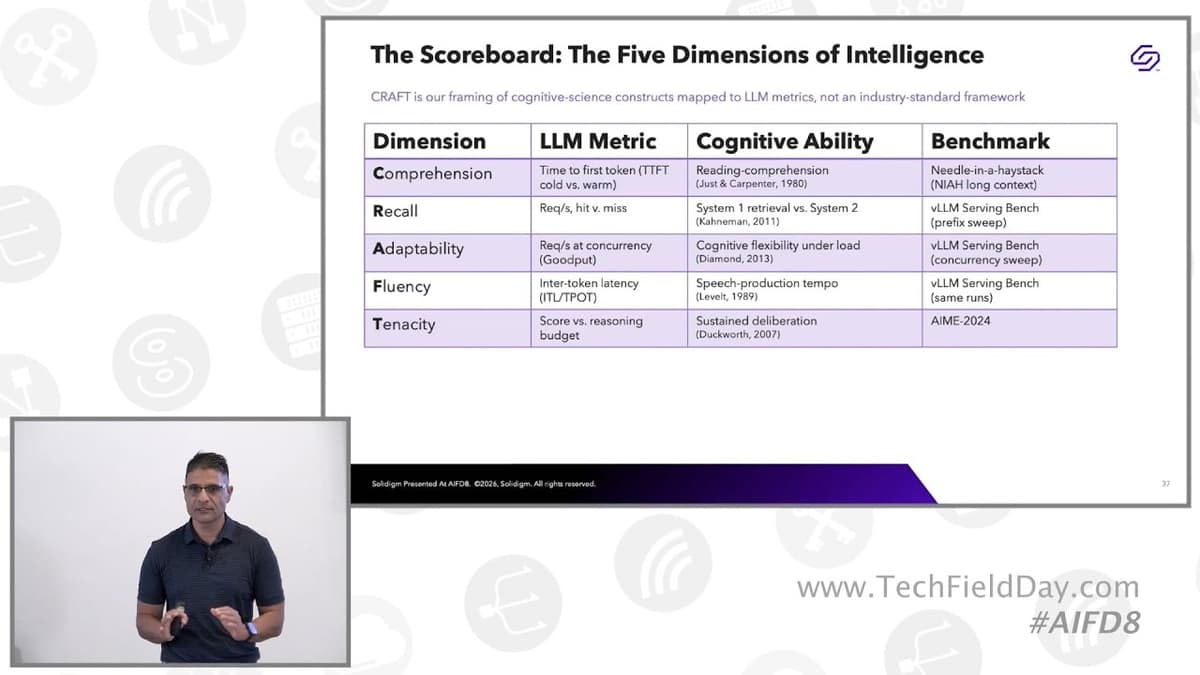
Scaling Intelligence Through the Memory Hierarchy with Solidigm
Kapil Kirkra, senior principal engineer at Solidigm, argued that scaling AI intelligence requires a third, often overlooked axis: memory capacity. While larger models and more compute dominate headlines, the talk demonstrated how the memory hierarchy—from high‑bandwidth HBM to NVMe SSD...

Airbnb’s Big Summer Push: Hotels, AI & the Ultimate Travel App
Airbnb’s 2026 summer release in San Francisco unveiled a sweeping expansion beyond traditional home rentals, adding grocery delivery via Instacart, airport pickups, luggage‑storage partner Bounce, and a rental‑car service. The rollout also introduced a pilot hotel program that rewards guests with...
The Complete Guide to AI Agents in 2026 (And How to Actually Use Them)
The video presents a four‑tier framework for leveraging AI in 2026, ranging from basic chat interactions to fully autonomous agents. It uses Gen Spark as a showcase platform that bundles every tier—chat, tool generation, workflow automation, and goal‑driven agents—into a...
Don’t Panic: A Guide to Artificial Intelligence
The video opens with a calm invitation to stop fearing artificial intelligence, arguing that panic mirrors past reactions to steam engines, computers and the internet. It frames AI as a powerful, yet non‑sentient, set of tools that can augment human...
OpenAI's Yann Dubois: Why AI Progress Suddenly Feels Real
In a candid conversation on the Mad Podcast, OpenAI’s post‑training frontiers lead Yann Dubois explains why the release of GPT‑5.5 feels like a sudden step‑function in AI progress. He argues that a reliability milestone was reached around December 2023, after...
AI Isn't Making the Tech Lead's Job Easier — It's Making It Harder #short
The video argues that the traditional tech‑lead function is being reshaped by the rise of AI agents within development teams. Rather than merely coordinating human engineers, tech leads now act as translators, converting high‑level business intent into exact, machine‑readable directives...
How Many Devs Actually Use that Whole Million-Token Context Window...?
The video examines why the promised million‑token context windows in large language models have seen almost no real‑world uptake. Most developers deliberately cap prompts at roughly 200,000 tokens, citing two main constraints: quality degradation as context grows and the linear cost...

PCB Layout Finished 10x Faster with AI? Here’s How...
The video introduces Quilter, a startup applying artificial intelligence to the PCB layout stage of hardware design, and explains how its founders aim to shrink the traditionally slow layout process. Quilter deliberately avoids LLMs, treating layout as a geometry‑and‑physics problem solved...
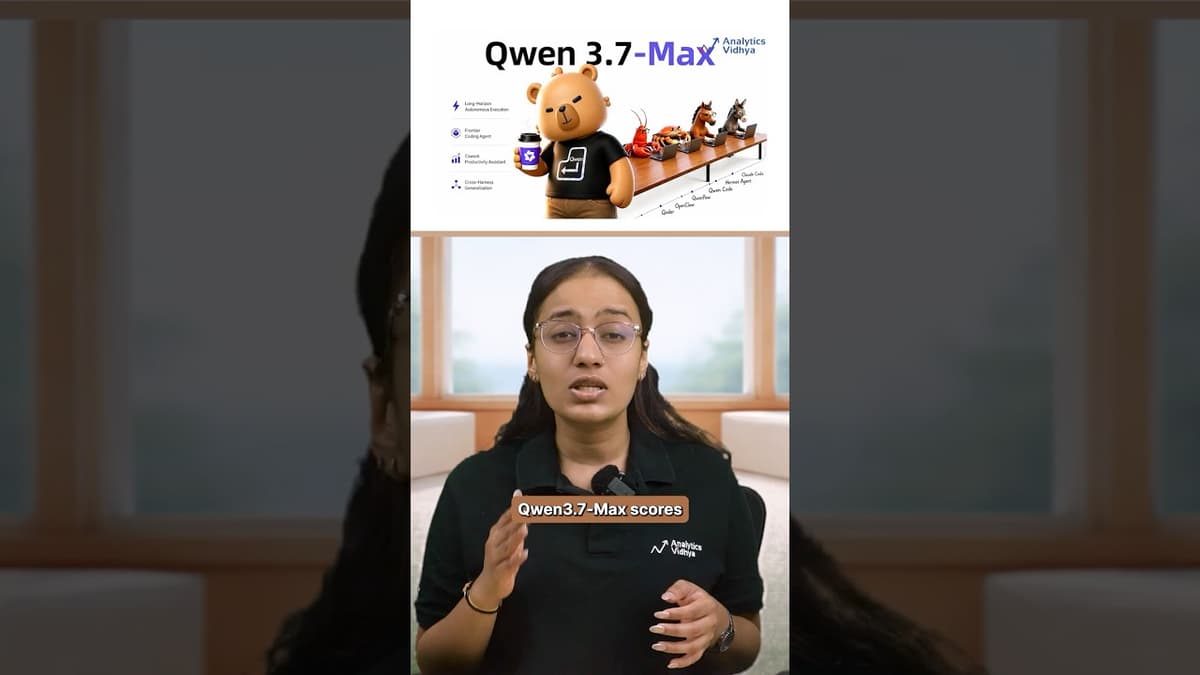
Qwen 3.7 Max: Why Claude Should Start Worrying
The video announces Qwen 3.7 Max as the first AI model to rival Anthropic’s Claude across the full spectrum of professional workloads. In developer tests, Qwen 3.7 Max scores higher than Claude on SWE Pro, SWE Multilingual Terminal, and Cycode benchmarks, and it exceeds Claude in MCP...
The Future of FP&A with AI for Finance Professionals to Move Beyond Excel Analysis with Derek Baker
In this episode of FPNA Unlocked, Derek Baker, head of strategic finance at Circle, explains how artificial intelligence is reshaping the role of financial planning and analysis. He argues that traditional spreadsheet‑driven models are becoming obsolete and that the future...
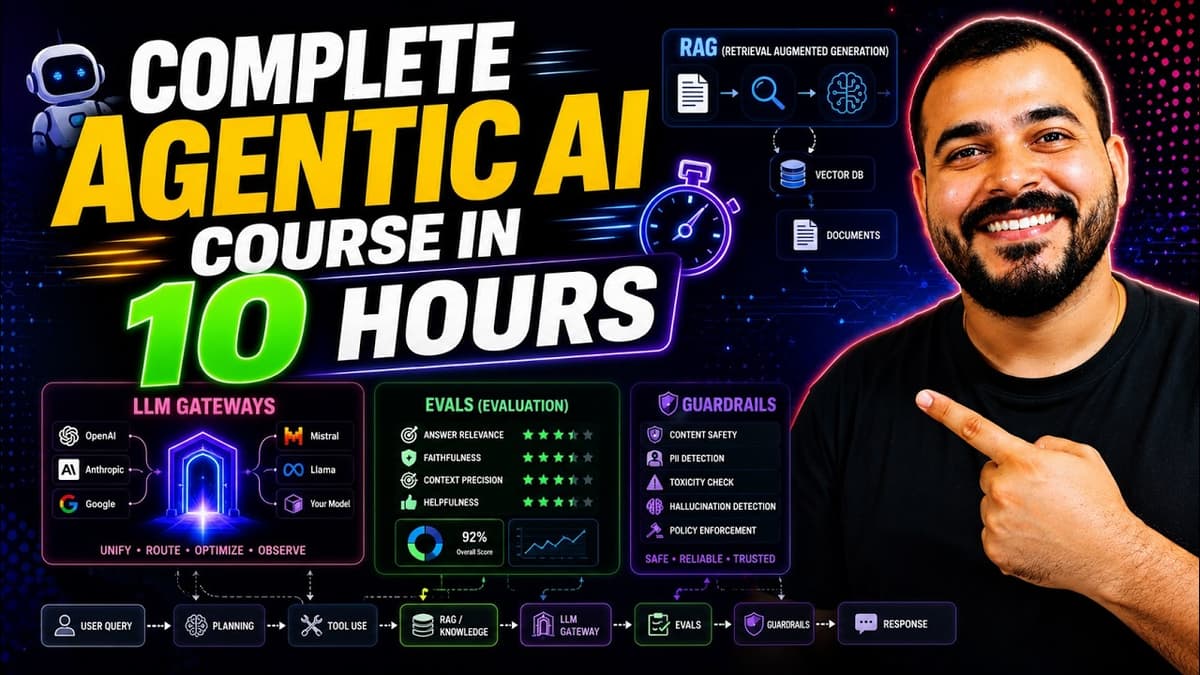
Complete Agentic AI Course In 10 Hours- Langchain, Langgraph, RAG,Vectorless RAG, Guardrails,Evals
Krush Nayak’s 10.5‑hour video serves as a masterclass on the newest generative and agentic AI tools, focusing on LangChain v1, LangGraph, Retrieval‑Augmented Generation (RAG) variants, security guardrails, and LLM evaluation. The tutorial walks viewers through the updated LangChain ecosystem—new middleware,...
Can Designers Learn AI? Real Simplilearn Review 2026
Diogo Russo, a Brazilian designer with roughly a decade in technology, says a 2026 Simplilearn AI program helped him fuse his creative design skills with machine-learning techniques. After the course he began coding and experimenting with models, and applying ML...
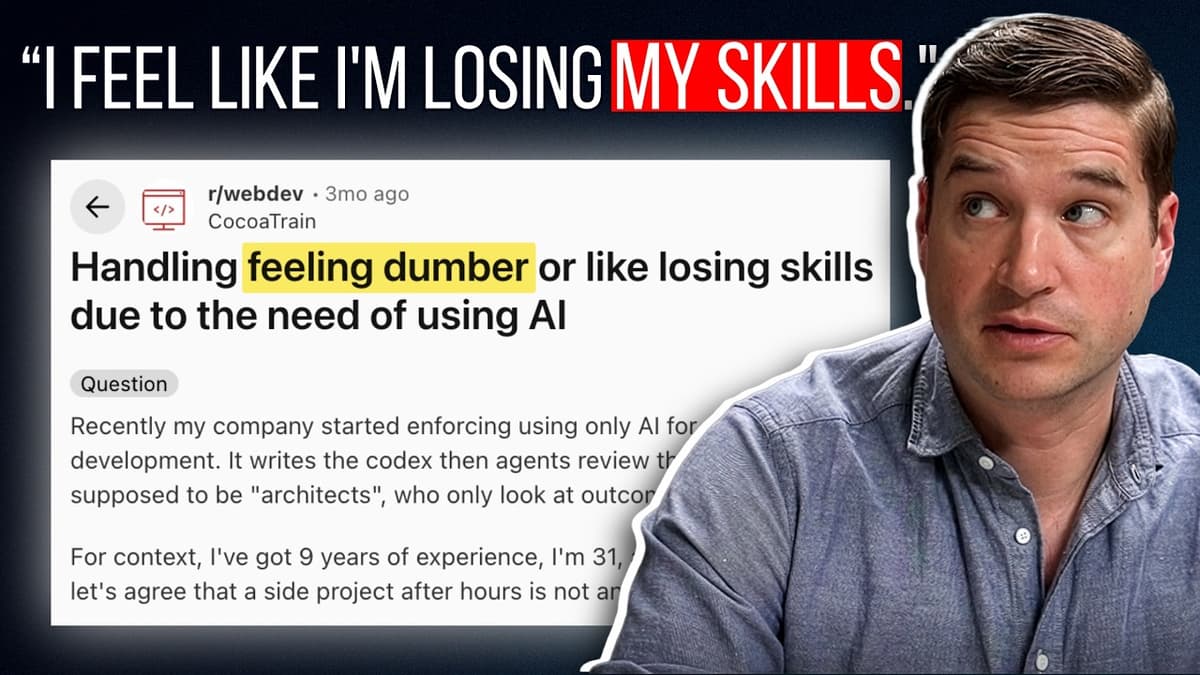
Has AI Conquered Coding? (It’s Not So Simple…)
The video examines the hype surrounding AI‑driven coding agents, anchored by Lars Fay’s essay that warns the industry’s “agentic coding” vision may be a trap. It contrasts the promise of 10x productivity with concerns that developers could become detached from...
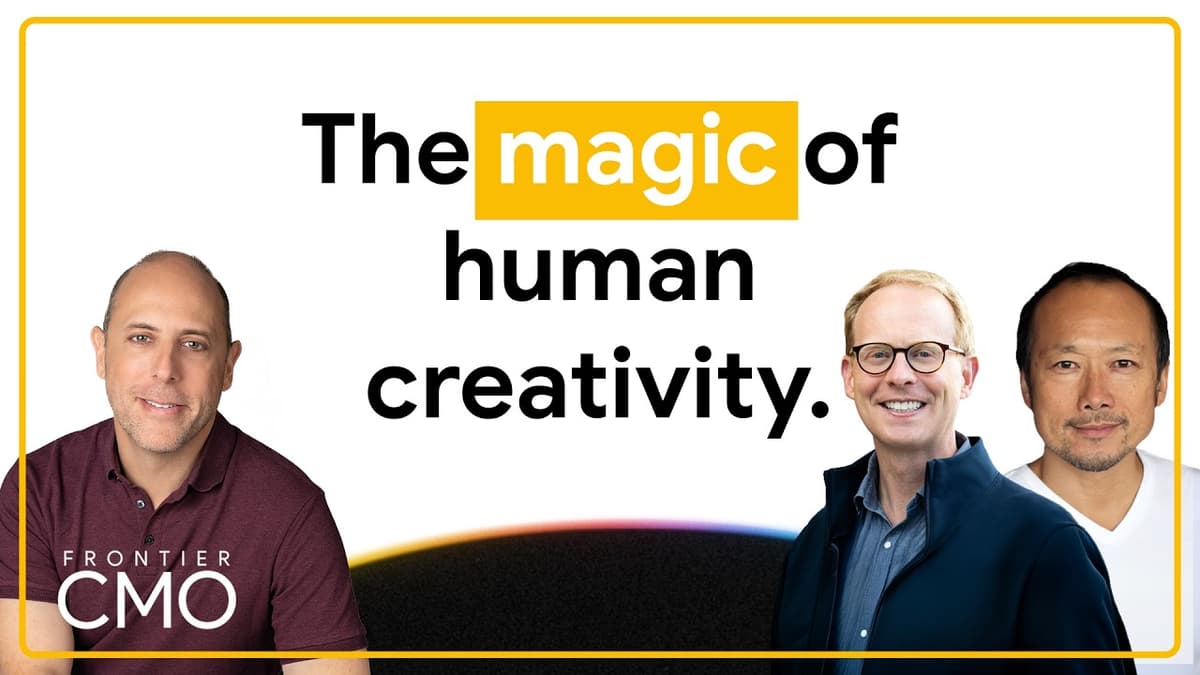
Inside Google’s Creative Frontier with Josh Woodward & Robert Wong
Google’s Creative Frontier event in Mountain View showcased how the company’s engineers and creatives, led by Josh Woodward and Robert Wong, are redefining AI as a true creative partner rather than a mere efficiency tool. The session highlighted the philosophy...

AI Forecasting: Claude & Manager Collaboration for Accuracy #shorts
The video outlines how the company’s forecasting workflow now hinges on Claude, an AI model, with human managers providing final oversight. Each forecast meeting begins with a brief, ten‑minute alignment on methodology. Account executives (AEs) refresh Salesforce records, account notes, and...

Issues & Answers: From AI Experimentation to Measurable Impact
Exceedance chief digital and AI officer Brandon Nuttle says the insurance industry is moving from broad AI experimentation to targeted, production-grade deployments that deliver measurable value—examples include document comparison, data extraction and claims fraud detection. He warns that successful scaling...
Strategy& Insider Podcast - Episode 46 with Lara Gervaise and Edoardo Guidice
The Strategy& Insider podcast featured Lara Gervaise and Edoardo Guidice, co‑founders of Vuosis AI, a Swiss EPFL spin‑off that uses voice analysis to flag early signs of fatal diseases, burnout and cognitive decline. Vuosis AI’s platform extracts hundreds of acoustic features—tone,...
Google Search Is Truly Dead
At Google I/O, Google unveiled a major pivot from traditional search to an AI-driven platform: users can summon agentic AI within Search, use a universal shopping cart tied to Gemini for deal-tracking and compatibility checks, and buy new smart glasses...
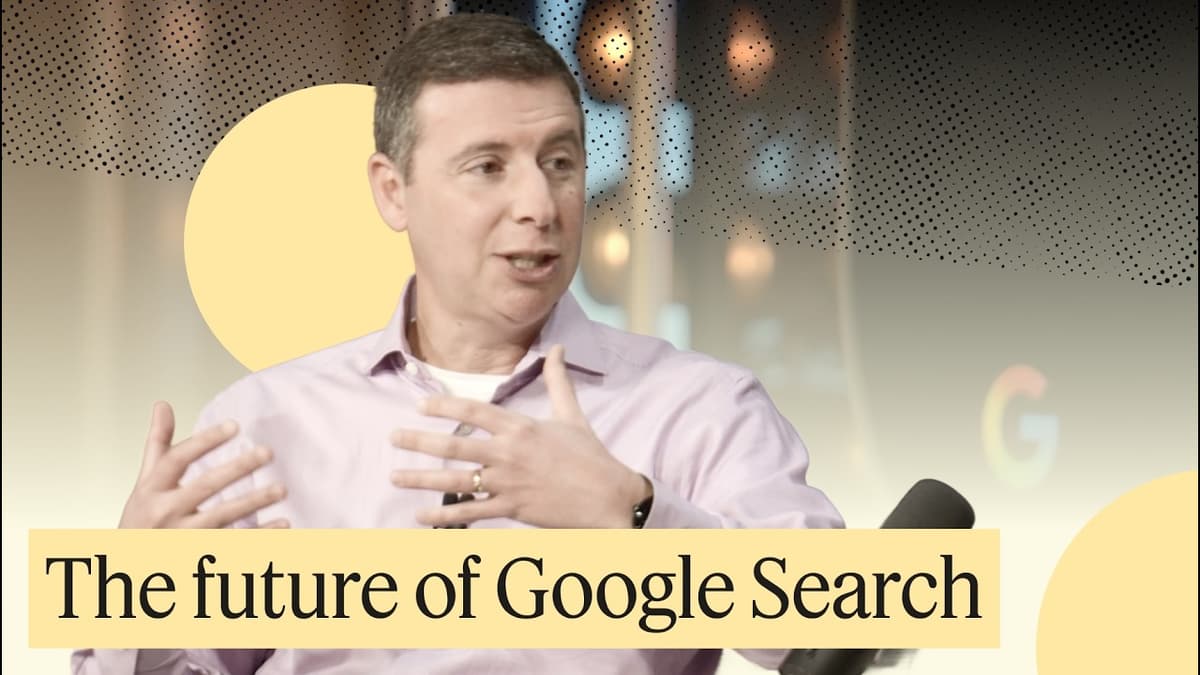
Google's Nick Fox on the Future of Search and AI
Google’s VP Nick Fox framed trust and accuracy as the foundation of the company’s AI strategy, recounting how the arrival of early conversational models like ChatGPT forced Google to accelerate but not compromise on quality. Google doubled down on long-term...
Built with GPT-5.5: Abridge Clinical AI Notes
Abridge announced that its clinical documentation platform now runs on OpenAI’s GPT‑5.5, promising sharper fact extraction and more coherent first‑pass notes from provider‑patient conversations. The engineering team, led by Matt Sanders, highlighted how the new model captures details that surface...
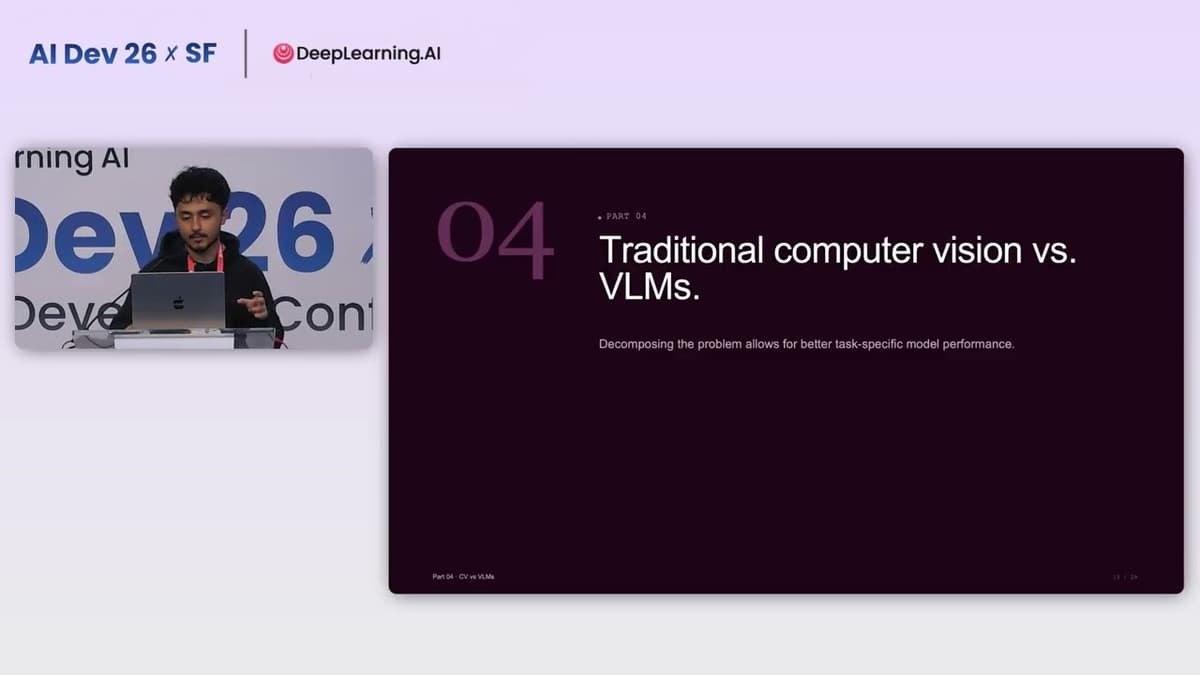
AI Dev 26 X SF | Adit Abraham: Better Agents with Better Data
In this talk Adit Abraham of Reductto outlines the company’s mission to turn raw documents into reliable inputs for next‑generation AI agents. He explains that while large language models have matured, their real‑world utility still hinges on the quality of...

Forget K-Shaped, This Is a Pac-Man Economy.
Speakers on Trader Talk said Q1 showed a rebound in consumer volumes—not just pricing—driven by brand loyalty and premiumization, with CPGs like Pepsi and P&G reporting stronger transactions. PwC’s chief economist described the recovery as a “Pac-Man” economy—low- and mid-income...

How AI and Quantum Materials Are Accelerating Scientific Discovery
The video outlines how artificial intelligence, supercomputing and quantum‑material science converge under the DOE’s Genesis mission to speed scientific discovery. By feeding neutron‑scattering, photon‑source and nanoscale probe data into the multimodal AI platform “Magmag,” researchers generate synthetic datasets via digital twins...
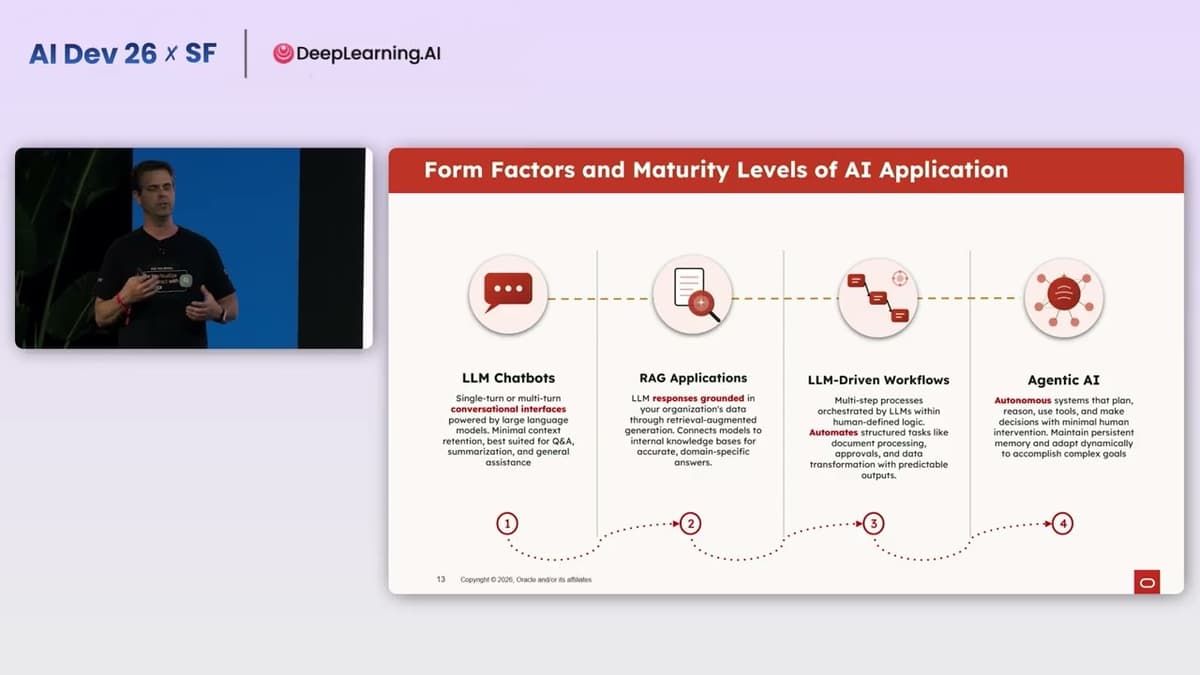
AI Dev 26 X SF | Eli Schilling: Hands On Agent Context & Memory Engineering with Oracle AI Database
Eli Schilling’s talk at AI Dev 26 focused on building robust memory architectures for autonomous agents using Oracle’s AI Database. He outlined how a unified, multi‑modal database can store relational, vector, graph, and spatial data, eliminating the need for disparate...

AI for Science: Smarter Predictions for Grid Battery Systems
Oak Ridge National Laboratory’s computational scientist Shriantth Aloo unveiled Qualas, a foundational AI model designed to forecast degradation of grid‑scale lithium‑ion battery systems. Unlike legacy health monitors that extrapolate system performance from isolated cell data, Qualas evaluates each cell’s aging...
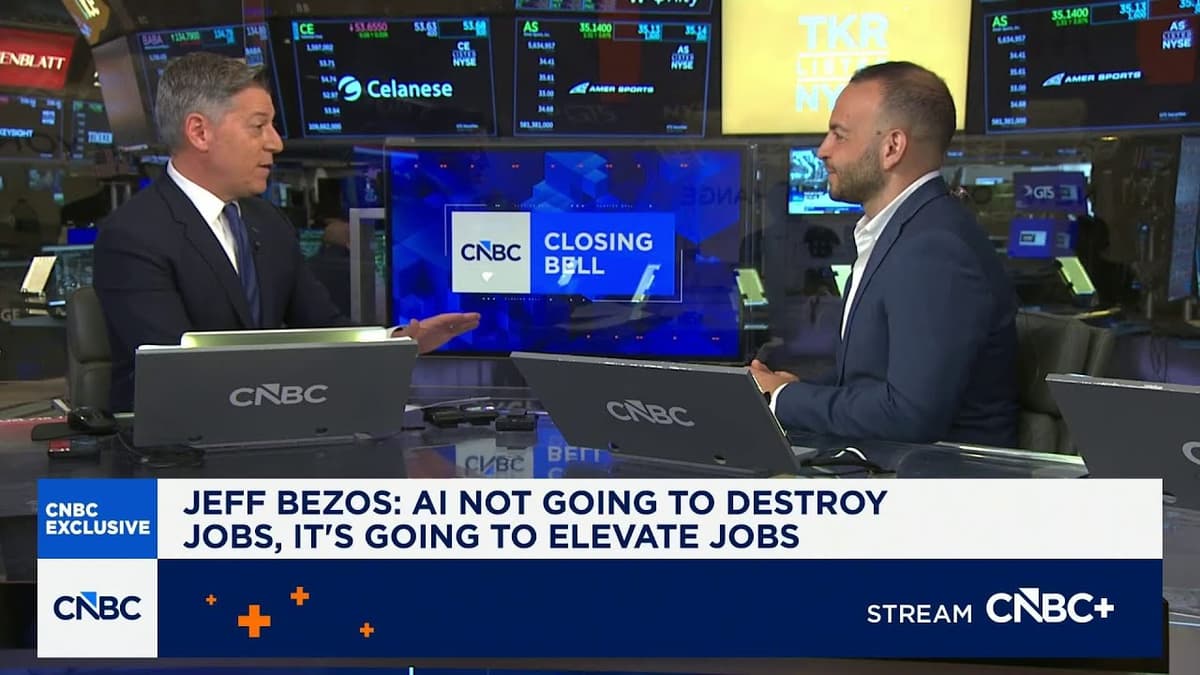
Bezos Is the Start of a Movement to Speak Positively About AI, Says Big Technology's Kantrowitz
Tech commentator Alex Kantrowitz said Jeff Bezos is spearheading a coordinated effort among tech leaders to frame AI as an empowerment tool rather than a job-killer, encouraging narratives that emphasize new opportunities for workers. He and others, including Mark Cuban,...
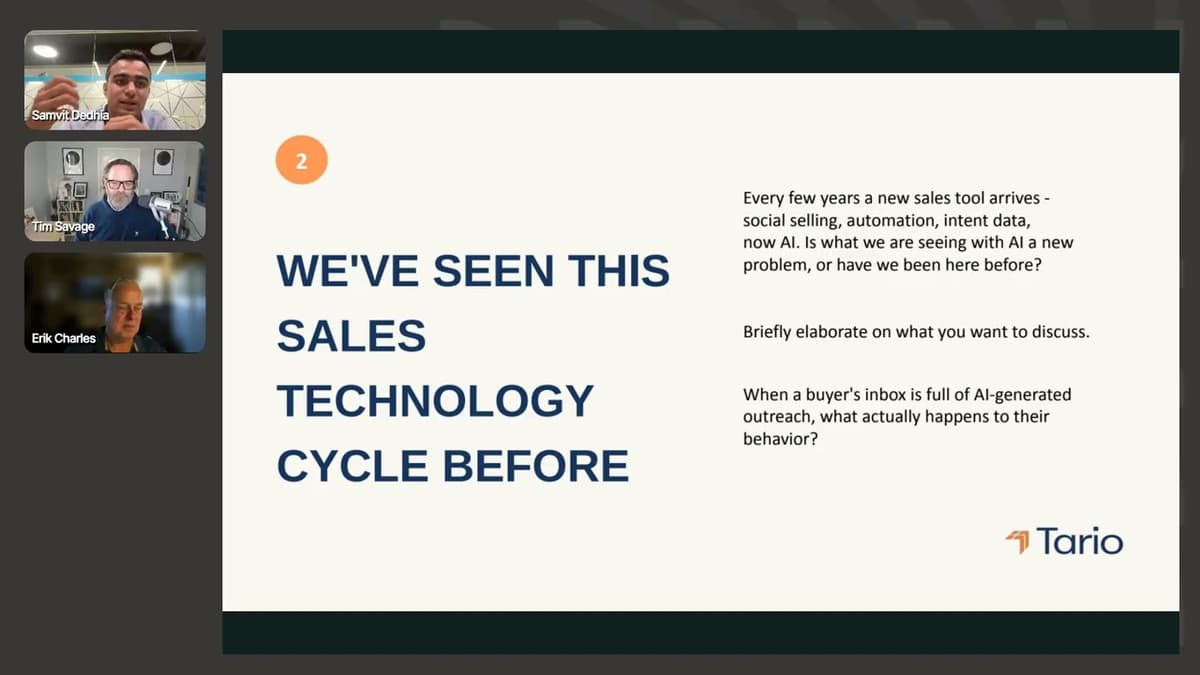
AI Outbound Was a Mistake. We’re Going to Say What Everyone’s Thinking
Panelists argued that the rush to use AI for outbound sales has produced diminishing returns because teams treated AI as the end solution rather than a tool to augment human judgment. They said AI can deliver stronger insights from large...

The Erdős Breakthrough
The video announces that an artificial‑intelligence system has solved the Erdős distinct distances problem, a landmark unsolved question in combinatorial geometry. It is hailed as the first clear instance of AI delivering a genuine mathematical breakthrough. The AI model not only...

Google Entered the "AGENTIC ERA"
Google’s latest IO keynote framed the "agentic era," unveiling a suite of Gemini‑branded AI upgrades that shift the company from pure search toward persistent, task‑oriented agents. The centerpiece is Gemini 3.5 Flash, now the default model for the Gemini app and AI‑augmented...
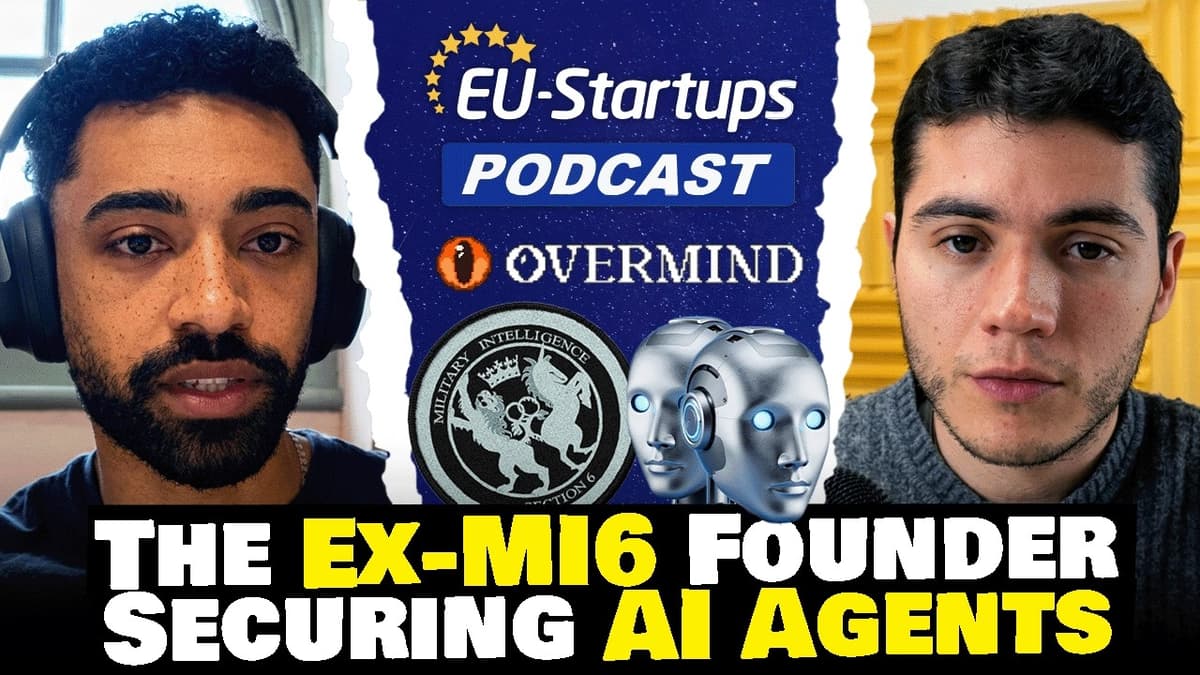
From MI6 to Startups - Interview with Tyler Edwards, Founder & CEO of Overmind
Tyler Edwards, a former MI5/MI6/GCHQ cyber operator and policy adviser, founded Overmind, a British cybersecurity startup that raised seed funding in February to build specialized AI tooling for sensitive intelligence and commercial use cases. Edwards argues governments and critical businesses...

Stanford Robotics Seminar ENGR319 | Spring 2026 | Interactive Autonomy
The Stanford Robotics Seminar focused on interactive autonomy, emphasizing the need for robots to interact safely and intelligently with humans and other agents across domains such as warehouses, manufacturing, and drones. The speaker highlighted that successful interaction requires joint prediction...

AI Takeover Requires Identity. Does AI Have One?
The video explores whether AI systems like Claude or GPT-5 could view other models as competitors and whether they possess a persistent identity or goals that would enable an AI 'takeover.' The speaker emphasizes that we lack a consensus theory...
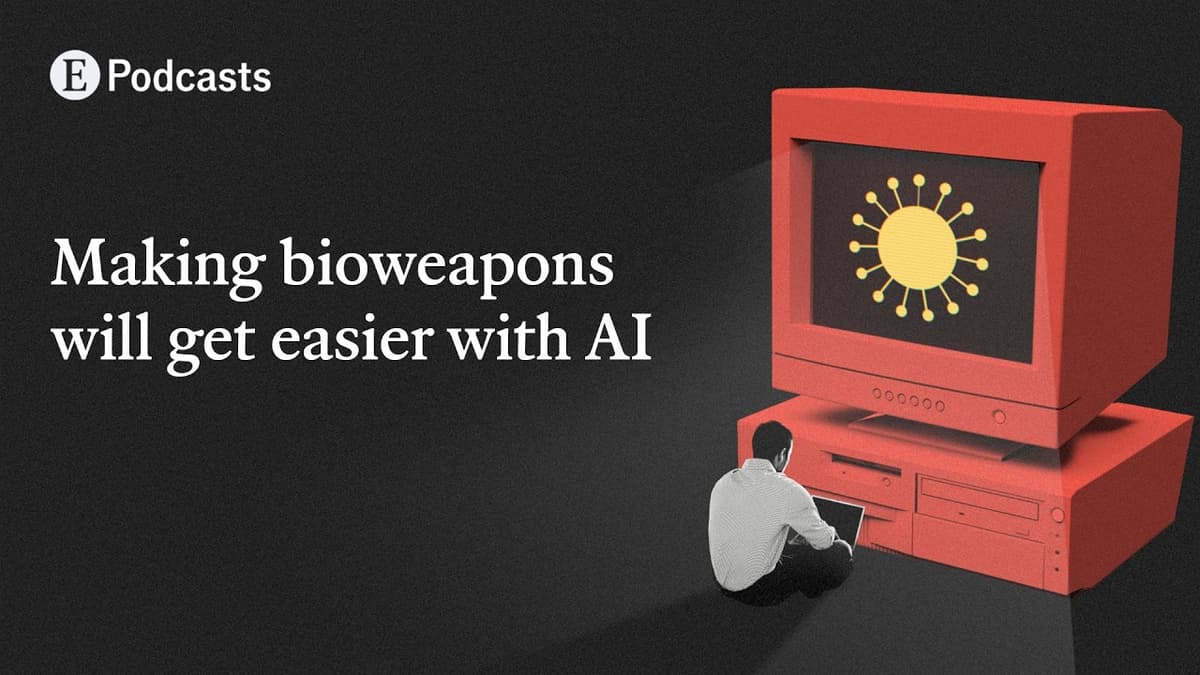
Creating Deadly Human Viruses Will Get Easier with AI | The Economist
The Economist warns that advanced AI is accelerating biological expertise, potentially enabling skilled individuals to design or modify viruses more easily by acting as an ‘infinitely patient’ expert tutor. While true novices gain limited practical lab help, professionals with molecular...

$1 Trillion Opportunity In the Agentic Economy
The video argues that the next wave of AI‑driven commerce—dubbed the "agentic economy"—will hinge not on smarter chatbots but on the payment rails that let autonomous agents buy and sell. It highlights McKinsey’s forecast of $5 trillion in AI‑handled transactions by...
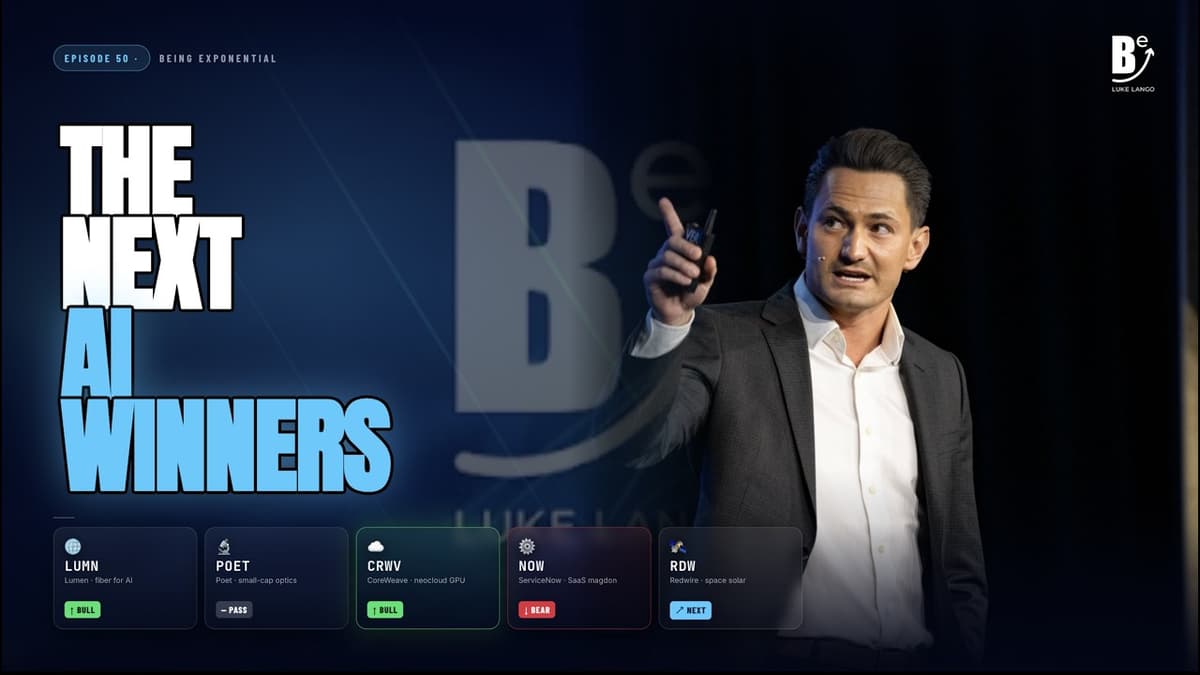
The NEXT AI Winners? CoreWeave, Redwire, Lumen & More | Being Exponential
The episode of Being Exponential spotlights five speculative stocks that could benefit from the accelerating AI and space economies. Host Luke Lingo highlights Lumen Technologies’ transformation into a fiber‑focused AI infrastructure play, noting roughly $13 billion in contracts with hyperscalers such...
Stanford CS25: Transformers United V6 I Distinct Modes of Generalization From Parameters and Context
The talk by Andrew Lampinen explores how large language models (LLMs) generalize knowledge differently when it is stored in model parameters versus when it is supplied in the prompt context. By replicating the "reversal curse"—where fine‑tuned models struggle to answer...
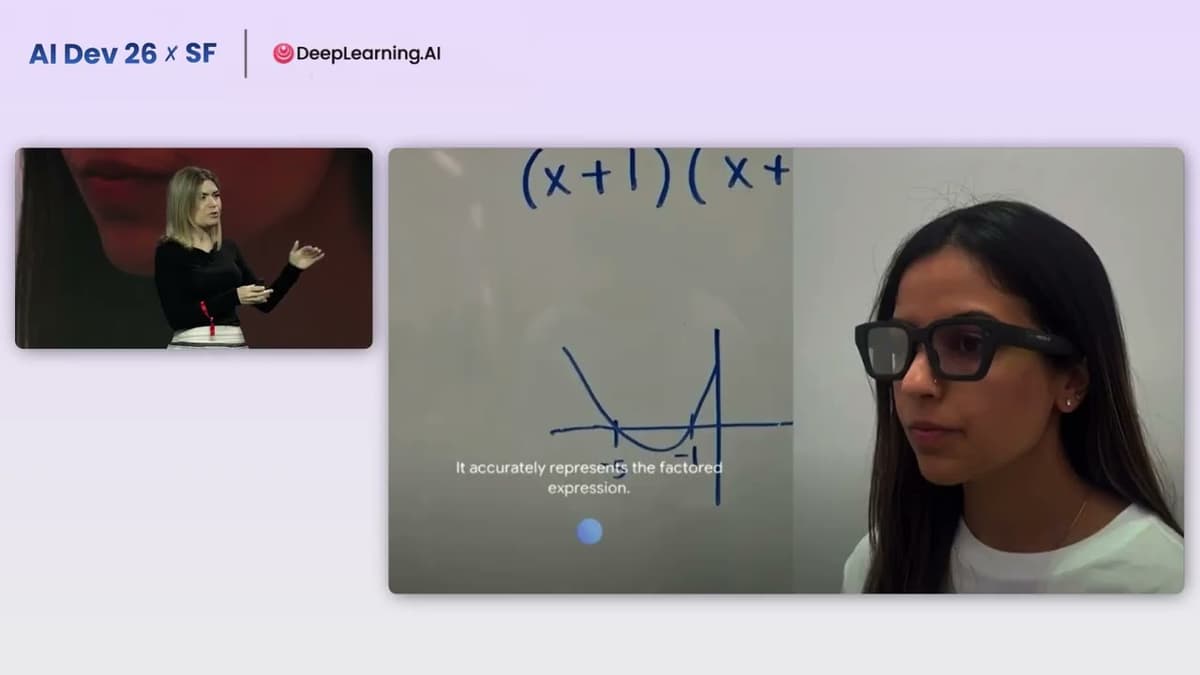
AI Dev 26 X SF | Paige Bailey: Research to Reality
Paige Bailey, engineering lead for Developer Relations at Google DeepMind, introduced the latest Gemini and Gemma model families during AI Dev 26. She highlighted Gemini 3’s native multimodal capabilities—processing video, images, audio, text, and code simultaneously—and outlined the tiered lineup from...